
By Luara Sapará
The Internal Regulations are a fundamental document for conflict resolution and bring together rules and guidelines that respect the traditions, cultures and realities of each place.
Each region, community and indigenous land has its own ways of life and its own forms of organization, built from their customs and knowledge. These are practices that guide coexistence, decision-making and ways of resolving conflicts within the territories.
Recording these forms of organization in a document is a way to strengthen the autonomy of indigenous peoples. It is in this sense that the Internal Regulations become a fundamental document for the resolution of conflicts in each place, bringing together norms and guidelines that respect their traditions, cultures, and different realities.
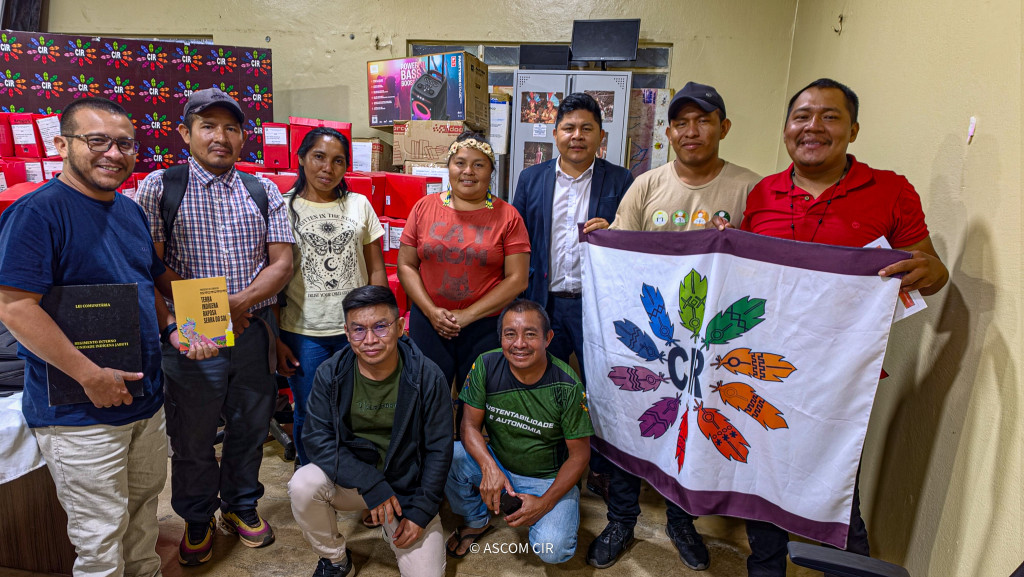
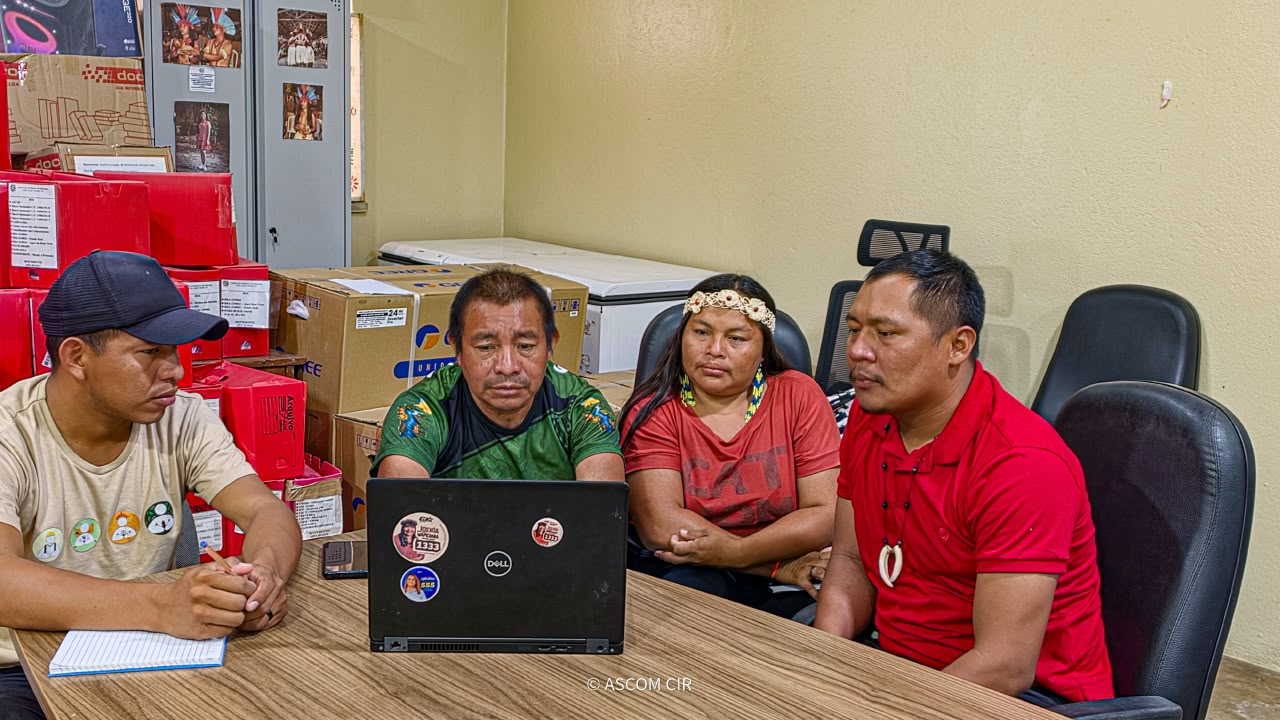
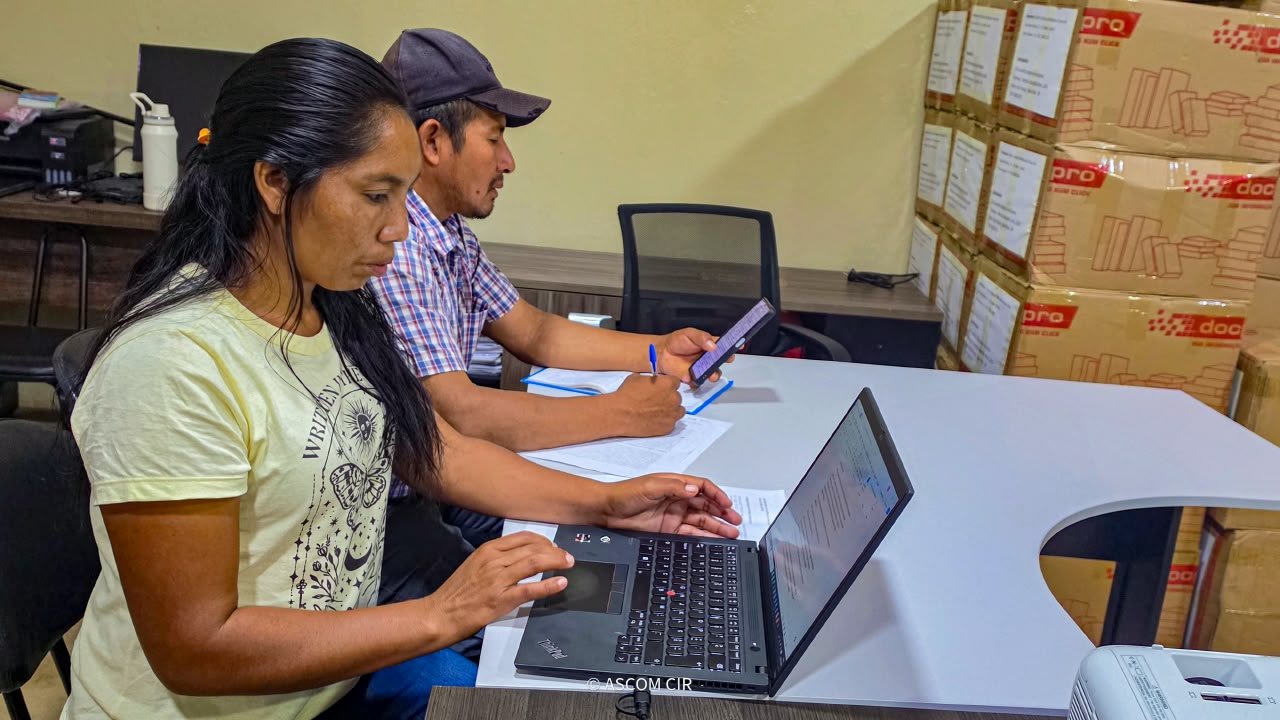
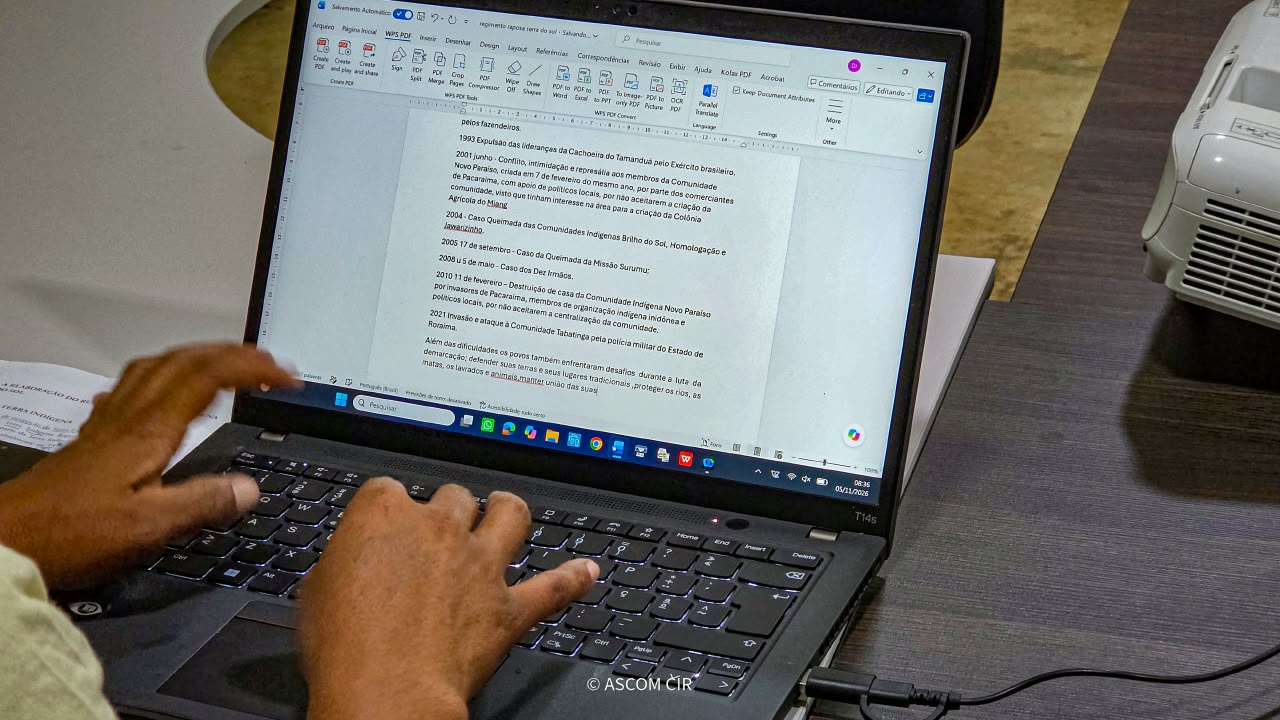
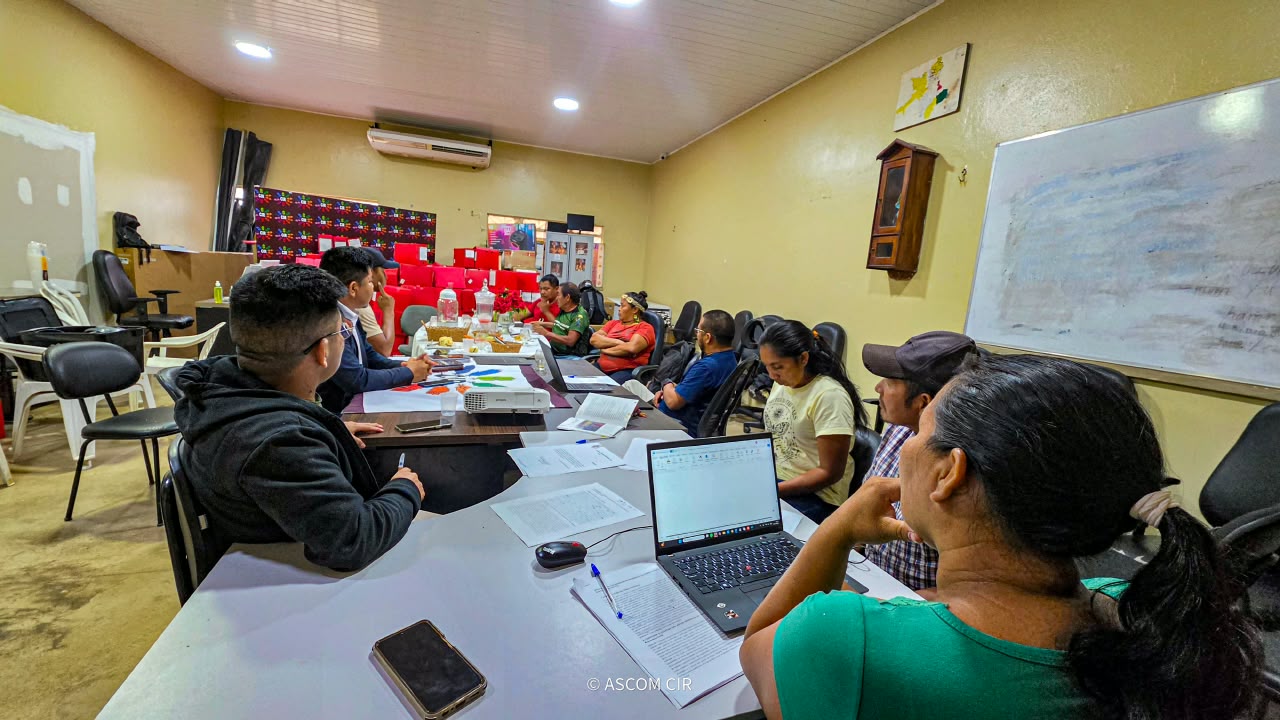
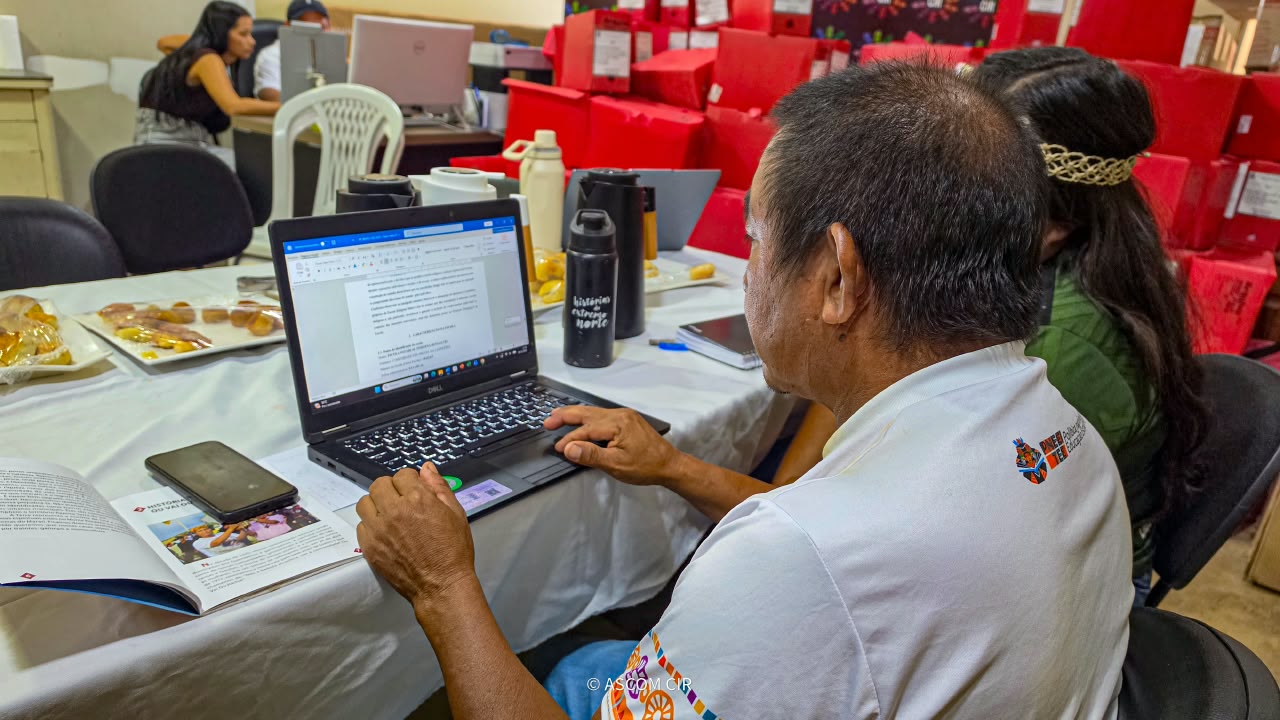
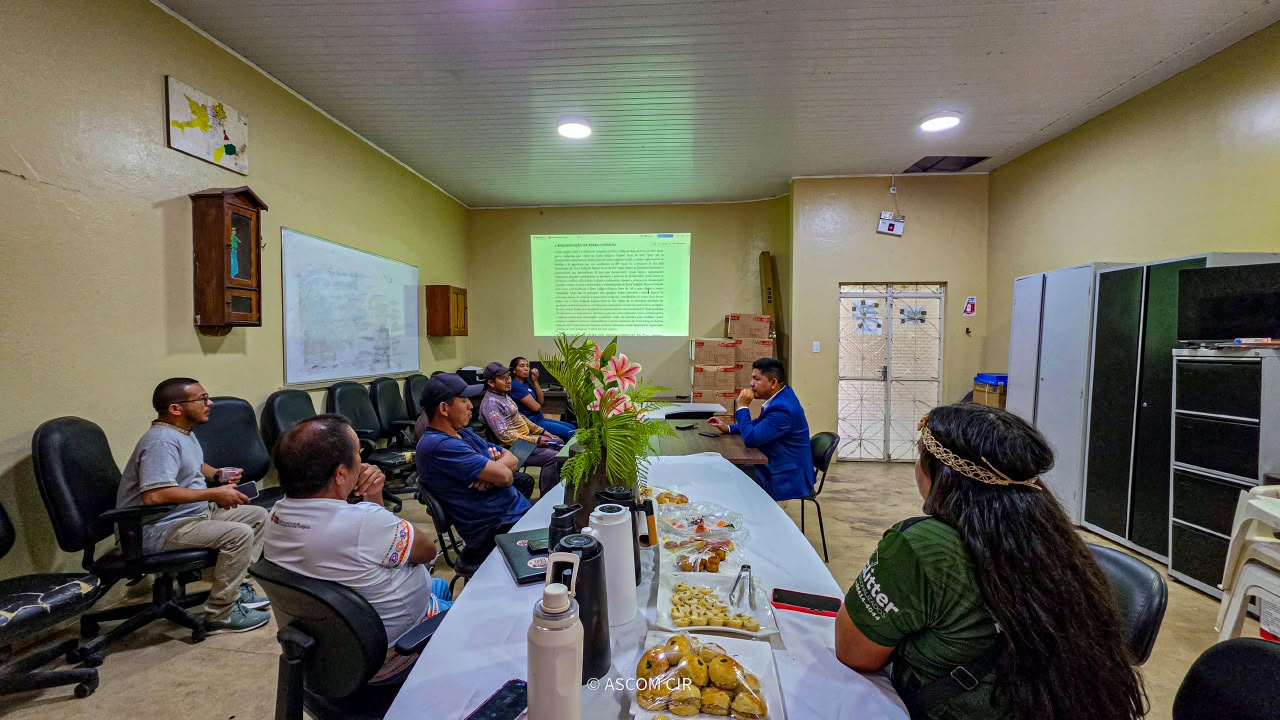
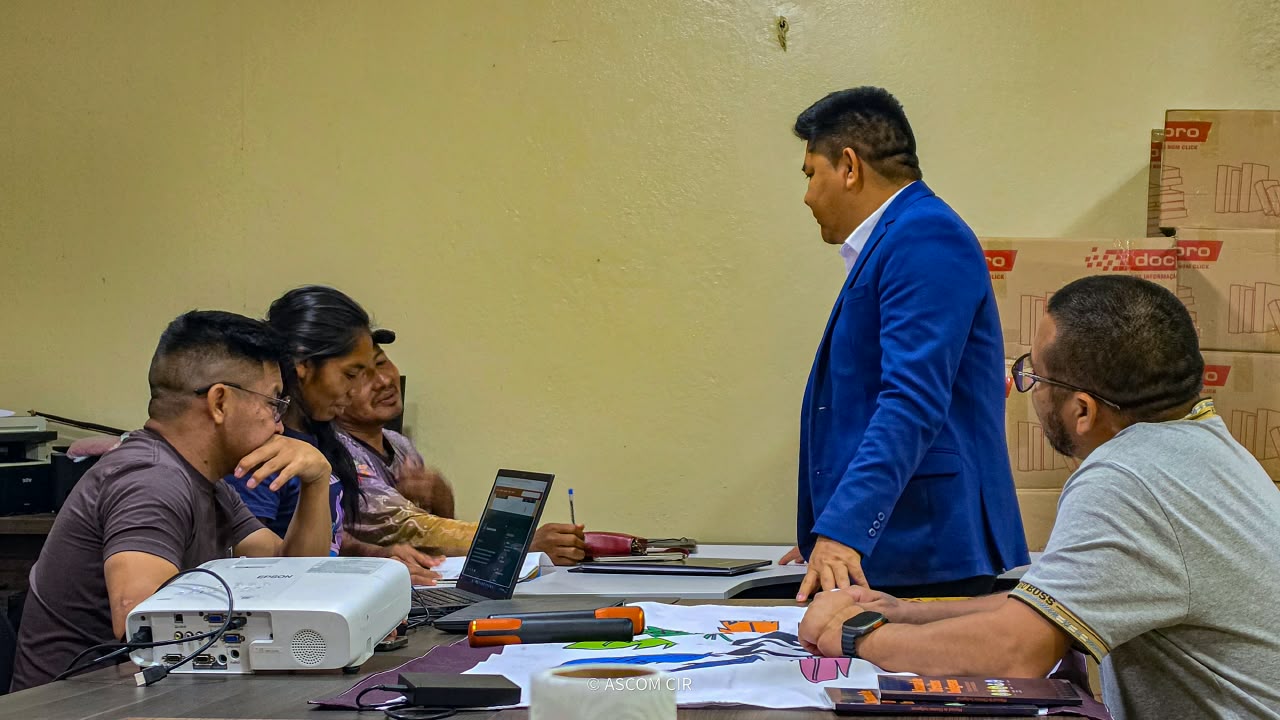
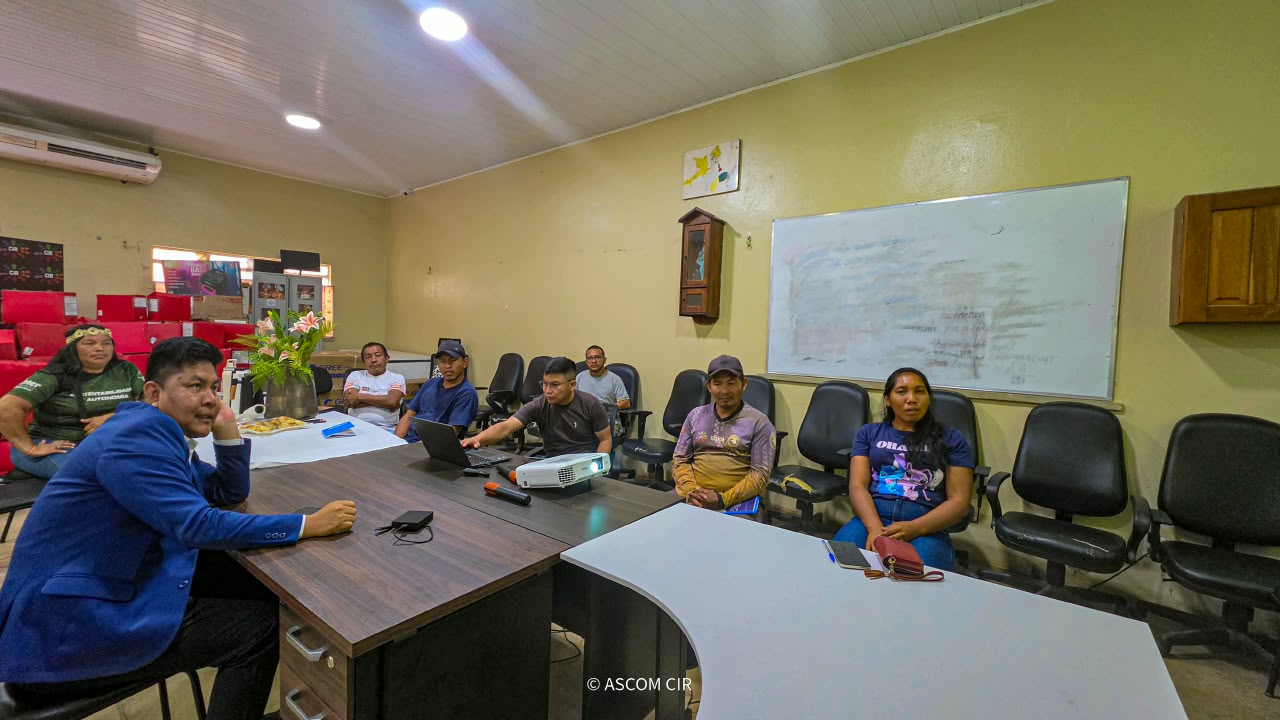
For this purpose, on November 4 and 5, indigenous leaders from the Alto Miang, Raposa, Serras and Baixo Cotingo regions met at the headquarters of the Indigenous Council of Roraima (CIR), in Boa Vista, to participate in the workshop on the elaboration of the Internal Regulations of the Raposa Serra do Sol Indigenous Land.
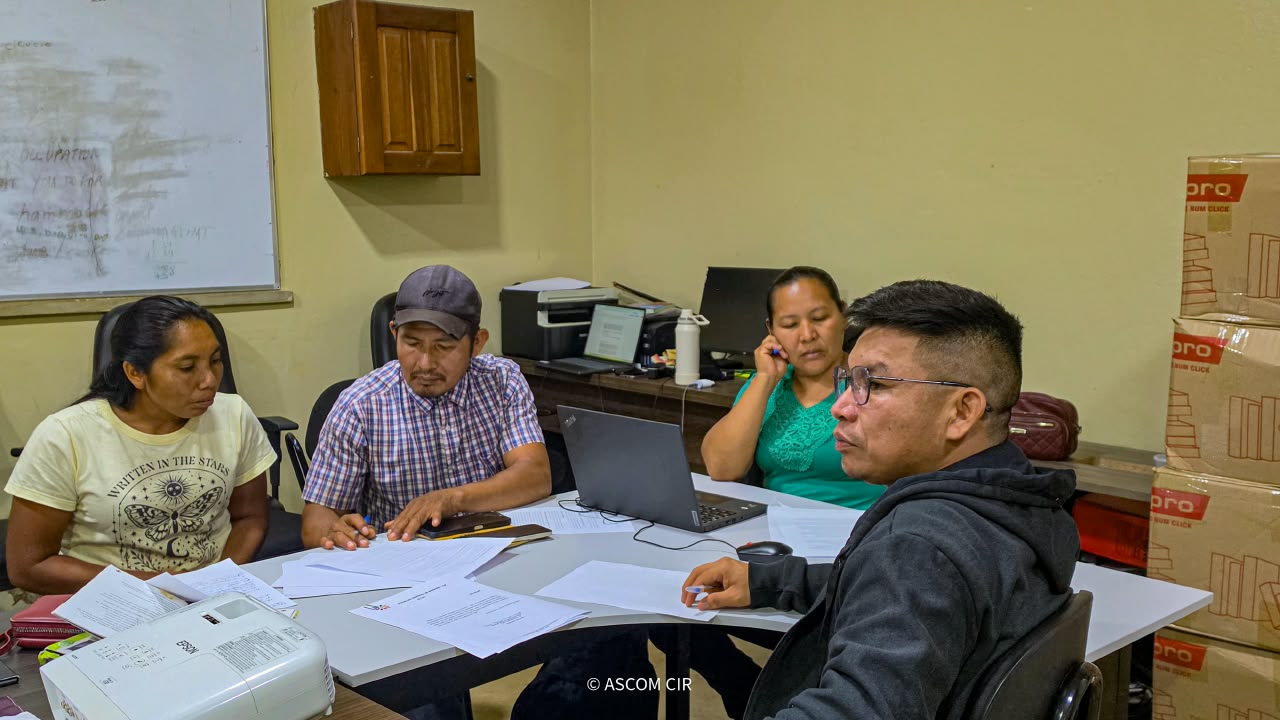
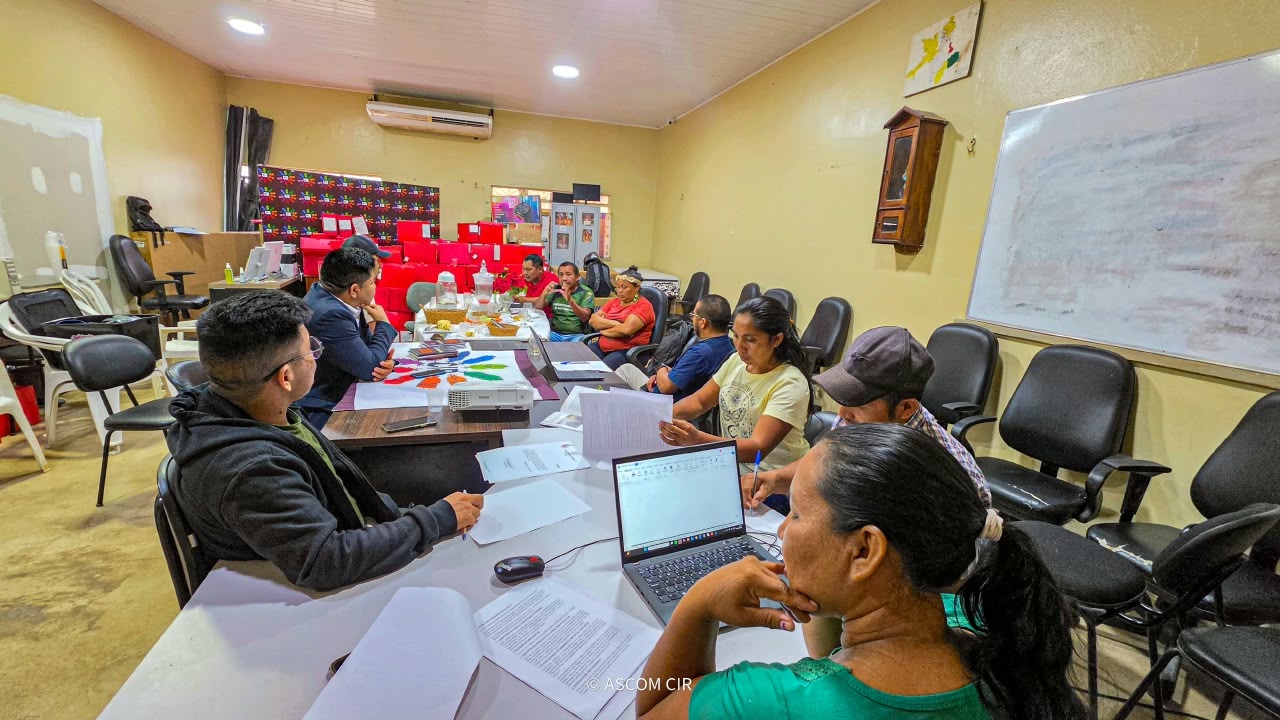
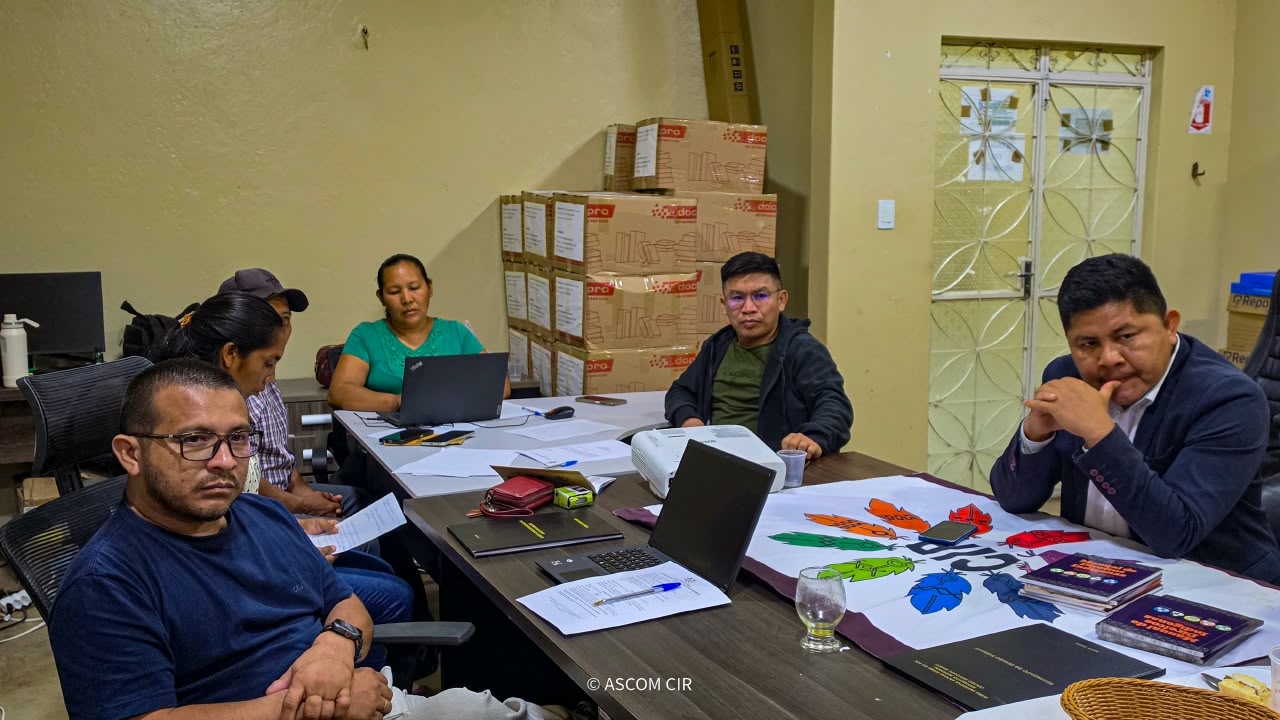
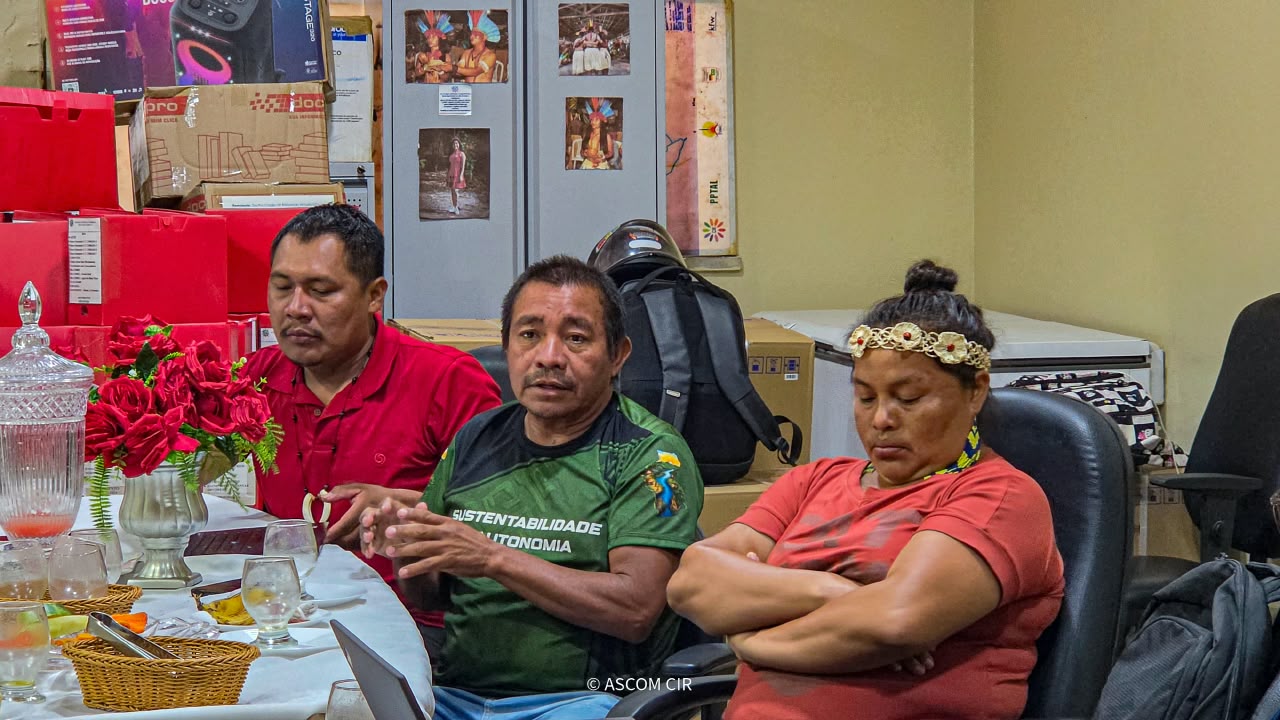
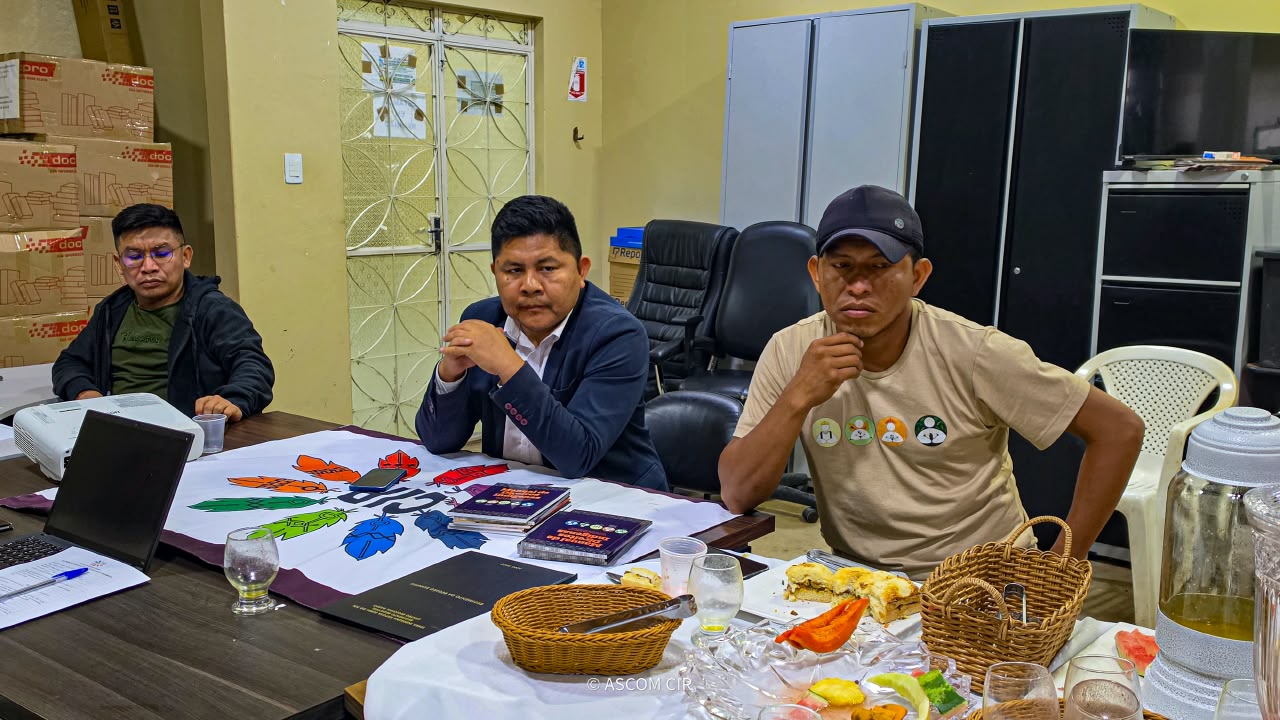
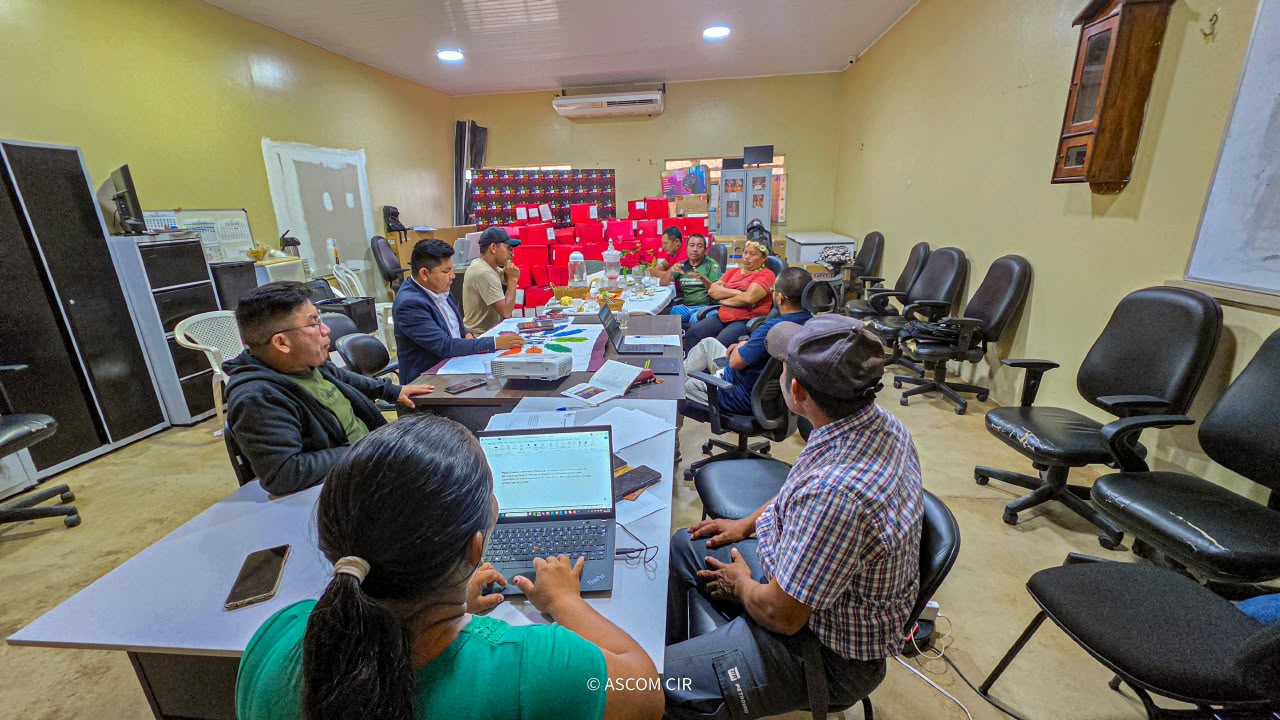
The activity was carried out by the Legal Department of the Indigenous Council of Roraima (CIR), which, during the two days, provided technical advice to the leaders, offering guidance and clarifying doubts to contribute to the construction of the document. The process was conducted by the indigenous leaders themselves, who shared knowledge, experiences and ways of organizing their regions.
The construction of the document is supported by article 231 of the Federal Constitution of 1988, which recognizes indigenous peoples' social organization, customs, languages, beliefs, and traditions, in addition to the original rights over the lands they traditionally occupy. The provision strengthens the right of peoples to maintain their own forms of organization and exercise their autonomy.
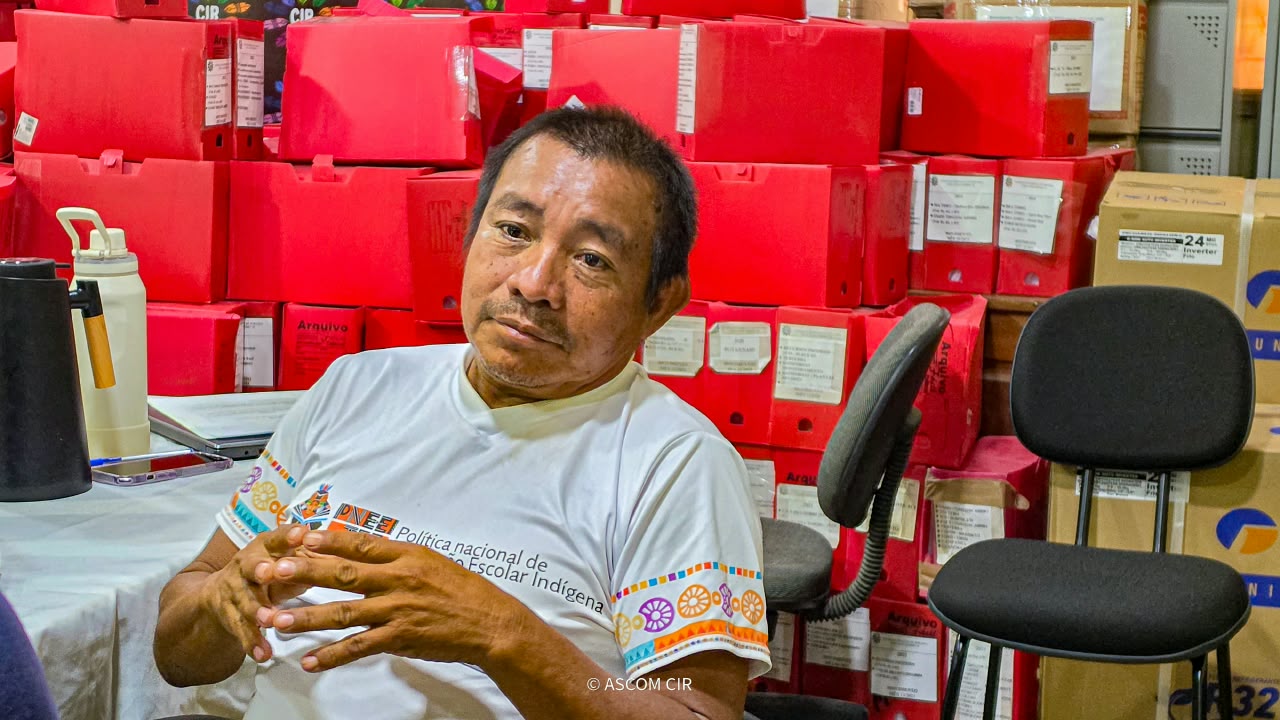
According to the CIR's lawyer, Júnior Nicácio, internal rules are already part of the reality of indigenous communities, even when they are not yet recorded in written documents.
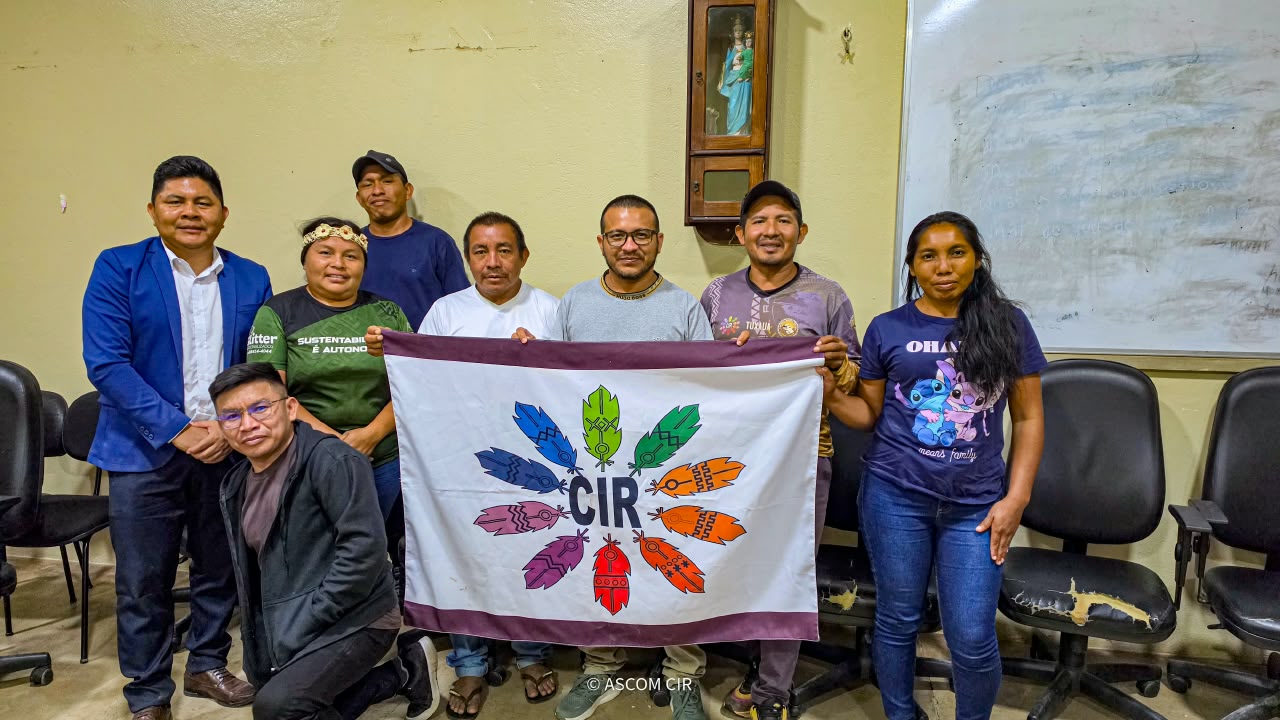
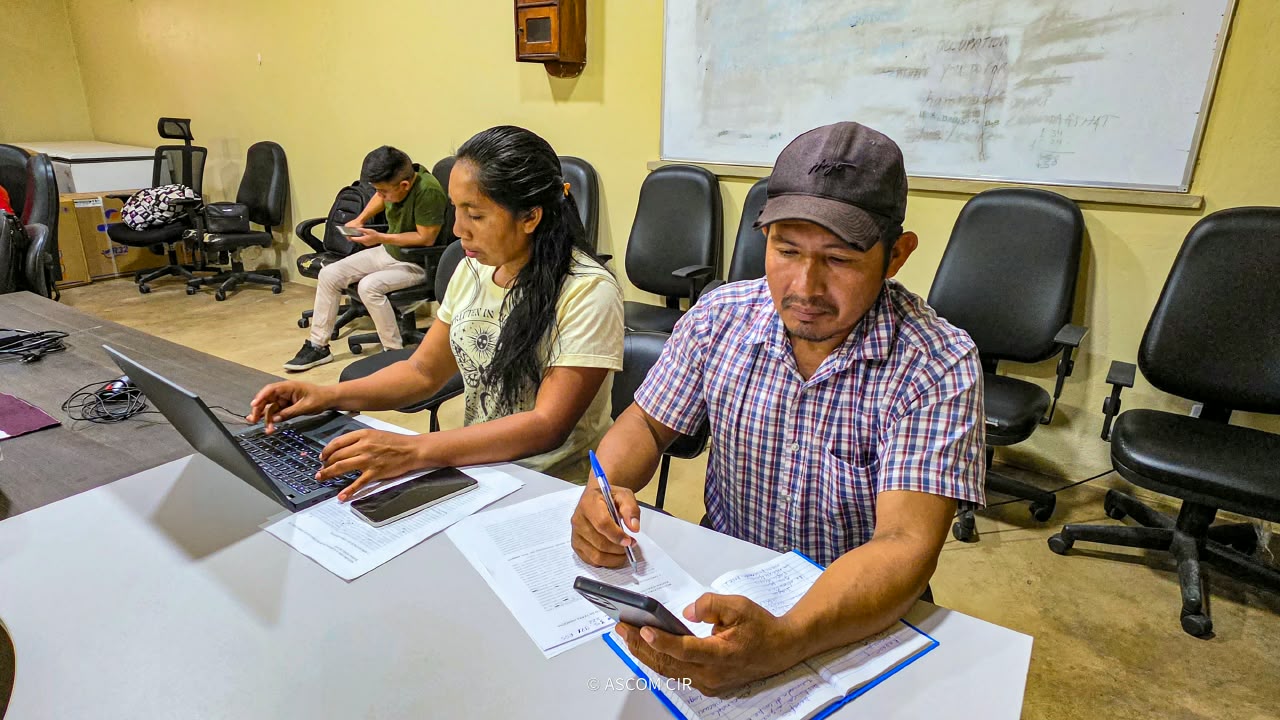
"The regiment is the practice that they live on a daily basis in the communities. It is a document that is already part of the social organization of the communities. Many communities still do not have a written document, but they have a way of organizing and resolving conflicts. This is already part of the identity of each people,"he explains.
The lawyer also points out that the Raposa Serra do Sol Indigenous Land is among the first in Brazil to develop a trajectory of recognition of its own rules.
The importance of building a document that respects the particularities of each people is also among the issues discussed during the workshop. The proposal is that the Internal Regulations consider the cultural differences and the forms of organization of the communities, without taking away the autonomy that each one has.
"The regiment looks at the specificity of each people. Not all peoples are the same. So, communities and leaders are reflecting on how the regiment can cover the peoples of all communities, but respecting each community autonomy. The regiment is like a general Constitution of Raposa Serra do Sol, which will respect the cultural differences of each community and each people who live there in Raposa Serra do Sol",reinforced Júnior.
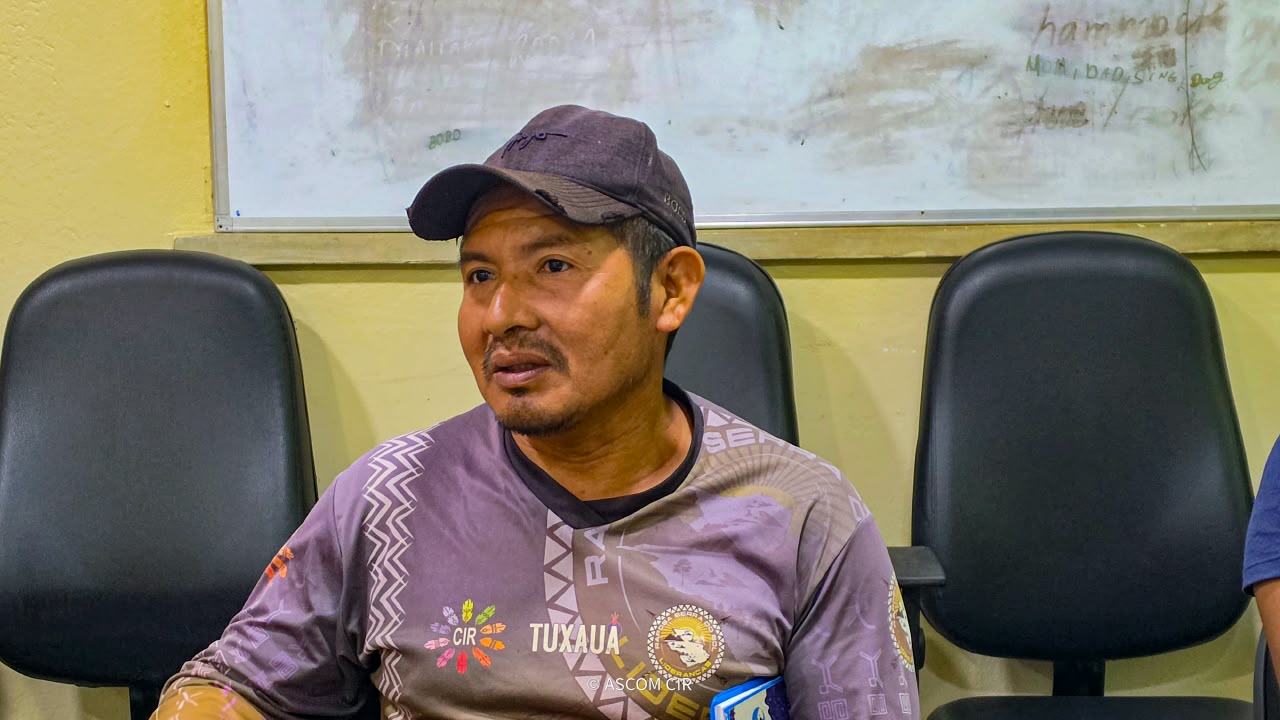
For the tuxaua of the Orinduque indigenous community, Serras region, Luciana Patamona, the regiment is important because it serves to organize, guide and strengthen life in indigenous communities.
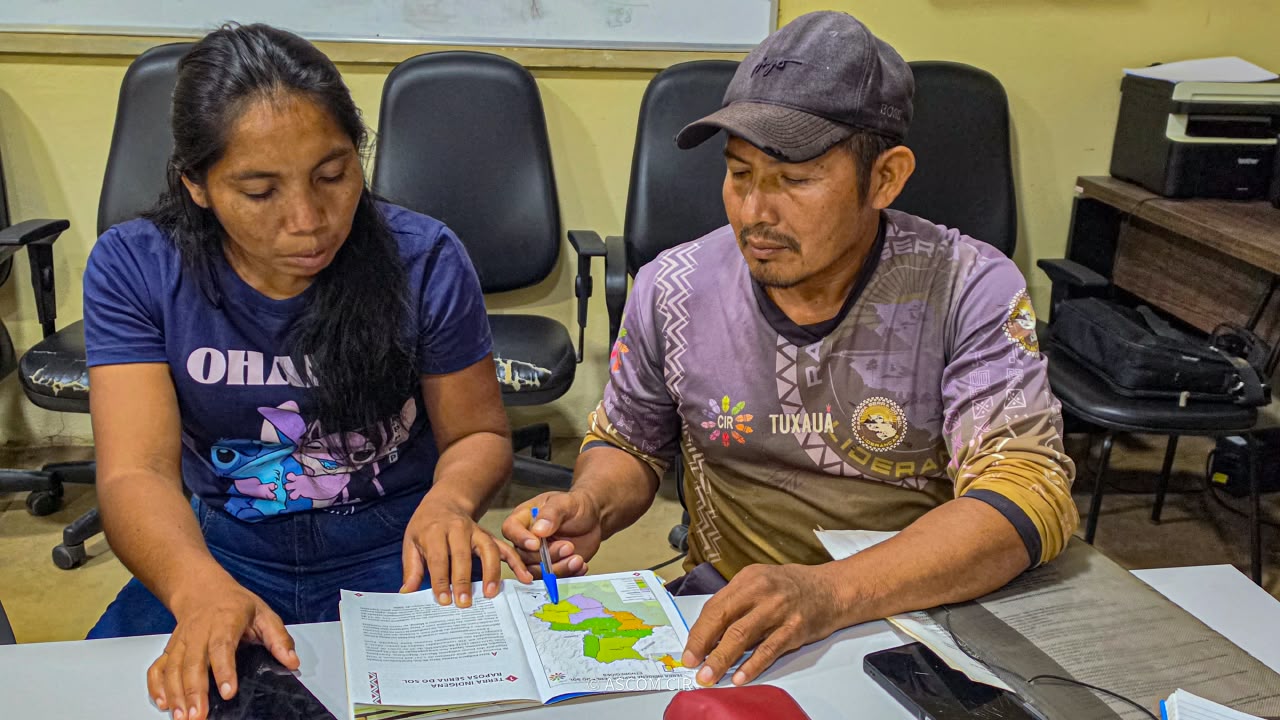
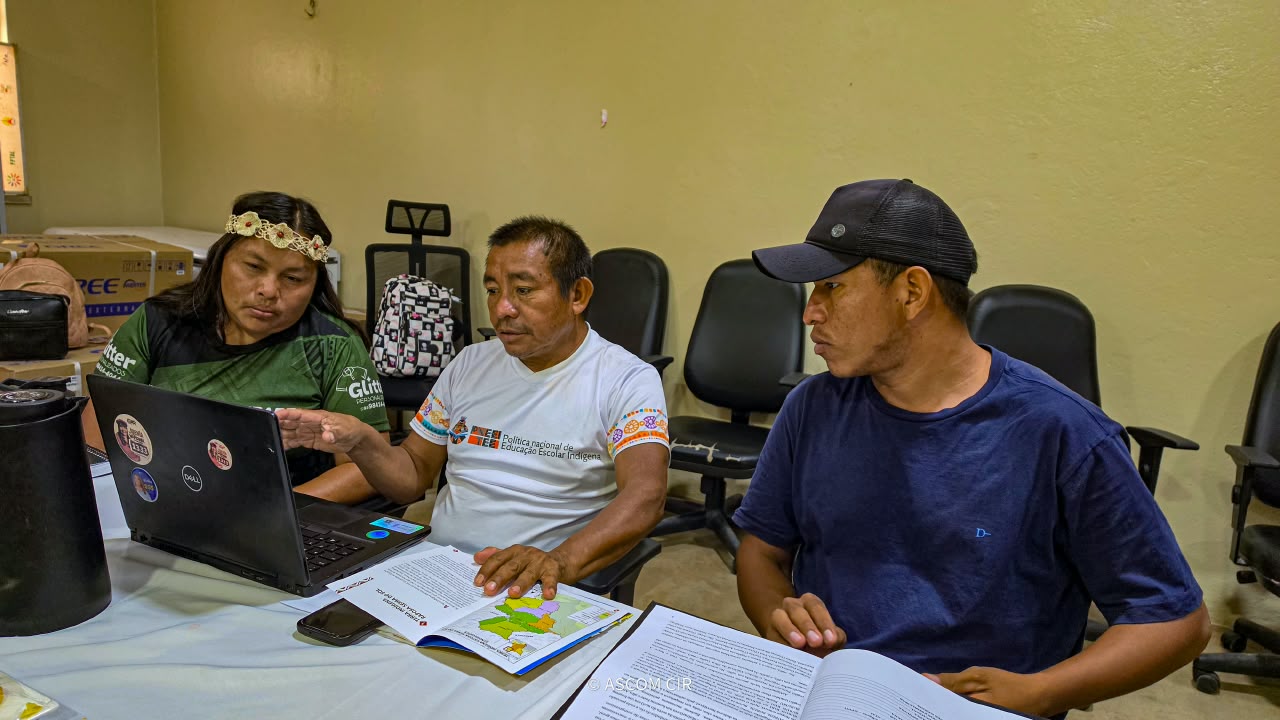
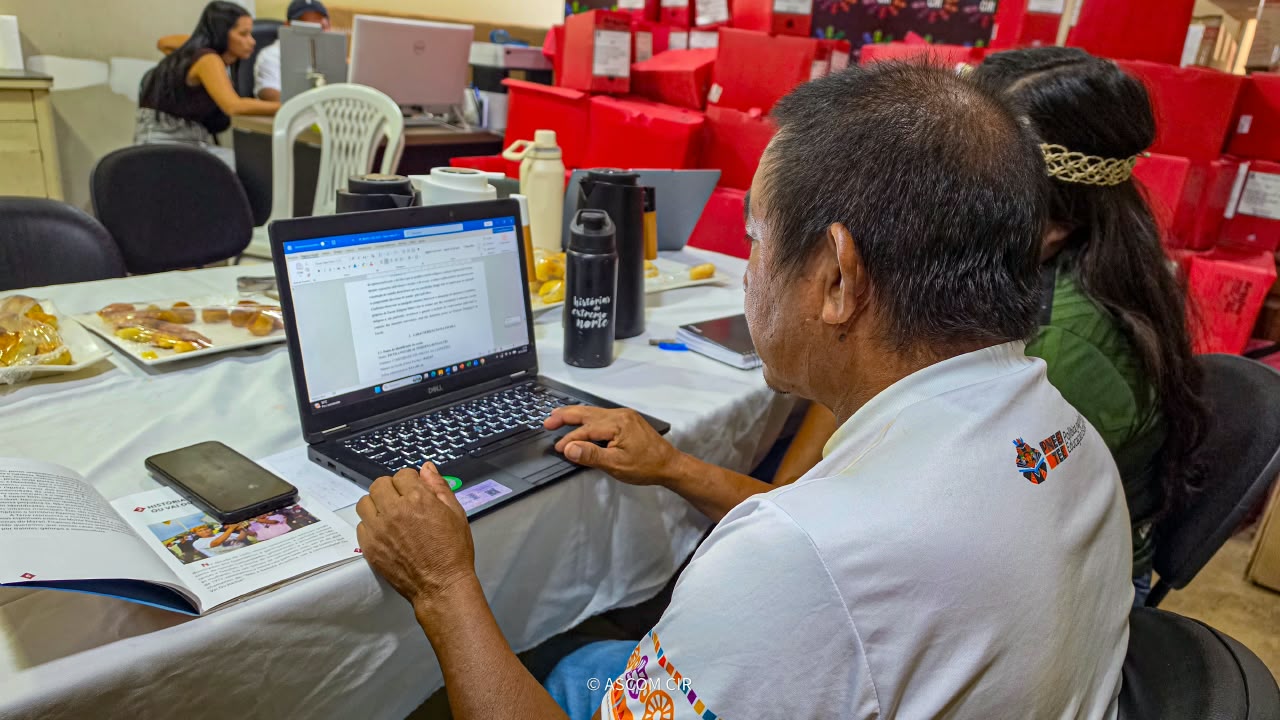
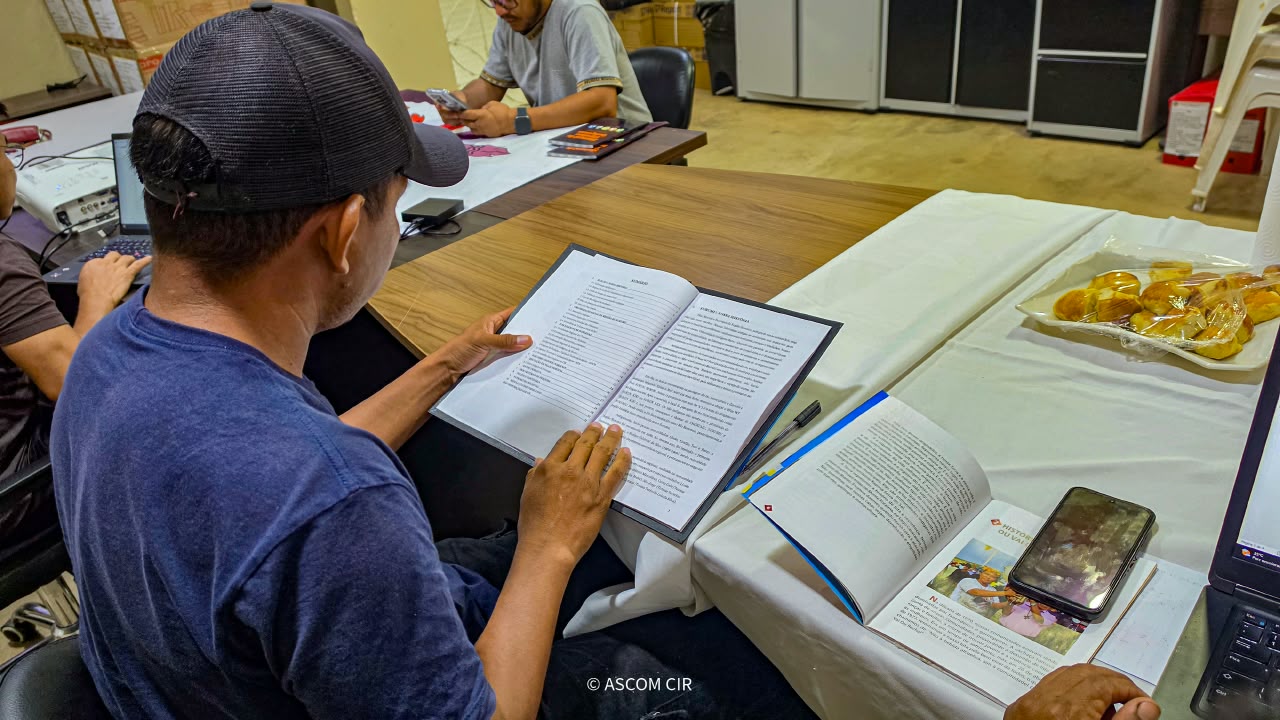
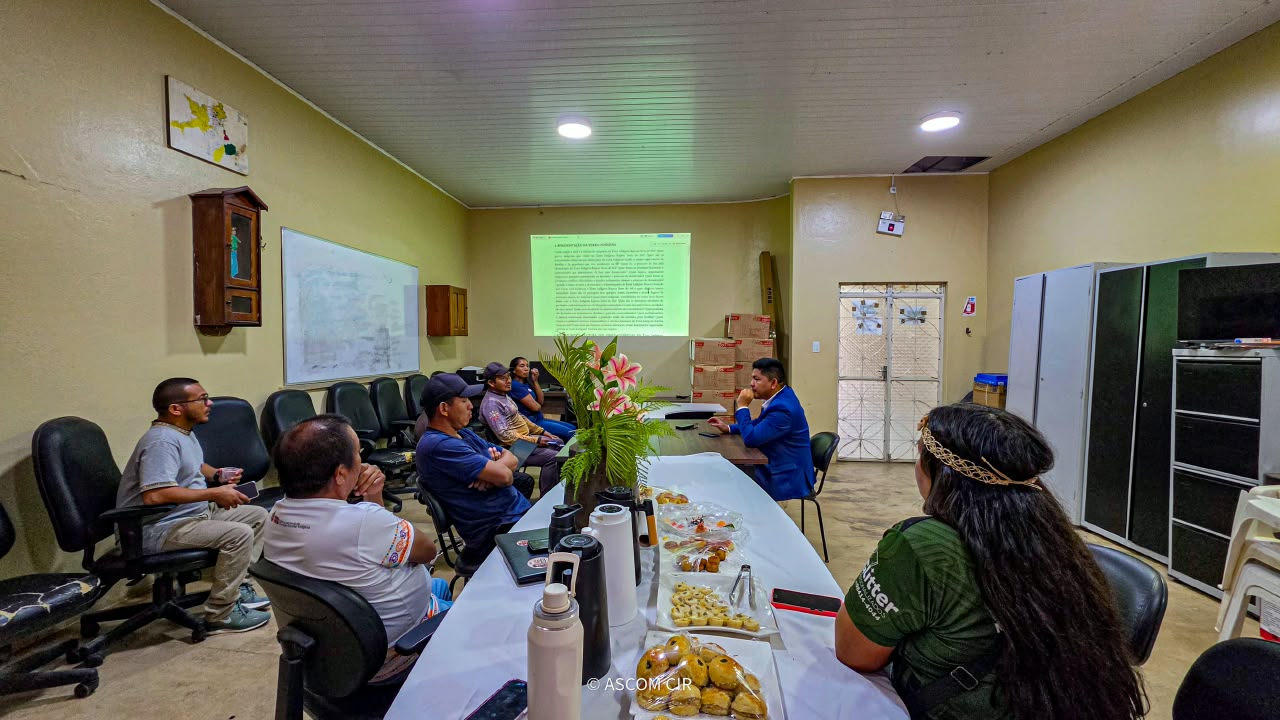
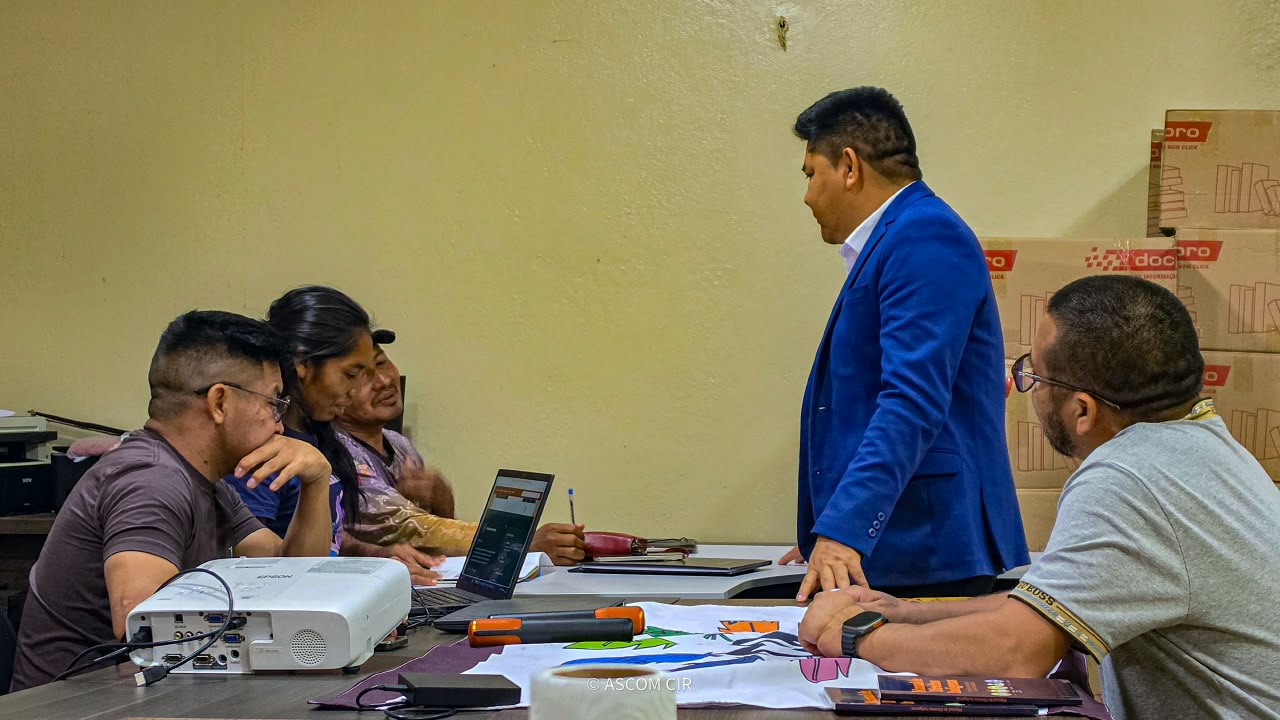
"The regiment is a document that helps us to organize and guide our life in the community, and that also respects our cultures, our tradition, our ways of life and that is built collectively,"highlights.
The participation of leaders from different regions is essential to gather experiences, knowledge and demands from the territories. The process seeks to build guidelines that represent the diversity of the peoples who live in Raposa Serra do Sol. The coordinator of Raposa Serra do Sol, Luiz Hernandes, points out that this discussion has been held for a long time.
"It has been discussed for a long time, and the regiment will also help the grassroots leaders, the regional coordinators and also me, as a coordinator, to know how to act in the critical moments that exist in our Indigenous Land, especially in situations such as mining, invasions and land leasing, which affect our territory. We want to solve these situations in the best way, talking and dialoguing in partnership with the competent bodies",he stressed.
Professor Ulisses Taurepang, from the Alto Miang region, recently approved during theIX Assembly of the Raposa Serra do Sol Indigenous Land, highlighted that the Internal Regulations serve mainly to value cultures, customs and traditions.
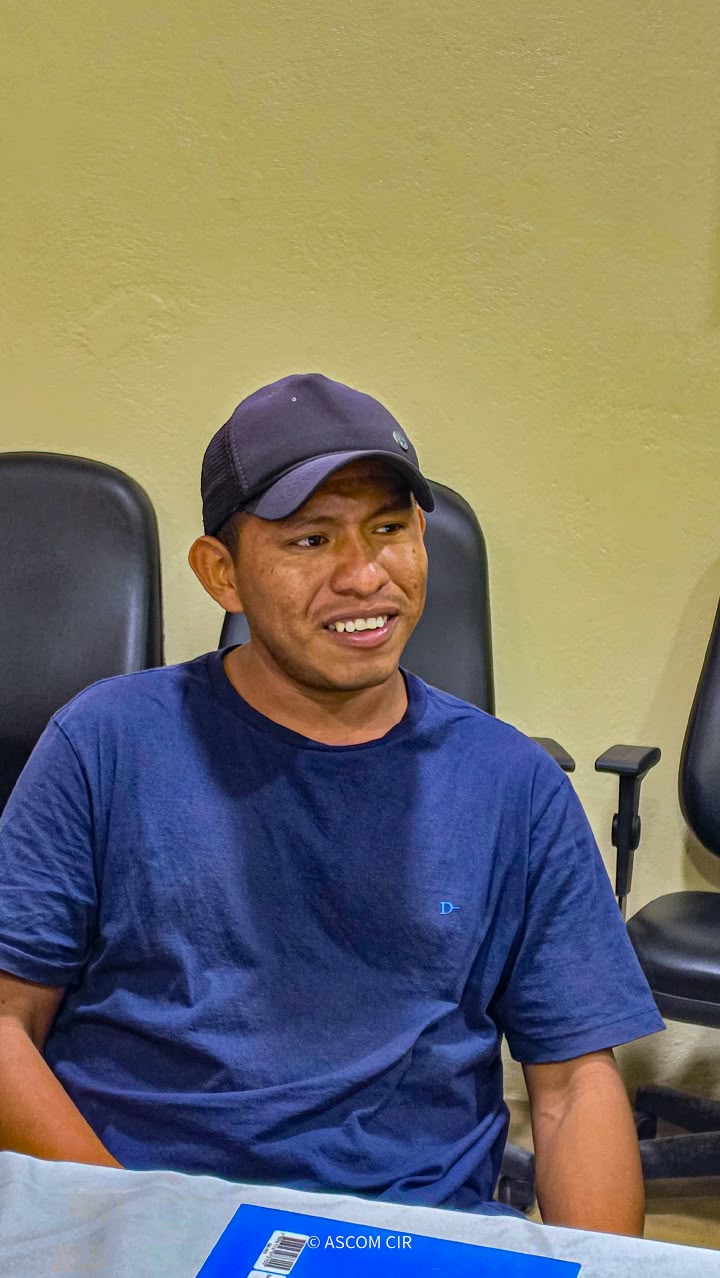
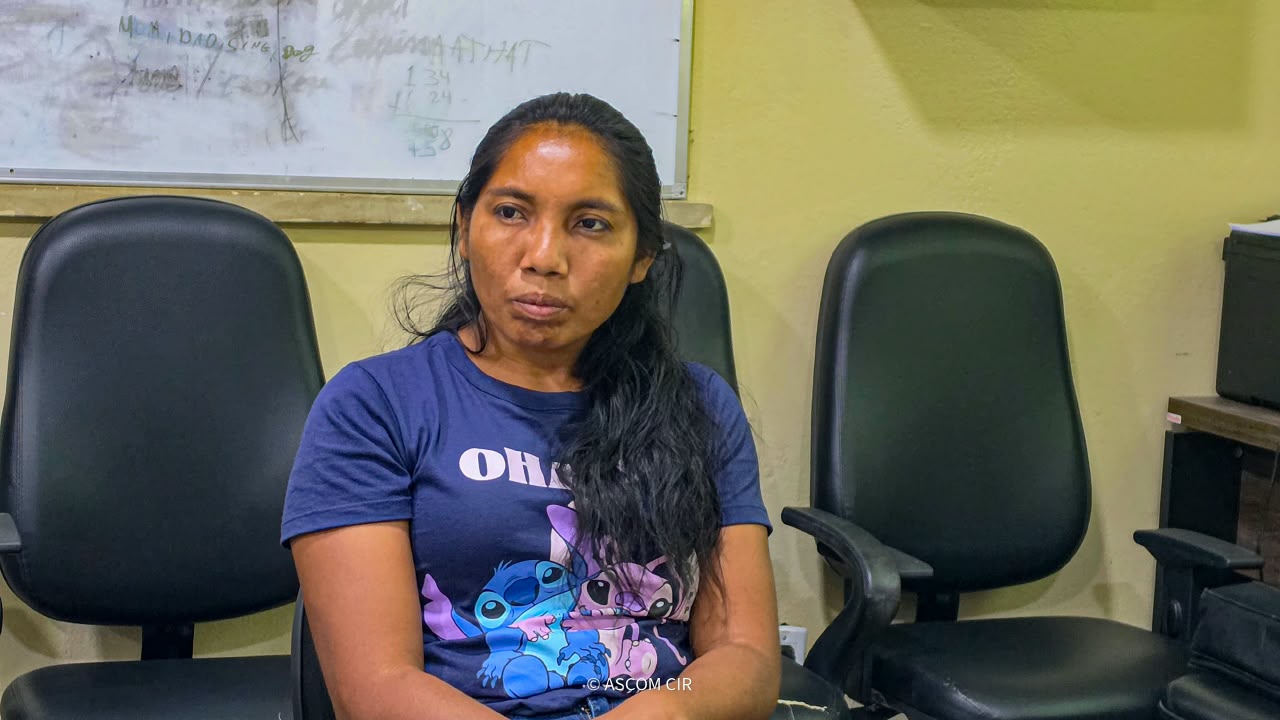
"The language of the people is being forgotten. It is one of the essential demands to be included in the regiment, as well as culture and handicrafts. This has to be included precisely to organize the life of the people in the future. On many occasions, the people think that the regiment is like a punishment, which comes to punish a certain situation, but, on the contrary, the regiment is a guide that helps the population, a people, to organize itself more and more",explained the leadership.
The preparation of the document is the result of a discussion that has been carried out by the leaders of the Raposa Serra do Sol Indigenous Land. As Júnior Nicácio explains, the decision to form a commission, composed of tuxauas, teachers and other indigenous representatives to conduct this process, was taken during theAssembly of Raposa Serra do Sol, held in September.
"The decision came from the Assembly of Raposa Serra do Sol, where a commission was formed that includes teachers, tuxauas and a diversity of leaders with knowledge and experience of the territory. We, from the legal advisory, only guide the leaders", reinforced Nicácio.
The objective is to build an instrument that represents the organization of Raposa Serra do Sol, respecting the specificities of each people and strengthening the autonomy of the communities, in addition to ensuring that their own forms of organization are also understood and respected by institutions outside the territory. After completing this stage, the preliminary version will be presented to the Assembly of the Raposa Serra do Sol Indigenous Land, where leaders will be able to evaluate, suggest changes and contribute to the improvement of the document.
Review: Helena Leocádio - Ascom CIR