
By Helena Leocádio.
The advisory was carried out by the teams of the Department of Territorial Management, Environmental and Climate Change and the Administrative and Financial Department of the CIR.
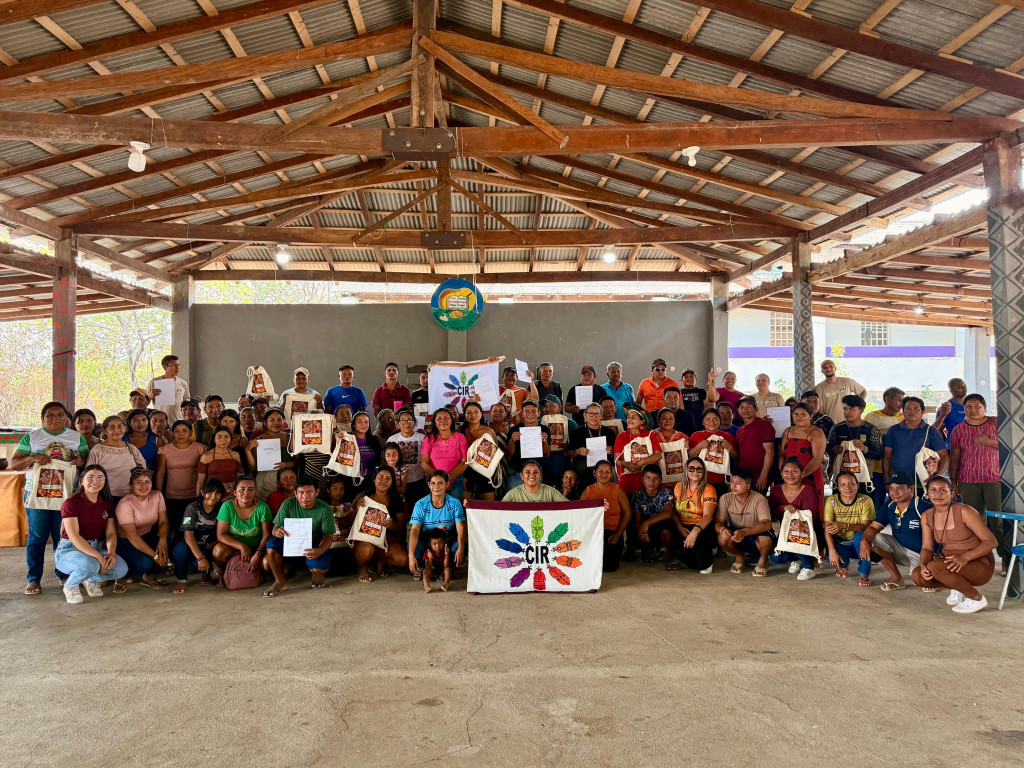
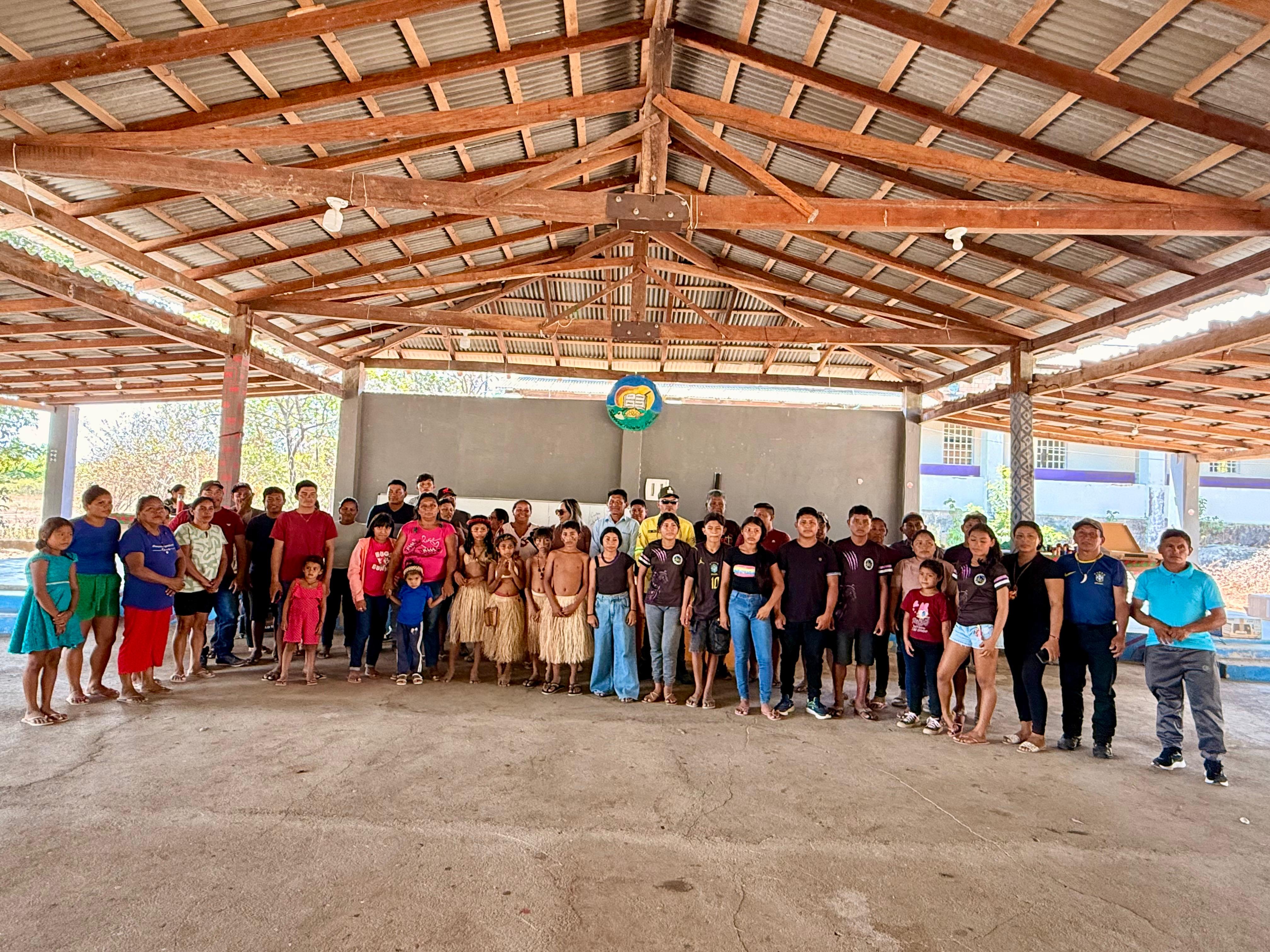
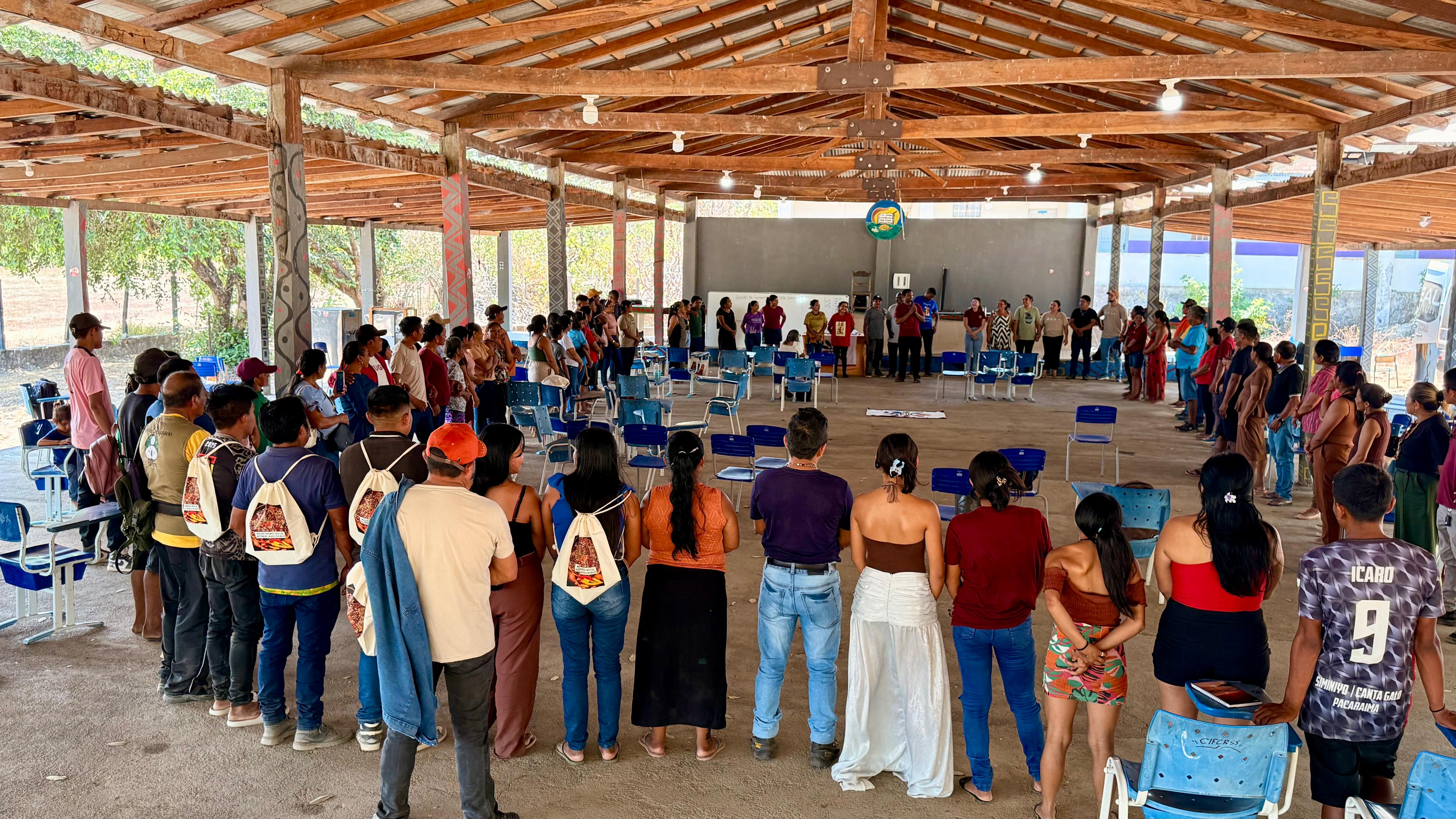
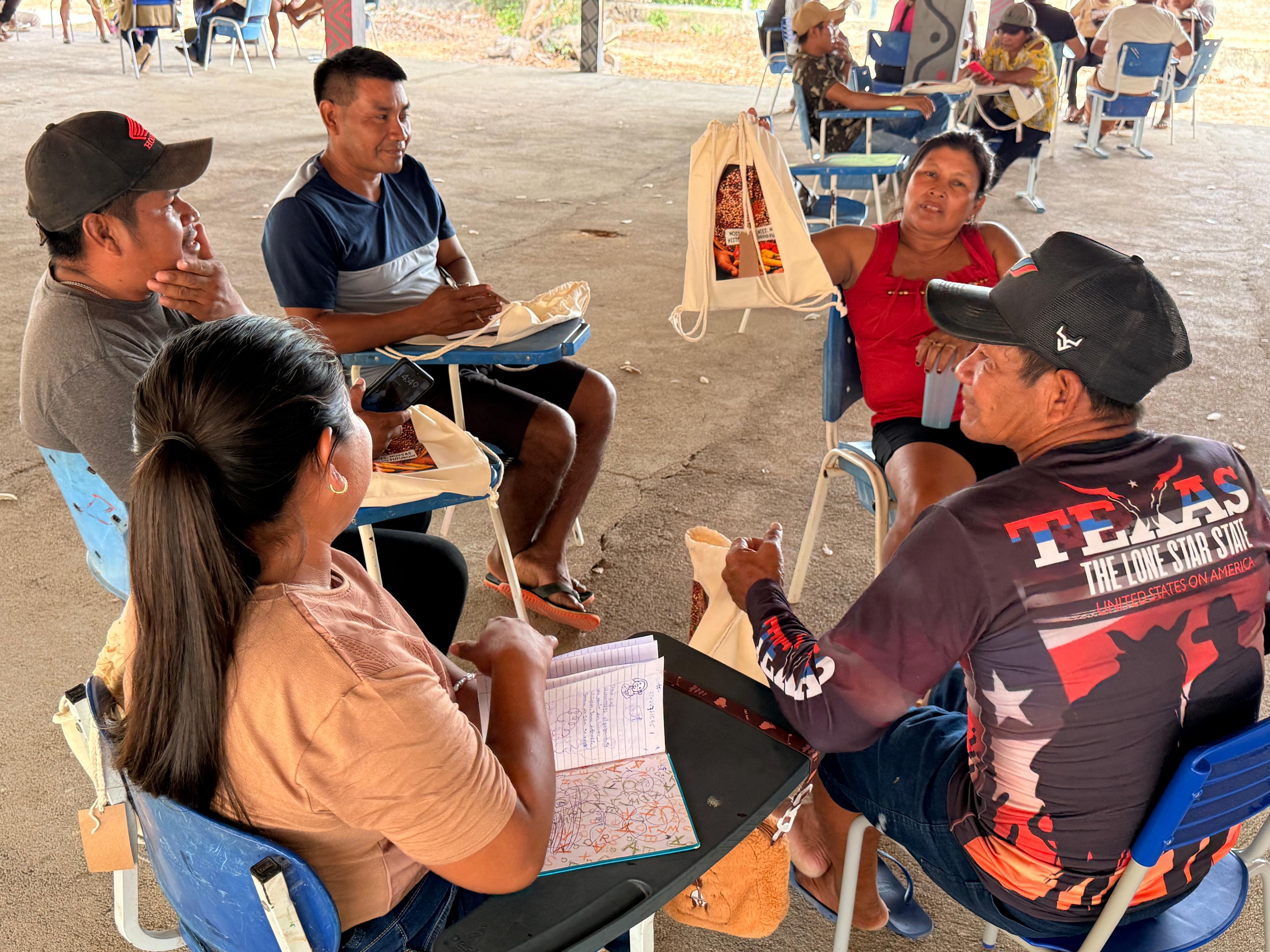
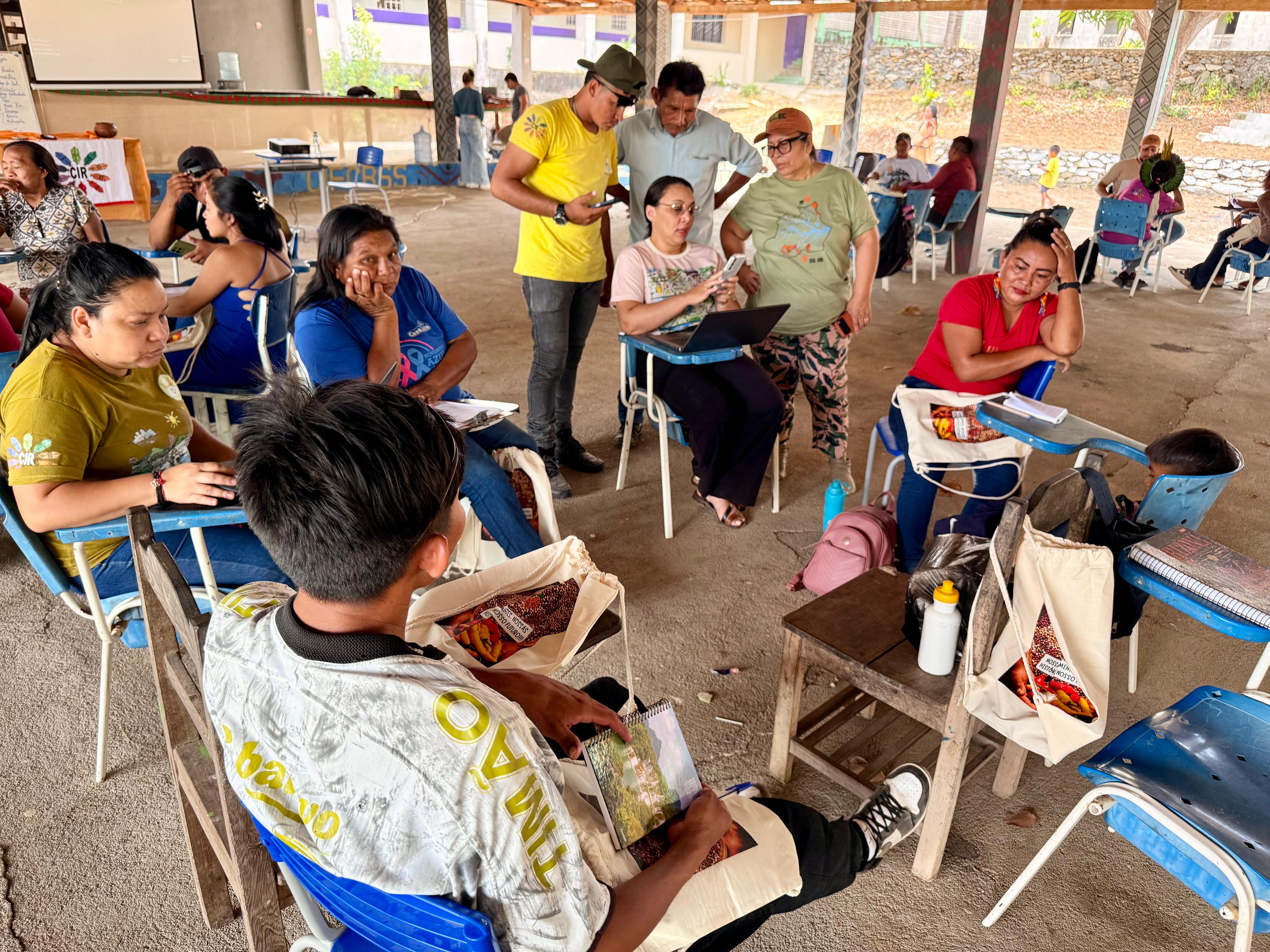
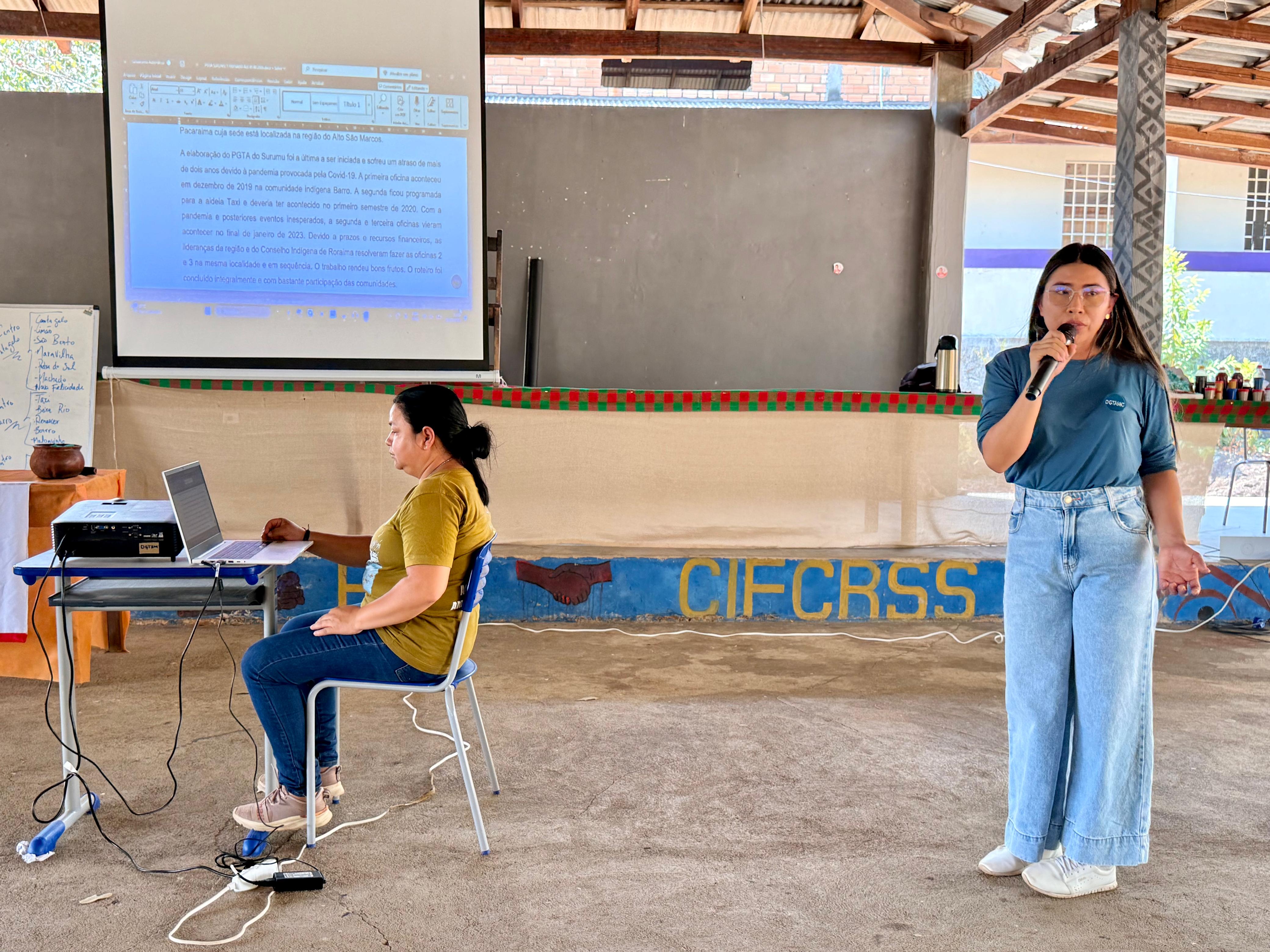
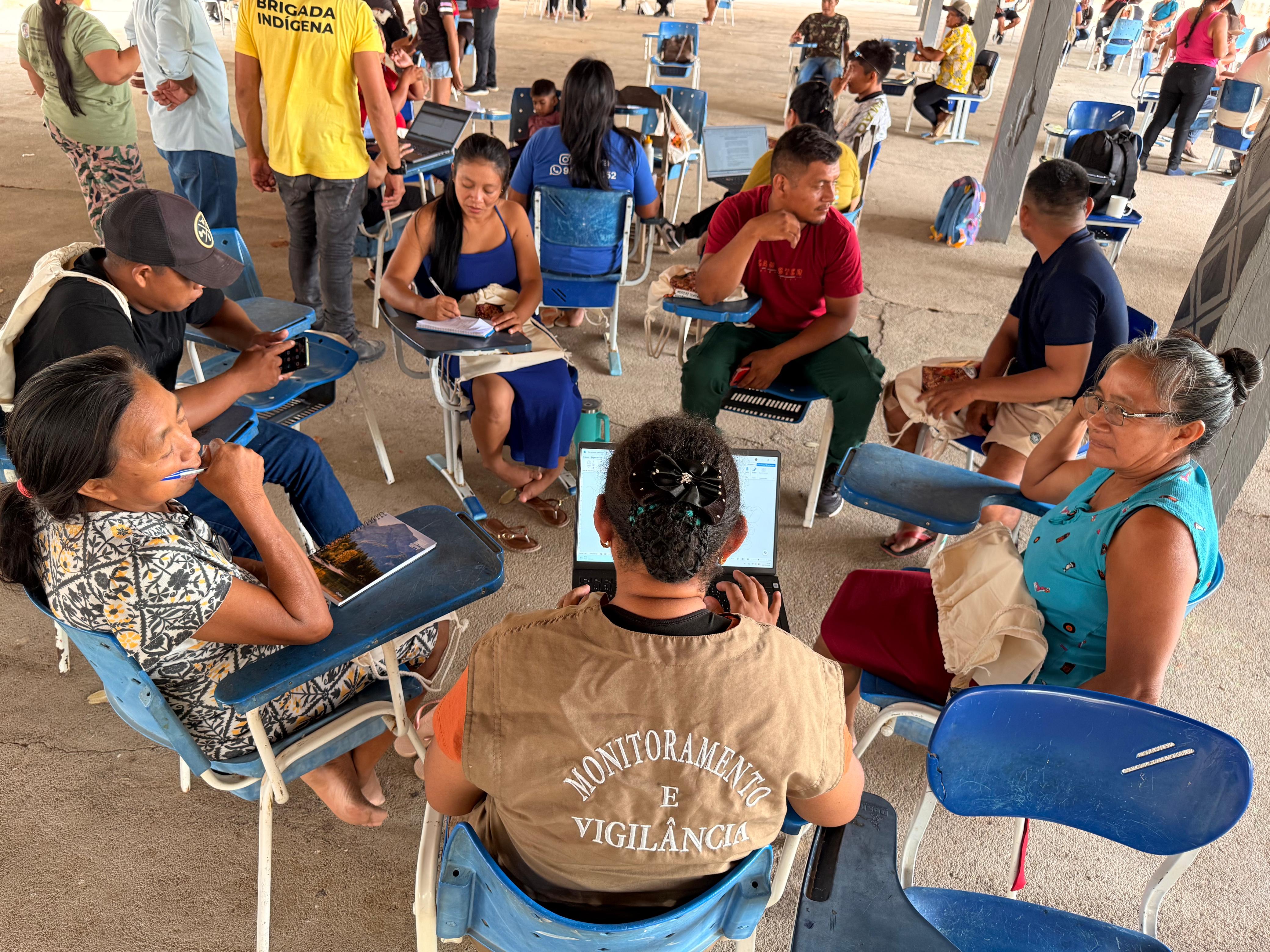
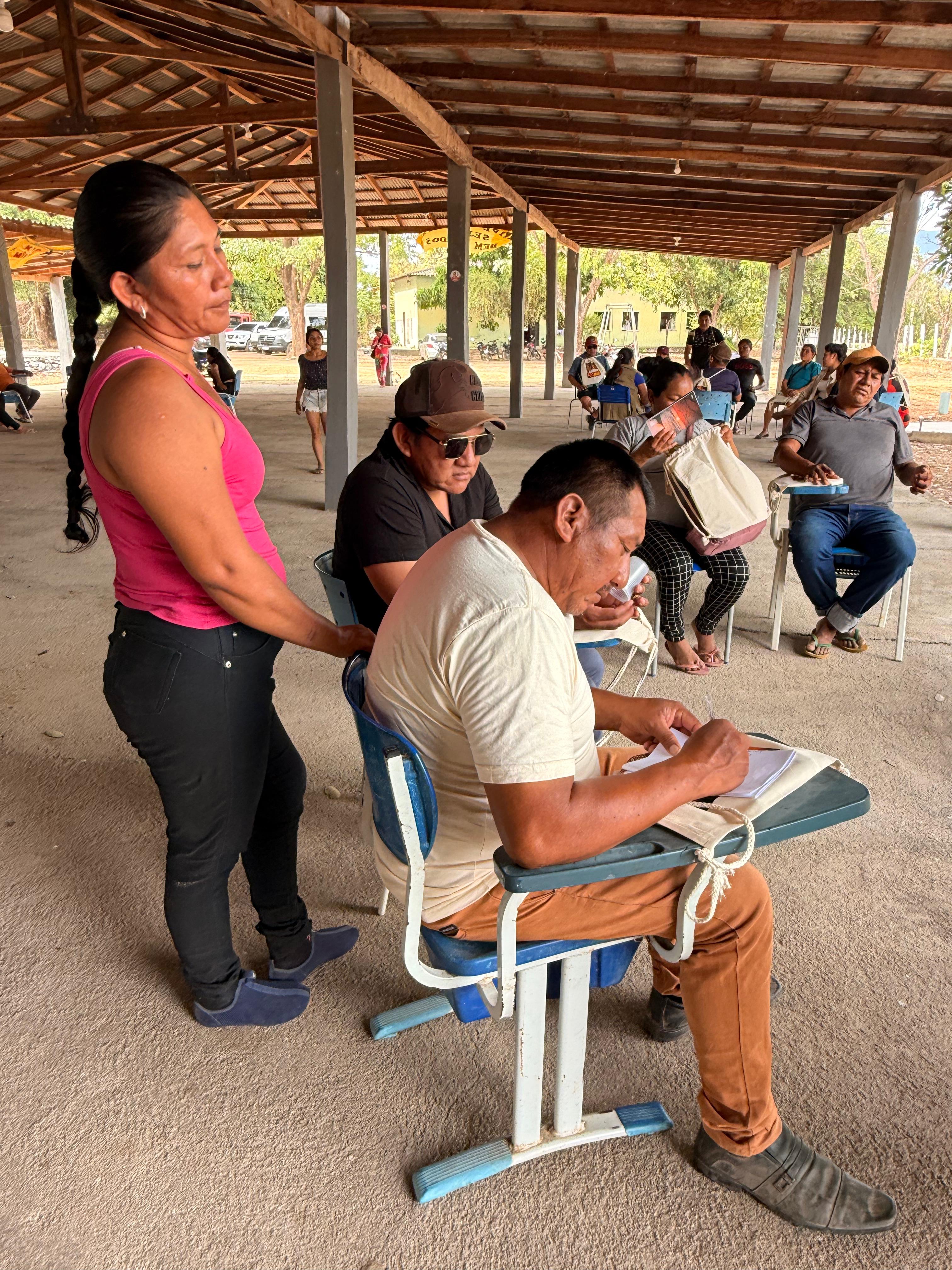
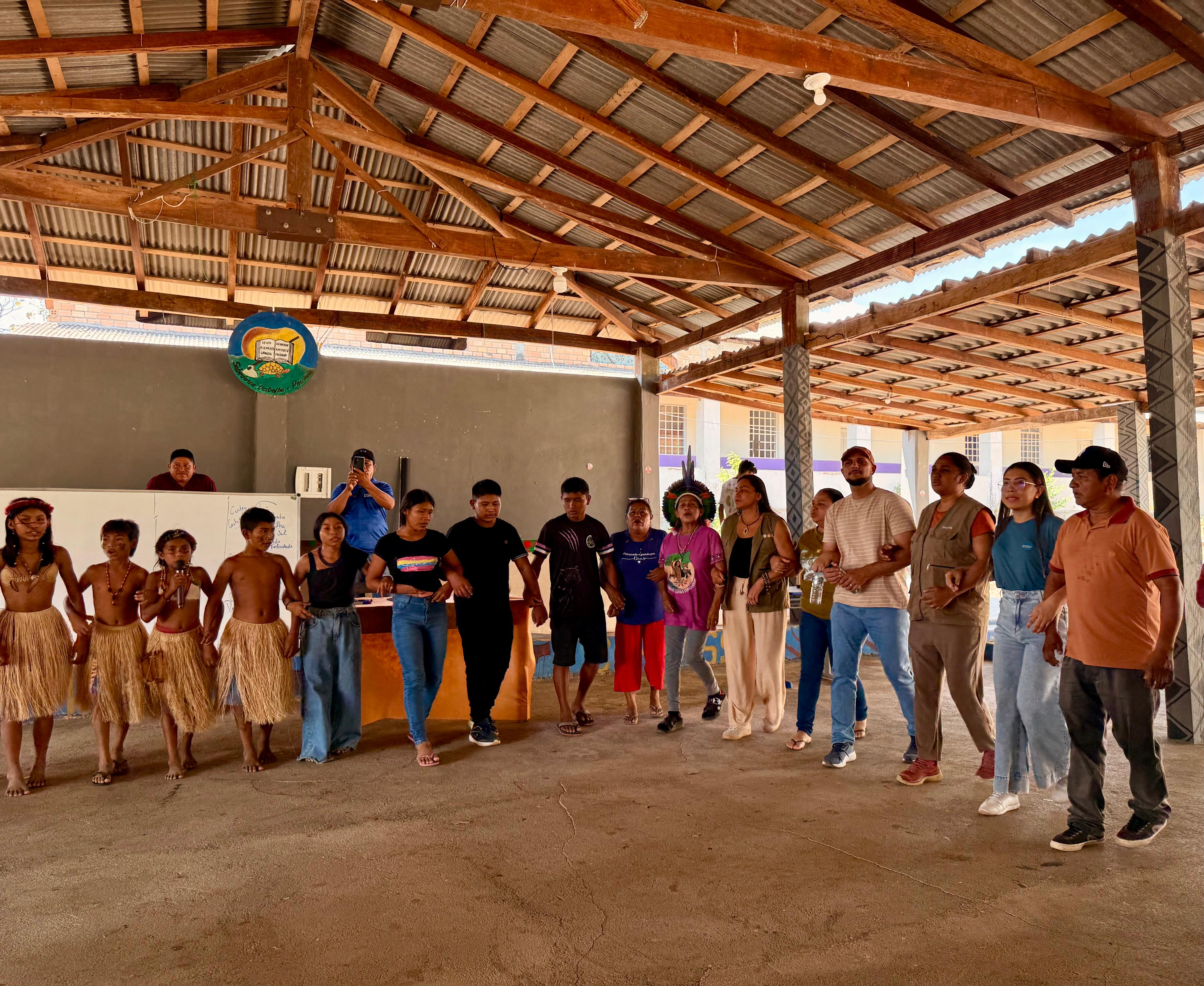
About 70 leaders of the Surumu region met to define priorities and implement the Territorial and Environmental Management Plan (PGTA), or Life Plan, as it is known by indigenous peoples. The meeting took place in the traditional Dionito Macuxi decision, at the Raposa Serra Indigenous Training and Culture Center do Sol (CIFCRSS), Barro community, Surumu region.
In collectivity, the leaders decided that the PGTA will be community-based, thus contemplating 18 indigenous communities in the region, and will strengthen their ways of life autonomy, income generation and governance of the communities of the region.
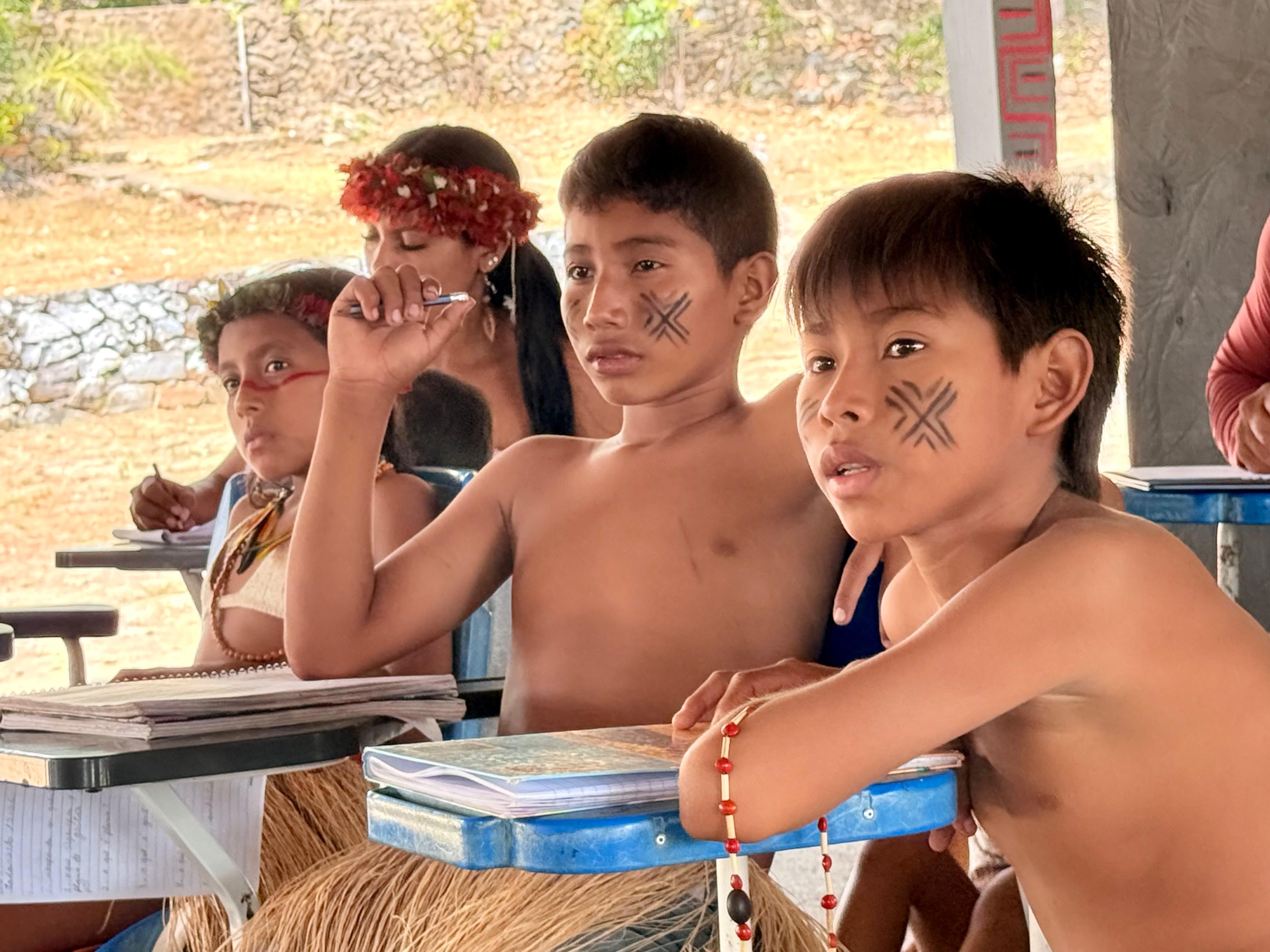
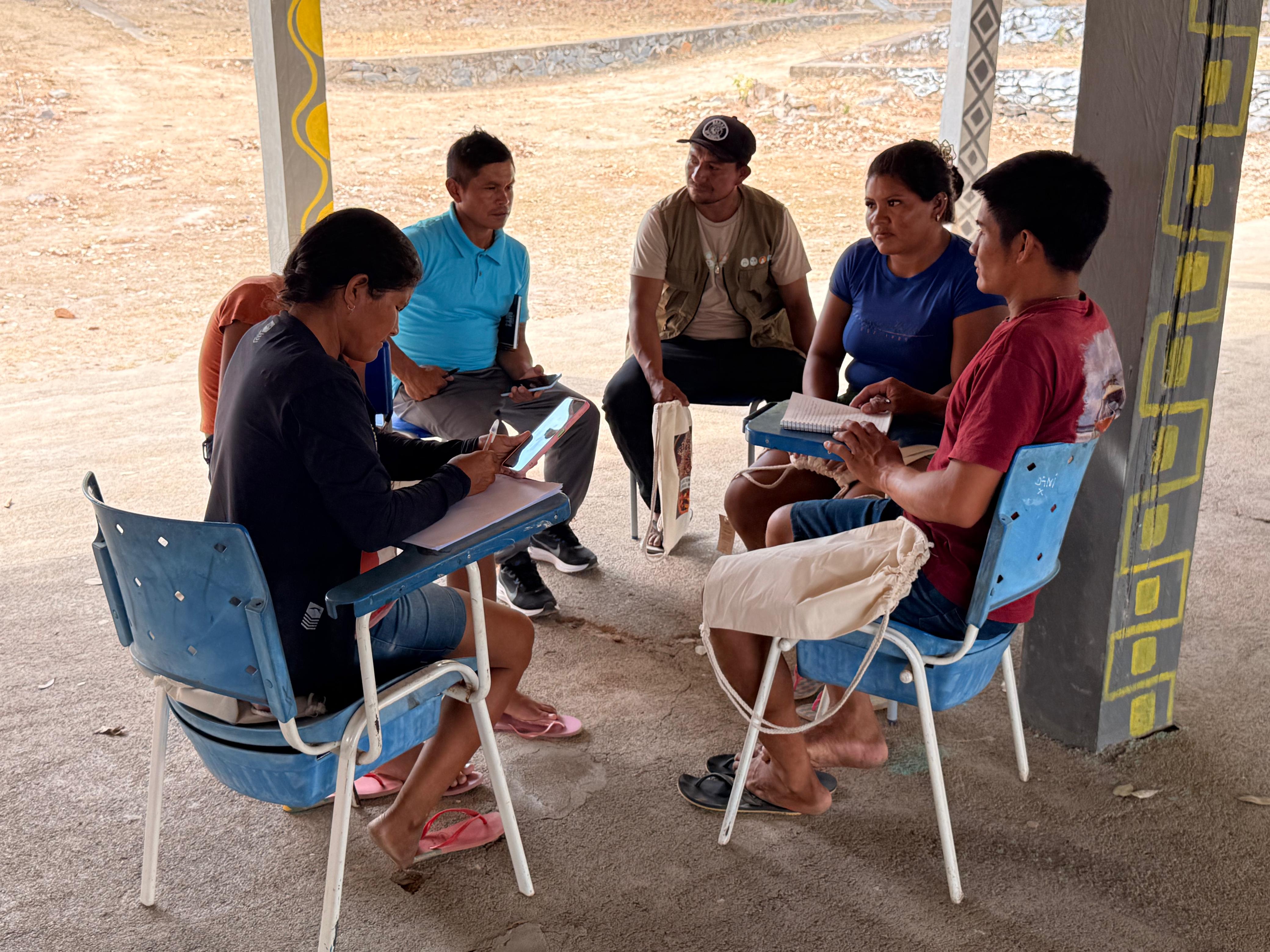
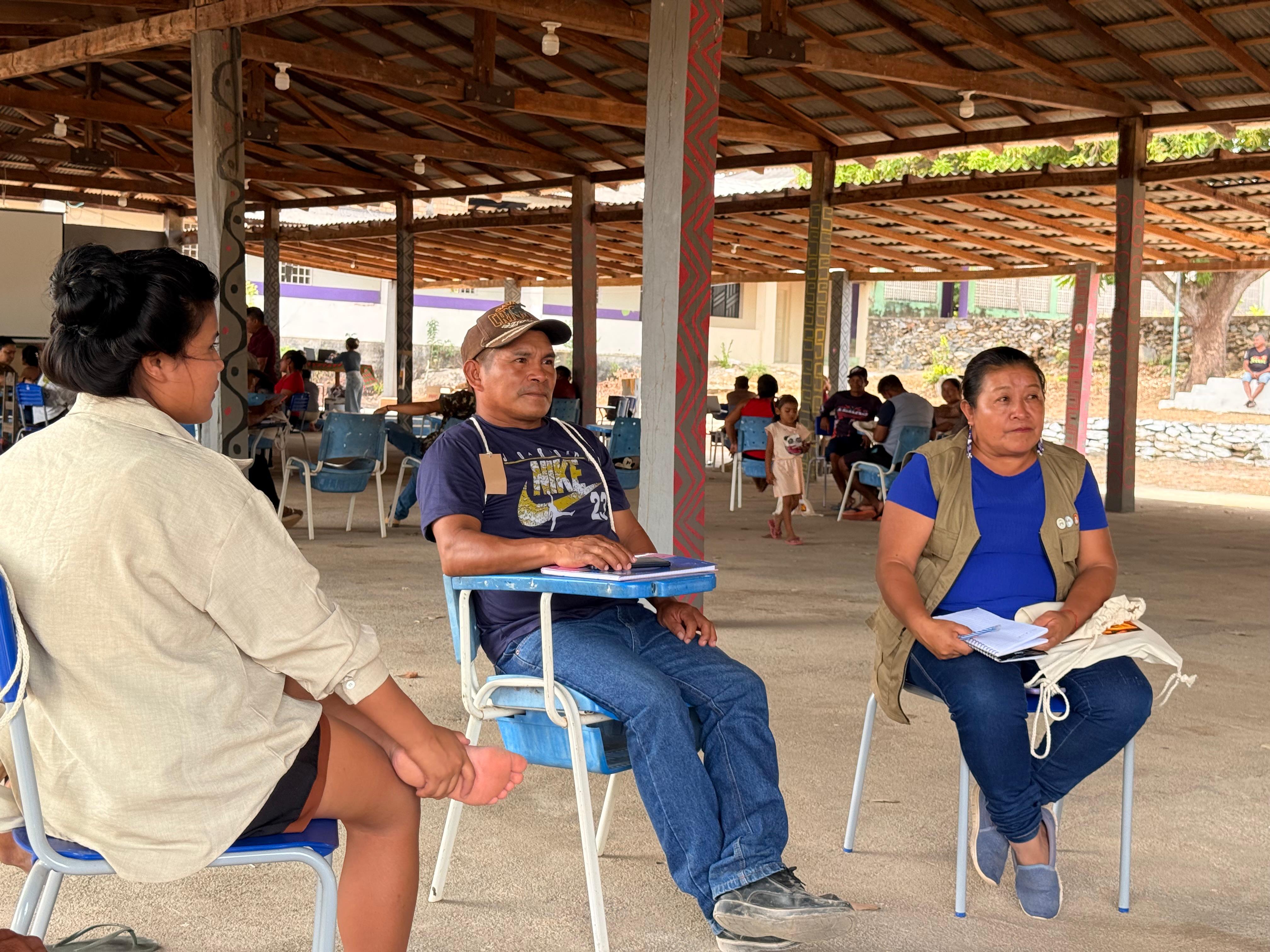
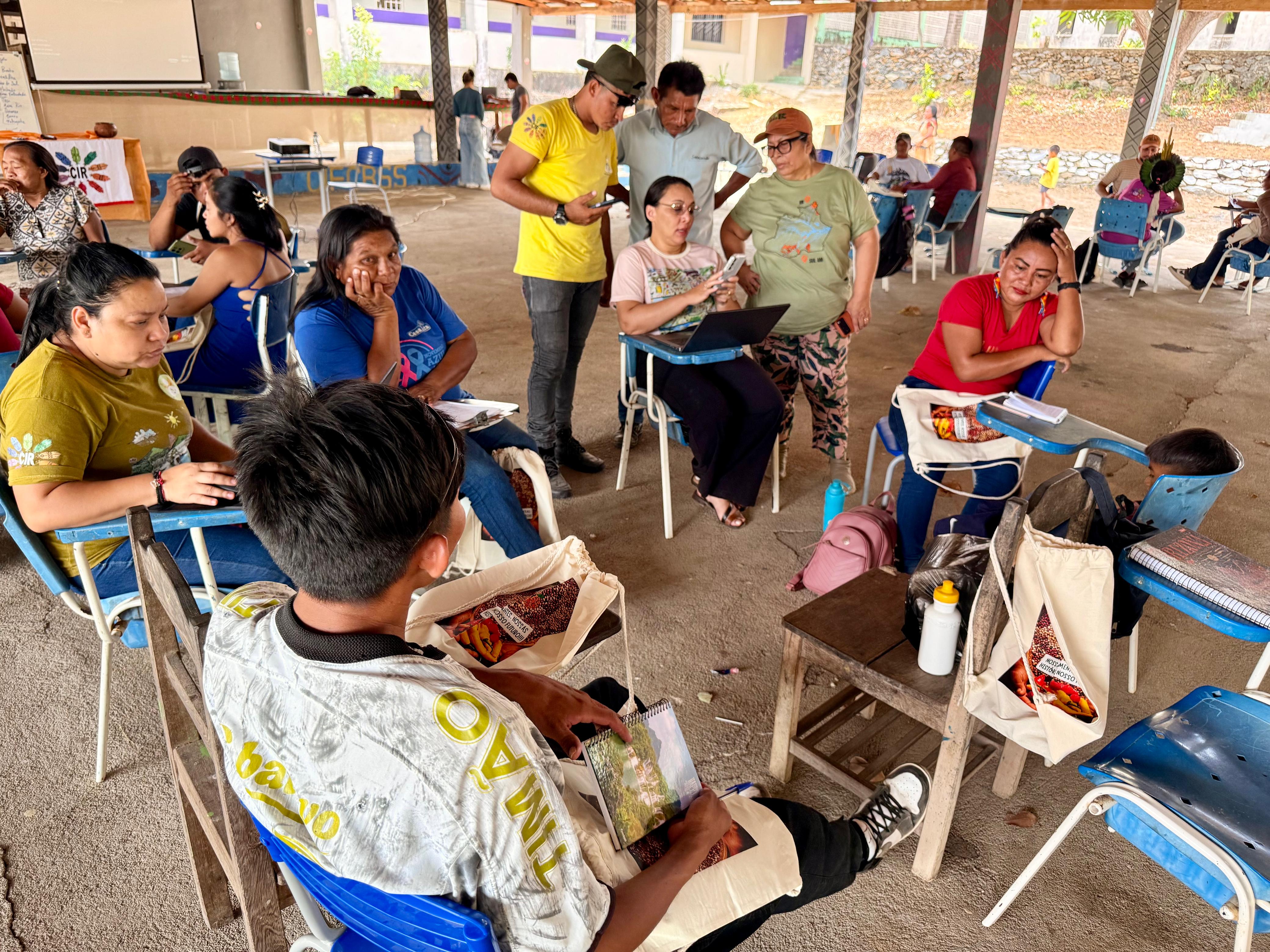
With methodologies and also with the use of technologies, the needs and existing projects that need to be prioritized. For Francinete Garcia, resident of the Novo Paraíso community, on the border between Brazil and Venezuela, the PGTA strengthens the social organization of indigenous peoples. The document was built thinking about the present and future of the good living of the indigenous peoples.
"The PGTA is important because it is a life plan that strengthens our social organization and It was designed for children and future generations to keep our culture and our good living",said leadership.
By community, the leaders pointed out the priorities that must be implemented, such as the poultry farming, fish farming, construction of a community shed, expansion of the community garden fence, installation of a structure for water supply, irrigation system and construction of the farm's fence community.
In the Canta community Rooster, for example, the tuxaua Josiane Macuxi explains that the leaders prioritized the completion of the enclosure of the community herds. The enclosure will help manage and maintain the herds.
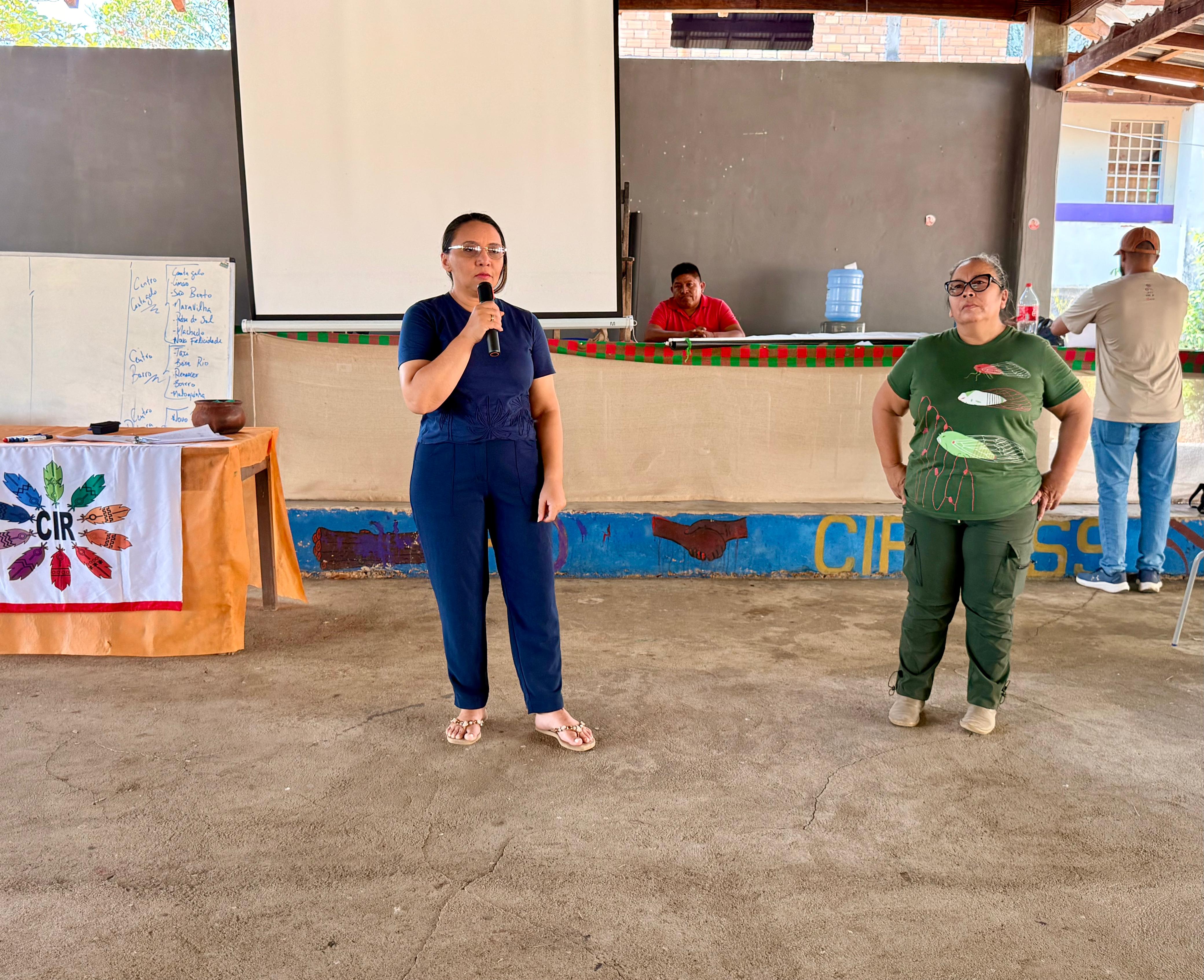
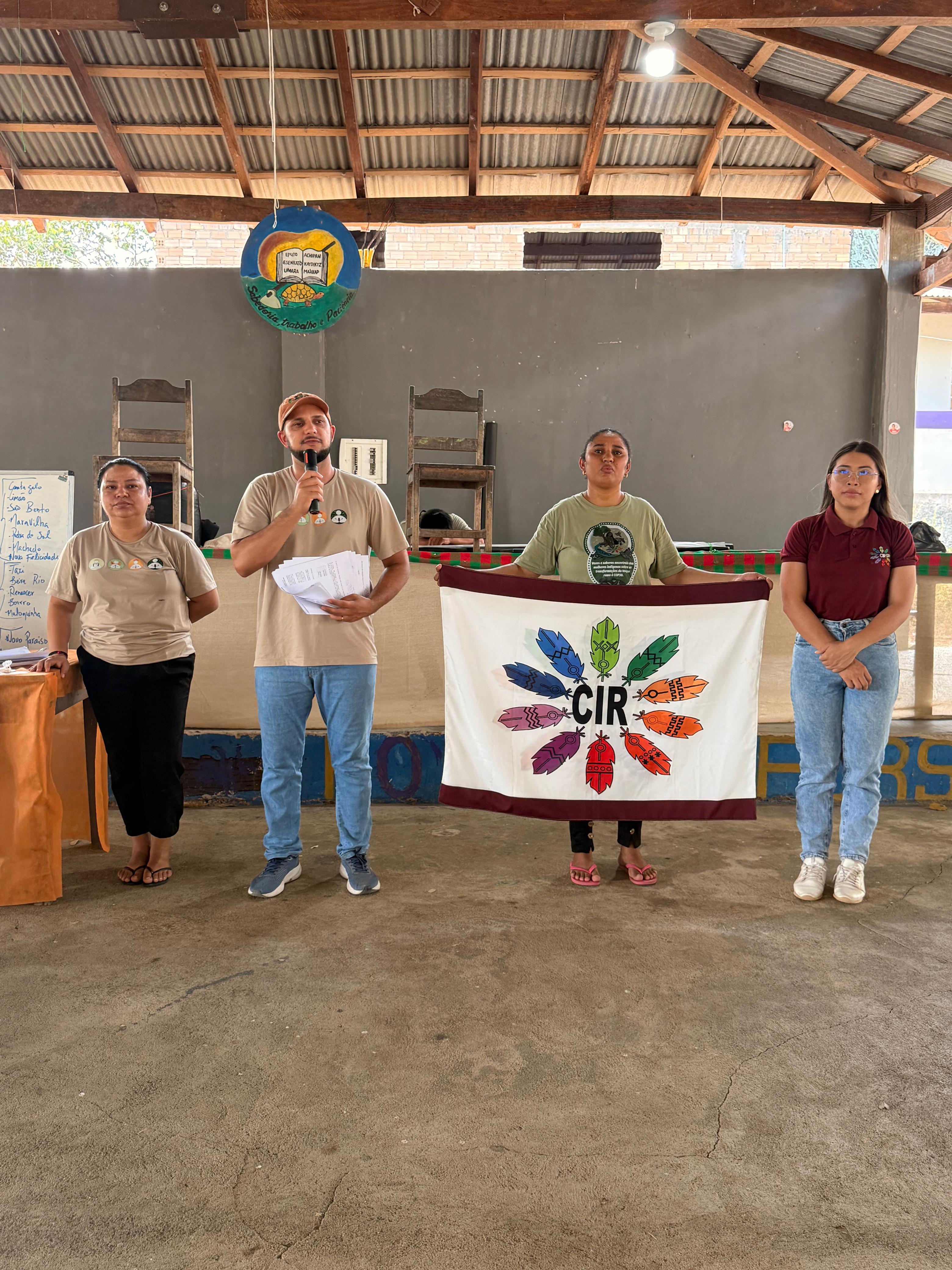
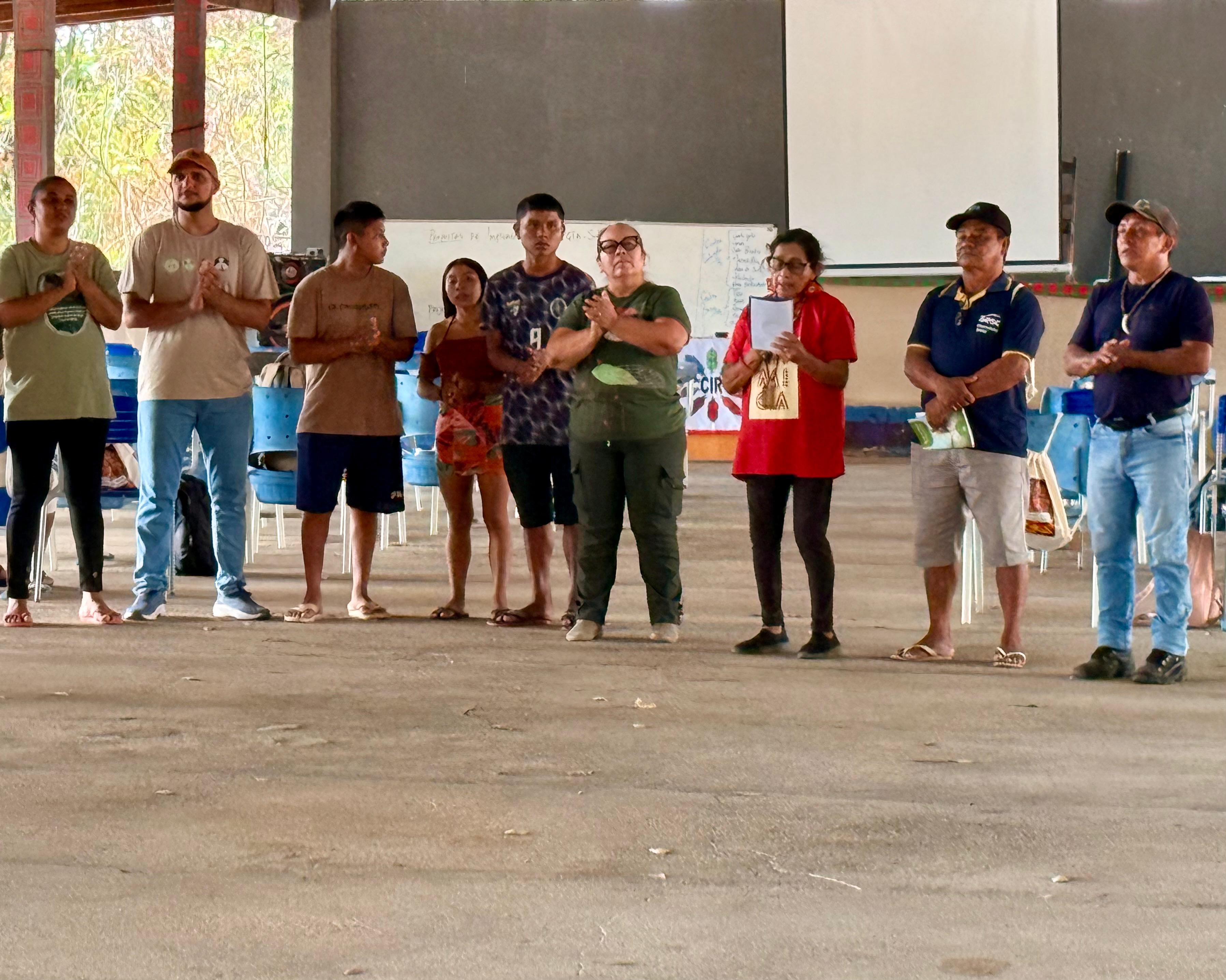
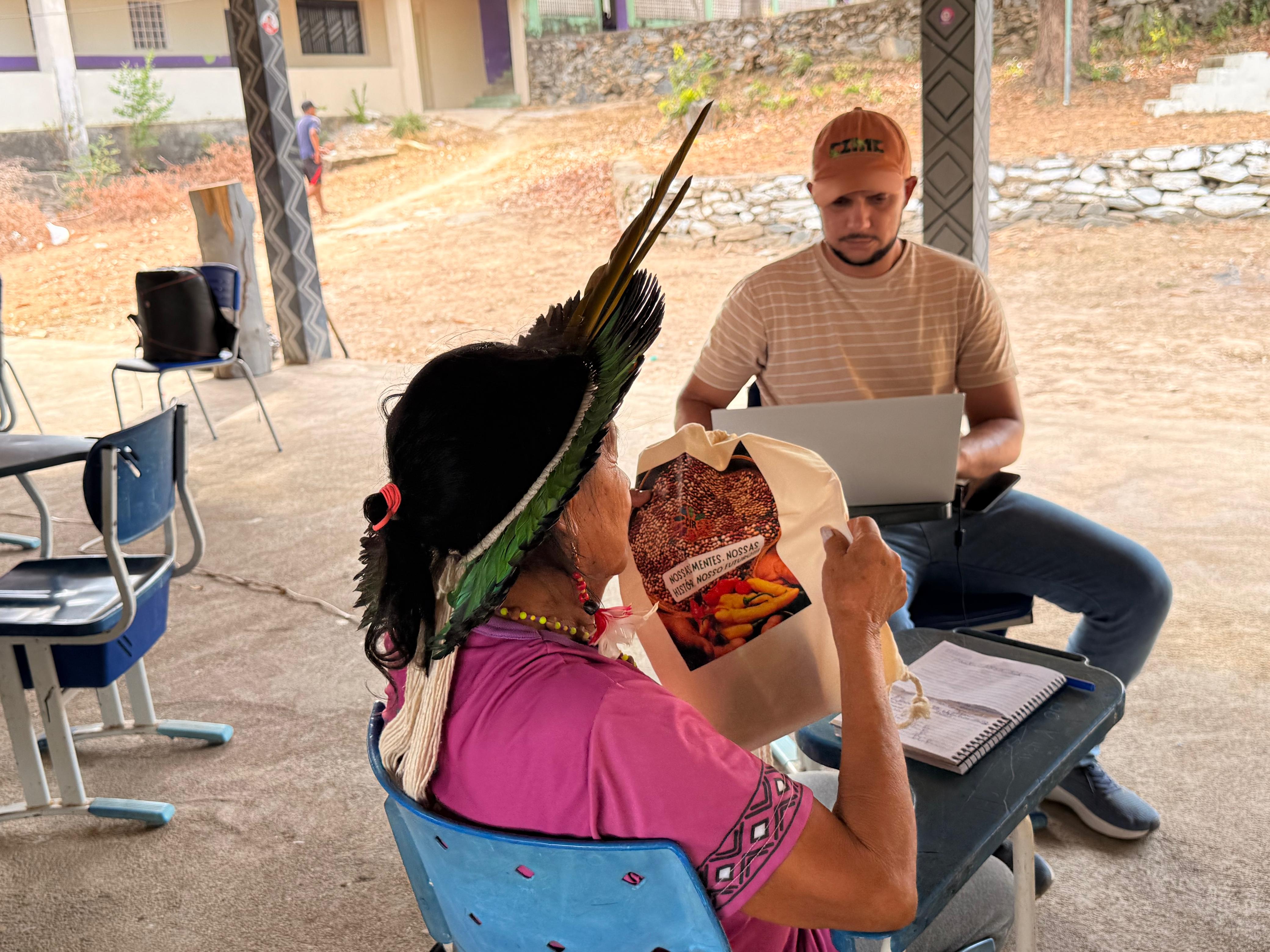
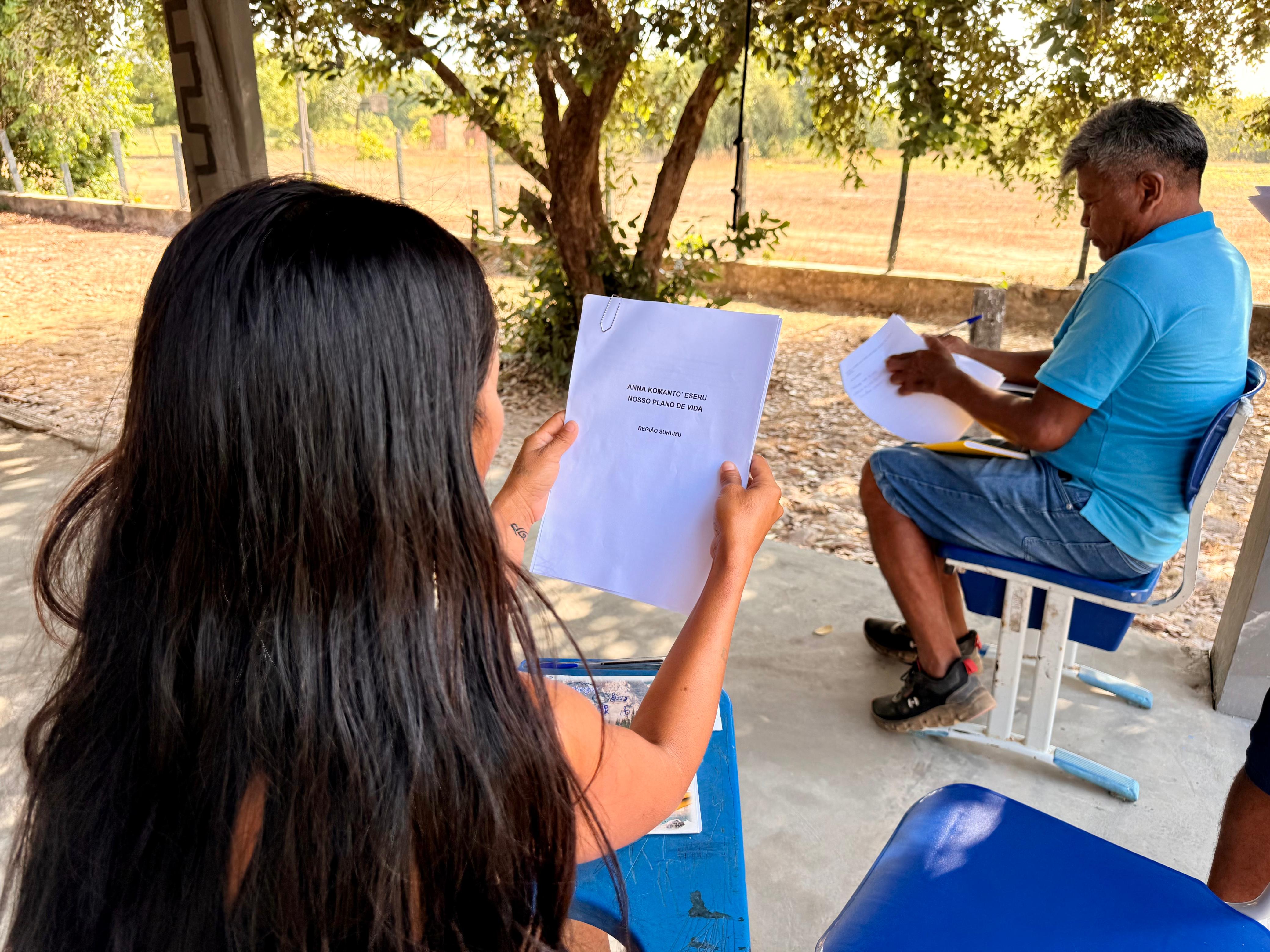
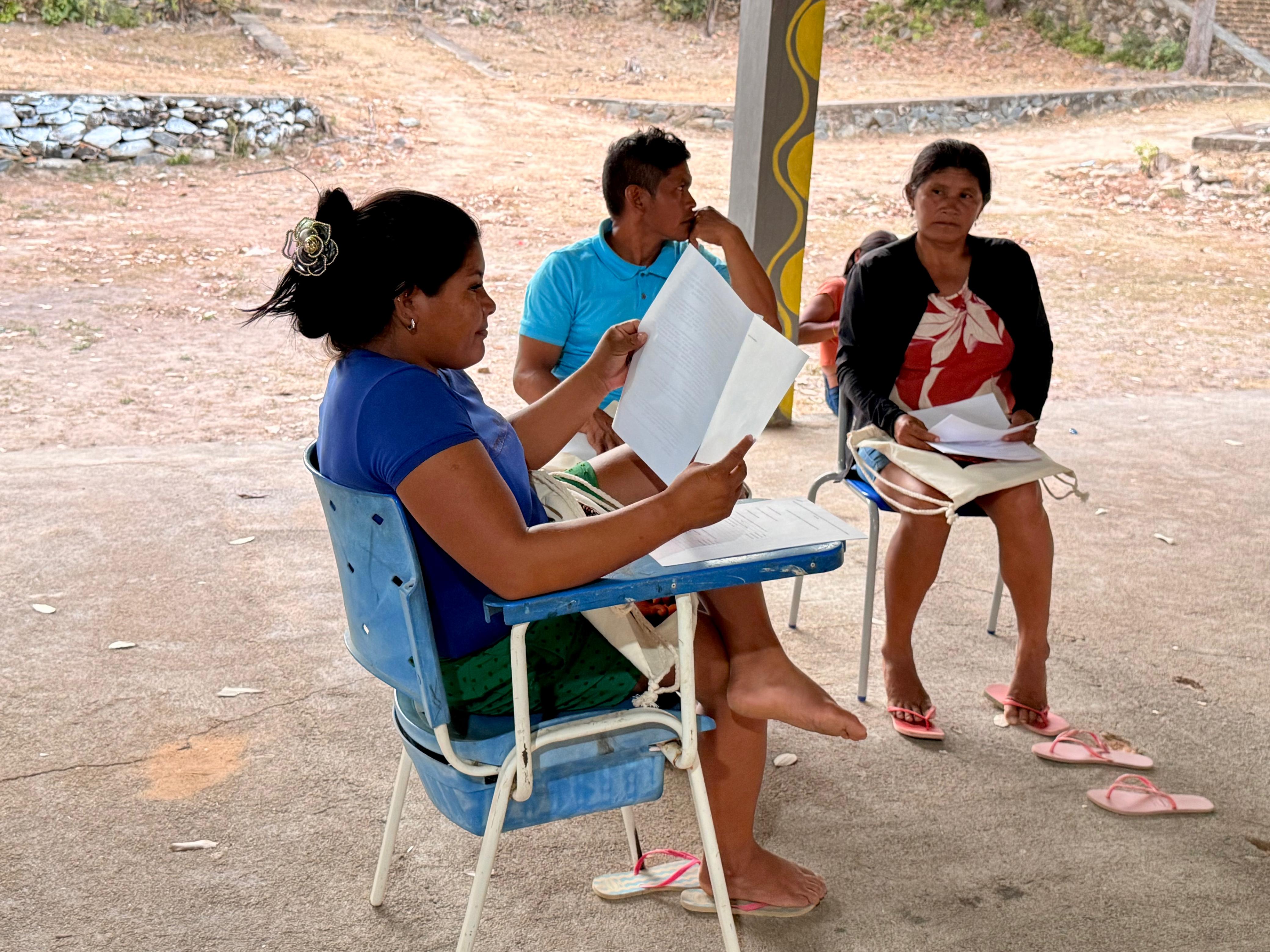
"In Canta Galo, we have 92 fathers of families and 417 residents. Our priority was the fence of the herd and we will be able to finish the fence with the PGTA, which was built by us with the help of our CIR organization",concluded the tuxaua.
The priorities and implementations were monitored by the technical team of the Management Department Territorial, Environmental and Climate Change (DGTAMC) and the Department Administrative and Financial Council (DAF) of the Indigenous Council of Roraima (CIR). Each department has an important role in the action.
In Roraima, they have already been 27 Territorial and Environmental Management Plans (PGTA) have been built, of these, 26 have already are under implementation. Surumu is one of the four regions that are part of the Raposa Serra do Sol Indigenous Land. The next implementation will be that of the people indigenous Ingarikó, which already has the PGTA ready.
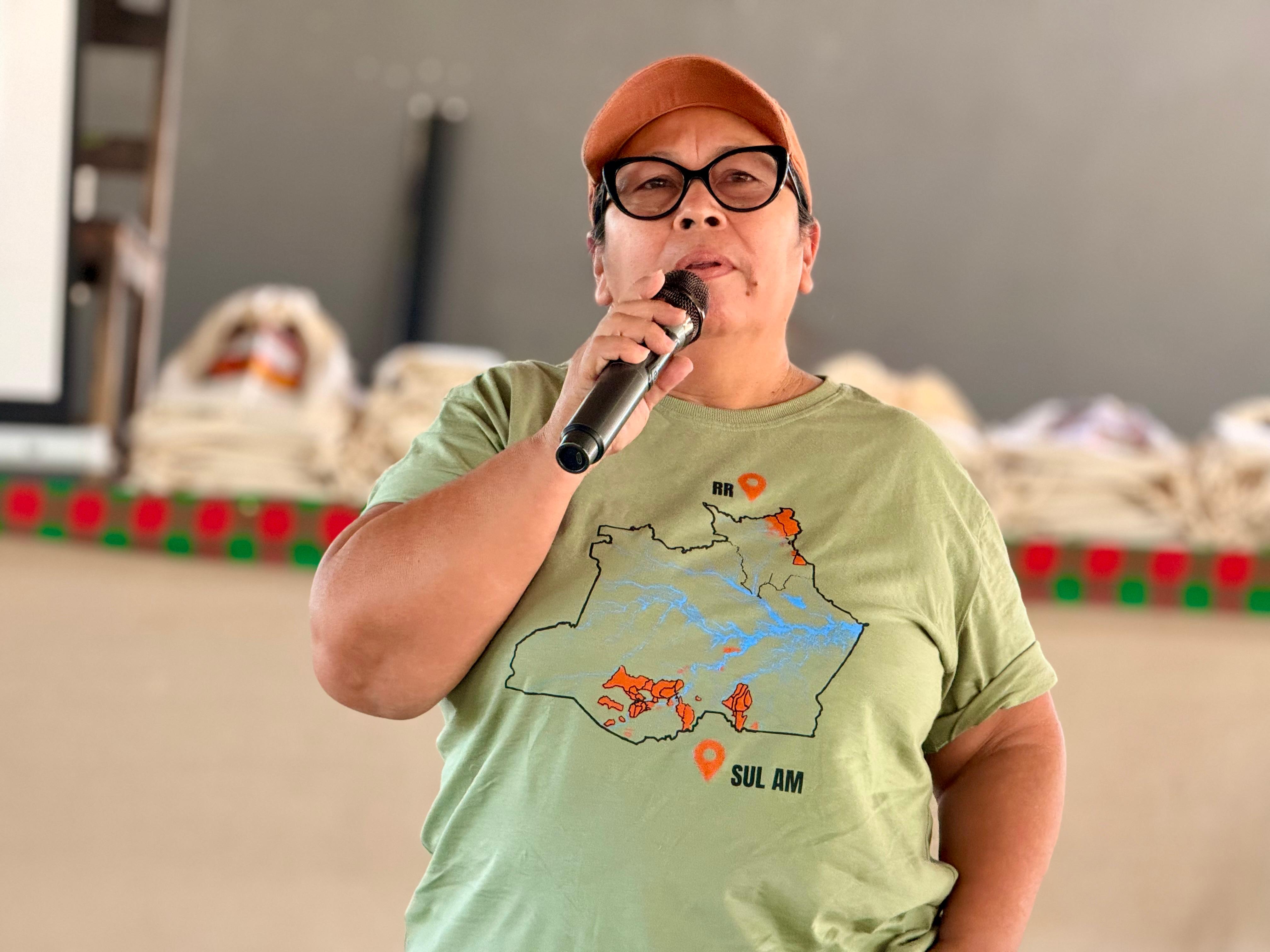
"The Council Indigenous Association of Roraima (CIR) is a pioneer in the construction of PGTAs, with methodologies that we have perfected so that it doesn't take so long to build this mechanism of indigenous peoples for the care and management of territories. This It involves several themes, such as health, education, the good living of indigenous peoples, culture, the issue of indigenous economies, work with women, young people and leaders. So, within this document, there is a life plan designed by the own leaderships",highlighted Sineia do Vale, coordinator of the Department of Territorial, Environmental and Change Management (DGTAMC) of the CIR.
The value of the resource available for the implementation of the PGTA or Life Plan is R$ 300 thousand and was divided among the 18 indigenous communities for the purchase of tools, animals and inputs for the renovation of structures. The entire budgetary part is responsibility of the Administrative and Financial Department (DAF), coordinated by Charlane Almeida, who was present at the prioritization and implementation of the PGTA in Surumu.
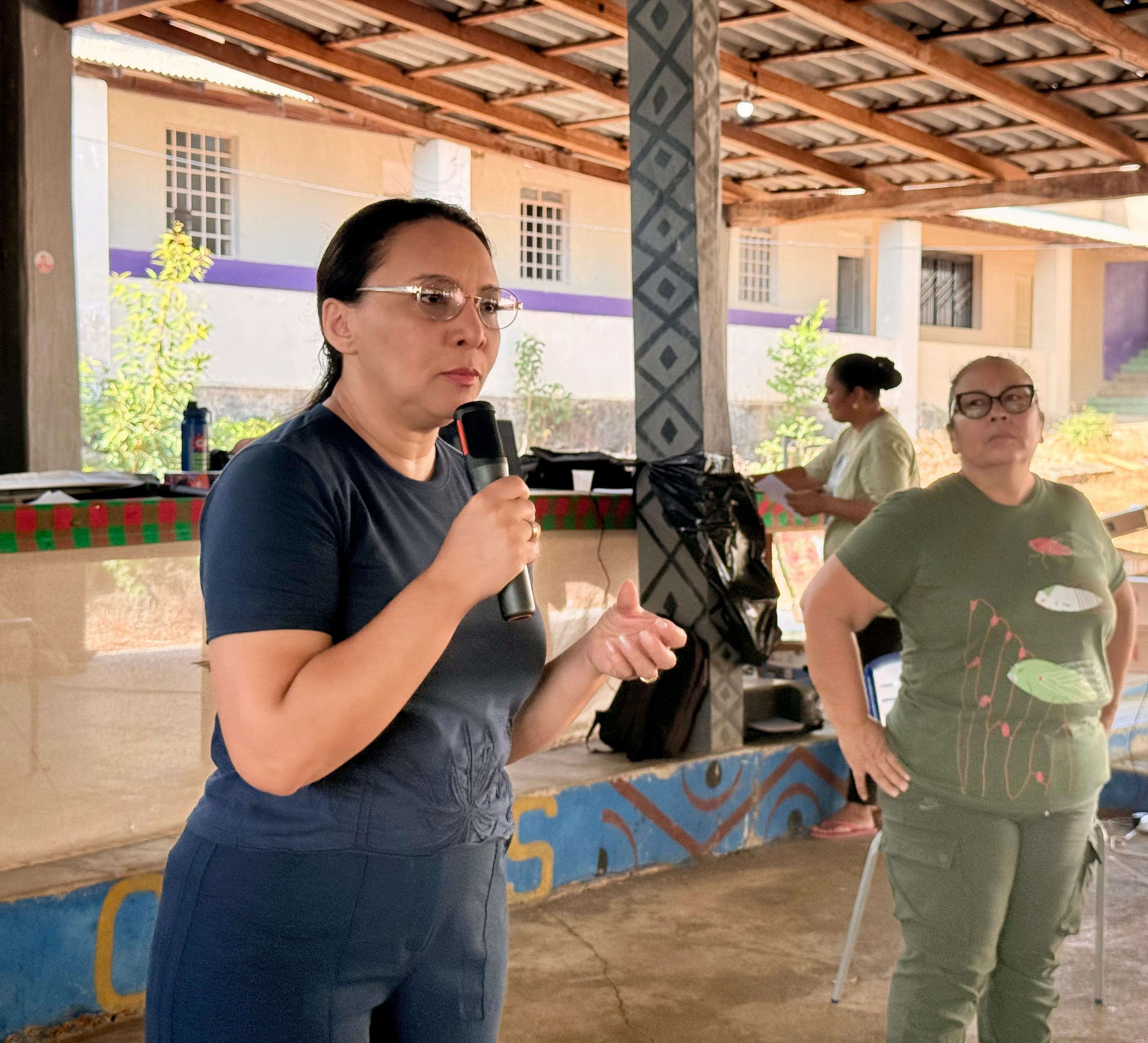
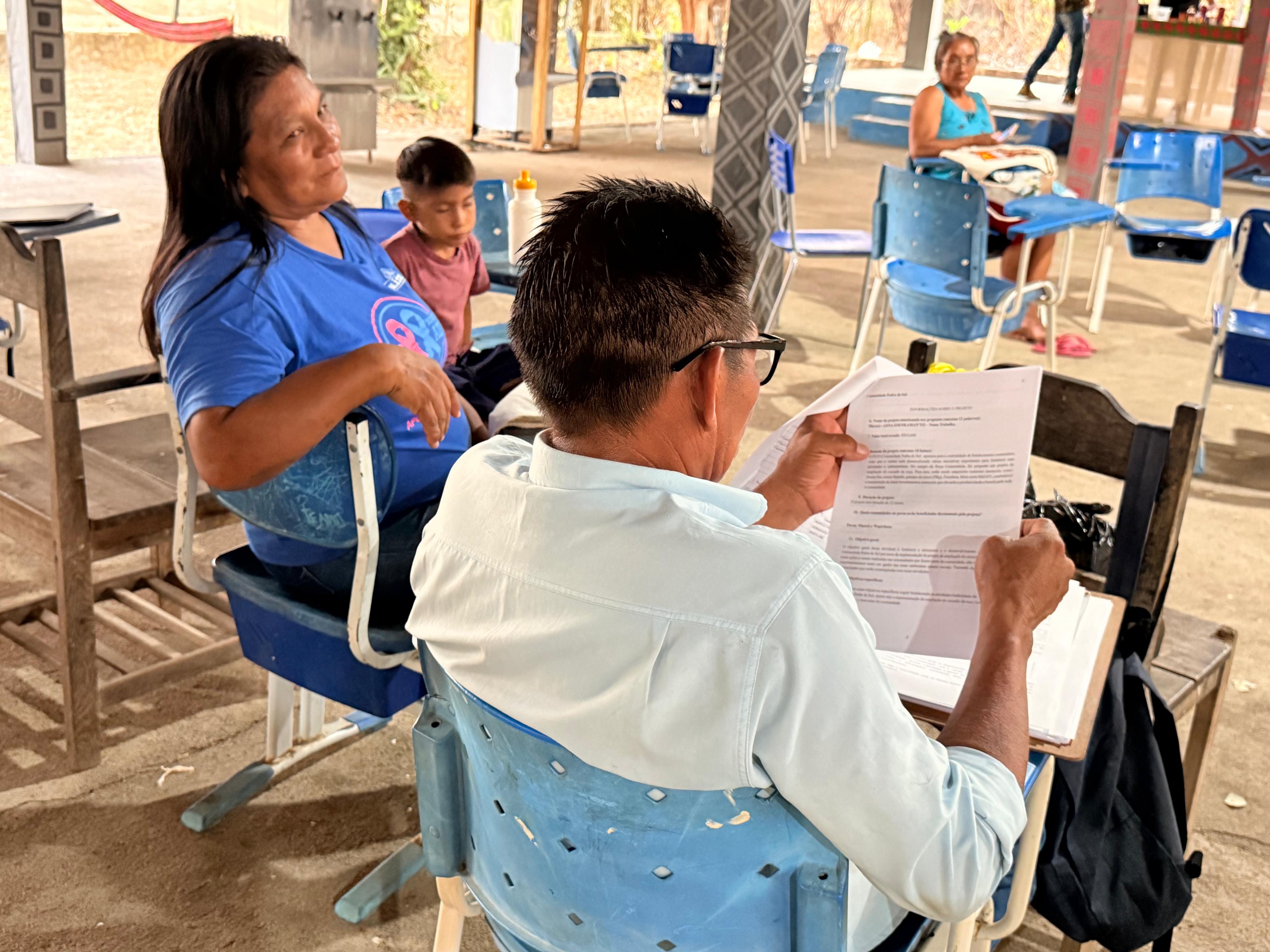
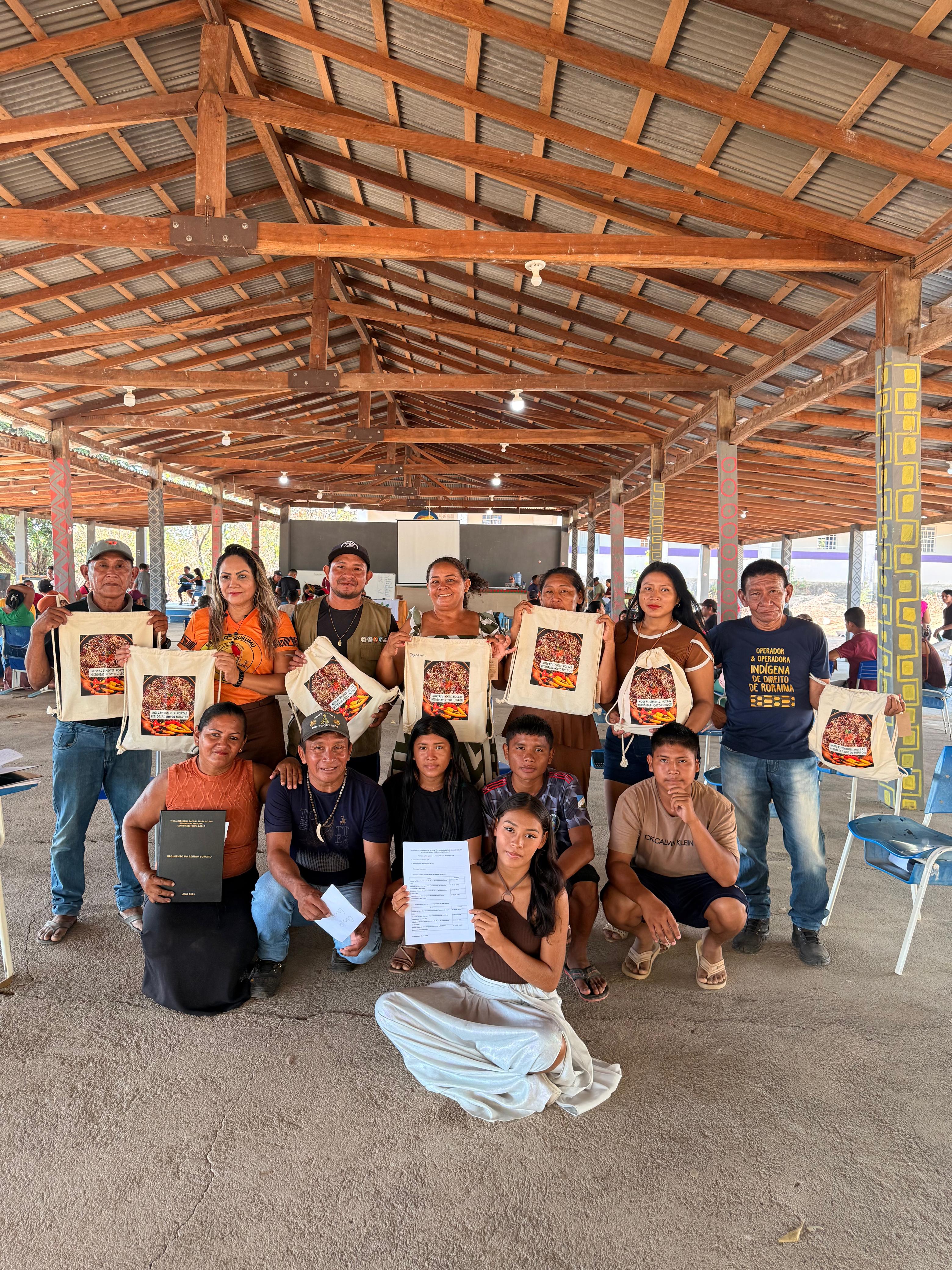
"The role of the DAF is to put the dreams of communities and regions in spreadsheets and numbers. If the leaders want an irrigation system, plumbing, fence, purchase of tools, after doing all this budgeting part together with them, we take to the office and there we quote prices, then the purchases and then We deliver the logistics so that they can implement the priorities made here. And, when we can deliver and see that, in practice, it is working, with improvements for the good living of indigenous peoples, that for us It's a great satisfaction, it's a feeling of accomplishment,"Charlane pointed out.
The Indigenous Council of Roraima (CIR) has been working for 55 years in the defense of rights, life and autonomy of indigenous peoples. The organization is a reference at the regional and national levels and international in discussions on climate change, land management and defense of indigenous rights.
The technical team responsible for the implementation of the PGTA in the Surumu region was composed of Sineia Wapichana, coordinator of the department; Ivone Silva, reference person for the implementation of the PGTA; Maria Edite Macuxi, agronomist; Vanessa Wapichana, department advisor; Ayrton Cláudio, environmental assistant; Davison Buckley, project manager; Charlane Almeida, administrator and coordinator of the DAF; and Helena Leocádio, journalist and press officer of the CIR.
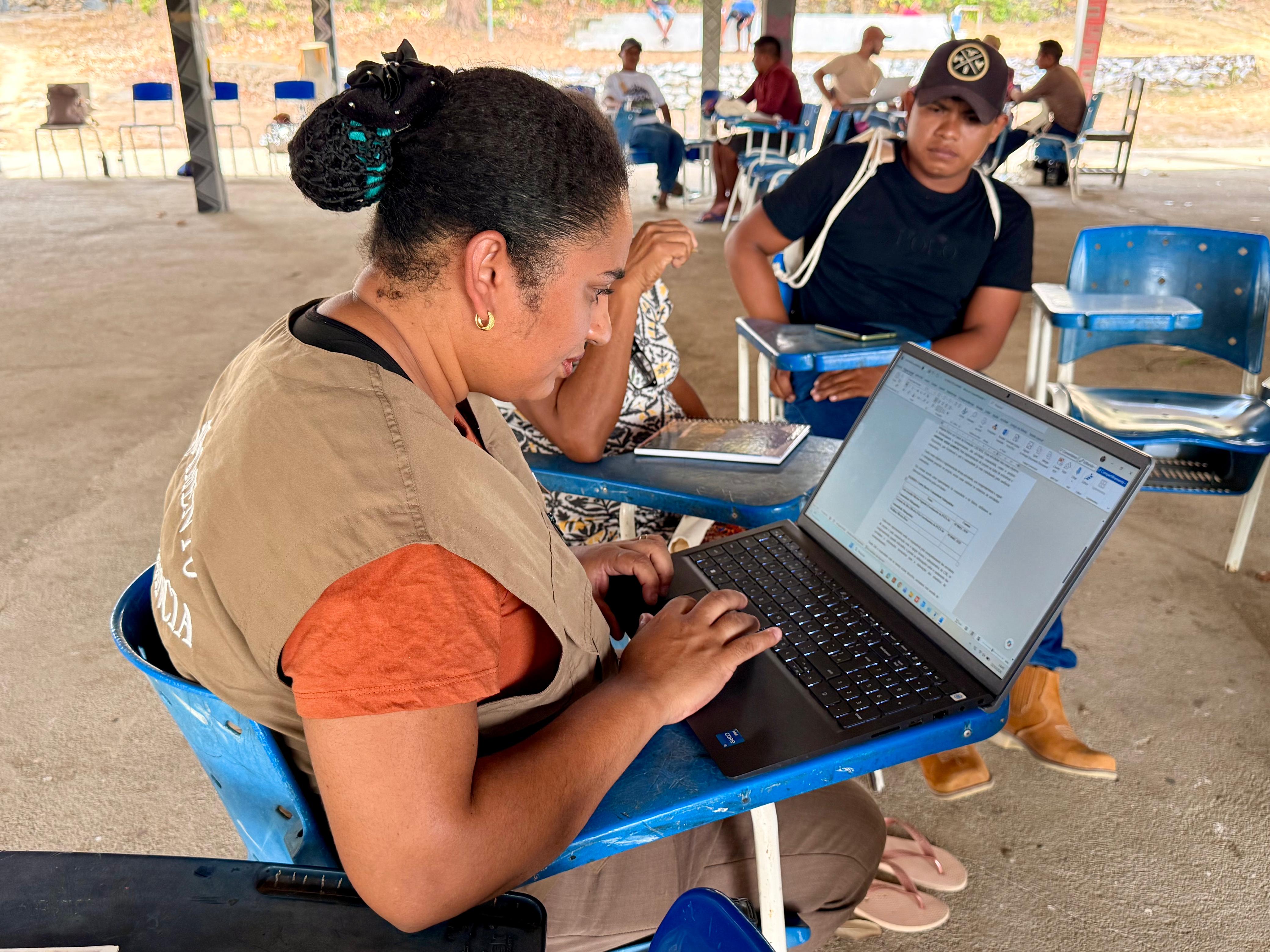
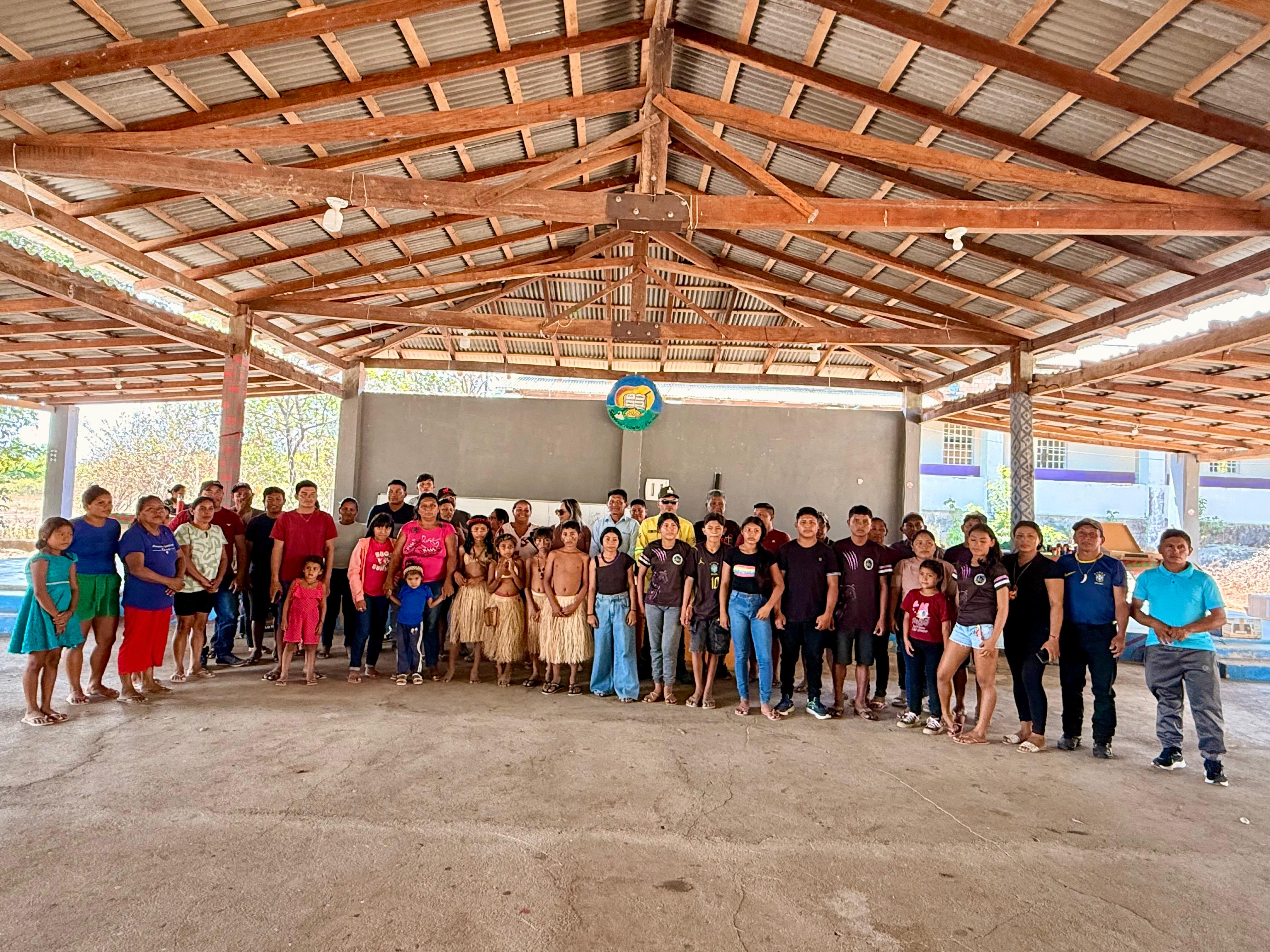
To carry out the implementation of the PGTA, the CIR had the support of its partner Nia Tero, which has strengthening the institution and actions in indigenous regions and communities.
Review: Charles Nogueira - Ascom CIR