
By Allyne Bentes.
The drought that hits Roraima has affected the daily lives of indigenous communities, with impacts on the access to water, in agriculture and in animal husbandry. In the Murupu region, where are the communities of Serra do Truaru and Macaíba, the severe drought already compromises the food production and worries families who depend on the cultivation of traditional seeds for consumption and income generation.
In the Serra do Truaru, the Sustainable agriculture was one of the main areas affected by drought. The leaders recorded the loss of 50 hectares of the corn crop planted in June and harvested in September, because of the lack of rain. Only five hectares bore fruit, directly impacting the community's livelihood. O corn cultivation is aimed at both the sale and consumption of residents and animals.
"By the fact that has been happening, we, as leaders, feel very worried, because it has been affecting the development of our community, our creations, our production. And, faced with very hard work, in a plantation of large crops, We have a loss like this, we get worried and sad", he laments Mr. Gecivaldo Aleixo, tuxaua of the Serra do Truaru.
Also according to the tuxaua, In addition to the impact on corn cultivation, the drought has also affected other productions, such as cassava and fish farming.
"Who is producing [cassava] has to do it immediately [the harvest], because otherwise it can lose also due to the drought. We expected a rainy winter, but unfortunately not happened. The drought started ahead of schedule, the sources have also started to lower level ahead of schedule. And not to mention the fingerlings (fish in the juvenile stage), that we had the plan to put them in the dams, but, Afraid of the dams drying up, we did not carry out this creation project of fish", reports.
In addition to the losses in production, the community is also preparing to face the risks of fires during the dry season. According to Gecivaldo, the volunteer brigade of the community participated in the planning of a prescribed burn, with the support of the CIR, as a preventive measure. Until the moment this report was As of writing, the community was already at 95% of the prescribed burn completed.
The Serra do Truaru and Macaíba are located in the Serra da Moça and Truaru indigenous lands da Cabeceira, which are among the 21 indigenous lands in Roraima classified with severe drought, according to a survey by the Coordination of Indigenous Organizations of the Brazilian Amazon (Coiab).
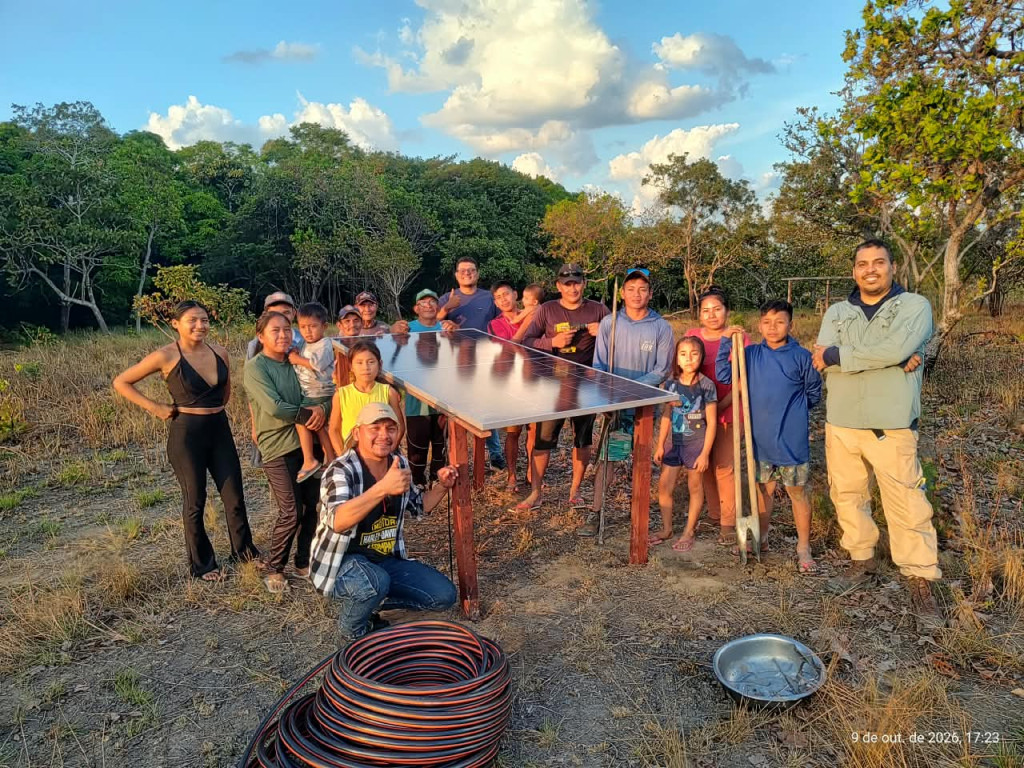
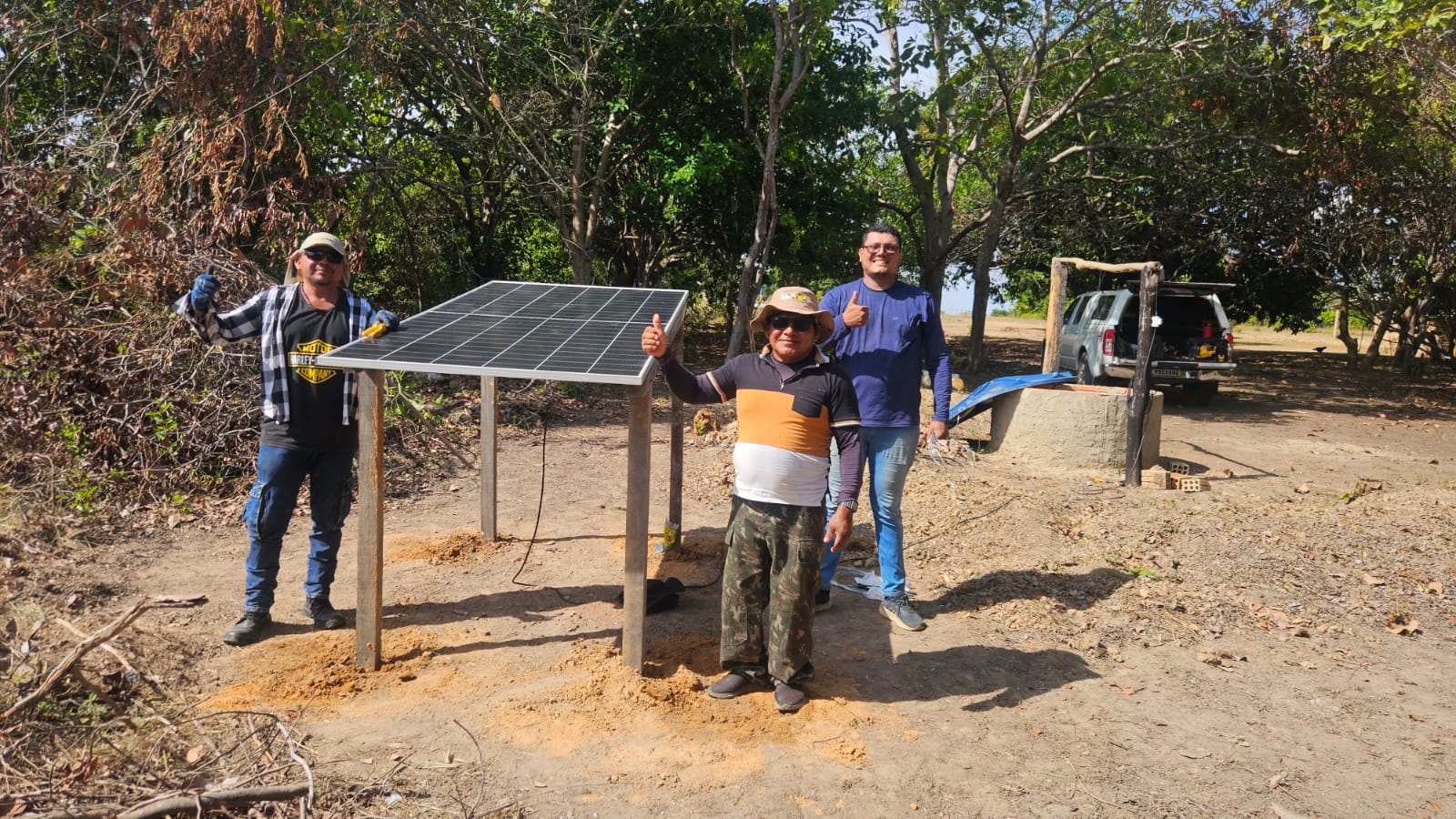
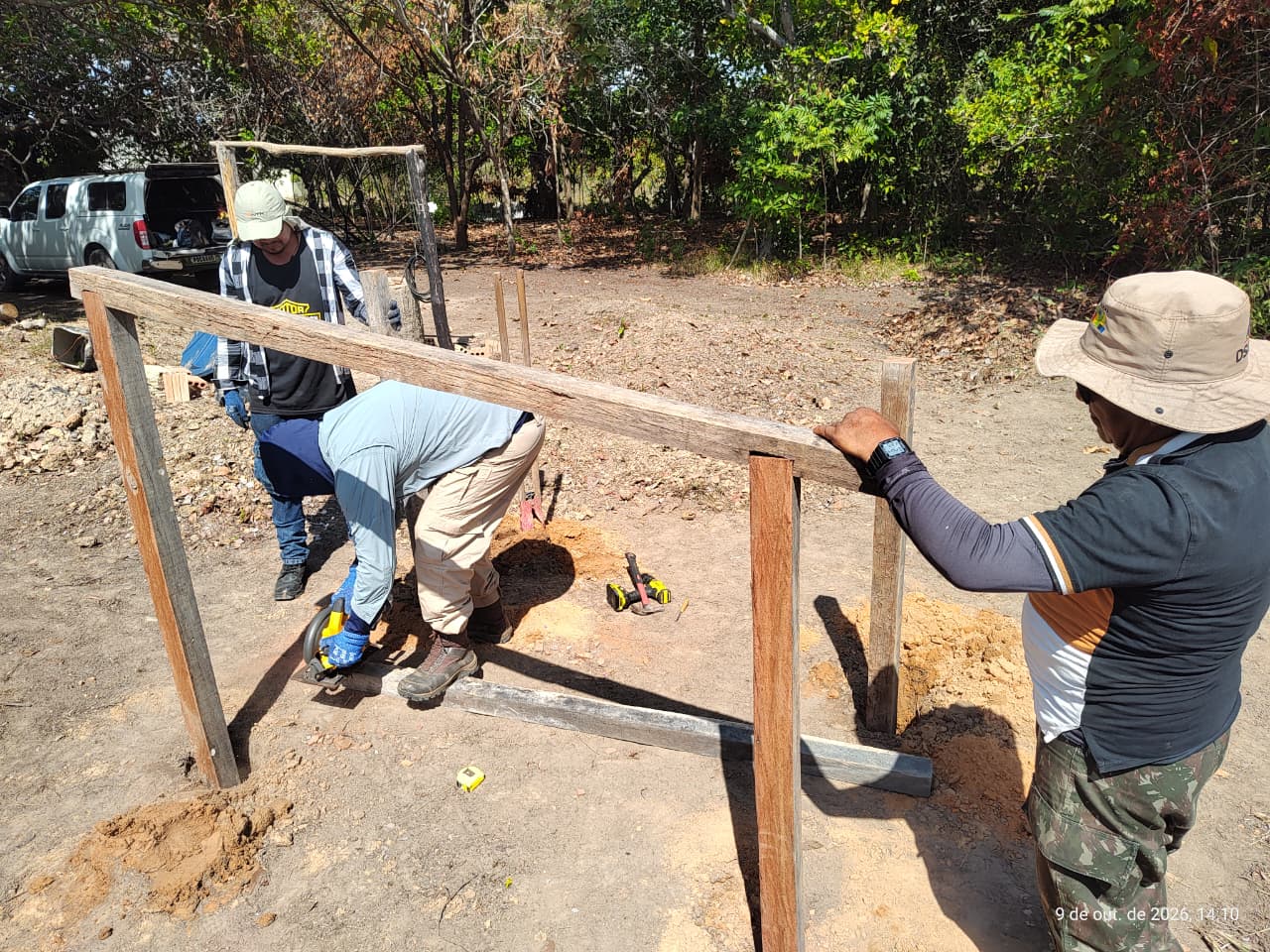
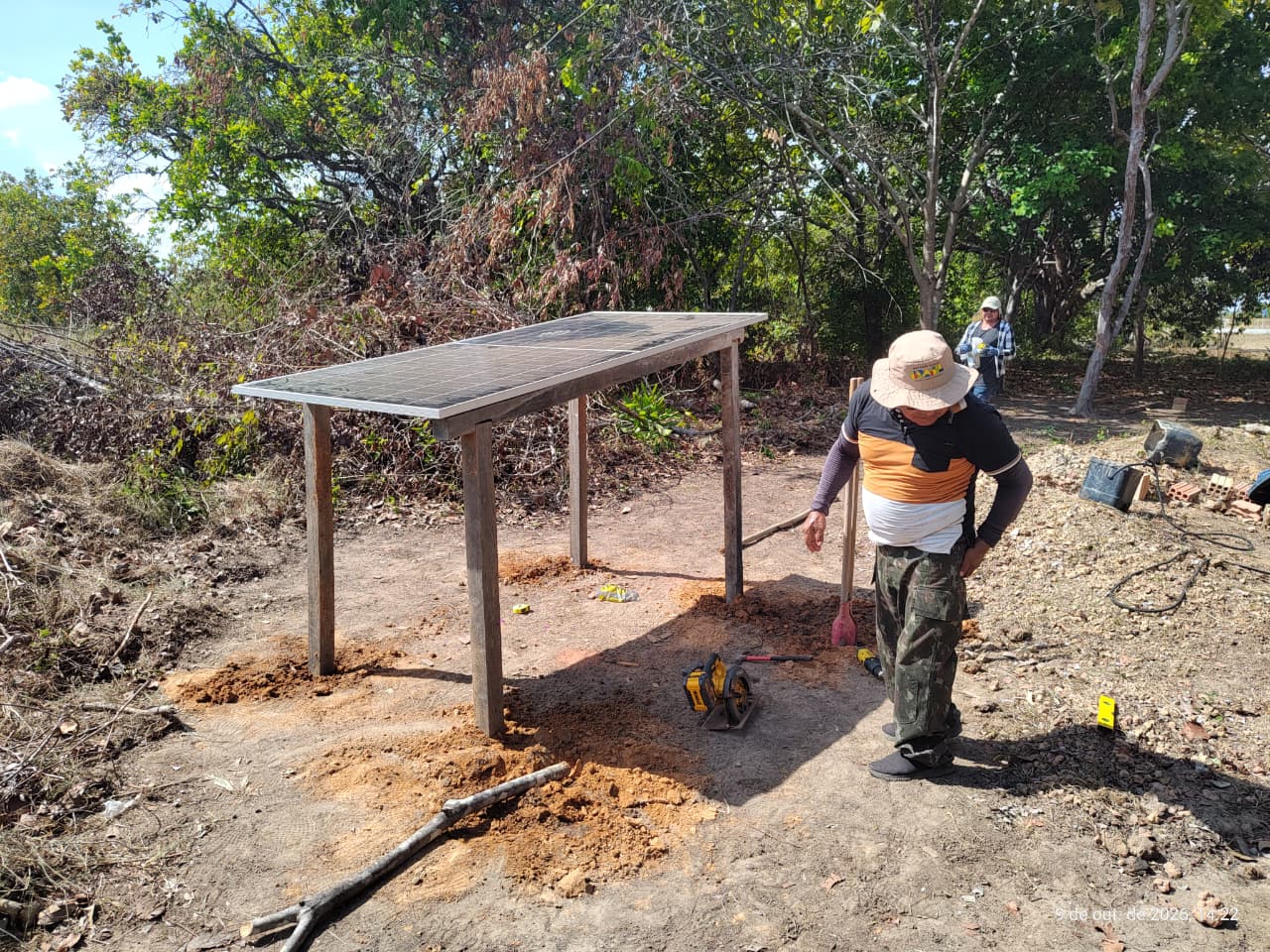
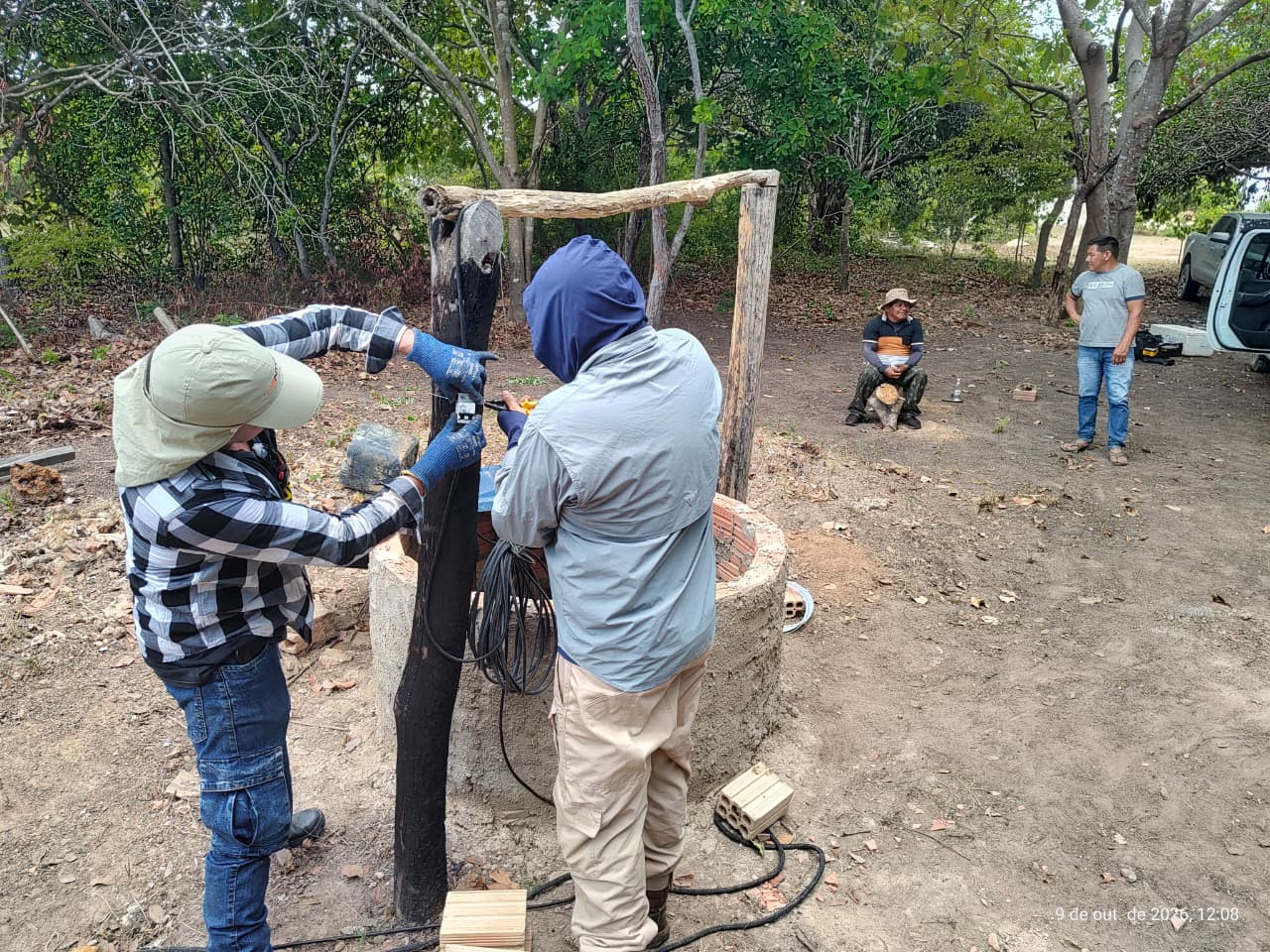
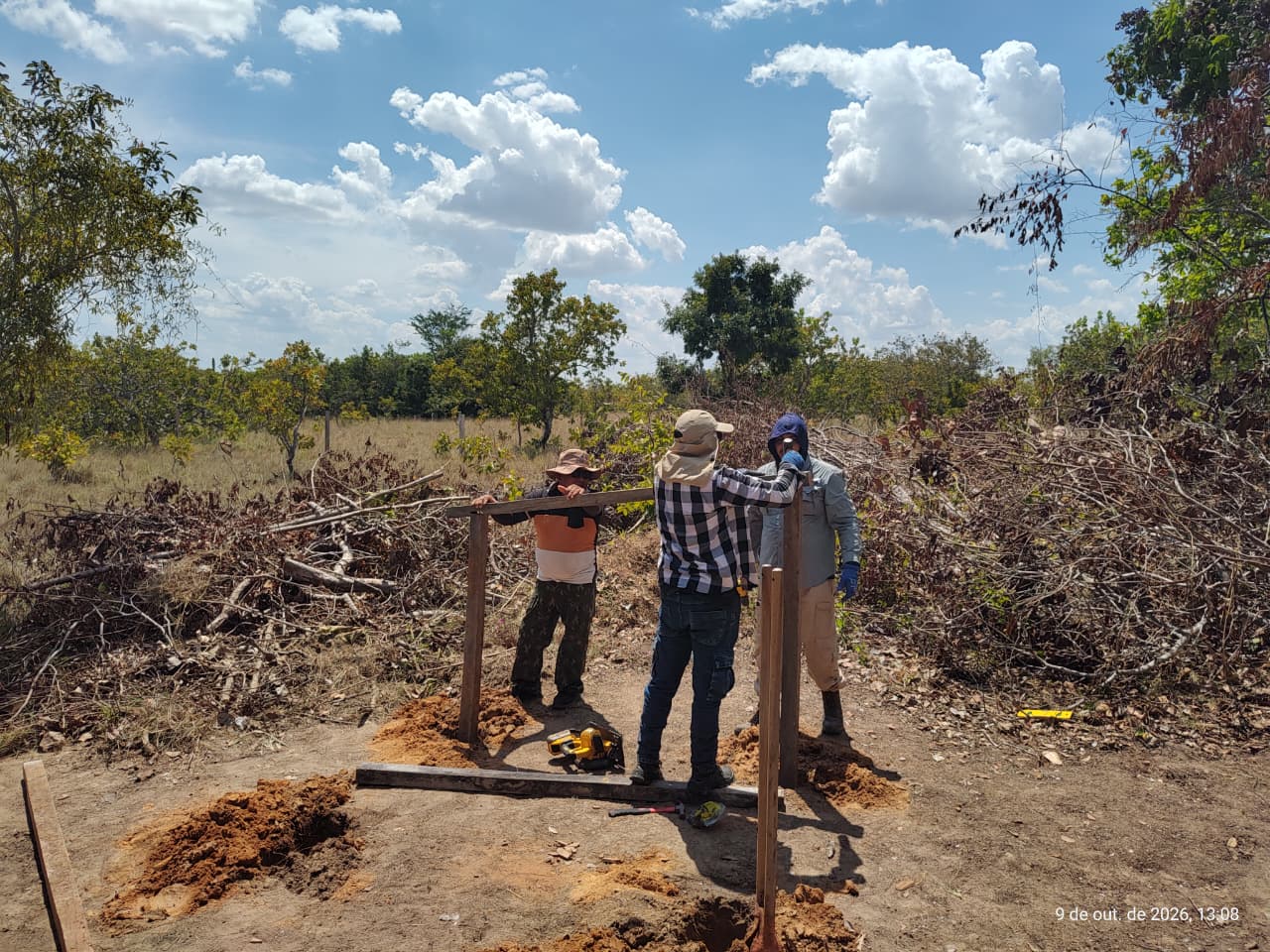
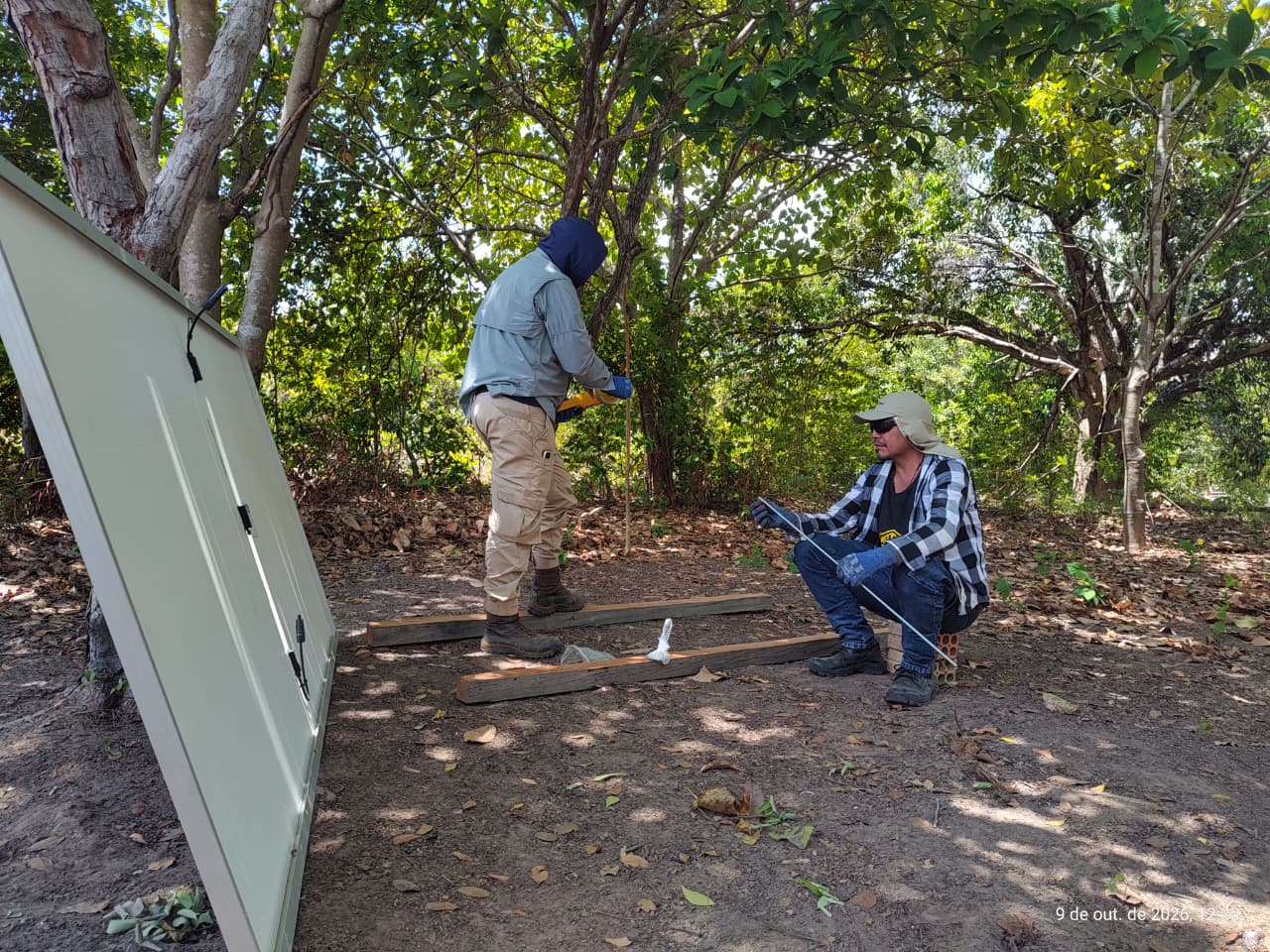
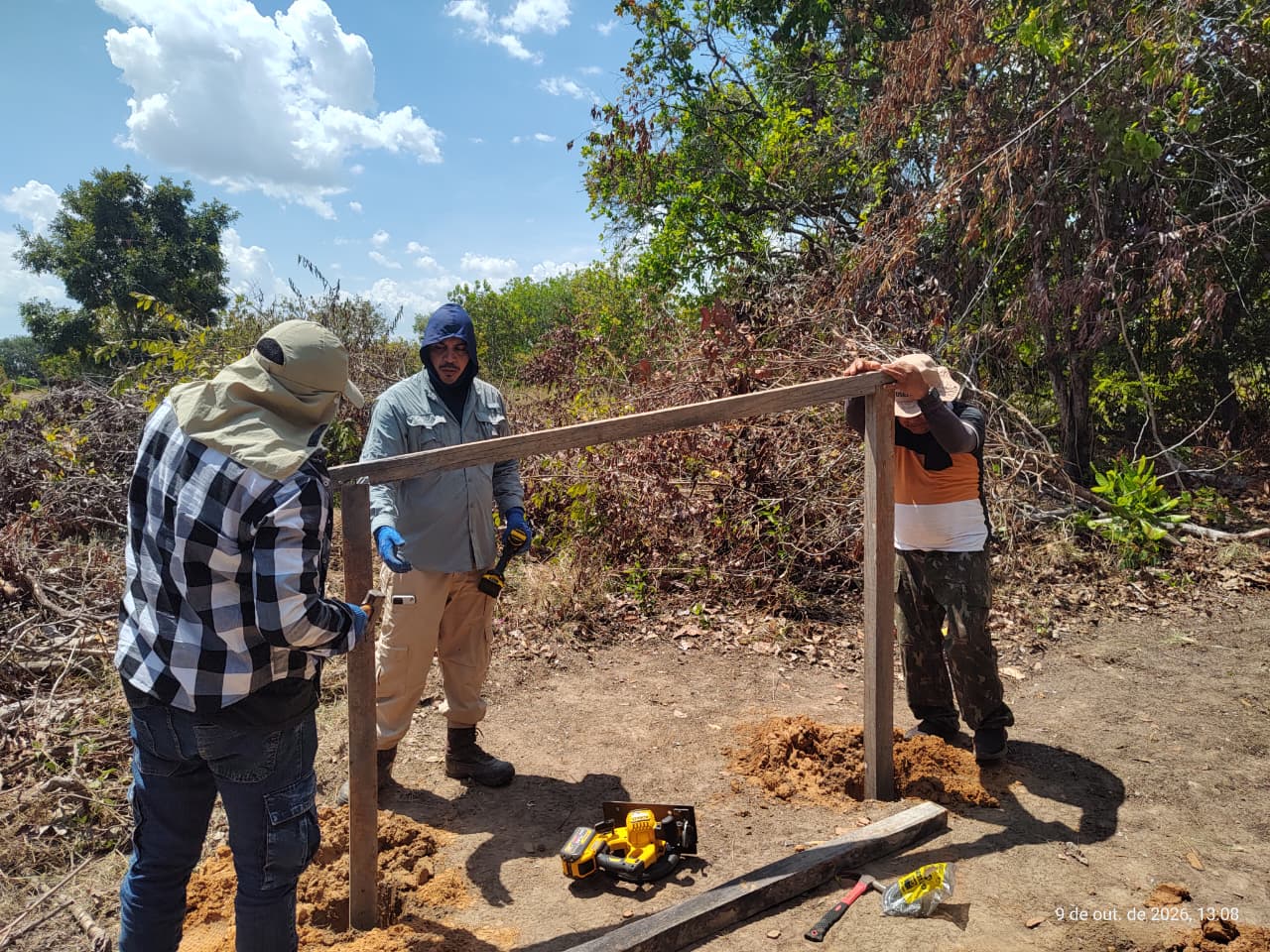
Given this scenario, the Indigenous Council of Roraima (CIR), through the Department of Management Territorial, Environmental and Climate Change (DGTAMC), implemented a system pumping water in an Amazonas well, supplied by solar energy. A The initiative benefited more than 300 people, from 101 families, 94 of whom were from the Serra do Truaru community and seven from the Macaíba community, in the Murupu region.
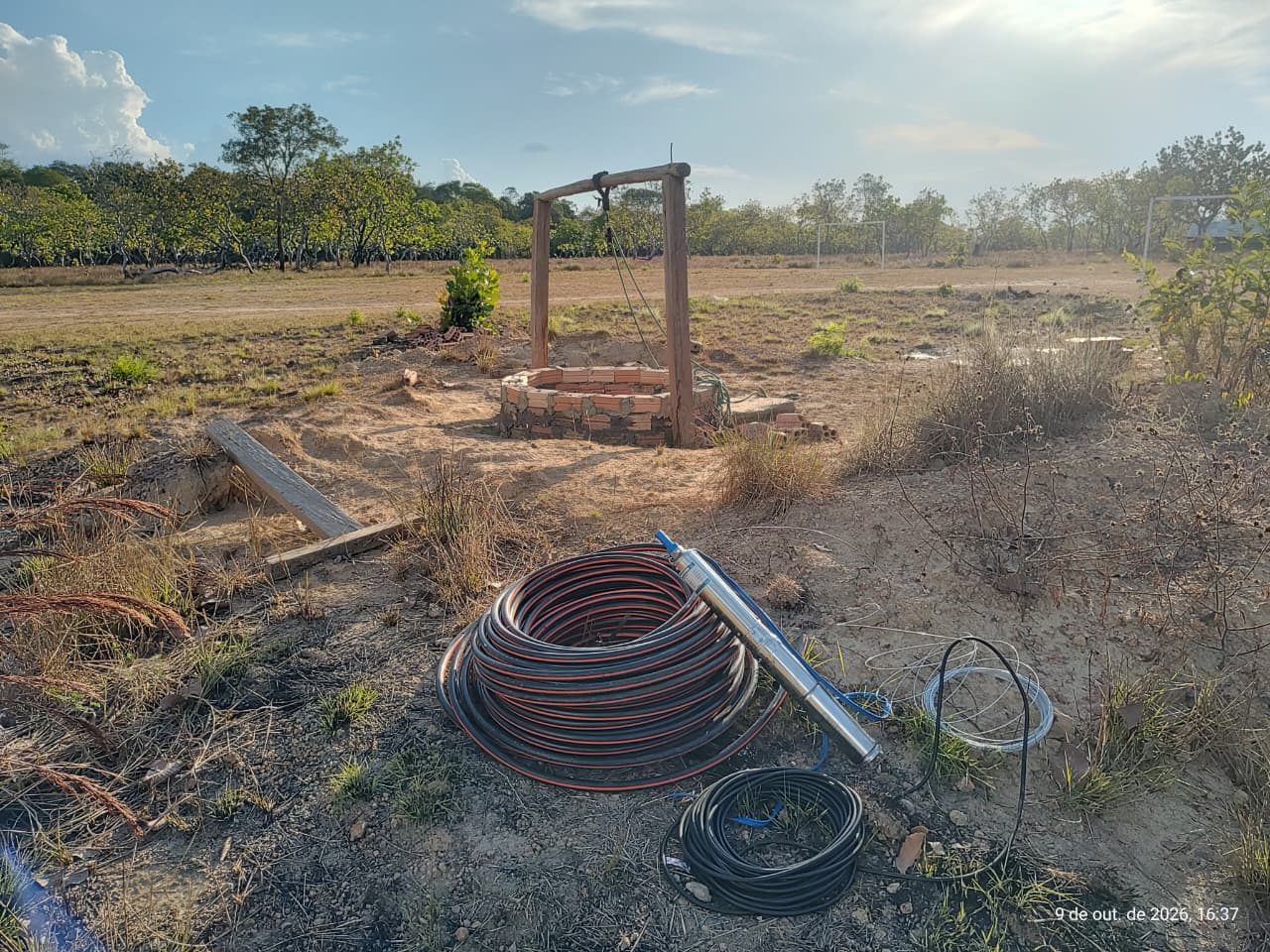
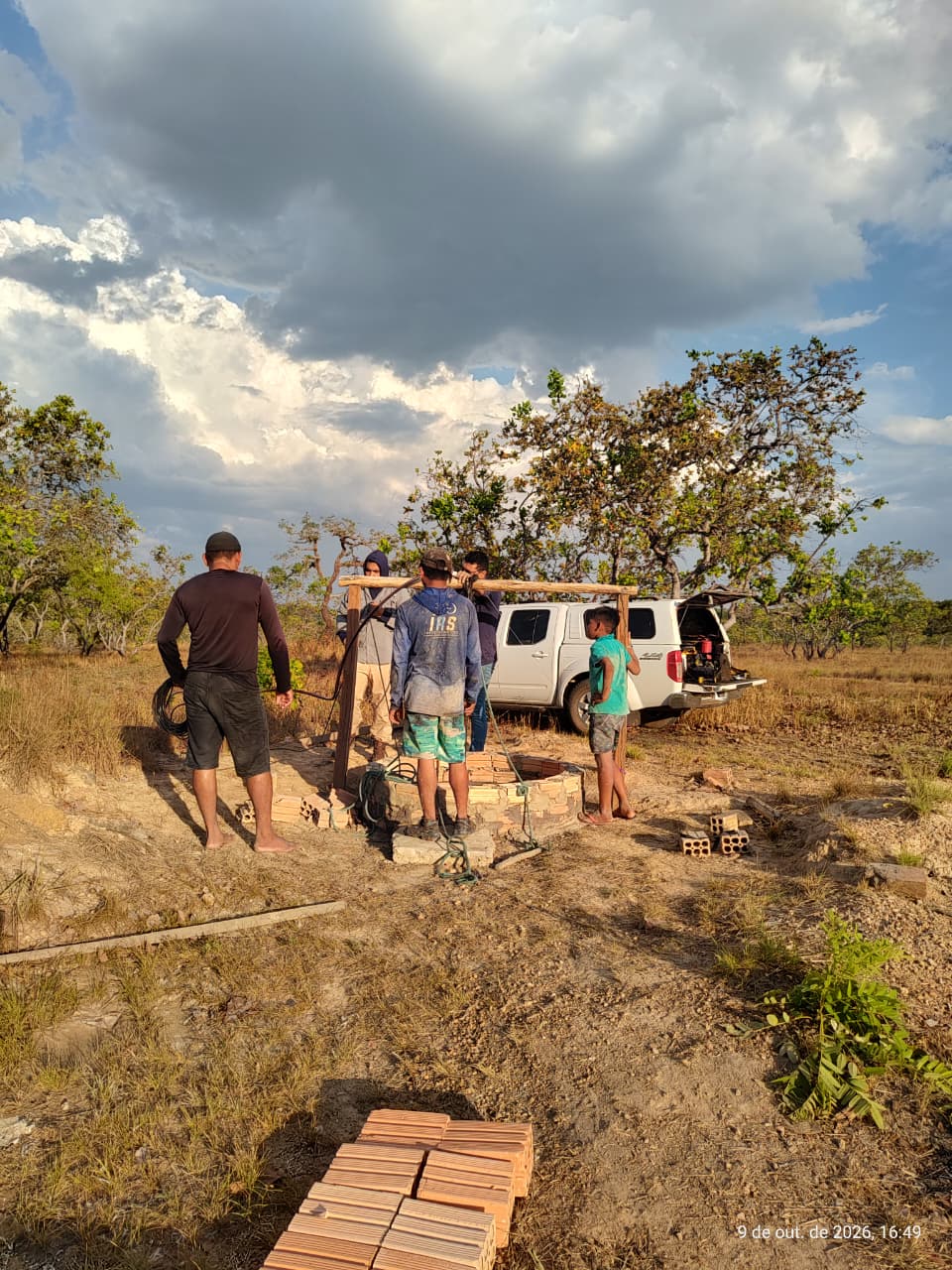
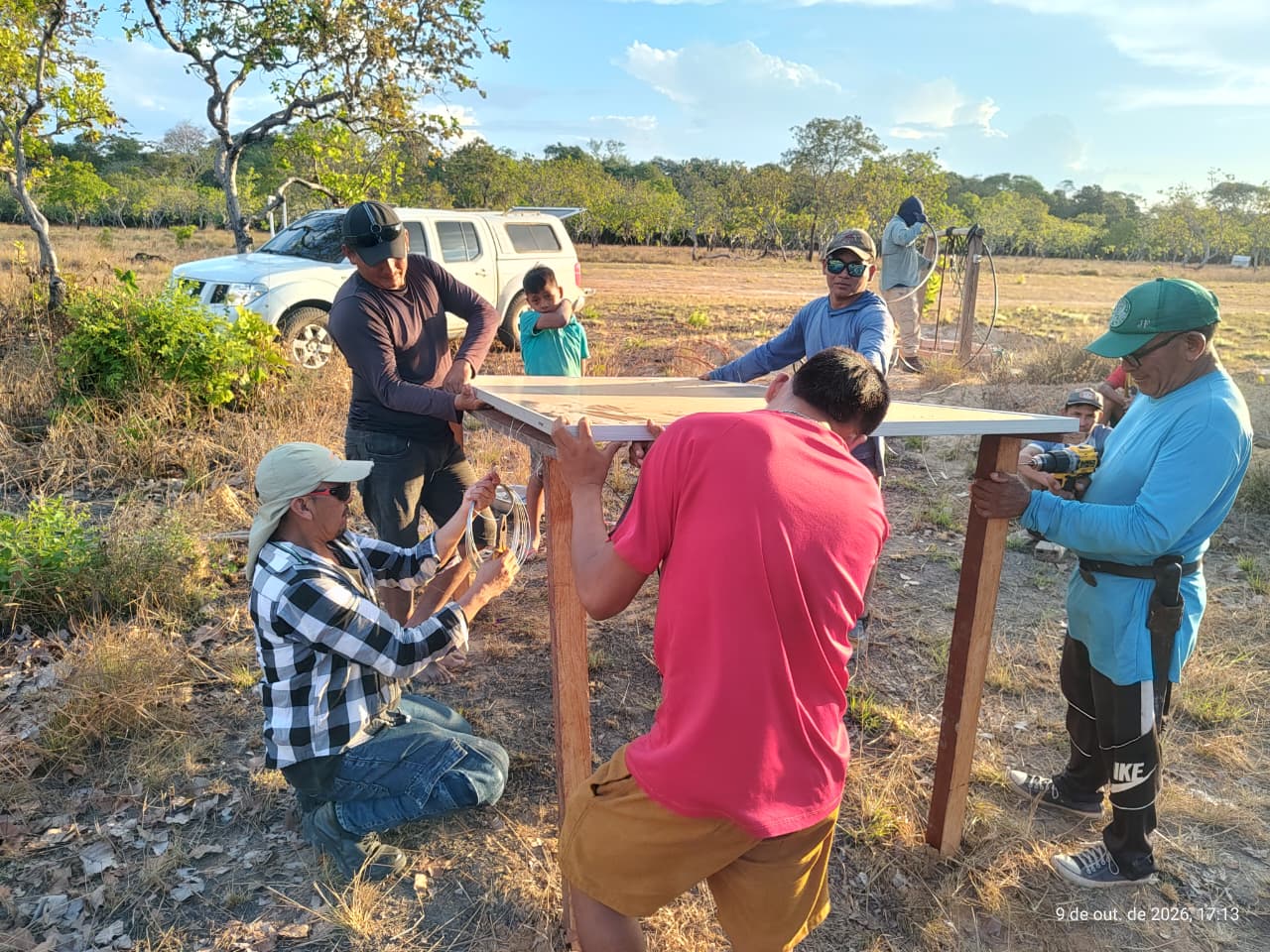
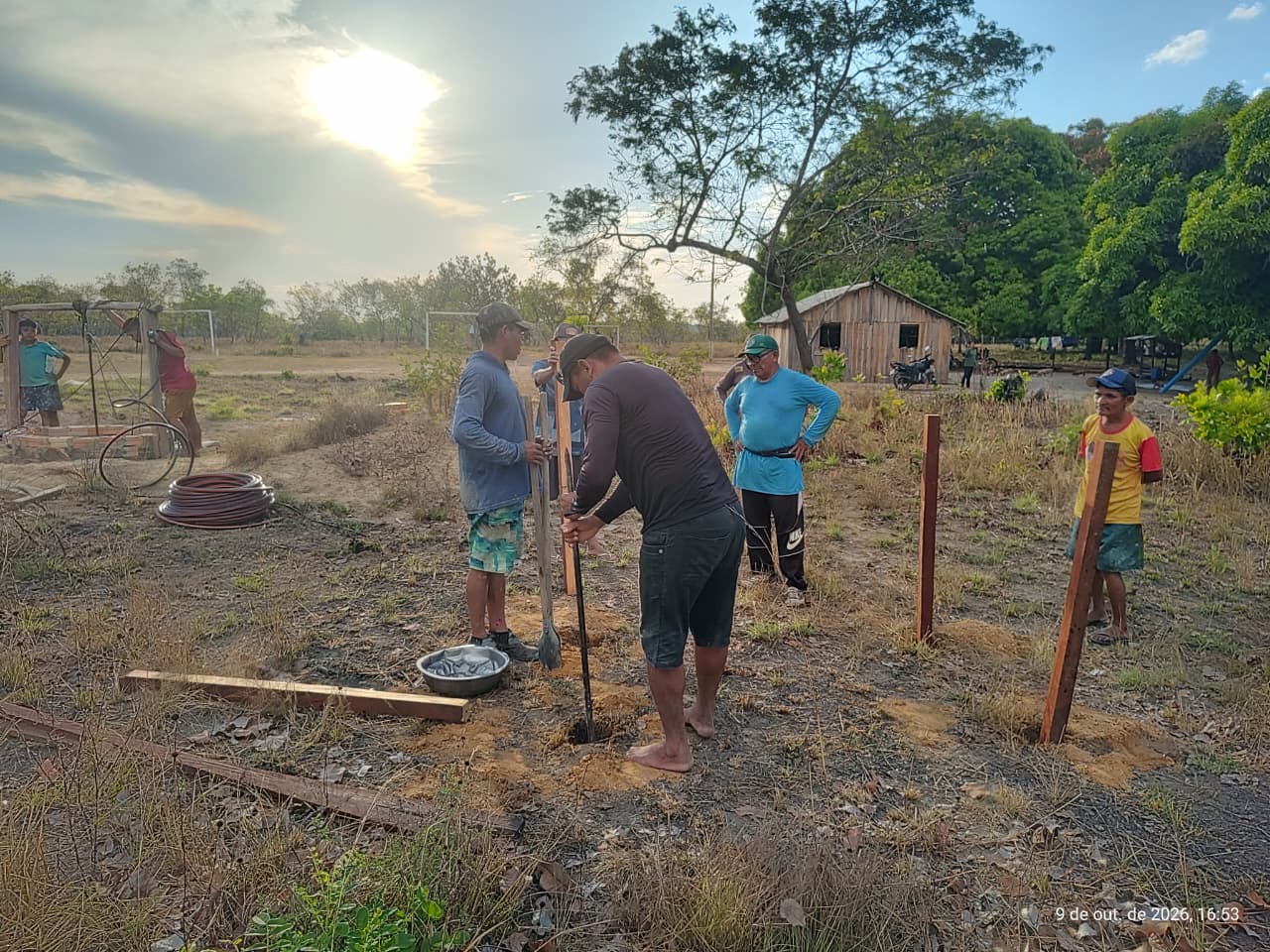
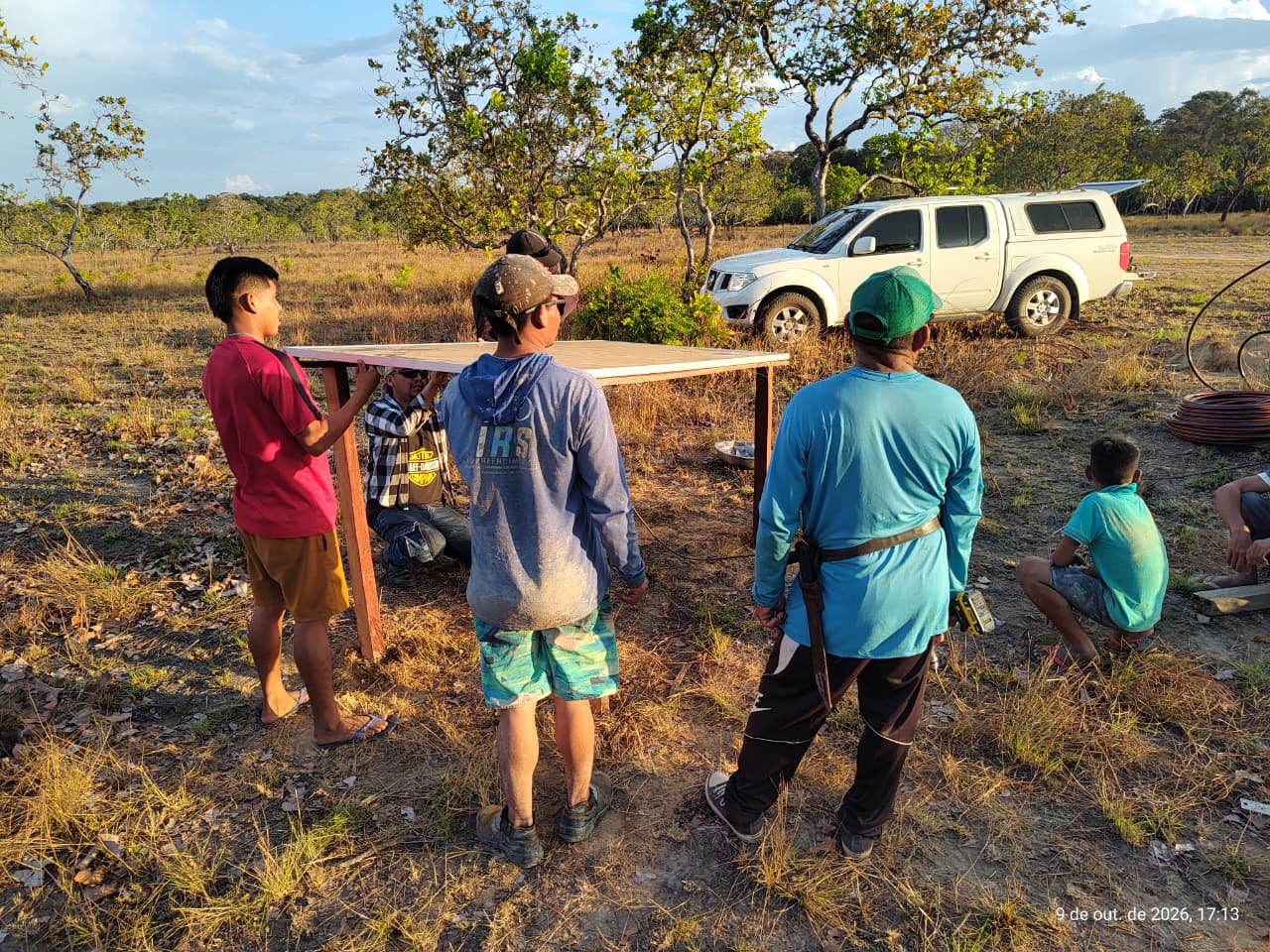
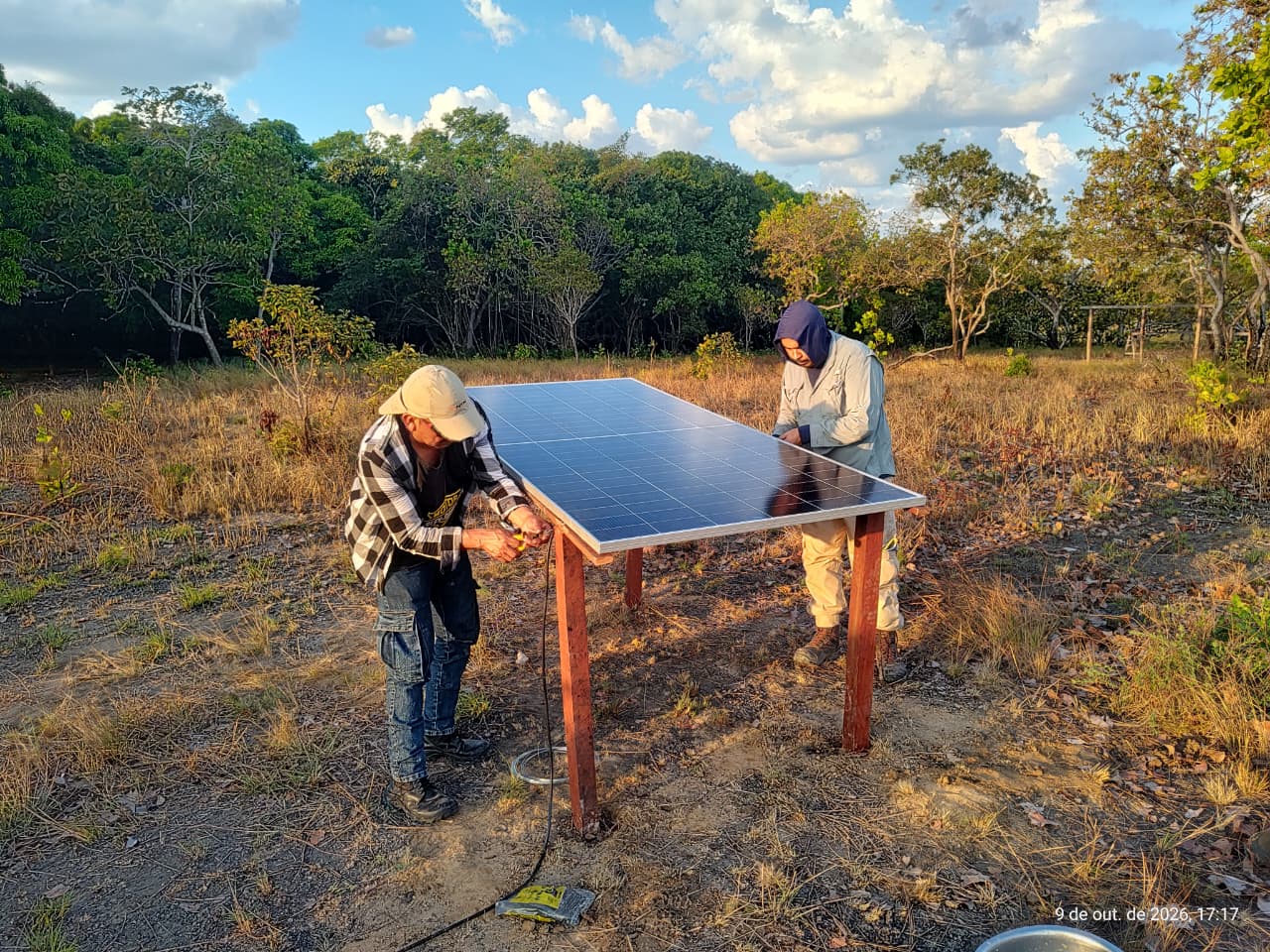
The facilities of the supply systems are provided for in the Indigenous Adaptation Plans of Confronting Climate Change of indigenous communities and were held on Friday (October 9) by the agronomists of the CIR Renan Oliveira, Raiovane Araújo Montenegro and Pedro Nascimento.
Renan Oliveira highlighted that the measure is necessary to guarantee water and energy autonomy of families in the face of the period of drought and drought that affects the Murupu ethnoregion.
"The implementation of this system was vital to reduce the dependence of families on external sources of water and ensure the supply of the community in the face of the severity of the climate and of extreme drought", he explained.
Roraima concentrates the most of the indigenous lands in the Legal Amazon that face more drought severe. They are: Pineapple, Aningal, Tapir, Araçá, Barata Livramento, Boqueirão, Cajueiro, Canauanim, Malacacheta, Mangueira, Manoa/Pium, Moskow, Muriru, Pium, Ponta da Serra, Raimundão, Santa Inez, Serra da Moça, Sucuba, Tabalascada and Truaru.
Also according to the survey, eight indigenous lands in the state are also with moderate drought classification, while four had mild drought.
Adaptation Plans Indigenous
To reduce the impacts of the climate crisis on the territories, the Indigenous Council of Roraima (CIR) works with several actions. One of them is the implementation of the Plans for Indigenous Adaptation. The documents are strategic instruments developed in the based on the needs identified by the residents themselves, allowing the planning of measures appropriate to the reality of each community.
"The Adaptation Plans they are the tool that we build from the knowledge of the peoples indigenous peoples, the perception of indigenous peoples, work with men, women and young people, children, in the construction of these plans. Because they are a mechanism for us to discuss, especially within the climate conventions, the biodiversity, desertification, but they are also mechanisms where we seek implement in our communities", explains Sineia do Vale, coordinator of the Department of Territorial, Environmental and Change Management Climáticas do CIR.
In the documents too the climate changes observed by the residents are recorded, such as droughts, droughts and changes in the rainfall regime, in addition to establishing measures to minimize the impacts of the climate crisis on territories.
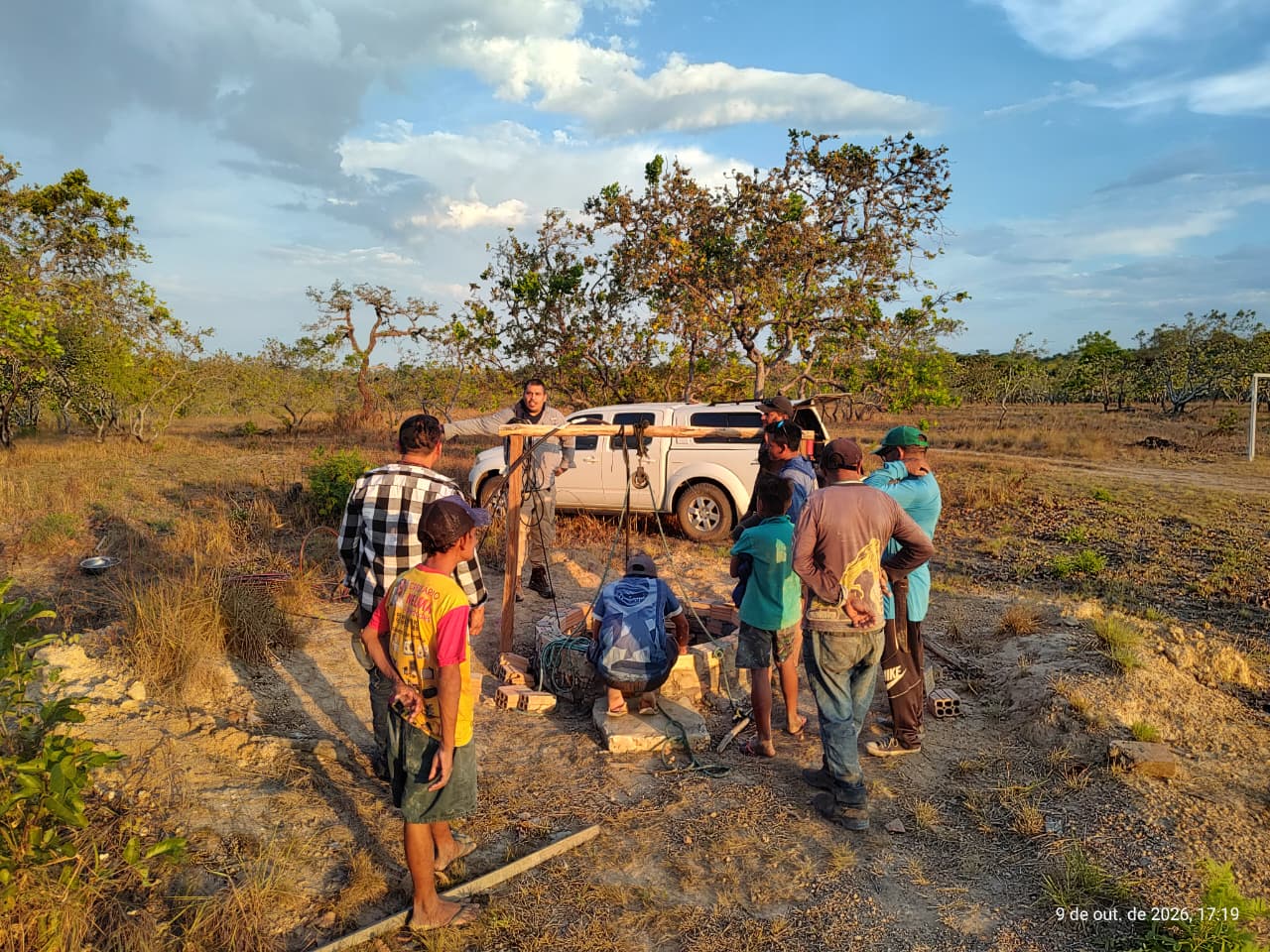
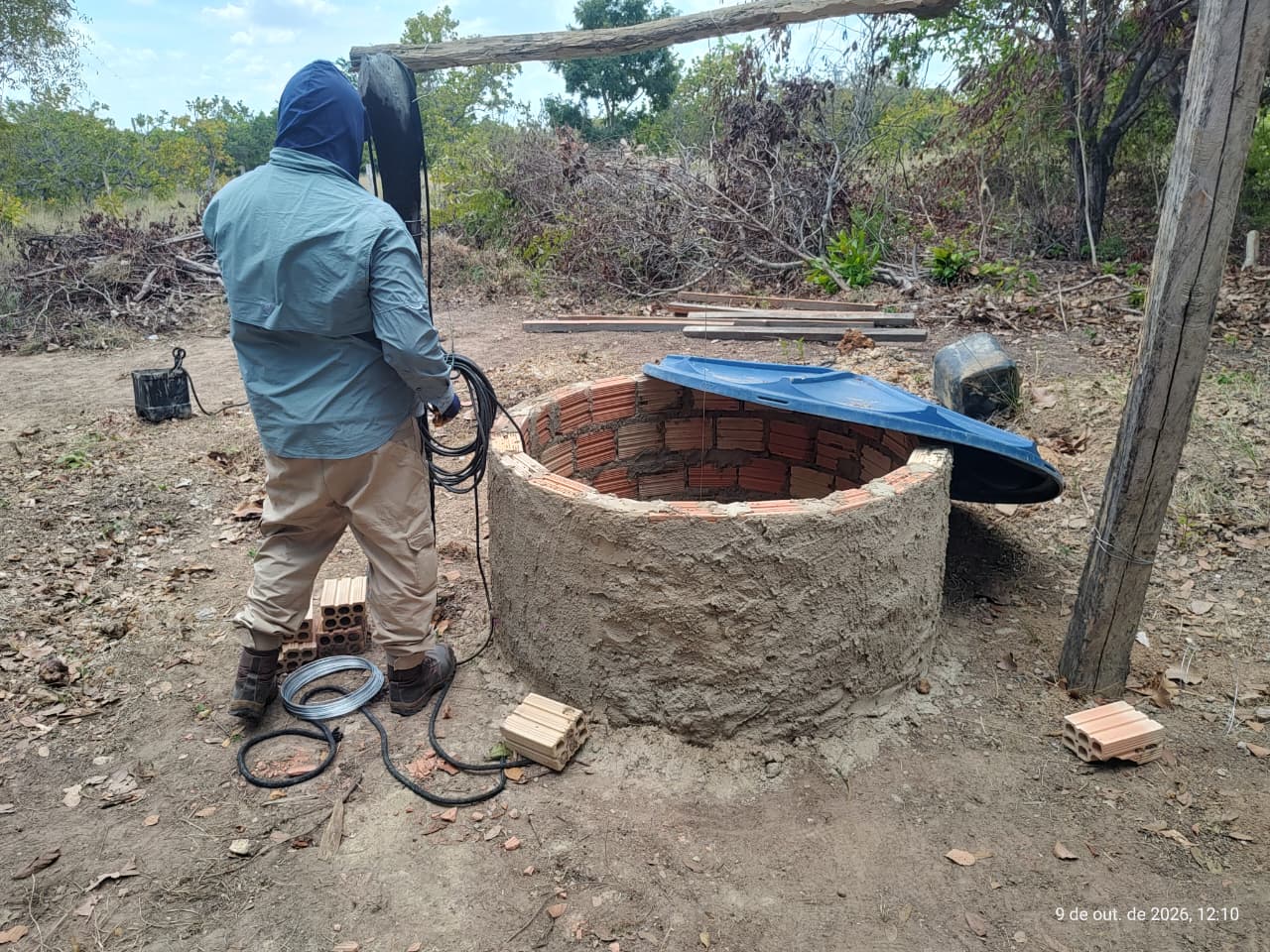
The construction of the Plans Indigenous Adaptation Plans, also known as Plans to Combat Indigenous Diseases, Climate Change, began in 2010. In all, they were elaborated, in together with the communities, five plans: in the Serra da Lua region, in the T.I. Raposa Serra do Sol, in the Amajari region and in the Murupu region. According to Sineia, the It is expected that a plan will be built for each region and indigenous land.
The Adaptation Plans Indigenous Plans, also called Plans to Combat Climate Change, they are references at the state, national and international levels, serving as model for indigenous peoples from other places to build their plans for according to the reality faced in the territories.
The facilities of the water supply systems provided for in the Murupu region plan have been possible due to the support of partners Nia Tero and Pawanka Fund. In addition to this implementation, two more are also planned, in the Raposa Serra Indigenous Land do Sol and in the Amajari region, which will be carried out in partnership with the Agency Danish International Development Company (Danida).