
By Allyne Bentes.
Created in 2024, the first brigade Exclusively female fights fires, brings environmental education to schools and expands the participation of women in the management of territories. In October, some of them embark on an exchange program in England and, in November, will accompany COP 31, in Turkey.
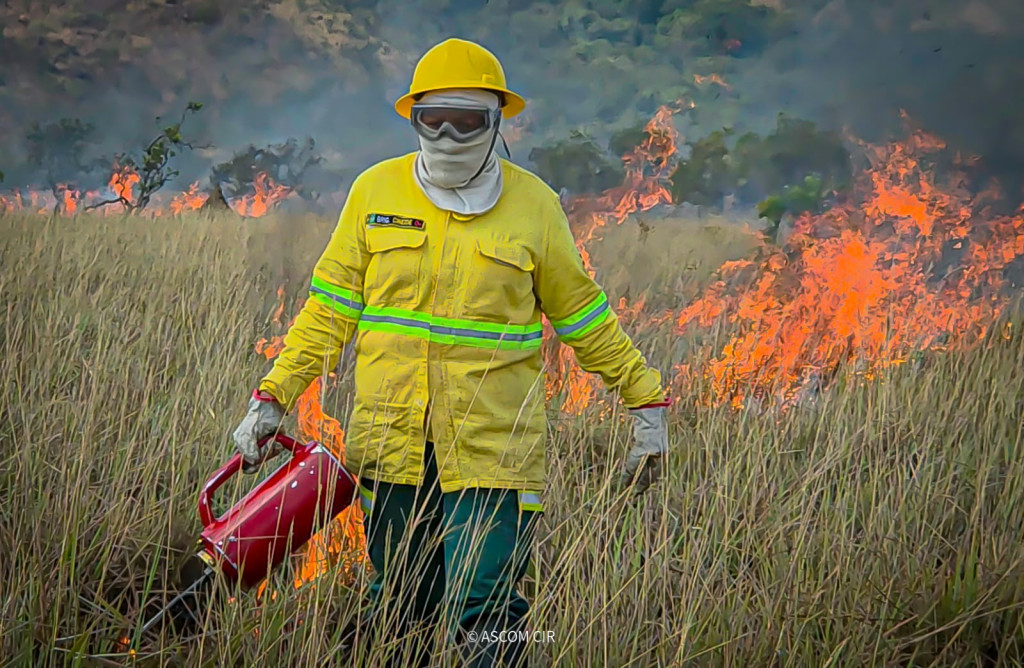
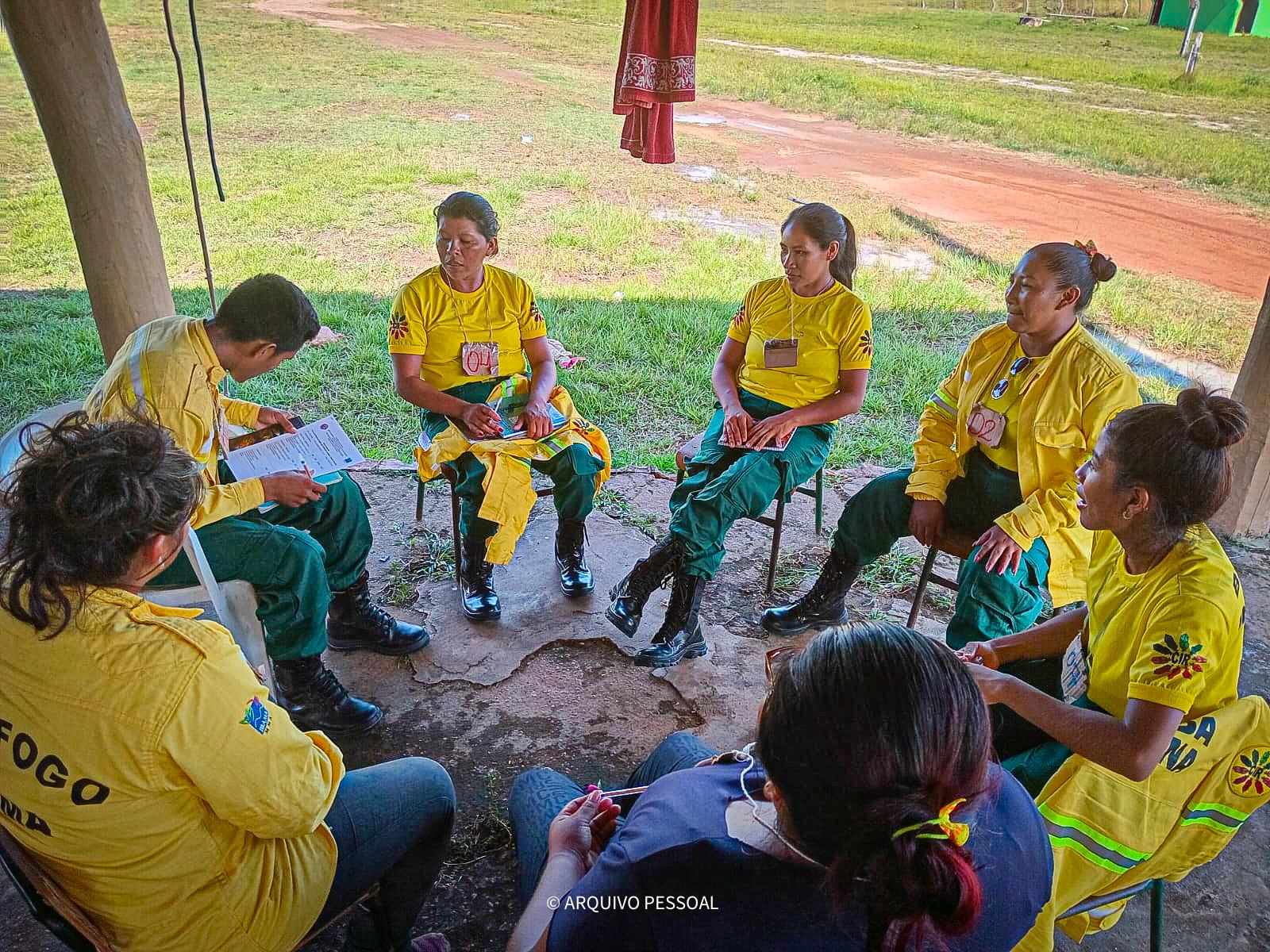
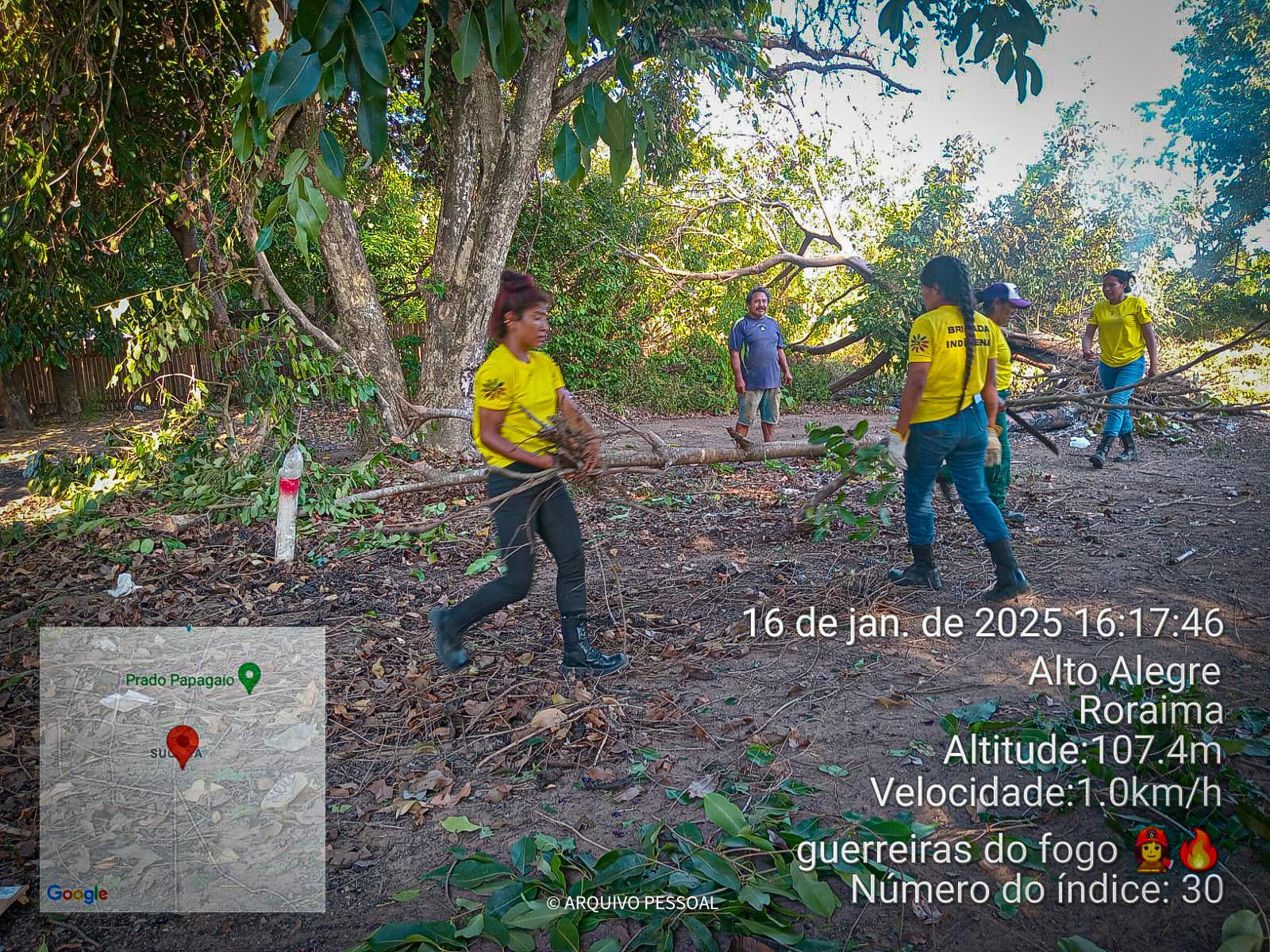
It is in the Sucuba Indigenous Community, Alto region Cauamé, about 57 kilometers from Boa Vista, which is located at the base of the first indigenous women's brigade in Roraima. Created in 2024, Pataxibas brings together women from the Macuxi and Wapichana peoples and acts in prevention and combat to forest fires, but the work begins before the fire spreads. A Brigade also carries out environmental education actions, guidance to communities and integrated fire management.
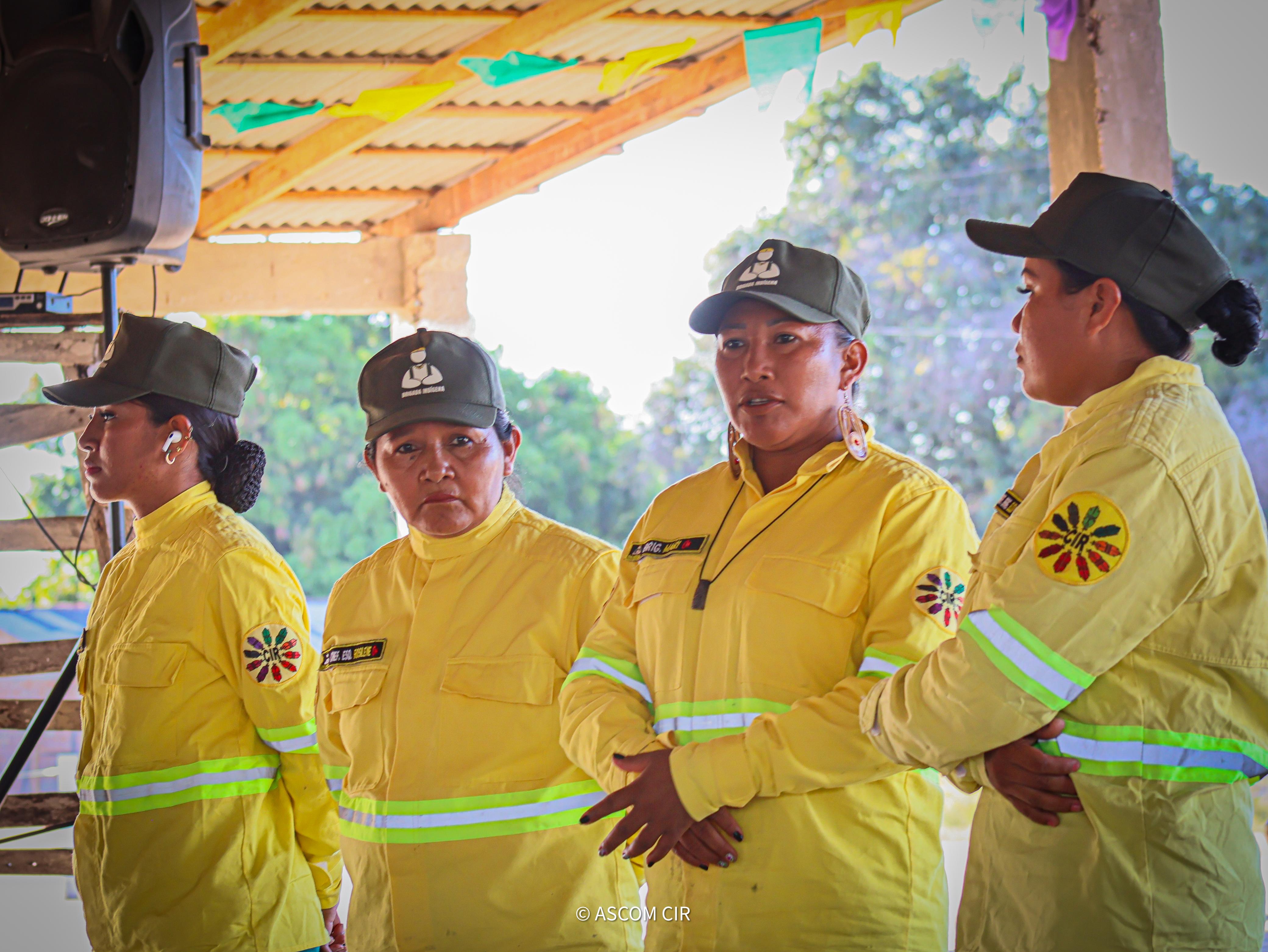
The name Pataxibas carries a reference to the bees, which live in different points and come together to form their hives. The idea helps to explain a characteristic of the brigade: although there is a base in Sucuba, its members are not restricted to a single territory.
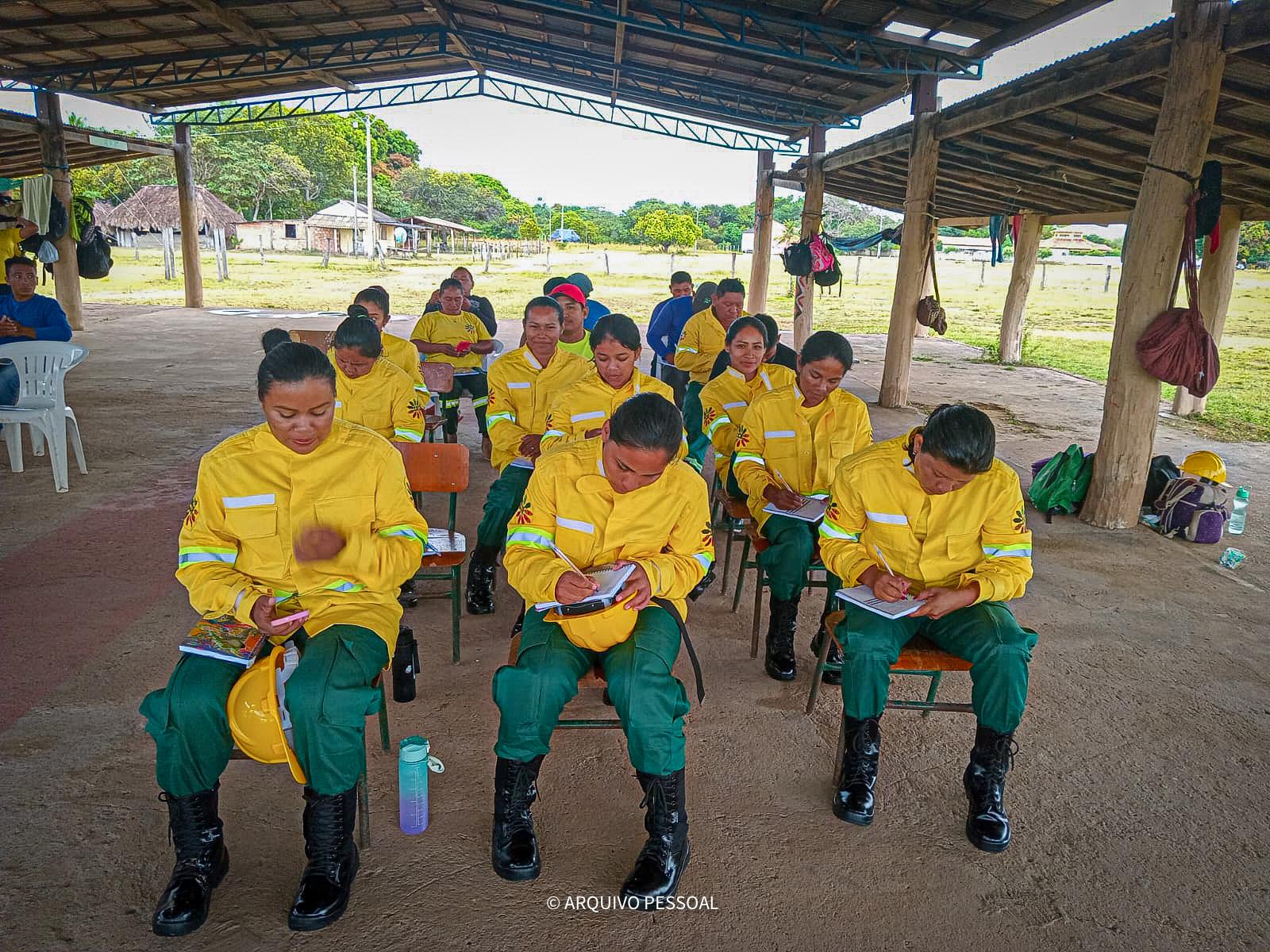
The history of the brigade began when women of the Sucuba Community had the opportunity to participate in a training technique for firefighters. Marivalda Tomás, one of the first members of the Pataxibas, recalls that he had never heard of a brigade formed only by women in Roraima. When I learned that there was training and that the region with the largest number of interested parties could become the base, he decided participate.
"For me, it was a pleasure when they put me in the community group that was in need of indigenous women to be brigade members. It was very important, because I had never heard that there was female firefighters here in the state of Roraima", he recalls.
The training brought together 12 pioneer women, including ten from the Sucuba Indigenous Community and two from other communities. From there, The initiative began to grow and spread to other regions. In 2025, the The Indigenous Council of Roraima (CIR) recorded the performance of the Pataxibas in communities in the Wai Wai, Tabaio, Surumu and Murupu regions, expanding the proposal beyond the base of the Sucuba Community.
The coordinator of the brigades, Ana Paula Levi, explains that Pataxibas works like a network. When a woman from another community is formed, it becomes part of this movement.
"It is not only at the headquarters, in the Sucuba region, but where there is a woman graduating, there is a Pataxiba."
Prevention work to the fires
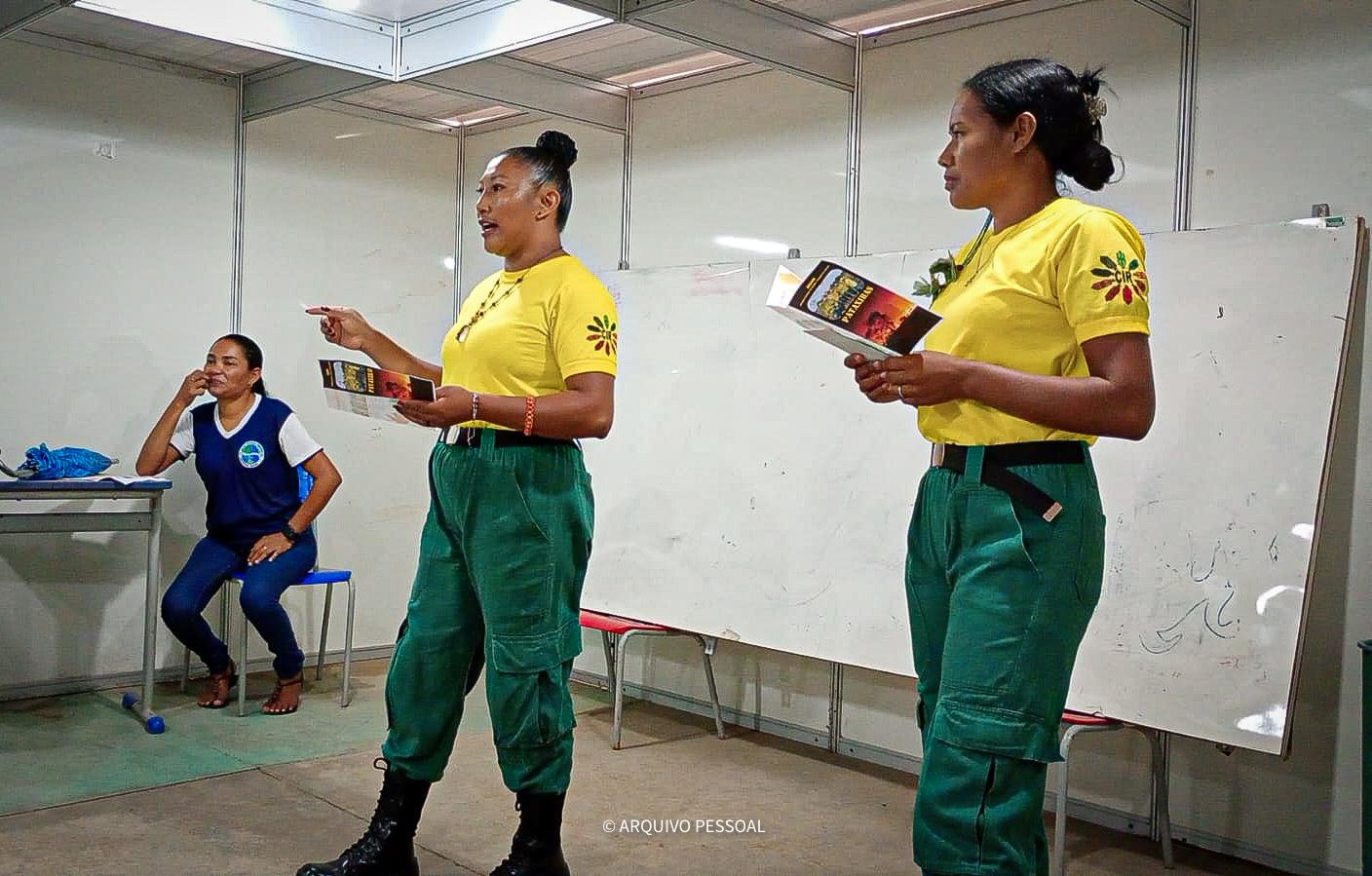
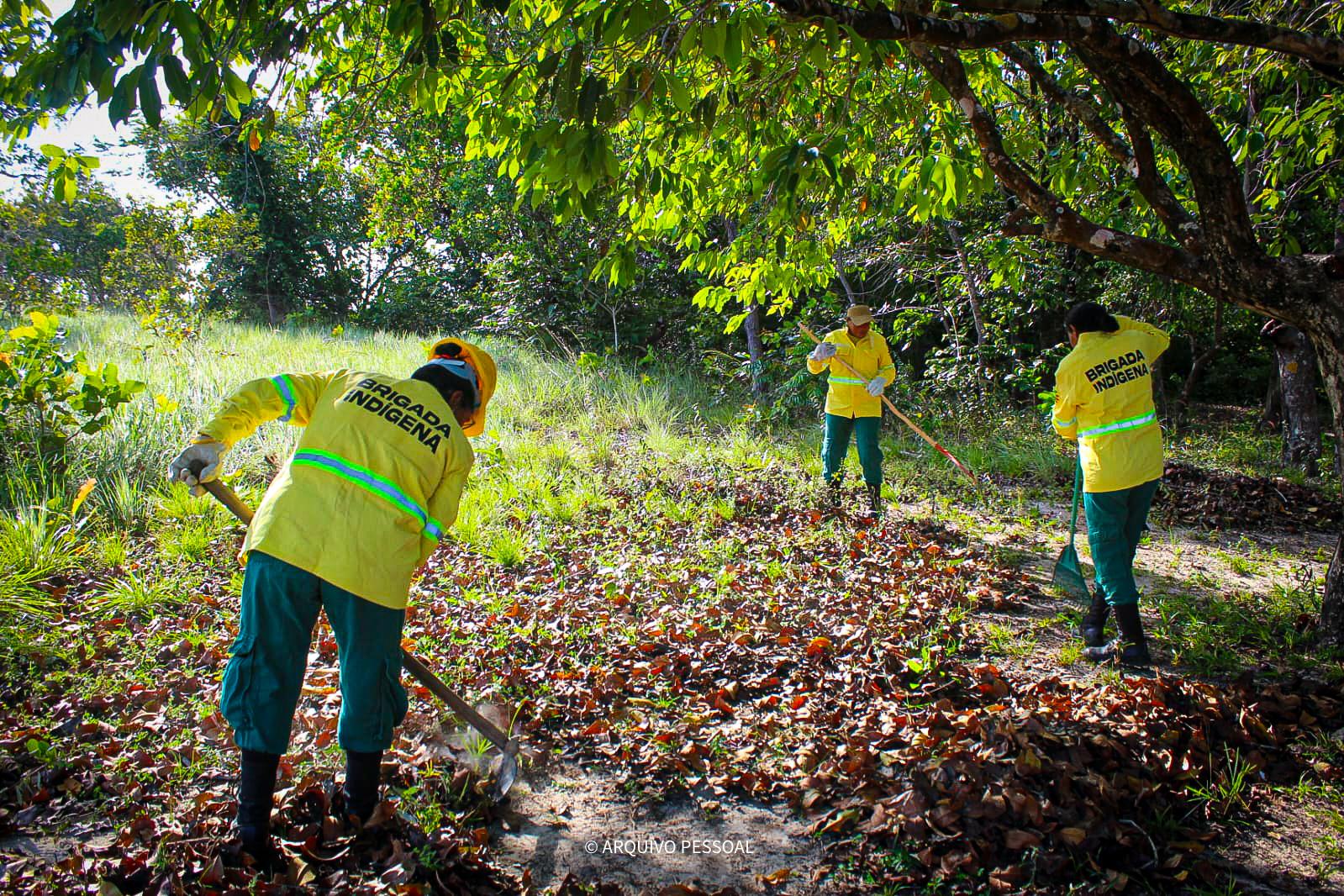
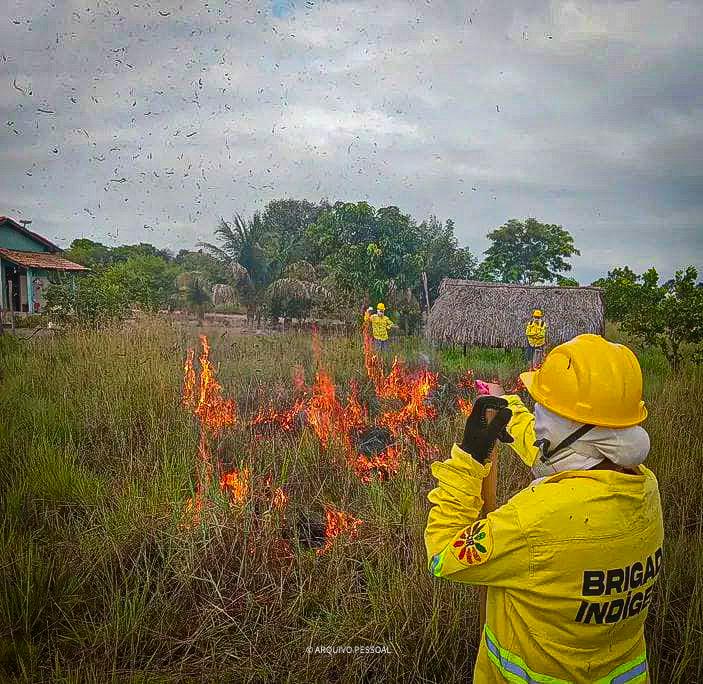
Prevention comes in different forms. The firefighters carry out prescribed burning, a technique used to reduce the amount of dry vegetation that can serve as fuel for larger fires. Also provide guidance on fires for the preparation of gardens and the renewal of pastures, in addition to developing environmental education activities in schools and communities. It is an action that combines technical knowledge and practices that have already they are part of the relationship of indigenous peoples with the territory.
For Sineia do Vale, coordinator of the Department of Territorial, Environmental Management and Climate Change (DGTAMC) of the CIR, the creation of the brigade arose precisely from the need to expand the women's participation in these actions.
"The Pataxibas Brigades were born at the moment when We saw the need to have women involved, especially in the topic awareness, also to do environmental education and all this work that anticipates the fight", he highlights.
The firefighters are also prepared to act directly on the fire. Technical training is carried out with the support of Prevfogo, the Brazilian Institute of the Environment and Renewable Natural Resources (Ibama), and is combined with traditional knowledge about the use of fire in the indigenous territories.
"Fire is our old friend, always of the peoples indigenous people on this path that we have to work with the land, to work with nature", explains Sineia.
After the first training, the plans to Elilzamar Wilson, 37, have changed. Squad chief and member of the brigade for almost two years, she says she came back from training thinking not only in how to fight the flames, but mainly in how to prevent them from turned into fires of great proportions.
"We took the course. When we returned, the Our vision was totally different. It was working on the prevention of our community", he explains.
In practice, the work requires physical preparation, knowledge of the territory and the ability to make decisions in situations of risk. As a squad chief, Elilzamar is responsible for organizing the team during the fighting and ensure that the firefighters are protected. When A fire arises, she gathers the women, organizes the action and tries to maintain the balance of the team.
"There will be a fire, we always have to organize, sit, talk and keep the balance always", says the brigade chief.
Brigade performance In the face of the climate crisis
The work of the Pataxibas takes place in a setting in which climate change makes prevention increasingly necessary. In 2026, the North Region recorded 28,282 fire outbreaks until September, 41% to more than in the same period of 2025, according to data from the monitoring program of fires at the National Institute for Space Research (Inpe). The scenario was associated with El Niño, a phenomenon that favors warmer and drier conditions in parts of the region.
The fire has also reached the territories indigenous people. Data from the Fire Monitor, from MapBiomas, indicate that 2,195,562 hectares of indigenous lands were burned in 2025. Among indigenous lands most affected were Raposa Serra do Sol, with 379,466 hectares affected; o Araguaia Park, with 368,454 hectares; and Tumucumaque Park, with 221,799 hectares.
In Roraima, the change in the rainfall regime is already perceived by the communities. Sineia says that the rainy season is over earlier and that the drought begins to affect the availability of water, the gardens and the animal husbandry.
It is at this point that the work of the firefighters it goes beyond firefighting. In the communities, they talk to leaders on the appropriate period for the use of fire, provide guidance on prevention and help to think of strategies to face the drought. In the schools, take the subject to the children. In the field, they act in the fight and in the fire management.
From Sucuba to the world
Before loading the backpack pump, Marivalda Tomás also carries a camera. In the middle of fighting the fire, she alternates between the equipment used by the firefighters and the cell phone, with which they record the work of the women of the Pataxibas Brigade. At 37 years old, resident of the Community Indigenous Sucuba, in the Alto Cauamé region, she found a way to join Two activities that are part of her routine: being a firefighter and a communicator.
"I, in addition to being a firefighter, am a communicator. I do my job in the field, but there is also a moment when I'm there registering", account.
In September 2025, Marivalda had already participated in a training in Geographic Information System (GIS), aimed at to the mapping of burned areas on indigenous lands. The course taught the firefighters to use technological tools to monitor the territory and understand where and how fire is occurring.
Marivalda is one of the Pataxibas who should travel in October to England, where they will participate in an exchange of two weeks, with activities at the University of Oxford. Among the planned contents is the use of Geographic Information Systems and mapping tools.
For Marivalda, the trip is the result of a work that began within the community itself.
"To be chosen to go there to represent our state of Roraima is very important, because it is the result of our work that we do in the community and the actions we do in other communities and in other regions."
Training must also continue what They have already started to learn in the state: monitor the areas, prepare maps and identify the places where fire can or cannot be used. The expectation is that the knowledge acquired returns to the communities by the women themselves.
"So, we will continue this a course that we have already started to take here."
After England, the road goes to the Turkey. The Pataxibas received support to participate in COP 31, the of the United Nations on Climate Change, which will be held in Antalya, between November 9 and 20, 2026. The conference program includes spaces dedicated to the participation of indigenous peoples and to the discussion on adaptation and tackling the climate crisis.
For Sineia, the presence of firefighters in these spaces represent the possibility of taking to an international discussion An experience built on the territory.
"The name of the Pataxibas has been carried all over place where we will talk about adaptation plans, management plans and all the management of the territory, especially on the topic of climate."
The exchange and COP 31 do not end the history of the Pataxibas. On the contrary, they are an extension of a work that continues to be developed in the territory and becomes a reference for the world.
The official headquarters of the Pataxibas Brigade is already being built in the Sucuba Community. The works began in September. While To this end, women continue to act where they are called, training new firefighters and taking the knowledge acquired to other communities.
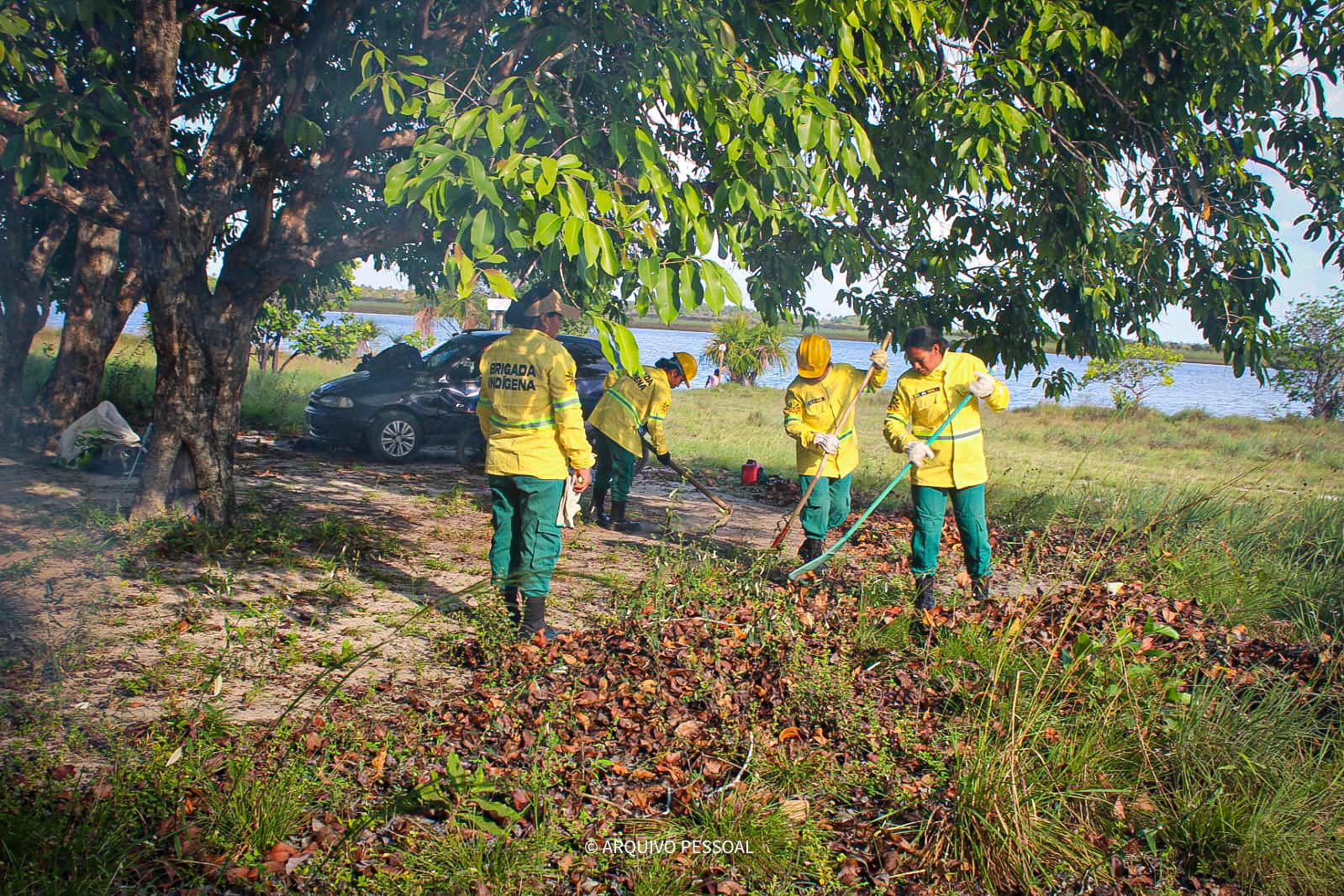
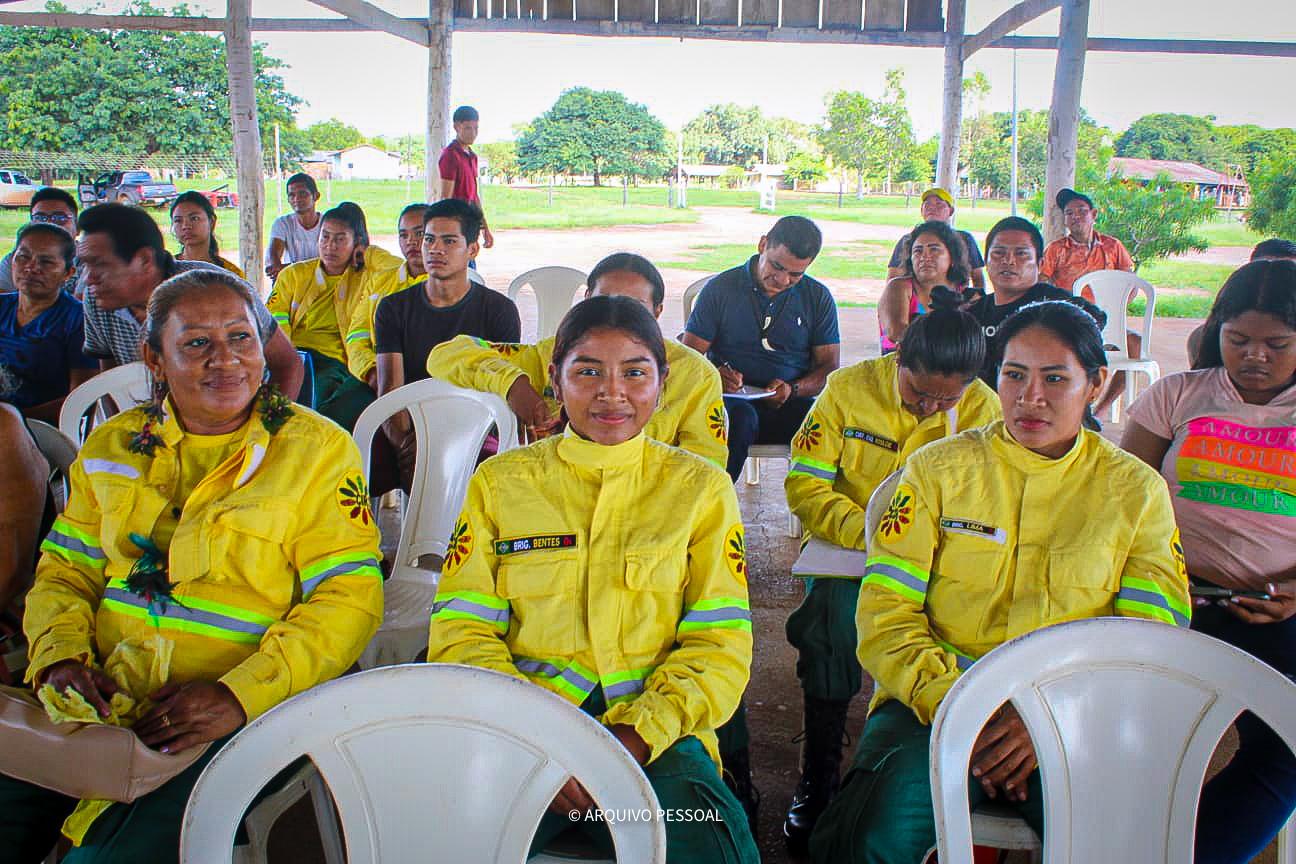
While the day of the exchange does not arrive, Marivalda divides her work between the backpack pump and the camera, recording the actions to preserve the territory. Elilzamar continues to organize the teams, and Palloma, for the time being, accompanies her friends from abroad, with the possibility of returning when the daughter is older. The brigade continues to be formed not only by the women who manage to remain, but also by those who paved the way and continue to be examples of strength and courage.
For Marivalda, the message for those who still Thinking that this work is no place for a woman is simple:
"We women, we have the capacity, we it can. So, we can be anywhere we want."
Protagonism that Resist and overcome challenges
The female presence in firefighting is still small. According to Ibama data released in 2026, 160 of the 2,600 firefighters hired by Prevfogo in 2025 were women, the equivalent of 6.15% of the total. In 2024, there were 108 women among 2,228 firefighters; in 2023, 82 between 2,110. Adding the three years, there were 350 women among 6,938 professionals contractors.
It is in this scenario that the existence of a brigade formed by indigenous women takes on another meaning. For those who are inside it is not just a matter of occupying a function traditionally associated with the men, but to build conditions so that other women can also remain in the activity, something that, unfortunately, not all of them can.
The double working day, the difficulty of access to financial resources, low representation in the area, lack of family encouragement and the absence of a support network are among the main reasons that lead women to give up acting as firefighters or even not to try to enter the activity.
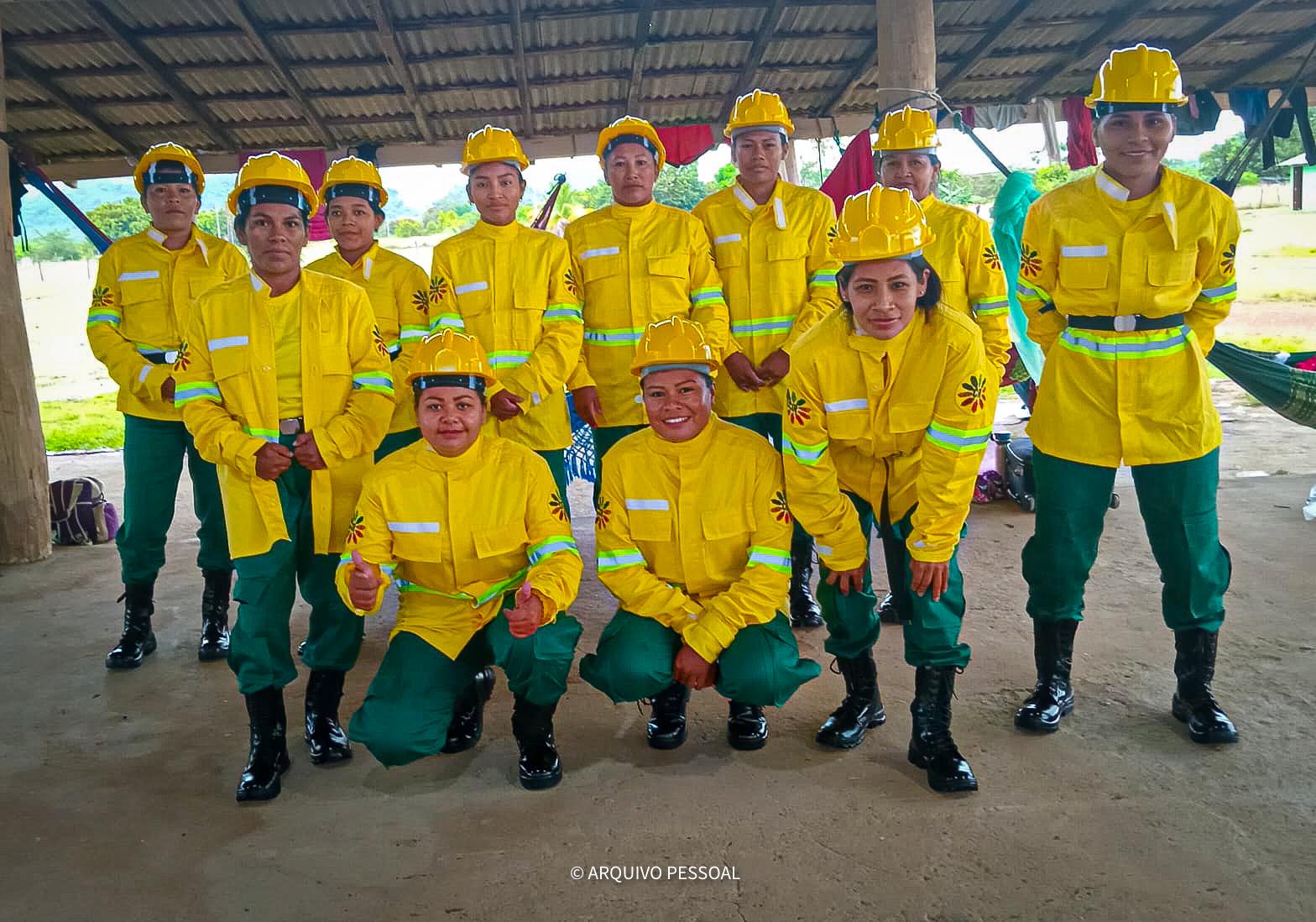
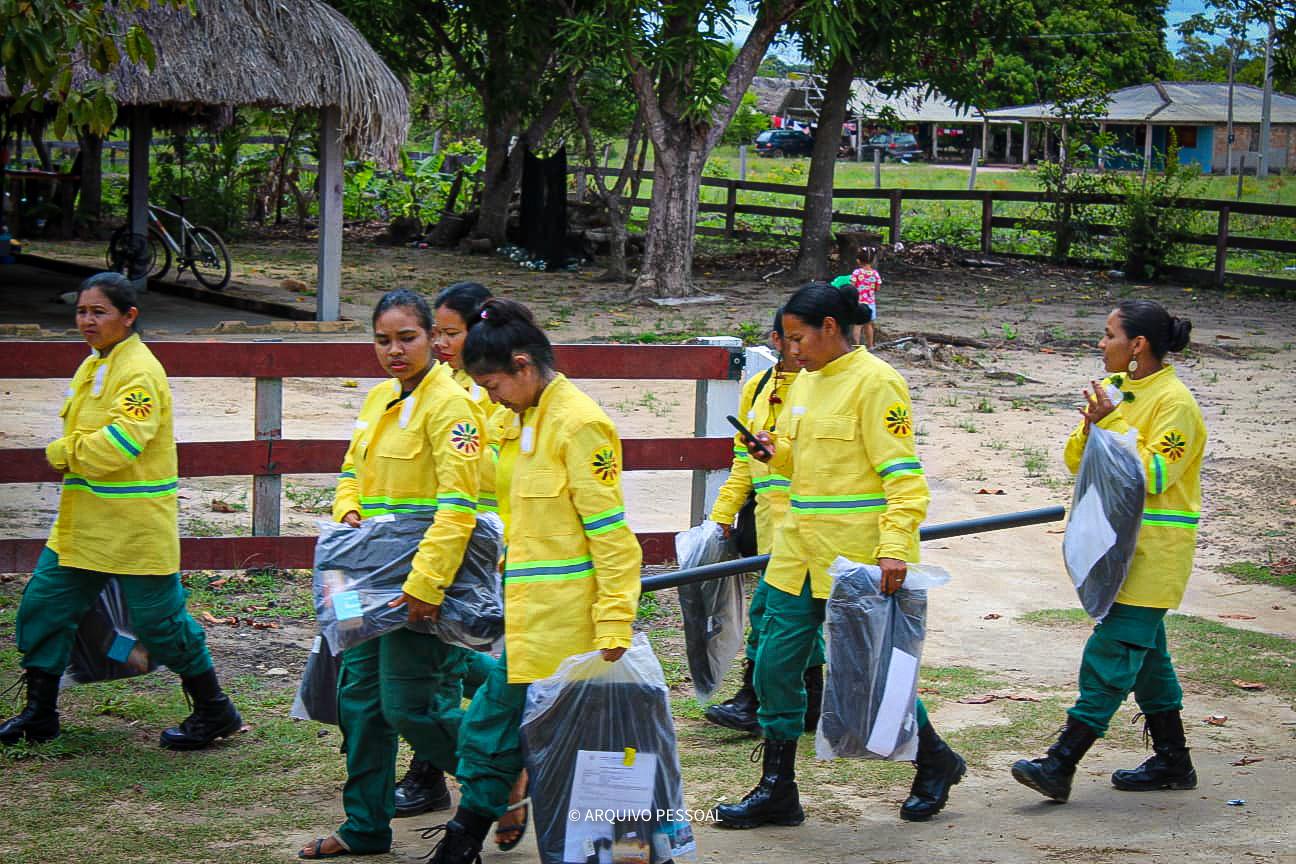
Palloma Barros, 25, accompanied the Pataxibas since 2025 and hoped to participate in the course to become brigadier. He had the will, followed the actions and began to imagine himself inside of the team. But, as the mother of a small girl, she realized that she could not do it be absent from home for prolonged periods.
"I liked it a lot, I was very excited to be brigadier, but what makes it impossible for me is the family issue, because I have a young daughter."
To participate in the training, Palloma would have to spend a week away from home. The possibility of leaving her daughter for this period made him give up, at least for now.
"Maybe when my daughter has some bigger, less dependent...", he says, leaving open the possibility of back.
Palloma's experience is not isolated. Enter the Pataxibas, motherhood appears as one of the reasons that lead some women to leave the activity. As Marivalda points out:
"We go to the field and, even if you are There, the head [is] thinking about the family. So, many times, they end up giving up precisely because of this."
Elilzamar knows this difficulty up close. Most of the members are mothers. According to her, one of the main needs of the brigade is to have a regular source of income that allows the women to remain in the activity and, when necessary, pay someone to take care of the children.
"I think we would have to have a value every month so they can support themselves."
Today, part of the work is supported by partnerships and scholarships. According to Sineia, the brigade receives support mainly from the Rainforest Foundation, in addition to the Casa Fund and Podáali, among other partners. Women also have equipment for prevention actions and combat.
There are even more basic problems. For Marivalda, transportation is one of the main difficulties to take the equipment to other regions.
"Sometimes there is no [transportation]. Sometimes the We have our motorcycle, we take it, put the equipment and we go away."
The lack of structure does not erase the meaning that the activity acquired for them. Elilzamar talks about the feeling of wearing the uniform after going through training and understanding that work is related with the protection of the place where he lives.
"After you put on a uniform, what do you do empowerment, that you look around you and see that nature needs you, that you are a guardian of nature, that's very good", he explains Elilzamar.
Review: Helena Leocadio - ASCOM CIR
Photos: Maciel Macuxi - ASCOM CIR