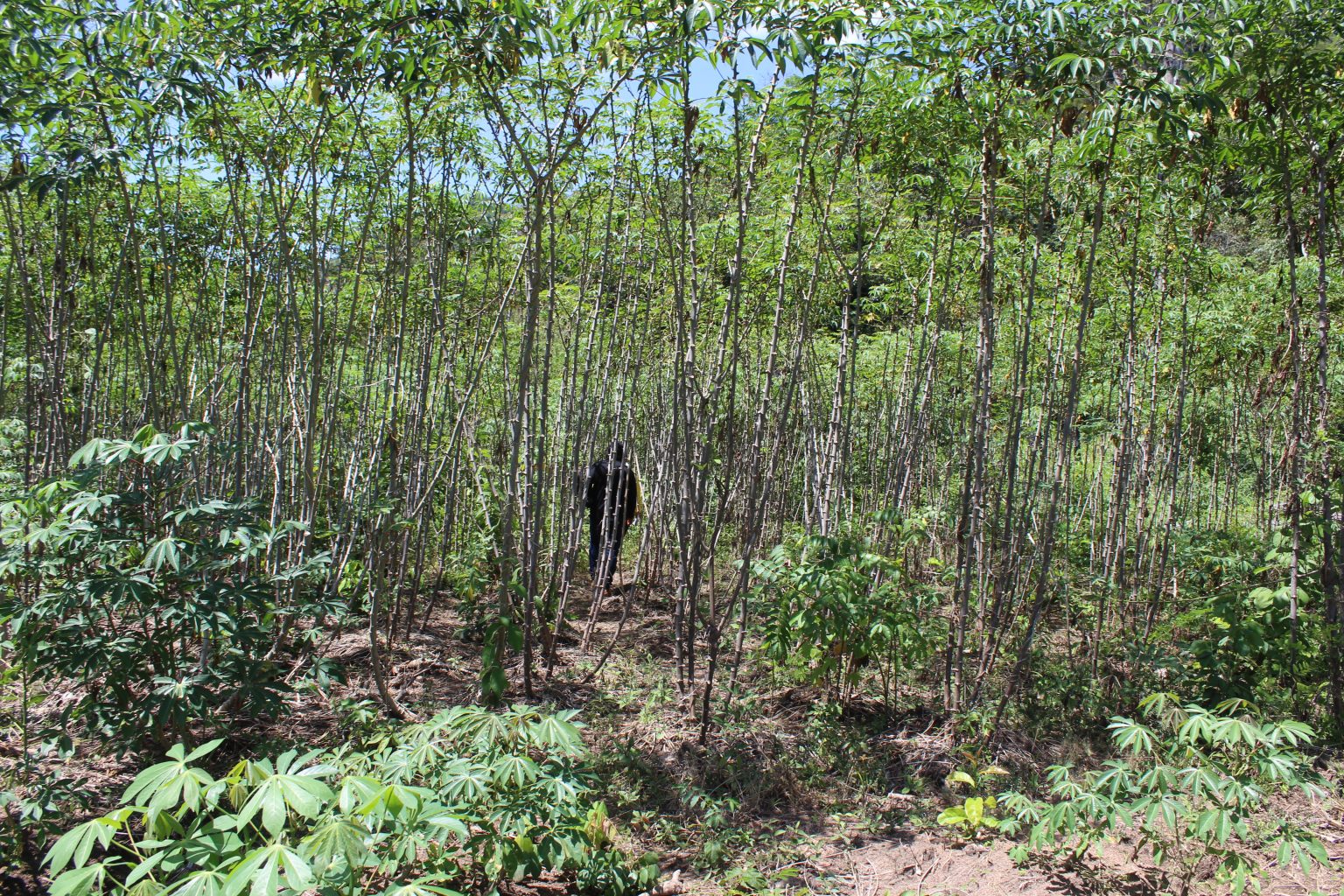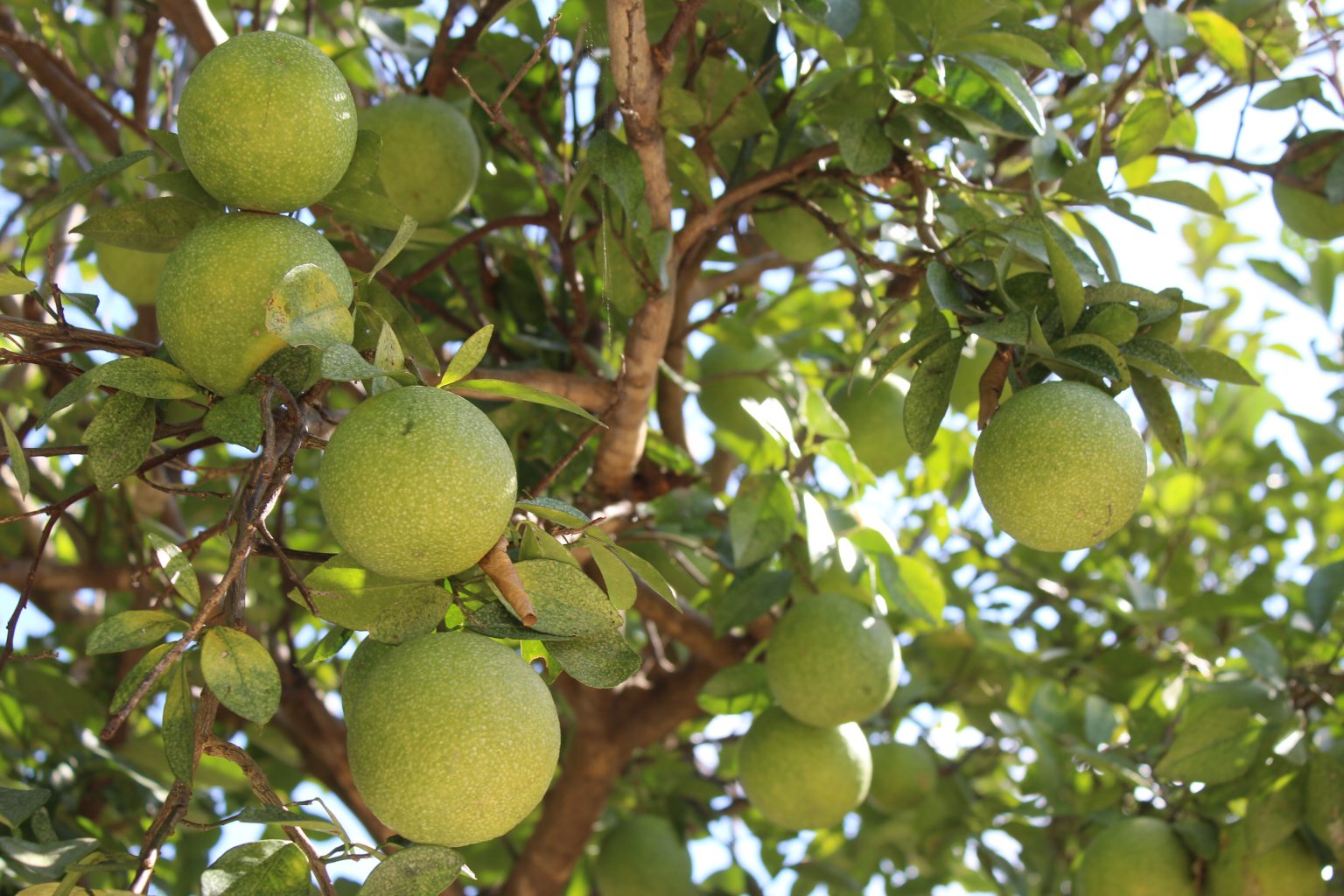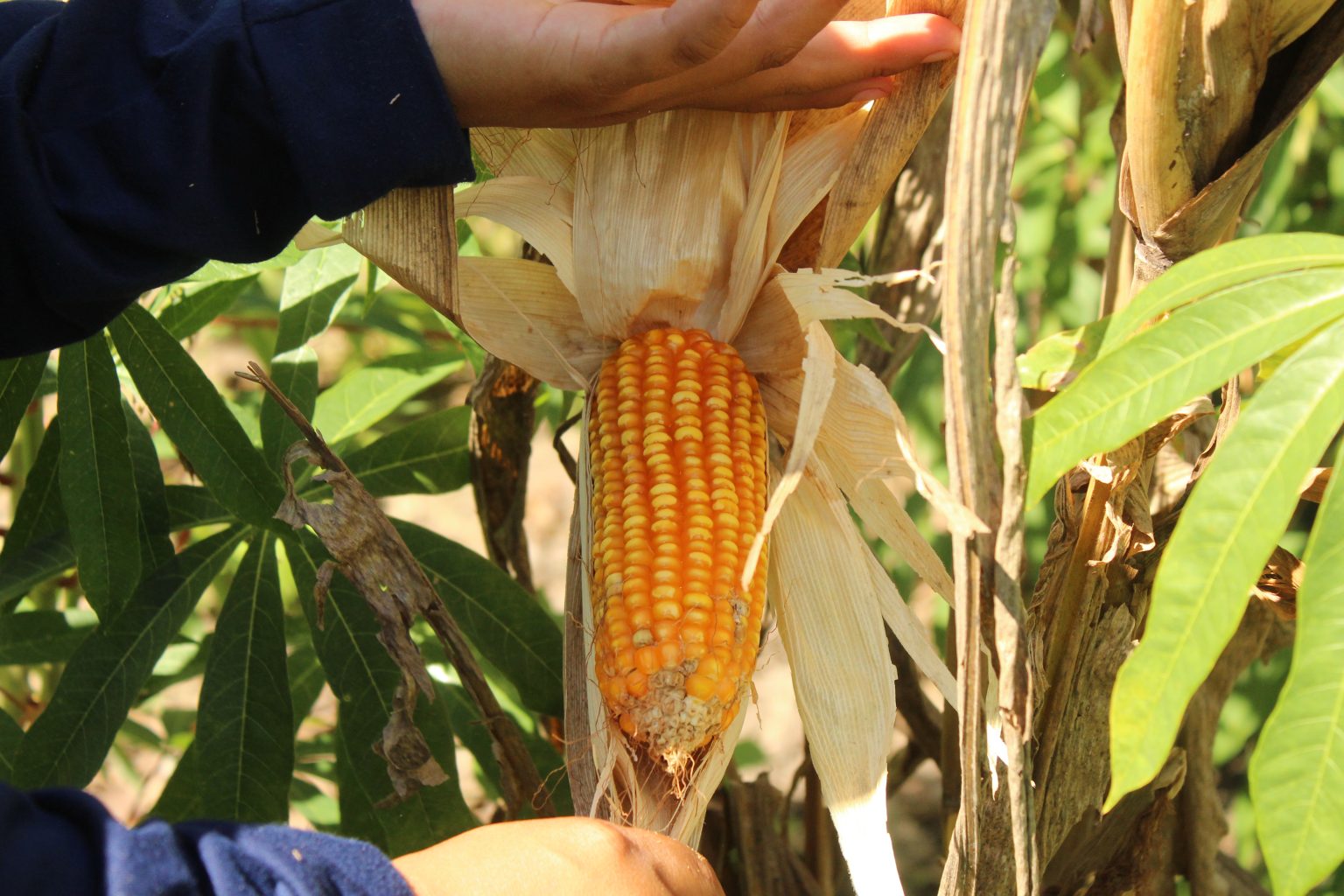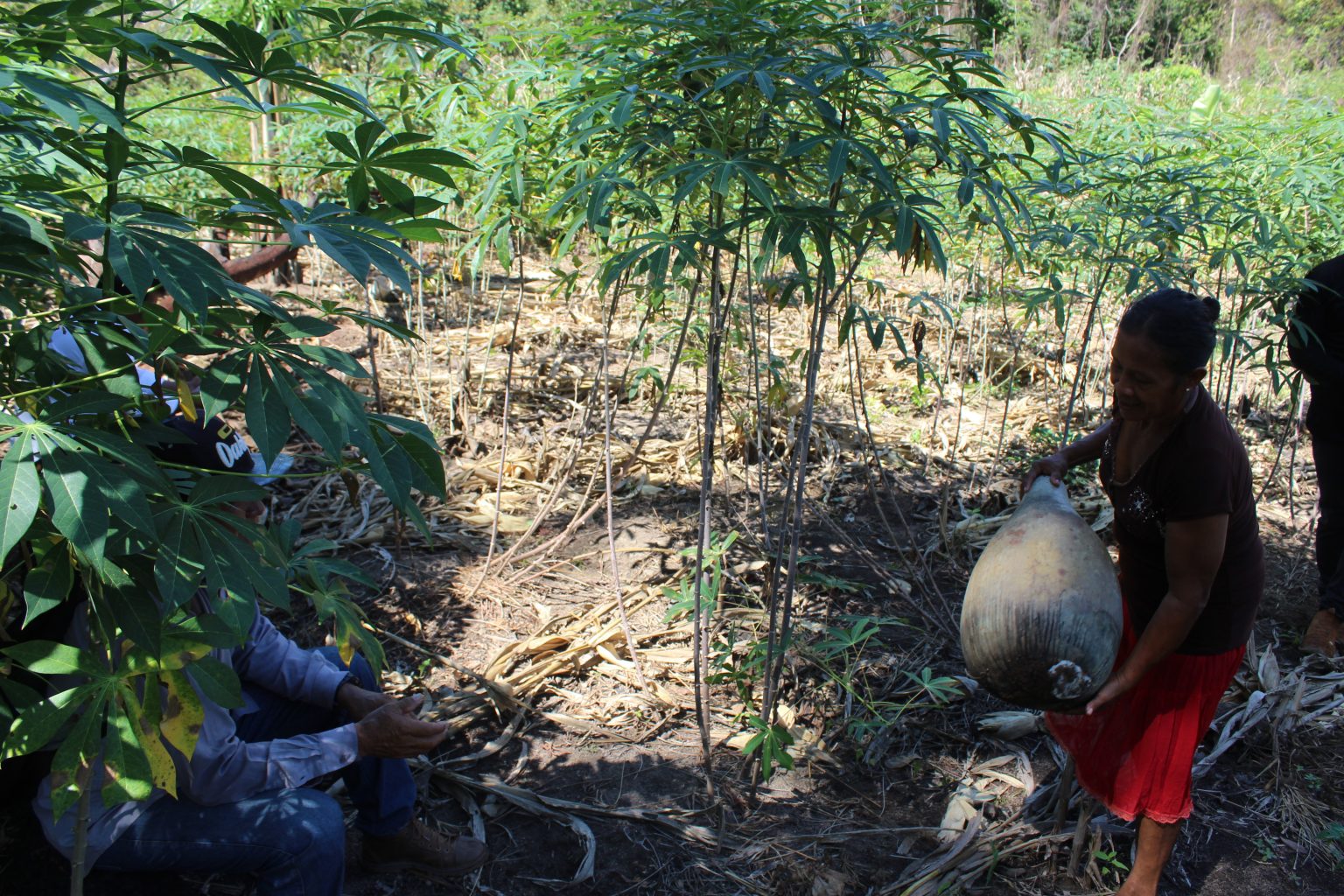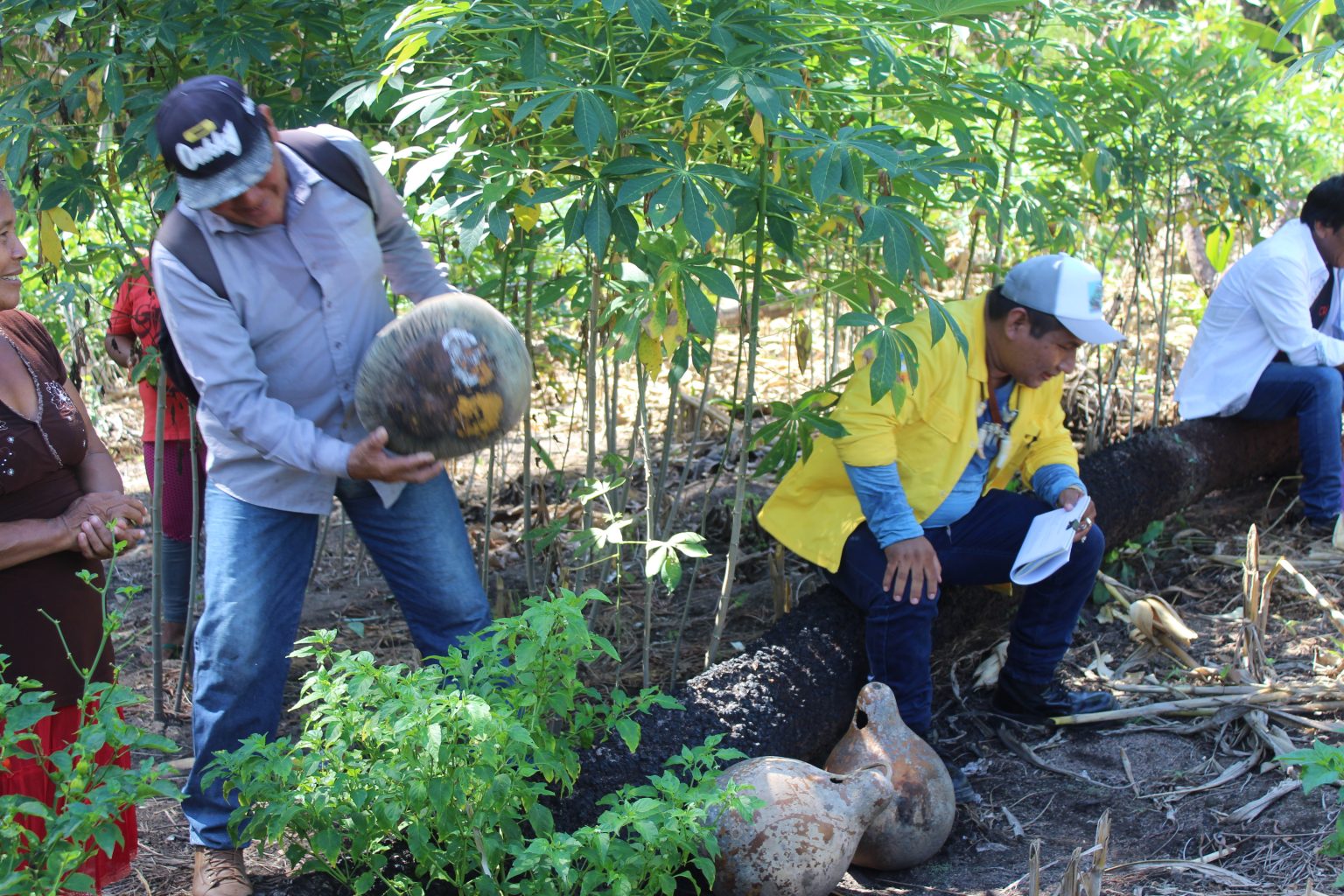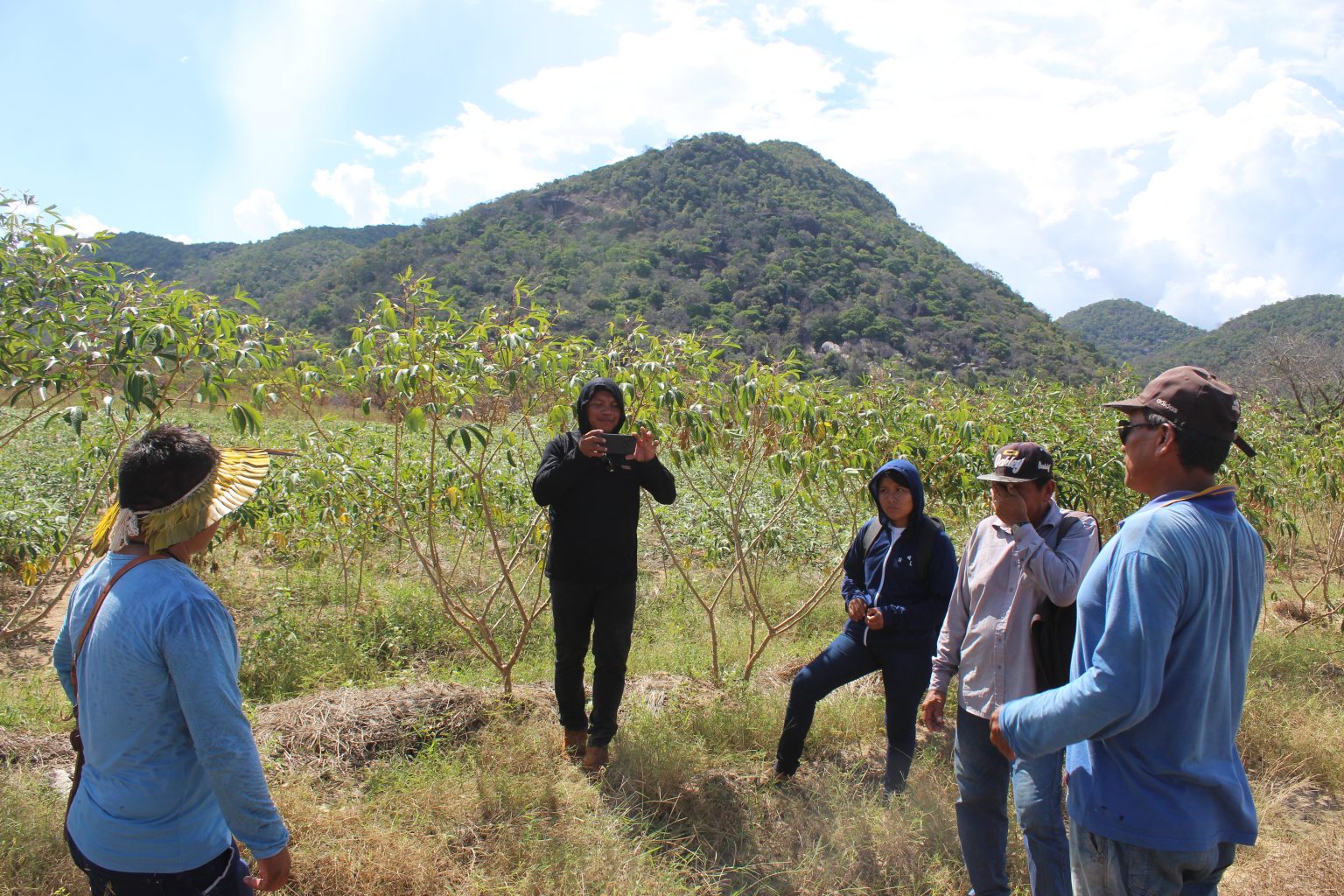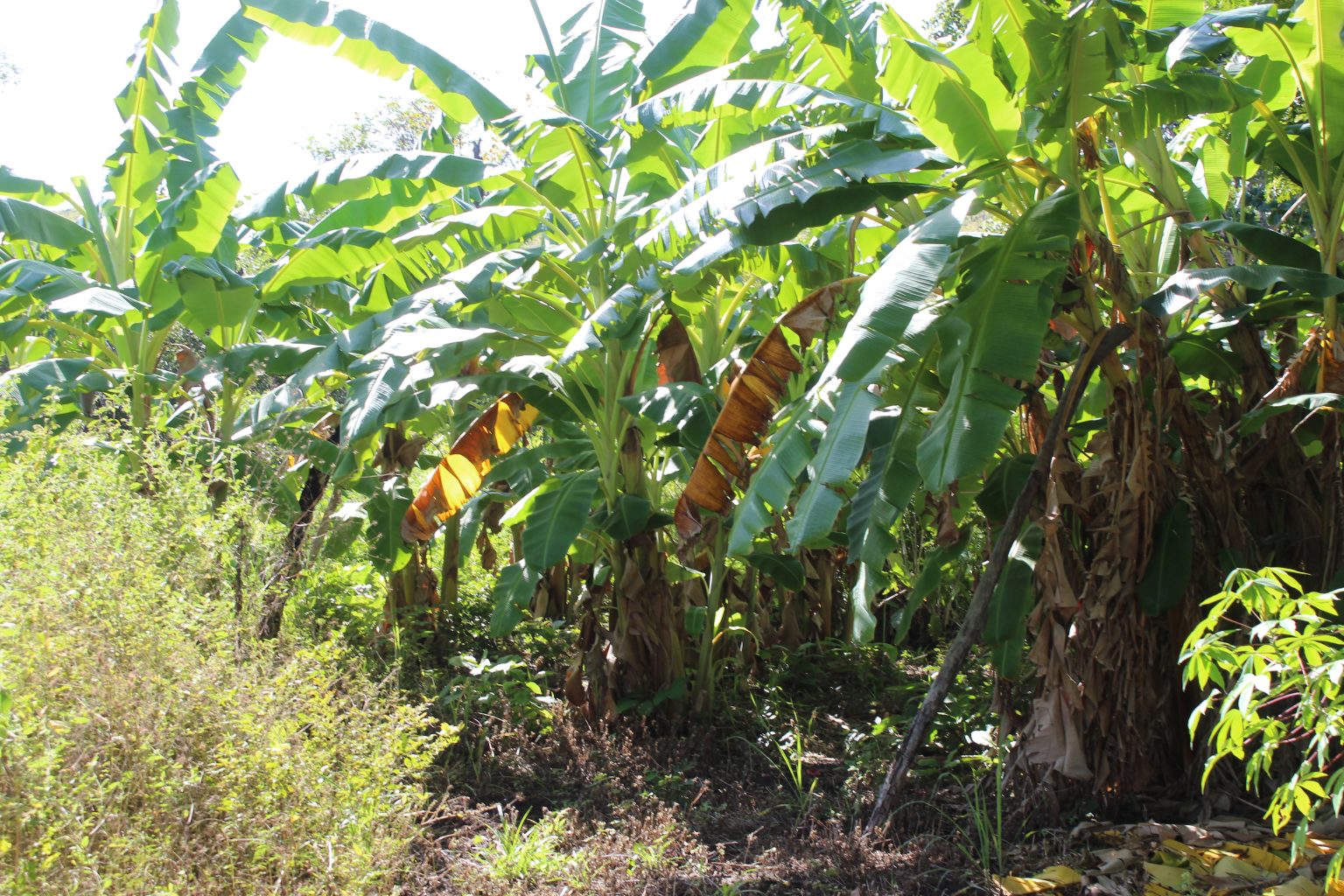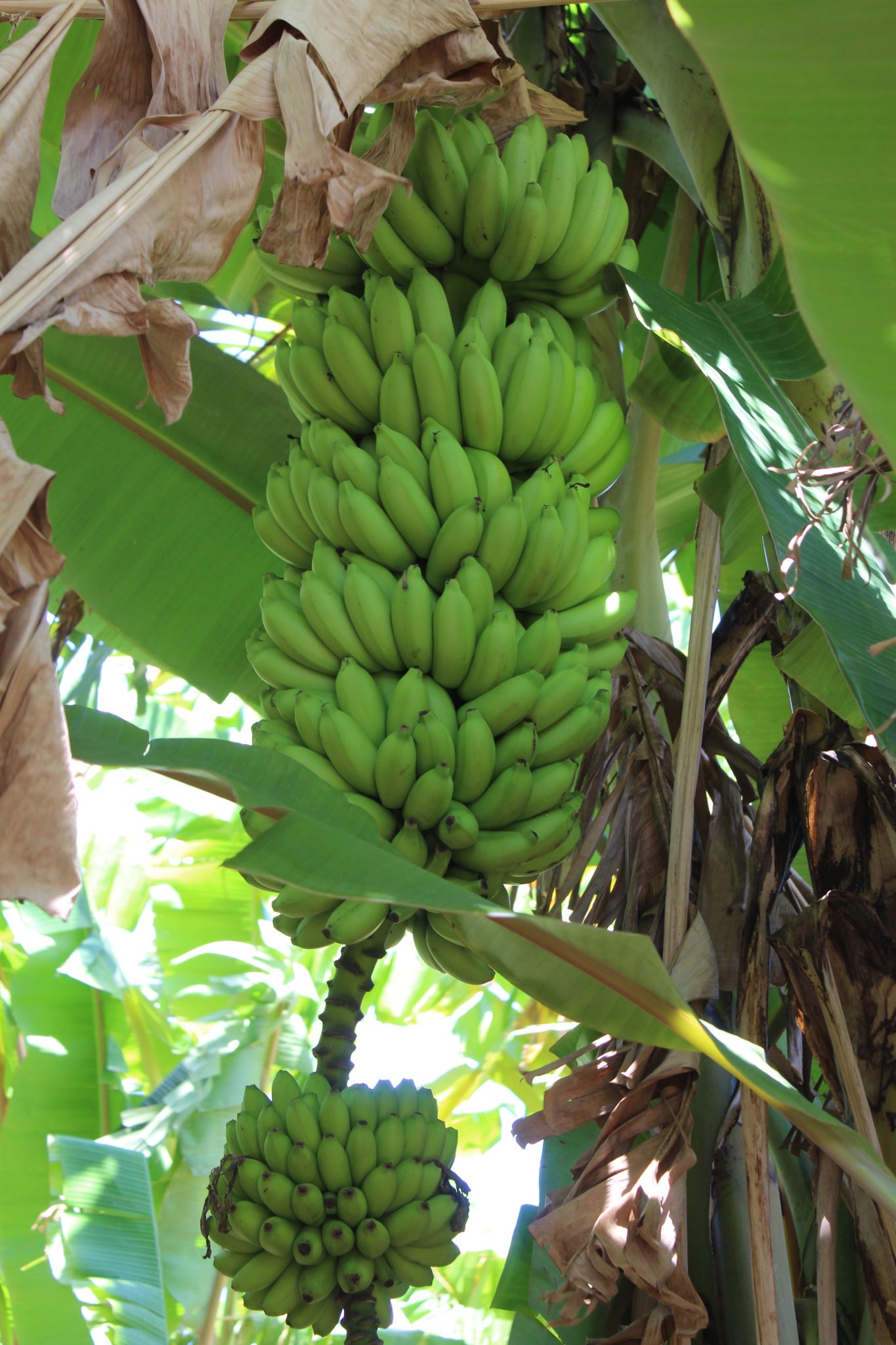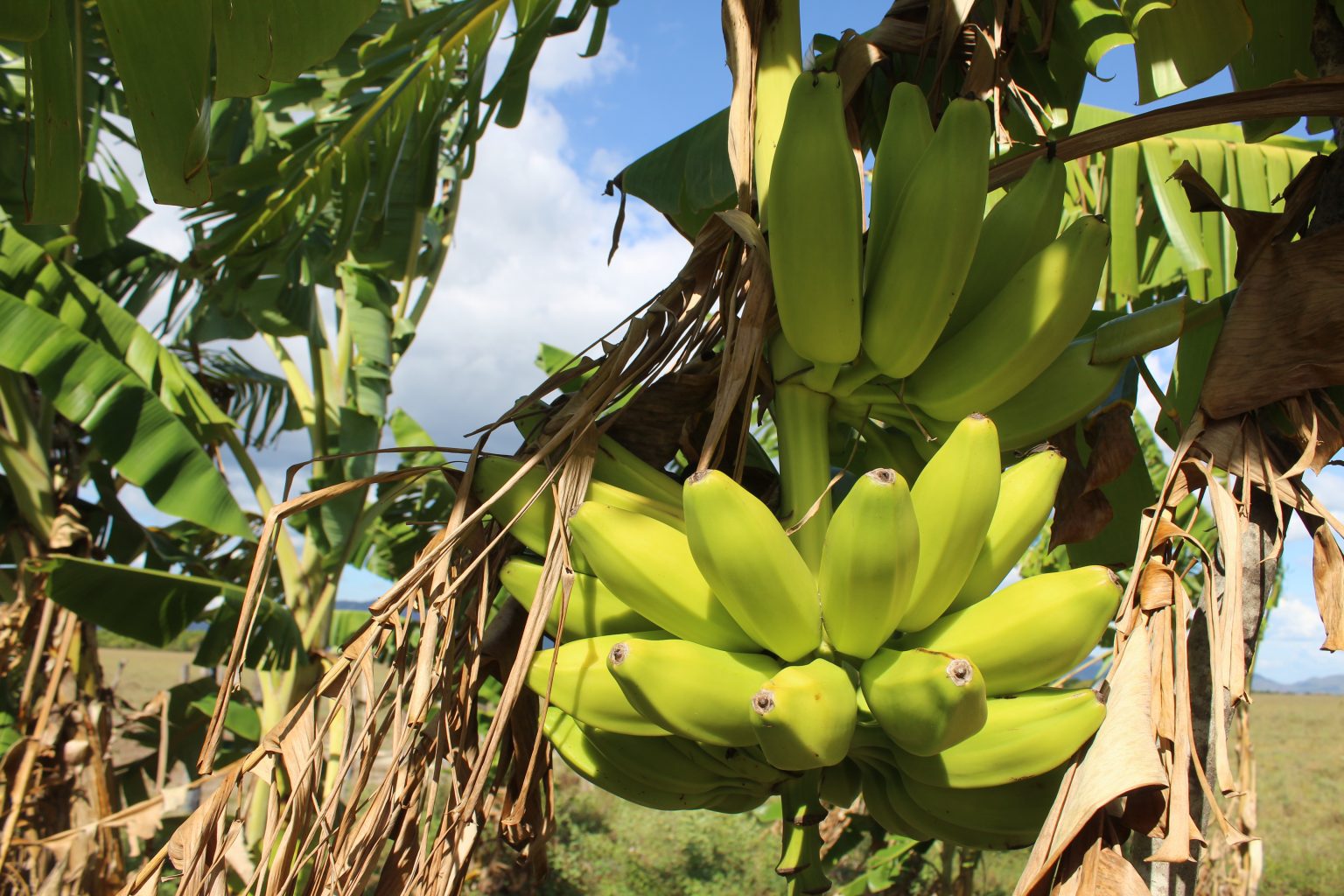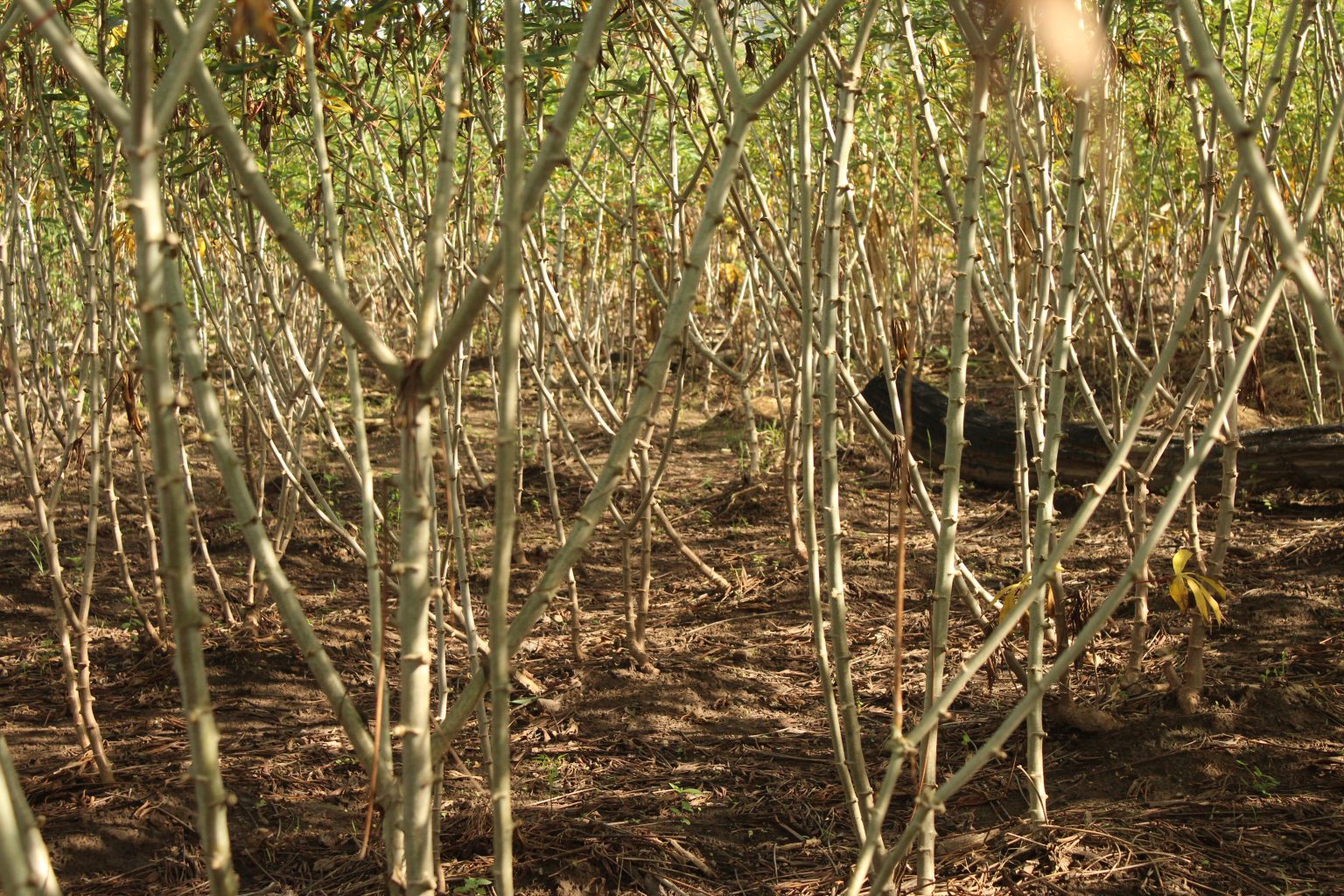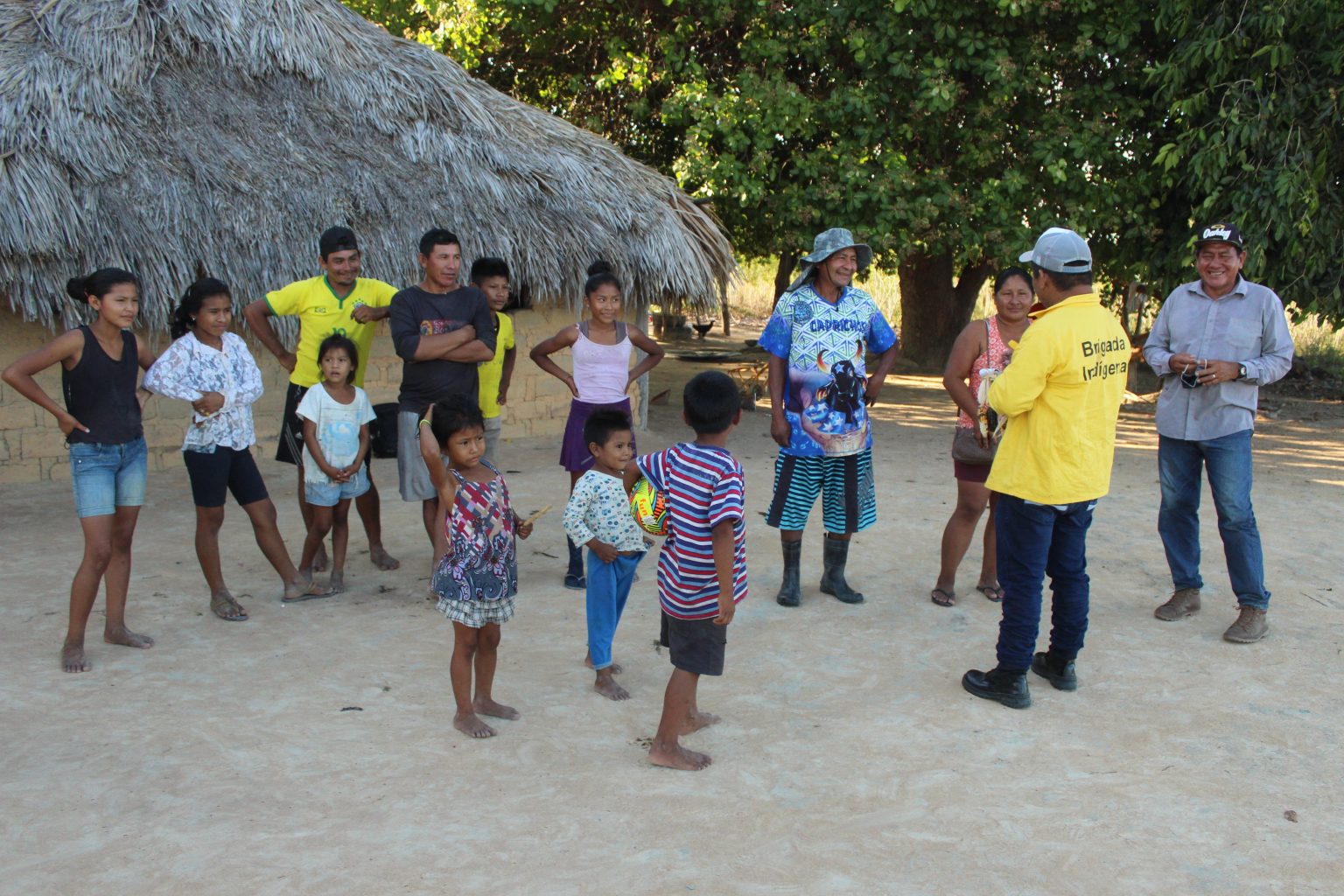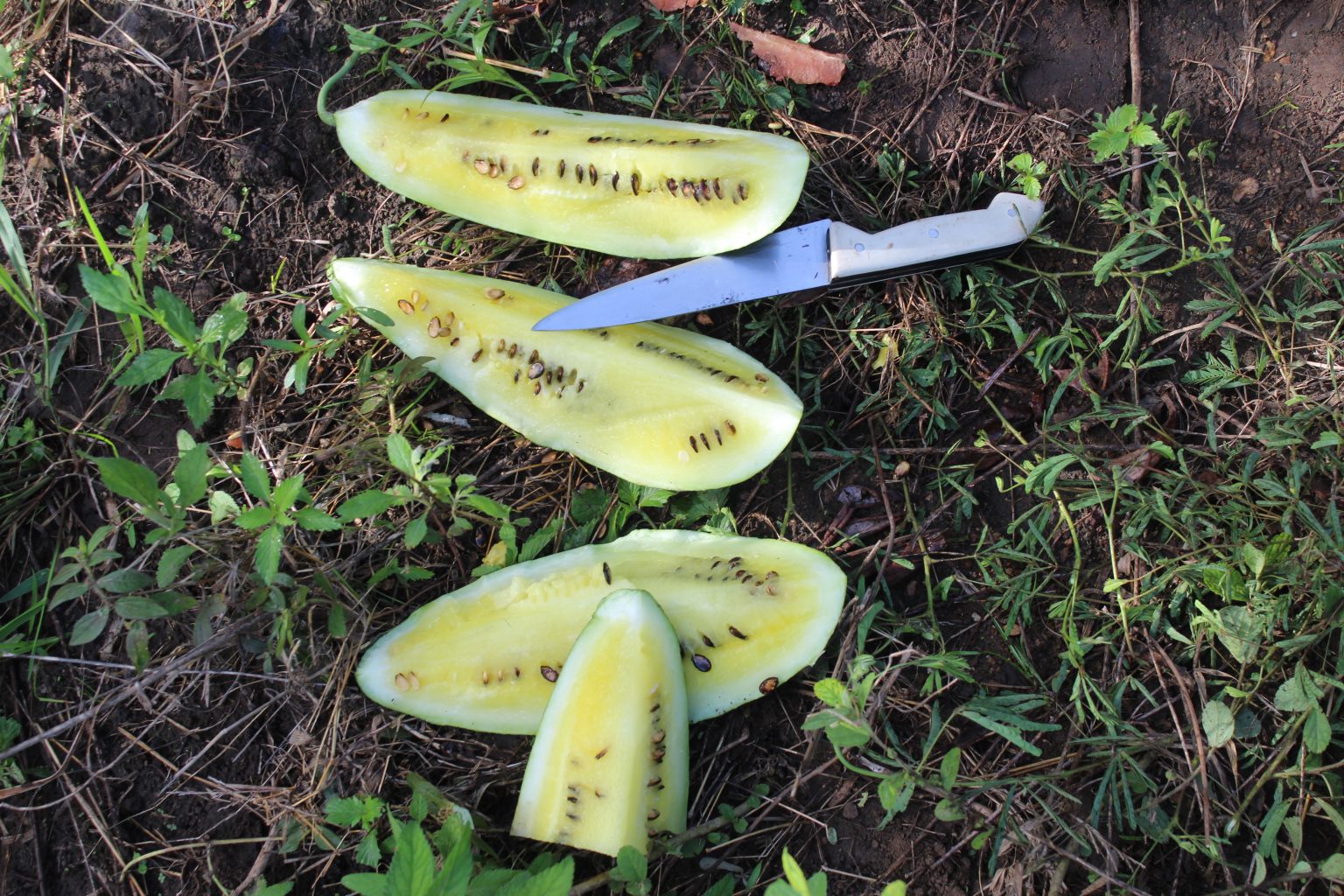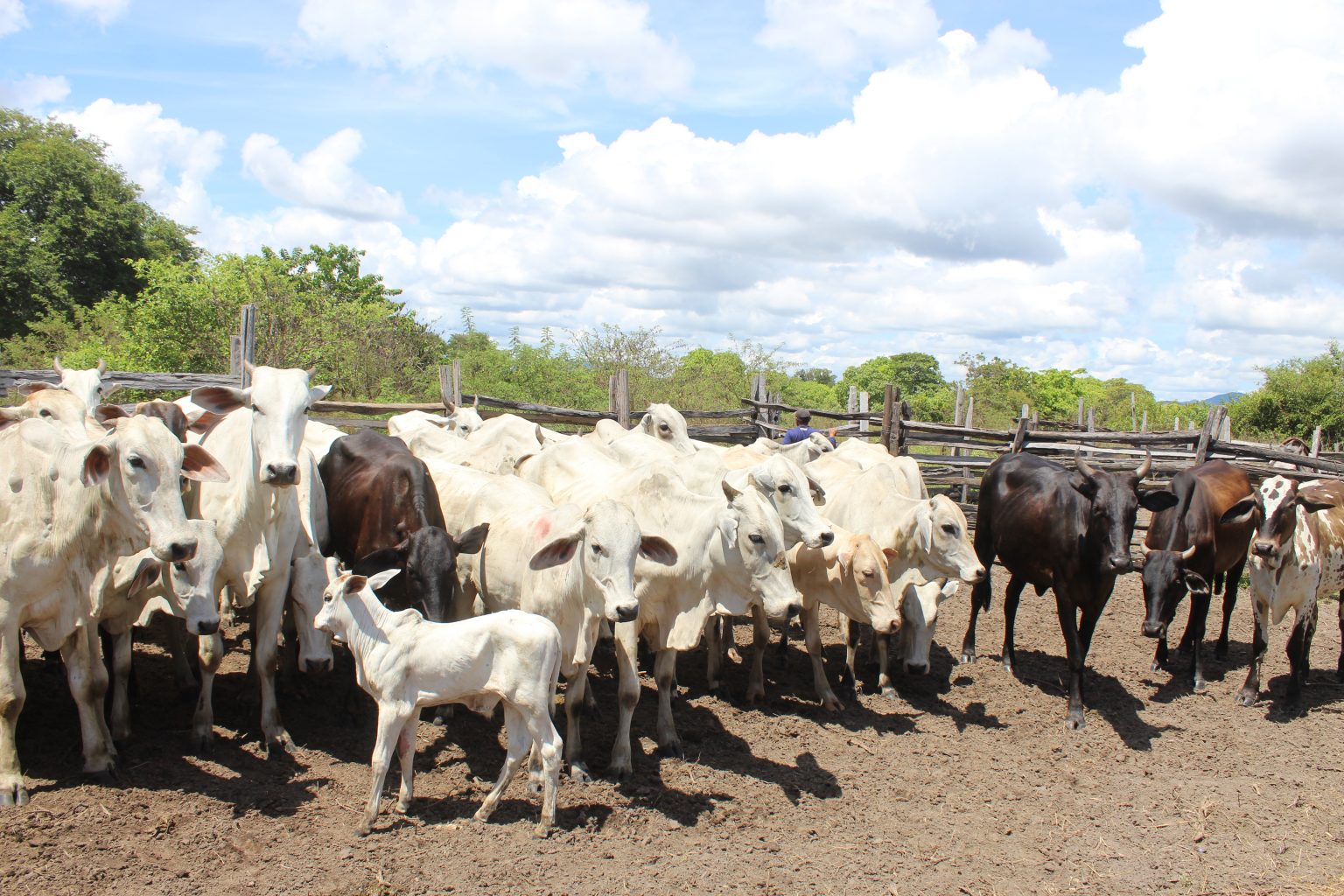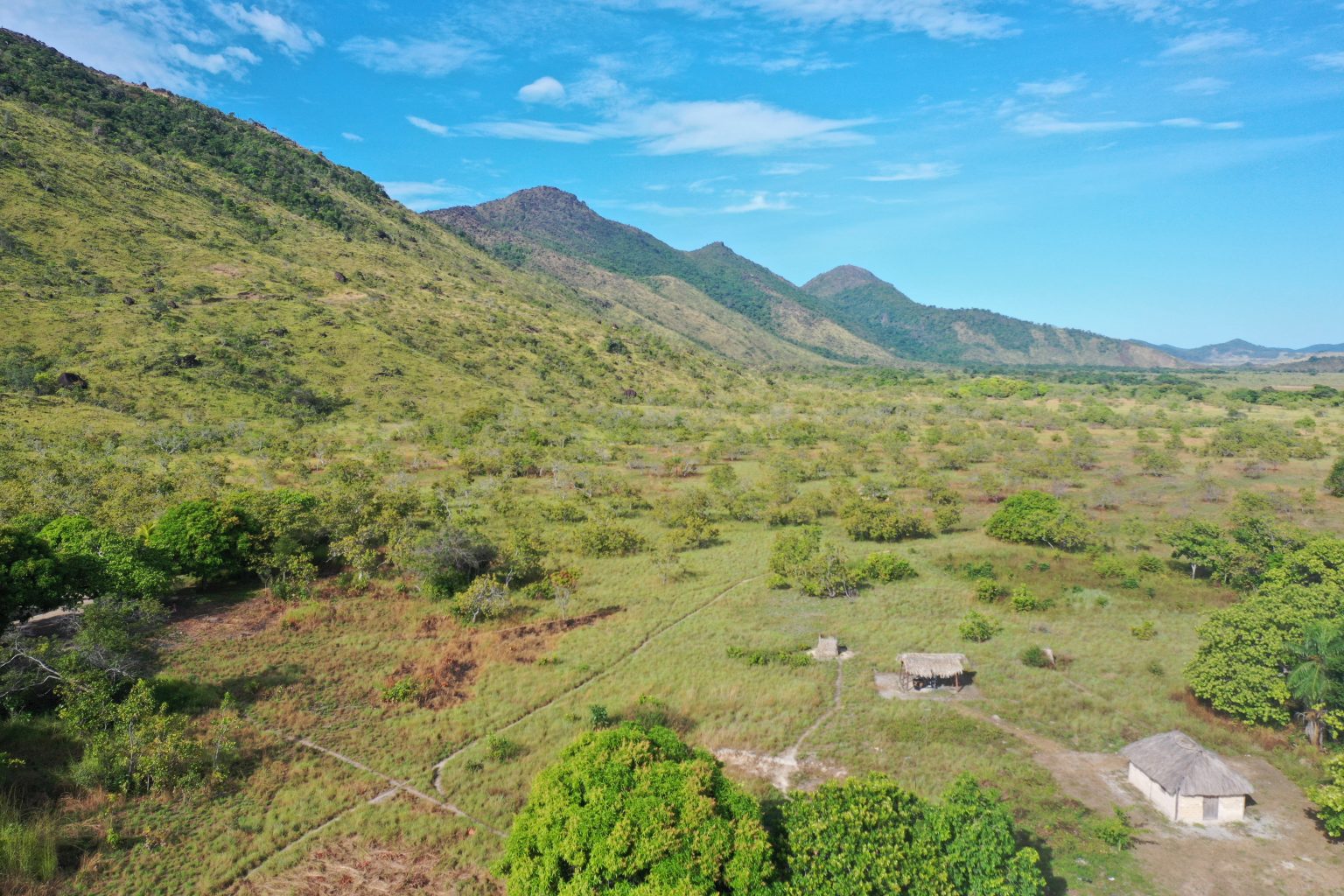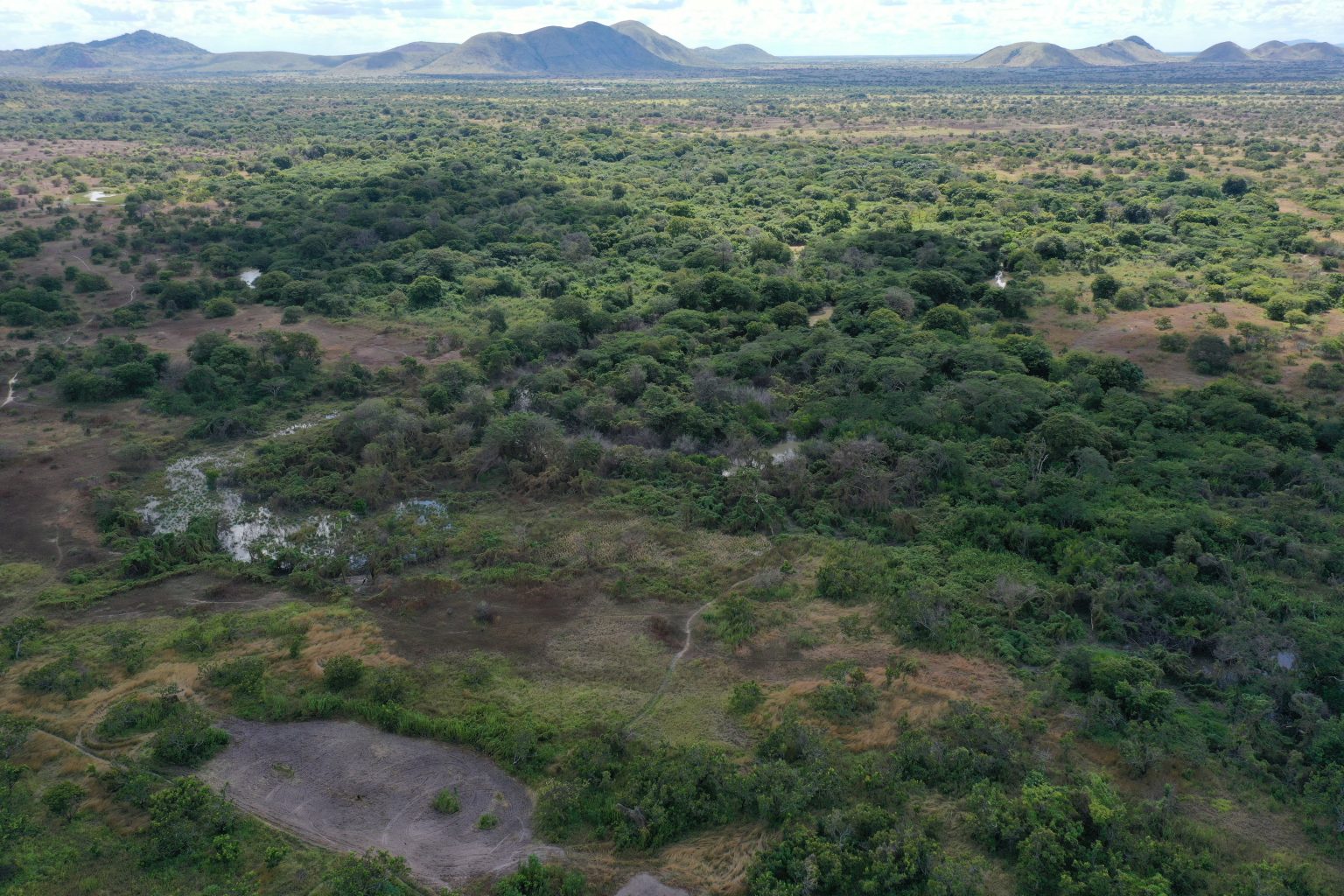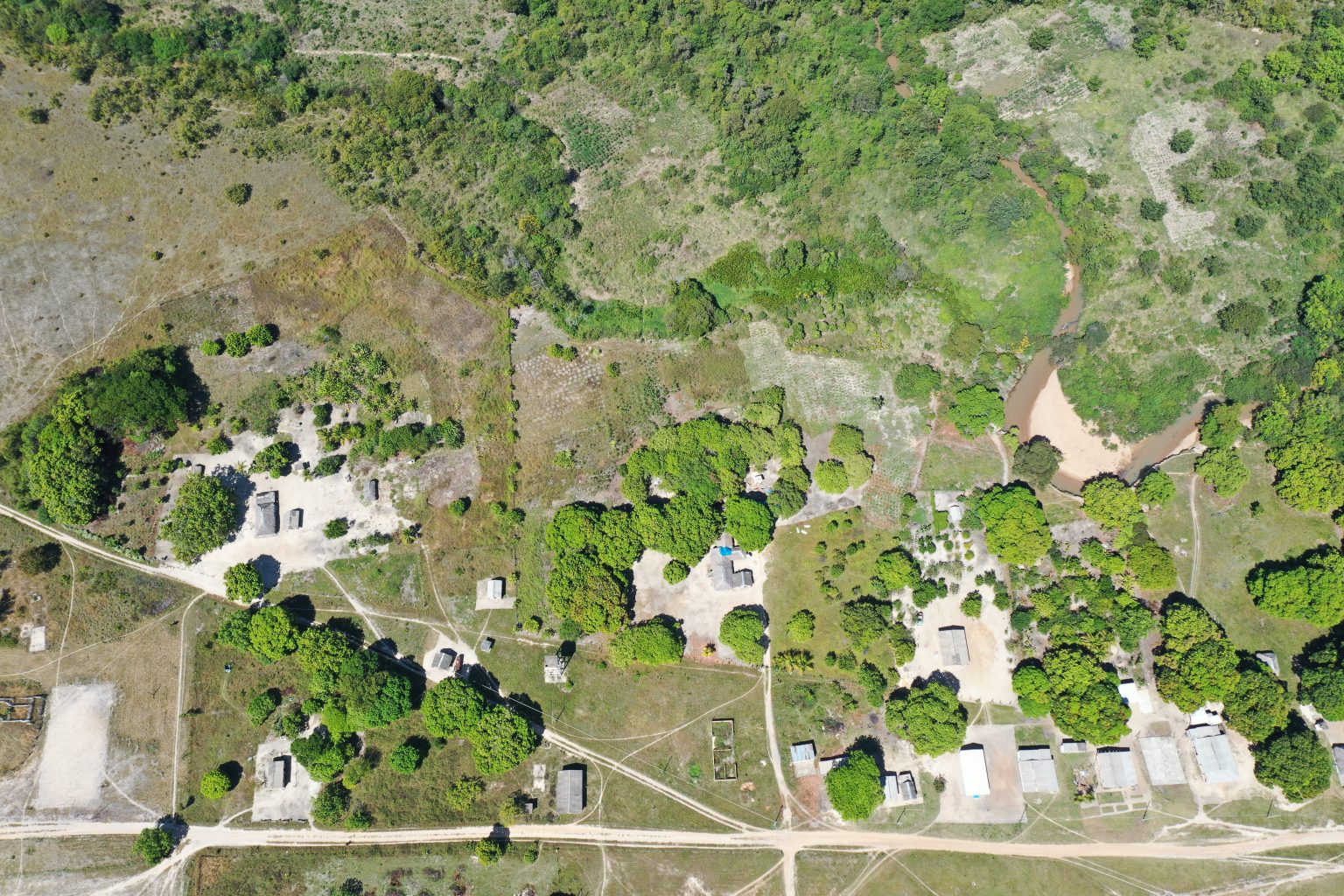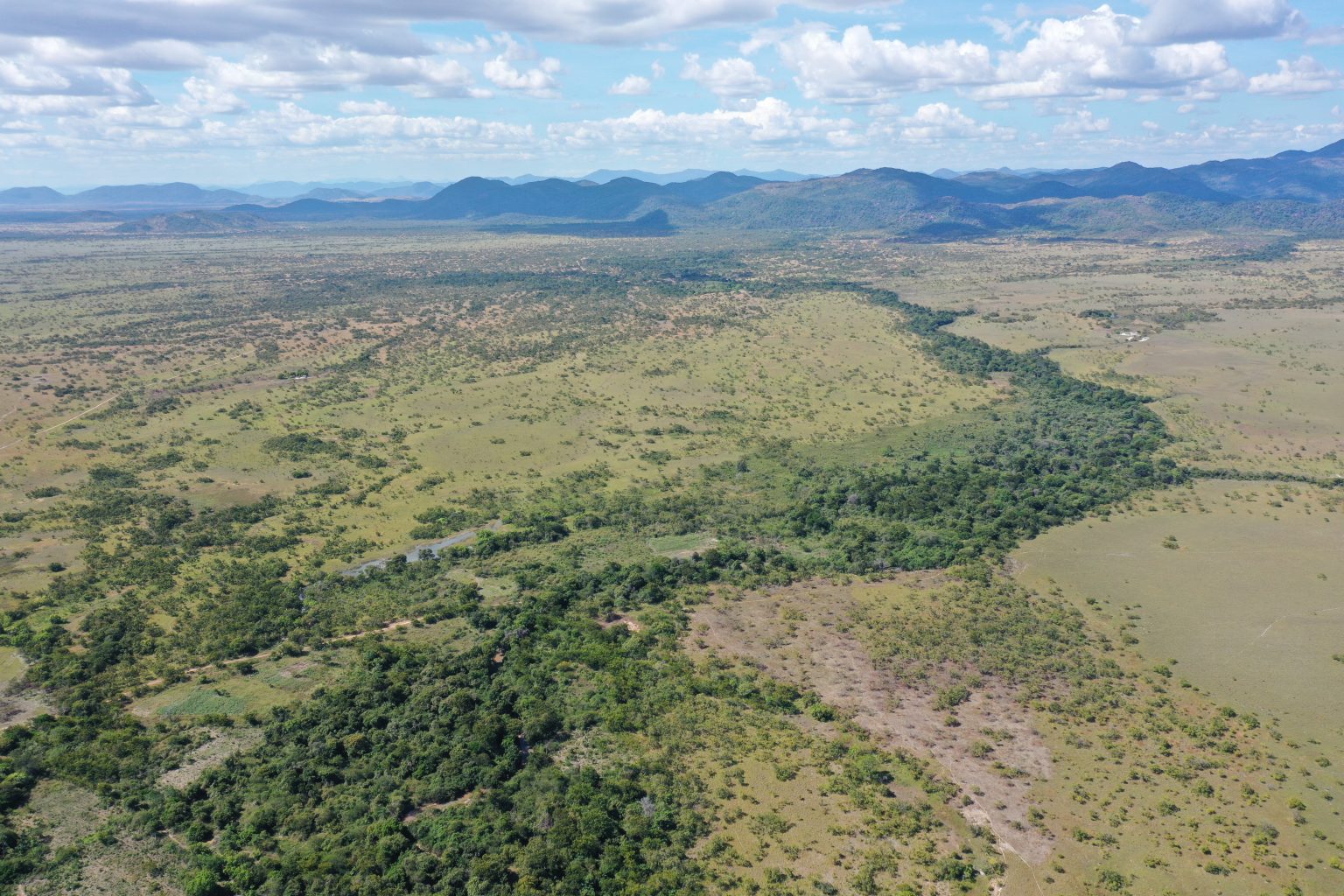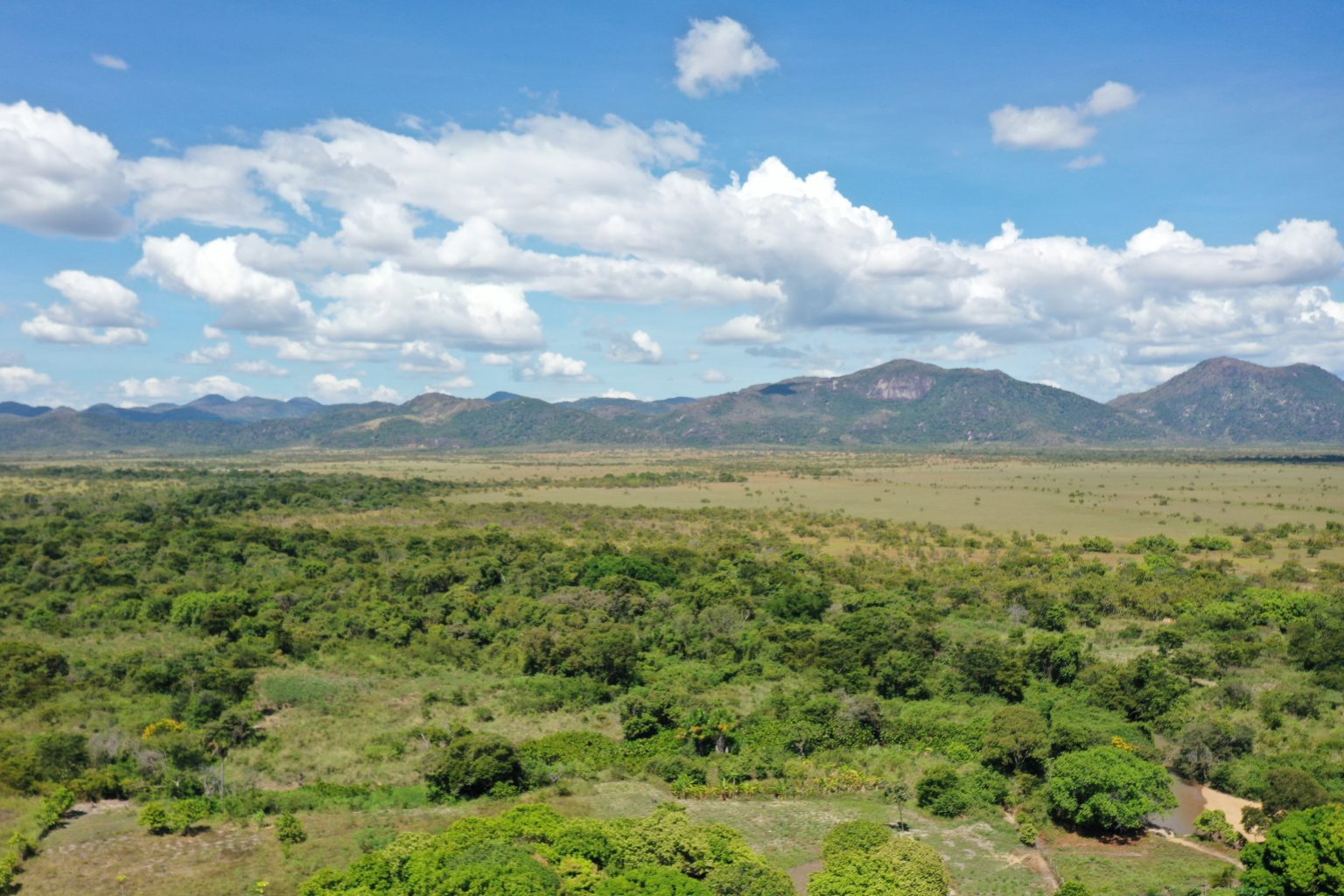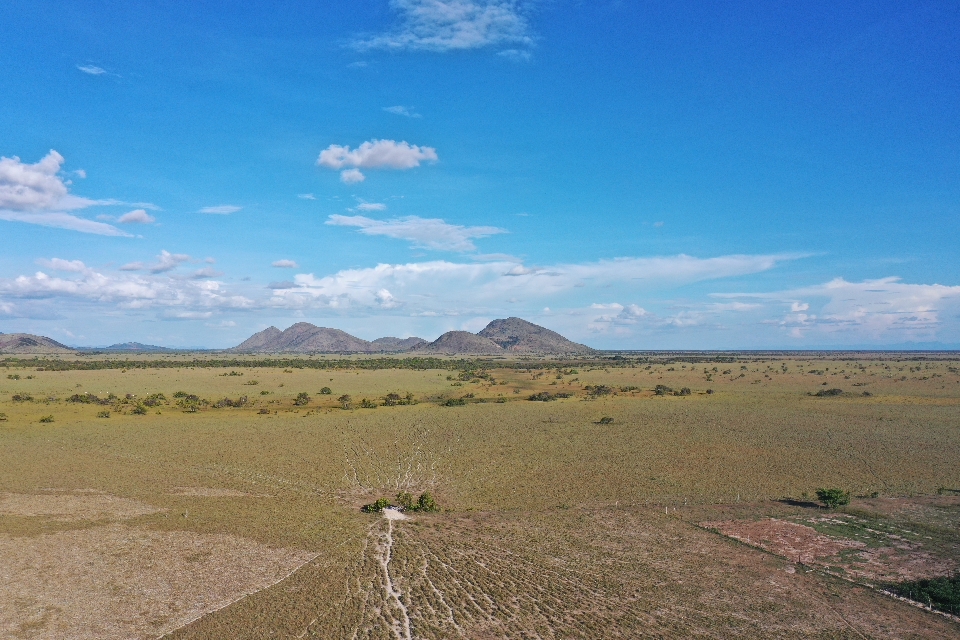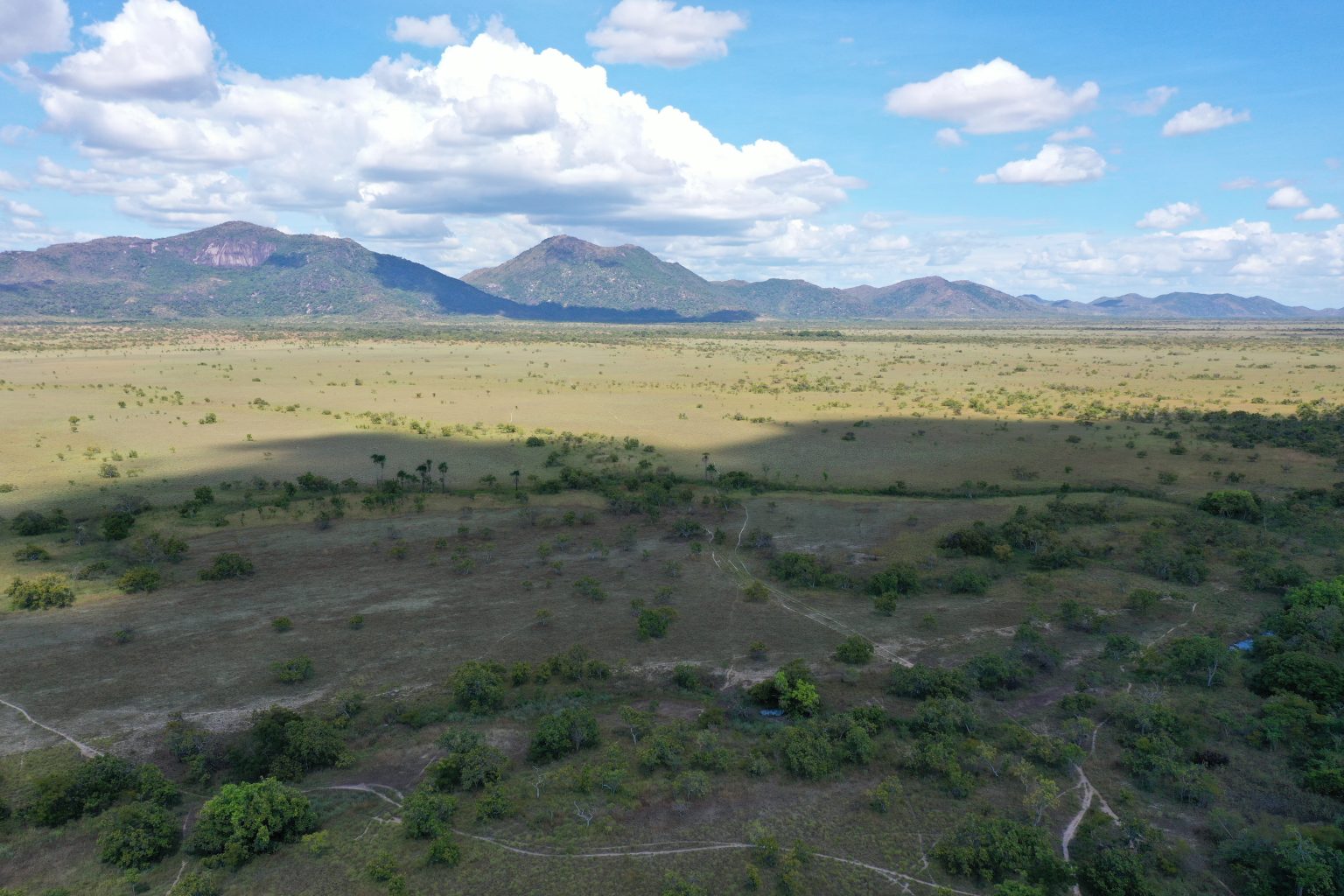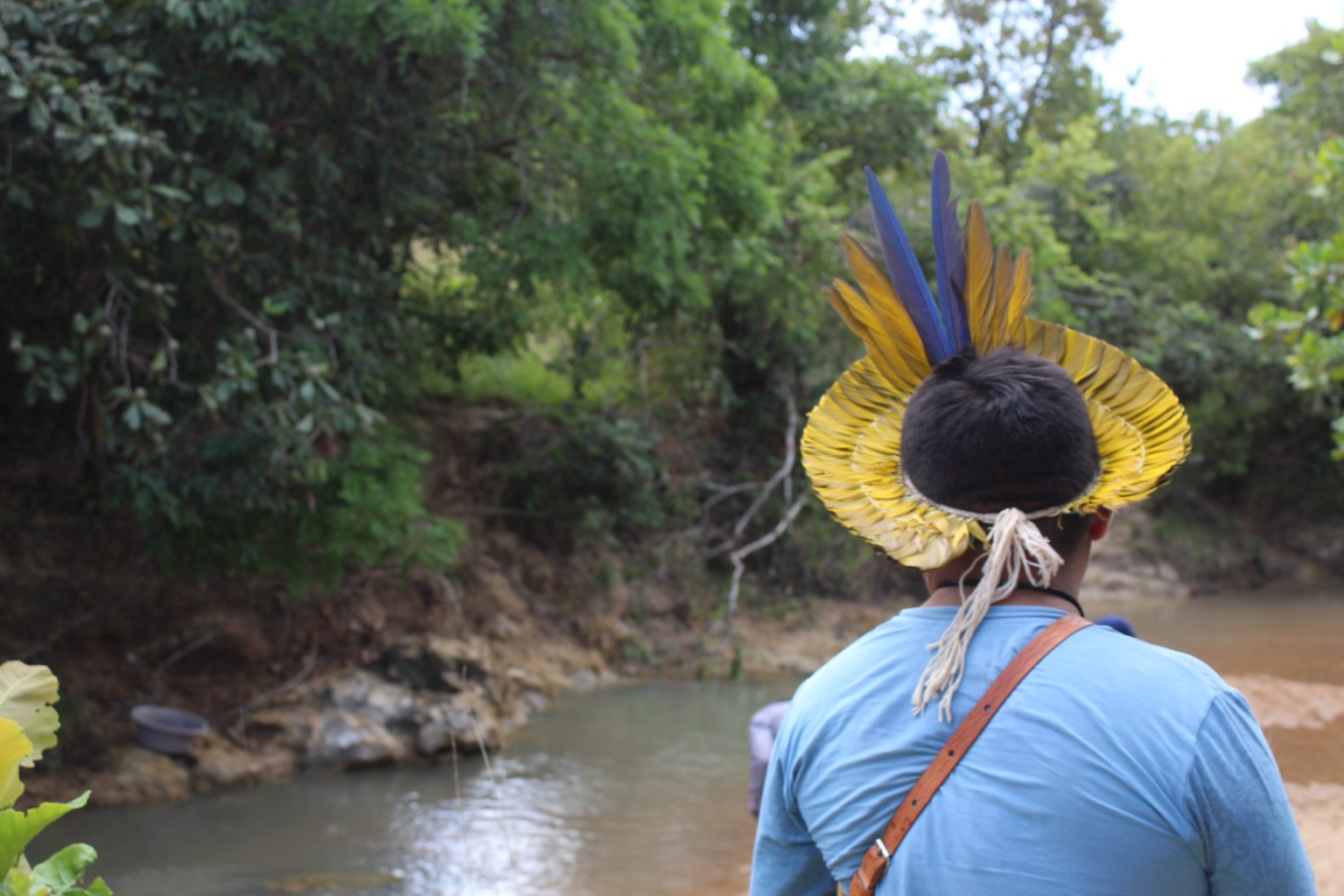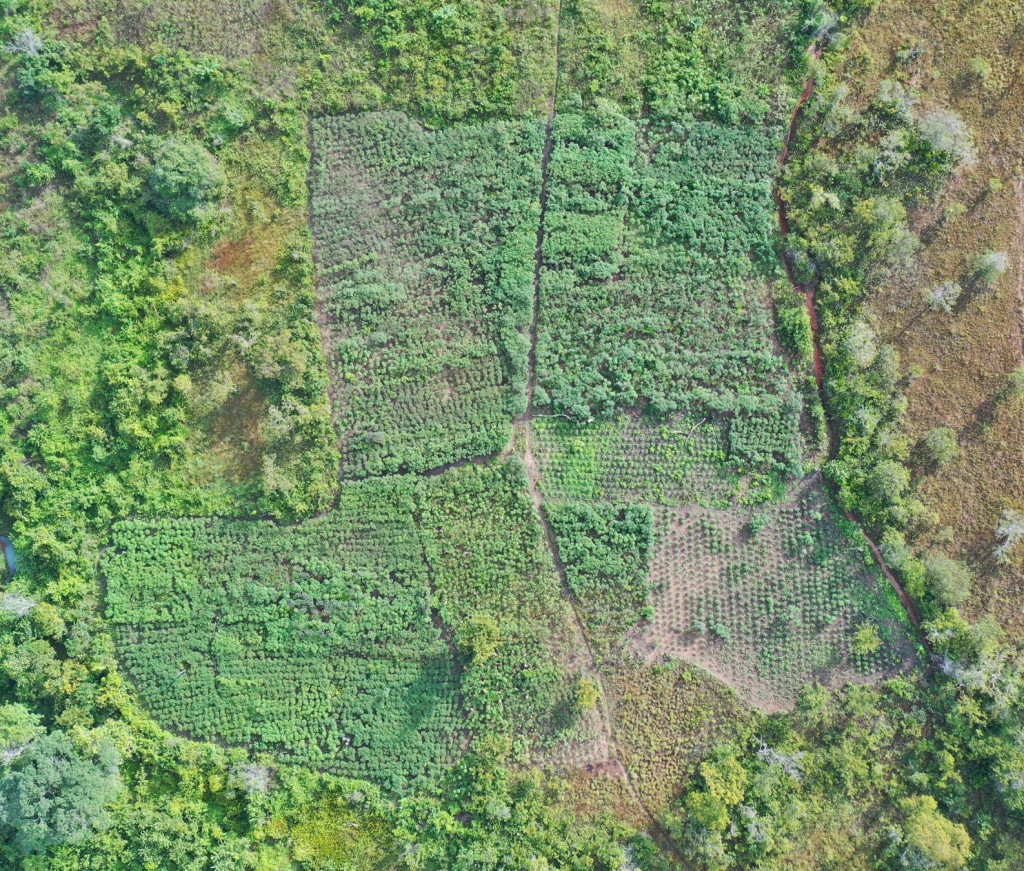
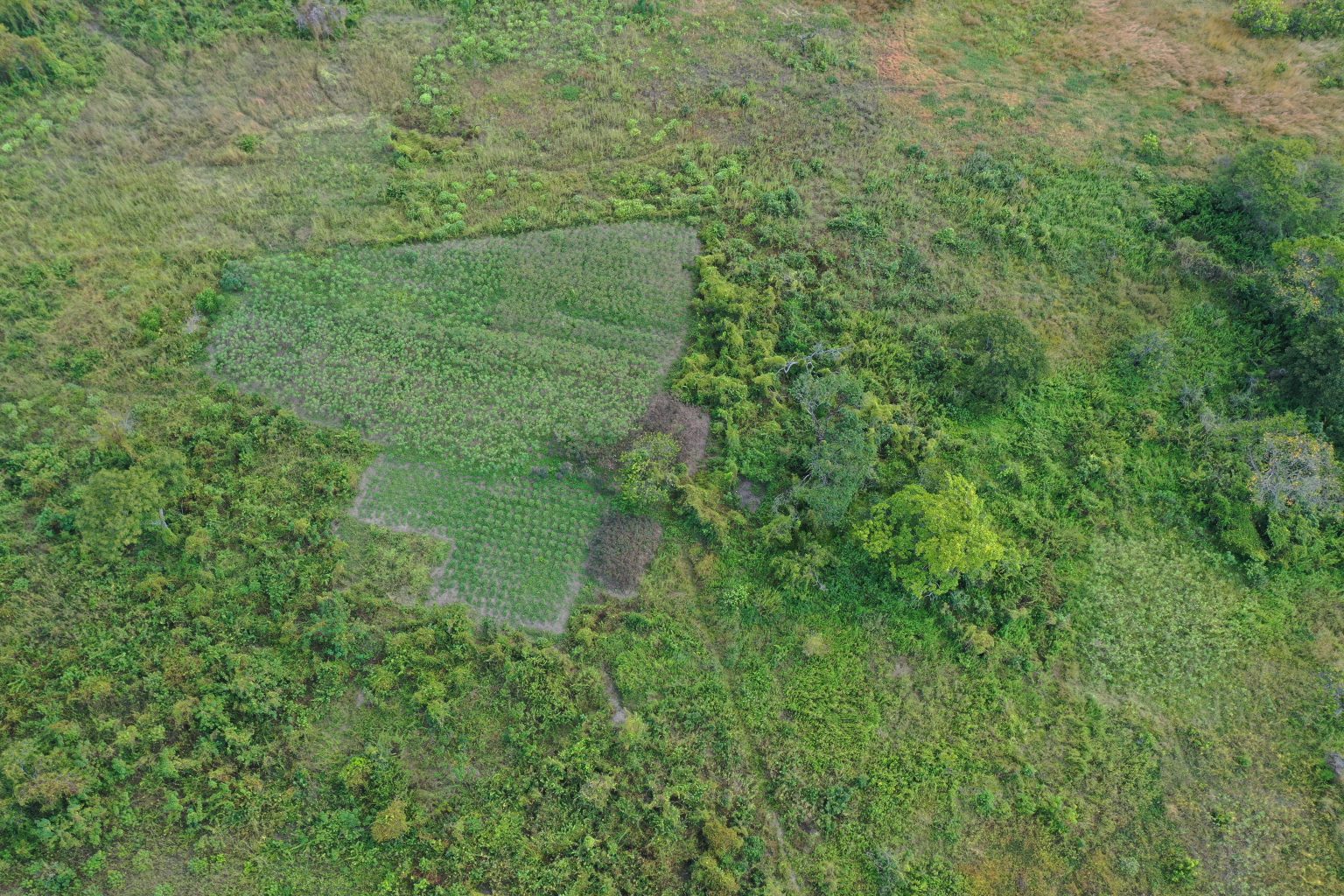
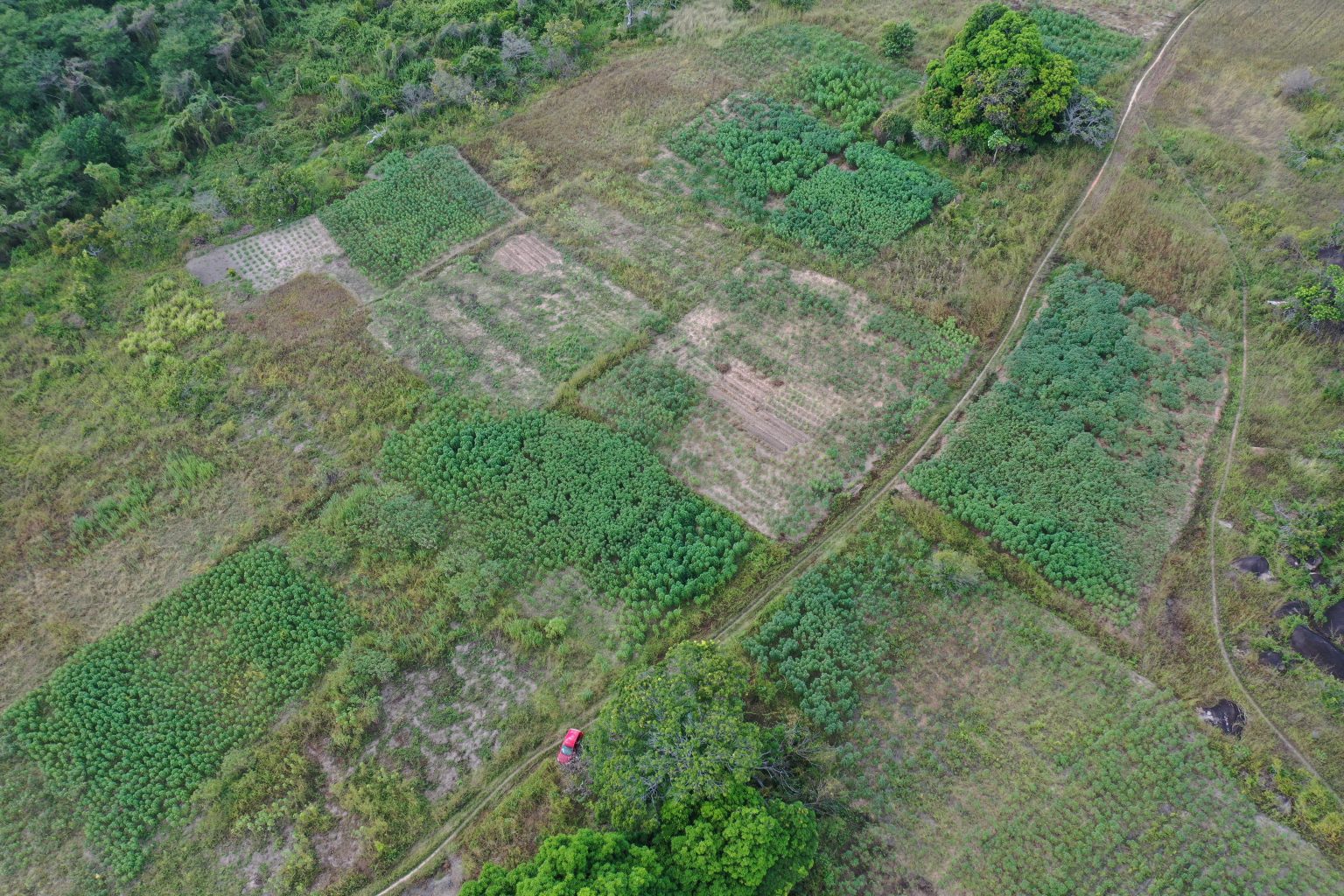
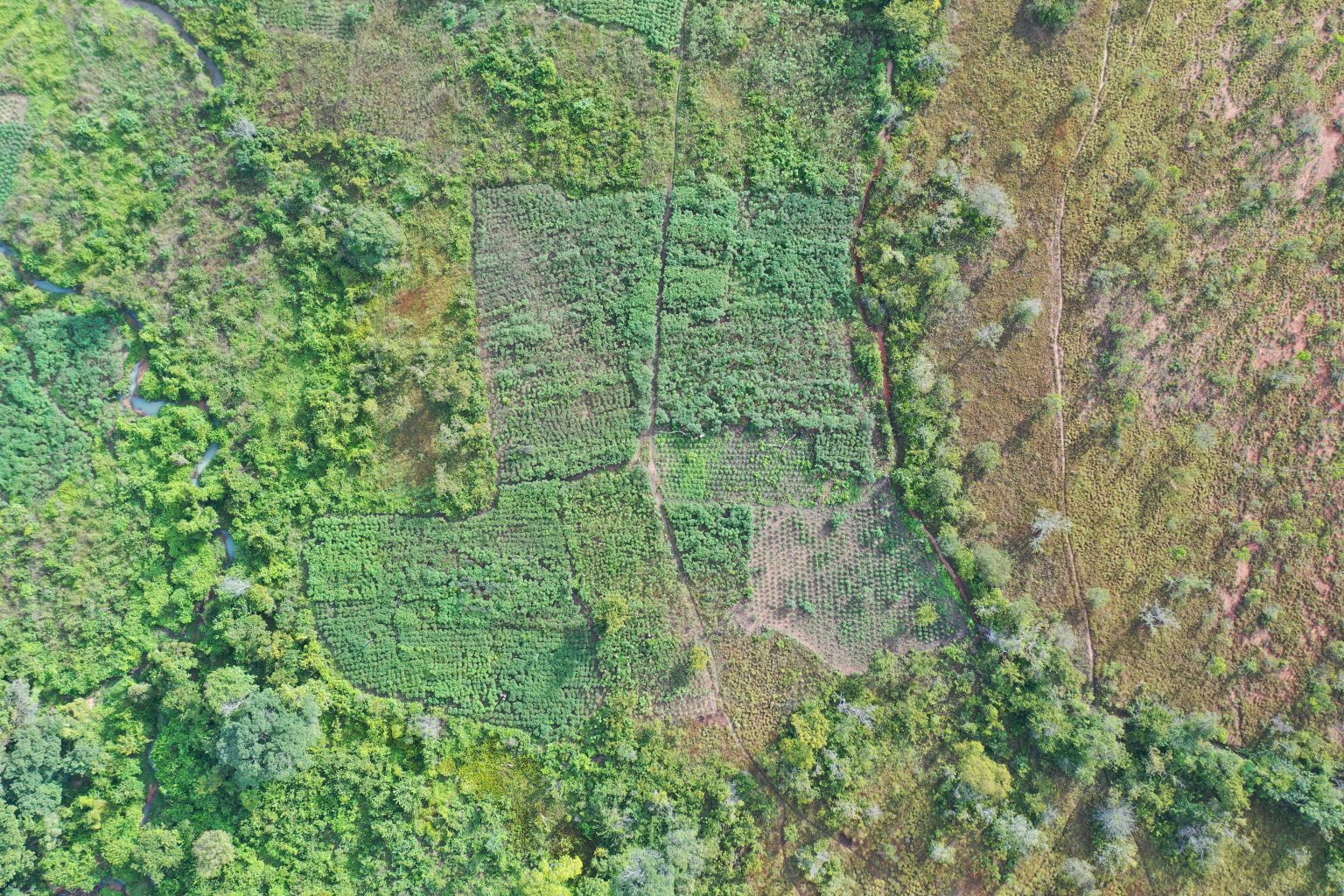
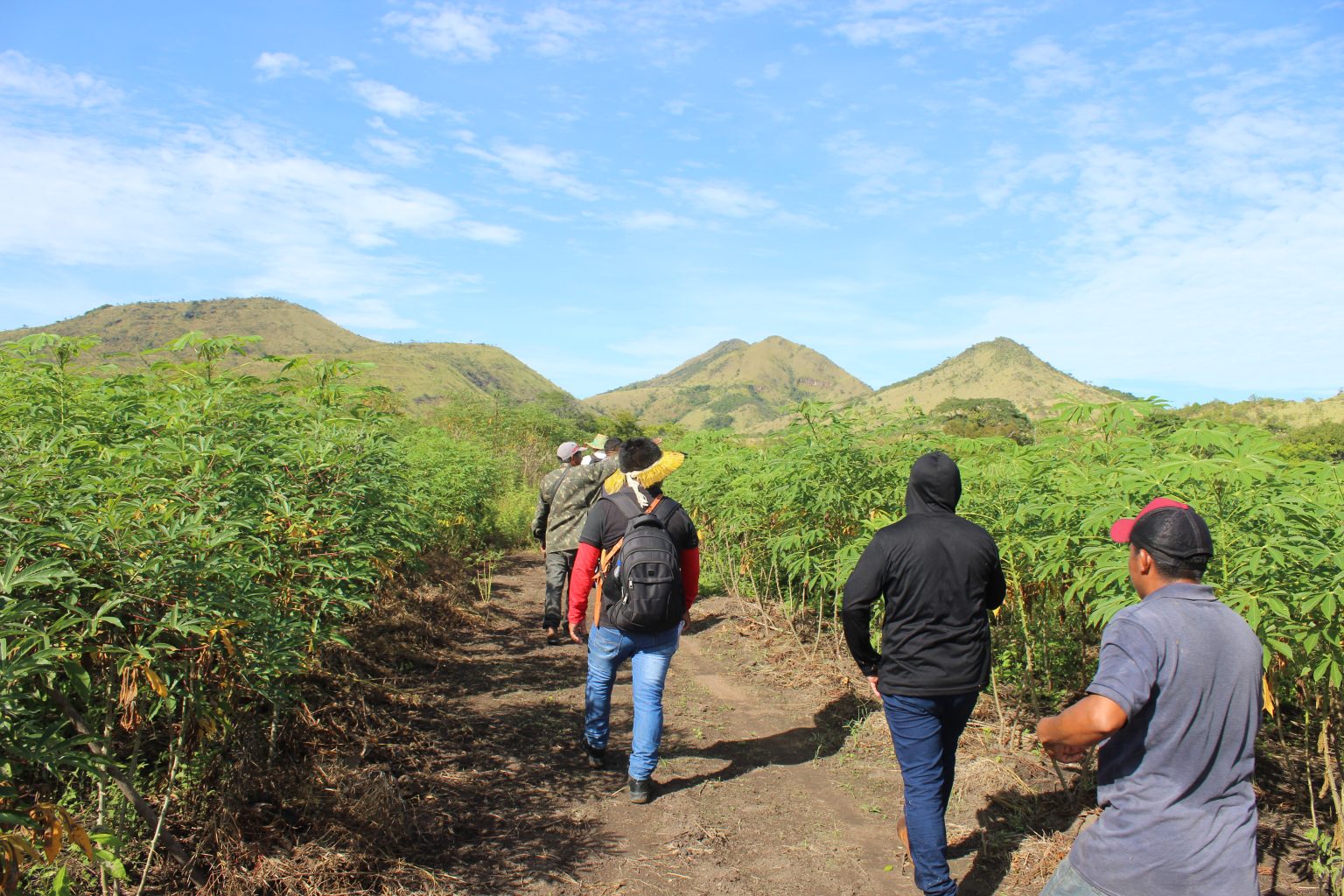
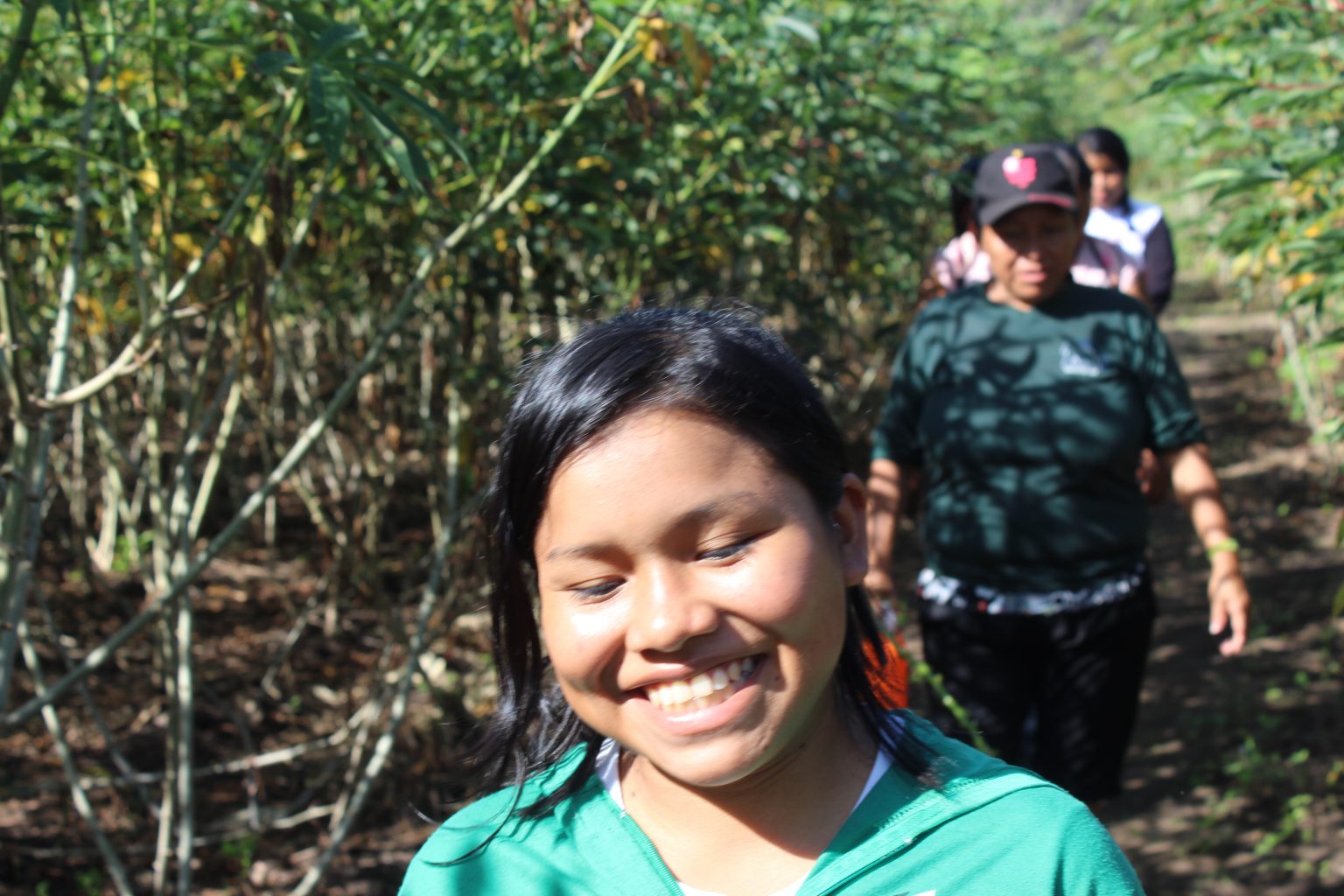
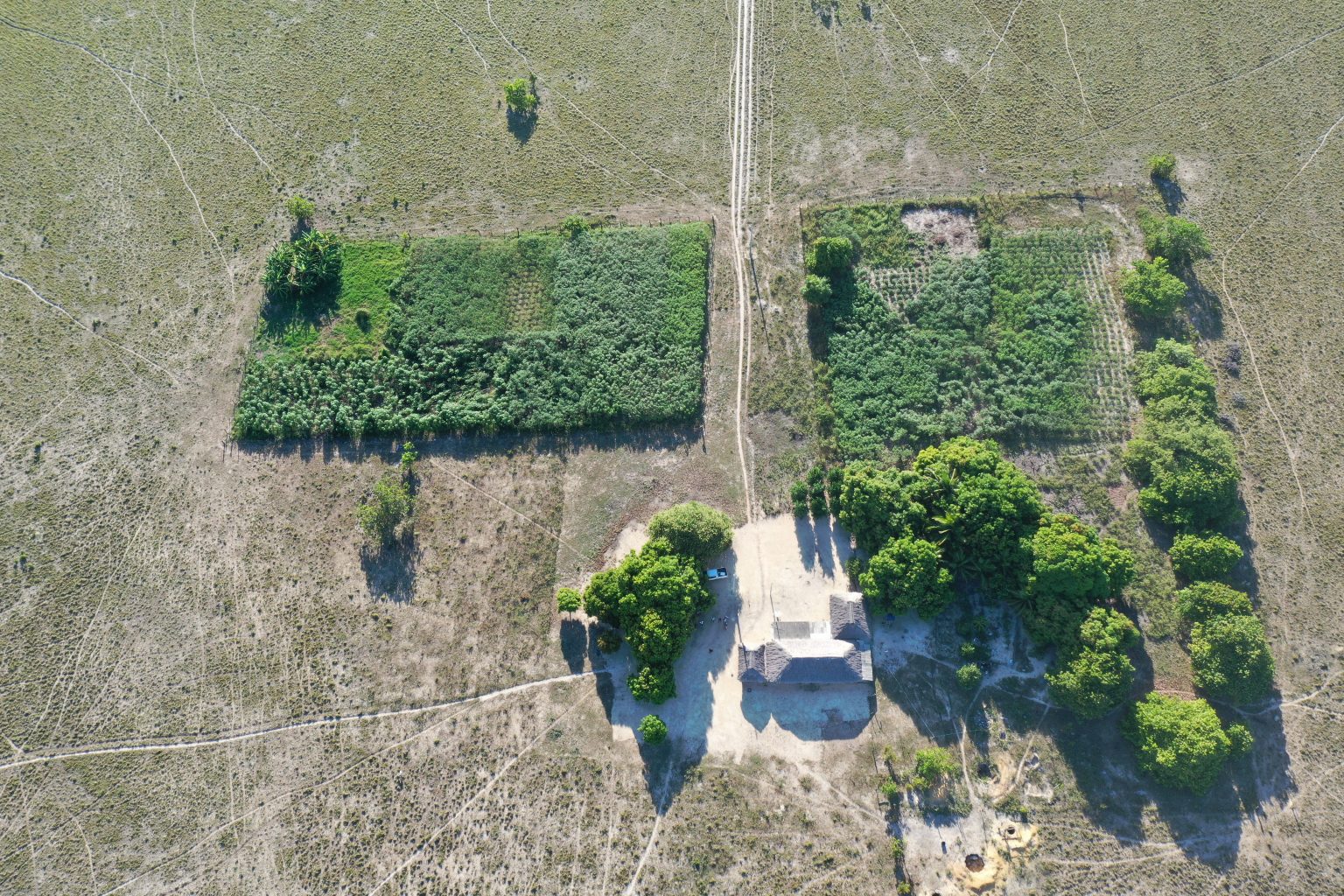
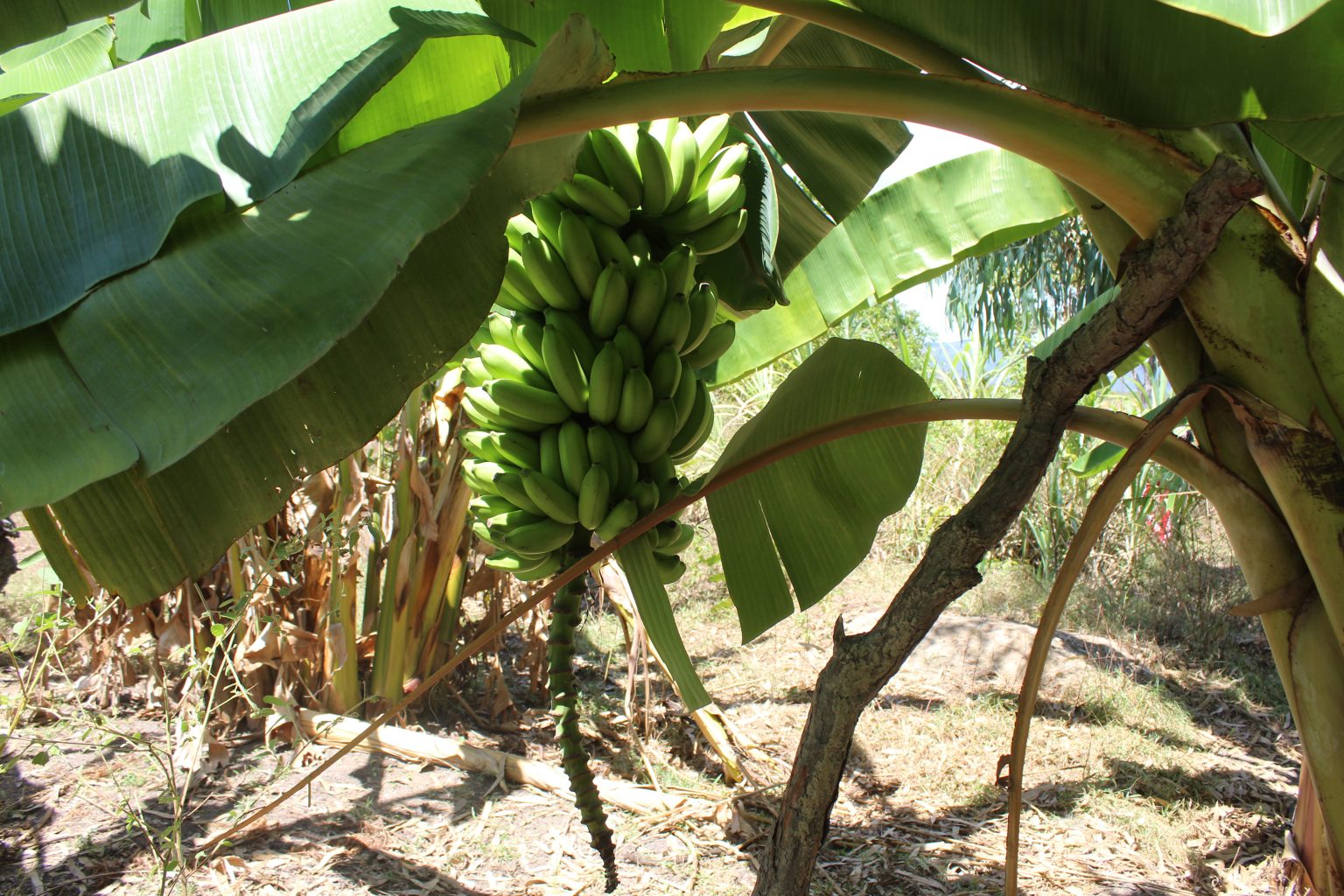
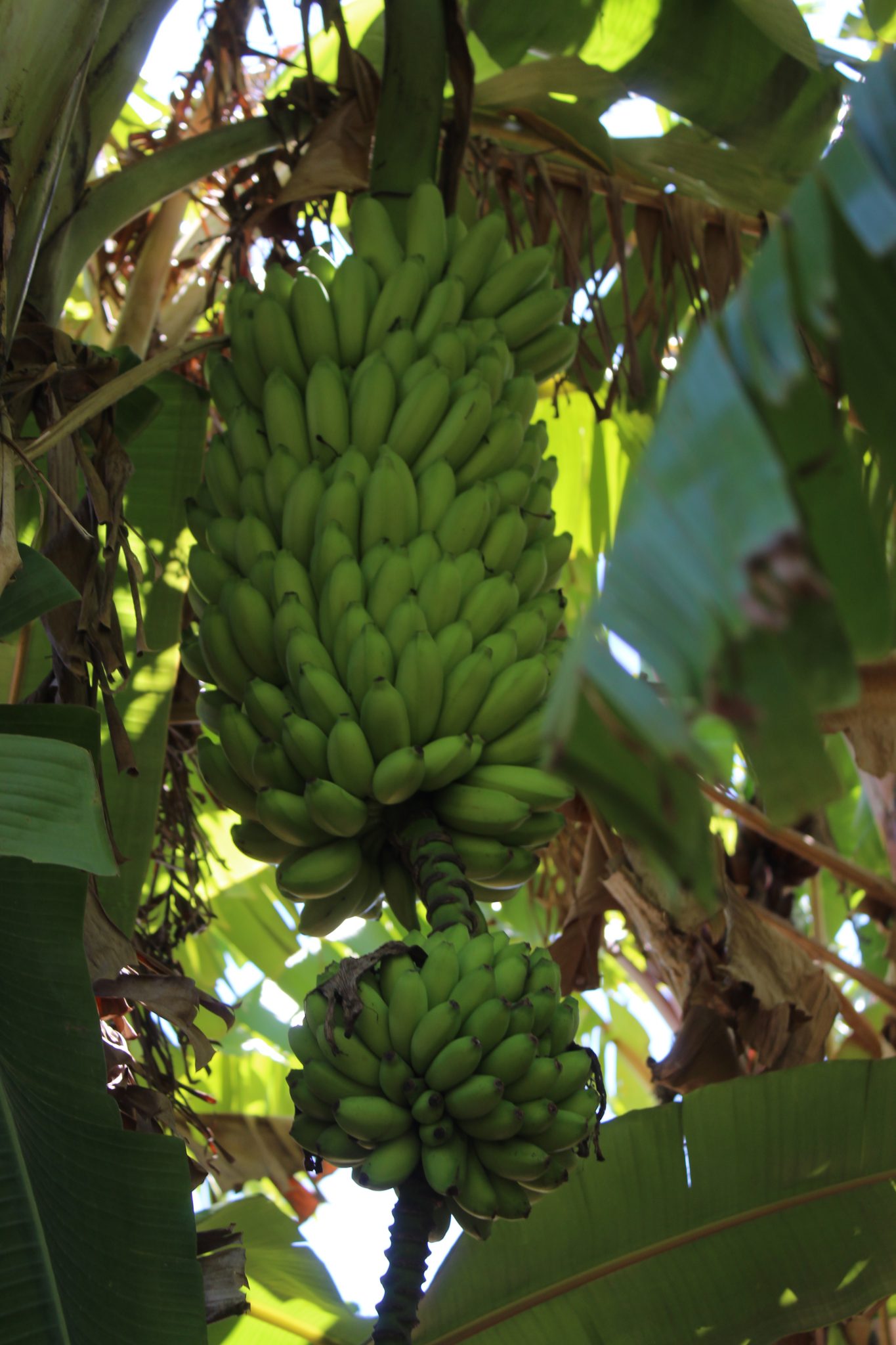
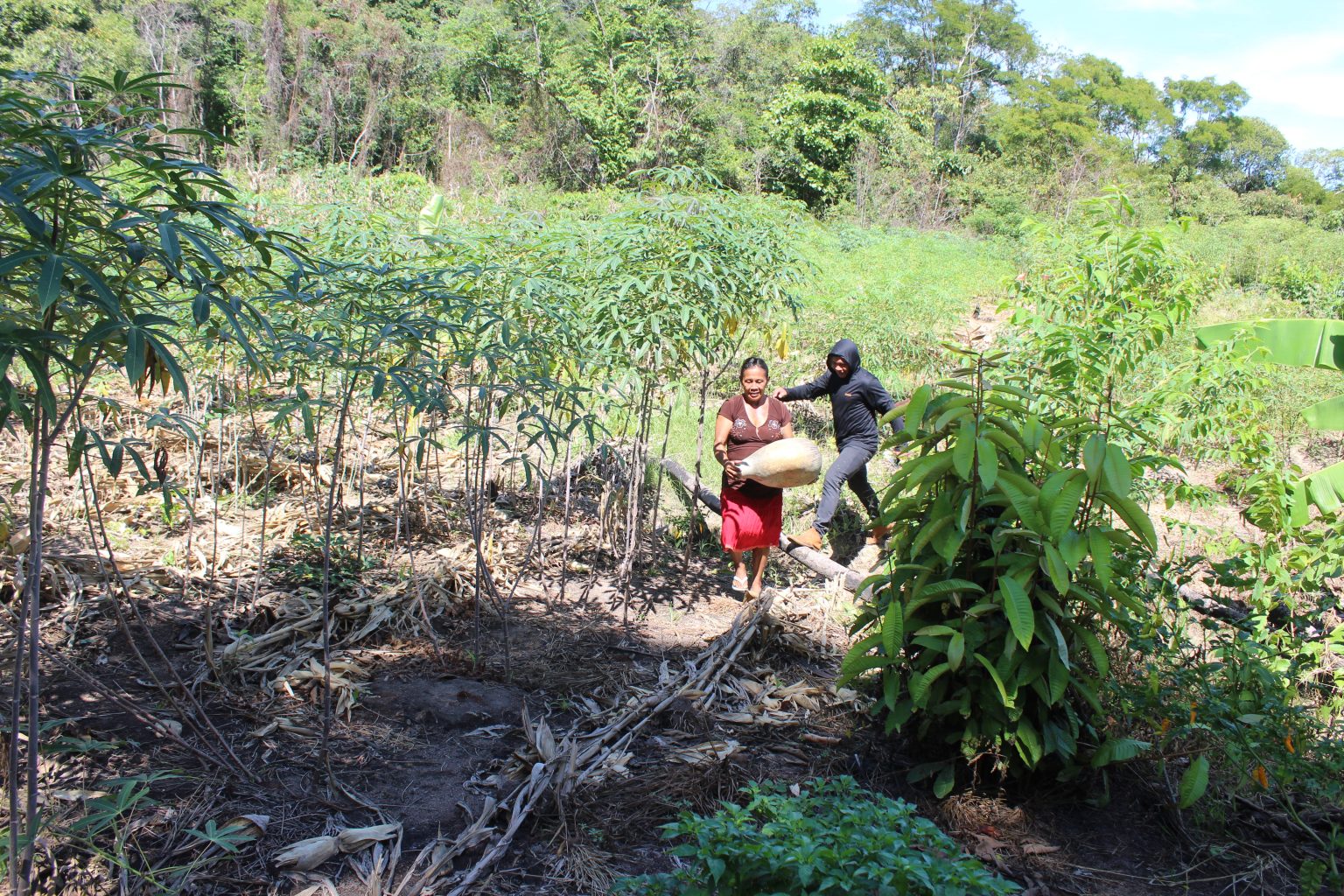
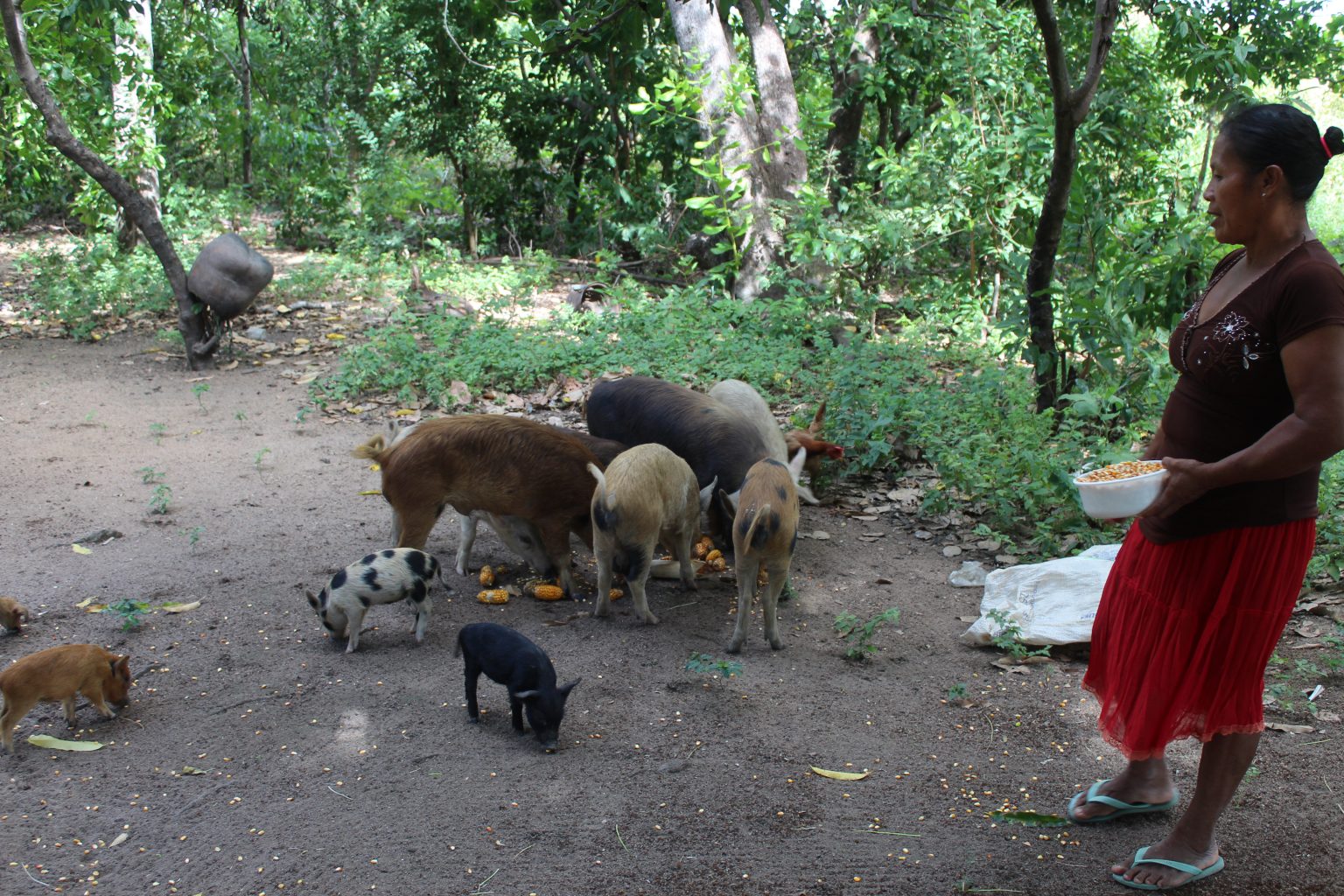
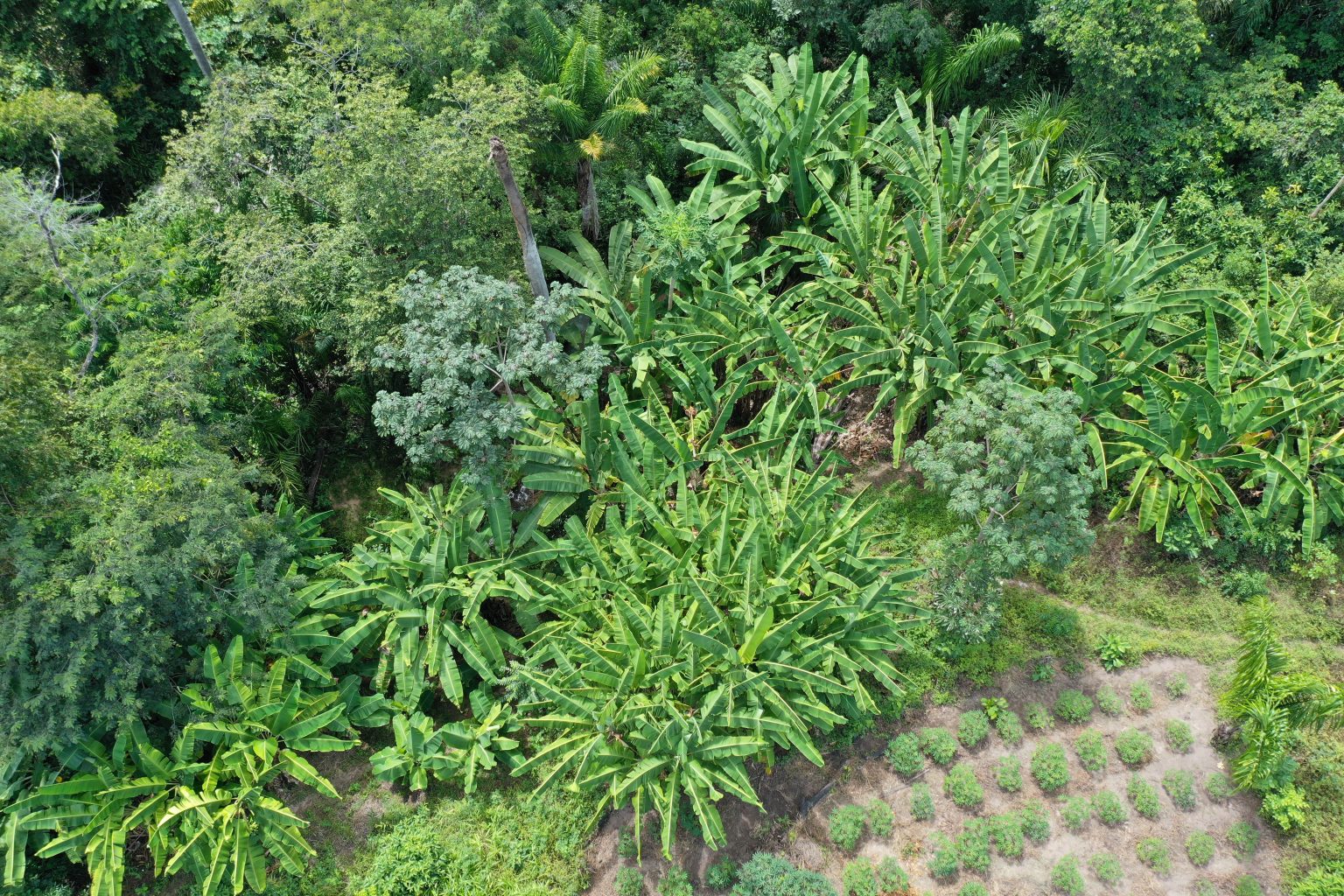
With a history of territorial struggle of traditional peoples, the Raposa region, located in the Raposa Serra do Sol Indigenous Land, has production areas with ample capacity for self-management. The general coordinator of the Indigenous Council of Roraima (CIR), Enock Taurepan, visited the region's swiddens from November 10 to 12, which mainly have fully organic plantations of cassava, cassava, bananas, among others, and animal husbandry.
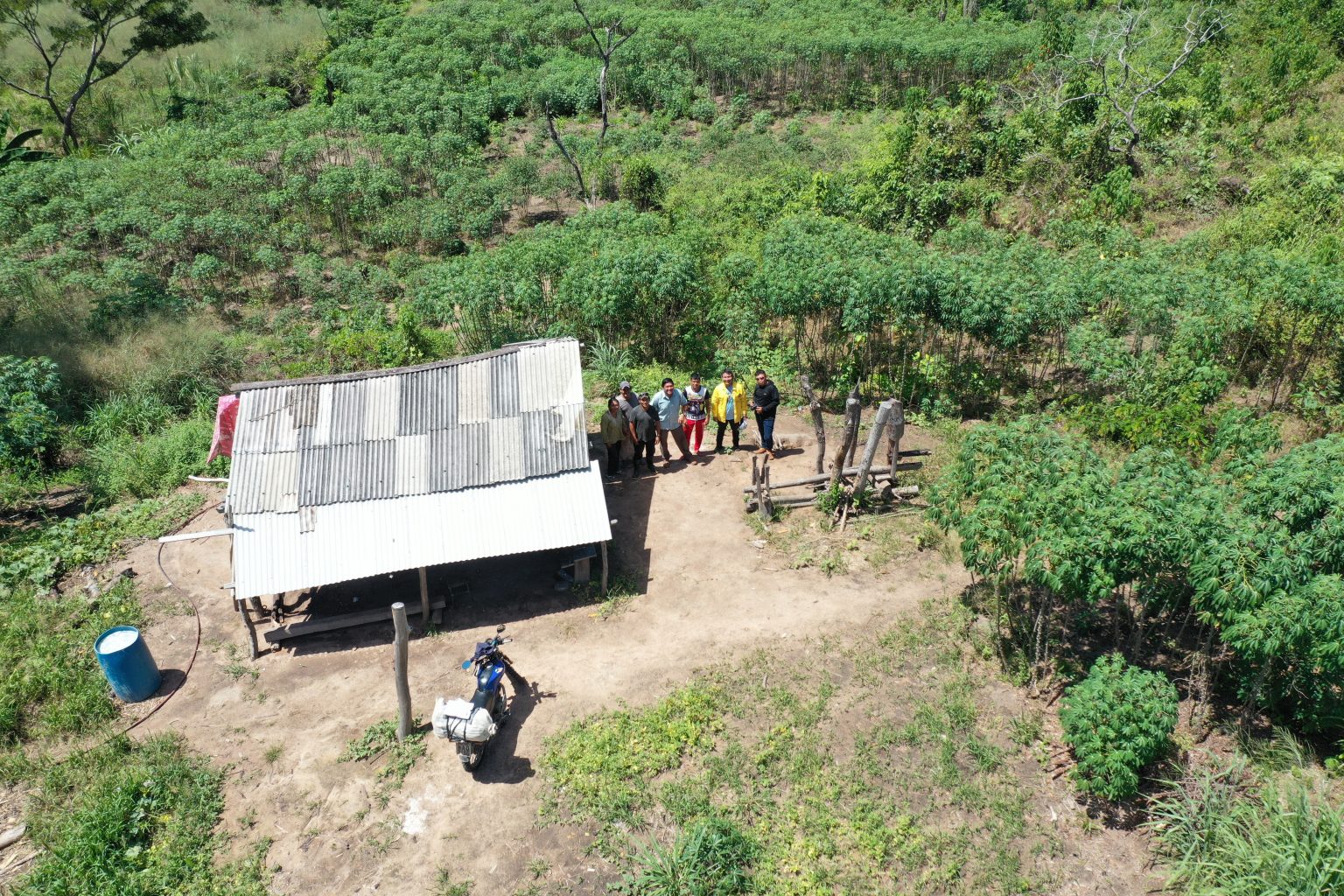
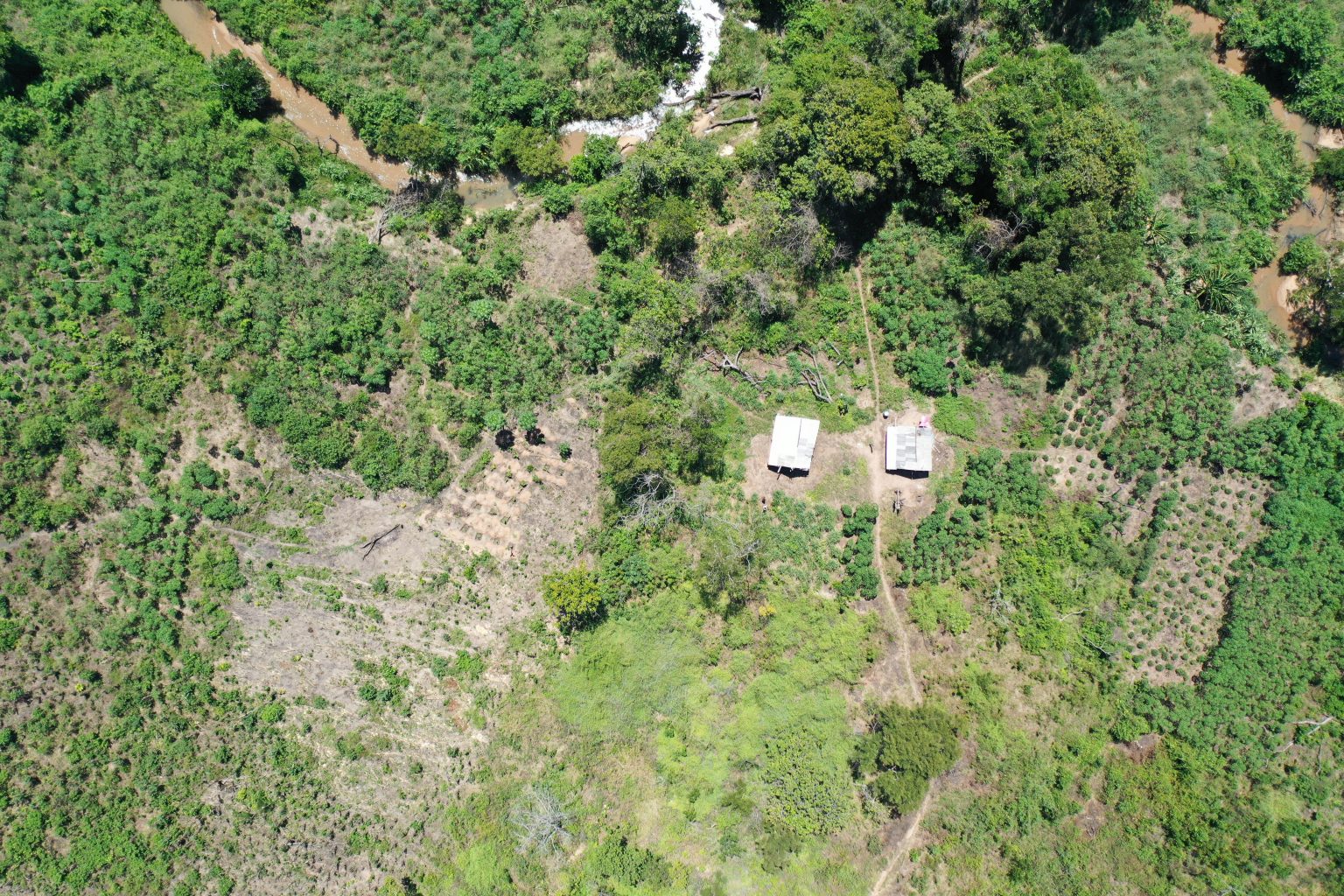
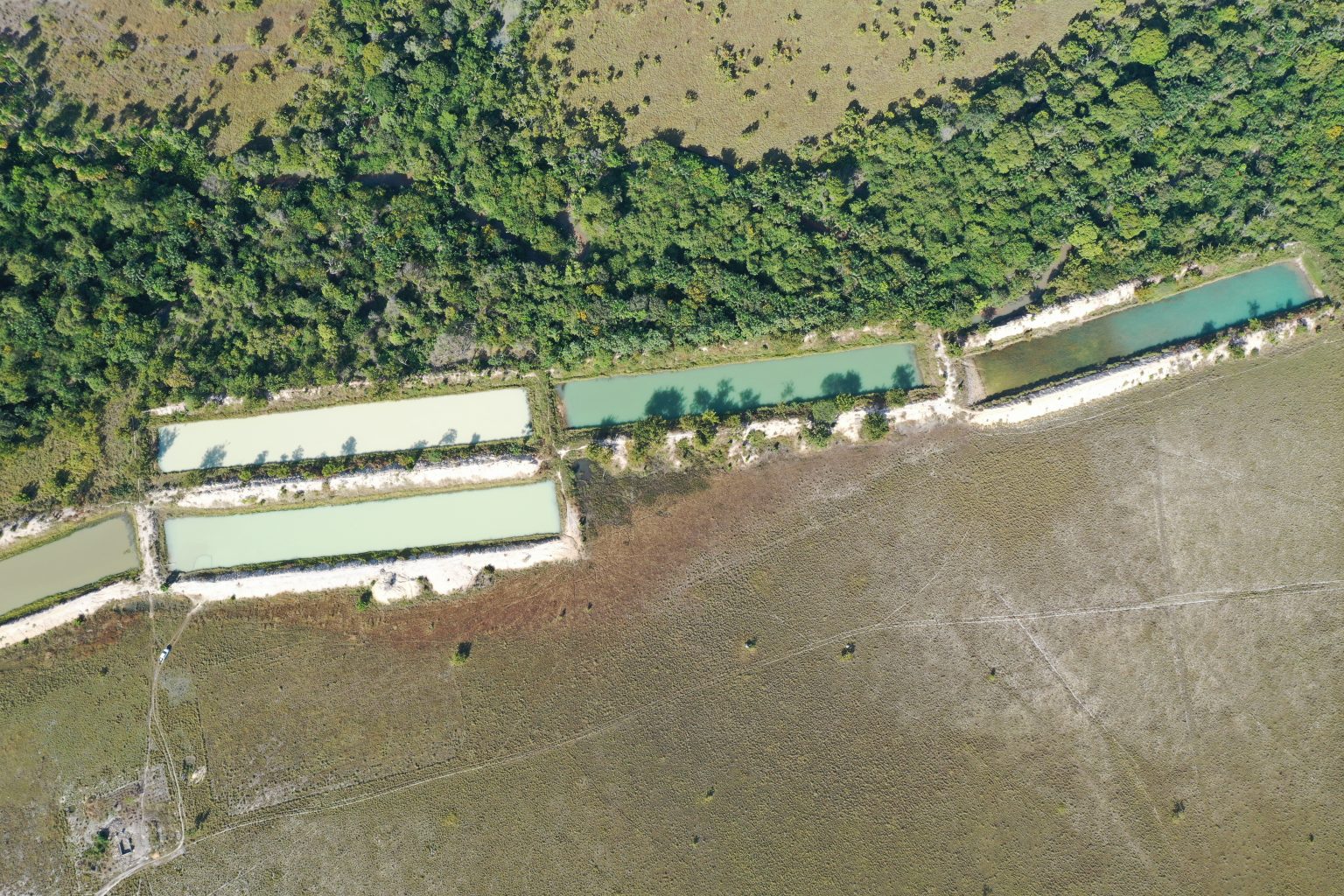
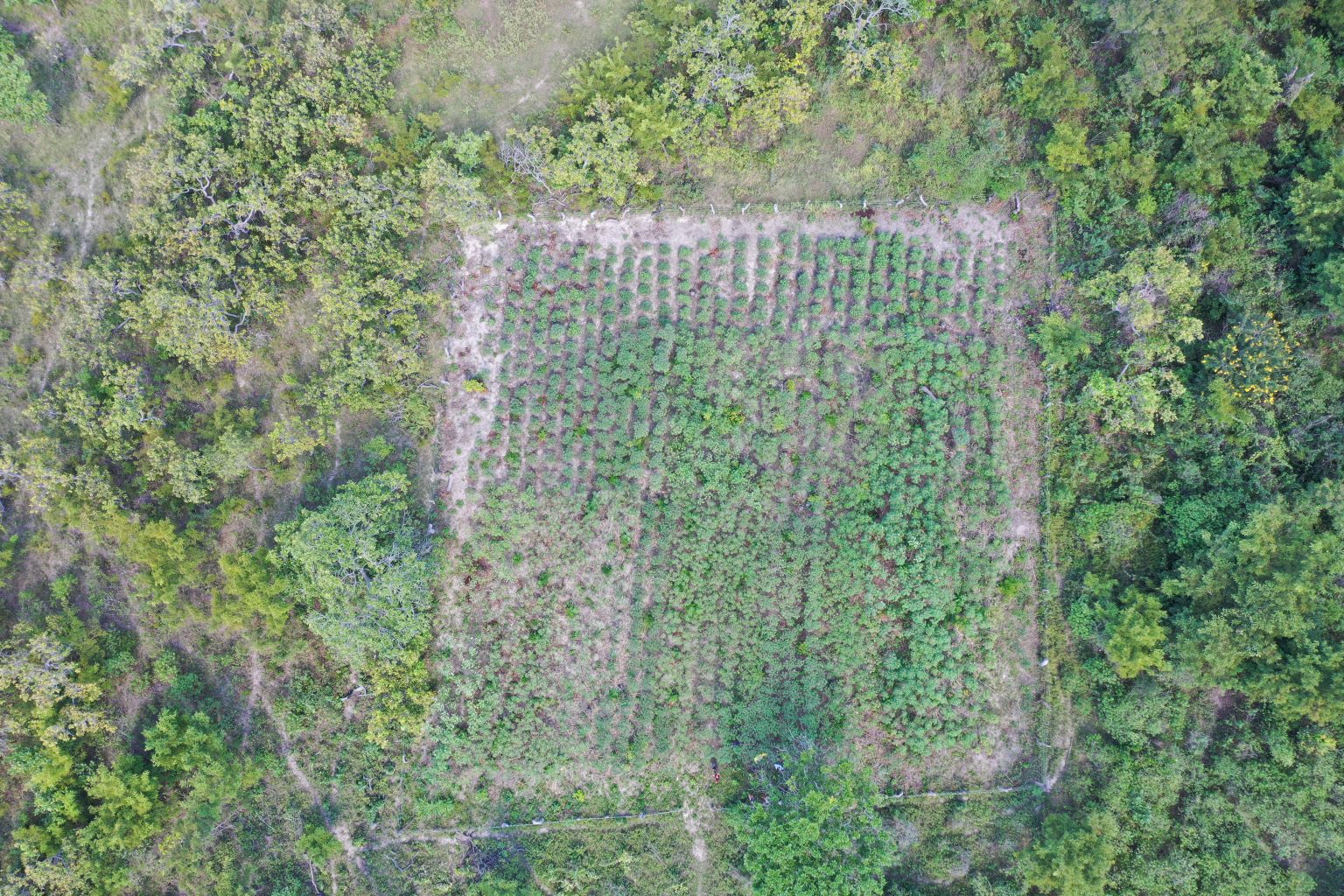
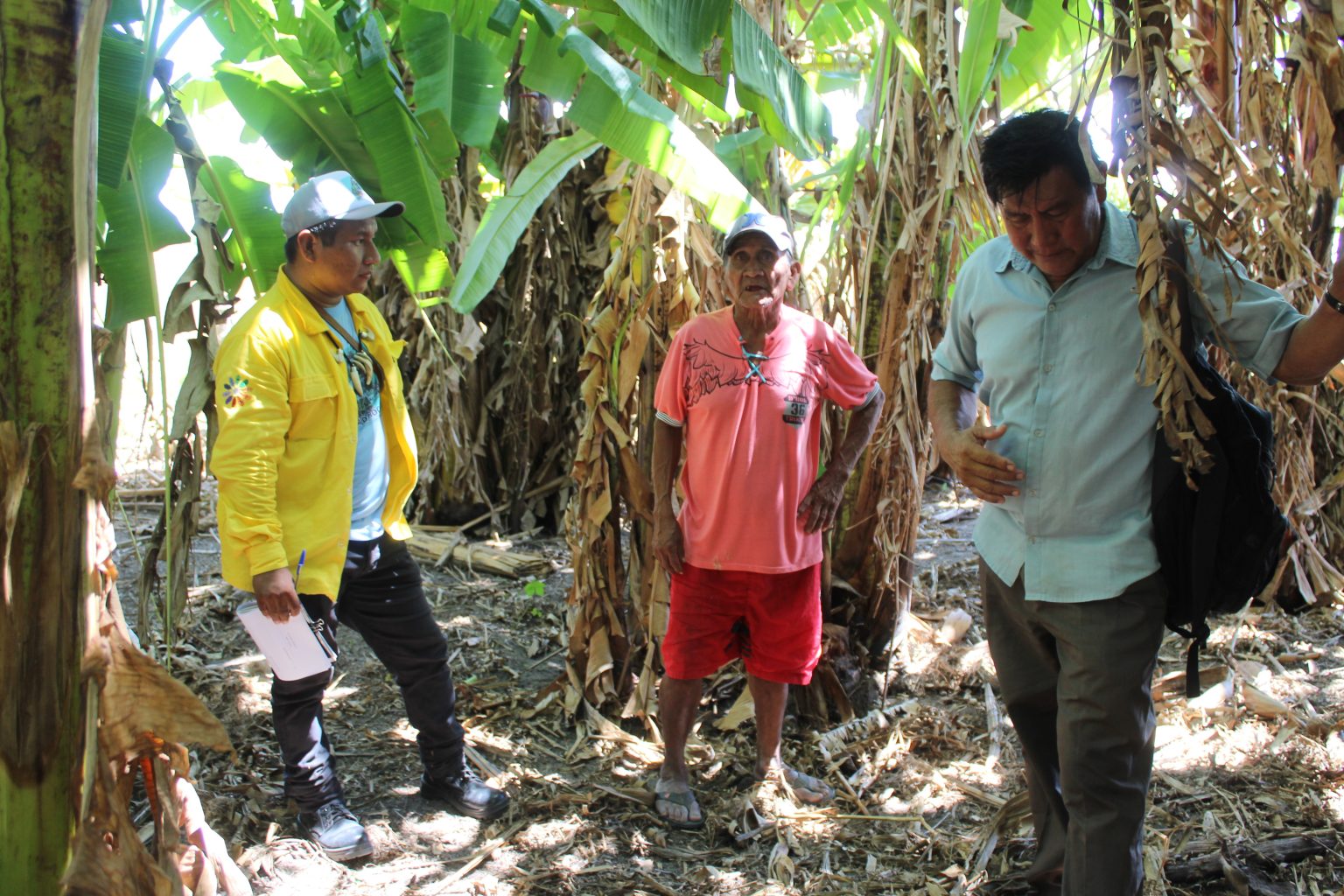
The monitoring of the swiddens was done together with the regional coordinator Valério Eurico, the indigenous communicator and fiscal councilor of the CIR Janderson dos Santos, tuxauas and indigenous producers. The Raposa region has 51 communities, with families predominantly of the Macuxi, Patamona and Wapichana ethnic groups.
Coordinator Enock visited the swiddens of the Xumina, Raposa 2, Matiri, Cachoeirinha, Bismark, Tesu Vermelho, Tesu do Passarinho, Tucumã and Guariba community communities, where mapping was carried out to strengthen productive activities, which are mainly based on cassava, manioc and their derivatives, however cattle breeding stands out. Fairs were held for all regions of the Raposa Serra do Sol Indigenous Land, but with the pandemic they were paralyzed so as not to increase the risk of contagion among residents.
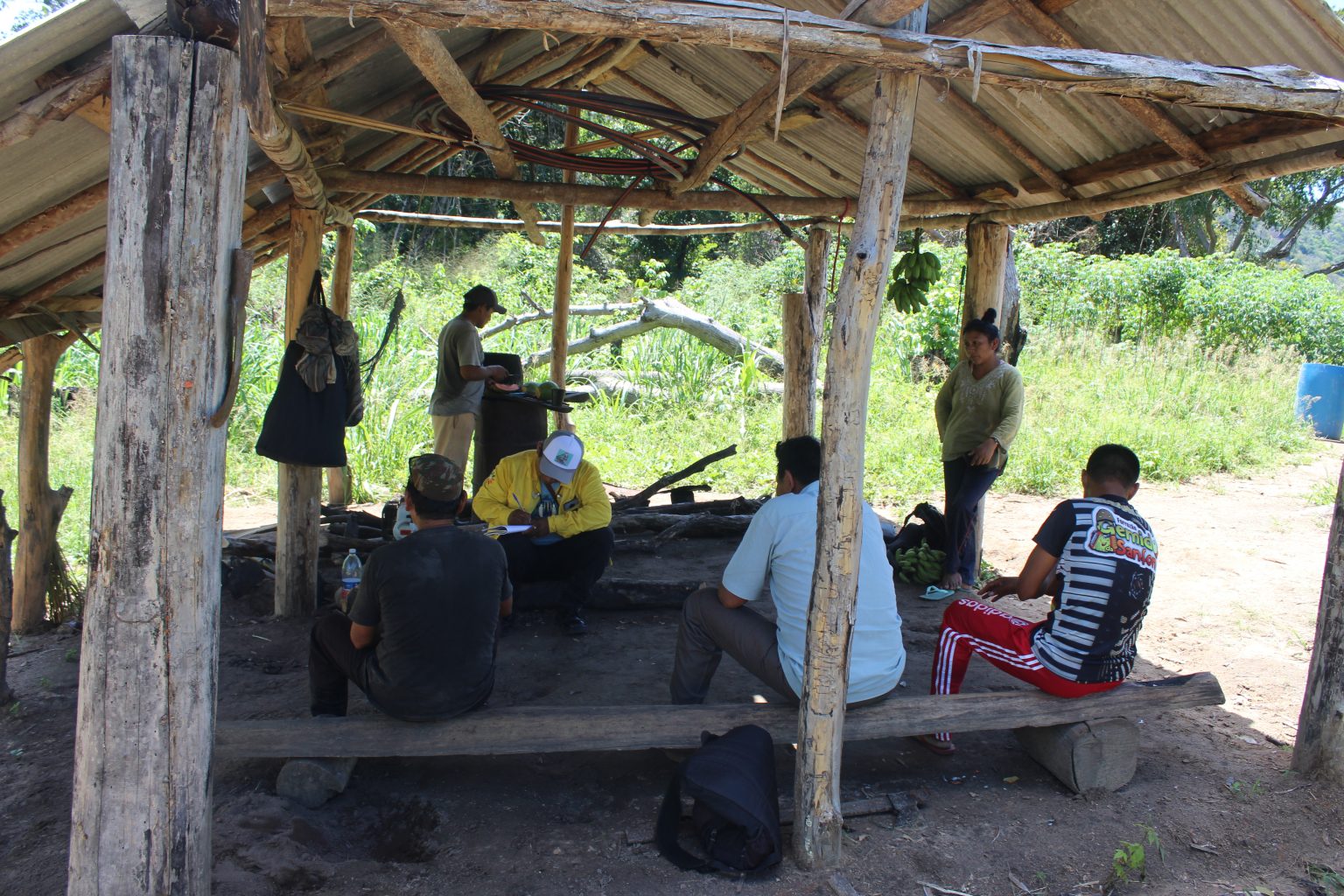
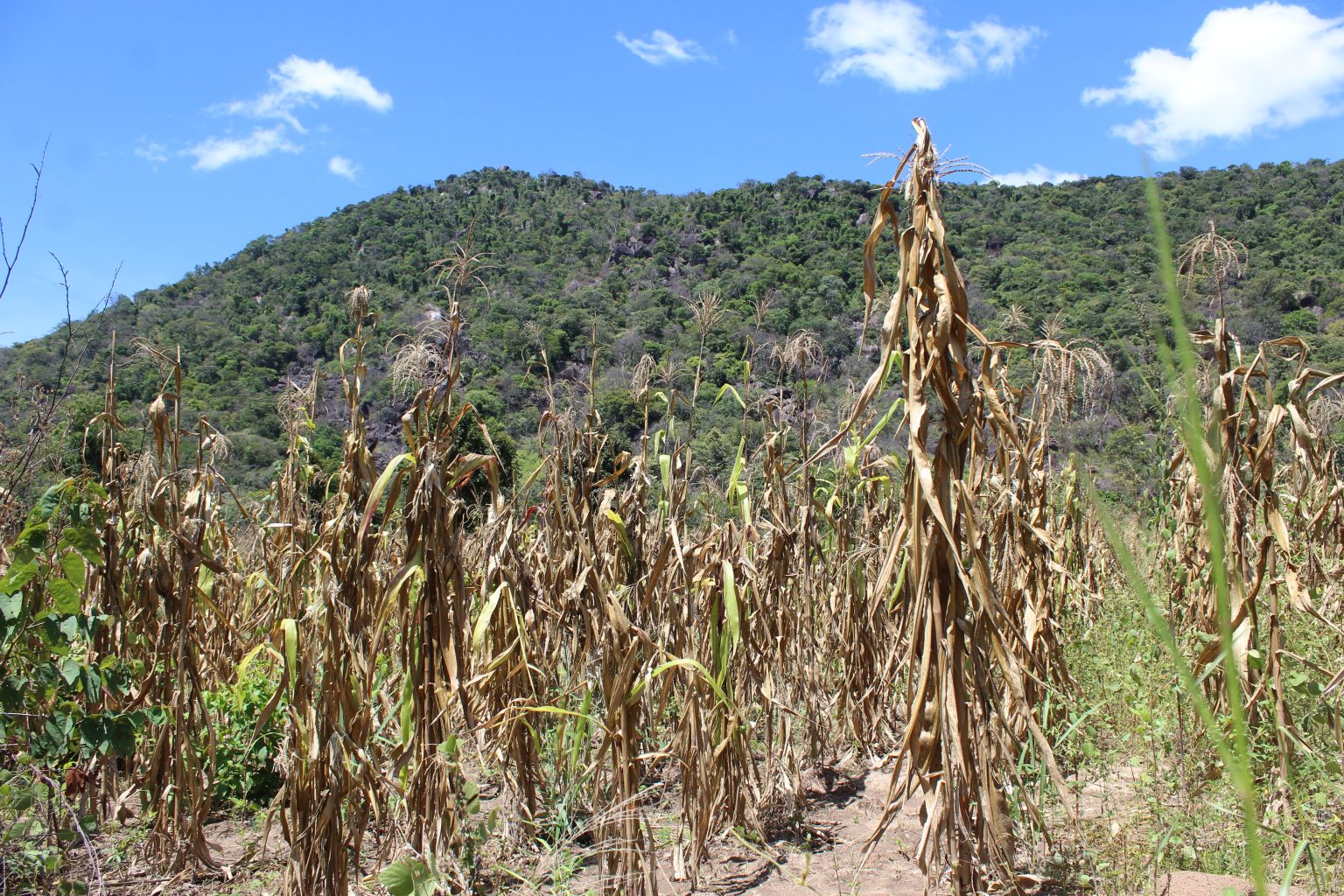
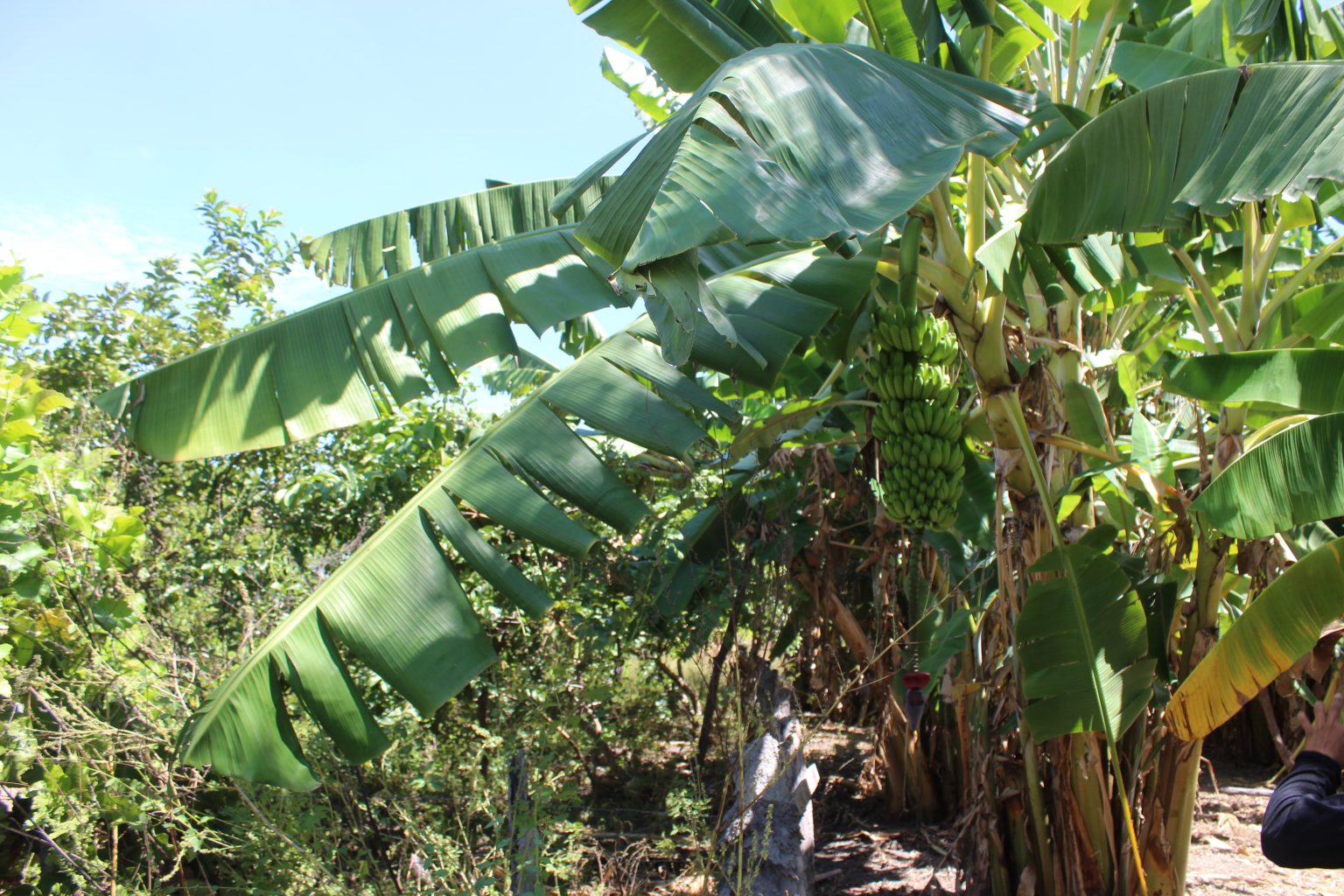
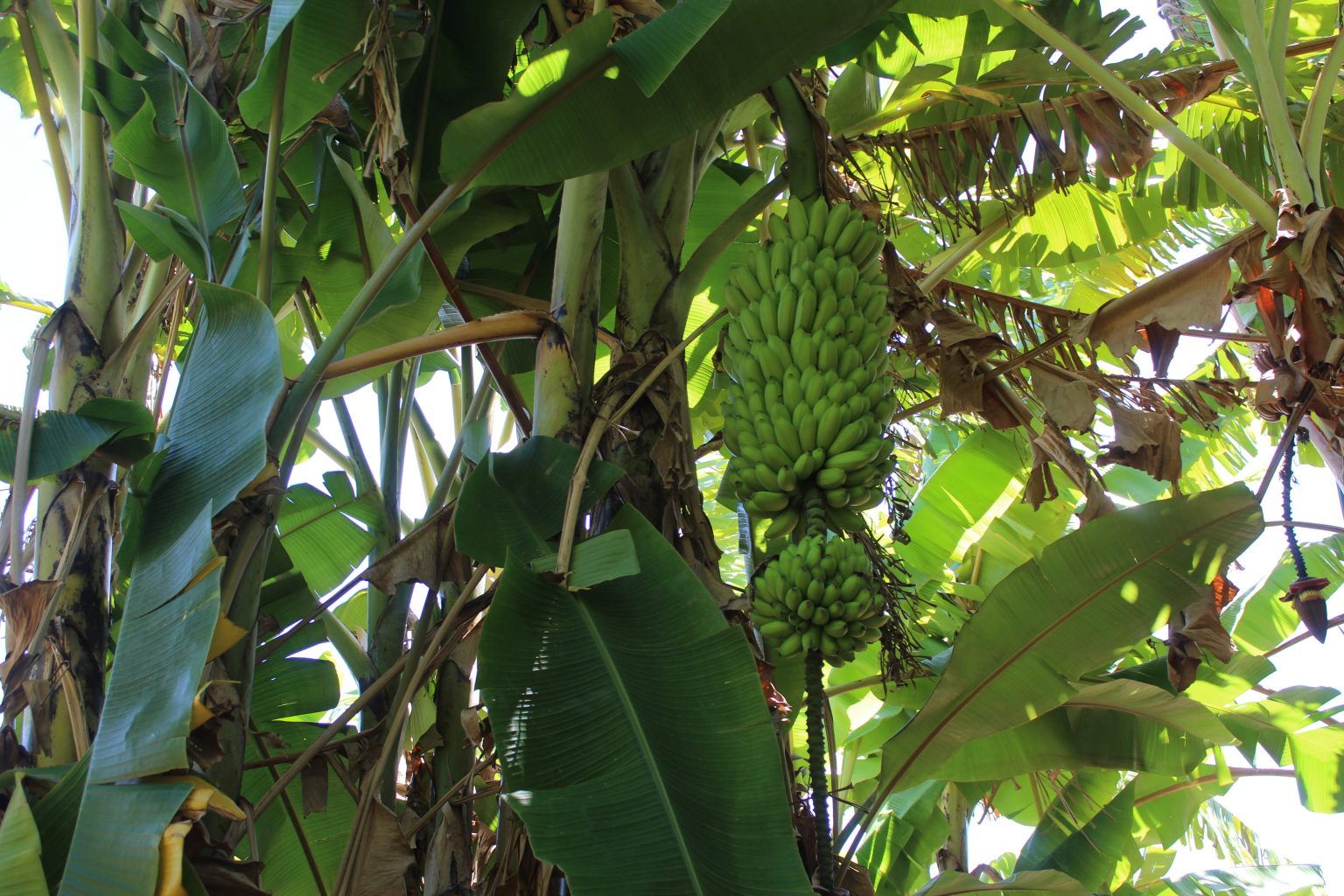
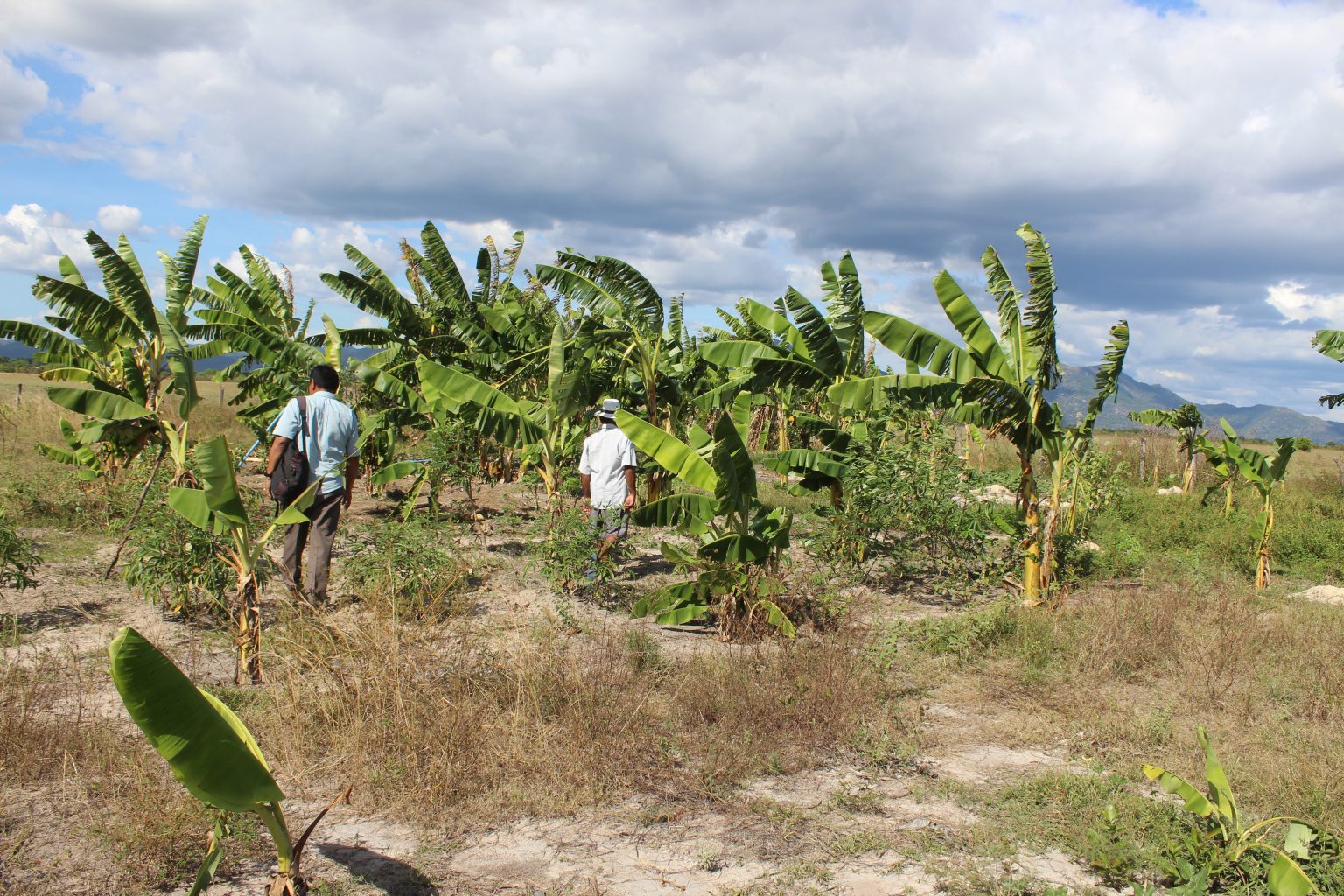
Although the pandemic has affected indigenous peoples quite incisively, production has not stopped. Whether through projects aimed at peoples, such as the implementation of Territorial and Environmental Management Plans (PGTAs), or through initiatives by the communities themselves, which aim at the conscious and collective use of the land.
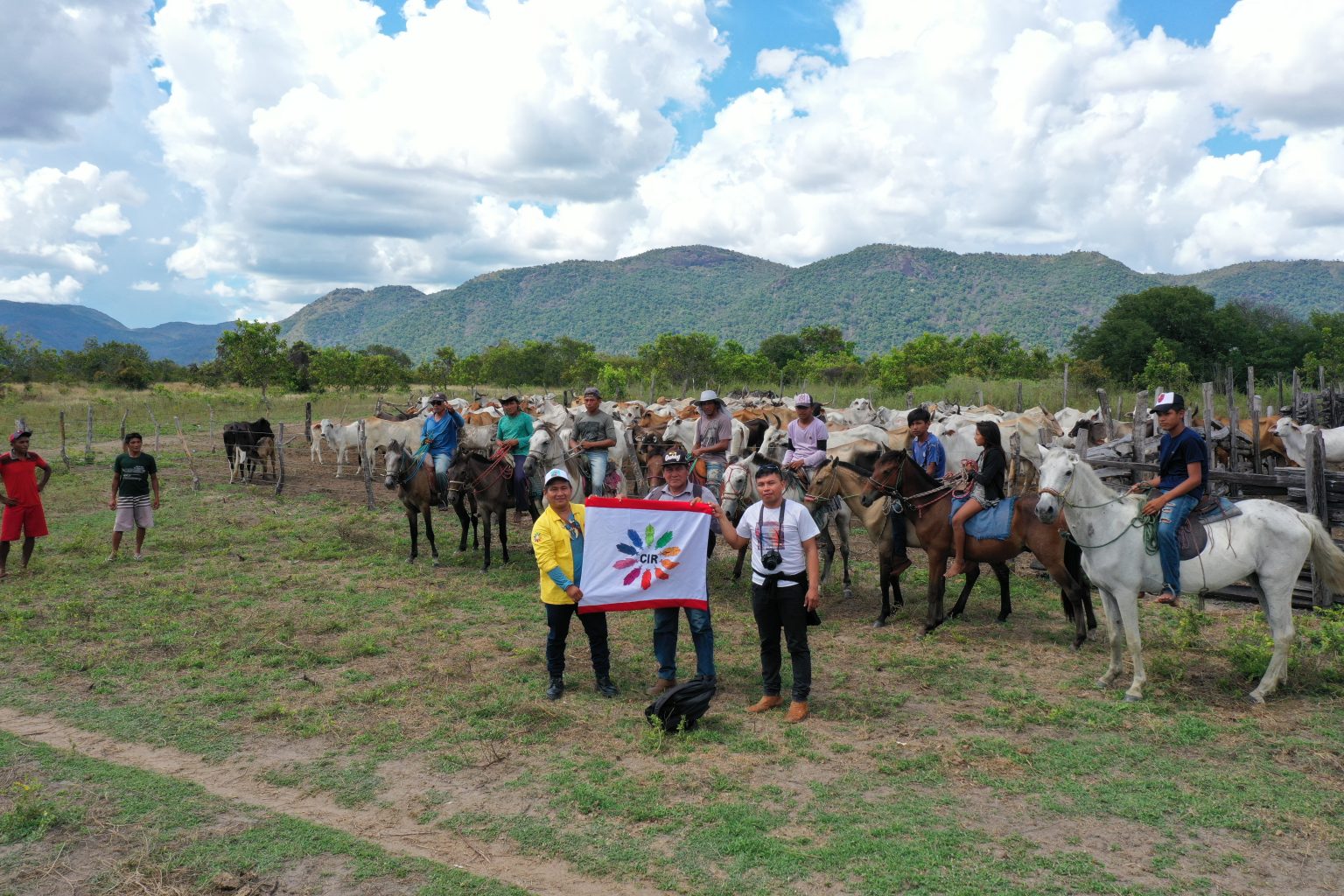
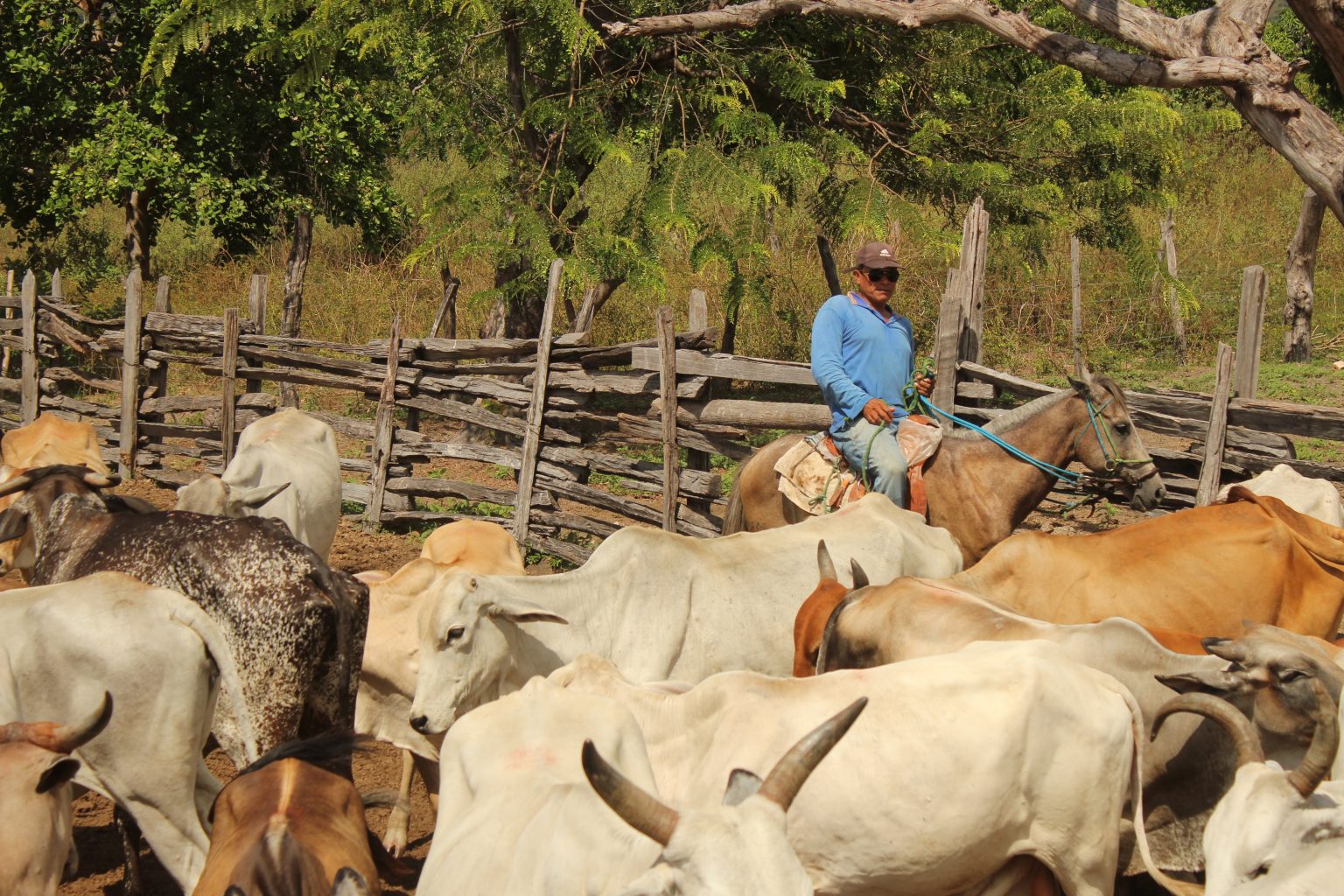
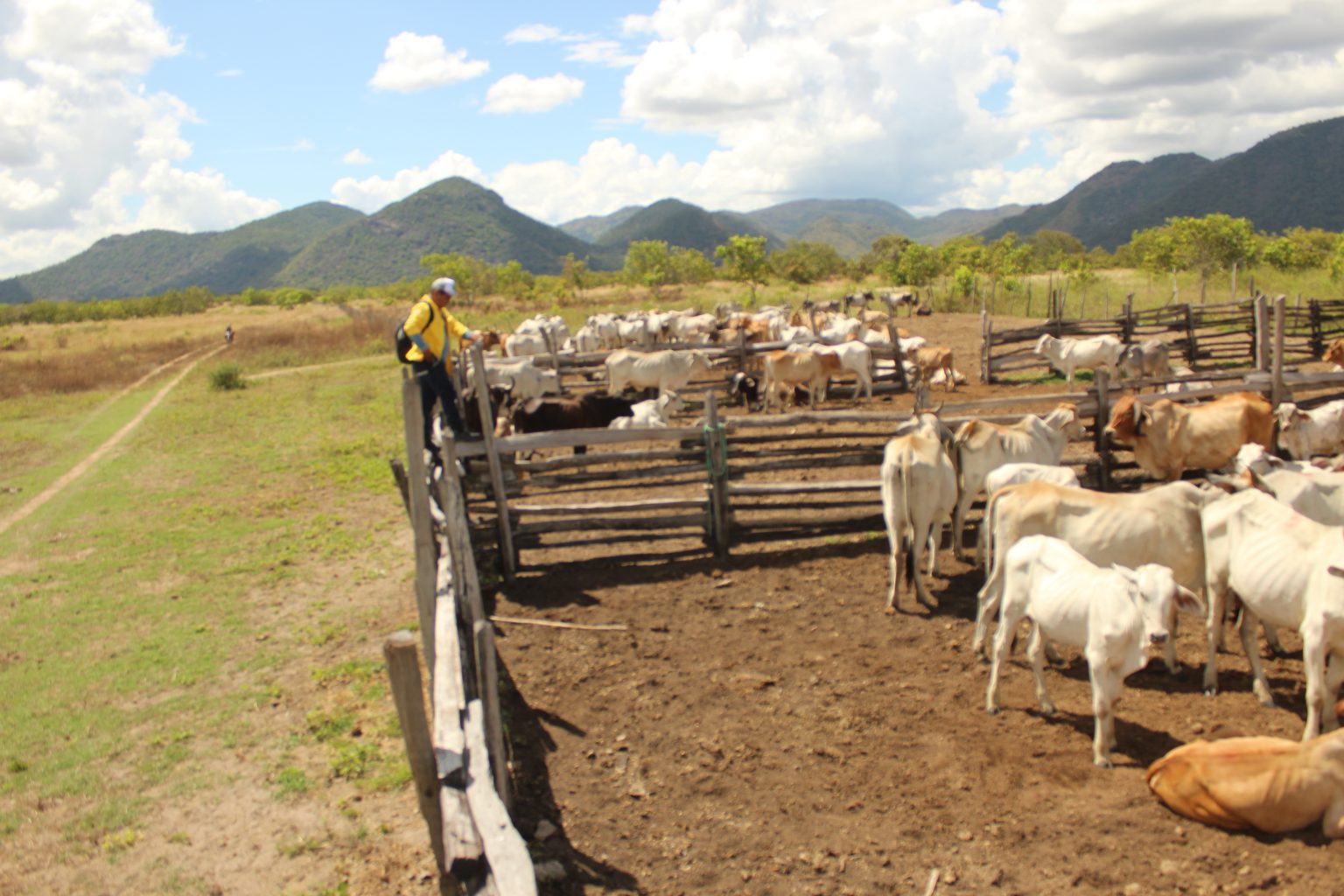
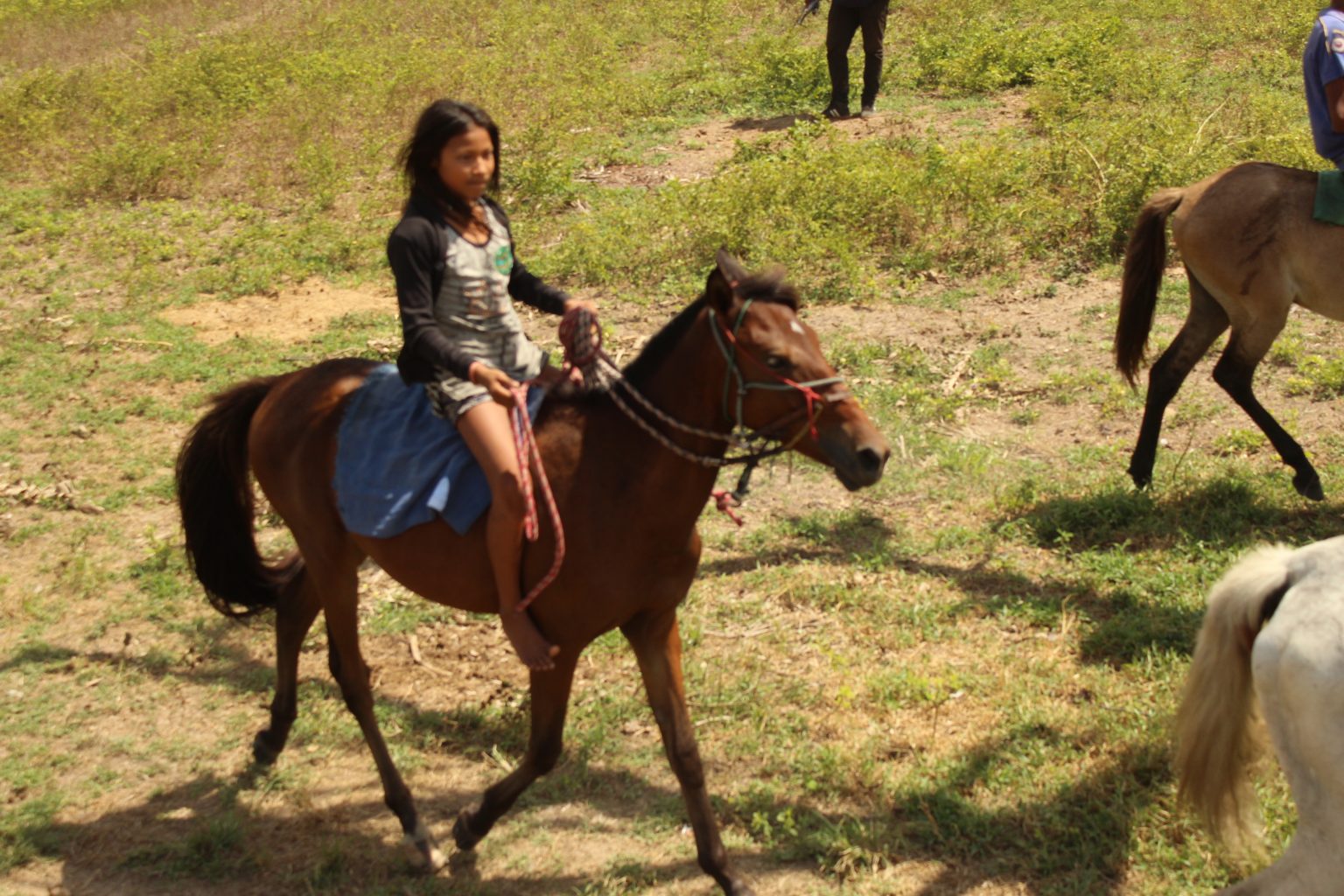
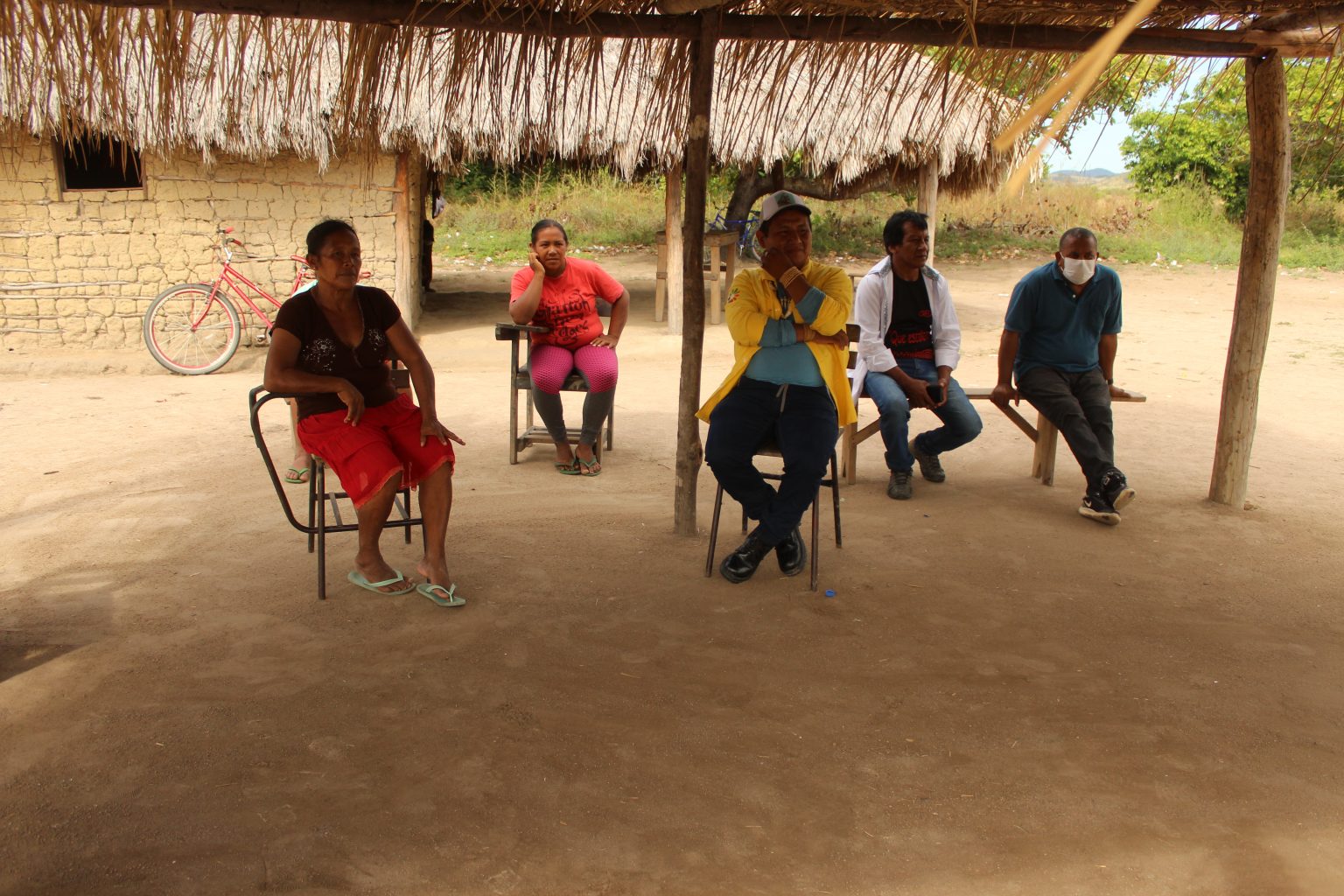
Enock talked to local leaders who presented demands, but always showing the results of their agricultural activities. "We came to register the productions, which exist in the region, because if we don't take care of our productions we will have nothing. We value our indigenous producers," said Enock in conversation with the leaders.
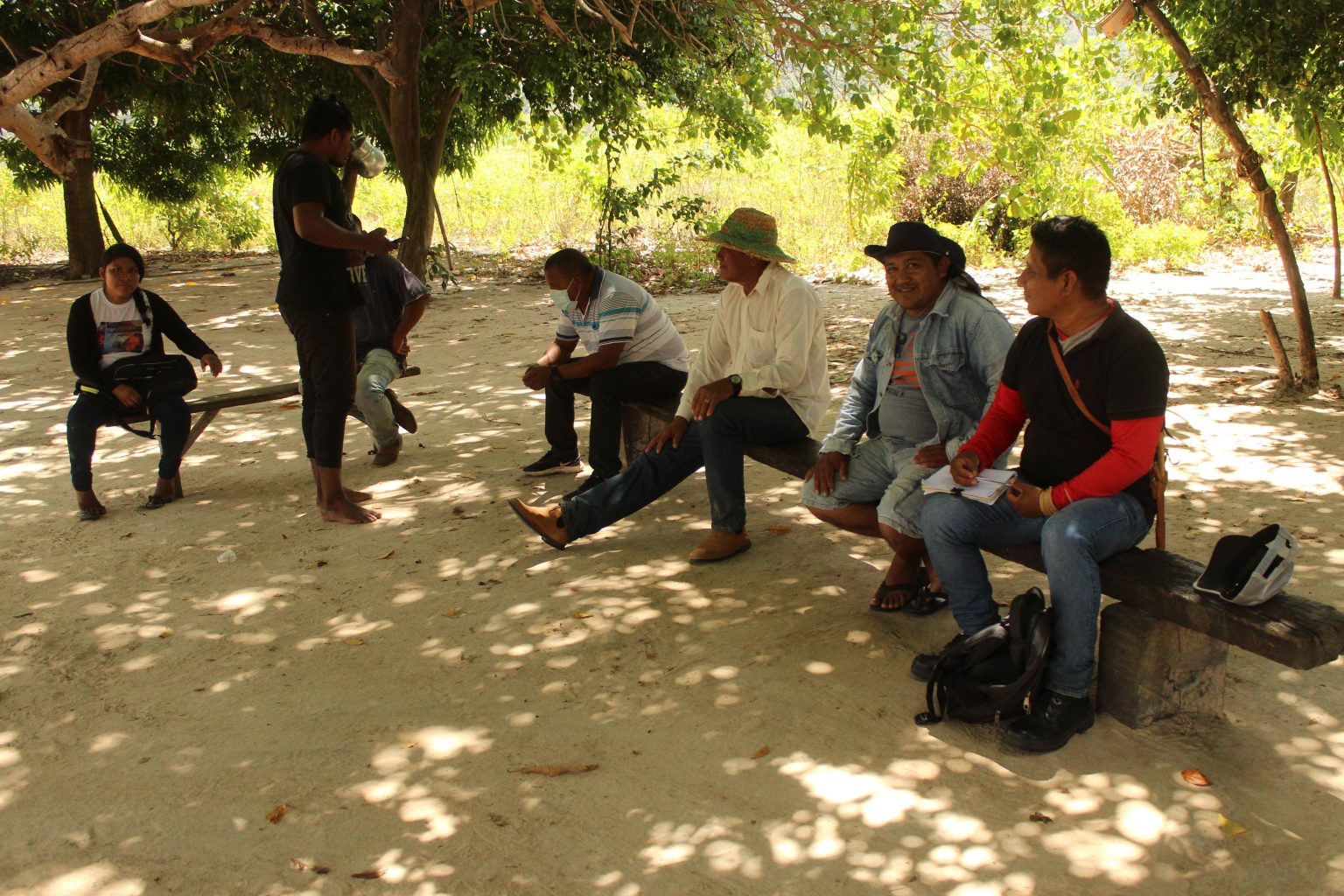
Conversation with leaders
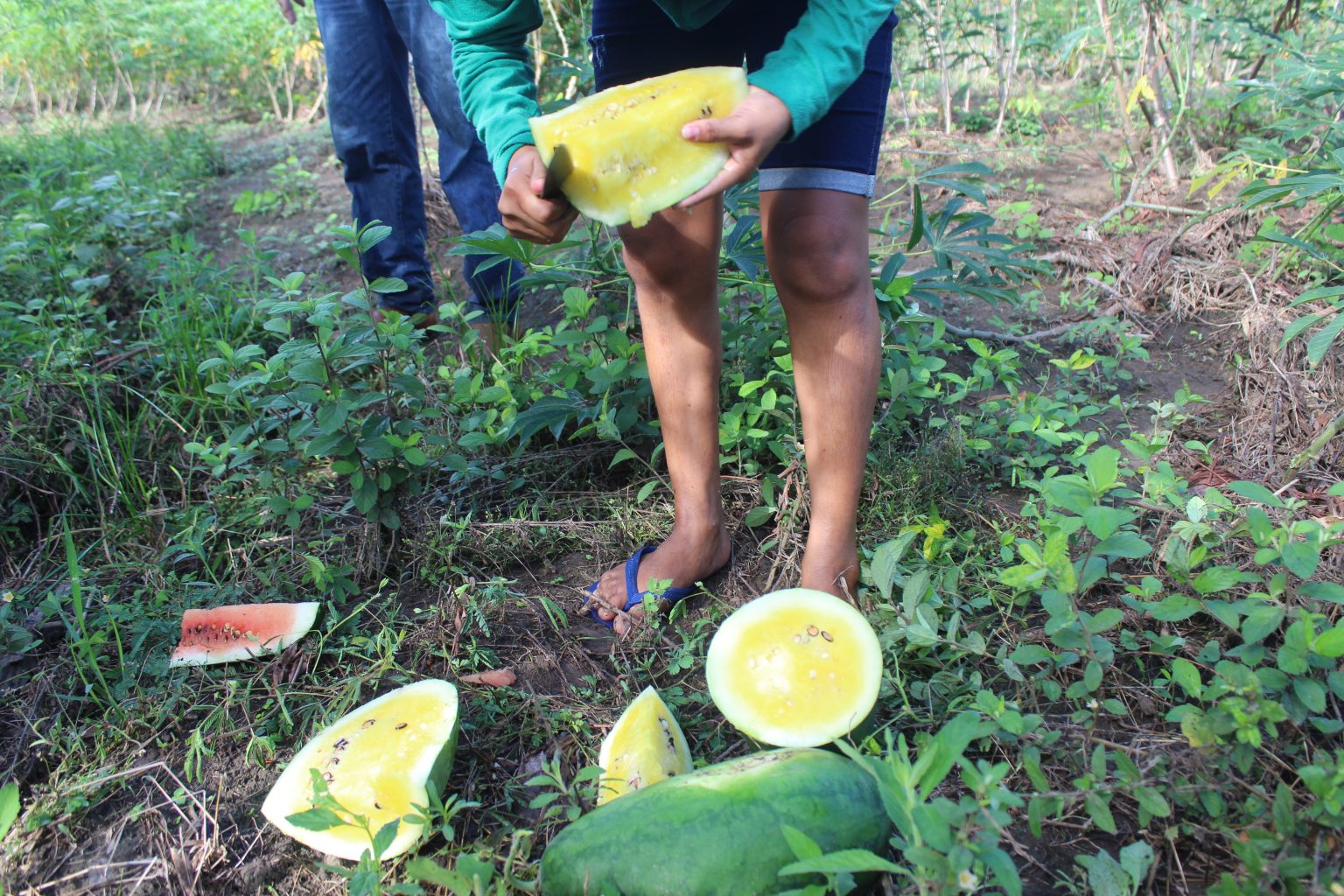
In the coordination of the Raposa region for five years, Valério Eurico says that although his activities as a leader are focused on the regional center and communities, he never stopped planting for his family.
"All the communities I visit in the region, they all have many activities, and I still manage to plant for my family. The farm is a family livelihood, and it is very good, we also have our cattle, it is beautiful when we see and have the farm. We produce our gardens, we have healthy and organic food, I grew up like this, in the field." He said.
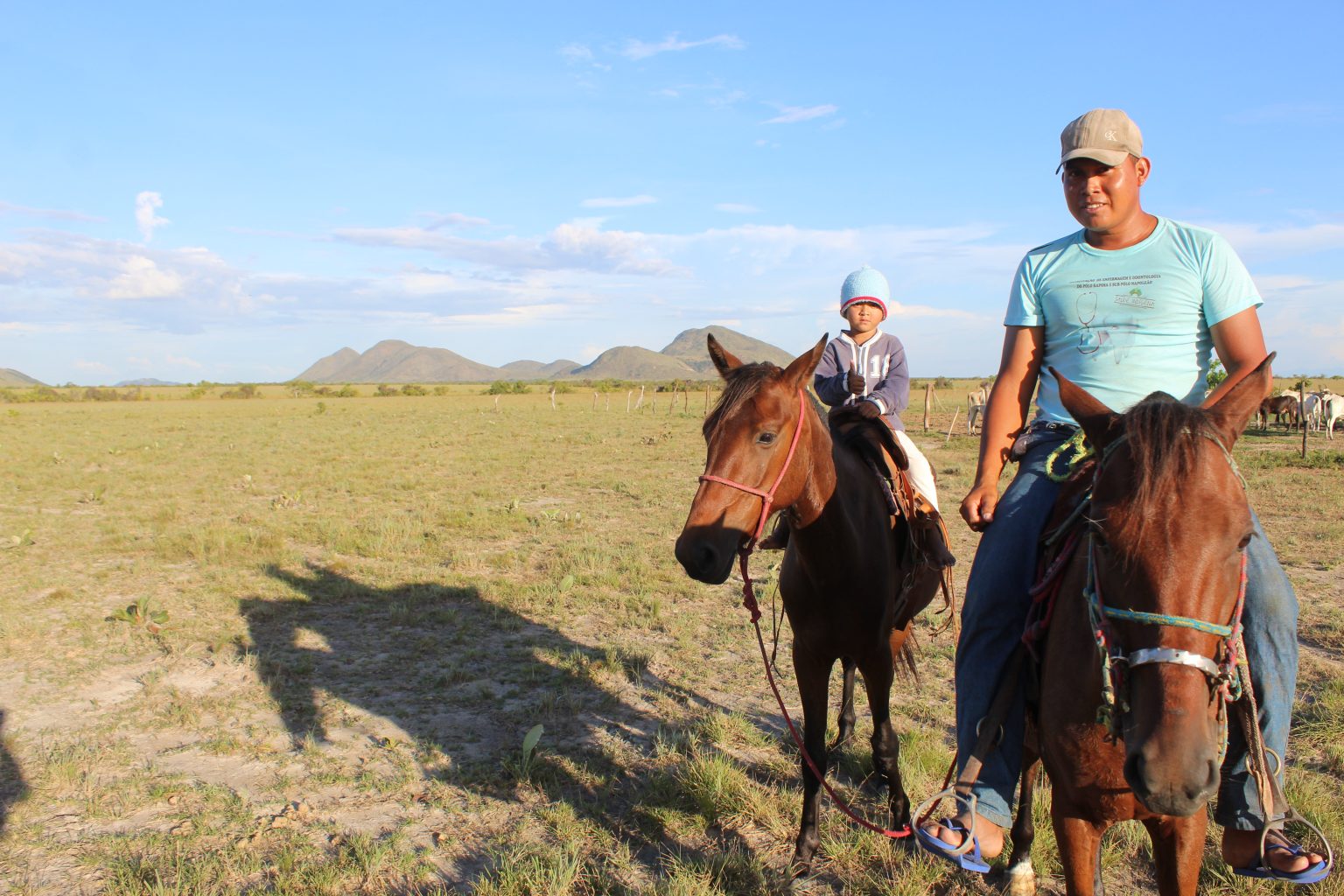
Son and grandson Coordinator Valério
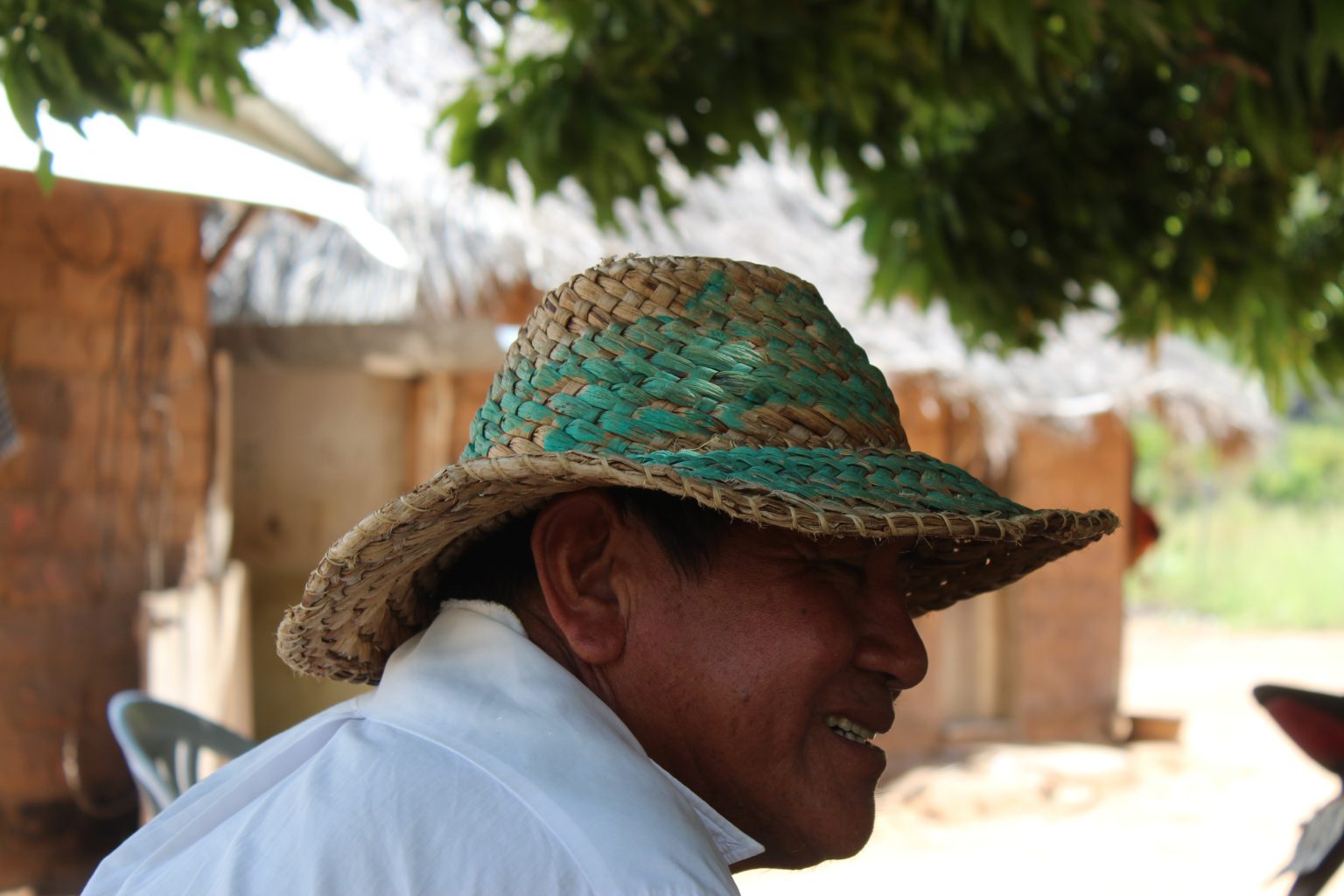
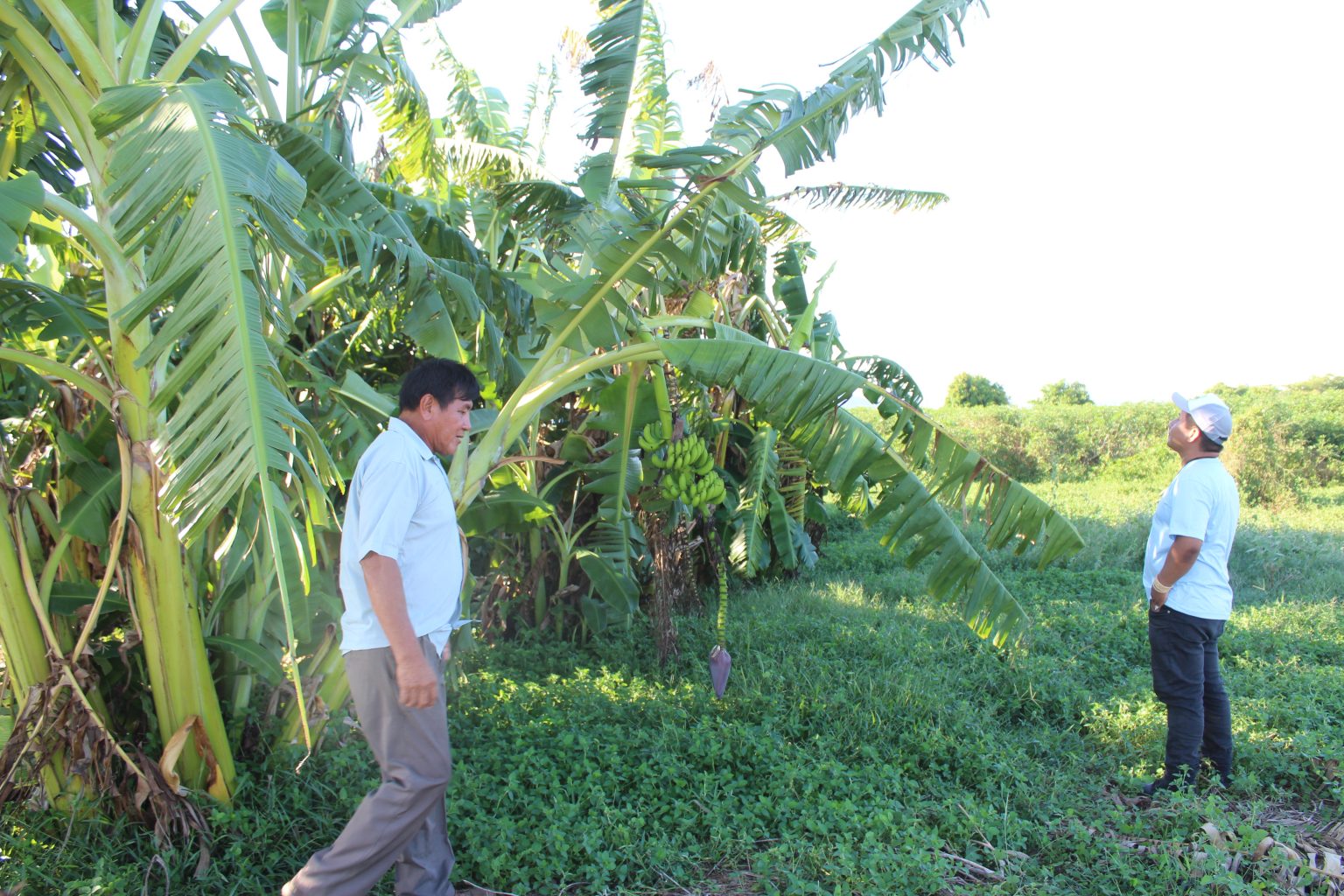
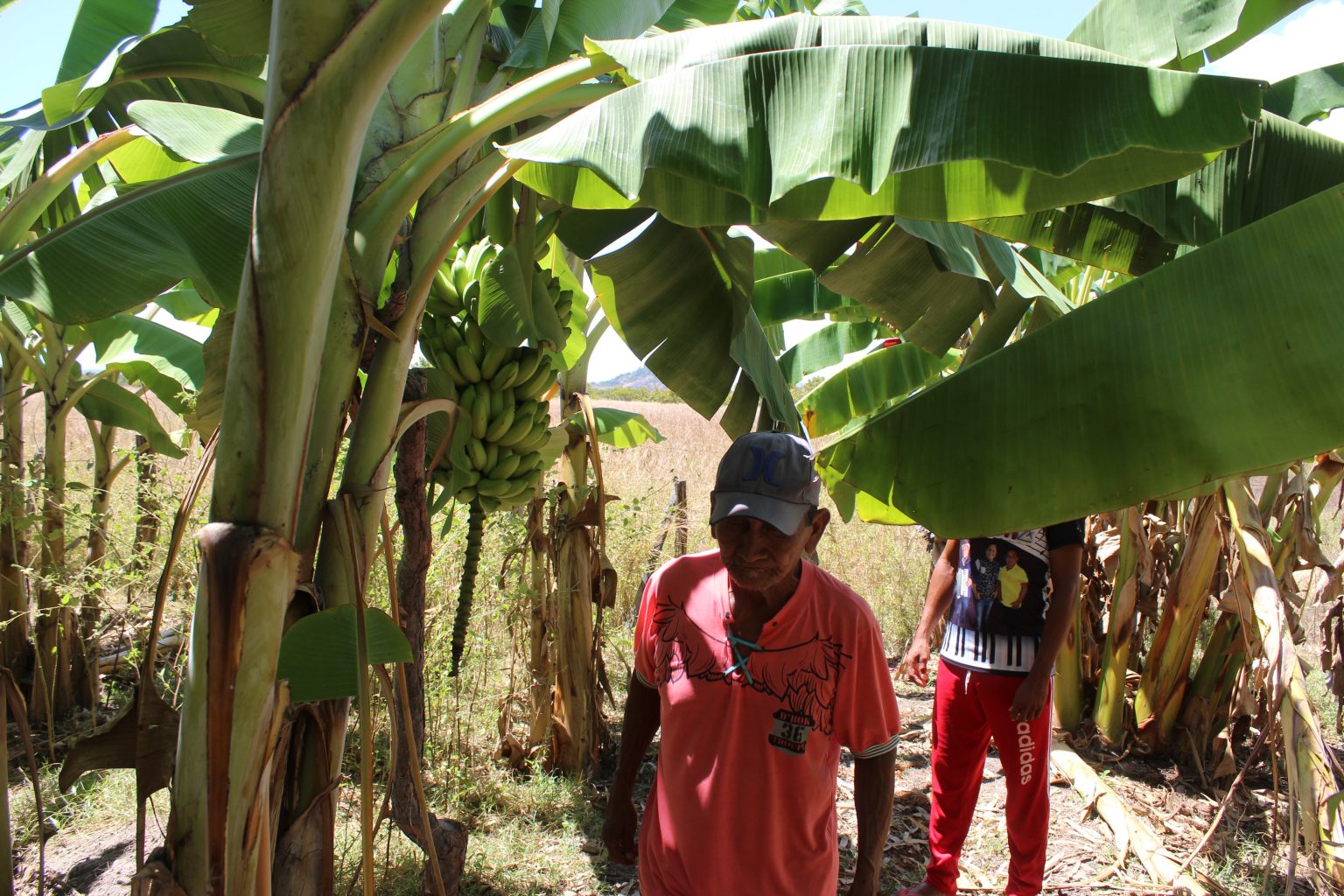
Producer Joaquim Paulino is from the Xumina community, has banana plantations and is proud to say that he has already donated to other places, such as the Camará community with 15 banana seedlings. "I am Macuxi indigenous, I am 70 years old, but I still have the courage to work, you are seeing my plantation, I have to say that we indigenous people do not die of hunger, we are workers," he said.
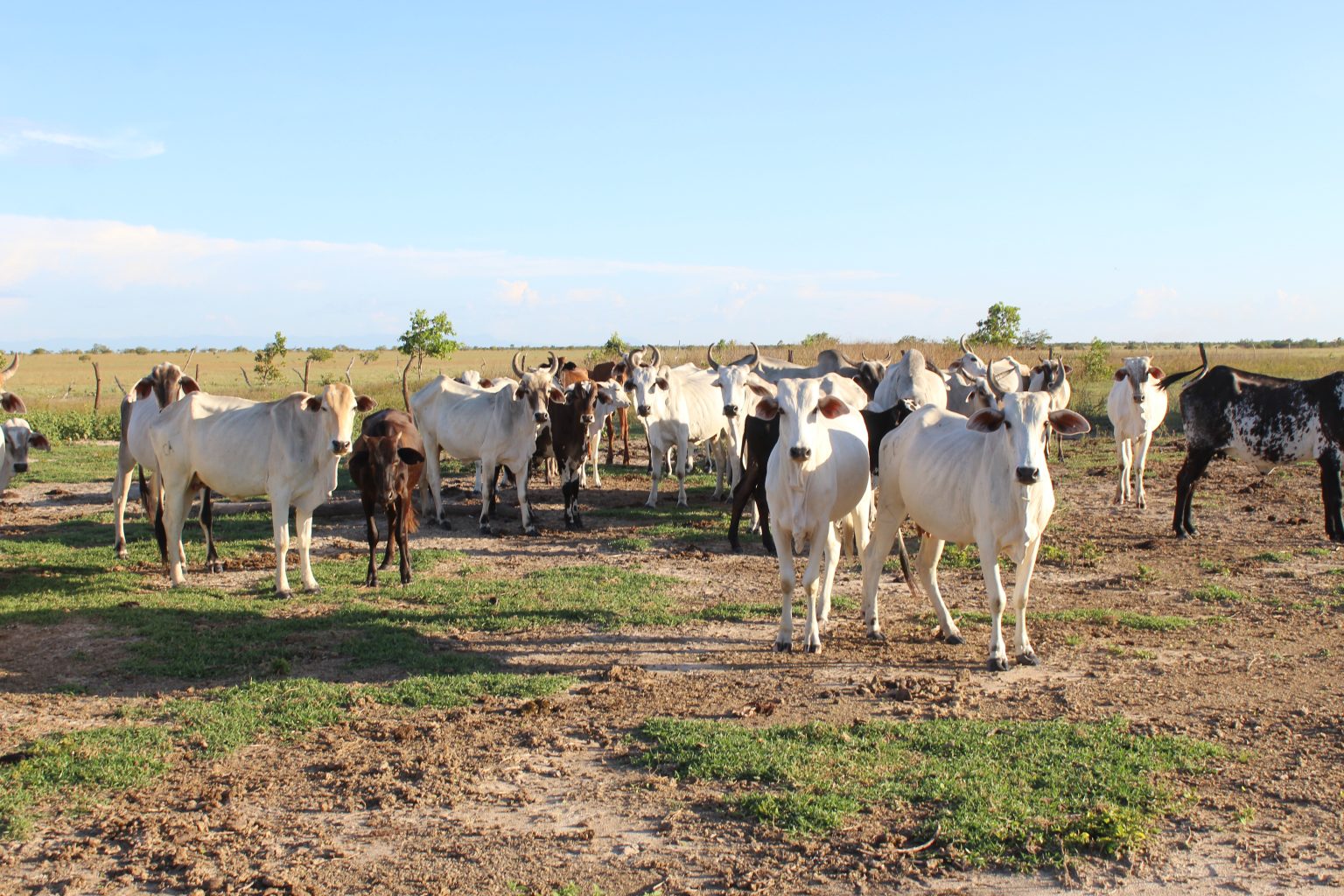
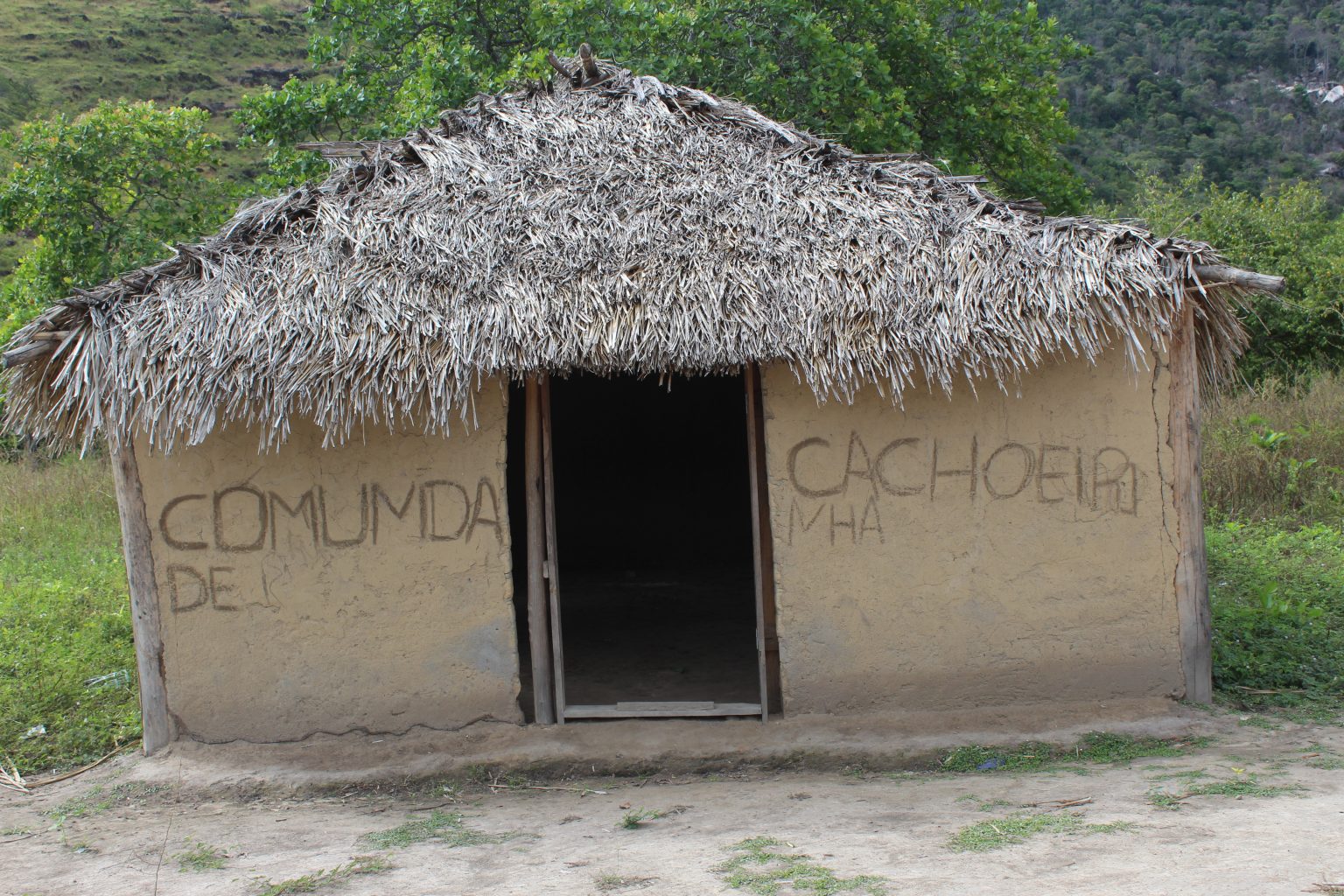
Narlene da Silva, for four years has been a tuxaua from the Cachoeirinha community, according to a survey by the leadership, there are ten fathers of families and a general population of 50 people, she also says that everyone raises at least pigs, ducks, perforations and chickens. The community has a herd of 55 head of cattle, they have sugarcane plantations, potatoes, traditional cassava, cassava, pumpkin, corn and beans planted.
"Access to my community is difficult, to get here, you have to cross the full streams. We suffer from this pandemic, but we take care of our relatives. When they say that our community is isolated, it hurts me because we are not isolated, it is just difficult to come here, and here we do not die of hunger. We indigenous people have the strength to work," he explained.
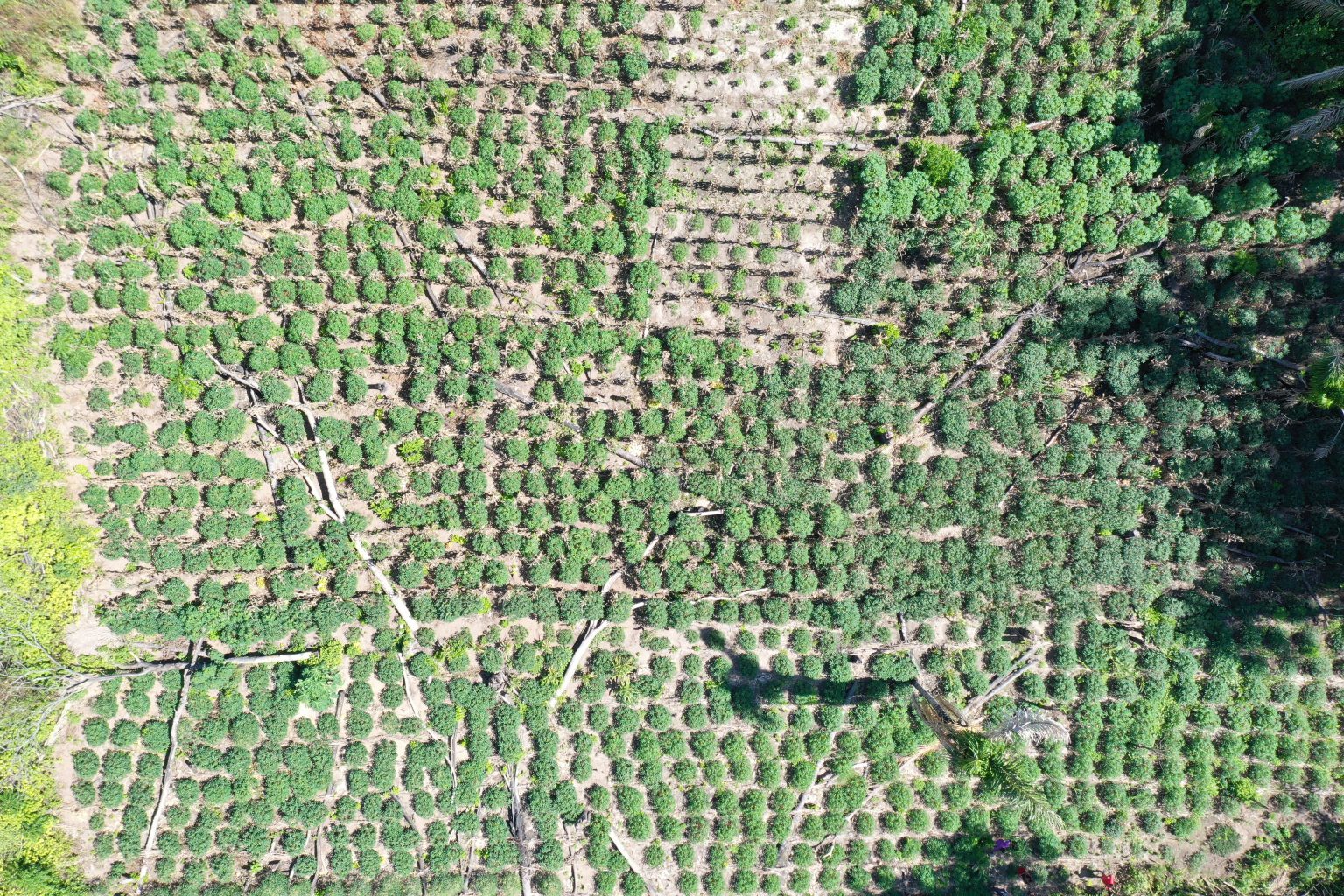
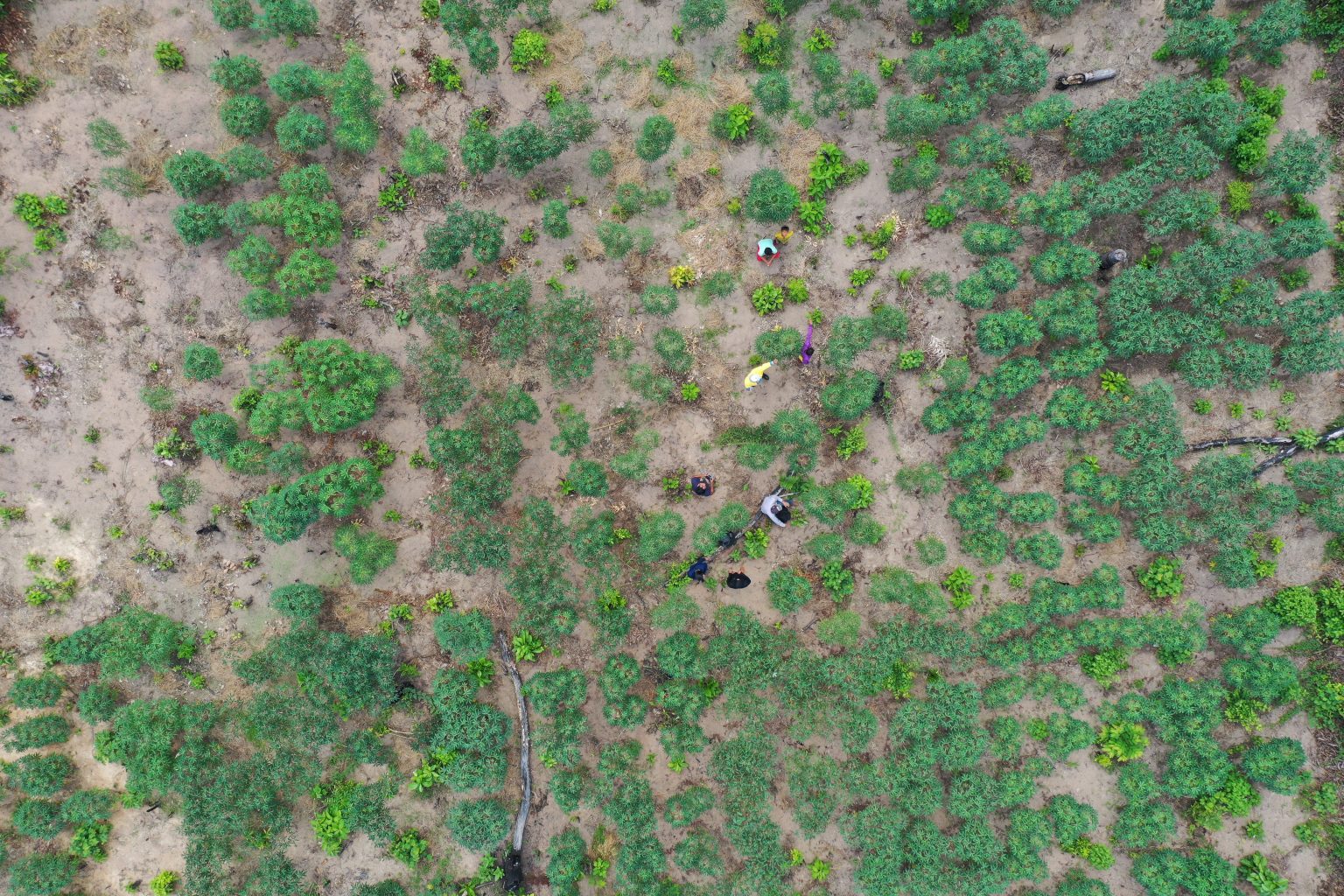
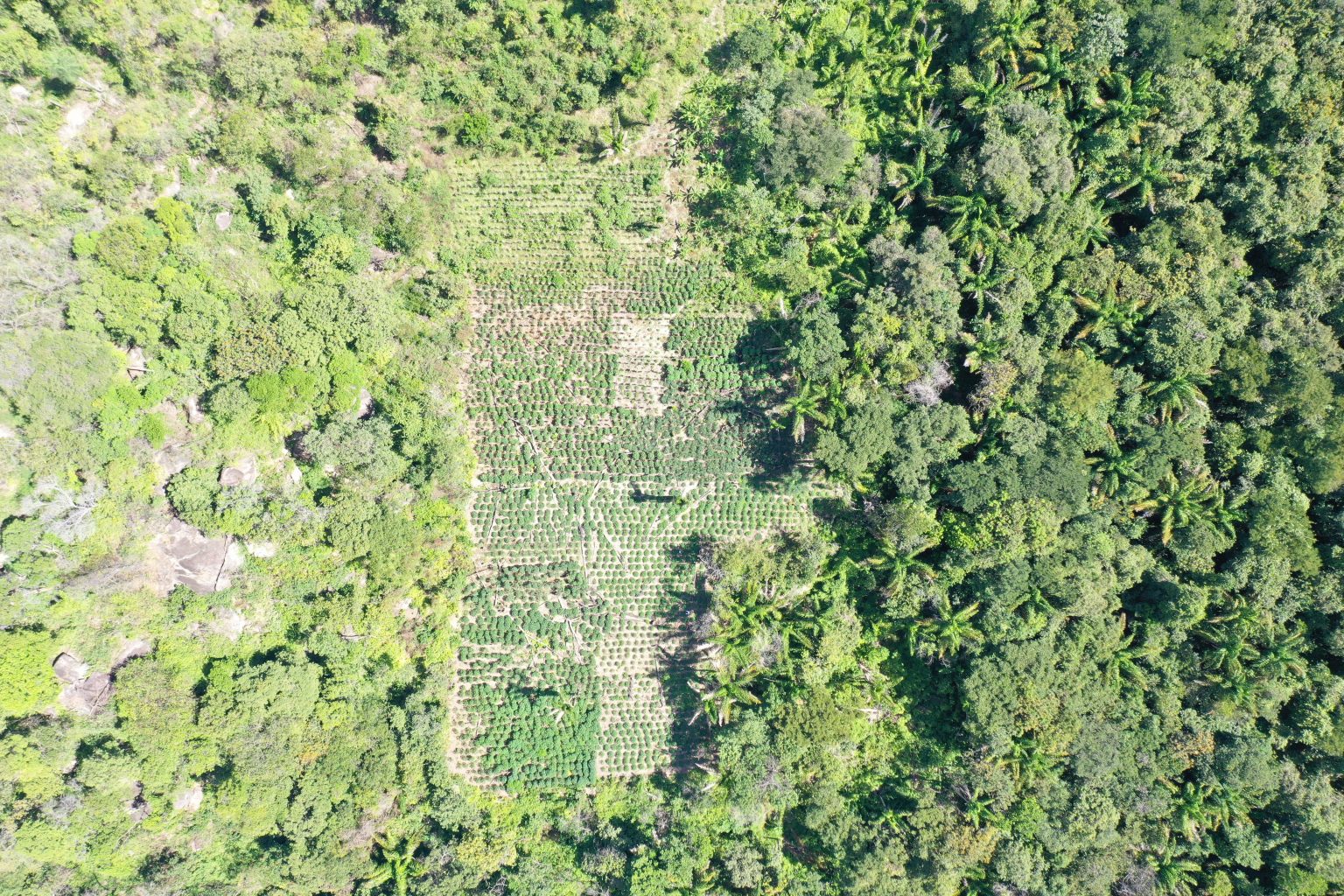
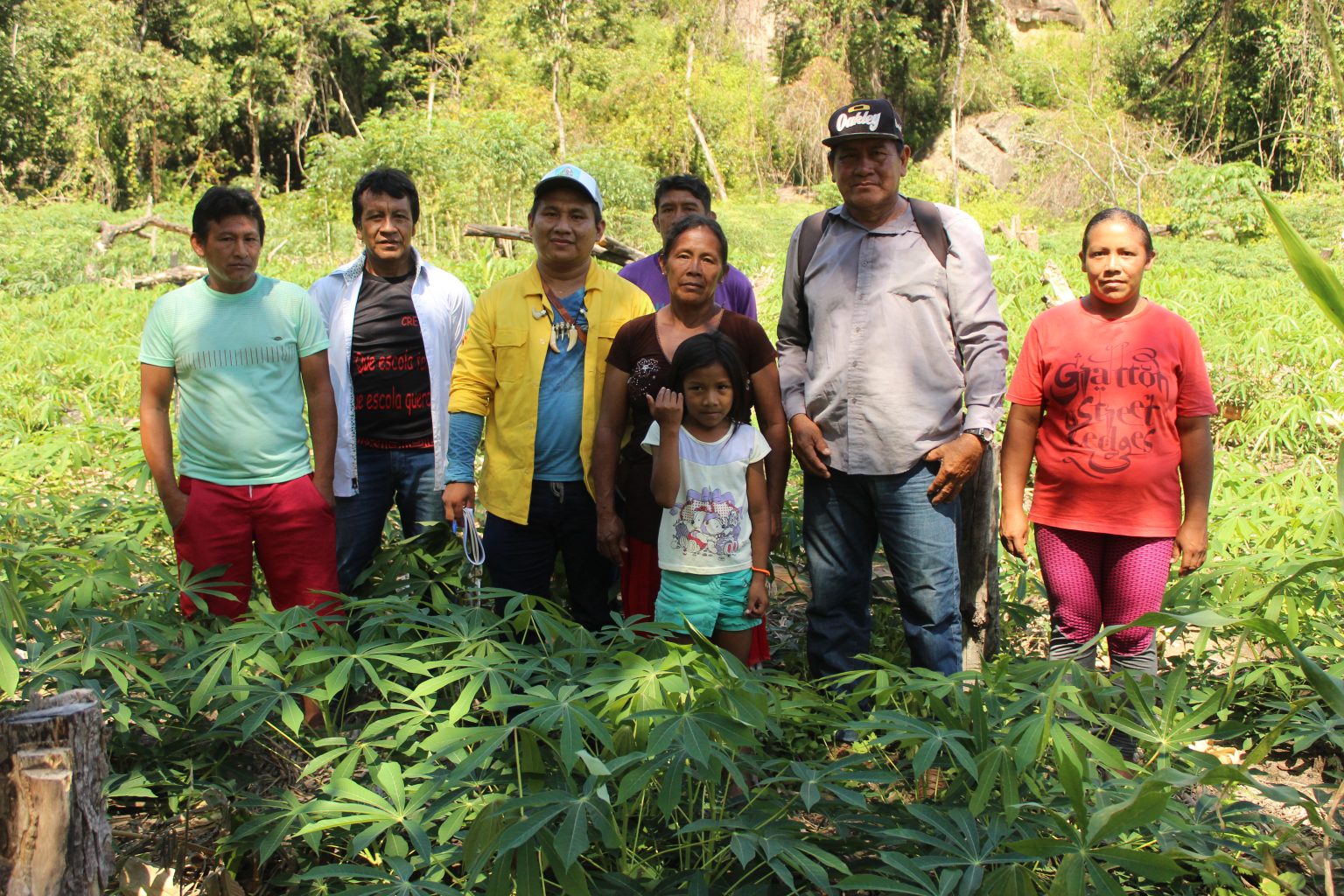
Every visit carried out by the general coordinator of the CIR will be documented in a report for the promotion of support for the productive areas of the Raposa Region. One of the ways to establish more incentives for indigenous producers. Aiming at the improvement of communities and further strengthening the right to the simple act of having, belonging and enjoying in a sustainable way the land inherited from their ancestors.
Photo Gallery: