
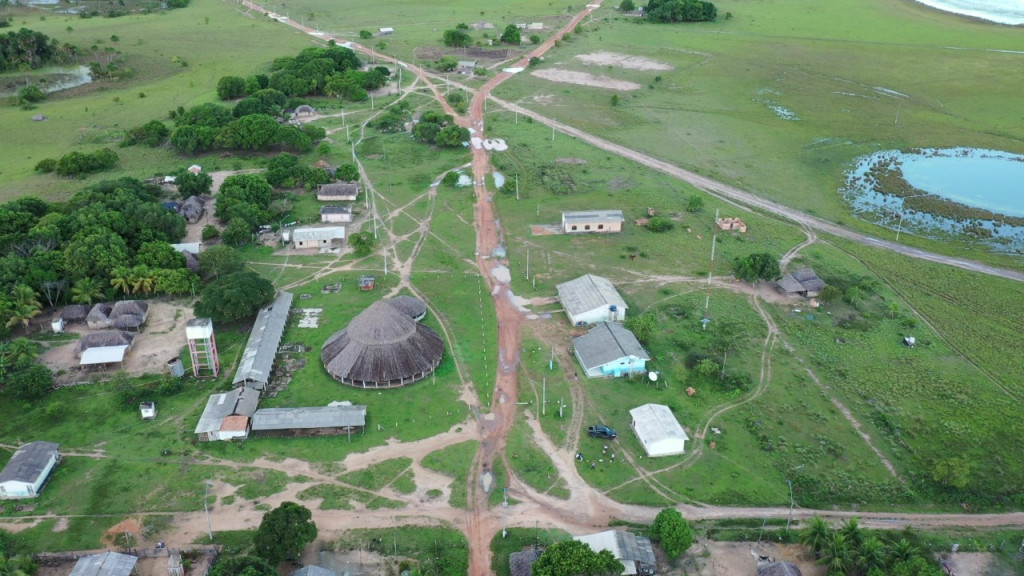
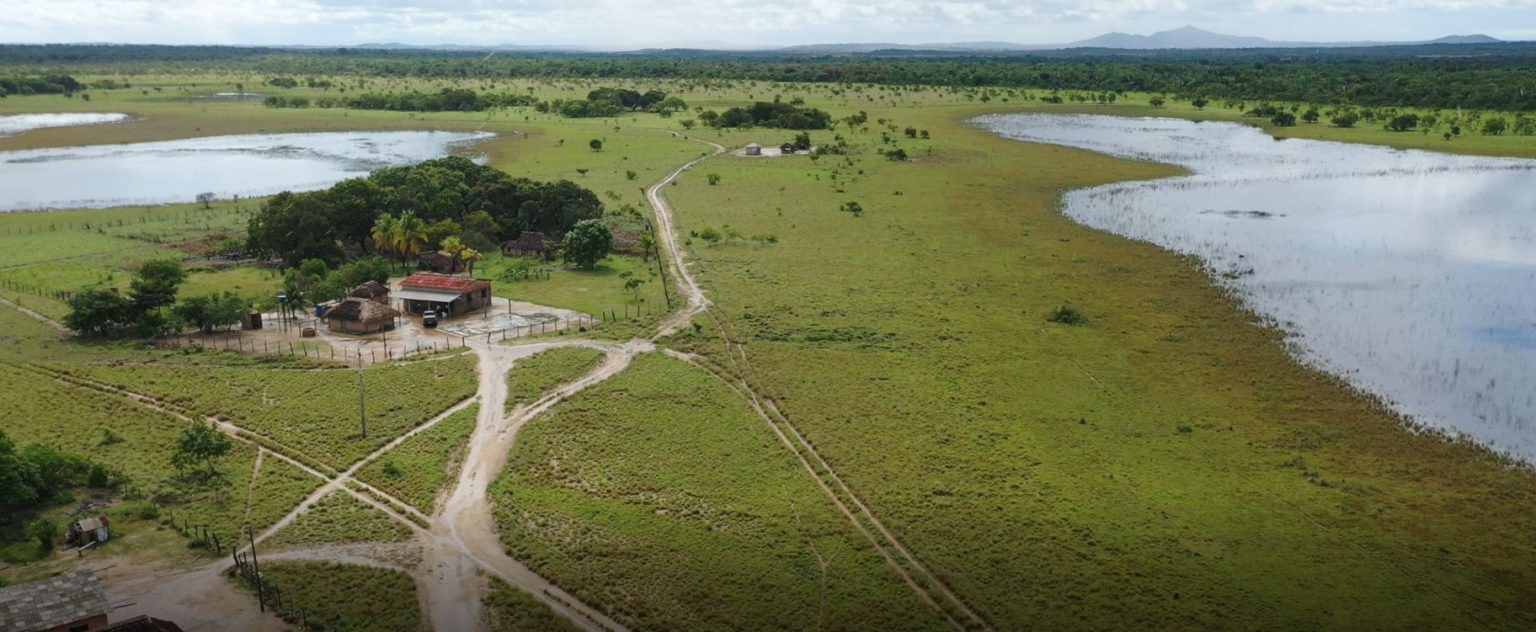
Indigenous families of the Macuxi, Wapichana and Sapará peoples who live in the Pium community denounce invasions of their territory while waiting for the inclusion of new areas in the demarcation of the Indigenous Land of the same name, located in the Tabaio region, municipality of Alto Alegre.
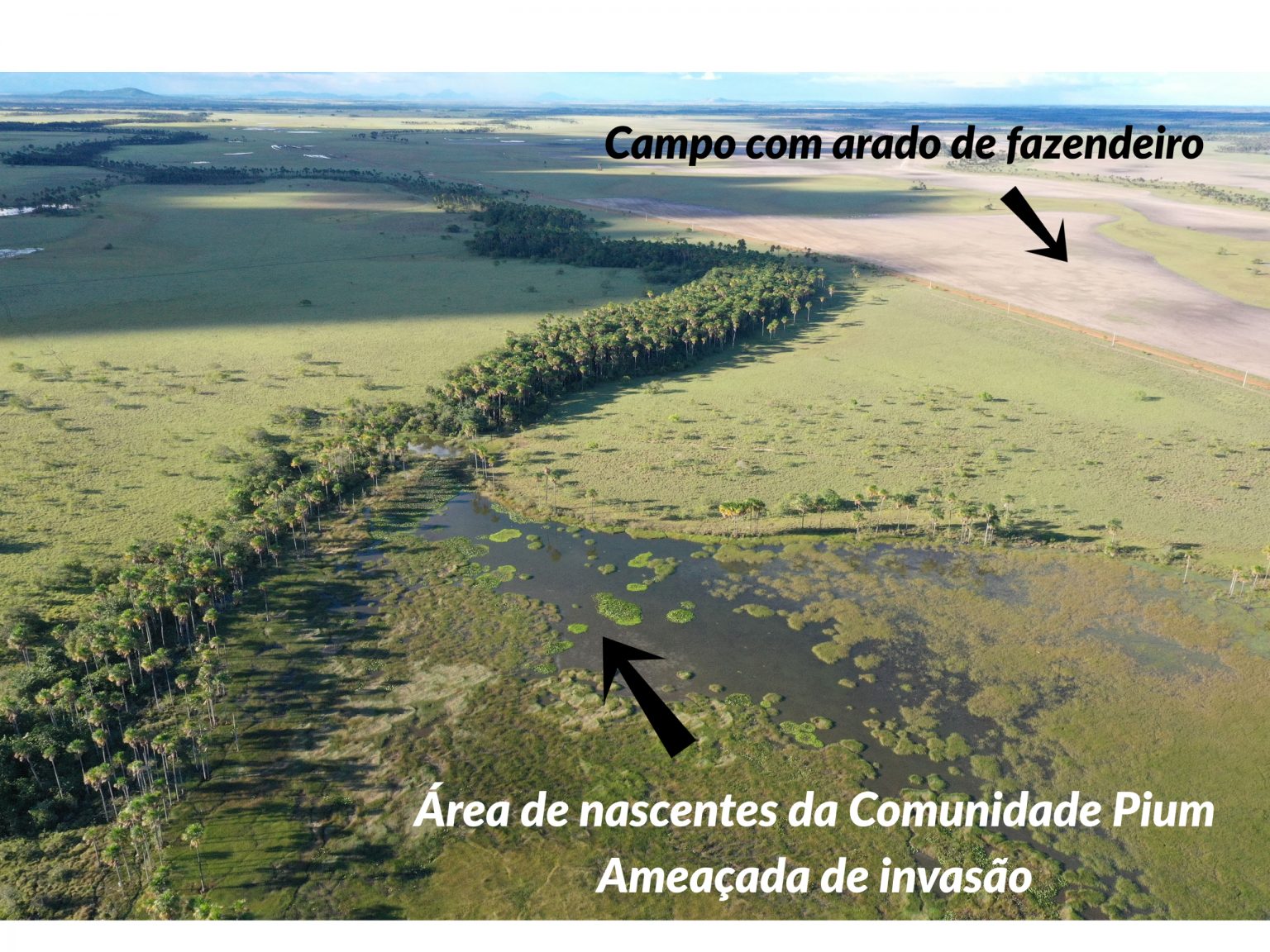
Demarcated in the 1980s by FUNAI, the area of the TI was reduced by pressure from squatters. The demarcation did not take into account the natural resources of the territory, such as the source of the community's streams, which are fundamental for the physical and cultural survival of the peoples.
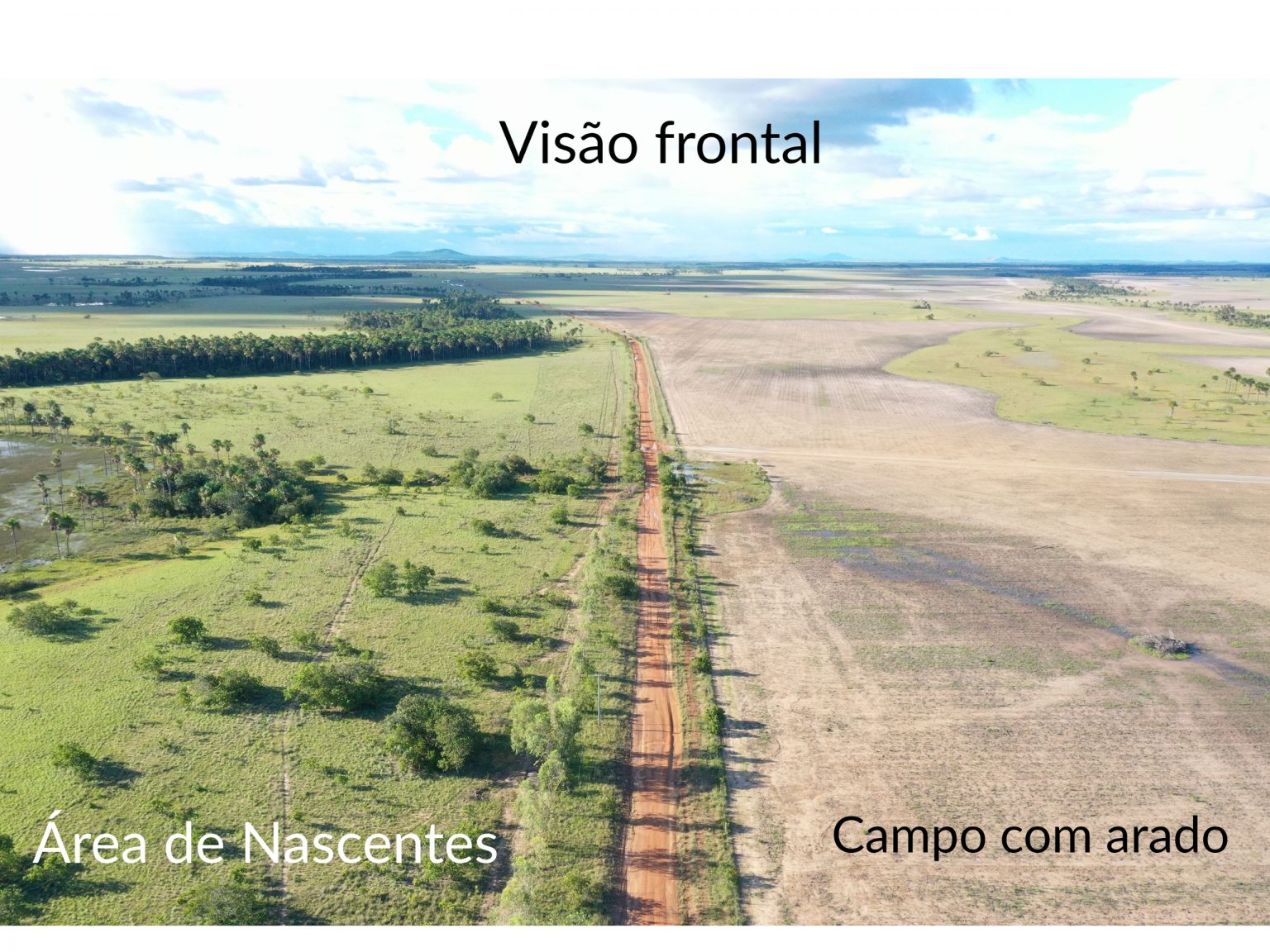
For this reason, there has been a request for a study of the demarcated area filed with FUNAI since 2000. However, recently, an alleged owner filed a lawsuit against the indigenous people of the Pium community questioning the use of that same area by the indigenous people.
According to residents, invasions and threats have intensified this year, because of the area that is owned by the community, but is still in the process of being demarcated. Residents reported that in April, two farmers came to the community leaders claiming to have bought the land. Immediately, they began to plow the site to plant soybeans within the demarcated area and also the reclaimed area, which is a space for collective use by the community.
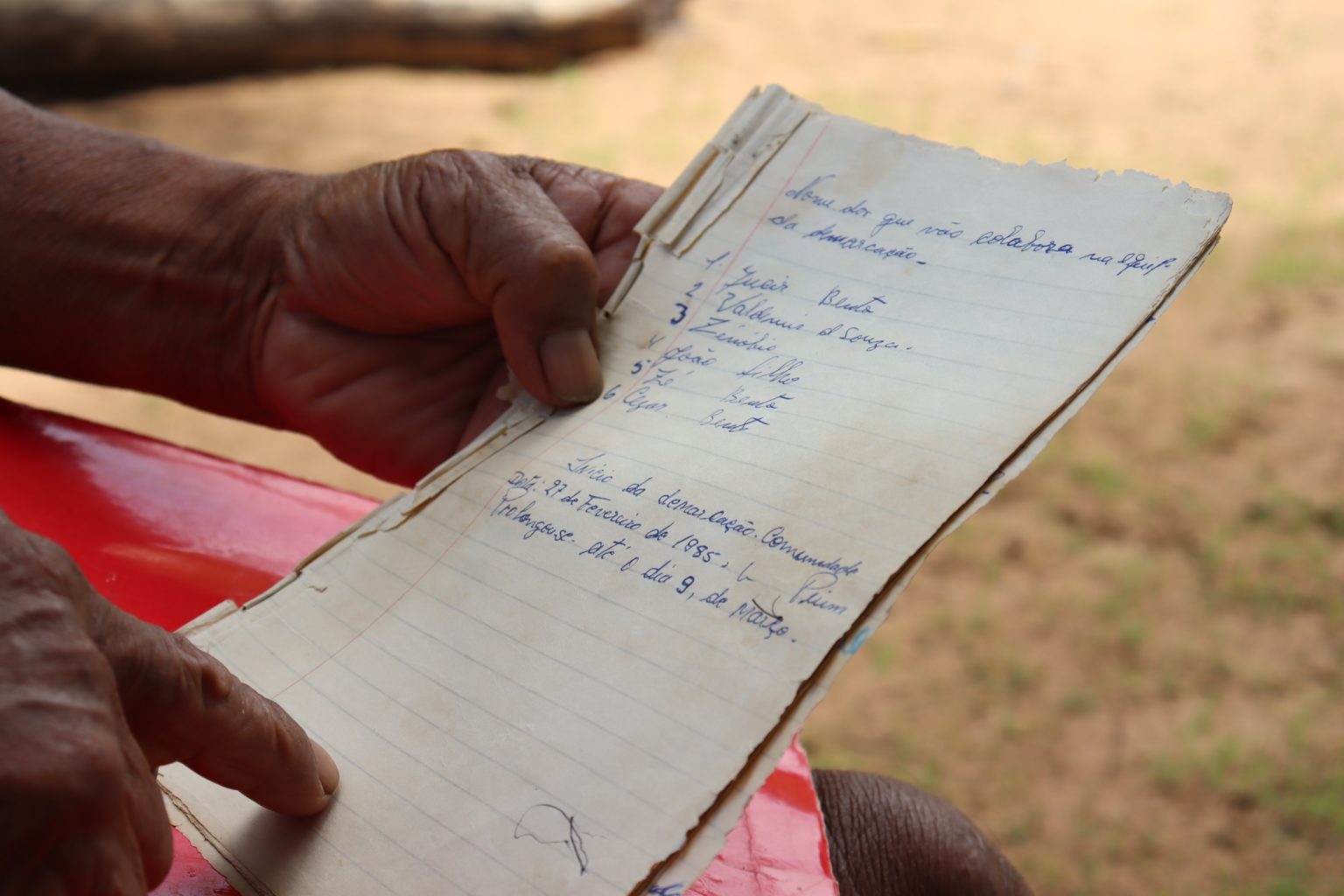
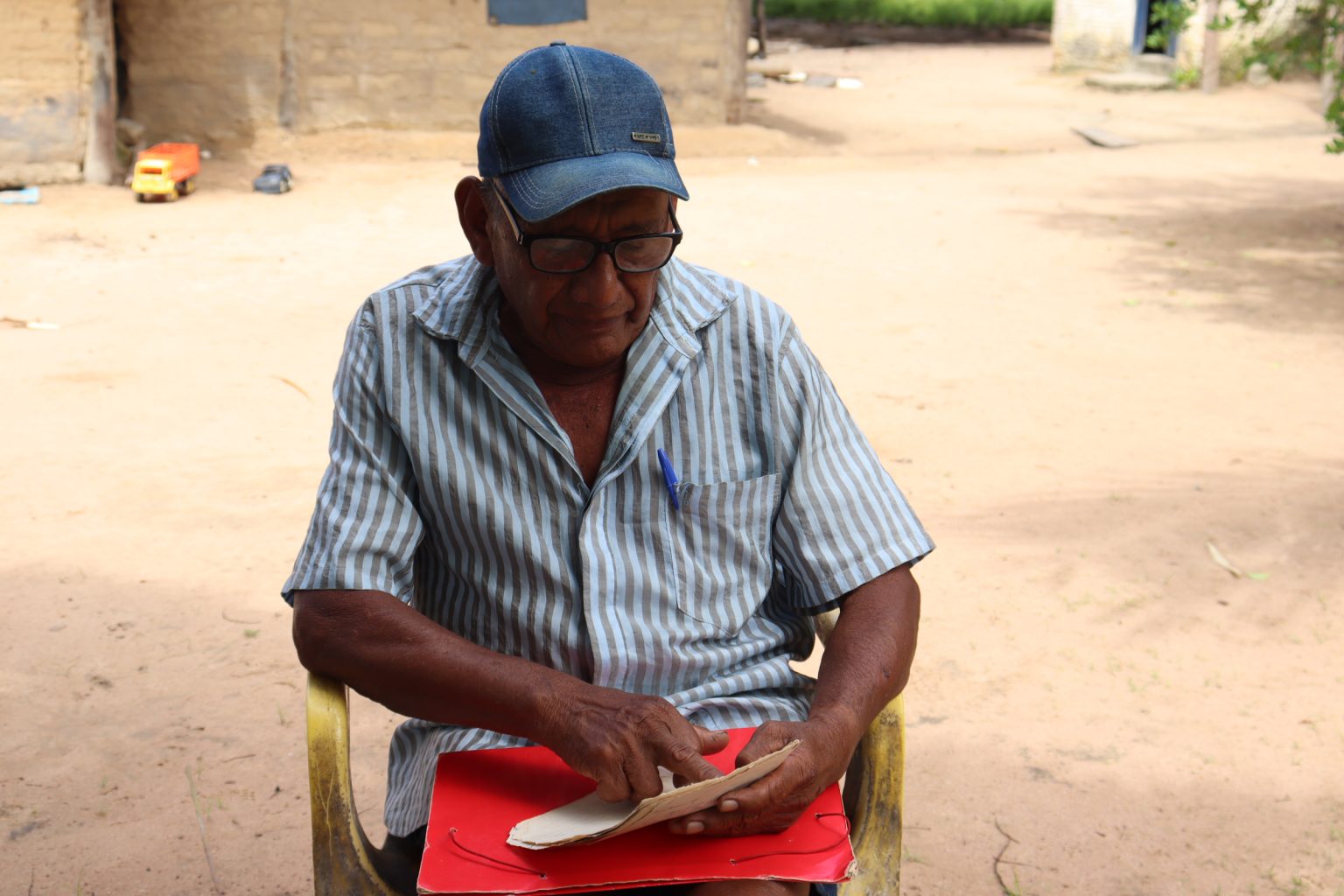
The leaders say that the area that the farmers claim they own, but that that area has always been for the traditional use of the indigenous peoples of the community. There are even ancestors buried in the place and the residents have been using the space for subsistence activities such as planting, fishing and hunting for at least 30 years.
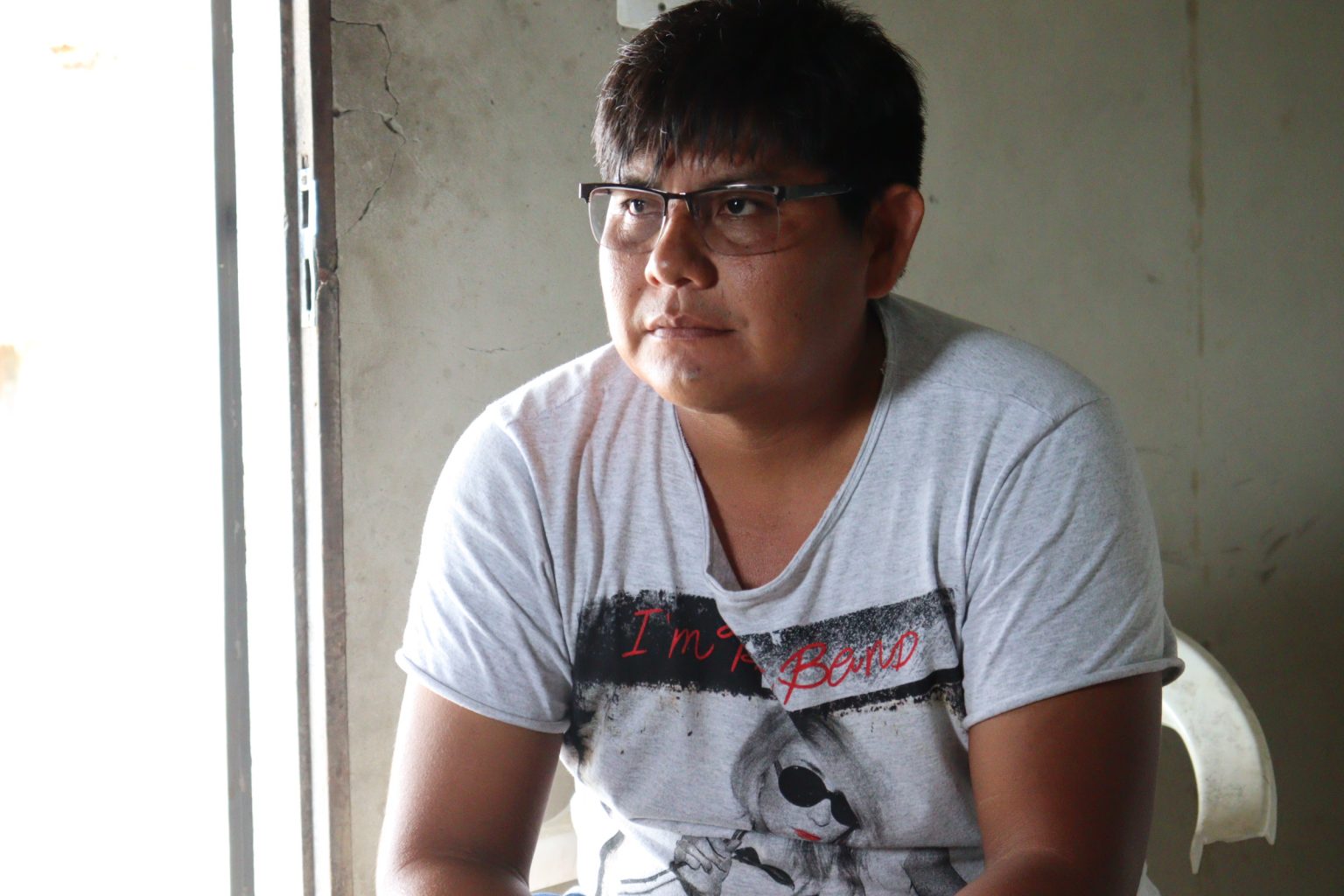
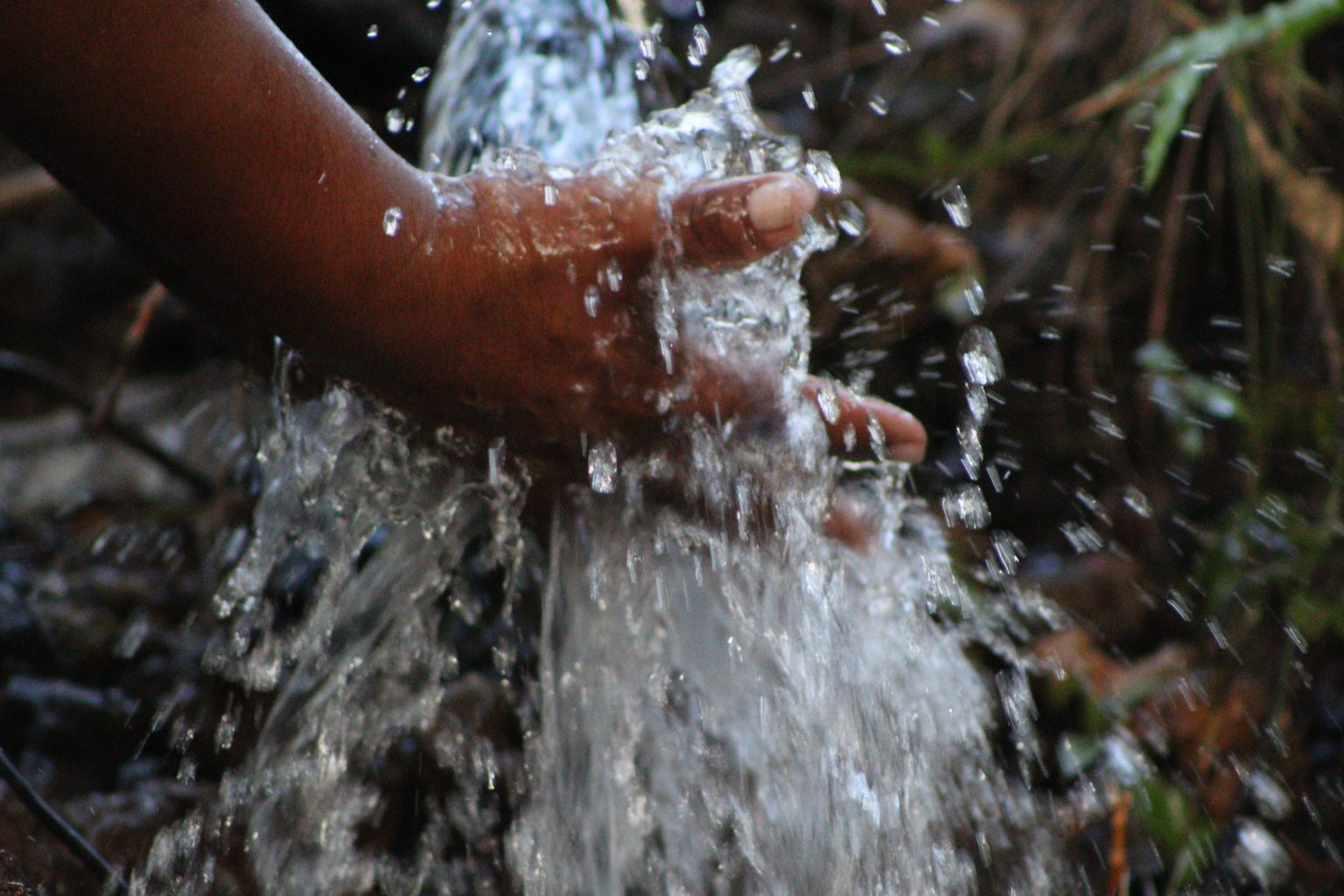
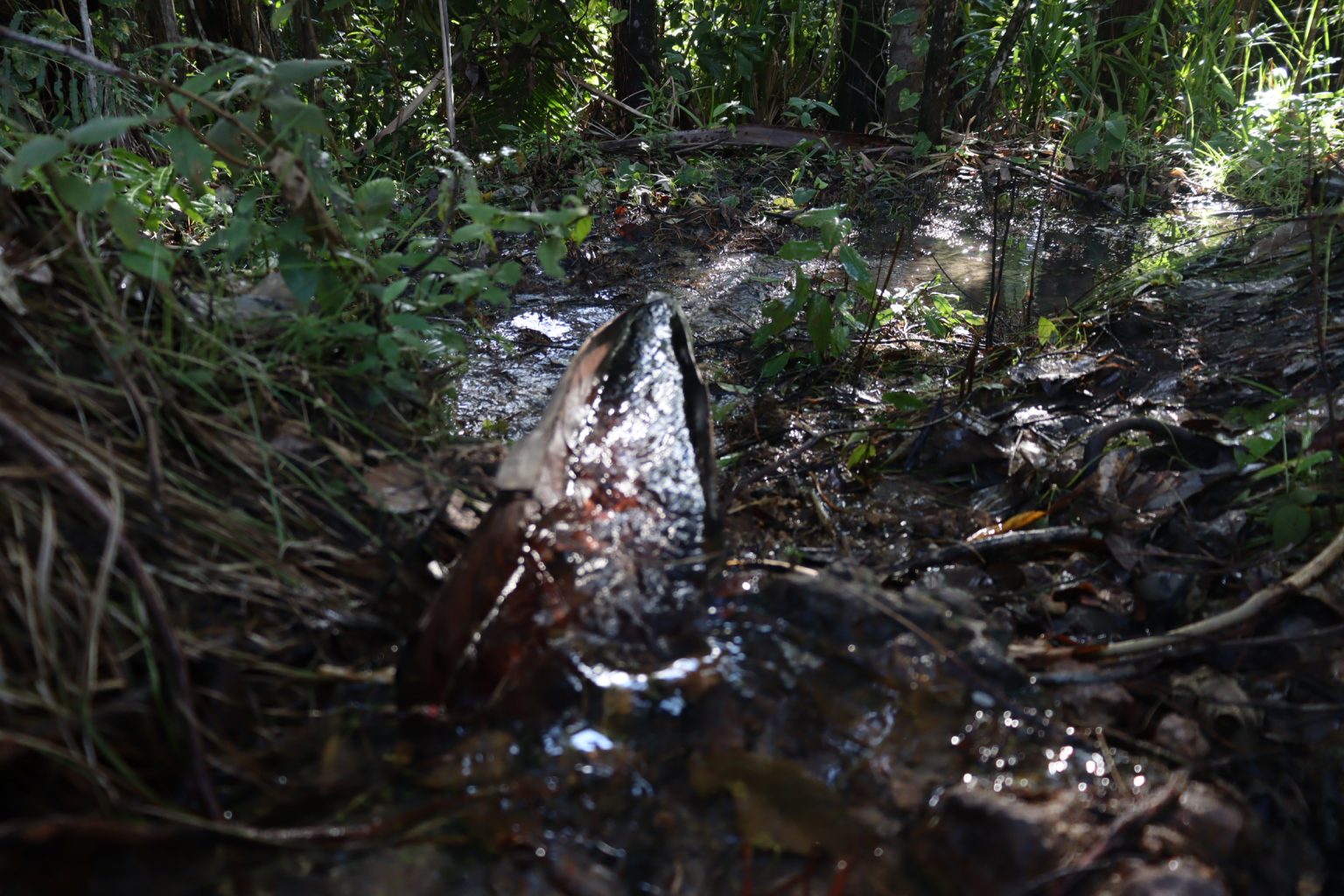
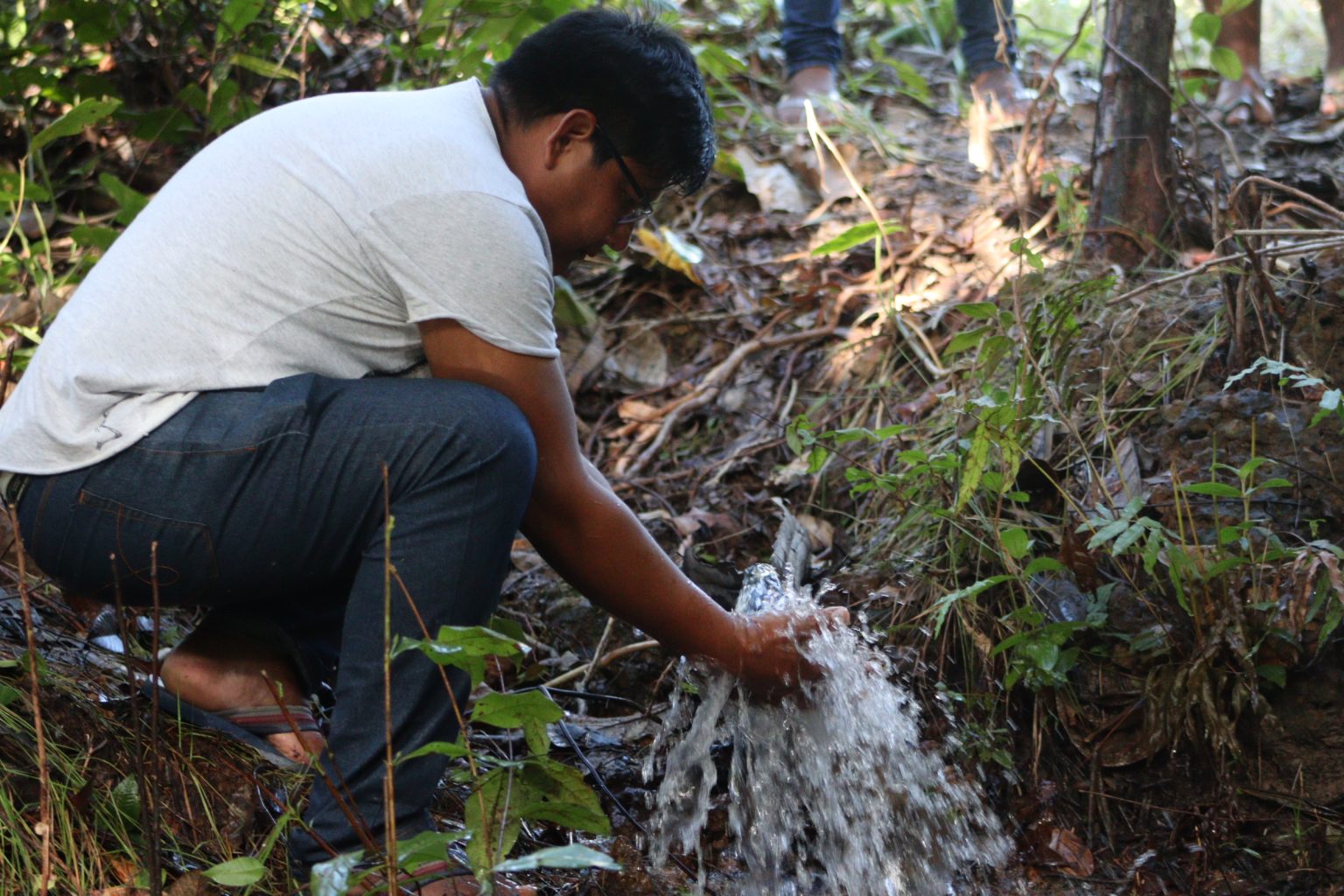
Mr. Elias Bento, leader of the region, said that one of the main concerns is that the planting of soybeans will affect the source of the Pium stream, which still has preserved riparian forest.
"Our land is small and we cannot lose what is already occupied by us. Our duty is to protect it for future generations," said Elias Bento.
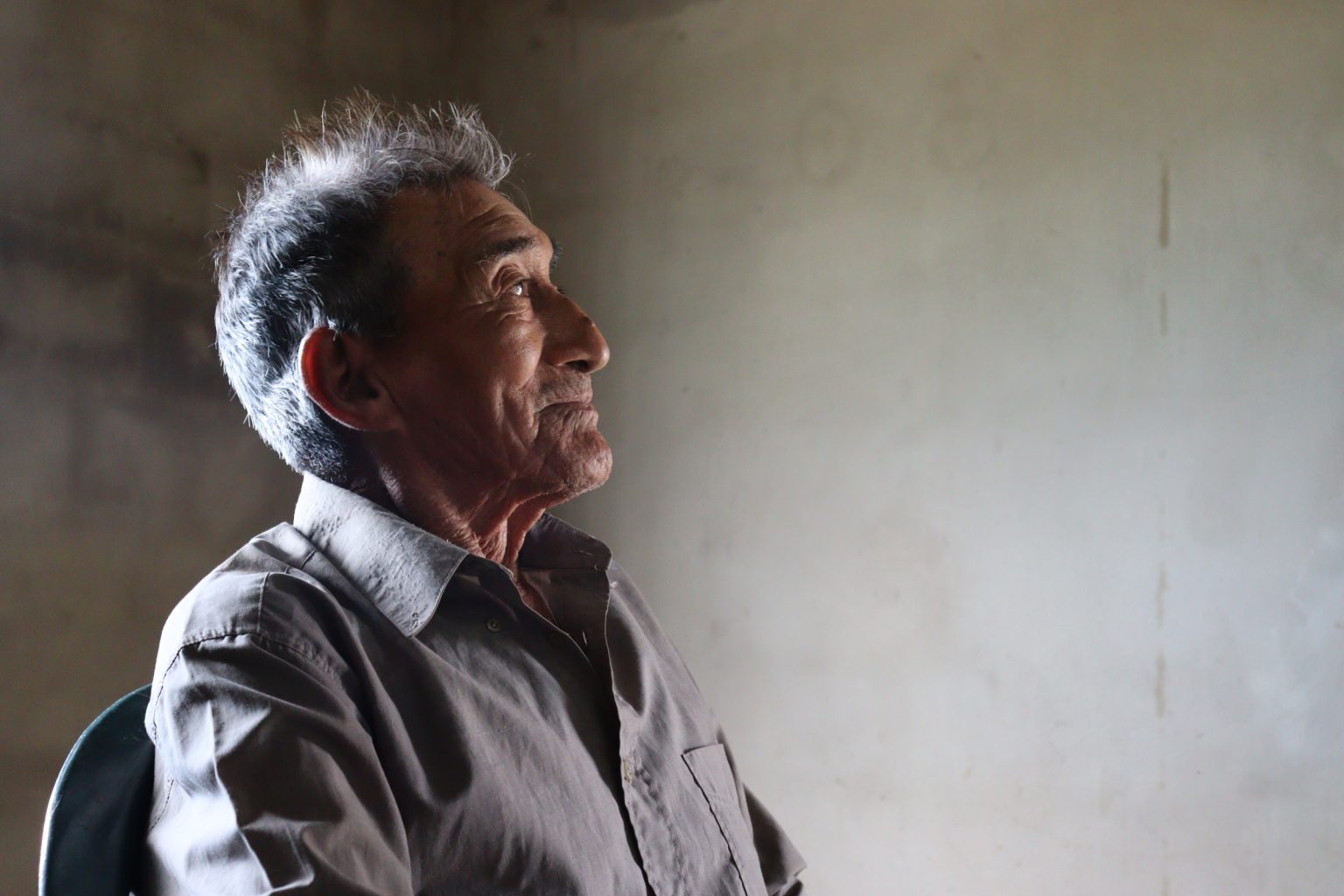
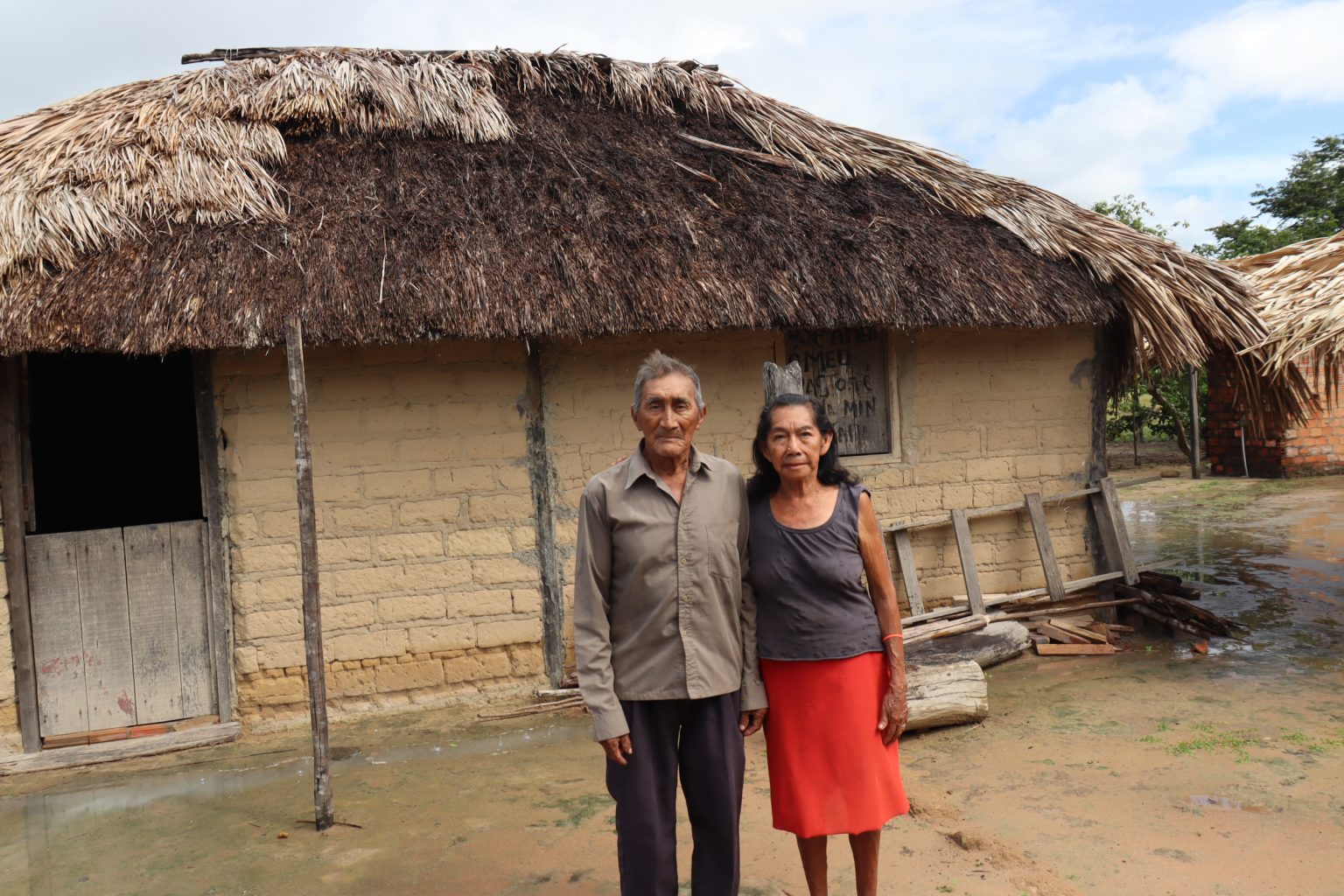
"We want our land, if we are left without the sources of the streams, how are we going to live? We fish in these streams and lakes," said Dona Nadis da Silva, a resident of the community, of the Macuxi ethnic group. "The plants that exist here are also medicinal and we use them a lot, this land is ours, we will fight for it until the end."
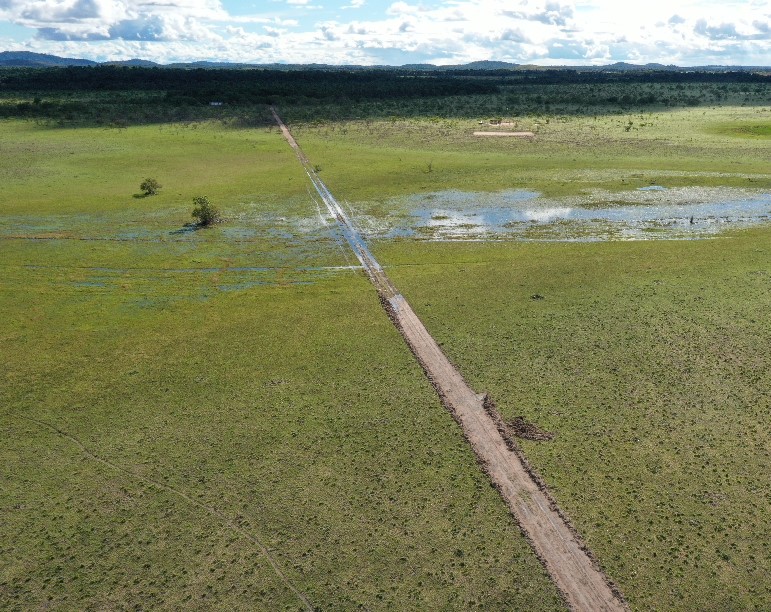
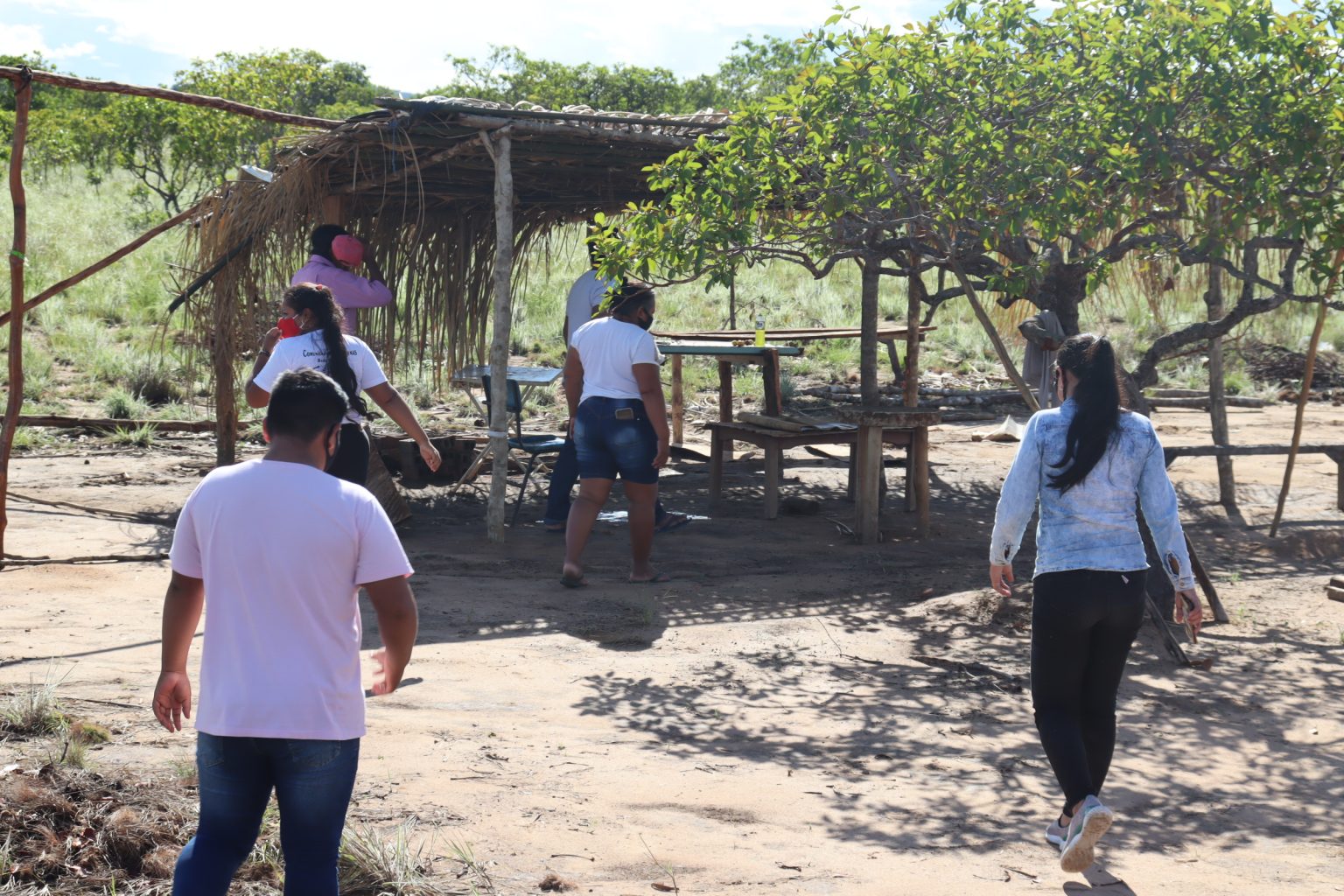
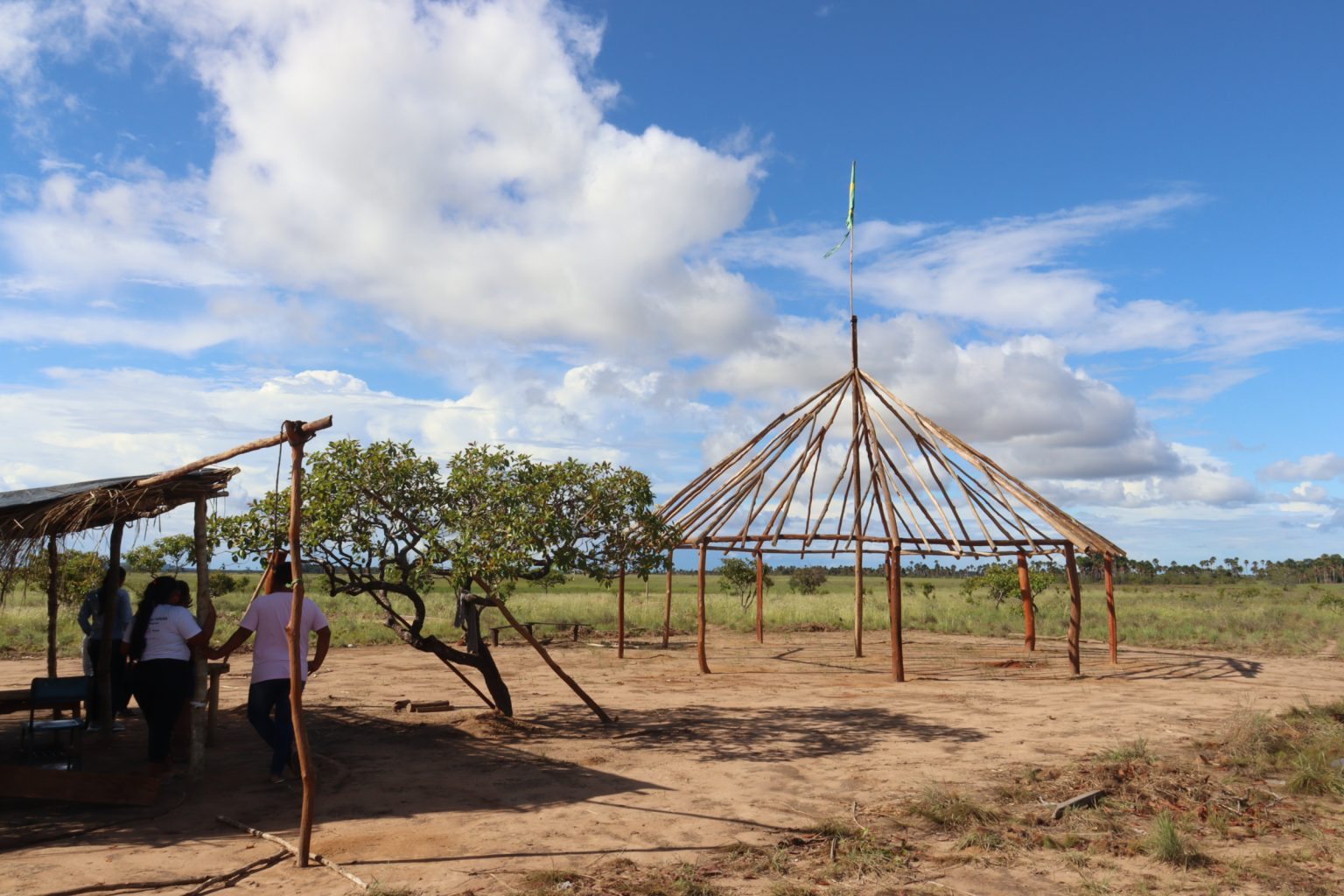
The community's tuxaua, Márcio Cleito, of the Macuxi ethnic group, also denounces the situation. "Today we still have clean and healthy water, which we consume at any time, but the farmers want to take it, destroy our mother nature and we will not allow it," he said.
Senhor Evaristo das Chagas, one of the oldest leaders of the Pium community, also recalls the past of invasions. He has lived in the community since 1974, was tuxaua from 1977 to 1986 and said that at that time other indigenous families had to leave, because the free areas became too small due to the presence of invaders. At the time, there were 14 indigenous residents in the region who lived in constant threat. Indigenous children were enticed to work on the farms and there was no health center, school or church. When they cultivated gardens, the families of the community also suffered losses because the cattle of the squatters destroyed their crops.
"Demarcating the land of the Pium community was a serious problem. The indigenous people suffered many threats," recalled the tuxaua.
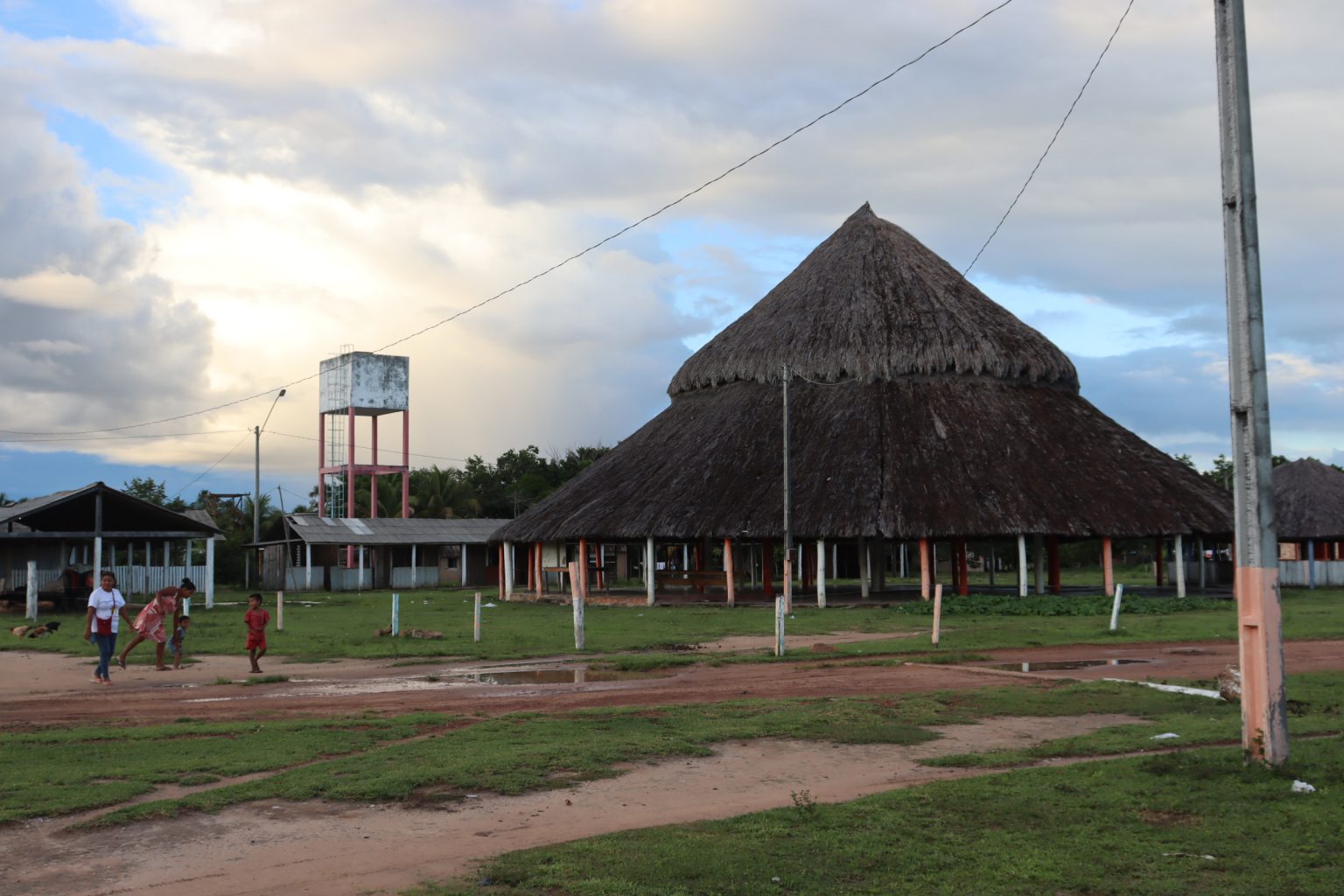
Currently, the Pium Indigenous Land has 4,607.6137 hectares and a population of 470 people (118 families), most of them children (101) and young people (85). The main form of subsistence is family farming, fishing, hunting and raising small animals. The families also practice the extraction of buriti pulp, sale of handicrafts and also have two farms with almost 200 cattle.