
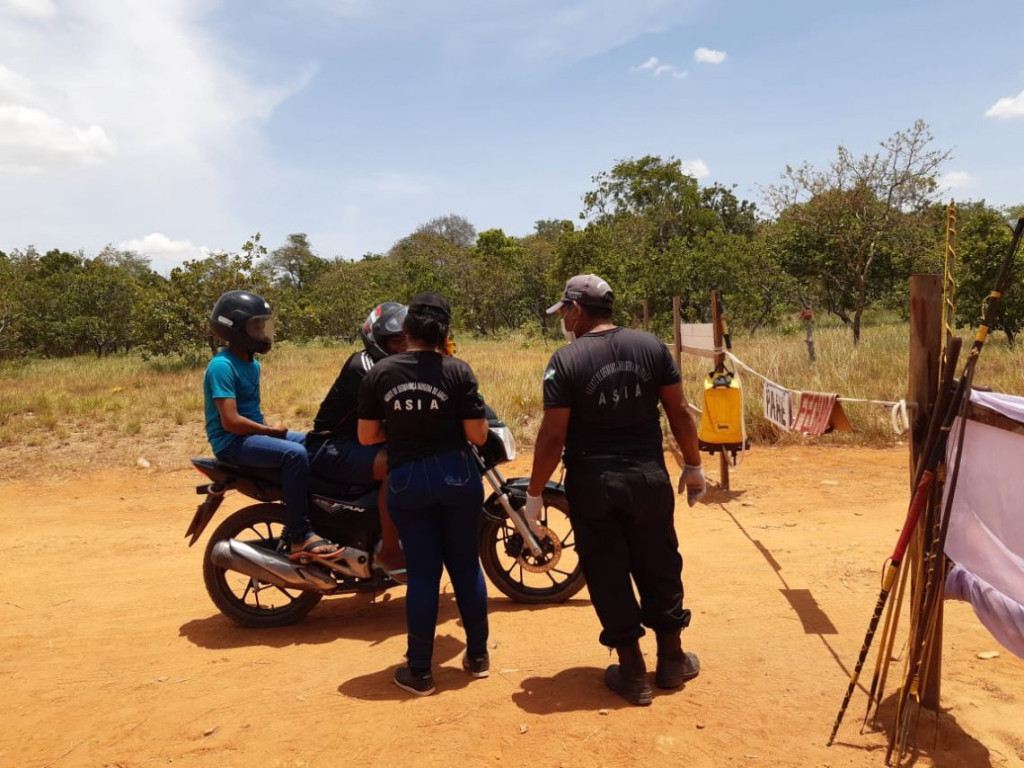
One of the measures adopted by the indigenous peoples of Roraima to combat the pandemic of the new coronavirus (COVD-19), which has already caused thousands of deaths worldwide, was the isolation of communities through the installation of sanitary barriers or surveillance posts in access to indigenous lands. This control is carried out by the Indigenous Territorial Protection and Surveillance Group (GPVITI) that remain 24 hours doing this monitoring work.
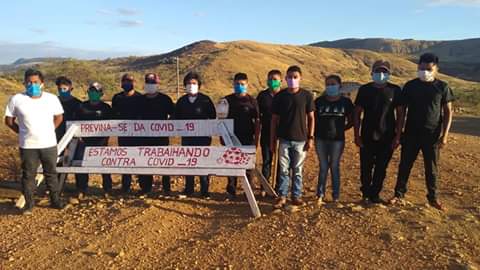
The objective of the sanitary barriers is to prevent the entry of people into indigenous communities, coming from the headquarters of municipalities and the capital Boa Vista, and thus prevent the spread of the virus. The inspection maintains control of the residents of the communities and only allows exits to carry out essential work such as food purchases, health care, support from public security agencies, delivery of food by entities or agencies.
In total, 29 sanitary barriers were installed at the entrances to the communities that give access to the 31 indigenous lands of Roraima, for the protection of approximately 49 thousand indigenous people.
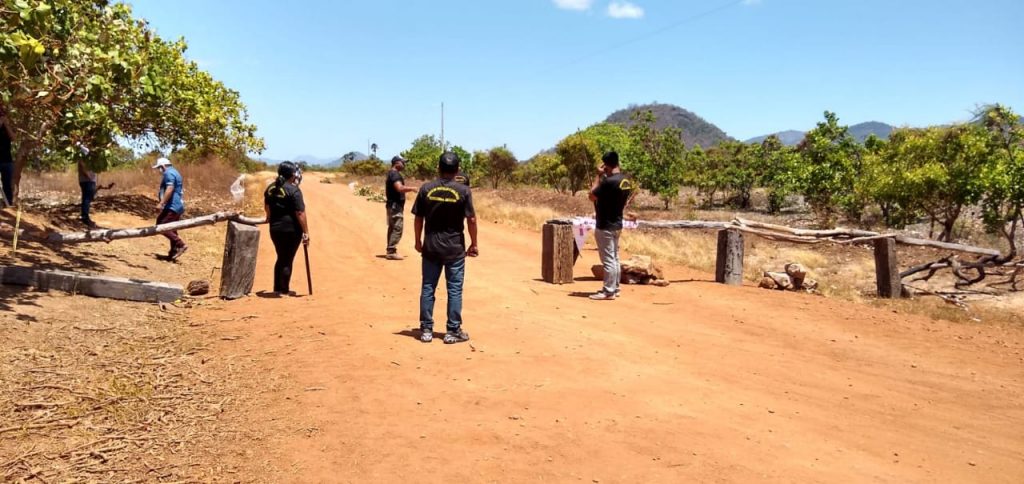
Without the support of the State and the strength of the collectivity, men, women, young people and adults who are part of the GPVITI, with the support of the Tuxauas, left their homes, left their individual activities, to be on the front line in the fight against the disease and thus protect their children, grandparents, grandfathers and other people in the community considered vulnerable.
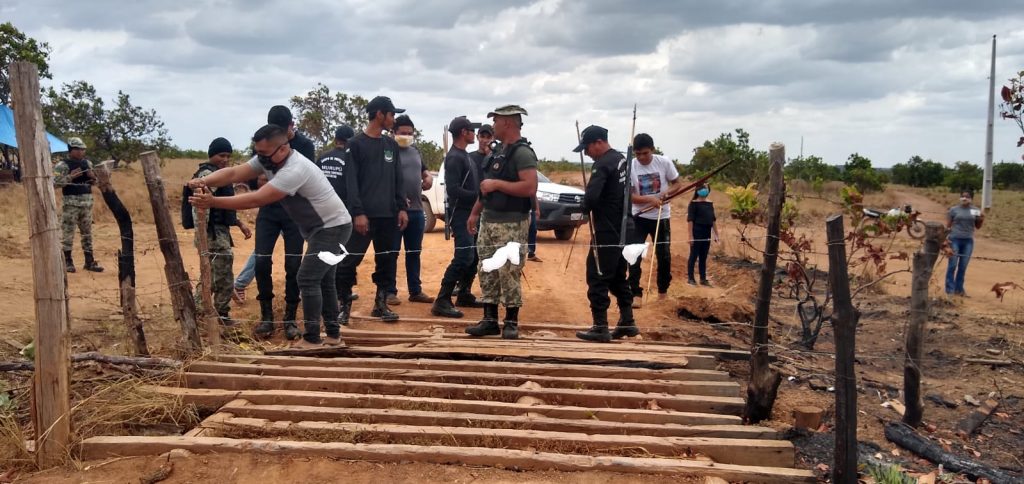
Sebastião Santos, from the Lage community, Taba Lascada Indigenous Land, says that it is important to maintain this work in the region because of the proximity to the capital Boa Vista and also the seat of the municipality of Cantá.
"Our community is small, we have many elderly gentlemen to take care of. So all residents were moved by the situation and were ready to help and also to prevent the Coronavirus that is affecting our Brazil and can also affect our communities," he said.
Women also stand out and go to the front line in the fight against Covid-19. This is the case of the indigenous Luíza, who is part of GPVITI in the Araçá community, and said that the fight is for the sake of her people.
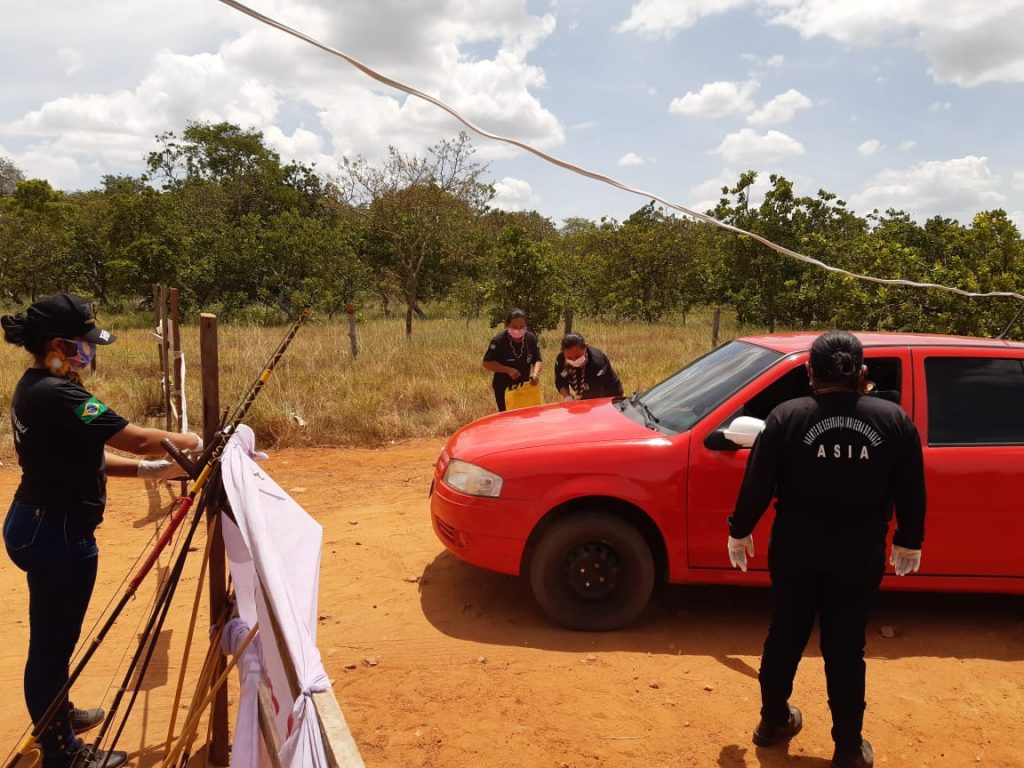
"If it's not for us, who will it be for us? We are here protecting the lives of every person in our community in the fight against coronavirus, we don't want to lose anyone from our community or our family. I left my children behind, I'm here for them, we'll stay here until the end," he declared.
Lenir Grigorio Macuxi, who acts as a surveillance agent and is working on the containment barrier of the Jibóia community, said that his battle is in favor of collective health. "We are here to protect our communities and face this disease. Firm and strong we will continue in the fight," said Lenir, emotional.
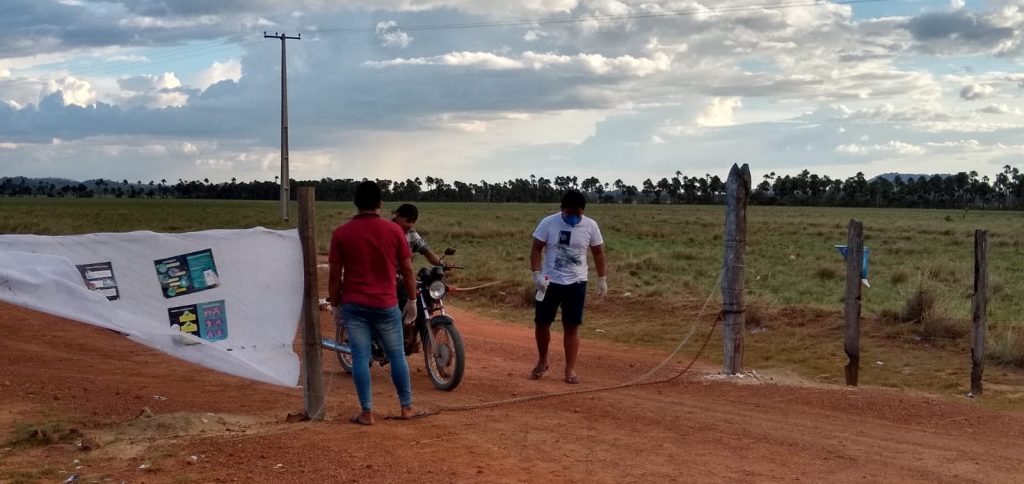
According to a document sent to the Indigenous Council of Roraima (CIR), the leaders of the Raposa Serra do Sol Indigenous Land report that they maintain barriers in the Barro community, the Tabatinga community and the Raposa region, as they understand that it is the only way to protect the communities, due to the lack of structure in the state's health that is insufficient to meet the demands.
“This initiative arose through the concerns of the communities and leaders of this region to protect ourselves, because so far the DSEI/LESTE and the municipality itself are not prepared, they are not able to serve, in case we have infected indigenous people within our communities",explained the letter from the Tuxauas of the Serras Region.
For the indigenous leader and coordinator of the Surumu region, Anselmo Dionisio, "the orientation barrier is a way to provide security to our community. We are concerned about this disease, we warn risk groups and also those who are not part of it, so that they do not leave their community in large quantities," he said.
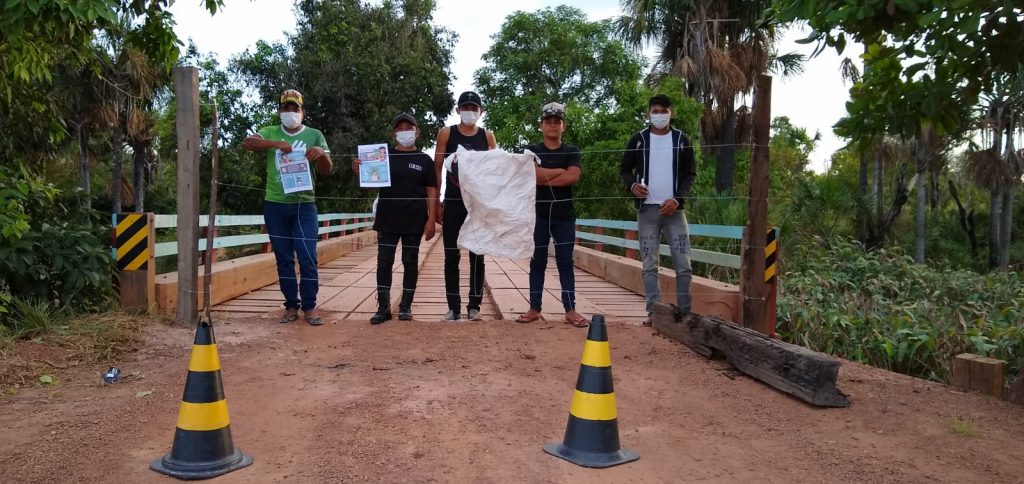
The borders are also being monitored by surveillance agents (GPVITI). Indigenous leaders from the border between Brazil and Guyana met on April 10 on the banks of the Tacutu River to discuss and deliberate measures to prevent the Coronavirus among border communities.
“The relatives of the neighboring communities on the Guyanese side have partnered with us to protect their territories, a dialogue that we have had for a long time. On the Guyanese side, several trees were felled by the agents themselves, in order to prevent the passage of motorcycles, cars and bicycles," said Joacy Wapichana.
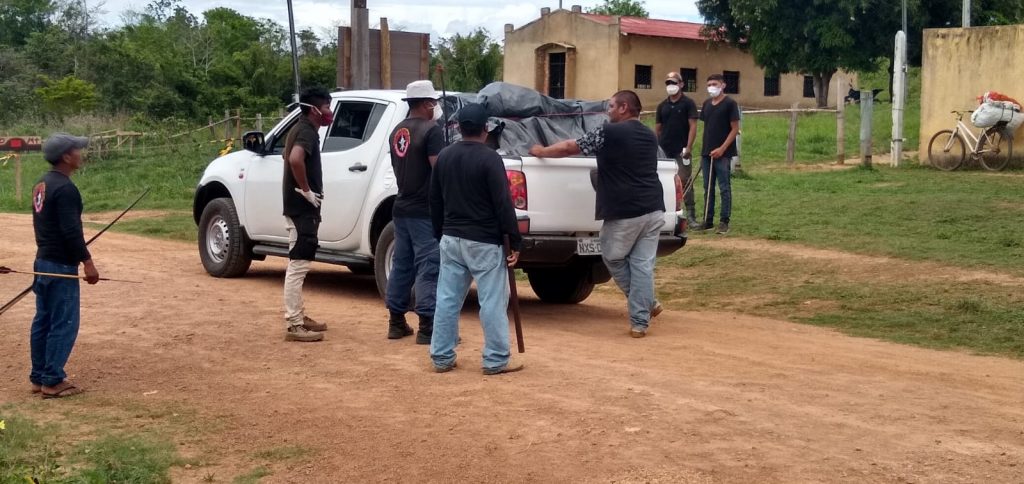
The surveillance agents reported their concerns about the lack of assistance from the State. As if that were not enough, there are also the constant attempts to criminalize this activity of the groups. This is the case of the barriers of Tabatinga, Moskow, Novo Paraíso, Morcego, they registered the threats they received from people opposed to the prevention work. And as arduous as the daily work of surveillance is, they reaffirmed: "We will not retreat to prevent greater tragedies from being repeated."
Surveillance agents are working in 29 indigenous sanitary barriers in the following regions and communities:
Serra da Lua Region are: Jabuti, Novo Paraíso, Pium, Cachoerinha do Sapo, Alta Arraia, São Domingos, Moskow, Jacamim, Canaunim, Campinho, Tabalascada and Lage
Murupu Region are: Truaru da Cabeceira, Morcego and Serra da Moça
Alto Cauamé Region are: Sucuba and Raimundão I.
Tabaio Region are: Barata, Livramento and Pium.
Raposa Region: Tucumã.
Surumu Region: Barro Community.
Region Mountains: Tabatinga, Caraparu, Socó and Pedra Branca.
Amajarí Region: Araçá, Vida Nova and São Francisco.
Collaboration: Naílson Almeida