
By Helena Leocádio
The participants shared knowledge about monitoring, governance and strategies for the autonomy of indigenous territories.
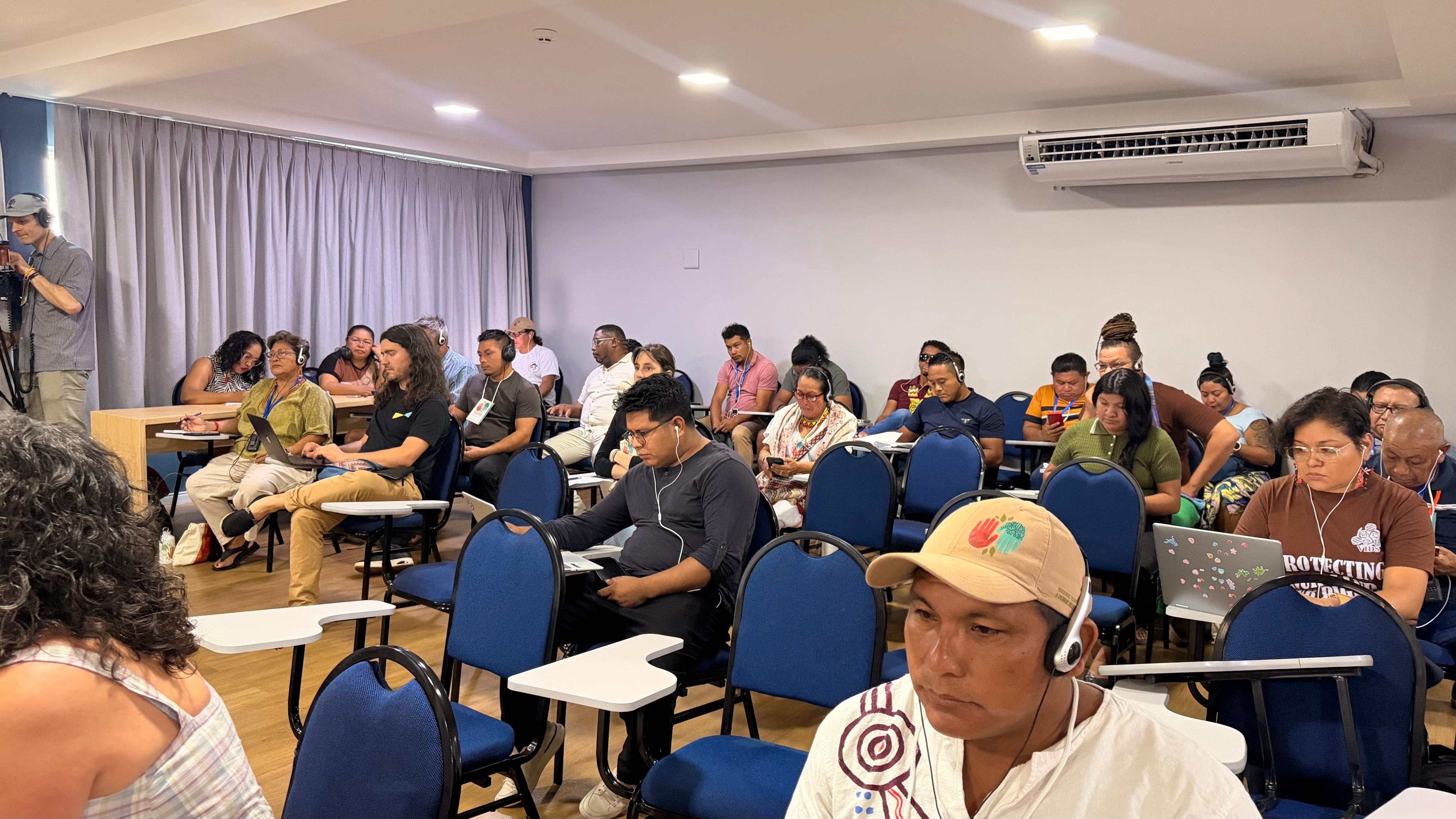
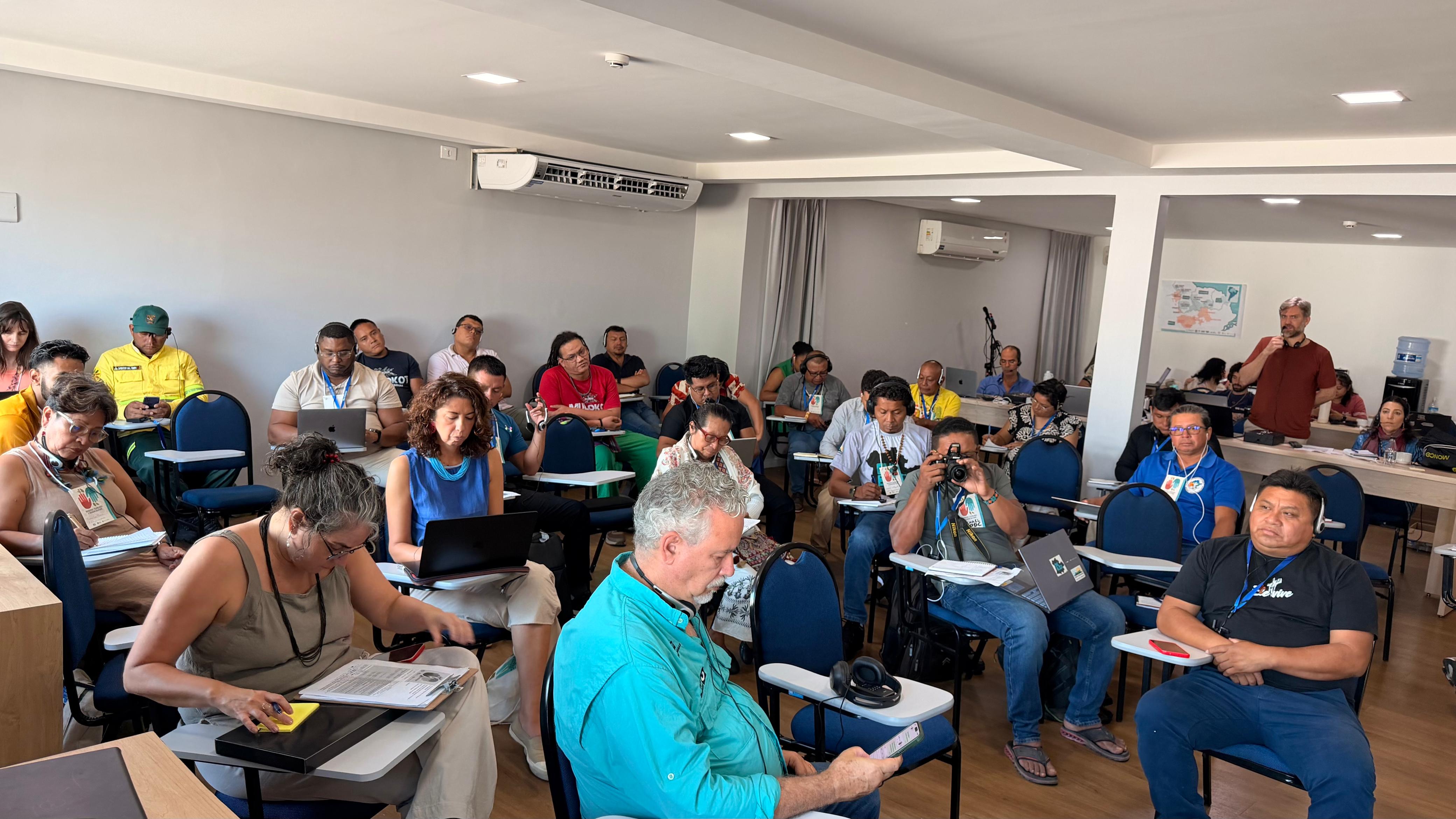
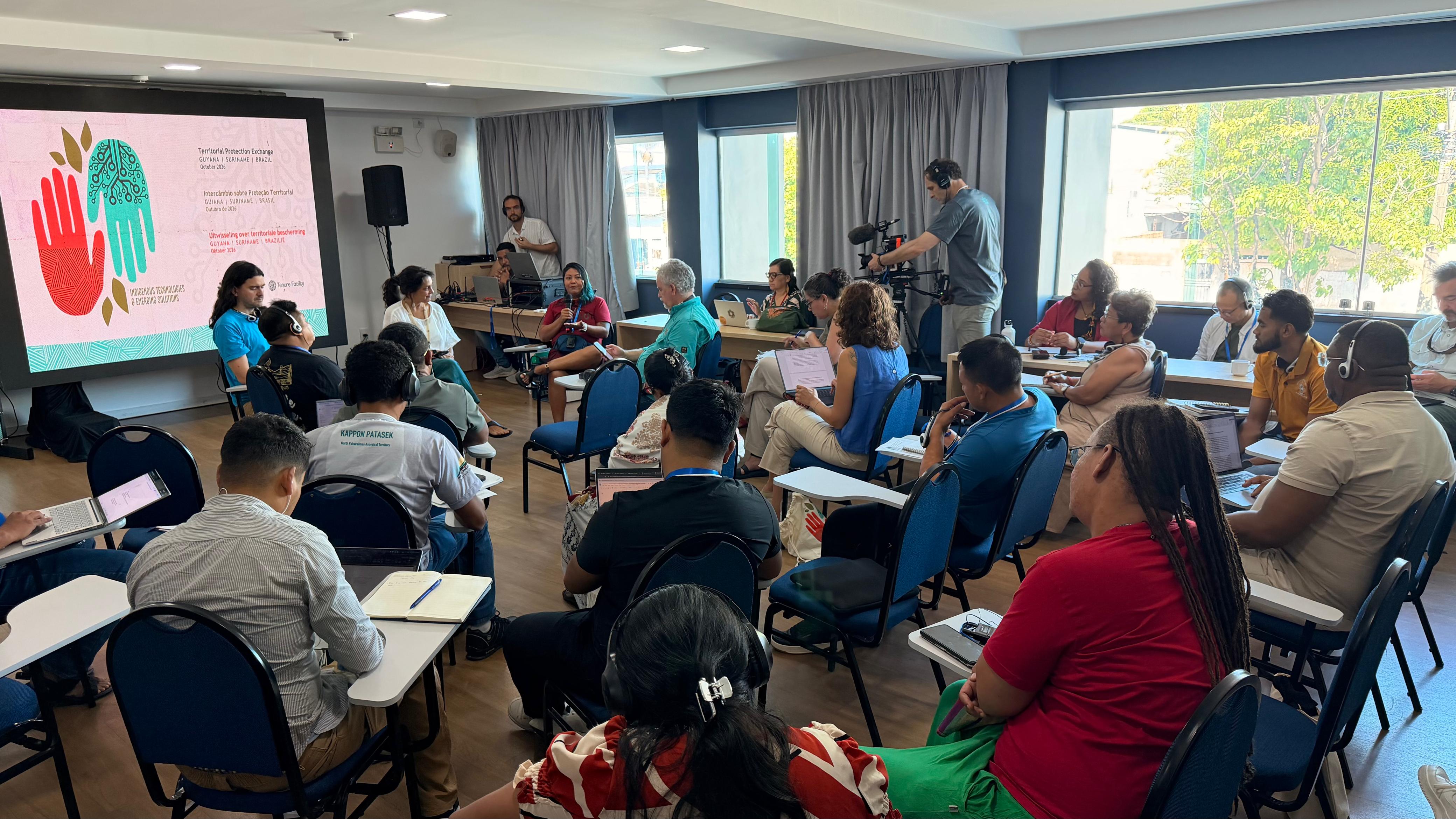
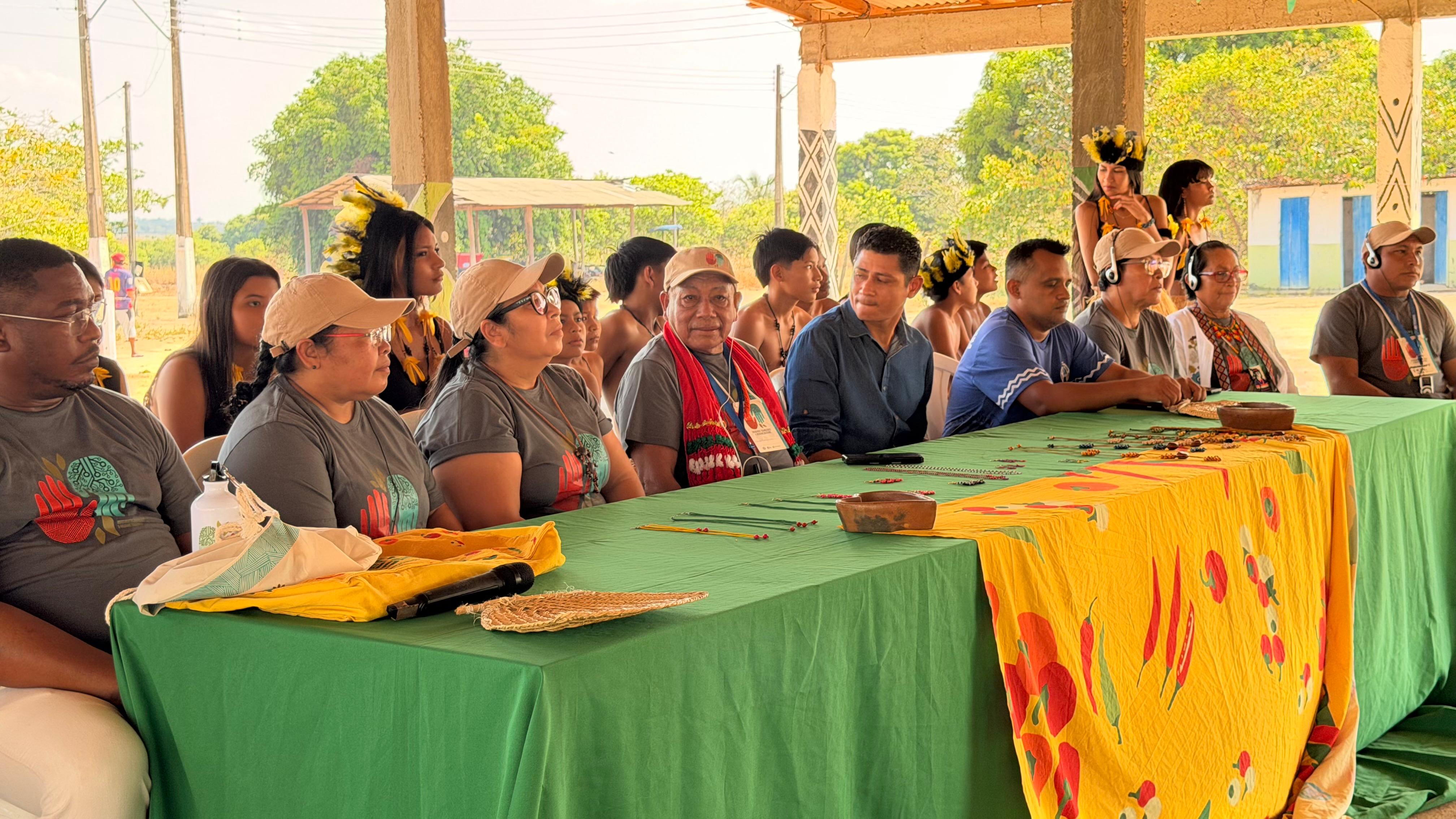
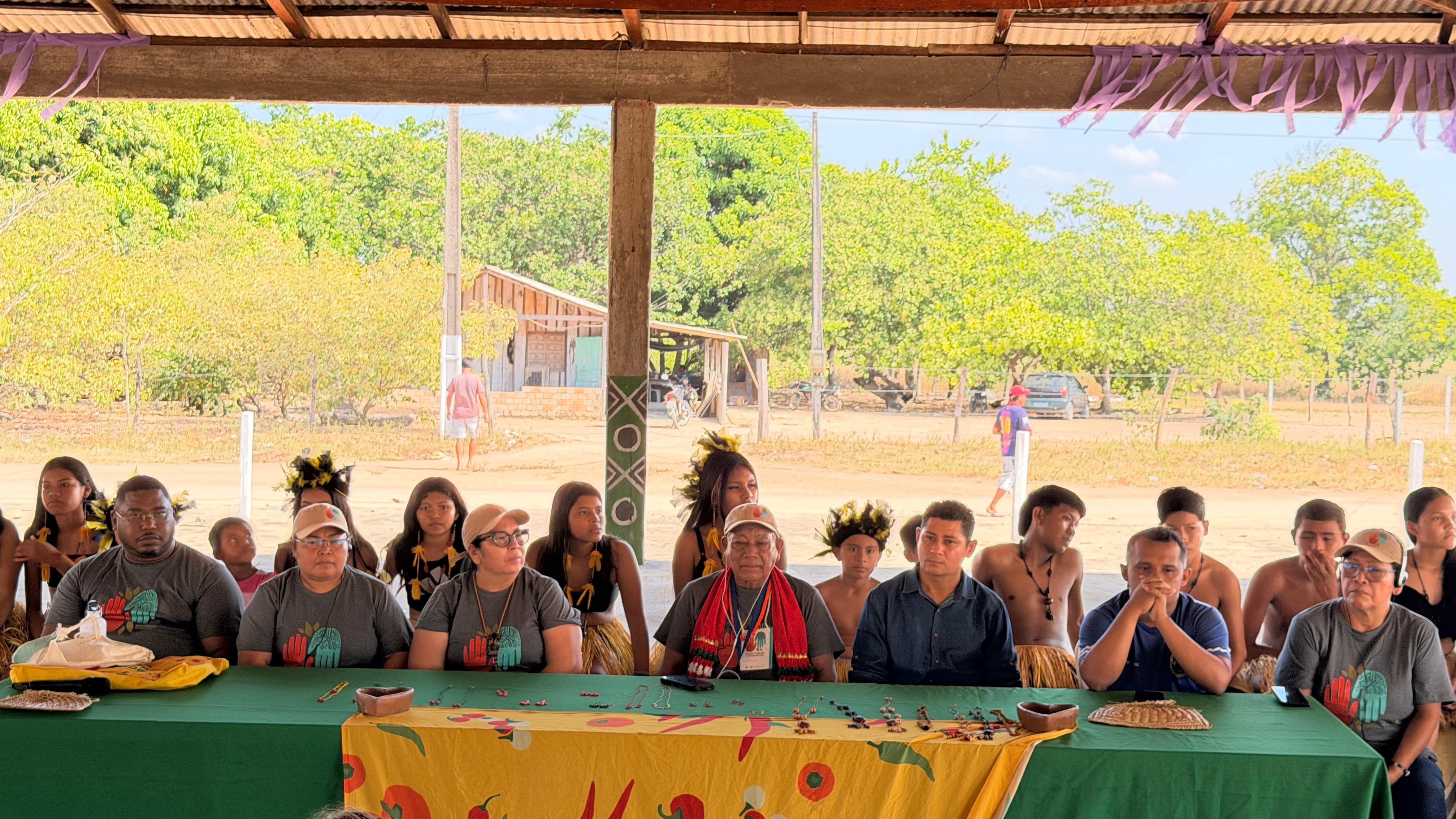
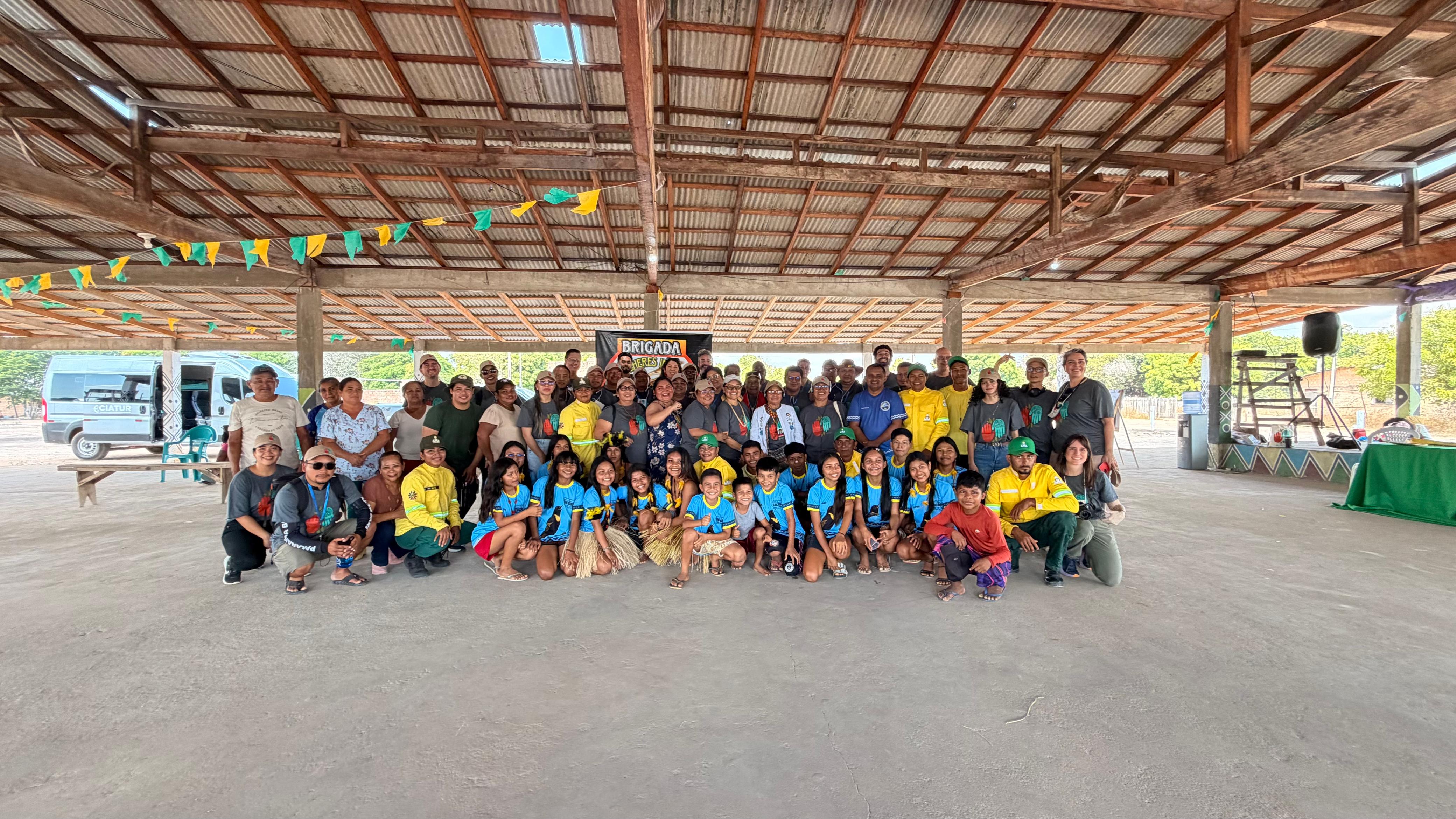
"For us, peoples there are no borders. Regardless of the country, we fight for the same goals. Here, we will share the way we operate, how we strengthen the autonomy of indigenous communities and how we fight for the guarantee of our rights." Thus, the General Tuxaua of the Indigenous Council of Roraima (CIR), Amarildo Macuxi, began his welcome speech to the participants of the Exchange on Protection Territorial Convention, which brought together indigenous delegations from Brazil, Guyana and the Suriname. With the theme "Indigenous Technologies and Emerging Solutions", the meeting took place from October 26 to 30 and provided a space for dialogue, listening and exchange of experiences between indigenous peoples who develop strategies protection and management of their territories.
Held by the Council Indigenous Association of Roraima (CIR), in partnership with Nia Tero and the Tenure Facility, the exchange was designed to strengthen the articulation between peoples and expand the exchange of knowledge on governance, monitoring and the use of technological tools allied to traditional knowledge.
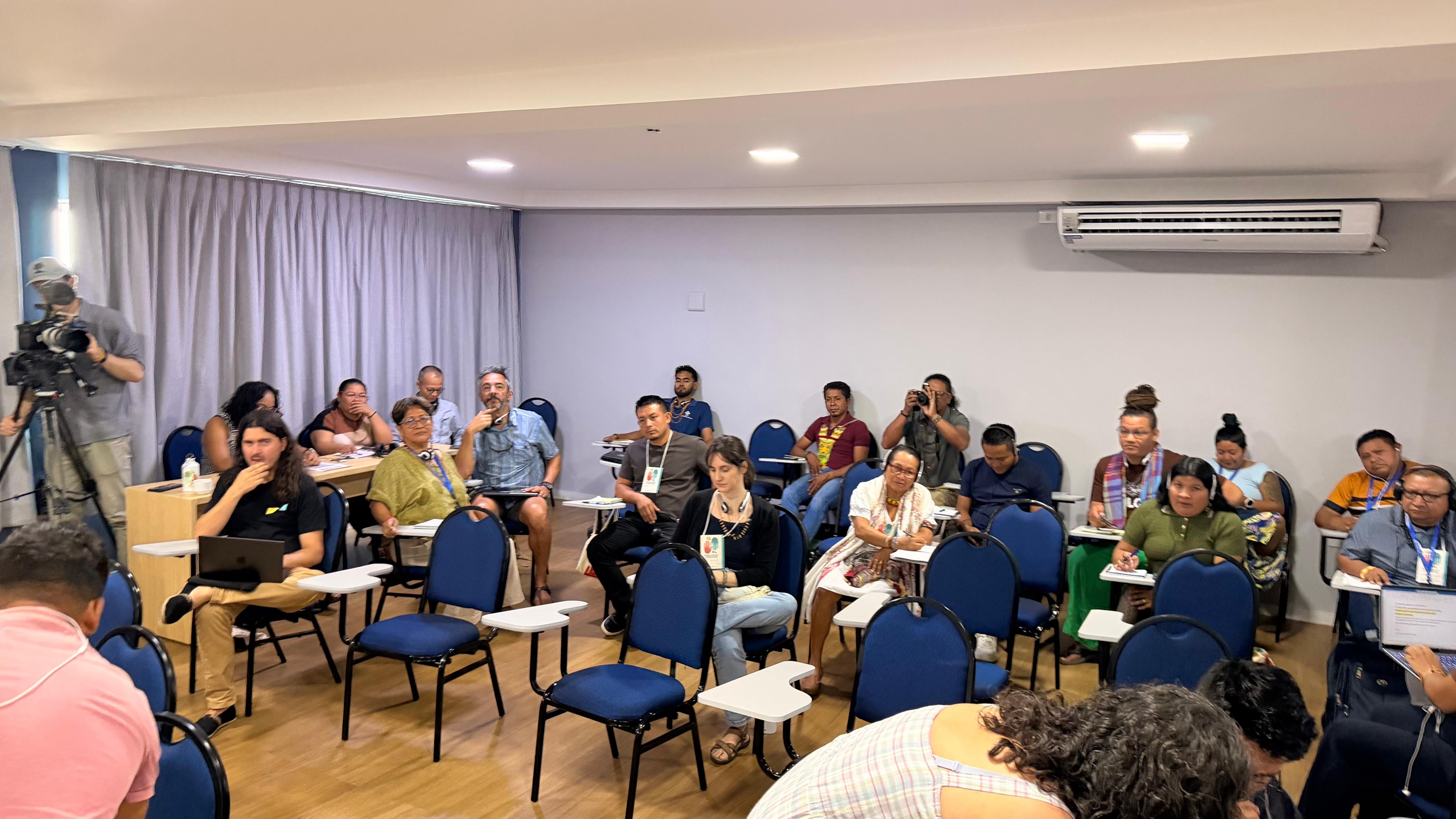
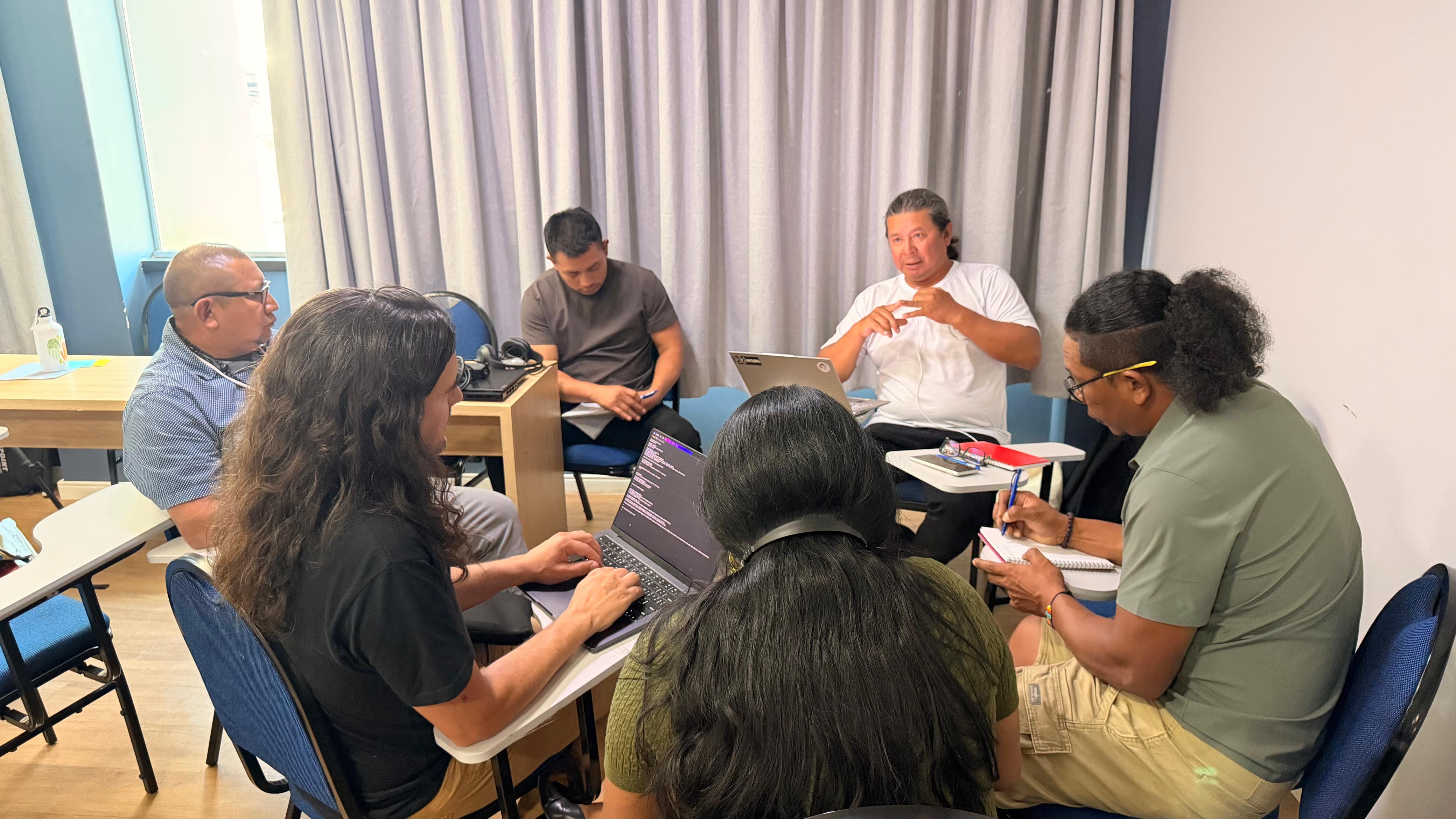
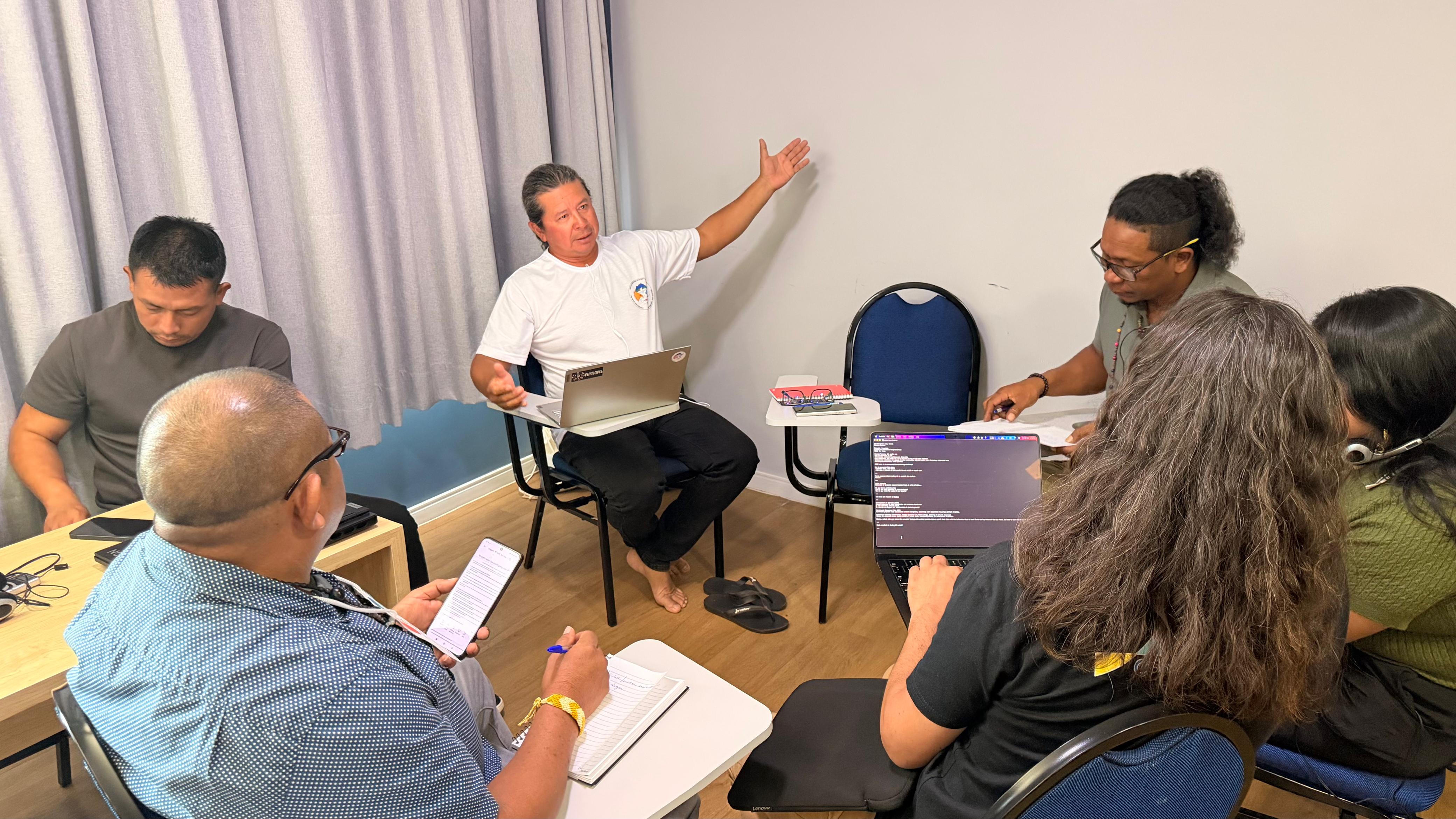
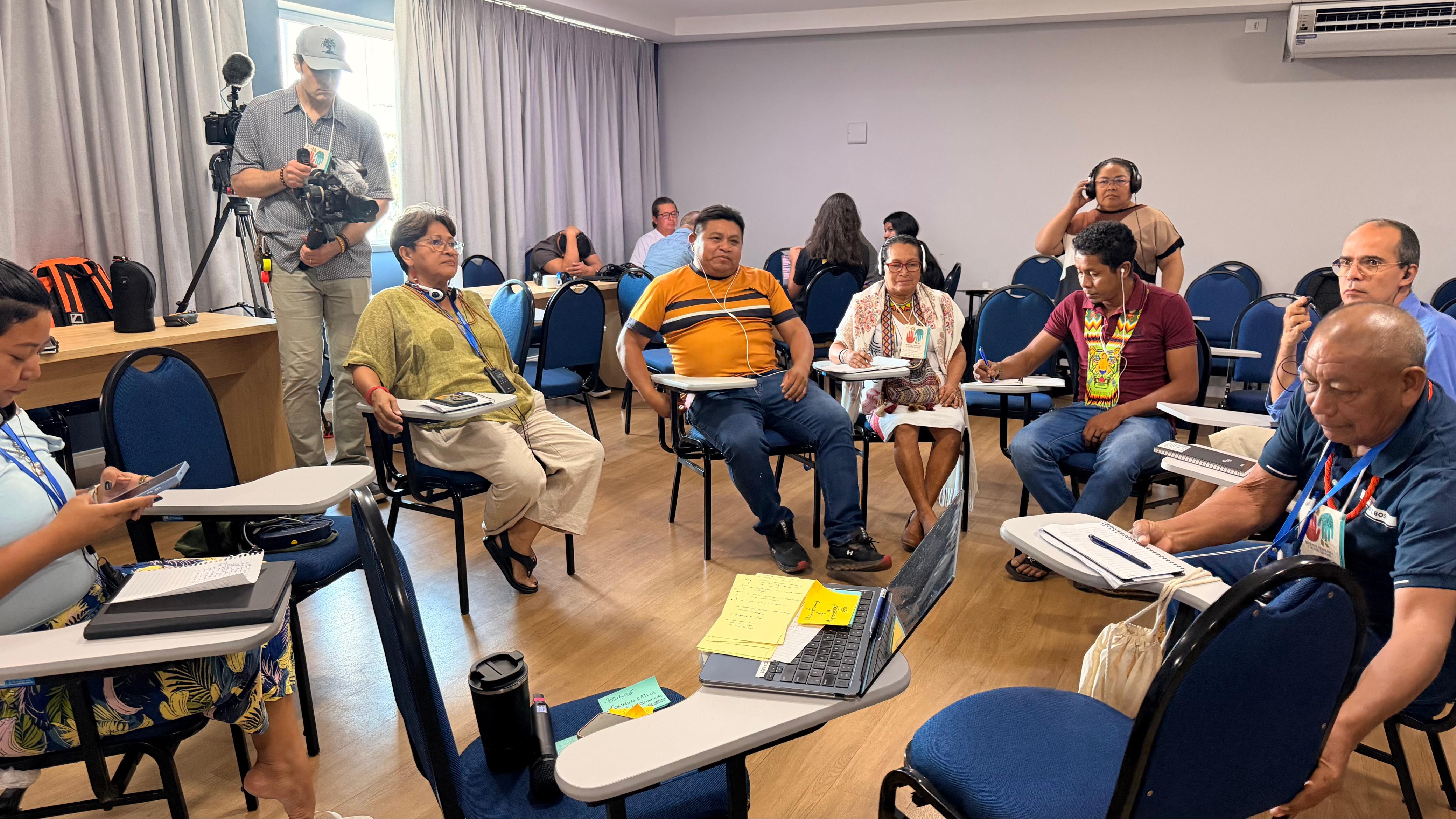
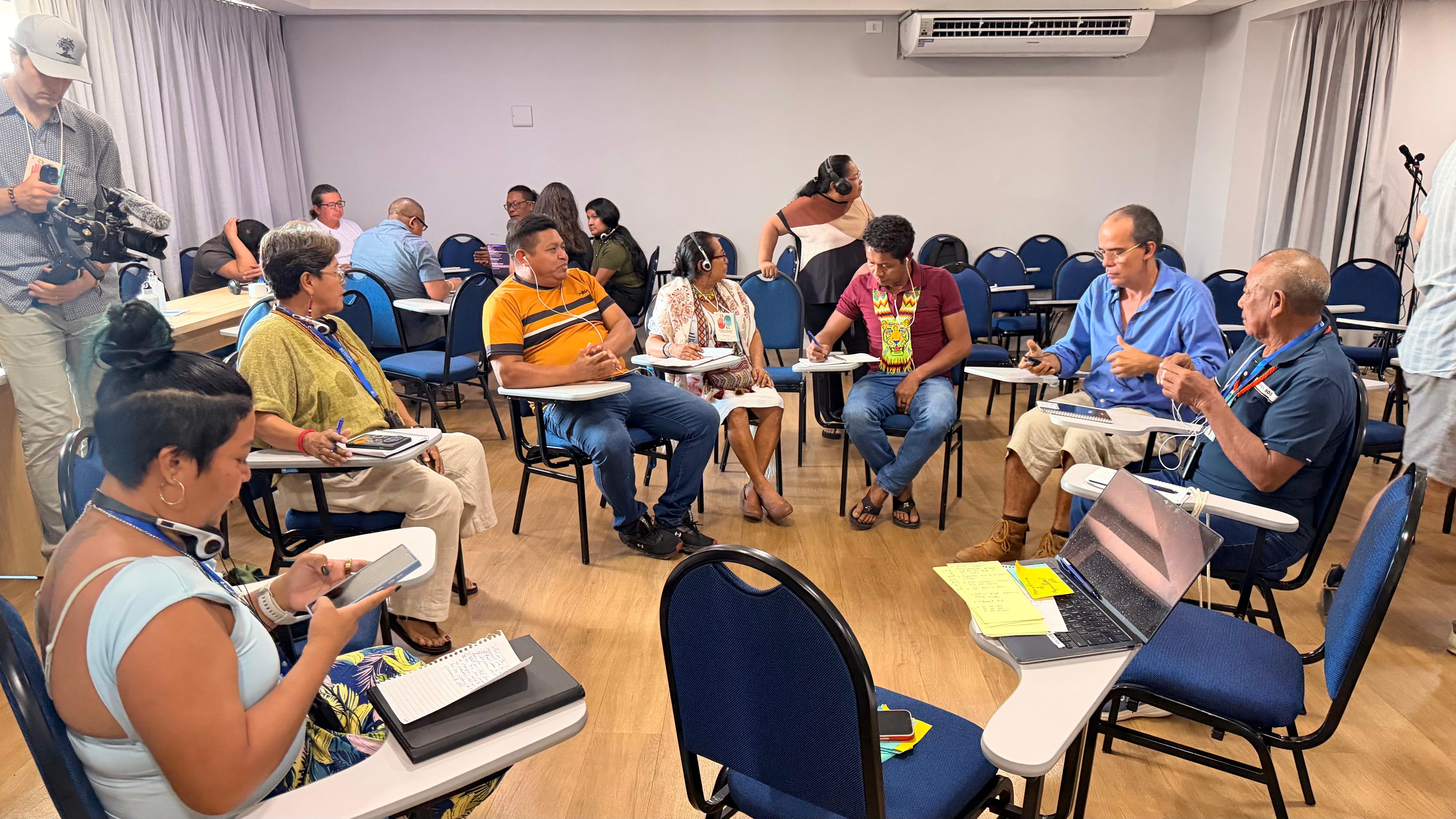
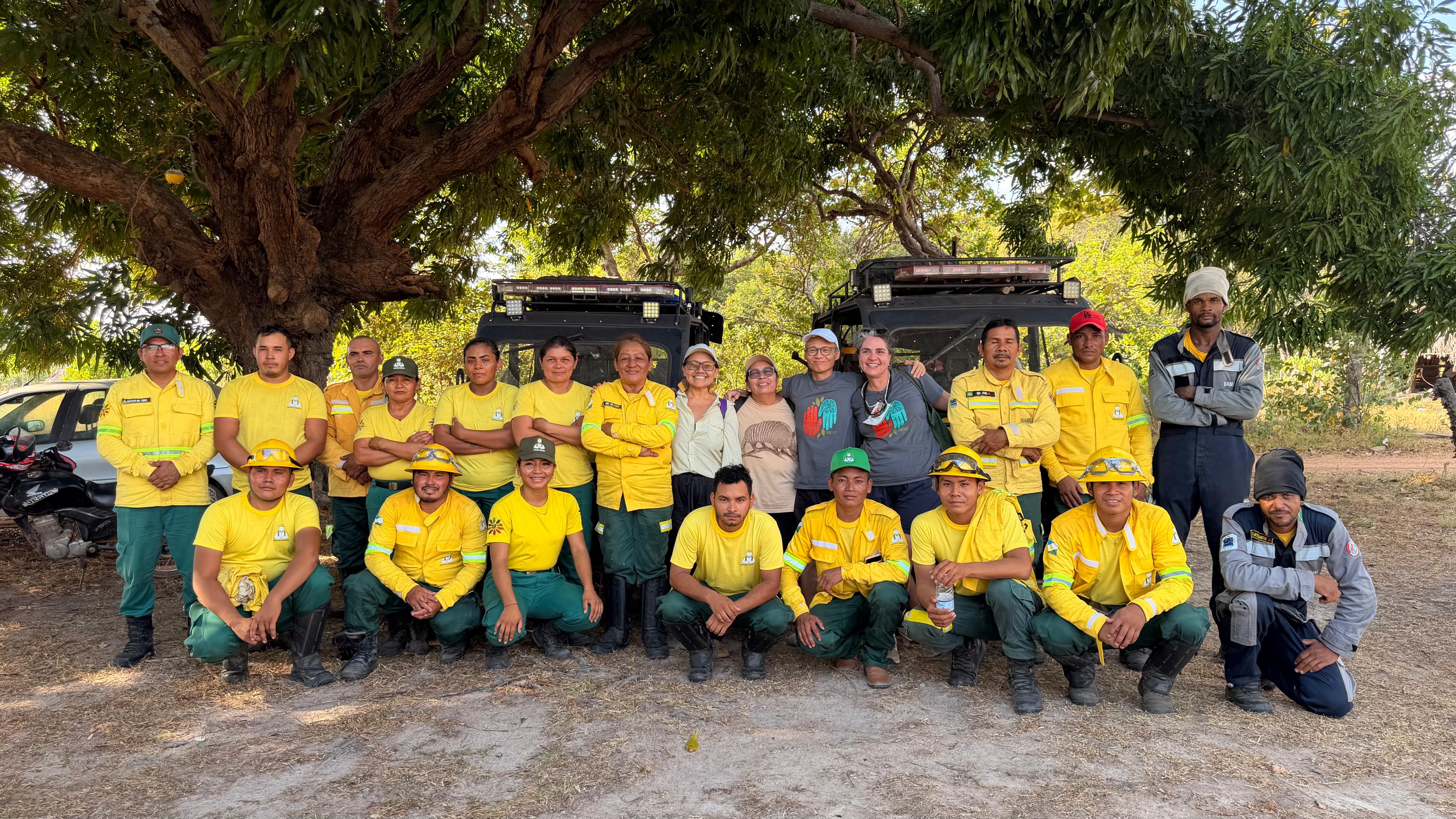
"This initiative came about from an alliance between Nia Tero and Tenure Facility to carry out the exchange in the countries where we operate: Brazil, Guyana and Suriname. A proposal arose from a demand from partners in Guyana and Suriname, who They wanted to know, learn, teach and promote this exchange between various peoples. From day one, it's been amazing to keep track of all the information and exchanges. The idea is precisely to elevate indigenous technologies and integrate them into the Western technologies. The CIR was contemplated by the initiatives that you develop in the territories. For Nia Tero, it is very clear that the territories Indigenous peoples are not just small spaces delimited by countries. By On the contrary, they are cross-border and welcome all initiatives aimed at the good living of indigenous peoples", highlighted Nara Baré, director of Nia Tero in the Brazil.
"For us, it's a lot important to be in the field together with the CIR to see the effectiveness of the projects that we develop and support. Here, the entire process we carry out behind the projects end up materializing. It is the moment when we can visualize, in the practice, the results of these initiatives", said the consultant senior at Tenure Facility, Davi Pereira.
The exchange also made it possible to know different realities and challenges faced by the peoples indigenous participants, valuing the knowledge built and transmitted over generations. For the General Tuxaua of the CIR, the exchange between the indigenous peoples themselves represent an opportunity to strengthen alliances and to contribute to the defence of the rights and autonomy of the territories.
"This exchange is being very important. We can see how our relatives from other countries act in the defense of territories and in the production of gardens. The CIR has a great experience and works with various projects in the territories, such as sustainable livestock, fish farming, preservation of traditional seeds, banana cultivation and chestnut in the Wai Wai region, in addition to territorial protection. We are here passing on this knowledge and showing how the CIR acts in the defense of rights of indigenous peoples, to ensure that communities continue to working sustainably", highlighted Amarildo Macuxi.
During the first days of activities, the delegations learned about experiences developed by the CIR and its communities, with emphasis on monitoring strategies the implementation of Territorial and Environmental Management Plans (PGTAs), indigenous economies and the use of tools to monitor conditions identify fire outbreaks and strengthen surveillance territorial.
The presentations also addressed the sovereignty of indigenous data and the use of technologies in the environmental monitoring. The exchange of knowledge allowed the participants to share their own experiences and reflect on how different tools can contribute to the protection of territories, respecting the knowledge and the forms of organization of each people.
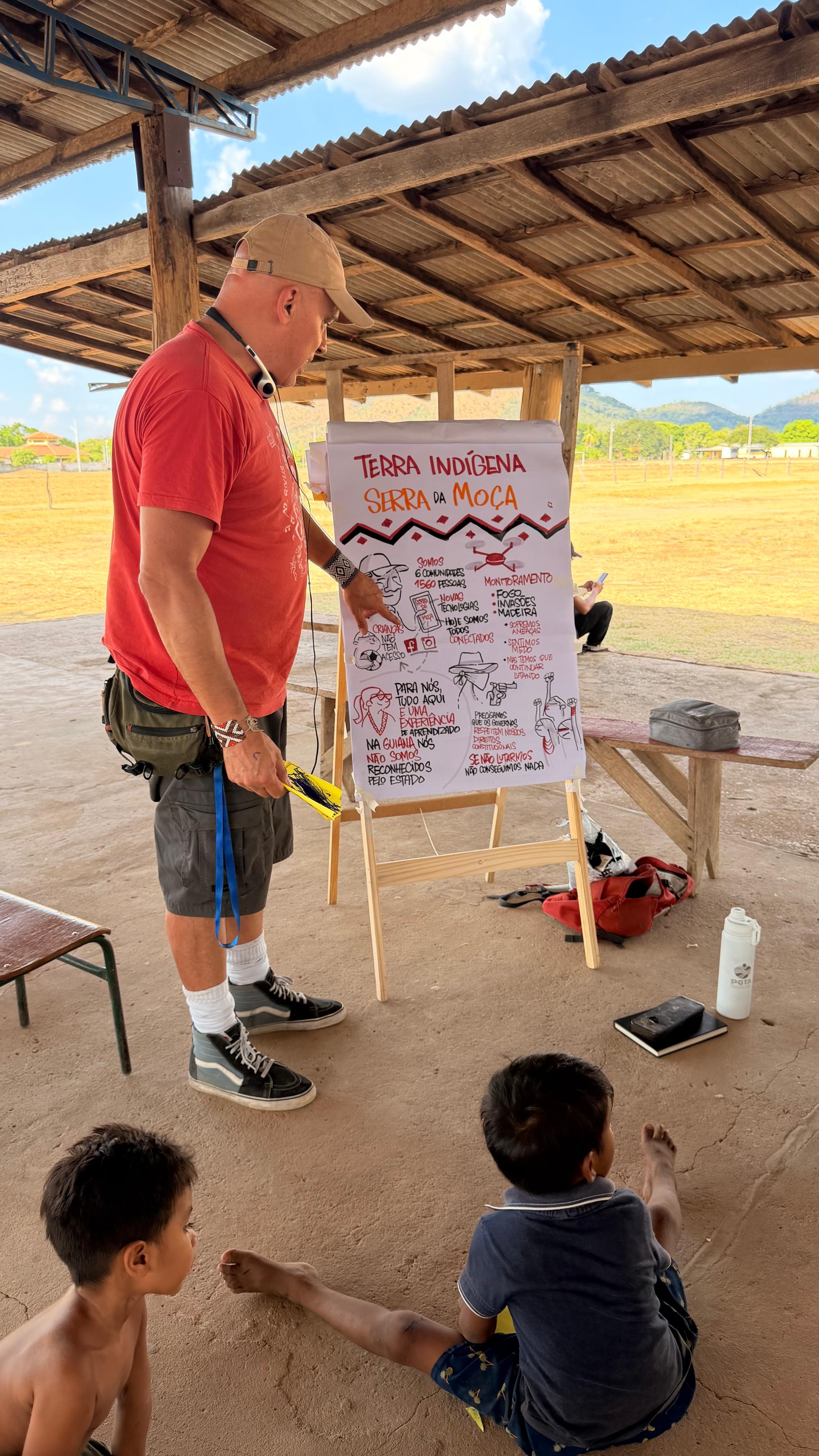
The activities were conducted by the Department of Territorial, Environmental and Change Management CIR, coordinated by the environmental manager Sineia do Vale, of the people Wapichana.
"Roraima has become a example of implementation of PGTA, adaptation plan, of women's brigades and several other initiatives. This work is being developed, informed and communiqué. Relatives from other countries were interested in meeting our experiences, and we arrived at this methodology of participation. They are taking a lot of knowledge about a 56-year-old organization, about how it organizes, how was the journey of struggle and conquest of territories and how works to strengthen the autonomy of the indigenous peoples here. This exchange will strengthen everyone. They shared that they have no territories recognized in their countries, but develop methodologies similar to those ours, respecting the reality of each people. This exchange is valuable", he expressed the coordinator.
To facilitate the dialogue between exhibitors and participants, the exchange included translation carried out by the Dialética Institute team.
Knowledge shared in practice
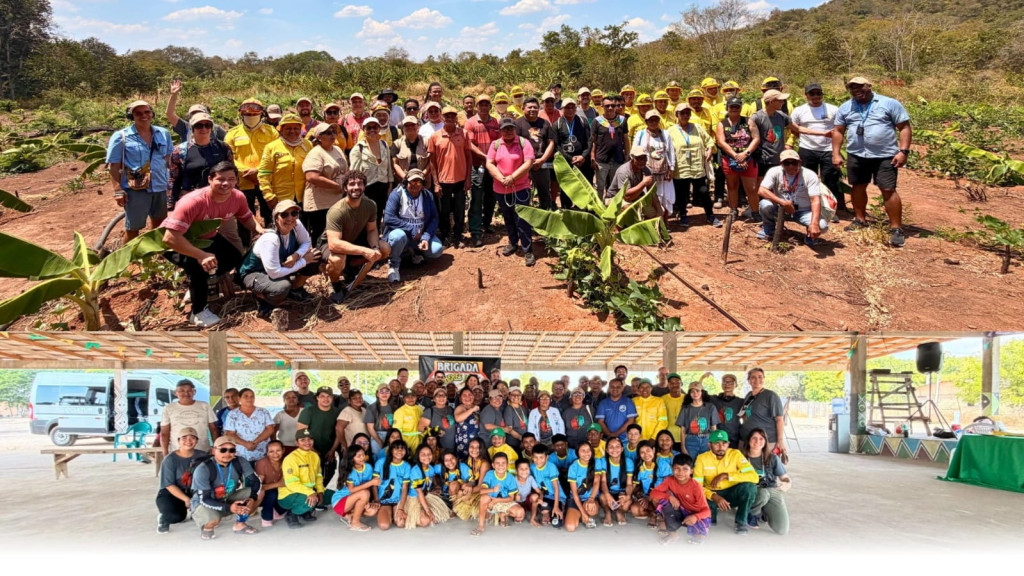
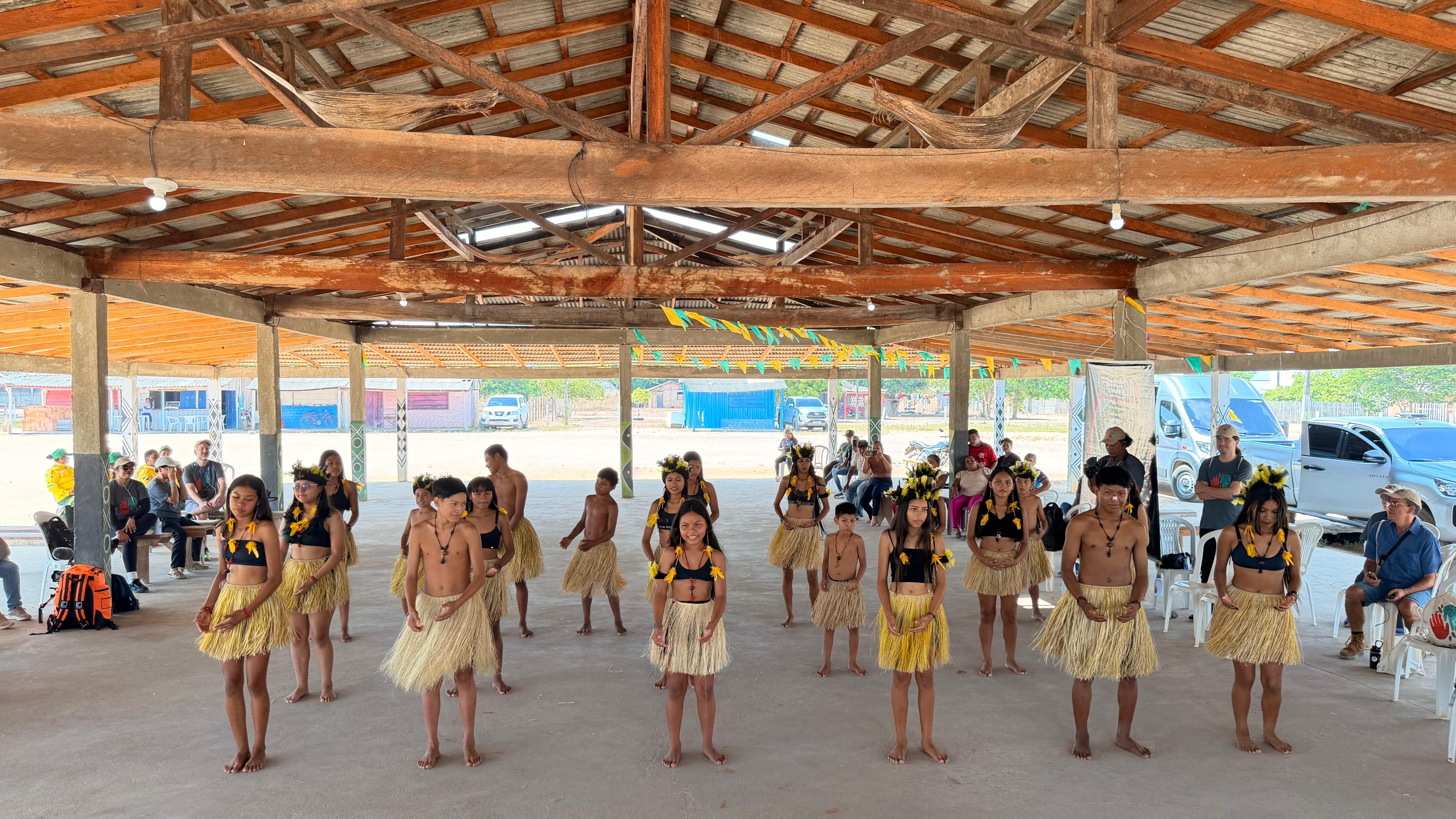
The program included with conversation circles, presentations of experiences, activities on data sovereignty and visits to the Sucuba indigenous communities, in the Alto region Cauamé, and Serra da Moça, in the Murupú region.
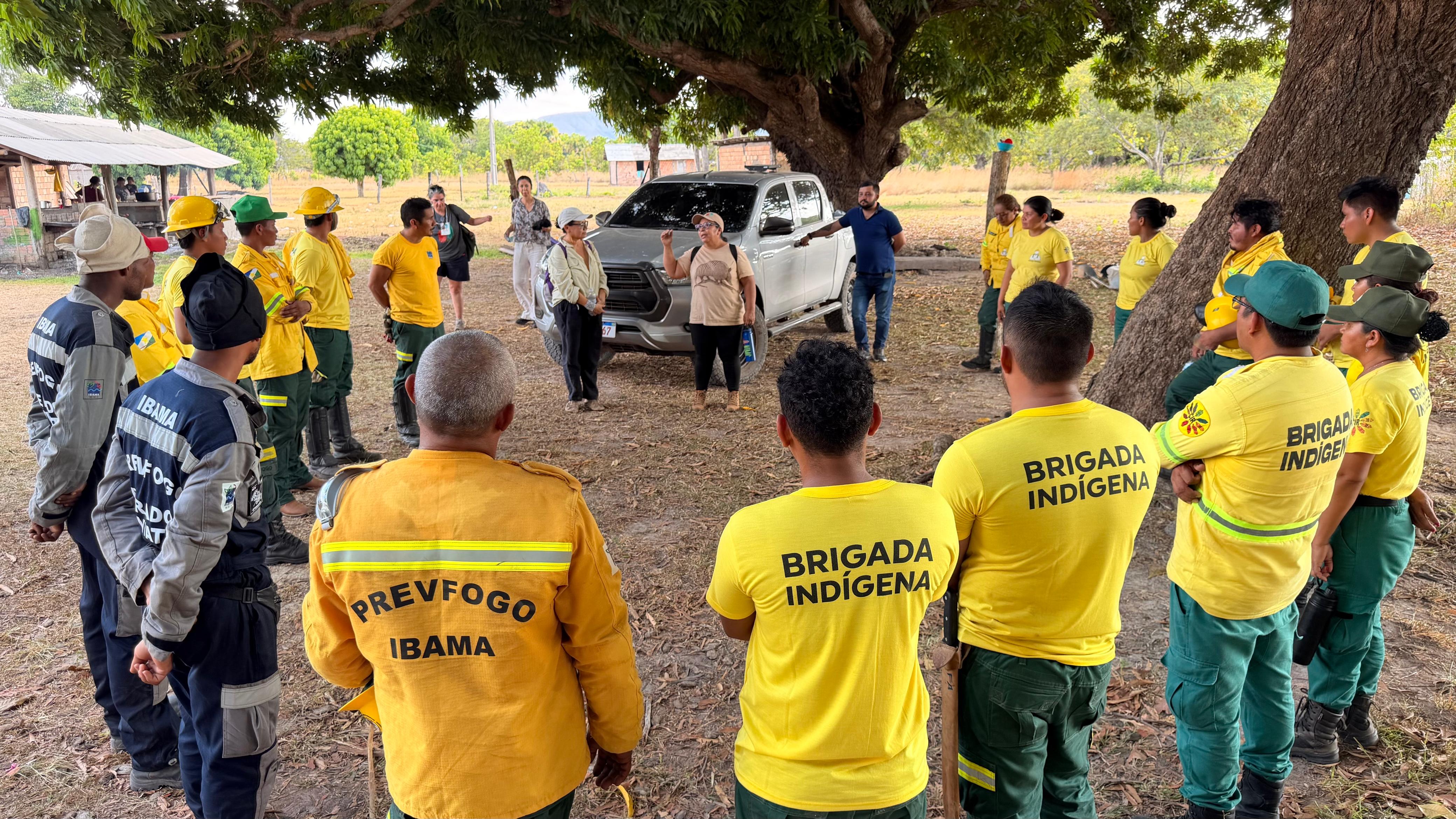
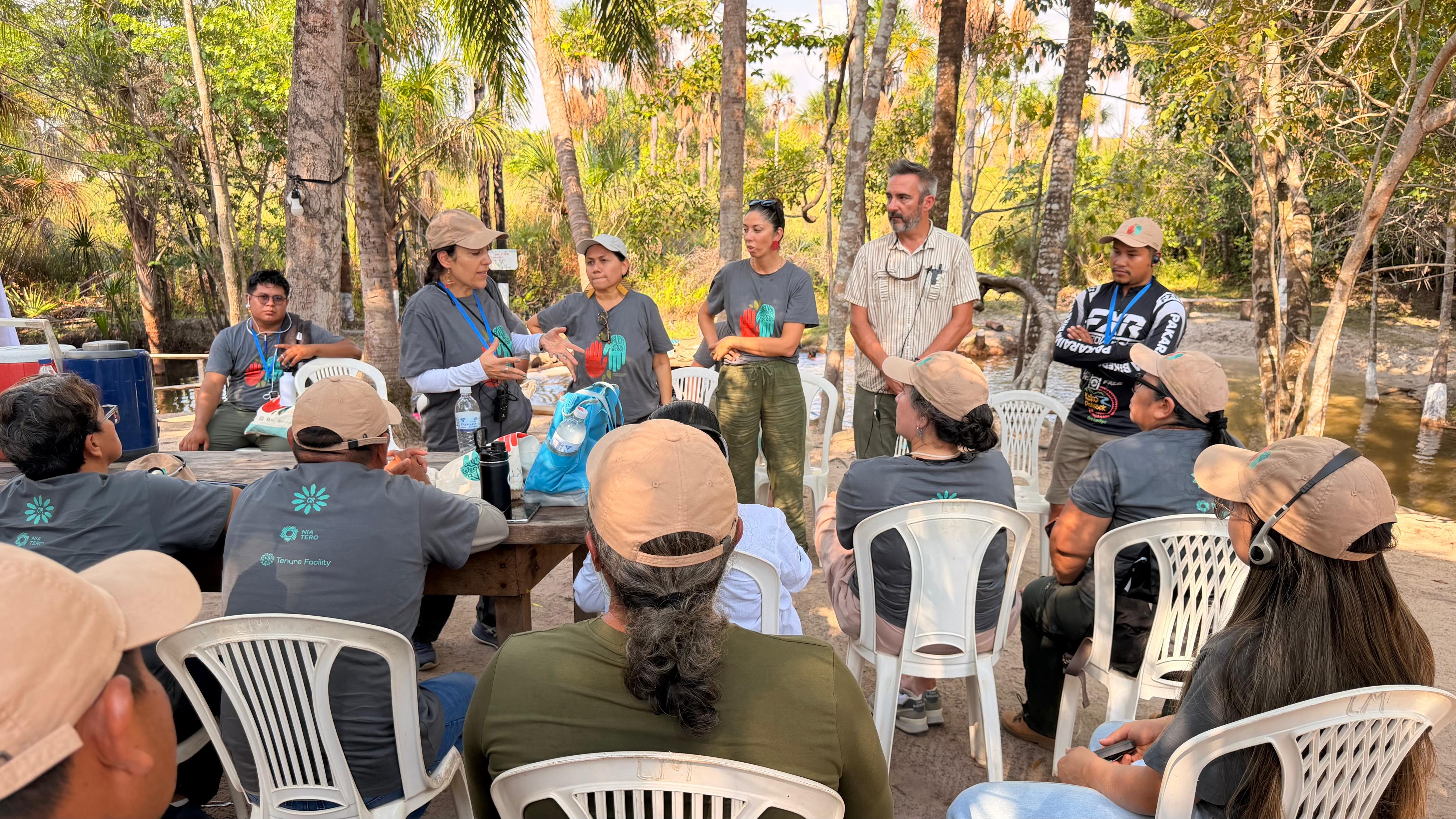
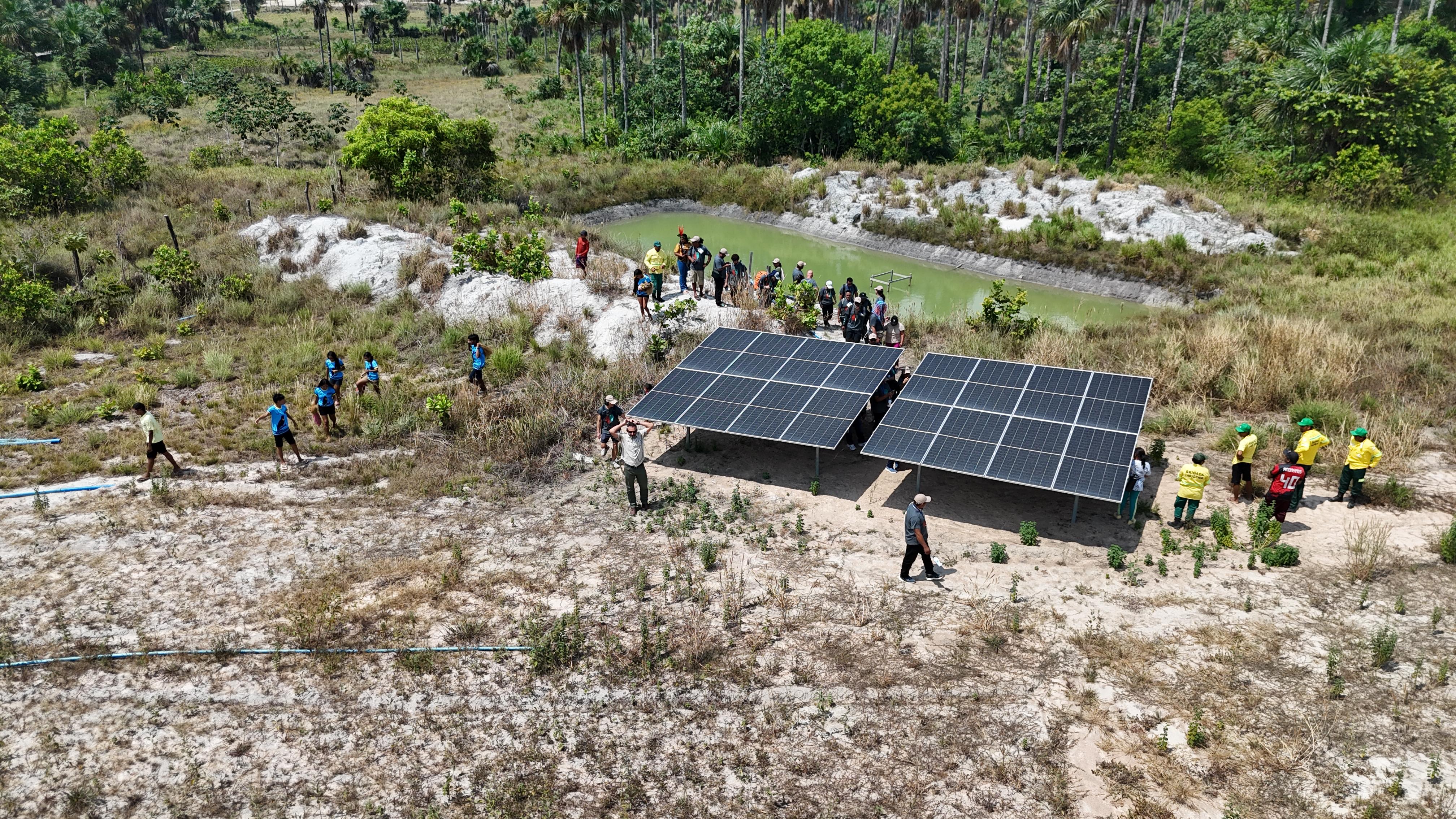
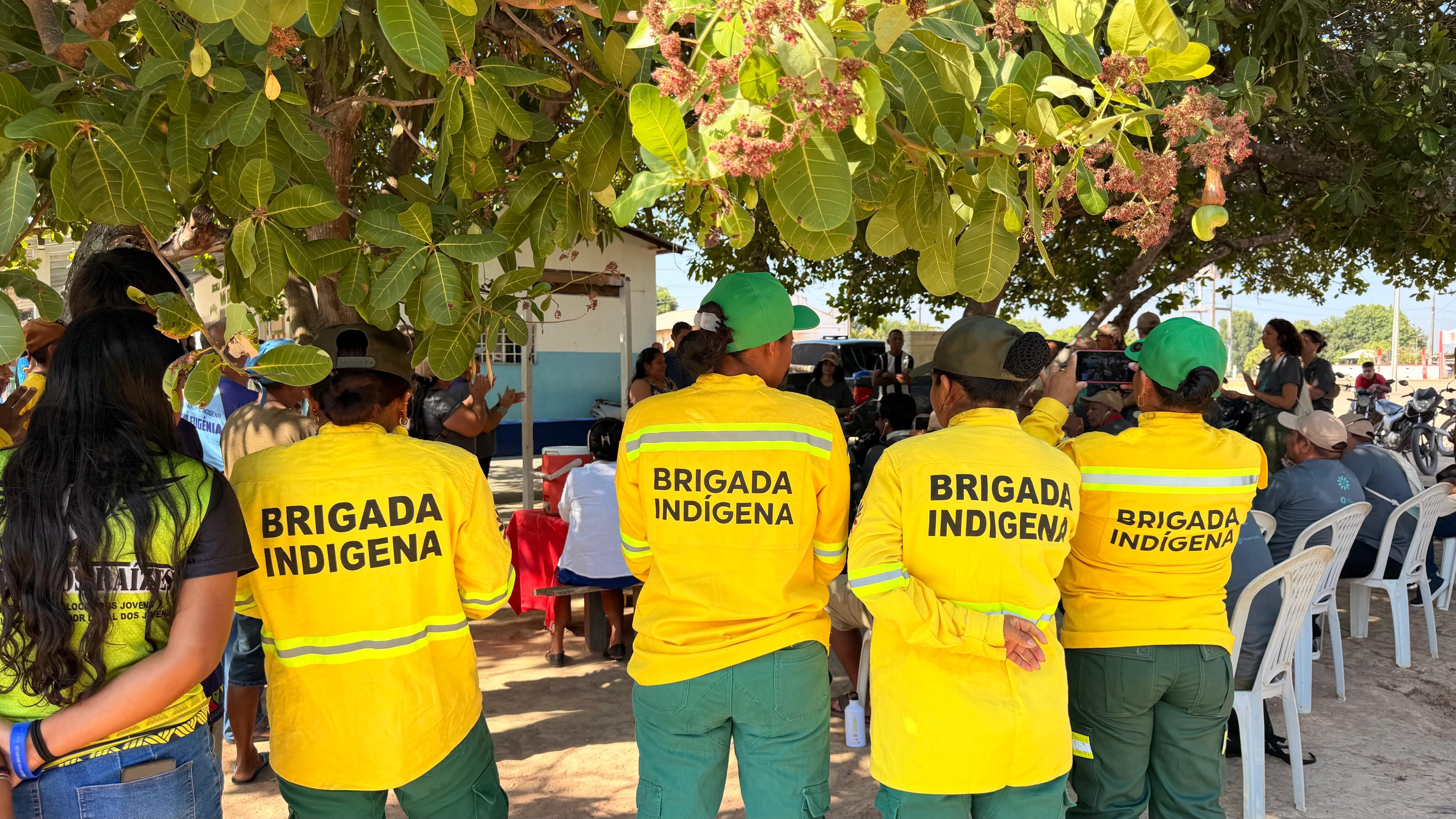
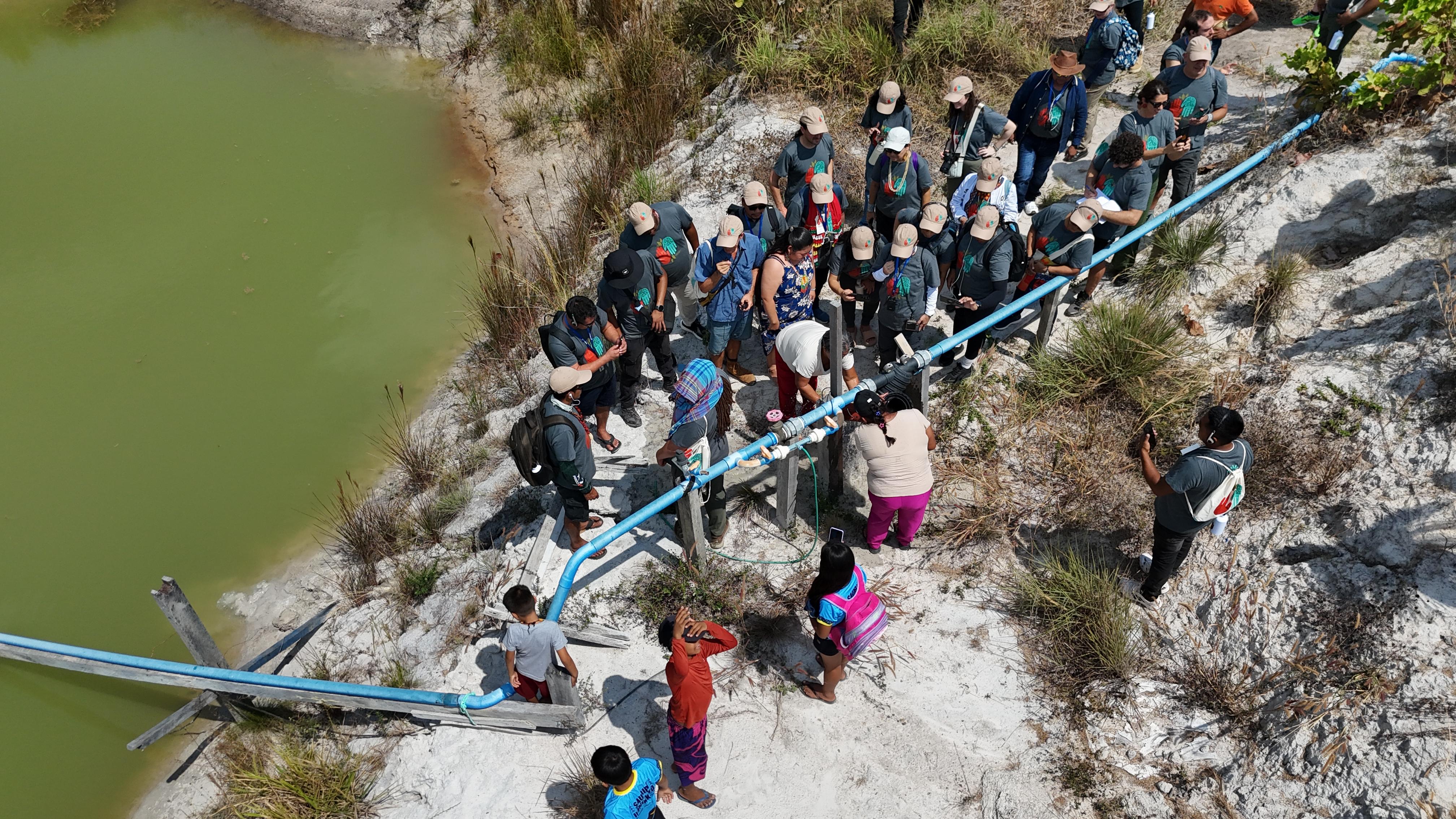
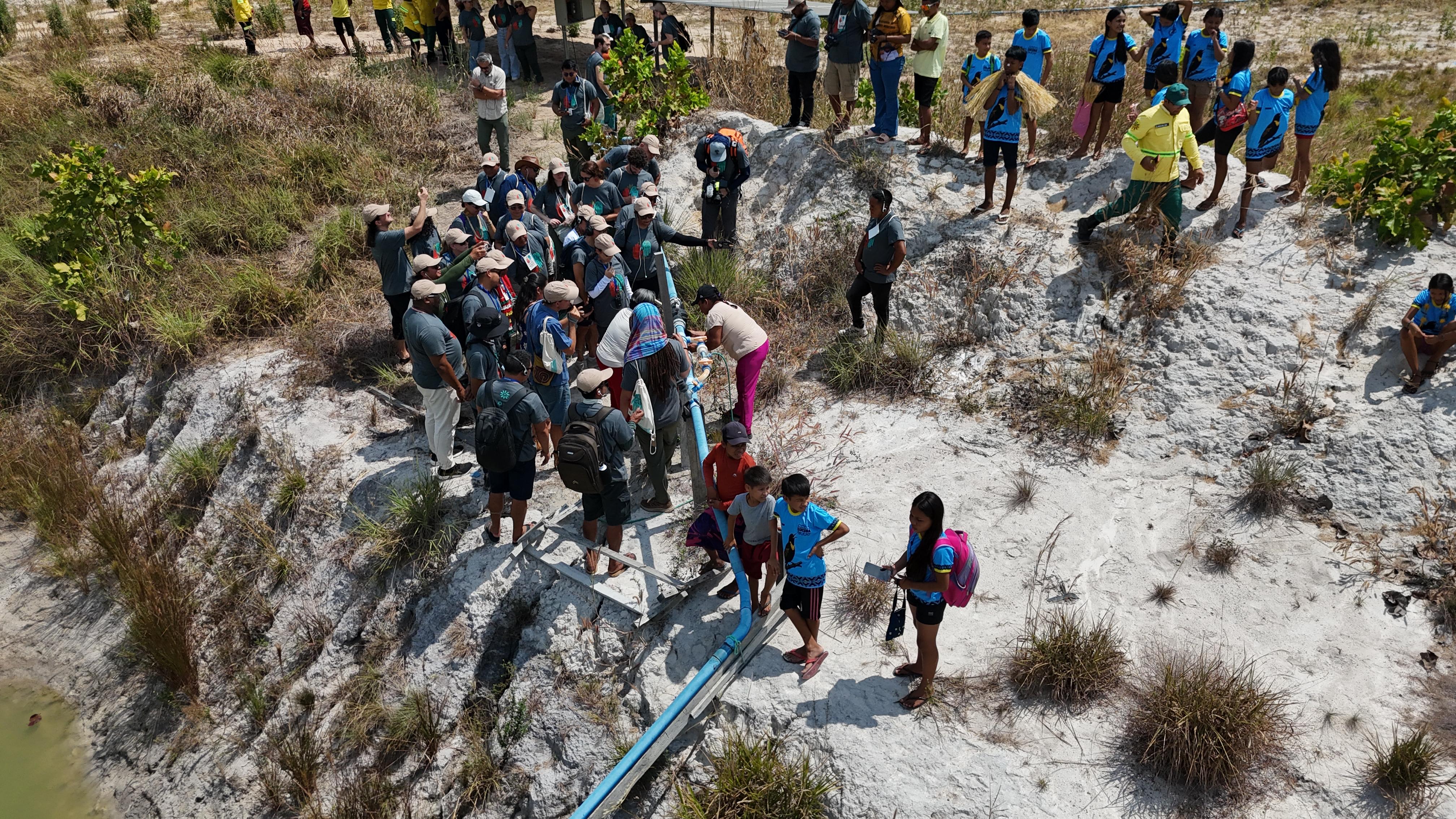
In the indigenous community Sucuba, in the Alto Cauamé region, the participants learned about initiatives developed from the Territorial and Environmental Management Plan (PGTA). Between The experiences presented were the irrigation system by means of panels and the work of the Pataxibas women's indigenous brigade, which brings together women in the prevention and fighting of forest fires.
Cameron Ellis, Director of Field Sciences of the Rainforest Foundation US, followed the activities and contributed to the dialogue on the experiences shared during the meeting.
"It's been a fantastic learning exchange. We, as an institution, work with the CIR for many years and we have been very impressed with the technical work that the CIR carries out, as well as with its leadership in such a large area of performance. Many of our partners, representatives of the district councils APA and Guyana, which are here today, also operate in very large territories and face similar threats. They shared these experiences, and I believe it is very helpful for Guyanese organizations to be here to see how the CIR is organized, concentrated and, mainly, how the leaders are organize in a wide territory and with several challenges", he highlighted Cameron.
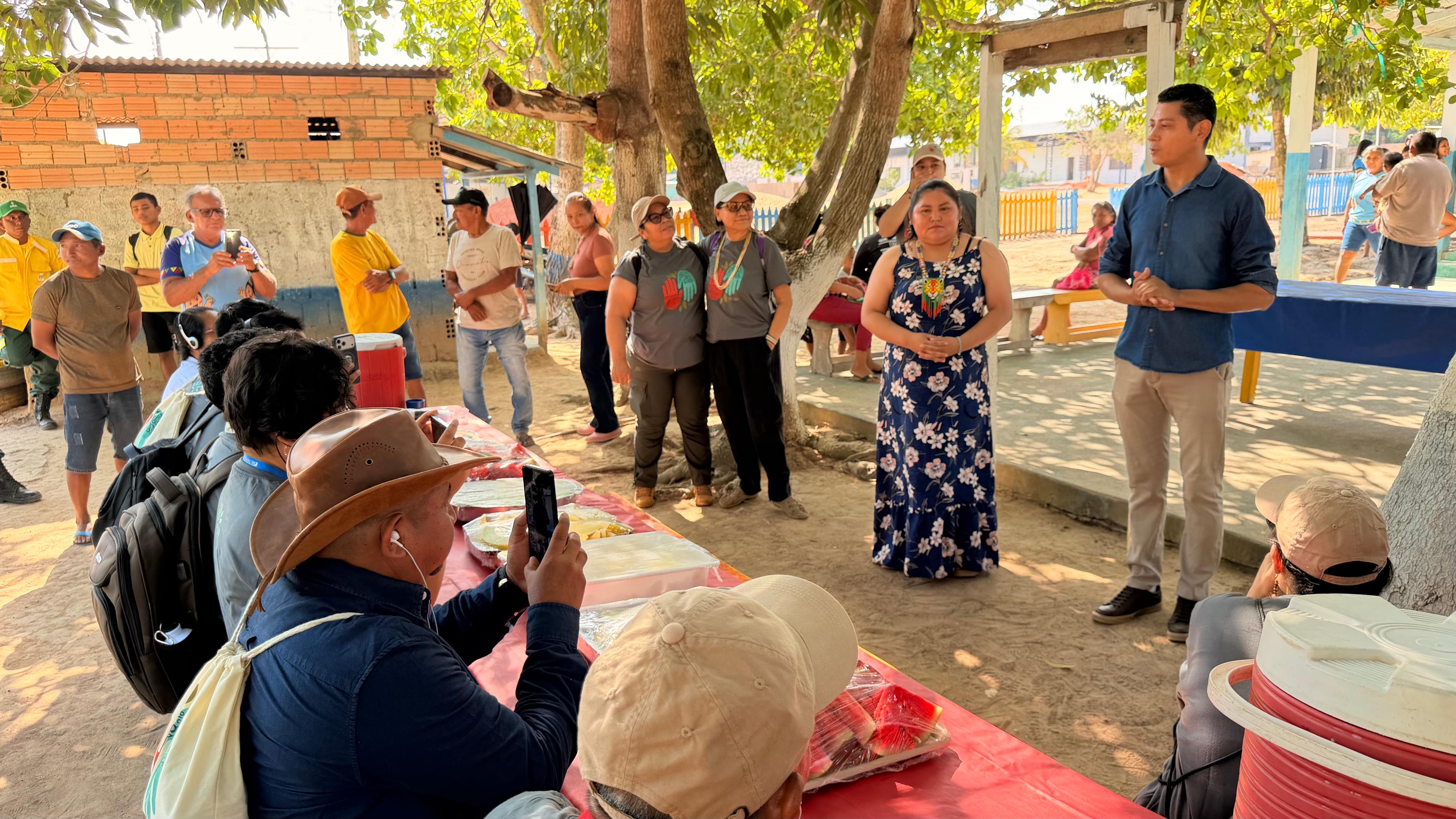
The visit allowed me to the delegations to get to know the initiatives developed by the community up close and to dialogue with leaders and residents about the challenges, the results and the knowledge involved in the implementation of the projects.
The next day, the The program continued in the Serra da Moça indigenous community, where the participants had the opportunity to learn about other organizational experiences community and territorial protection. The visit expanded the dialogue on the different strategies developed by the indigenous peoples of Roraima and enabled new exchanges between the leaders and the international delegations.
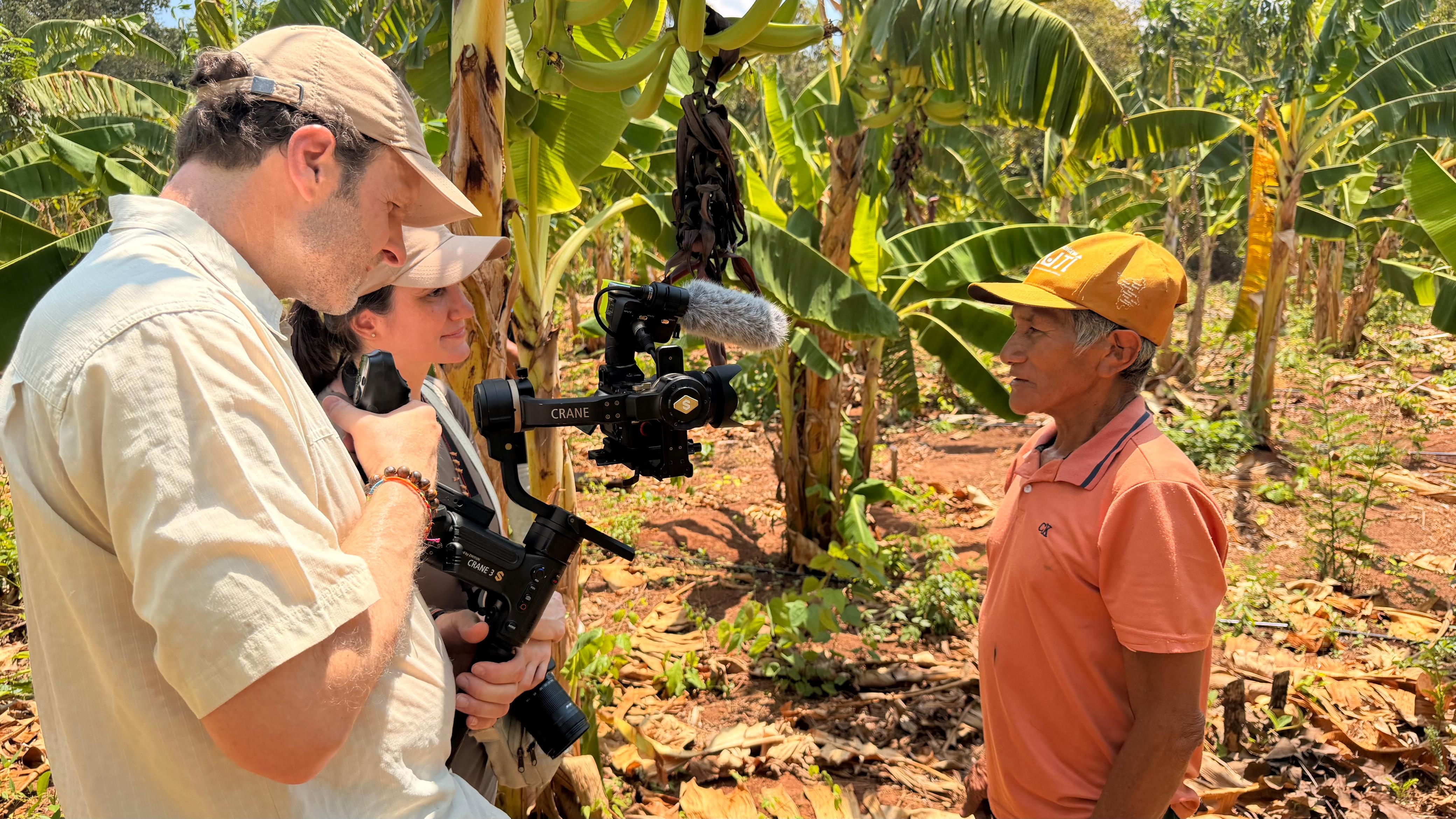
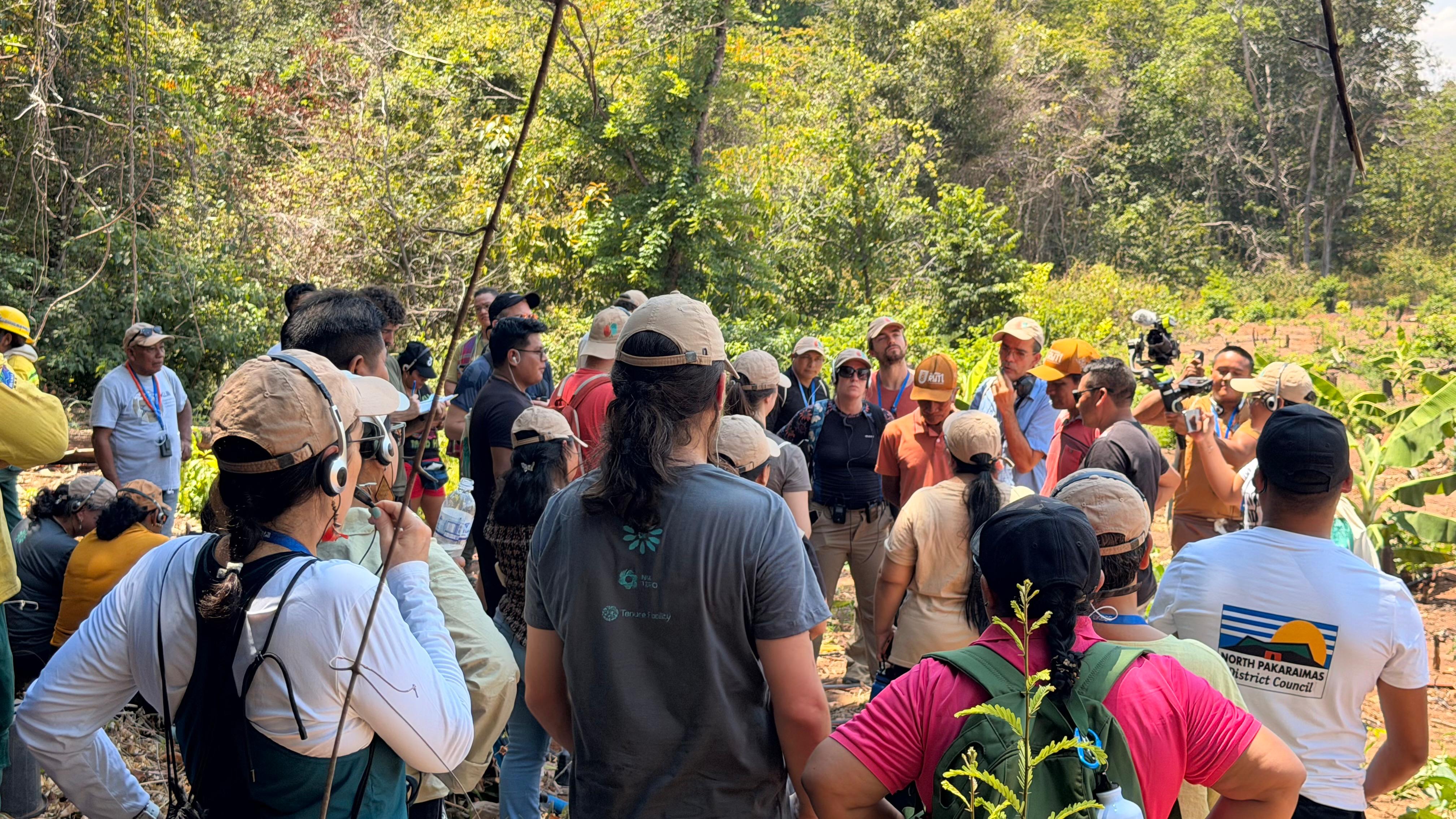
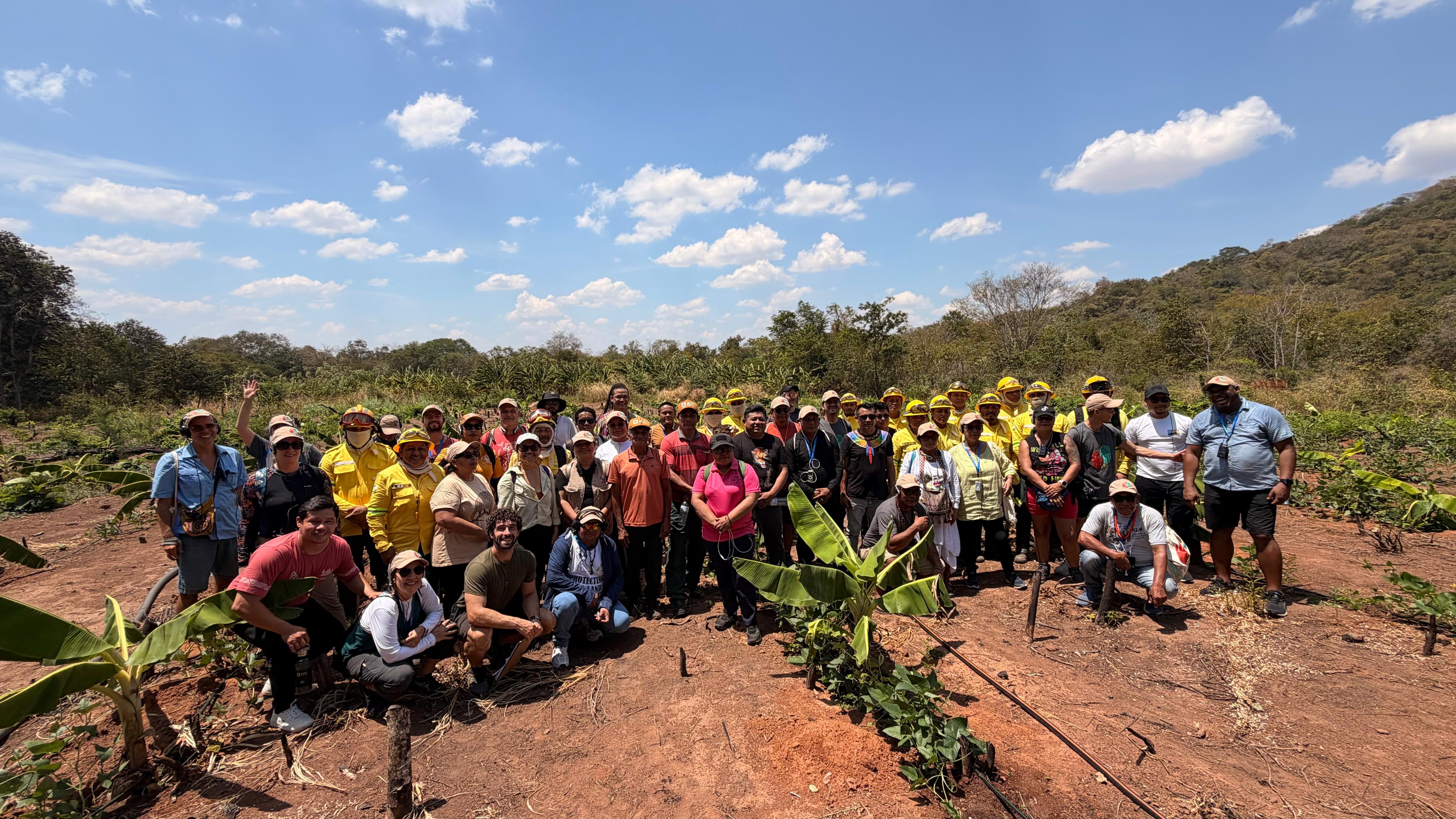
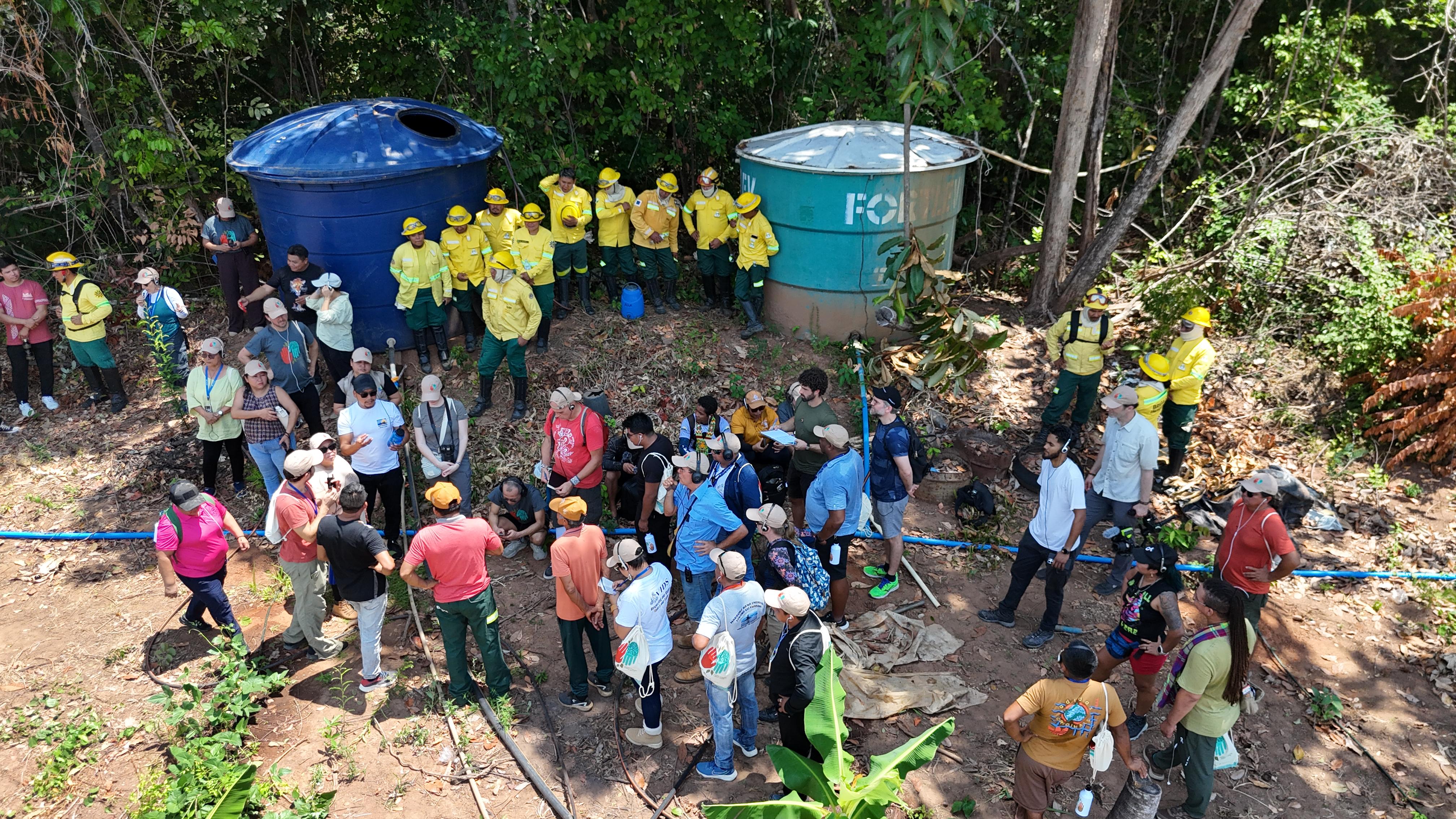
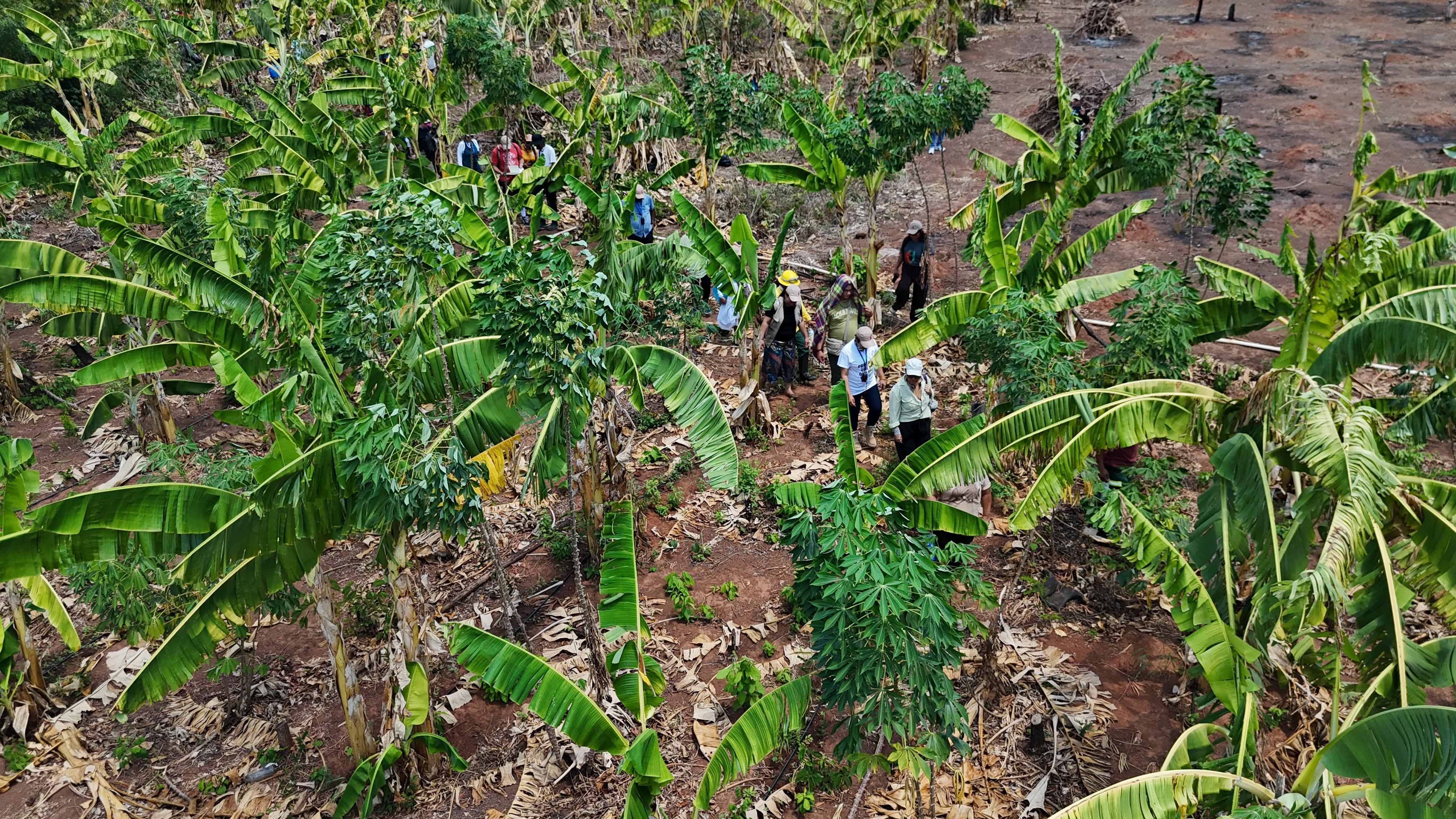
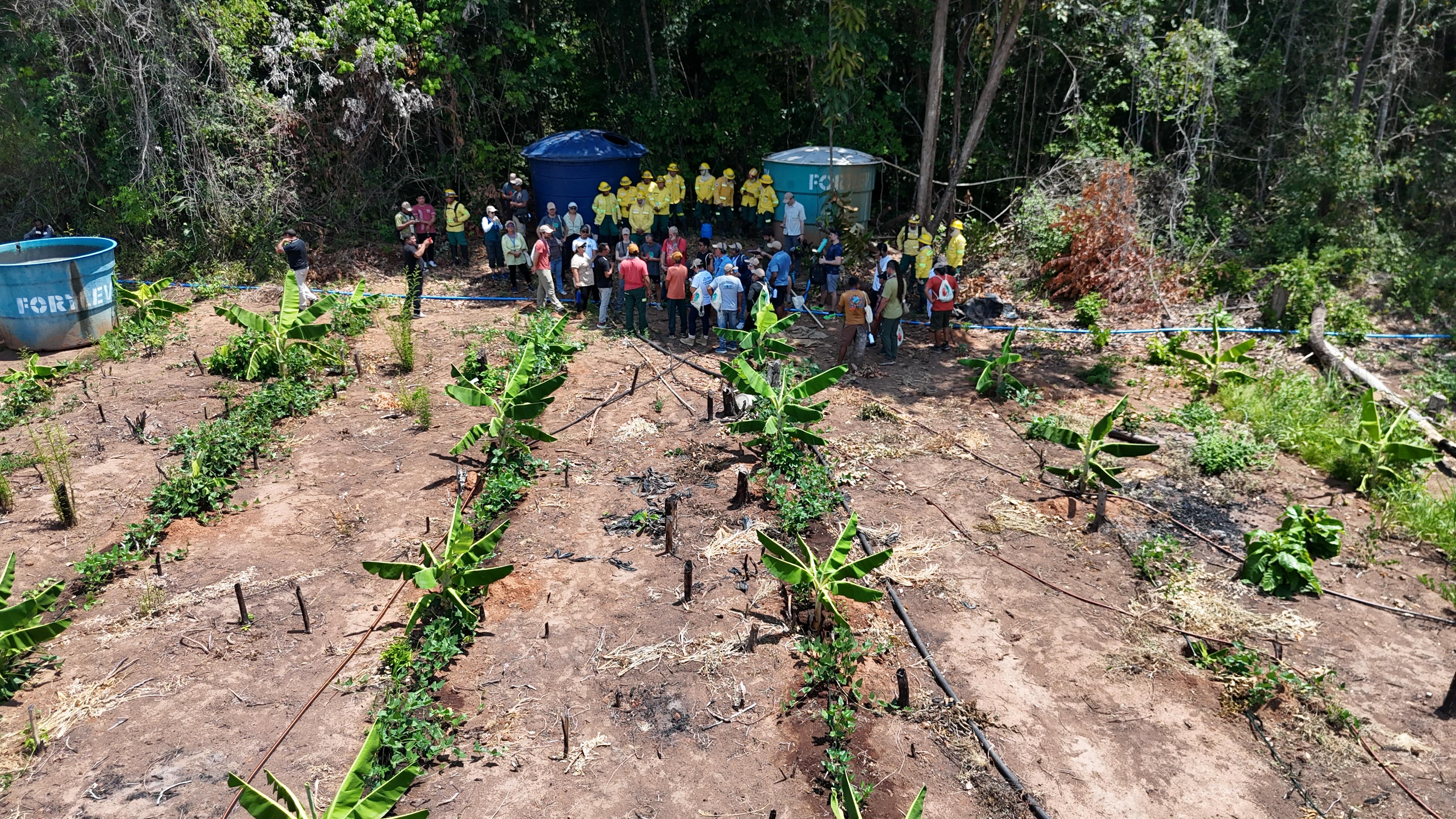
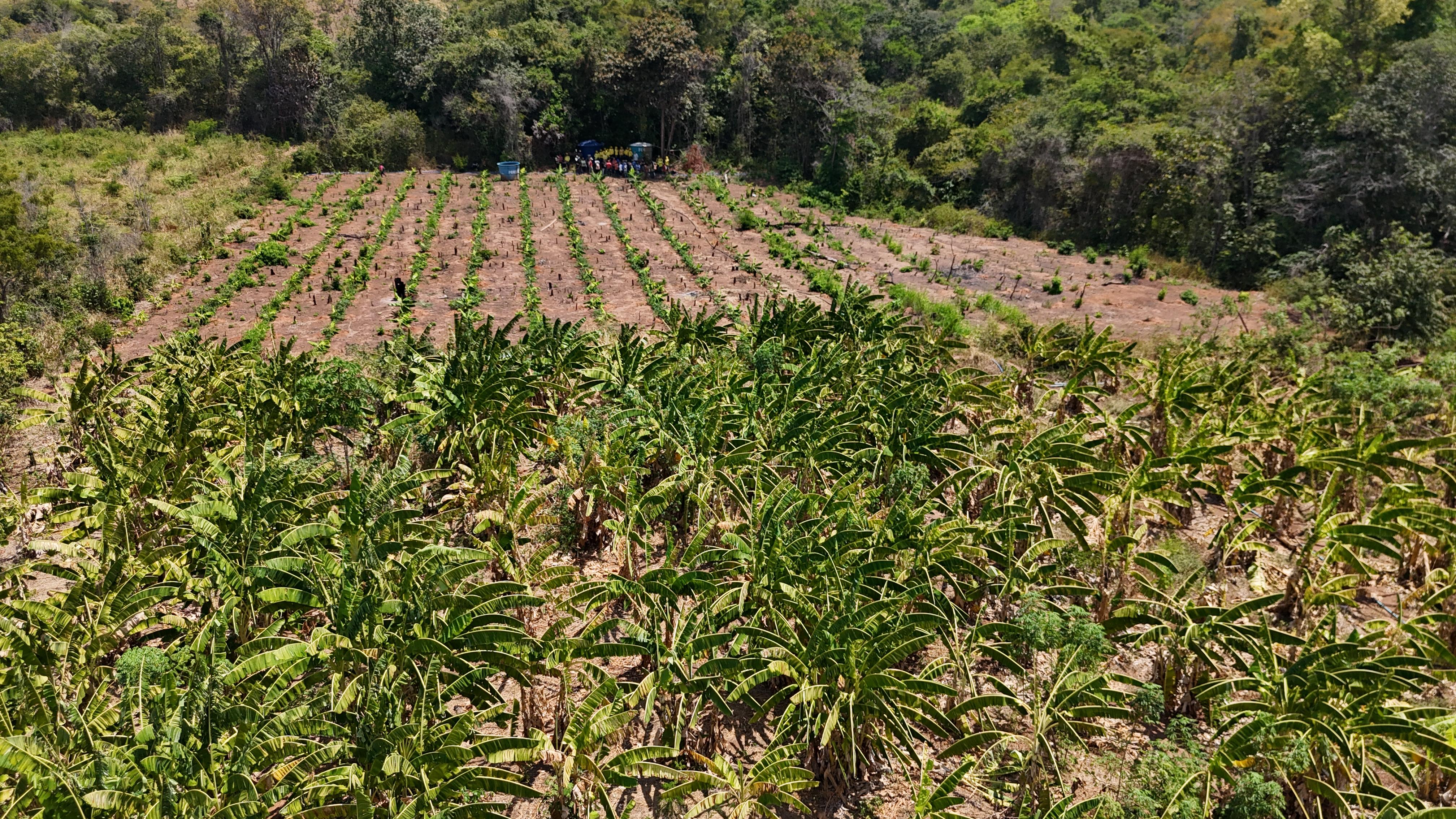
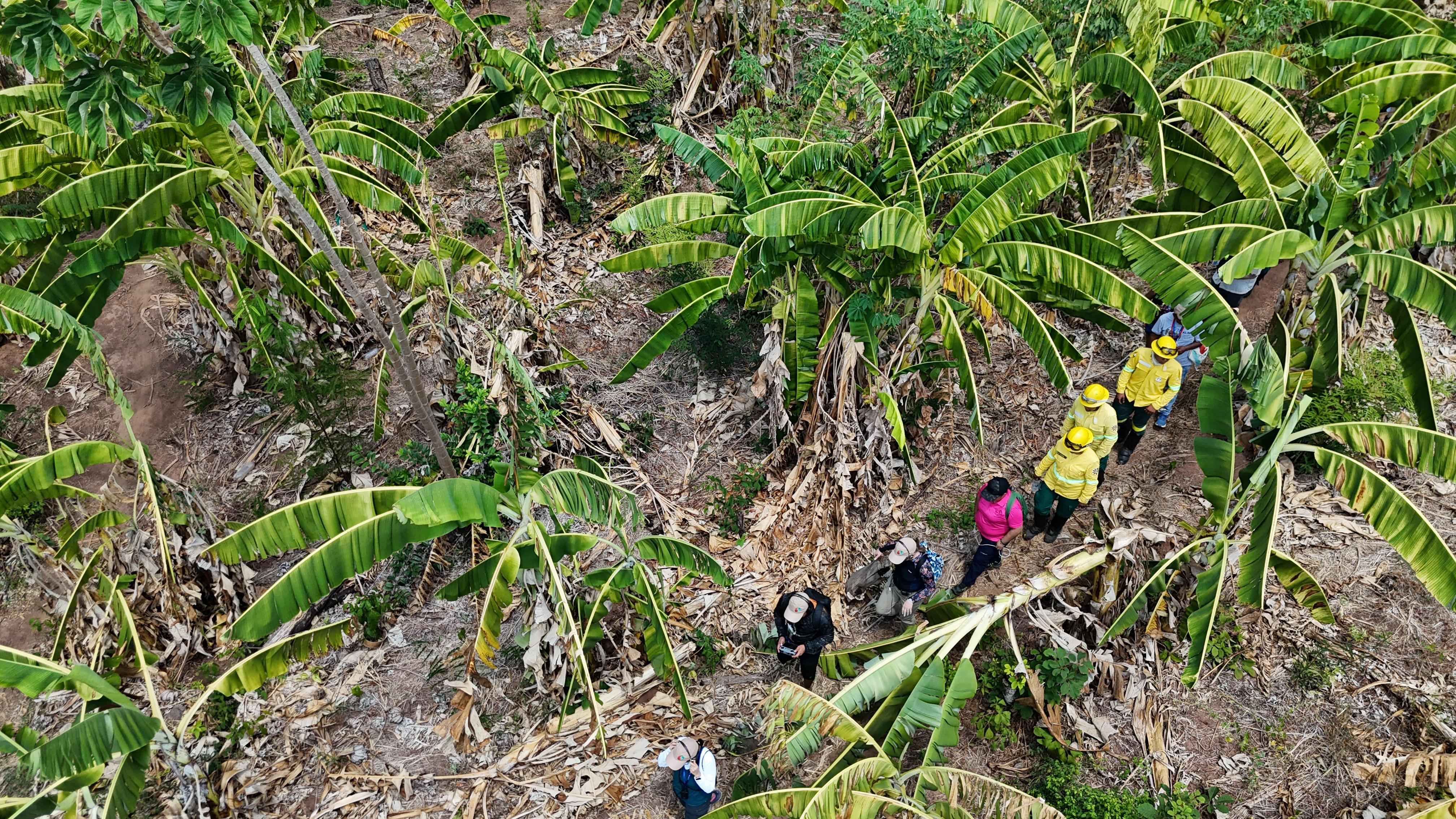
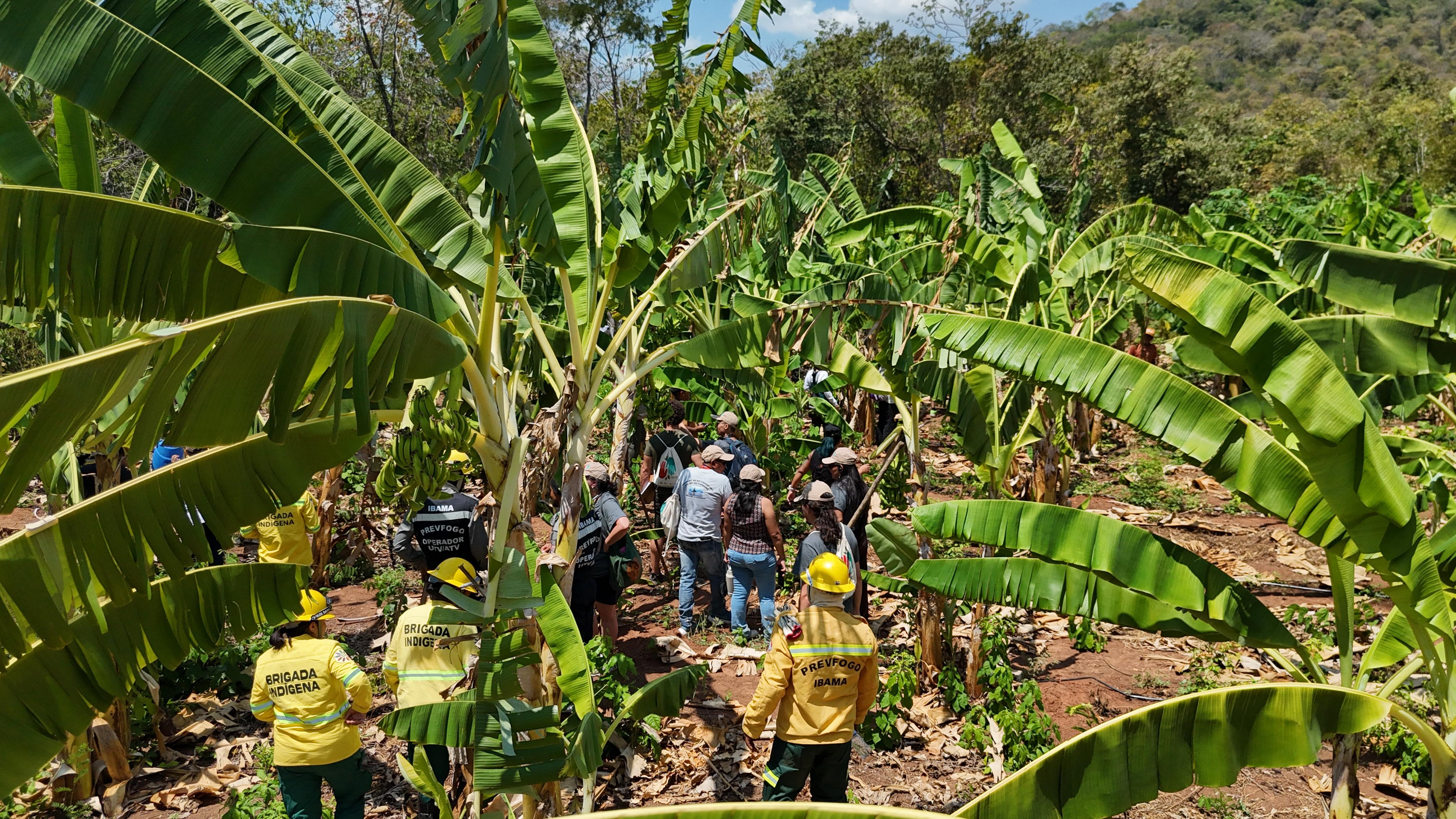
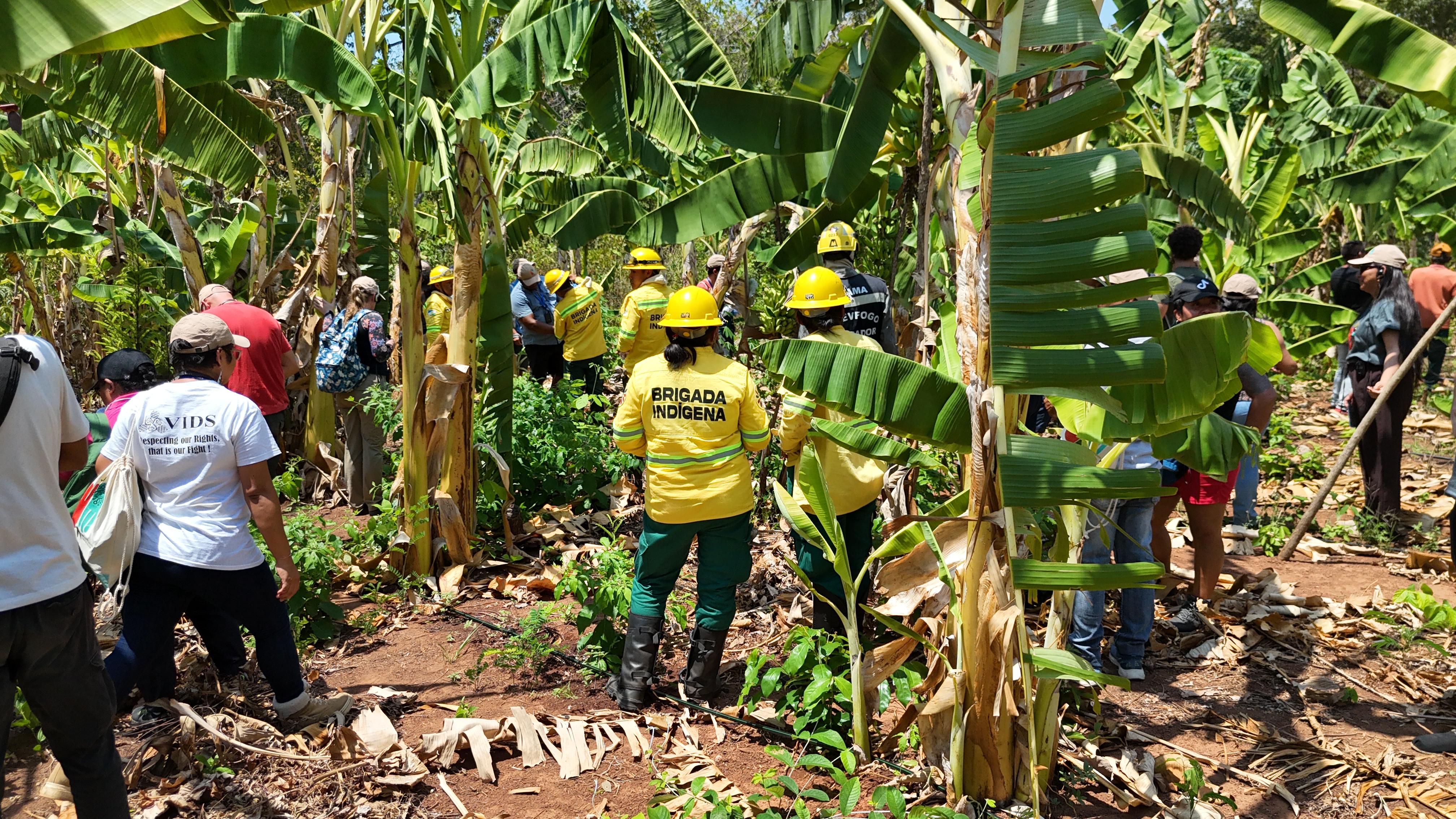
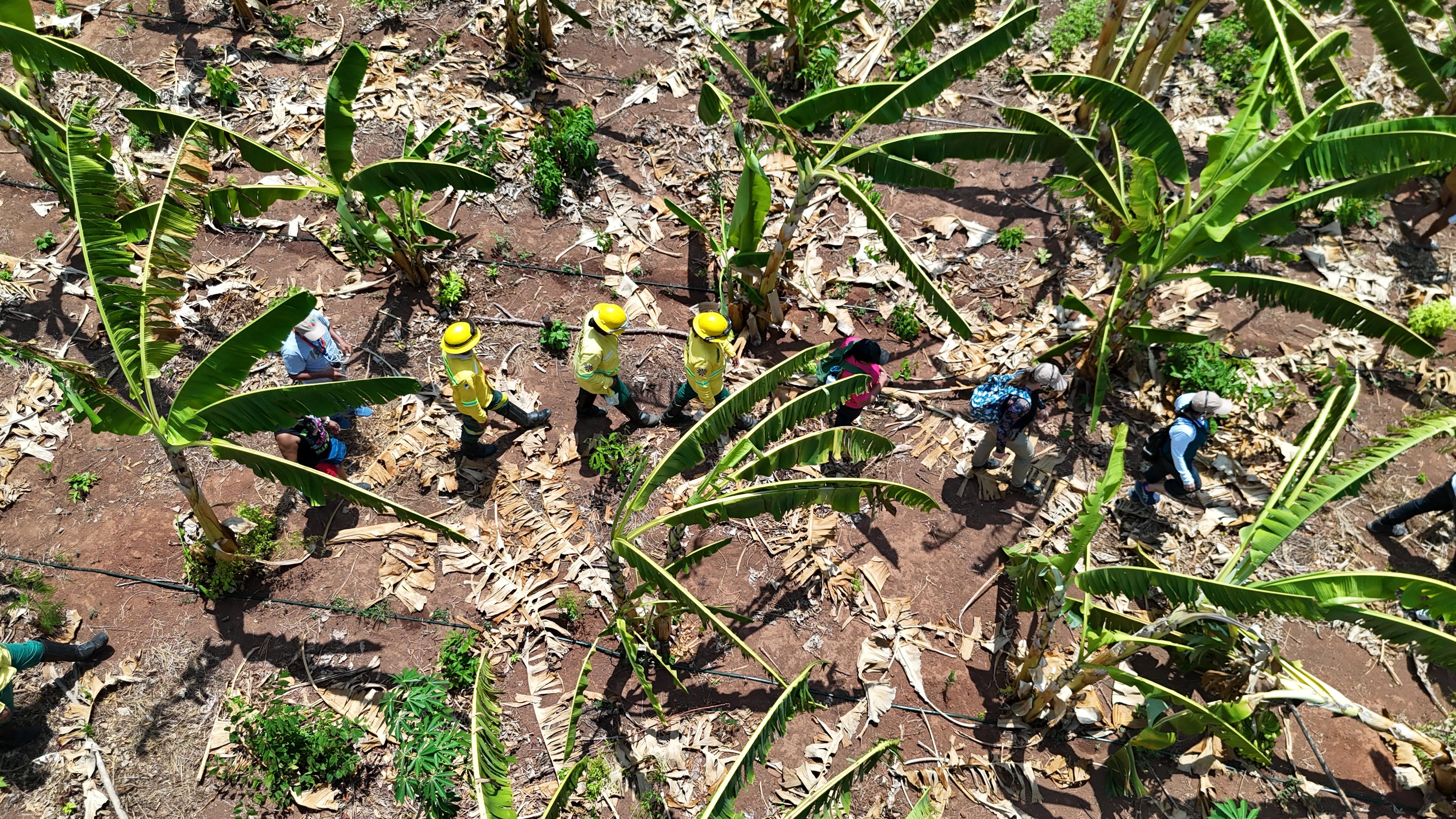
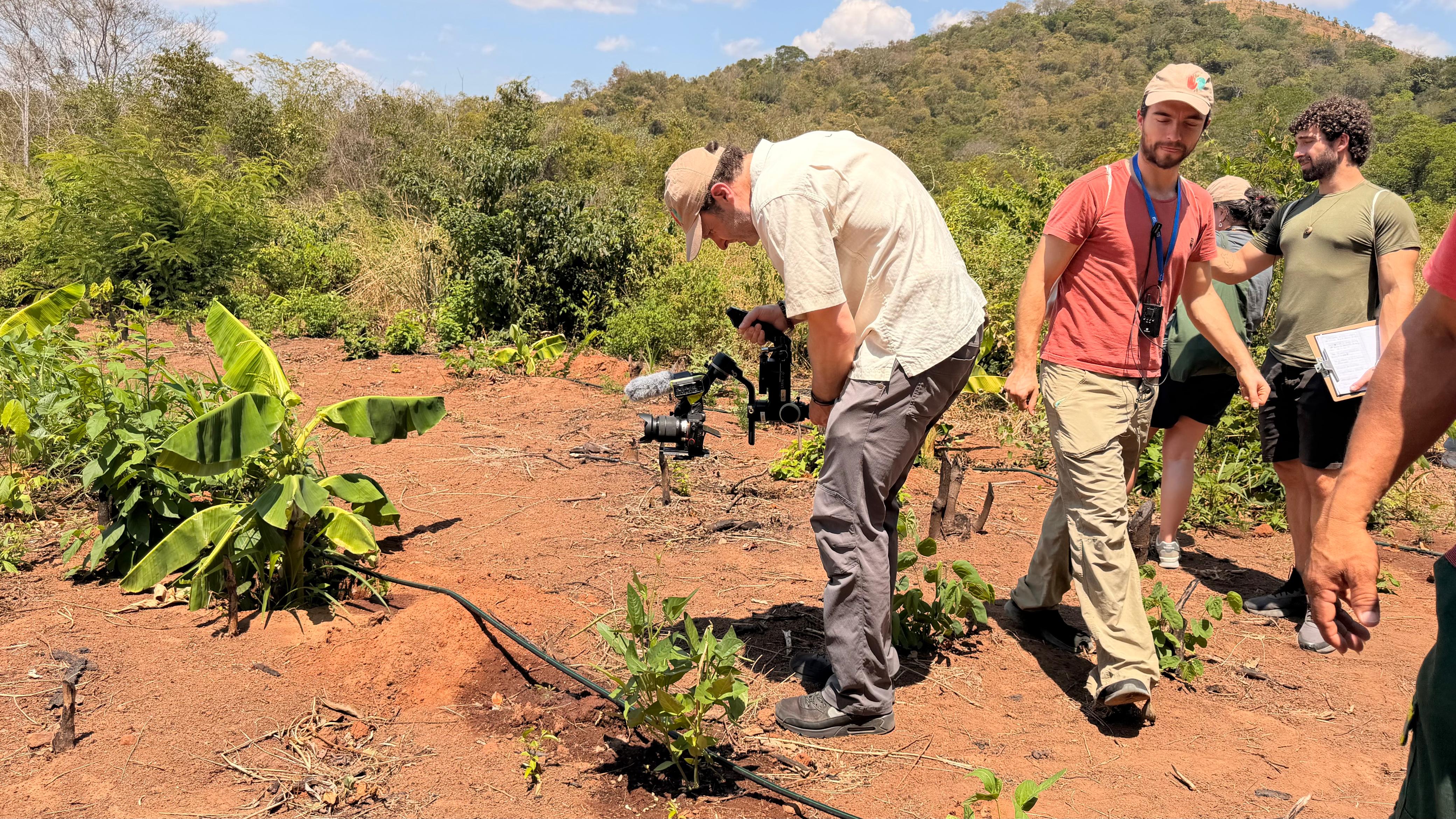
On site, the participants got to know the family project "Green Oasis", supported by the Fund Rutî Indian. In the countryside, they learned about the cultivation of bananas and the way of working led by the traditional leadership Manoelito Wapichana.
"Here, I work along with my kids. We have this irrigation system for the summer period, which was supported by the Rutî Fund. I plant beans, cassava, bananas and others things. I'm glad you came to see my work", said Manoelito.
"Our vision of future is to see indigenous communities with strengthened autonomy, with the initiatives and production at full speed. Here, the support is for banana farming, But there are other regions that work with poultry farming, fish farming, handicrafts, sustainable livestock and other initiatives", highlighted the General Tuxaua of the CIR, Amarildo Macuxi.
The participants of the exchange also clarified doubts about the production of bananas, such as the soil suitability, the payback time and the operation of the project.
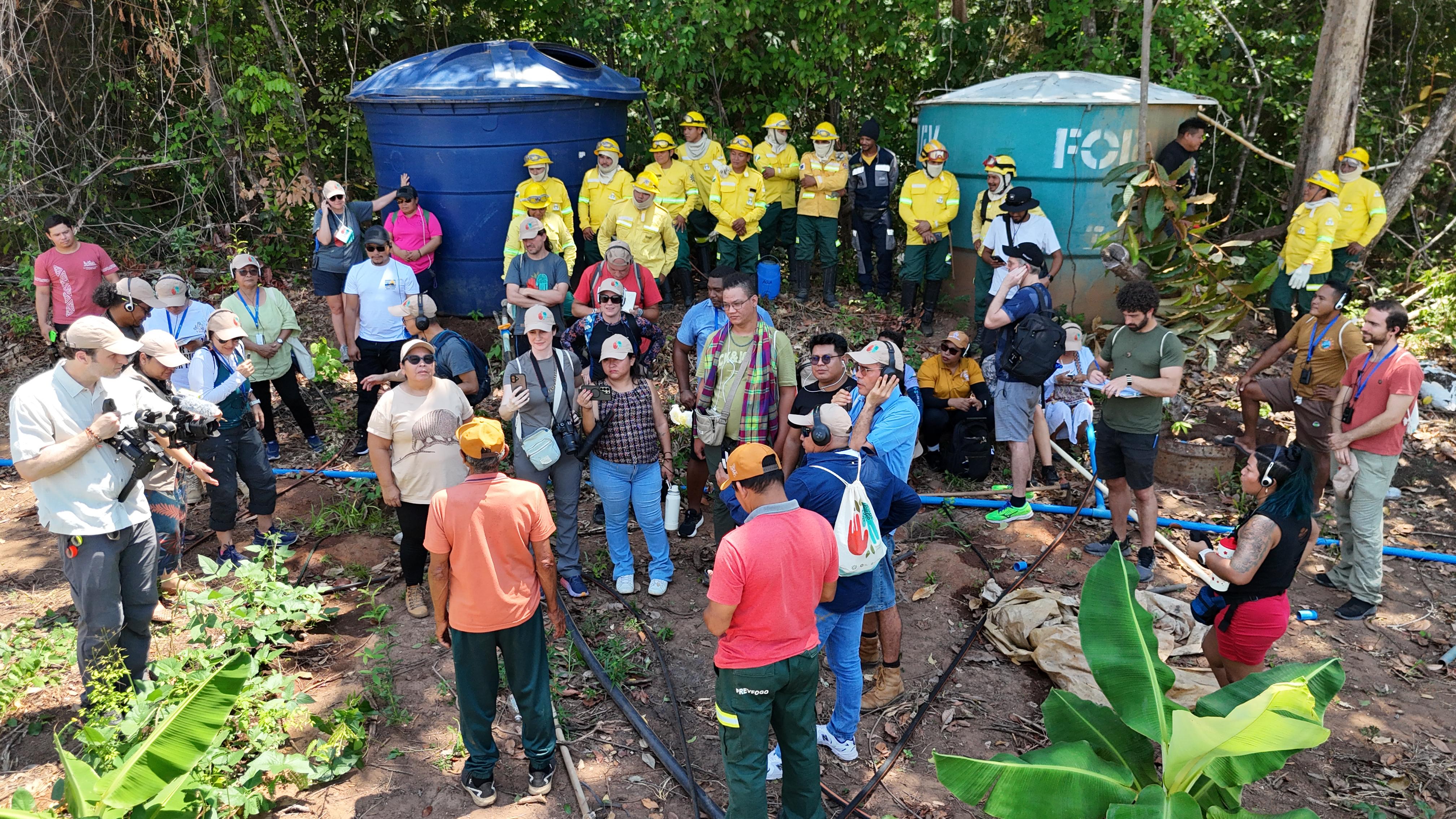
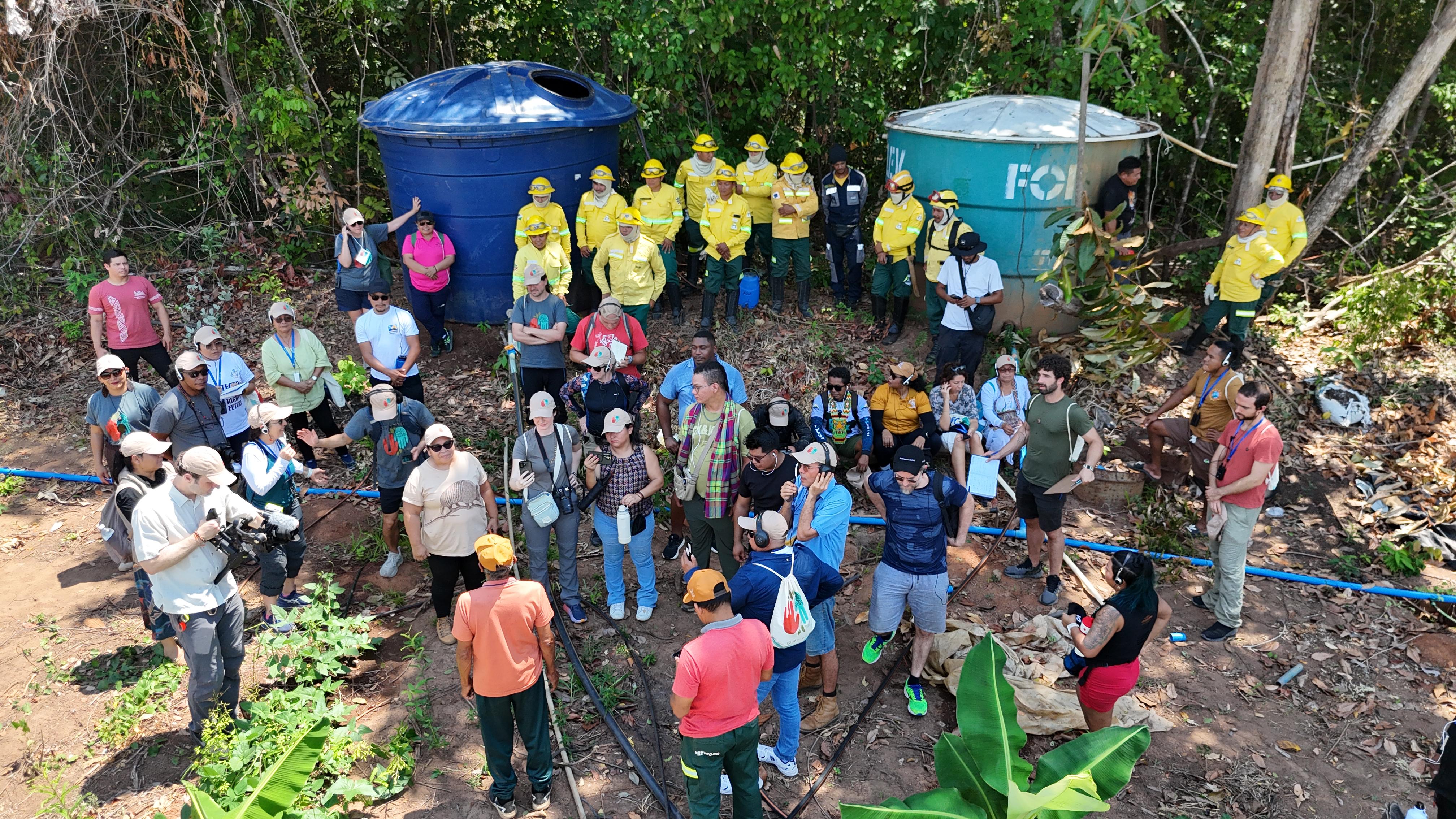
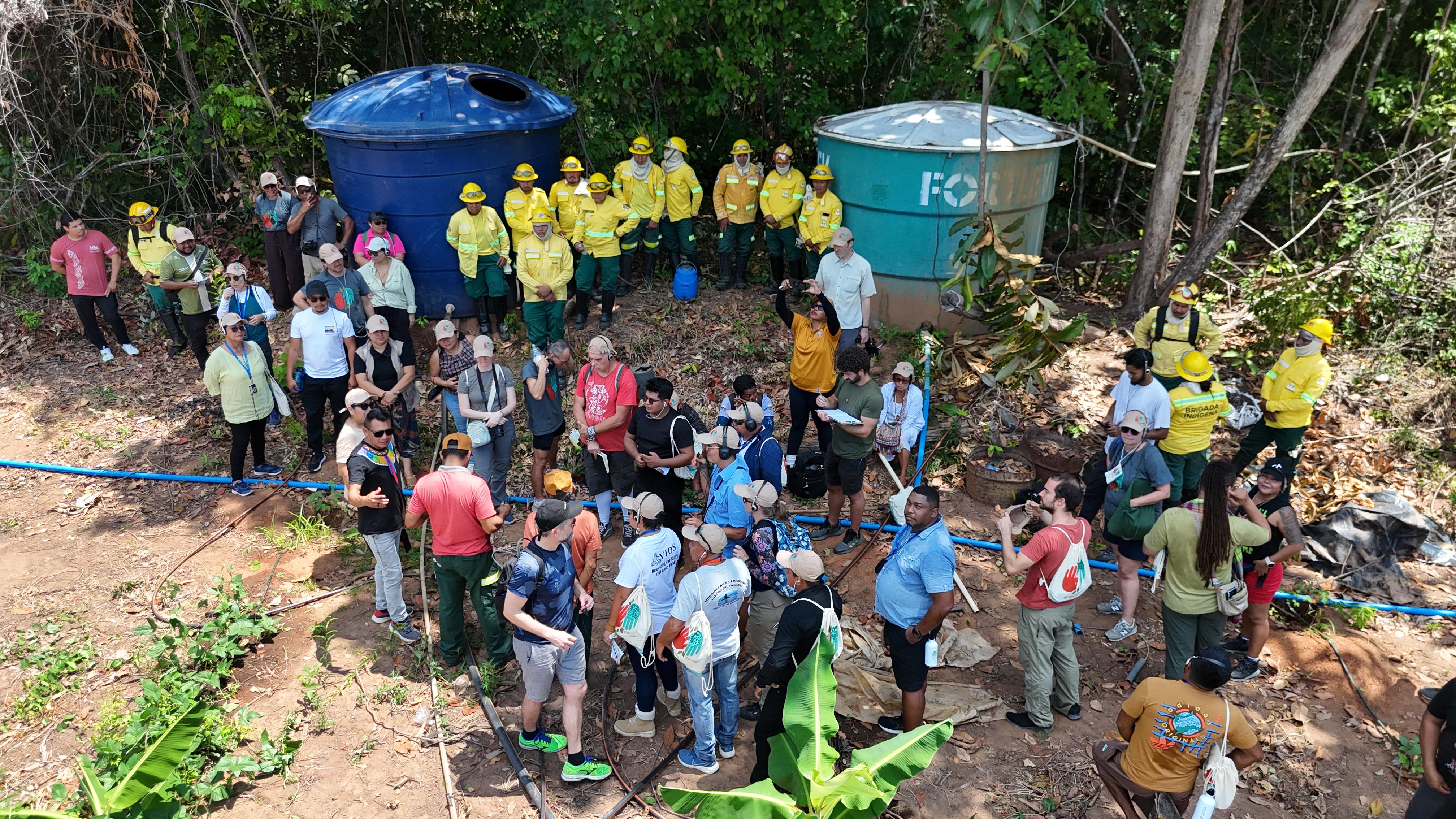
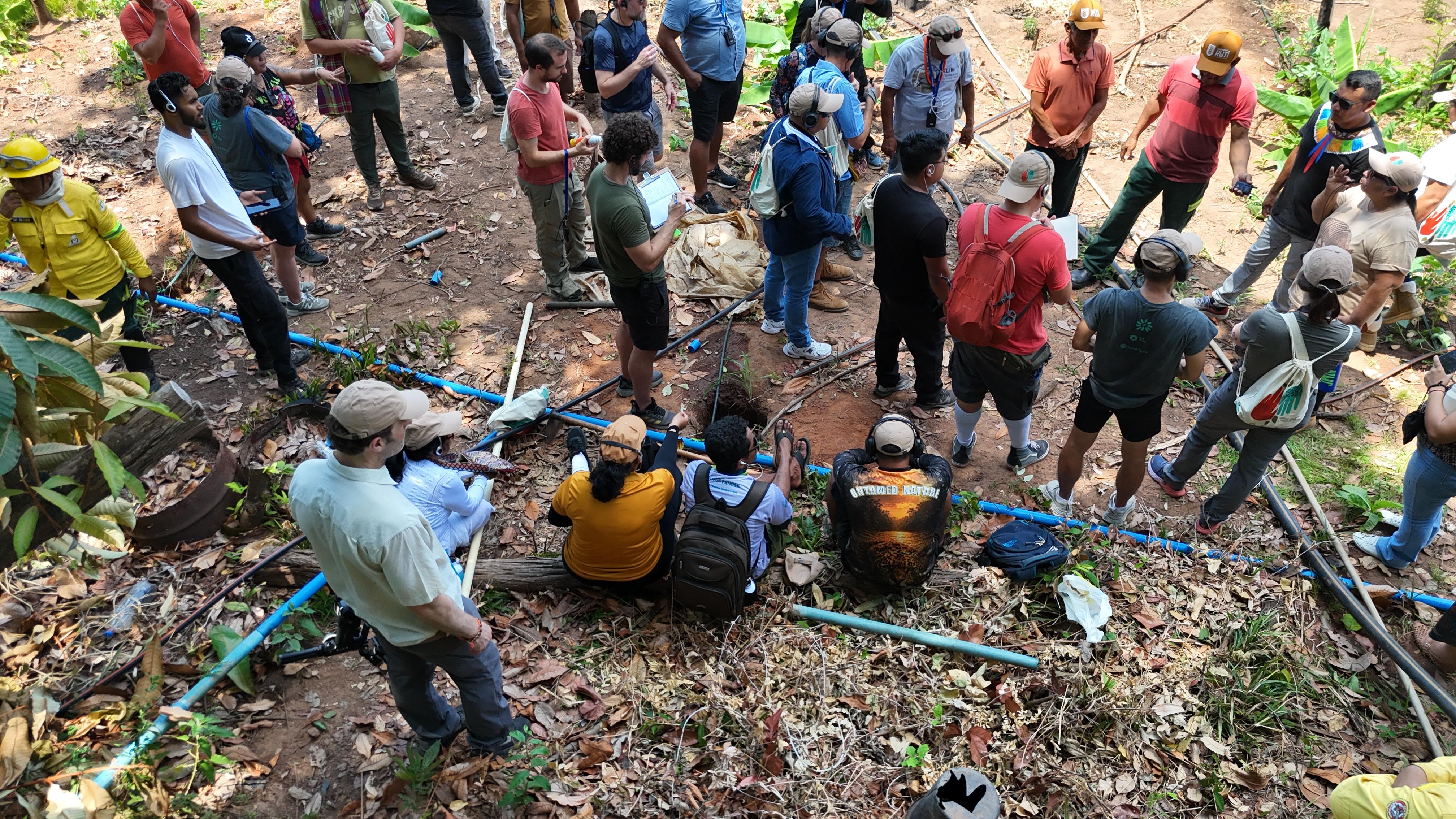
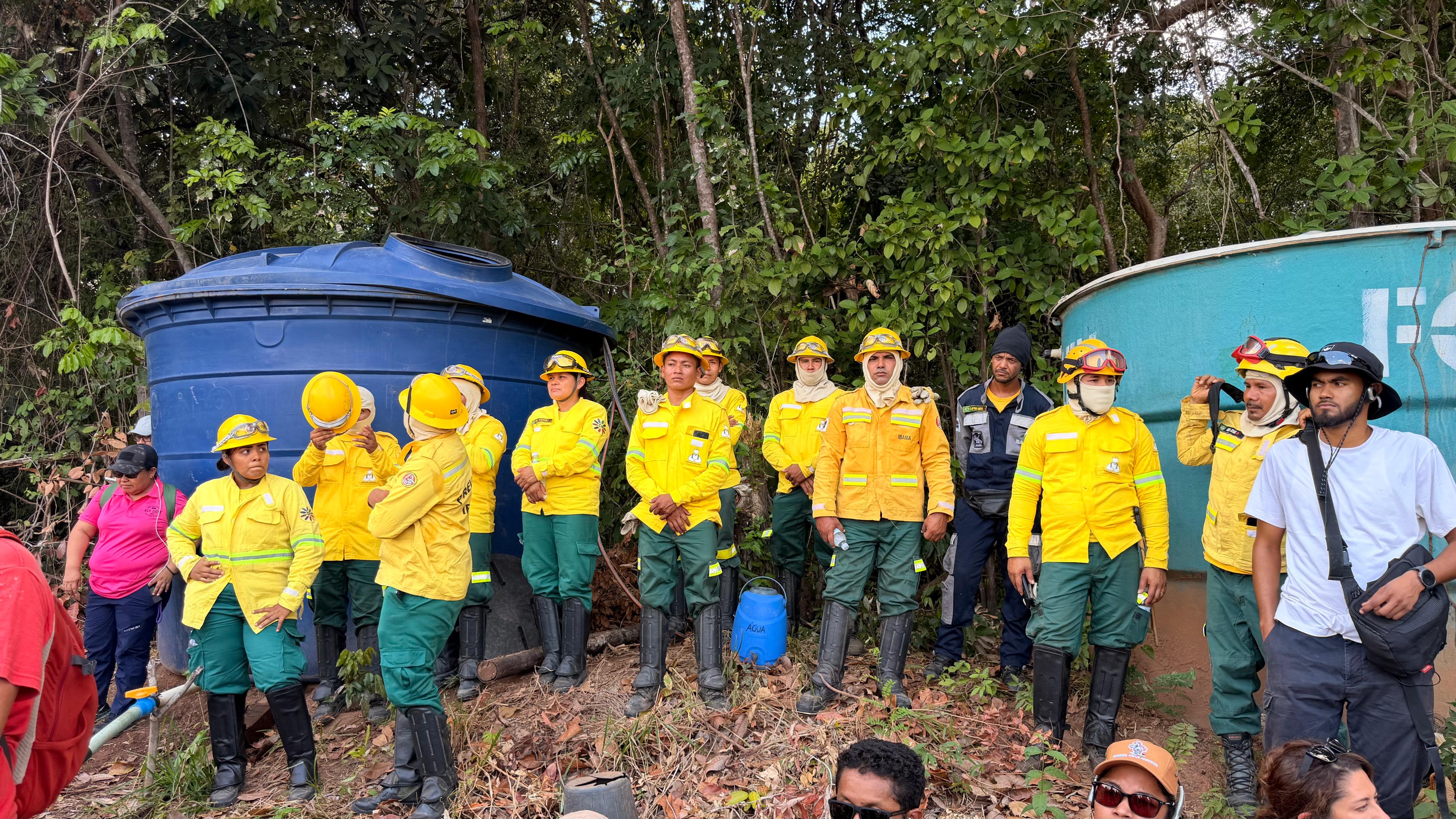
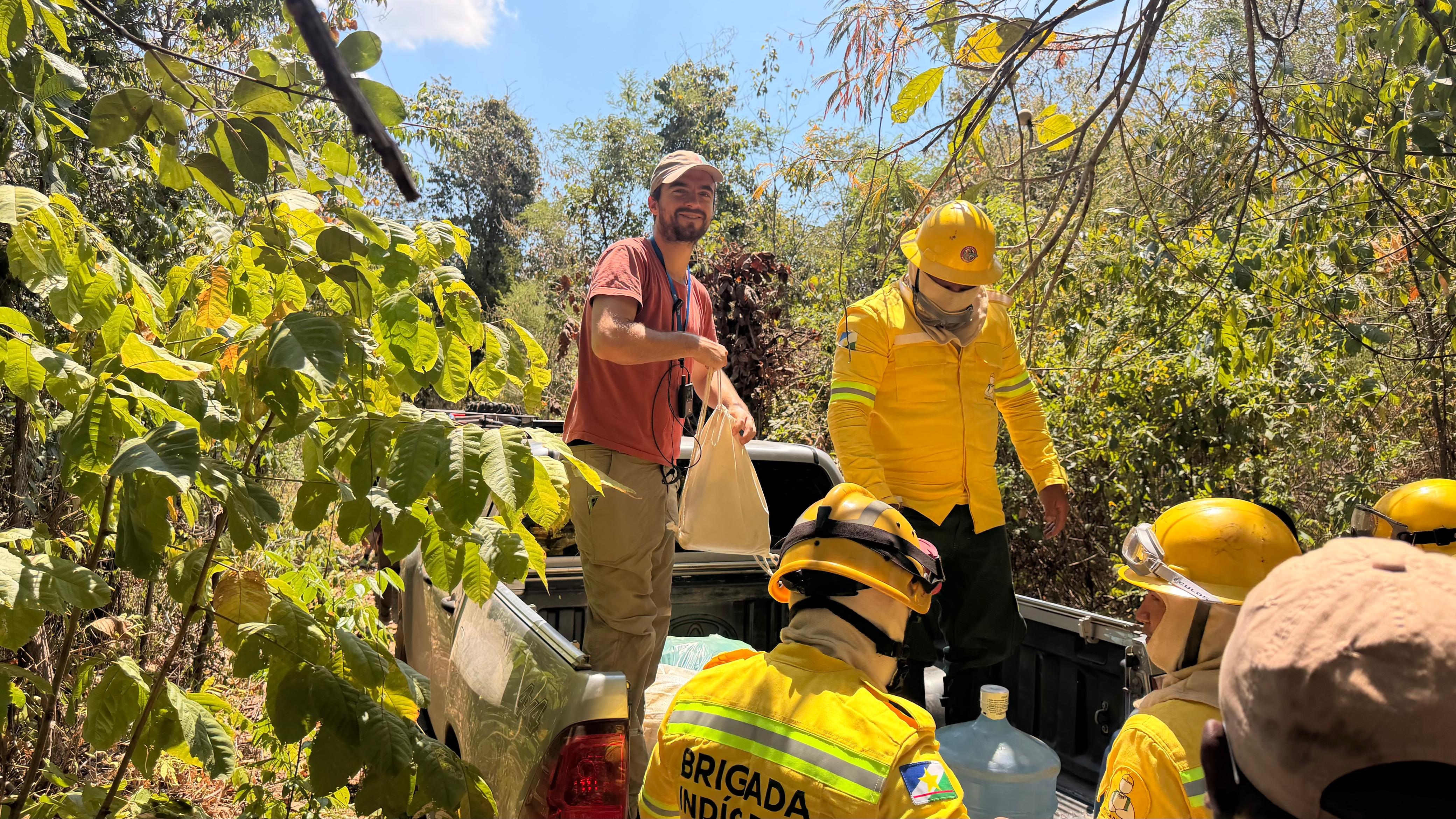
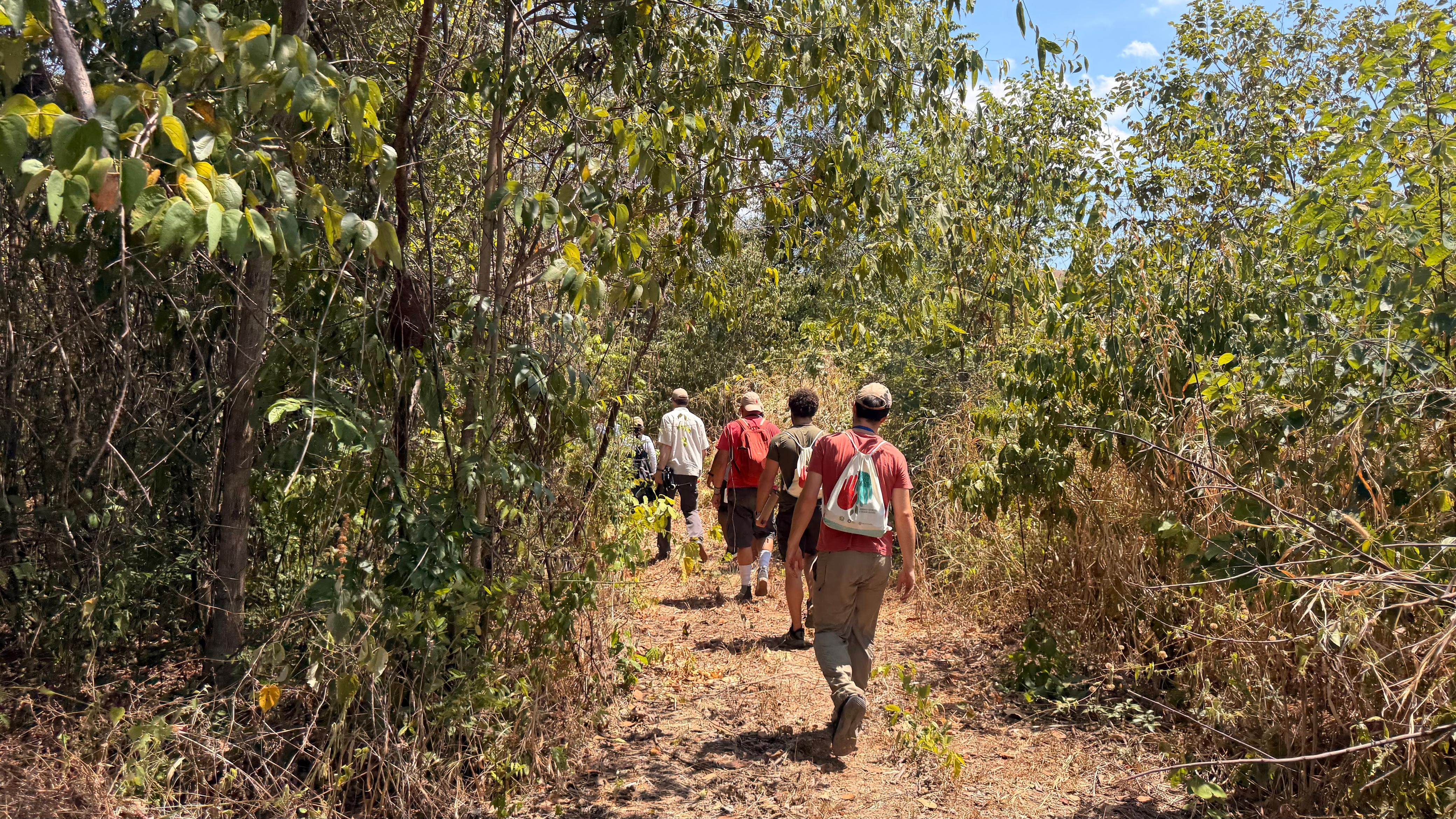
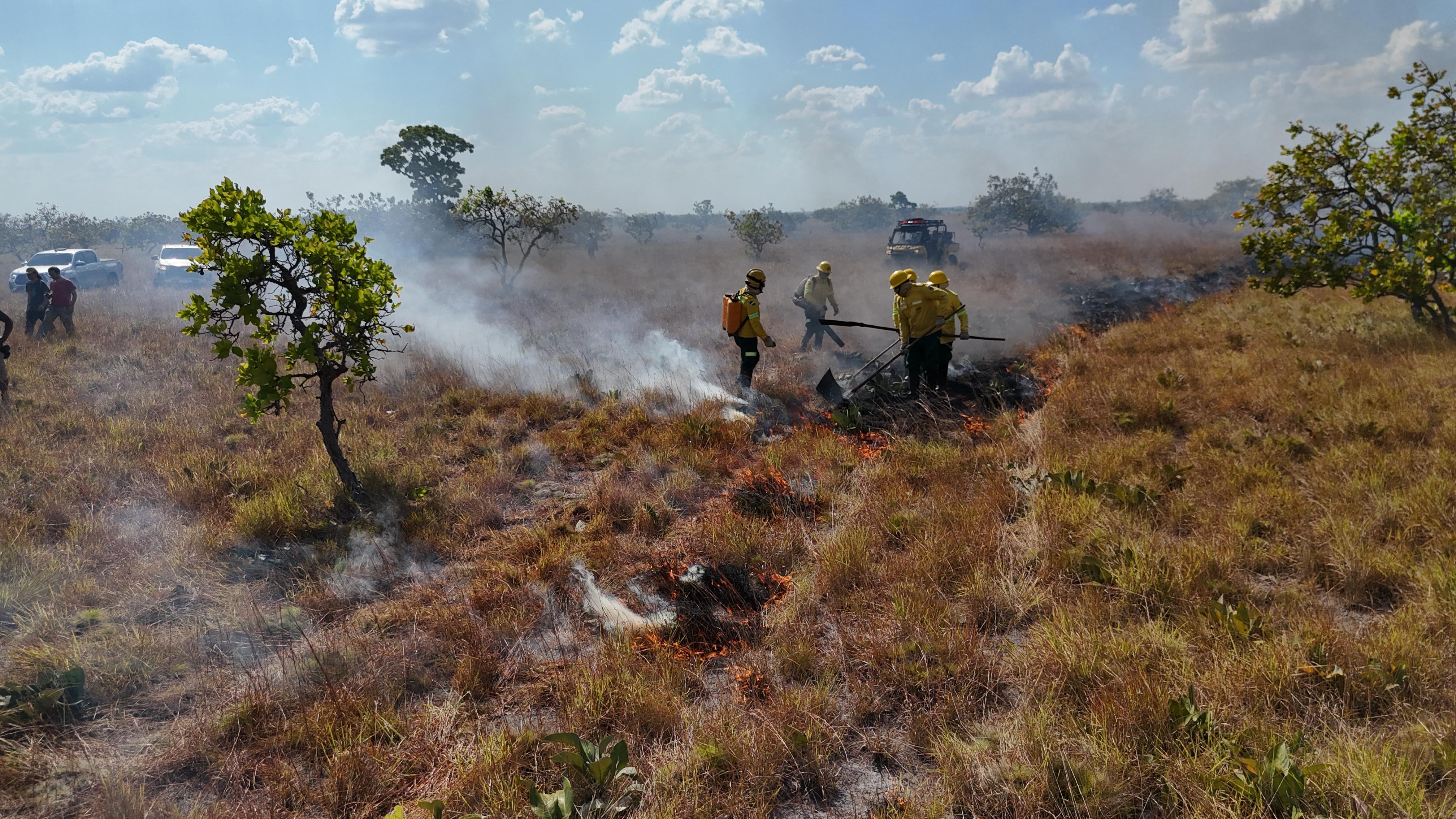
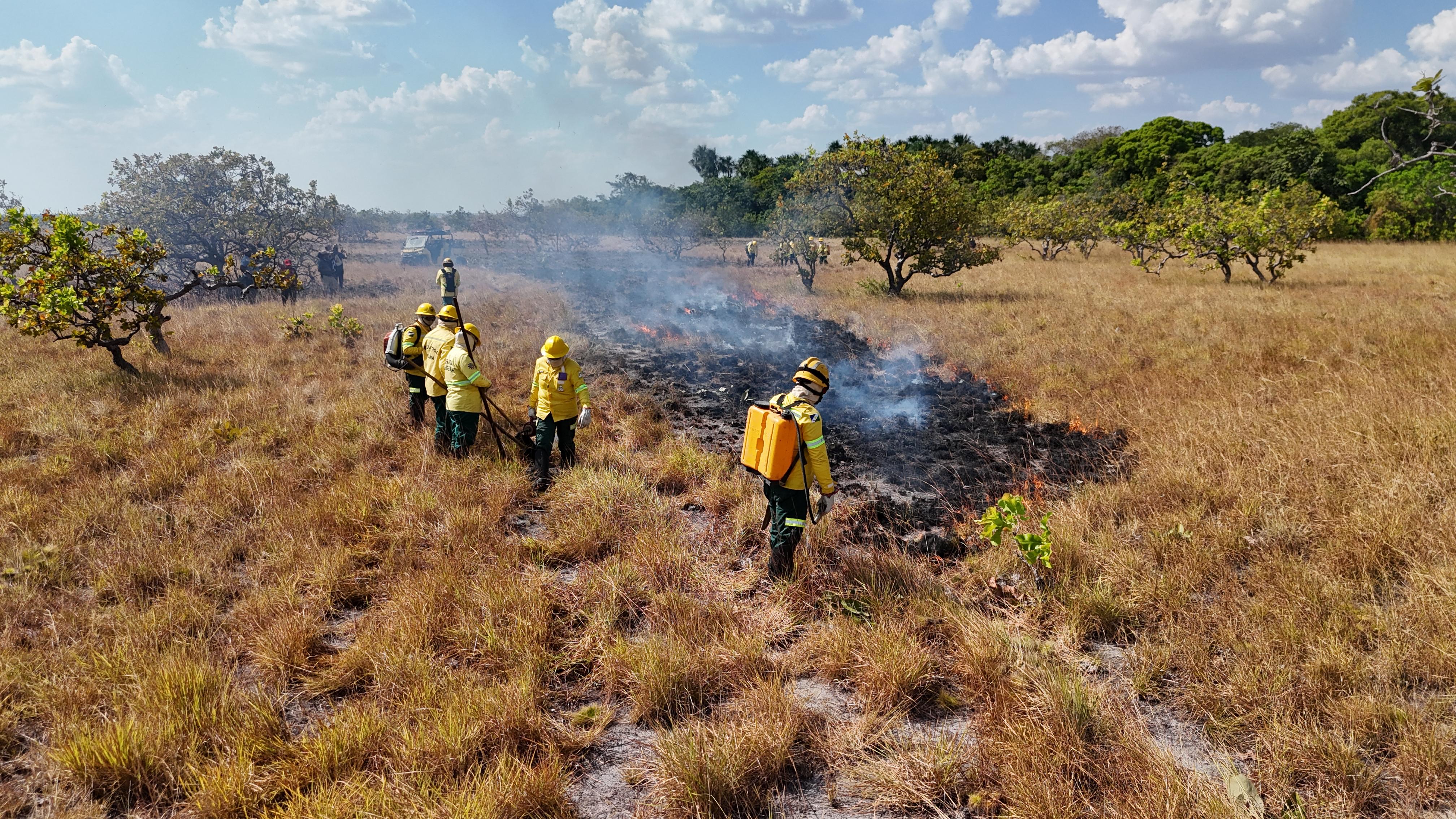
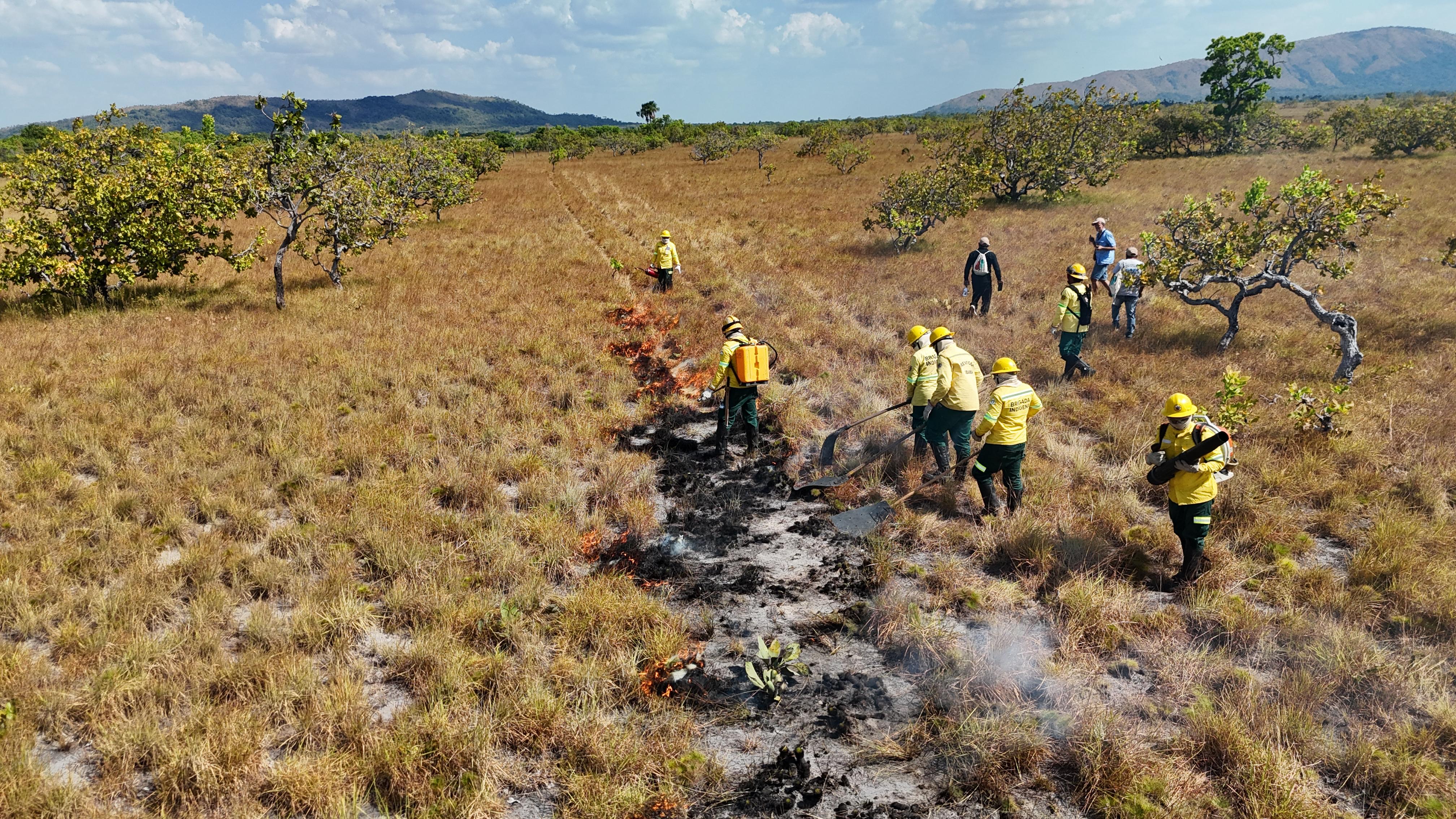
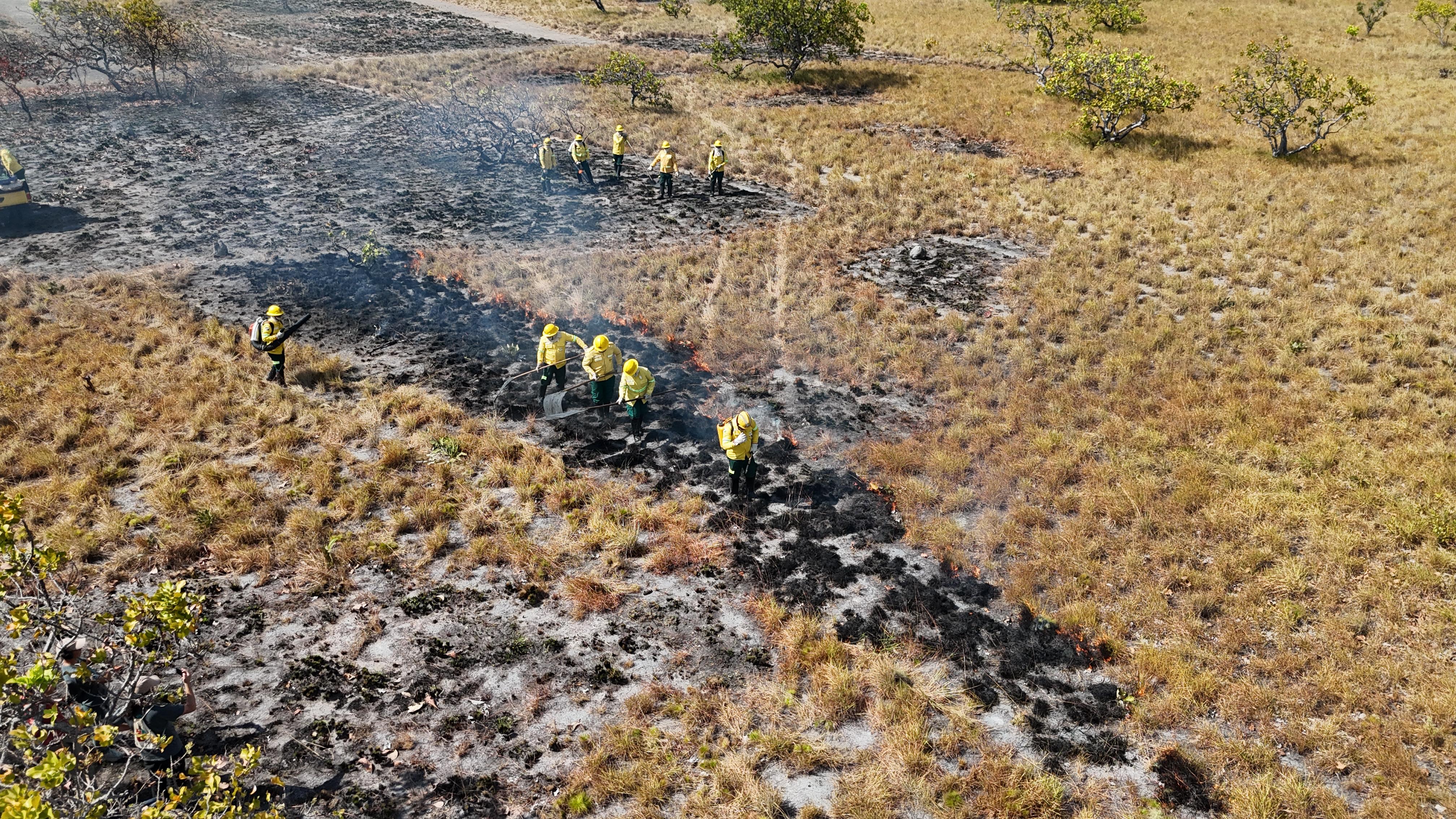
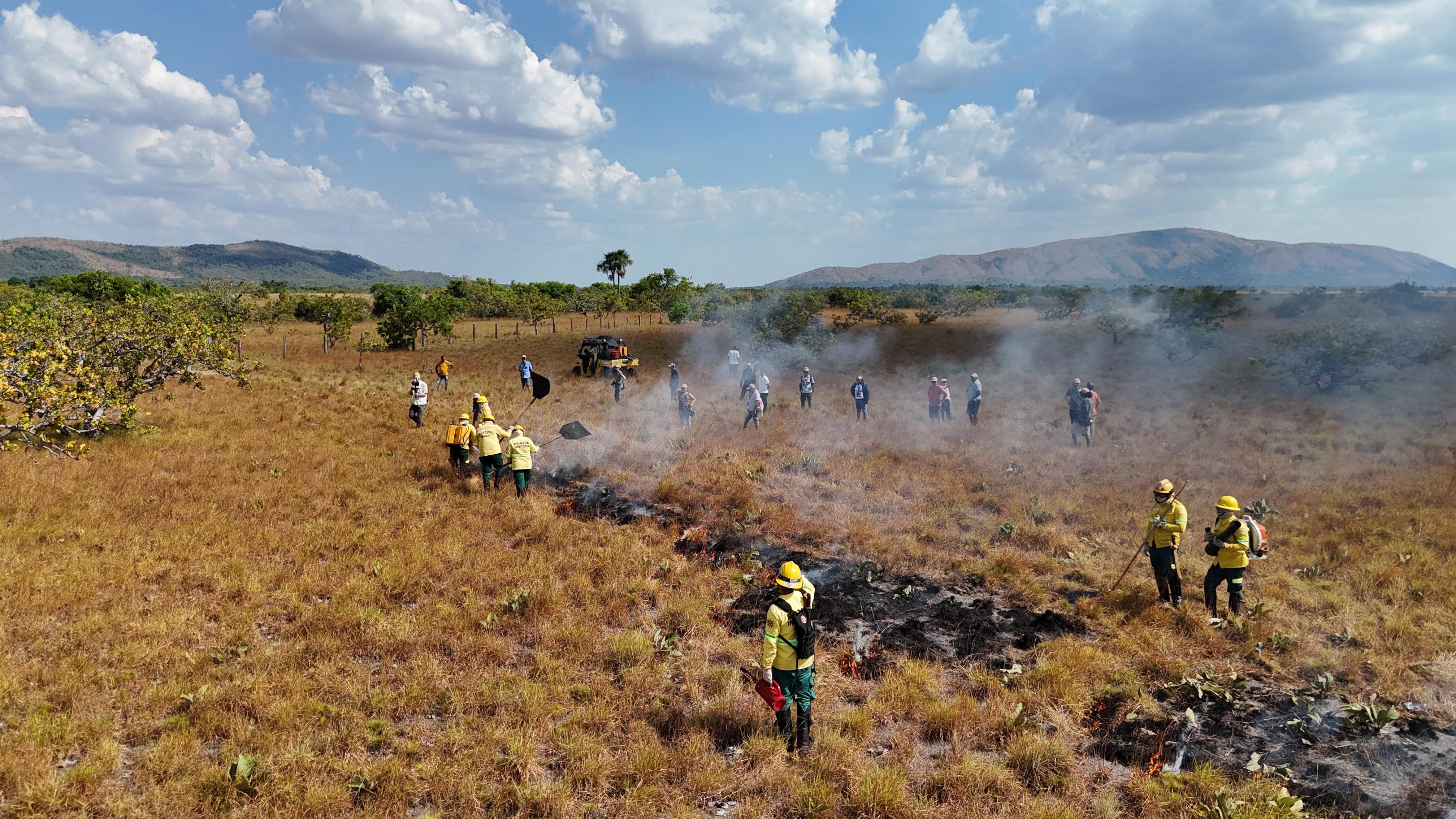
In the afternoon, the Indigenous firefighters carried out a demonstration of controlled burning, accompanied attentively by the participants. Jonatas Firmino, supervisor of the brigades, highlighted that sharing this experience contributes to strengthening the actions developed by indigenous organizations in their countries.
"We demonstrated our performance in real time, so that they have an idea of what the work of combat and prevention together with the community. This is some of our work during the summer period, with controlled burning. It is important that not only the participants see it, but also the supporters who invest in the training and equipment for our brigades. This is a way to preserve our territory", explained the supervisor.
For participants of Guyana and Suriname, to learn about the experiences developed by the indigenous communities of Roraima also represented an opportunity to reflect on the challenges faced in their own territories and on the Possibilities to strengthen your organization and protection strategies territorial.
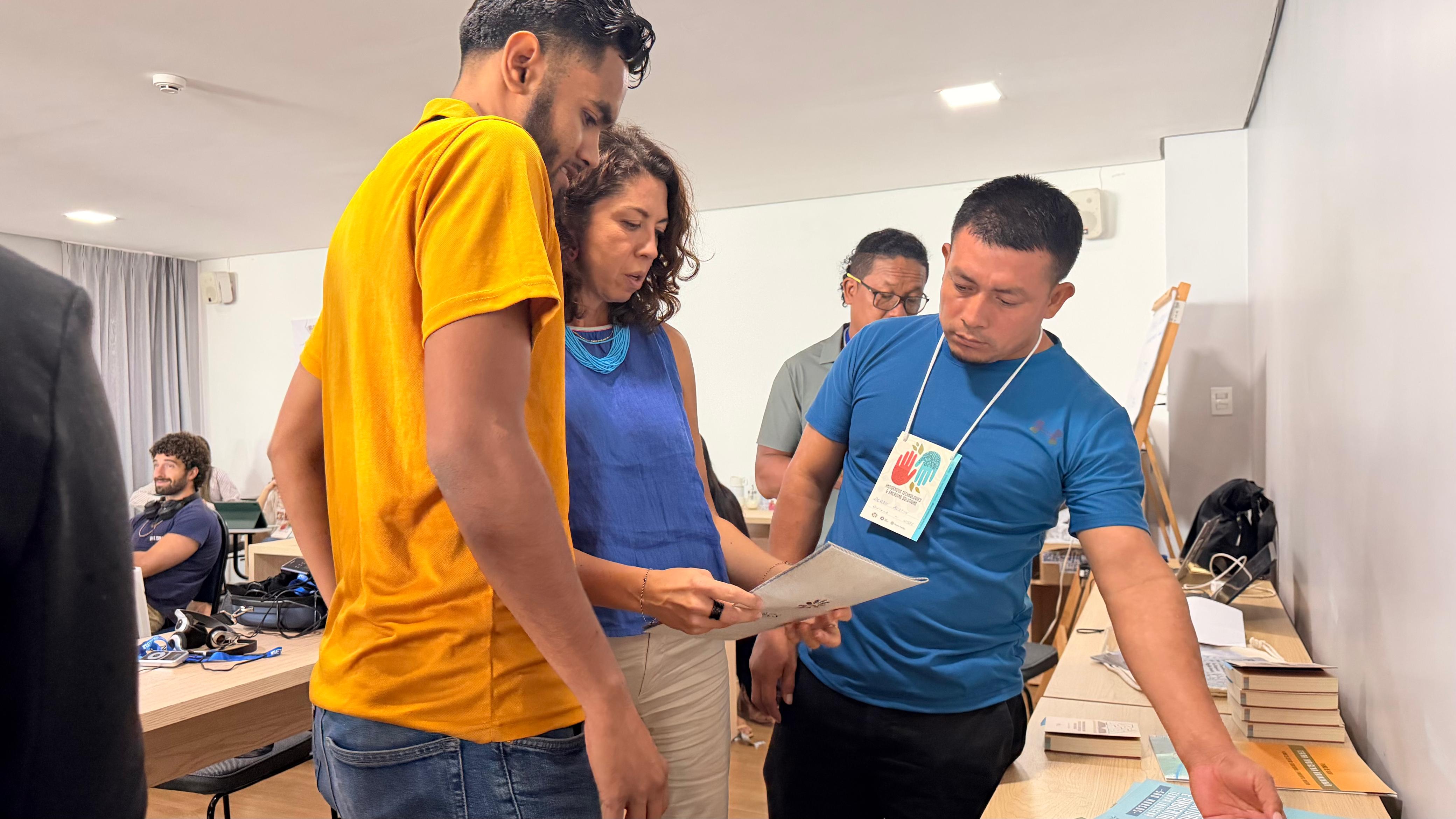
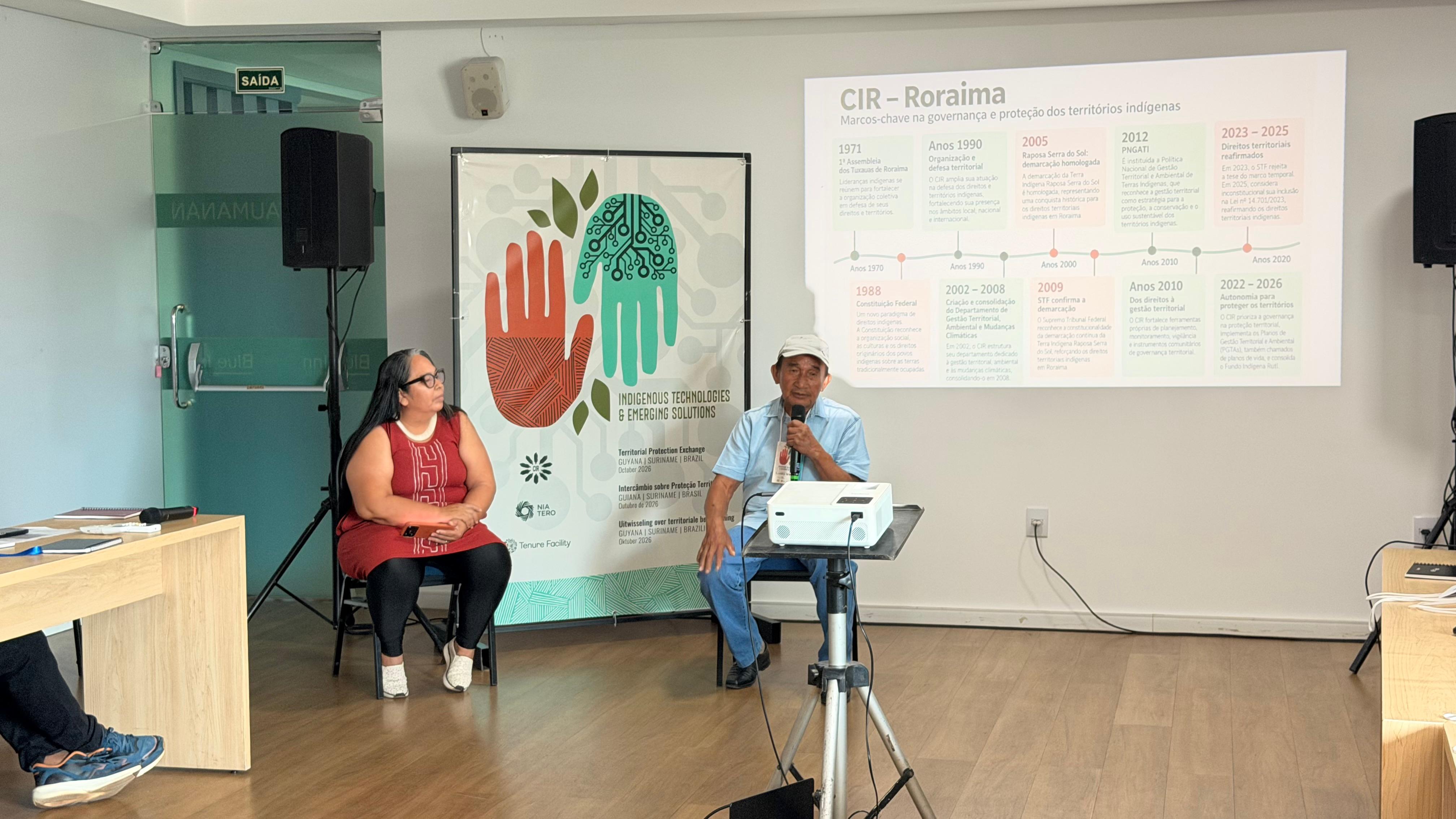
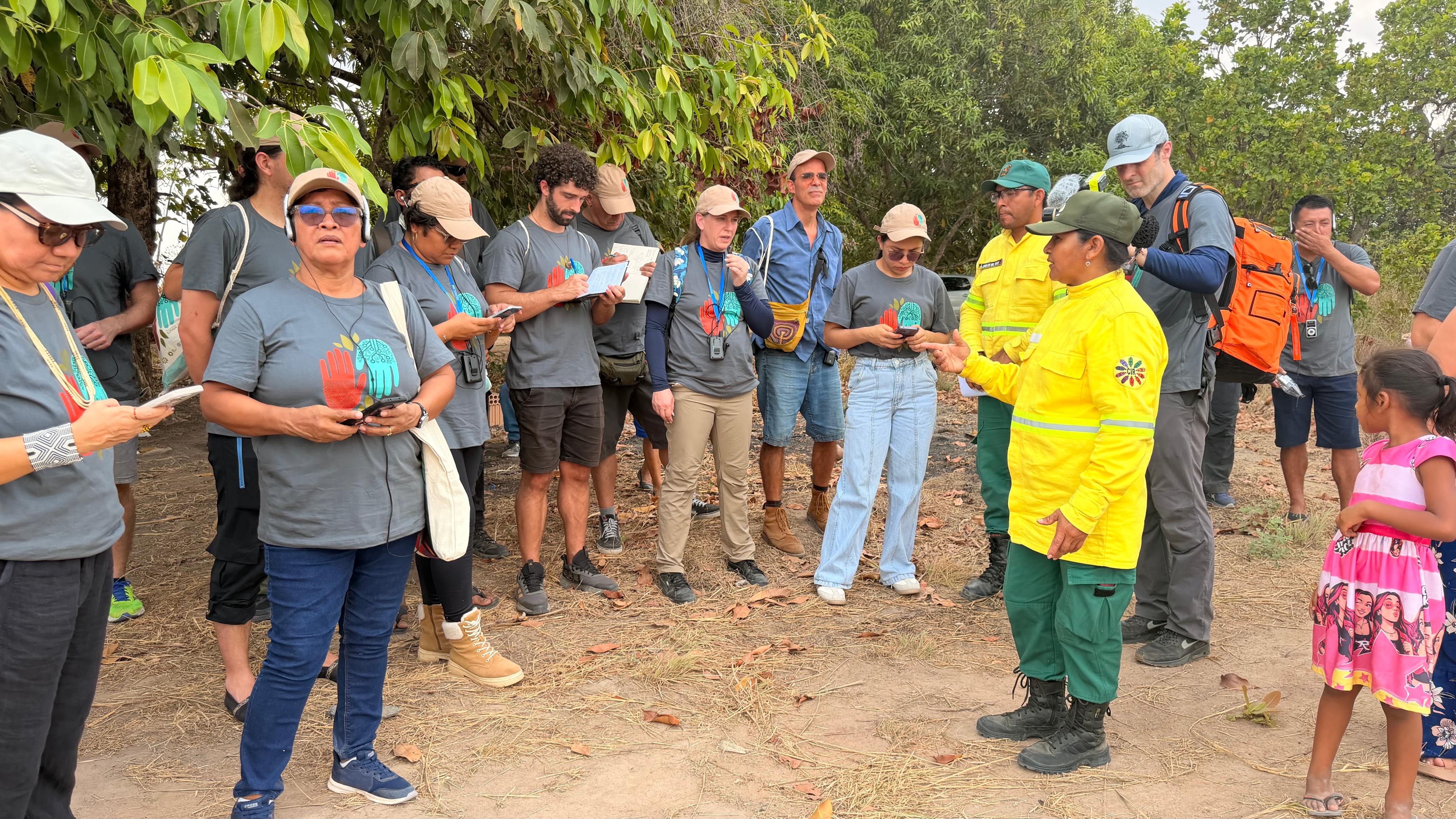
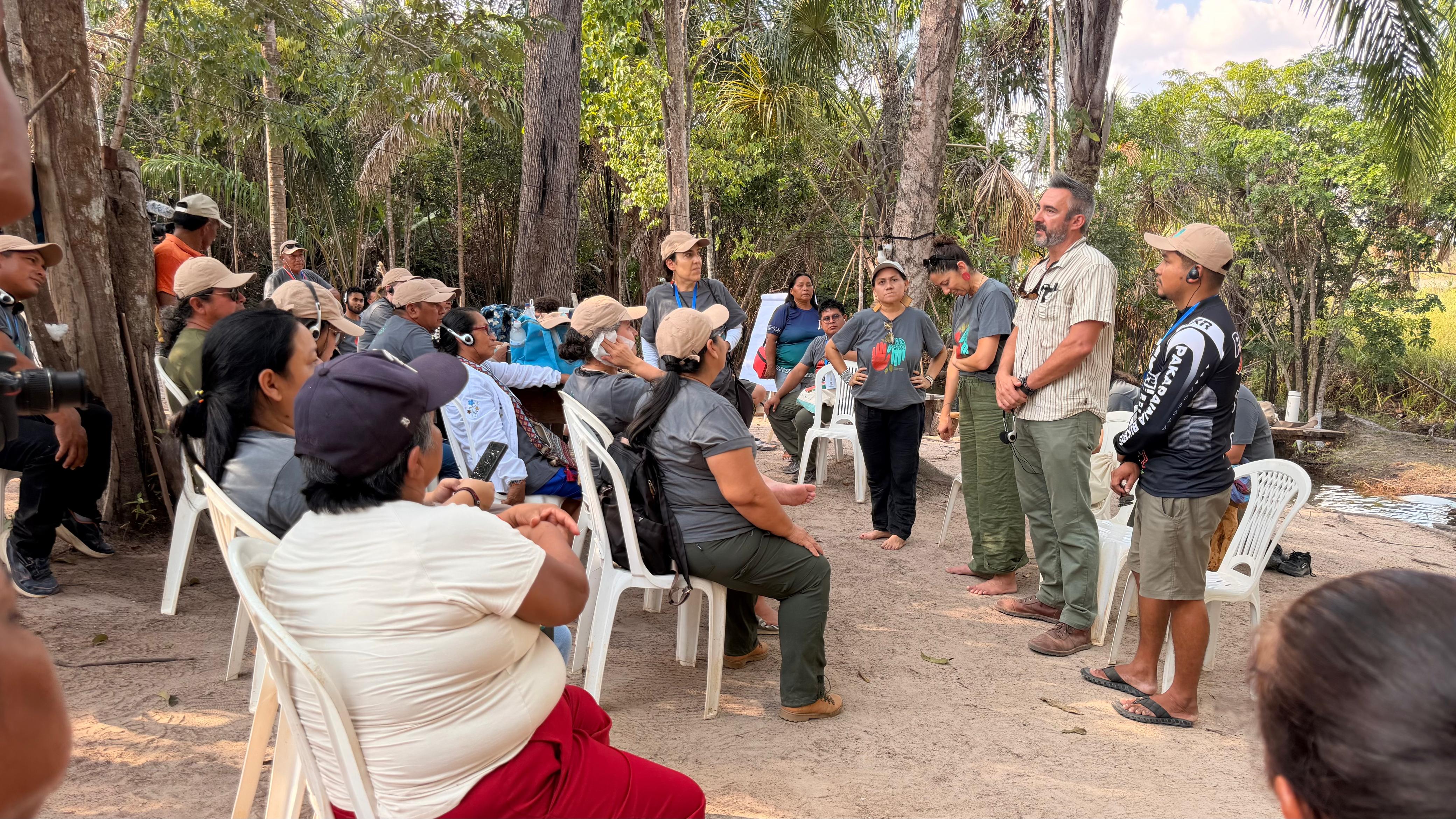
Kid James, representative of the Southern District Council of Rupununi, commented on the activity and compared the similar challenges currently experienced.
"We have climates and similar experiences, as well as challenges related to fire. One of the Things we realize is that we need to really start managing fire within our landscapes, because climate change is impacting our lands and ponds, and the place is getting warmer. This demonstration is extremely important. We will take this experience to our base, promote a discussion and see how we can strengthen the bonds and build our ability to, one day, have and do what is happening here with the brigade members", said the leadership of the South of Rupununi.
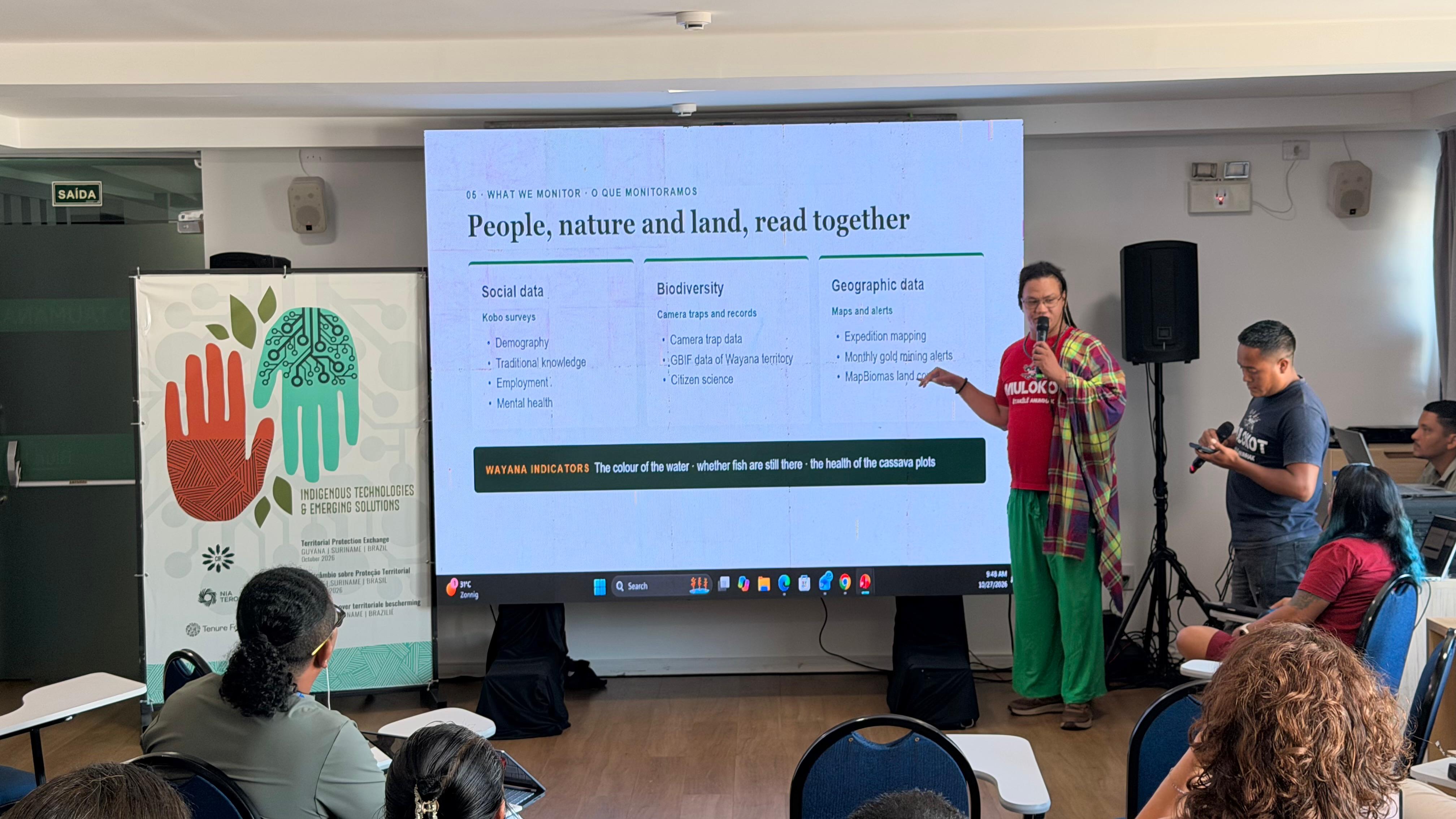
"We visited two territories and it was amazing to see how the different communities work together and the different plans they've been implementing. It's been amazing to compare them to Guyana, Suriname and Brazil, observing what indigenous communities are doing experiencing, how they are monitoring and defending their territories and fighting for their rights", concluded Luciano Doest, coordinator of the Mulokot Biocultural Monitoring System.
By promoting spaces of listening and learning, the CIR strengthens connections between communities and indigenous organizations, contributing to the collective construction of strategies territorial protection, autonomy and defense of indigenous rights.
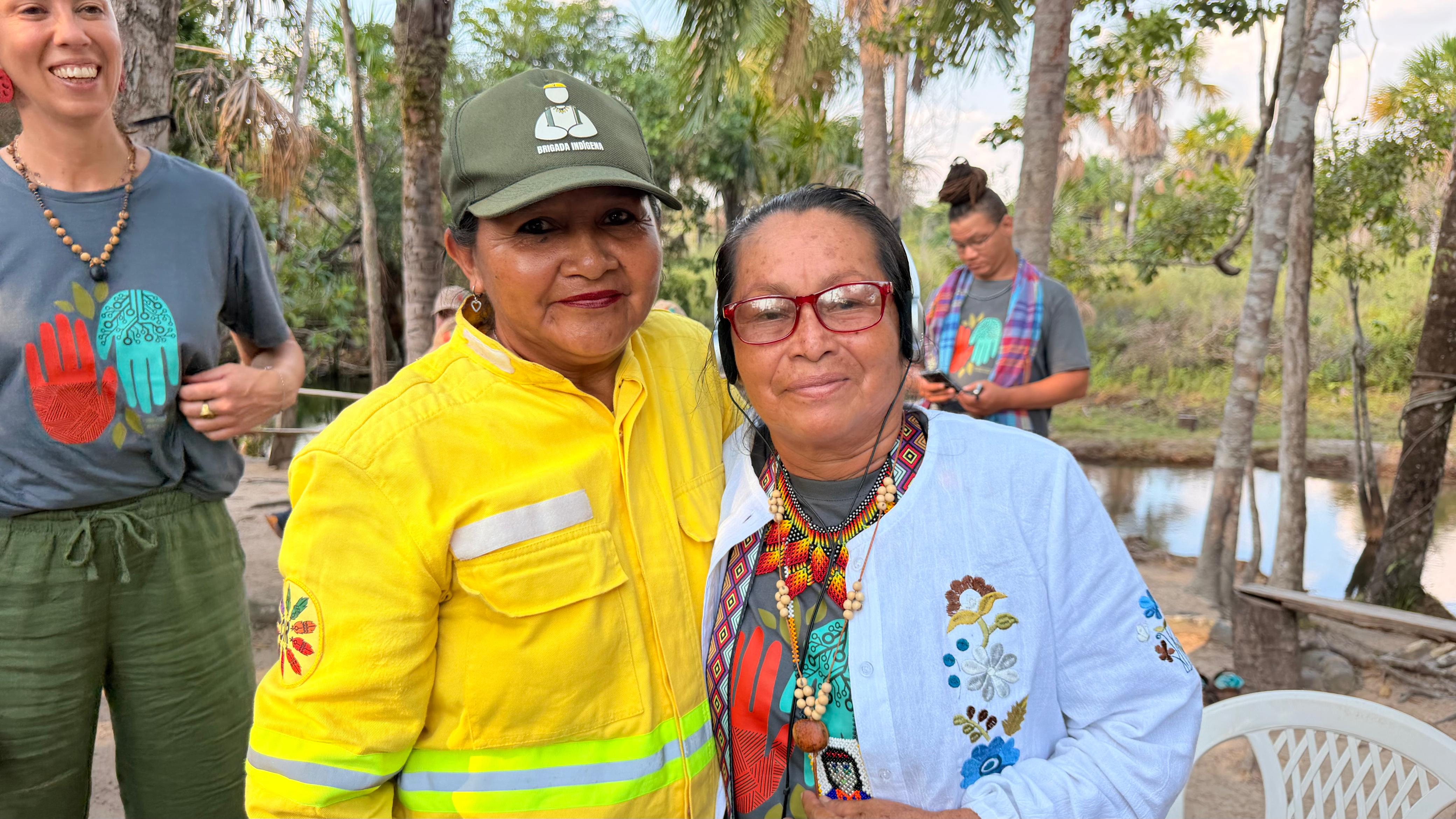
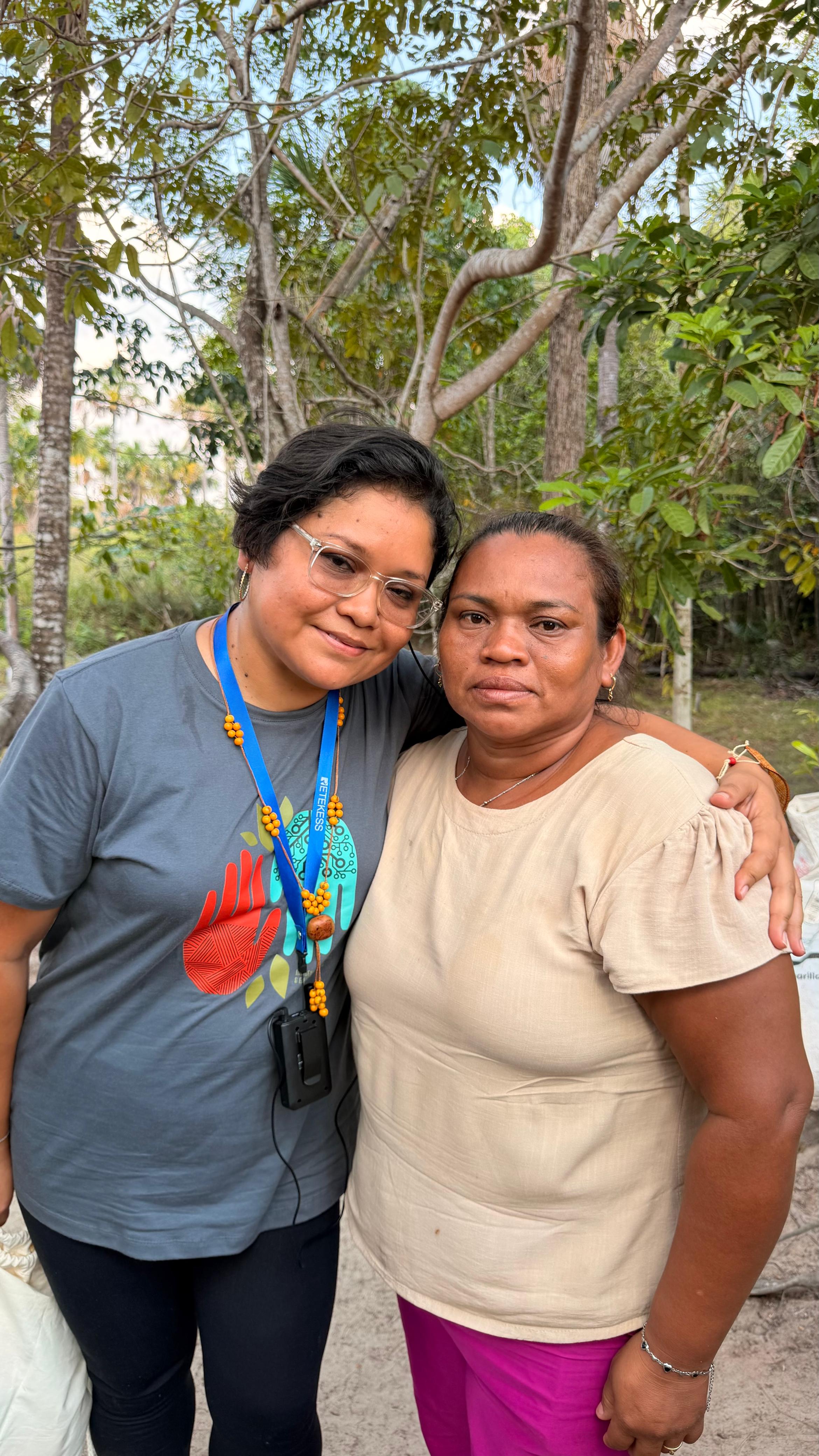
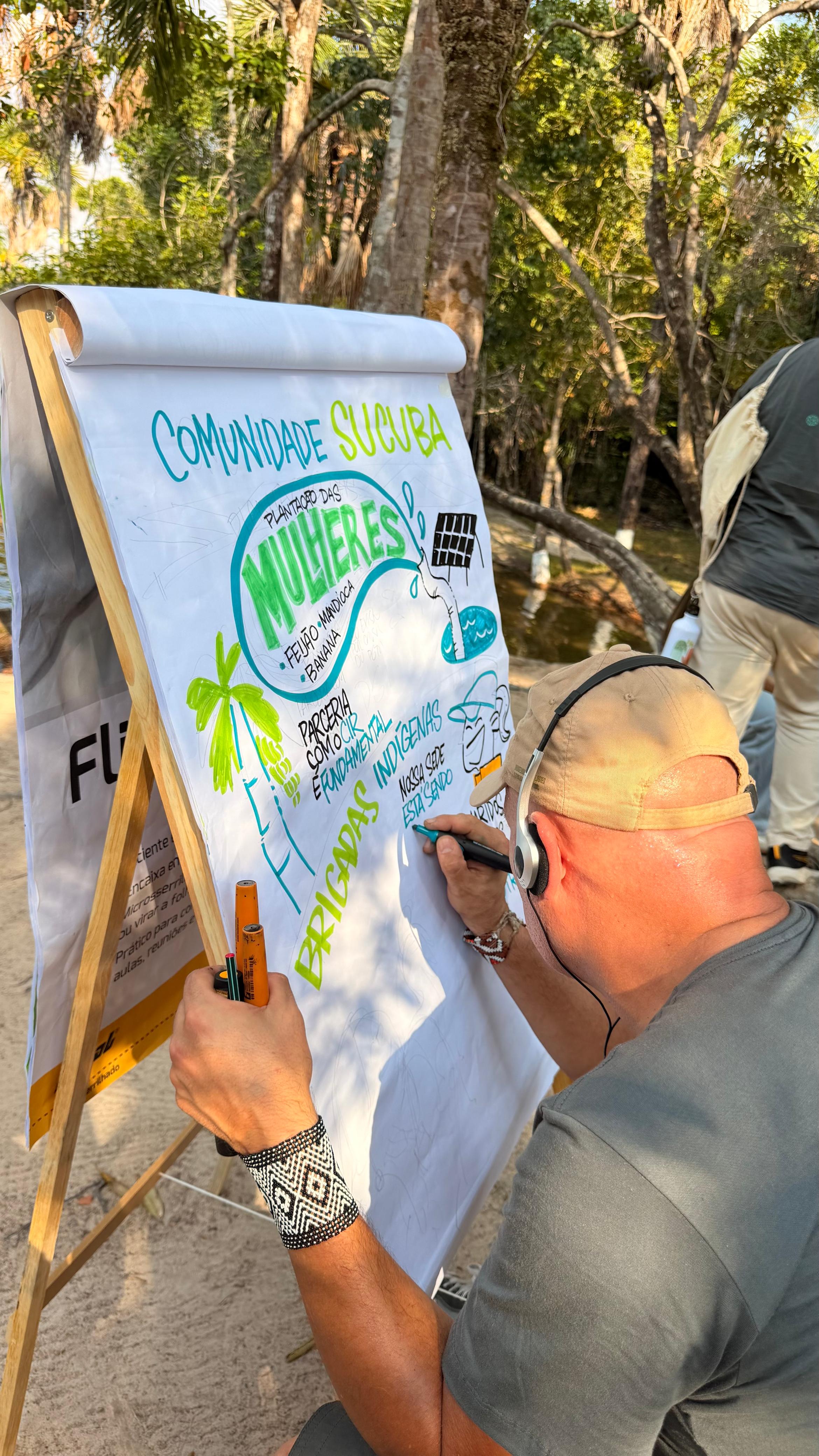
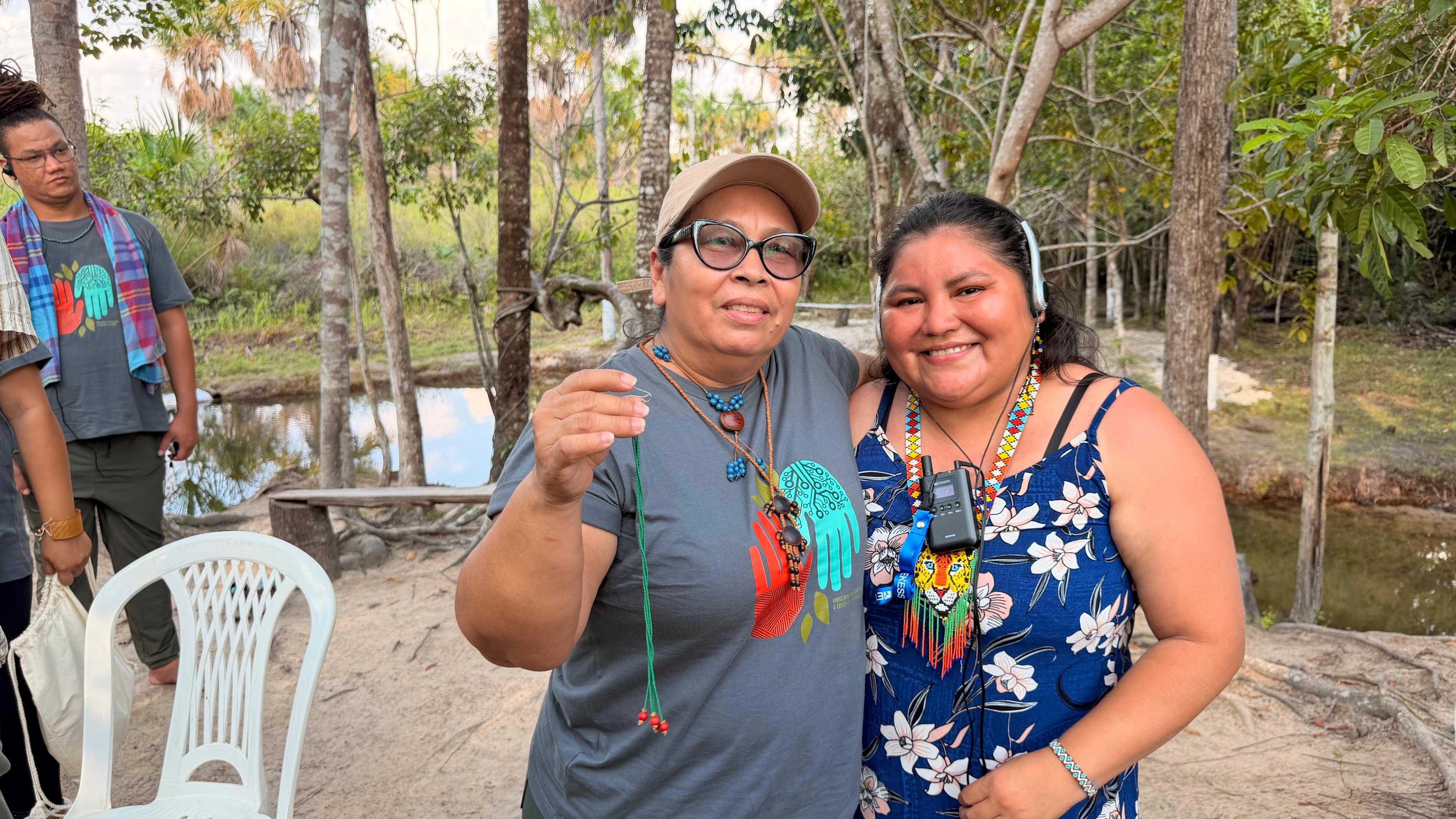
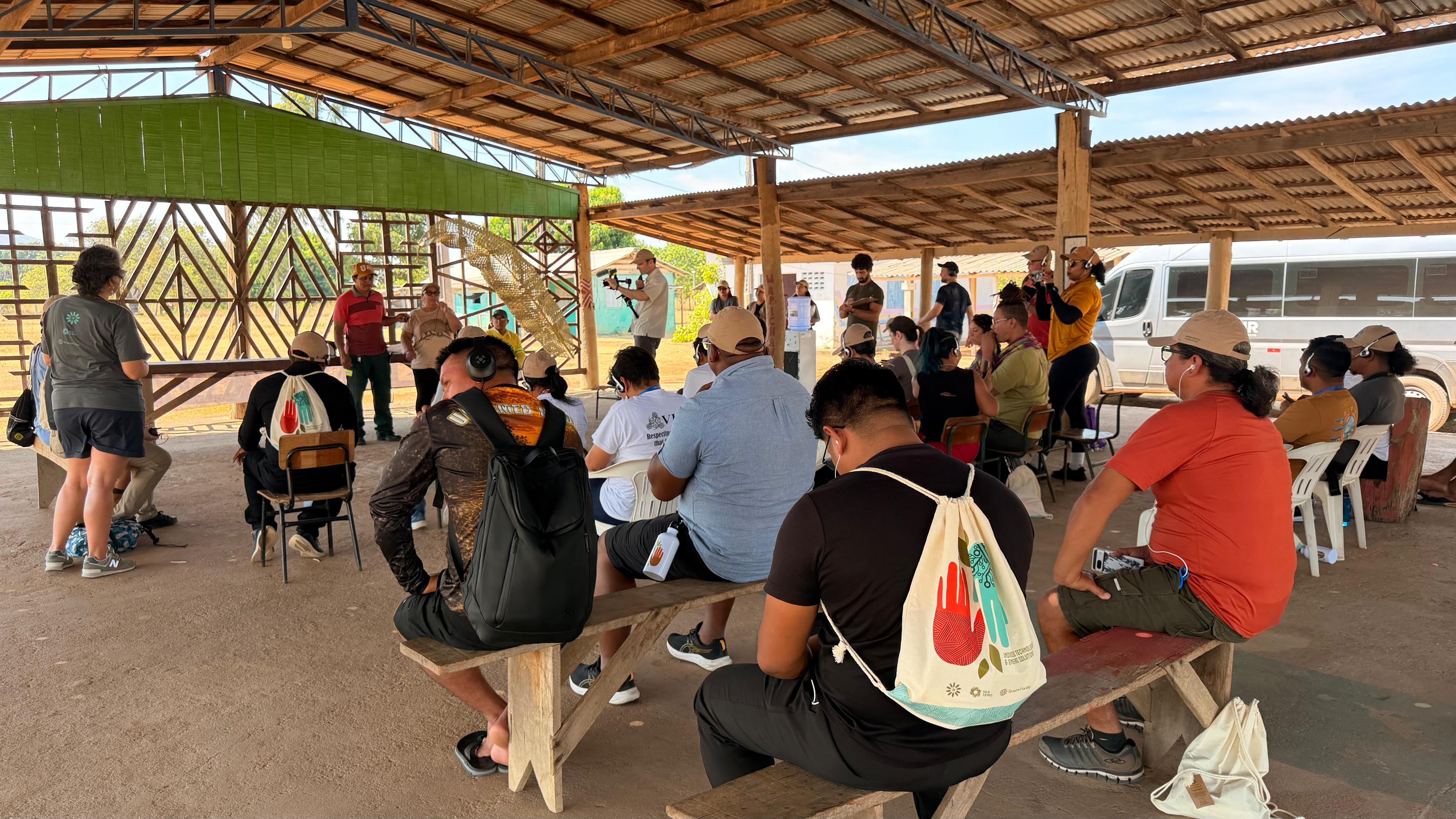
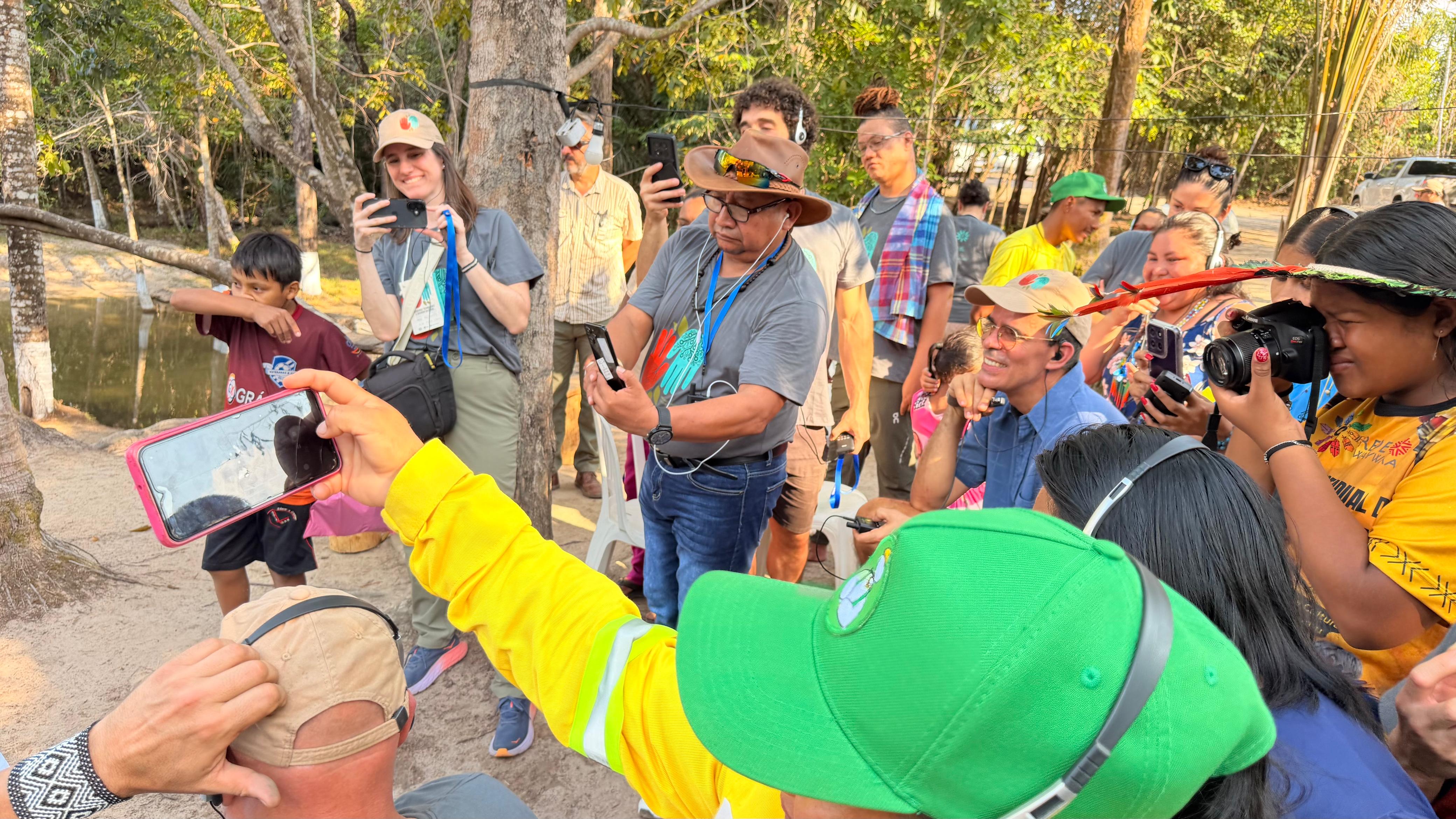
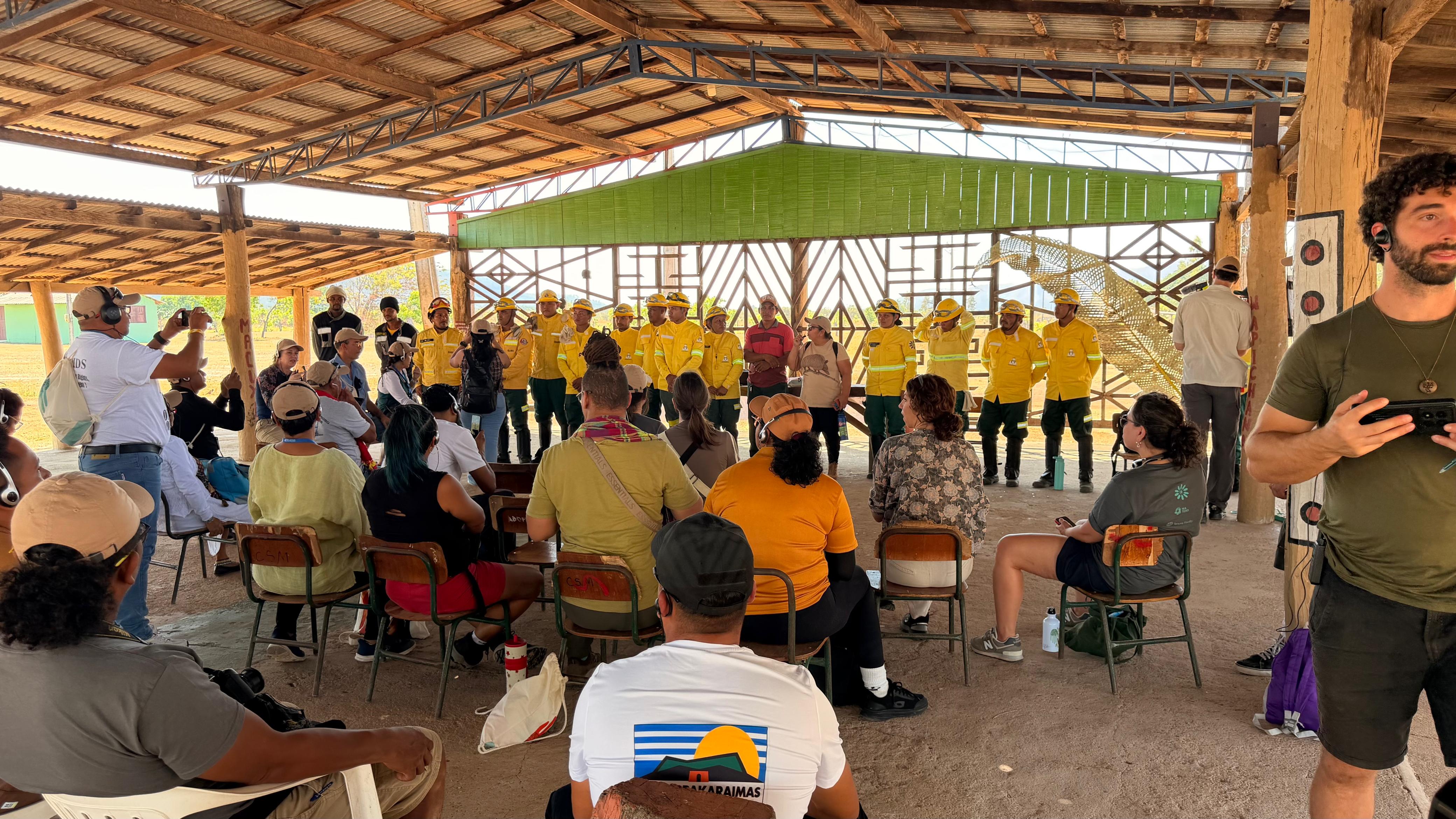
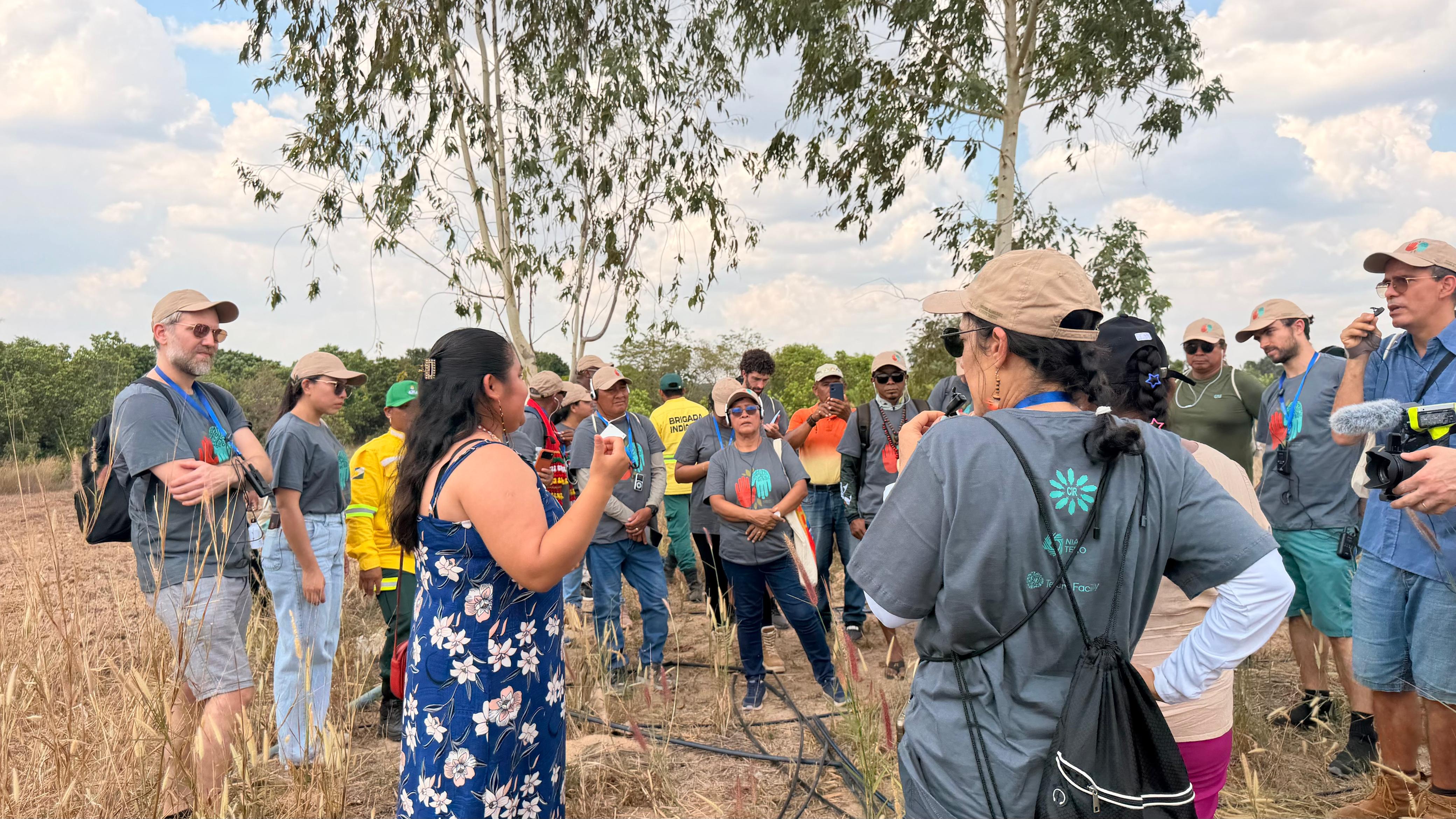
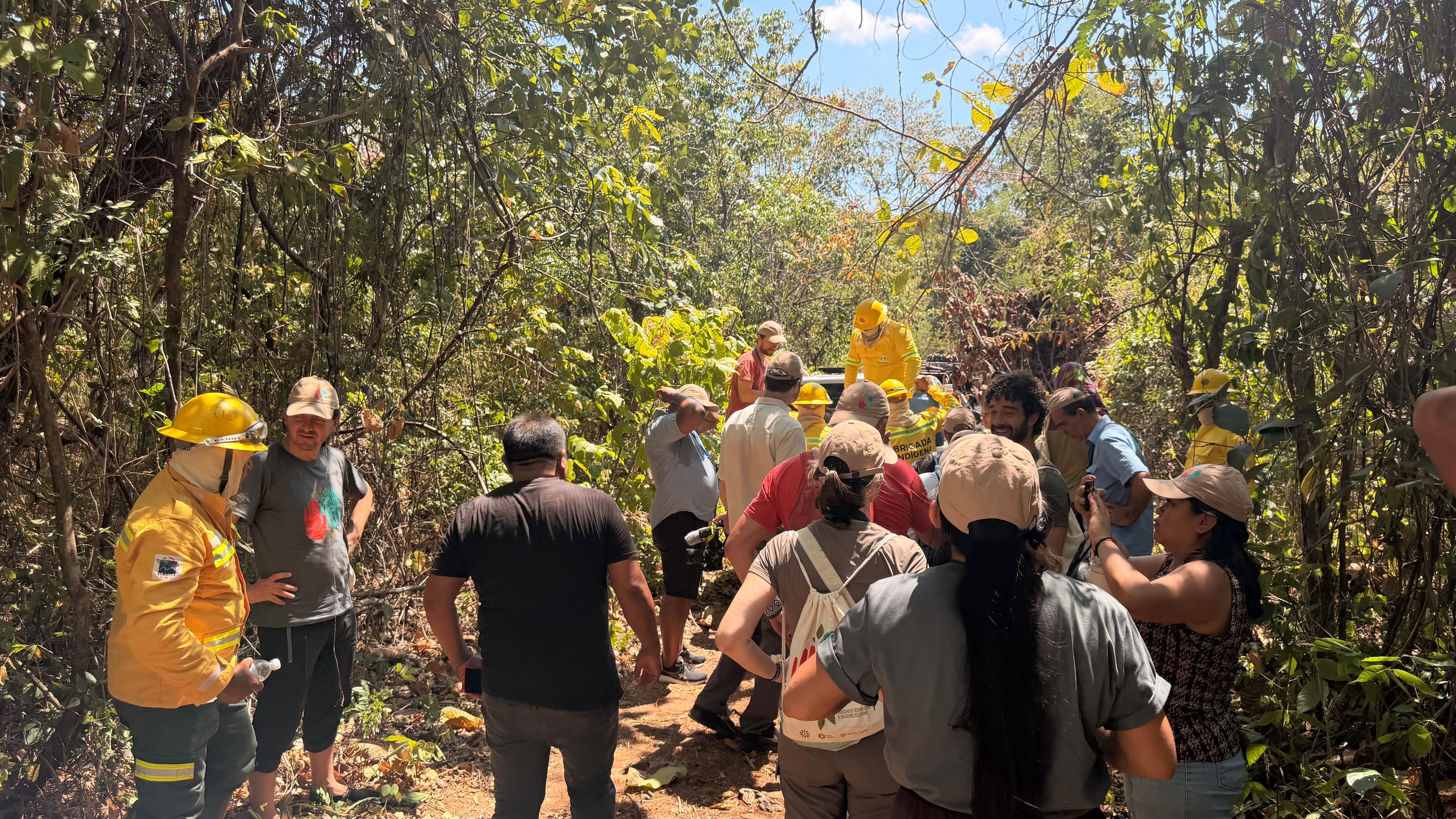
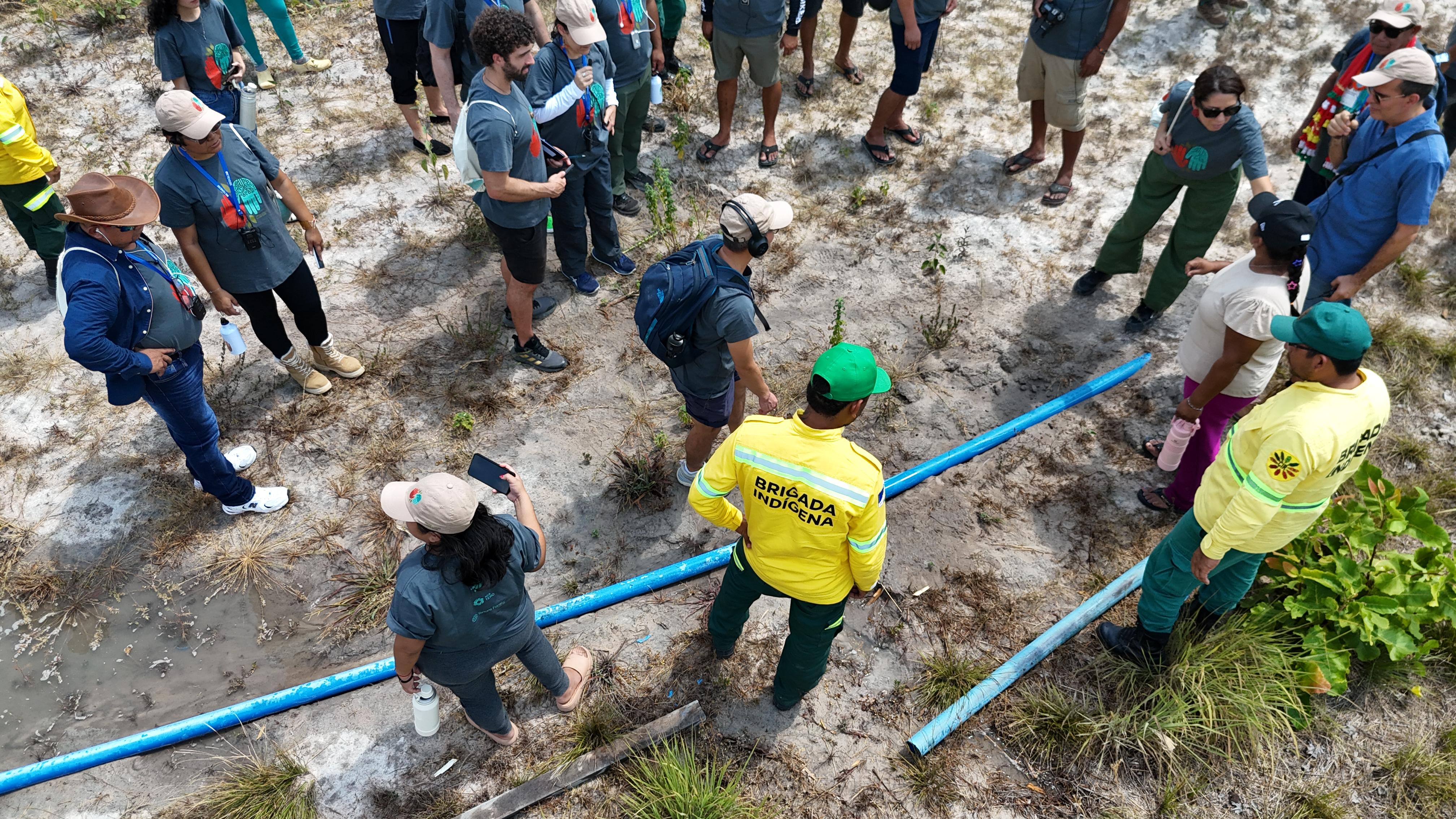
Participated in the exchange representatives of indigenous organizations North Pakaraimas, South Rupununi and Amerindian Peoples Association, from Guyana; Mulokot and VIDS, from Suriname; and the Indigenous Council of Roraima (CIR), from Brazil.
In one of the lines during the exchange, Nara Baré highlighted:"We don't need to learn from the outsiders, we can learn from ourselves, indigenous people". The reflection reinforces the meaning of the encounter, which seeks to recognize the knowledge of the peoples values, value their experiences and strengthen the construction of solutions collective for the protection of their territories.
At the end of the exchange, the participants dedicated themselves to reflecting on the lessons learned from the week, identify possibilities for collaboration and build referrals for the future.
The Communication team of the CIR, composed of journalists Helena Leocádio and Allyne Bentes, by photojournalist Maciel Macuxi, by the social media Luara Sapará and by the advisor of Press and Communications Department Coordinator, Charles Taurepang, participated of the exchange covering the activities during all days of the meeting.
Review: Charles Taurepang- Ascom CIR
Photos: Charles Taurepang – Ascom CIR