
By Luara Sapará
From the meeting, a survey of the vulnerabilities of each territory will be carried out, which will help plan actions and strategies to strengthen communities and defend their territories.
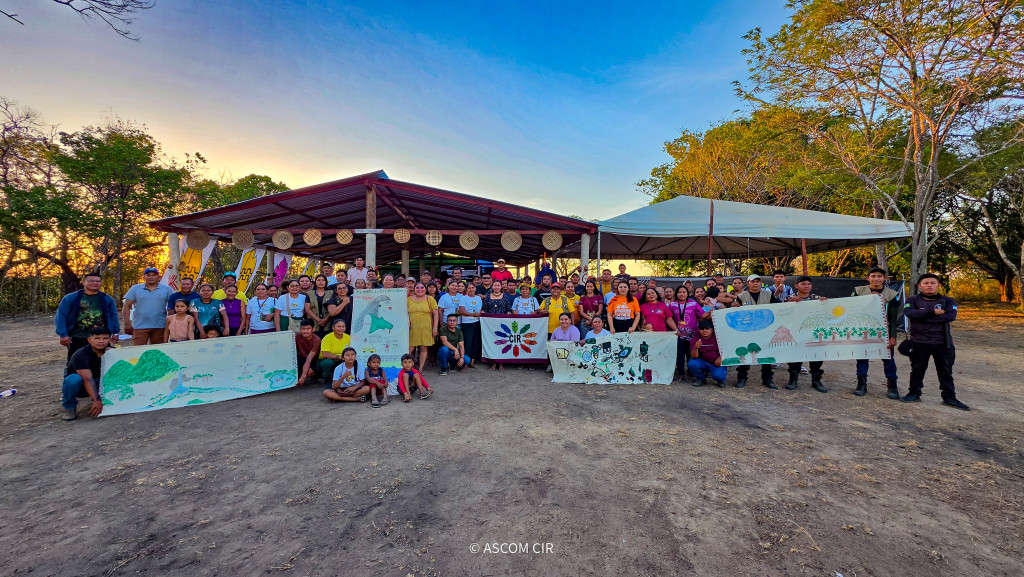
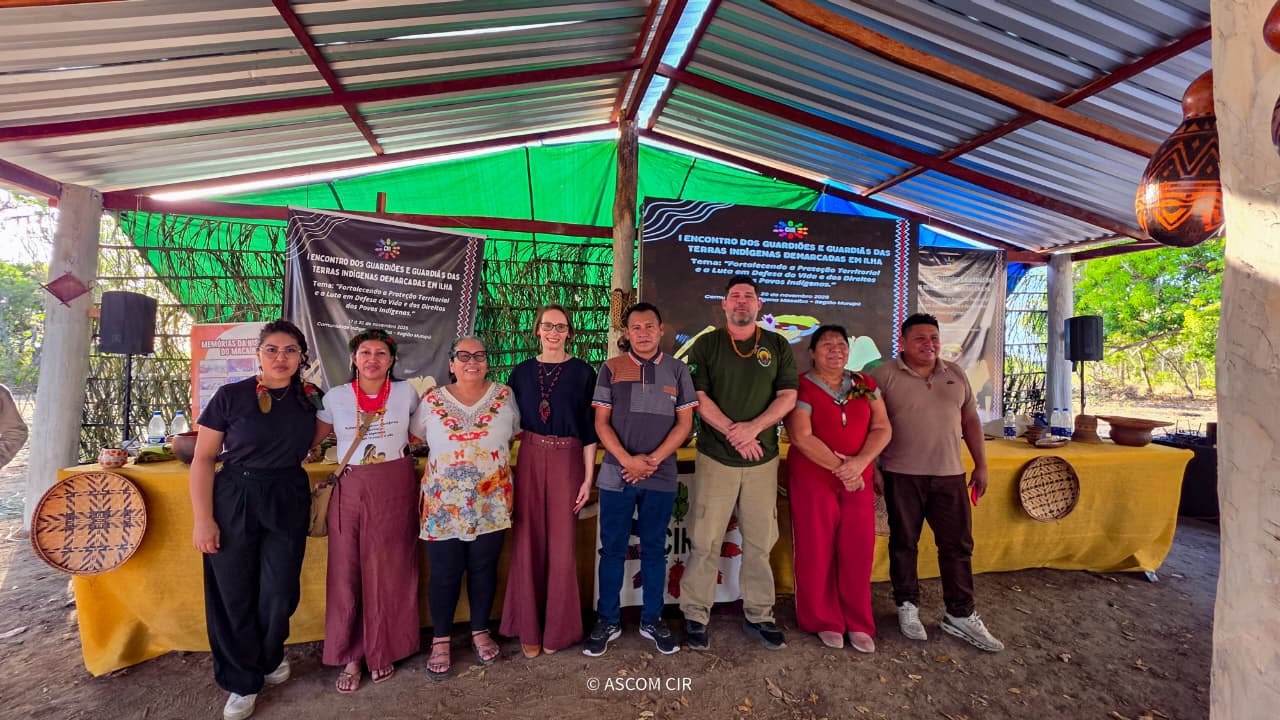
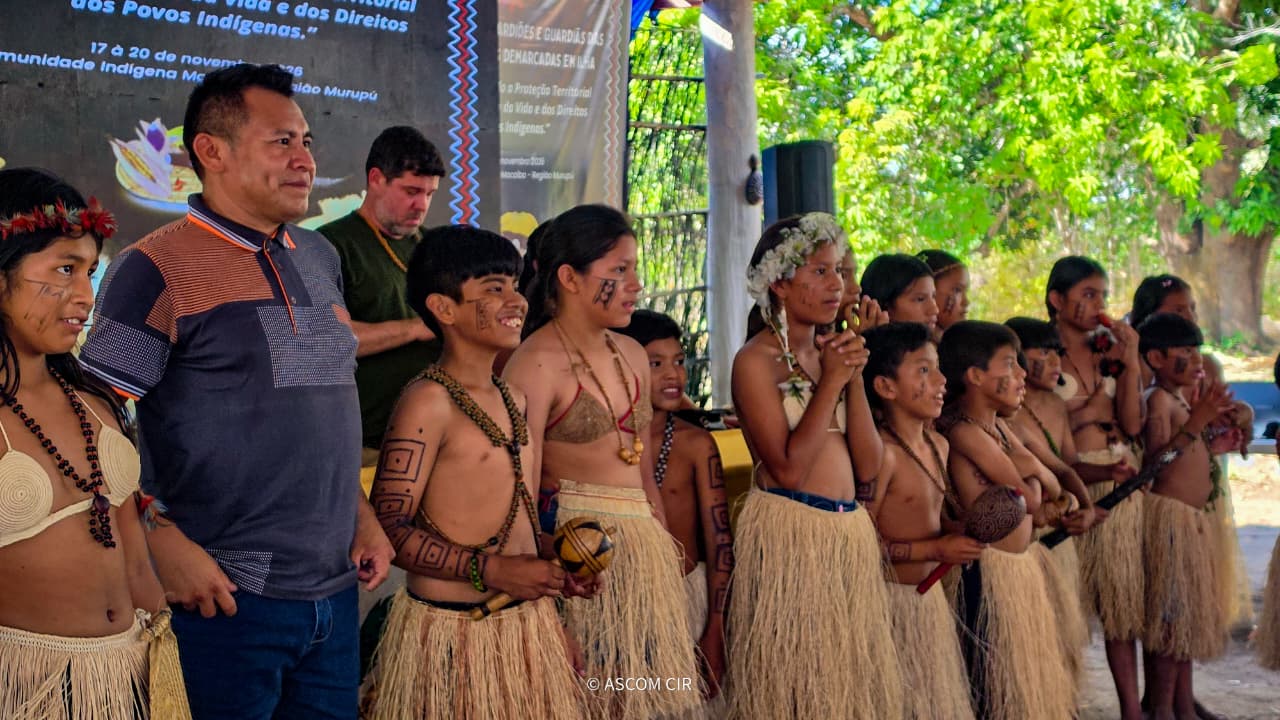
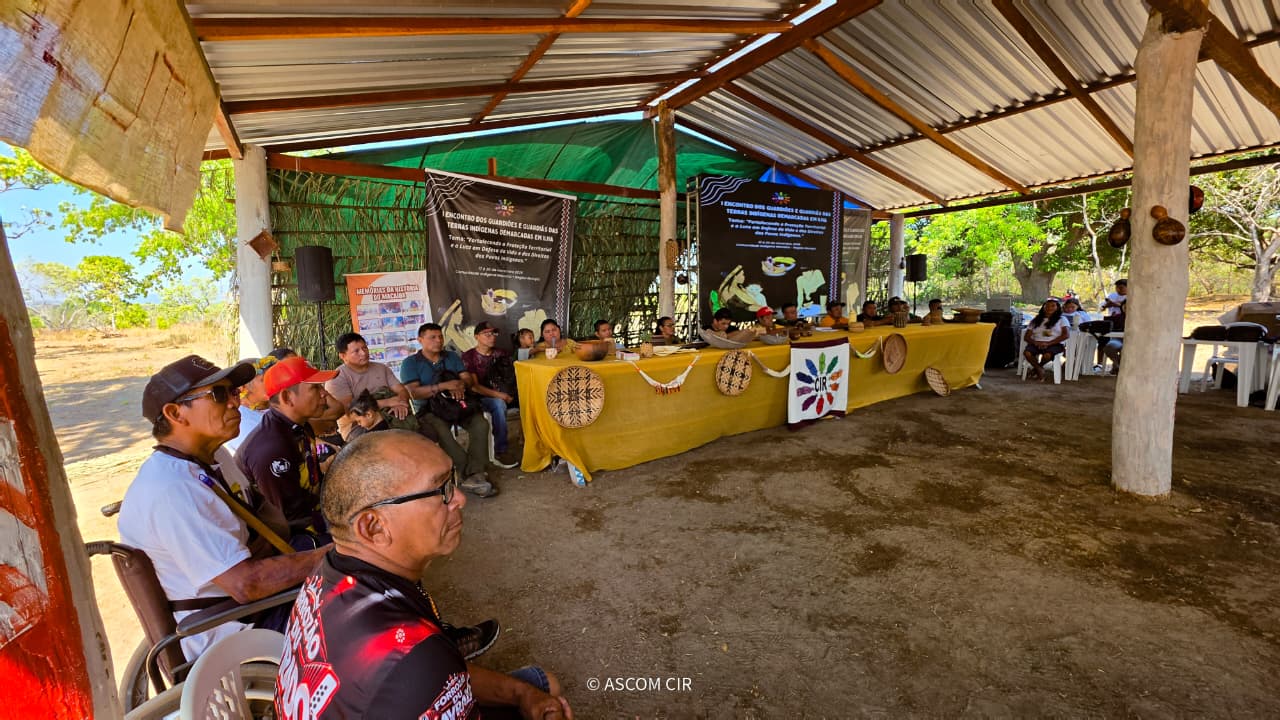
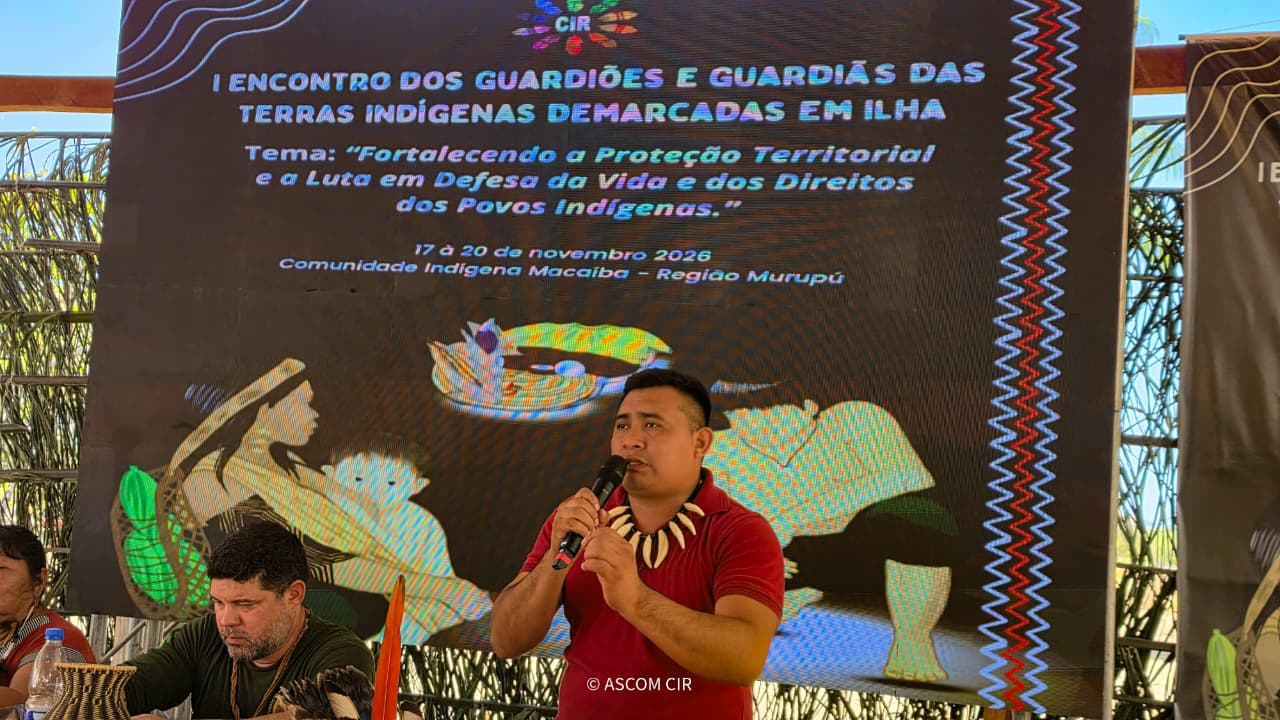
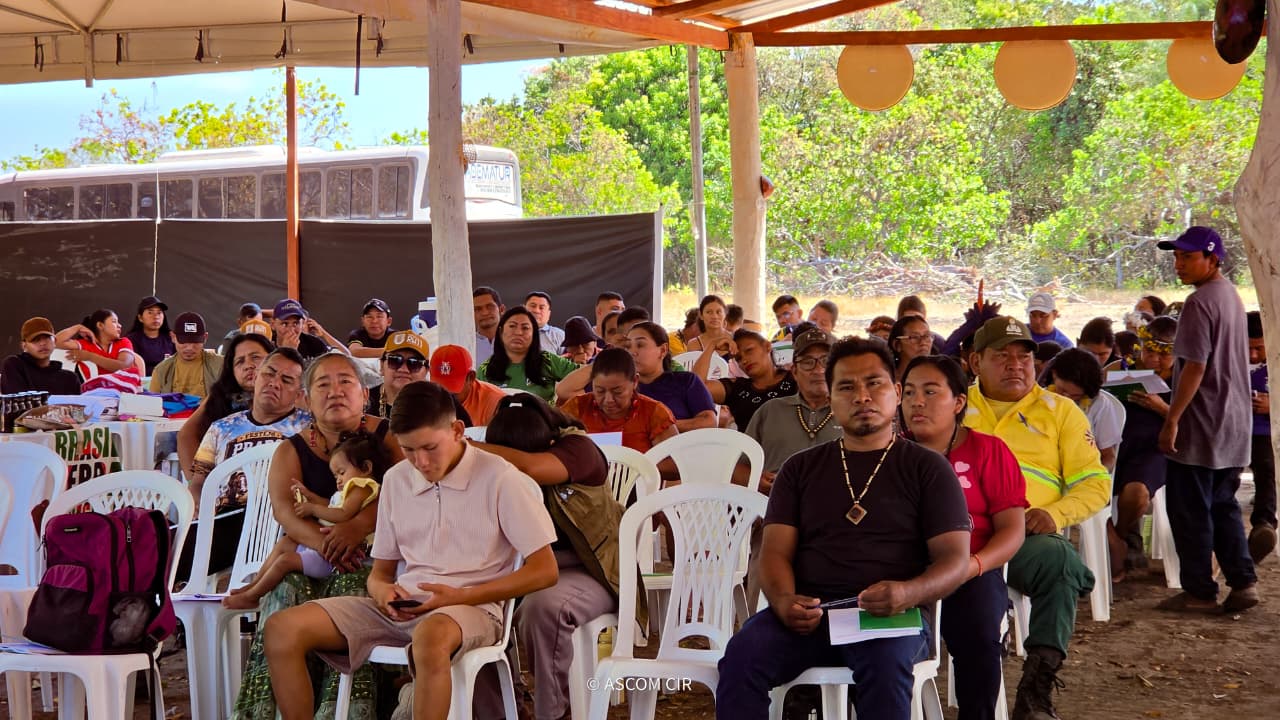
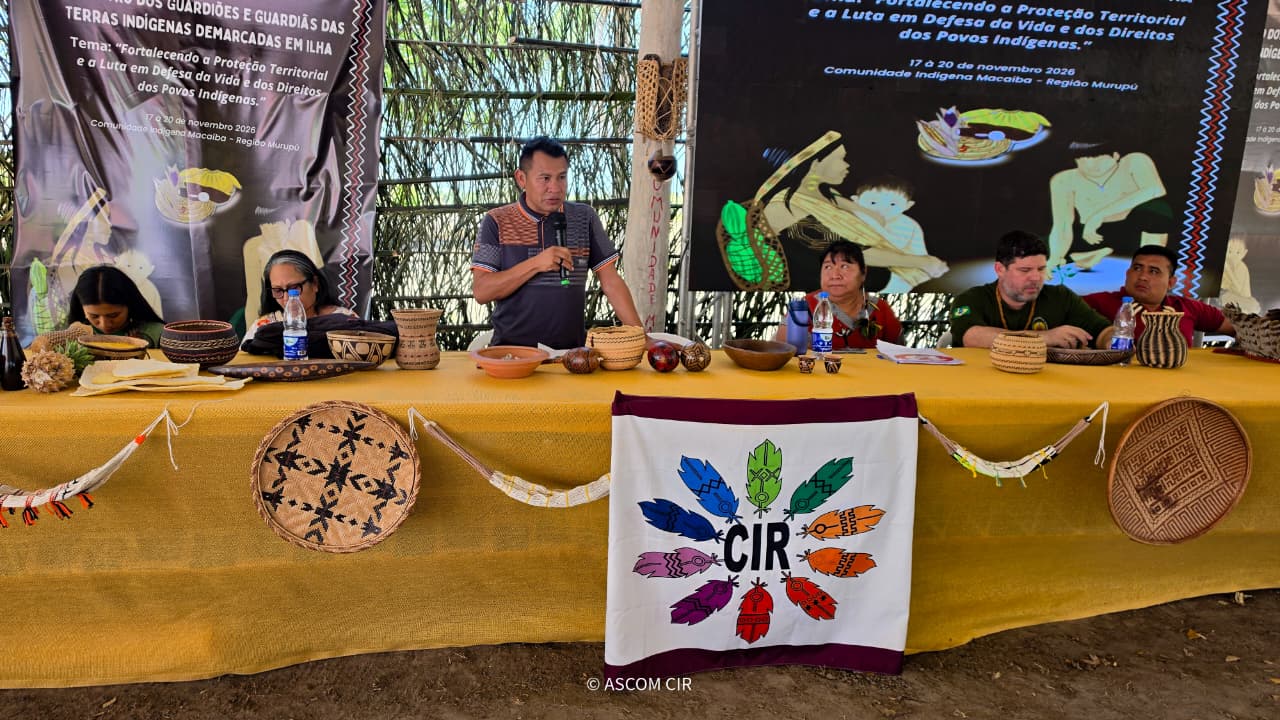
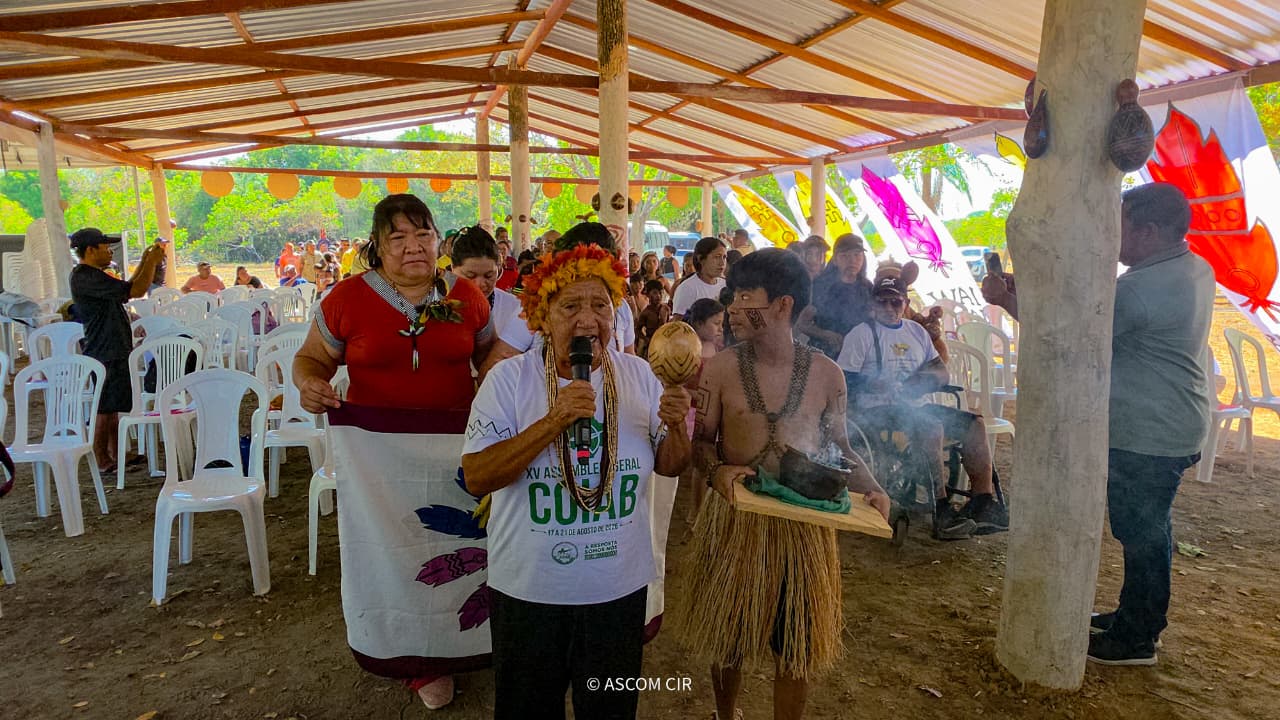
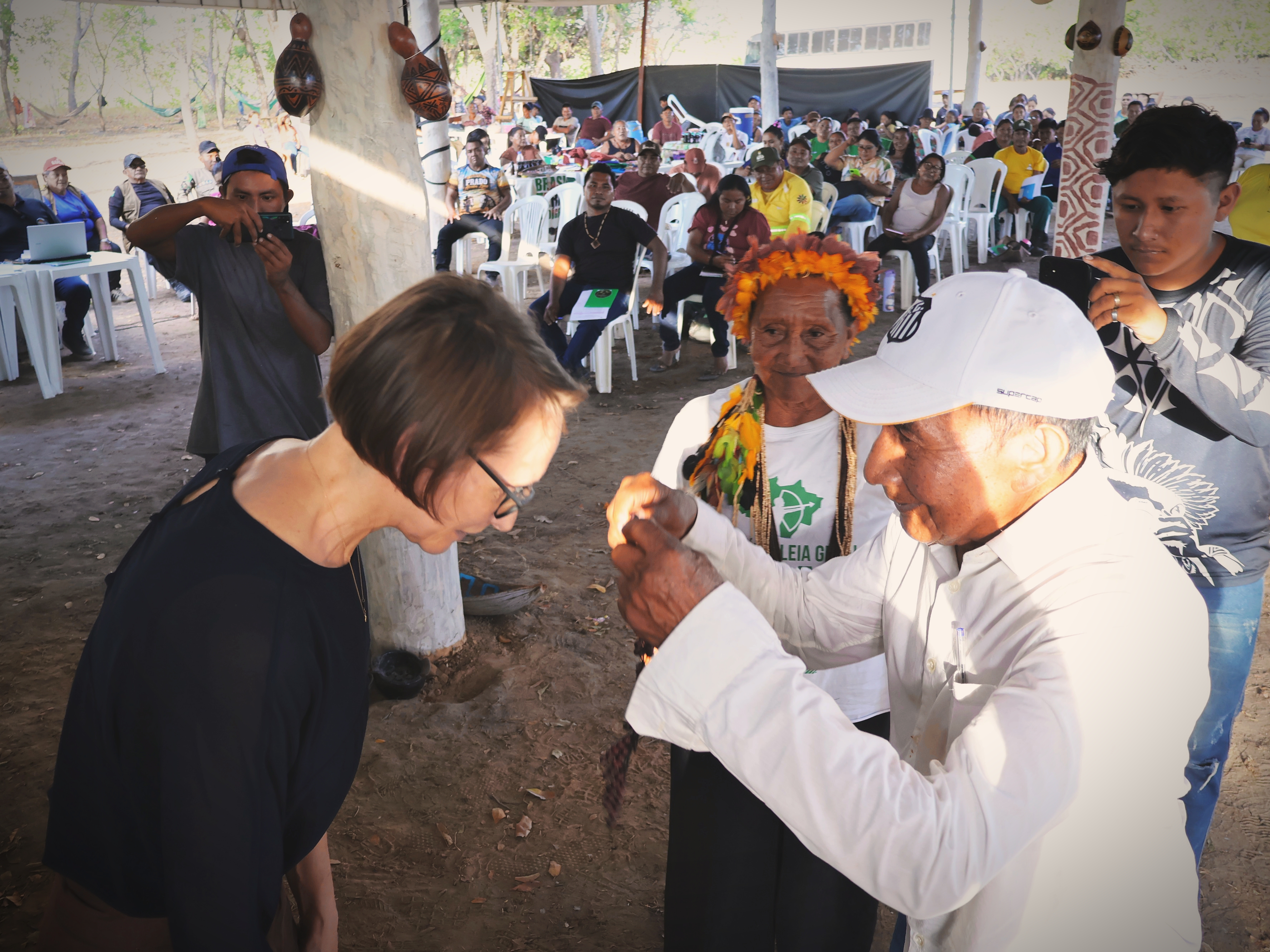
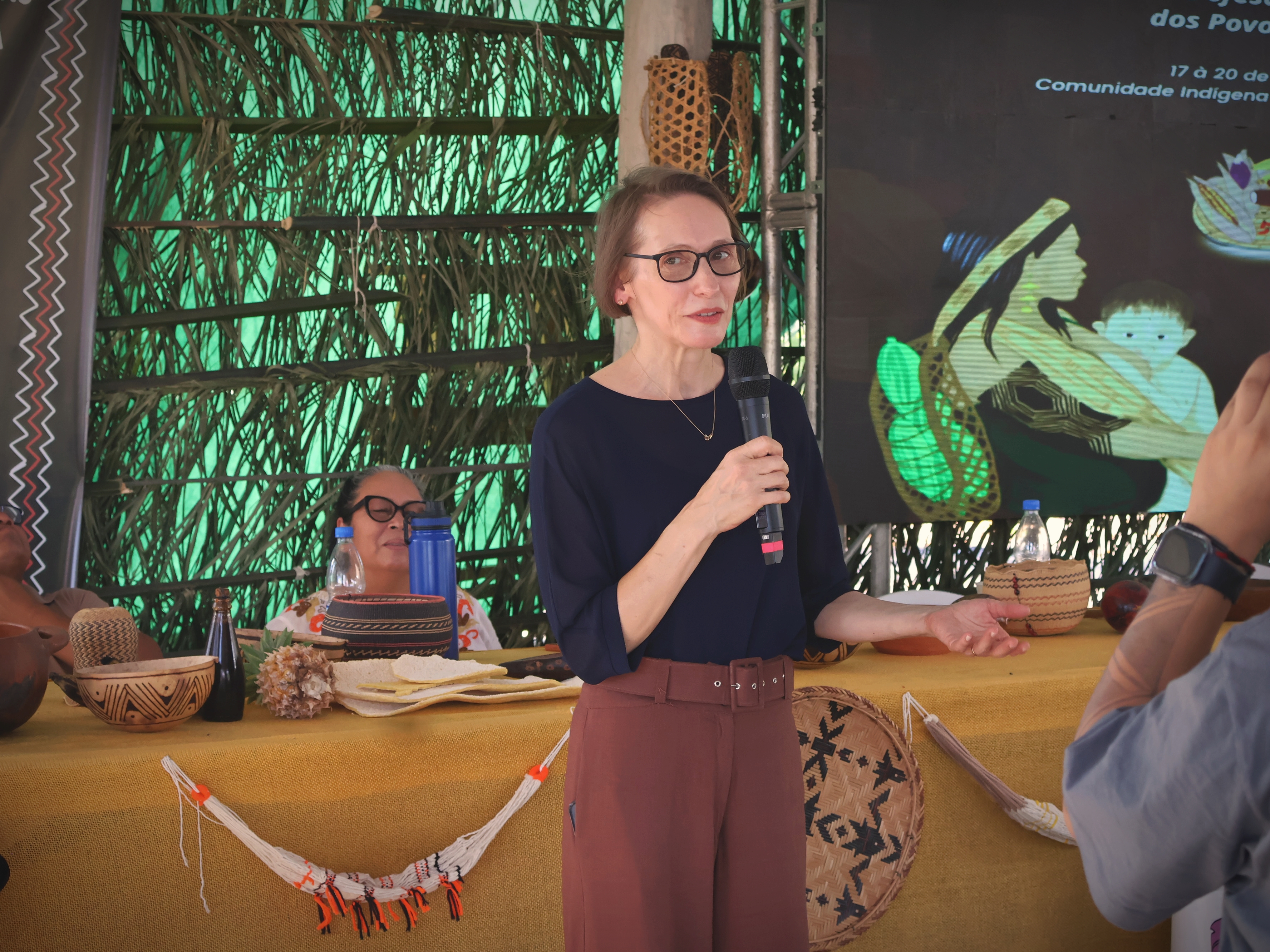
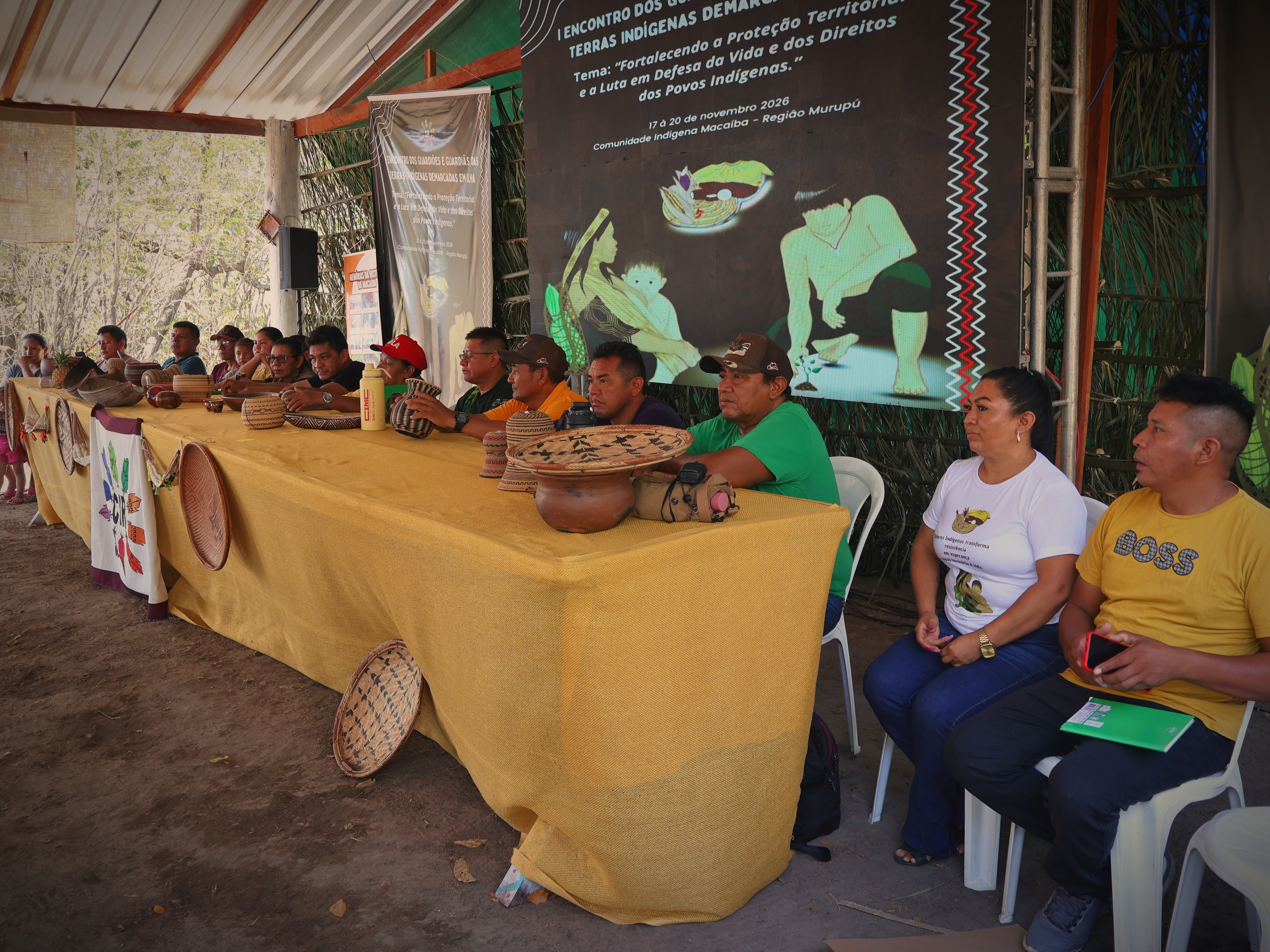
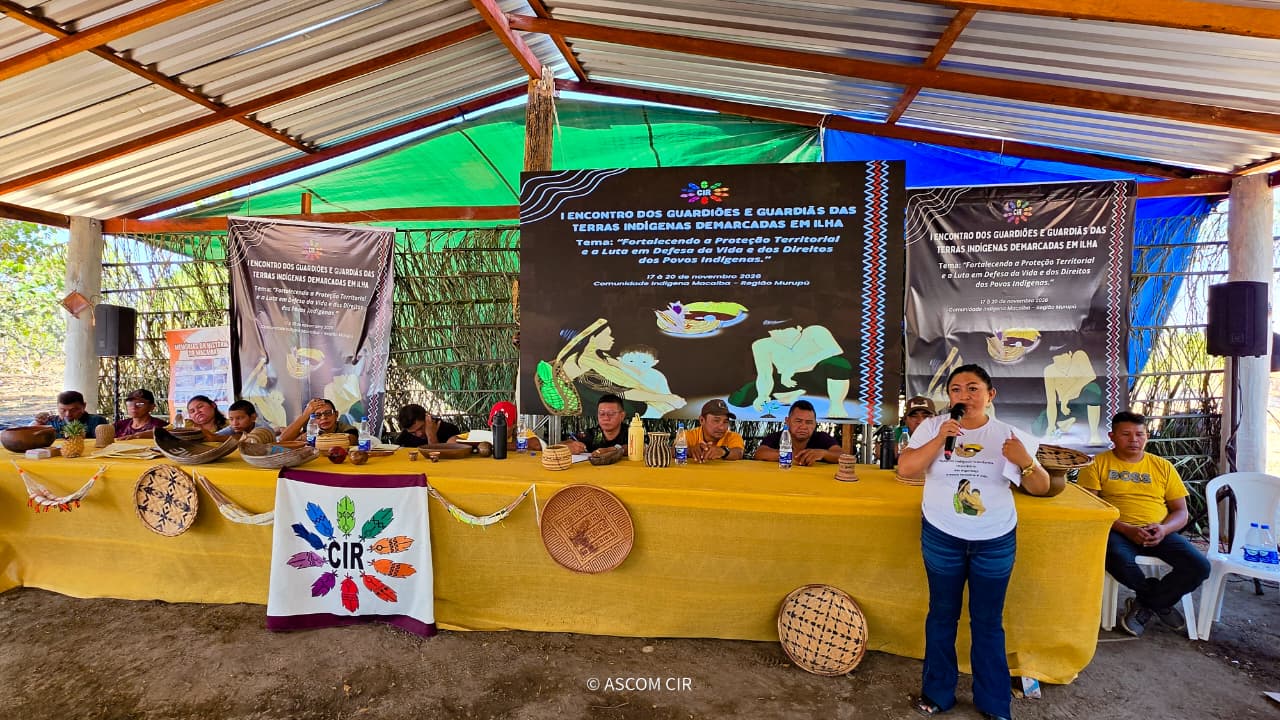
For the first time, the Meeting of Guardians of Demarcated Indigenous Lands in Ilha is being held in Roraima. The event brought together, between November 17 and 20, in the Nova Macaíba indigenous community, Murupu region, indigenous leaders from six regions of the base of the Indigenous Council of Roraima (CIR).
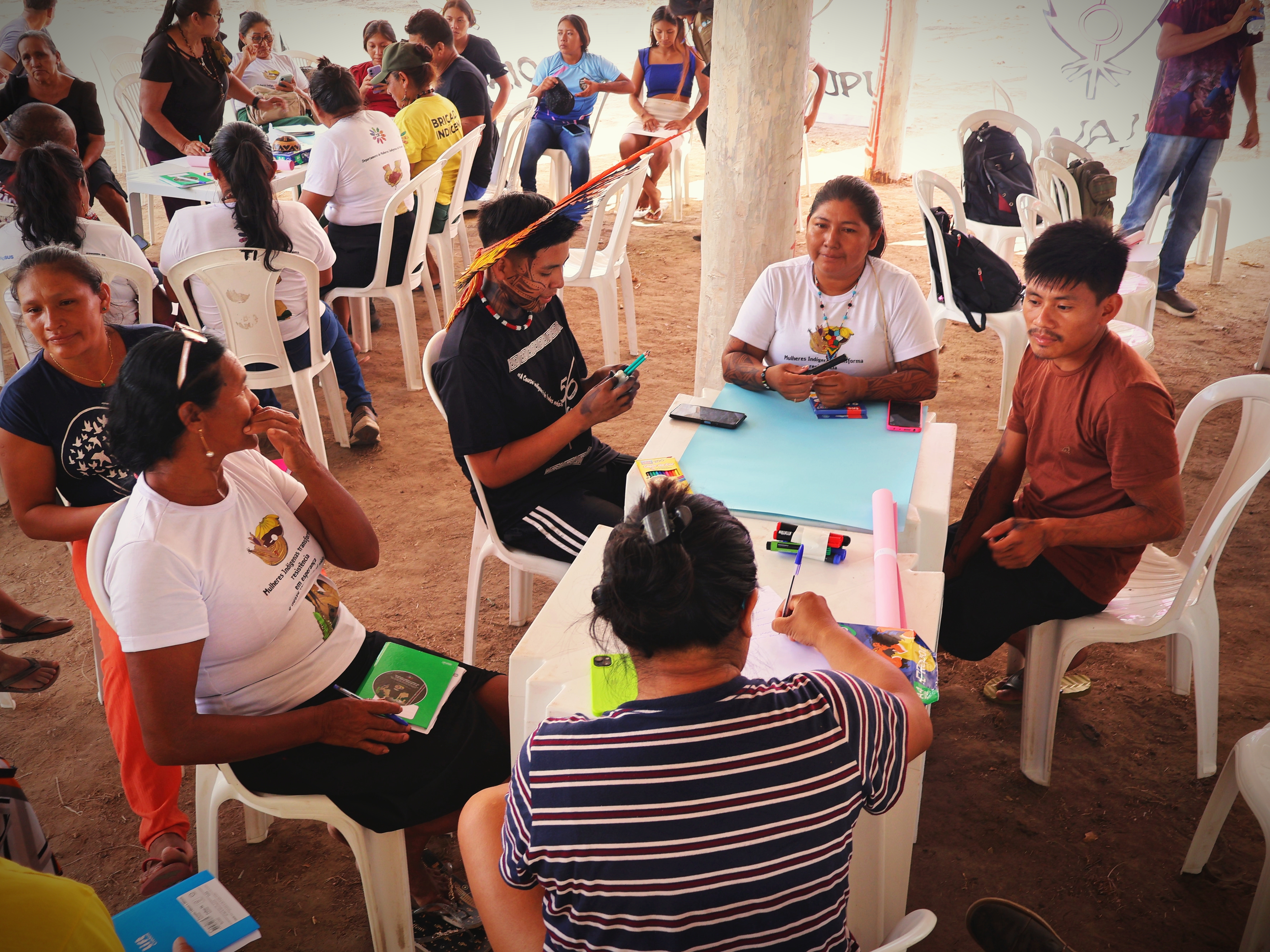
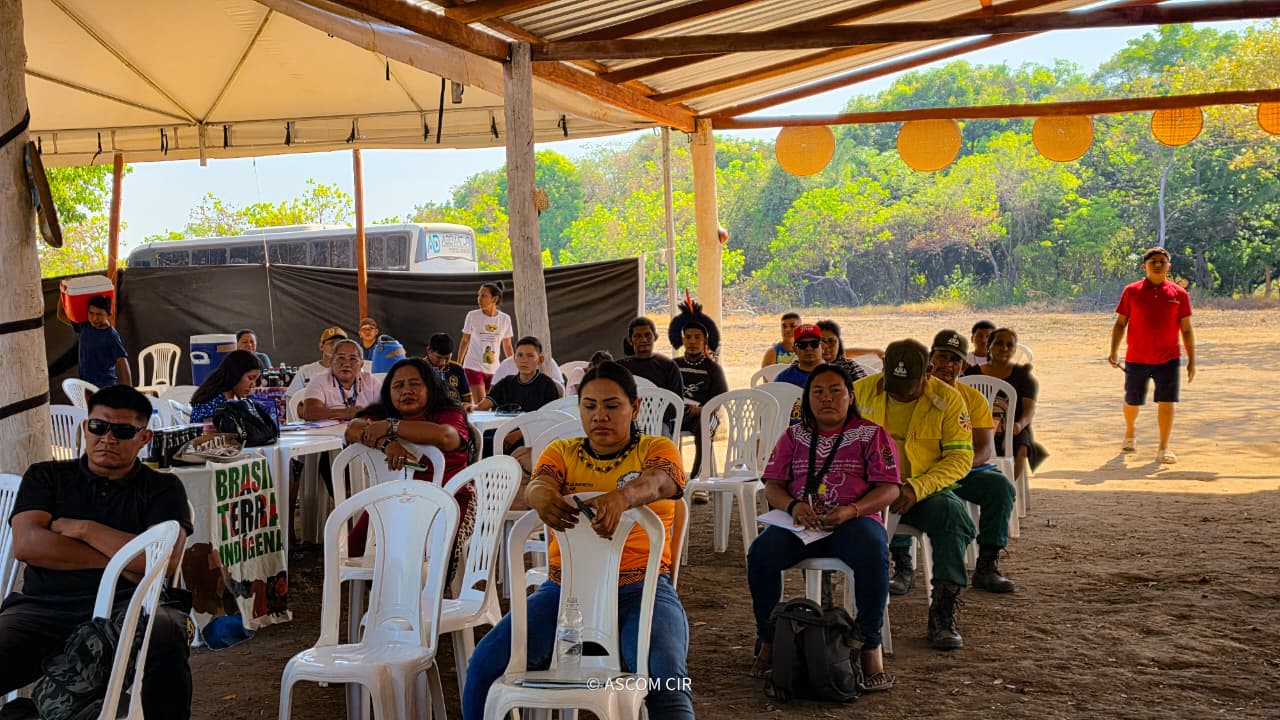
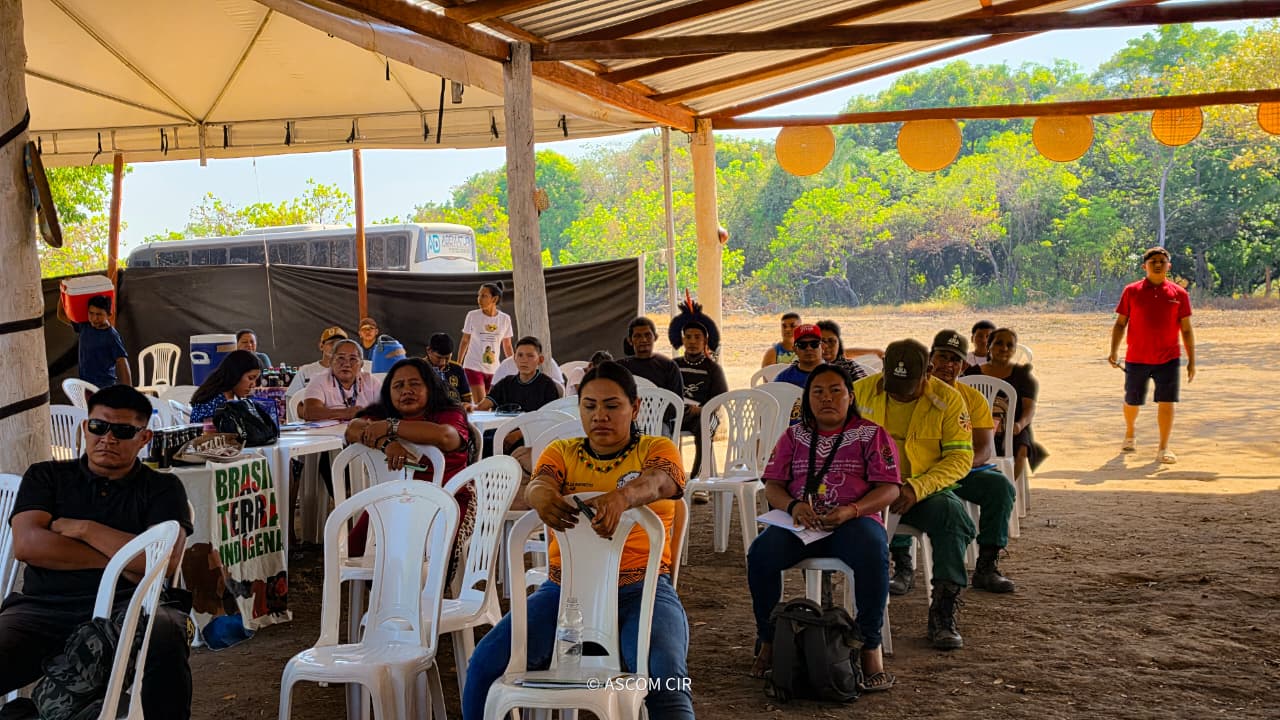
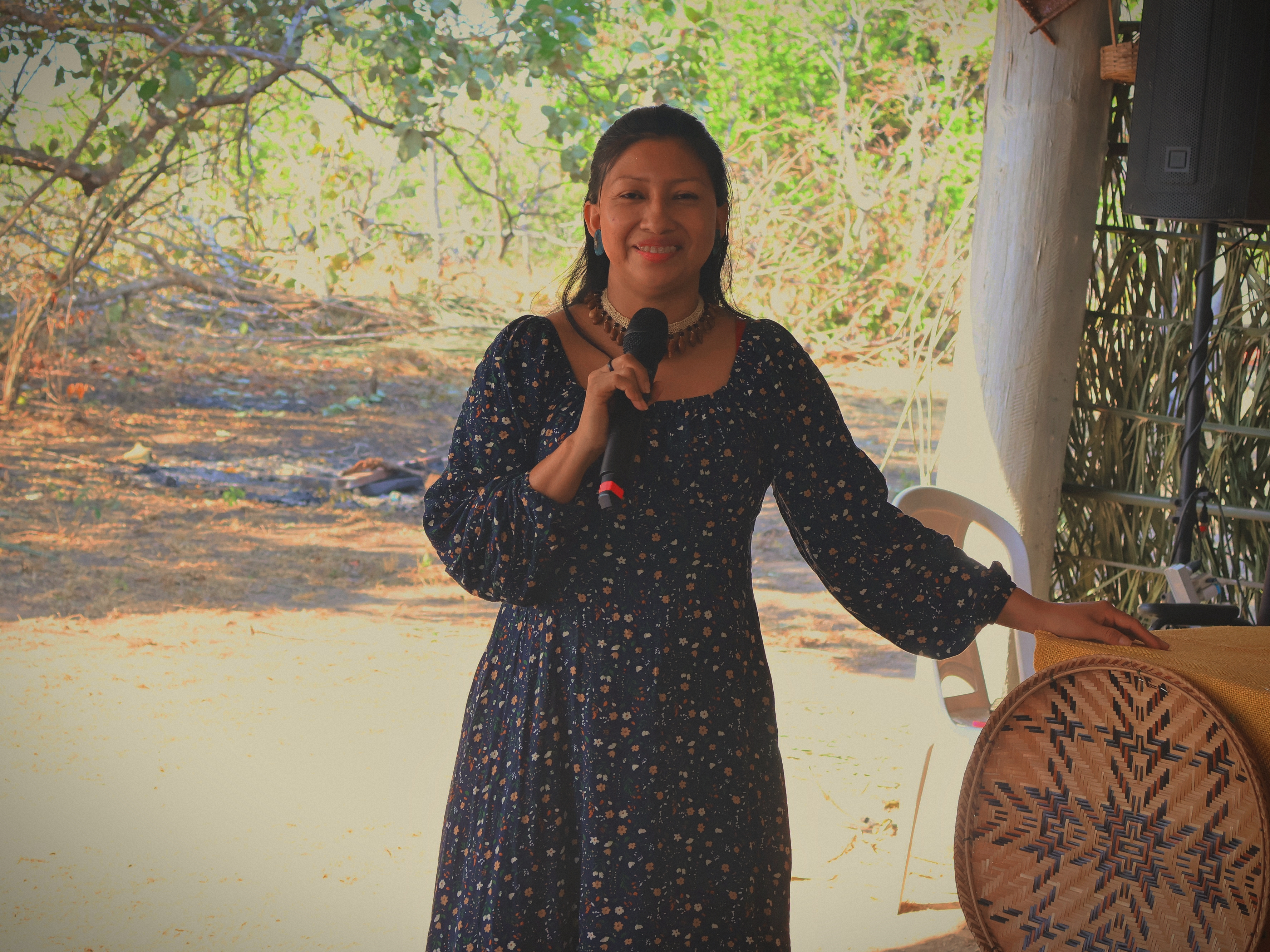
With the theme "Strengthening Territorial Protection and the Fight to Defend the Life of Indigenous Peoples," the initiative was promoted by the Department of Indigenous Women of the Indigenous Council of Roraima (CIR). Approximately 100 leaders participate in the meeting, representing the regions of Serra da Lua, Itacutu, Murupu, Tabaio, Amajari, and Alto Cauamé. During the program, they share the realities and challenges faced in the indigenous territories demarcated on islands.
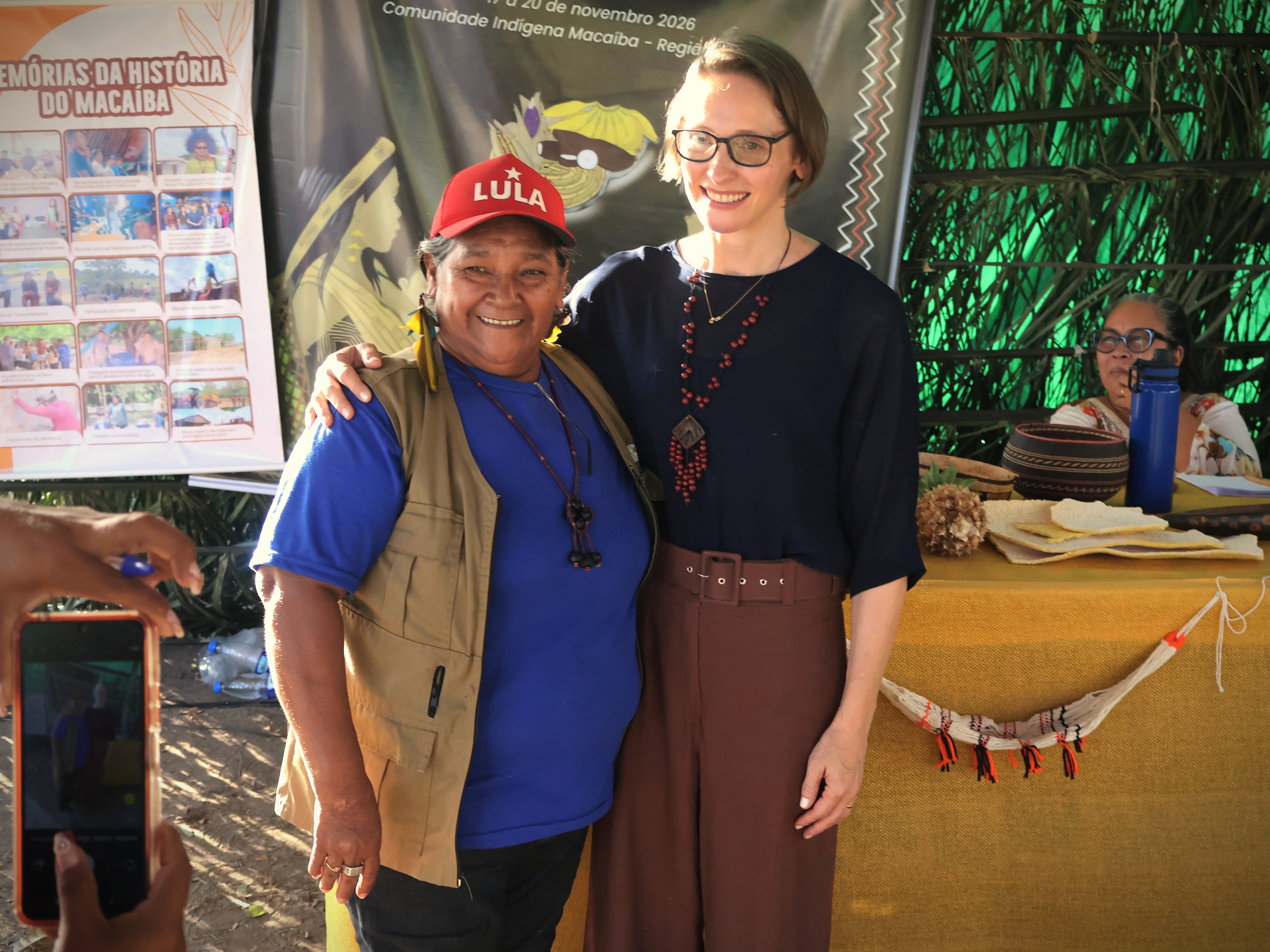
The choice of the Nova Macaíba community to host the first meeting also carries an important meaning. Formed by families of the Wapichana indigenous people, the community is undergoing a process of recognition and faces challenges related to the protection of its territory. Receiving leaders from different regions represents an opportunity to share their reality, strengthen the community's organization, give visibility to the families' situation, and show that the struggle for land also involves recognizing and guaranteeing the rights of those who live on it.
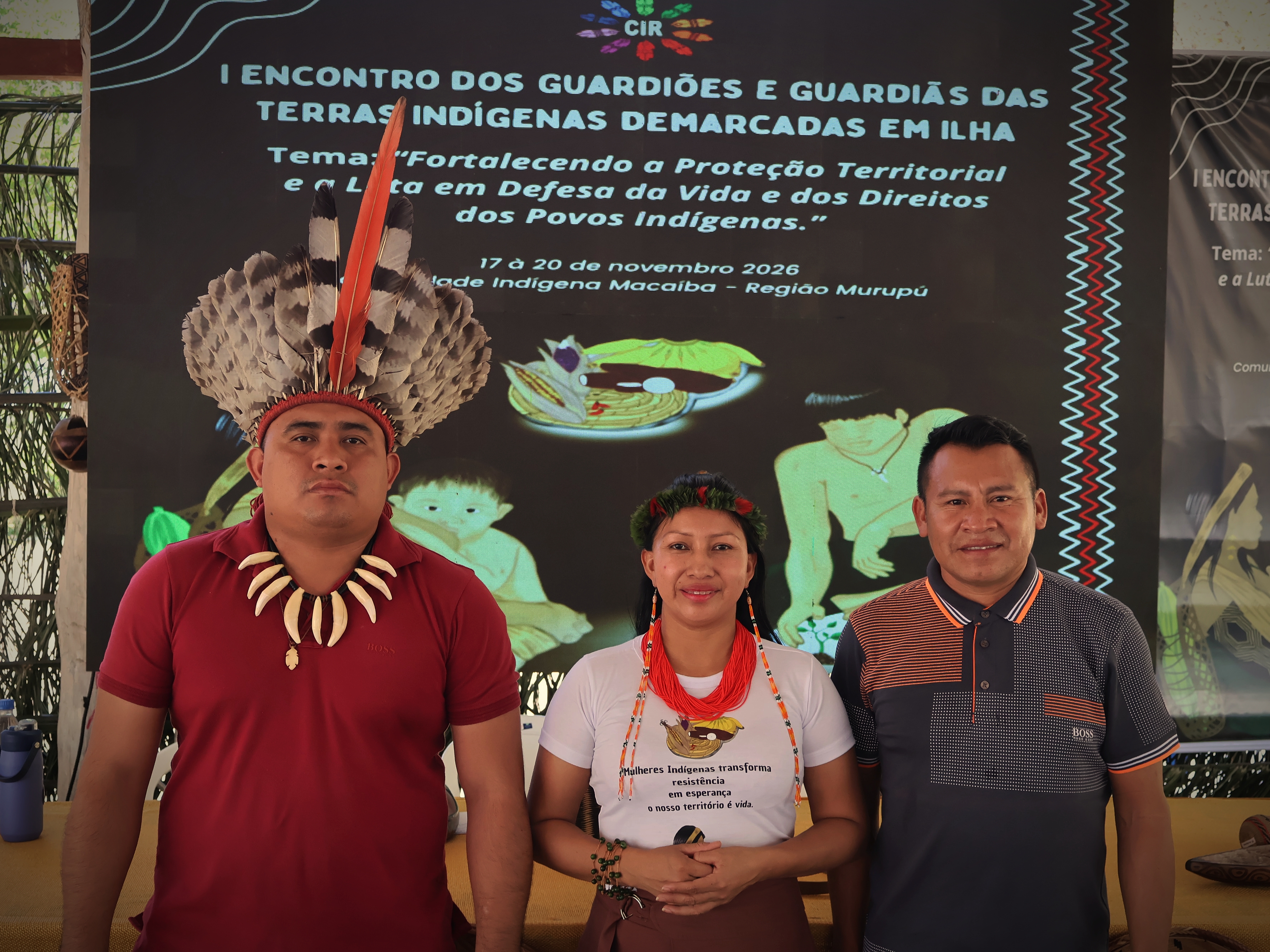
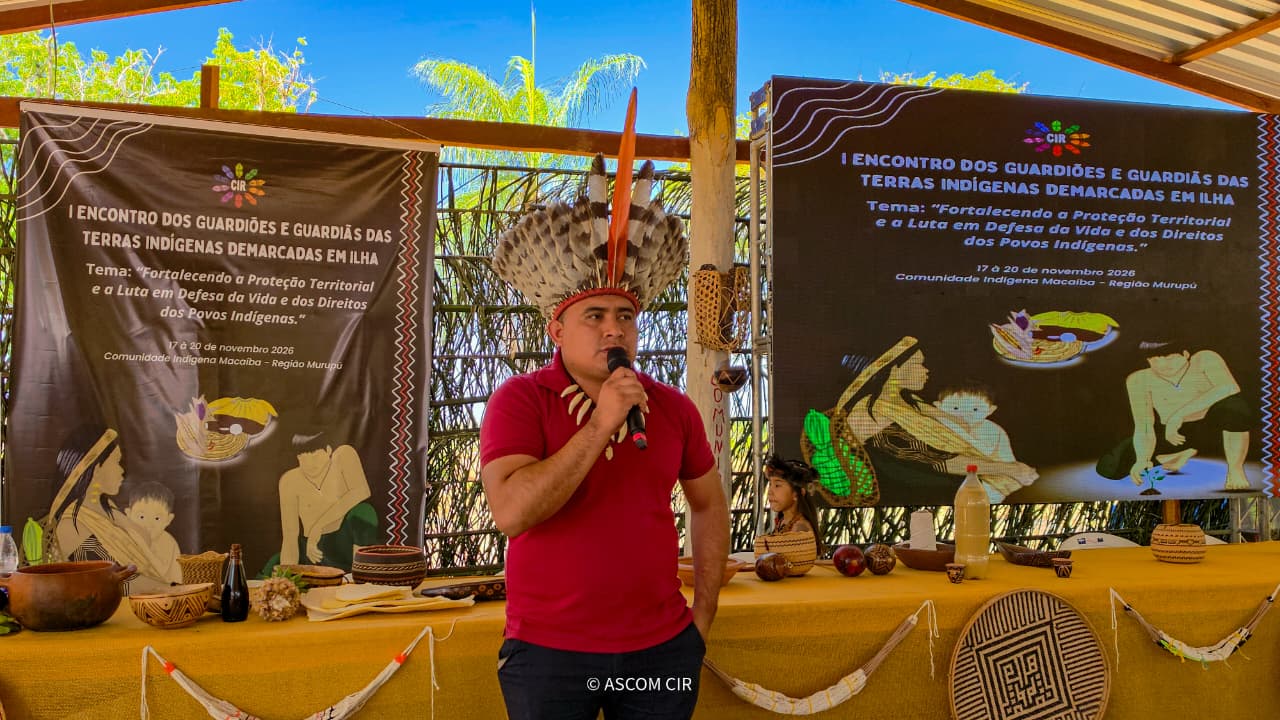
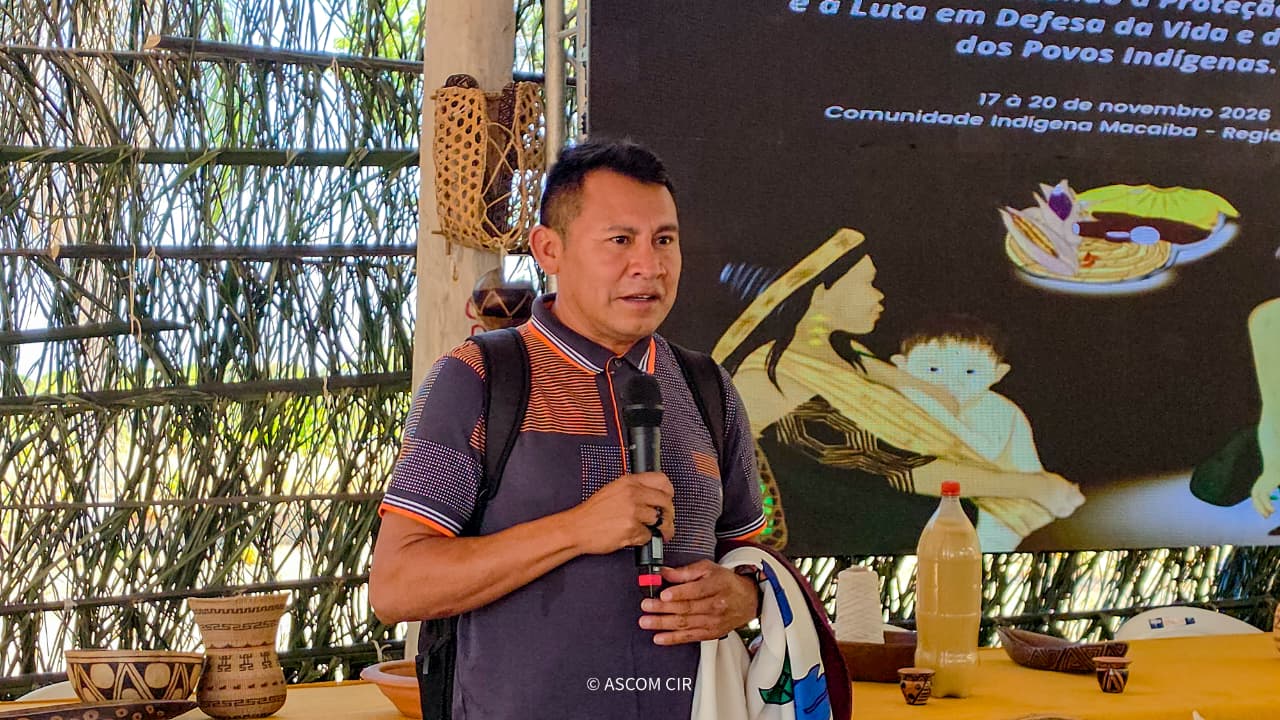
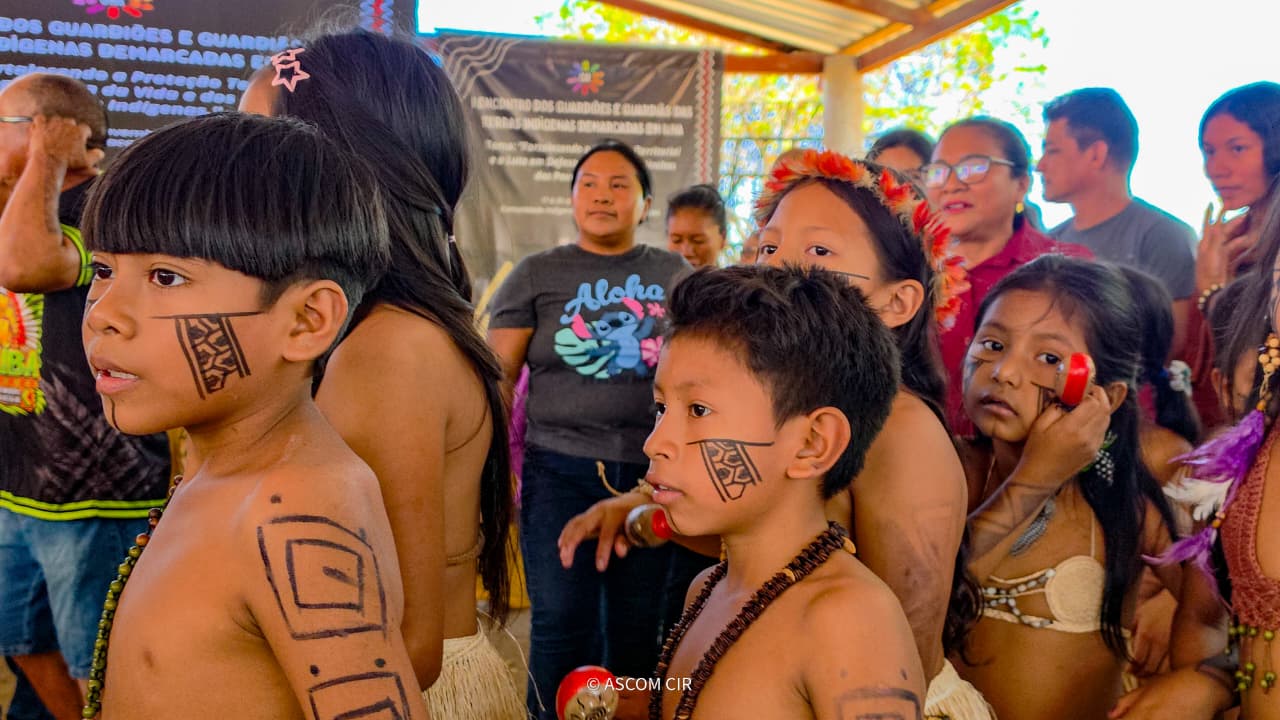
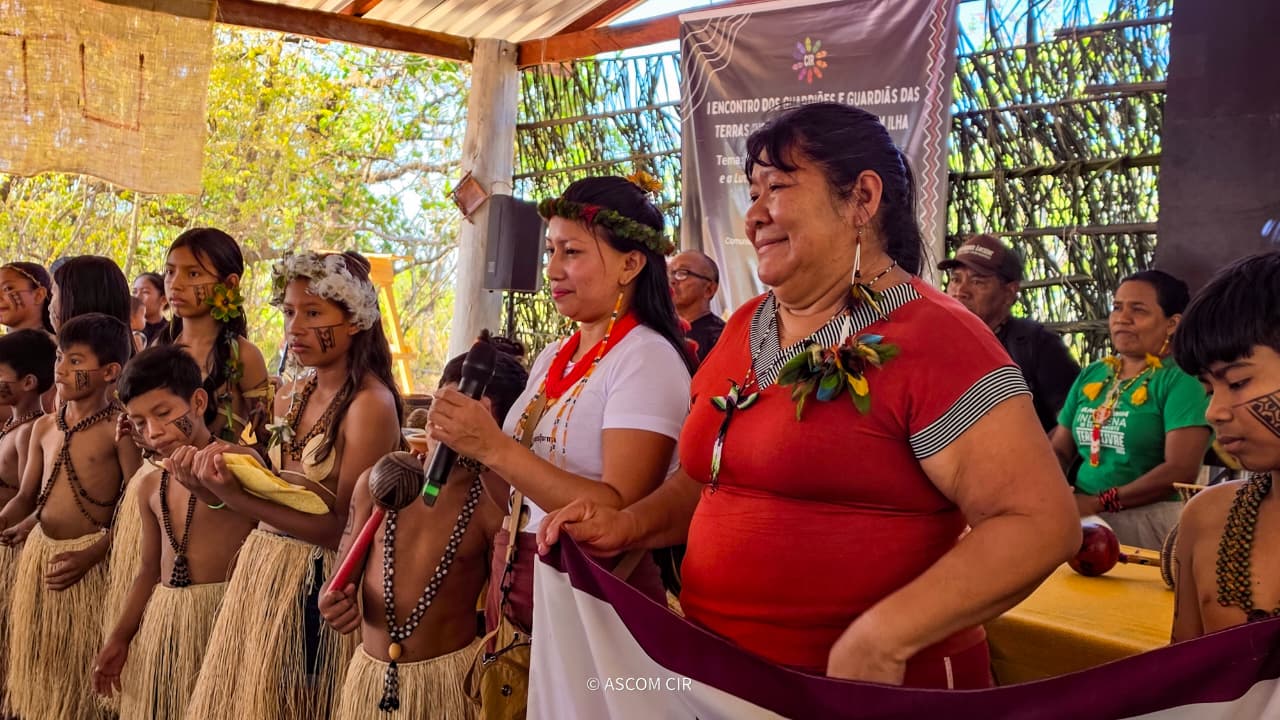
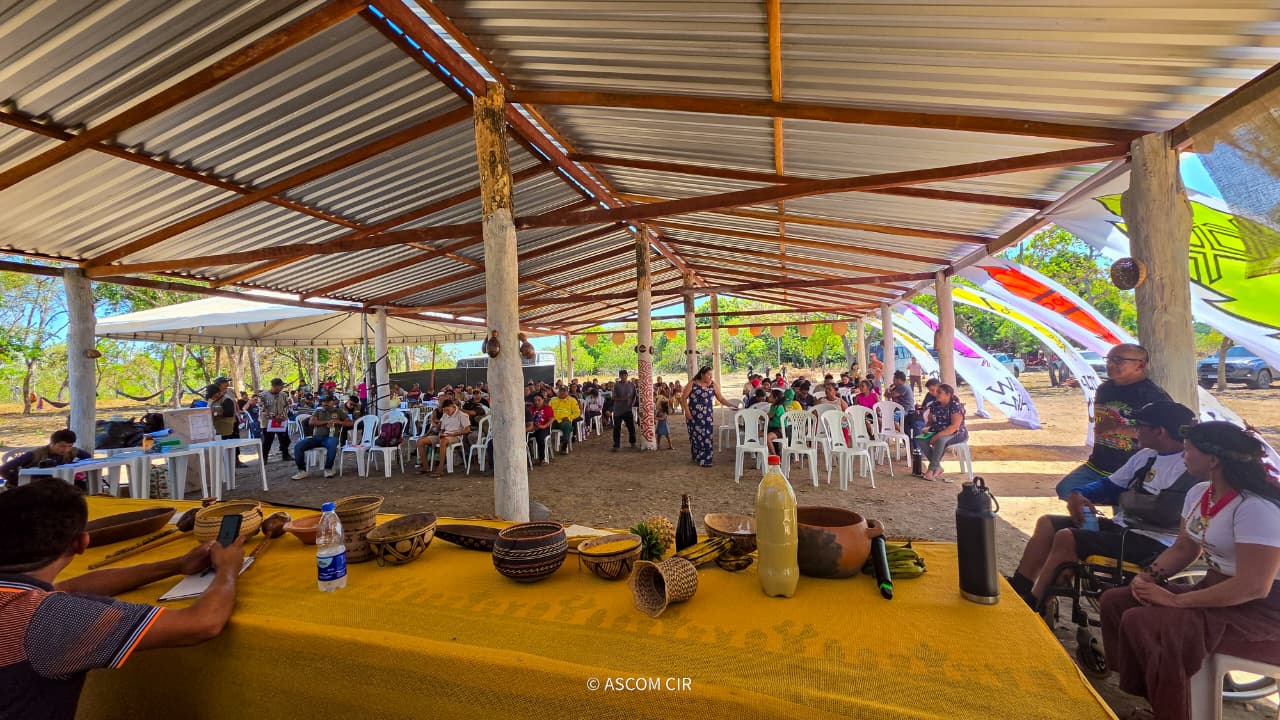
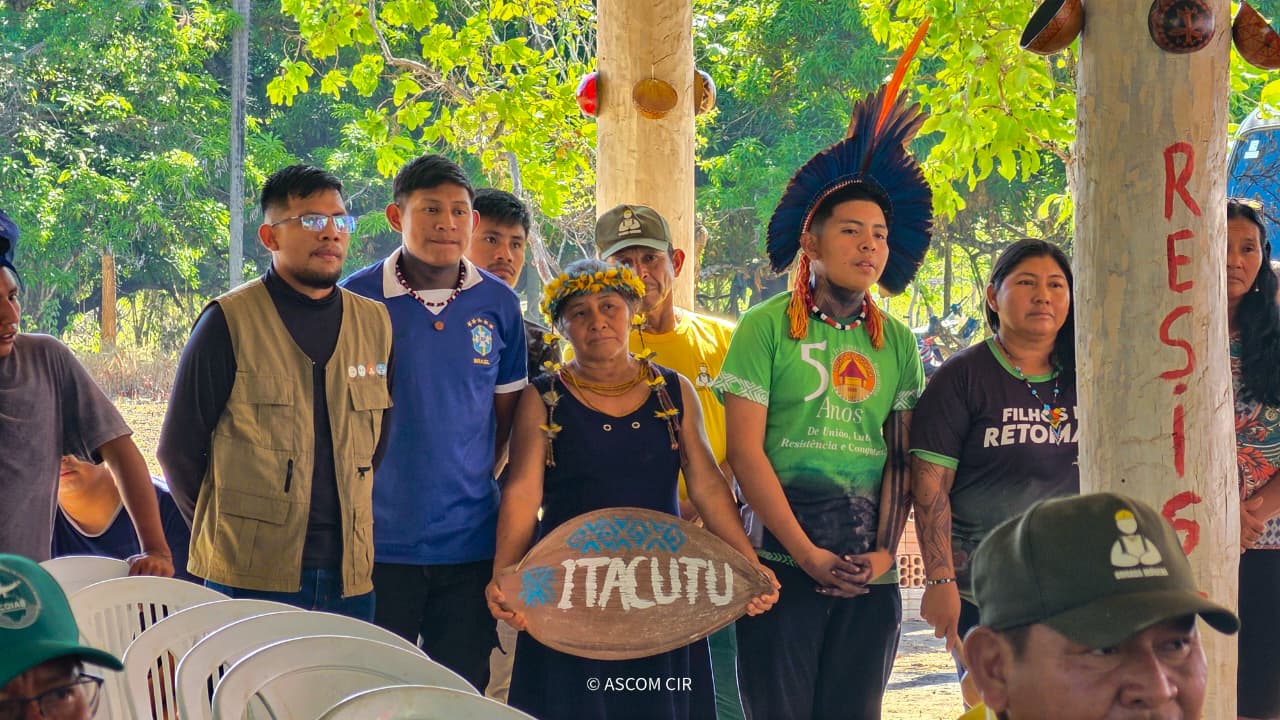
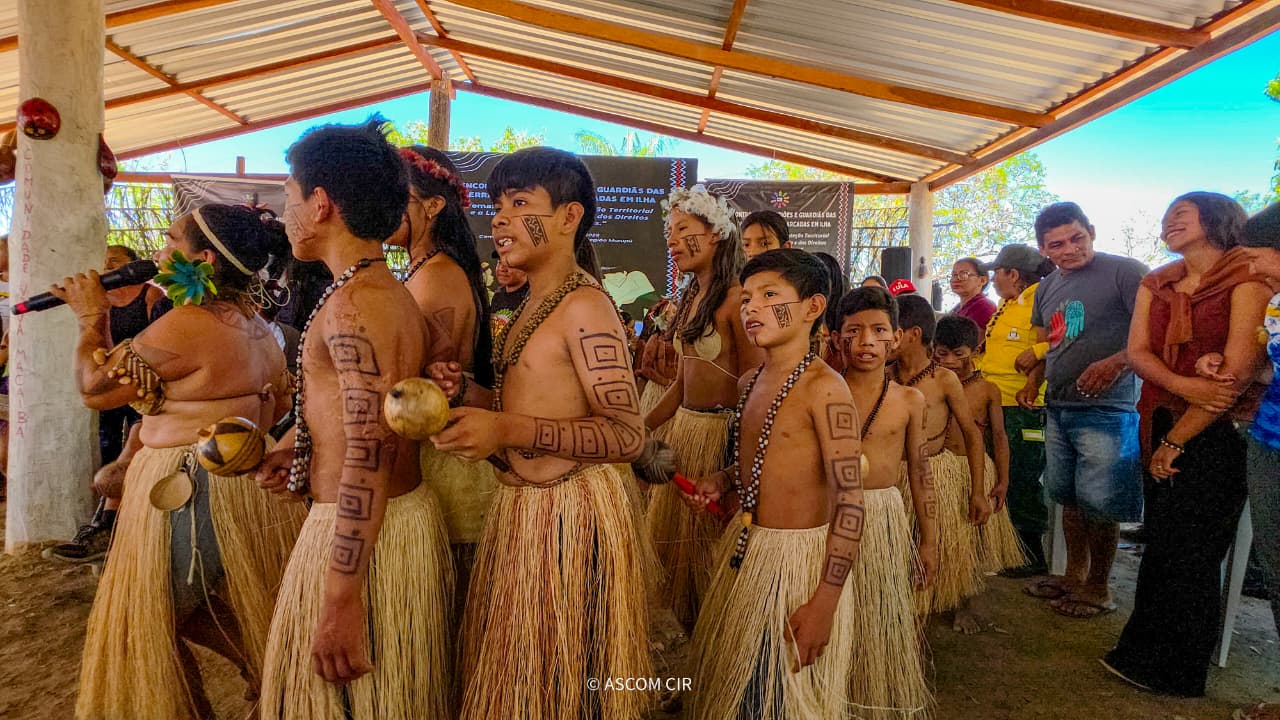
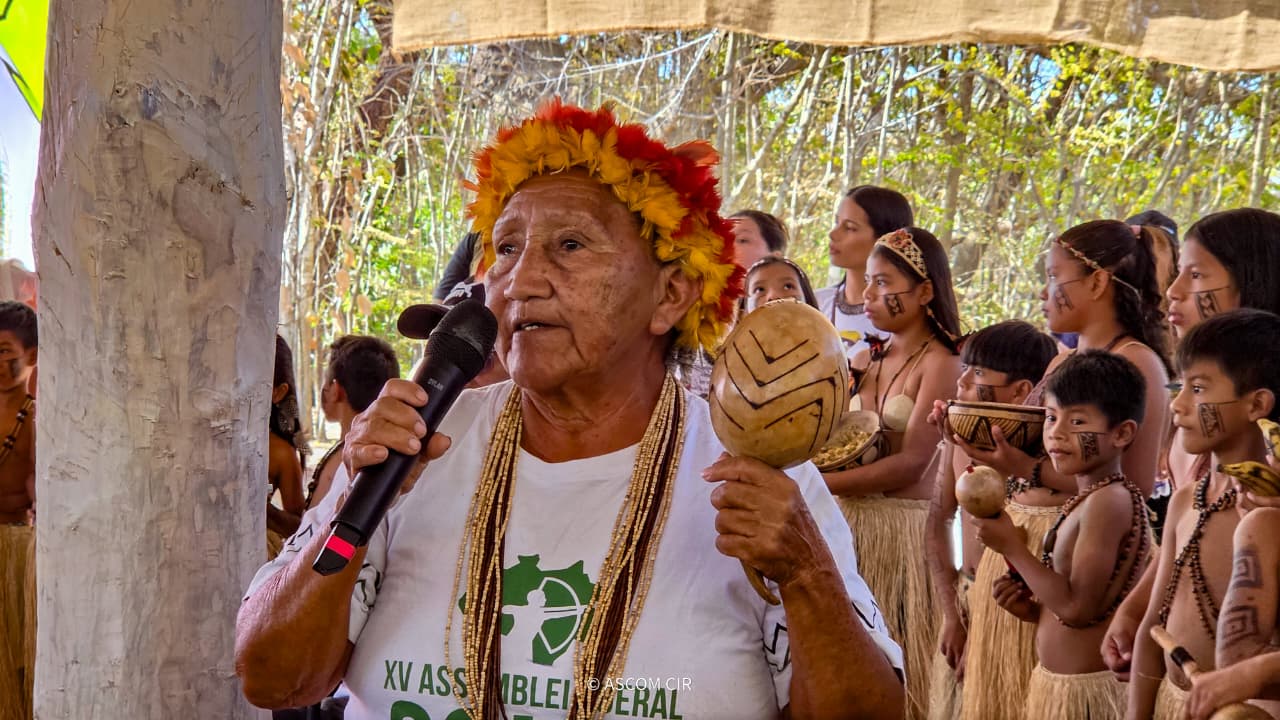
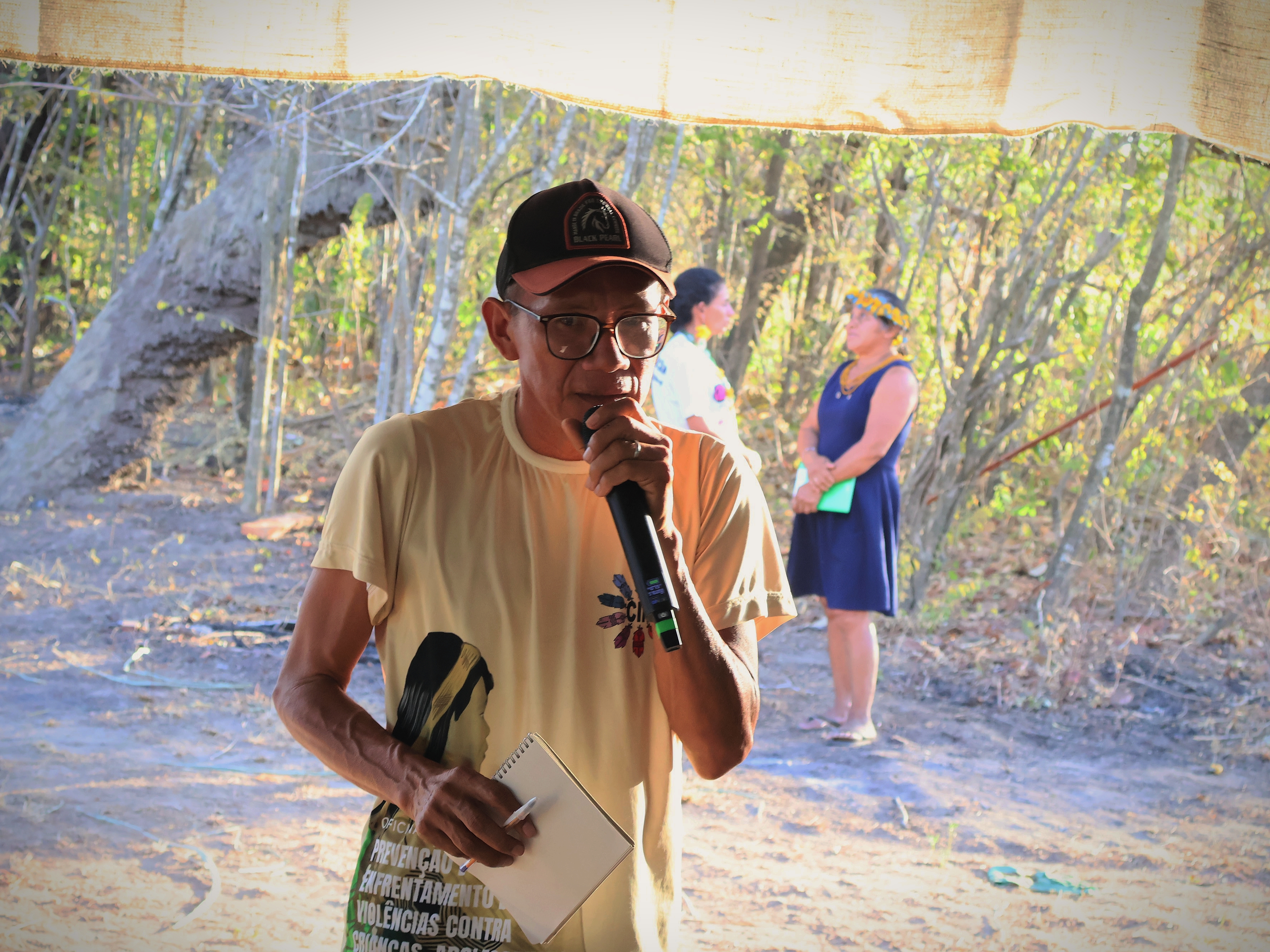
For Antonio Wapichana, the Tuxaua of the Nova Macaíba community, receiving the leaders represents an important moment to strengthen the community and the struggle of the families living in the territory.
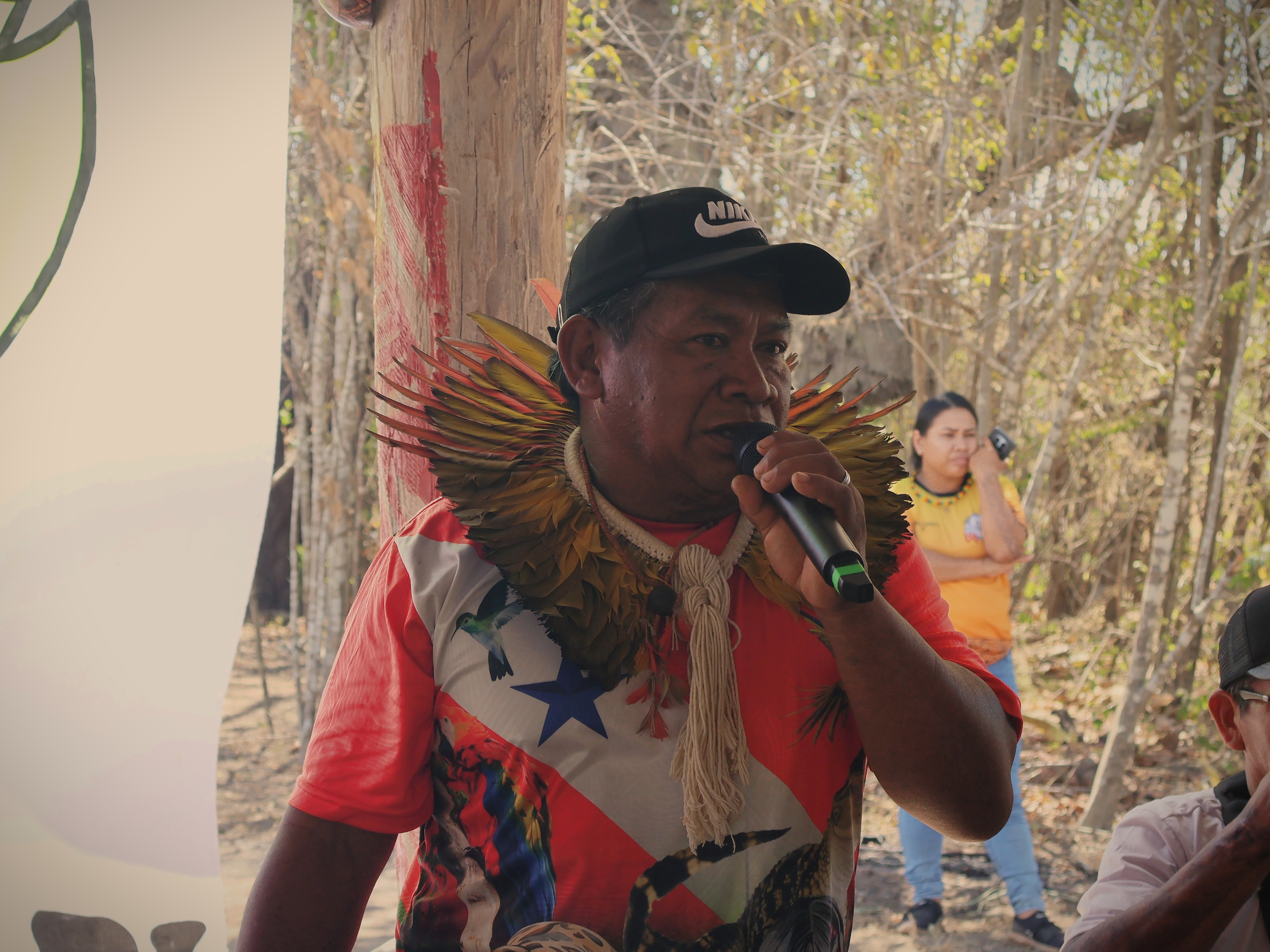
"Hosting this meeting is a reason for joy, welcoming all regions, it strengthens us to say that this land is ours. It strengthens us as leaders, tuxauas, and motivates us to seek improvement for our people and fight for our rights.", expressed the leadership.
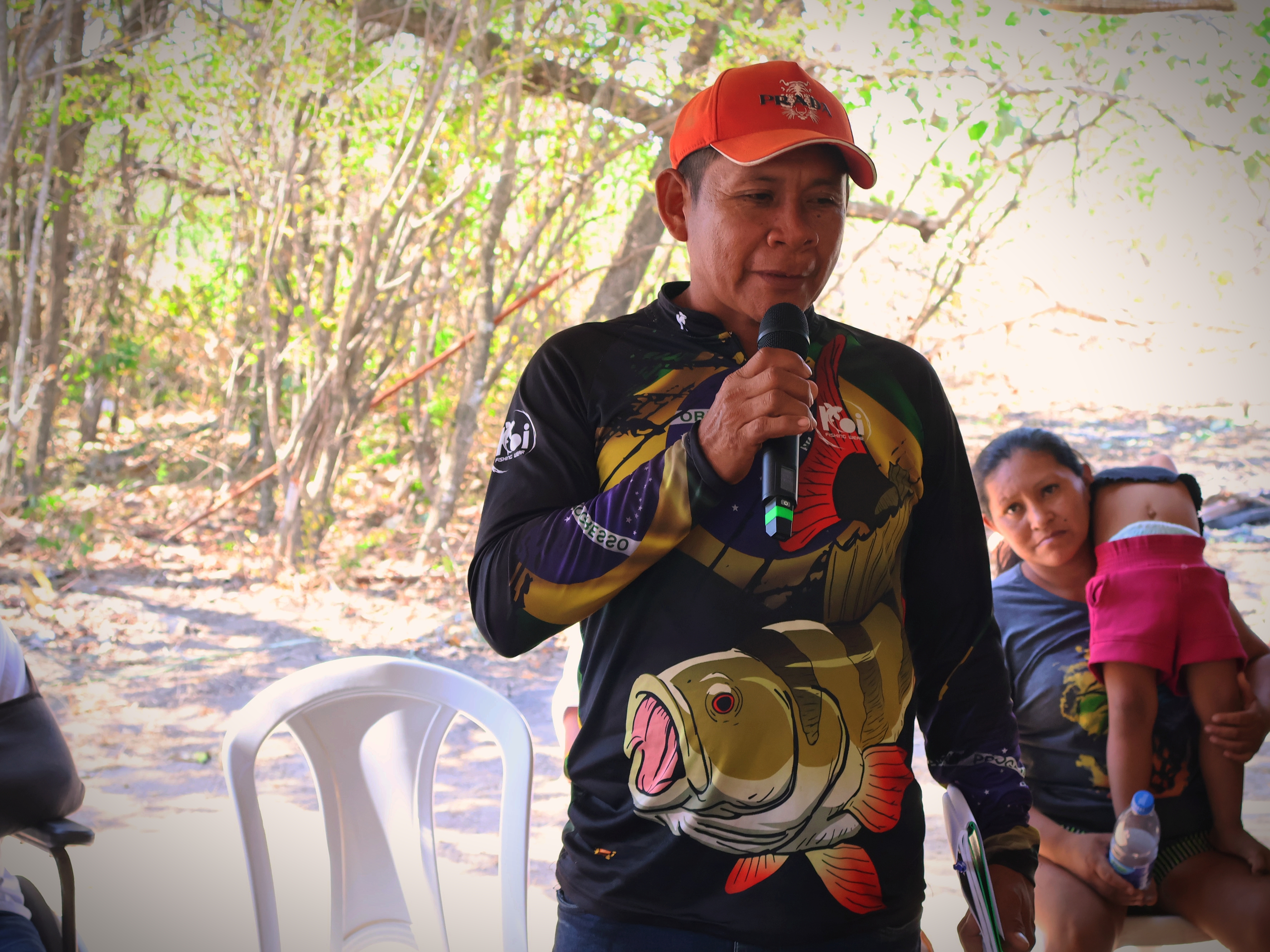
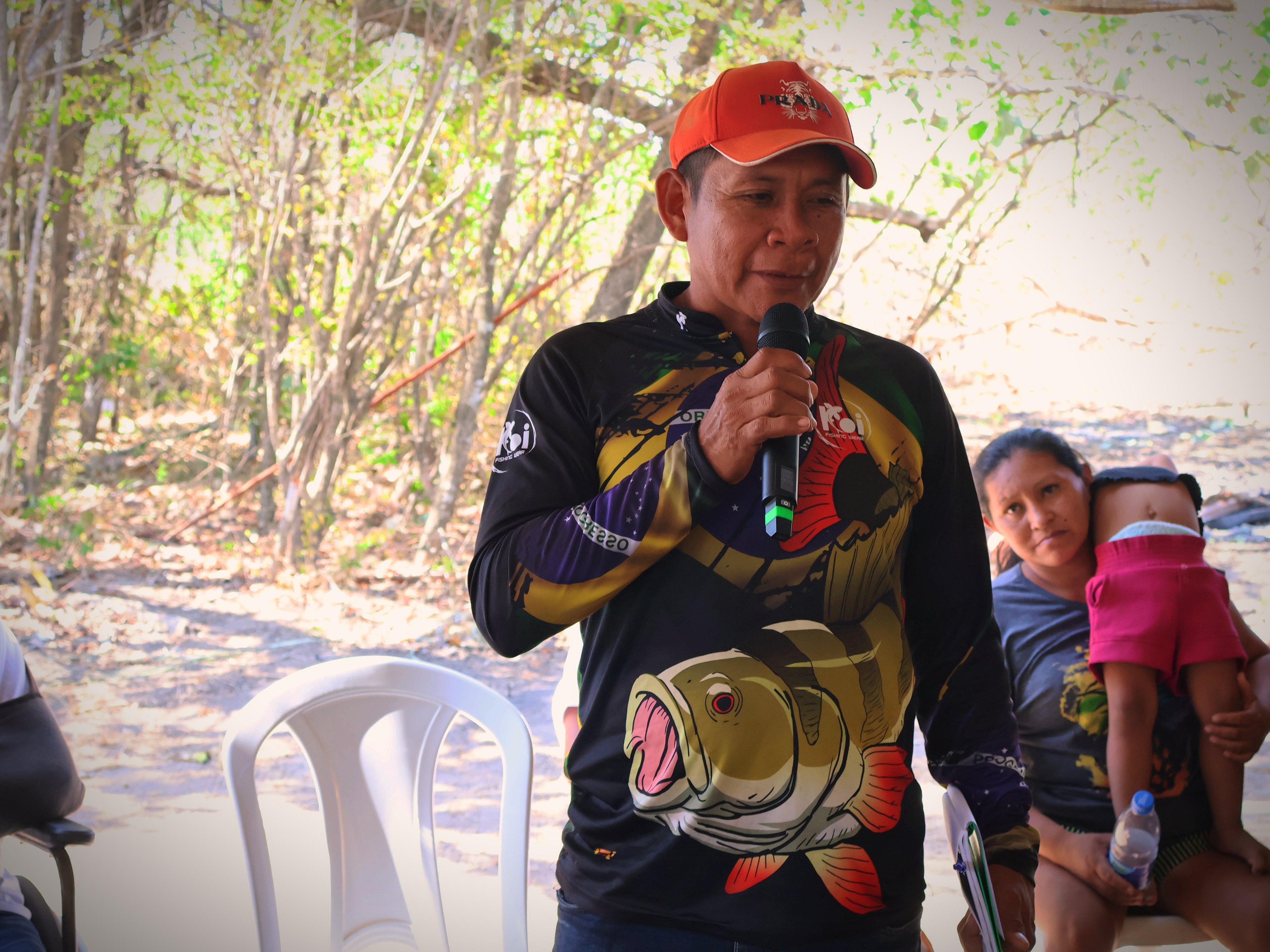
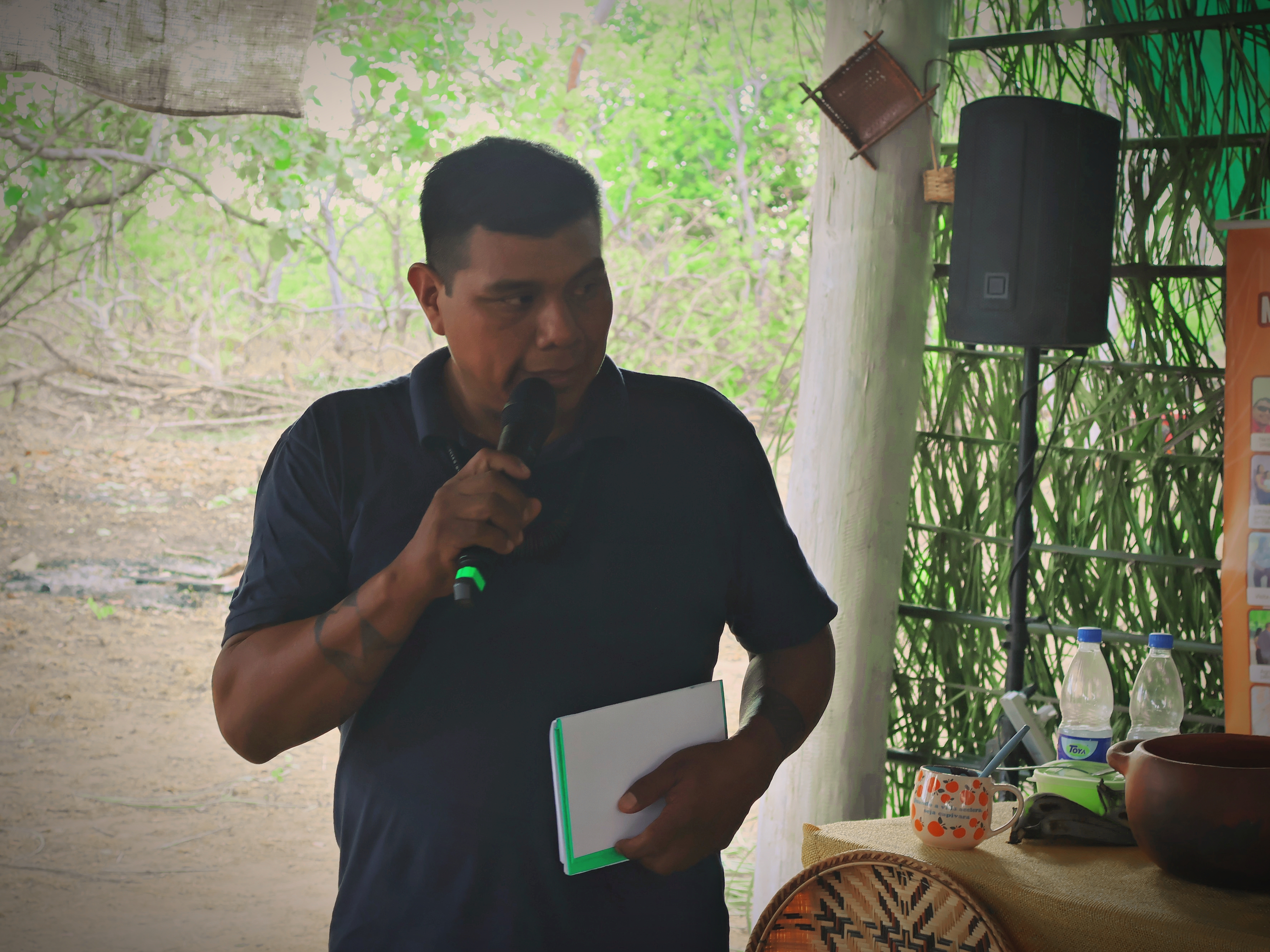
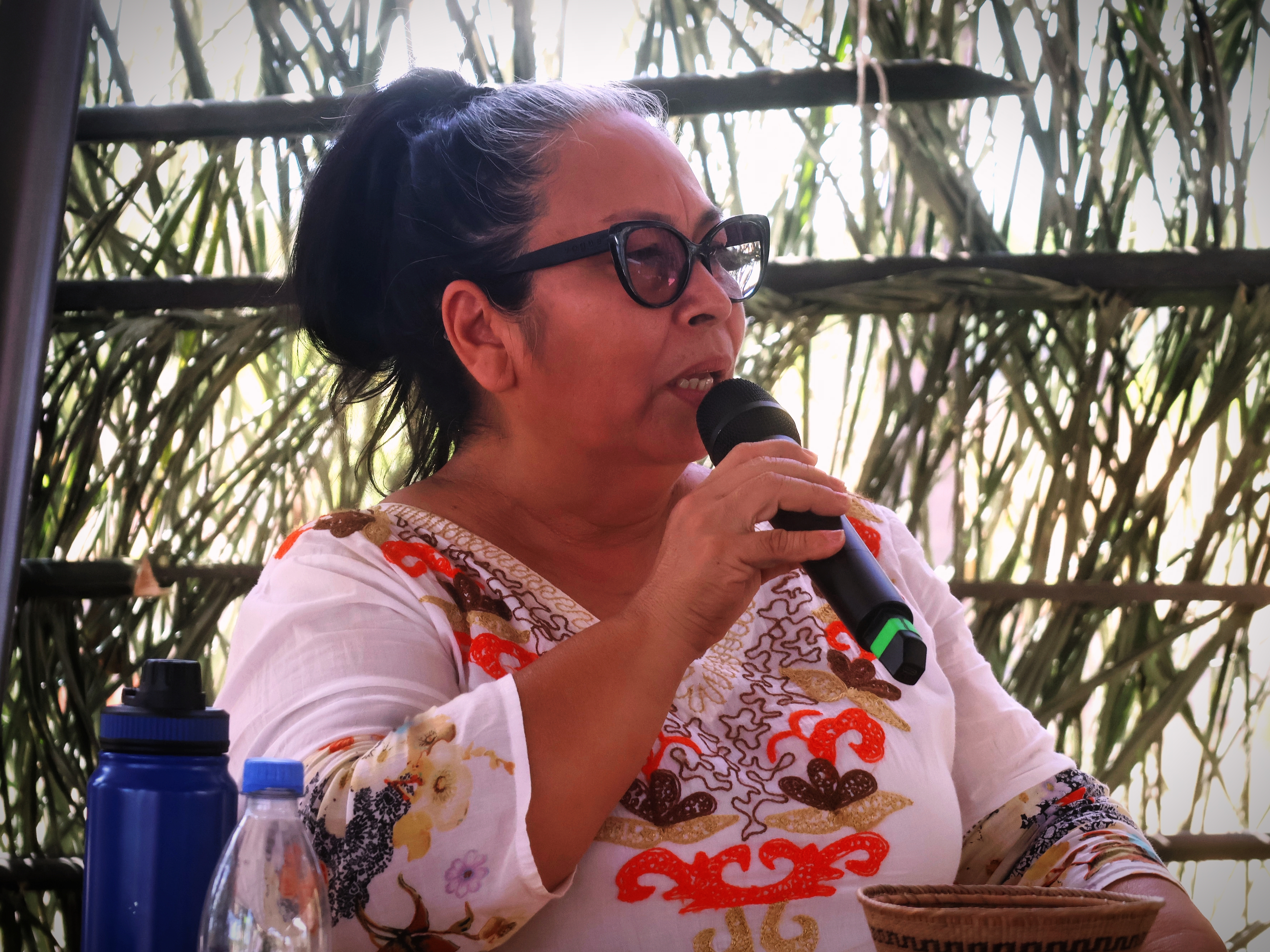
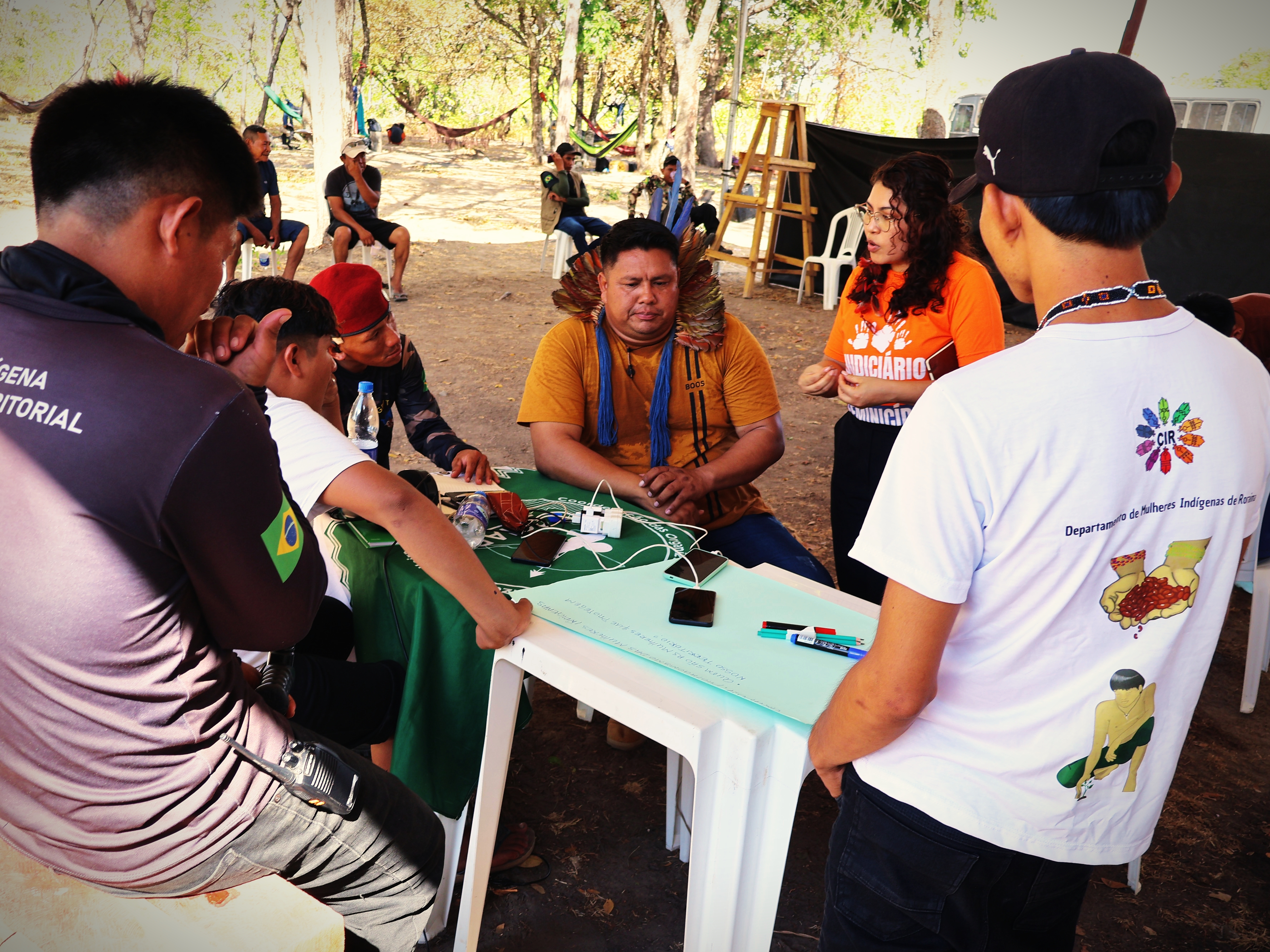
Throughout the meeting, participants shared the situations experienced in their own communities. The speeches brought different realities, concerns, and challenges, showing that despite the particularities of each region, the defense of territories is a common struggle that unites indigenous peoples.
For the regional coordinator of Serra da Lua, César Wapichana, the experiences shared during the meeting also allow for presenting and discussing the challenges faced in his region, as well as thinking about strategies to address them in the territories.
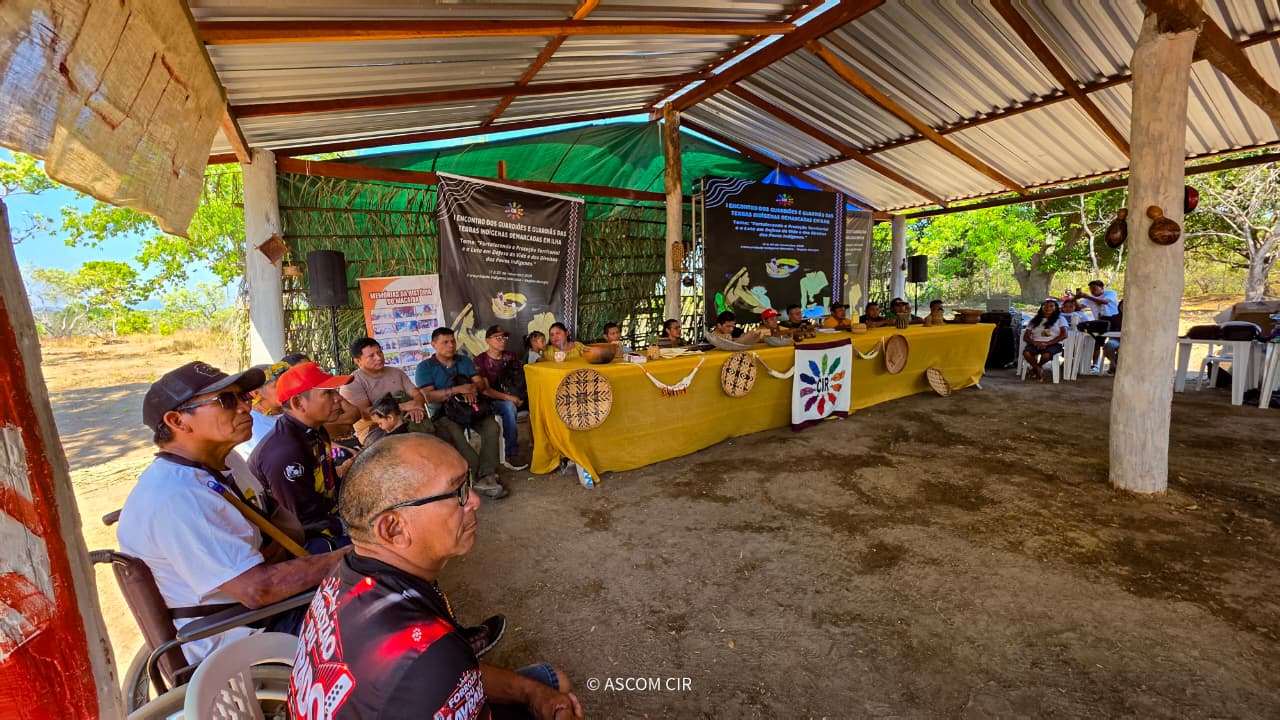
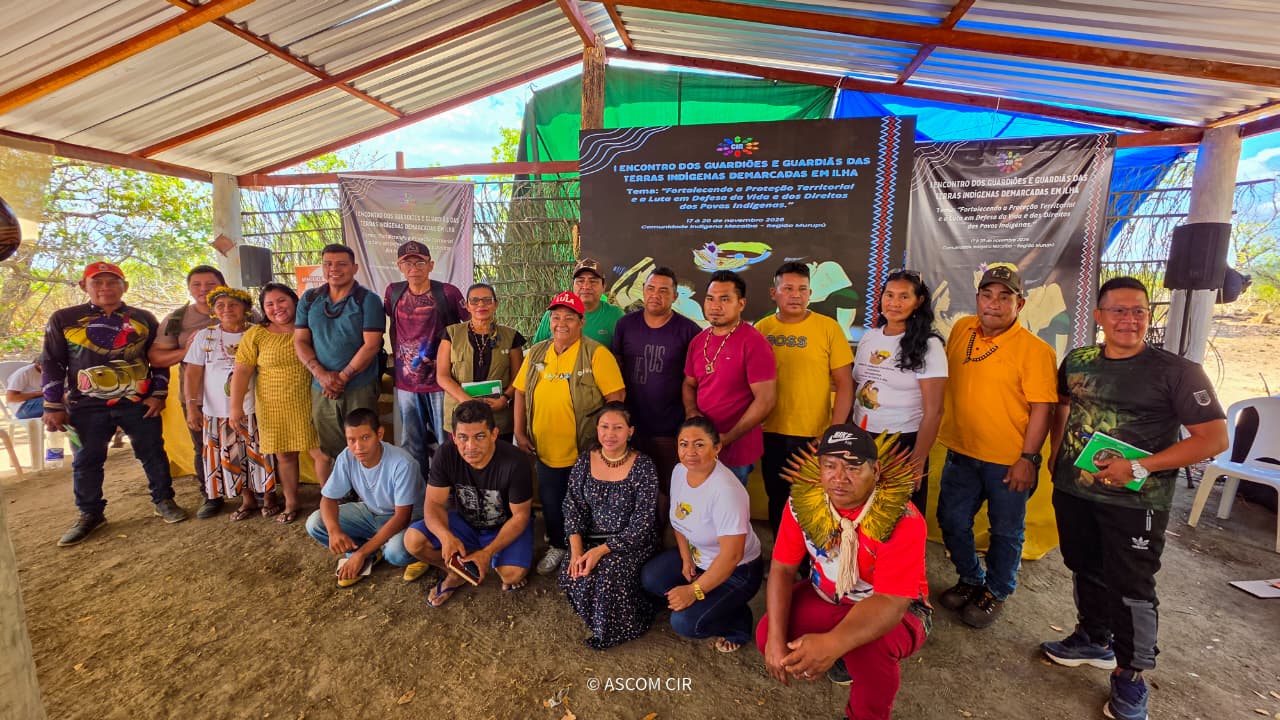
"Today, our territory is demarcated into islands and, therefore, we face pressures related to agribusiness and the expansion of soybean monoculture. One of our main challenges is territorial protection against these impacts, as well as contamination of streams. We are also concerned about the future of the next generations and the conditions in which they will find our territories.", highlighted the coordinator.
During the program, the role of institutions in territorial protection was also among the topics discussed. The National Foundation of Indigenous Peoples (Funai), through the Regional Coordination of Roraima II (CR II), represented by Jonathan Alberto Oliveira, participated in the dialogue on the challenges of protecting Indigenous Lands demarcated on islands, the agency's activities, and the importance of partnerships with communities, leaders, guardians, and guardians in territorial defense.
In this process, the Legal Department of the Indigenous Council of Roraima (CIR) plays a fundamental role in guiding communities, monitoring debates on territorial rights, and strengthening the organization of leaders in the face of challenges involving the defense of their lands. The department provides advice to leaders and territories, monitoring territorial processes and complaints of rights violations submitted by communities.
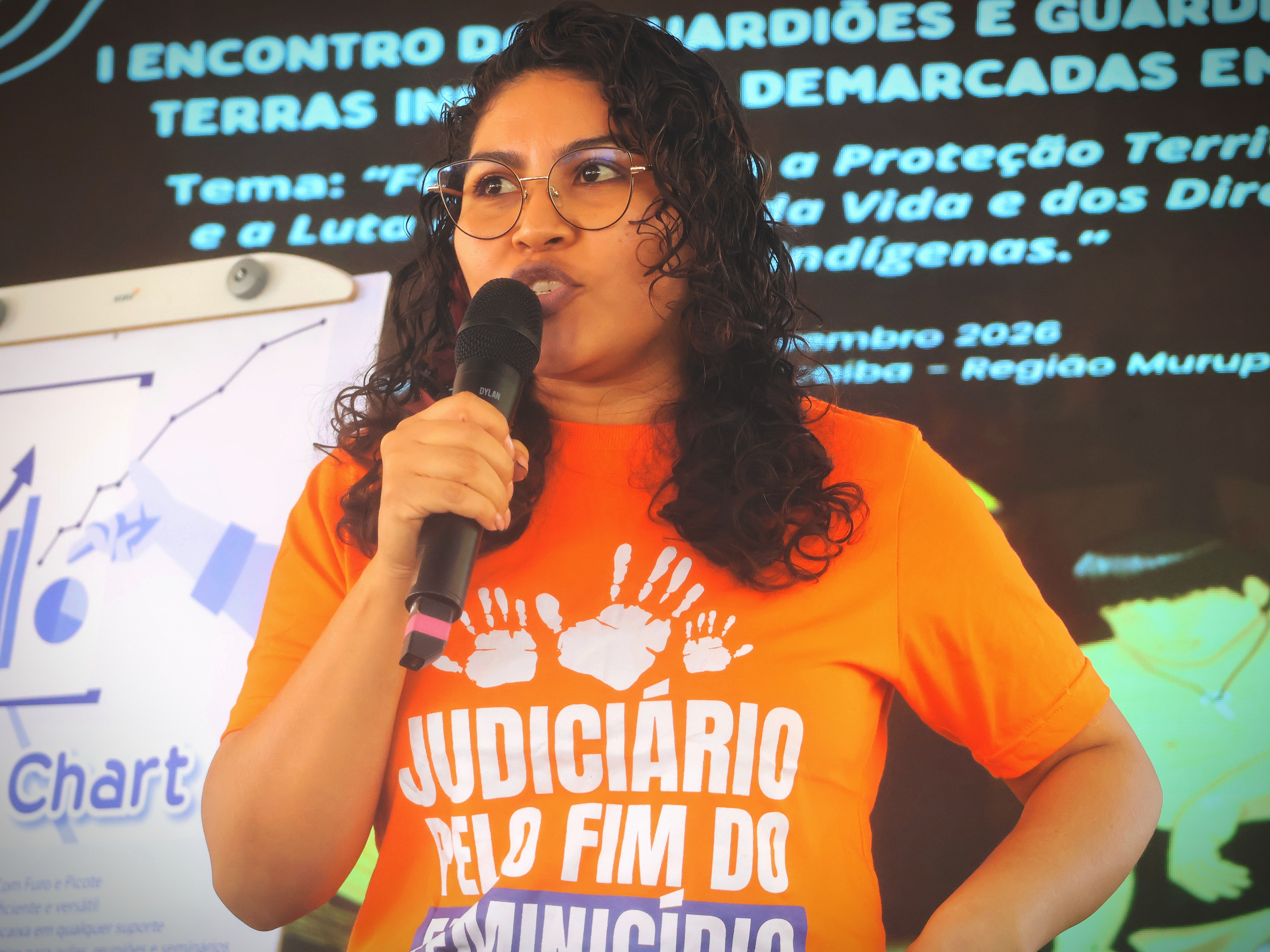
"We are here in the technical advisory of the leaderships and territories. Currently, we have many territorial processes and also receive reports of rights violations submitted by the leaders. Our role is to direct these demands to the competent bodies so that the rights of indigenous peoples are enforced,"stated Luciane Macuxi, lawyer for the CIR.
The concerns presented by the leaders go beyond territorial conflicts and involve different forms of violence that affect indigenous communities, highlighting the challenges faced in protecting territories and guaranteeing rights. Among the problems pointed out are the rise of drugs, alcoholism, domestic violence, and cases of sexual violence against children and adolescents. These situations directly affect the lives of families, security within communities, and the future of peoples. The leaders also highlighted the need to expand opportunities for young people within communities.
Given these realities, the leaders also presented projects developed through the Indigenous Council of Roraima (CIR), such as Territorial and Environmental Management Plans (PGTAs), projects supported by the RUTÎ Indigenous Fund, initiatives for bird farming, fish farming, and other actions aimed at strengthening communities, generating income, and promoting the autonomy of indigenous peoples.
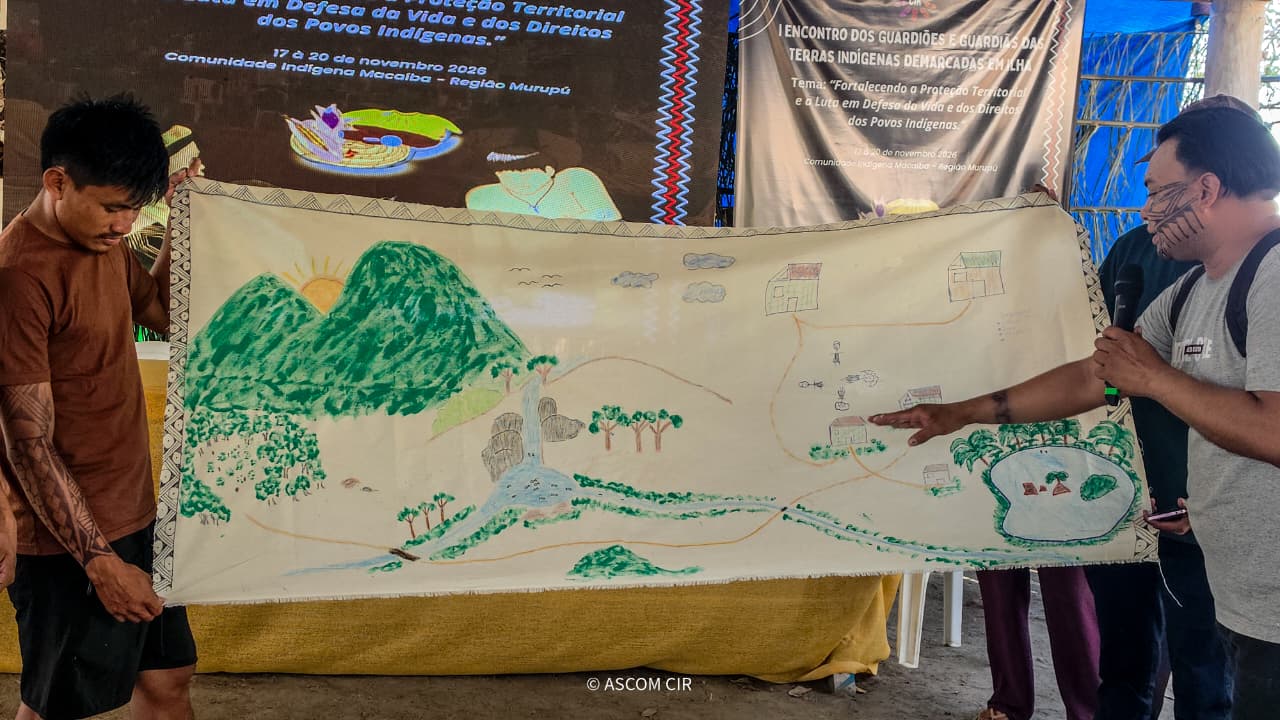
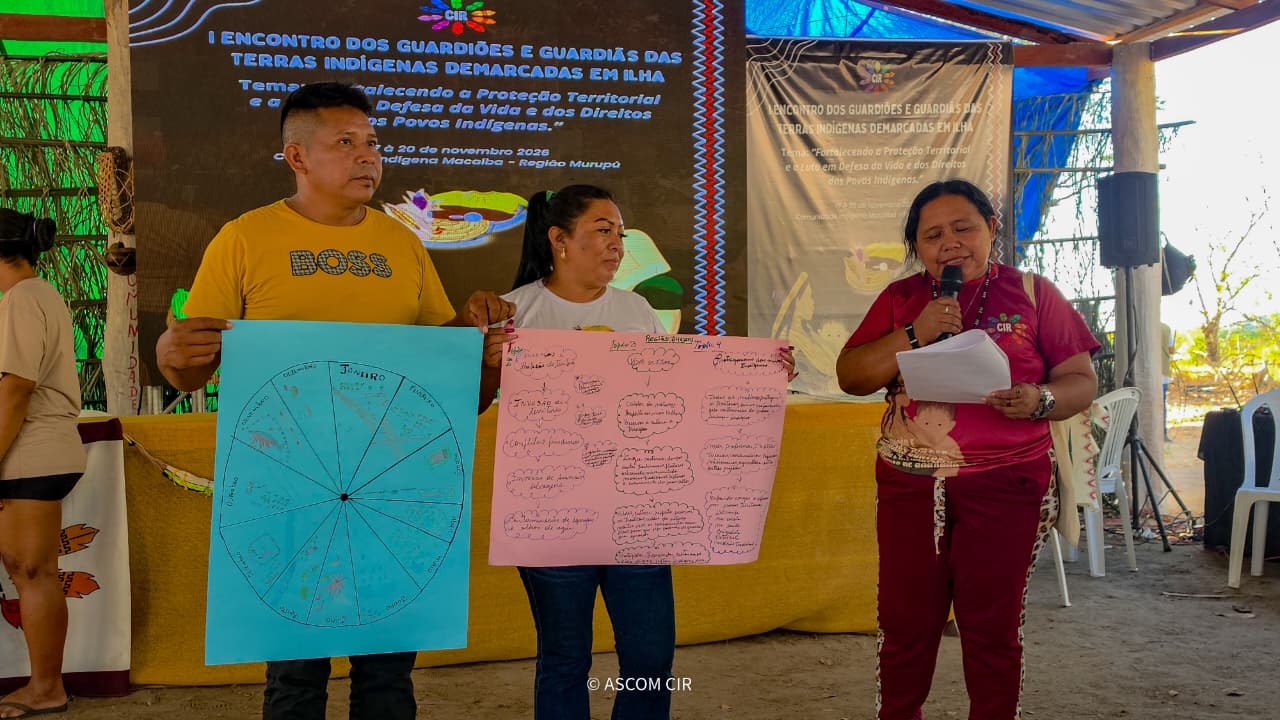
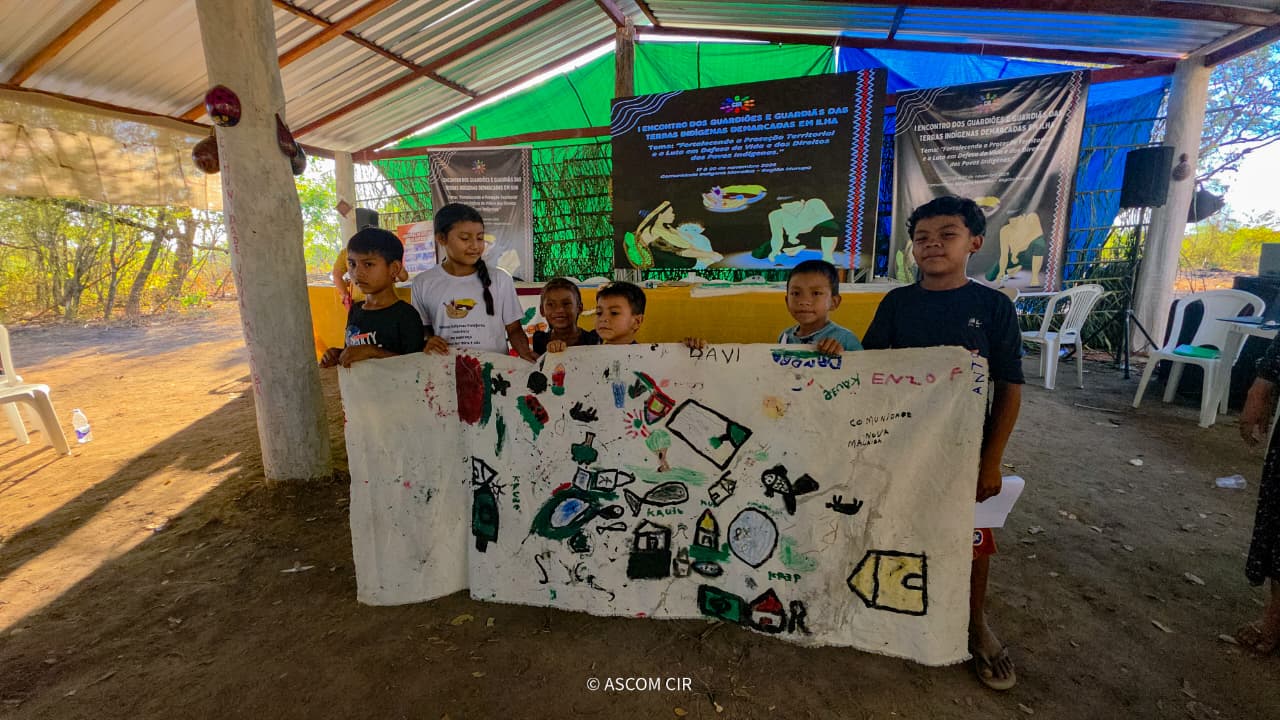
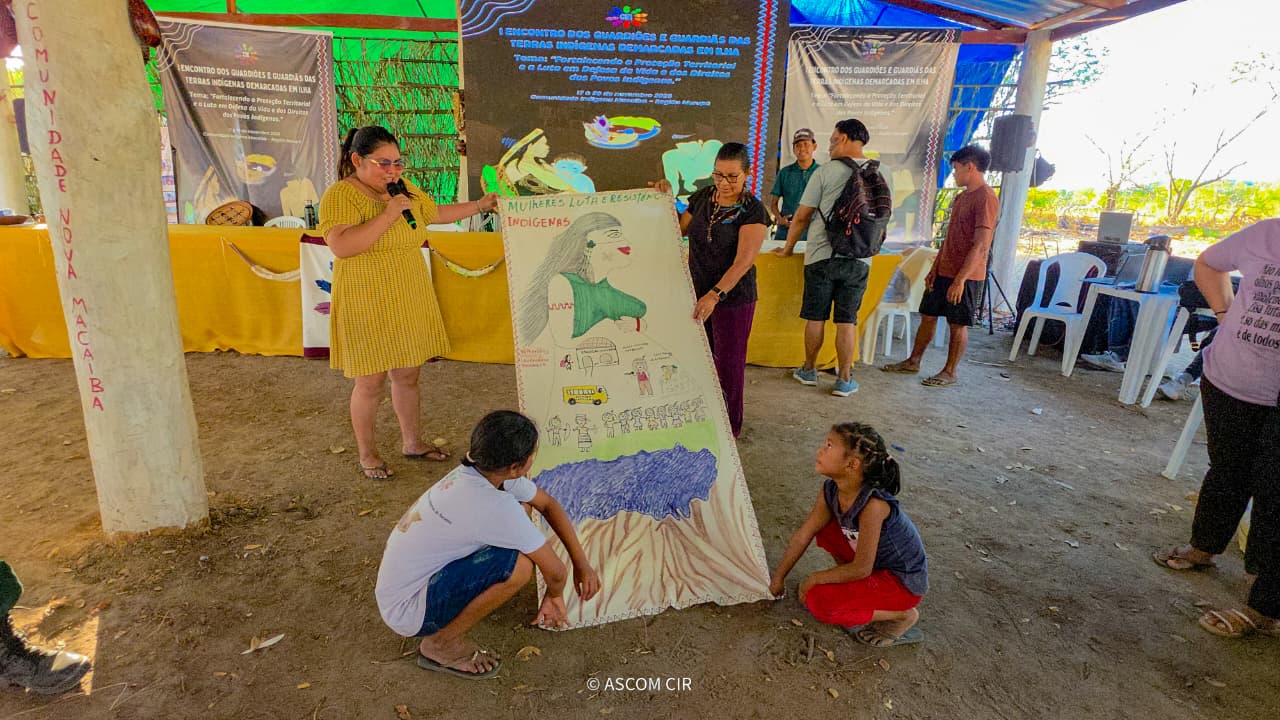
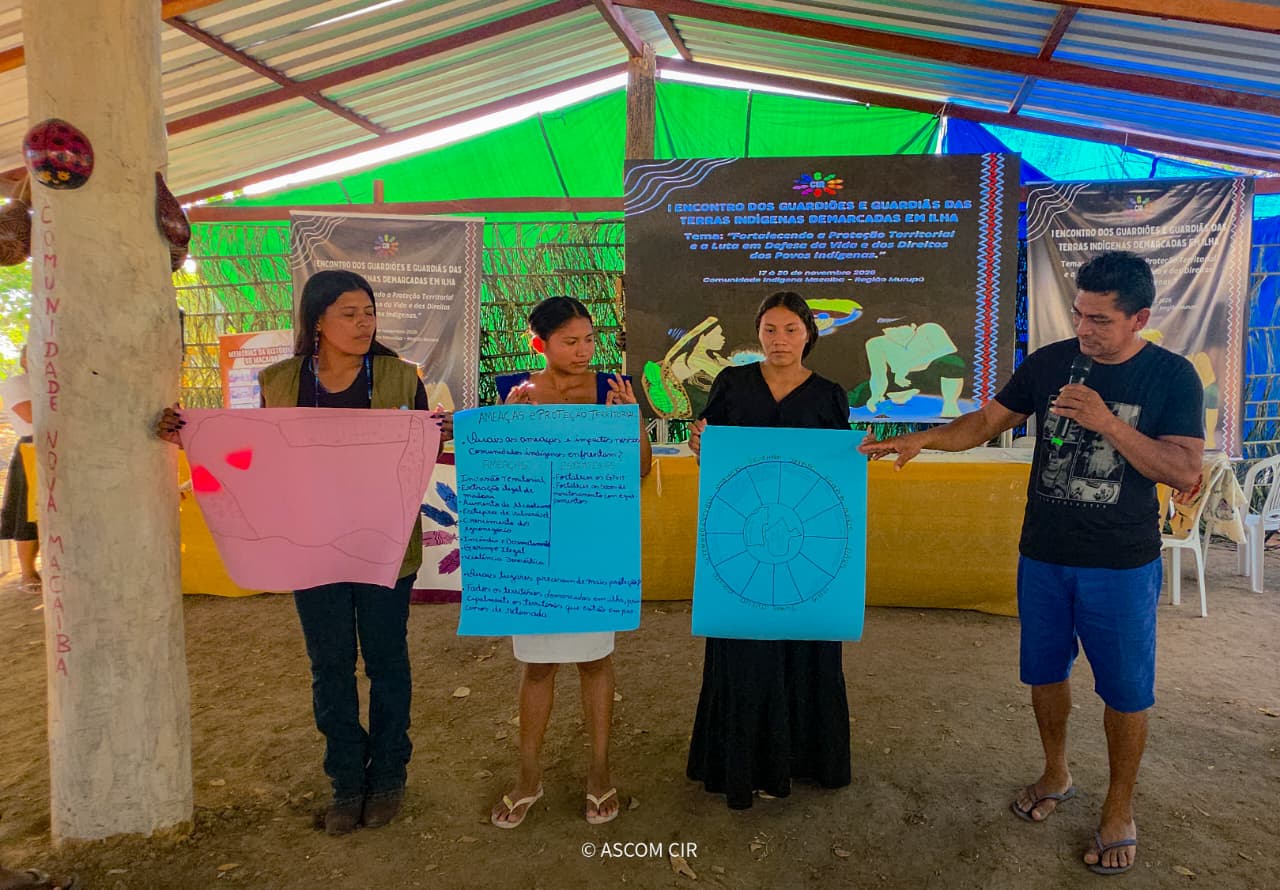
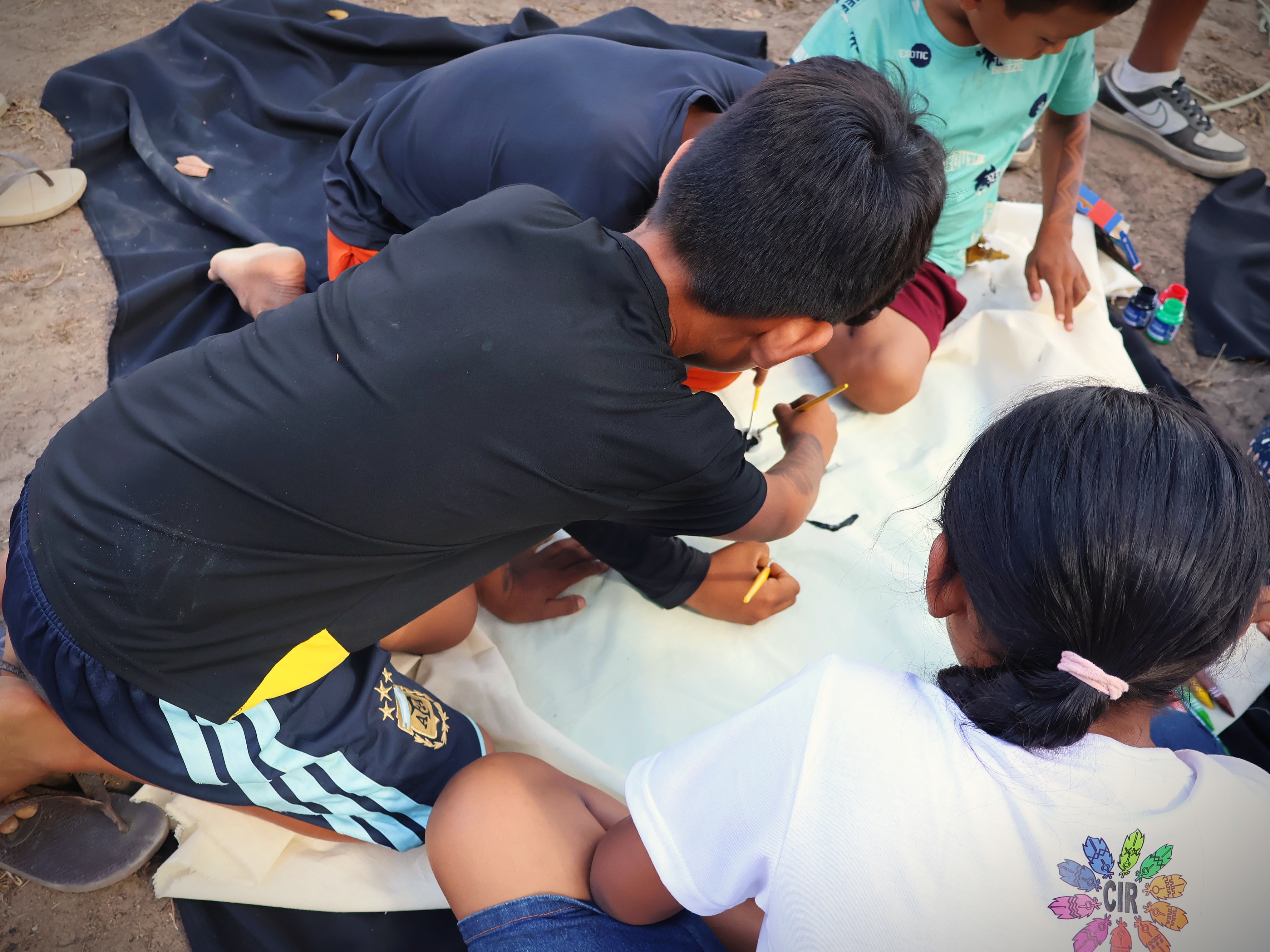
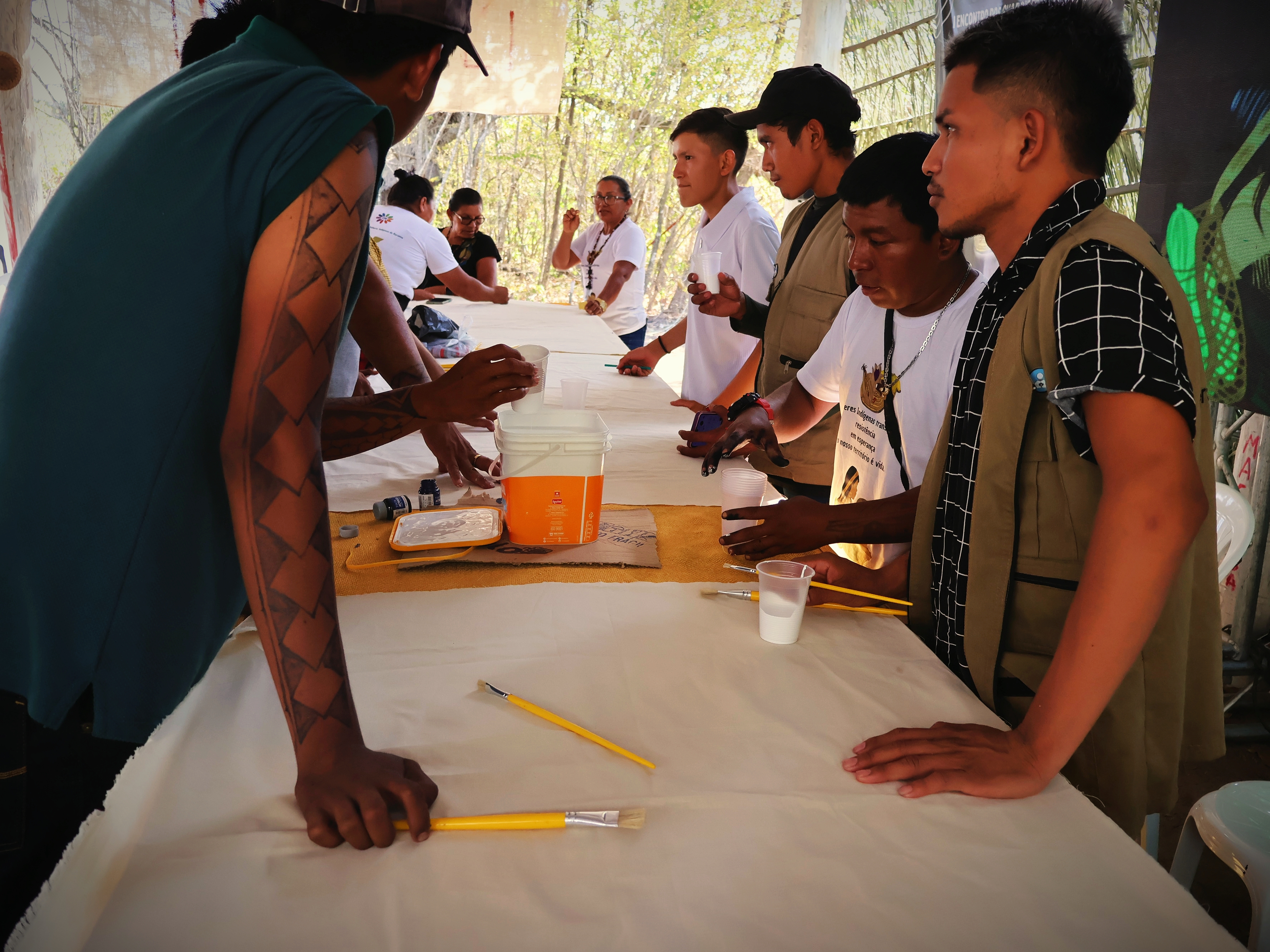
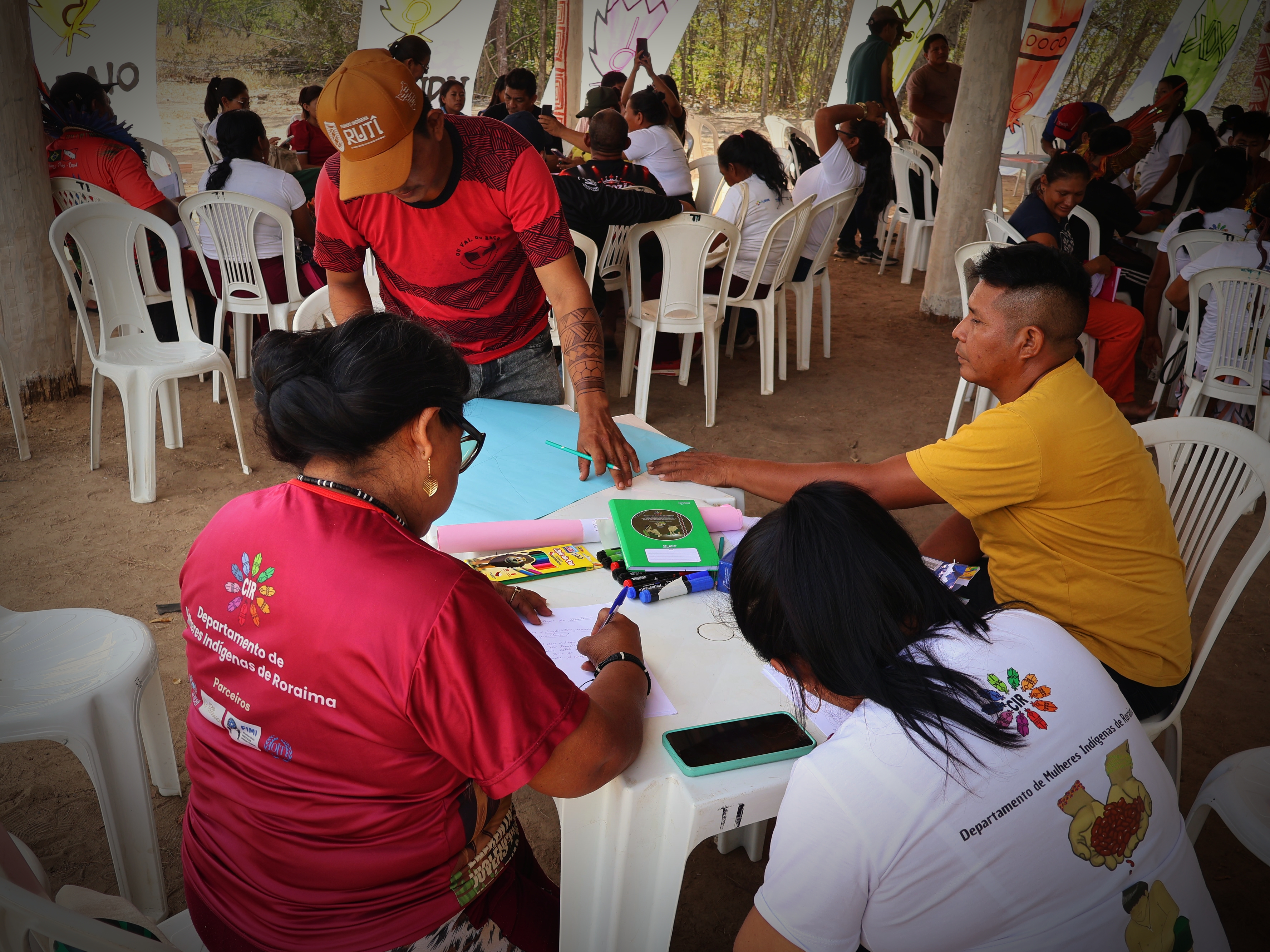
The relationship of indigenous peoples with their territories was also addressed in the collective panel "What is Territory for Us?". The moment brought together reflections on the meaning of land for communities, considering their cultures, histories, and spirituality. For indigenous peoples, territory does not represent only a space where people live, but also the place of ancestry, traditional knowledge, ways of life, and the continuity of future generations.
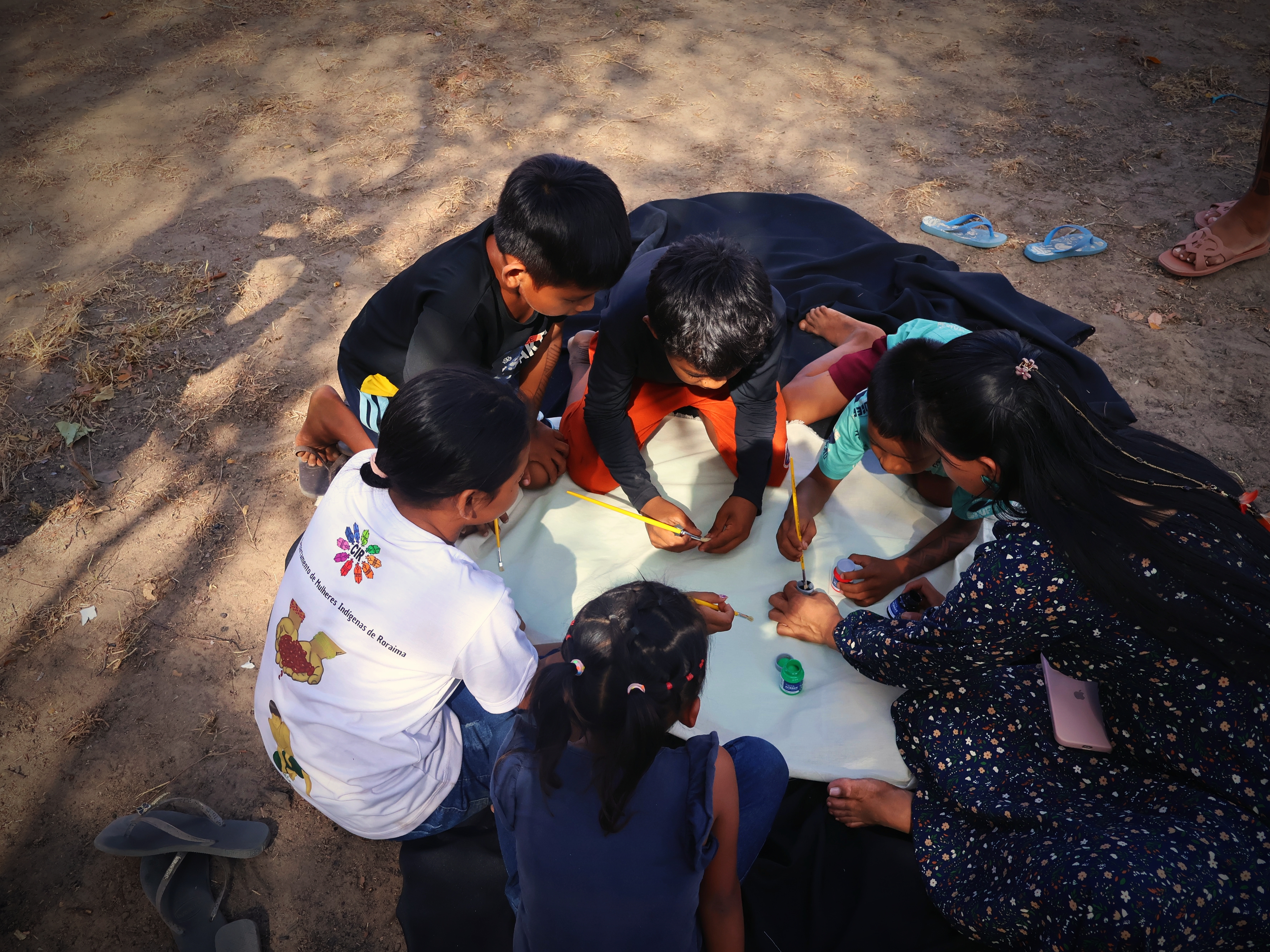
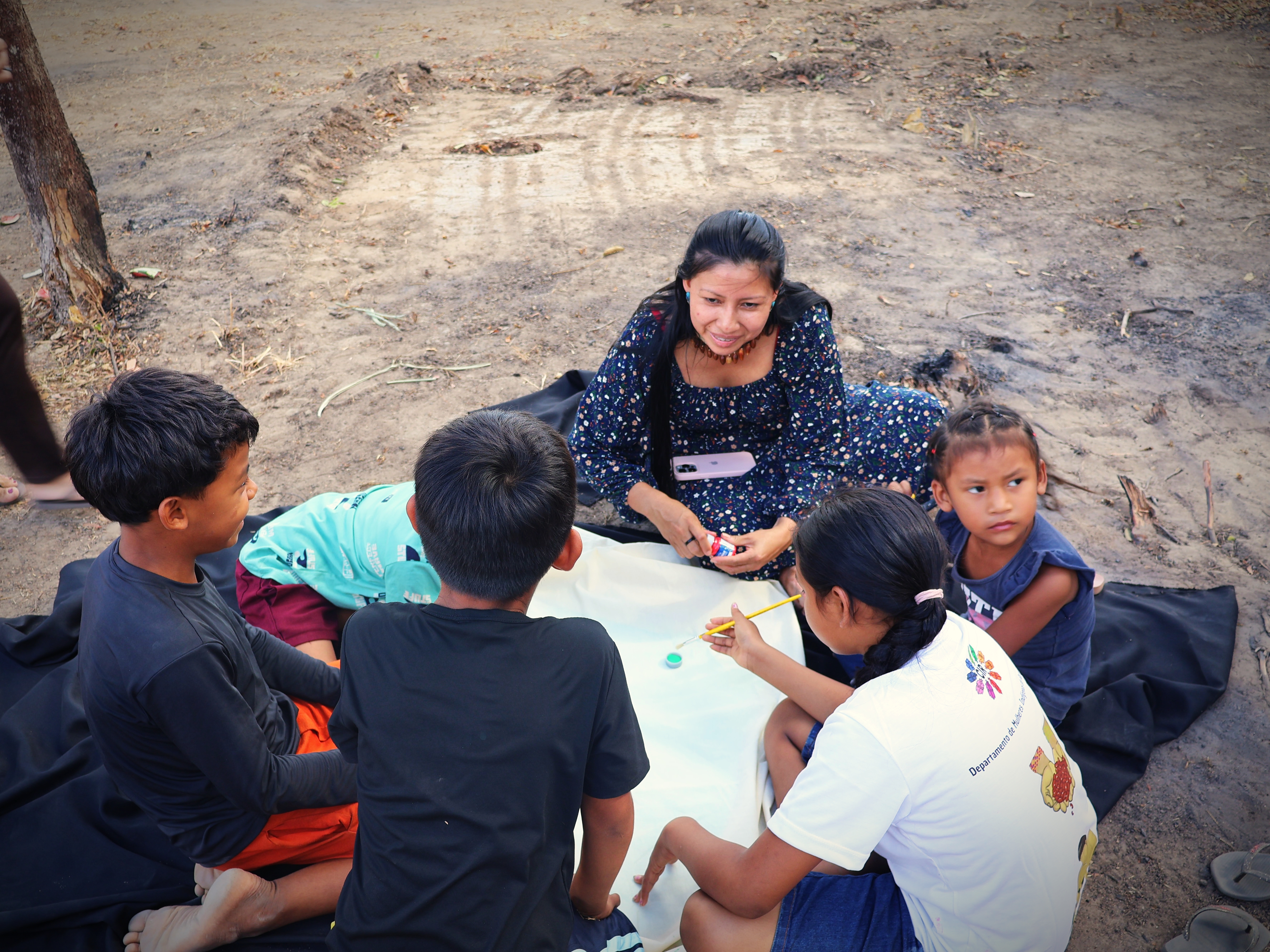
During the panel, the regions organized themselves into groups to present their challenges and build a mandala of the territory, considering the communities' calendar and the effects of climate change on their lives. Reflections were also made on the desired future for future generations. The work developed during this activity will later be organized and presented in a booklet.
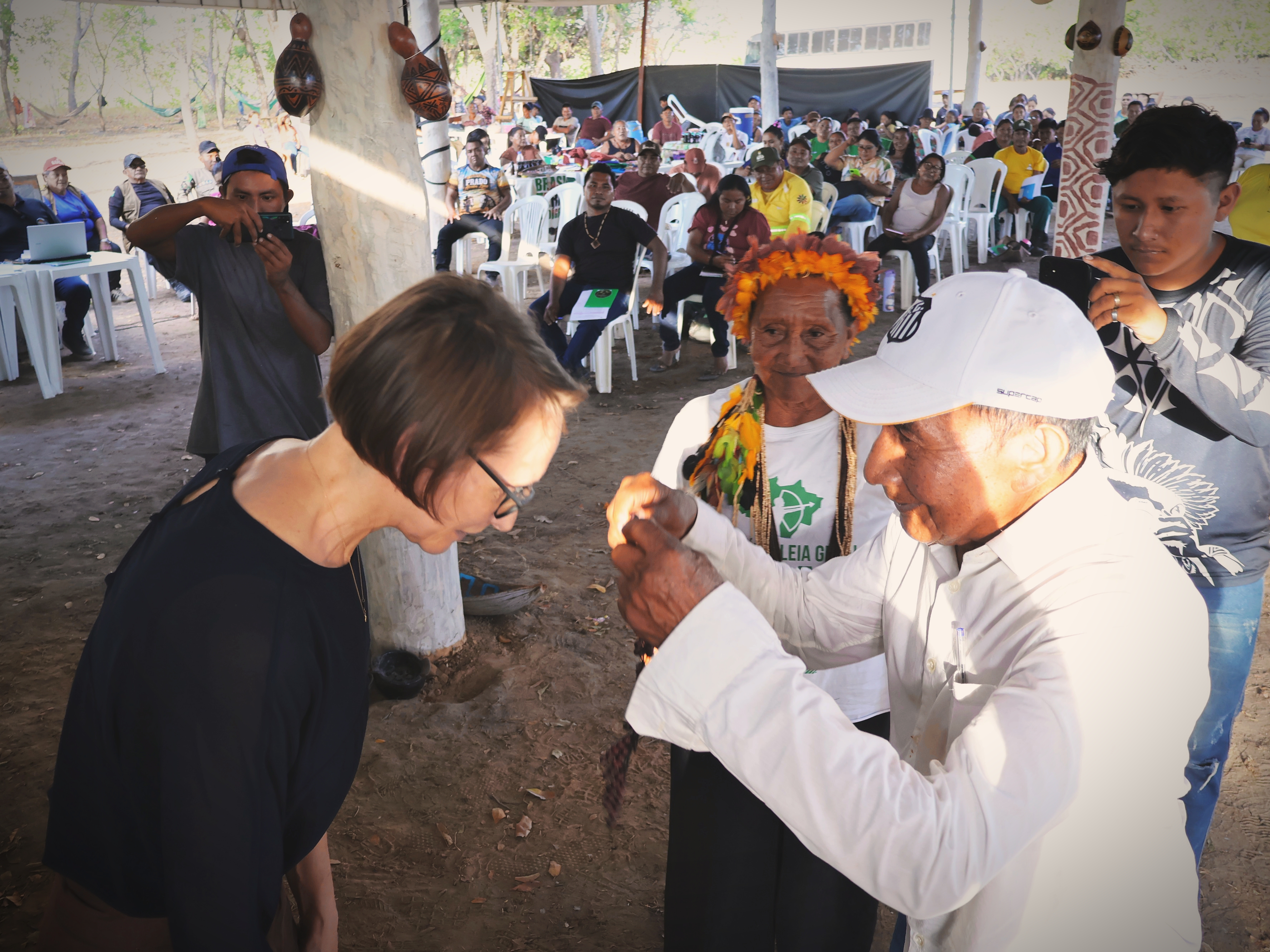
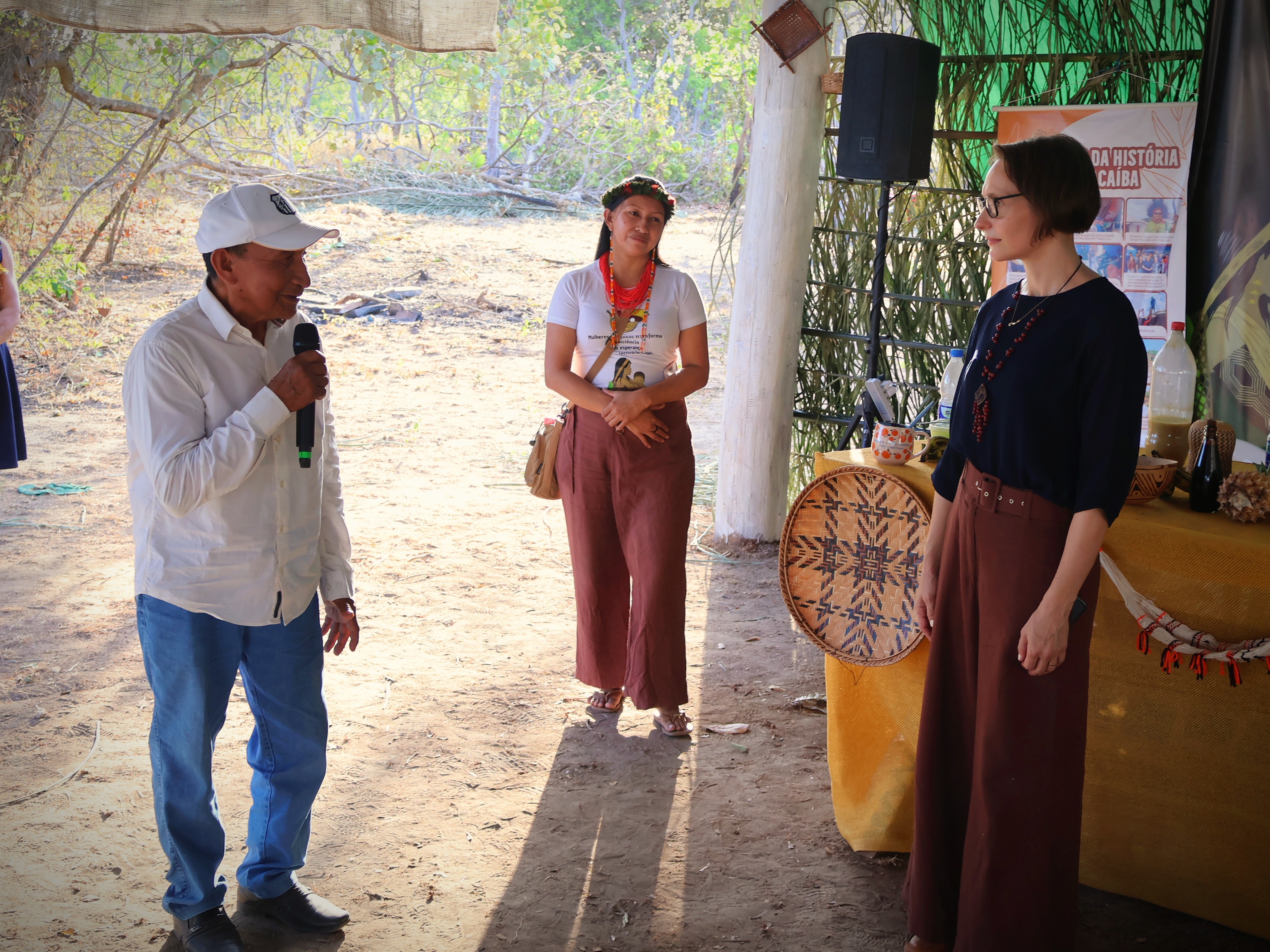
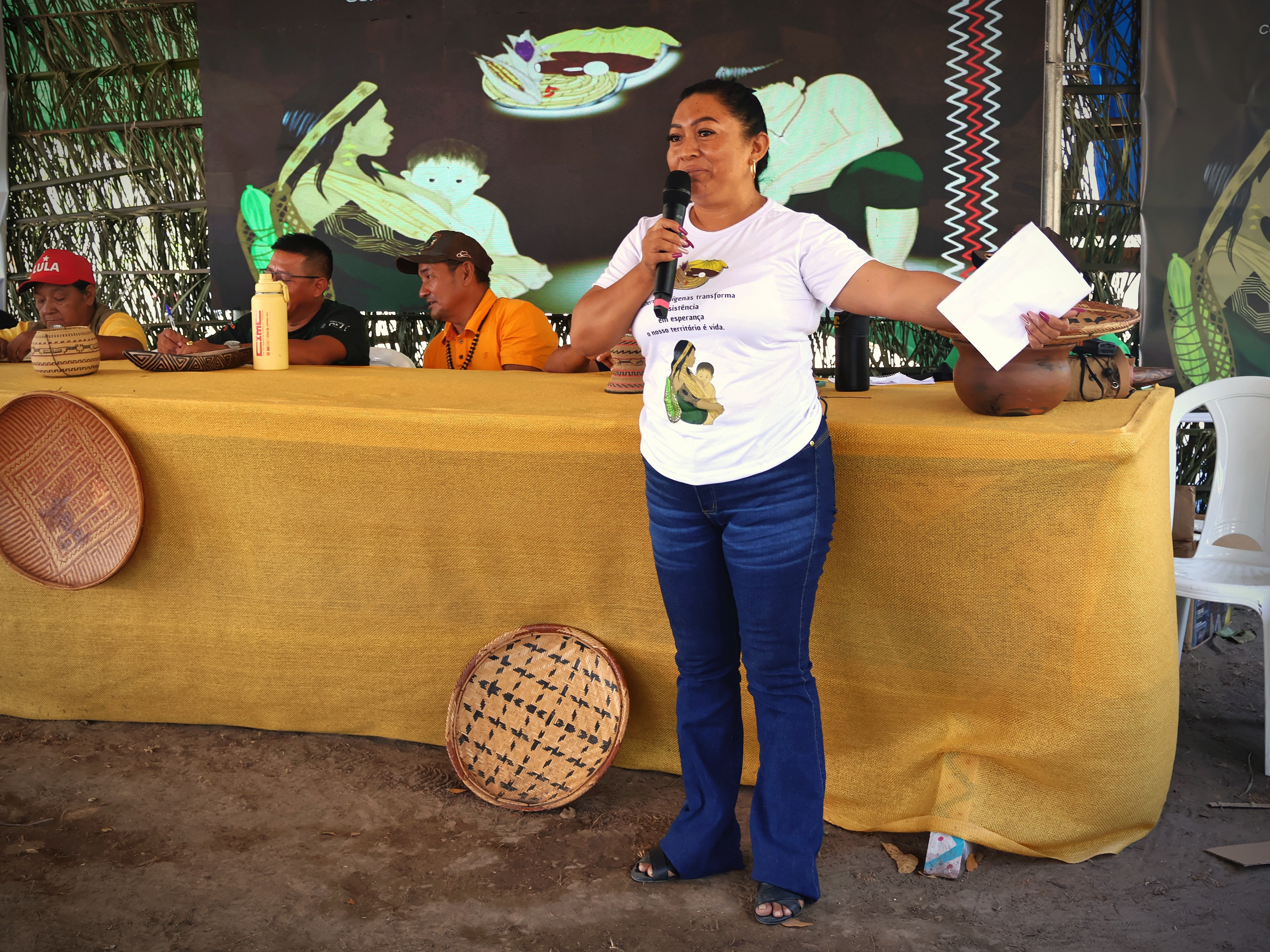
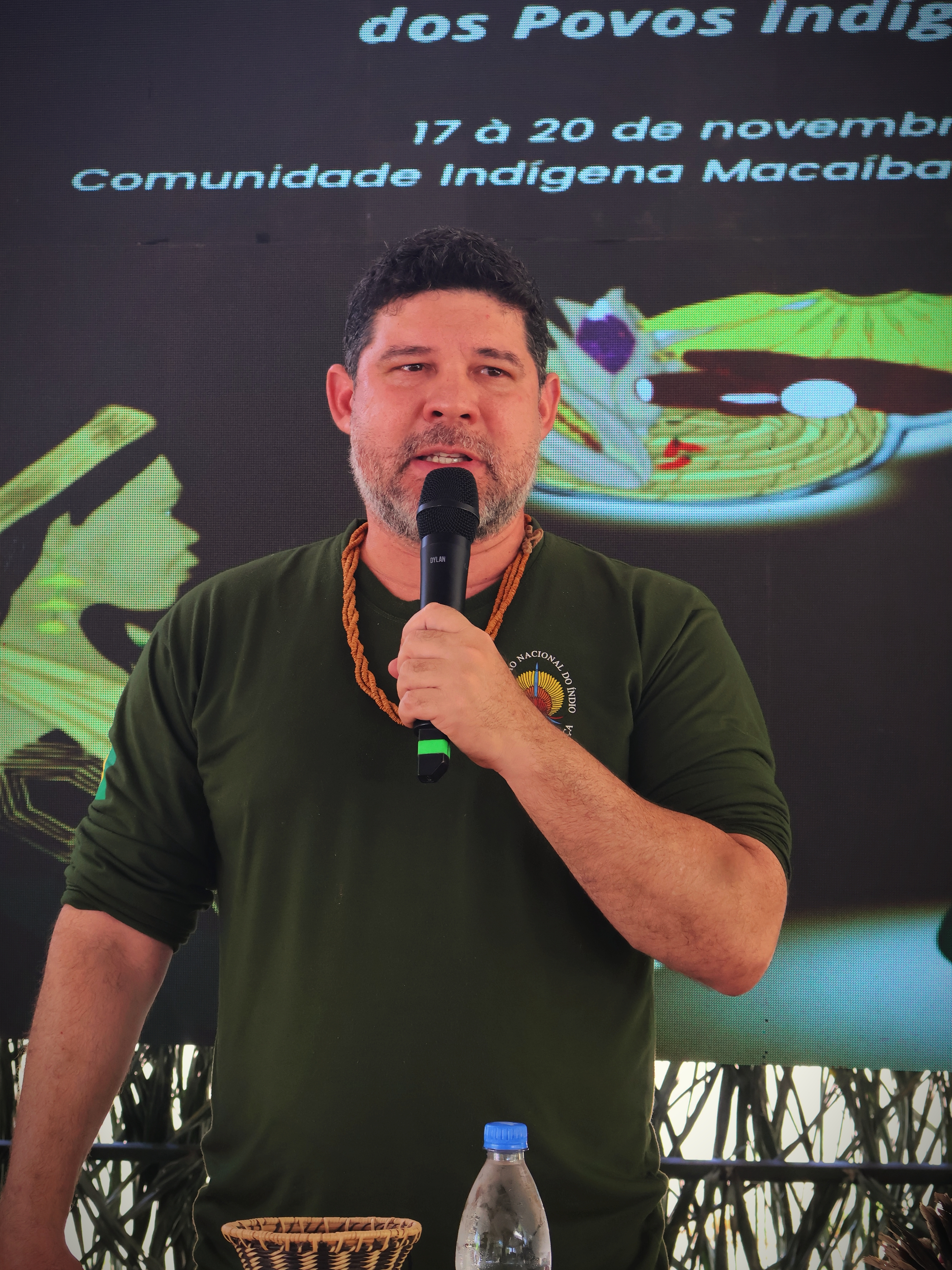
For the executive coordination of the CIR, holding the first meeting represents an important step to bring together the experiences of different regions and strengthen the role of the guardians in defending the territories.
“The meeting was designed to strengthen the Demarcated Indigenous Lands in Islands and the communities living in these territories. It is also an opportunity for the Indigenous Council of Roraima (CIR) to carry out a diagnosis of the main challenges faced by these communities, which often suffer pressures from farmers and urban perimeter expansion. Based on this survey, the organization will be able to plan actions and strategies to strengthen the communities and defend their territories,"emphasized the deputy general of the CIR, Paulo Justino.
The initiative reaffirms that territorial protection is a shared struggle involving leaders, women, families, and indigenous organizations in defending life, traditional knowledge, and the continuity of peoples in their territories.
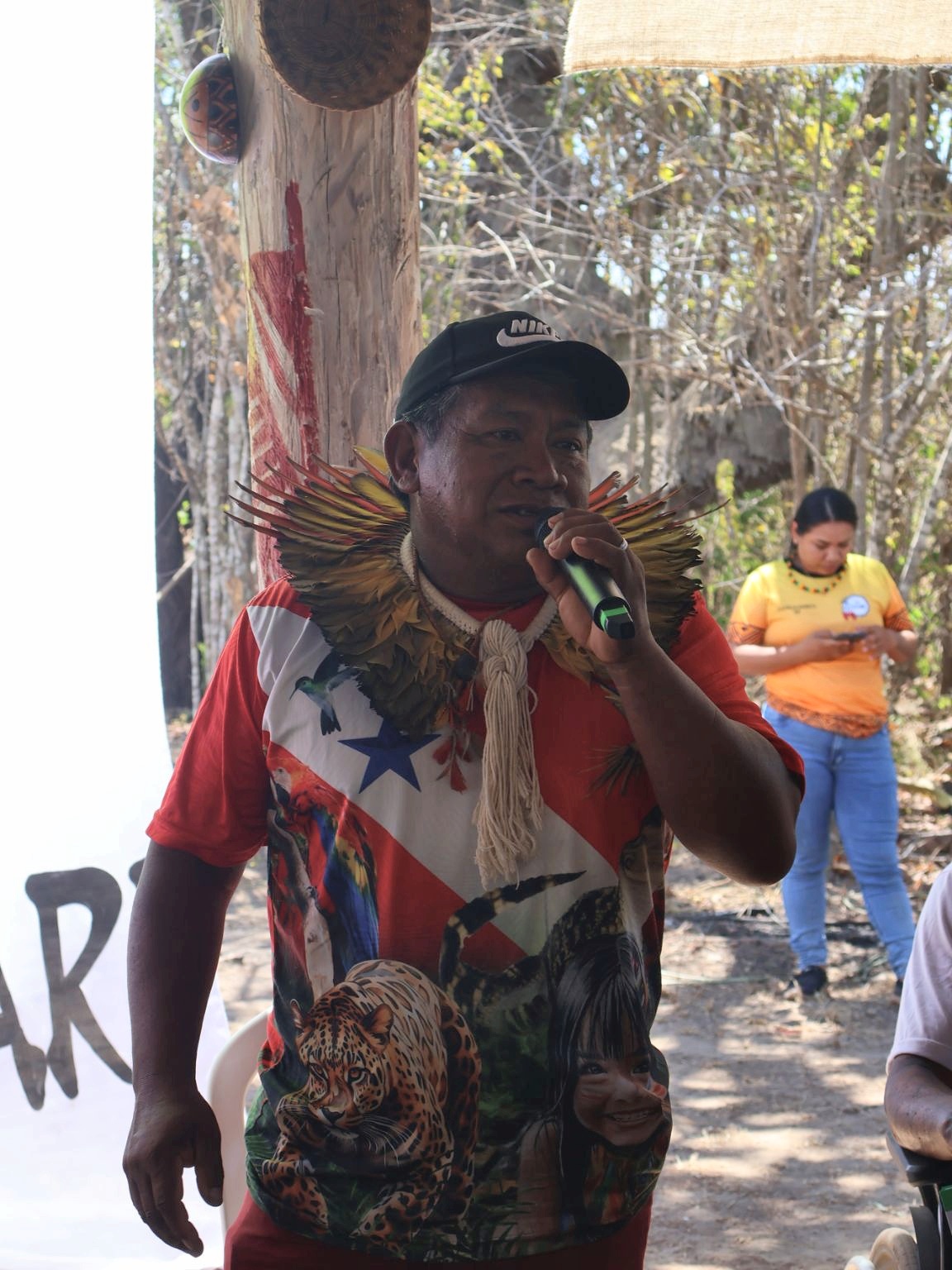
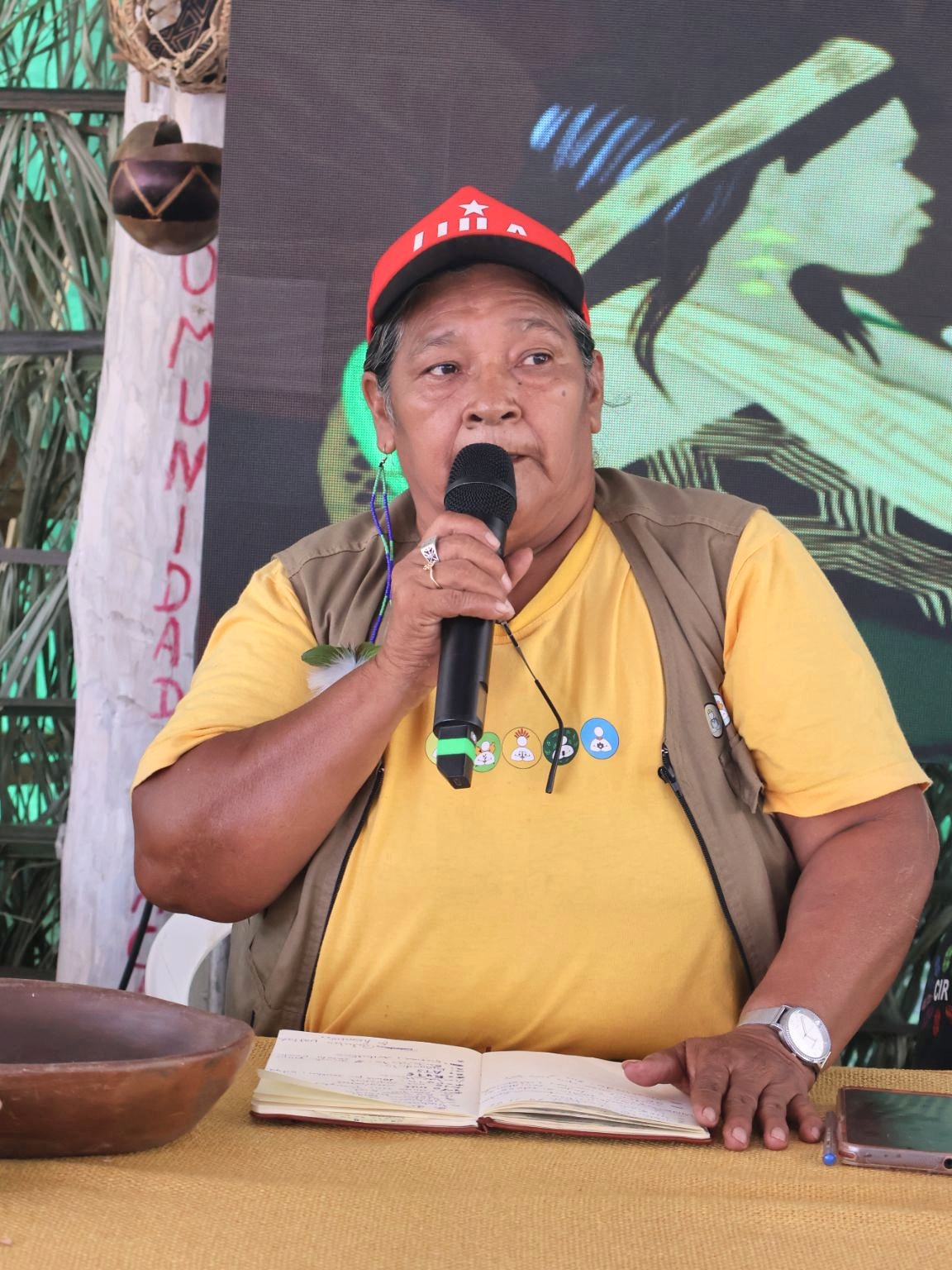
The meeting is supported by the Tenure Facility, which contributes to strengthening the struggle of the indigenous peoples of Roraima and the actions developed by the Indigenous Council of Roraima (CIR).
Review: Helena Leocádio - Ascom CIR