
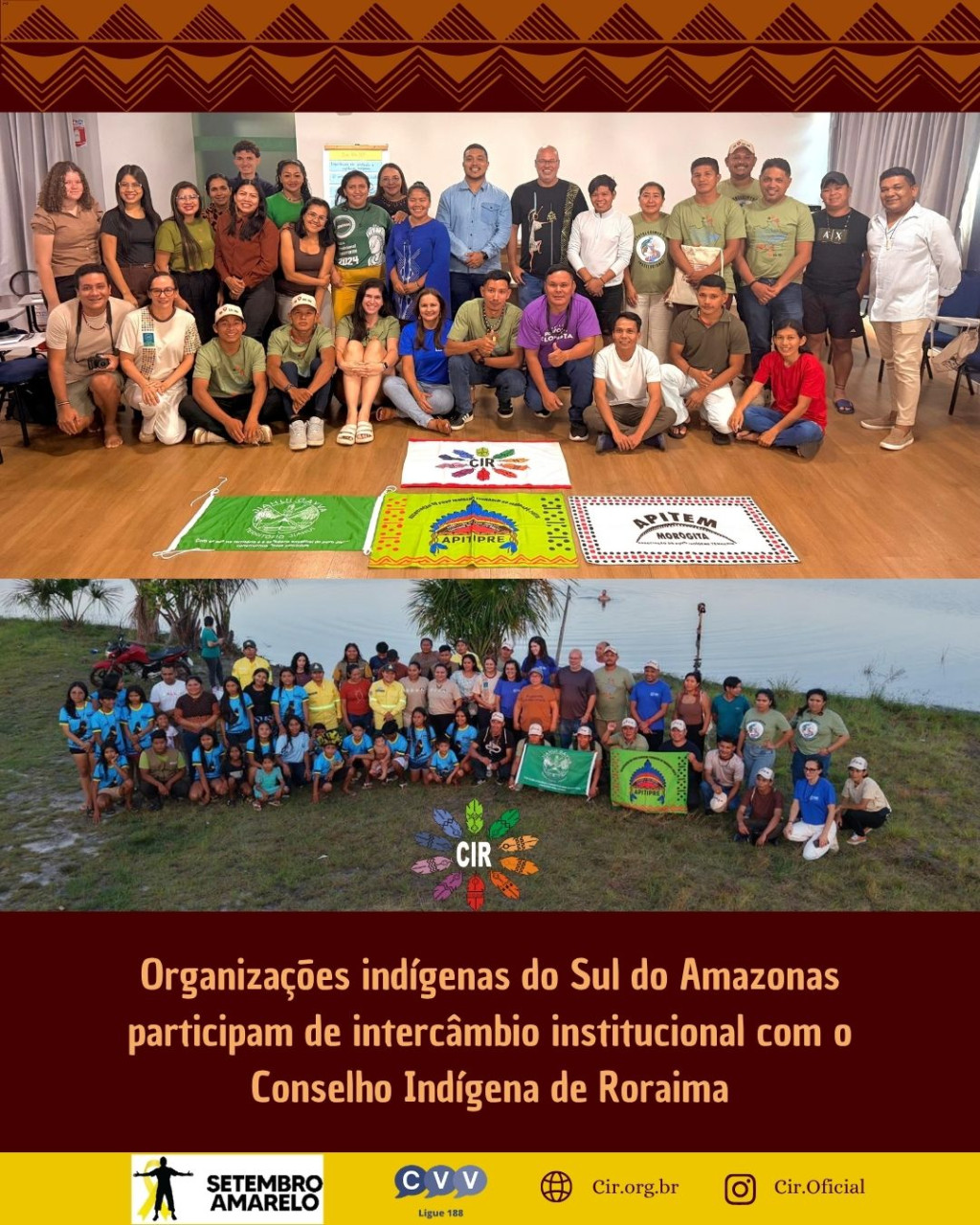
The Indigenous Council of Roraima (CIR) is one of the oldest indigenous organizations in Brazil, being a reference at the regional, national and international levels for the pioneering actions developed in the indigenous territories of the state. To share these experiences, the organization received, for three days, representatives of eight indigenous organizations from the south of Amazonas to discuss the trajectory and organizational model of the institution, which for 55 years has been working to strengthen the autonomy of the indigenous peoples of Roraima and to guarantee the rights guaranteed in the Federal Constitution.
The exchange is the result of a partnership between the Indigenous Council of Roraima (CIR) and the International Institute of Education of Brazil (IEB), through the Indigenous Peoples Program, with the objective of promoting the exchange of experiences and strengthening the articulation between indigenous organizations, contributing to the training of young indigenous articulators of the participating organizations.
"Today we received the leaders of the South of Amazonas, and this is important because it is these alignments and alliances of other peoples with the CIR that come to know the actions of the organization up close and how this strength that comes from the territory is built. They are here to seek new strategies for their grassroots organizations, and this is important. What is our plan, our strategy, our alliance to conquer the spaces that our organization occupies today?", highlighted the General Tuxaua of the Indigenous Women's Movement, Kelliane Wapichana.
On the first day of the program, the participants, coming from different territories in the south of Amazonas, got to know the Serra da Moça and Sucuba indigenous communities. During the visits, they followed the forms of organization of each community, the projects developed in the territories and the actions carried out by the Indigenous Community Brigades.

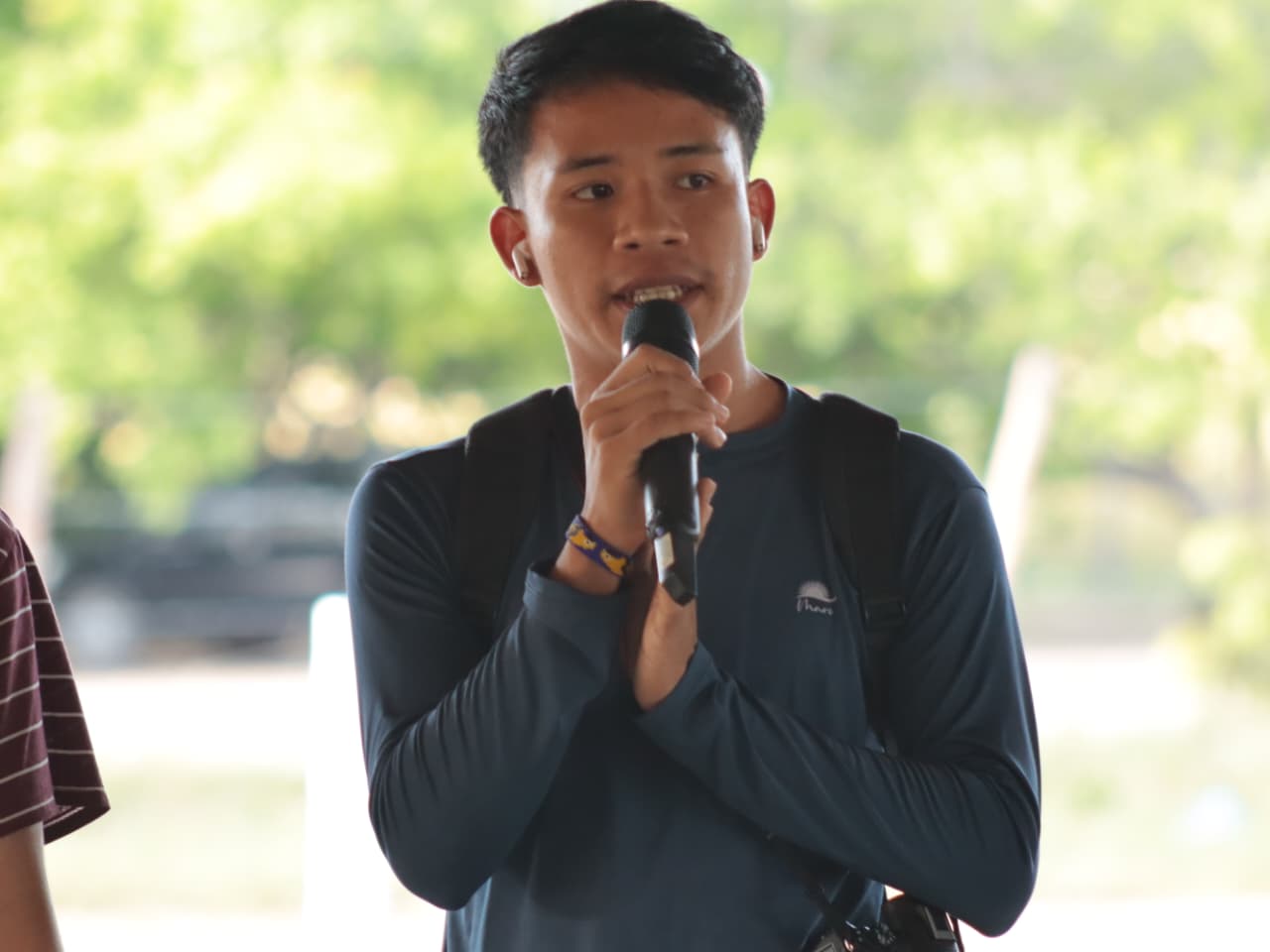
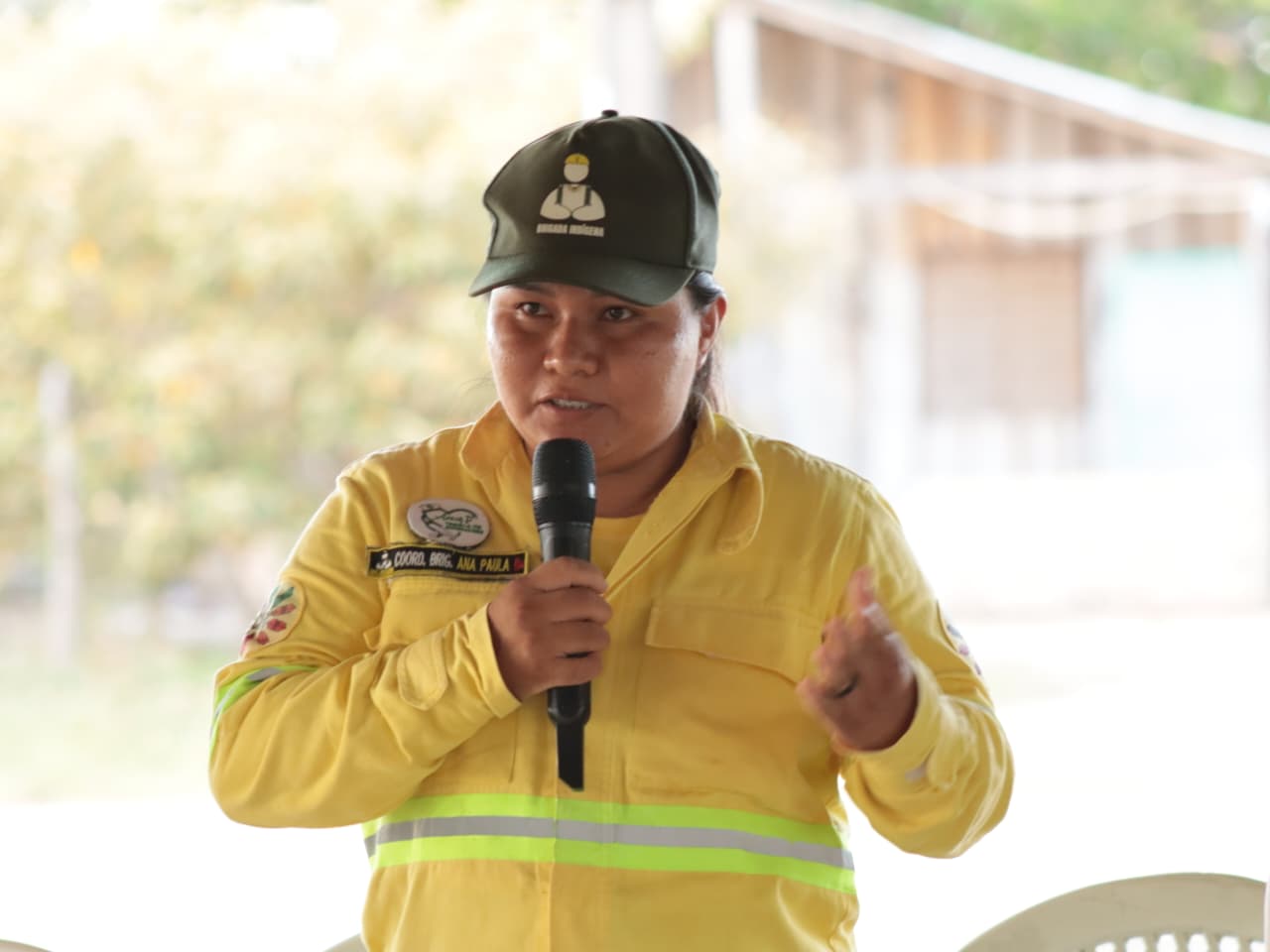
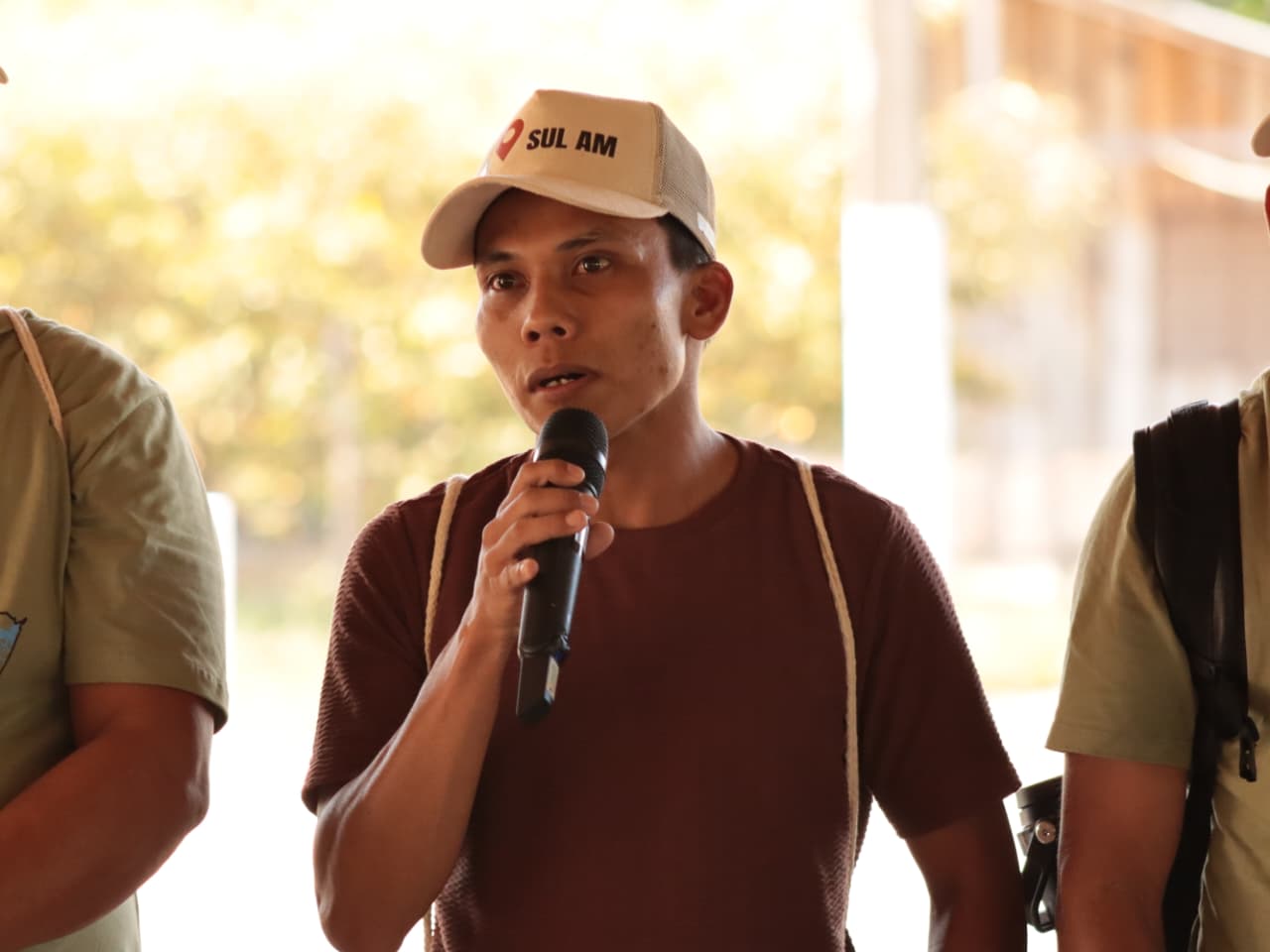
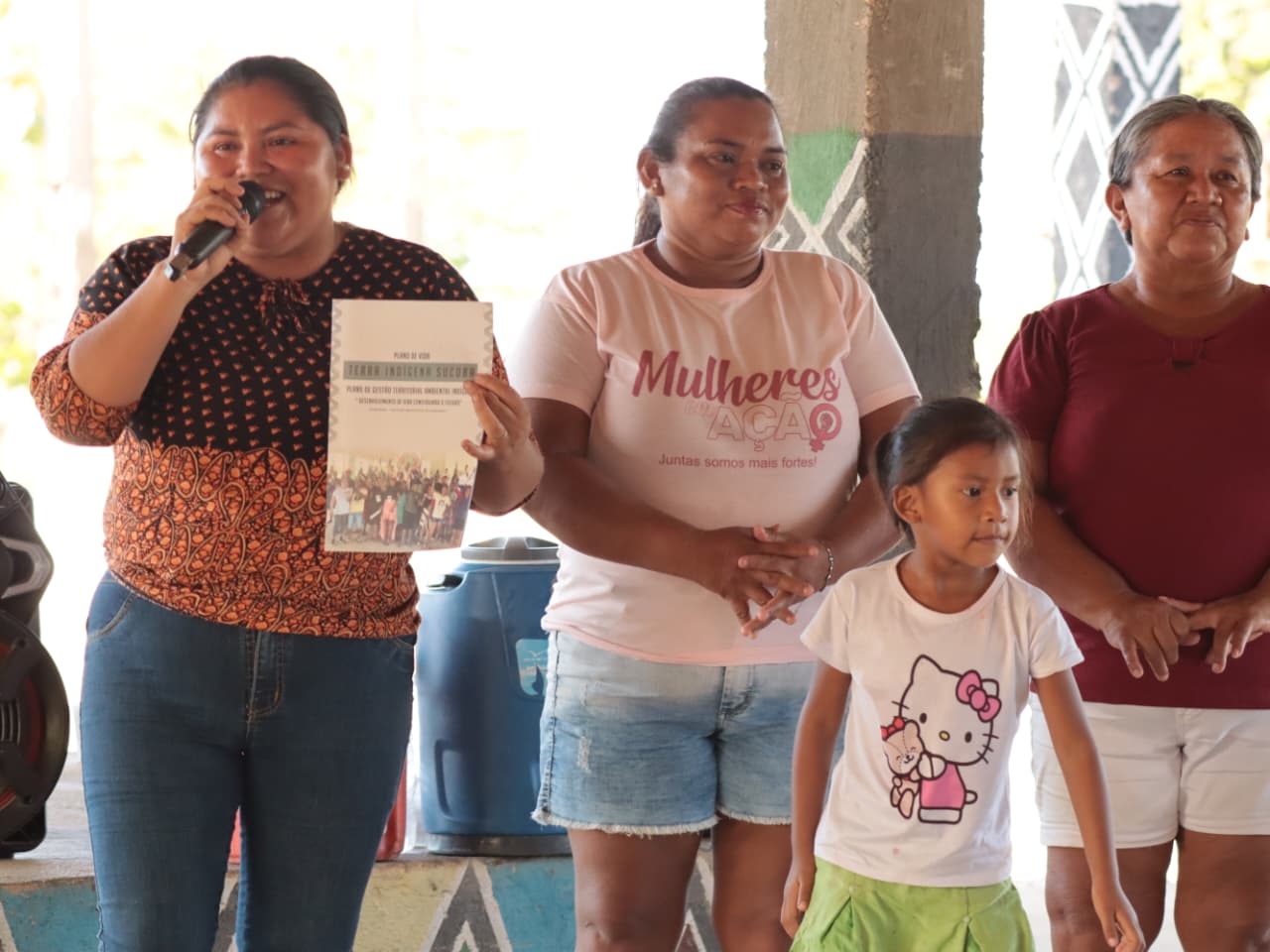
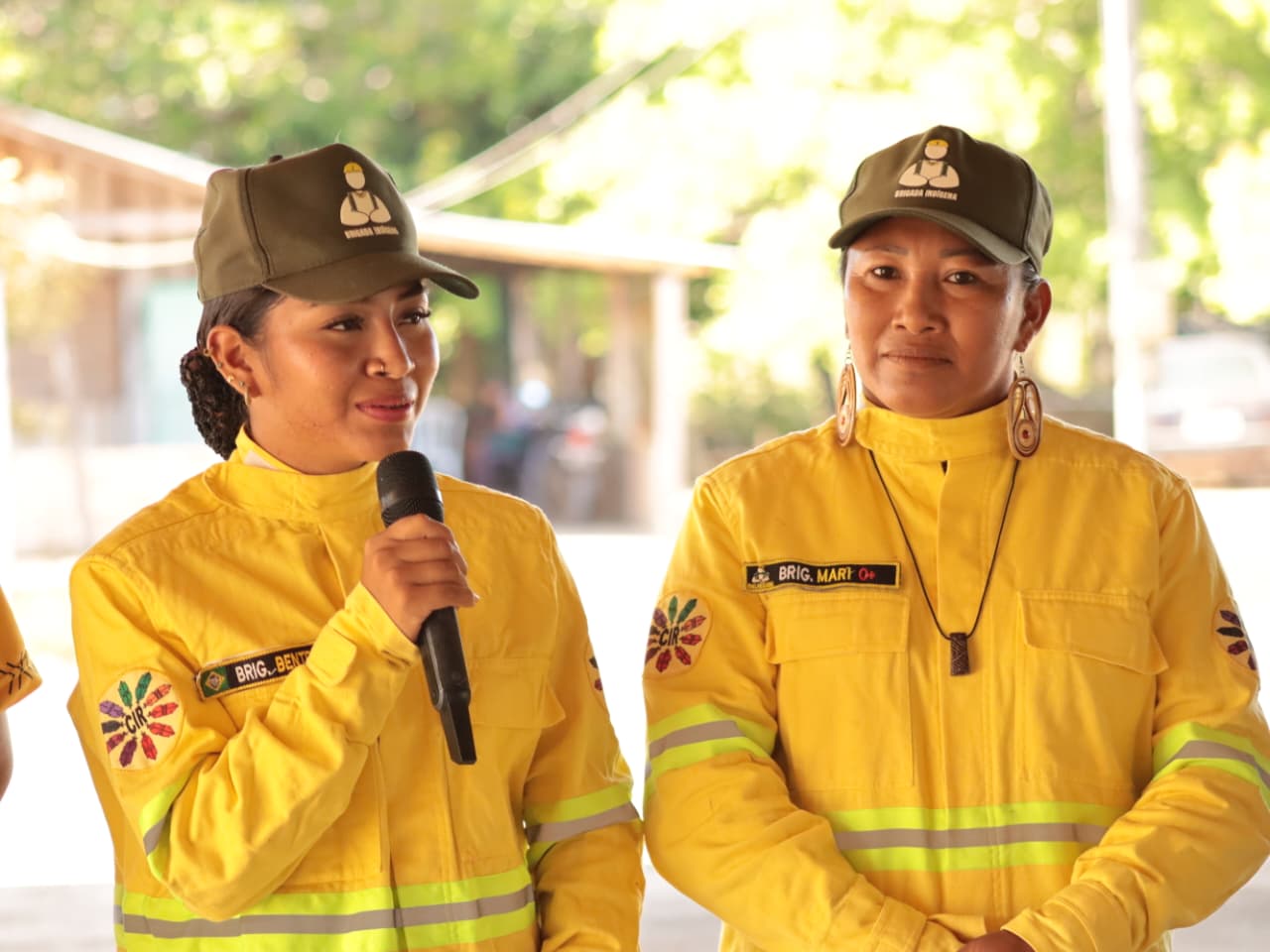
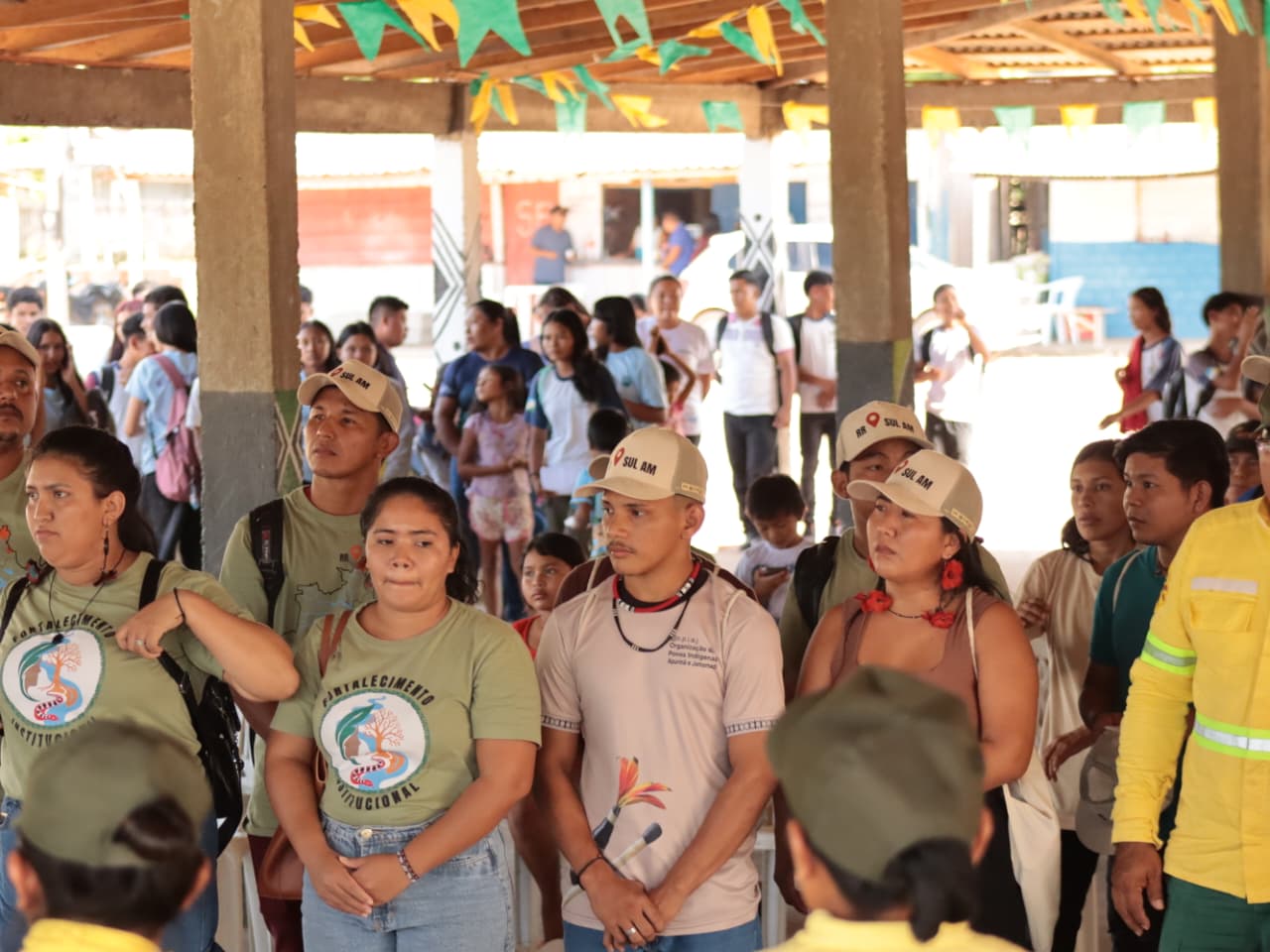
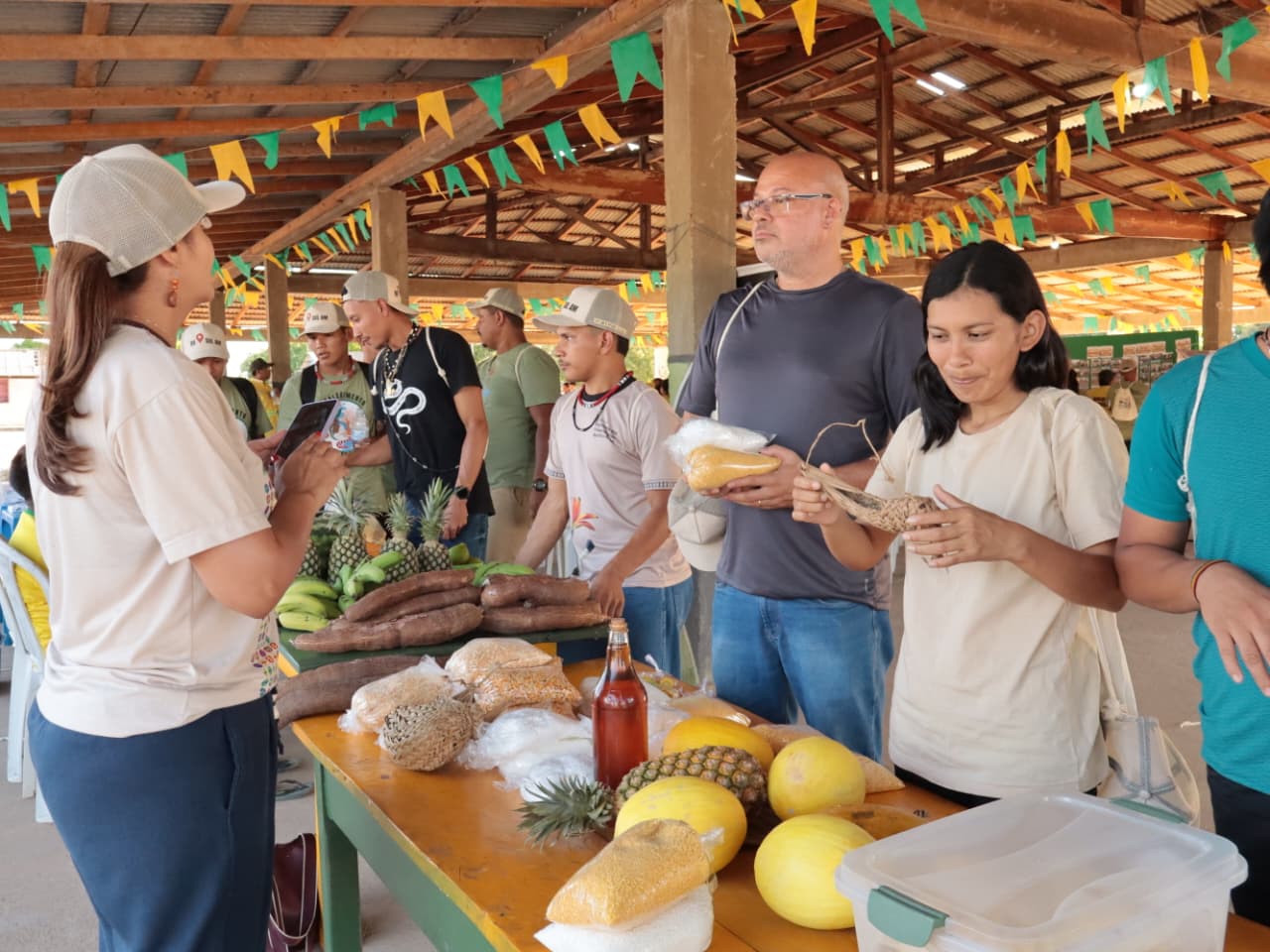
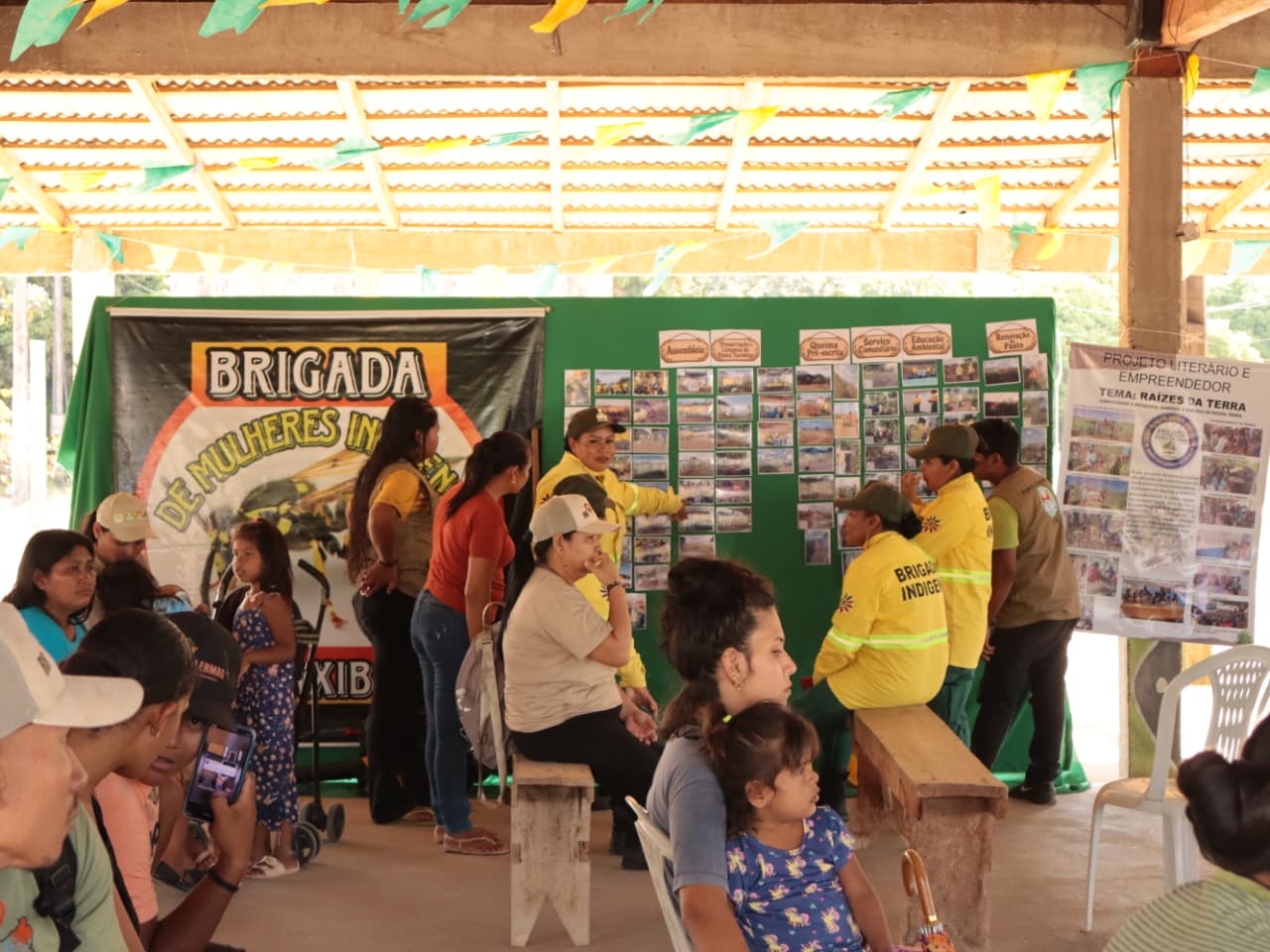
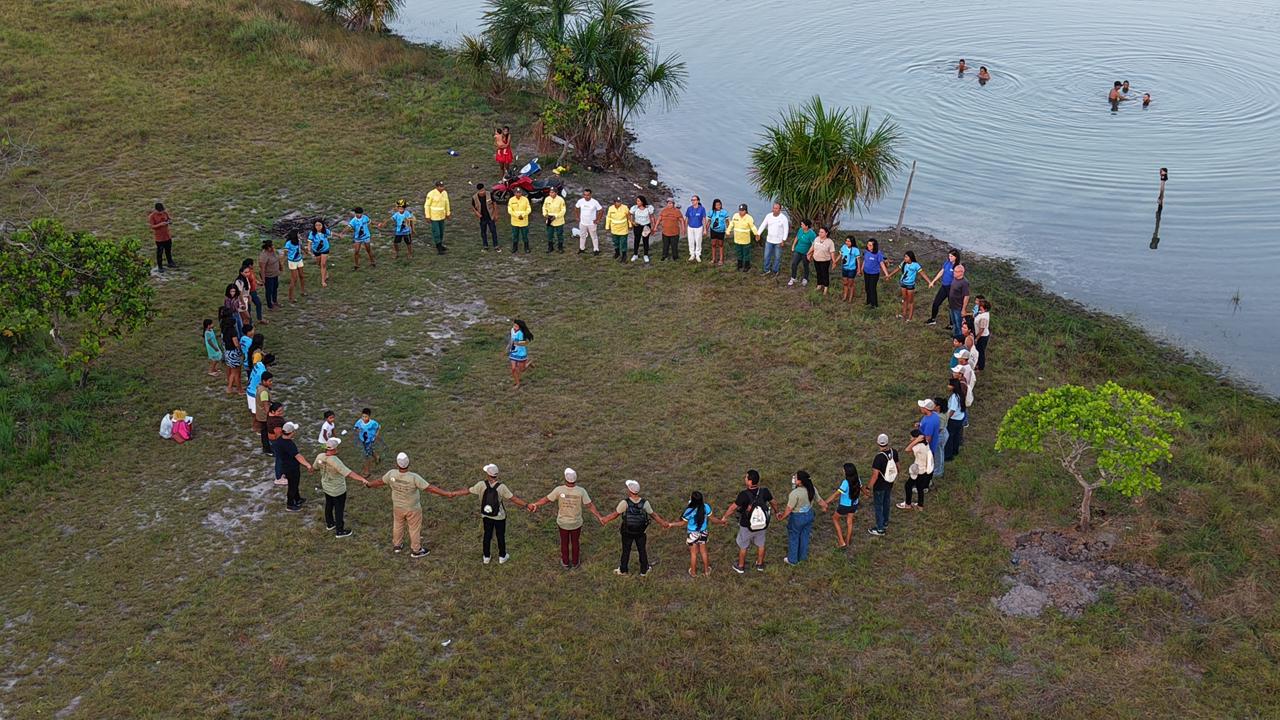
"The idea of promoting this exchange was to provide the exchange of knowledge and the institutional strengthening of indigenous organizations in the South of Amazonas, in the regions of the Purus and Madeira rivers. We are here with representatives of eight indigenous associations who are having the opportunity to learn about the work that the CIR does. From this, we hope that they can be inspired and understand how to act in their organizations in the process of institutional strengthening. It is a great opportunity for the exchange of knowledge", said Cloude Correia, coordinator of the IEB's Indigenous Peoples Program.
The participants also learned about the work developed by the departments and the structure of the Council's work with the indigenous communities and regions of Roraima. The CIR has ten departments: Legal Department, Communication Department, Administrative and Financial Department, Gabriel Ferreira Indigenous Youth Department, Territorial Monitoring and Surveillance Department, Raposa Serra do Sol Indigenous Training and Culture Center, Women's Department, Projects Department, Territorial, Environmental Management and Climate Change Department and Rutî Indigenous Fund, which operate in the 12 ethnoregions that make up the organization's base. Currently, 70% of the employees are indigenous.
The program also allowed participants to learn about different experiences of organization, management and performance developed by the CIR, in addition to providing moments of dialogue and exchange of knowledge between leaders, young people and representatives of the territories.
"The exchange between the CIR and the South of Amazonas has been an excellent experience, because we have learned about the way of life of the people here and the methods they use in their region. We know that they are different regions, and we will be able to apply this learning in our territory", said Kisilon Palmari, project coordinator at FOCIMP.

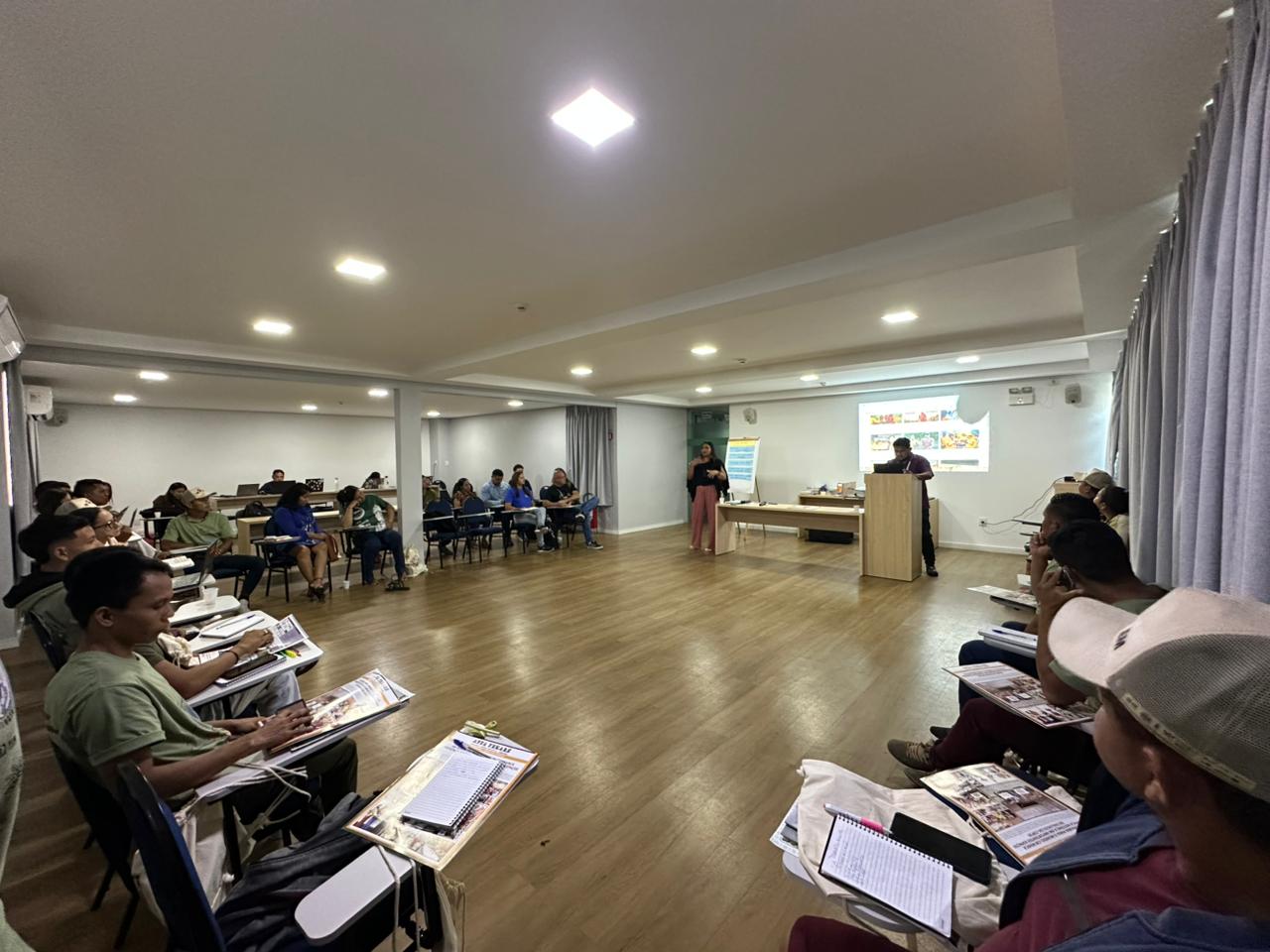
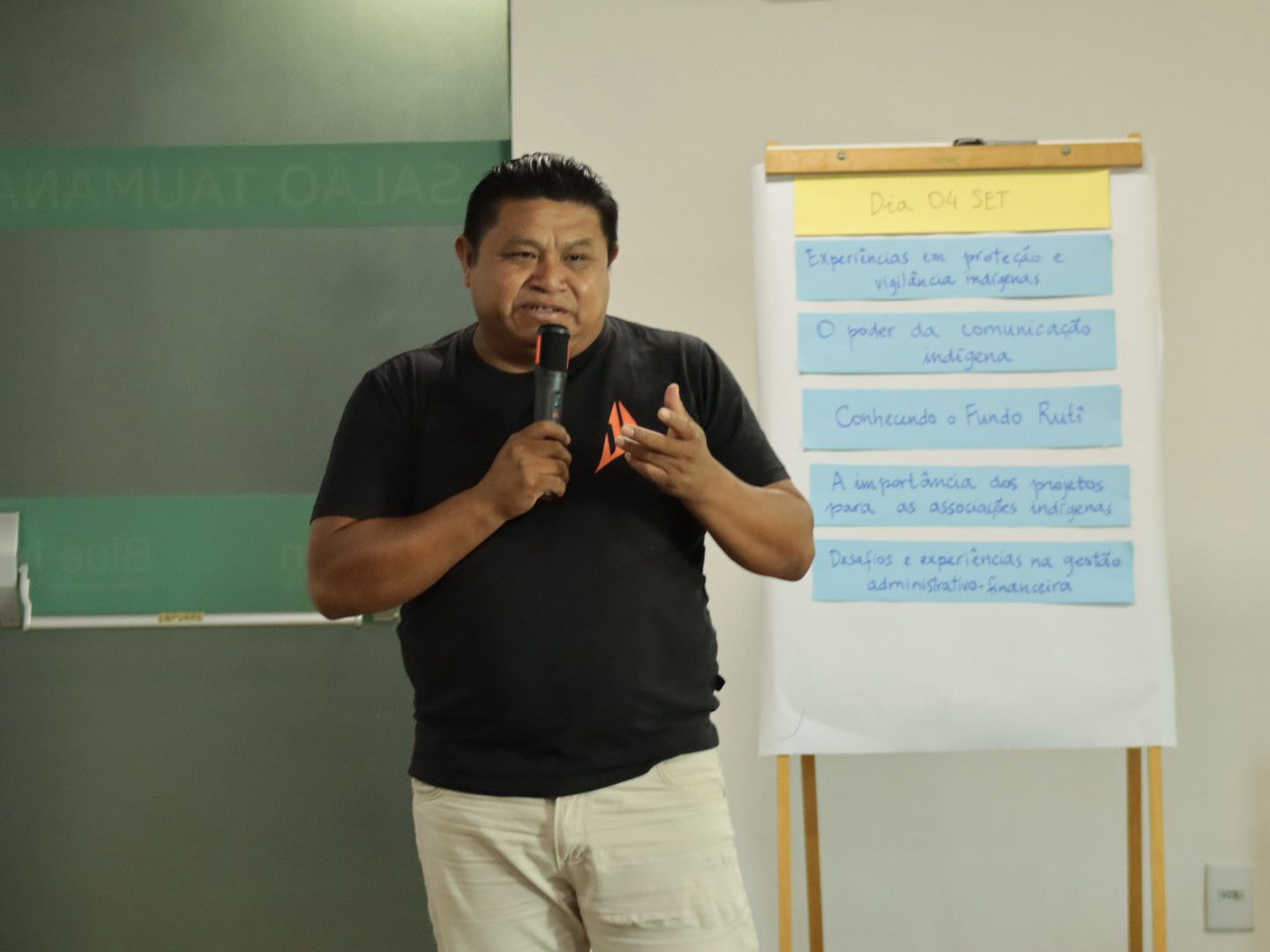
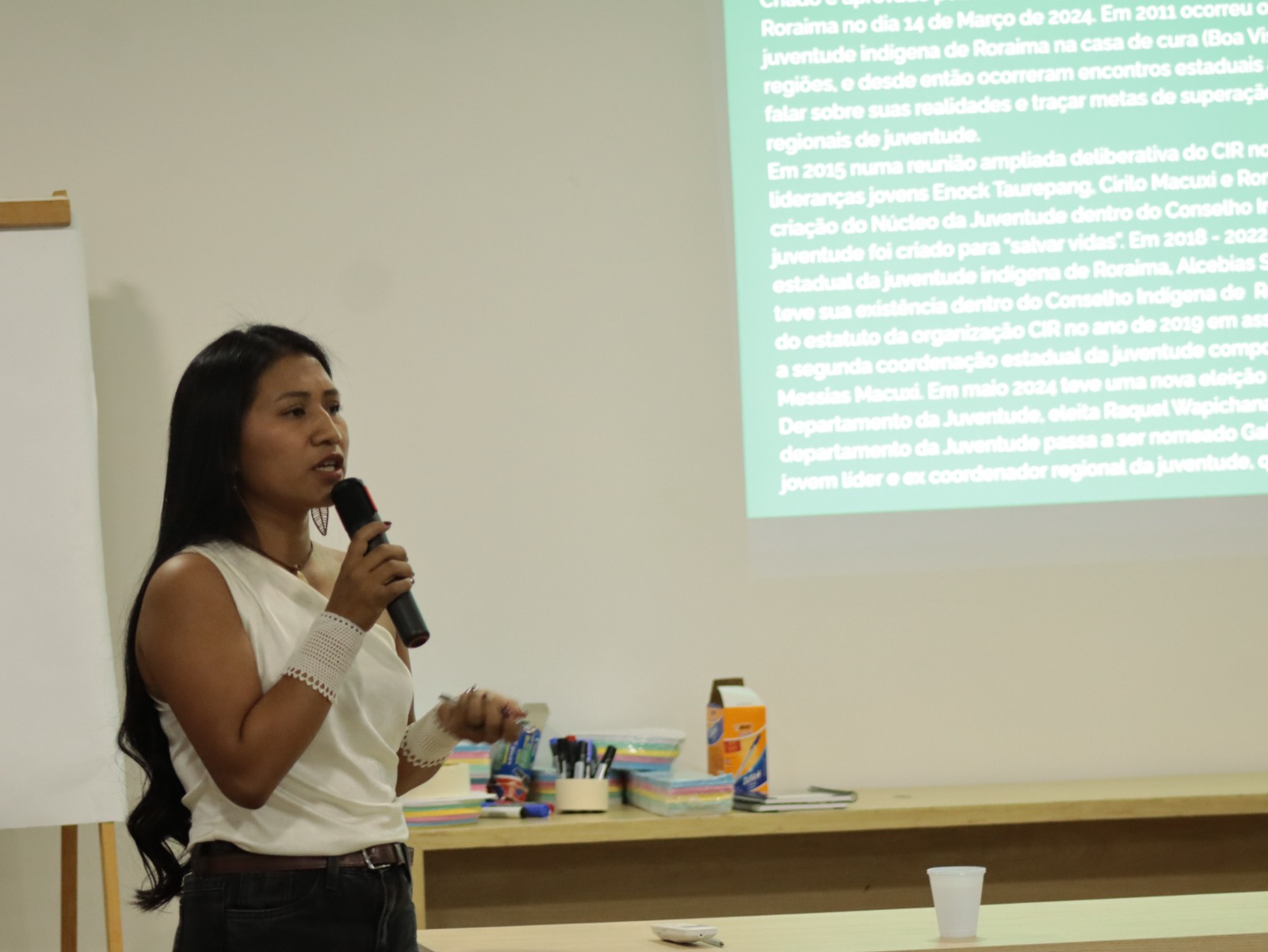
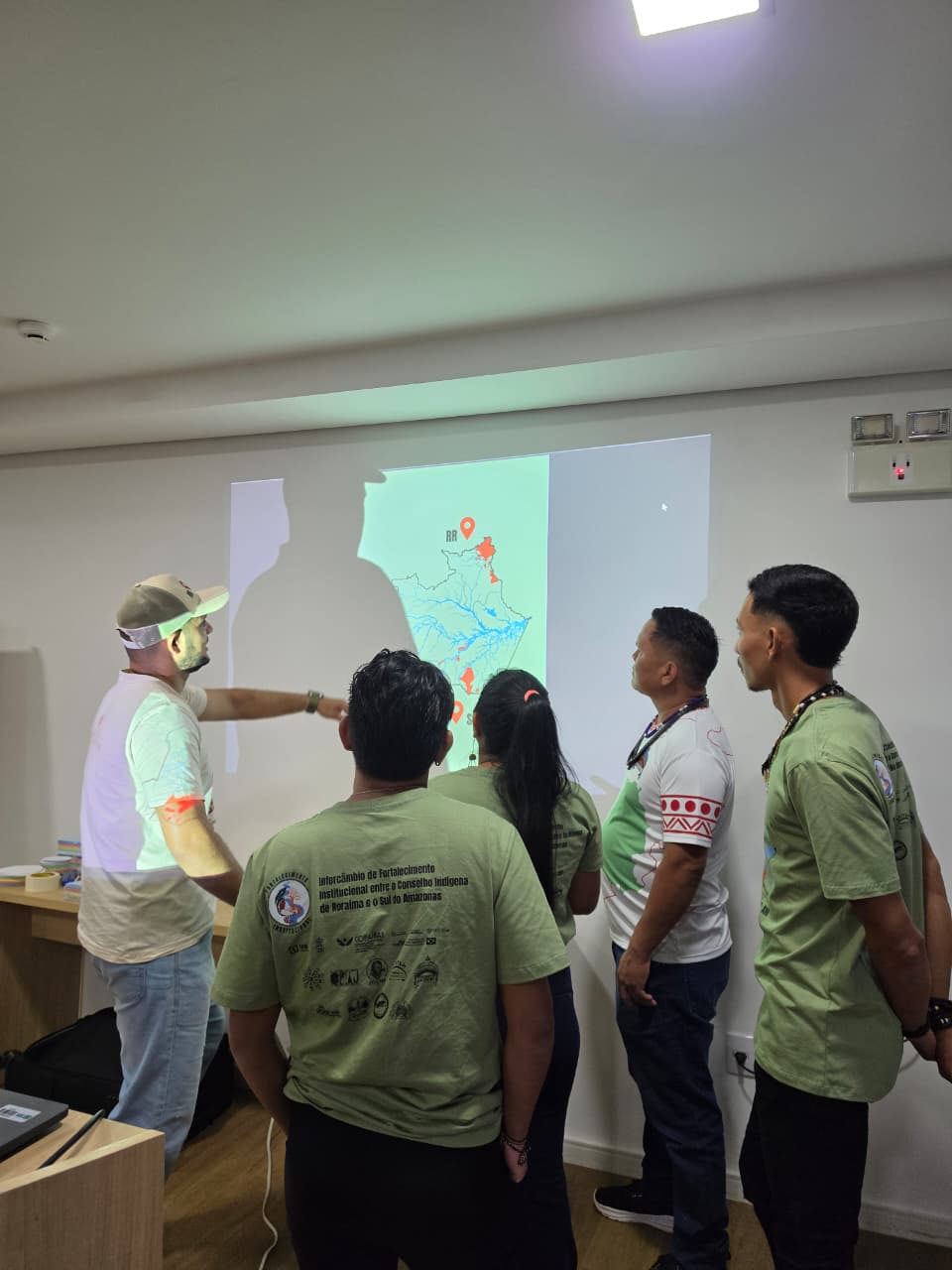
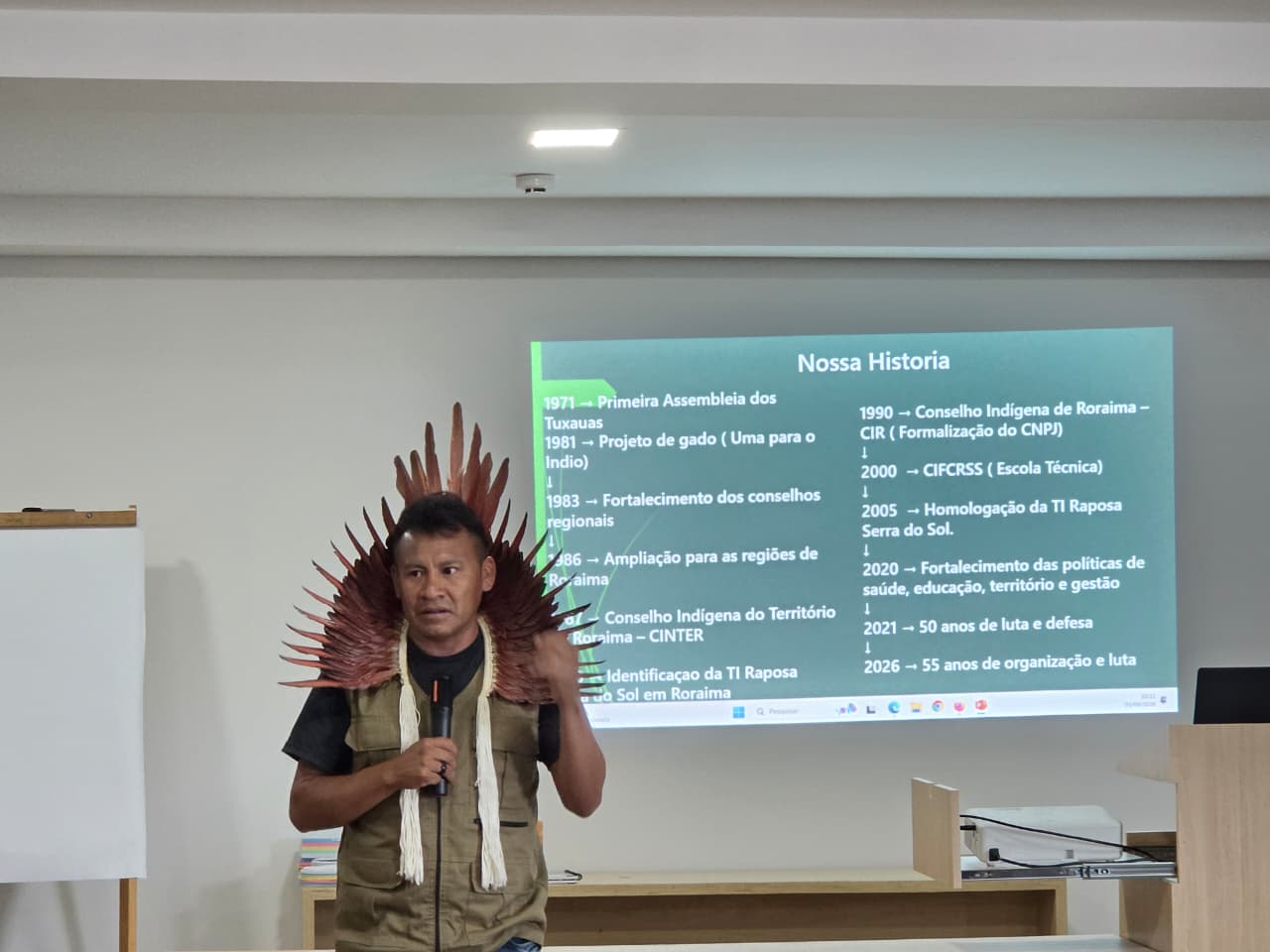
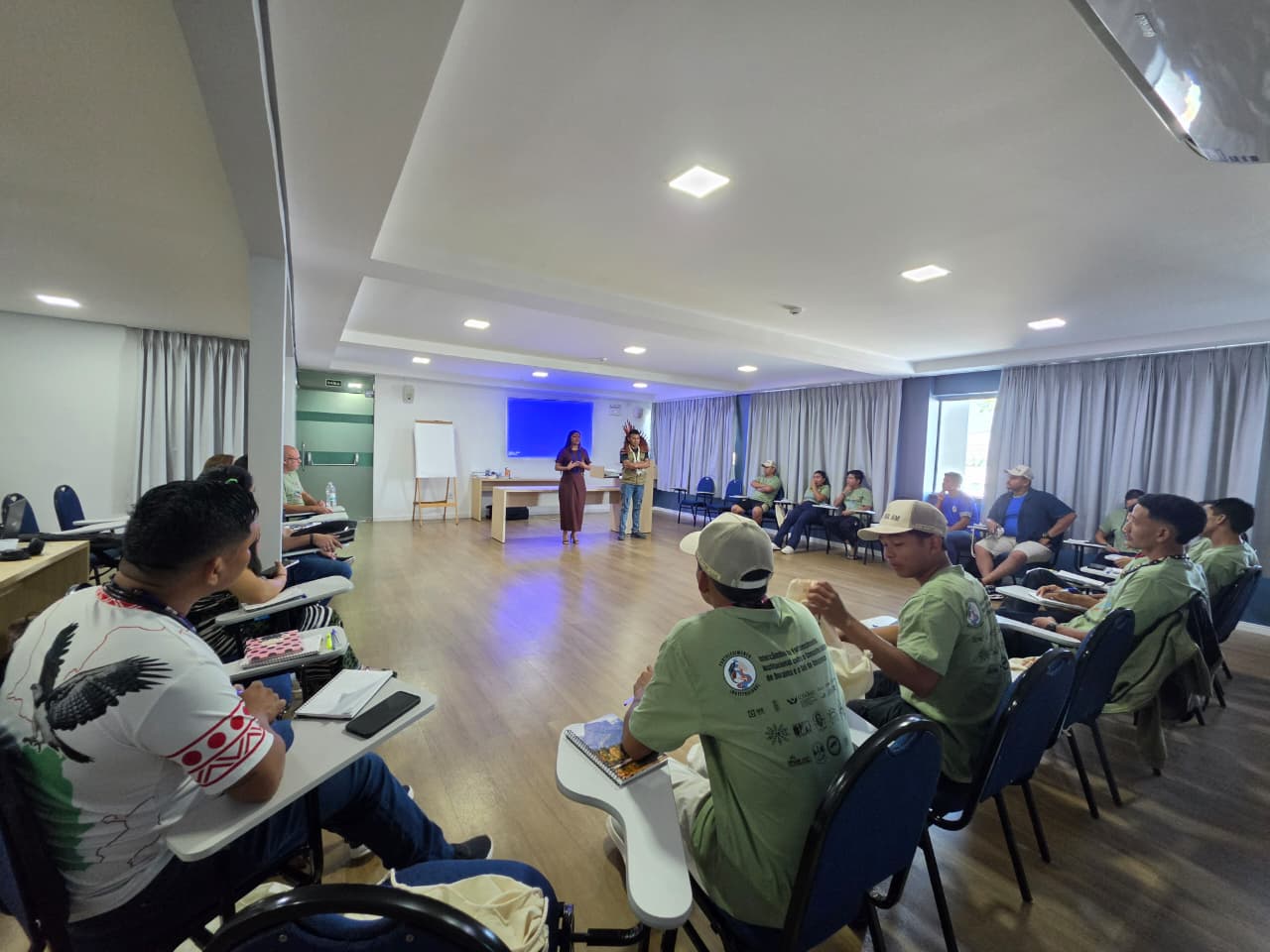
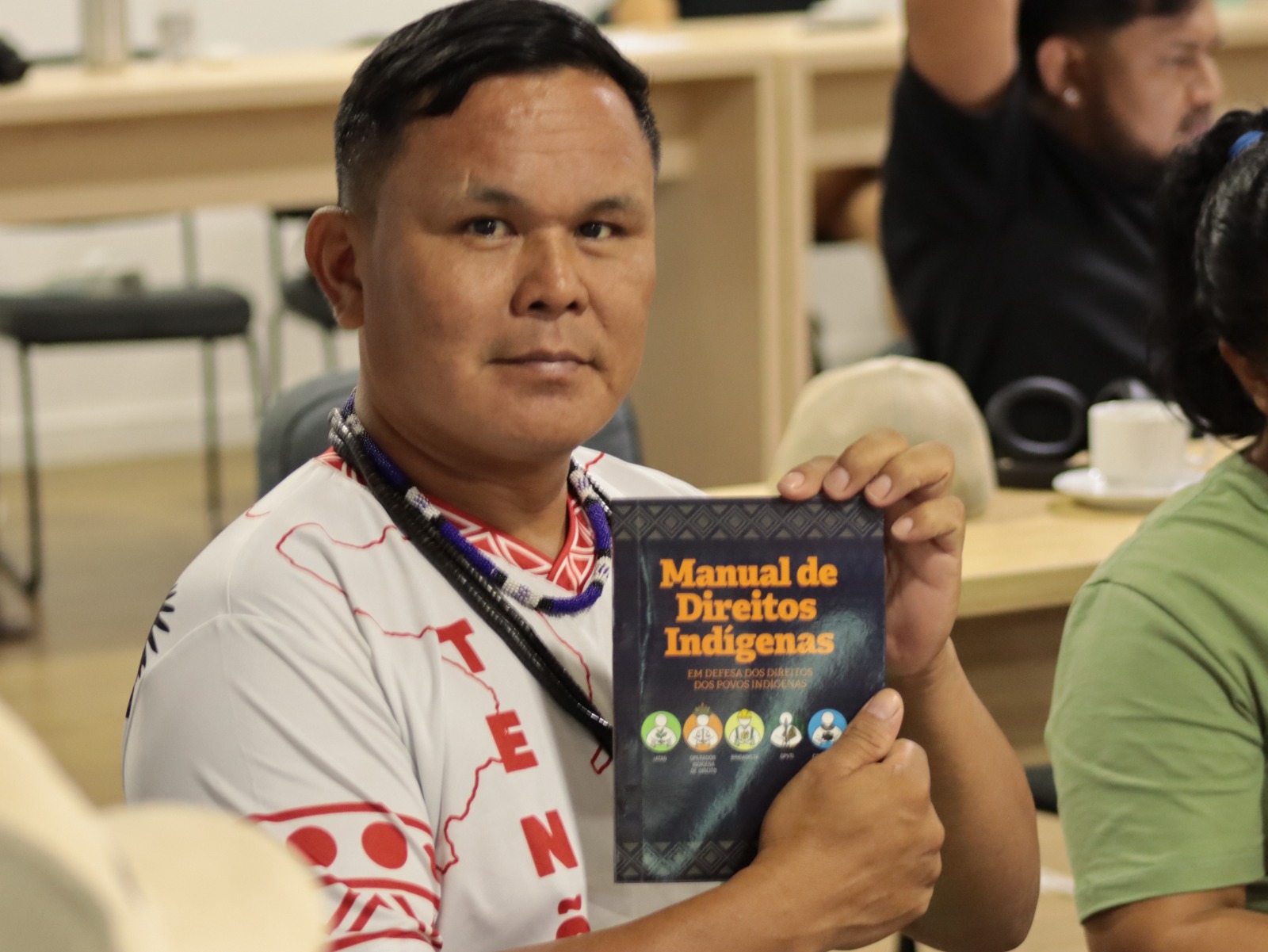
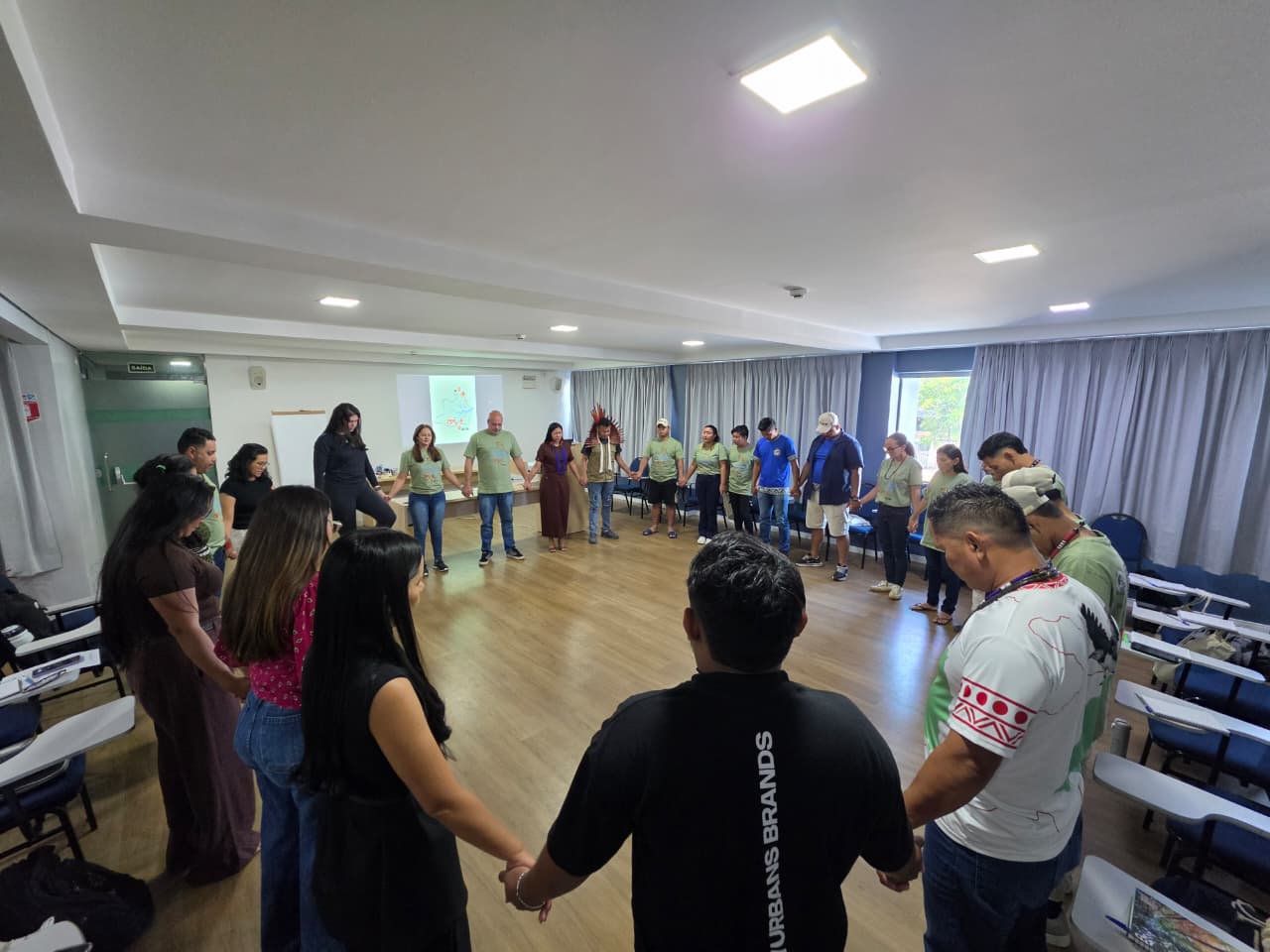
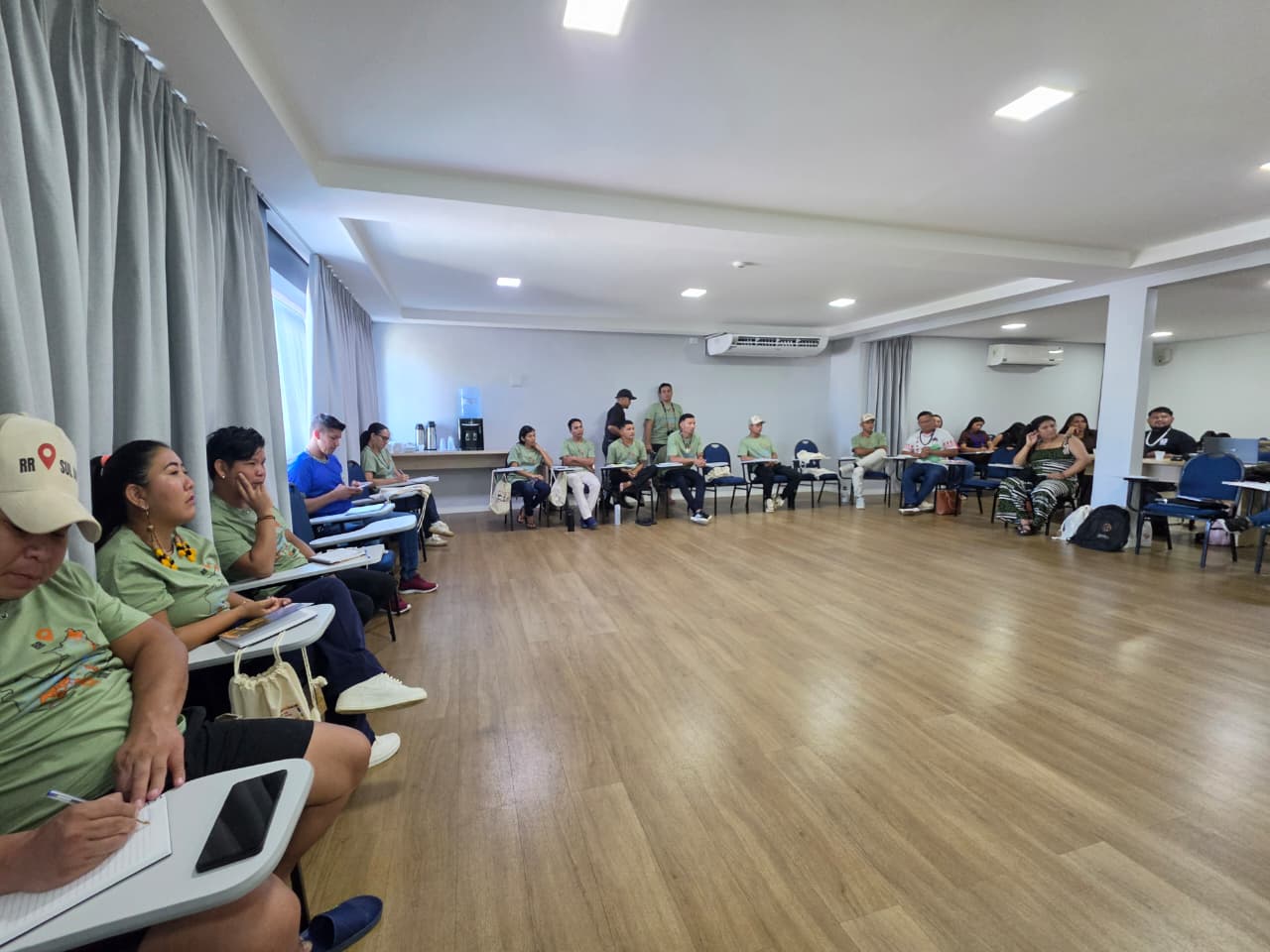
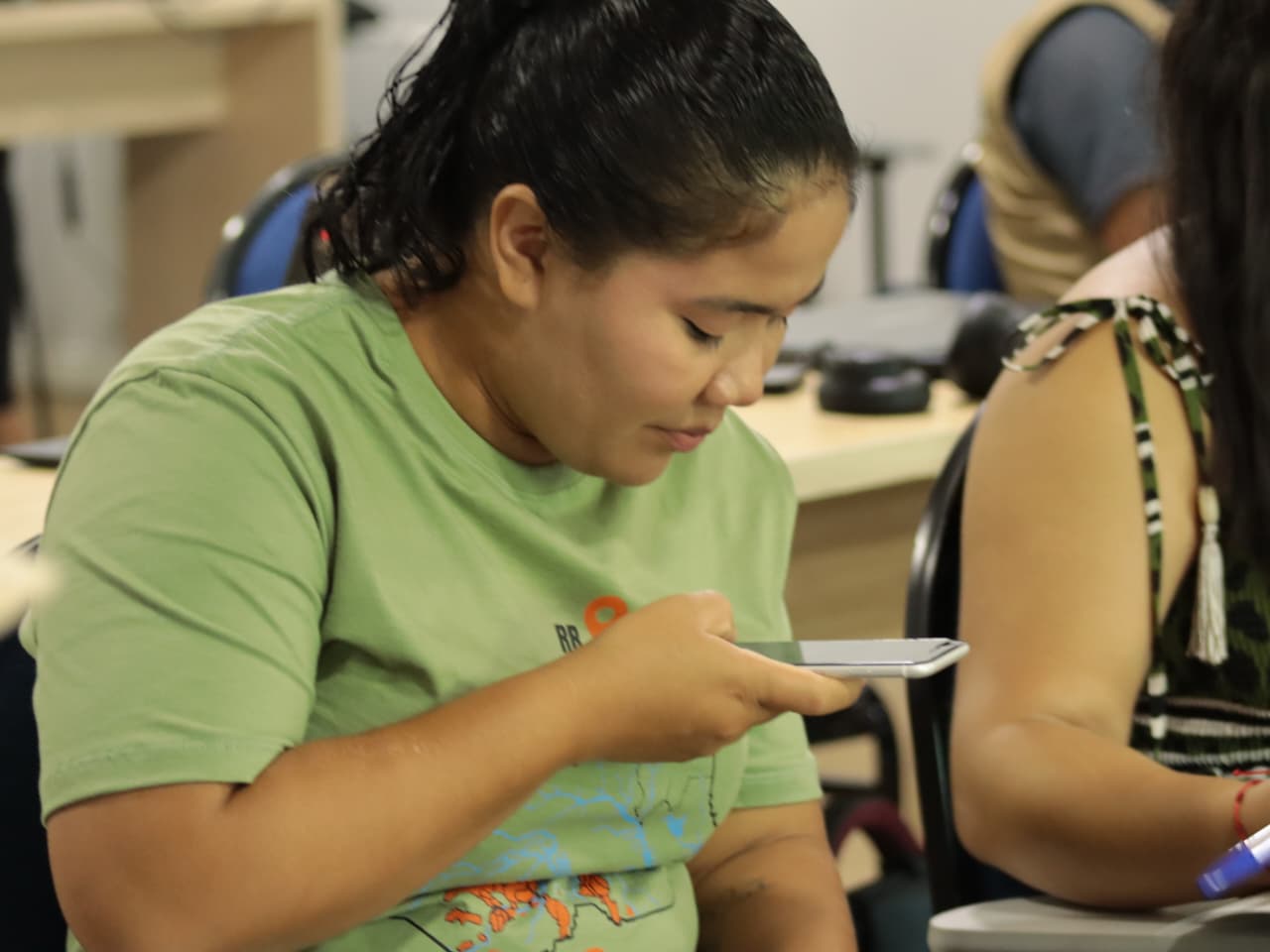
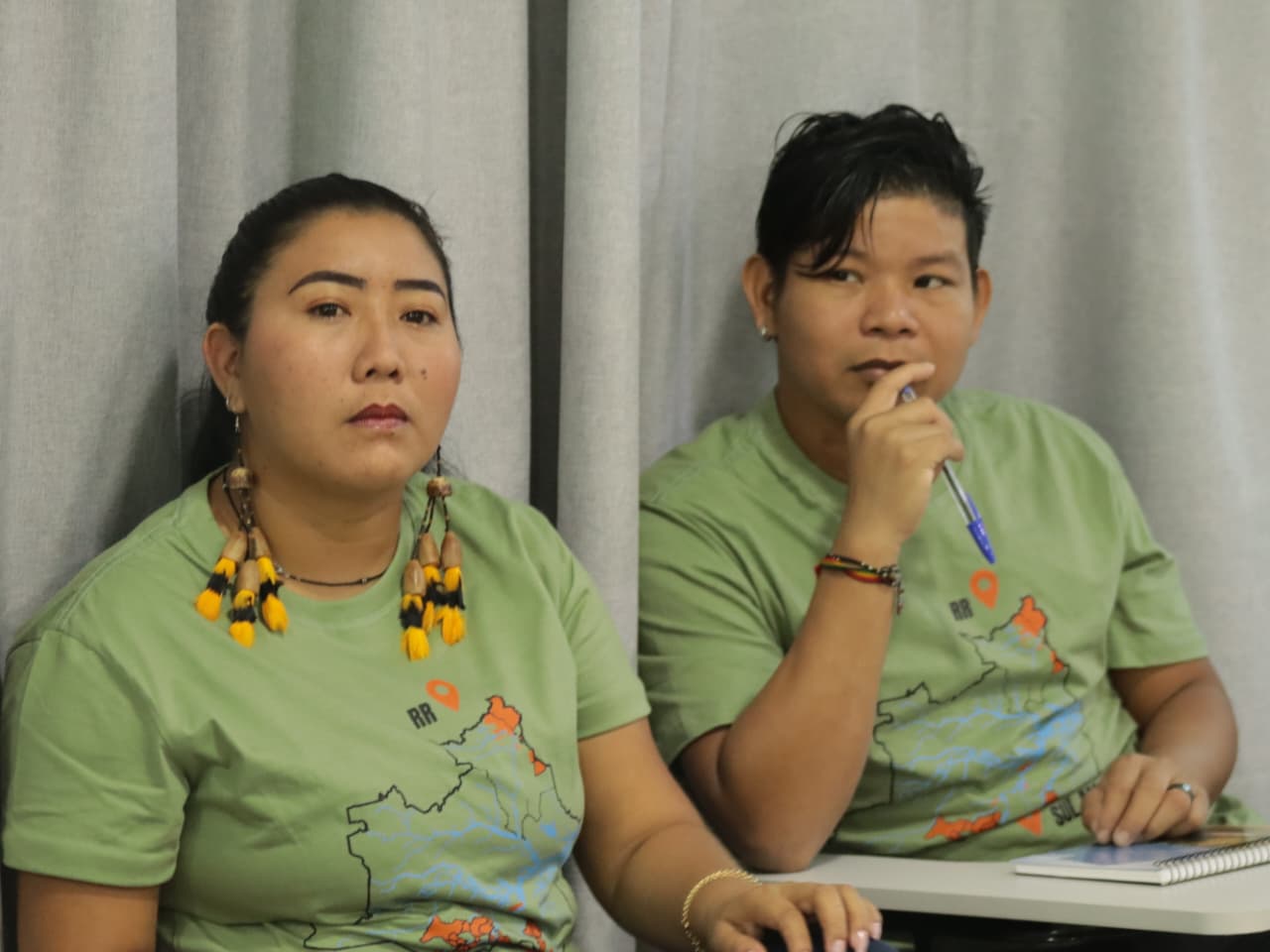
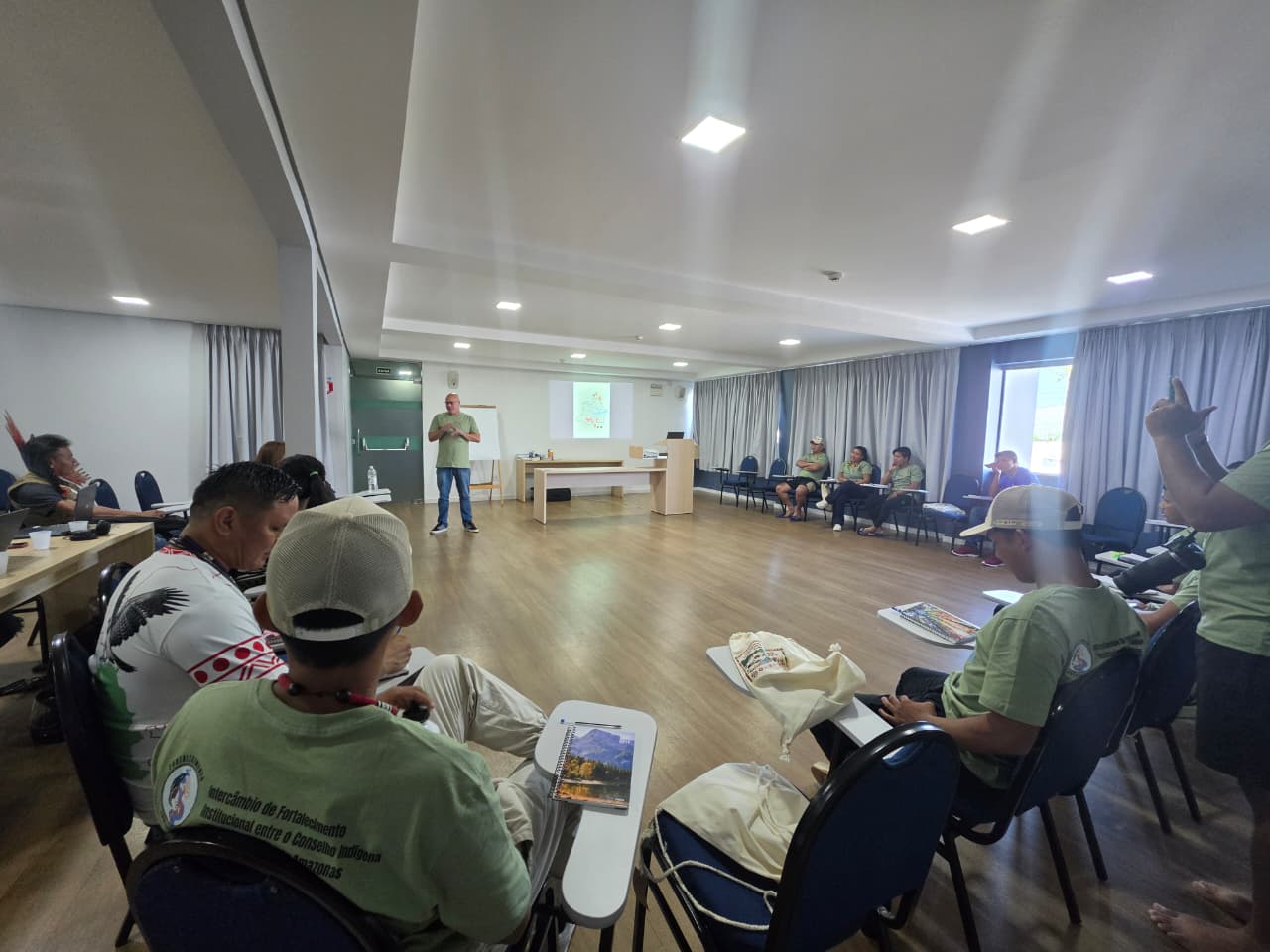
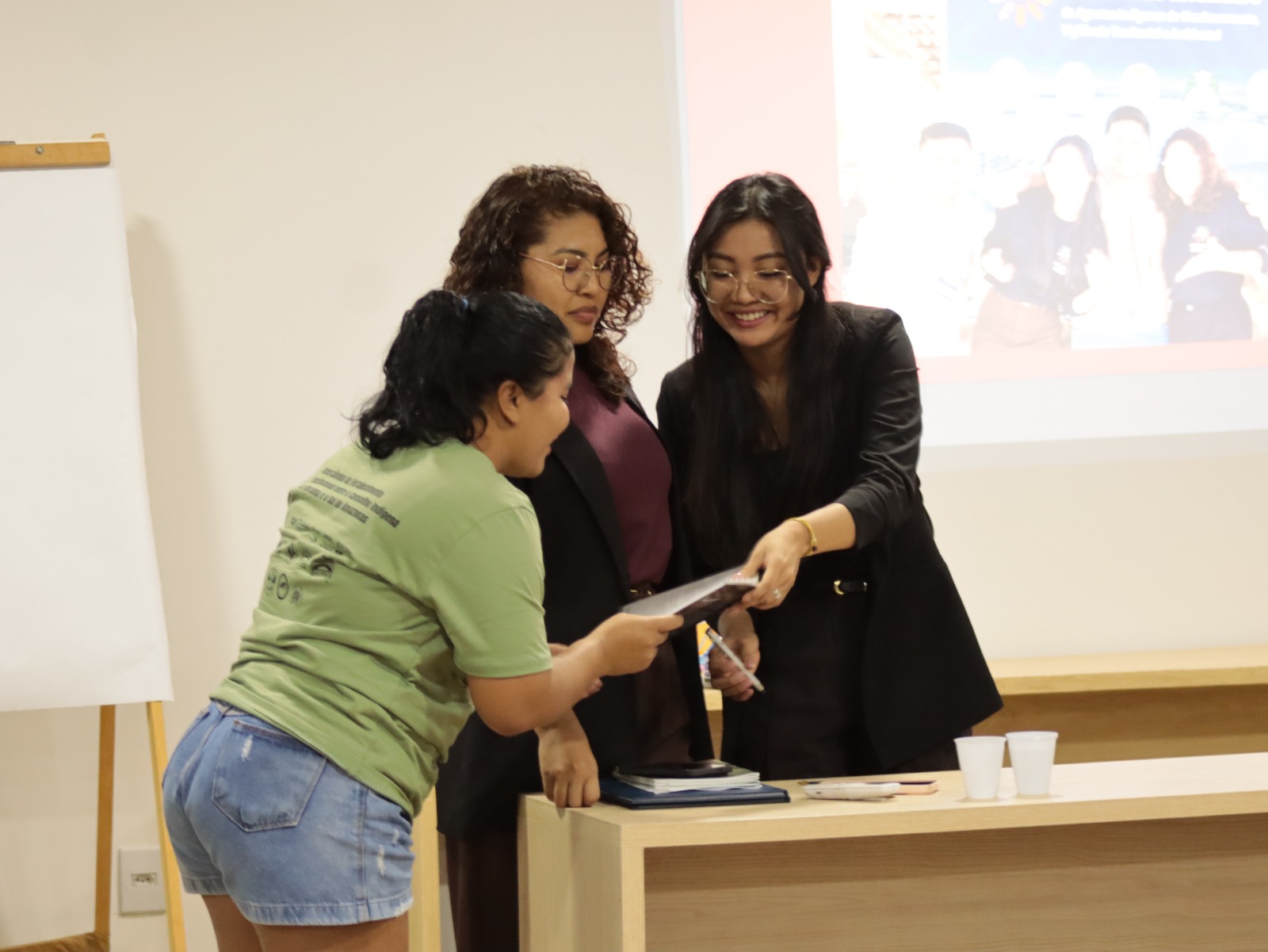
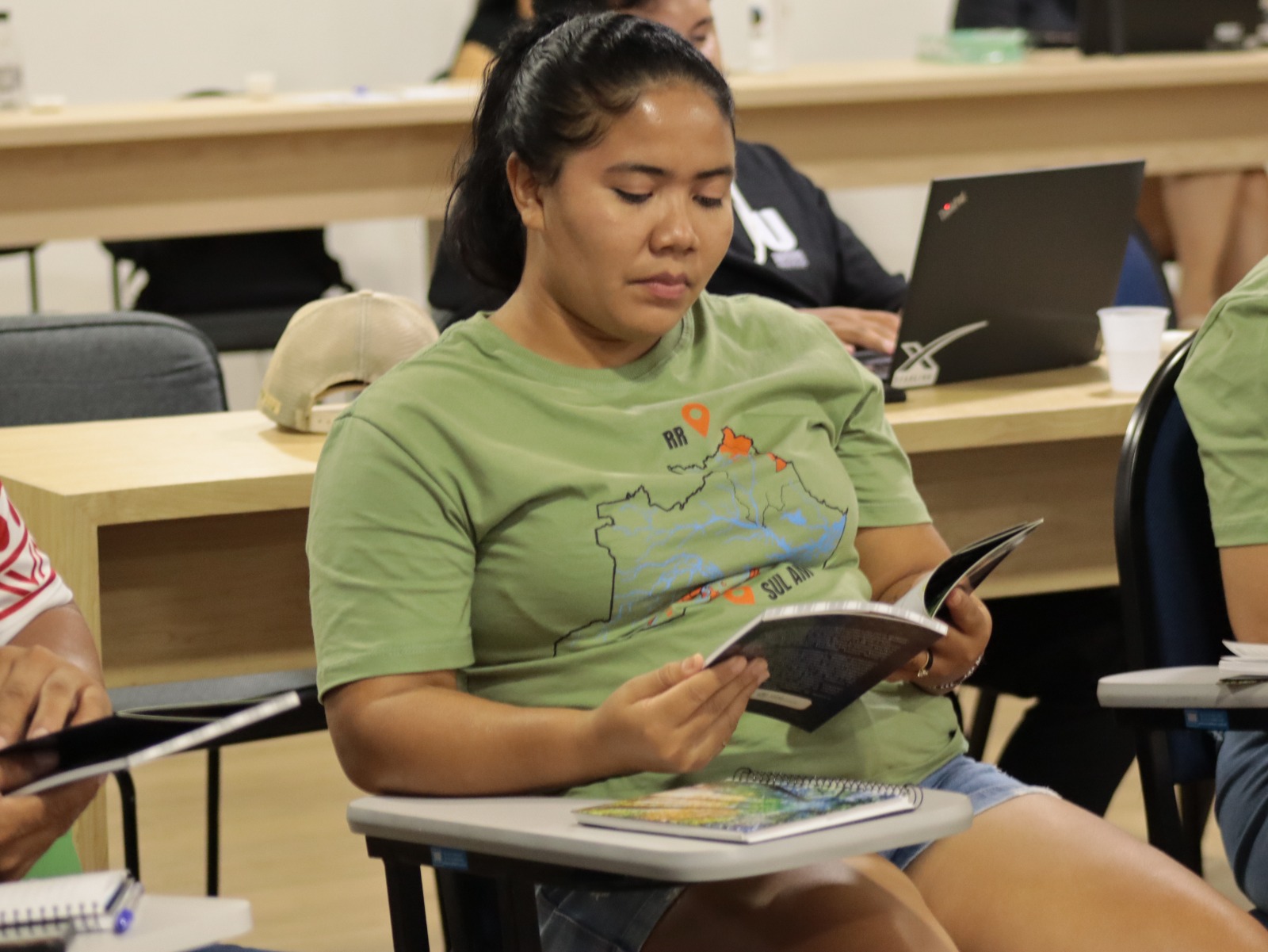
With the exchange, the CIR reaffirms the importance of union and articulation between indigenous peoples and organizations, strengthening the sharing of experiences and the collective construction of strategies in defense of the rights, territories and autonomy of indigenous peoples.
Indigenous organizations participated in the exchange: Association of the Tenharim Morongitá Indigenous People (APITEM), Organization of the Apurinã and Jamamadi Indigenous Peoples (OPIAJ), Association of the Jiahui Indigenous People (APIJ), Association of the Tenharim Igarapé Preto Indigenous People (APITIPRE), Organization of the Parintintin Indigenous People of Amazonas (OPIPAM), Association of the Lago Capanã Mura and Munduruku Indigenous People (APILCAMM), Federation of Organizations and Communities of the Middle Purus (FOCIMP) and Organization of the Indigenous Peoples of the Upper Madeira (OPIAM).