
By Allyne Bentes.
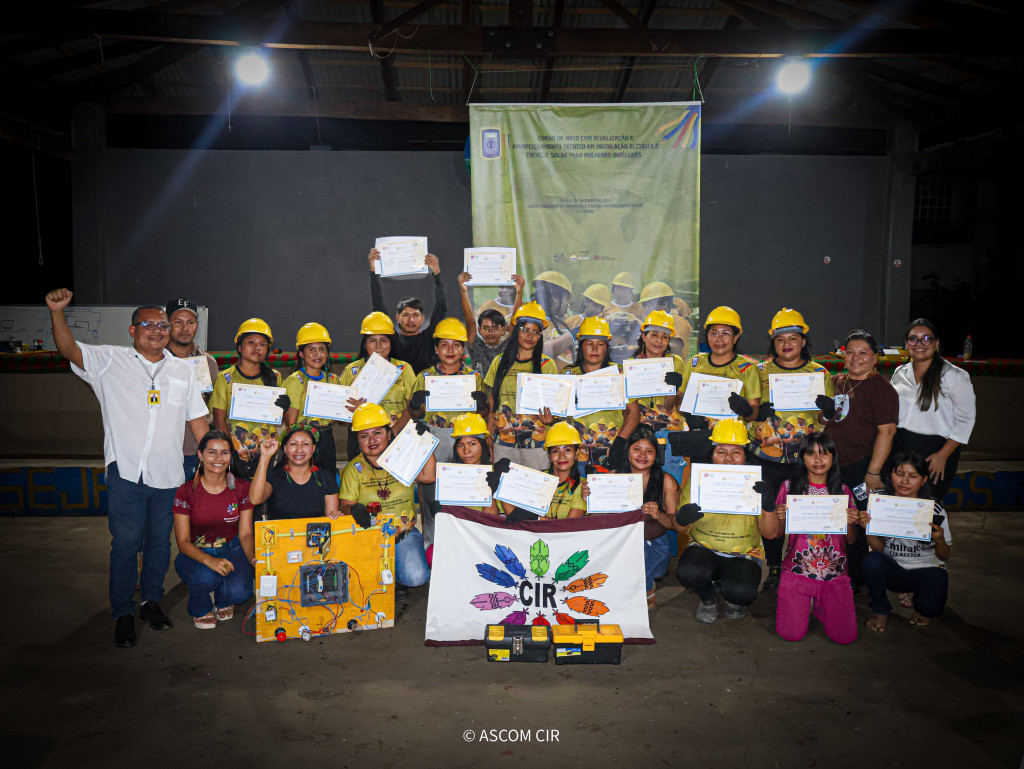
Training promoted by the CIR in partnership with ISA and the Solar Technological Center, brought together participants from eight ethnoregions of the state and seeks to strengthen the financial autonomy of indigenous women.
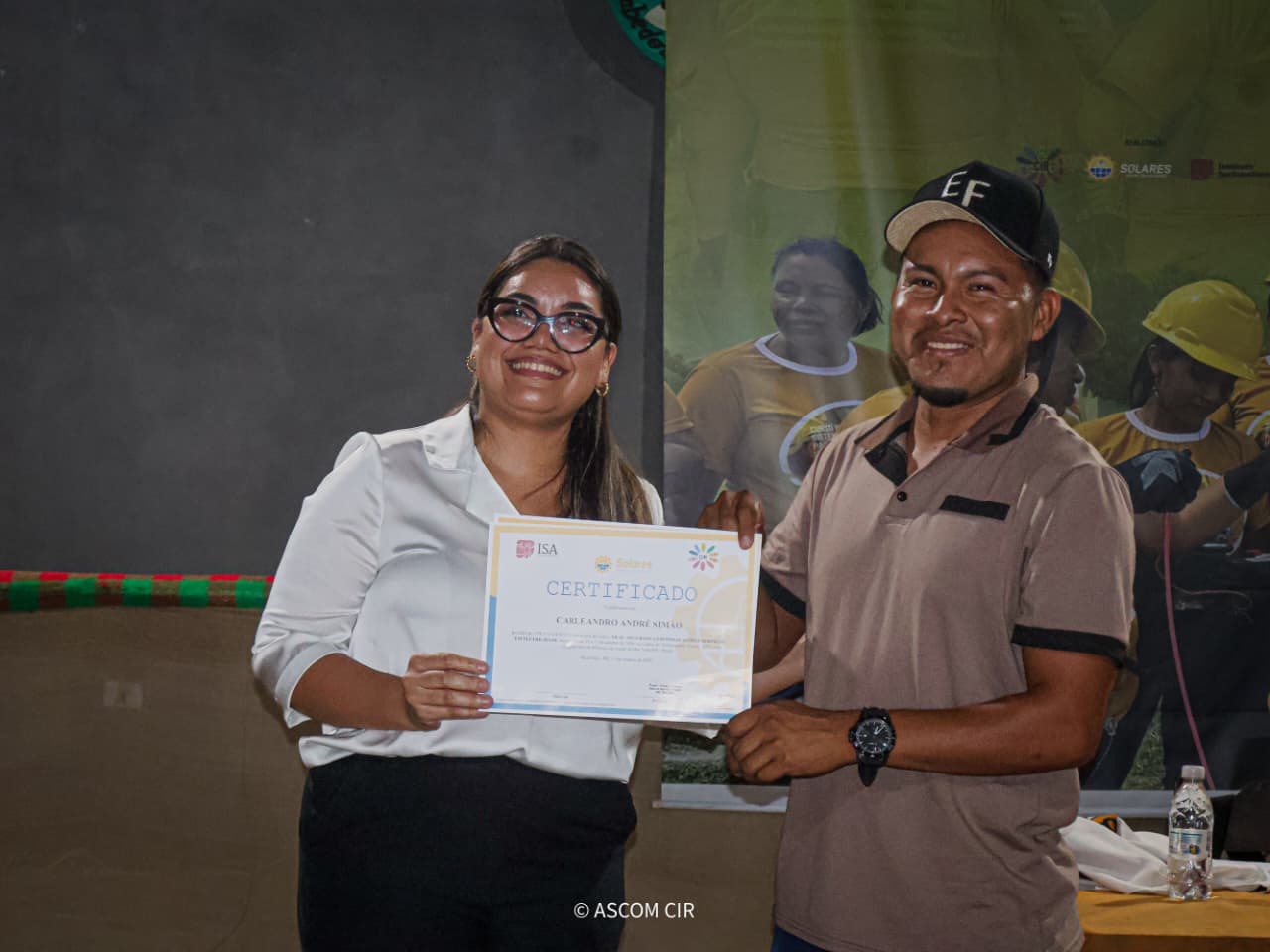
When a woman chooses to work in an area historically dominated by men, the challenges go beyond professional training. For electrician Graciele da Silva Costa, 22, an indigenous woman from the Macuxi people and a resident of the Pium community, in the Tabaio region, in Roraima, prejudice already appeared when she had the opportunity to put into practice the knowledge previously acquired in the electrical installations course offered by the Indigenous Council of Roraima in 2024.
"In my community there are these people who are prejudiced against women in this area. Even when I was called by a relative of mine to do the installation at her house, her husband didn't want to, because he said I was going to burn everything, that I didn't know. And I took my certificate and said: "Oh, I took the course". That's precisely why I took the course, so I wouldn't have this problem of burning things",reports the electrician.
Graciele's experience is an example of the challenges faced daily by indigenous women in the labor market and shows how, even after professional training, their skills are still questioned because of gender.
According to a survey conducted in 2020 by thePatrícia Galvão Institute, in partnership with Instituto Locomotiva, 76% of the women interviewed reported having suffered some type of violence, harassment or embarrassment in the workplace. In the electrical area, gender inequality is also reflected in female participation: the study"Women in the Brazilian Electricity Sector",of the National Electric Energy Agency (ANEEL), points out that women represent about 20% of professionals in institutions in the sector and are more concentrated in administrative areas, while men predominate in operational activities.
“That none of us, women electricians, can give up, because this is very important. After all, this area is more seen by men, and we are making the difference of taking this course. That no one gives up from here to there and that we can show that we are capable of being anywhere, in any area",cheers Graciele.
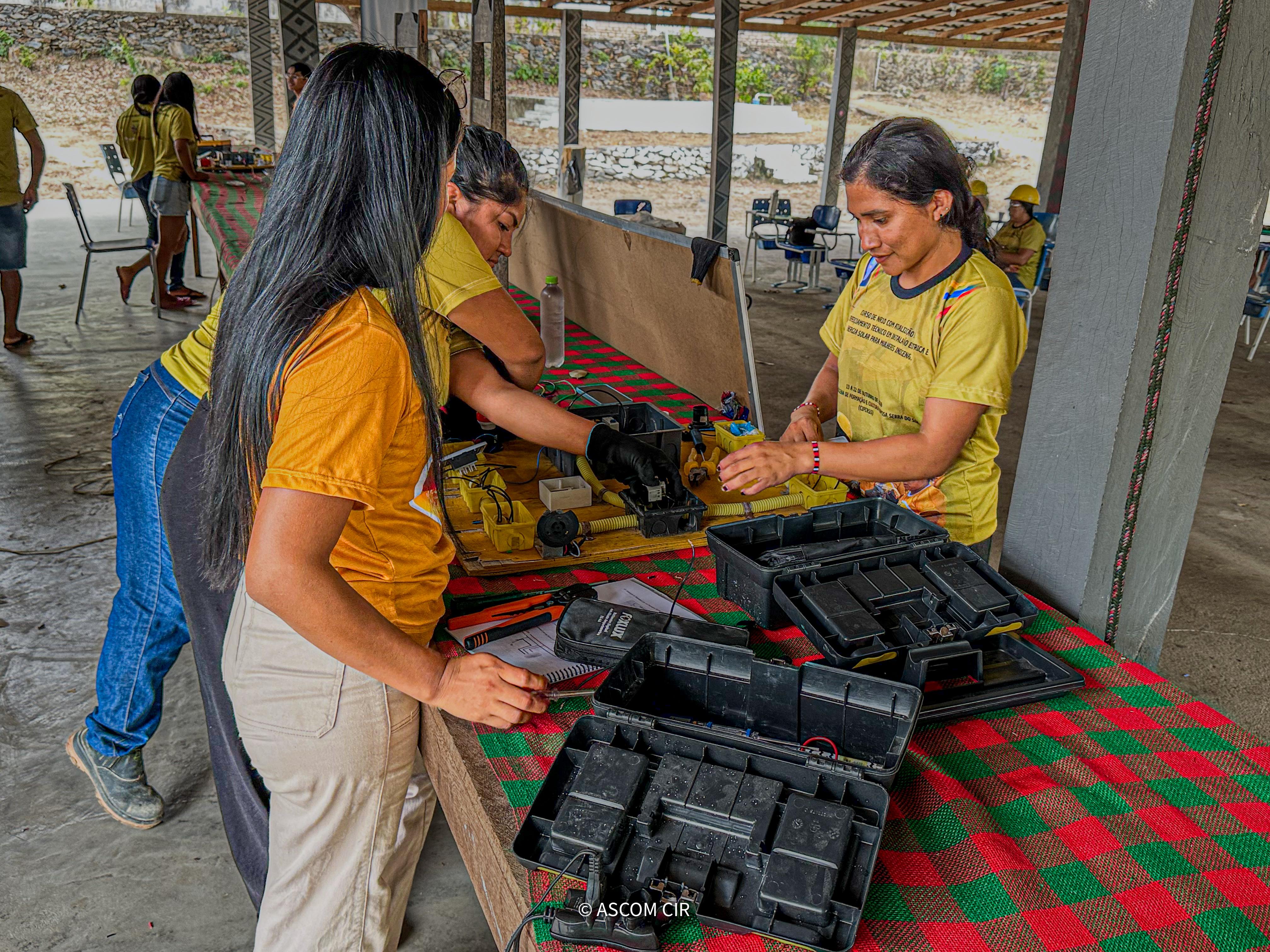
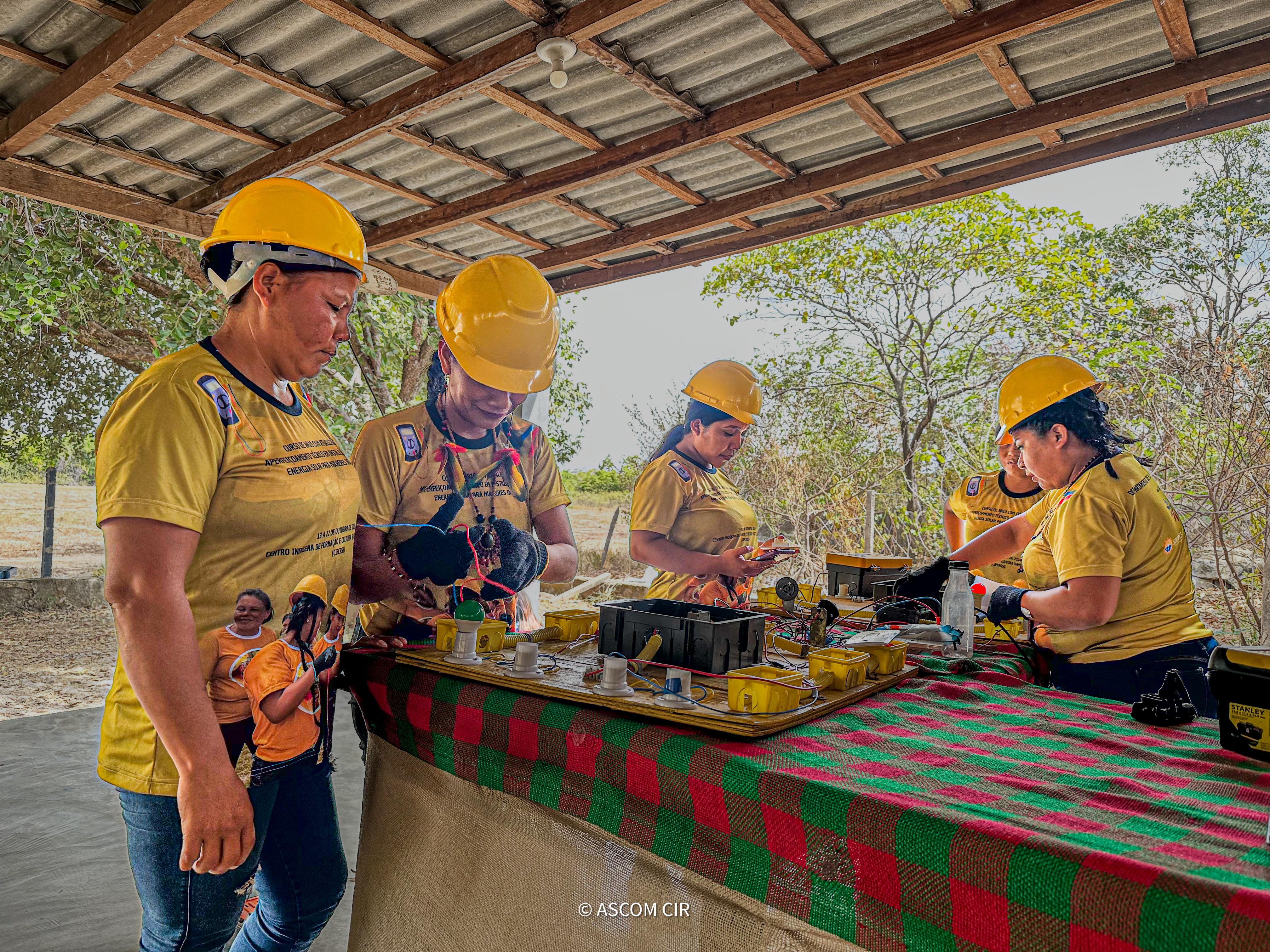
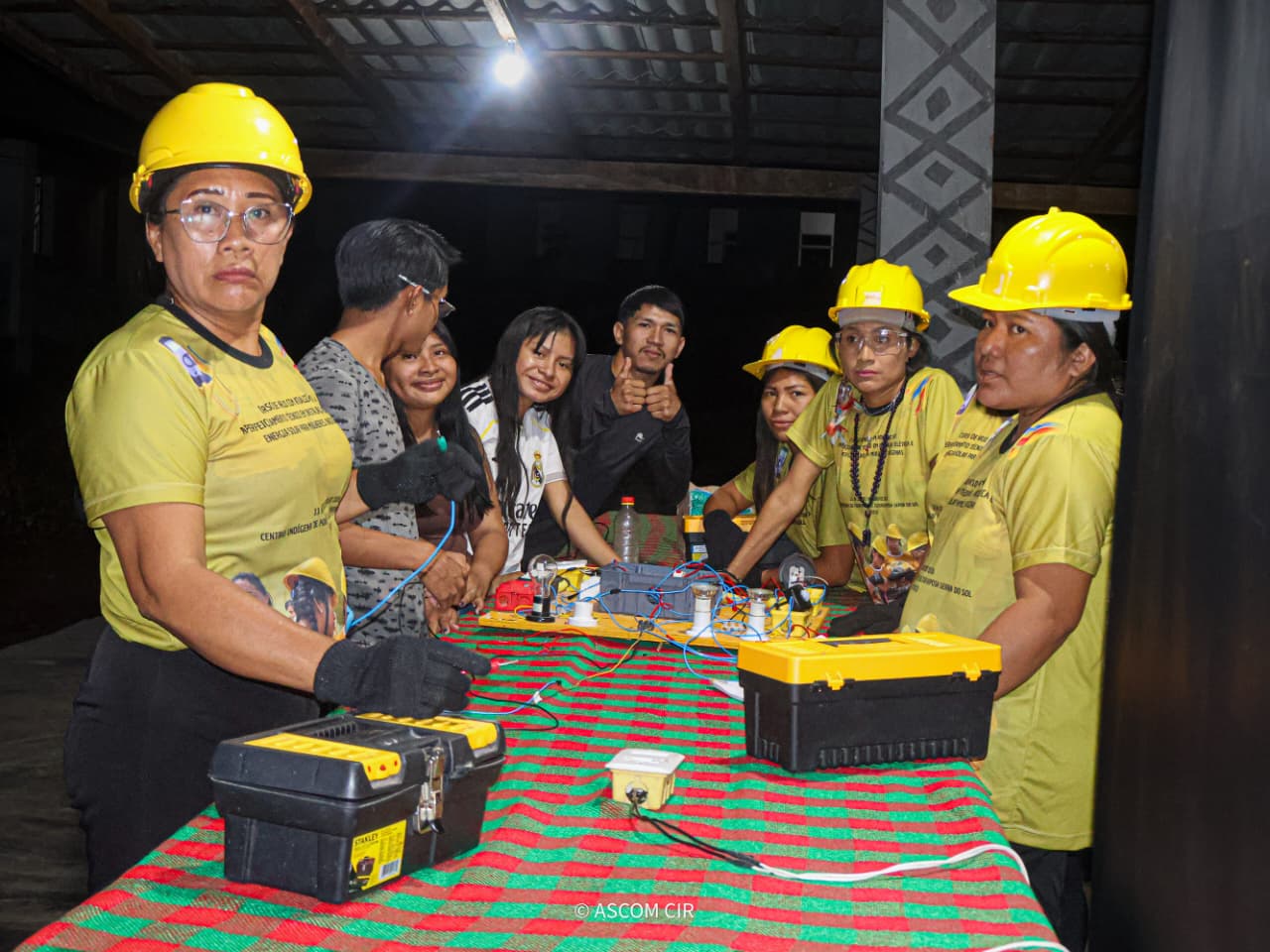
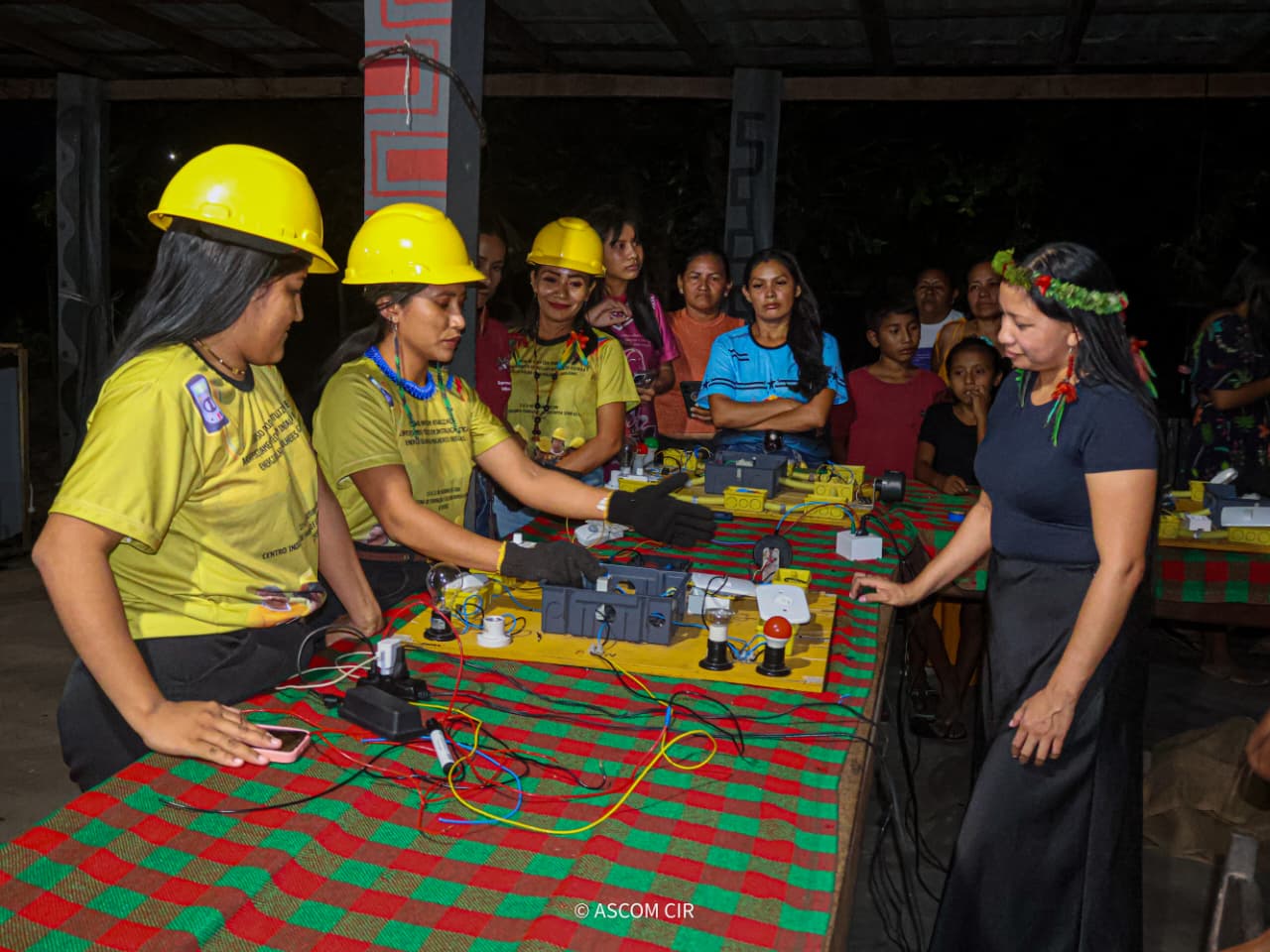
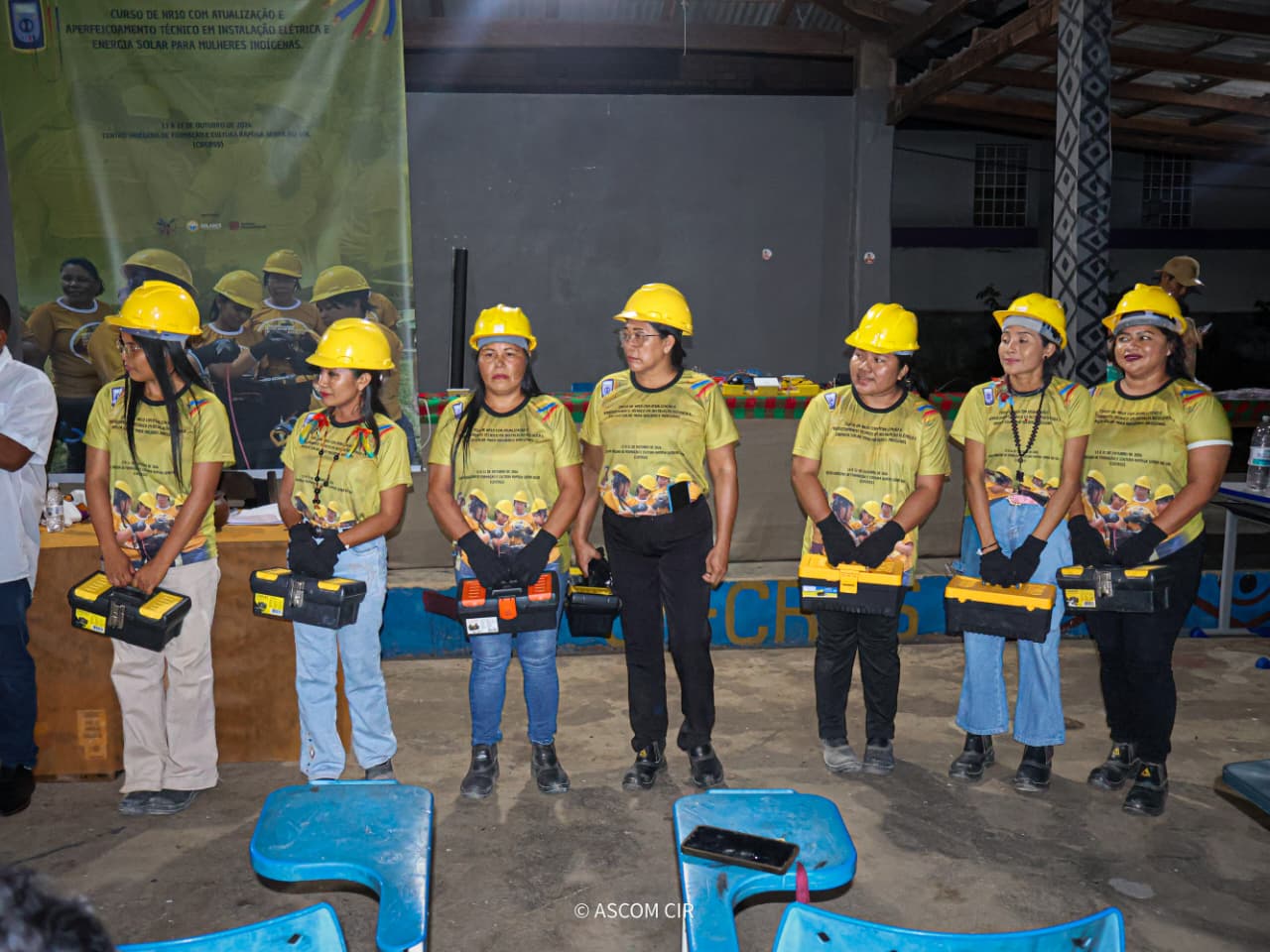
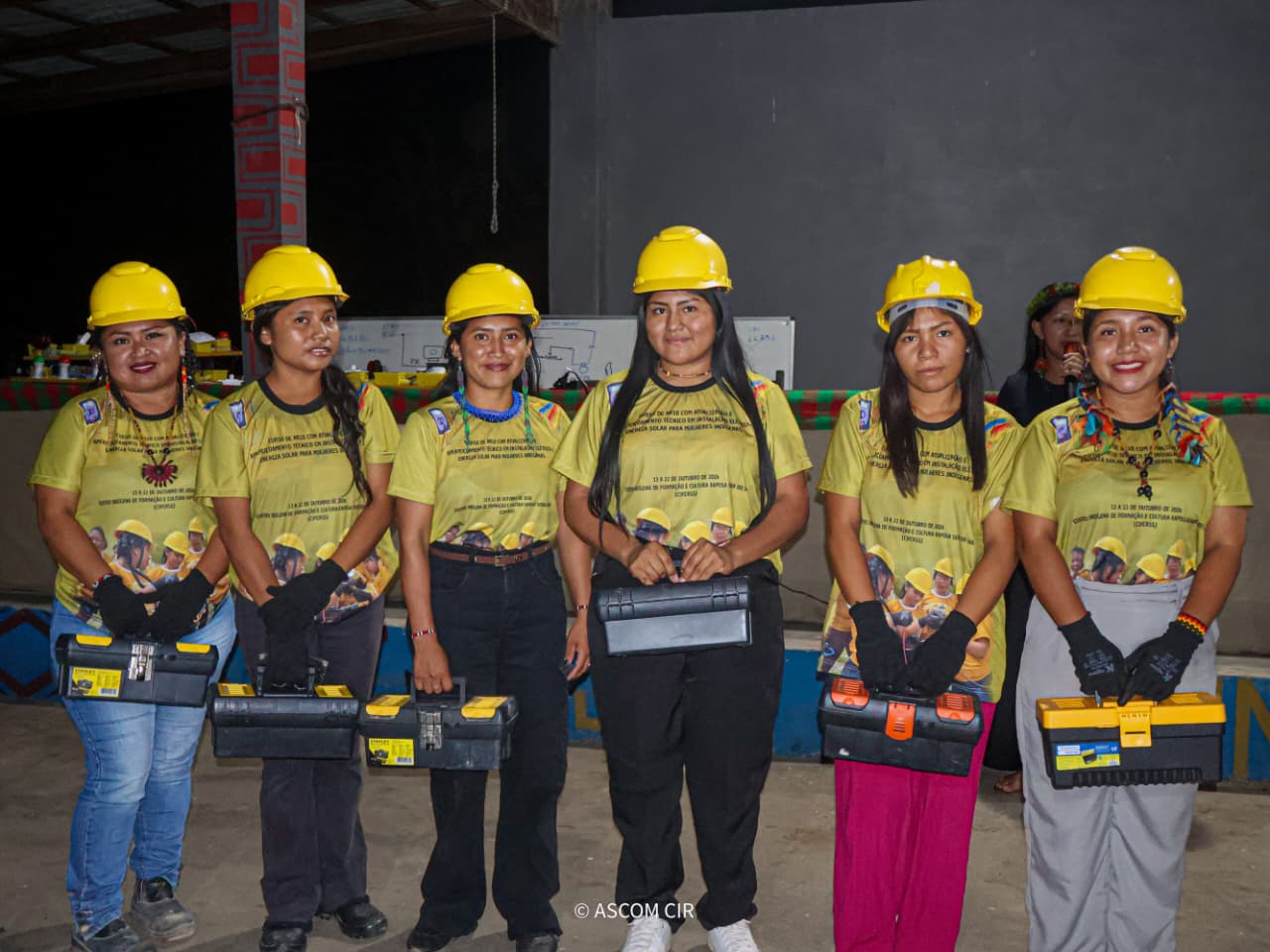
To increase these possibilities, fifteen indigenous women from eight ethnoregions of Roraima participated in the improvement course in electrical installations promoted by the Indigenous Council of Roraima (CIR). The training began on October 13 and concluded on October 21 at the Raposa Serra do Sol Indigenous Training and Culture Center (CIFCRSS), located in the Barro indigenous community, Surumu region.
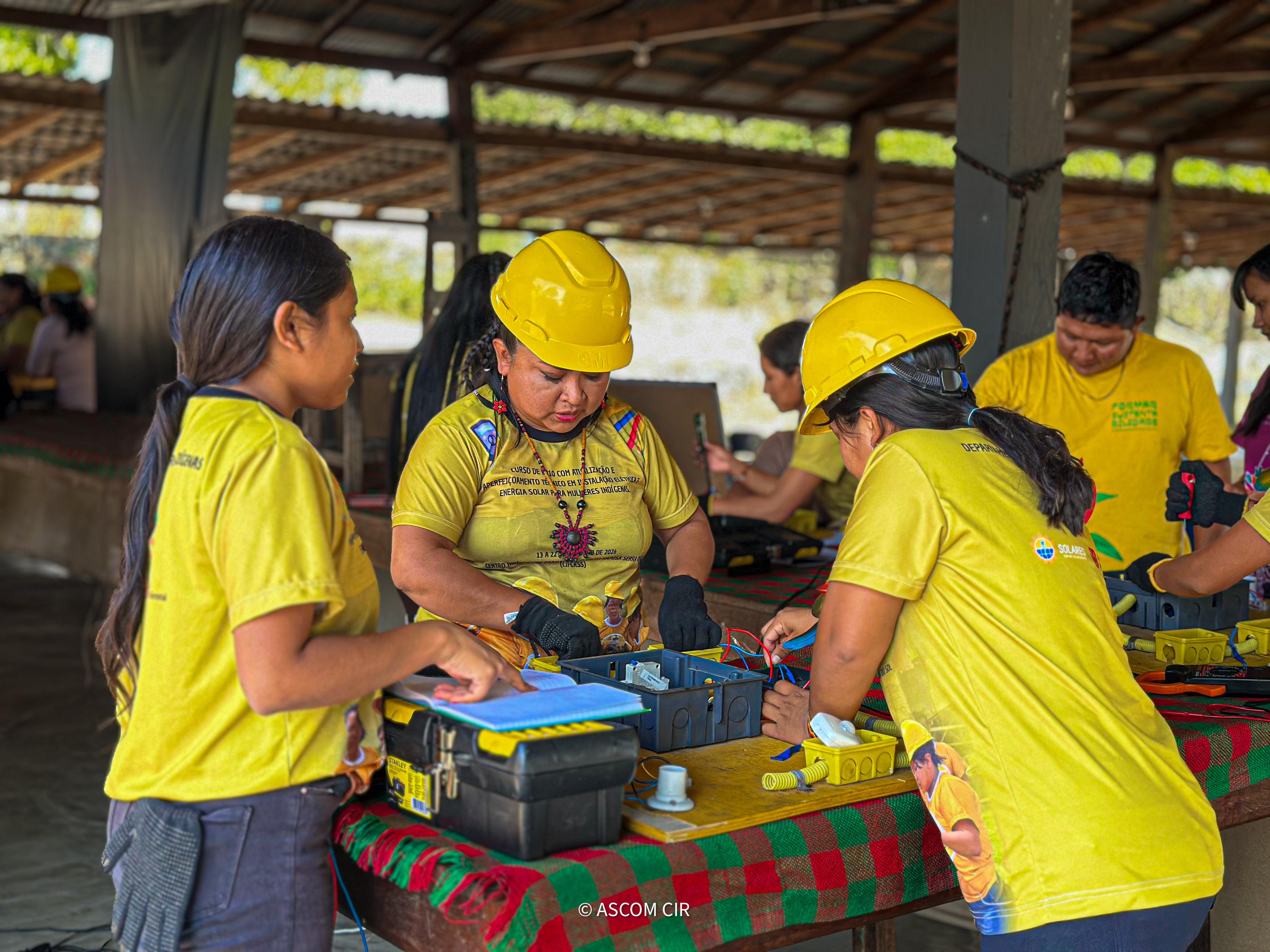
With a workload of 40 hours, the course "NR-10 with updating and technical improvement in electrical installation and solar energy for indigenous women" is a pioneering initiative of the CIR, through theDepartment of Indigenous Women, aimed at strengthening women's autonomy and expanding their professional opportunities.
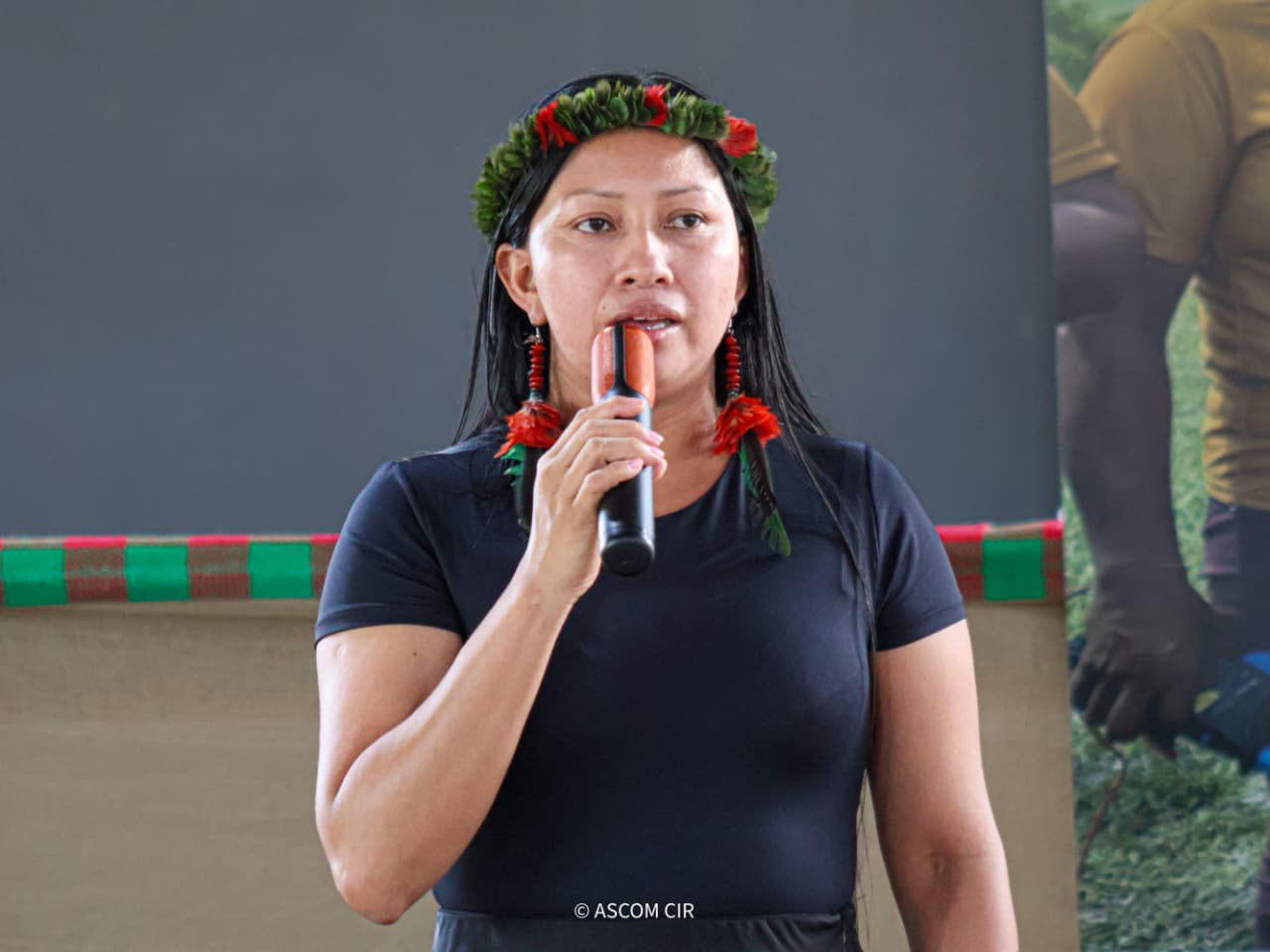
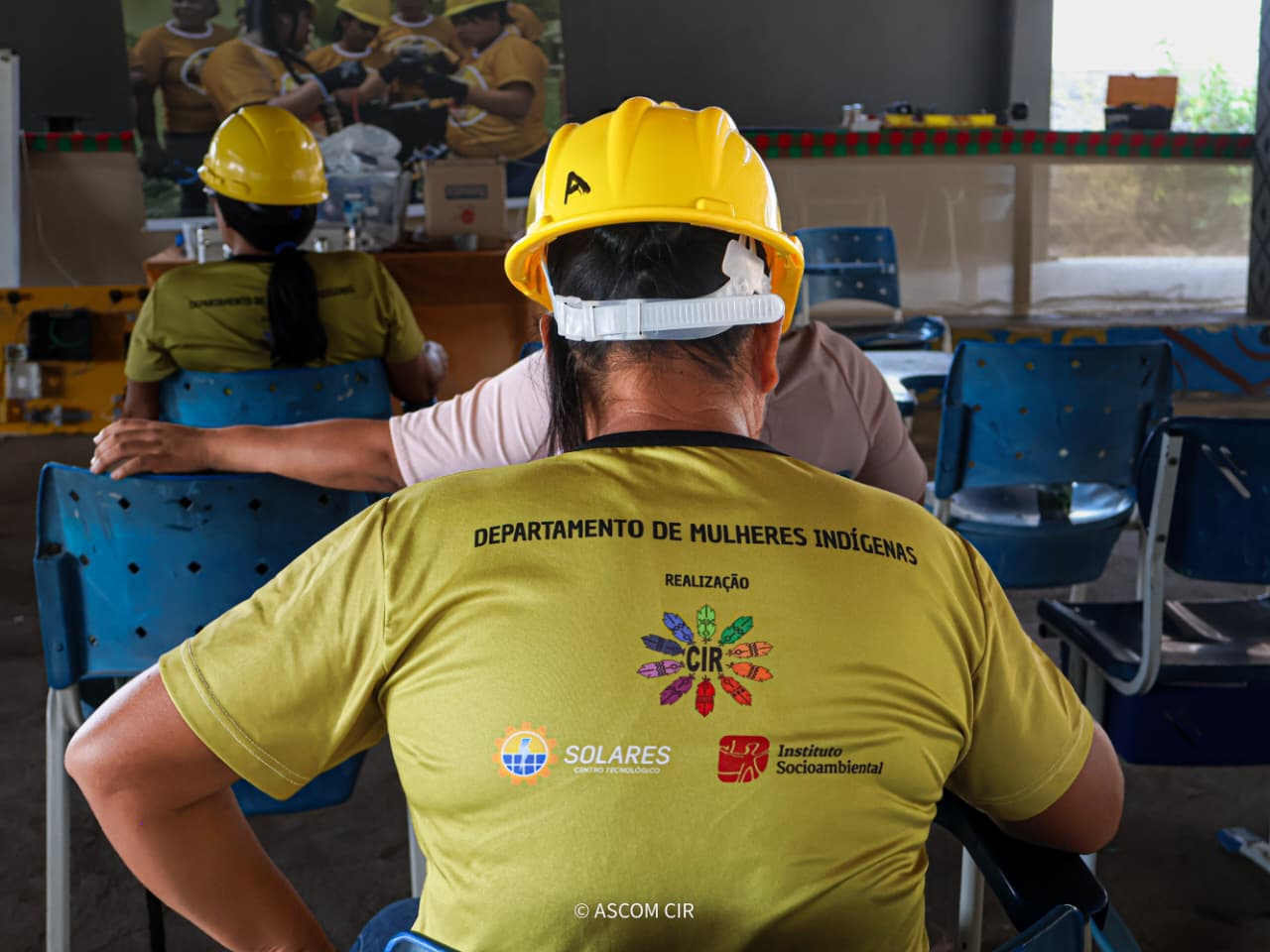
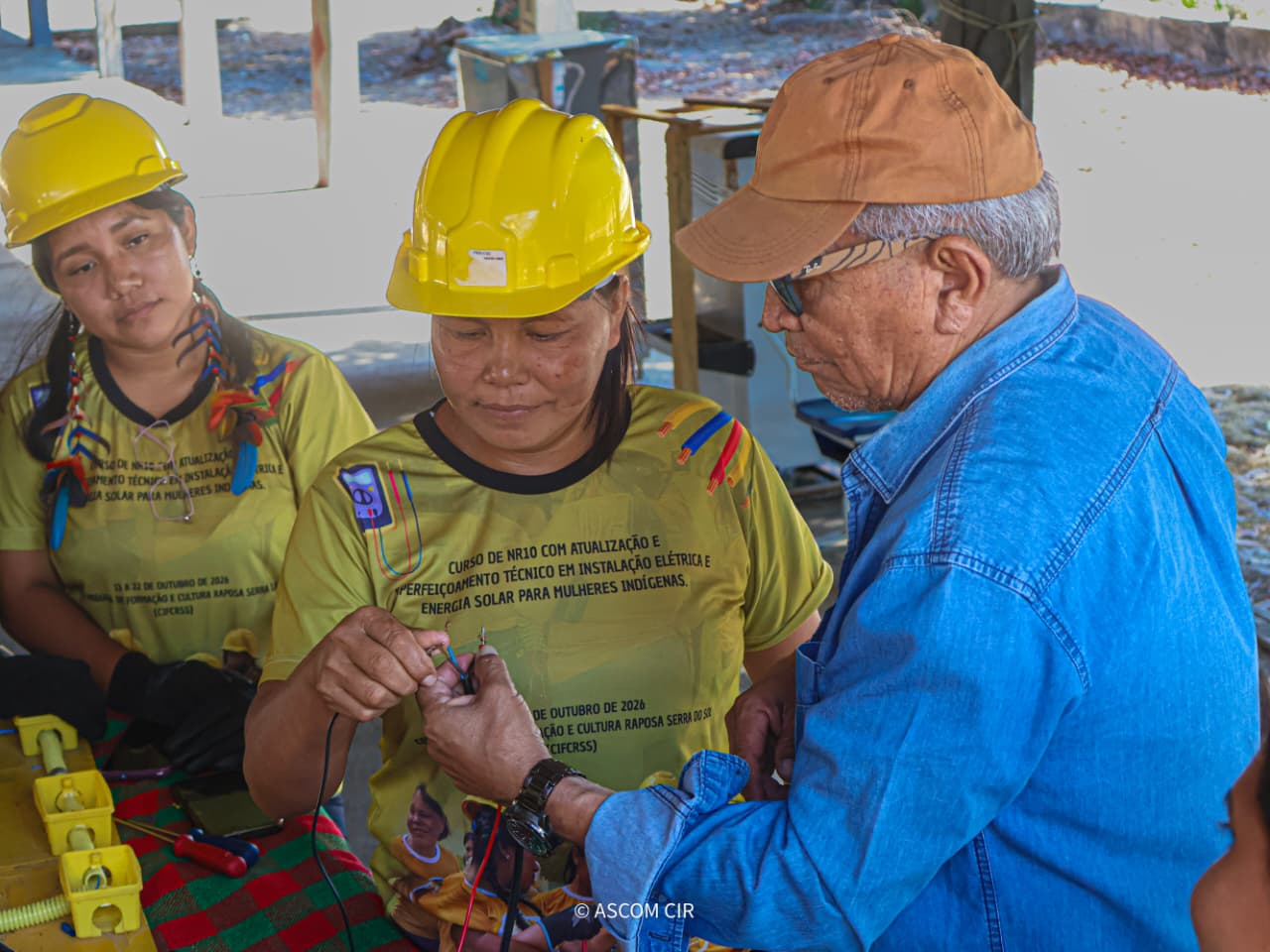
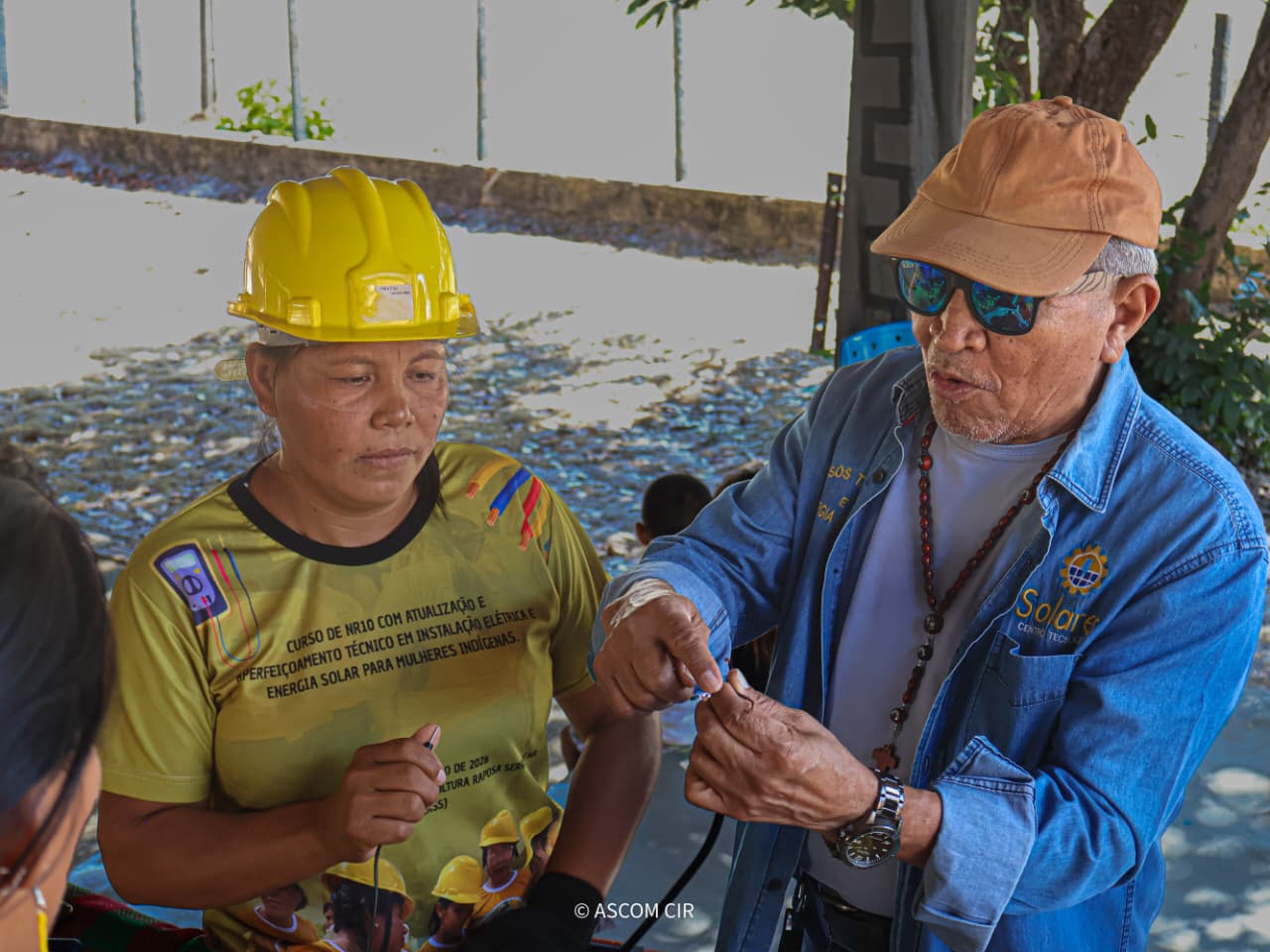
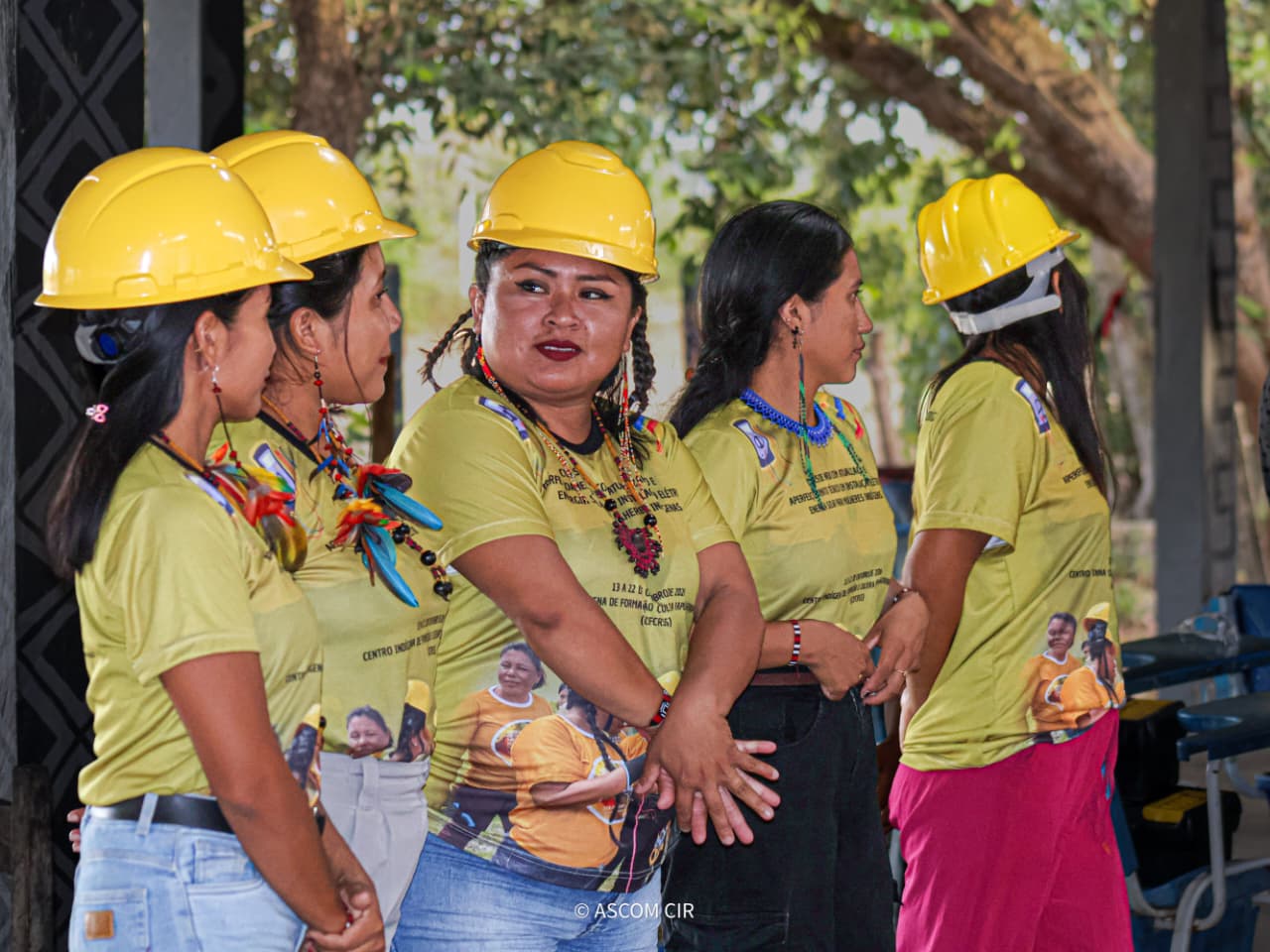
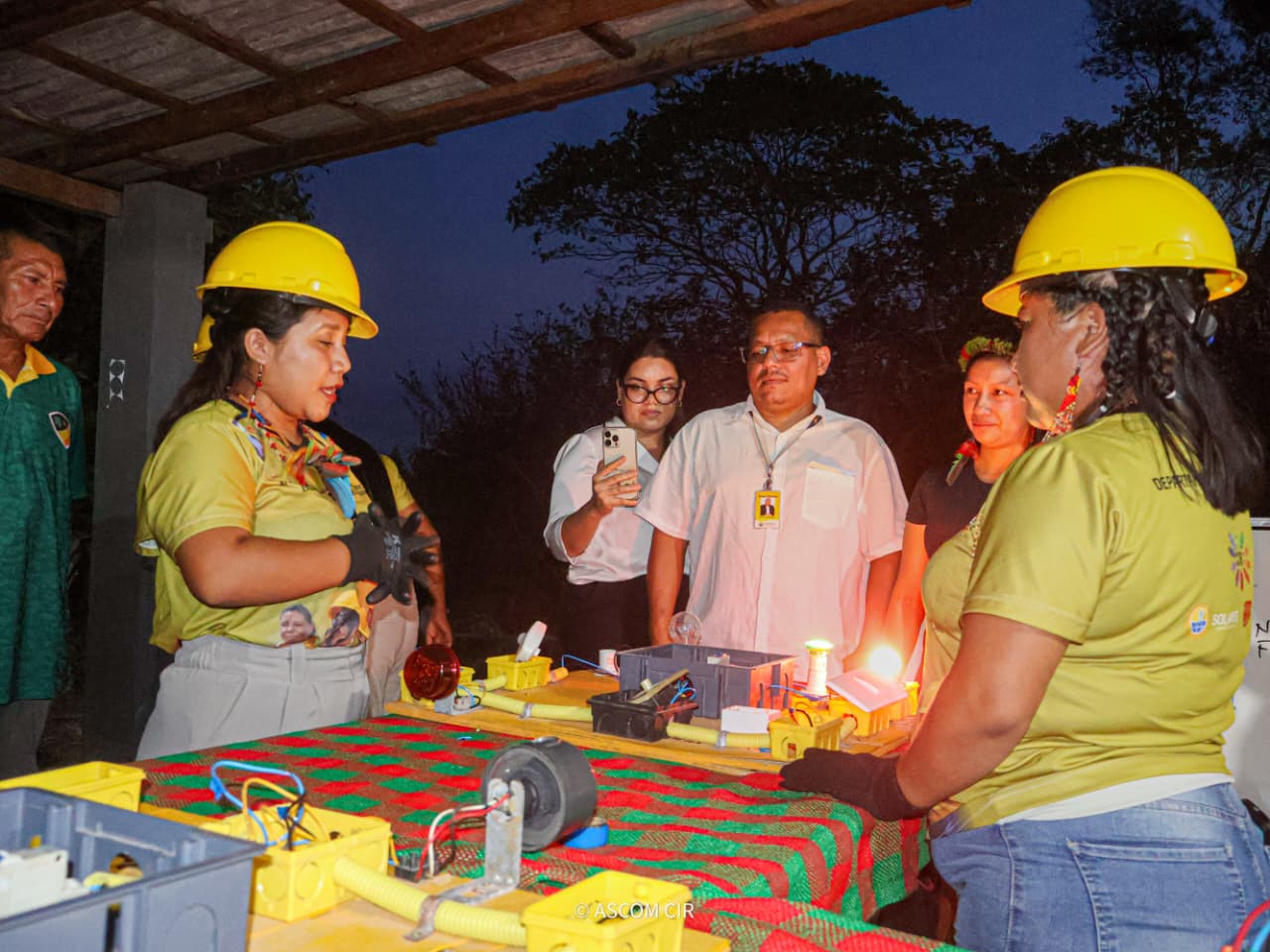
According to the tuxaua of the Indigenous Women's Movement and coordinator of the Department of Indigenous Women of the CIR, Kelliane Wapichana, training is essential for the participants to have more security to work in the area and occupy professional spaces historically dominated by men.
"Women can occupy the spaces they want. Even more so because they are indigenous women, we are able to do these trainings and take this transformation into the territories,"says tuxaua Kelliane Wapichana.
The course continues theTraining of building electriciansheld between July and August 2024, when the participants received 120 hours of training. In October 2025, they also had acomplementary training,in Lake Caracaranã, where they learned how to install the photovoltaic solar system.
The need for a new stage arose after some women reported difficulties in entering the job market and pointed out doubts about the content previously learned, especially due to the lack of opportunities to put knowledge into practice.
"The review has been great, because there were also some facilities that I had forgotten how to do, including the water pump, this one I hadn't done anywhere after the first course. But the review is super important, for us to remember everything we have done in the first course as well",shares Graciele Macuxi.
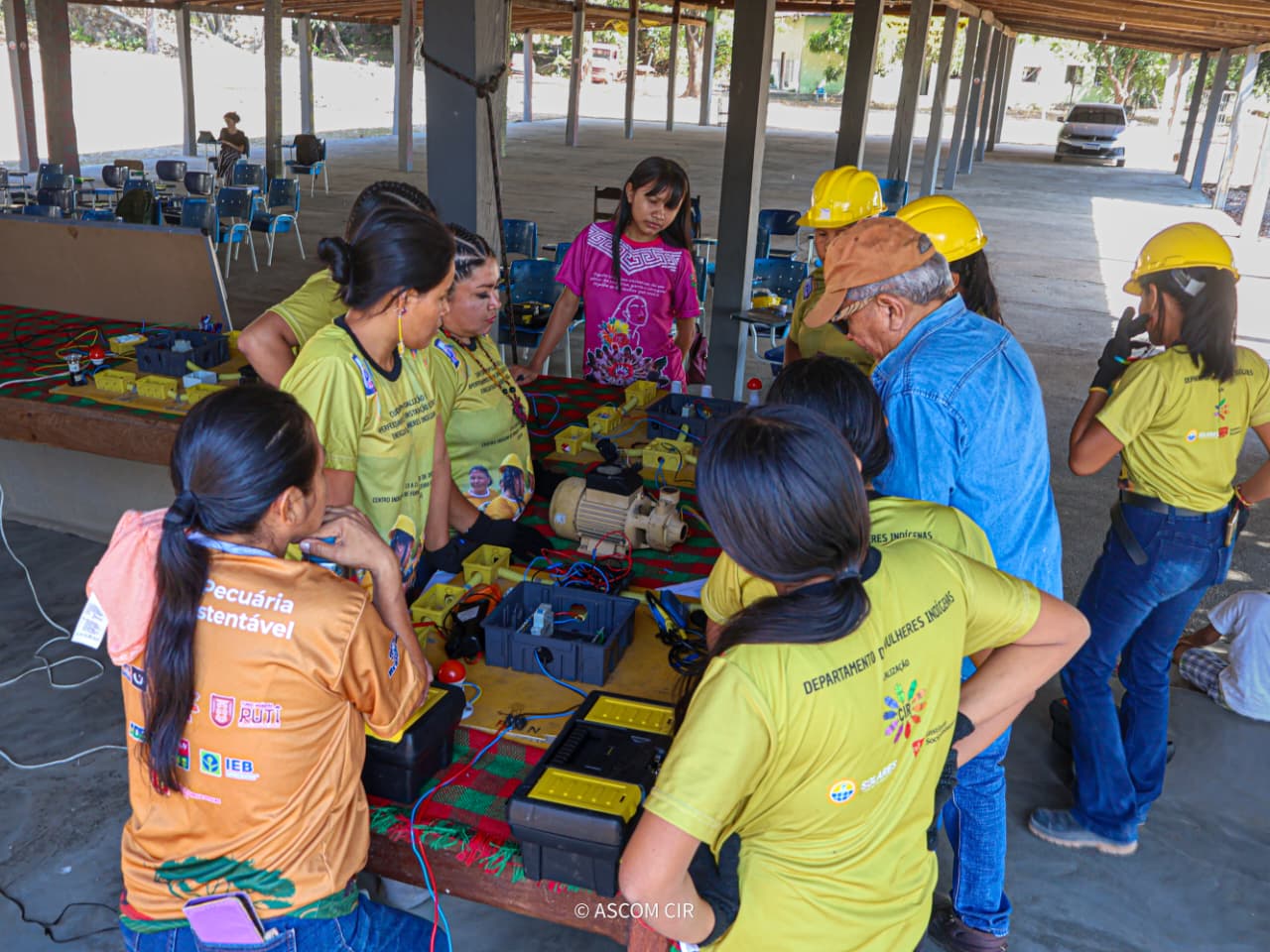
This time, the proposal prioritized the practical review of electrical installation procedures and techniques, with the aim of preparing participants to practice the profession in indigenous communities.
"The person who does not practice forgets little by little. As there is a need for this professional in the communities, the opportunity arose to make a review so that they embrace this career once and for all and be the electrical professionals in the communities",explains Paulo Soares, one of the training instructors.
A professor at the Federal Institute of Roraima (IFRR) for 40 years and a volunteer at the Federal University of Roraima (UFRR), in the area of electrical and electro-electronic engineering, Soares points out that the content was adapted to the needs of indigenous communities, considering the conditions in which the professionals will be able to perform the services.
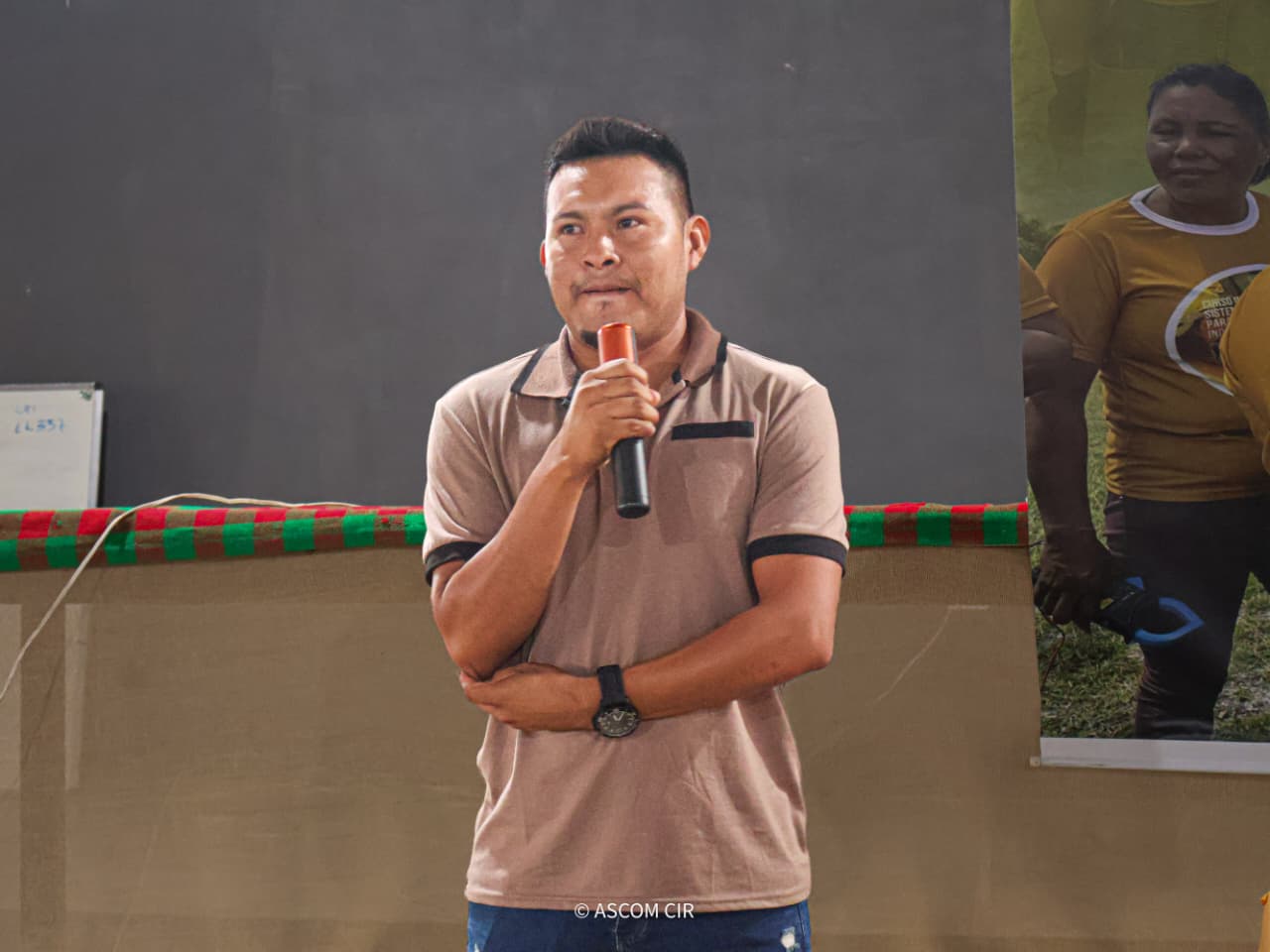
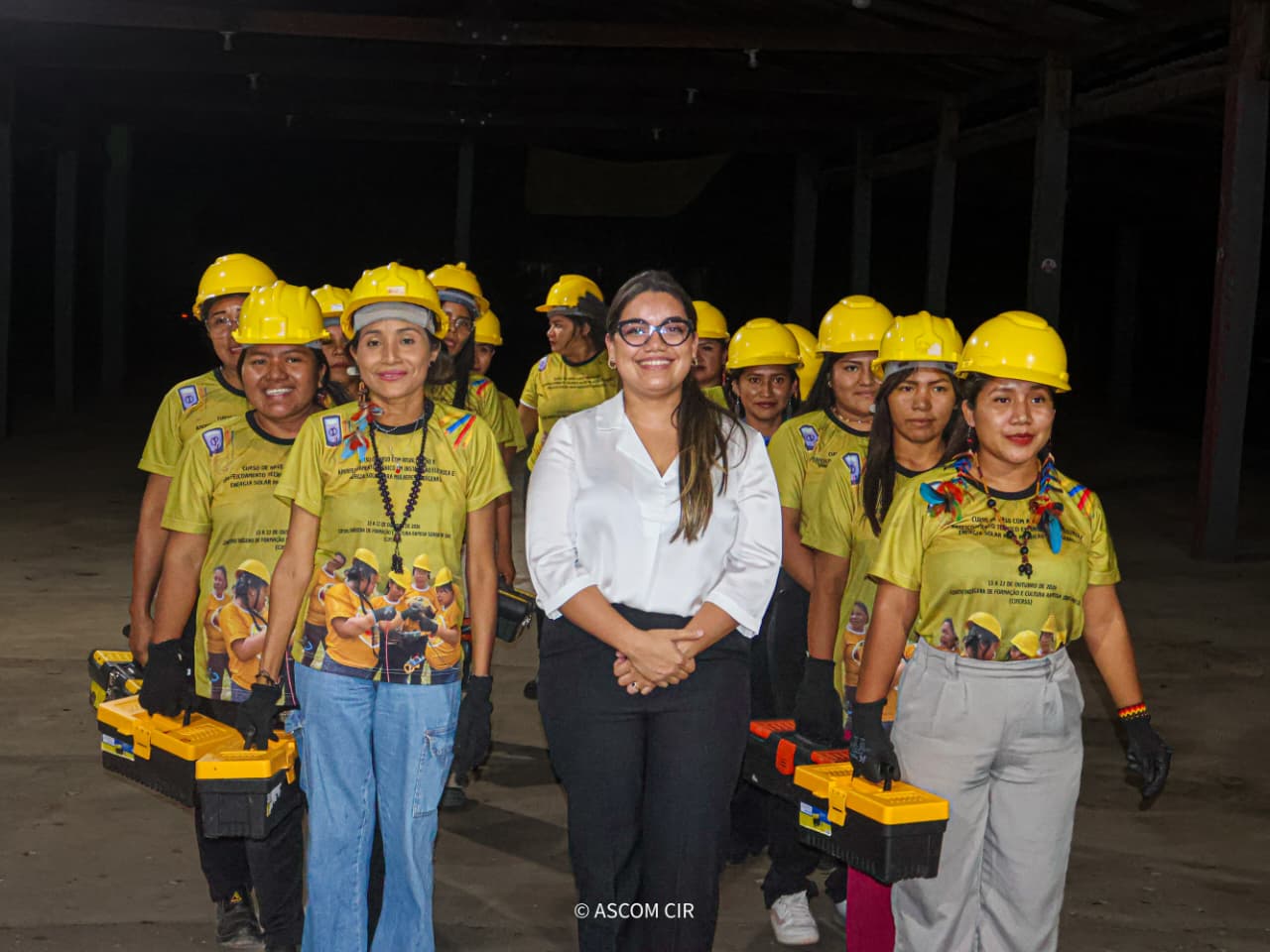
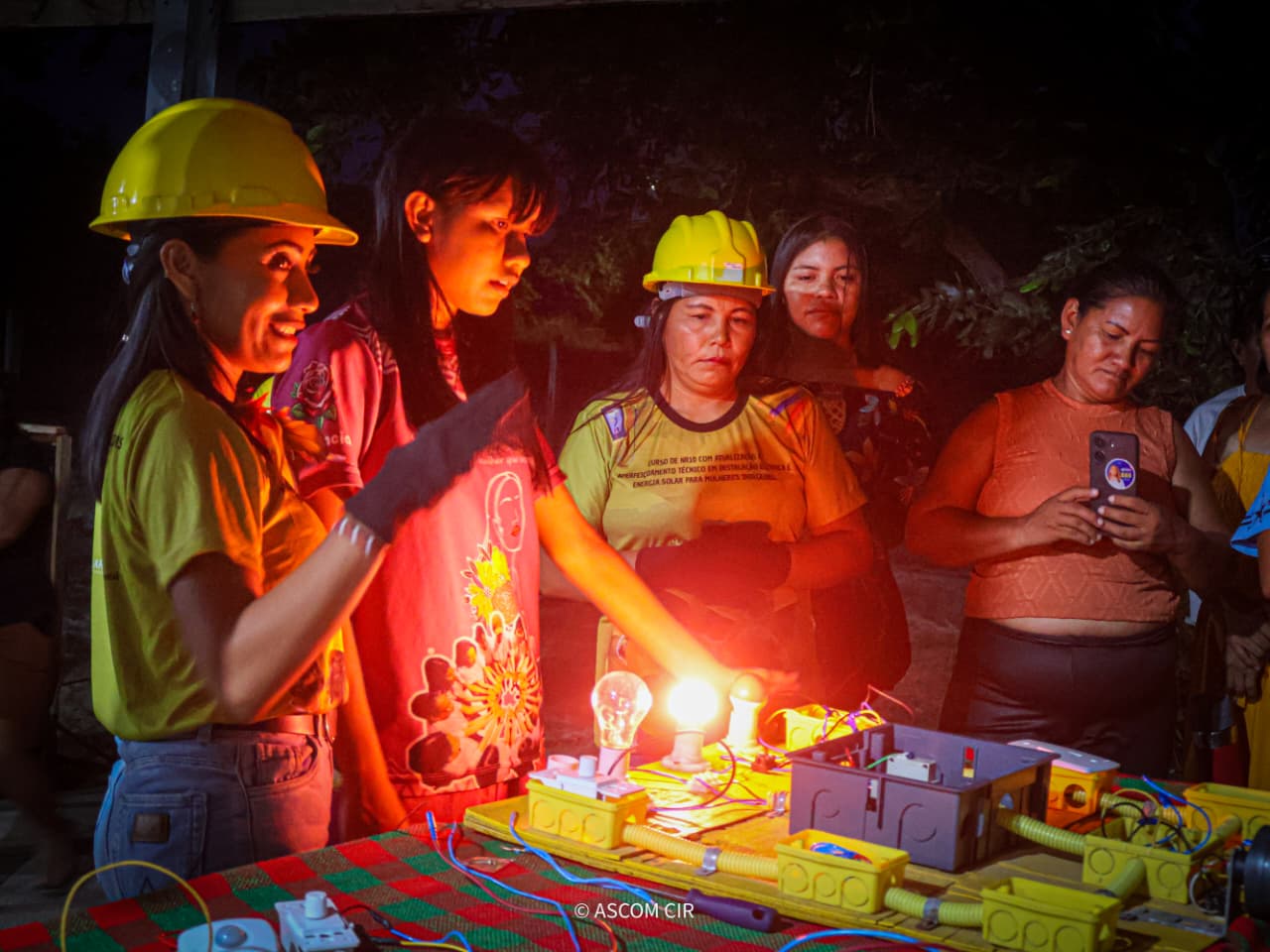
"These are people who are isolated from a broader means of communication and, therefore, have to have a much more accurate knowledge of how to execute building electrical installations",he says.
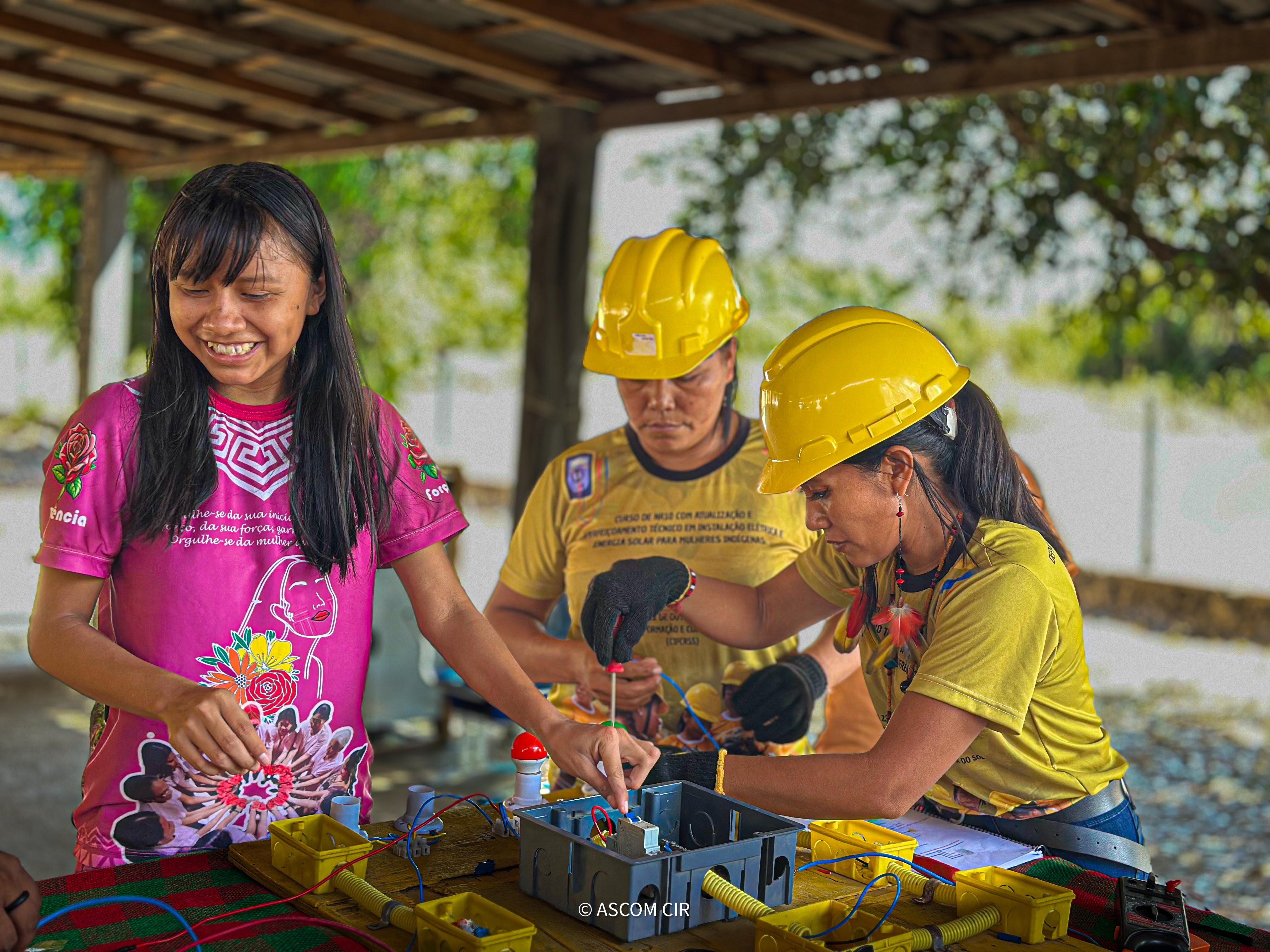
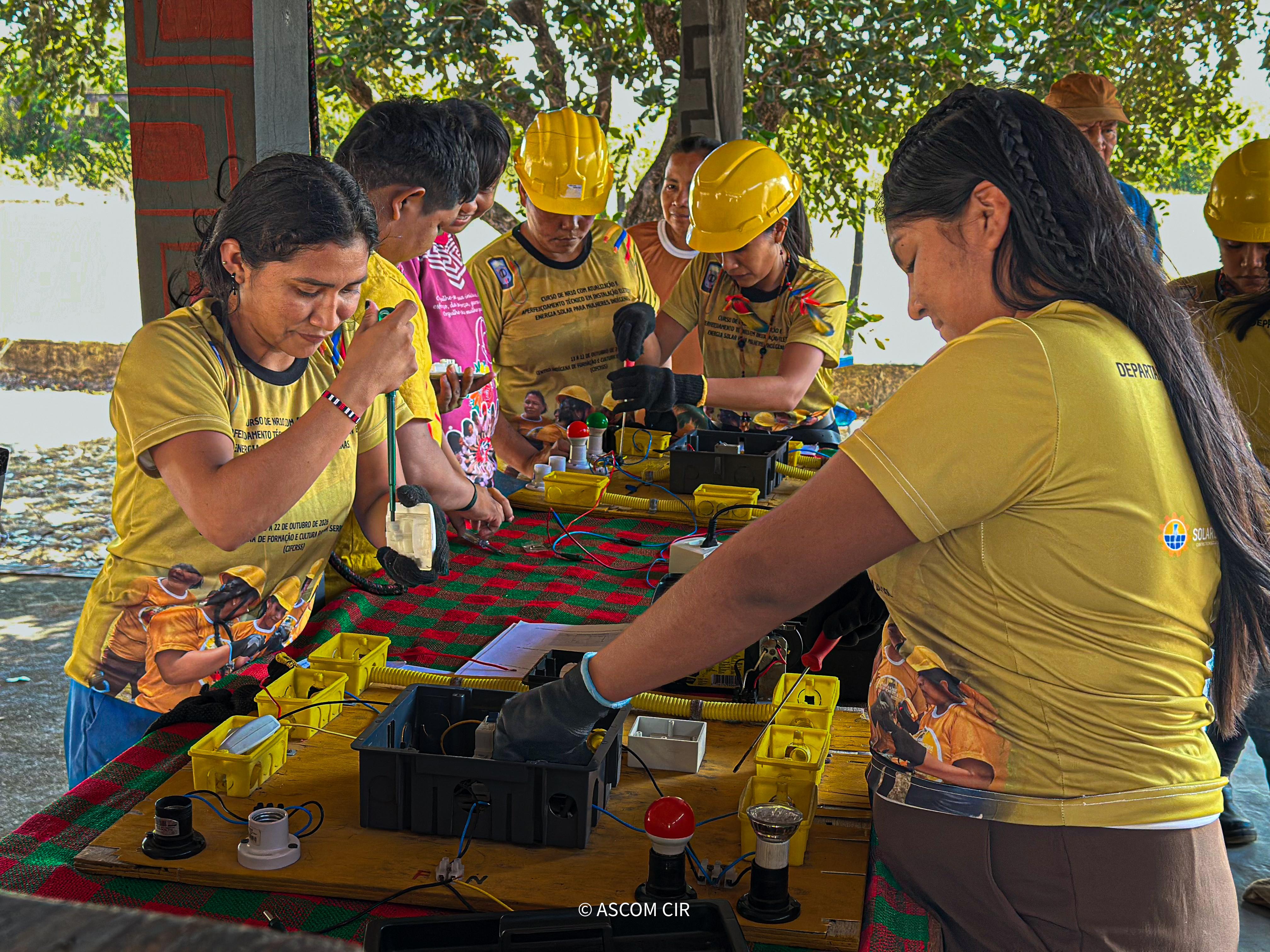
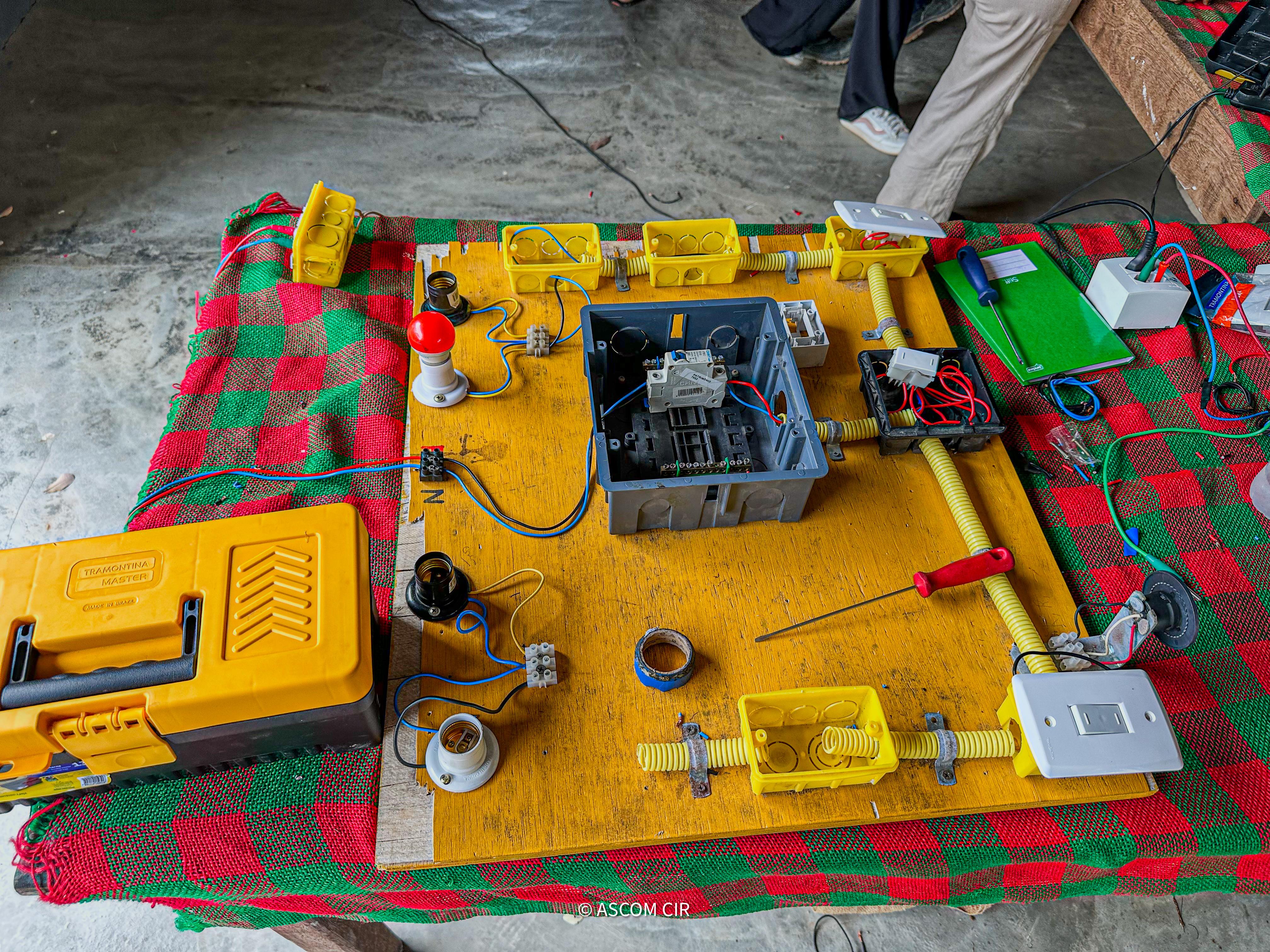
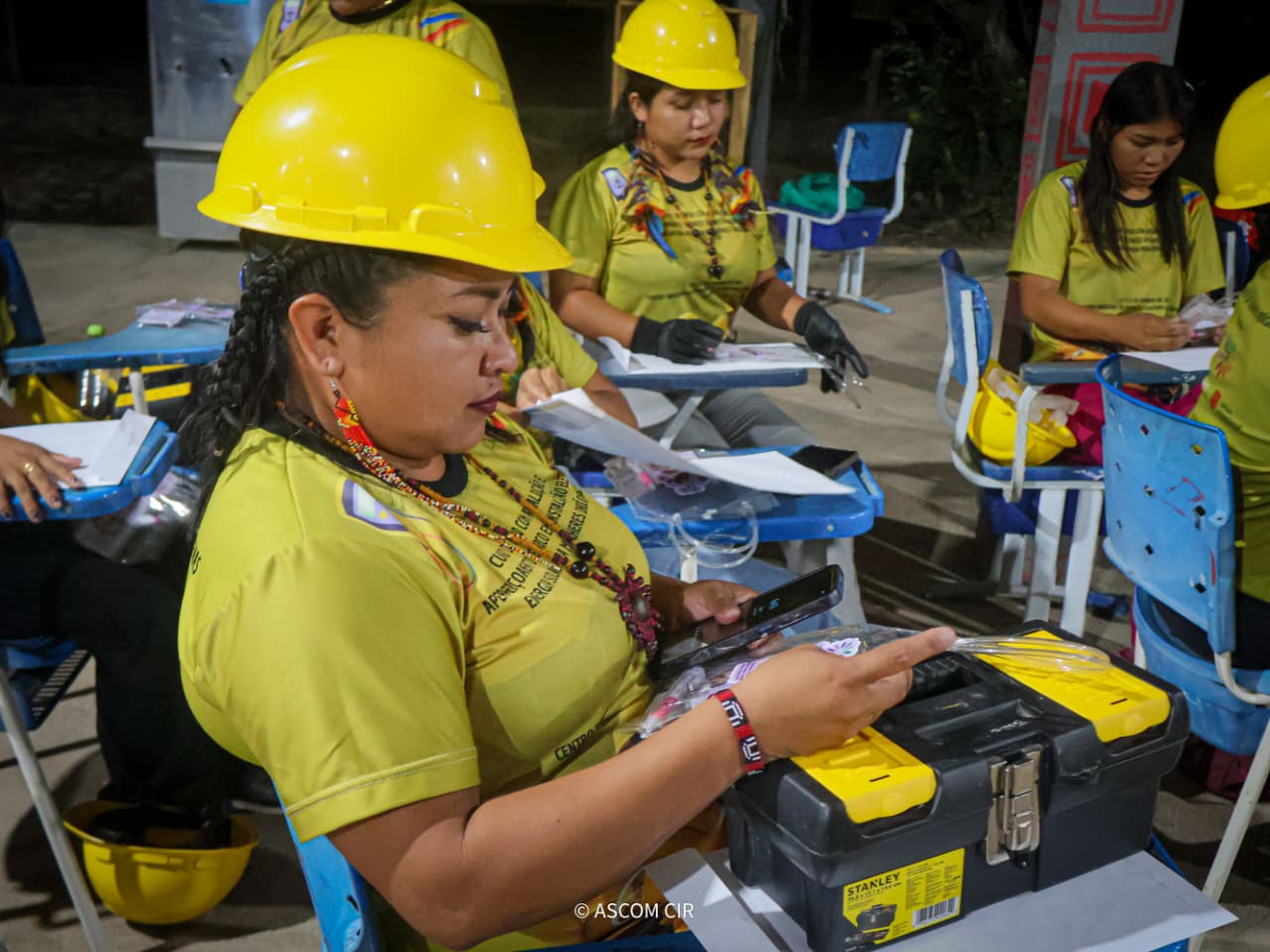
Divided into three modules, NR-10, solar energy and building and residential electrical installations, the training addressed safety procedures and techniques necessary for the execution of low voltage installations. Among the practical activities, the participants made dimmer, cicada and three-way connections, in addition to learning how to assemble a system with a relay.
The classes were also taught by instructors Yara Brito and Paulo Araújo, responsible, respectively, for the first and second modules.
Professor Paulo Soares points out that safety precautions are especially important in buildings with easily combustible materials, such as straw roofs, common in some indigenous communities.
"Building electrical installations aim, in accordance with the relevant standards, to carry out well-sized and protected installations, which reduce the risk of fire and physical accidents",he explains.
The correct application of techniques and compliance with safety standards are essential to reduce risks during the execution of services, especially in homes and community spaces.
In addition to improving technical knowledge, the initiative seeks to expand the participation of indigenous women in carrying out services necessary for their own communities and create opportunities for them to have a source of income.
The experience accumulated in previous training has already resulted in installations carried out by the participants in different locations in Roraima. In 2024, indigenous women carried out the electrical installation of a space for the production of handicrafts and other works in the Canauanim community. In 2025, they also carried out the electrical installation of the Women's Culture House, in the Camará community, and installed a solar energy system for the operation of a water pump in Lake Caracaranã.
According to Paulo Soares, the intention is to create new opportunities for electricians to apply the knowledge acquired in new facilities and building renovations in the communities, in conjunction with the CIR and partner institutions.
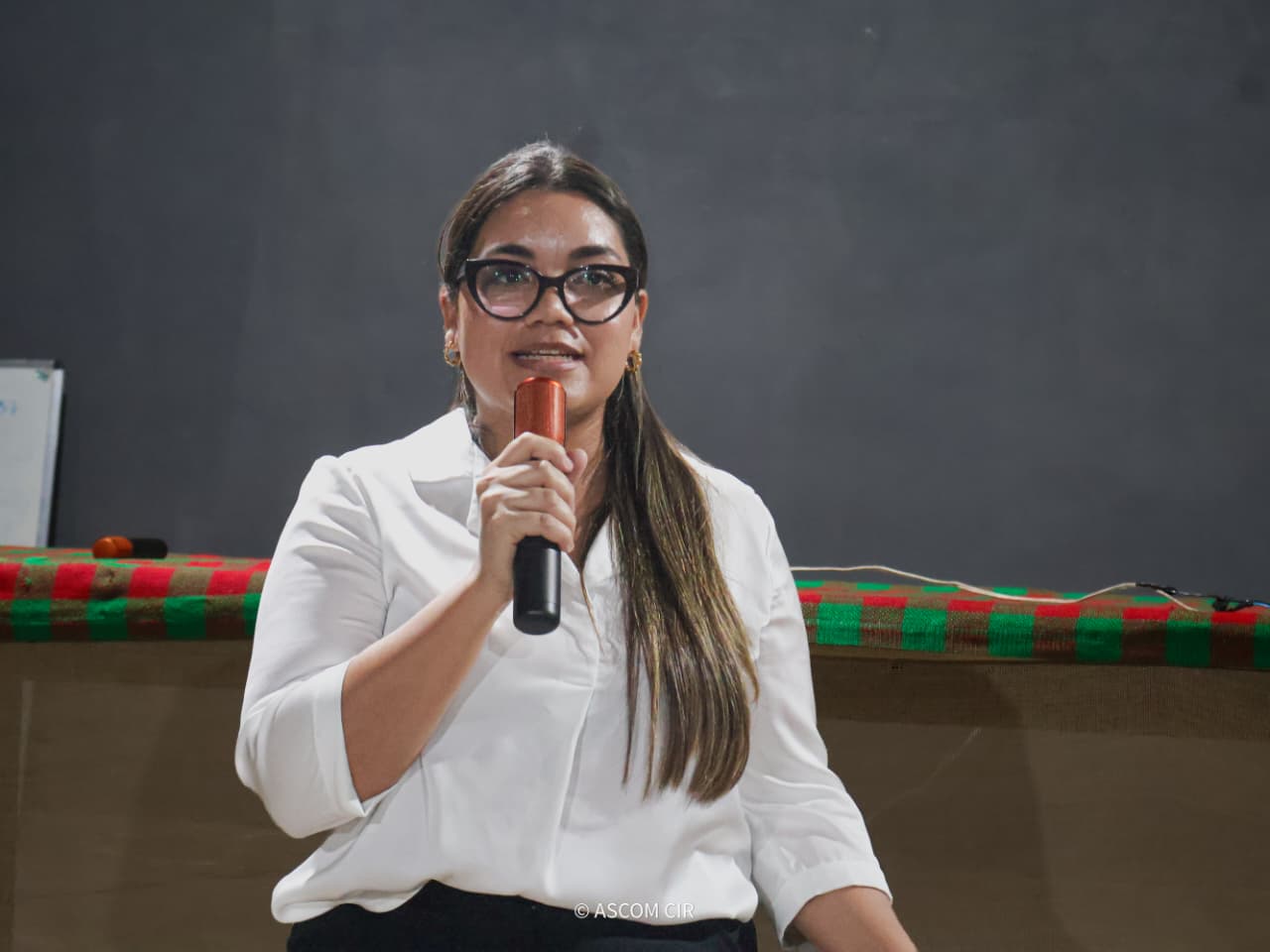
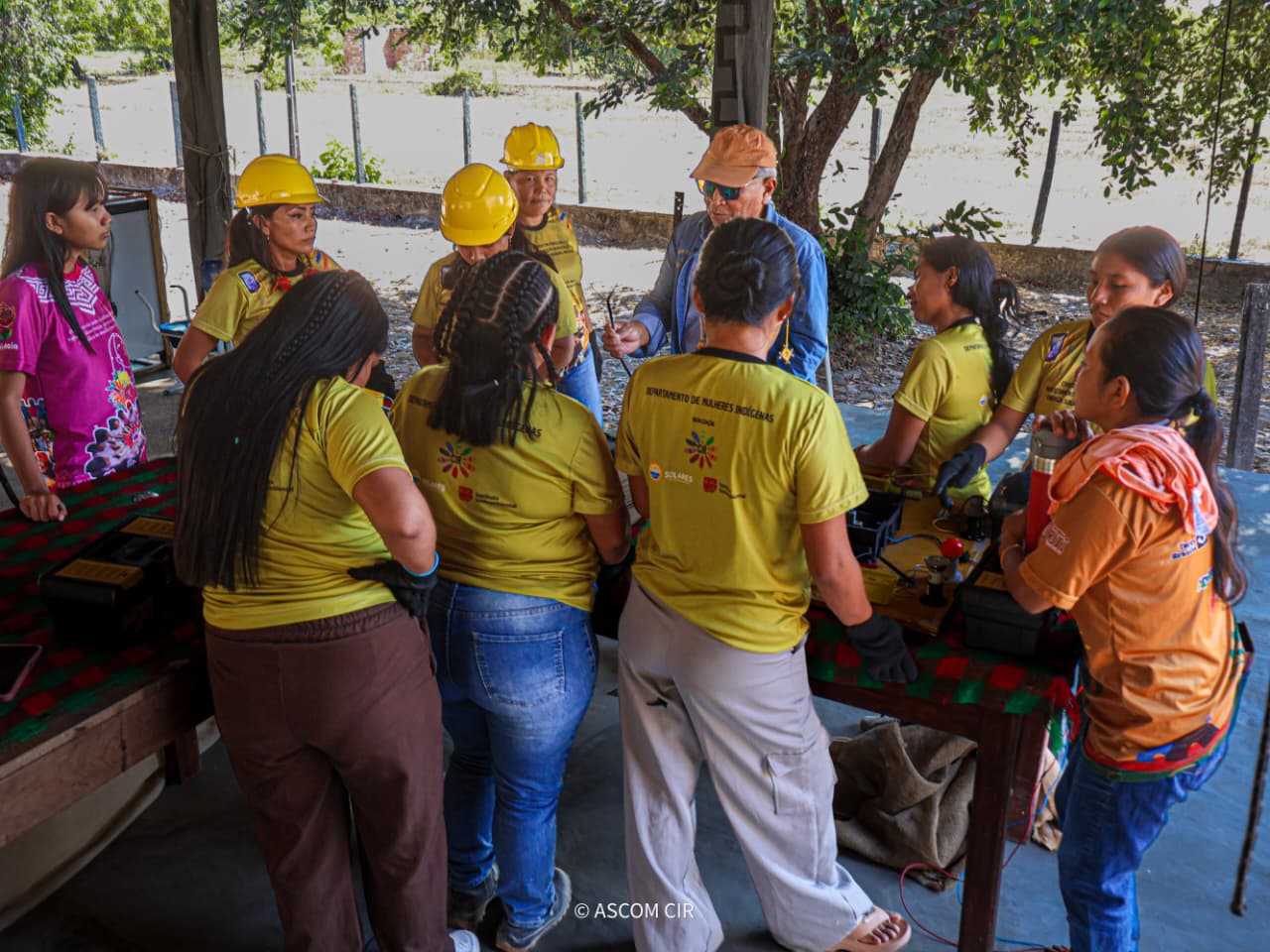
"In addition to adding knowledge, the idea is that this also generates income, because they will have a very powerful tool, which is the knowledge of electrical installations",says the professor.
The training prepares participants to carry out low-voltage electrical installations, common in homes, small commercial establishments and community buildings. The expectation is that this qualification can also open job opportunities with the company responsible for supplying electricity in the state or in other state institutions.
As is the case of electrician Kessia Rodrigues, from the Malacacheta indigenous community, in the Serra da Lua region. Kessia participated in the three training sessions and has now been, for a month, a CIR collaborator, working on the installation of solar panels within the communities.
"I am working in the communities, with projects aimed directly at the indigenous area and especially at women and young people. [...] And for me it is a great satisfaction because I am the first indigenous woman electrician [from the CIR] to install a solar panel in an indigenous community,"reports.
The 15 participants come from eight ethnoregions of Roraima: Tabaio, Amajari, Serras, Serra da Lua, Baixo Cotingo, Surumu, Trombetas-Mapuera, Alto Cauamé and students from the Indigenous Center for Training and Culture Raposa Serra do Sol (CIFCRSS), also participated in the activity.
The initial proposal was to ensure the participation of two representatives from each region. However, logistical difficulties and the unavailability of some women prevented all the planned vacancies from being filled as planned.
For the participants, the training also represented the opportunity to live with women from different communities and share experiences related to the reality of each territory and the work of electricians.
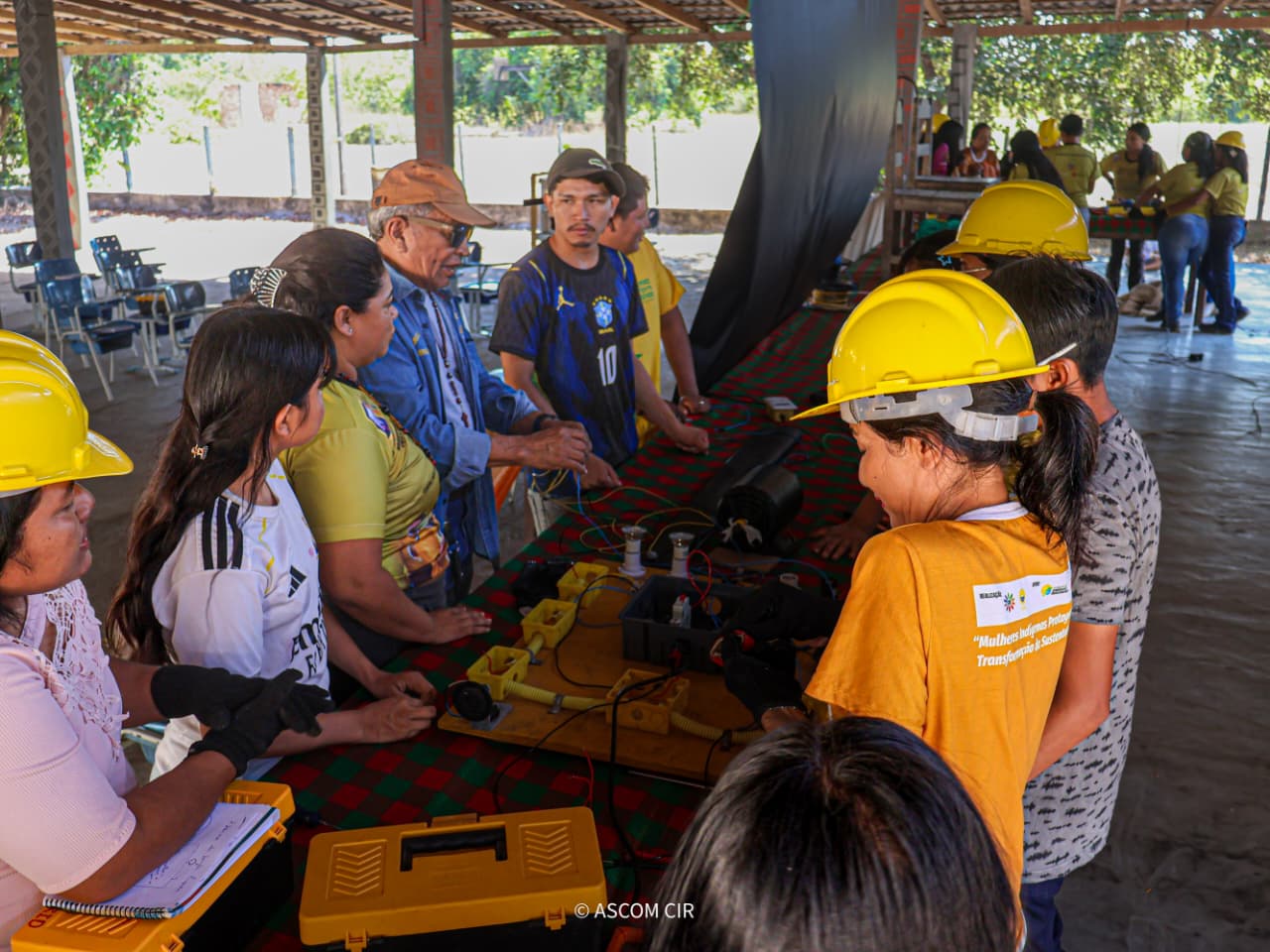
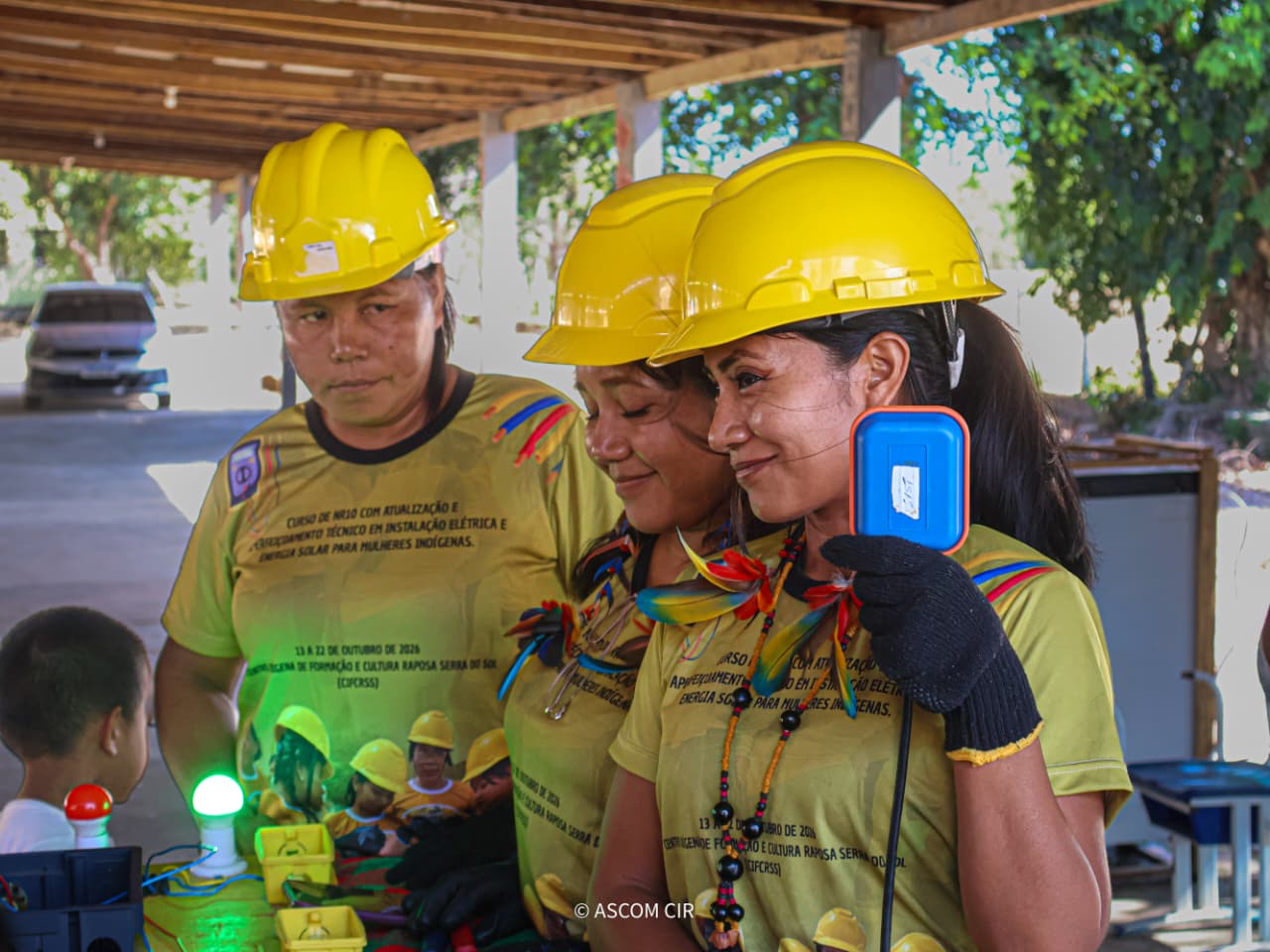
"It's difficult to be away from the family, because my mother is not in very good health either, so it was difficult to leave the house and leave her. But it's been a good experience, living with women from other villages, because we talk about what's being passed on here about the facilities, sometimes some didn't understand very well, and we have this conversation to be able to explain it to each other",reports Graciele Macuxi.
The course was promoted by the Indigenous Council of Roraima (CIR), in partnership with theSolar Technology Centerand the Socio-Environmental Institute(ISA). The initiative continues the joint work of the institutions to train indigenous women electricians.
"The plan is this, to study more and more, to have this knowledge here, and not only is it at the base, but also to go out in search of some work in this area",shares.
Photos: Maciel Makuxi - ASCOM CIR