
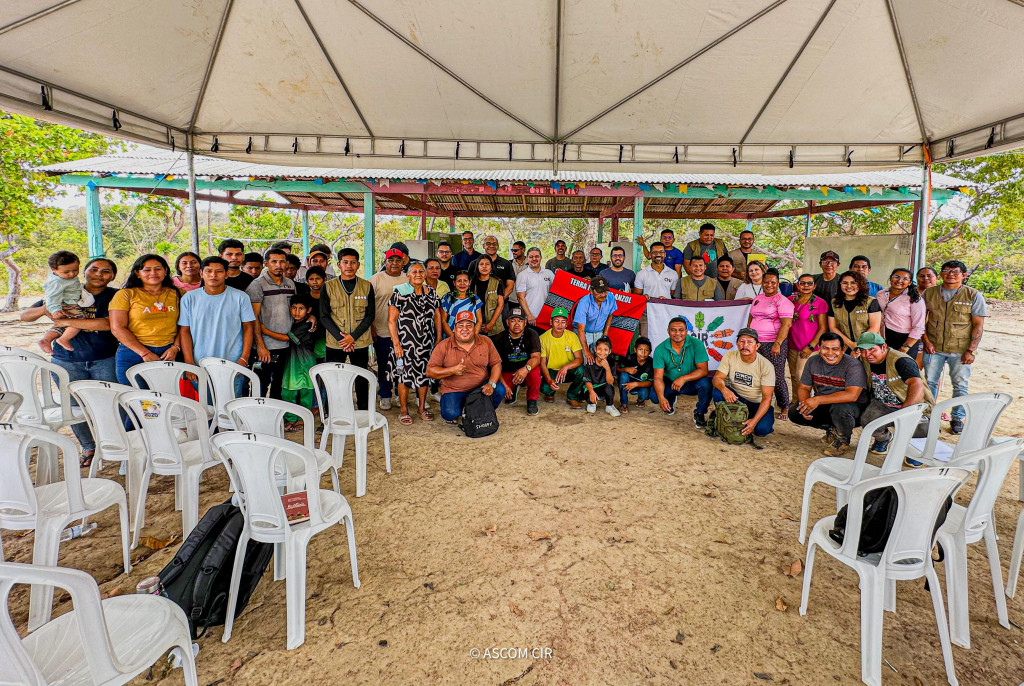
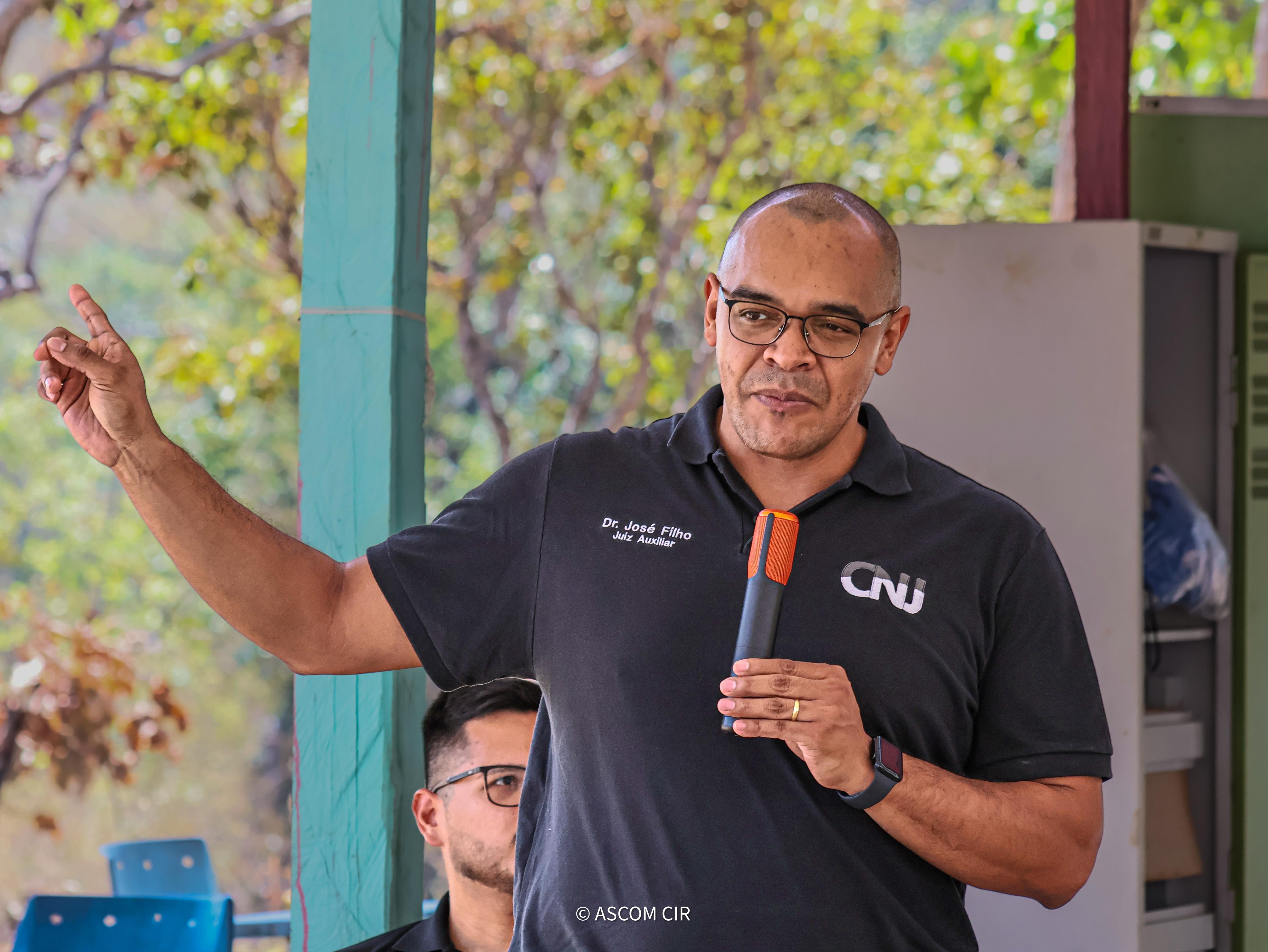
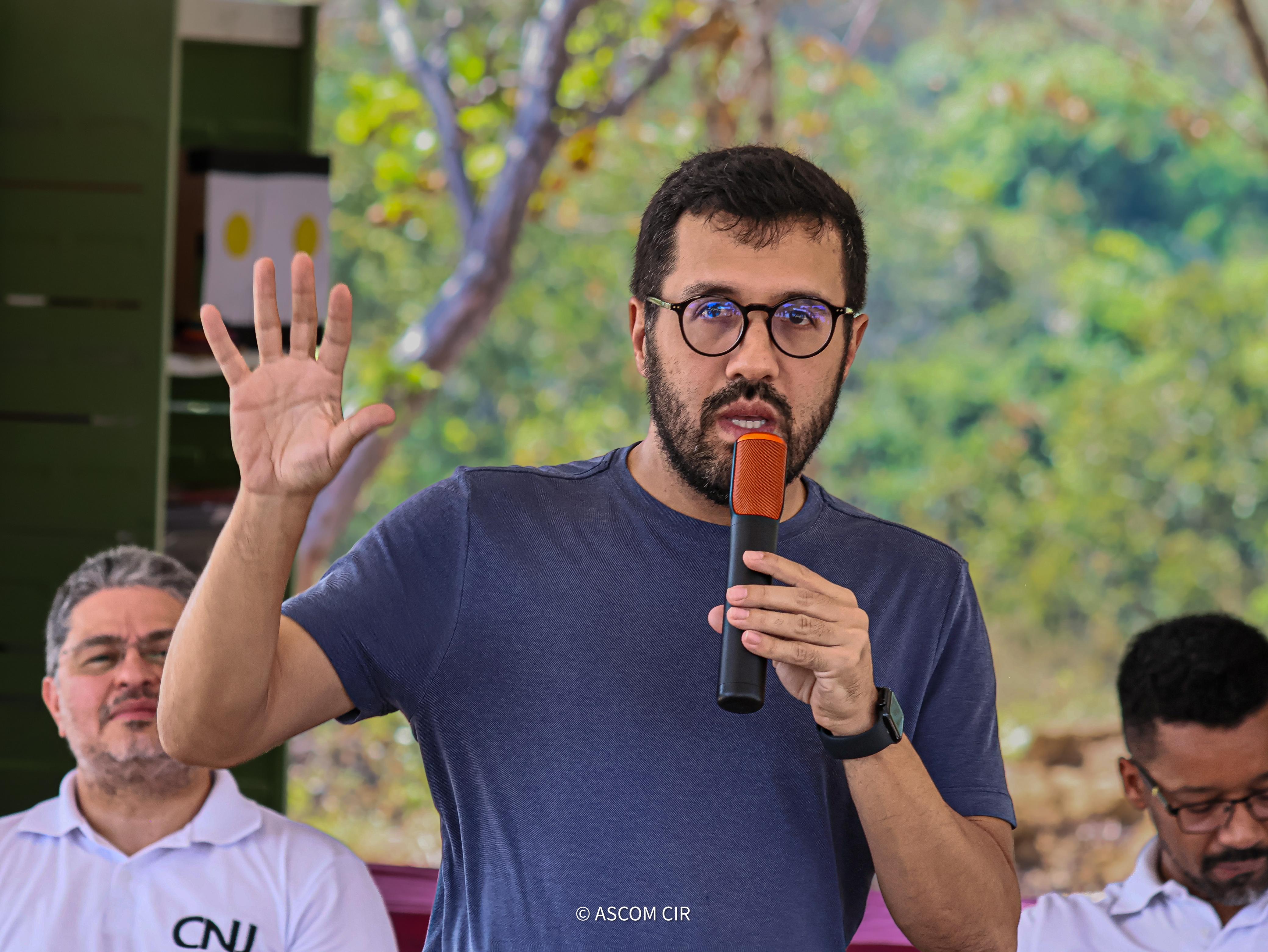
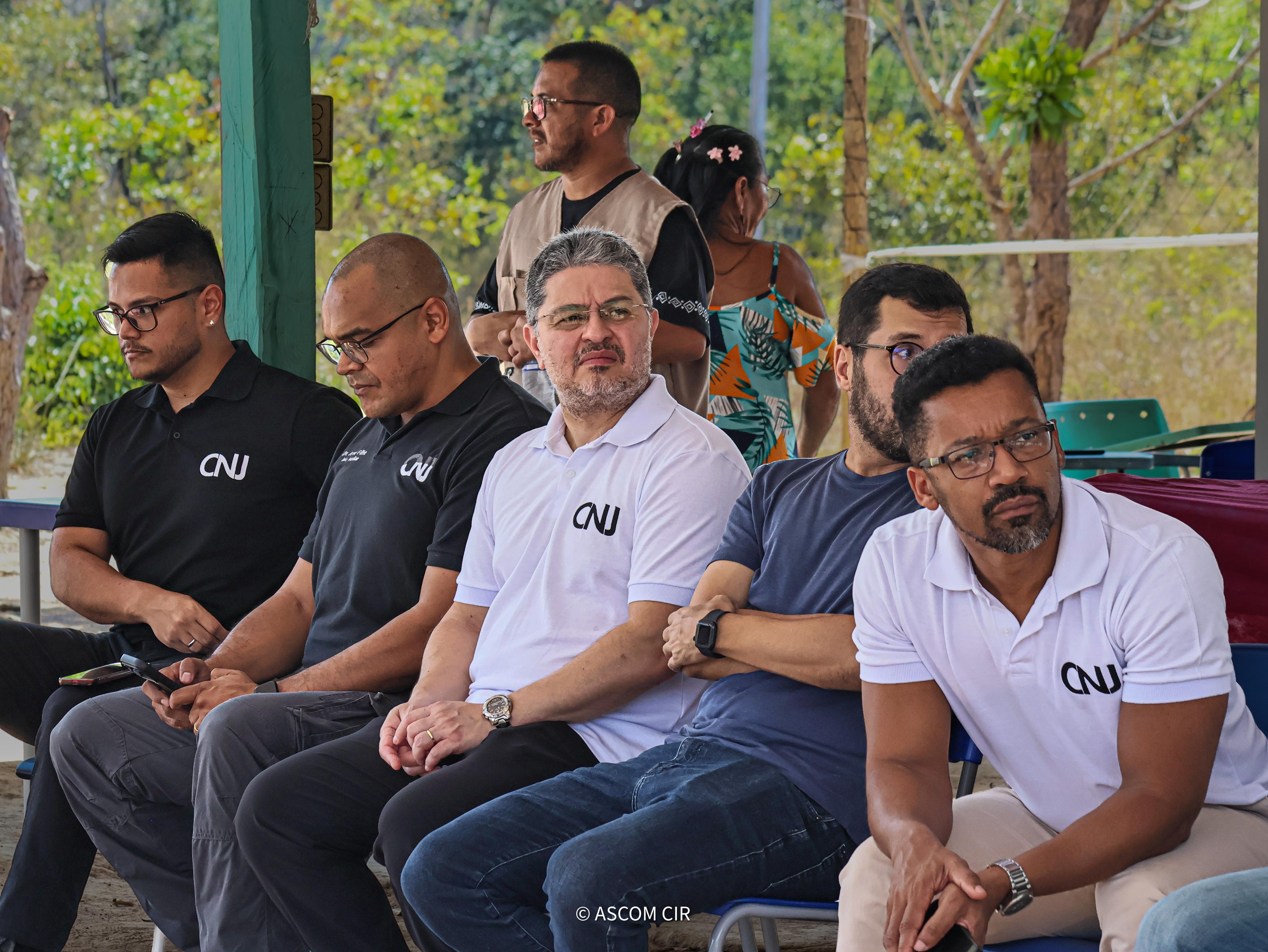
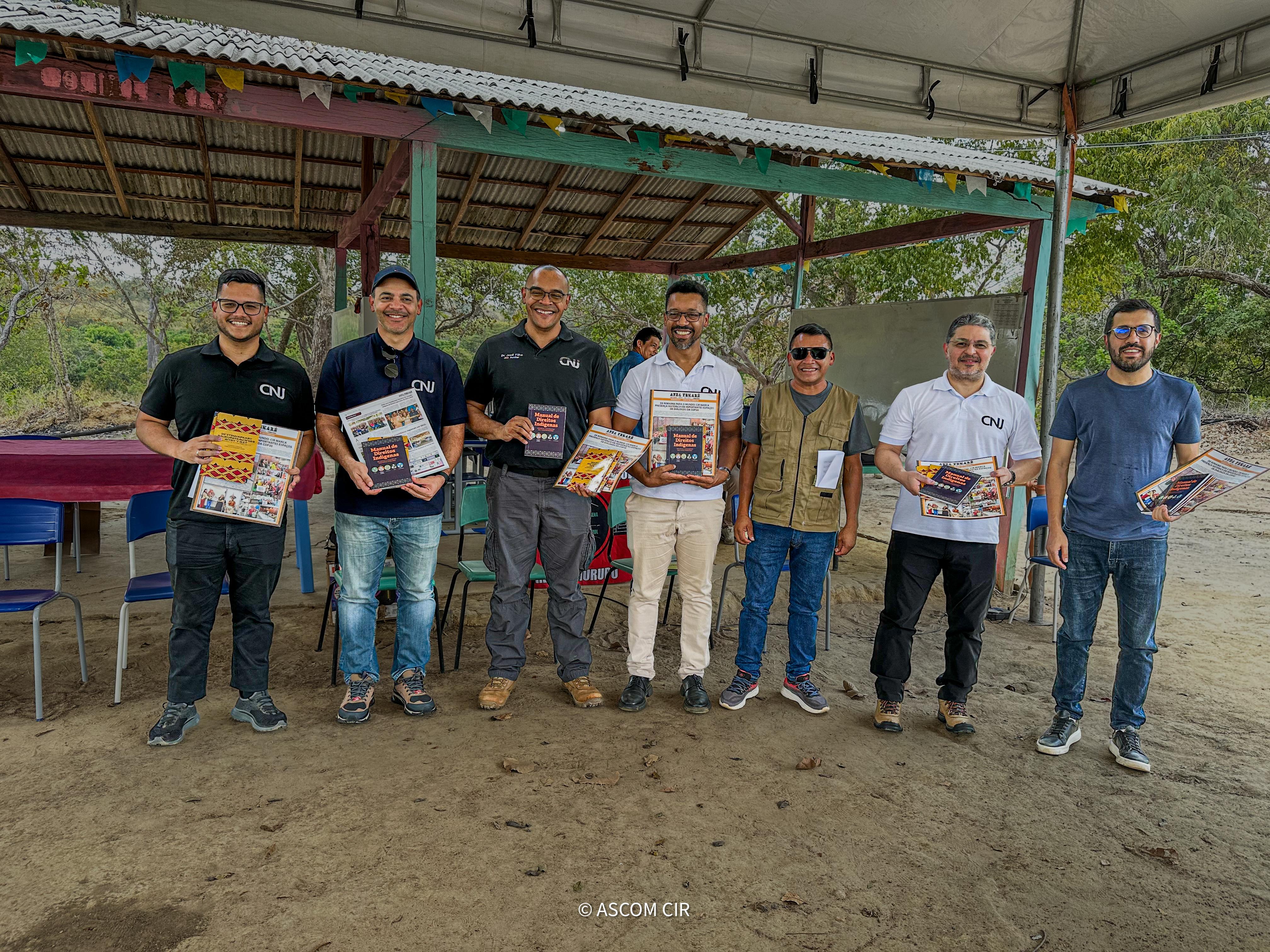
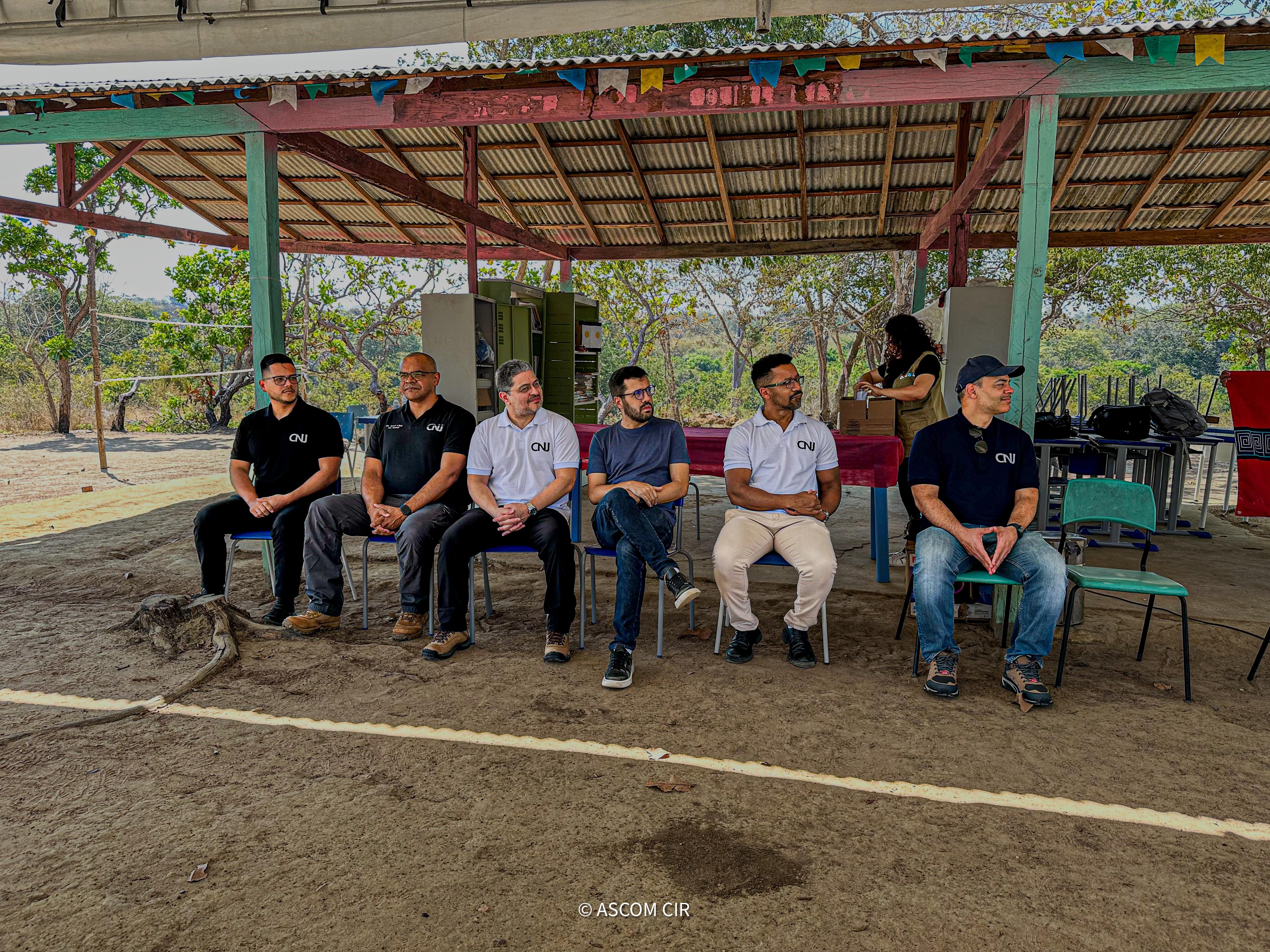
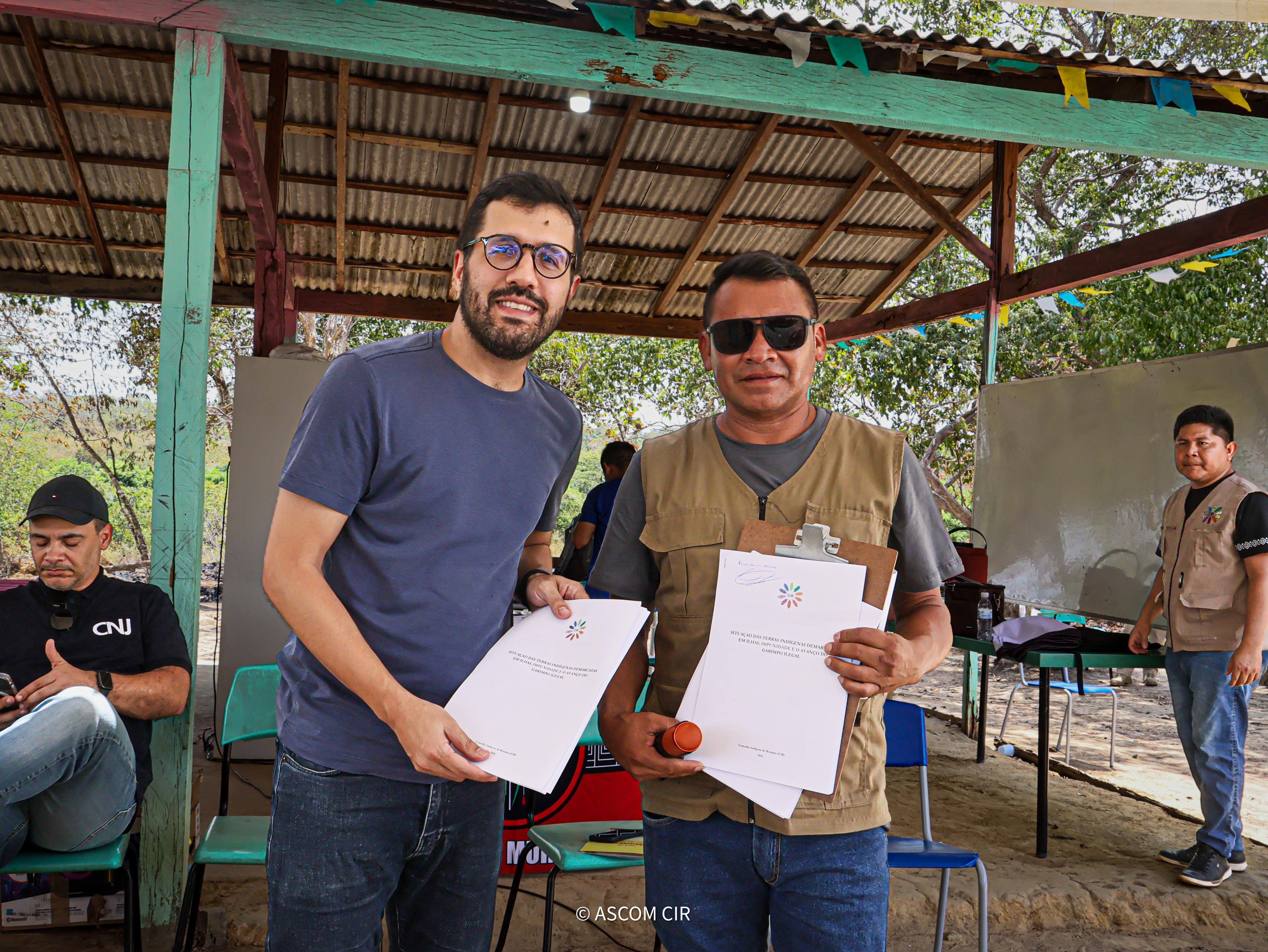
The institutional visit of representatives of the National Council of Justice (CNJ) and the Federal Public Ministry (MPF) took place on the morning of Wednesday (28), with the aim of promoting dialogue with indigenous leaders on demarcation, territorial protection and enforcement of the rights of indigenous peoples.
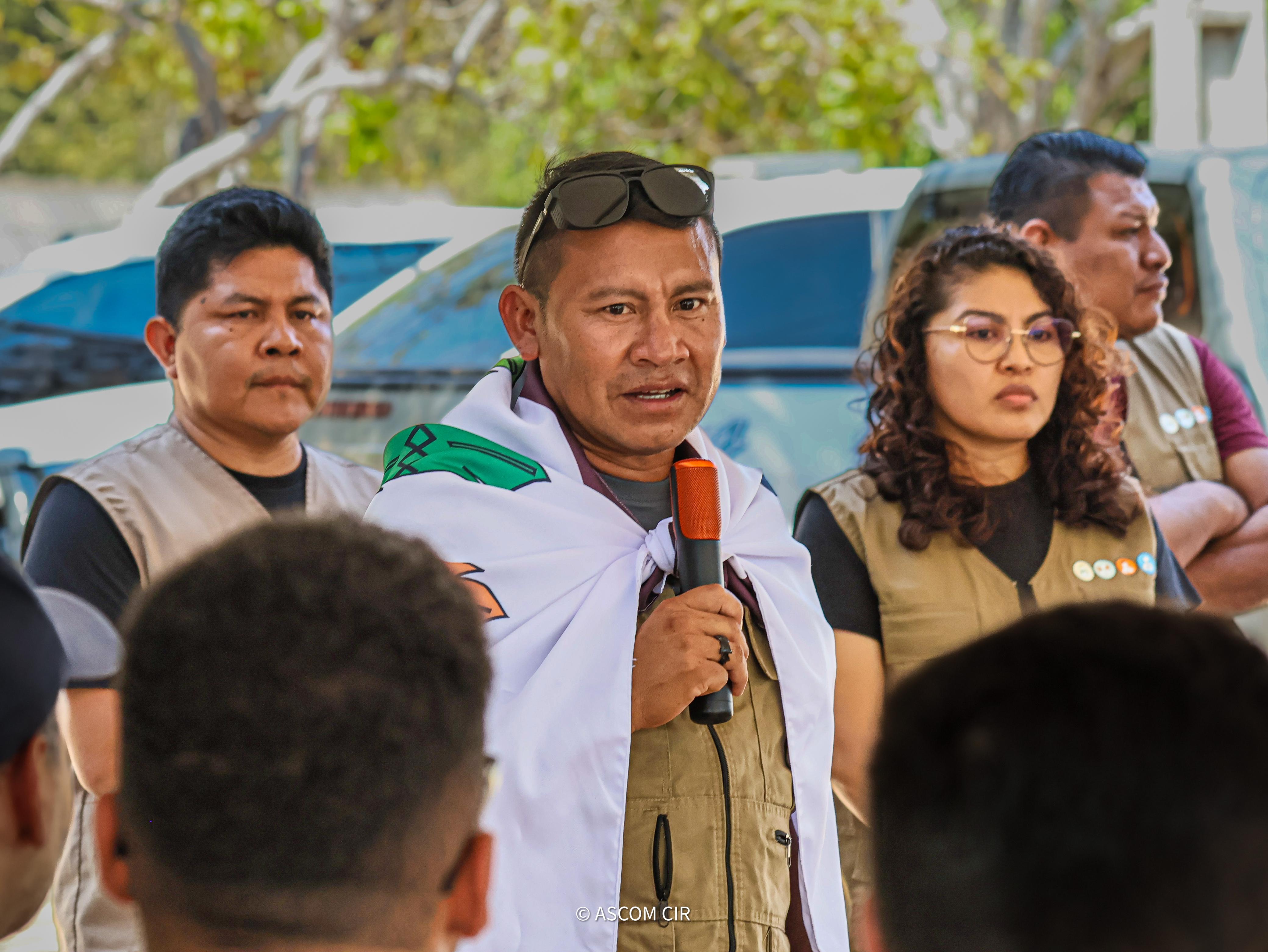
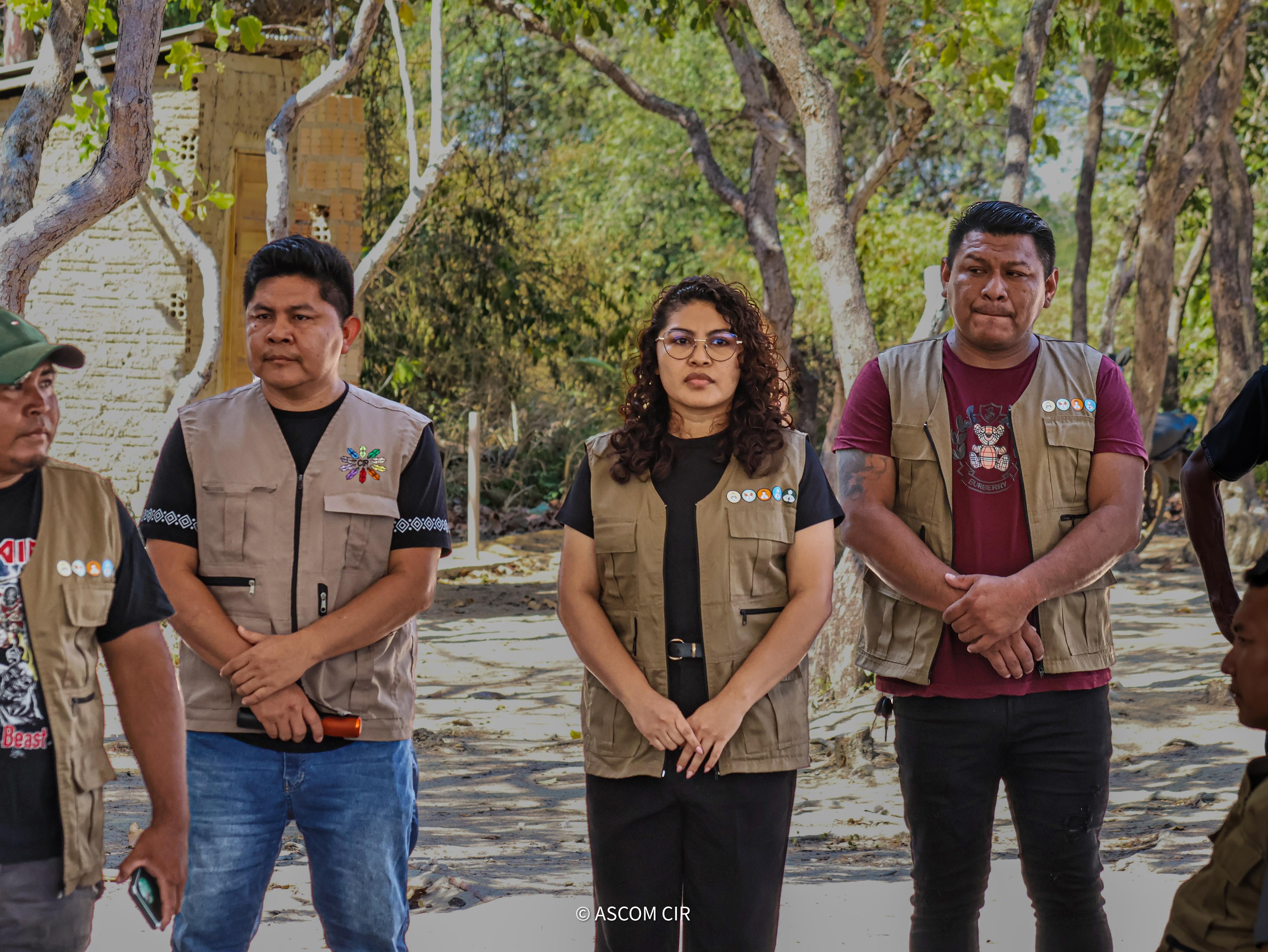
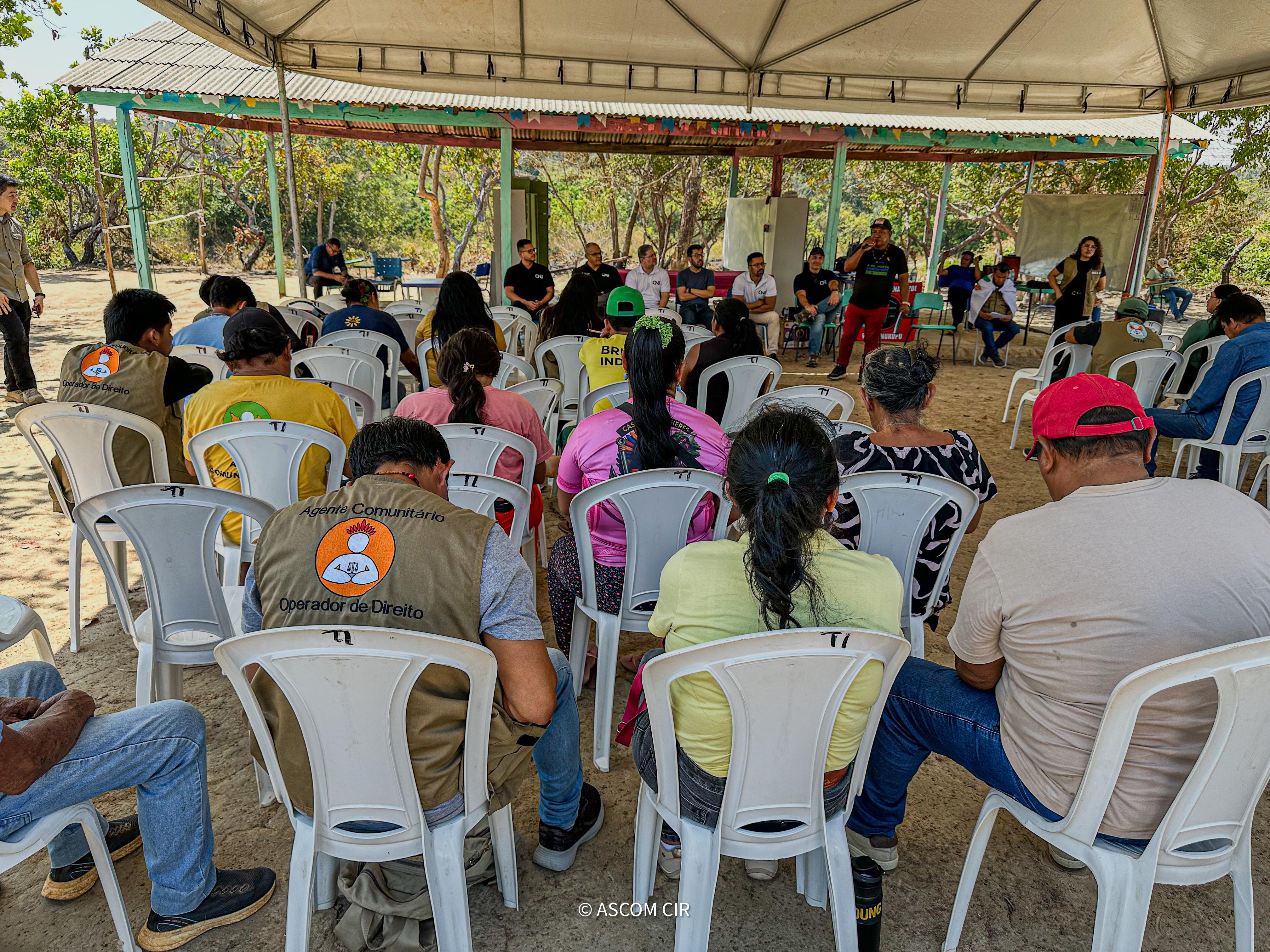
The meeting was held in the Anzol indigenous community, Murupú region, in the area of the improvised school, and was attended by community leaders, the executive coordination of the Indigenous Council of Roraima (CIR) and coordinators of the regions with demarcated territories on islands, such as Tabaio, Murupú, Serra da Lua and Alto Cauamé.
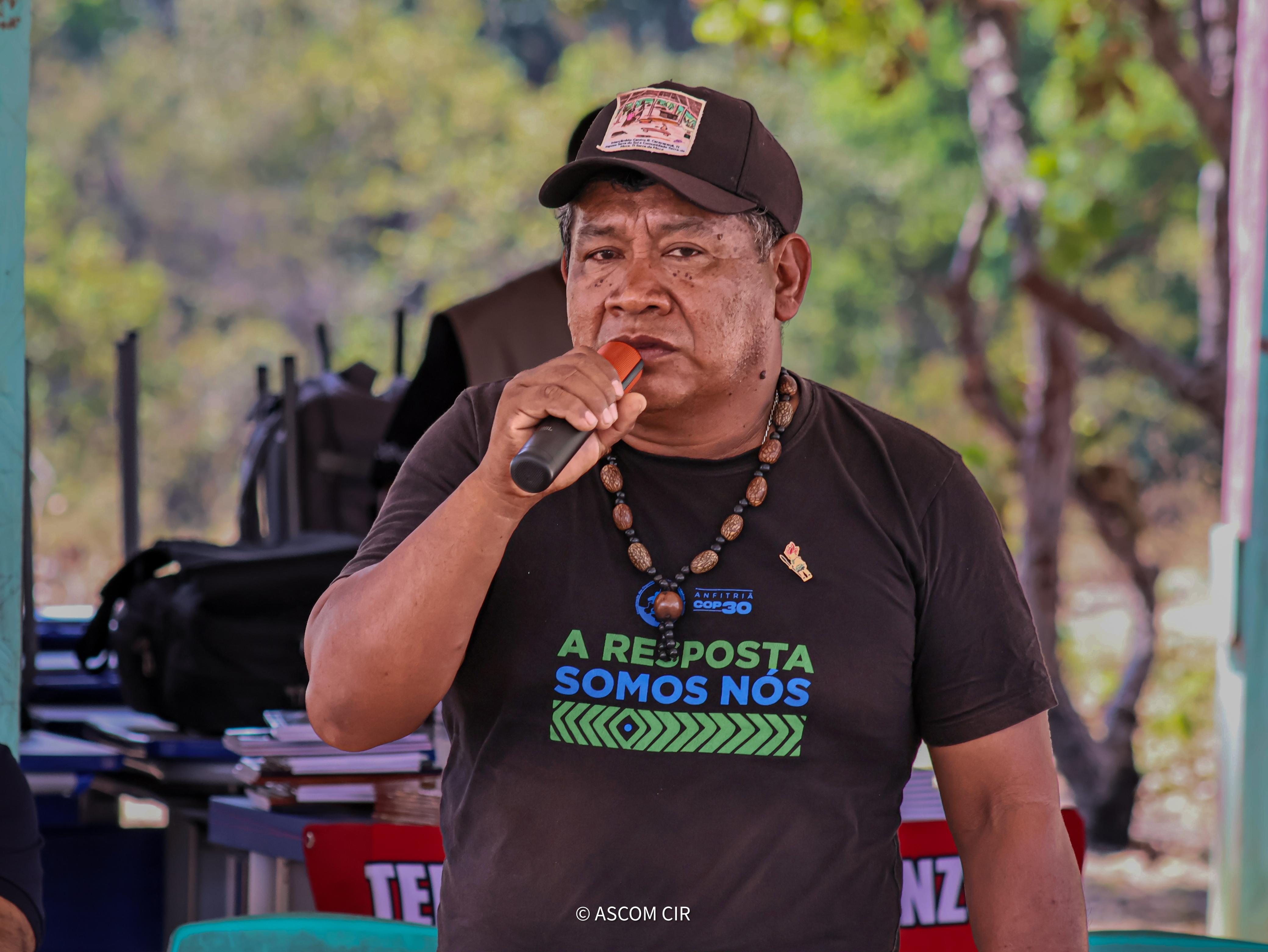
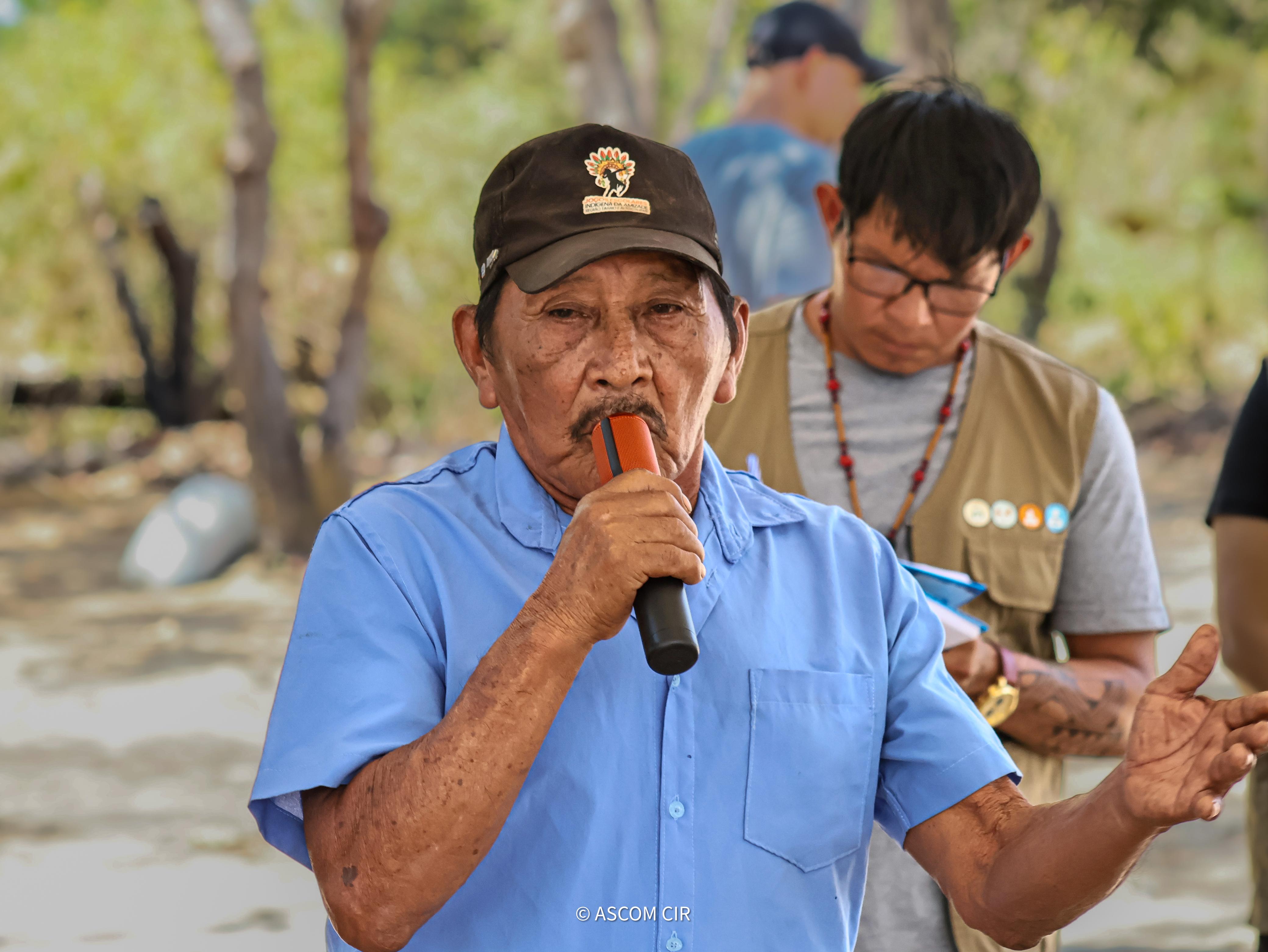
On the occasion, the General Tuxaua of the CIR, Amarildo Macuxi, shared the defense mechanisms of the indigenous peoples and asked for speed from the agencies present in the investigation of complaints of territorial invasion and illegal mining in the Raposa Serra do Sol Indigenous Land, in addition to other demands.
"We have our indigenous rights manuals, consultation protocols and other means that are part of our social organization. We are connected with the leaders of other indigenous territories and we follow their struggle as well. We ask you to look at our demands with affection, such as the complaints filed about the mining that is destroying the Raposa Serra do Sol Indigenous Land and the invasions that occur in other territories. We, as an organization, have been closely following each situation,"reinforced the tuxaua.
The leaders exposed the anxieties and challenges experienced in the indigenous communities. Moved, the tuxaua of the Truaru da Cabeceira community, Altaci Lima, shared the situation of the Truaru Indigenous Land, a demarcated territory on an island that faces strong pressure from farmers.
"We have a process related to the situation of the Macaíba community. There is our territory, we have families living there, so we ask them to demarcate that territory, because we are experiencing strong pressure from farmers who do not accept our presence in the place. I share that the community's tuxaua suffered an accident and we believe it was an attack, because those who fight for the territory are subject to it. We have no tranquility, we fear that, at any moment, we could be attacked, because there are drone overflights at night there,"expressed the leadership.
The situation of the Lago da Praia, Morcego and Anzol indigenous communities was also highlighted by the leaders of the Murupú region.
"We were expelled from our territory, we had our houses burned and to this day we are waiting for the decision to return to Lago da Praia."
"In the Morcego community, we live surrounded by farms with soy plantations, and the use of pesticides has contaminated our water. We have the marks left by this contamination on our bodies,"reported one of the leaders.
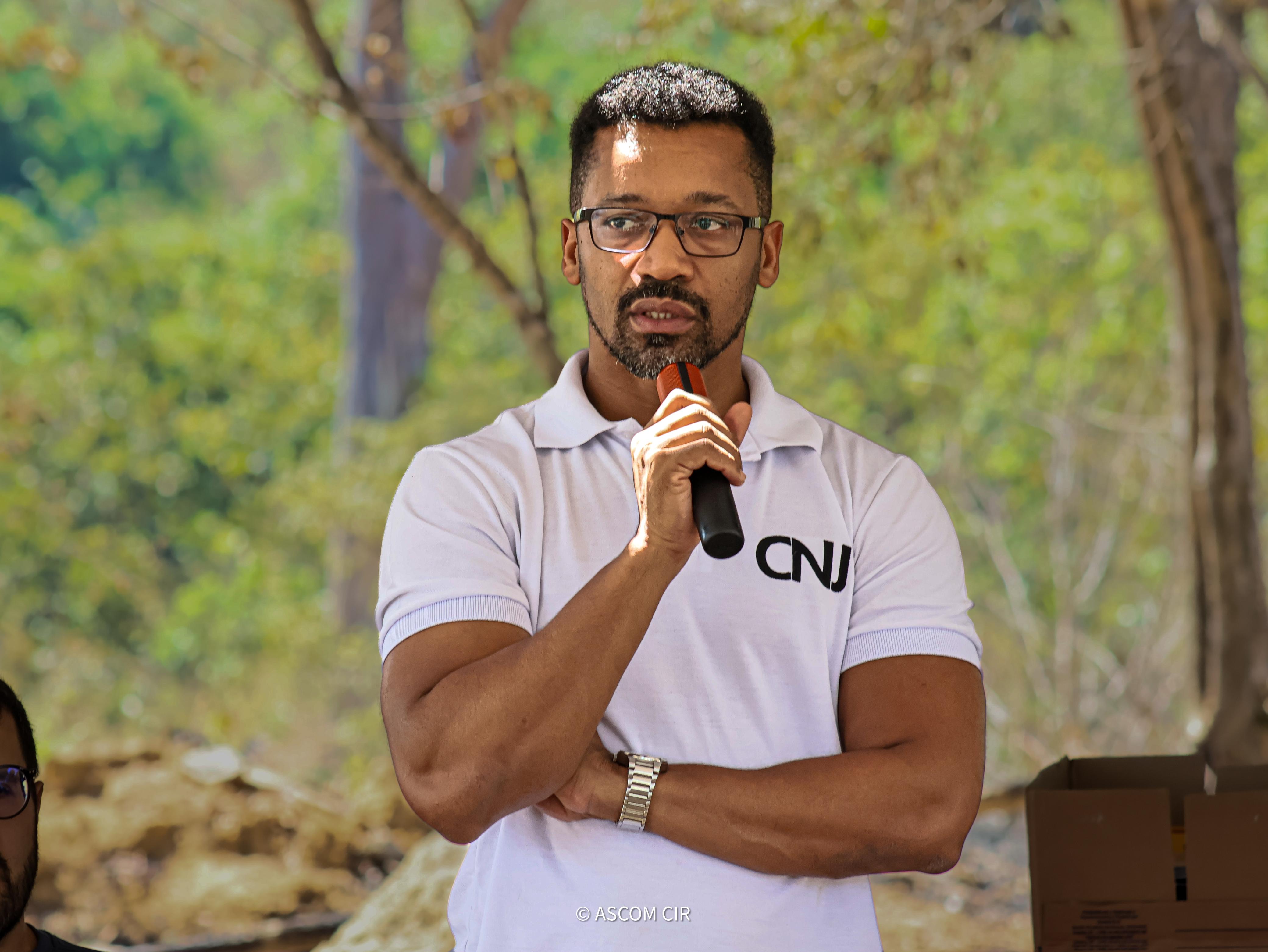
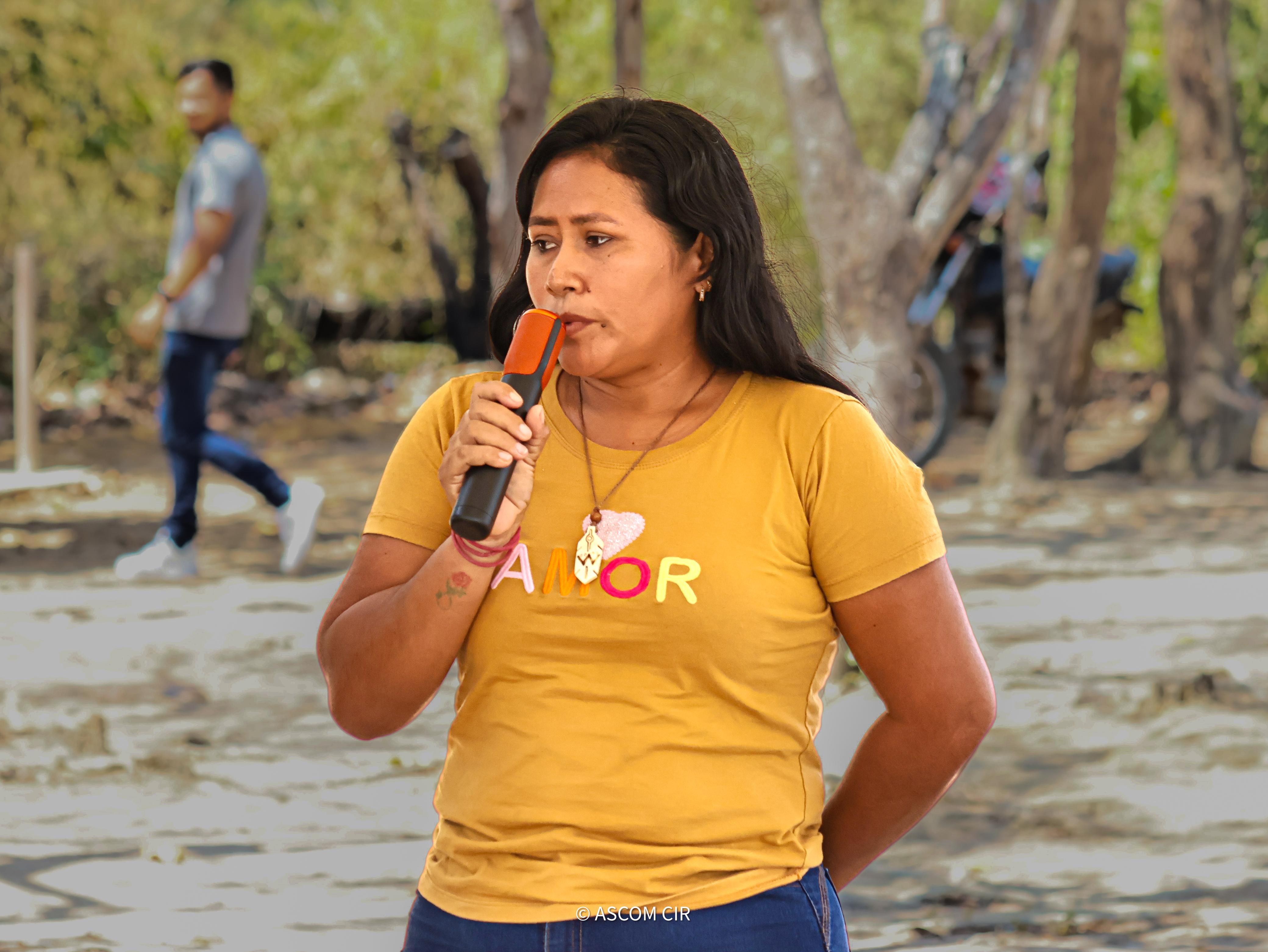
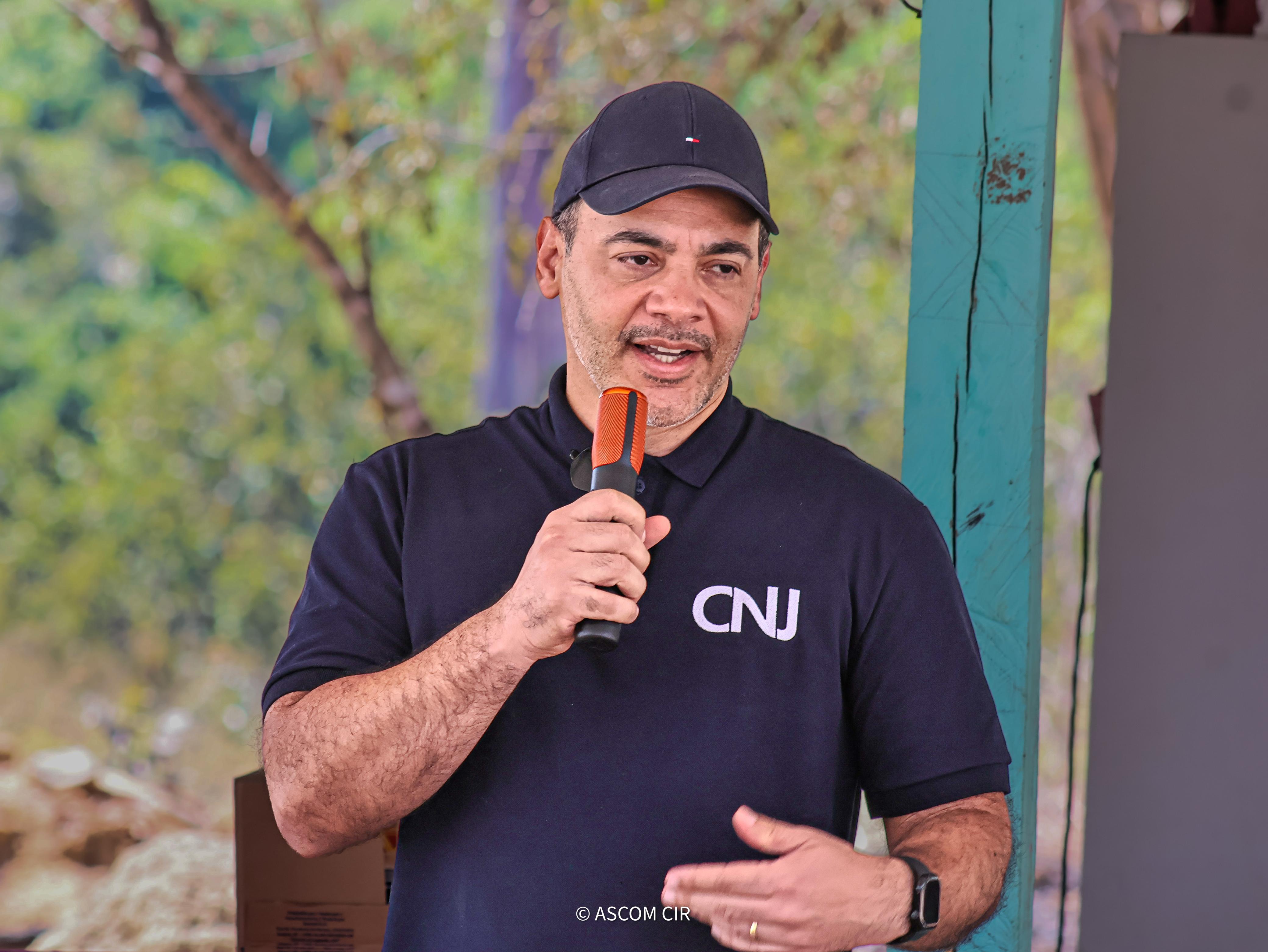
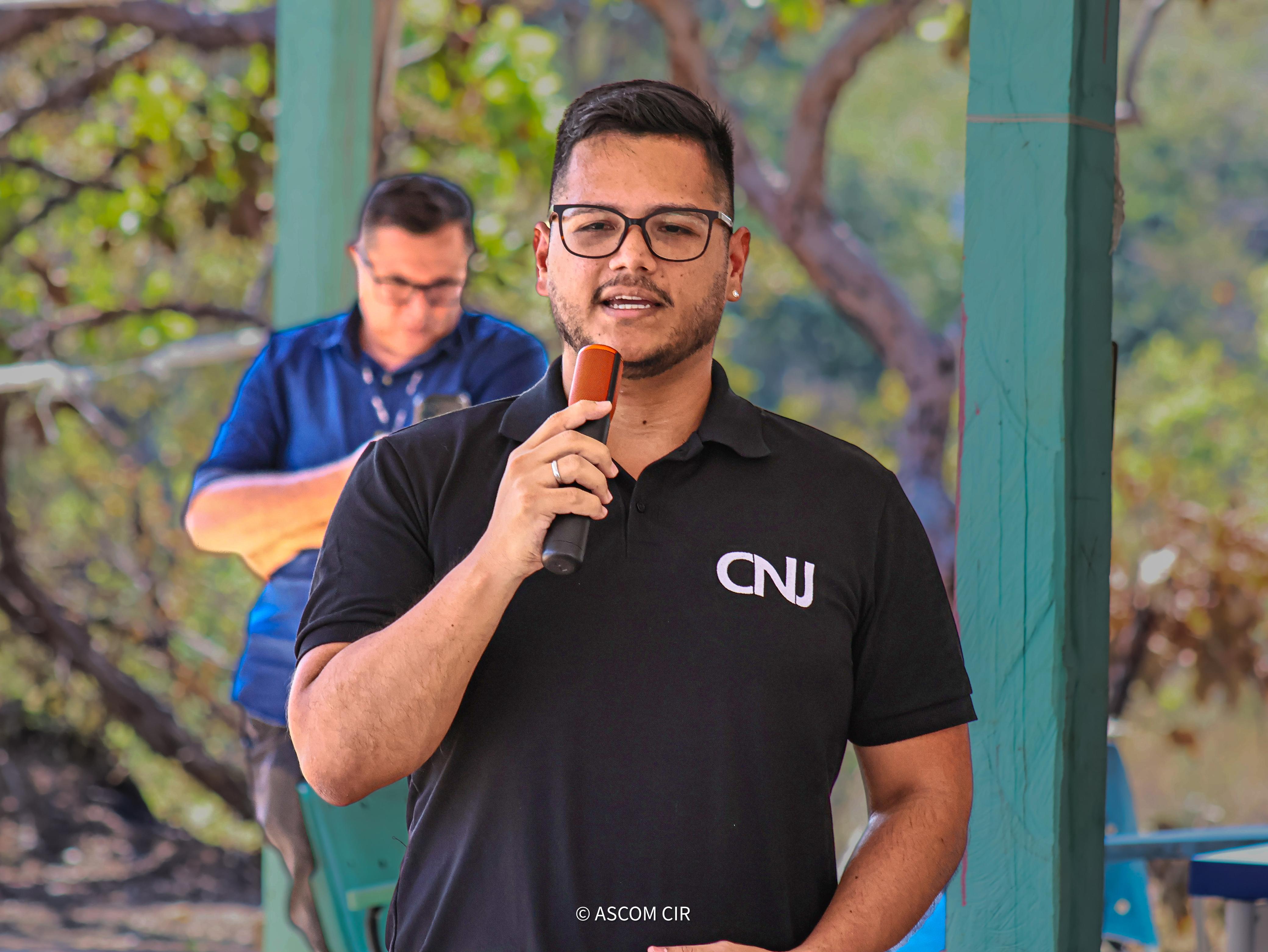
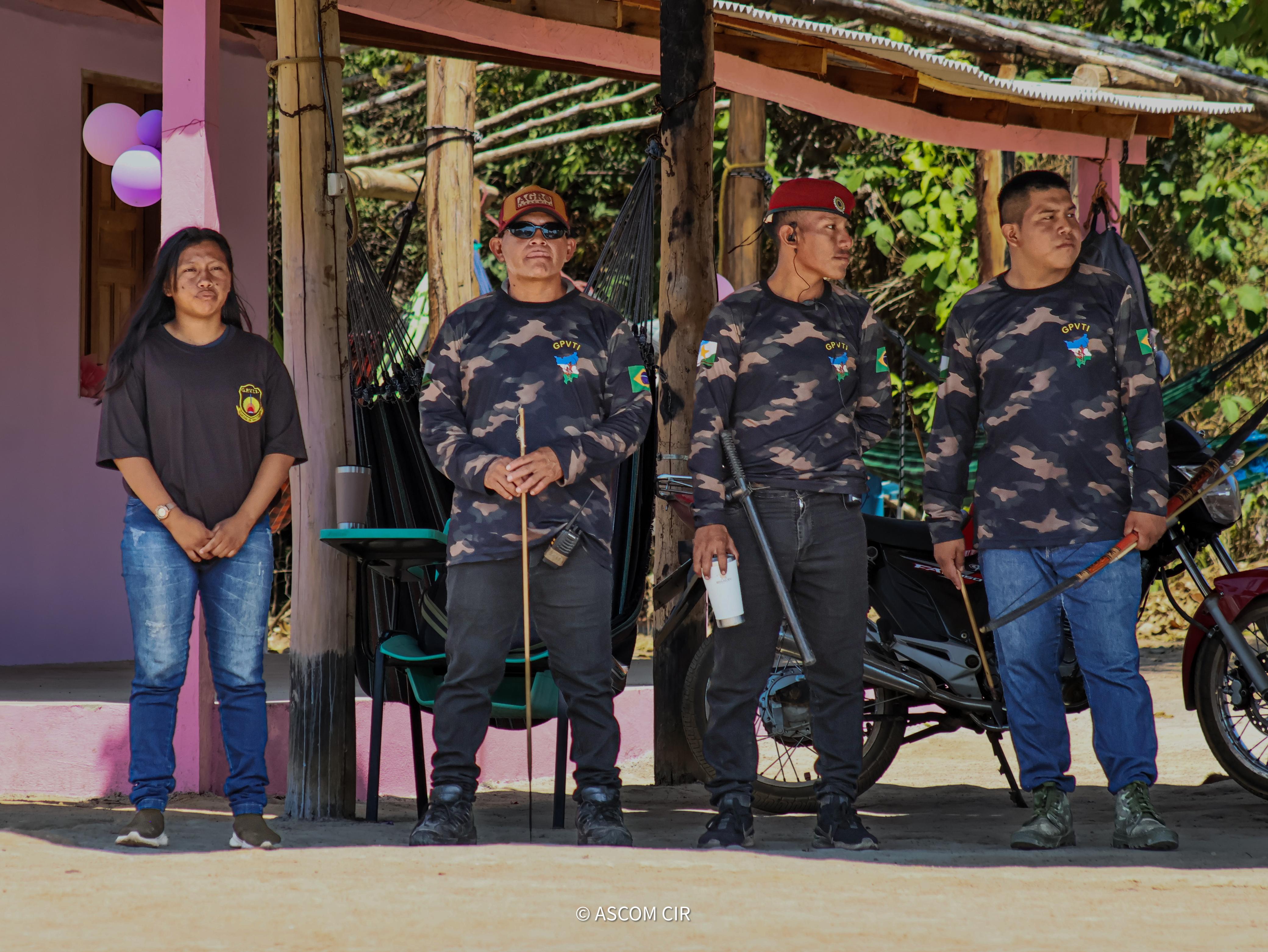
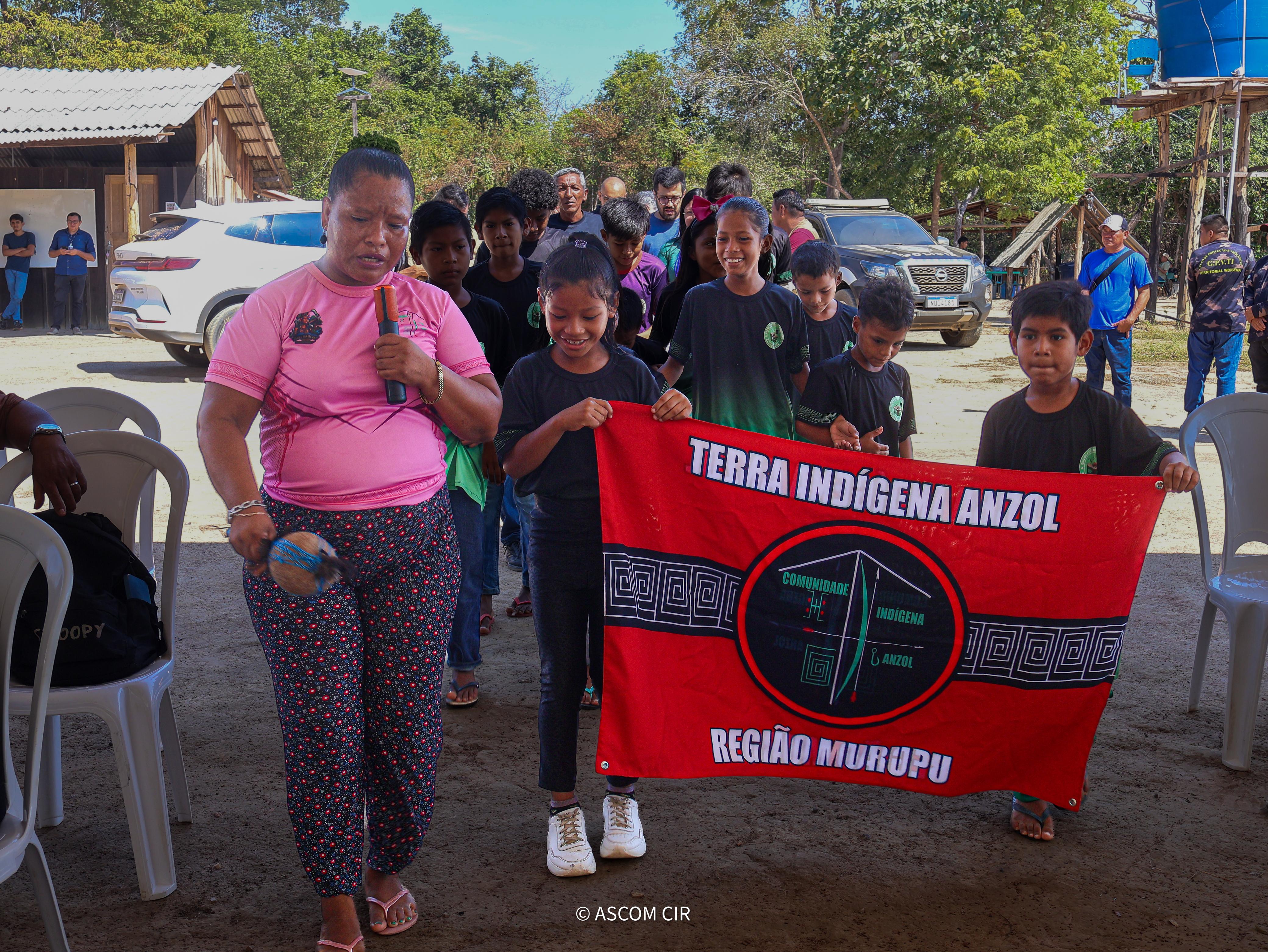
The Anzol indigenous community has been waiting for about 30 years for the demarcation of their territory. In 2026, the Federal Regional Court of the 1st Region (TRF1) ruled on the appeal and upheld the decision that obliges the Union and the National Foundation of Indigenous Peoples (Funai) to start the demarcation process. The decision was issued in the context of a public civil action filed by the Federal Public Prosecutor's Office in Roraima (MPF/RR).
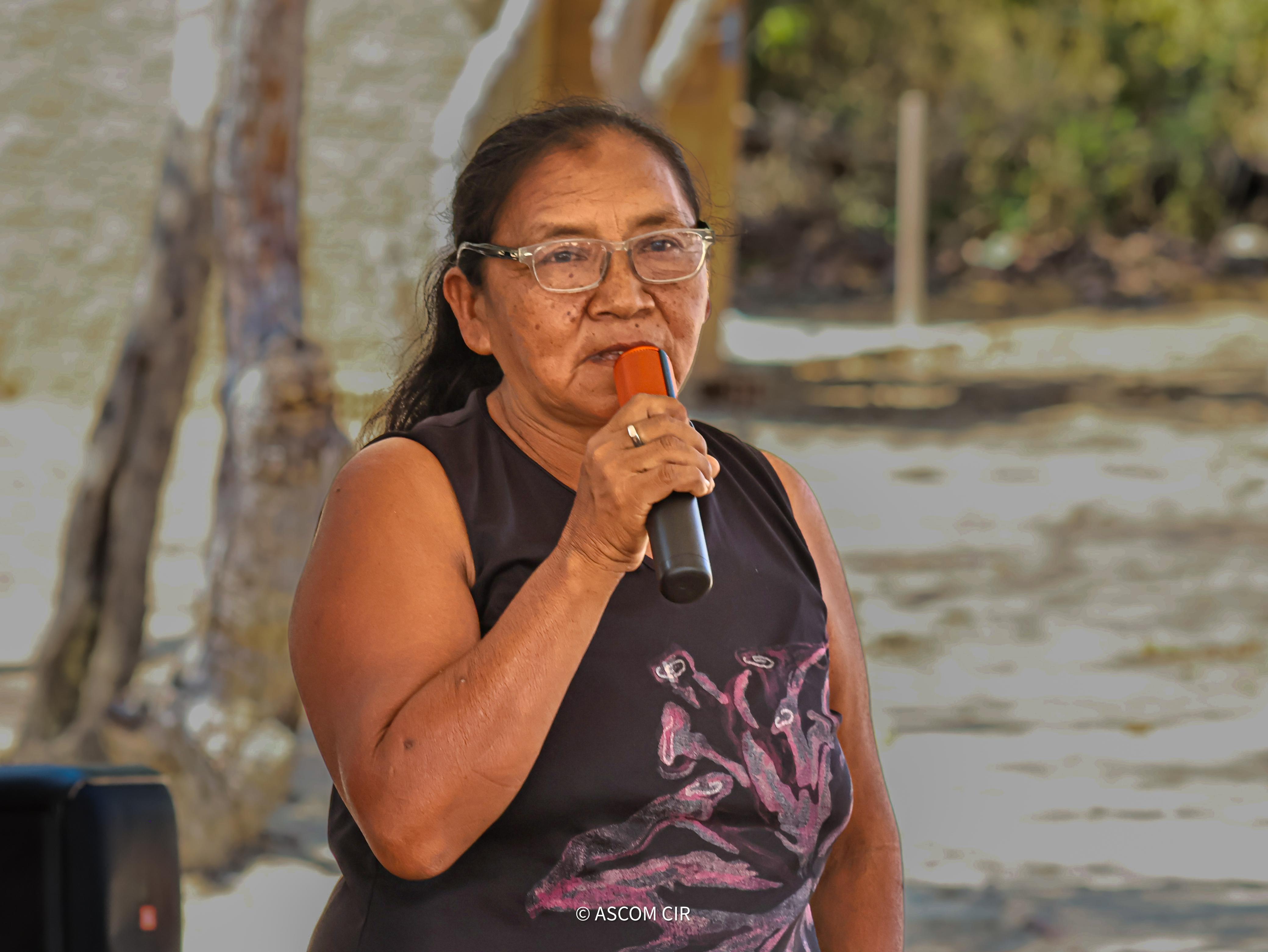
Indigenous leader Arão Almeida, who has been following the process since the beginning, thanked the presence of the representatives of the CNJ and the MPF, who were able to get to know and listen closely to the reality and challenges faced by the community.
"We have suffered many threats. It is important to have you here in our territory, seeing our reality up close. This is so difficult to happen. Here we do not have a proper school, the scarcity of water is great. With the demarcation it had, our territory lost access to the river and to the natural springs suitable for our good living. Because we are not recognized as indigenous land, we are not served with public policies, and this affects us drastically",vented the leadership.
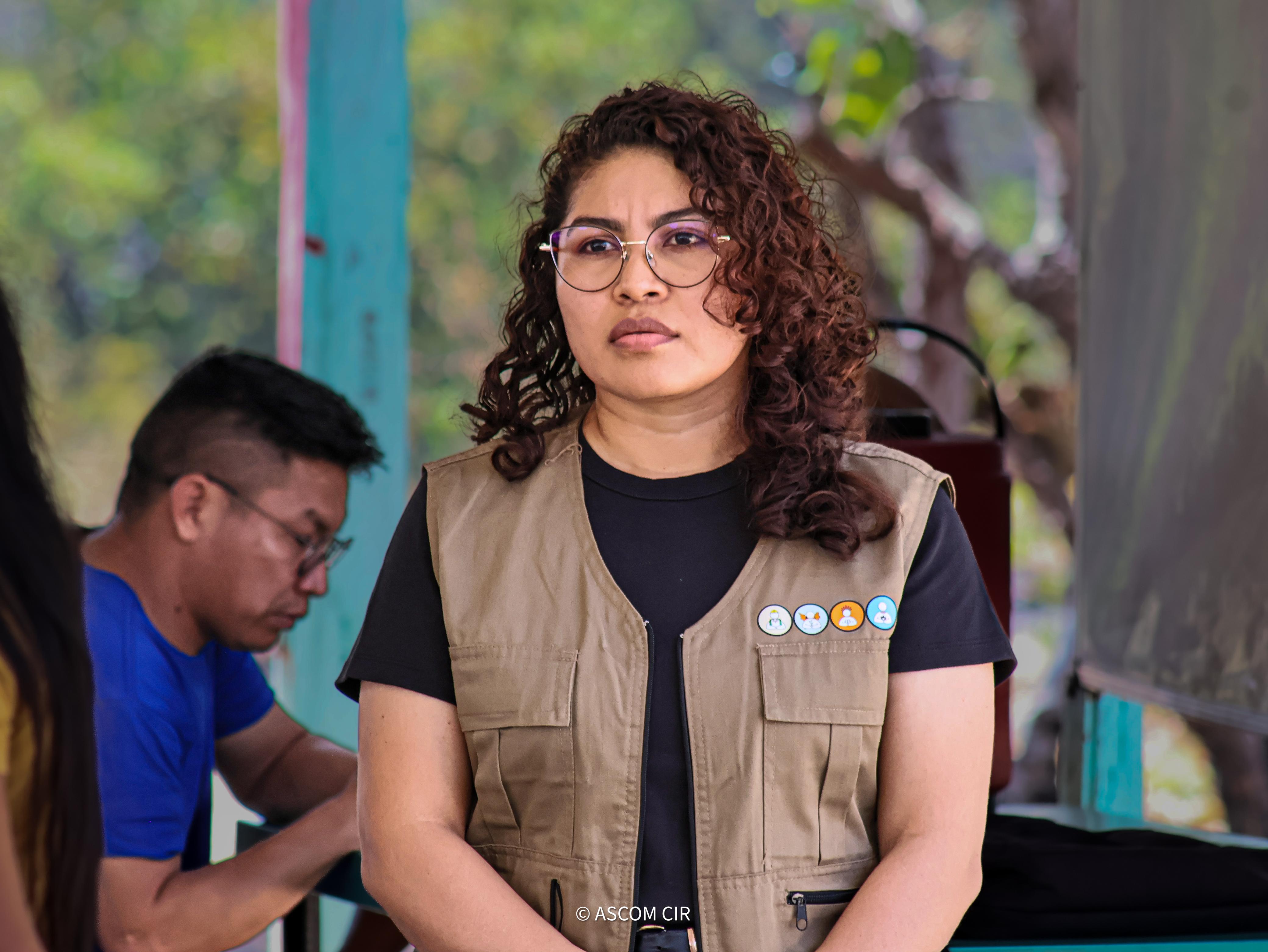
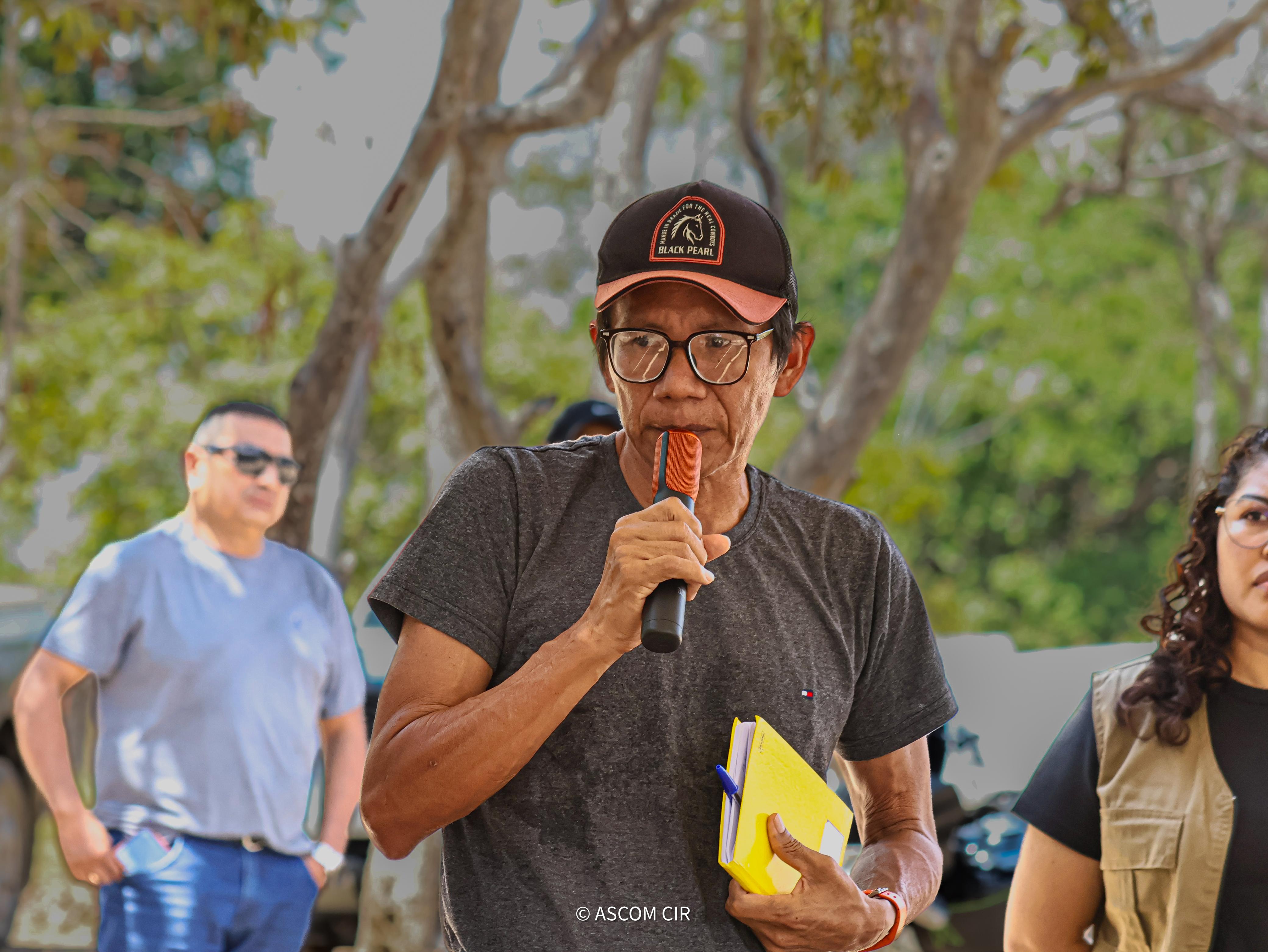
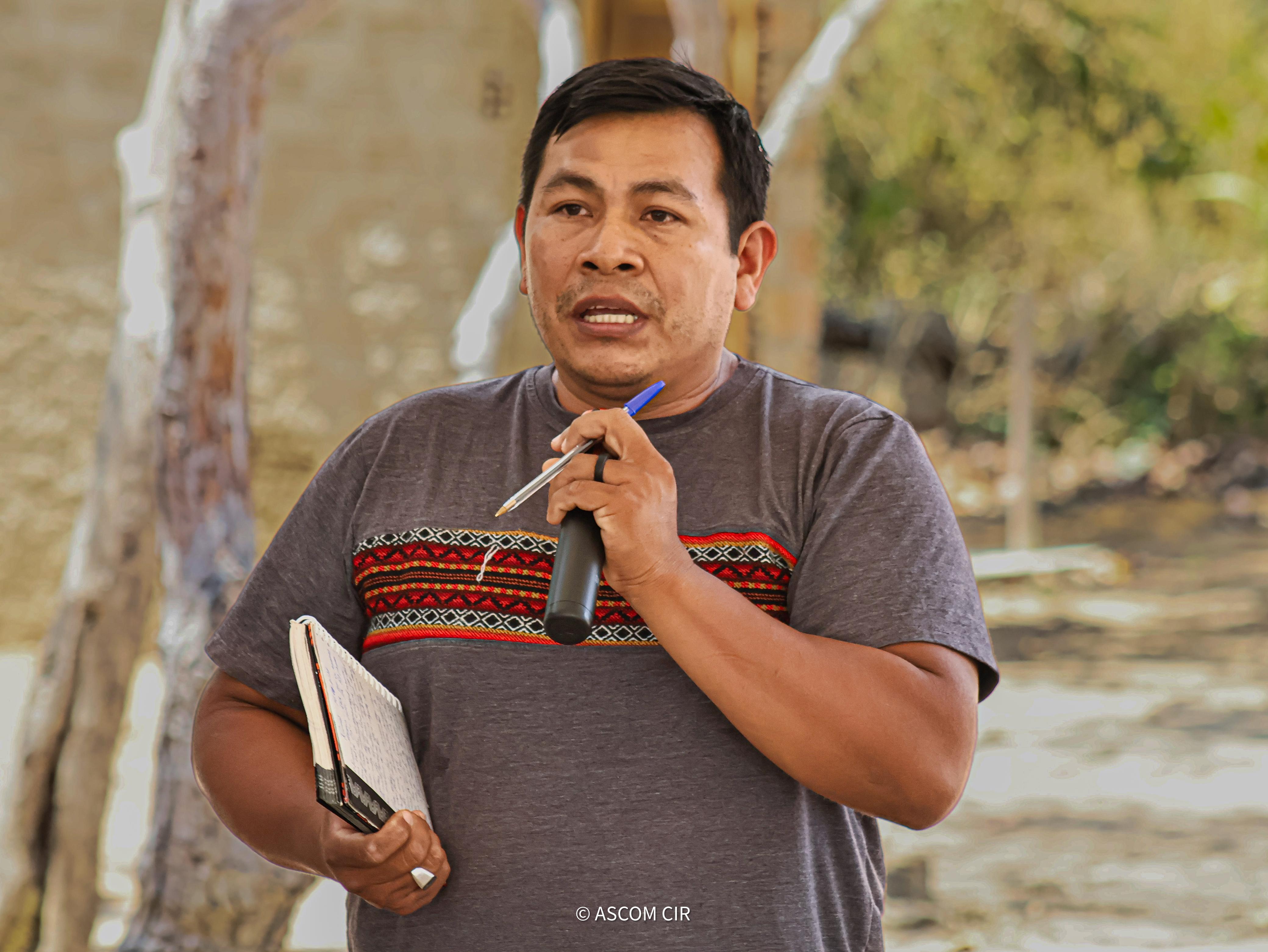
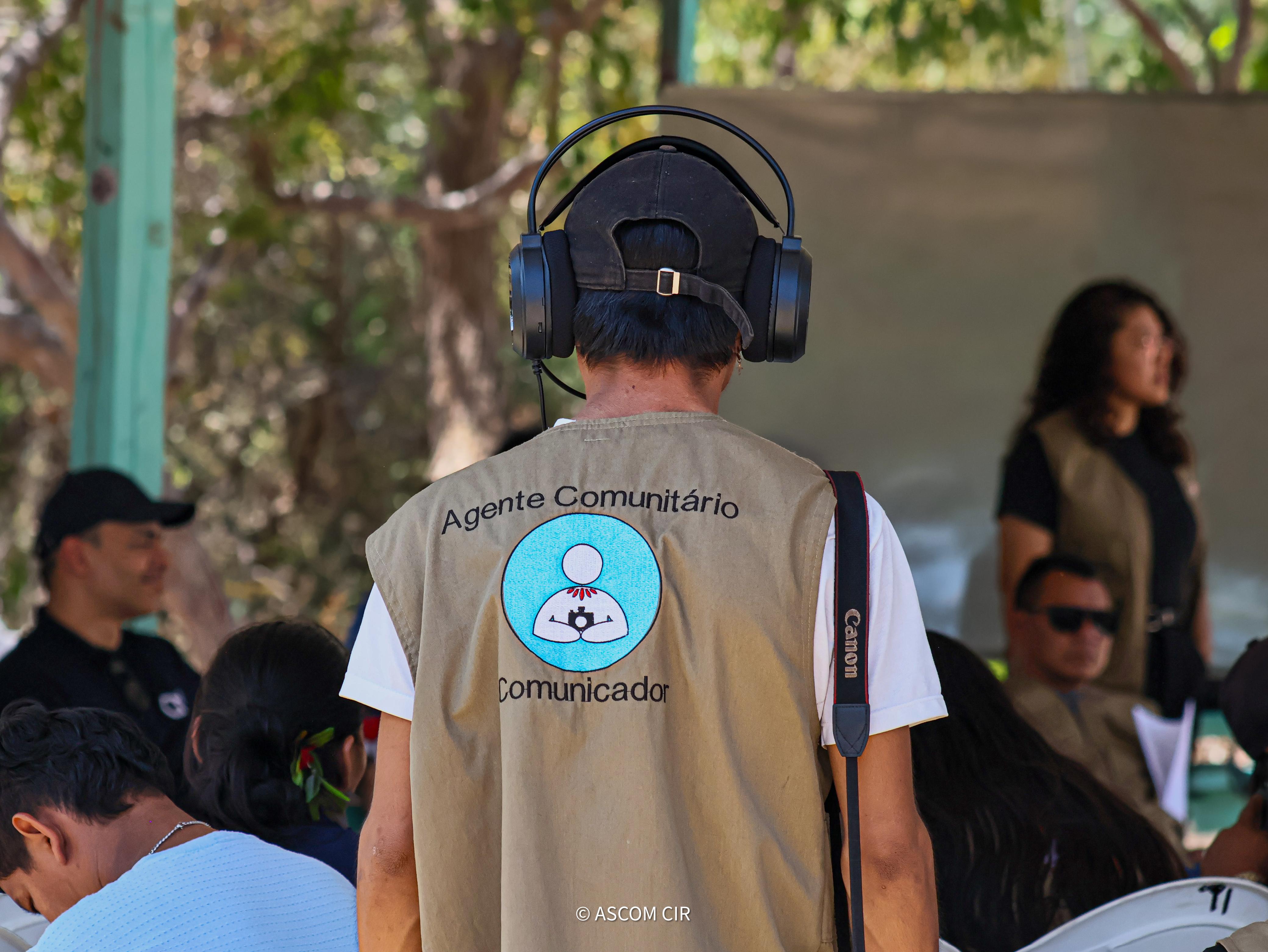
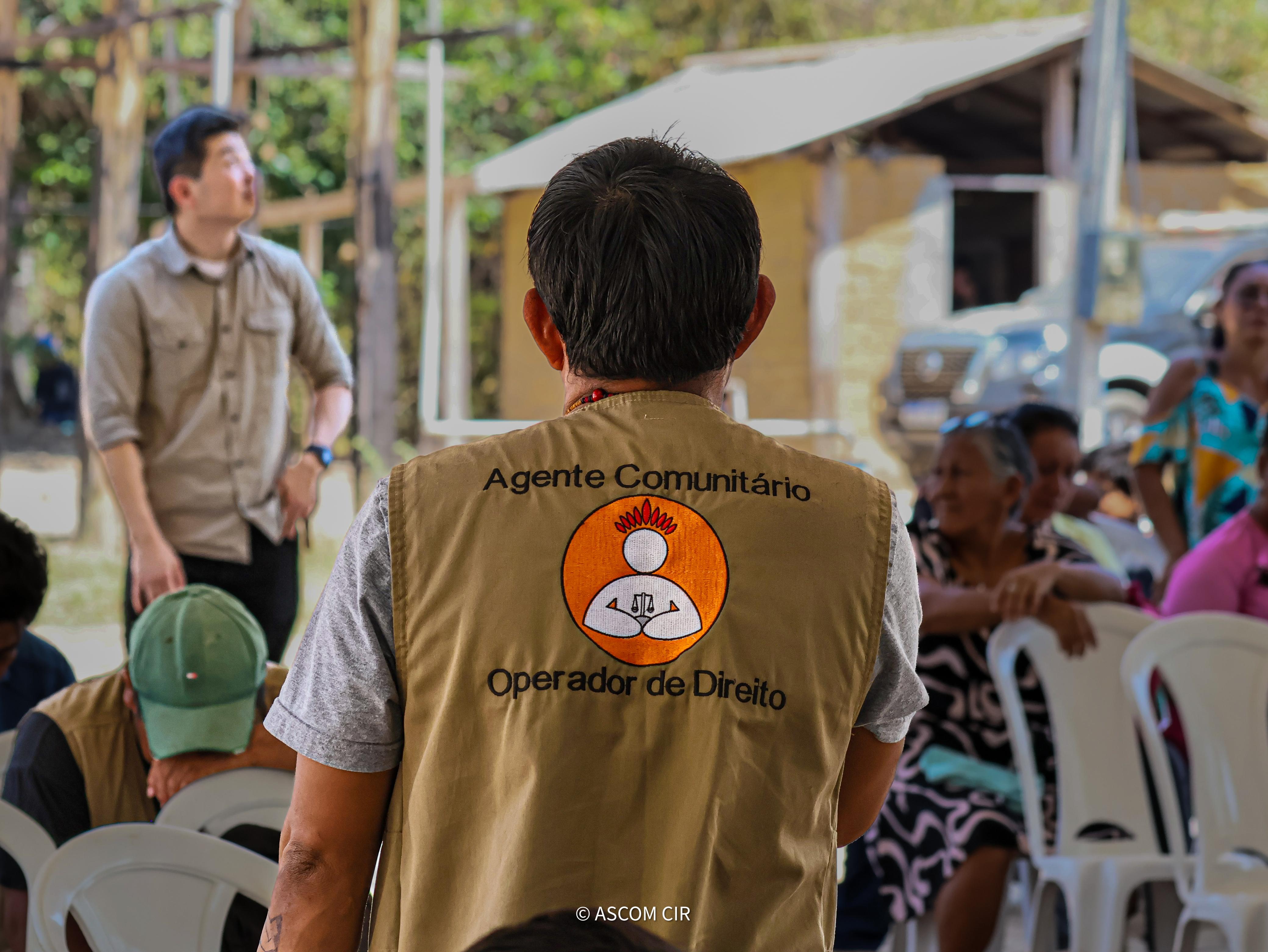
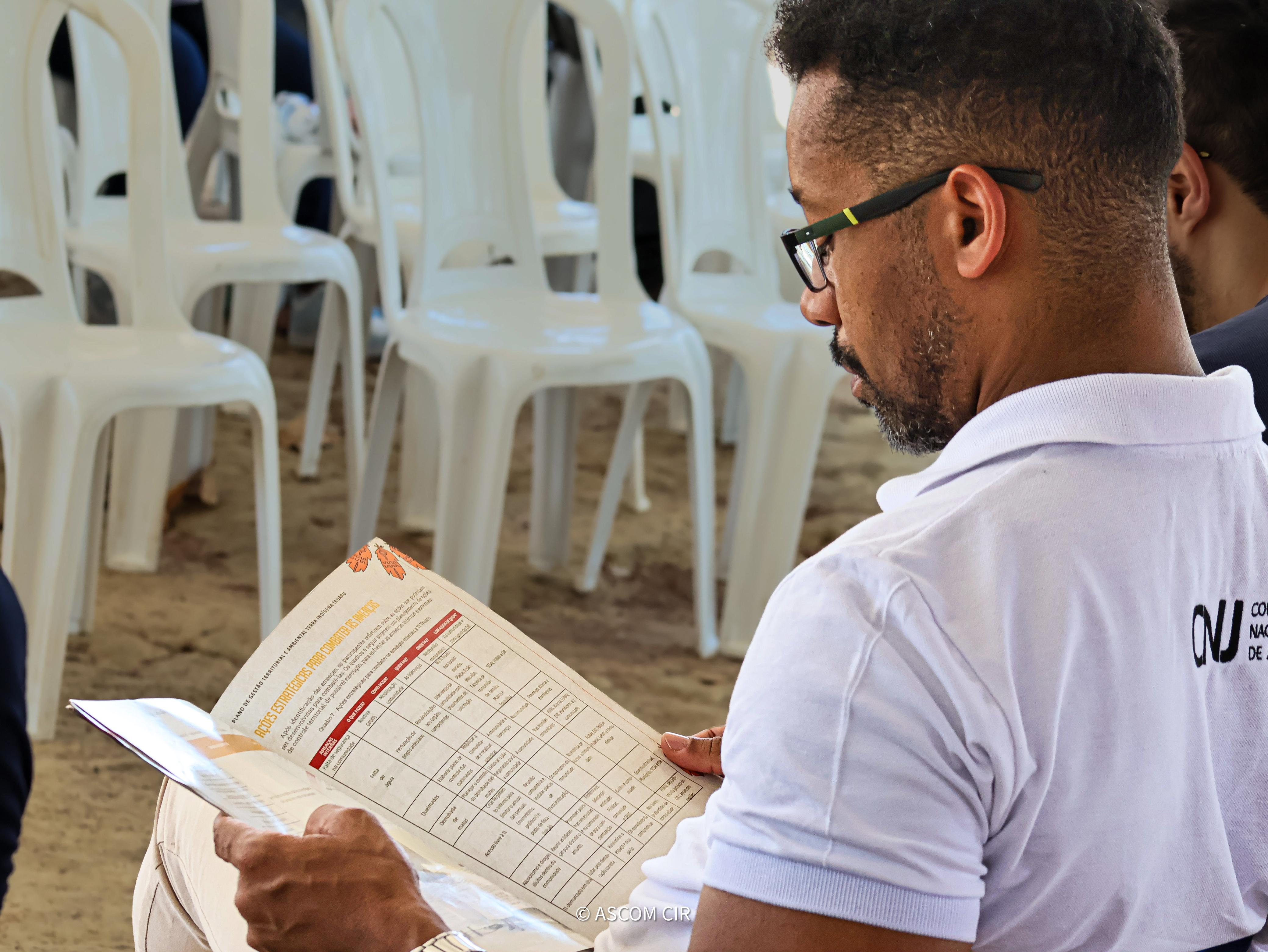
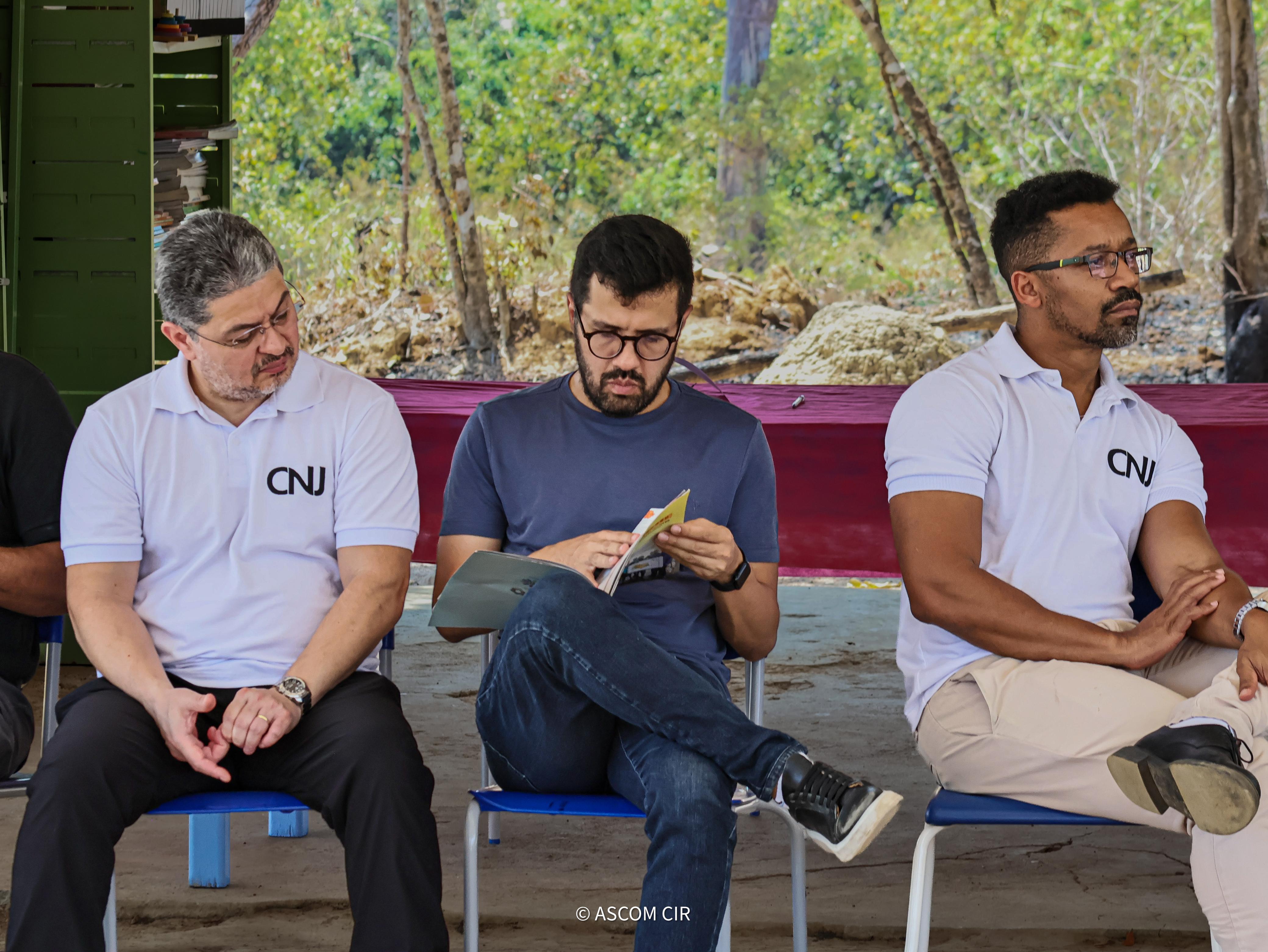
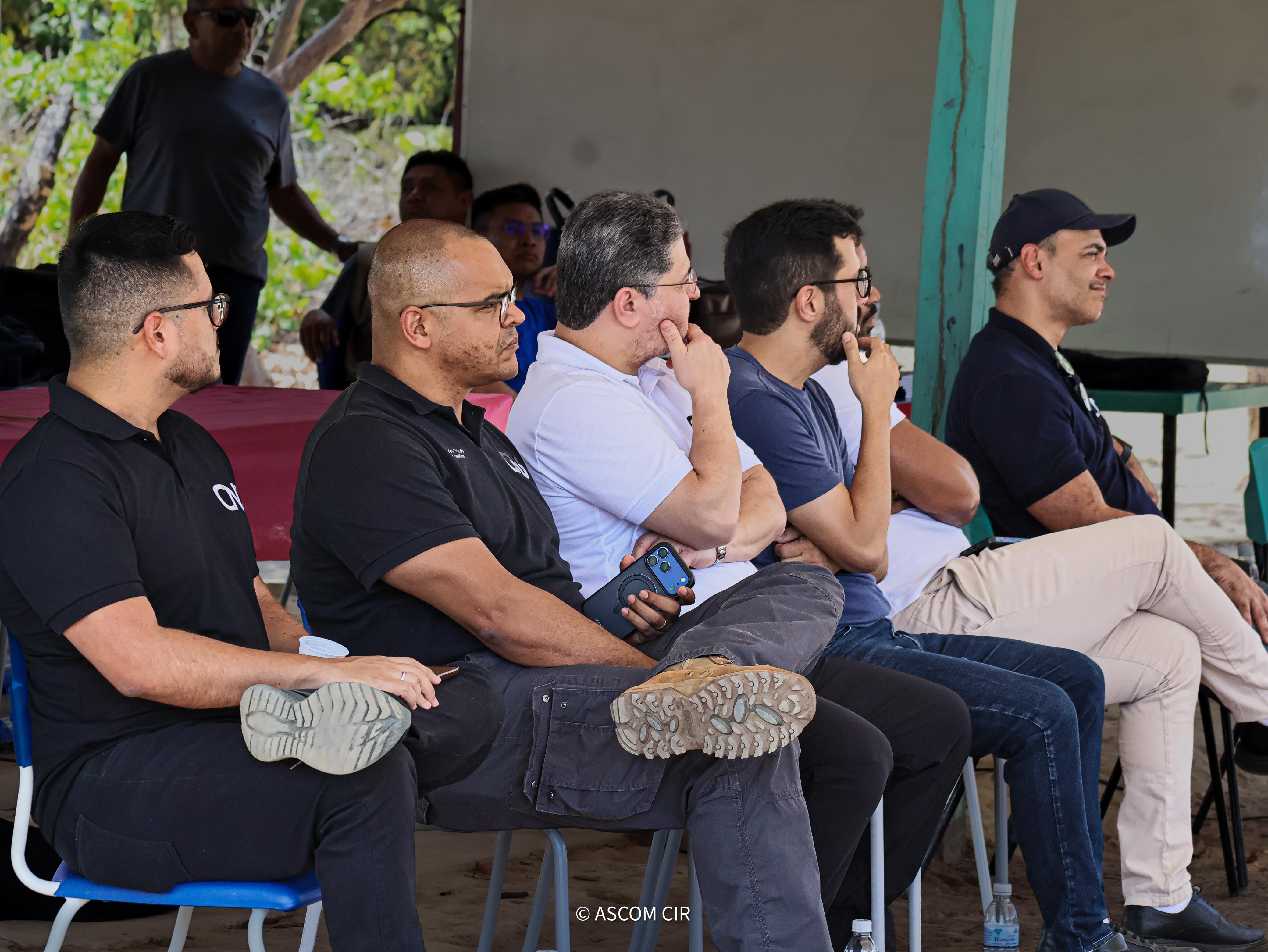
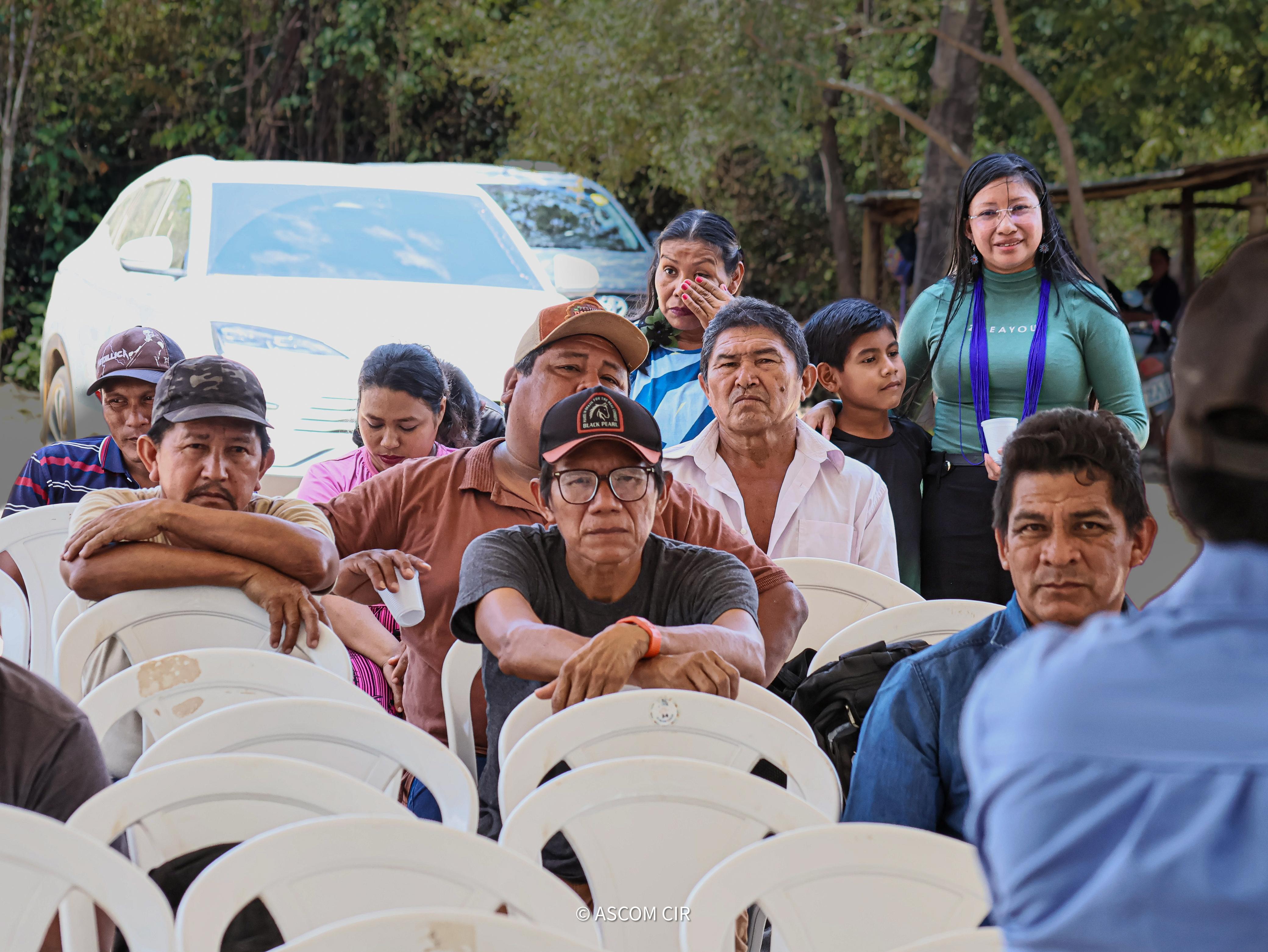
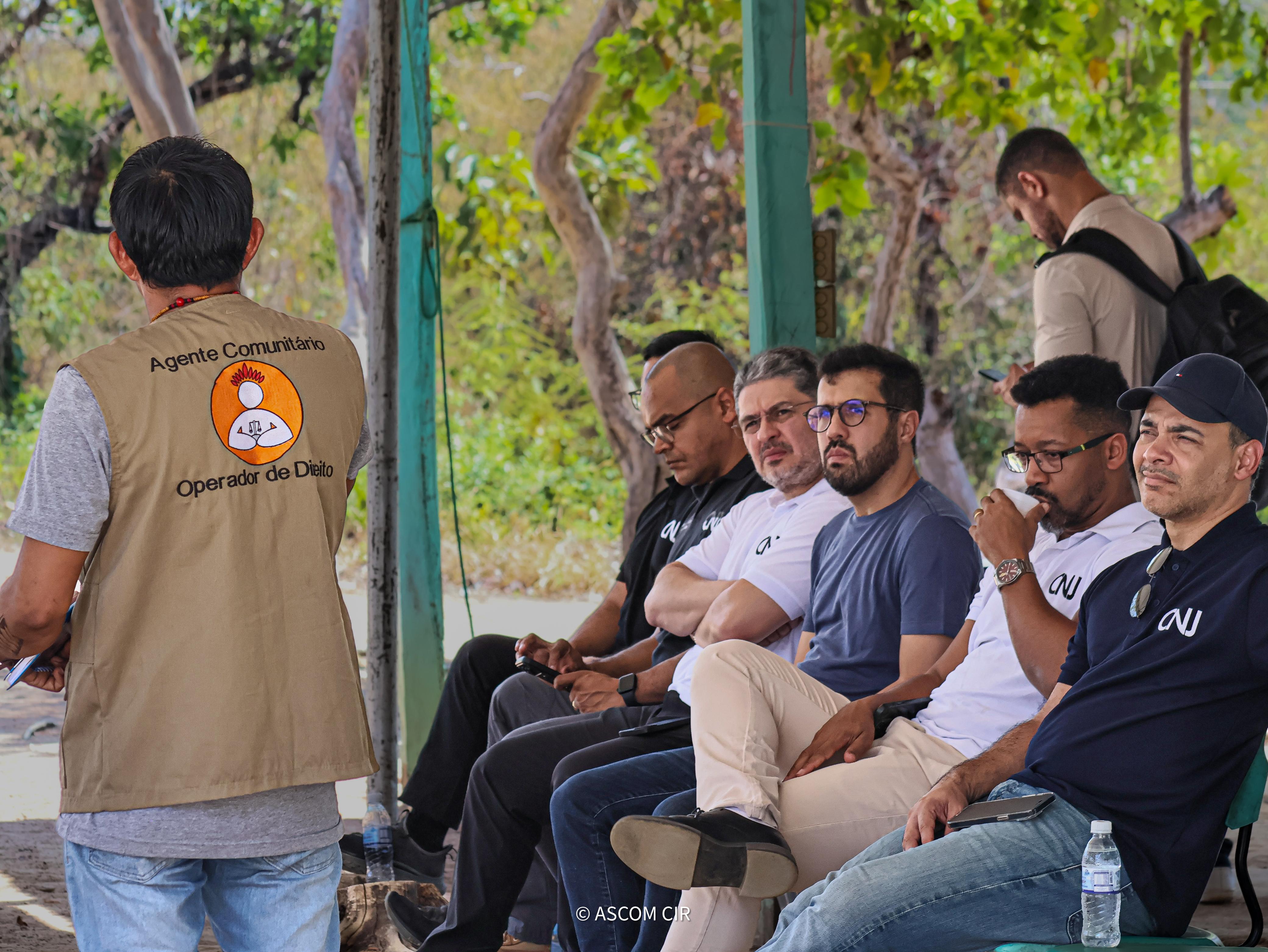
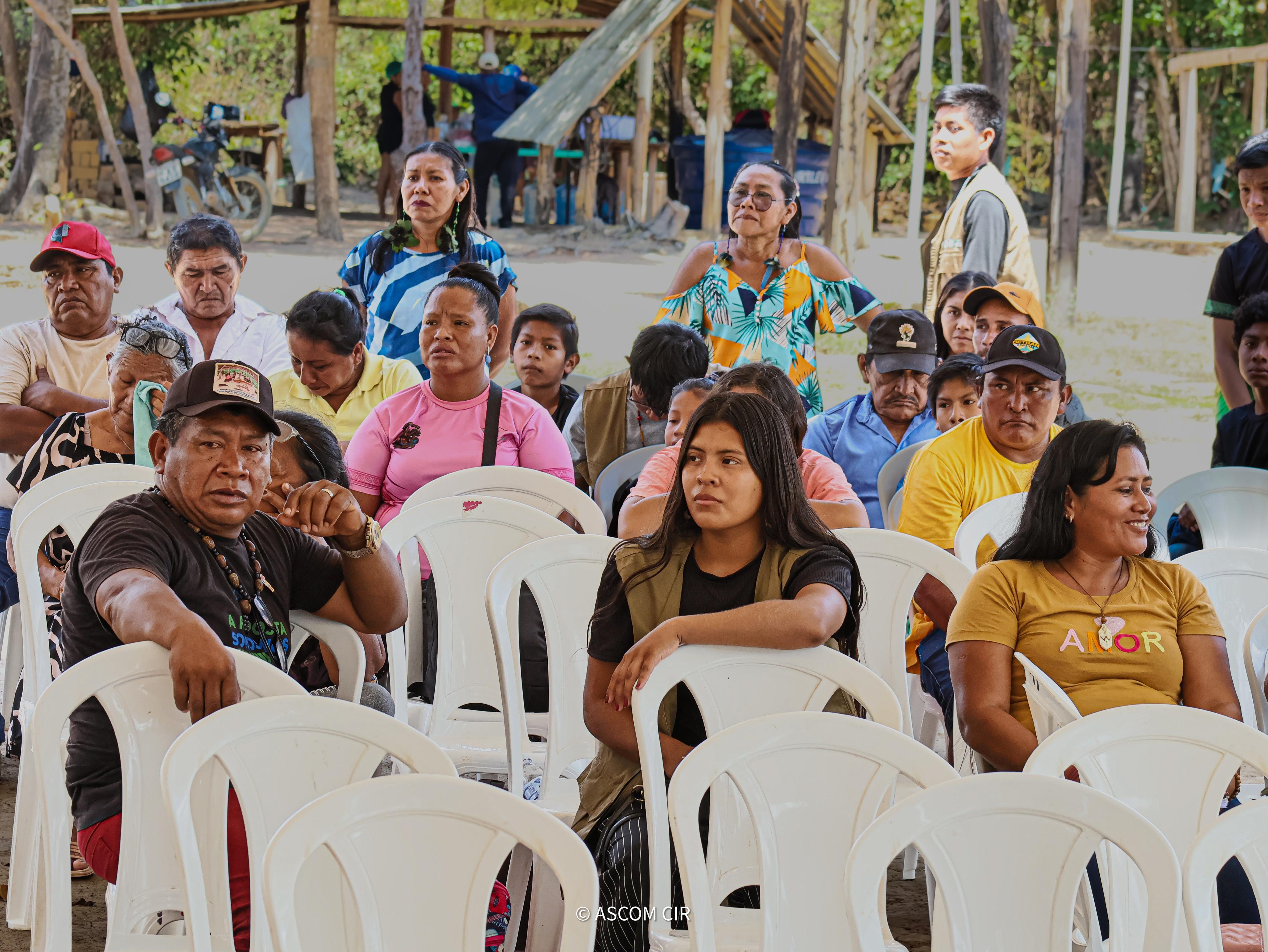
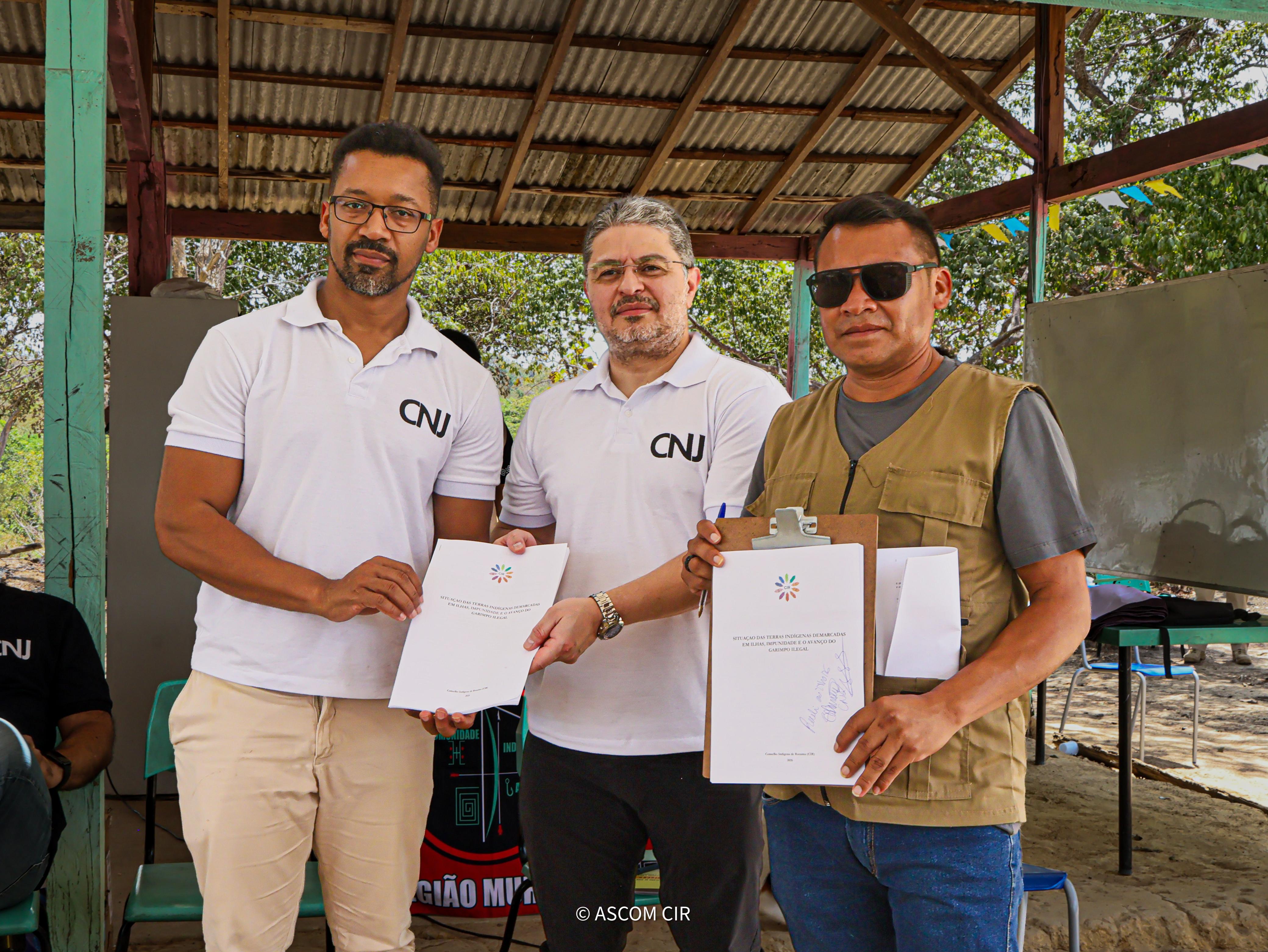
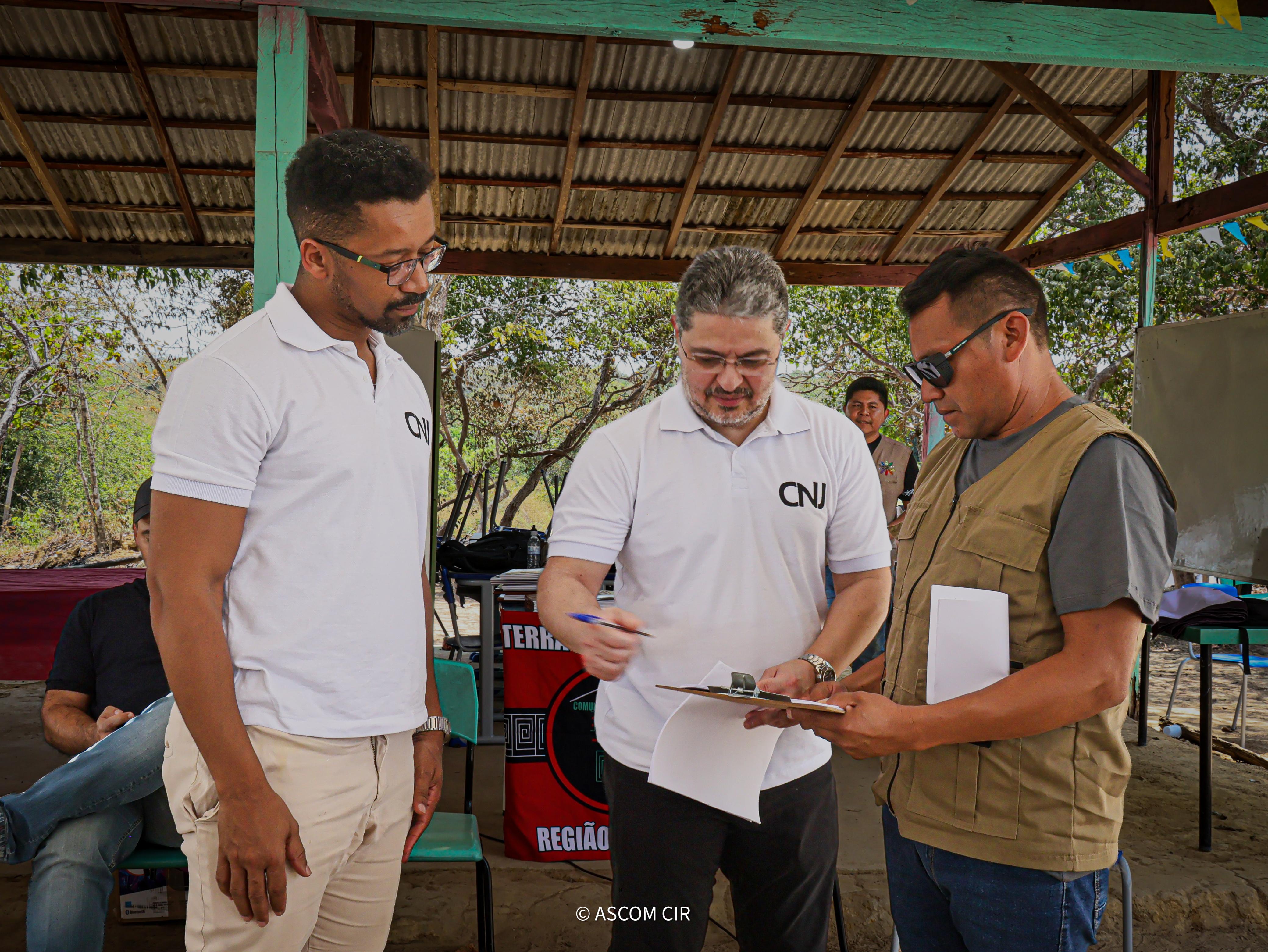
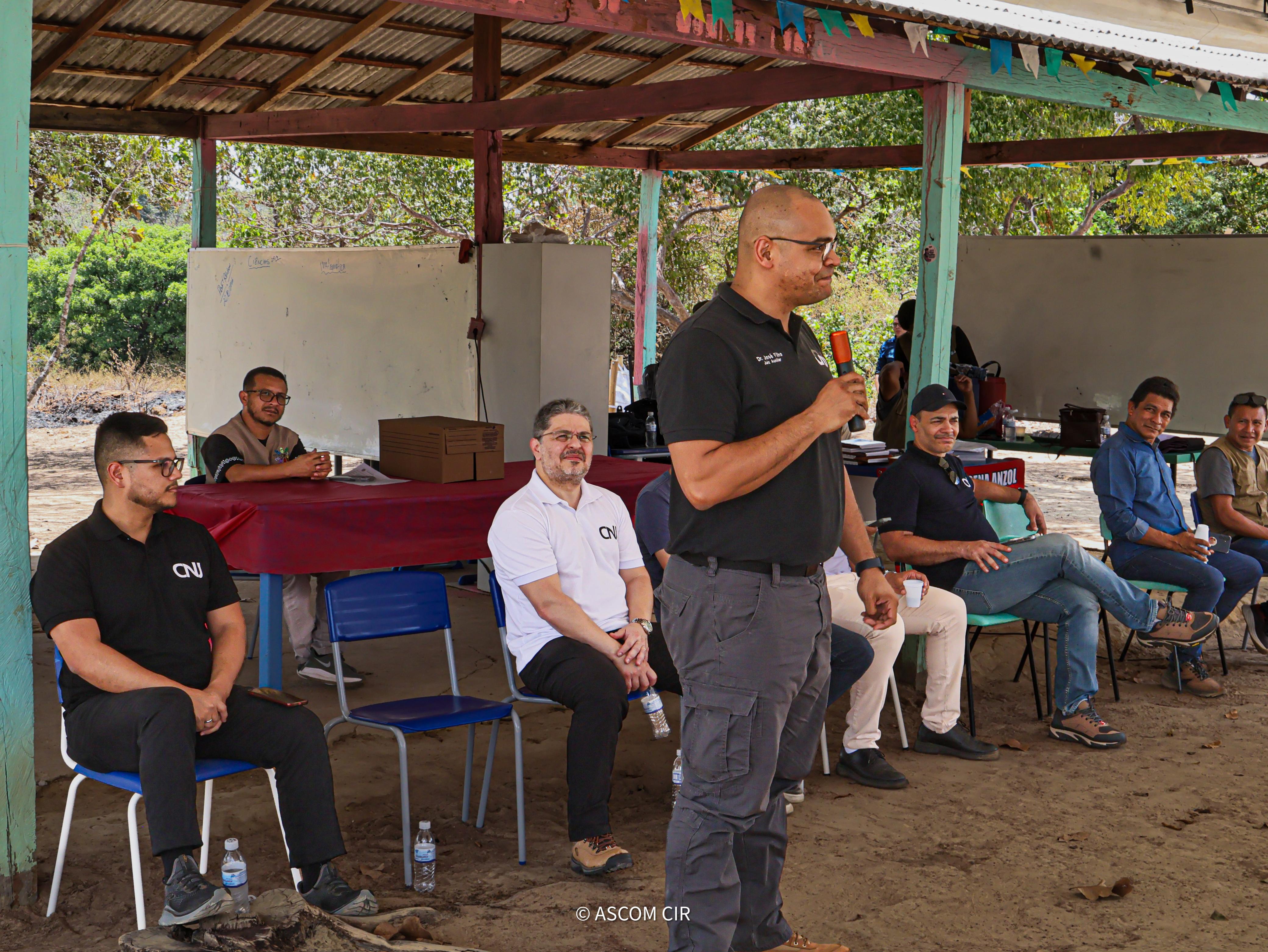
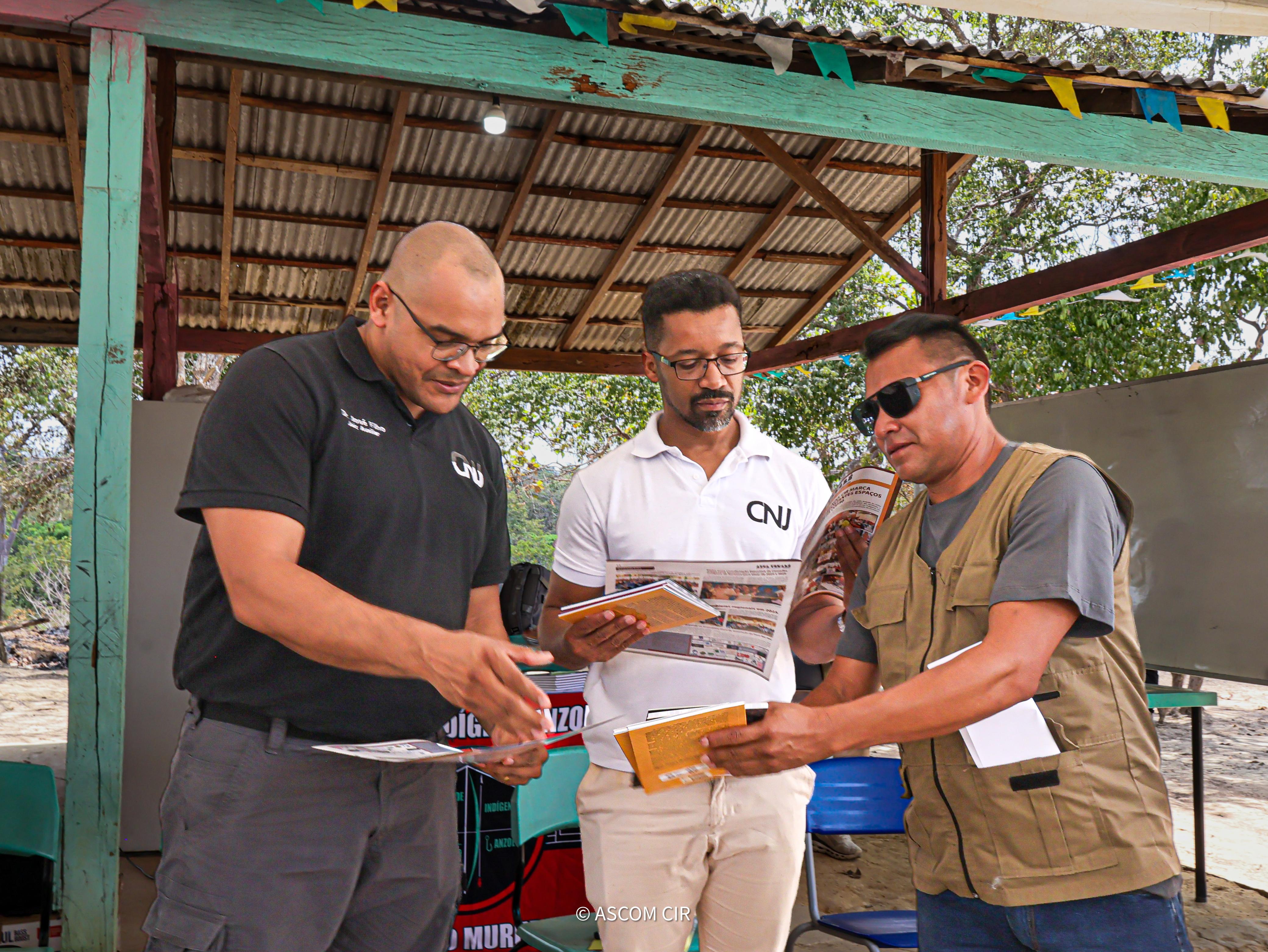
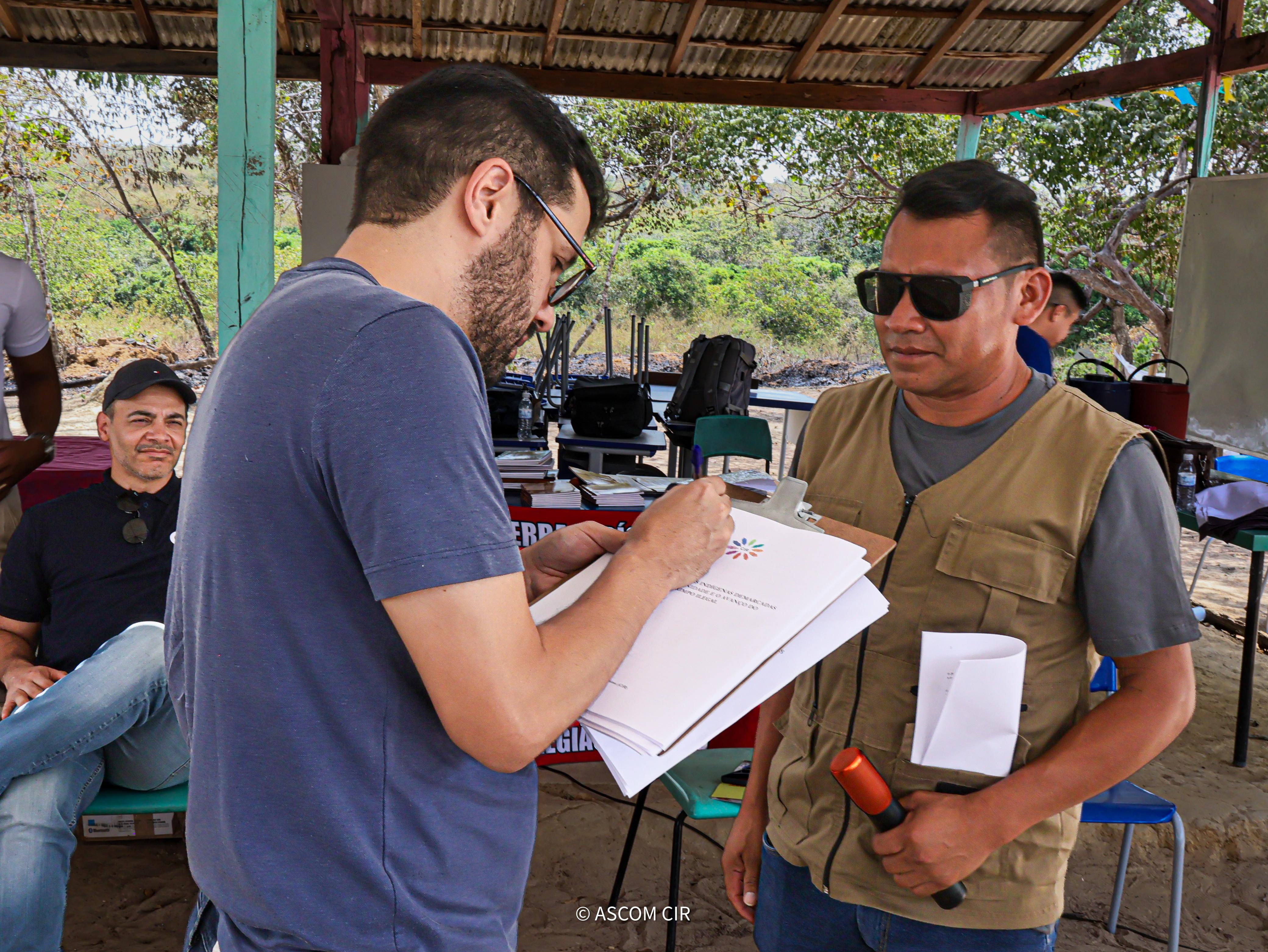
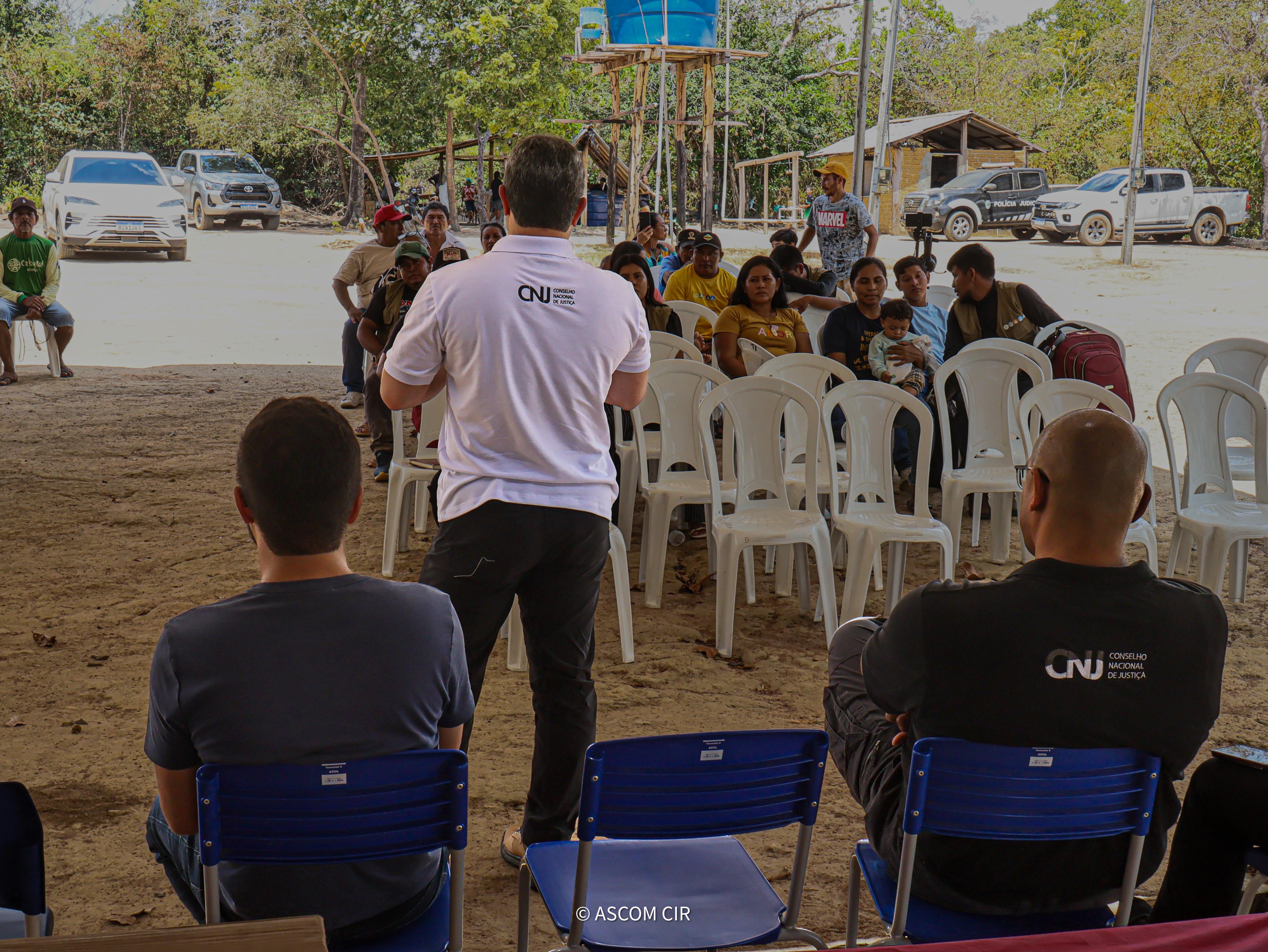
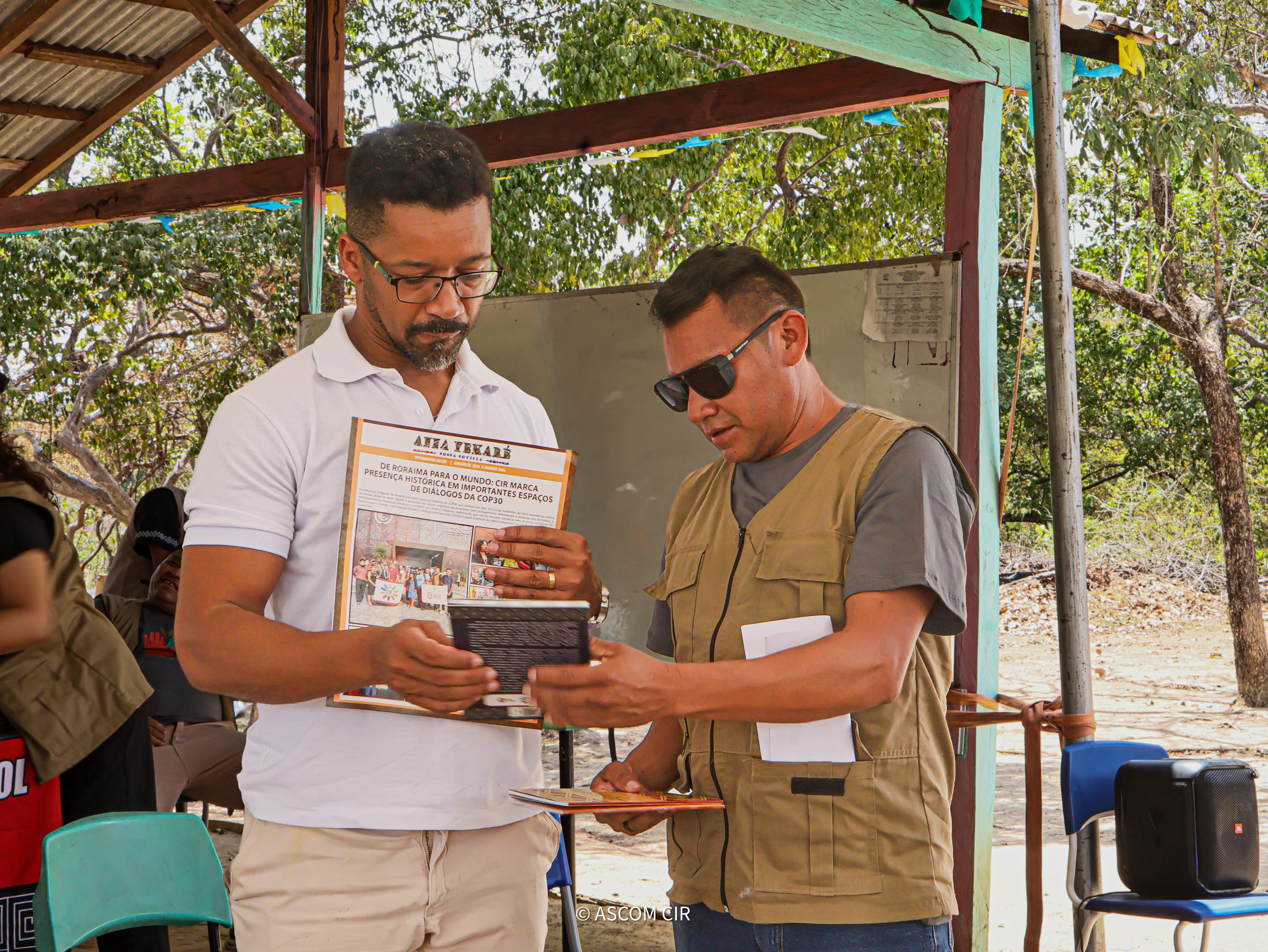
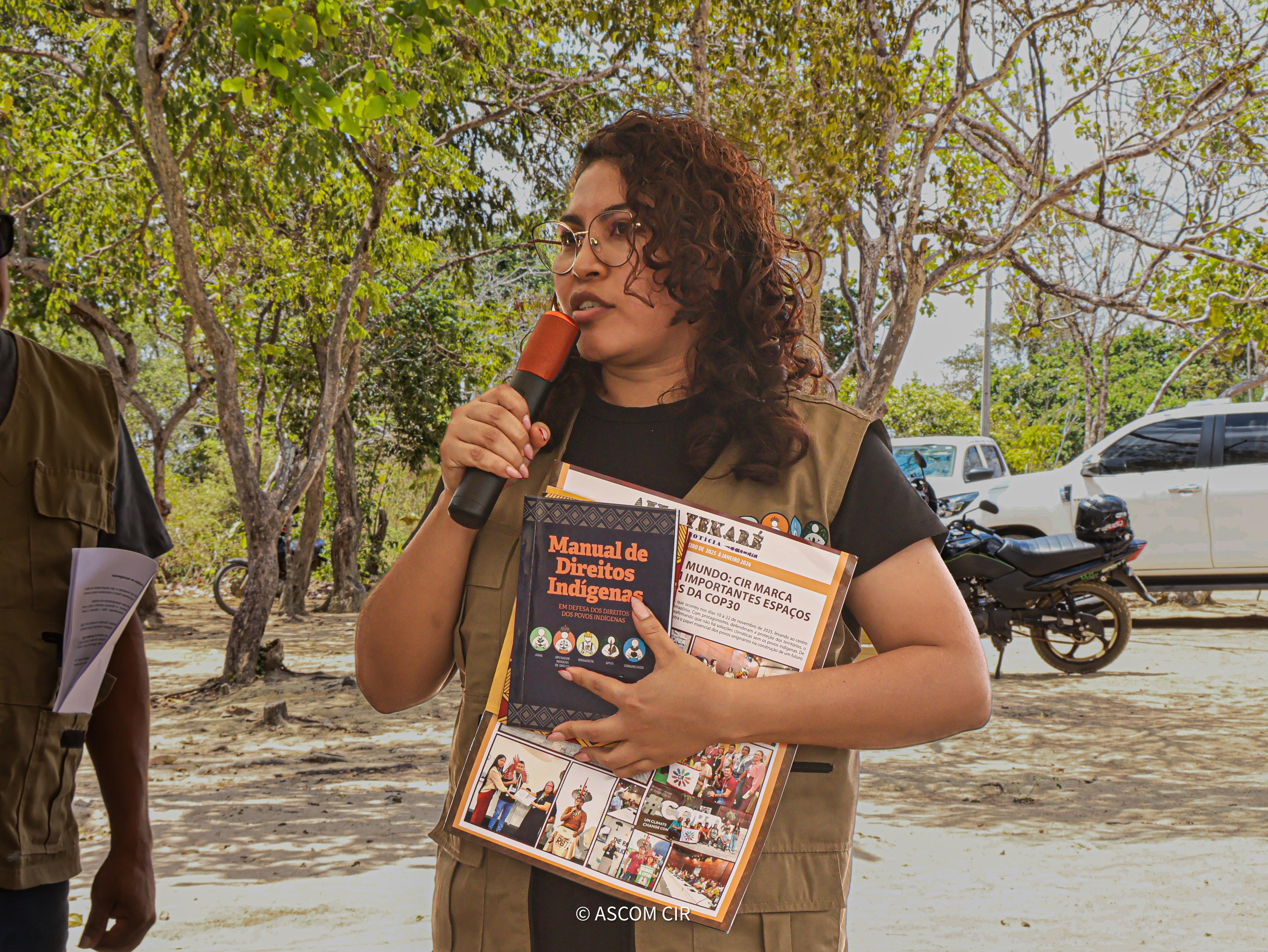
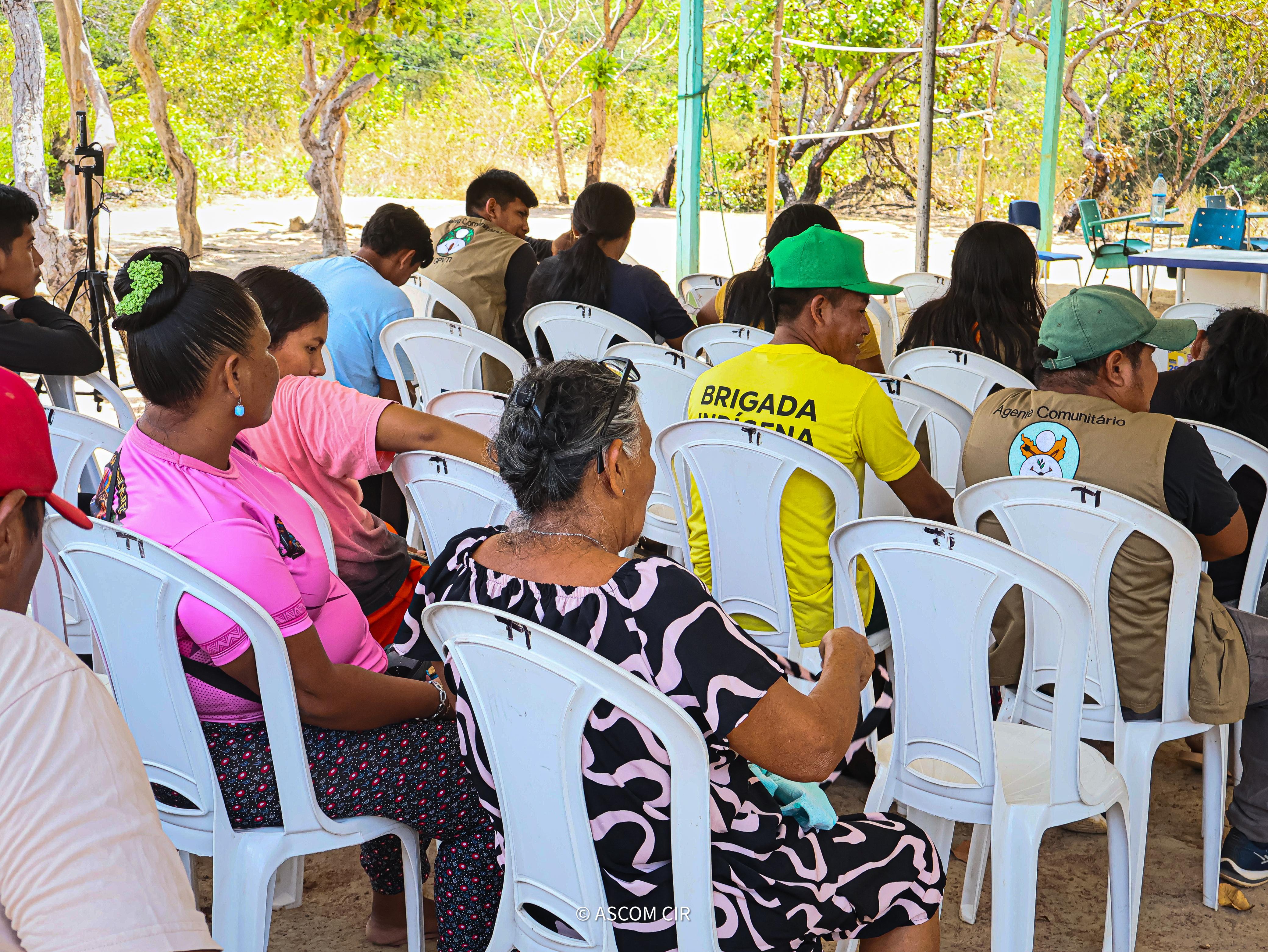
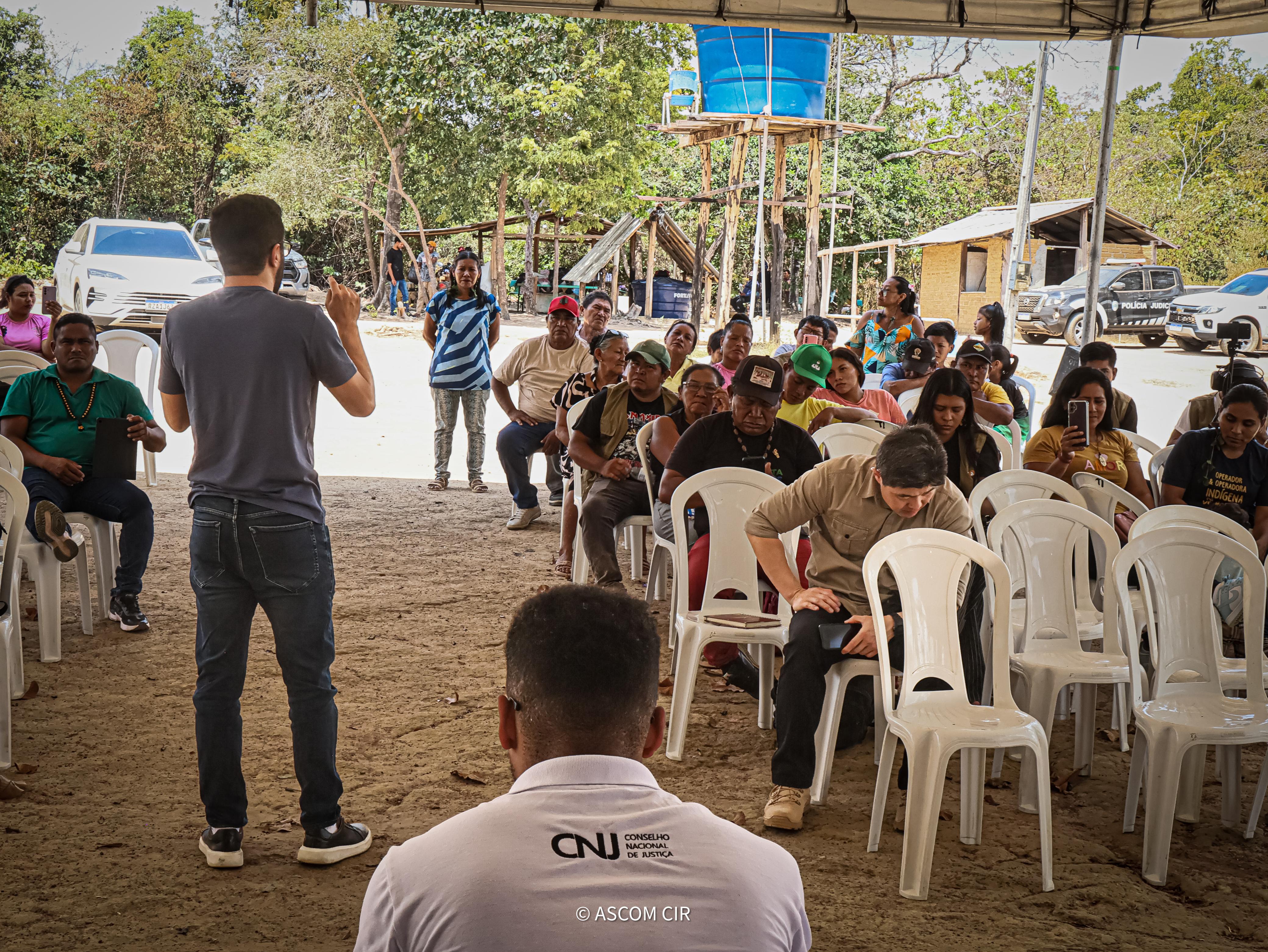
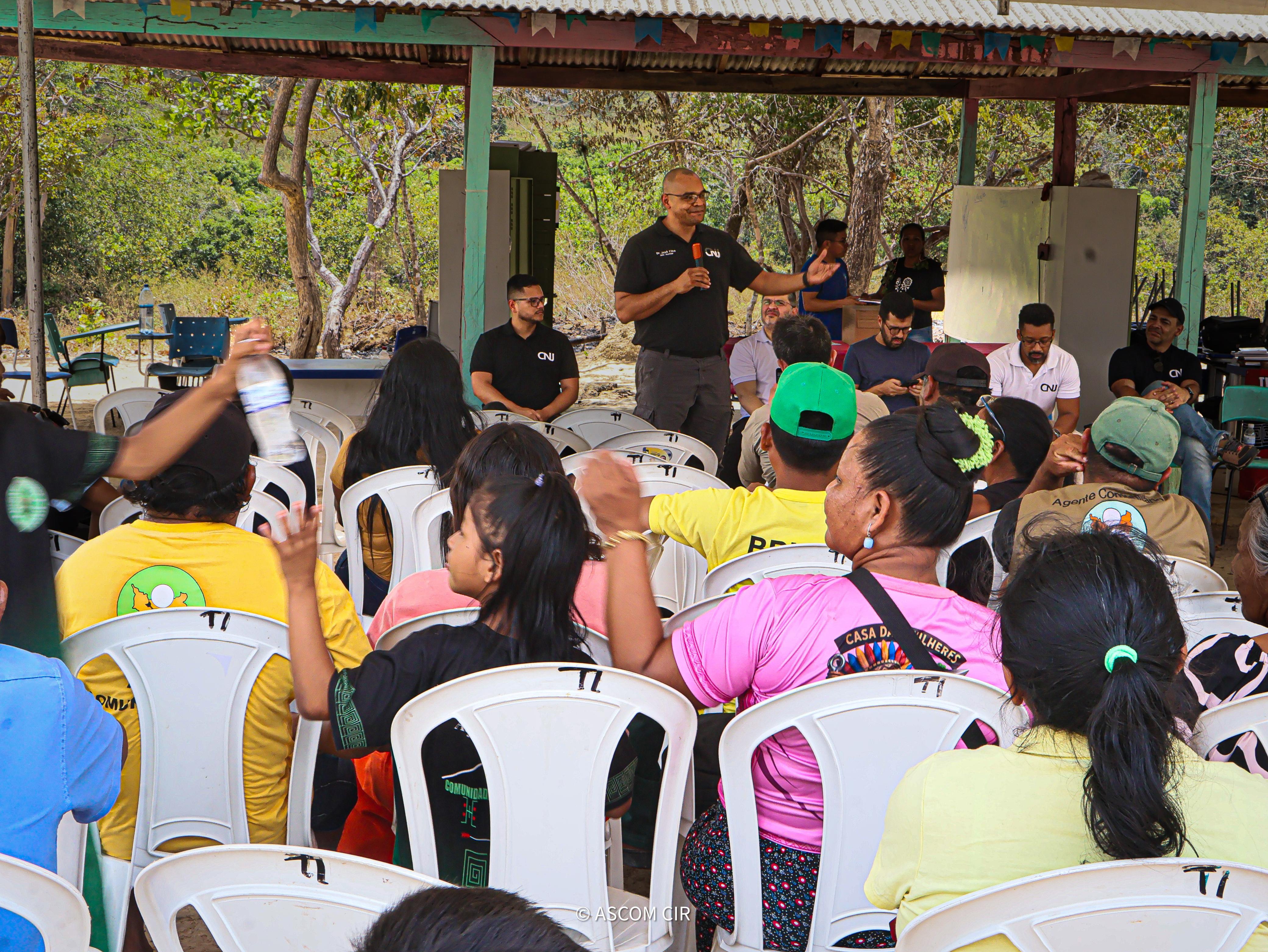
Indigenous leaders from the Serra da Lua, Tabaio and Alto Cauamé regions also presented claims and complaints related mainly to the invasions of indigenous territories. Among the reports, conflicts with ranchers, implementation of projects without free, prior and informed consultation, as well as threats suffered by gunmen were cited.
Representatives of the National Council of Justice (CNJ) and the Federal Public Prosecutor's Office (MPF) listened to the leaders, answered the questions and highlighted that the demands presented will be part of a report to be sent to the competent bodies so that the necessary measures can be taken.
"The CNJ has helped the MPF a lot in resolving the processes that we have been working on in court on the demands of indigenous peoples. In recent years, there have been many, and this makes our work easier, because we know that defending indigenous rights in Roraima is extremely difficult, in a state that has a mostly anti-indigenous view. I am happy to be able to accompany this visit with the CNJ judges, so that they can get to know the reality here up close",said the Federal Prosecutor, Allison Marugal.
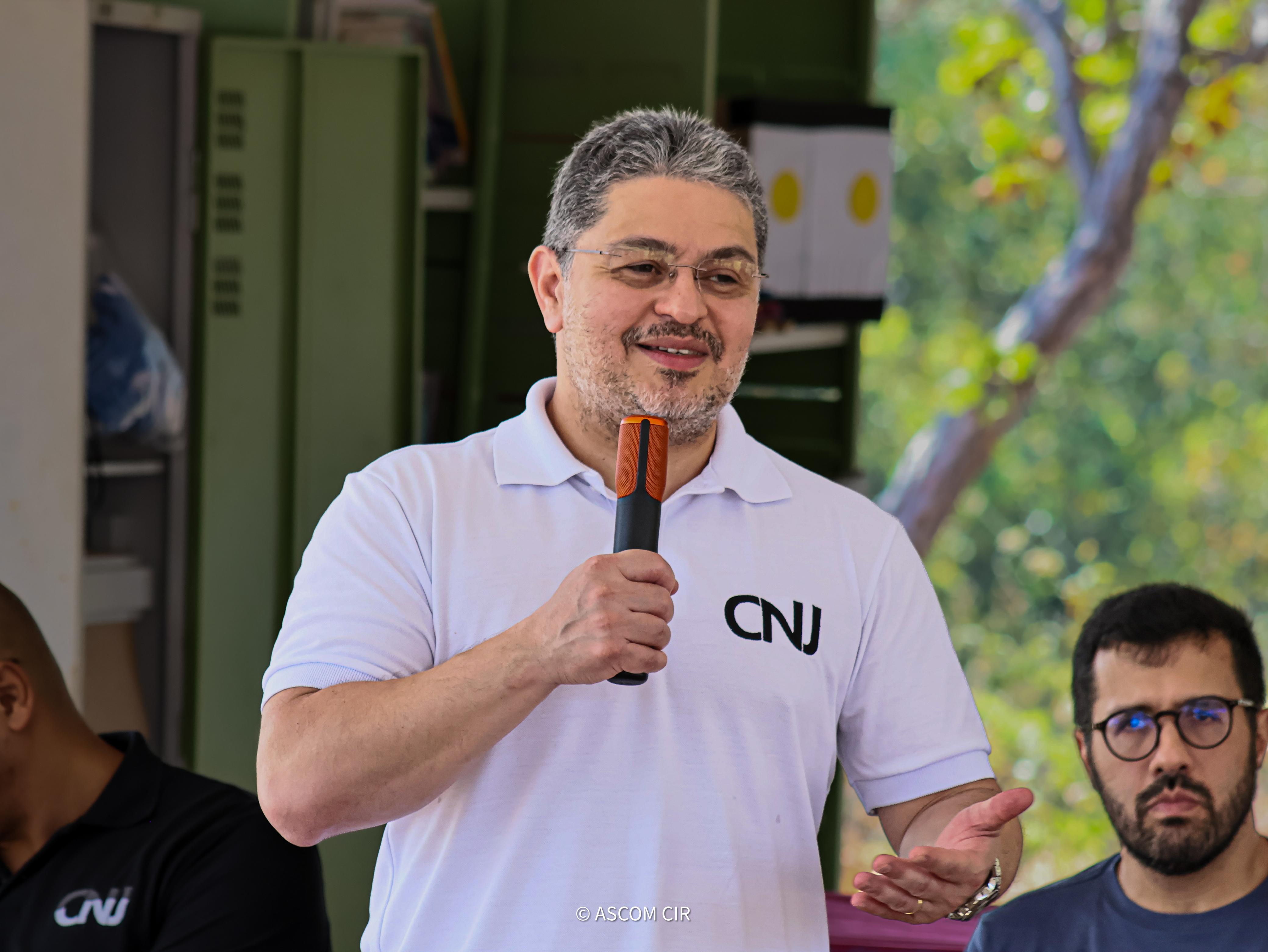
For the judge and counselor of the National Council of Justice, Fábio Esteves, the visit to the community made it possible to listen to leaders from different regions who work in the defense of the territories and, mainly, allowed them to know the reality of the Anzol community, which is waiting for the demarcation of its territory.
"Today I was here and saw that there is a school that has no walls, no structure. I am the national supervisor of policies for the protection of children's rights, including indigenous childhood, and, seeing this up close, it is now up to me to take action, making the authorities official, whether here in Roraima or in Brasilia, so that they take action regarding the situation of the school here in the community. These and many other ways are possibilities for the National Council of Justice to help contribute to and promote the rights of indigenous communities,"said the judge.
The visit was promoted by the Indigenous Council of Roraima (CIR), through the articulation of the organization's Legal Department, which has been working to guarantee and defend the rights of the indigenous peoples of Roraima.