
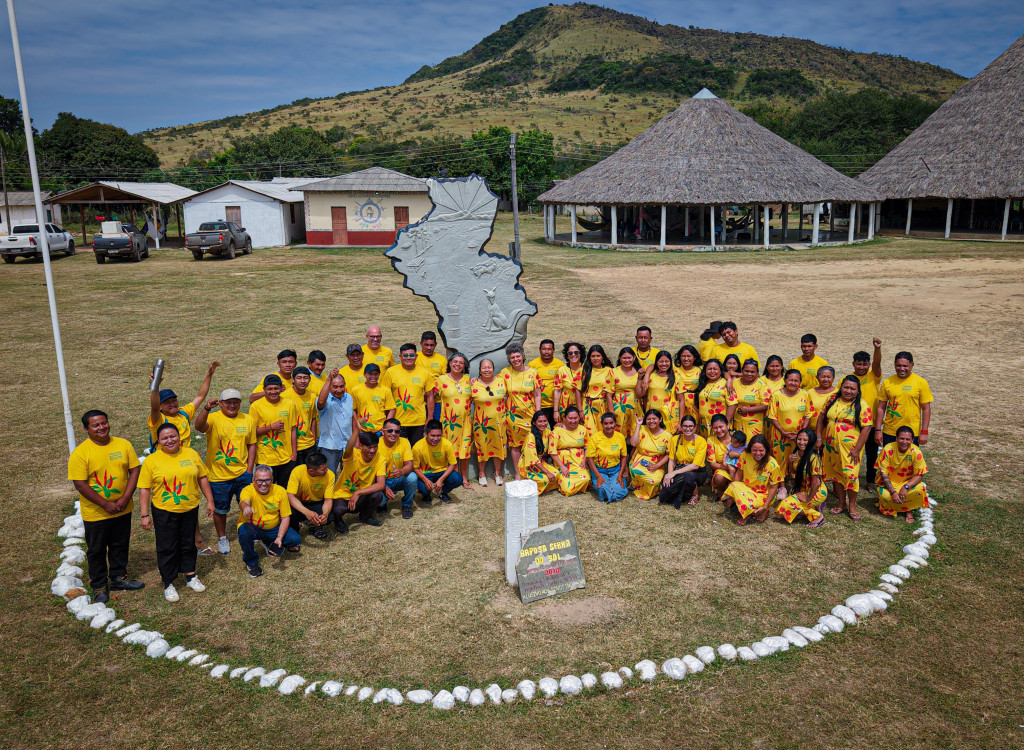
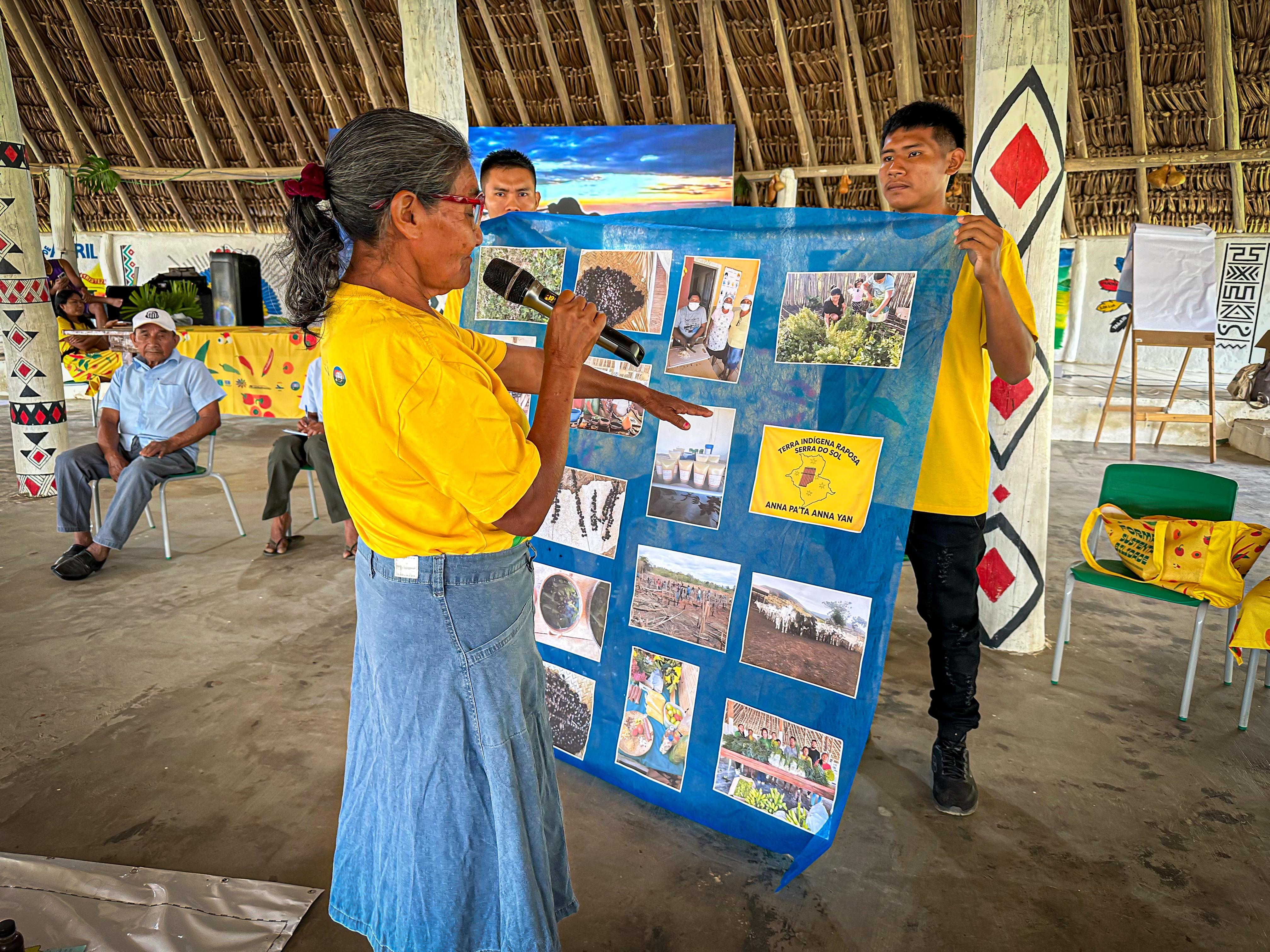
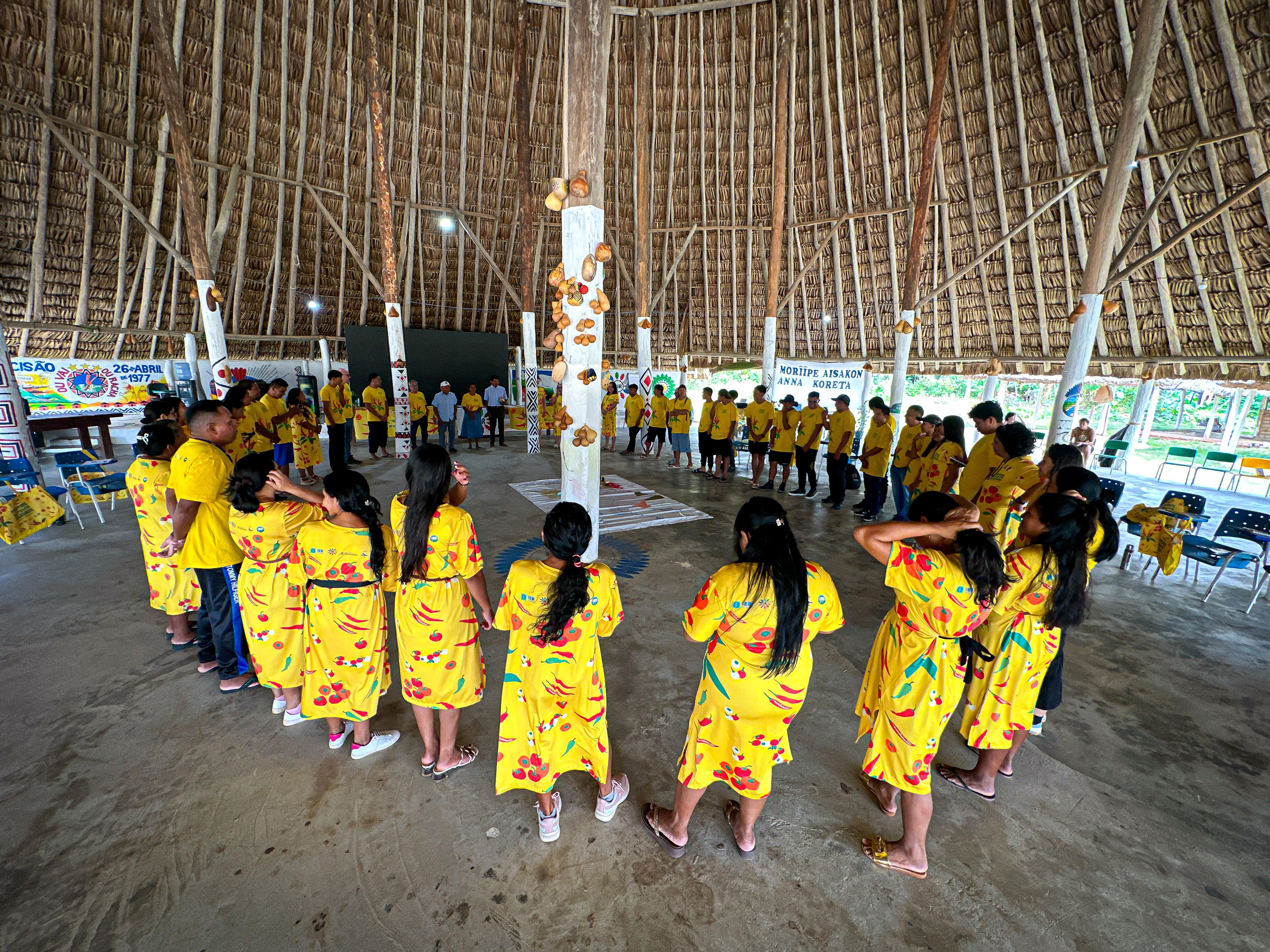
With the participation of approximately 44 people, the first module promoted a leveling of information based on the history and knowledge of the most experienced leaders.
Organized by the Indigenous Council of Roraima (CIR), in partnership with the International Institute of Education of Brazil (IEB), the "Forming Sustainability" course took place from September 14th to 17th, 2026, in the Maturuca Indigenous Community, Raposa Serra do Sol Indigenous Territory. The initiative was aimed at training indigenous leaders, students, and producers on indigenous economies and sustainability in their territories.
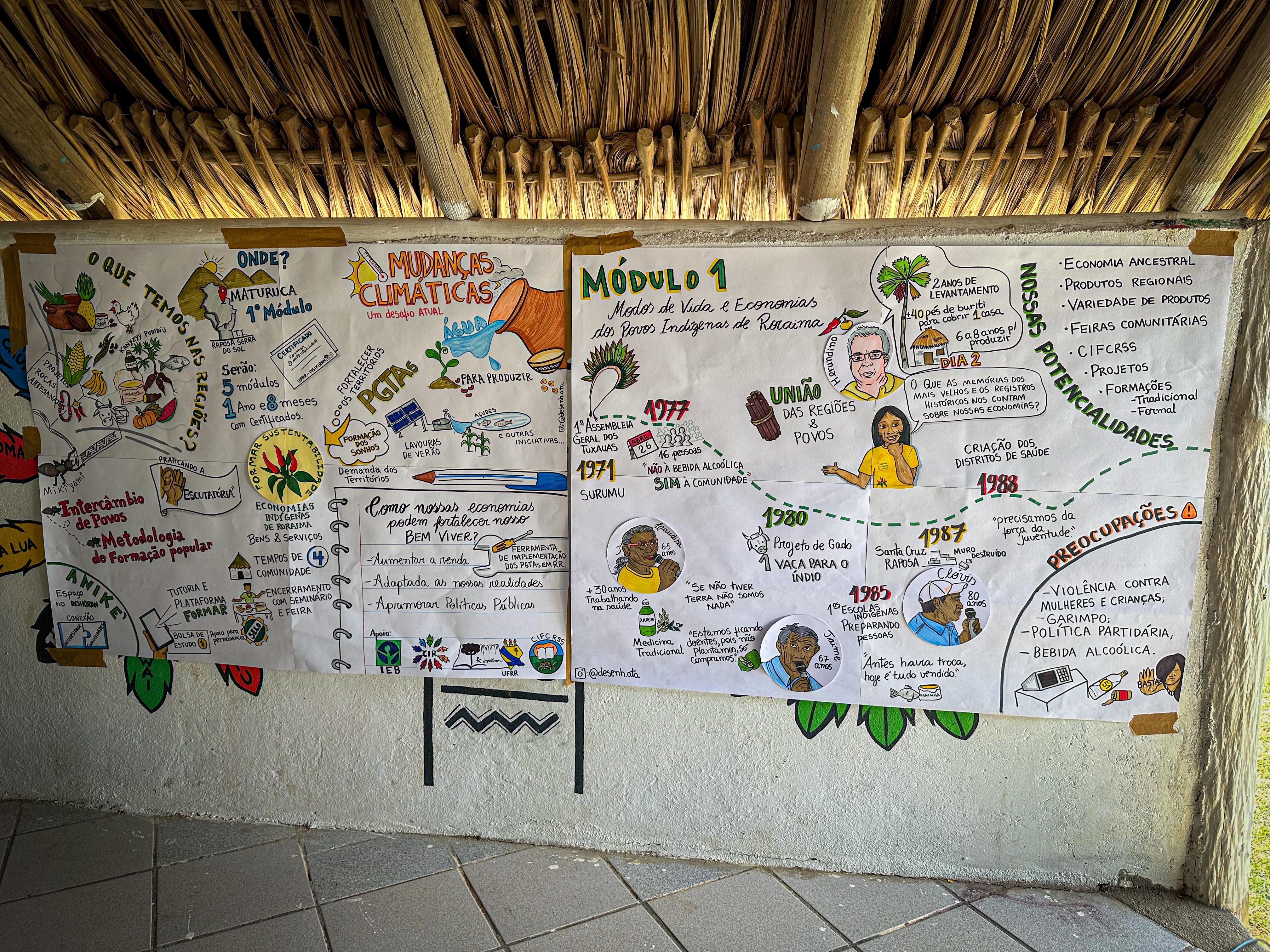
The first module of the training program focused on "Lifestyles and Economies of Indigenous Peoples of Roraima" and brought together participants from different regions, communities, and indigenous lands of the state. The activity included the participation of the Insikiran Institute for Higher Indigenous Education of UFRR and the Raposa Serra do Sol Indigenous Training and Culture Center (CIFCRSS), which are integral to the pedagogical development of the training.
According to Sineia do Vale, coordinator of the Department of Territorial, Environmental and Climate Change Management (DGTAMC) at CIR, the first module aims to promote a leveling of information based on the history and knowledge of the most experienced leaders.
“We are here in the first module of the Formar Sustentabilidade program. We are talking about indigenous economies. This is a project that the Indigenous Council of Roraima, in partnership with IEB, has been planning, structuring, and is now consolidating. In this first module, we are leveling information about Formar Sustentabilidade, about the knowledge of the most experienced leaders. So, this first module brings all this history, which is for us to level this information and now continue with this training for one year and eight months. It is important to say that these are producers from various regions, various communities, various indigenous lands, who are currently making up this group of 44 people who will be doing this work together, because we need to move forward on the issue of indigenous economies,”said Sineia do Vale.
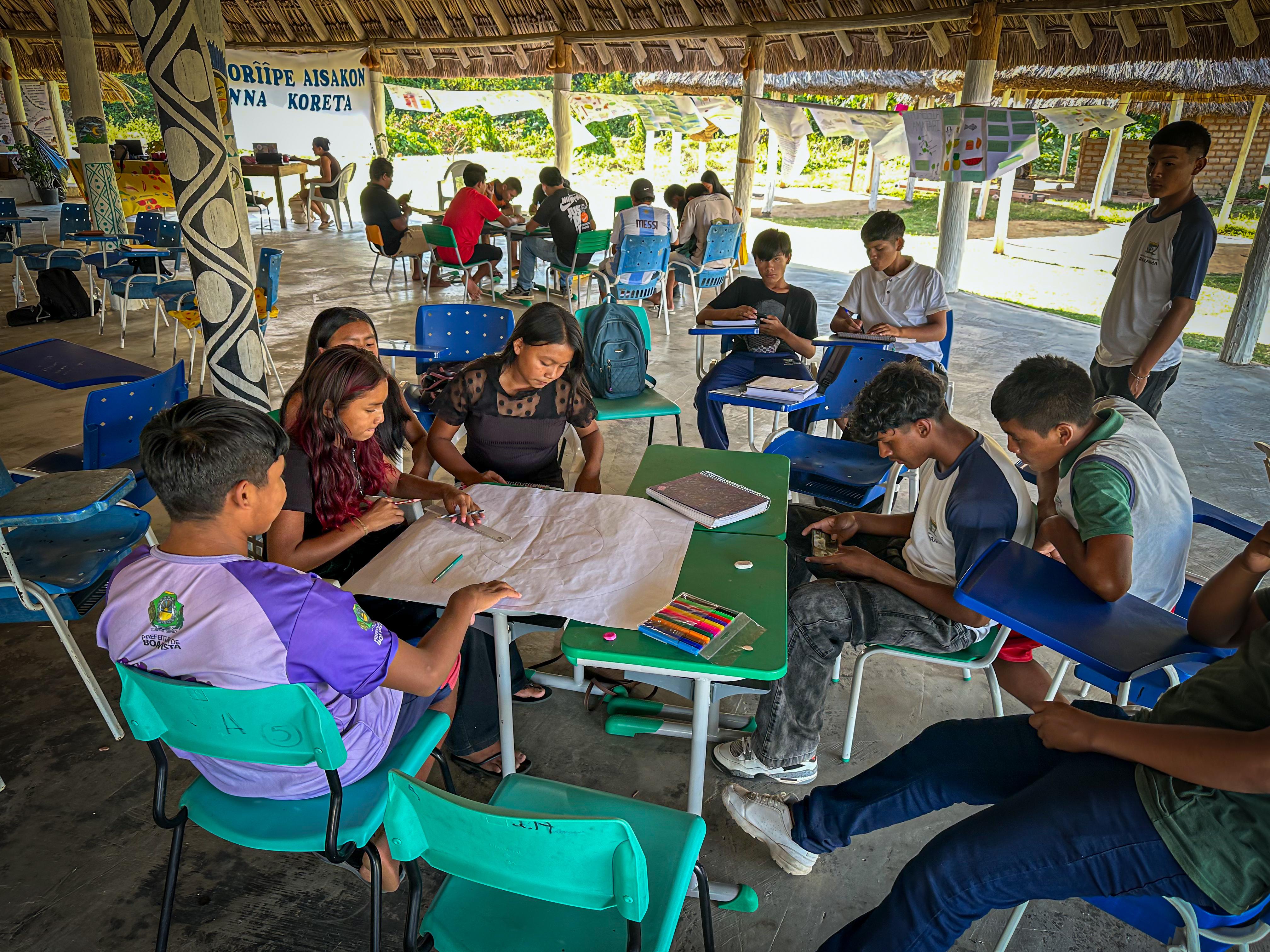
In total, approximately 44 participants are part of the training program, which will last one year and eight months, bringing together students from the Raposa Serra do Sol Indigenous Training and Culture Center, the Insikiran Institute, indigenous producers, and participants linked to the Territorial and Environmental Management Plans (PGTAs), selected through a public notice, who will develop the activities collectively throughout the course.

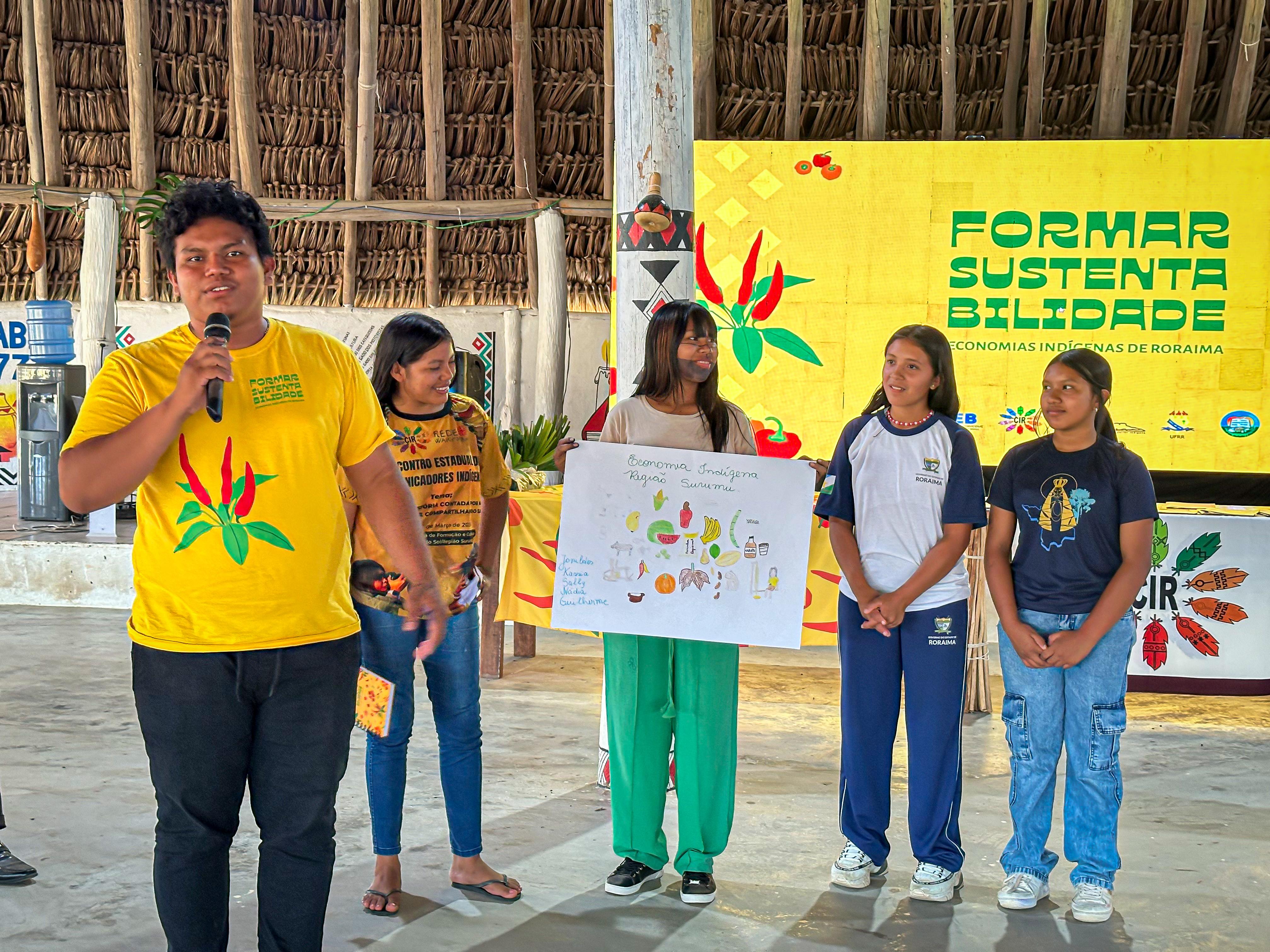
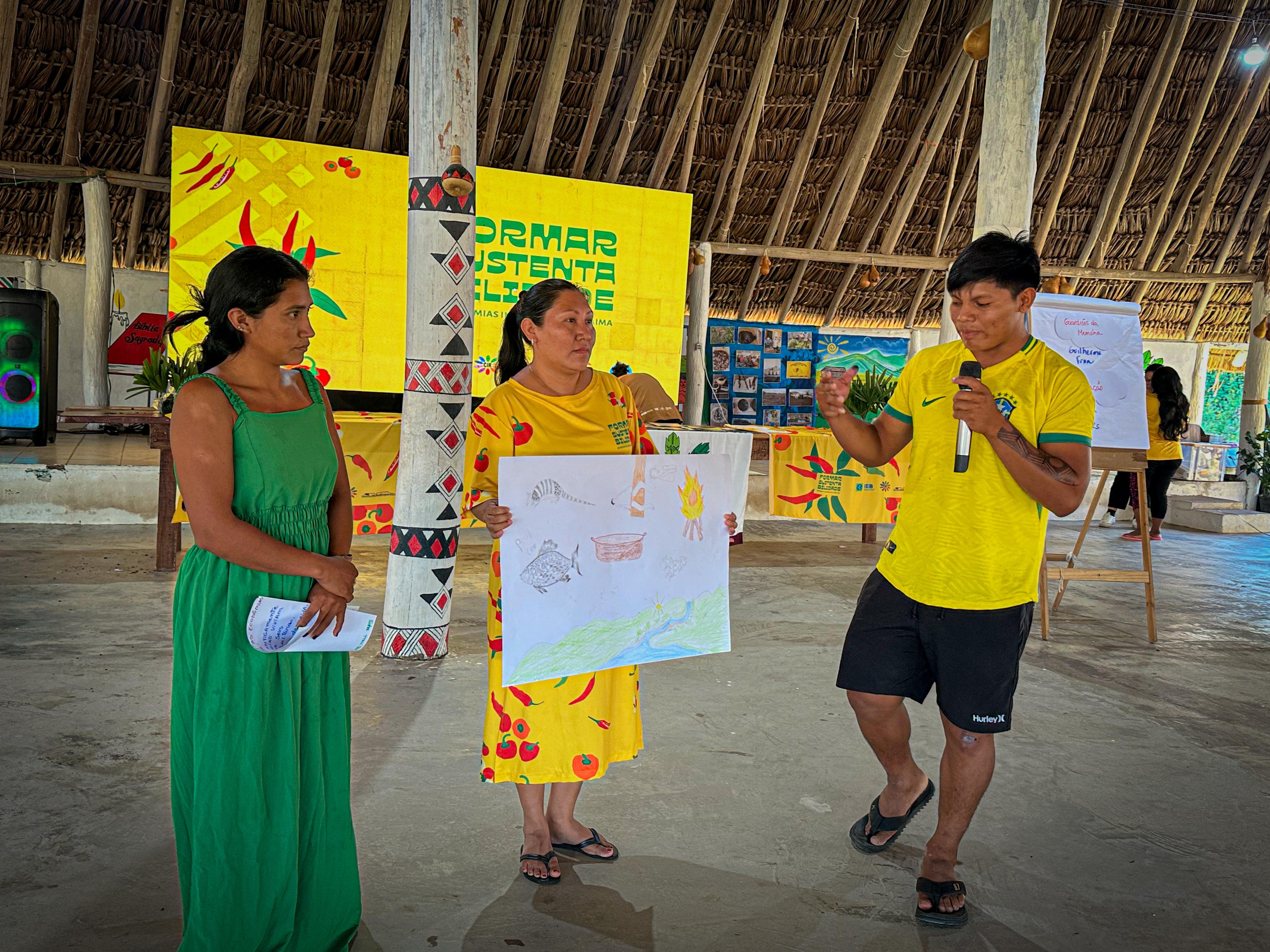
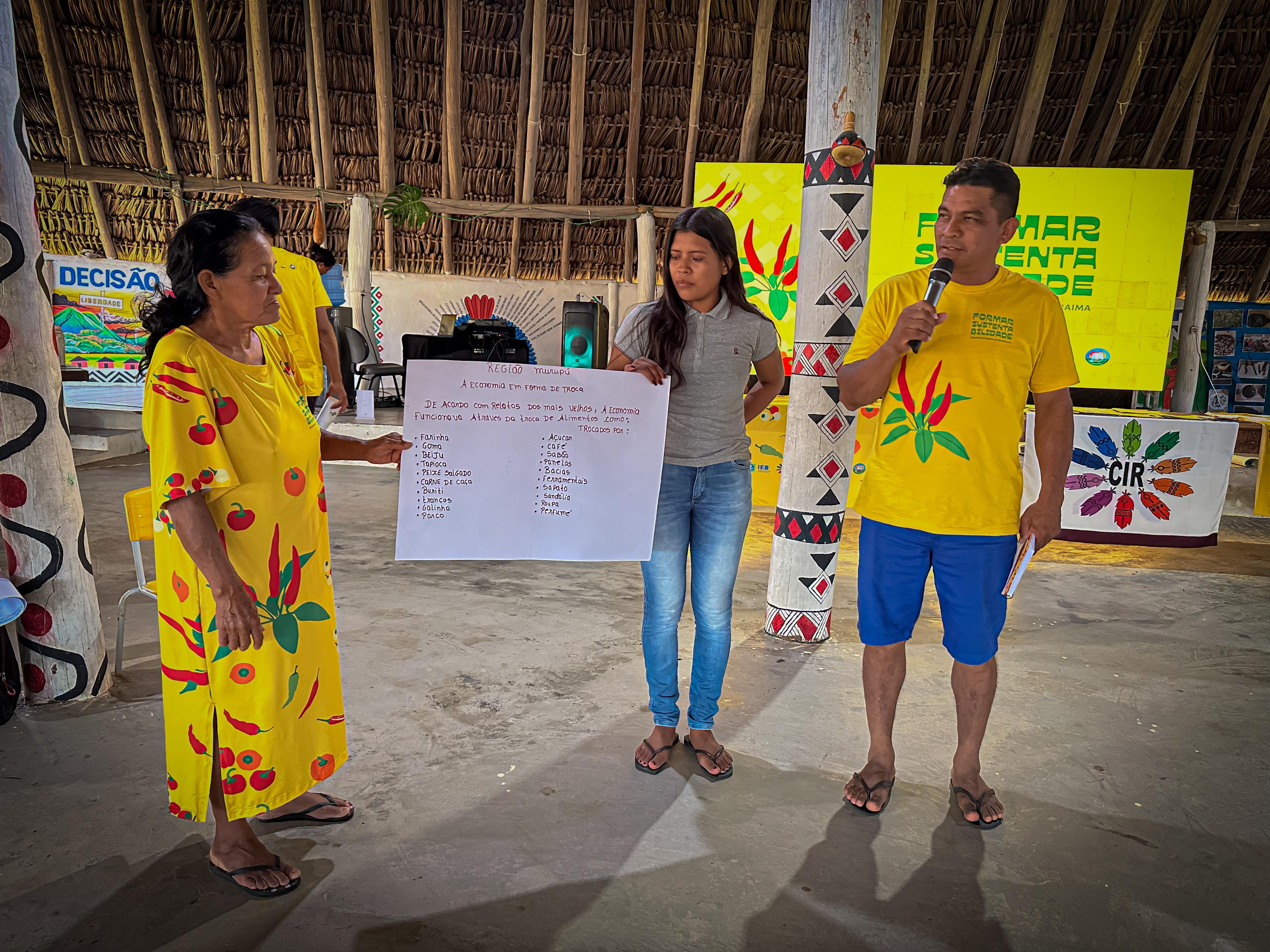
History, ways of life and indigenous economies
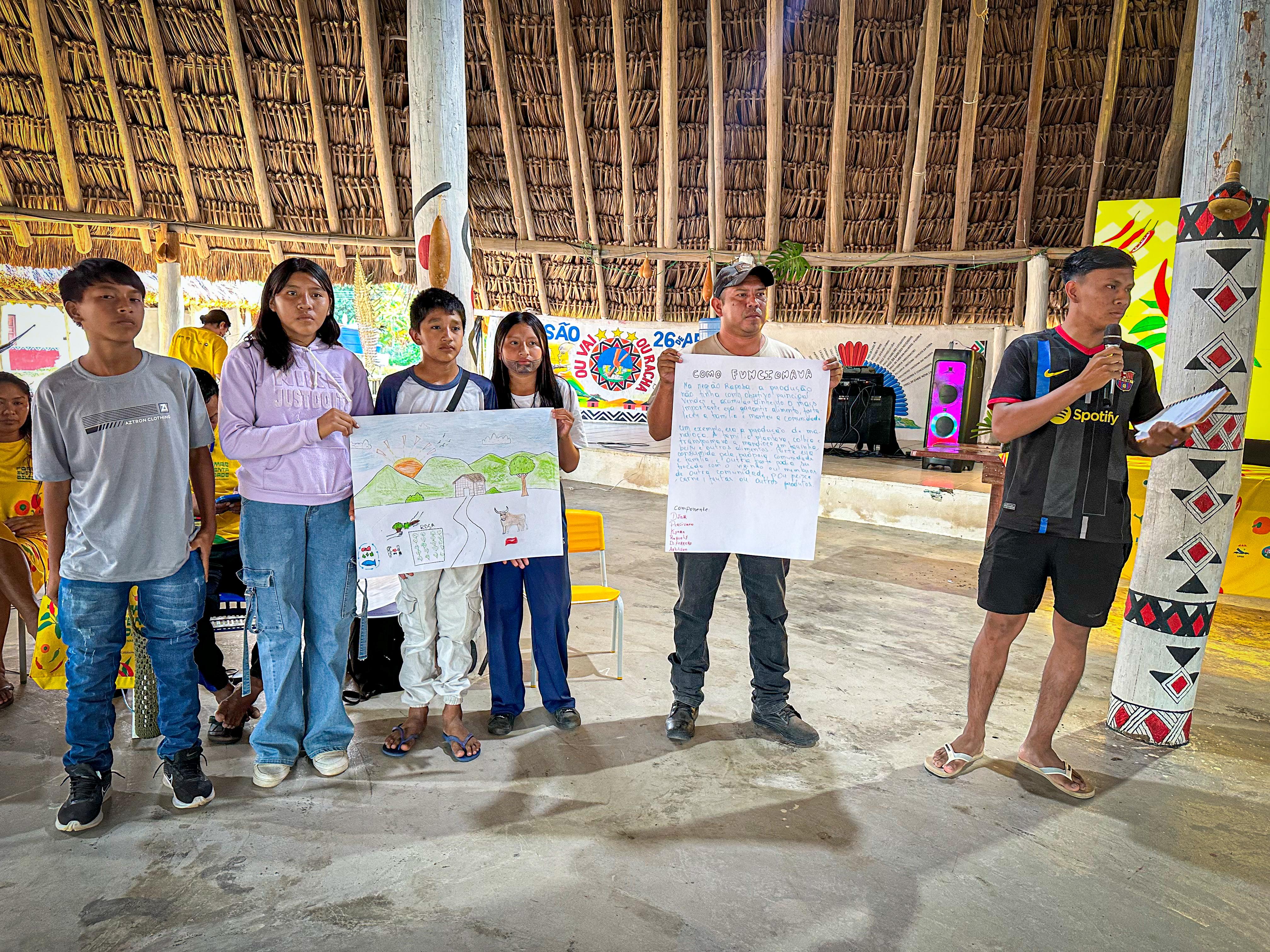
During the activities, participants also discussed the trajectory of indigenous organizations and communities in Roraima, relating historical events to transformations in forms of production and community organization.
Indigenous leader Laudisa André highlighted that the memory of the communities also extends to their forms of production and organization in the face of changes experienced in their territory.
"They were very peaceful, happy, they had their farms, they had everything. I remember that my father was a hard worker, a farmer, who had rice, beans, corn, potatoes, cassava, papaya, sugarcane, bananas, he had everything on his farm,"Laudisa said.
In recalling the process of organizing the community, Laudisa also highlighted the decision made in 1977 to say "no to alcohol and yes to work."
"So, they made the decision. They saw that they were all enslaved, that they were suffering, and they made that decision. They had a one-day meeting and made that decision, saying: yes, work; no, alcoholic beverages. No to alcoholic beverages and yes to work."Laudisa said.
Traditional leader Clovis Ambrósio, from the Malacacheta community in the Serra da Lua region, recalled the process of unification among different indigenous peoples of Roraima and the organization built throughout this journey.

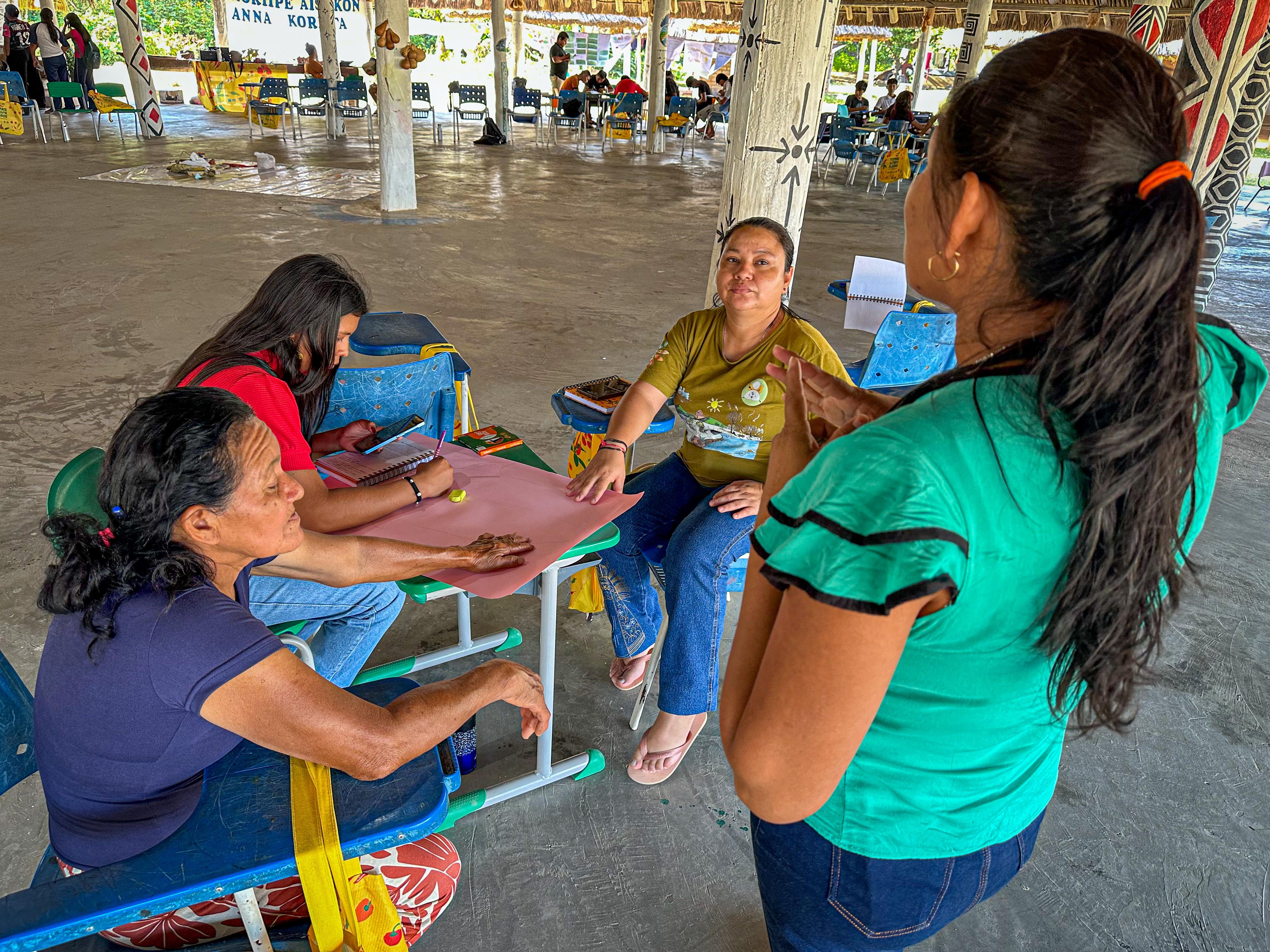
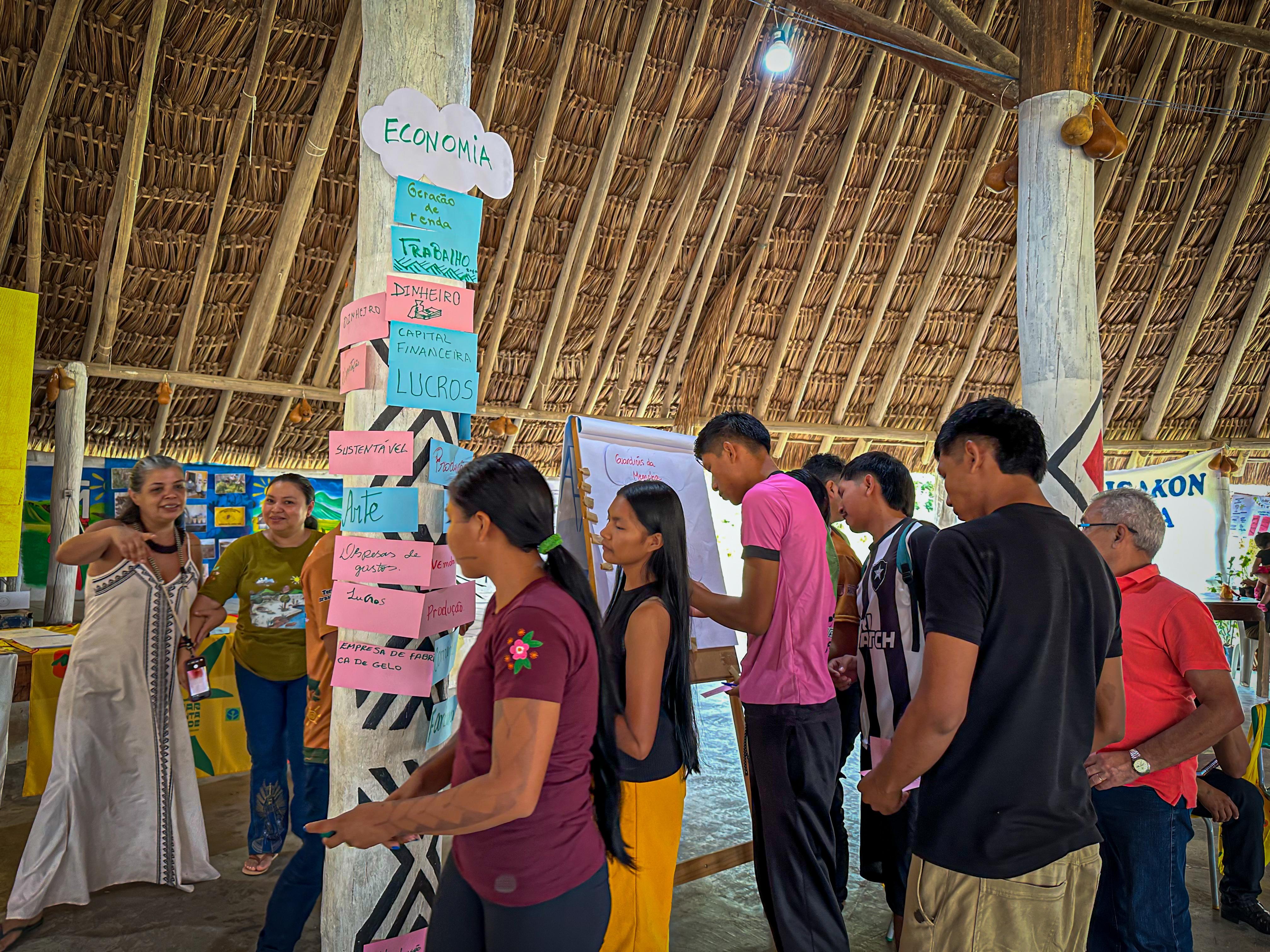
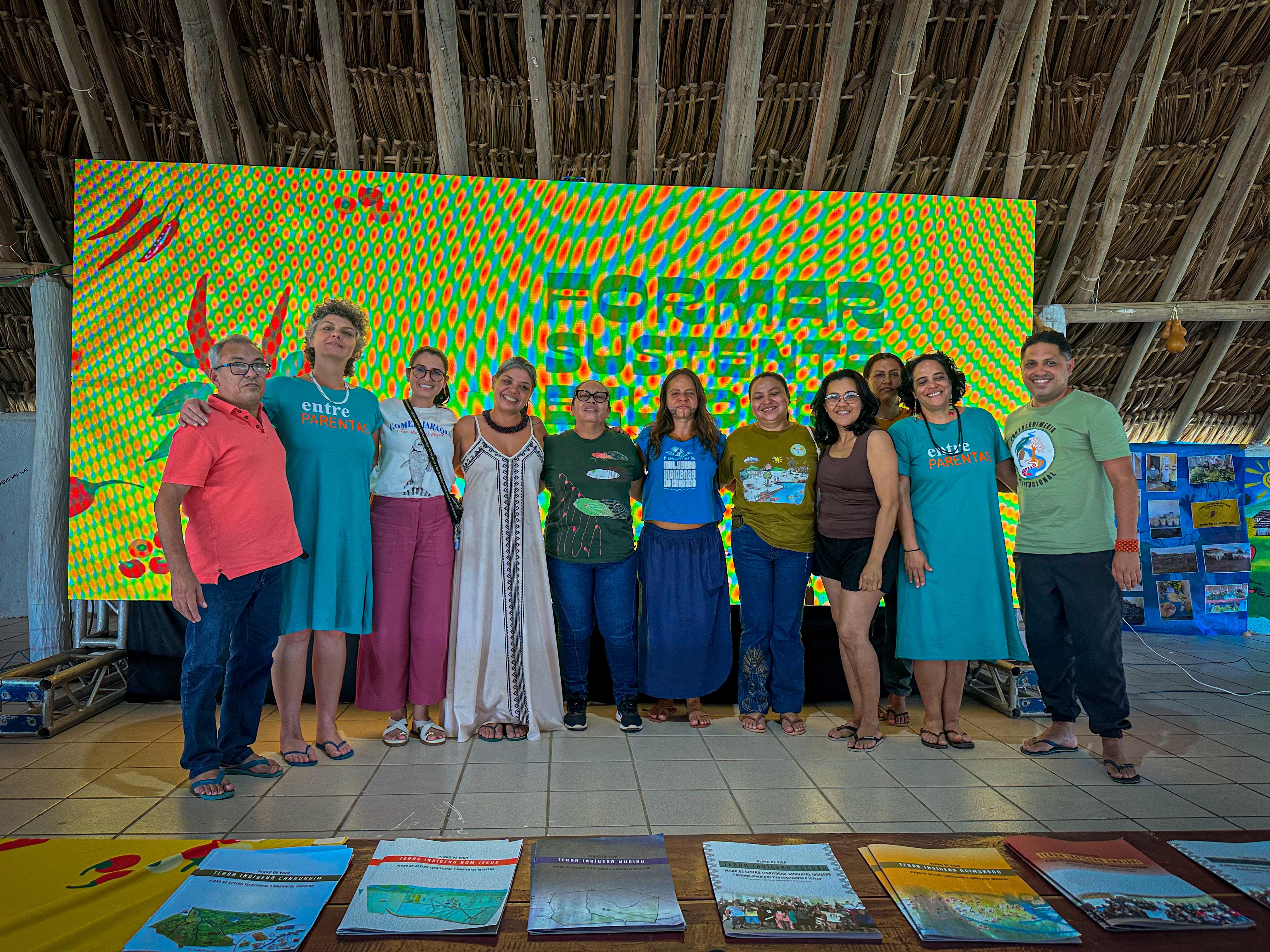
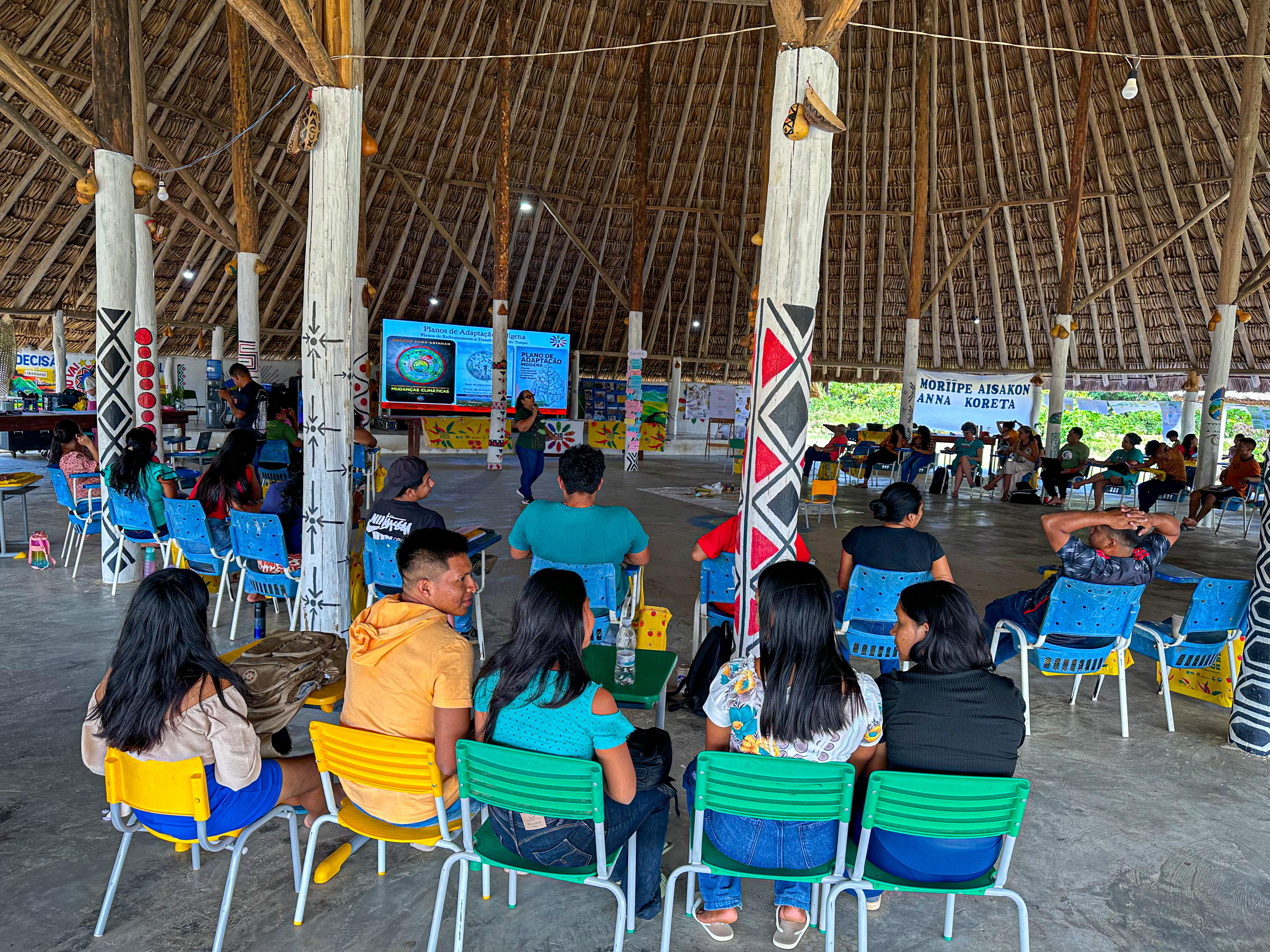
“I just want to remind you of what I told you, that our situation here in Roraima was discussed a lot among us, among the different populations, right? For example, I am Wapichana, they here are Macuxi, there are Taurepang, Ingaricó, Patamona, all these people who are here. So, we united out of a need to strengthen our journey. That was in Surumu.”
Recalling his participation in the indigenous movement, Clovis recounted that he began acting as a tuxaua (chief) in 1974 and remained involved in mobilizations throughout the years.
“So, in ’74 I started participating as a tuxaua. I was elected tuxaua in the community, but I was walking around without actually being a tuxaua. Then I was given the responsibility of being there in Serra da Lua and I came to participate in this movement. And when I joined, I never left until now.”
A history of how things used to be.
The records presented during the training revisited moments such as the 1st General Assembly of the Tuxauas, held in 1971 in Surumu, and the creation of initiatives related to the production and organization of the peoples. Examples include the Cattle Project, initiated in 1980, the creation of indigenous schools and training programs, as well as events related to territorial organization and indigenous health.
The discussions also addressed changes that have occurred in community economies. In the past, production was strongly linked to bartering, ajuri (a form of exchange), shared abundance, and farinhada (a traditional dish-making process). Products such as flour, corn, cassava, and other foods produced in the communities were part of these exchange relationships. Over time, production also began to be commercialized within the communities and regions themselves, while the presence of salaried workers, retirees, and the use of money increased, including new forms of payment such as Pix (Brazil's instant payment system).

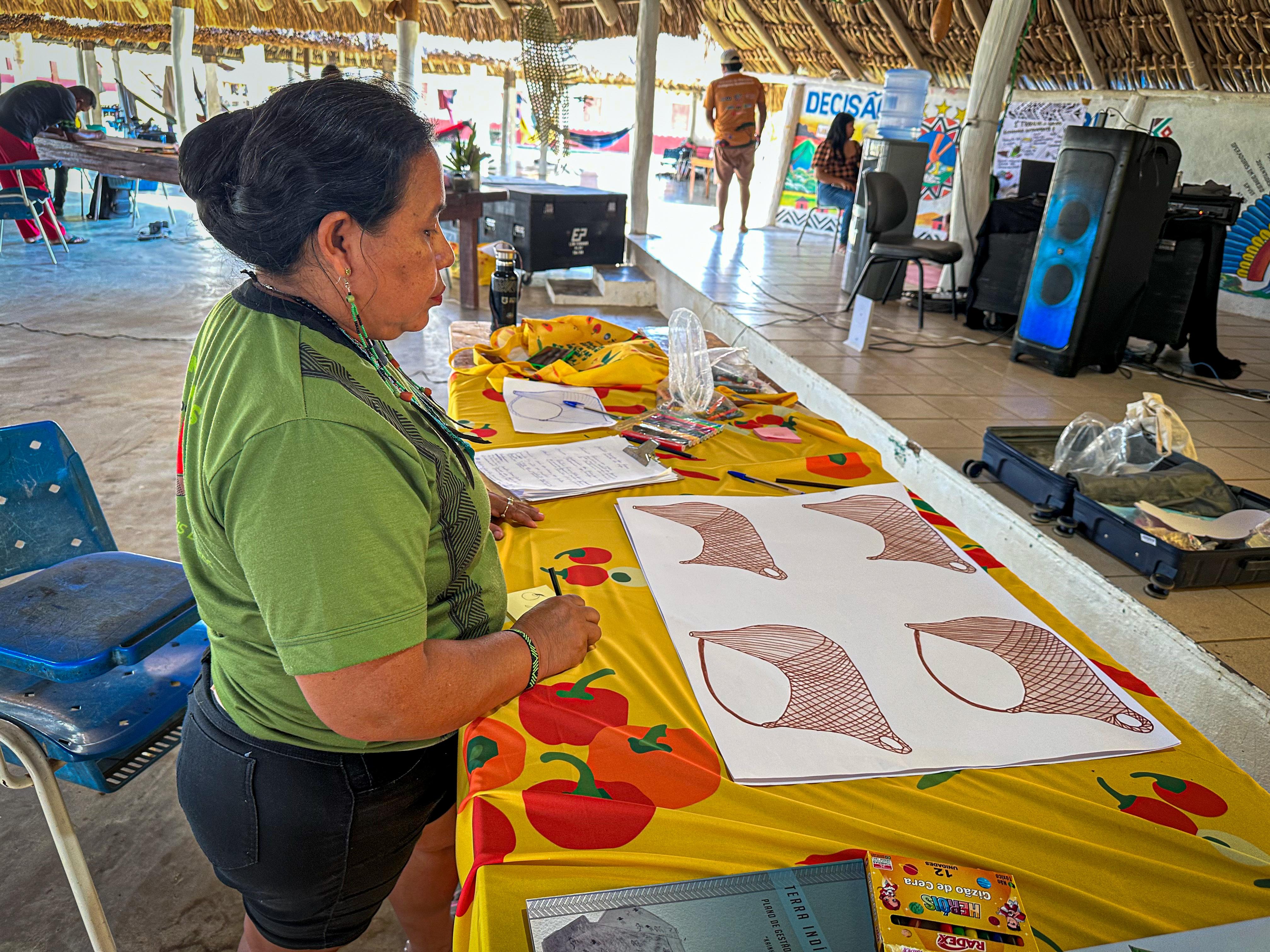
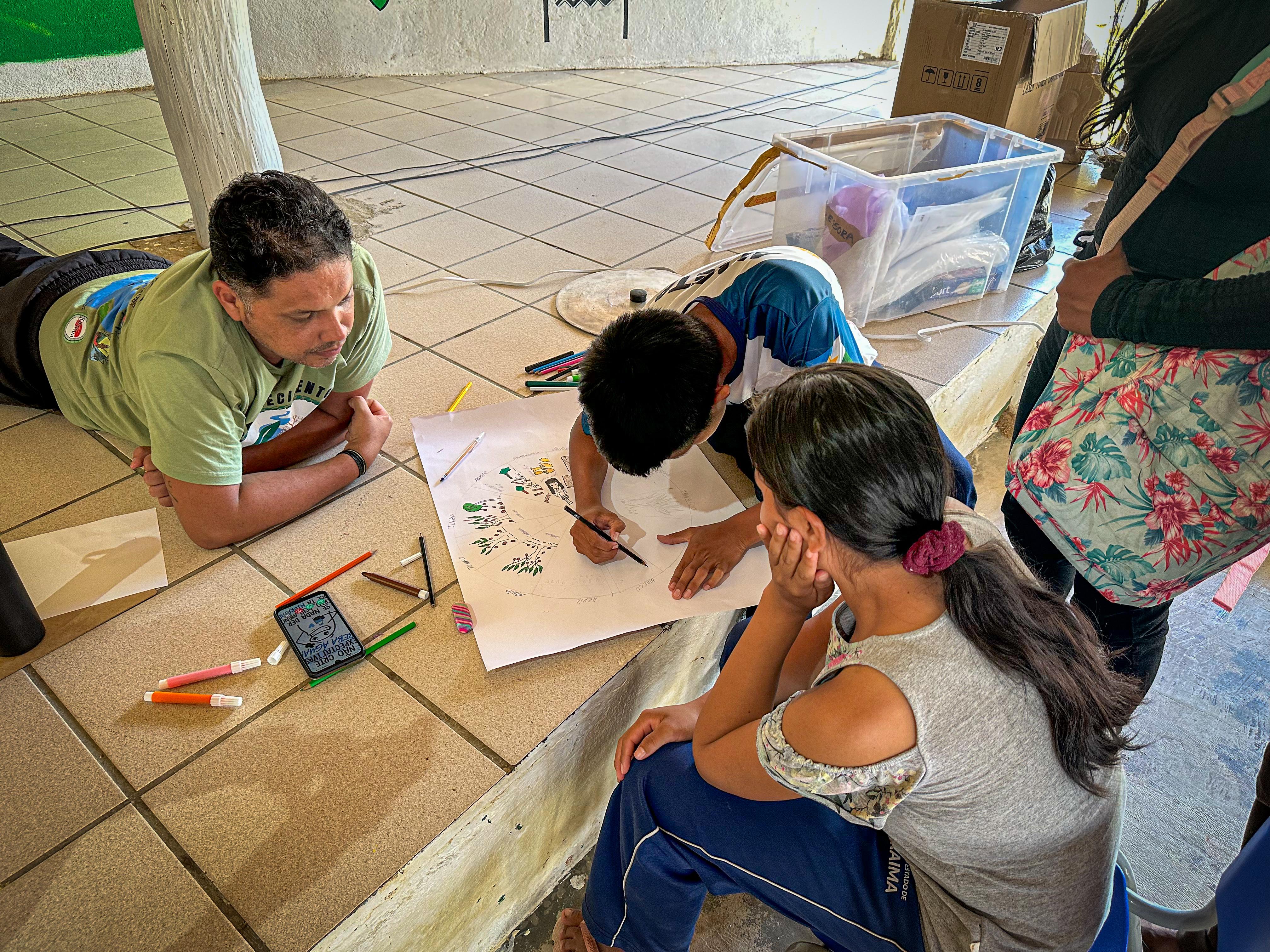
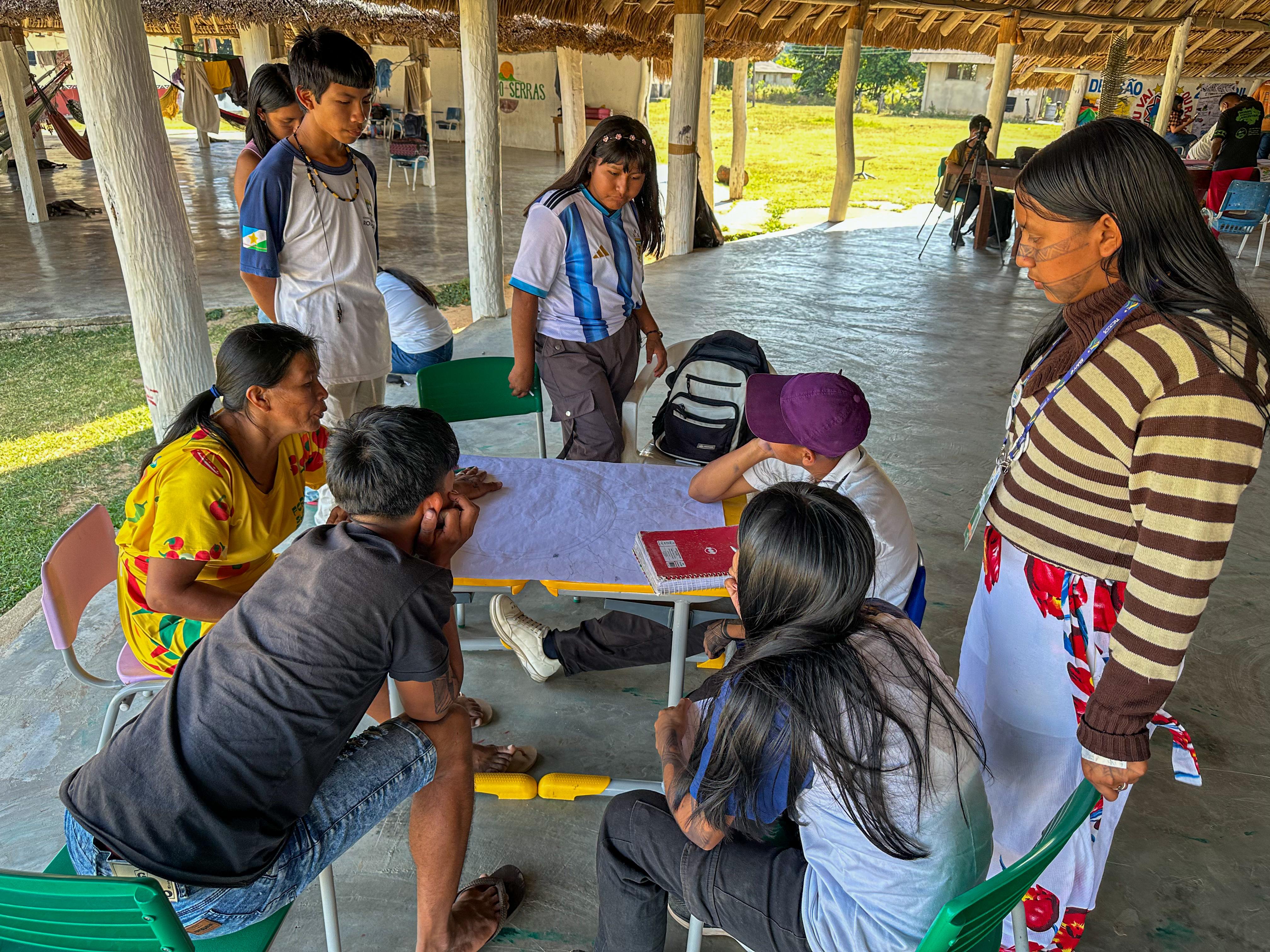
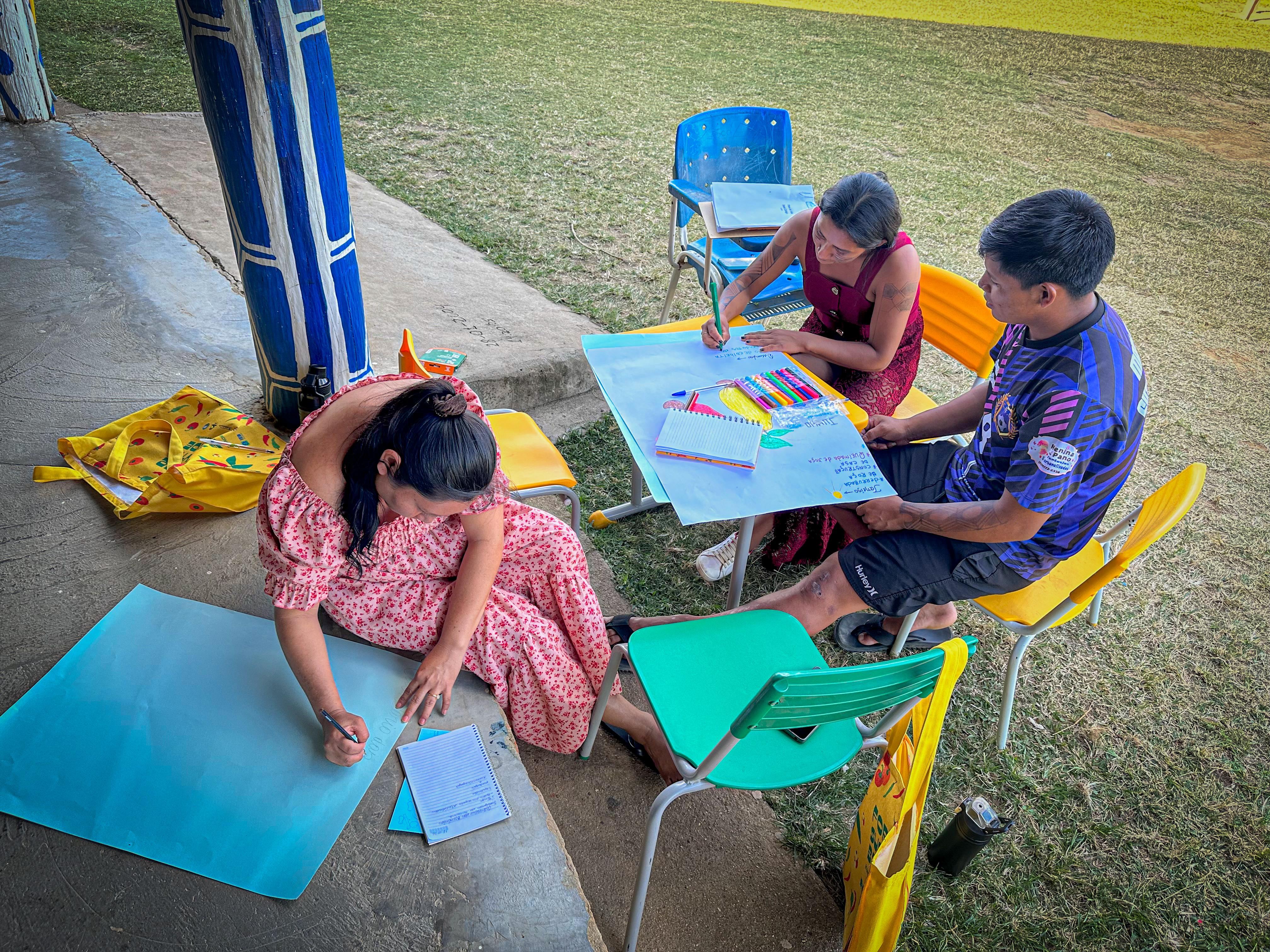
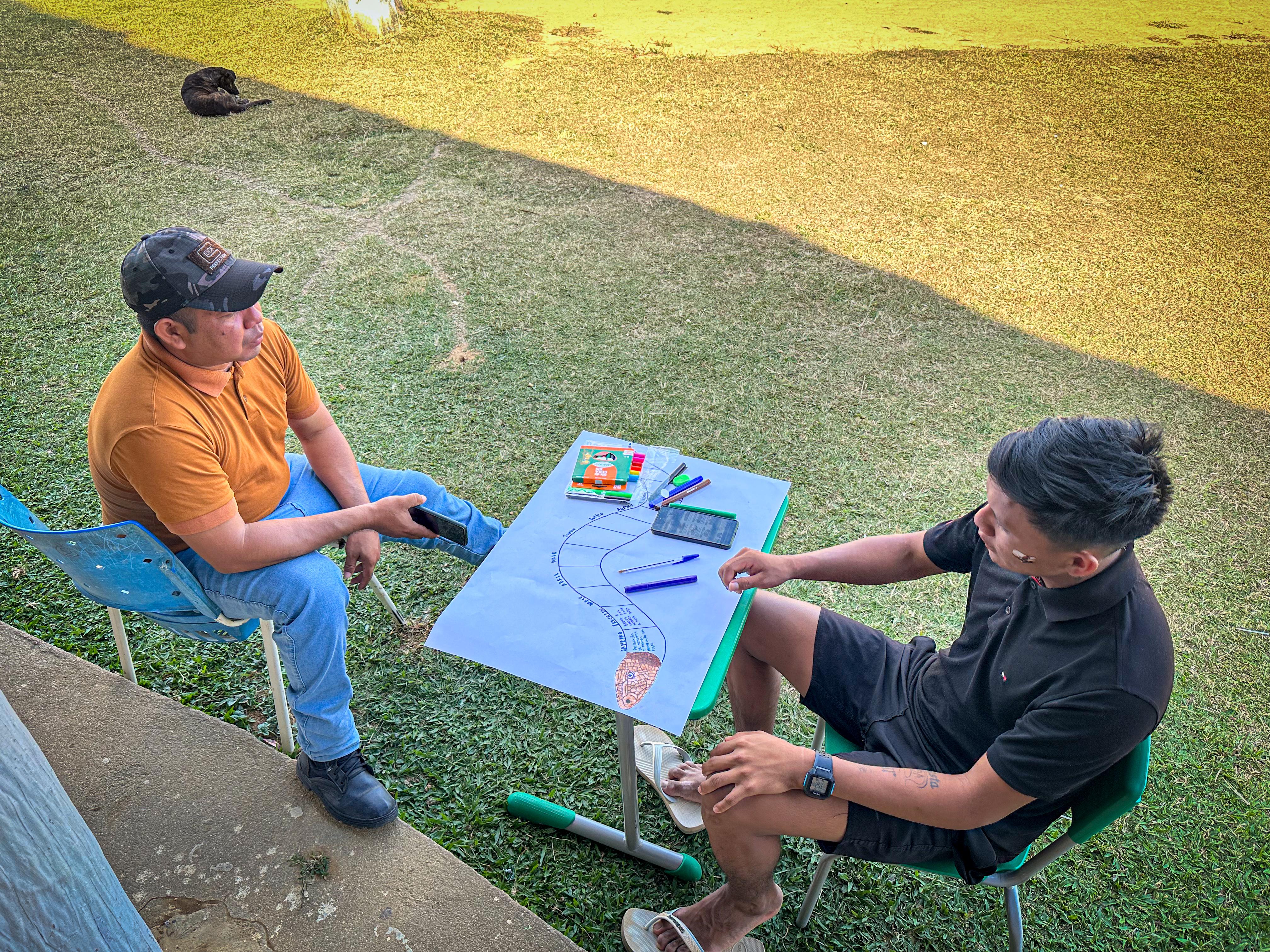
In this context, participants reflected on the relationship between the traditional economy and the current economy, observing changes in the production, consumption, and circulation of goods. The impacts of purchasing processed foods and the need to strengthen production within local territories were also discussed.
Strengthening indigenous economies
The training program draws on existing production experiences in indigenous territories and seeks to discuss ways to strengthen these activities, considering both domestic and international markets.
Among the products produced in the communities are coffee, pepper, flour, meat, and others. During the training process, issues related to the arrival of these products in markets and certification processes were discussed.
The content covered highlights the potential of indigenous economies through regional products, community fairs, projects, traditional and formal education, and initiatives developed by CIFCRSS. The aim is to observe how these experiences can contribute to income generation and the continuity of economic practices built in the territories.

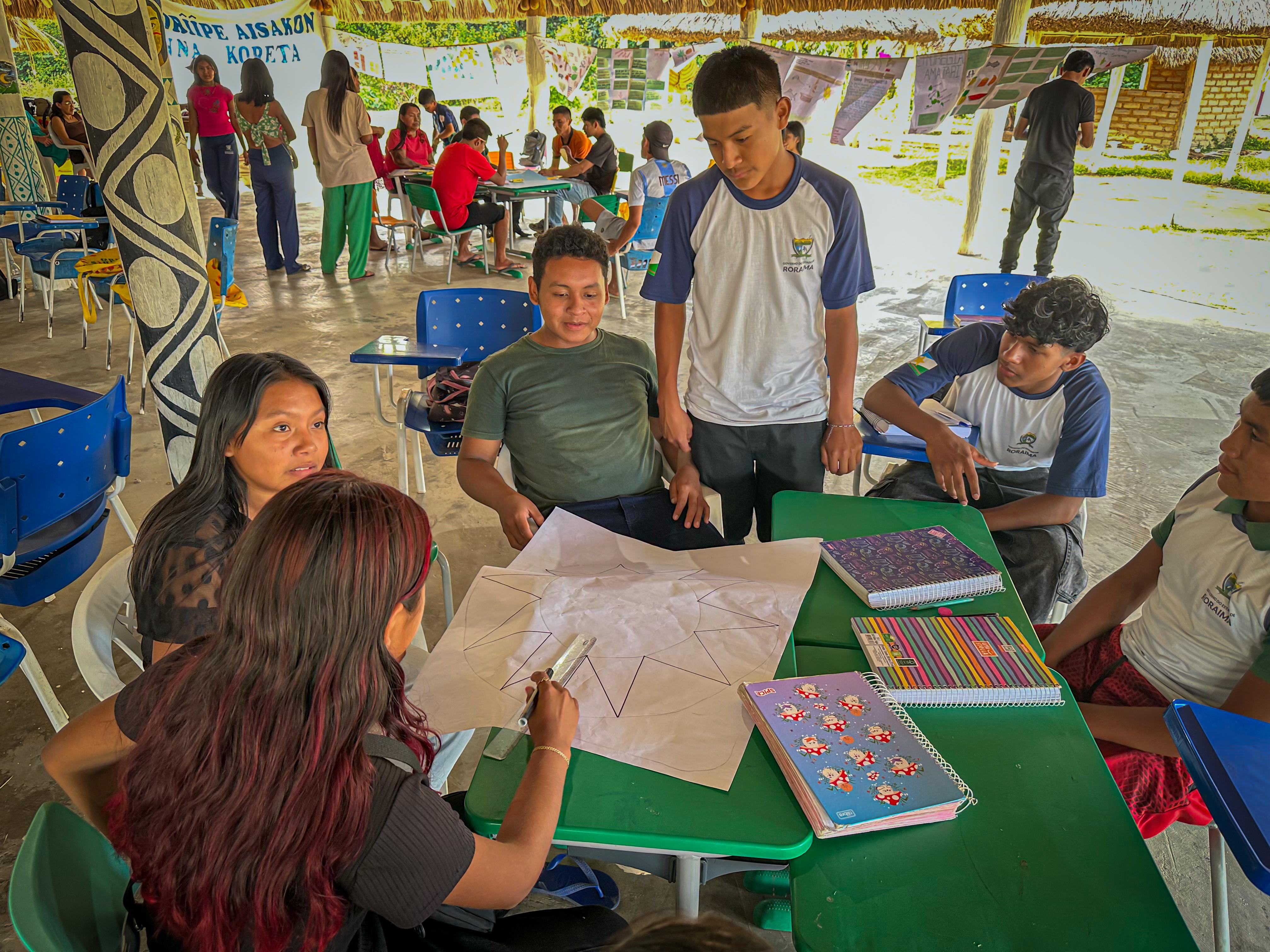
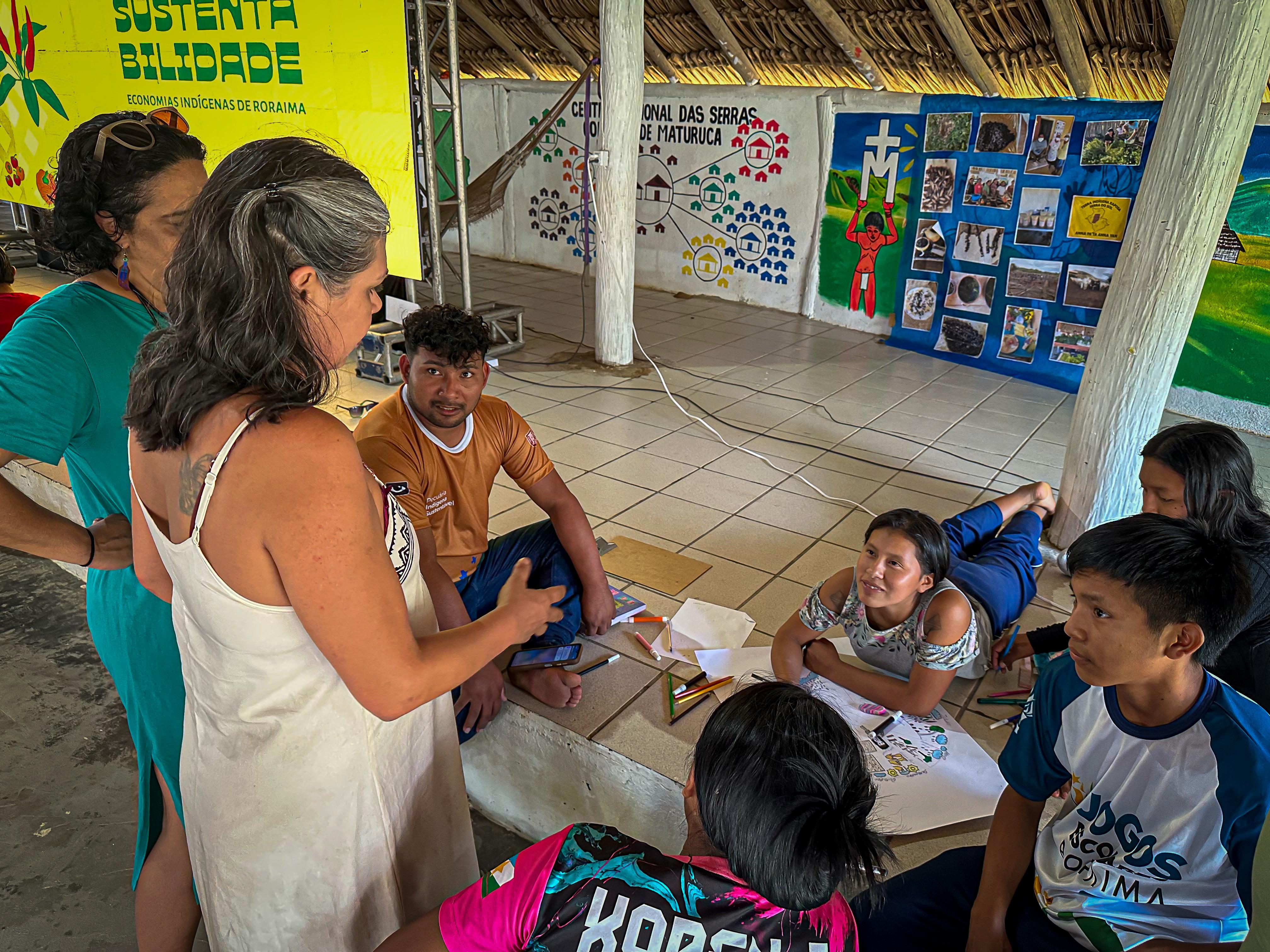
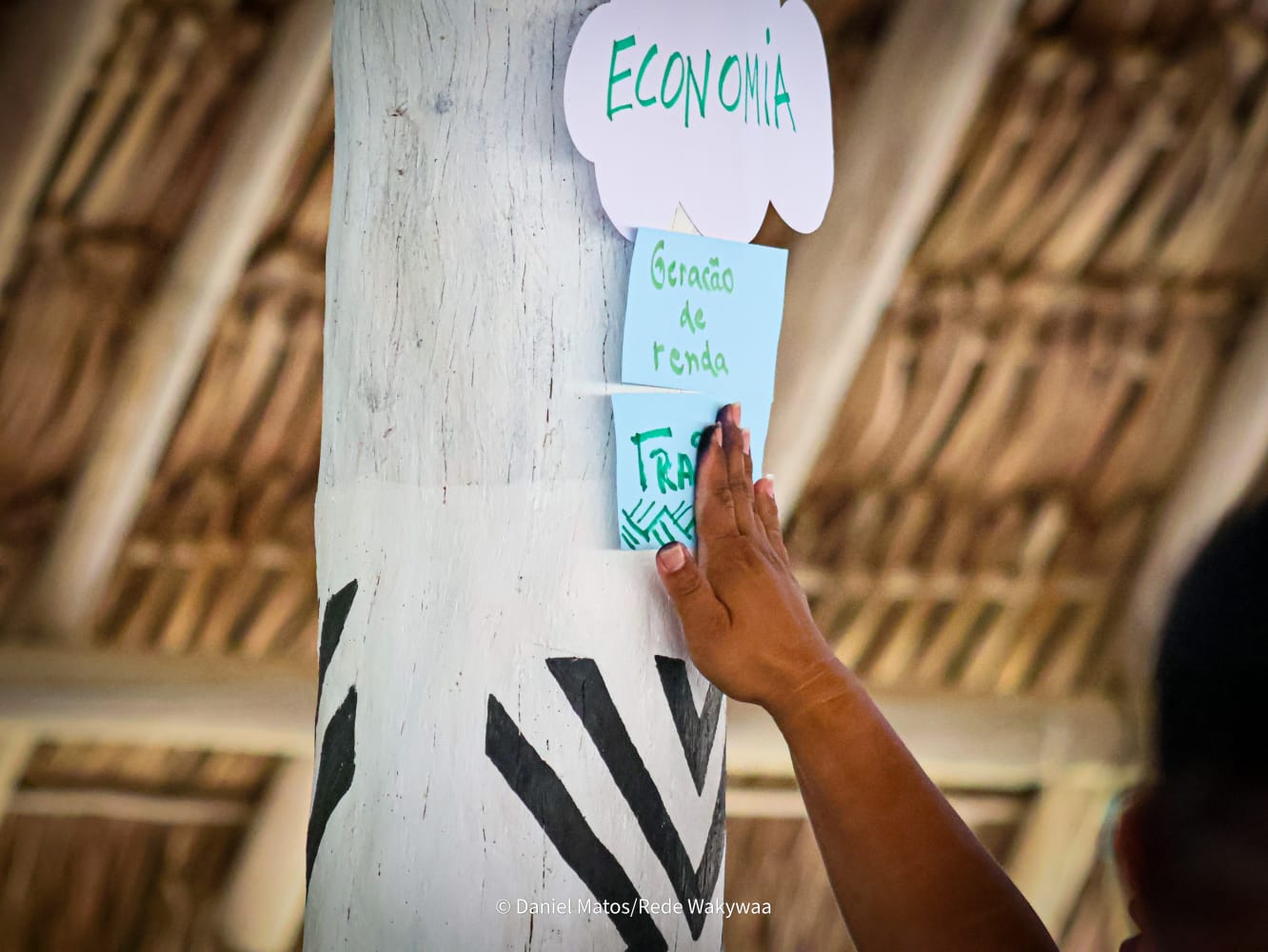
For Sineia do Vale, the proposal is to build this knowledge collaboratively, considering the experiences of the indigenous peoples themselves and the different realities that exist in their territories.
Territorial and Environmental Management Plans
Another topic discussed during the training was the experience of Territorial and Environmental Management Plans (PGTAs) and their relationship with communities.
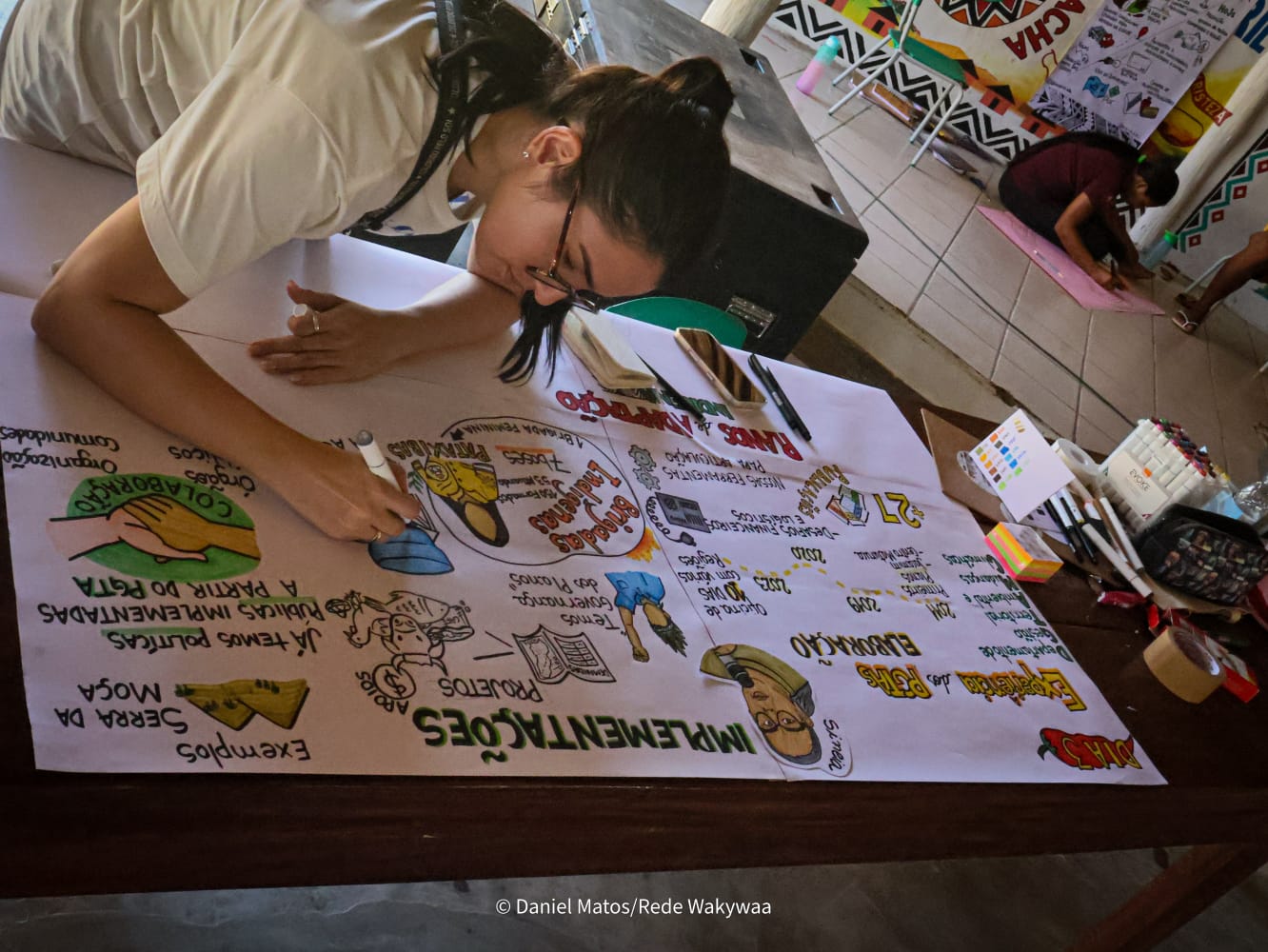
The activities of the Department of Territorial, Environmental and Climate Change Management highlighted experiences in developing the first plans, including initiatives registered since 2011, as well as processes developed in 2019, 2020 and 2023. Experiences from workshops held in different regions and the tools produced for community engagement were also presented.
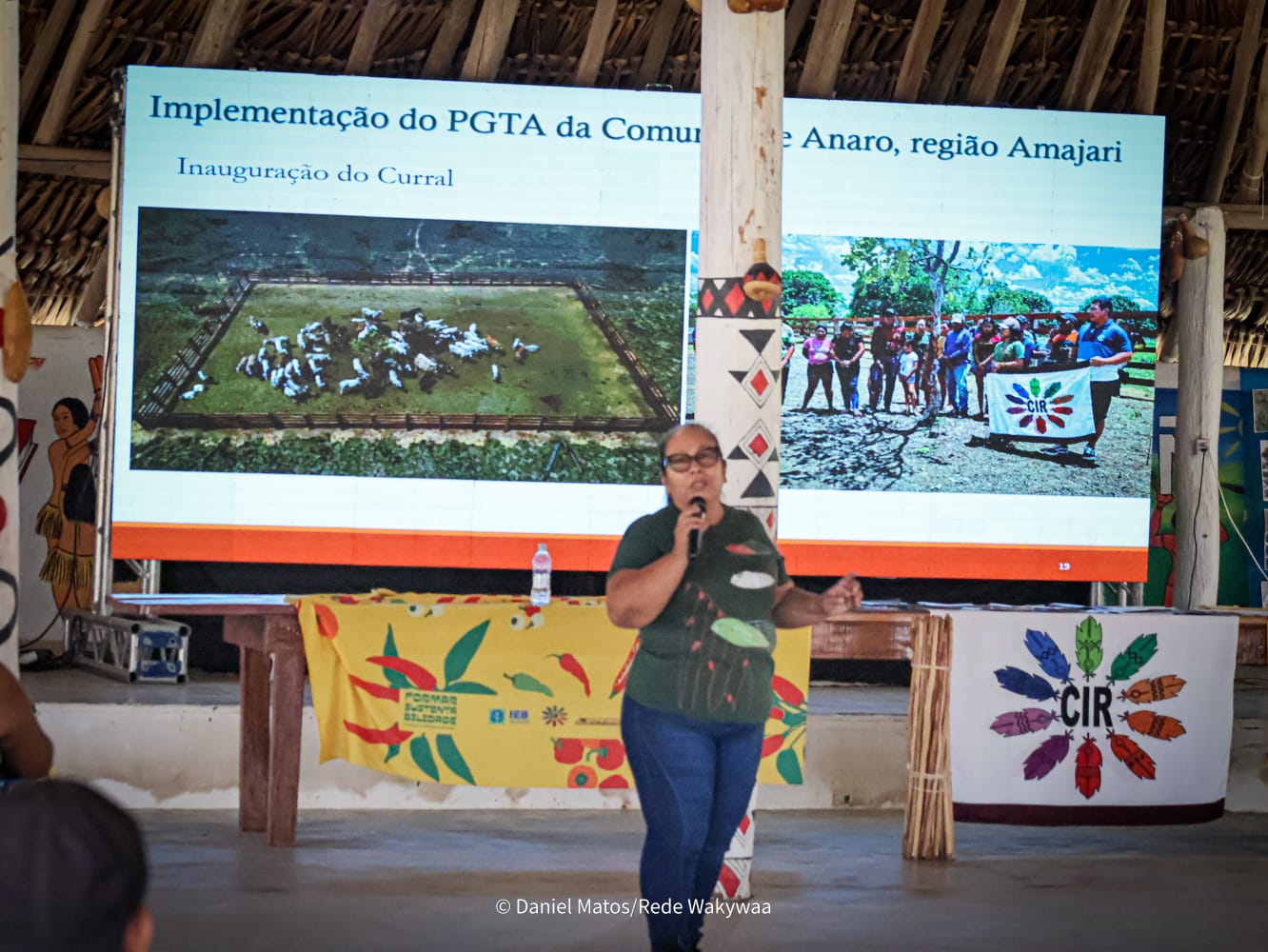
Participants also learned about experiences in implementing the plans, involving governance, projects, access to water, interaction with public agencies, collaboration between communities, and public policies built from the PGTAs (Territorial and Environmental Management Plans).
The training also presented the 27 Territorial Management Plans (PGTAs) mentioned during the activities, relating these instruments to the strategies for organizing, managing, and planning the territories.
Adaptation to climate change and loss and damage mechanisms
The discussions progressed to Indigenous Adaptation Plans, built from the realities of the territories. Among the examples presented are experiences developed in Serra da Lua and the Raposa Serra do Sol Indigenous Land, including the Amajari region.

Participants also discussed the impacts of climate change and so-called loss-damage mechanisms, considering climate emergencies and their effects on communities, production, and territory.
The course connects these experiences to the need for planning carried out by the indigenous peoples themselves, taking into account the changes that occur over time and the strategies adopted by the communities.
Experiences were also shared regarding public policies already implemented based on the PGTAs (Territorial and Environmental Management Plans) and initiatives developed in partnership with communities.
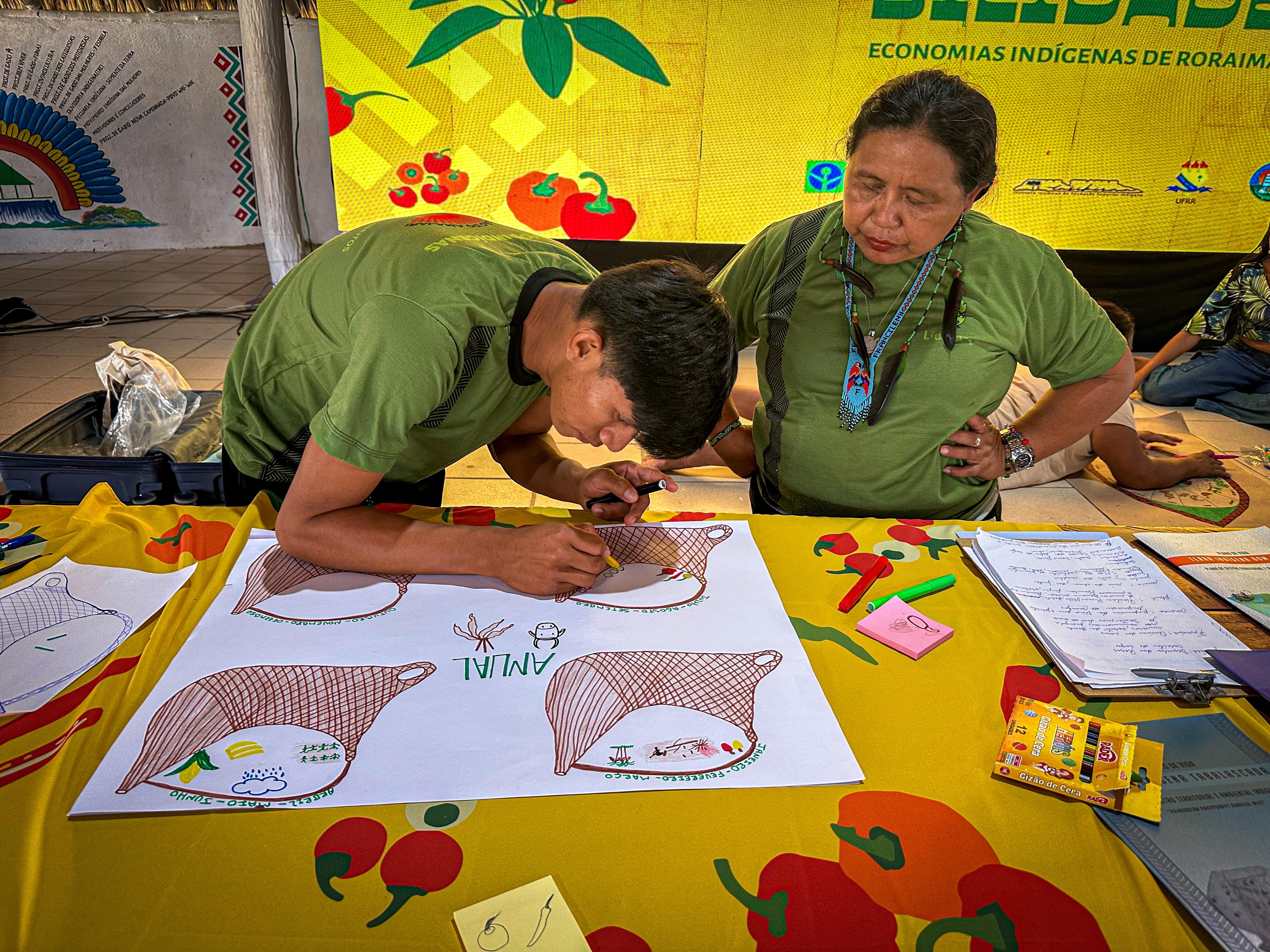
The course also includes practical activities in which participants will observe how economic activities take place throughout the year and how production cycles are related to the reality of each community.
Formation built from the territories
The course established a link between indigenous economies, territorial management, and the challenges posed by climate change. The first module highlights the 27 Territorial and Environmental Management Plans (PGTAs) mentioned in the activity, along with indigenous adaptation plans.
The discussion considers the effects of climate change on the social and cultural life of communities, economic activities, and indigenous territories. In this way, the sustainability of indigenous economies is addressed in conjunction with management and adaptation strategies developed within the territories themselves.
In addition to in-person activities, participants will have periods of community time when they will develop activities directly in the communities. The proposal allows them to connect the content covered during the training with the experiences and practices existing in the territories.

Calendars of indigenous economies
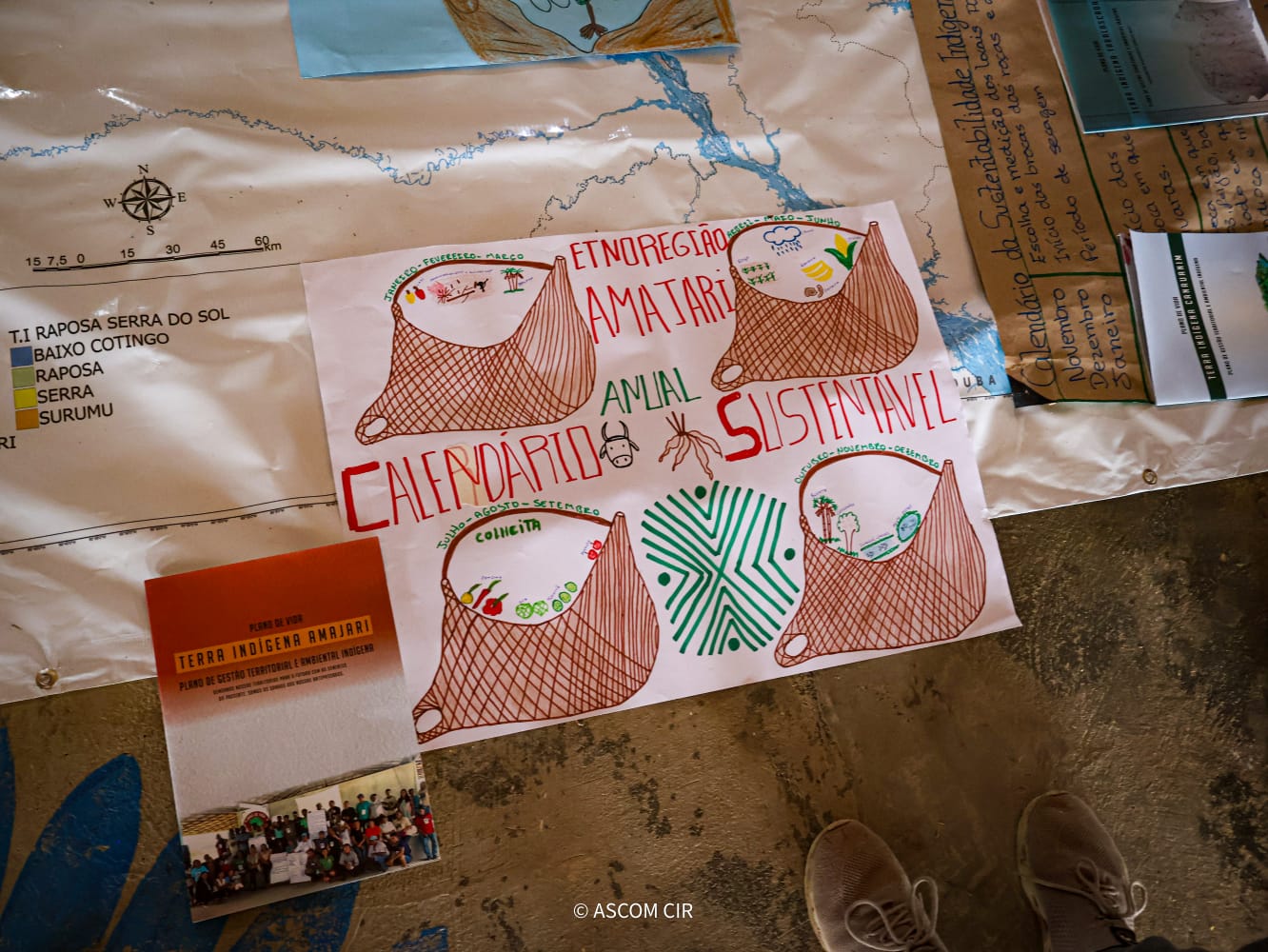
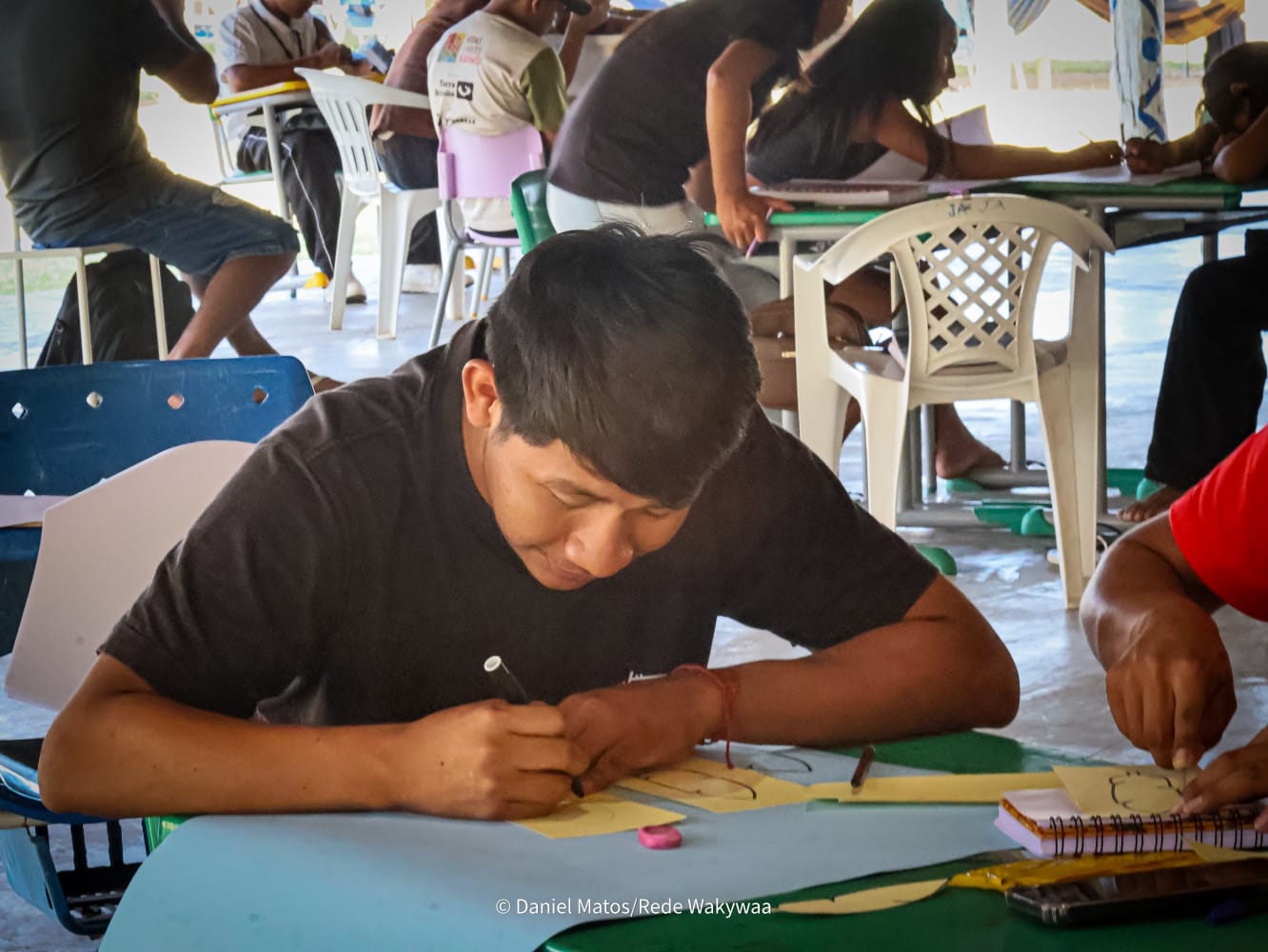
As part of the collective activities, participants were also invited to reflect on the calendars of indigenous economies, identifying when and how different economic activities take place throughout the year.
The proposal considers production cycles, community practices, and the changes that affect these activities. The exercise seeks to relate the knowledge discussed in the course to the daily lives of the communities and to the different forms of economic organization that exist in the territories.
Exchange of experiences between peoples and states
During the first module, the representative who works with the indigenous peoples of southern Amazonas followed the experience developed in Roraima, seeking to understand the methodologies used in the training and the possibilities of application in other contexts.
The initiative therefore brought together different experiences related to production, territorial management, sustainability, and indigenous knowledge. The training contributes to strengthening indigenous economies based on the realities experienced by the communities.
The process involves the participation of partners who are part of the pedagogical committee and collaborate in the training, including the Indigenous Council of Roraima (CIR), the International Institute of Education of Brazil (IEB), teachers from the Insikiran Institute, and the Raposa Serra do Sol Indigenous Training and Culture Center, a training space for indigenous peoples within the scope of the Indigenous Council of Roraima.