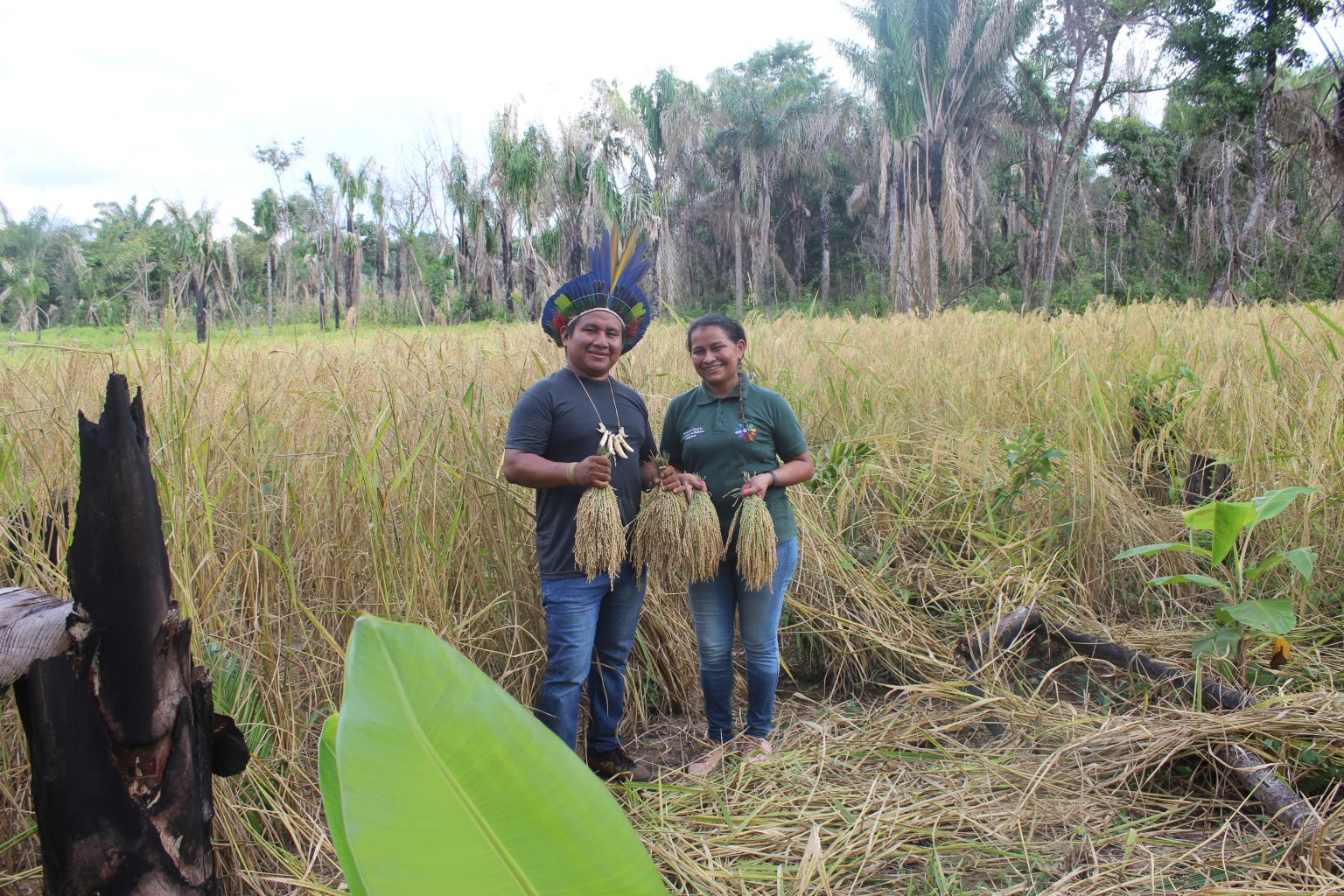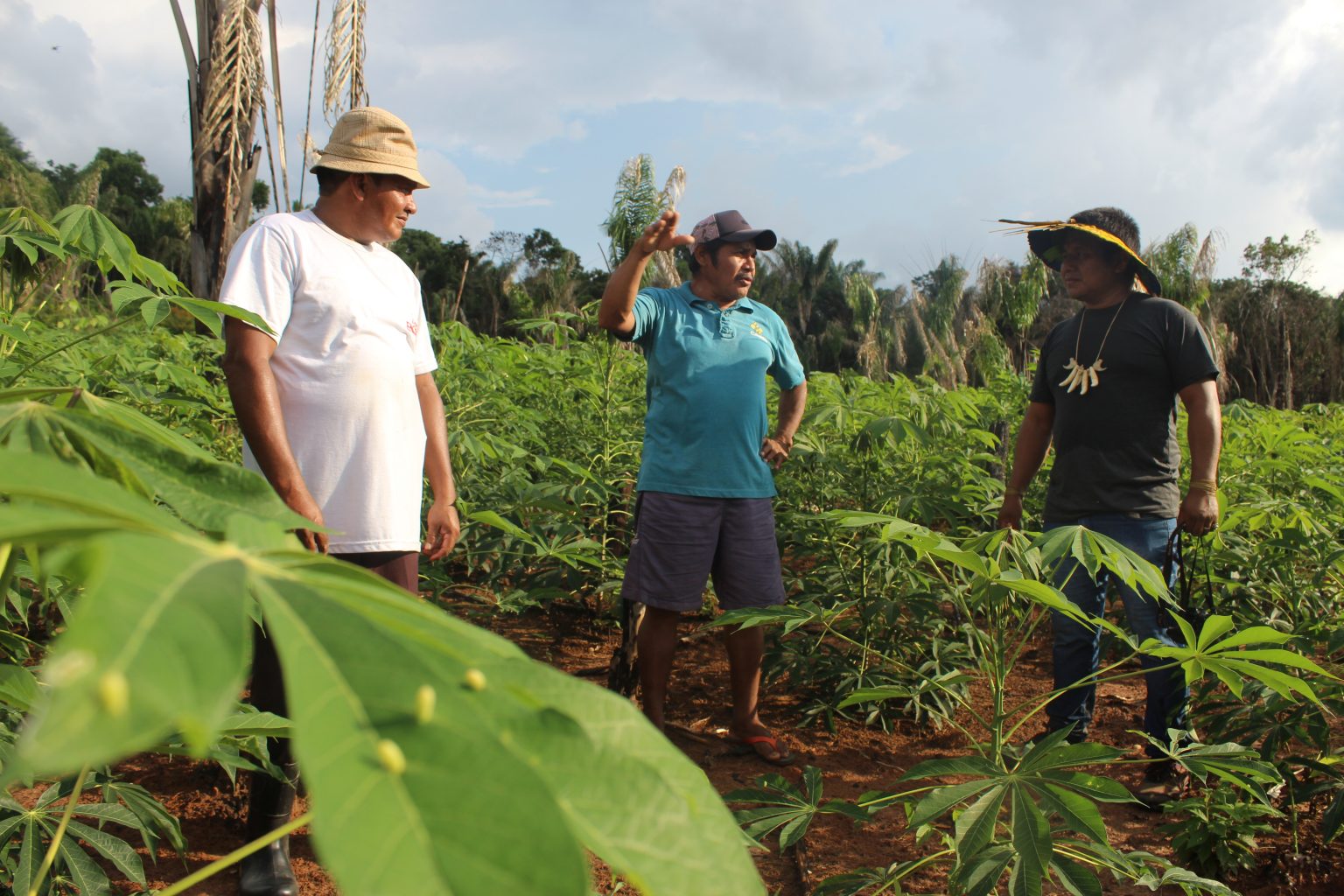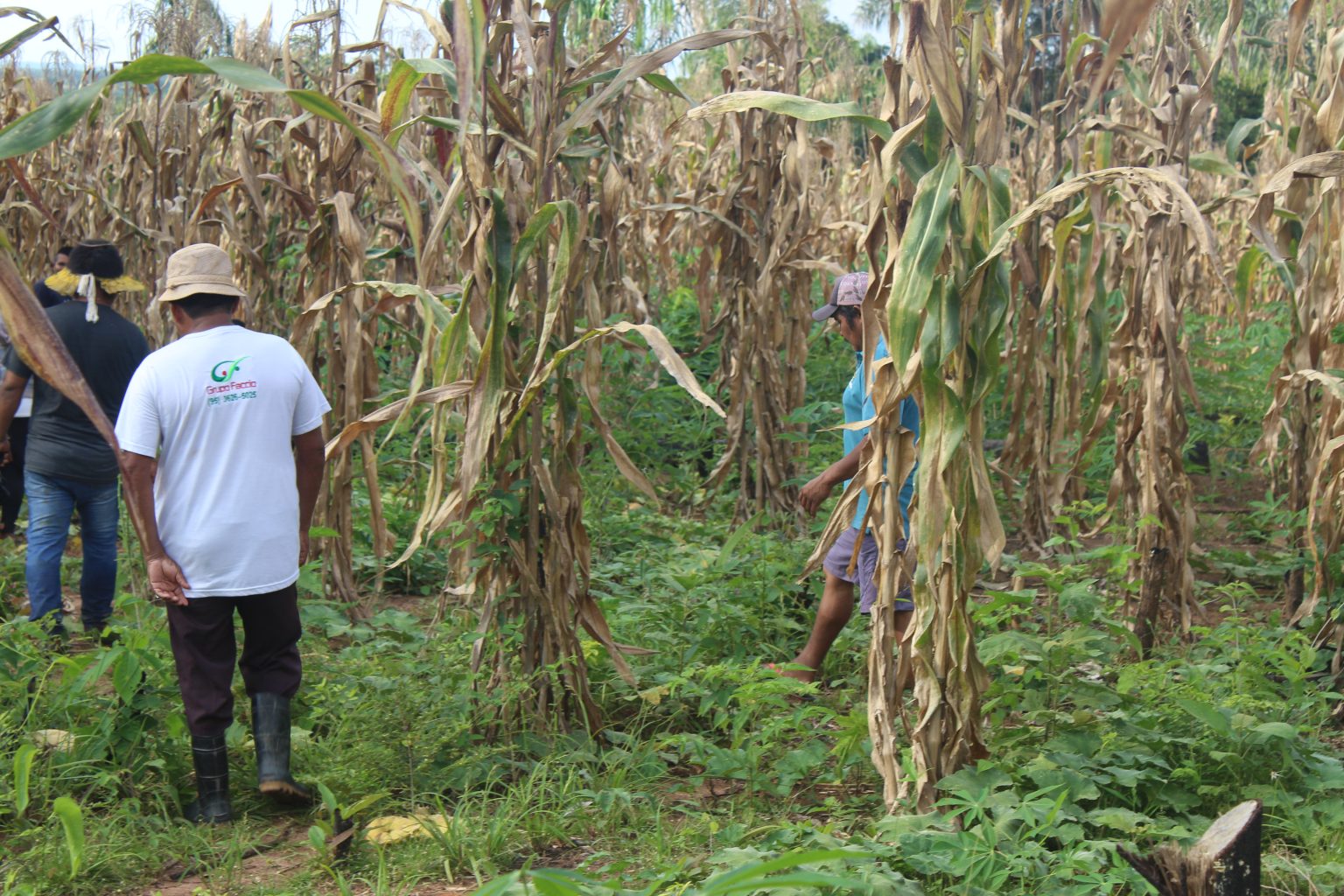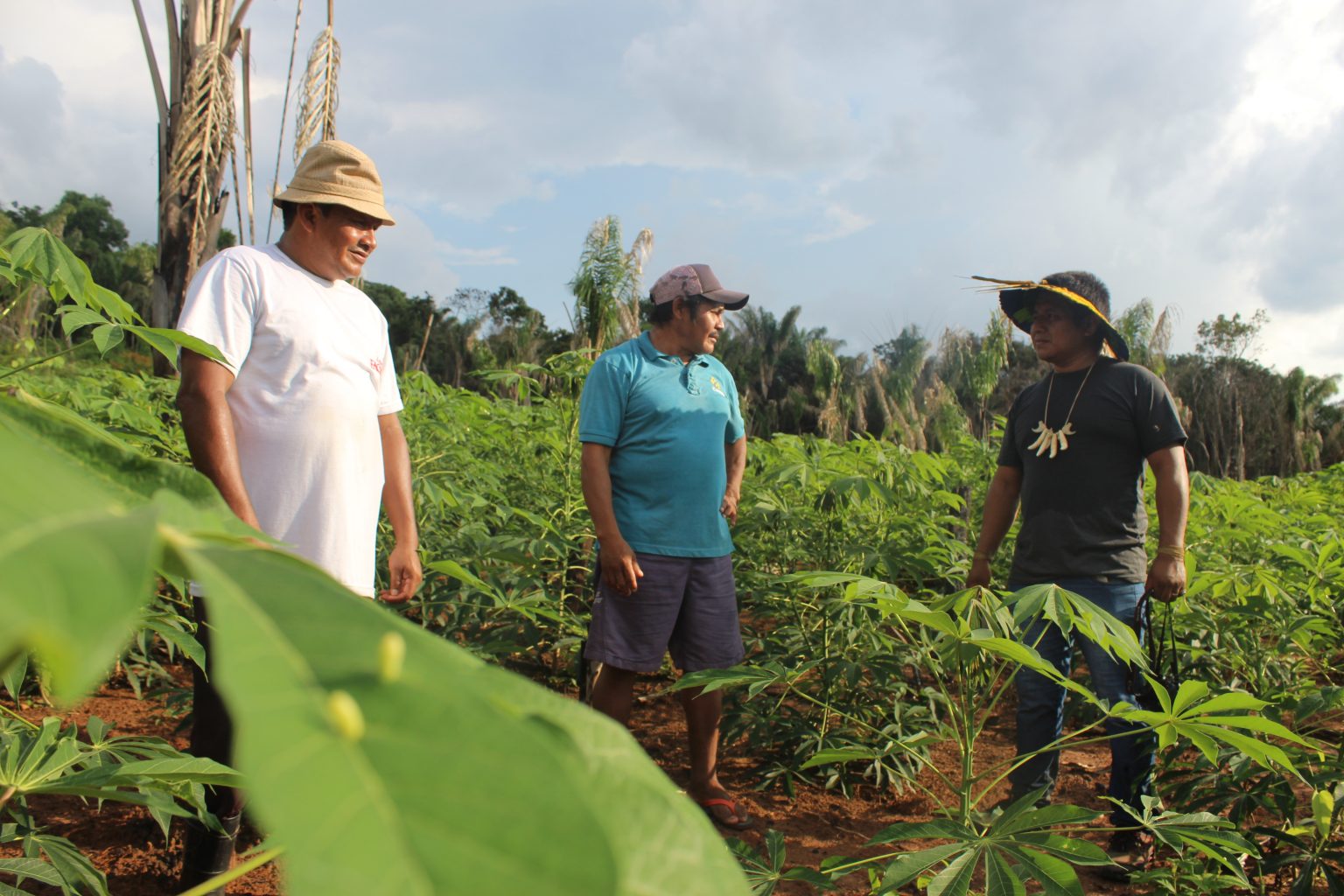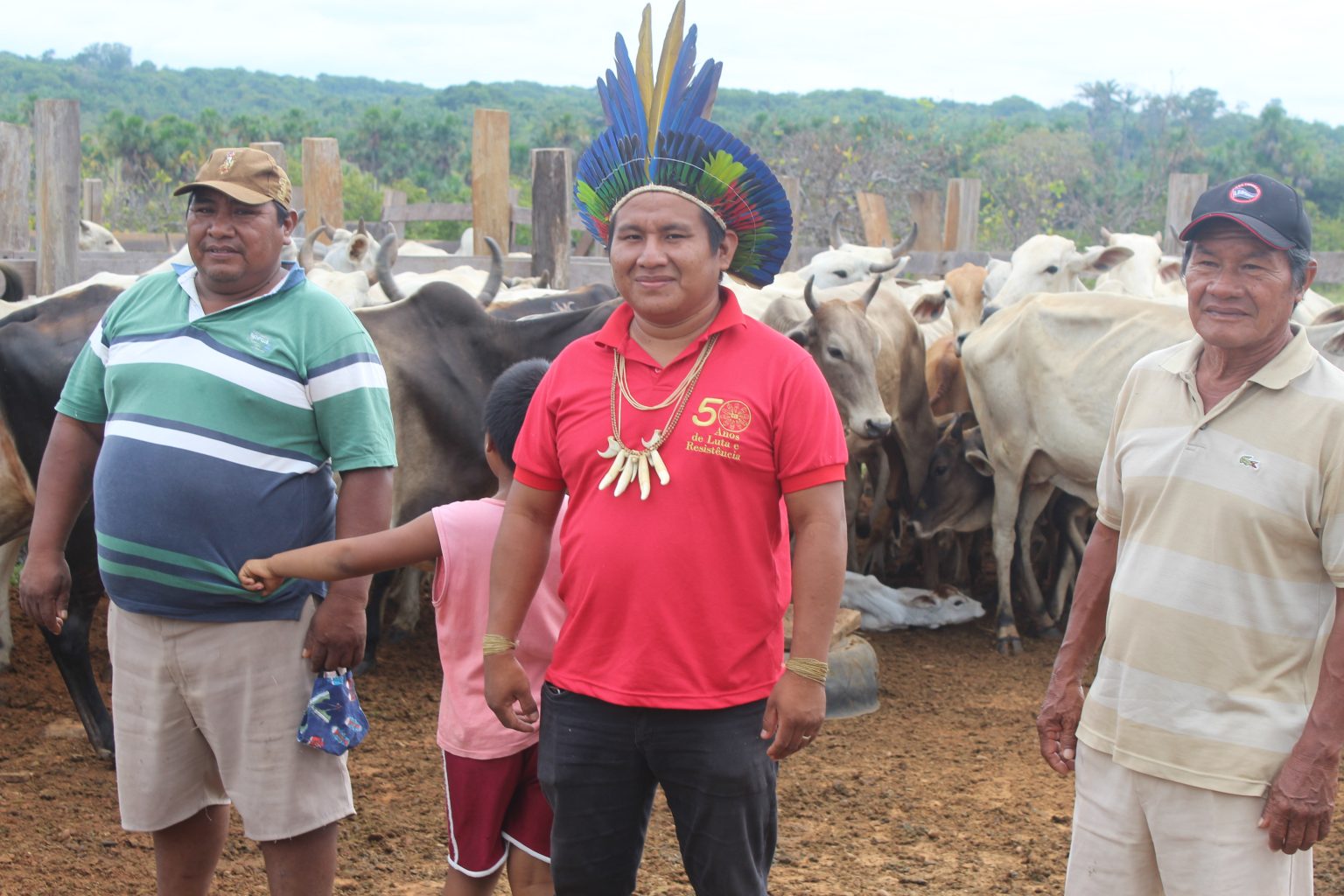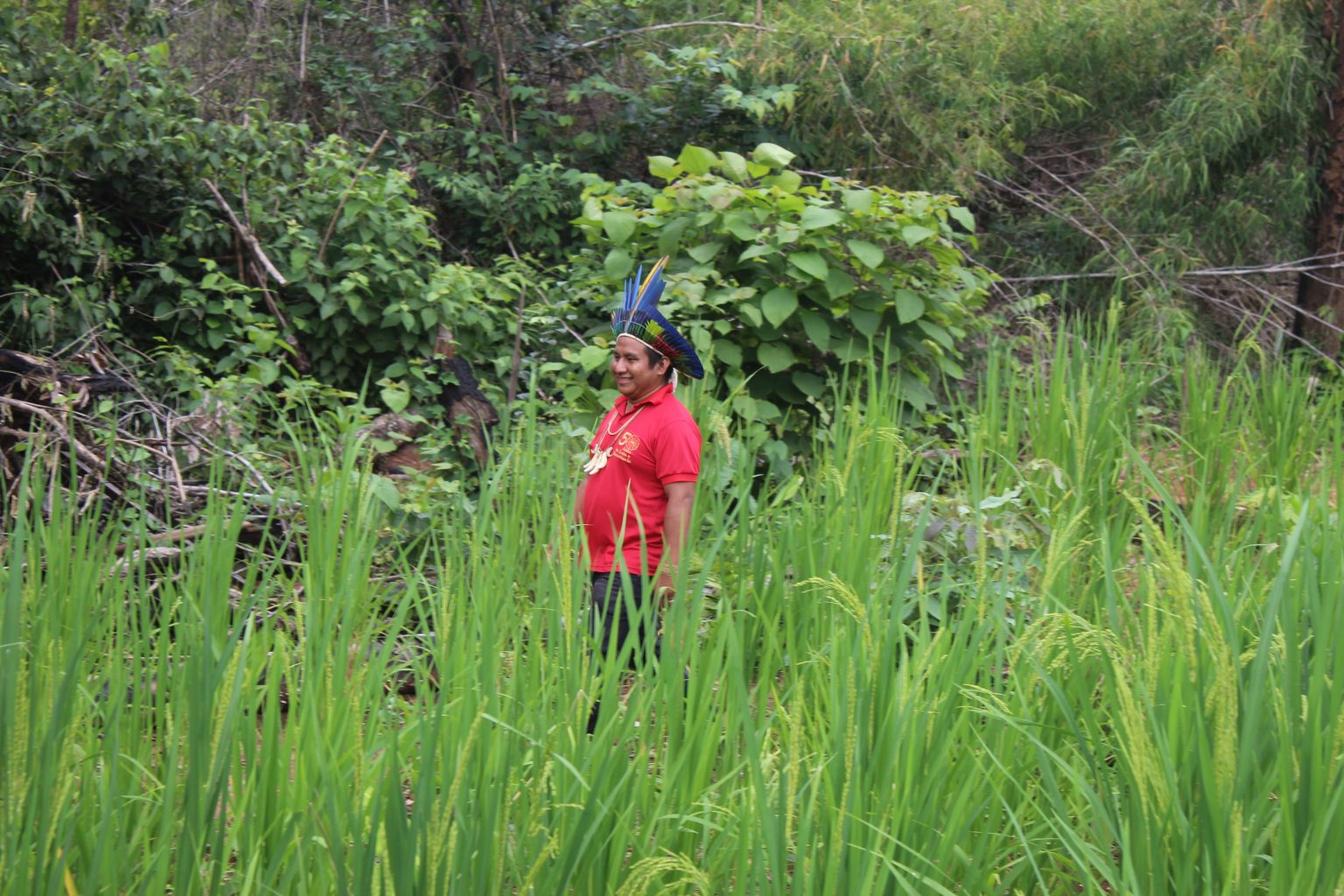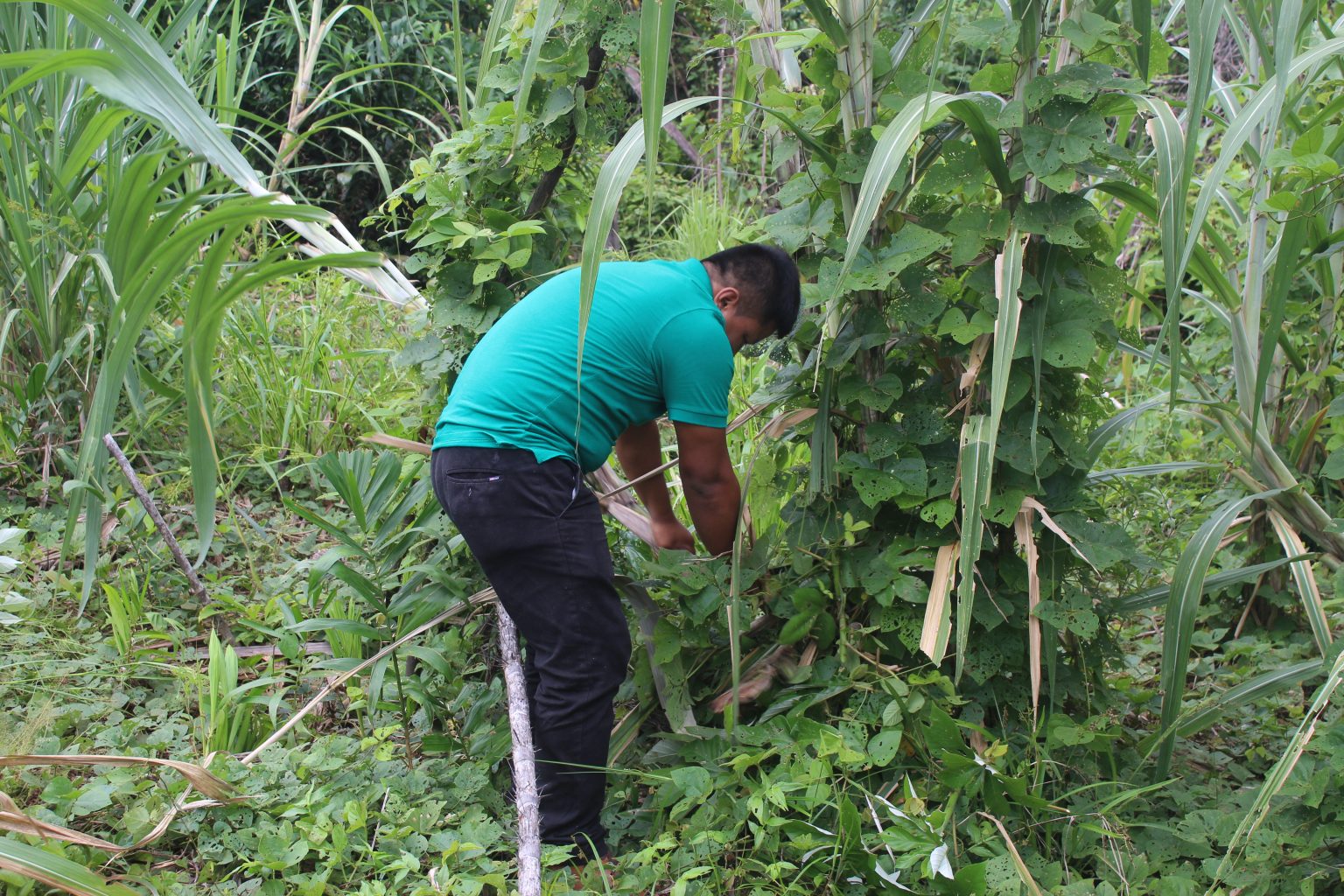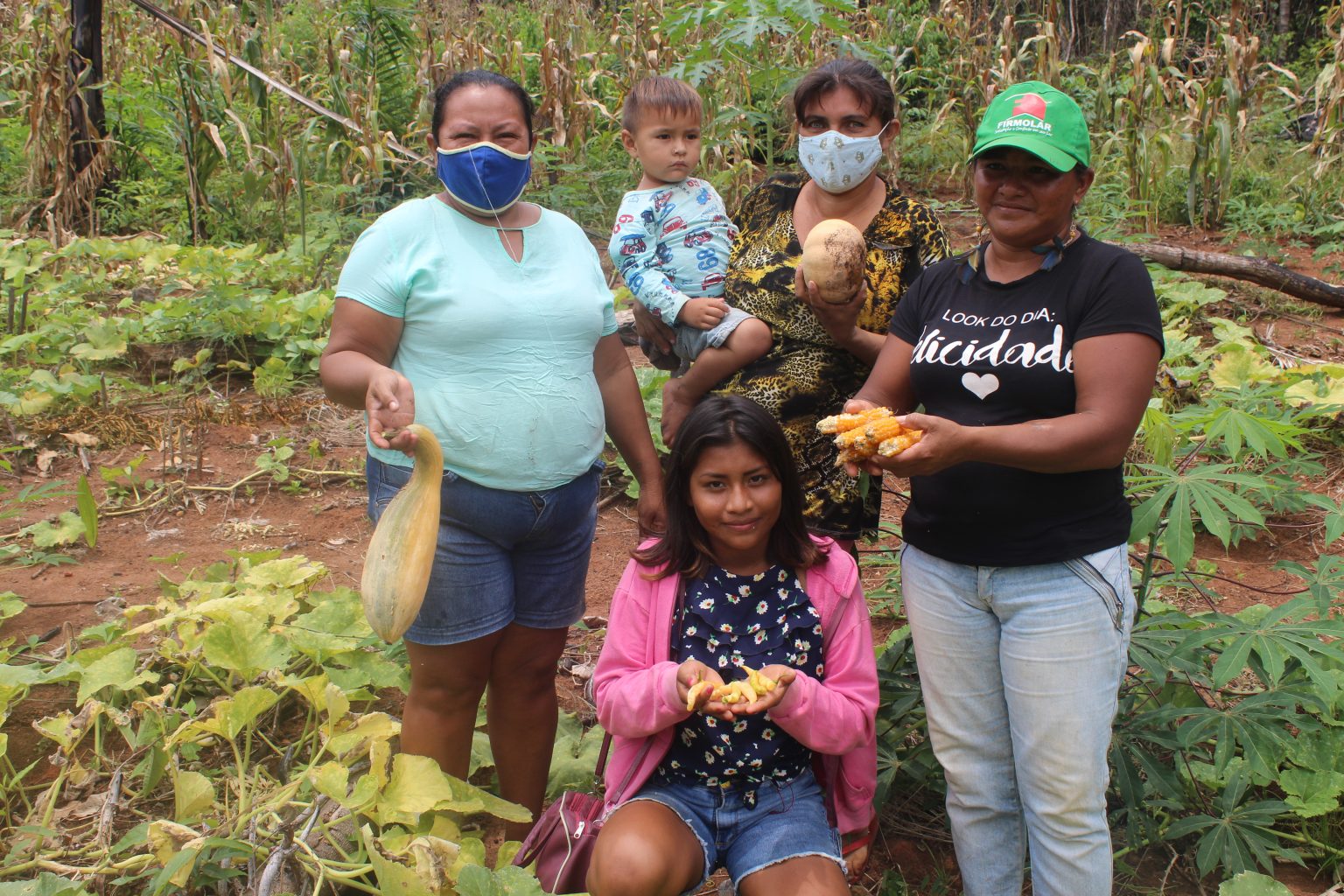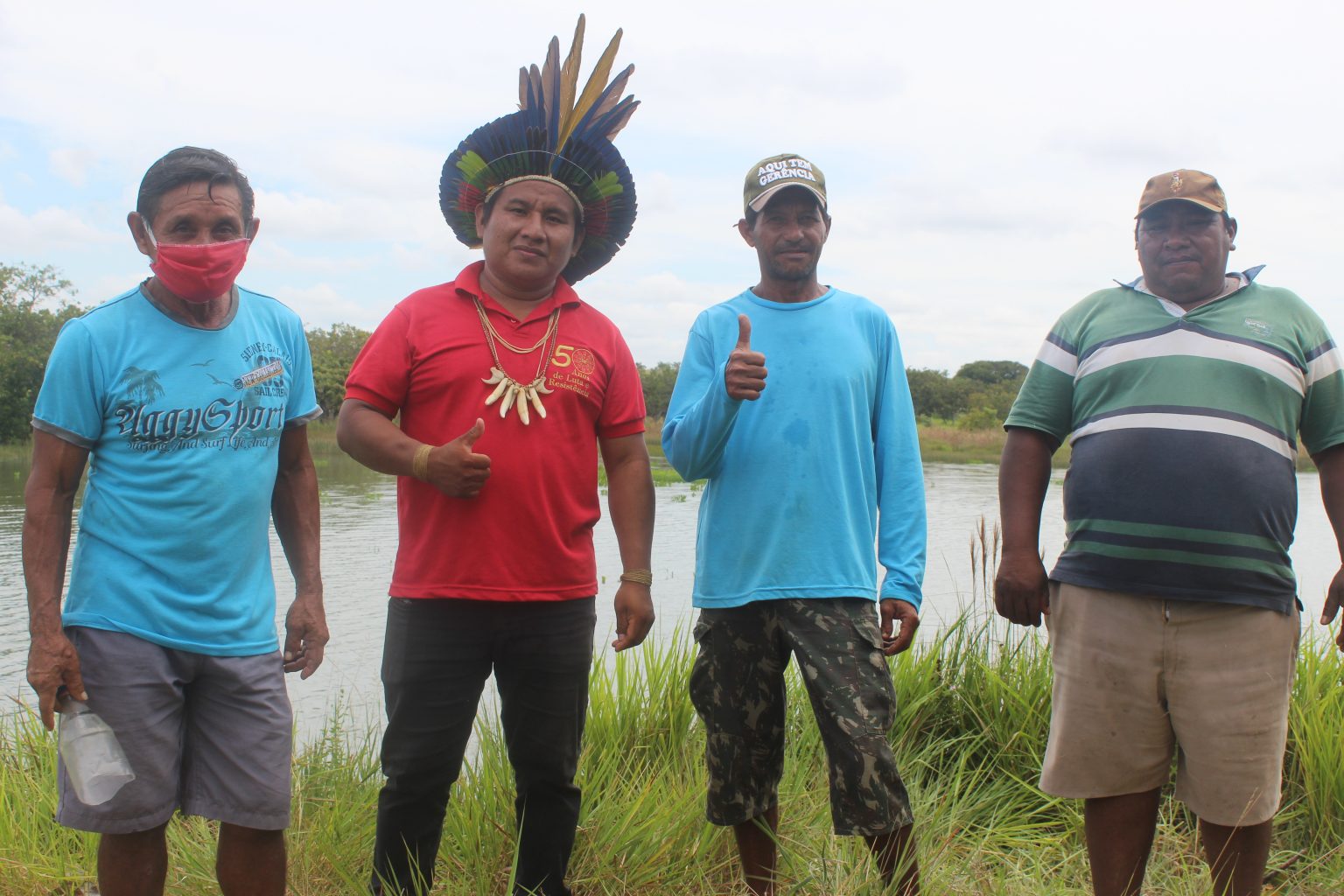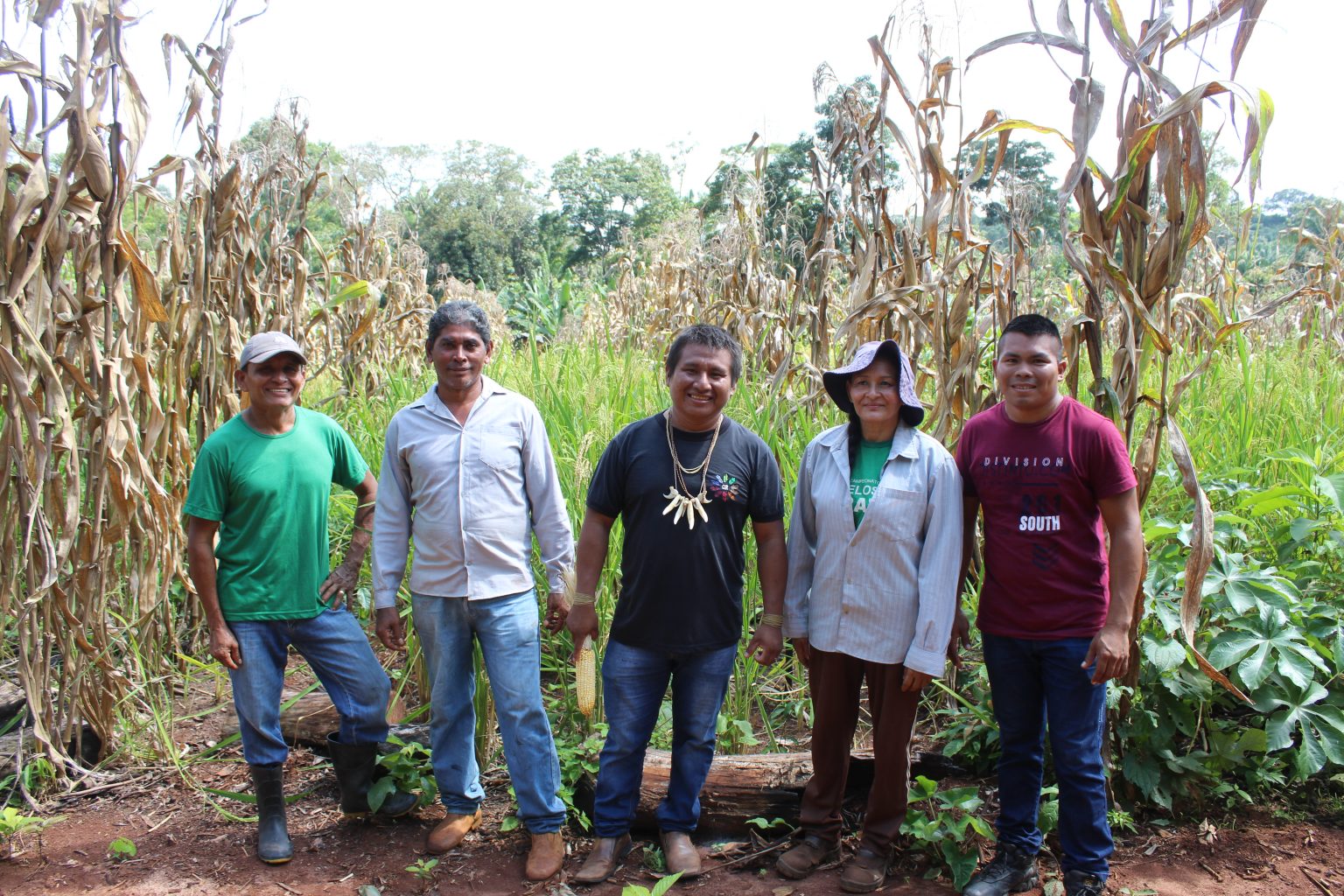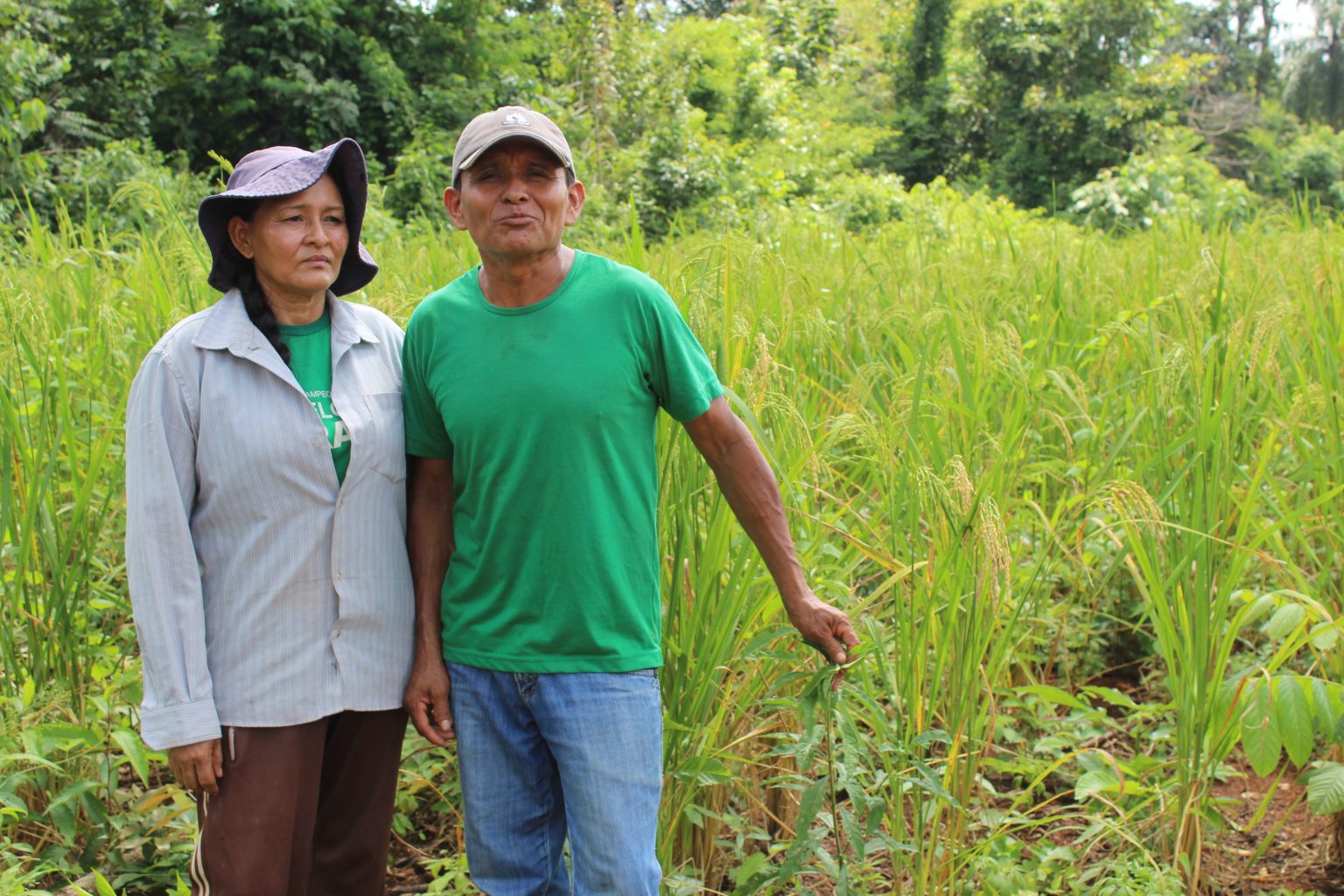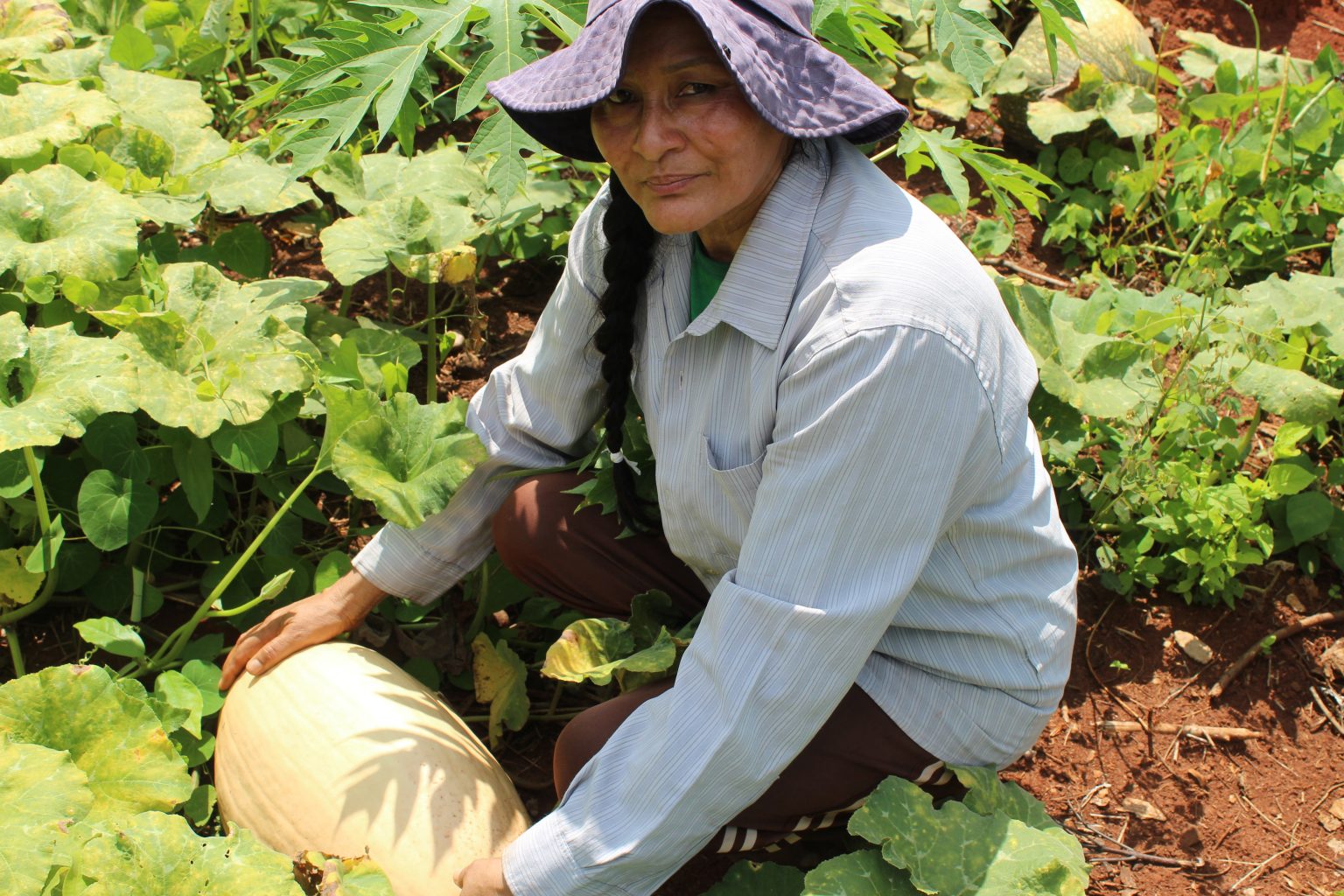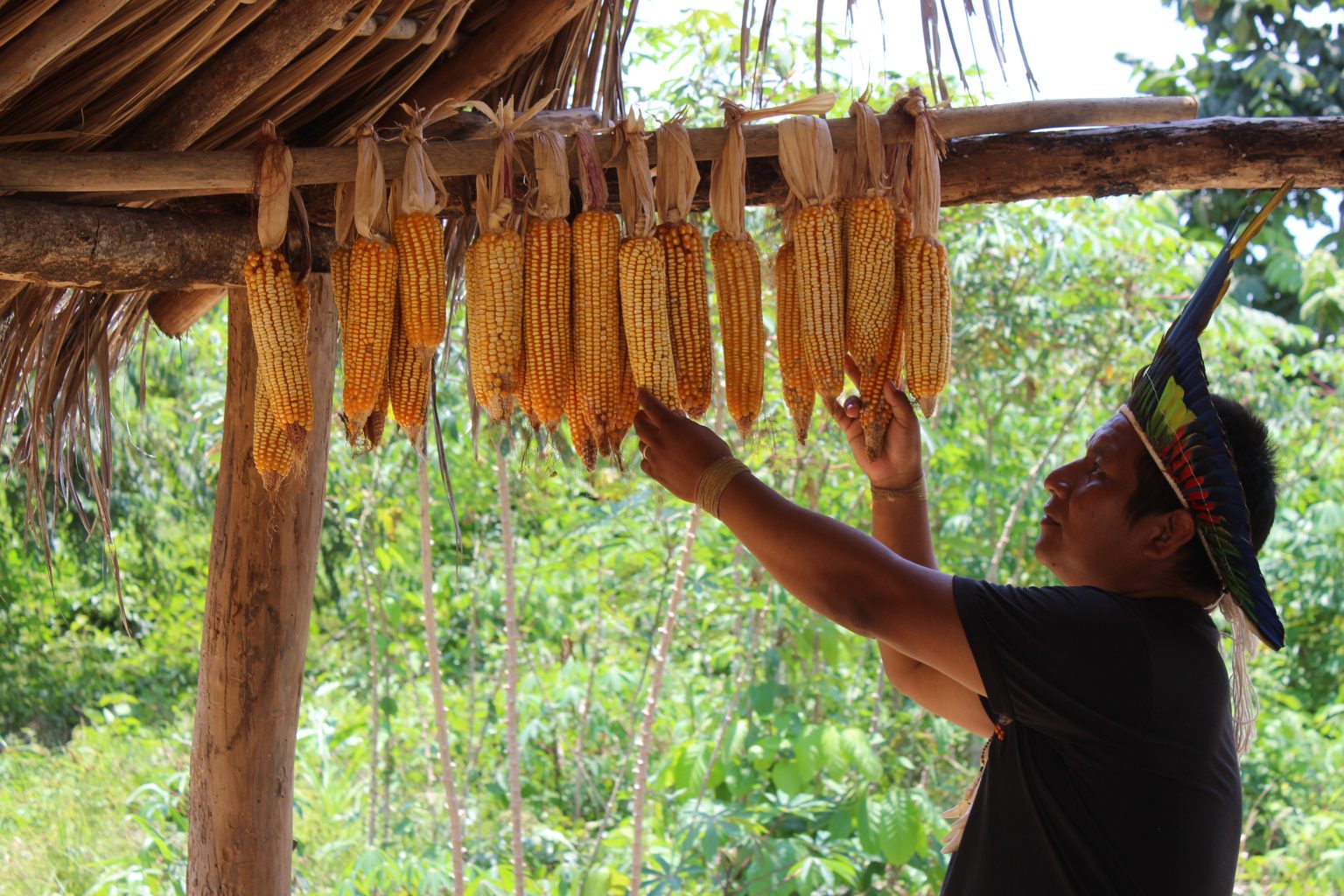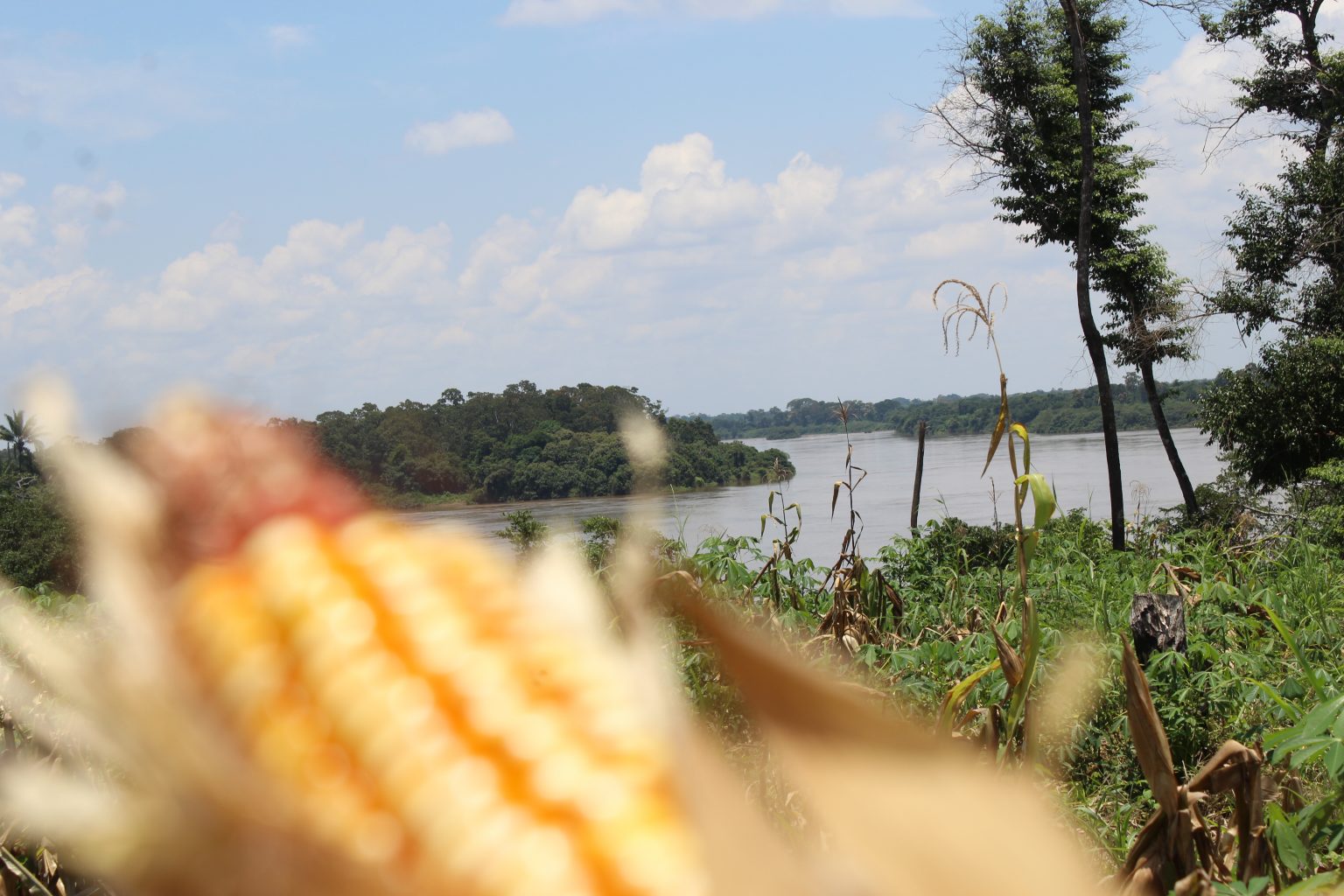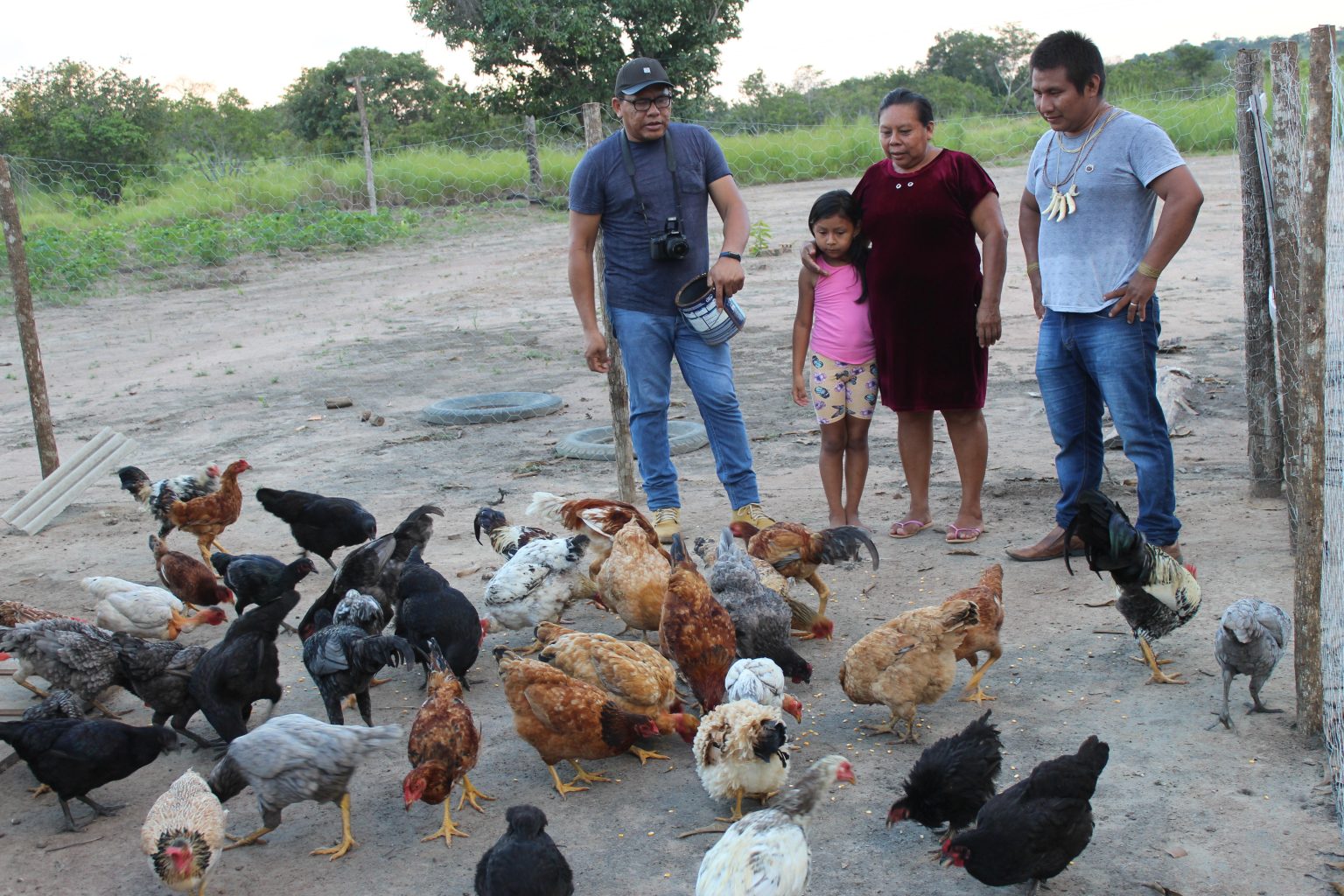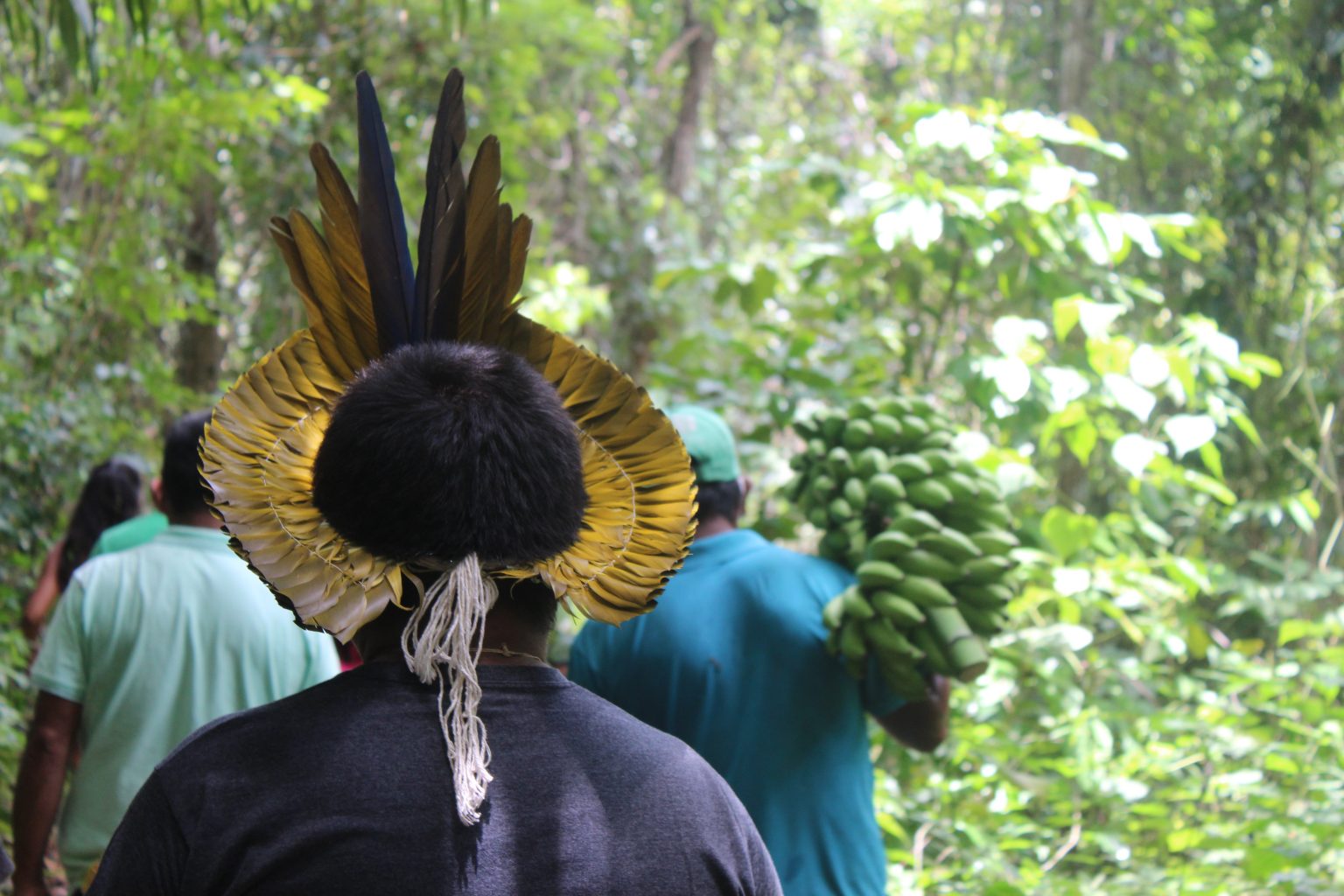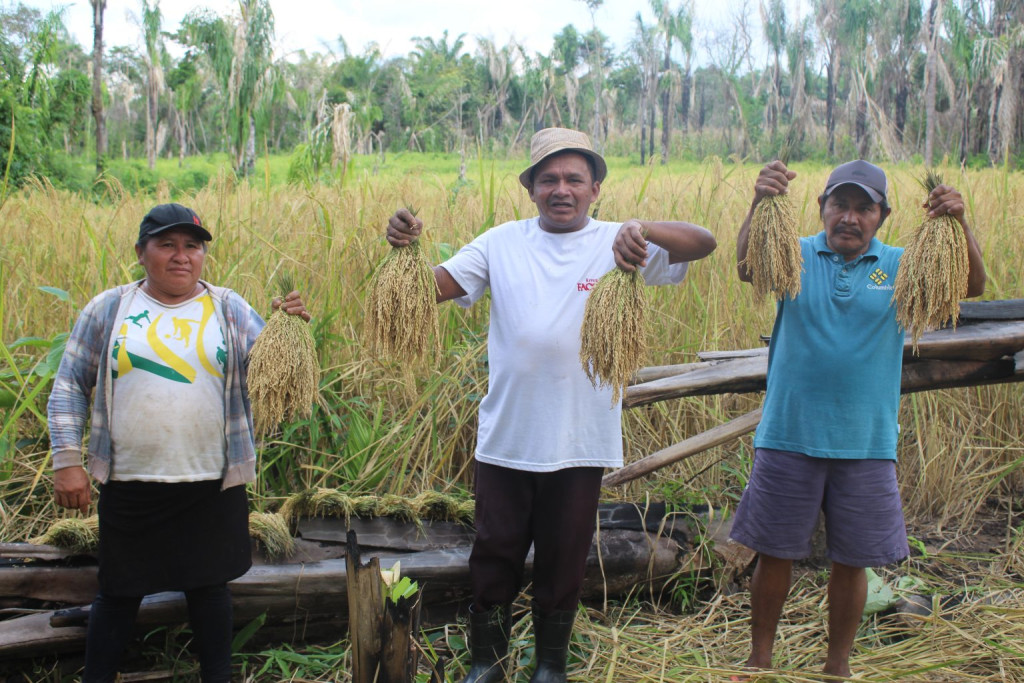
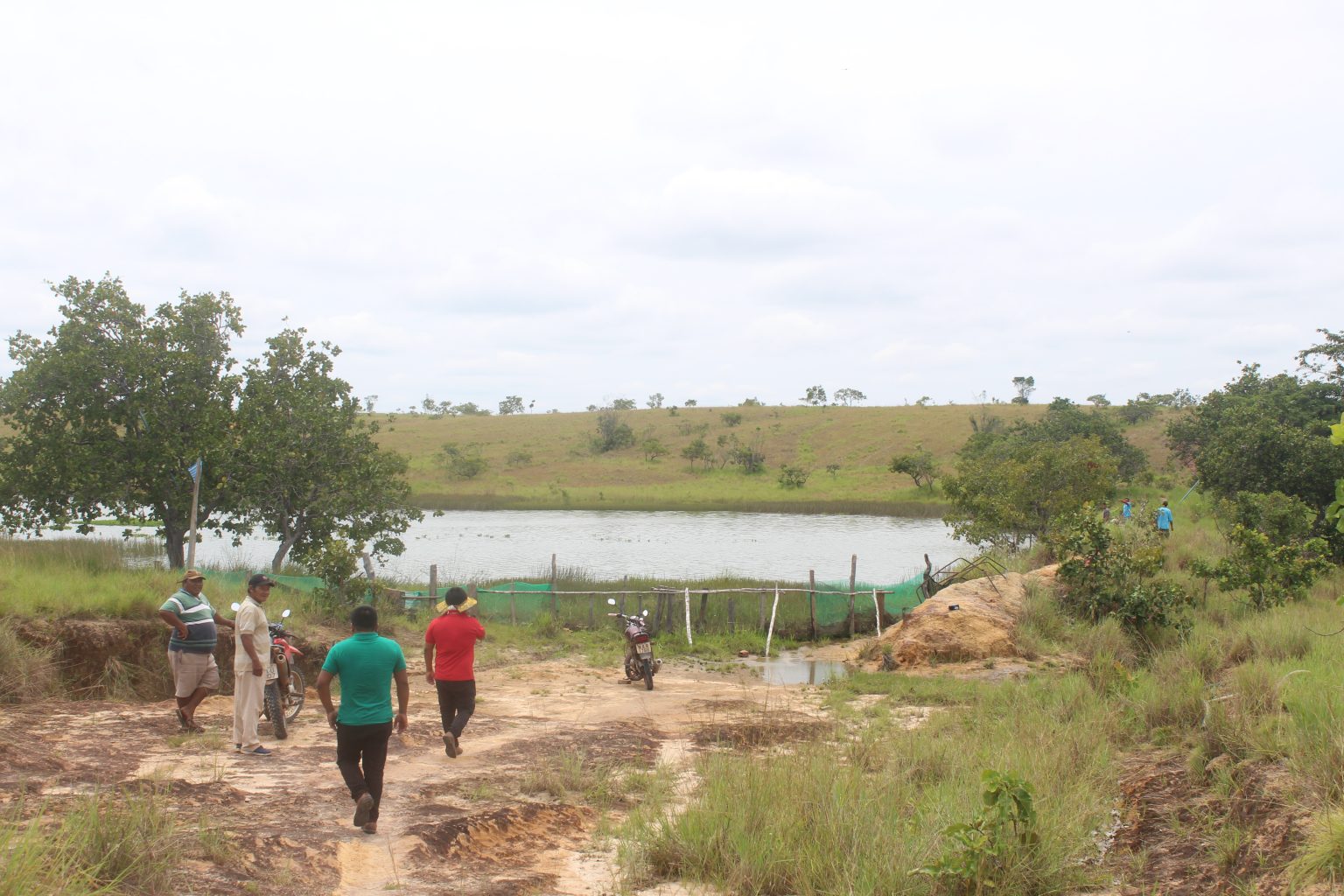
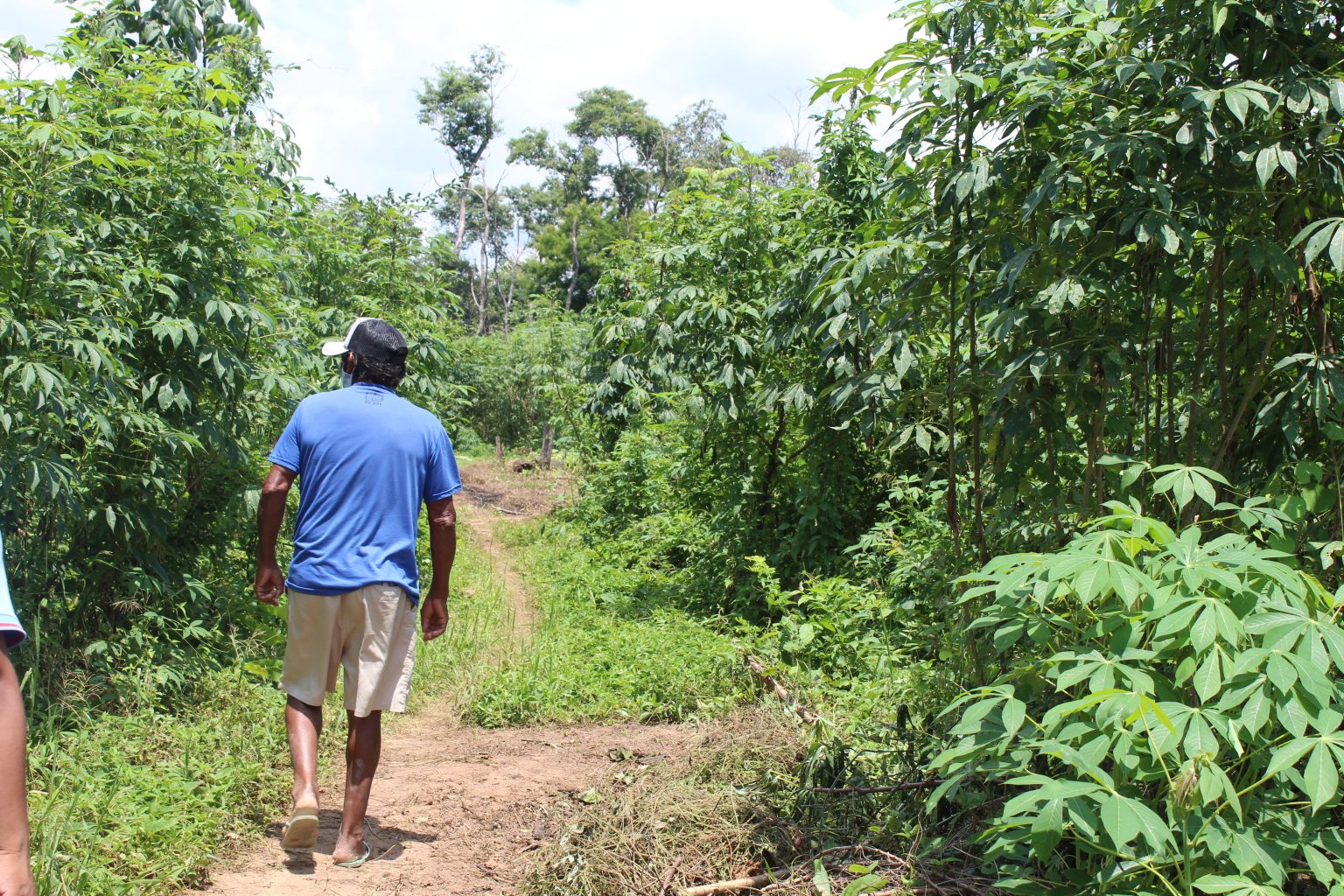
The Indigenous Council of Roraima (CIR) in order to record information on indigenous agriculture in the Tabaio Region, located in the municipality of Alto Alegre, visited the swiddens of the Indigenous Lands of the locality. The visit was carried out between September 16 and 18 and was conducted by the regional coordinator Joacir Bento, tuxauas from each community and family producers.
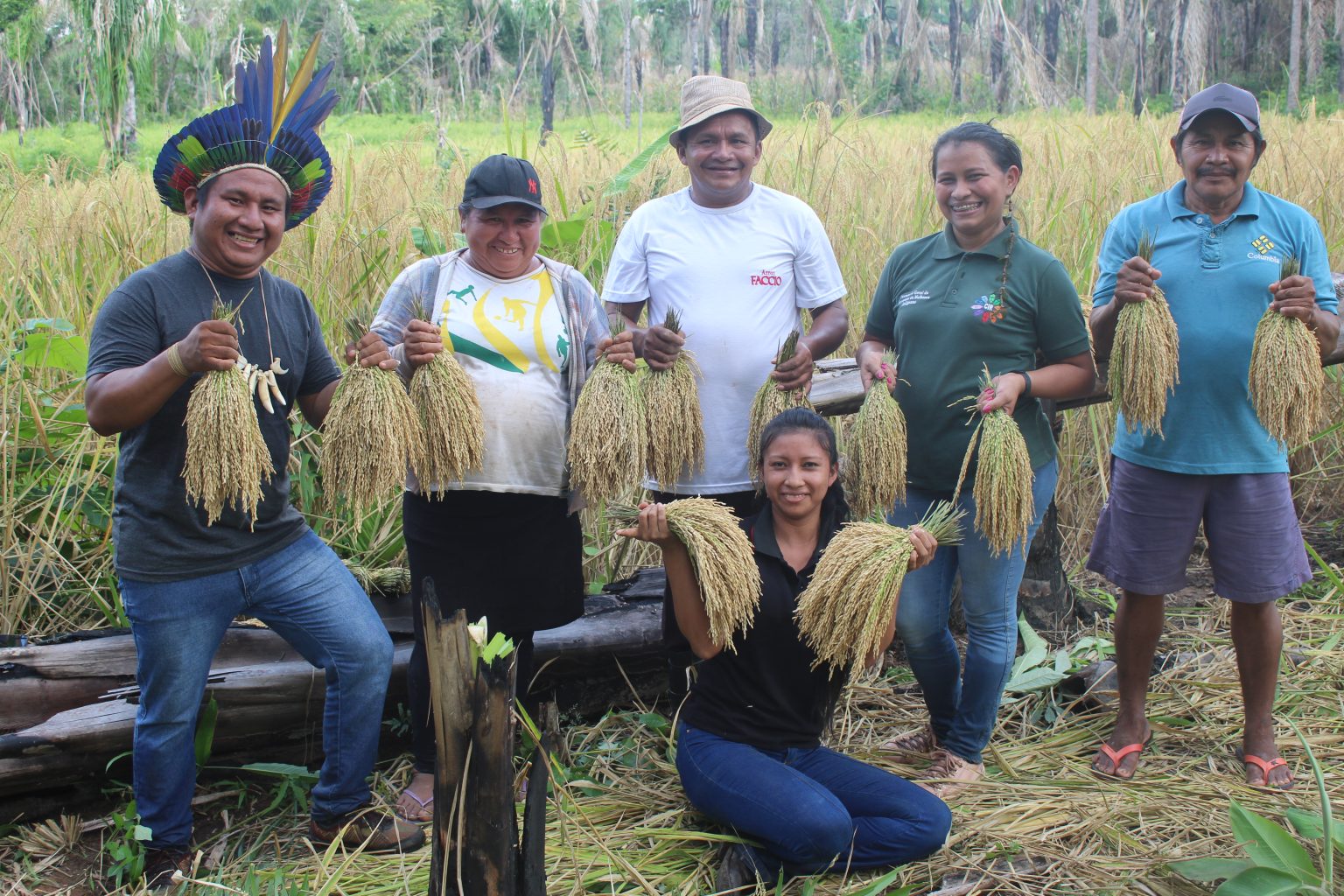
Even in the face of daily challenges and Covid-19 affecting the great leaders, the communities did not stop family and community agricultural activities.
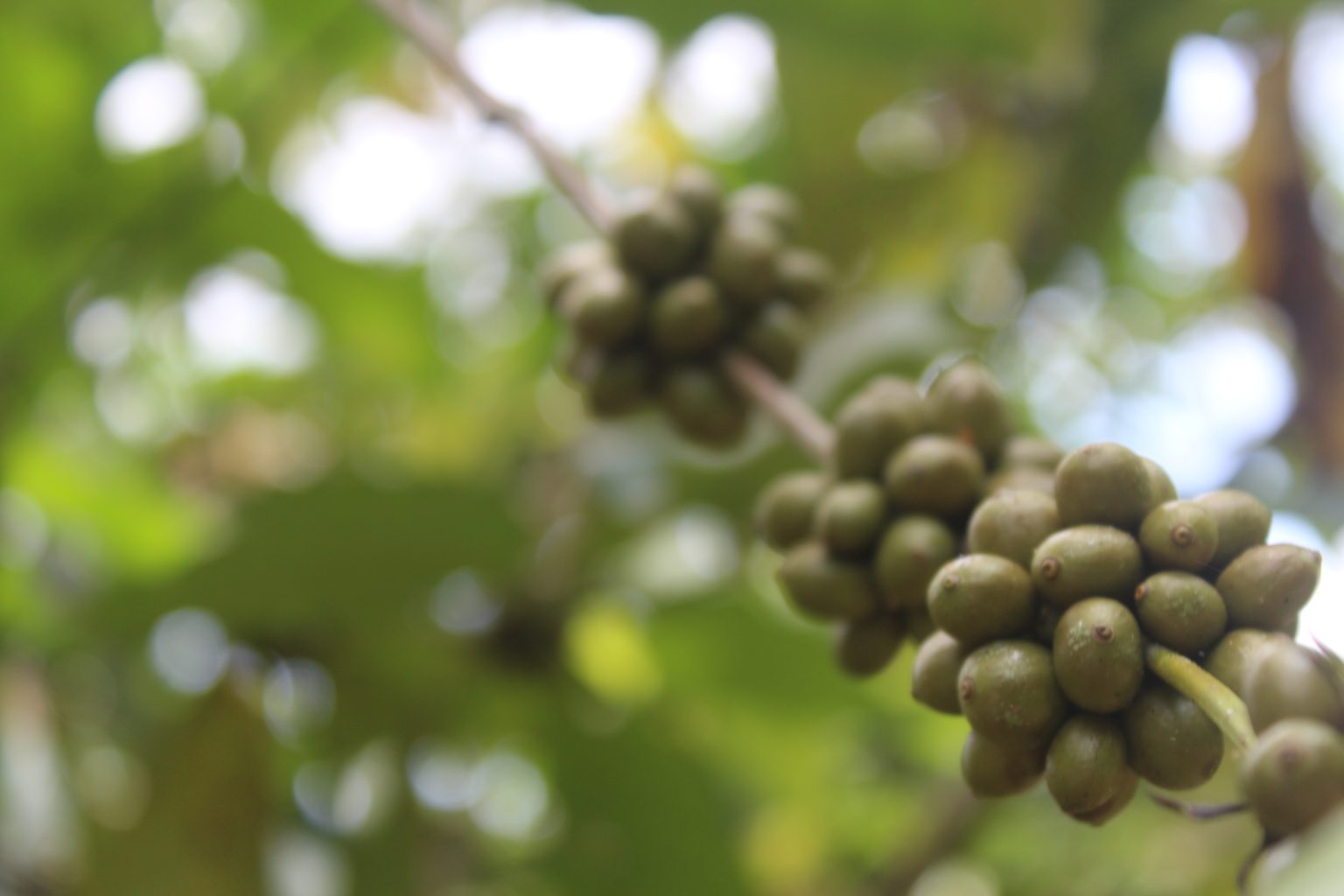
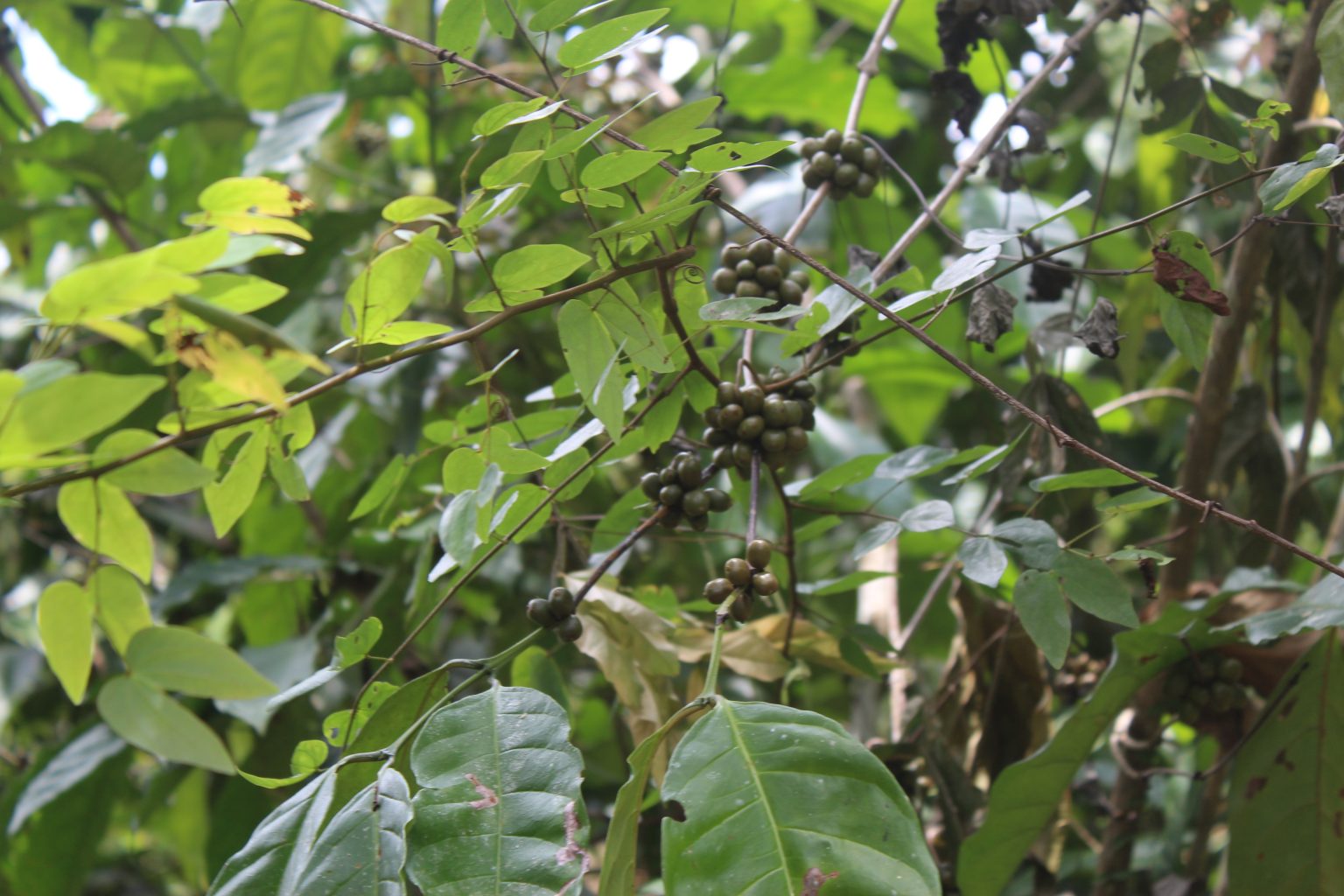
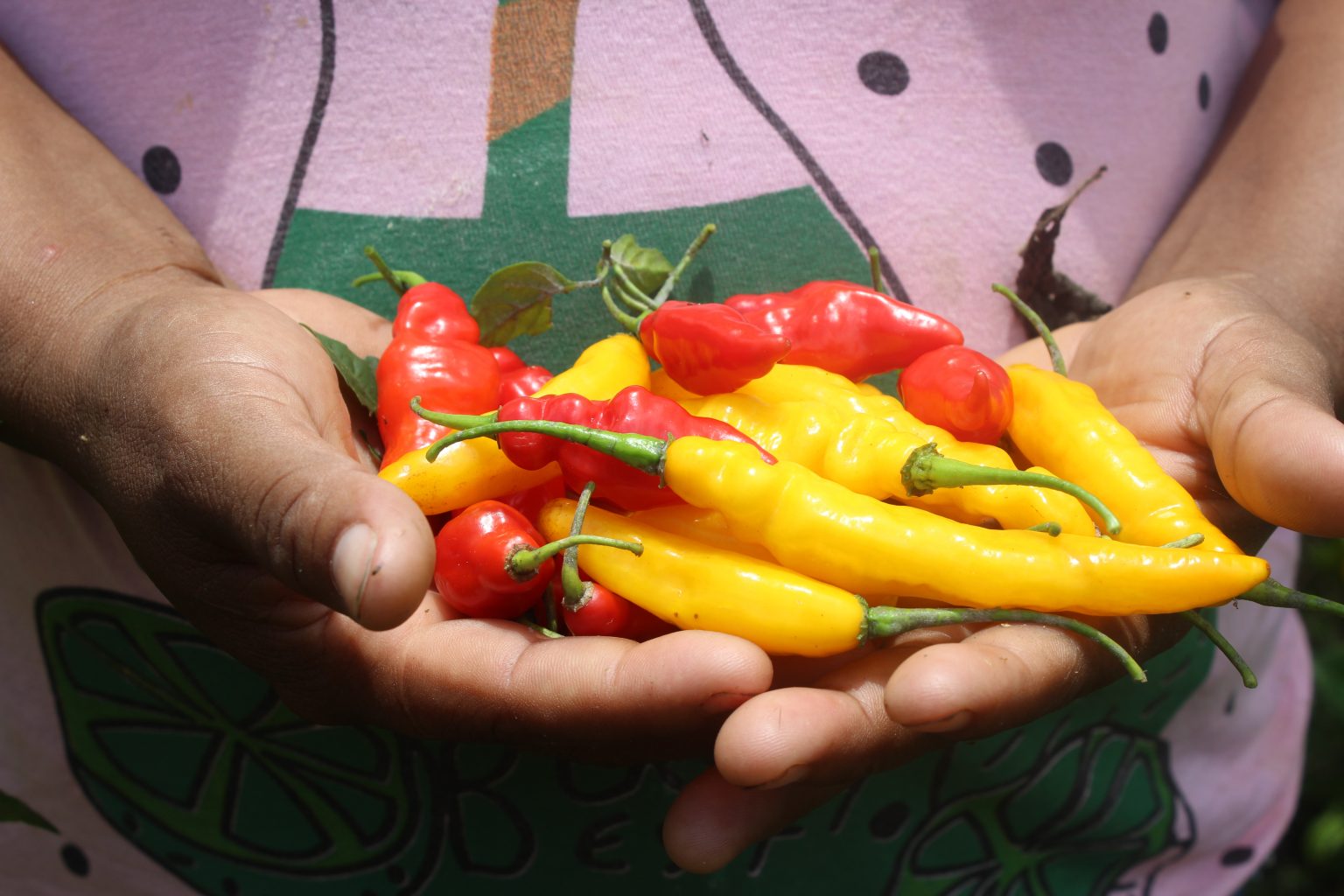
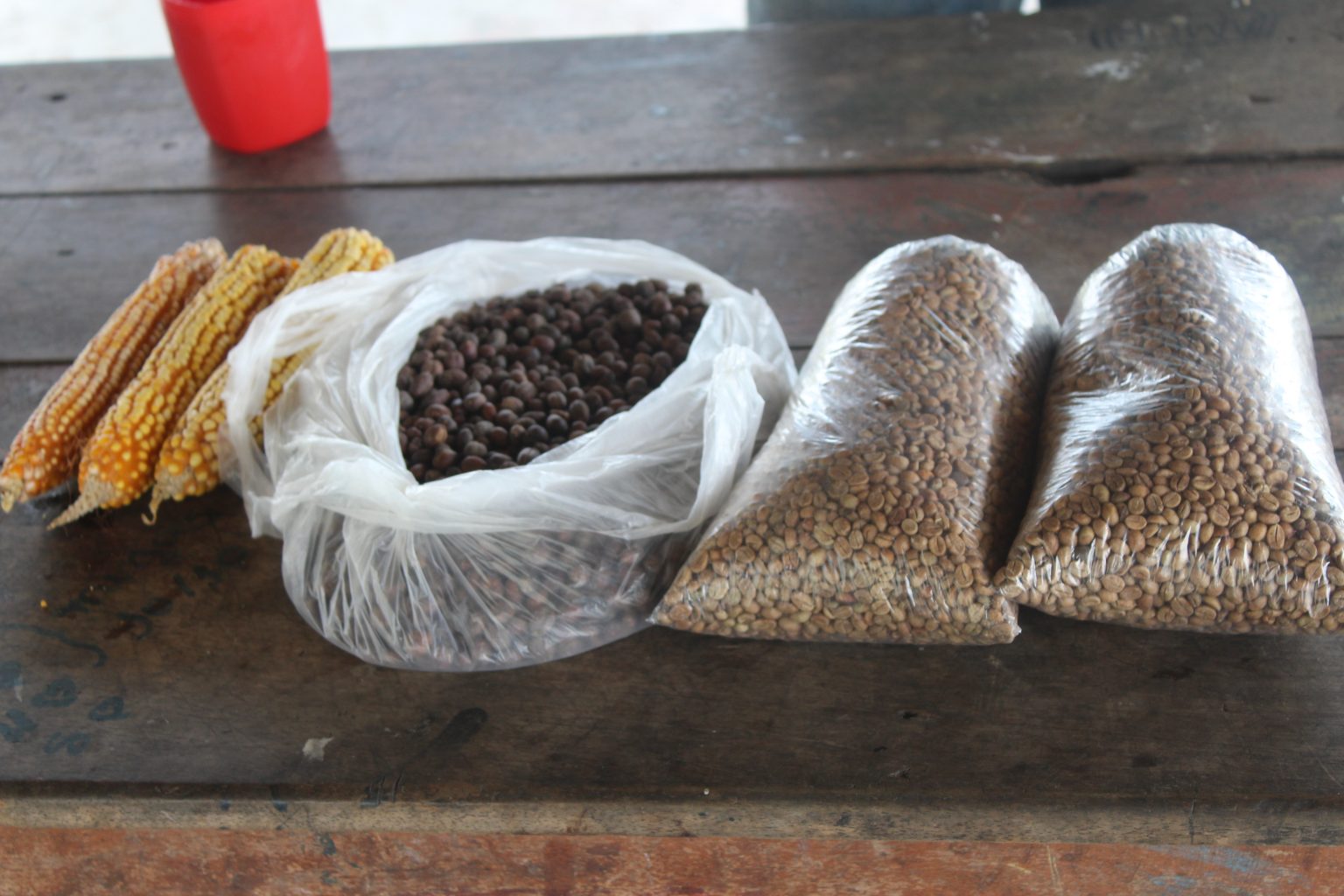
Coffee production in the Mangueira community, which is more than 30 years old, is the highlight, however the production of rice, corn, cattle, pork and fish, have also been standing out in the other communities in the region.
The following areas were visited: Boqueirão, Mangueira, Pium, Anta 1/2, Barata and Livramento. The purpose of the CIR was to record and collect information on regional production, in addition to reaffirming the organization's commitment to the region.
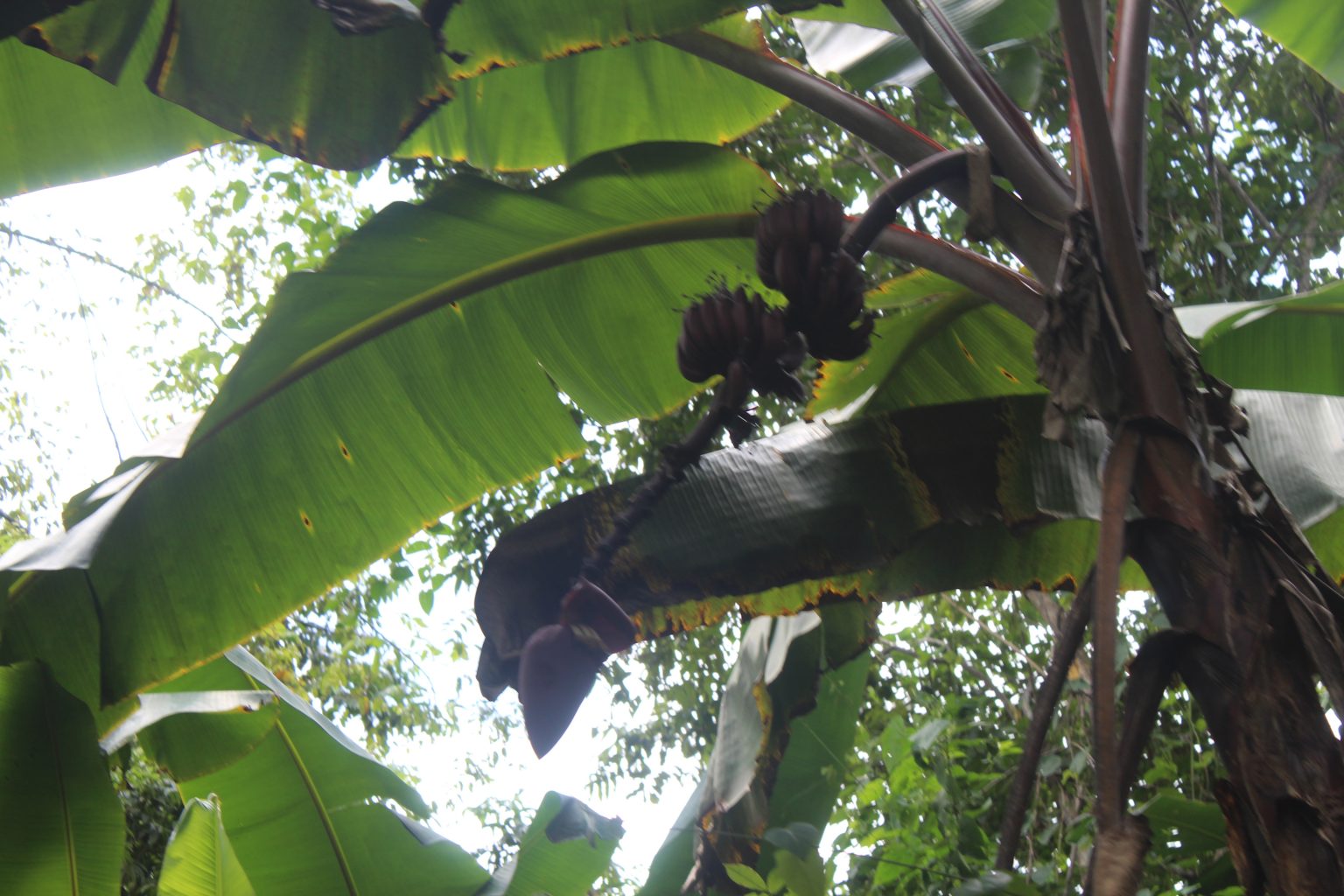
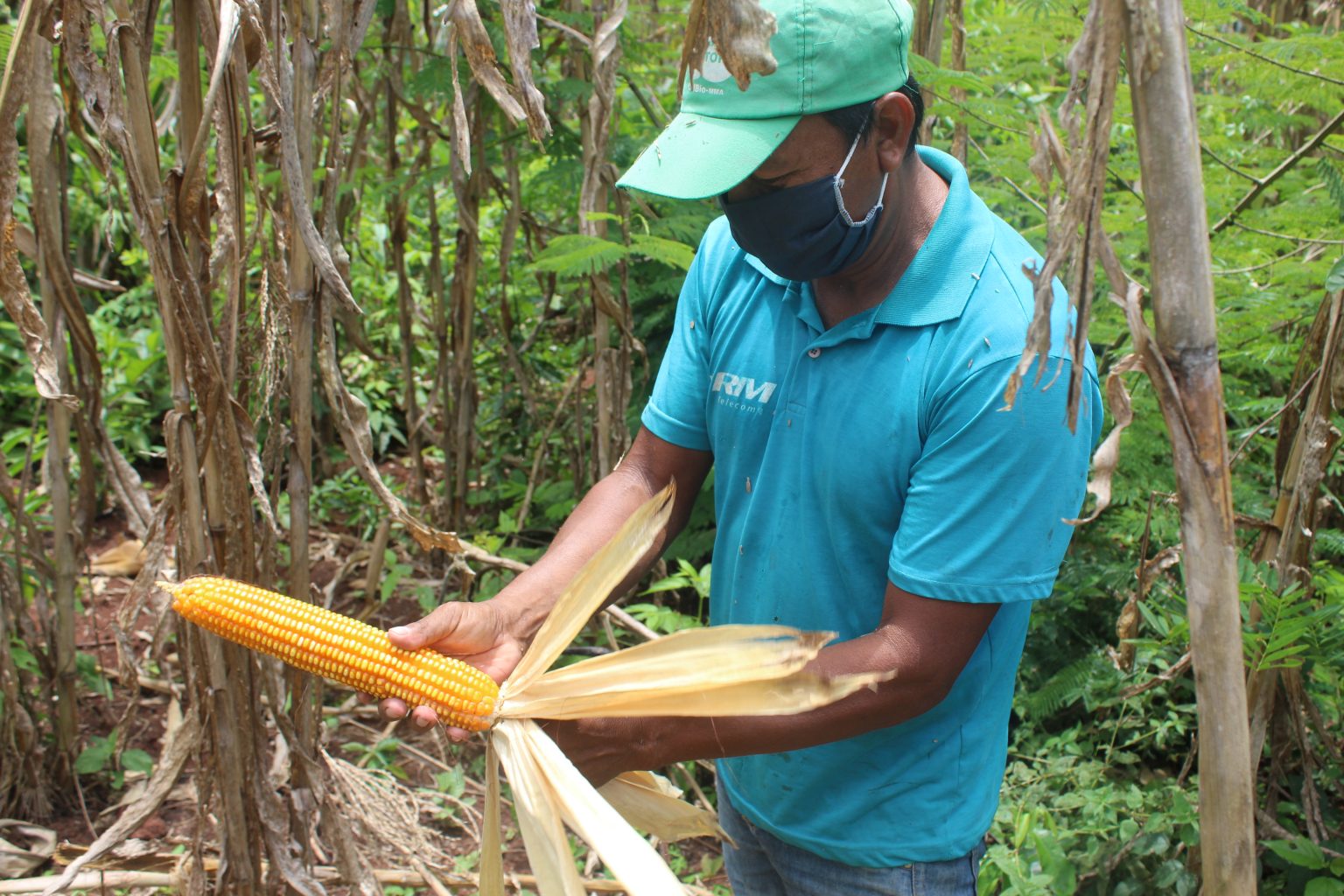
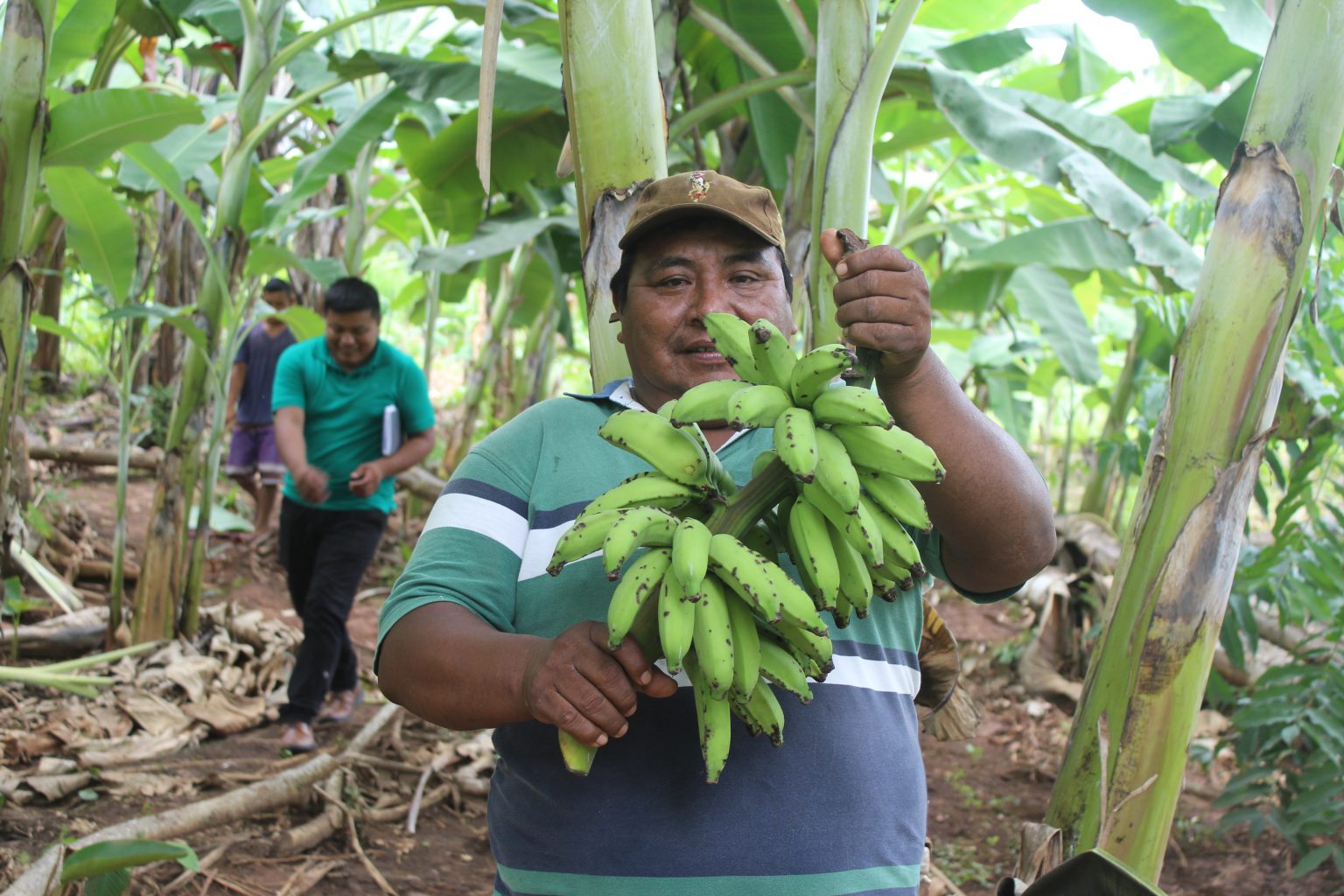
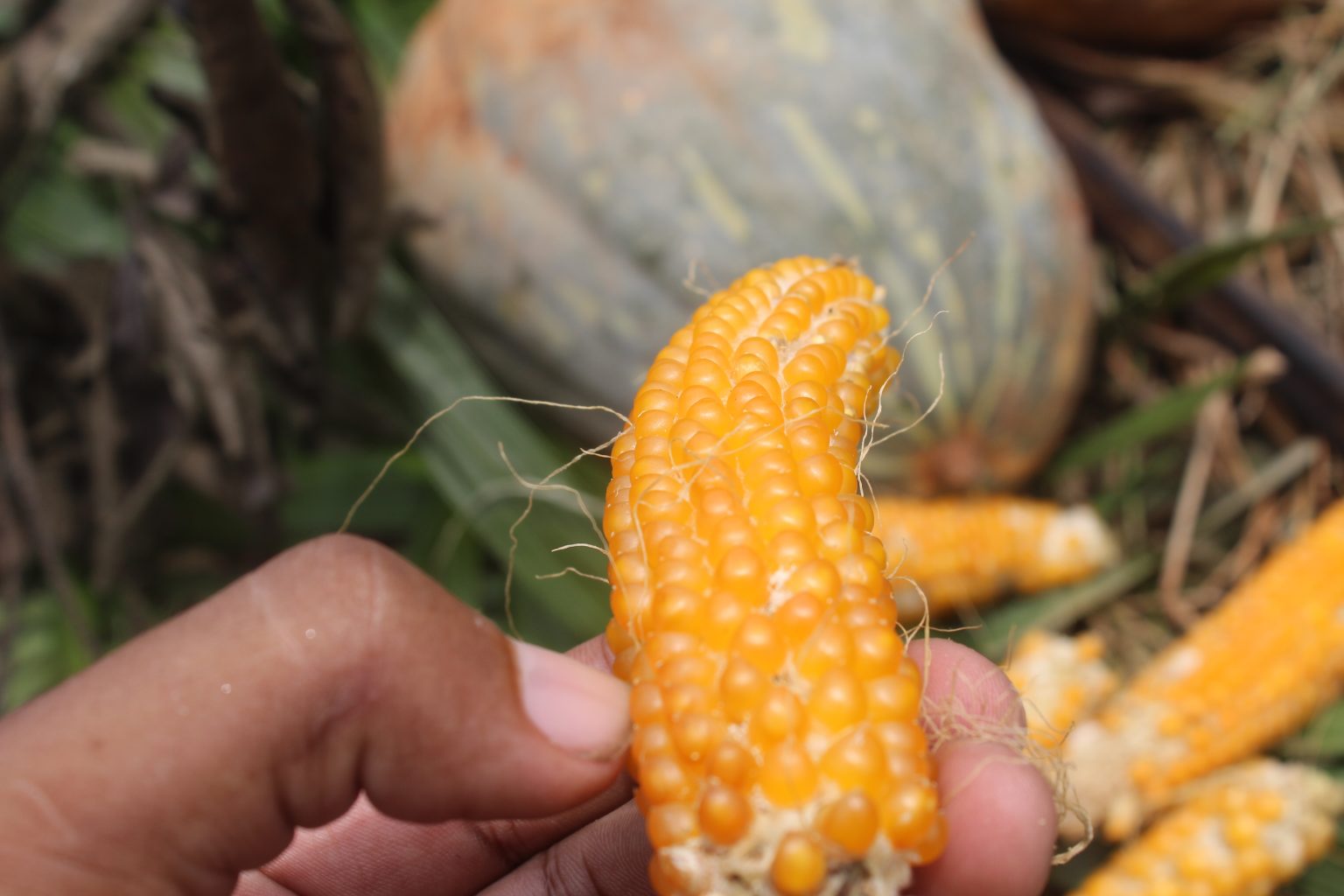
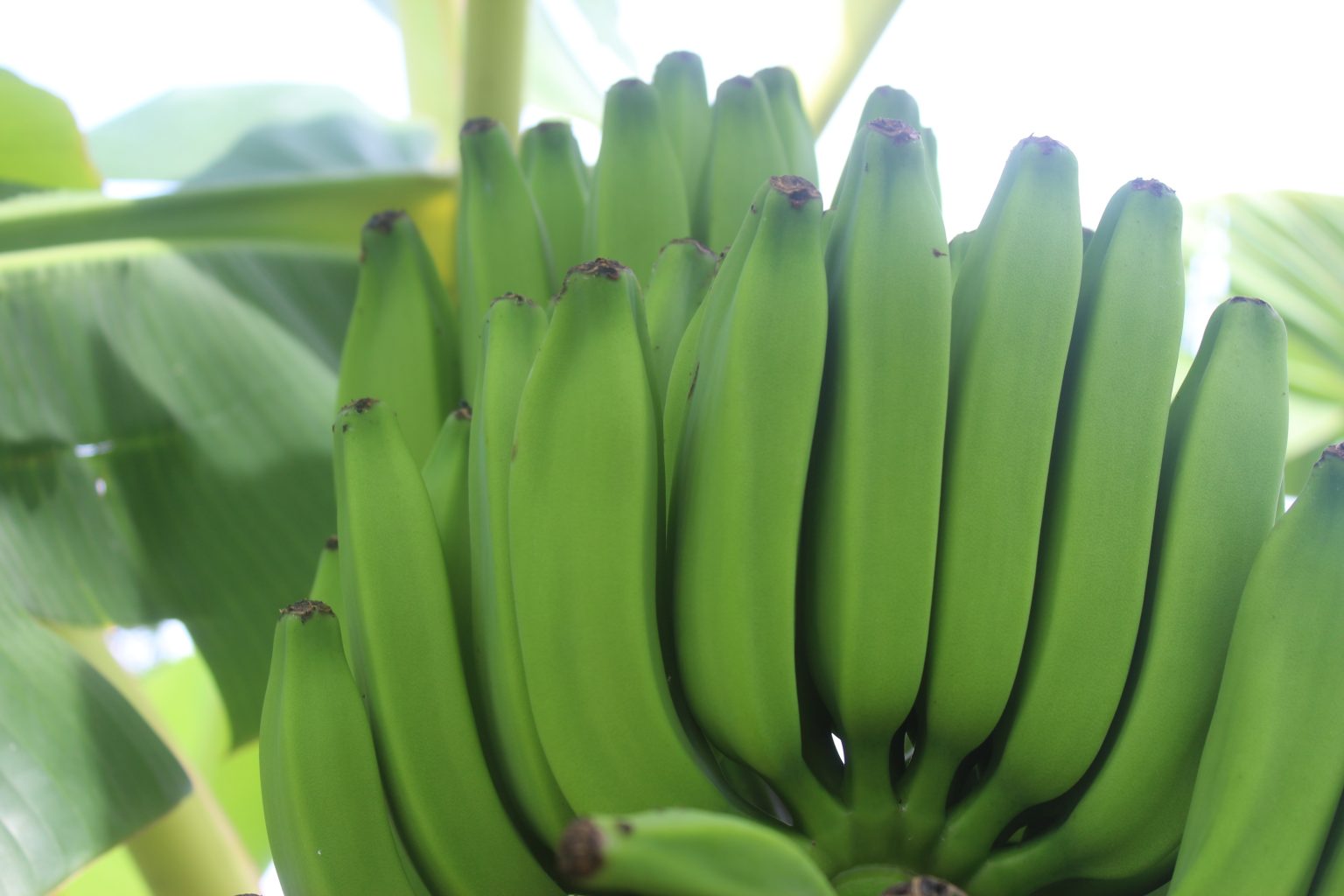
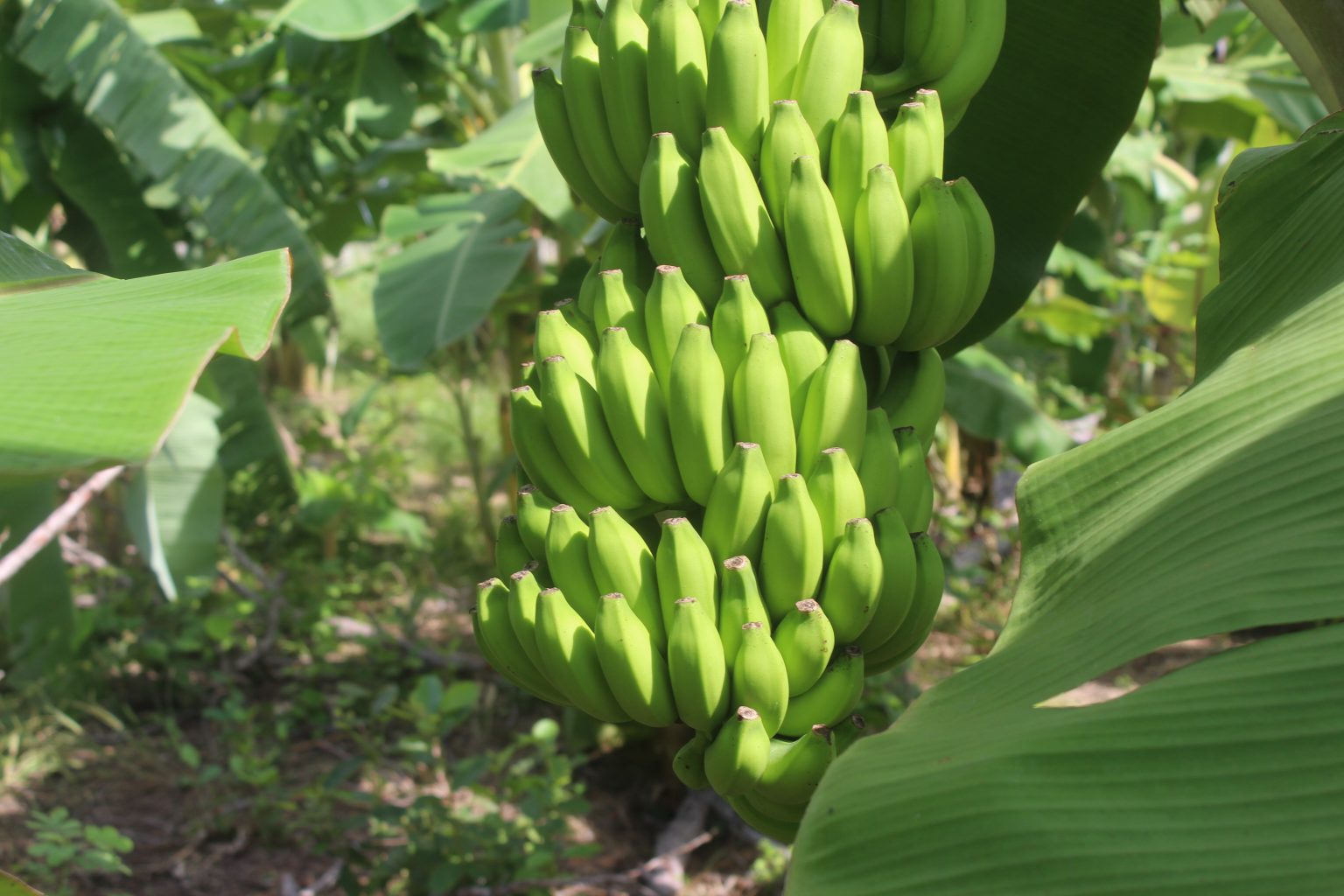
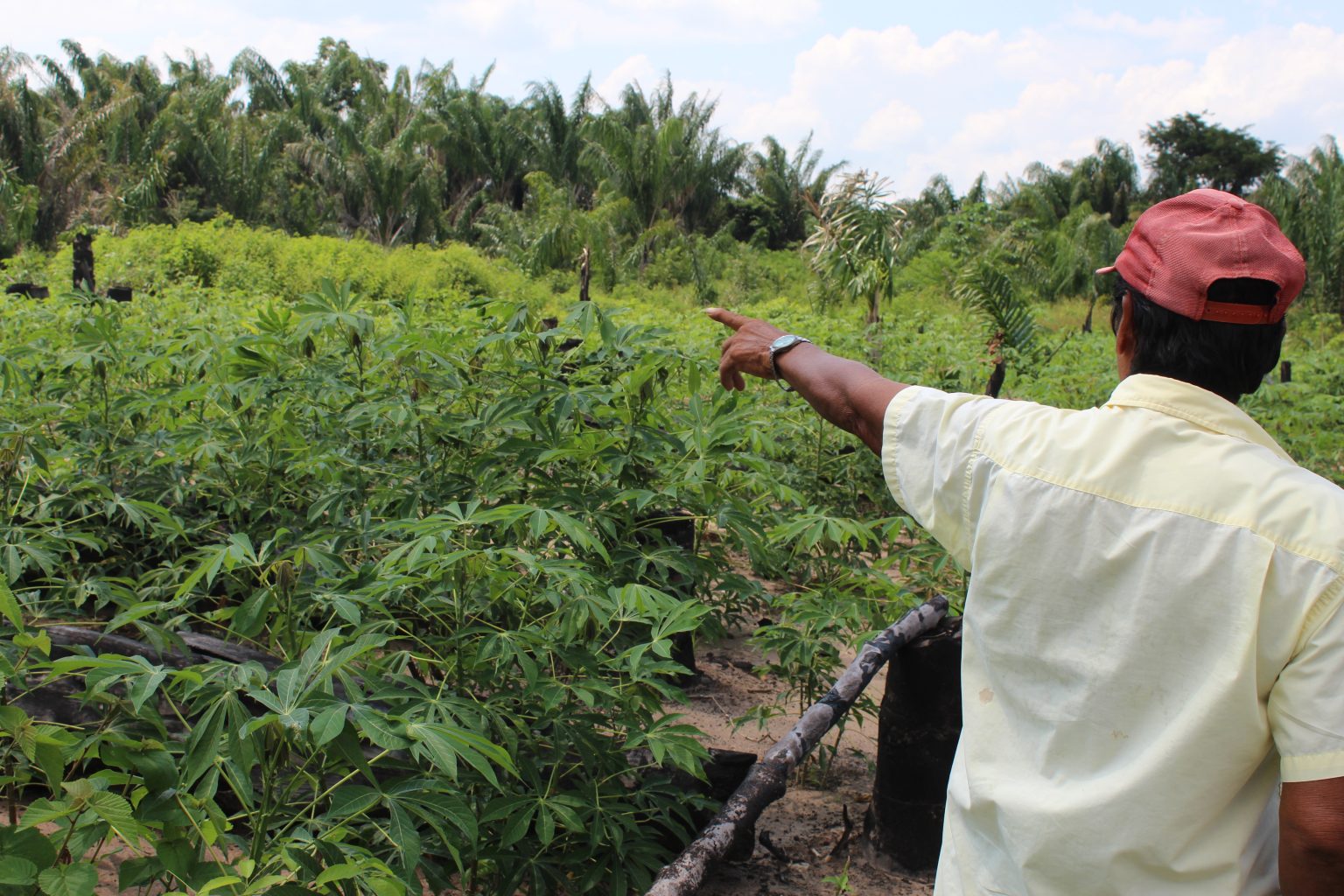
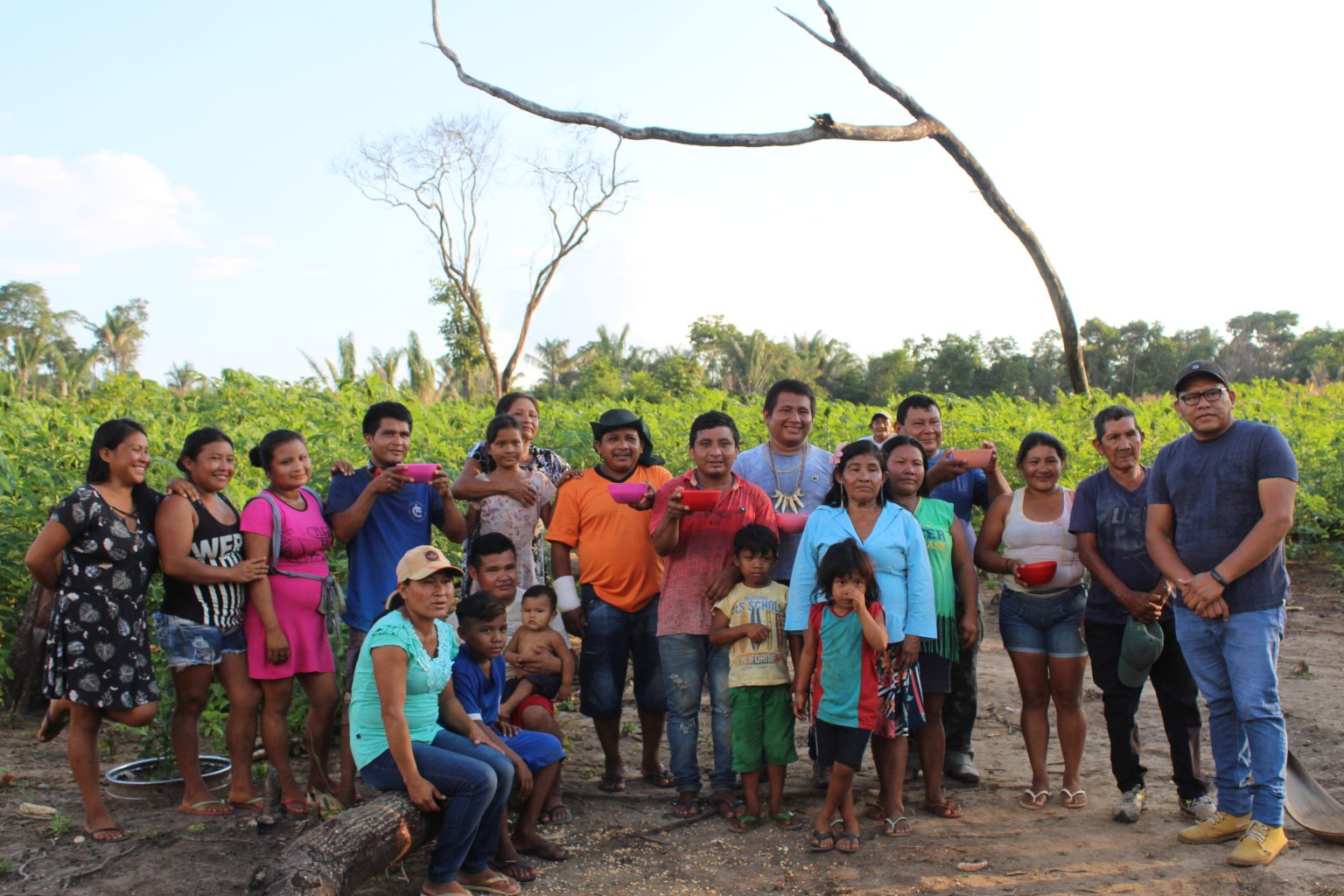
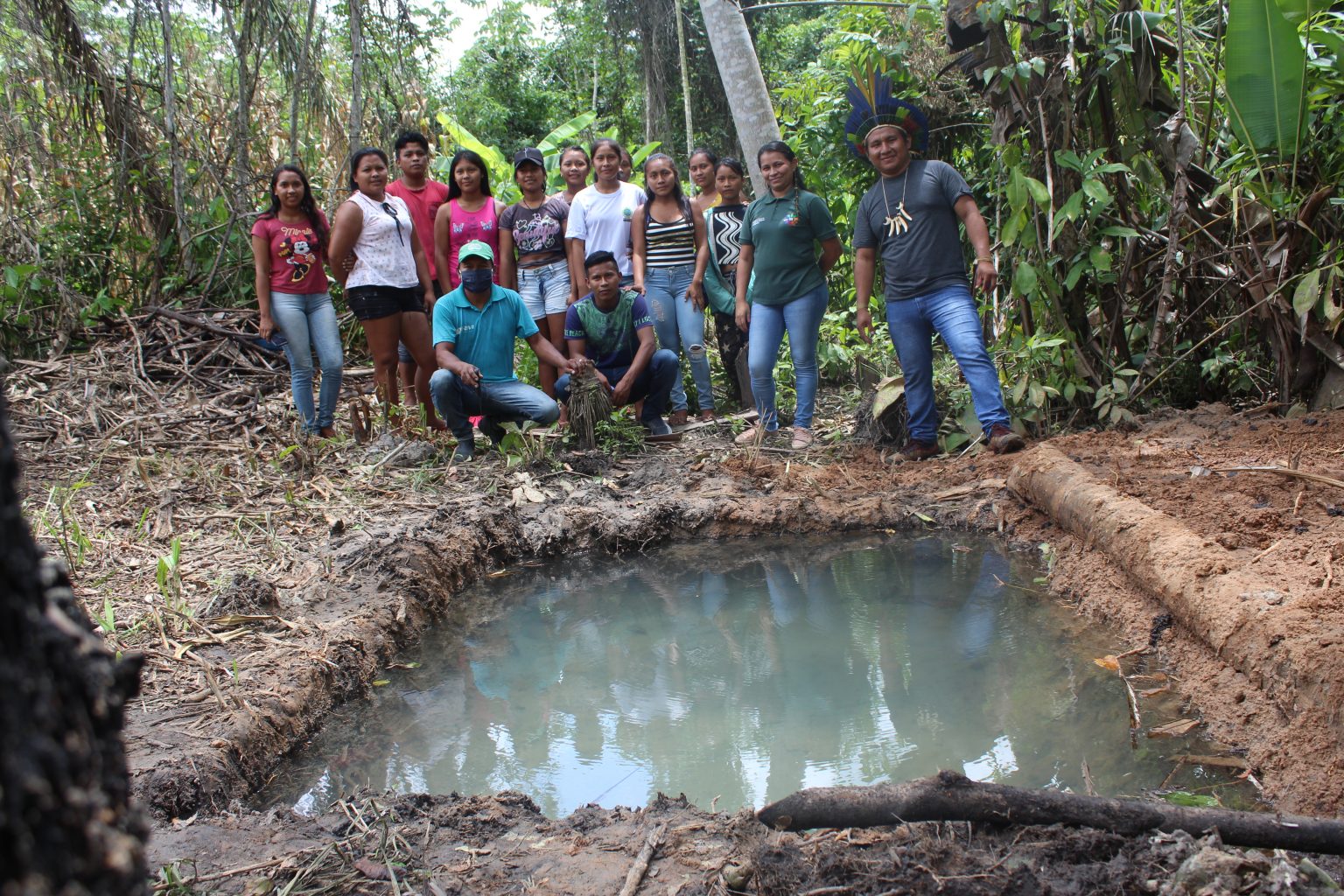
The Tuxaua of the Mangueira community, Salim Ribeiro, took the coordinators to the coffee, corn and banana fields, among others. He mentioned that the harvest forecast is 80 bags of coffee, so he made the donation to the CIR seed bank for distribution to other regions. The young people, mostly women also from the Mangueira community among the 23 families, organized themselves for a banana plantation, which already has 240 trees, with various types, from silver to long banana.
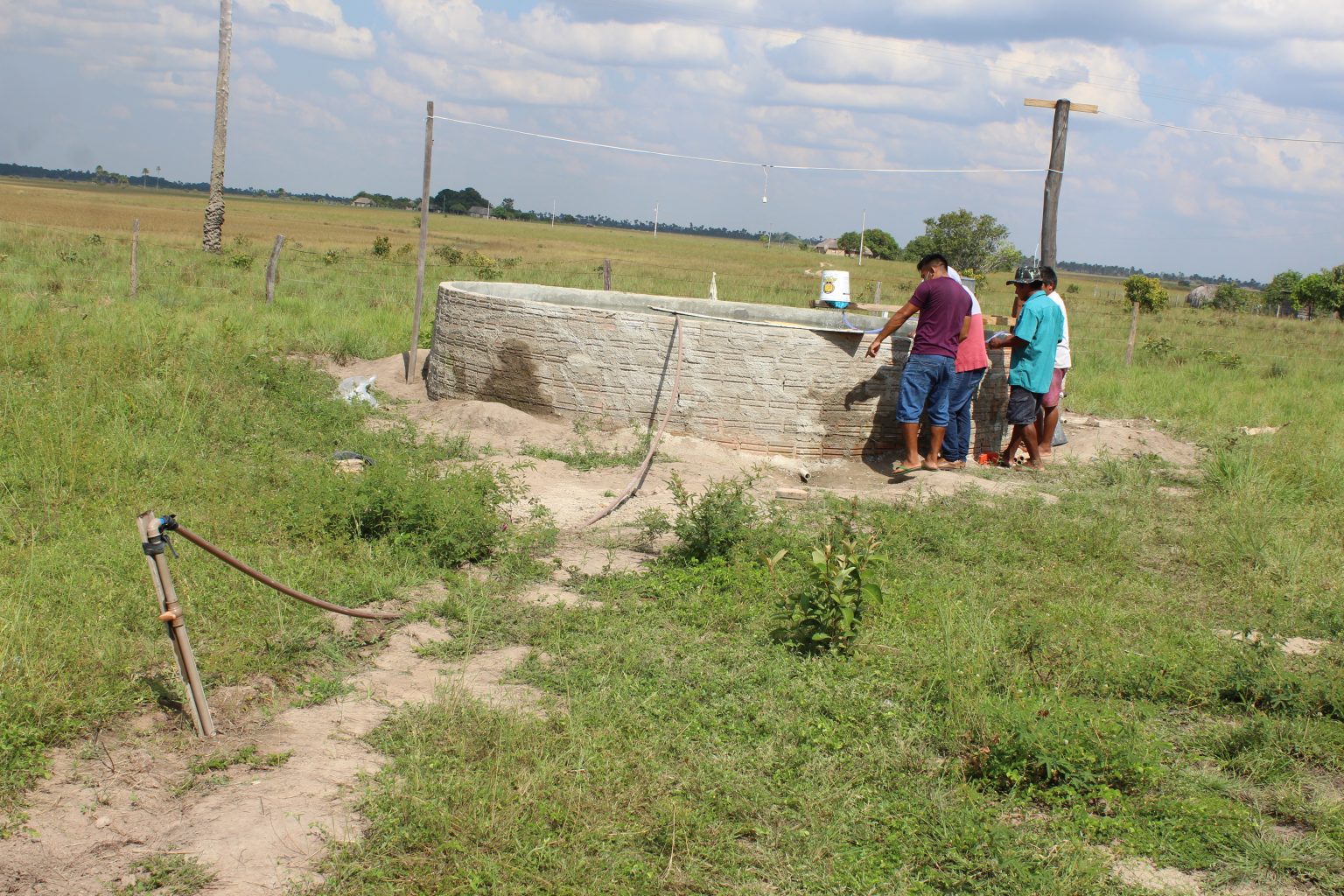
As a way of establishing a continuous cultivation not only of bananas, but of other productions, people from the community got together and dug a well for irrigation that will maintain the plantations in times of drought that the region eventually faces.
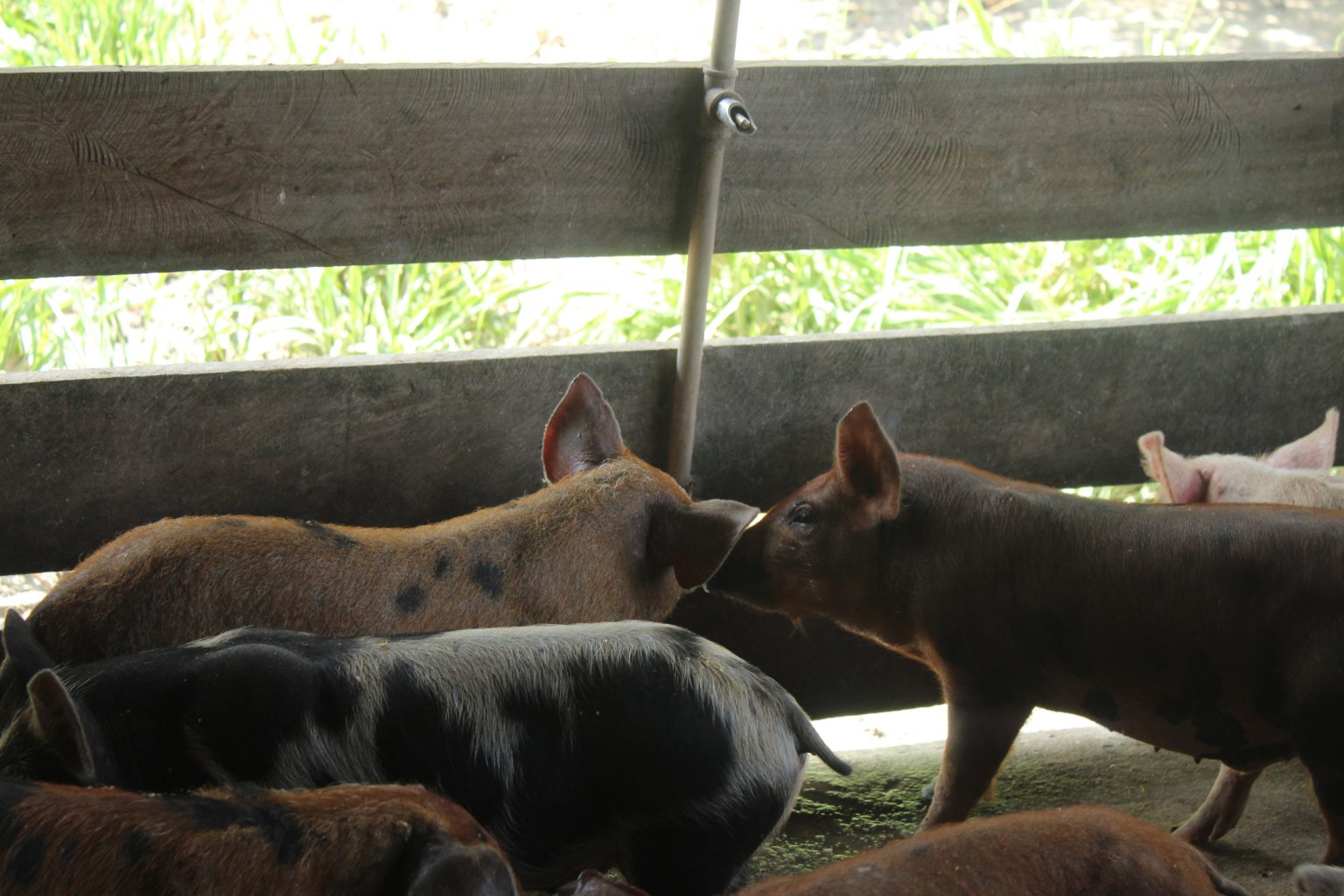
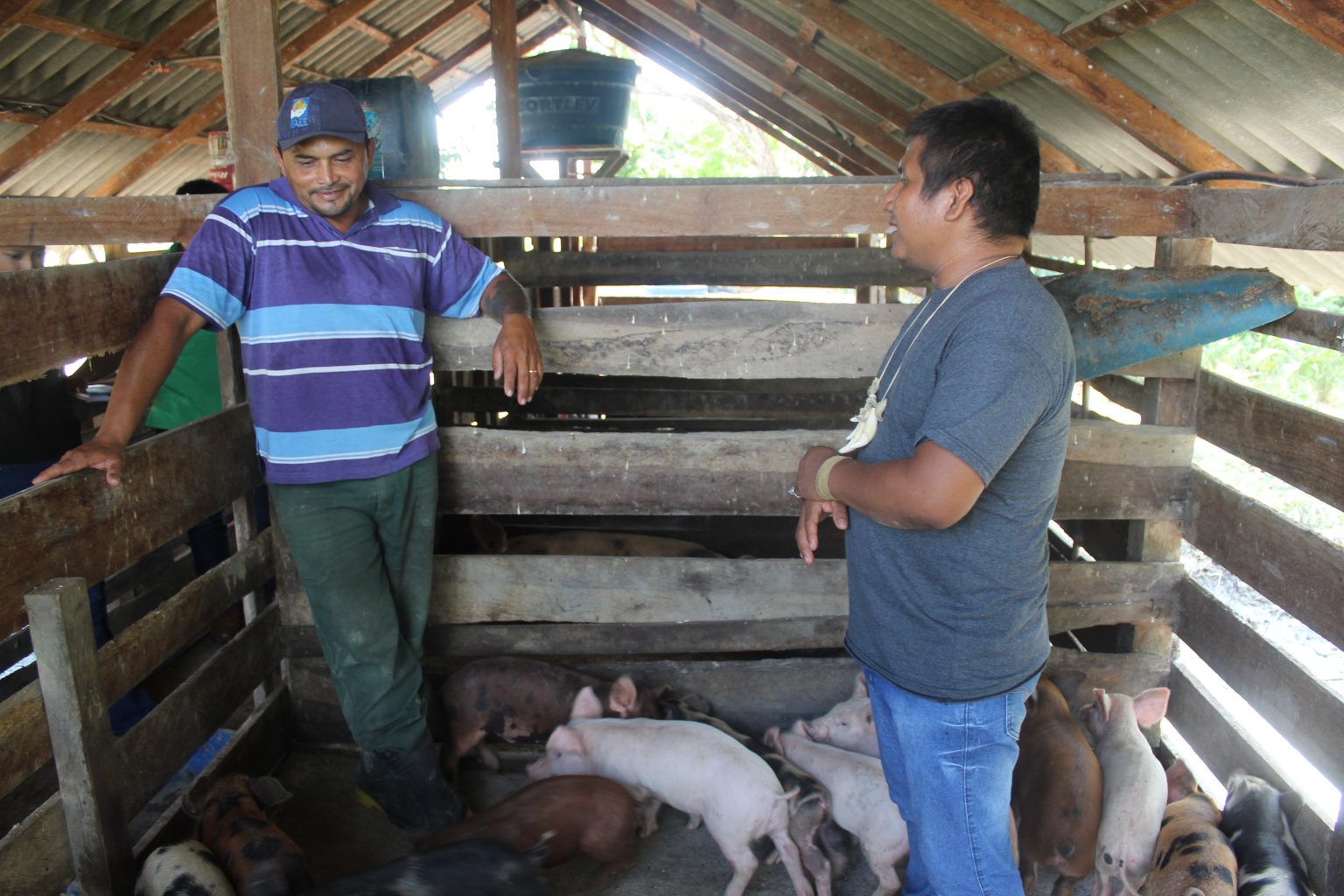
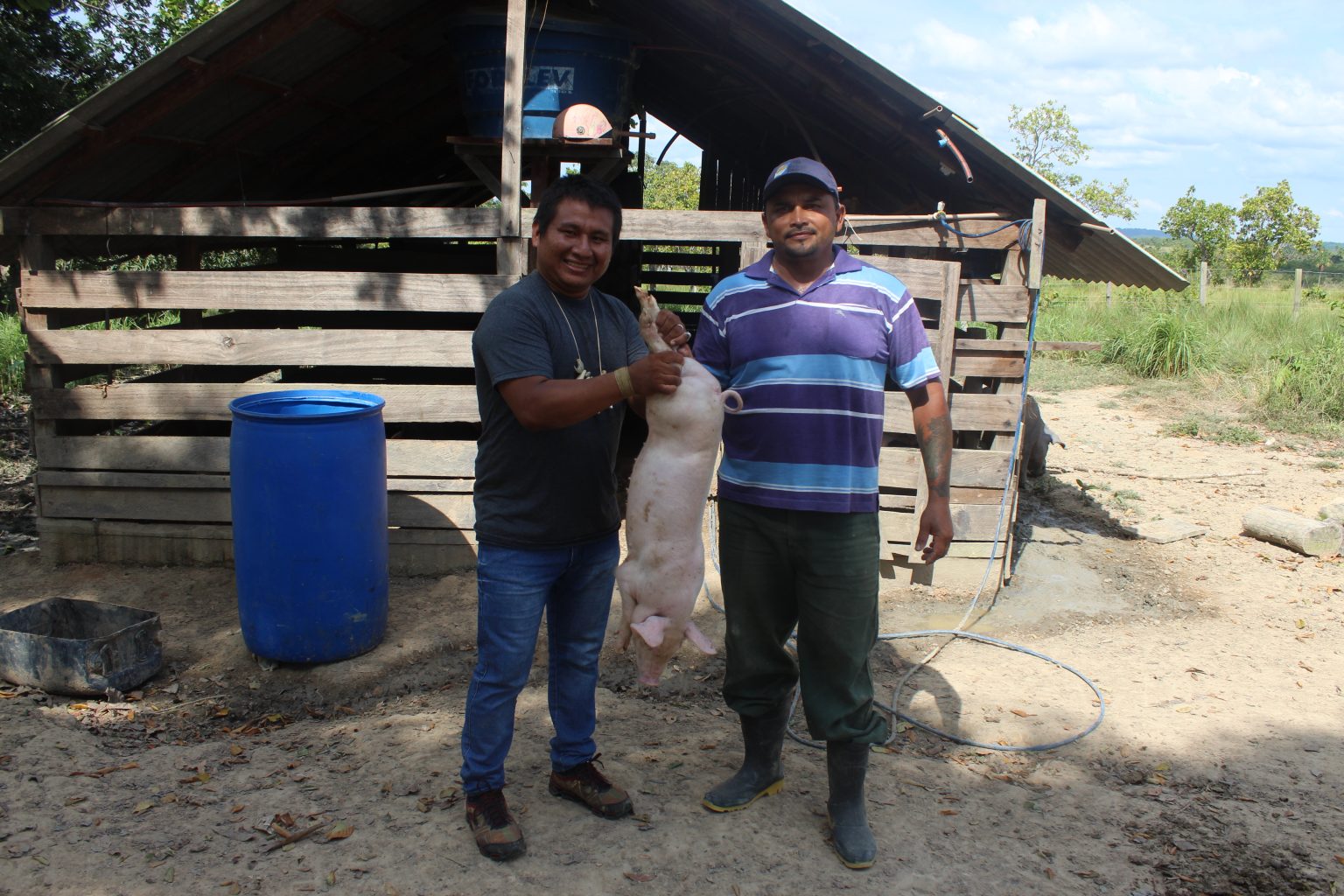
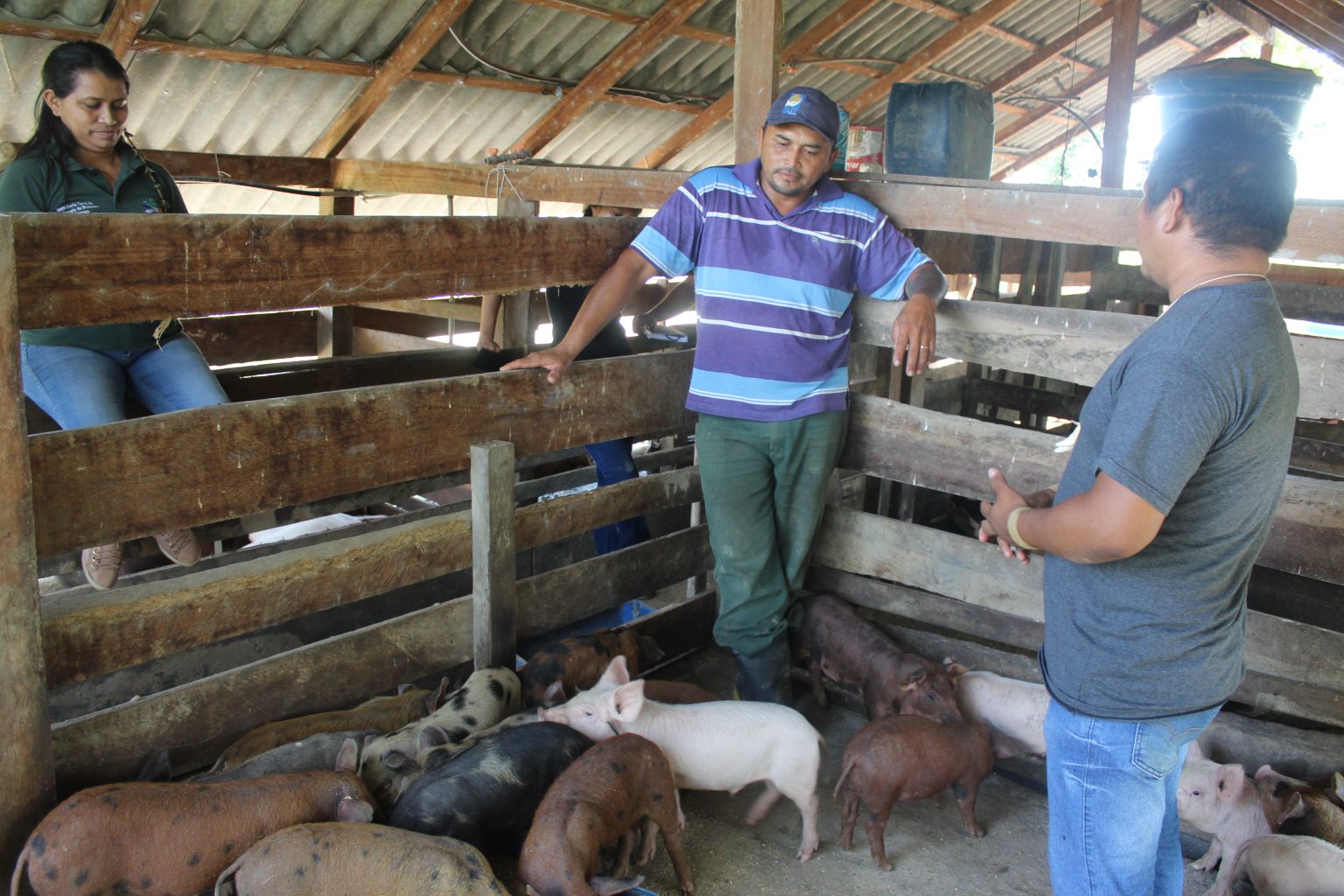
Initiatives in the other communities are the same as that of Mr. Marcilio, who raises 160 pigs in the Boqueirão community. He searches the internet about management and talks to a breeder from outside the state about the best feeding and breeding techniques. In addition to manufacturing part of the feed, he sells the animals to all communities. "Here the whole region comes to me to buy pigs," he said, also thanking the support given by the CIR in his initiative.
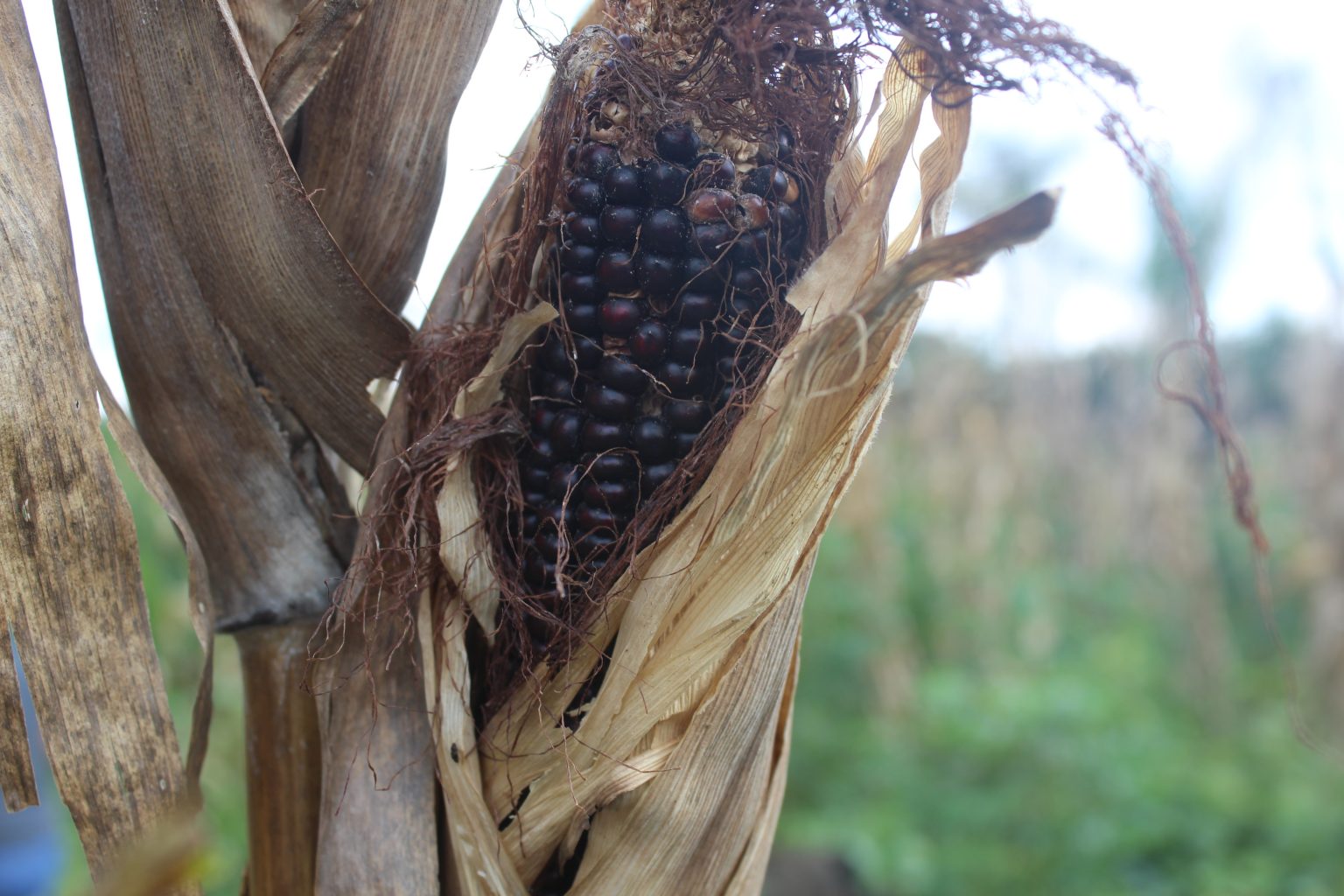
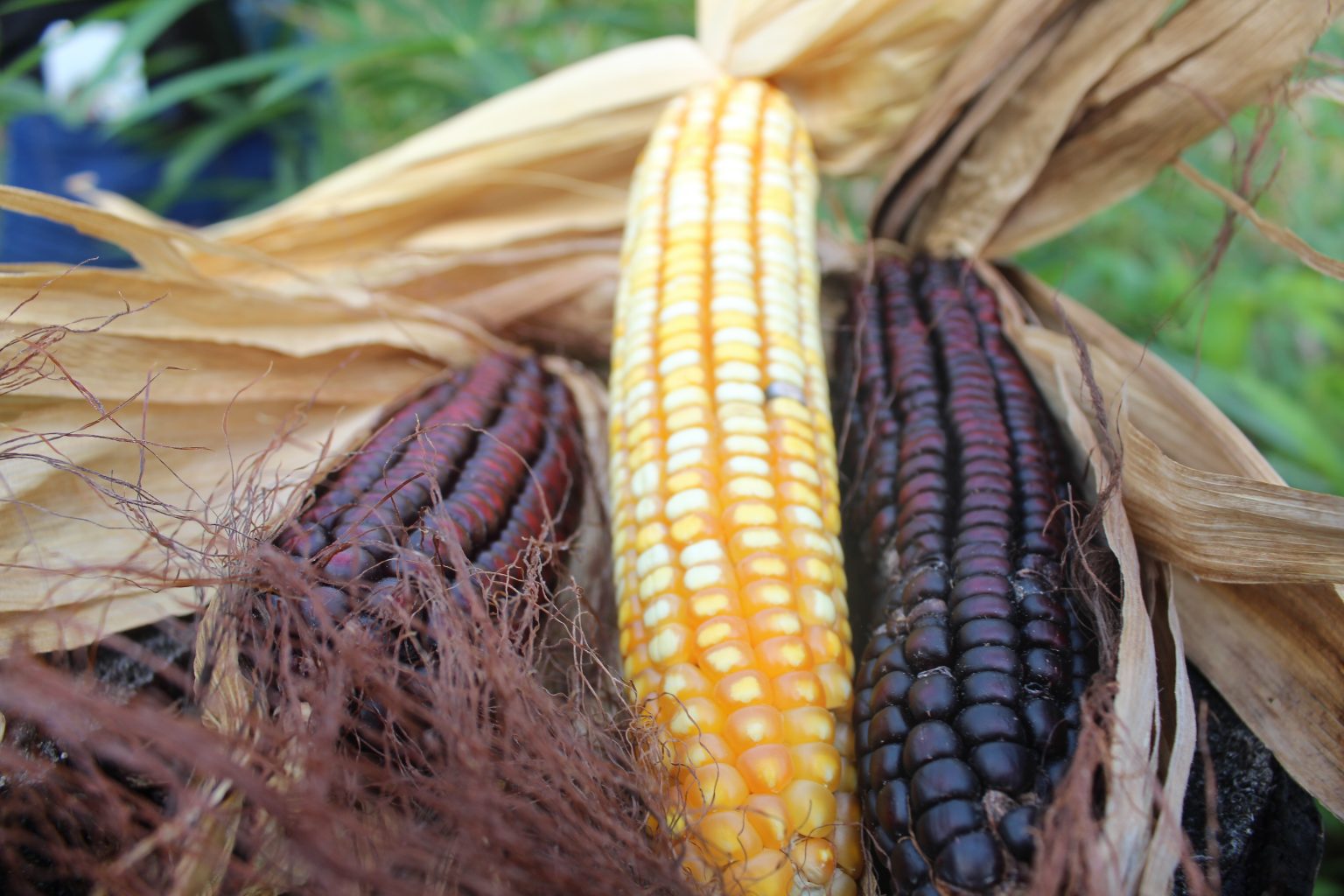
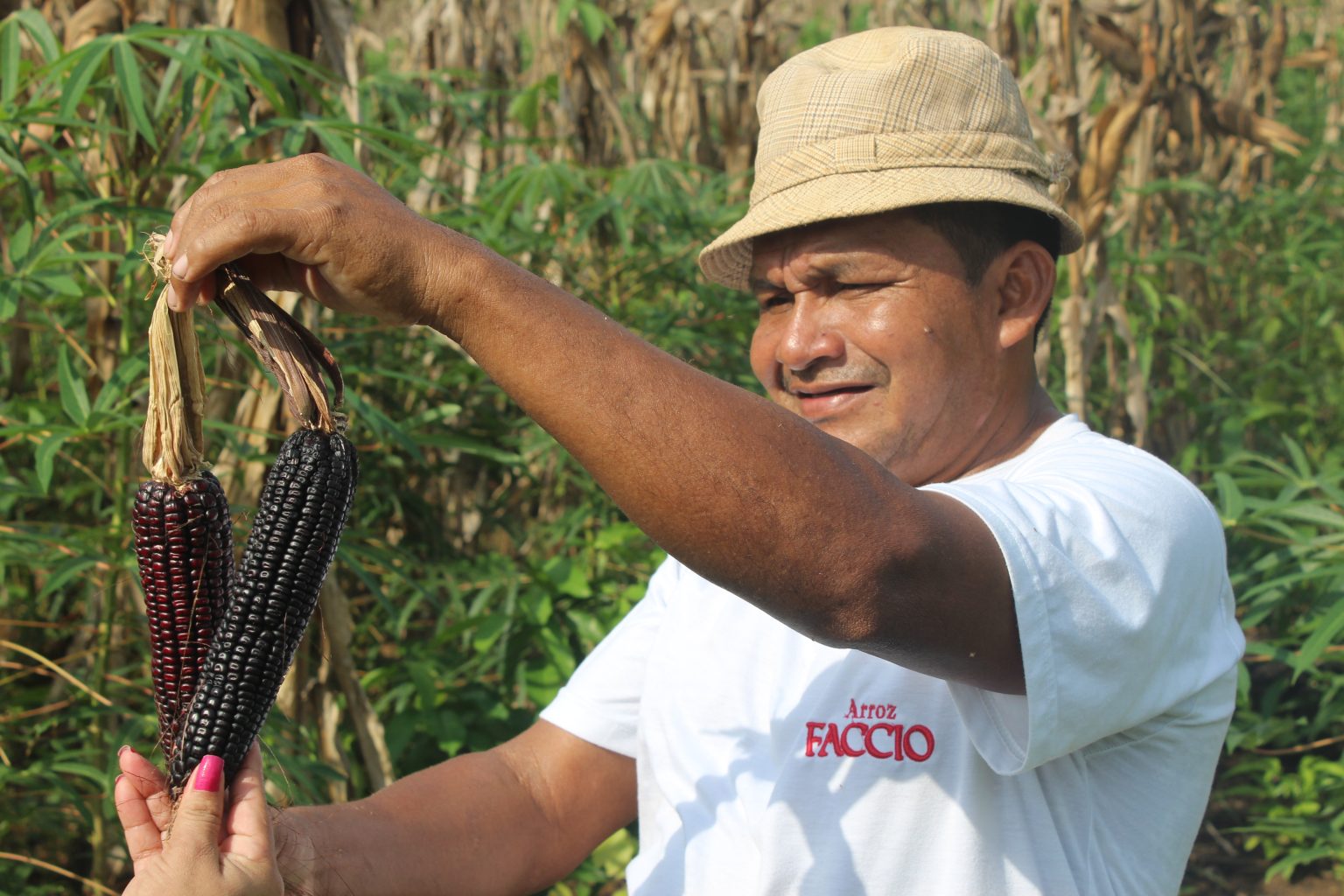
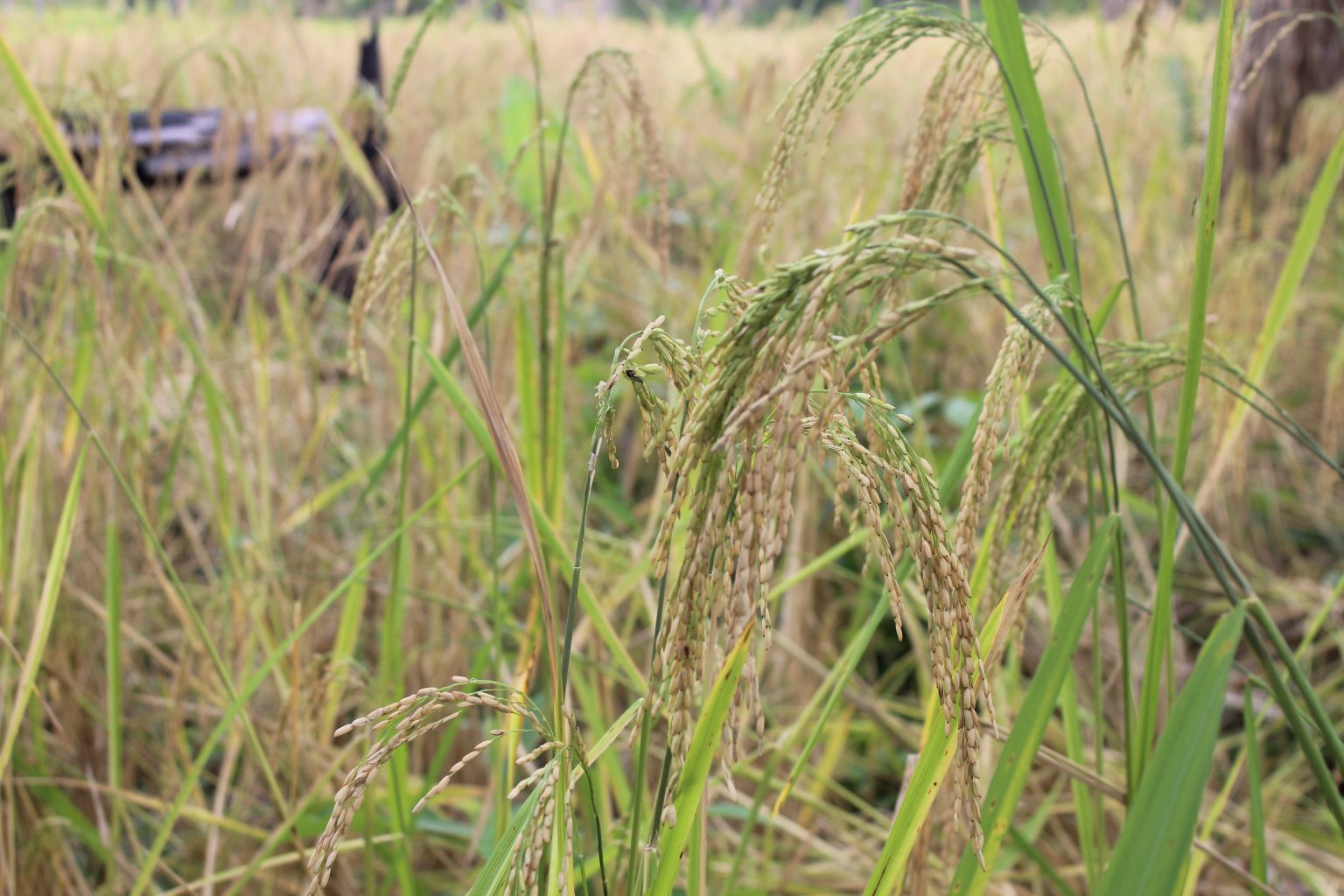
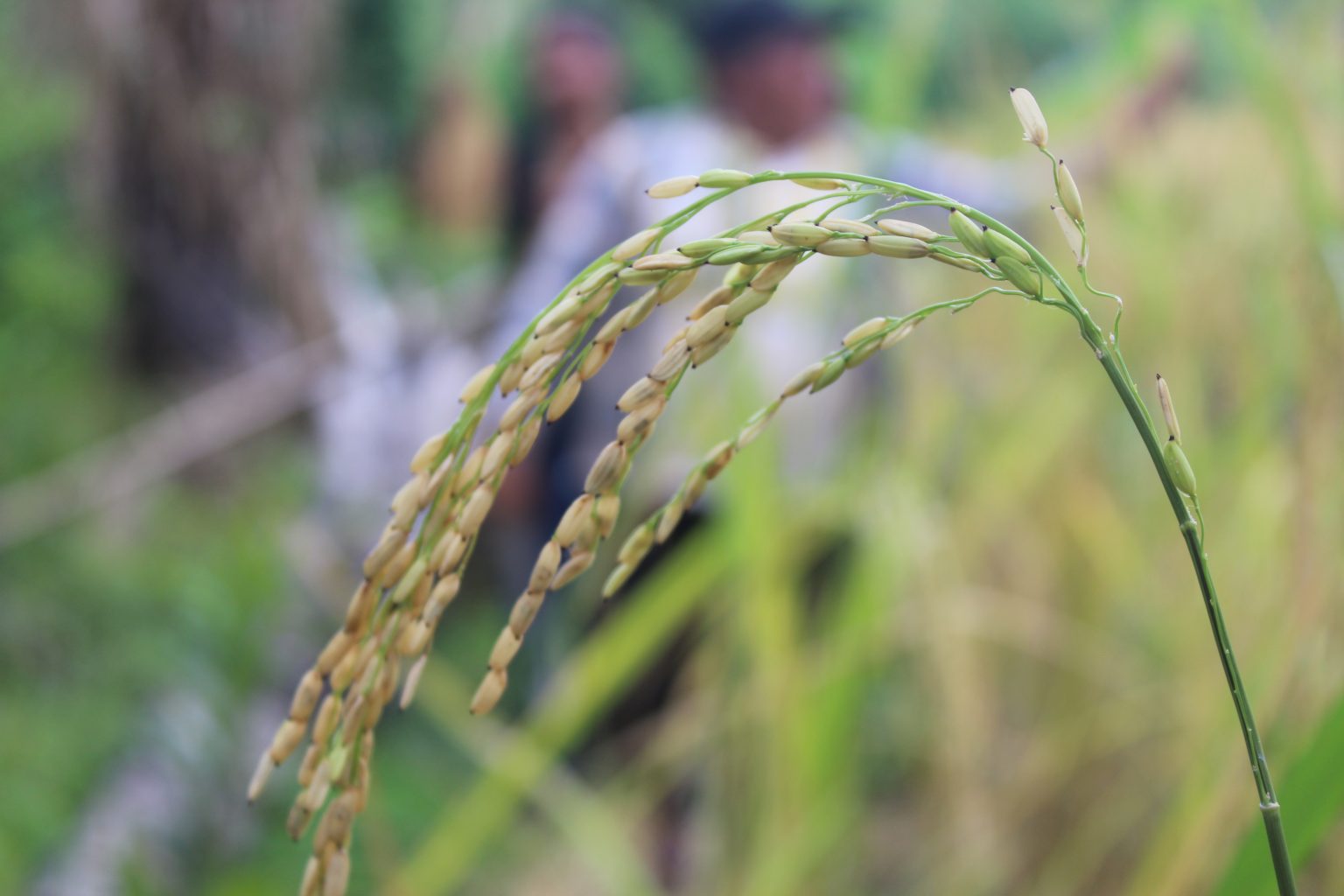
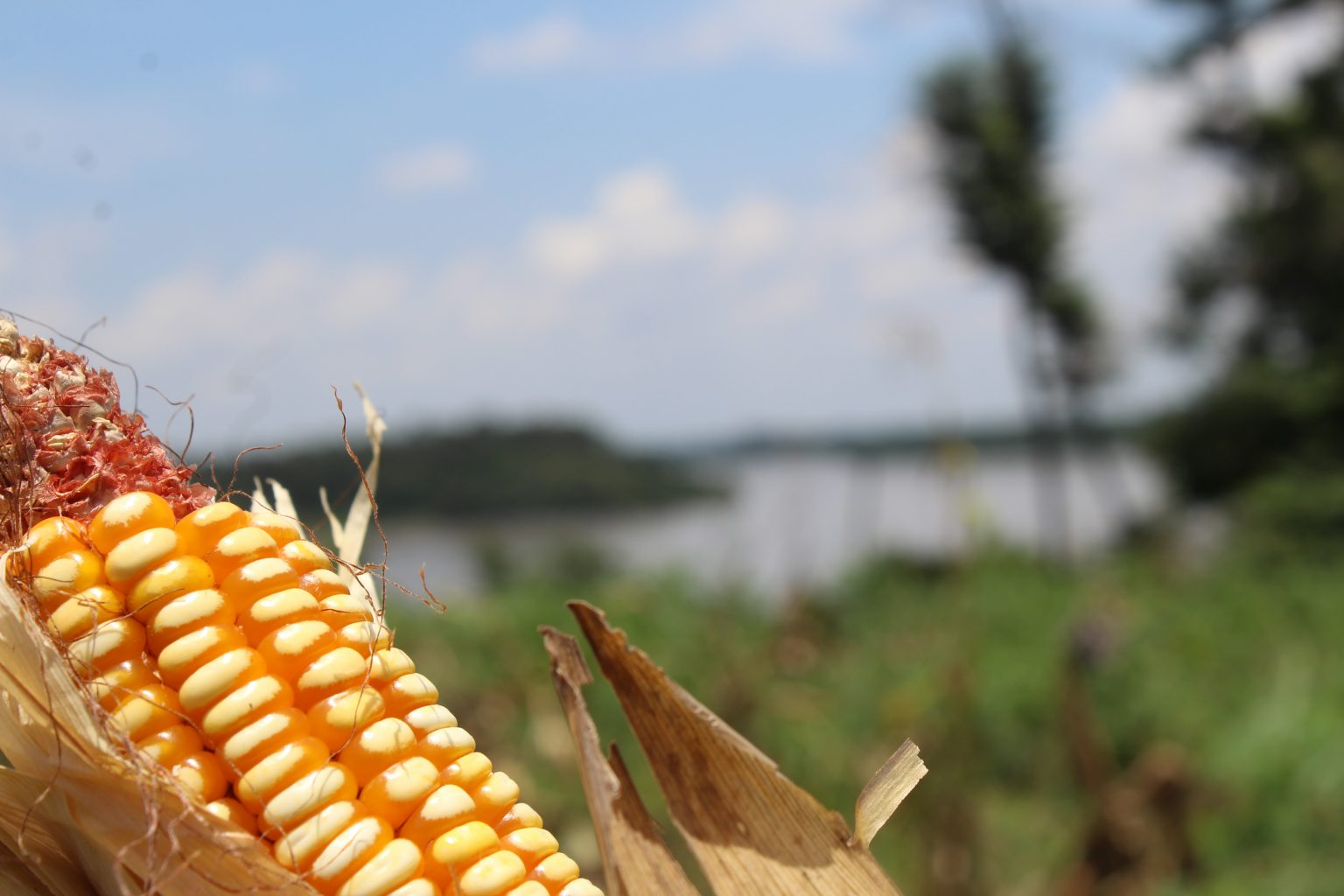
The Tuxaua of the Boqueirão community, Sebastião Pedro, and his wife, Rosanete Santiago, who is the coordinator of the women, donated black corn and rice seeds from the community gardens to the CIR seed bank.
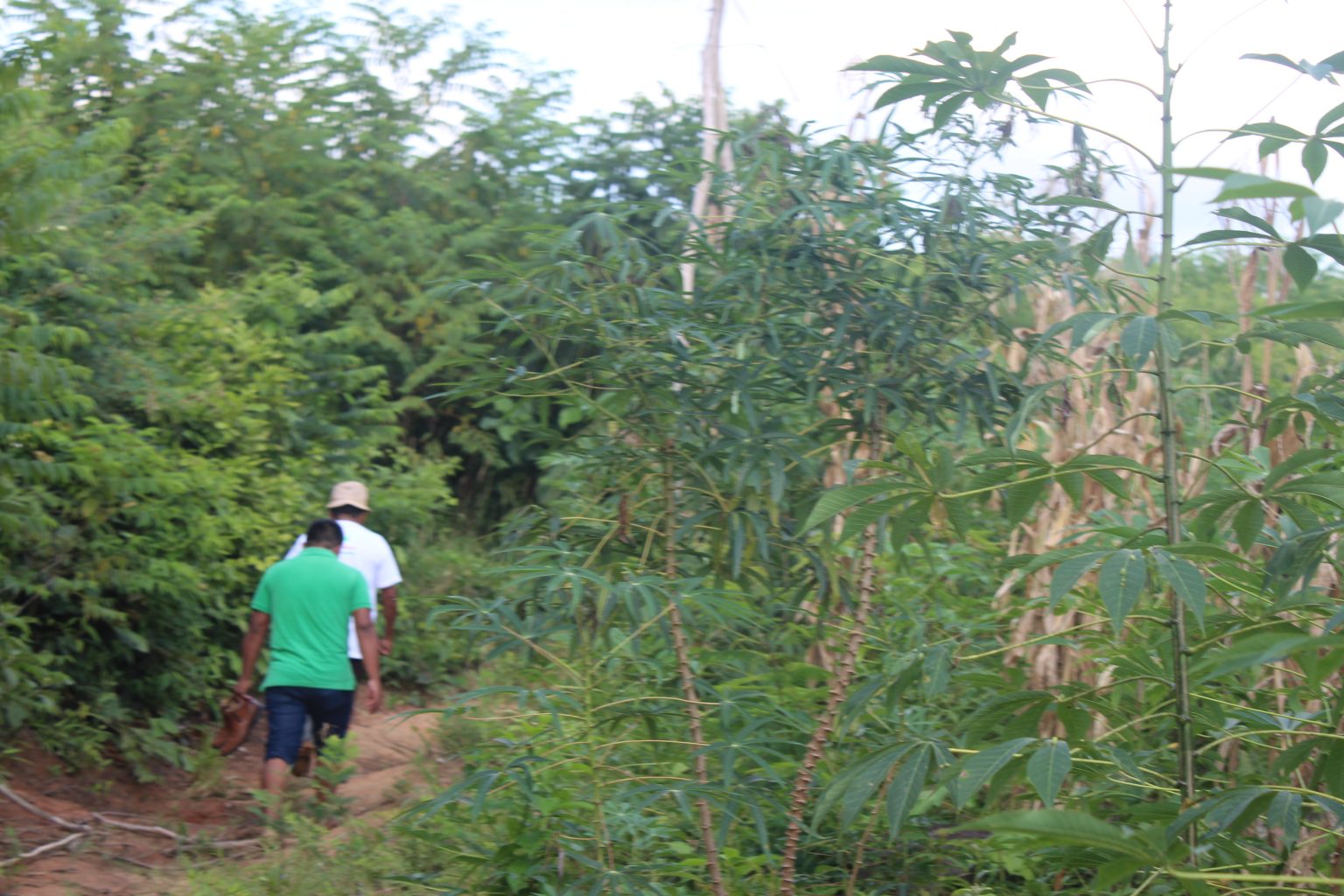
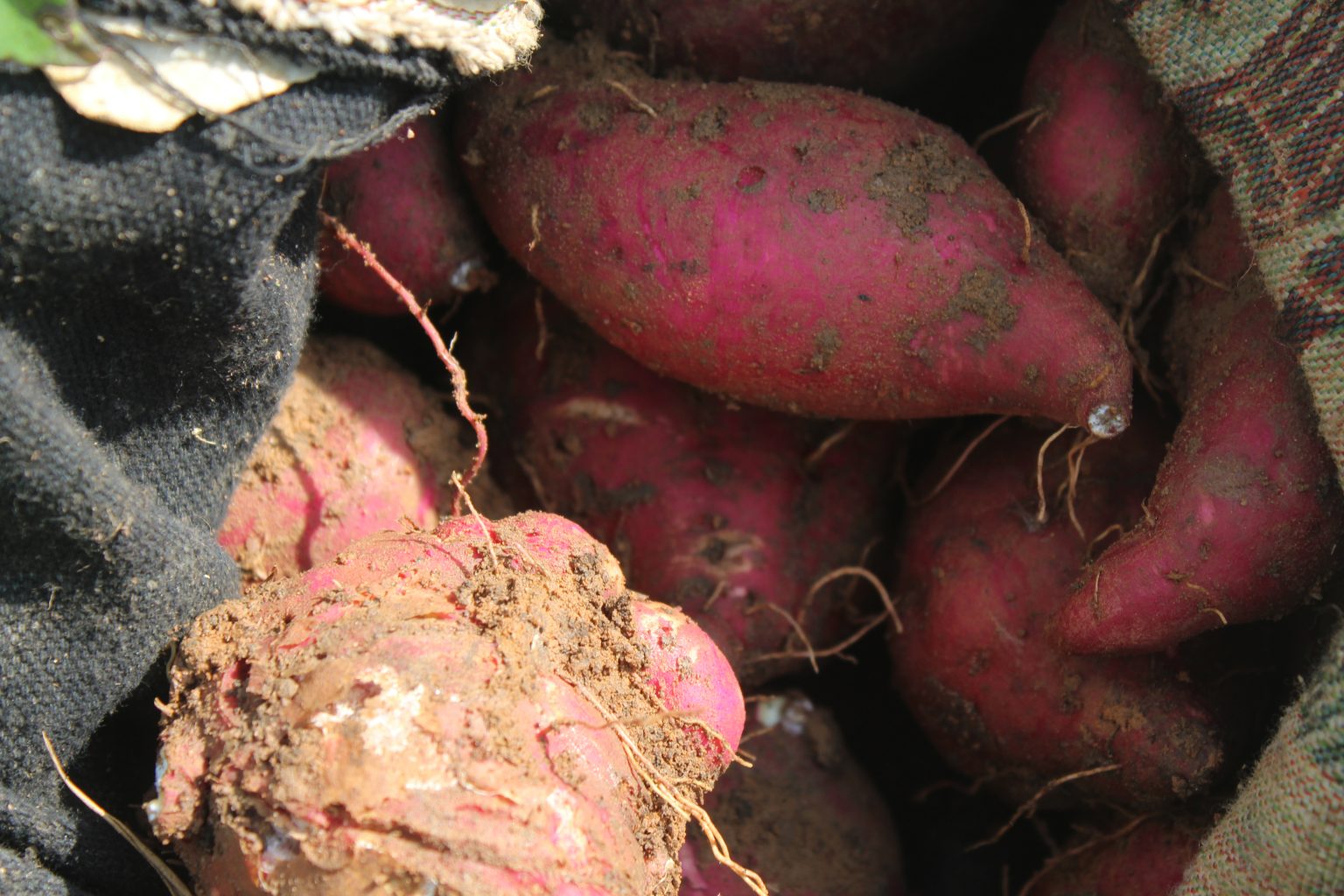
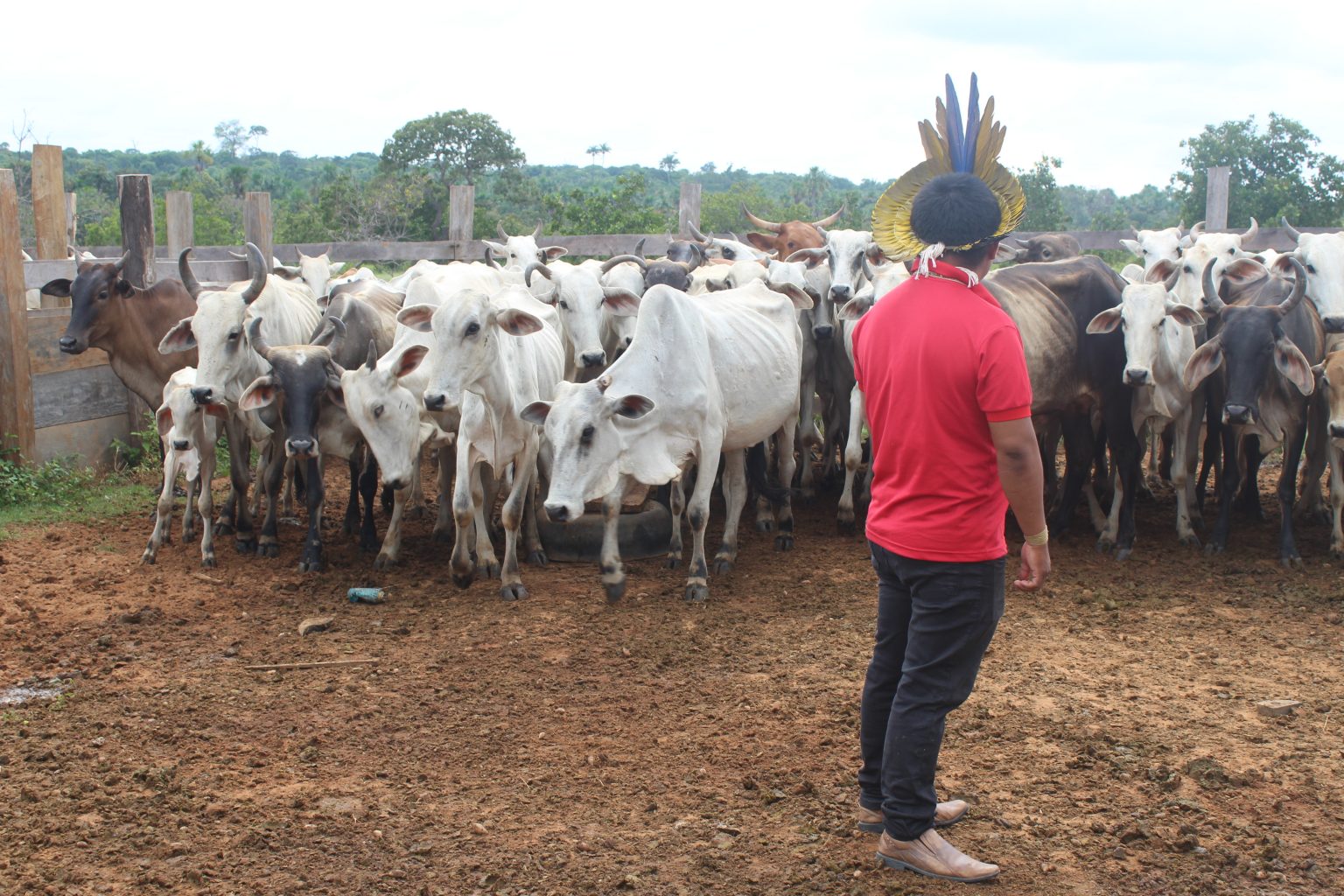
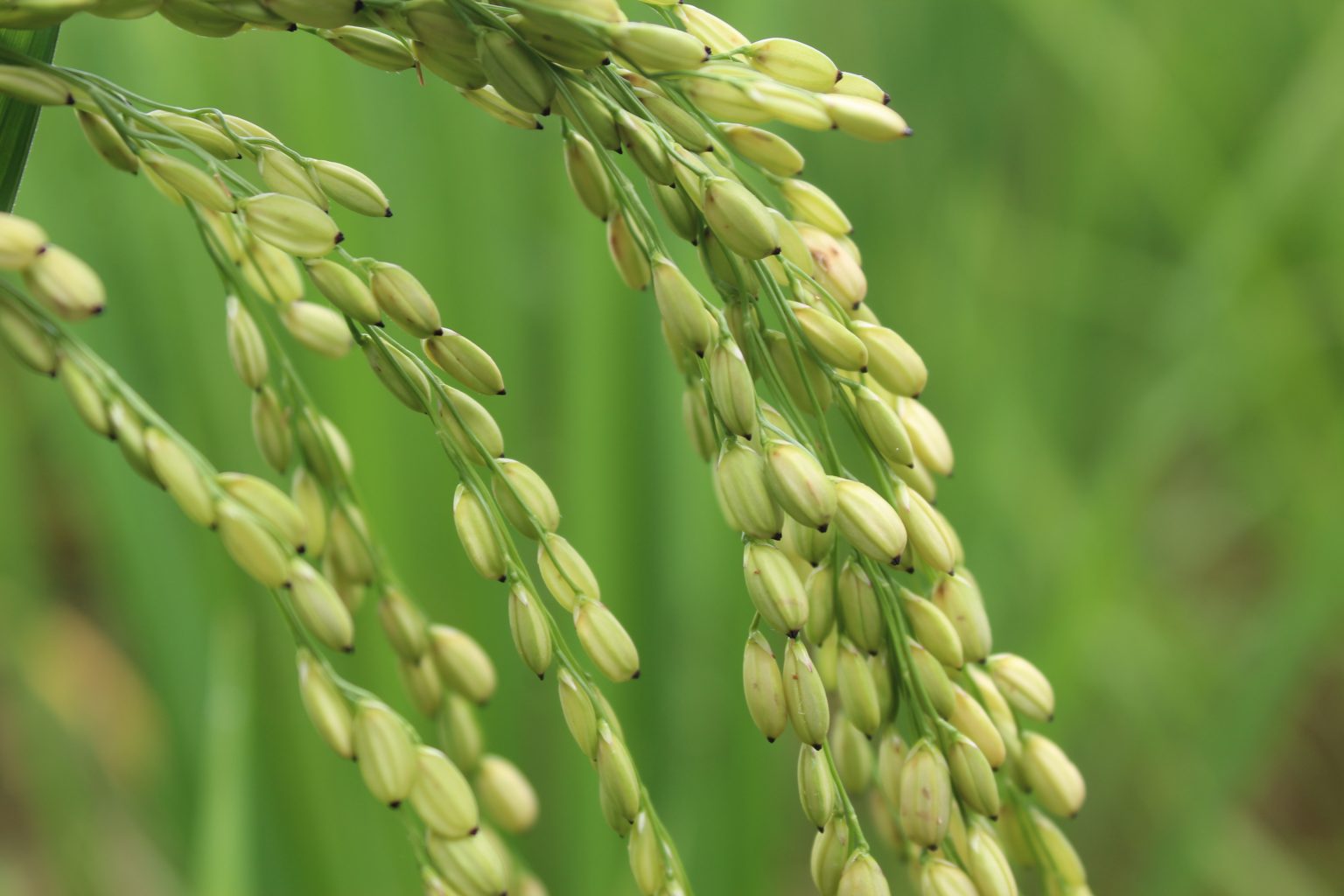
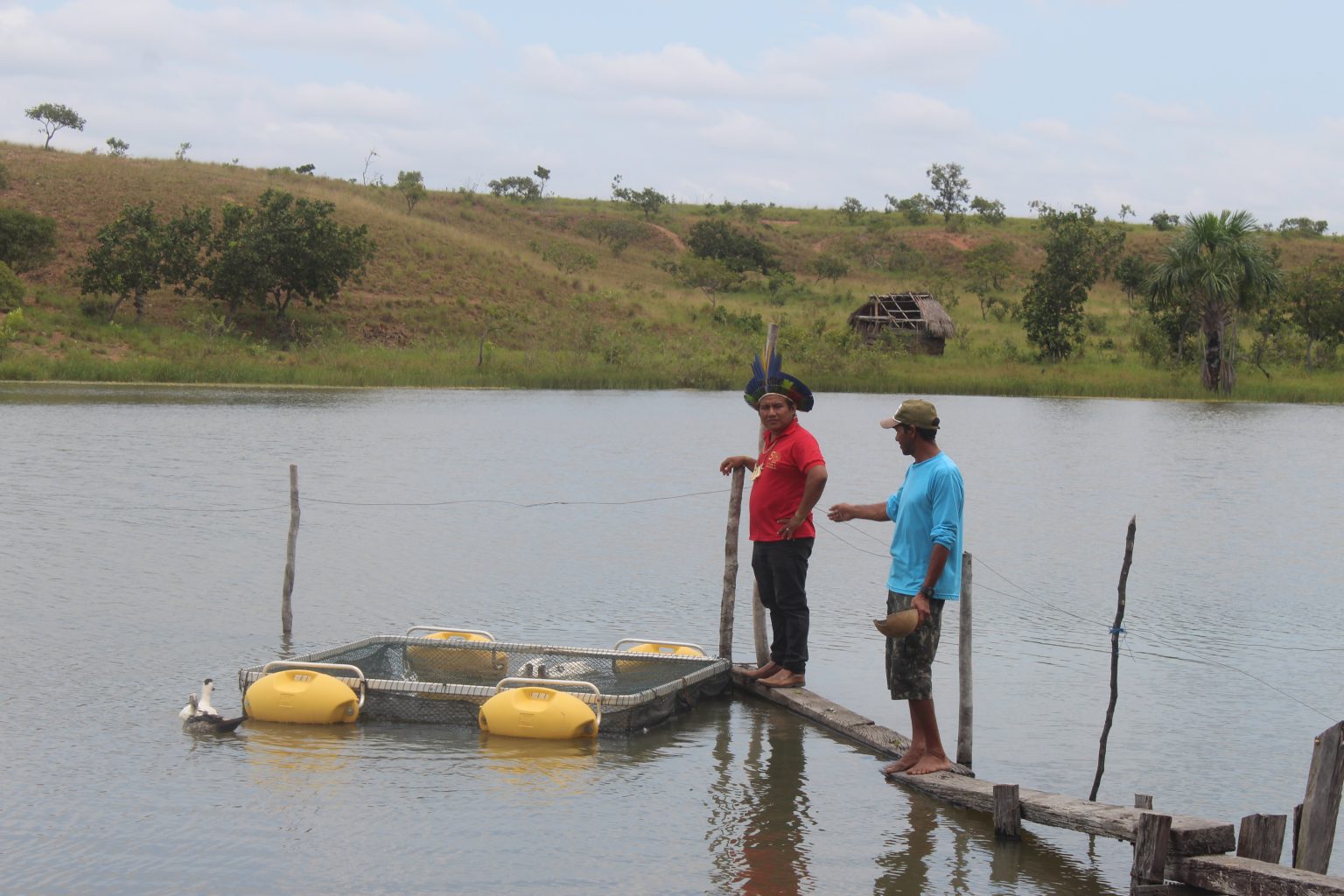
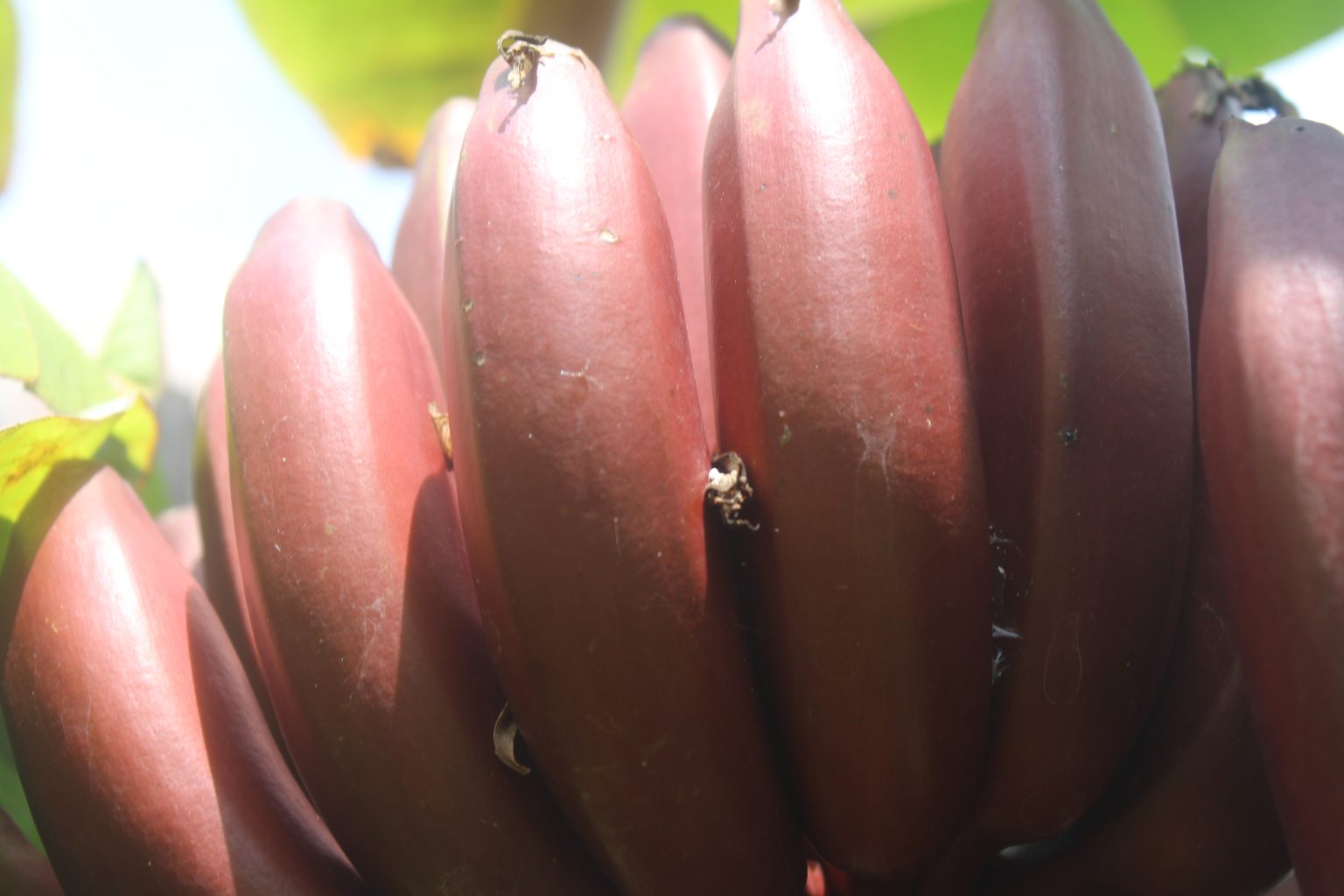
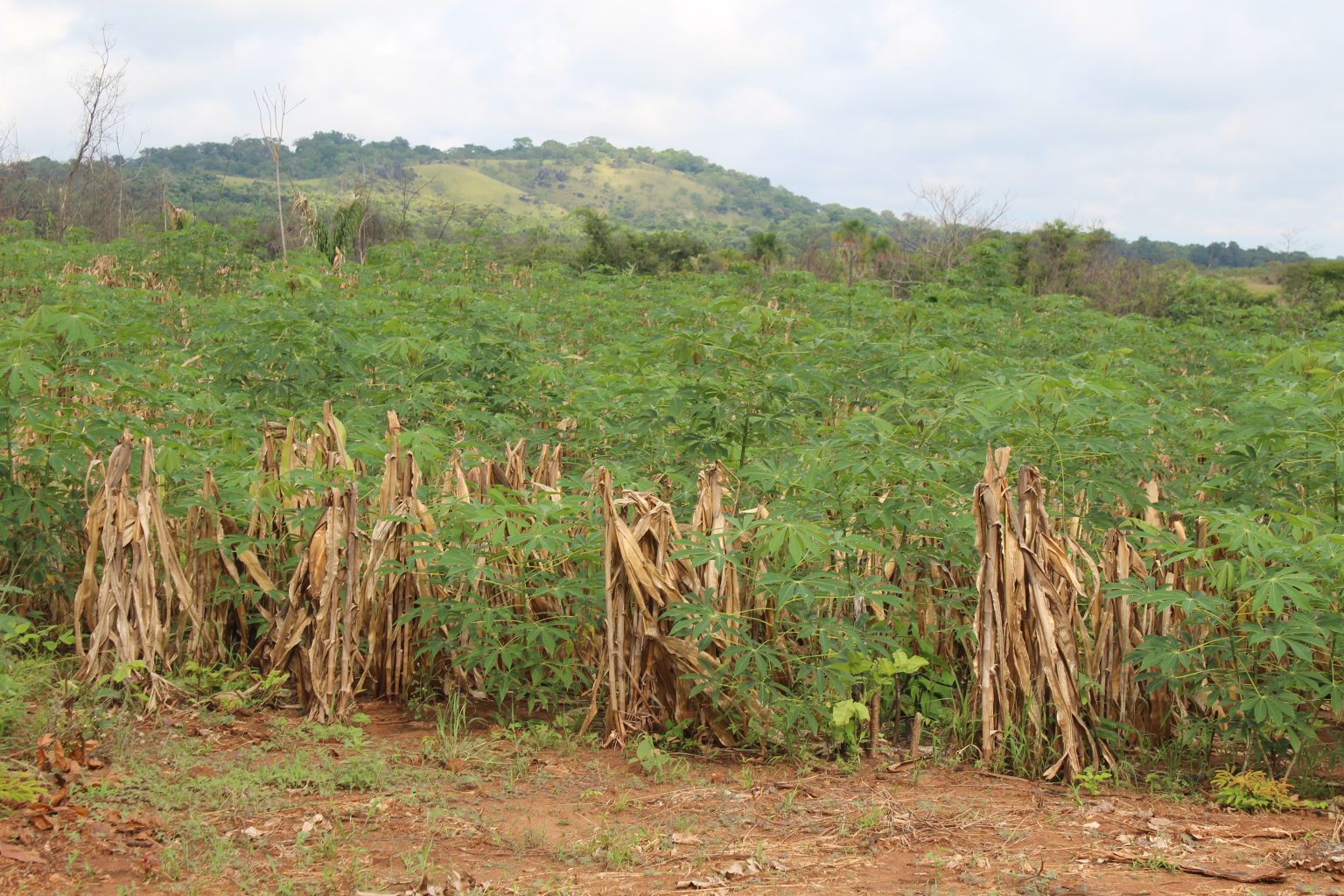
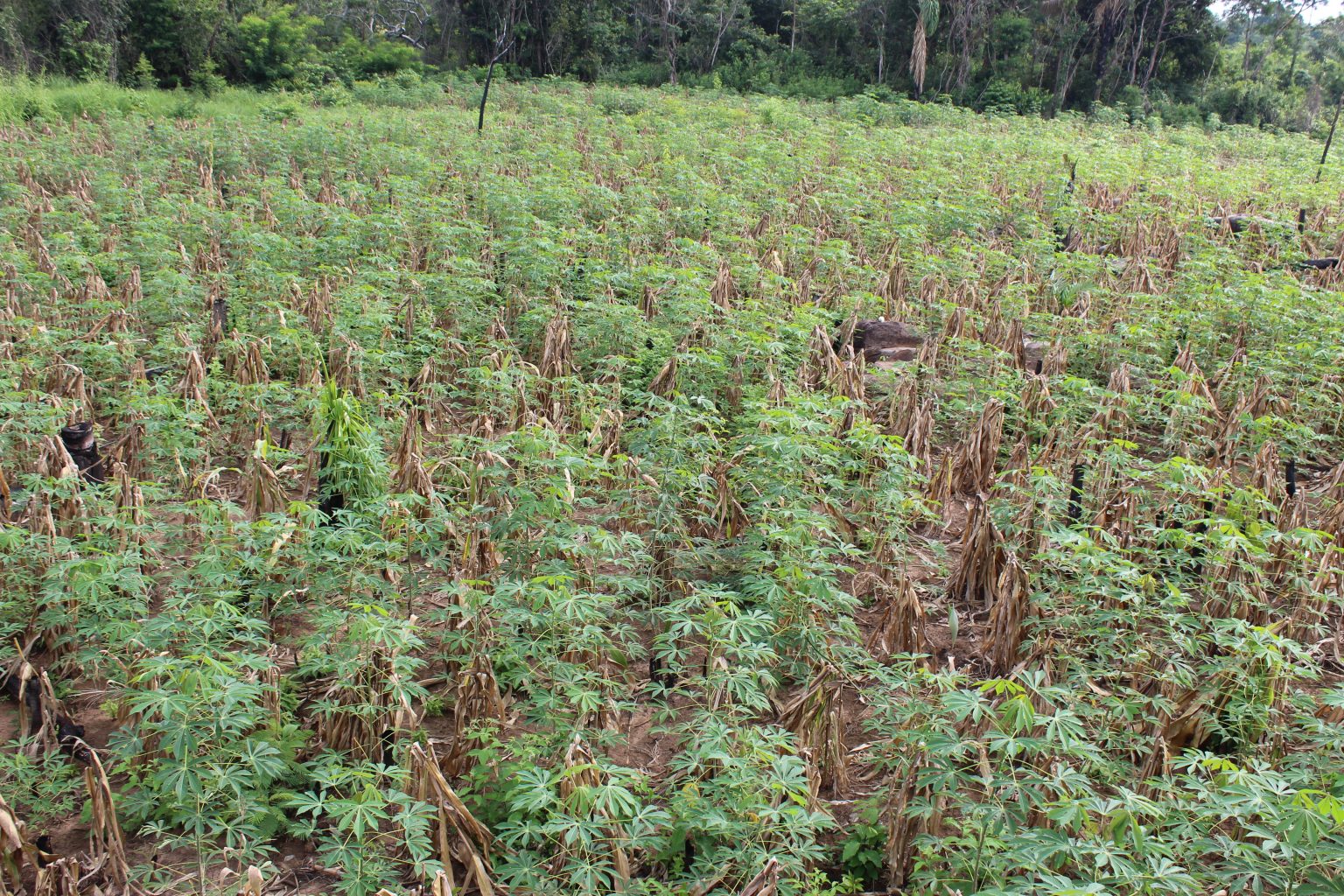
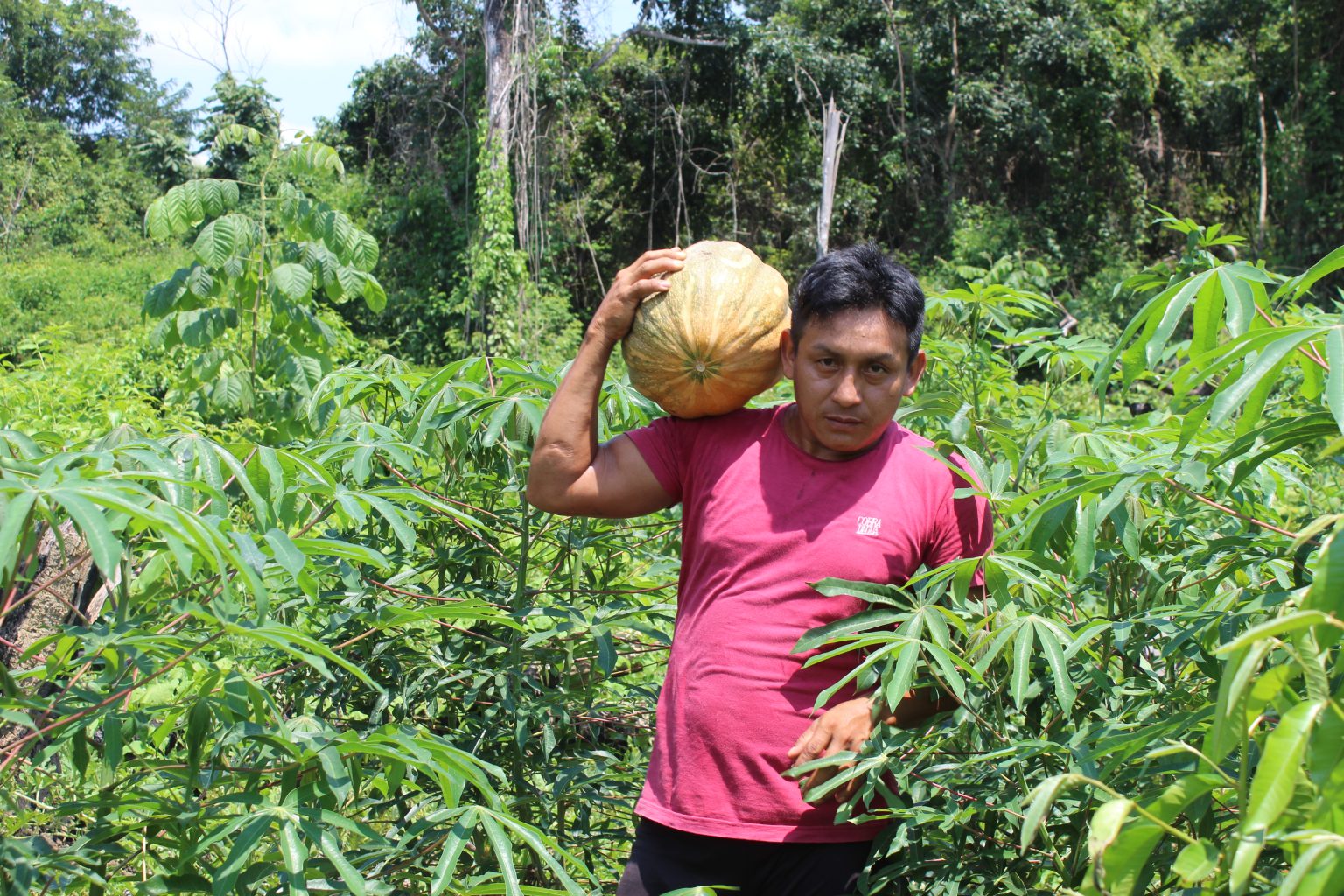
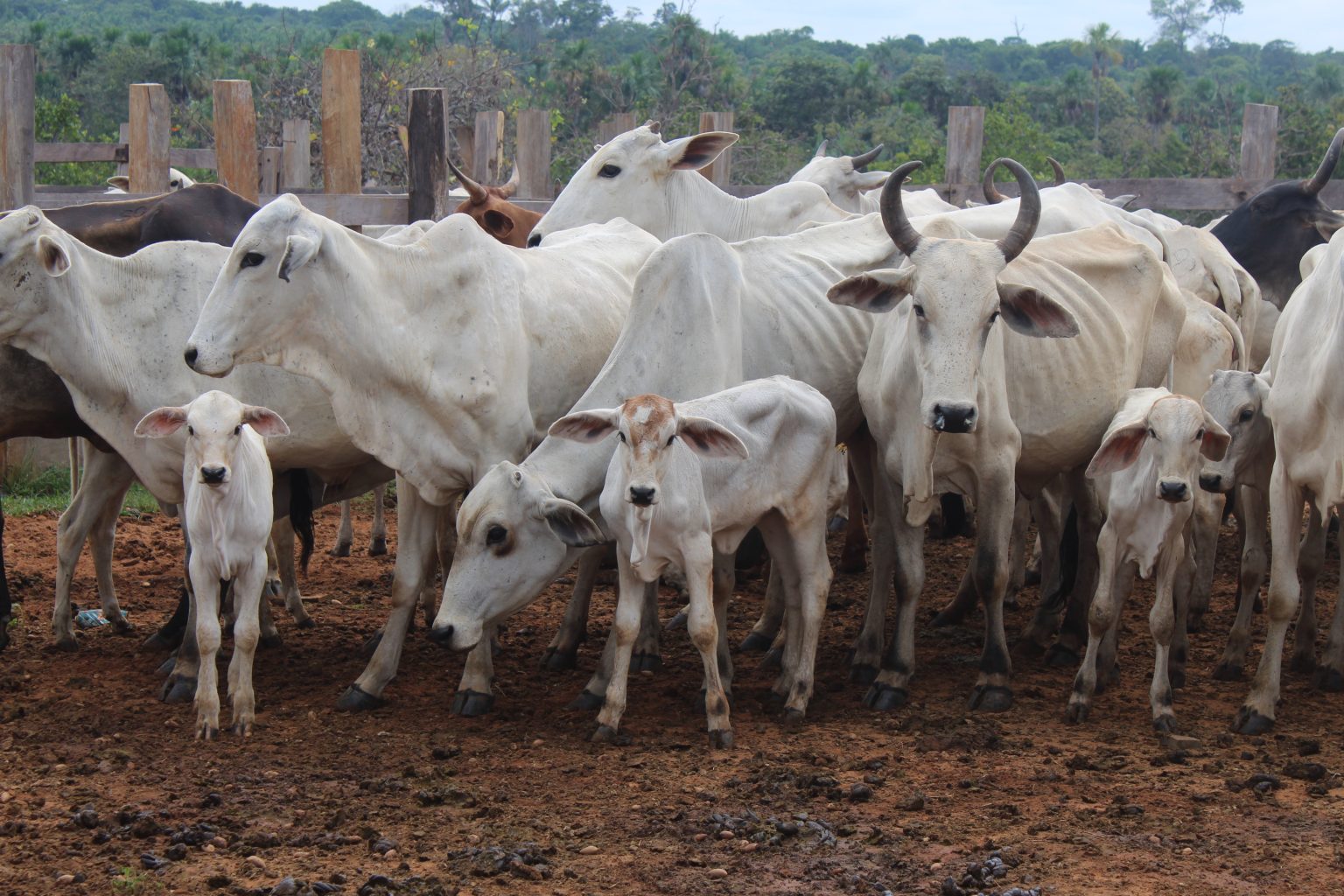
The Anta 1 and 2 communities showed their production initiatives, in addition to the traditional cassava and corn gardens, the cultivation of rice and banana is wide in the community with various types, a very typical example of banana is the purple São Tomé. Cattle breeding stands out in the area, having about a hundred head of cattle. And the strong initiative of fish farming.
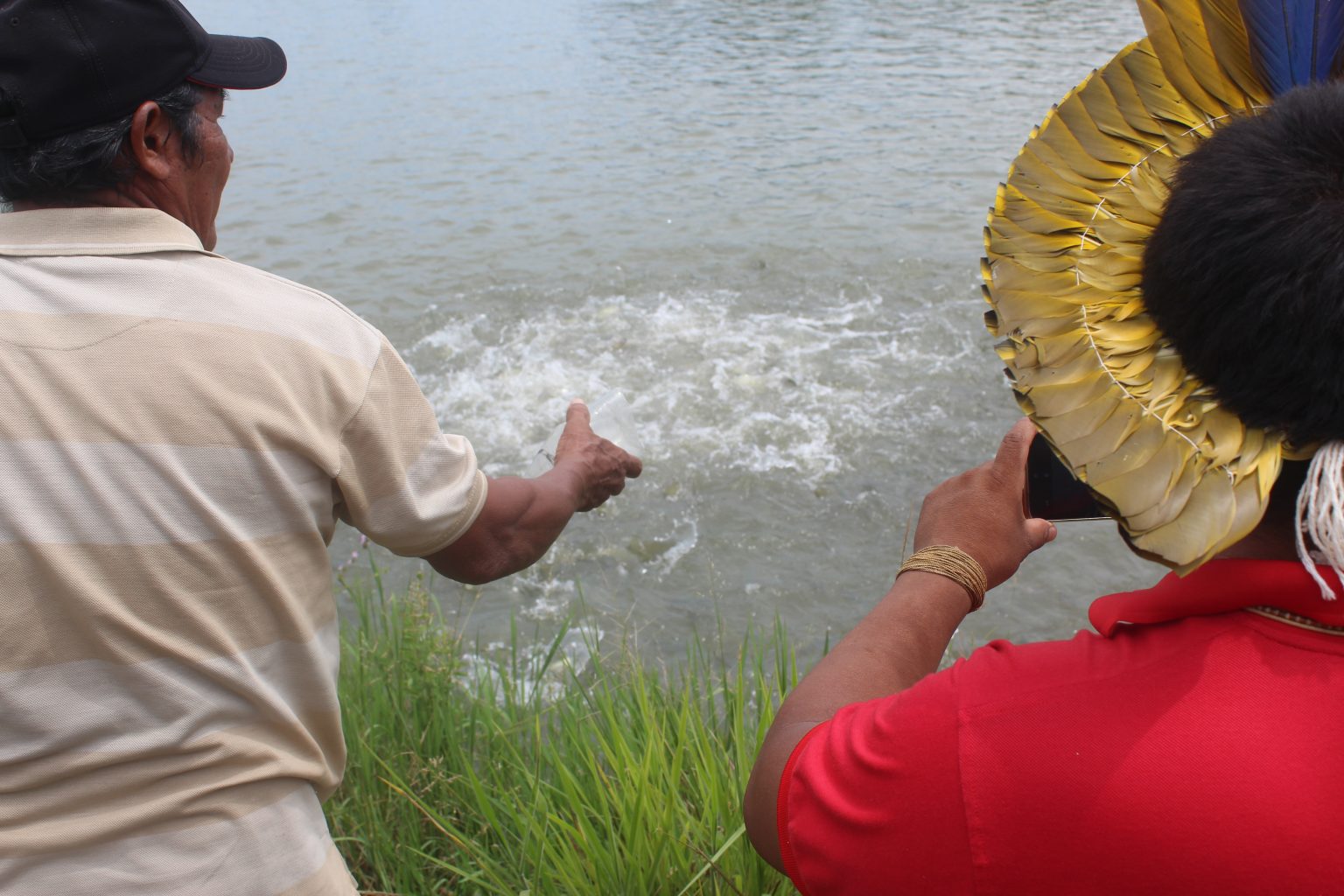
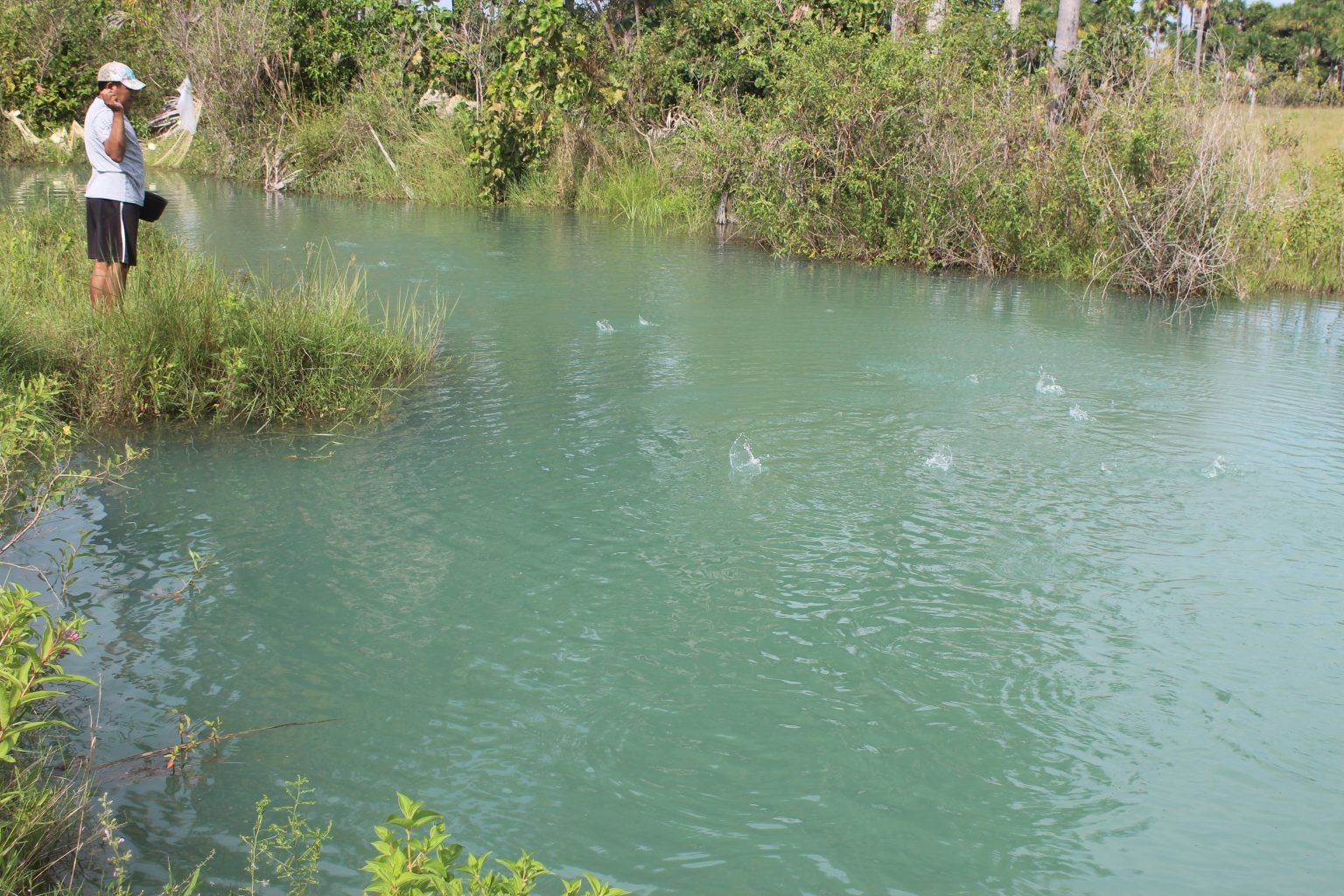
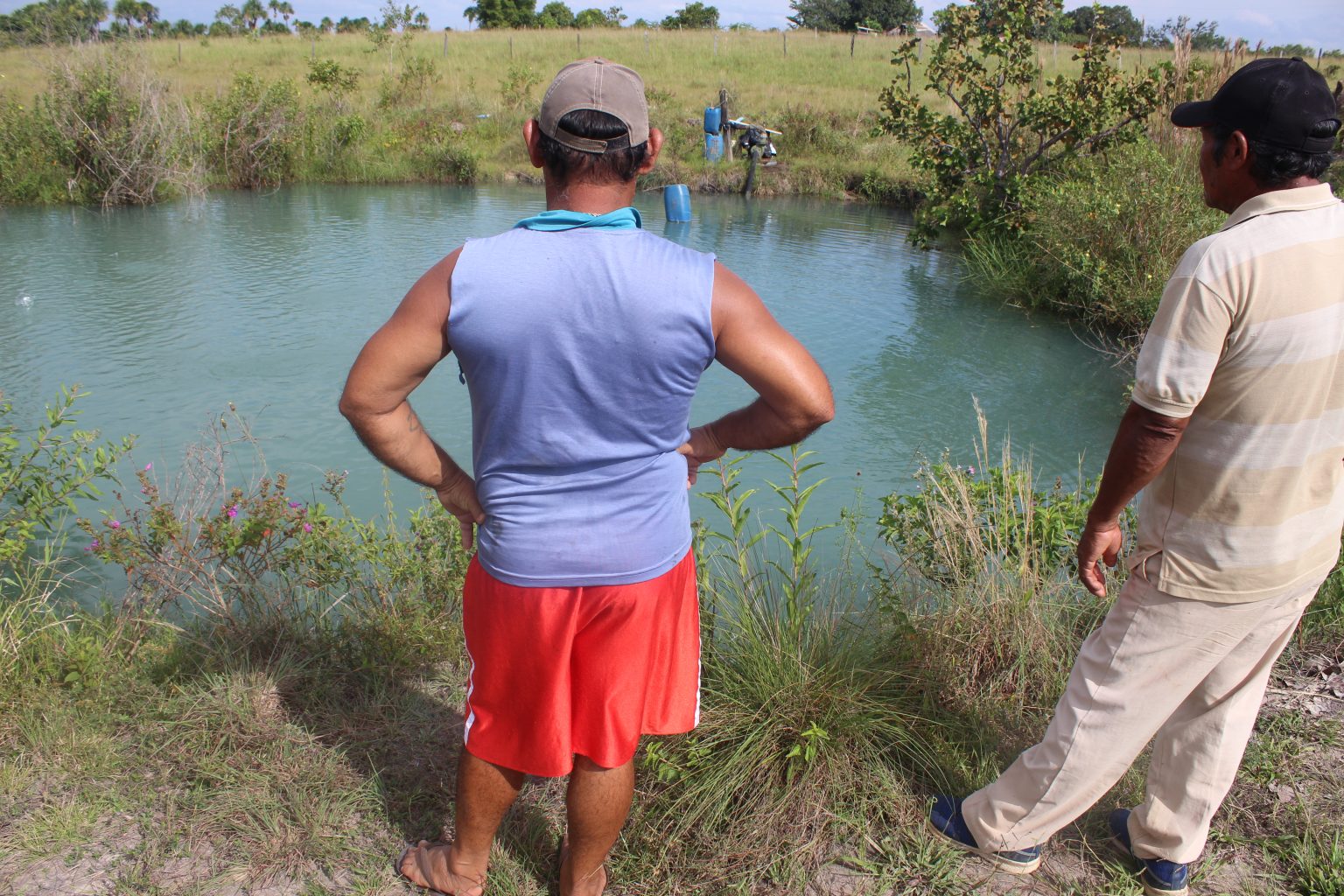
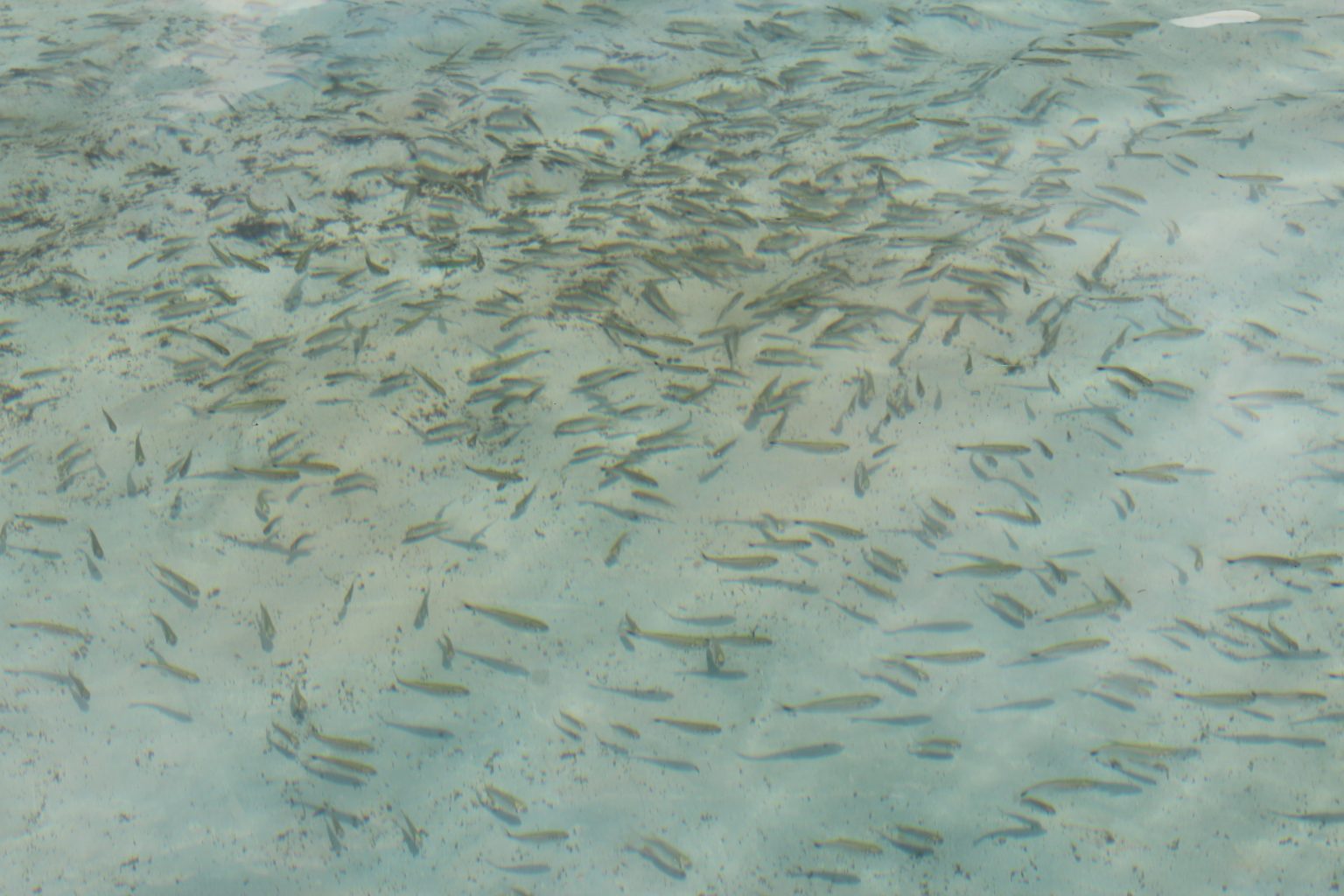
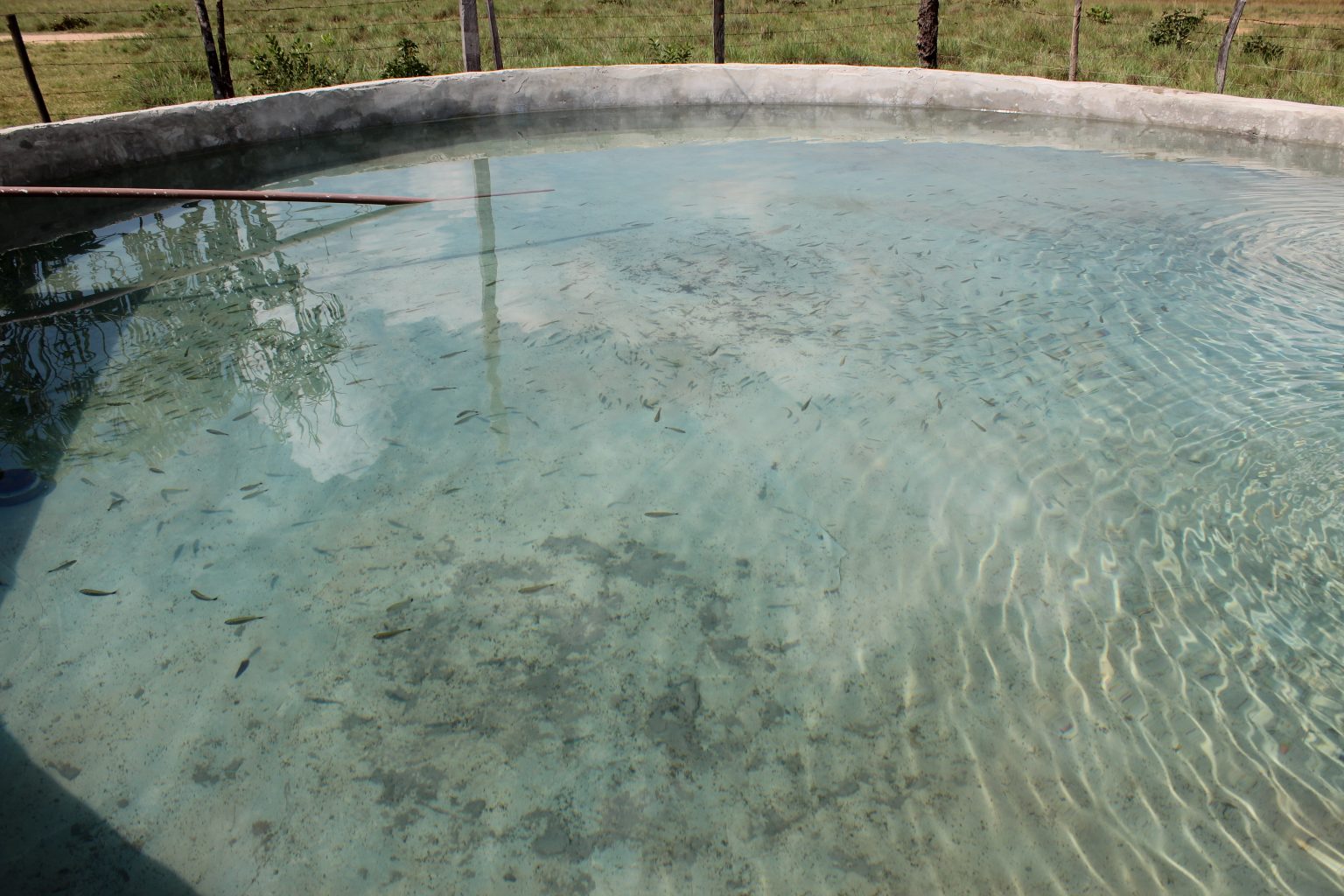
Some families in the Anta 1 and 2 community use tanks to raise fish, such as Mr. Etevaldo, who has about 3000 fish of the Mamuri species, already in the final stage of growth. Producer Junior Albuquerque started raising fish with 600 mamuri fingerlings, and because he had worked before in another location, he decided to have his own breeding. Another species in the region is the tambaqui and the matrinxã.
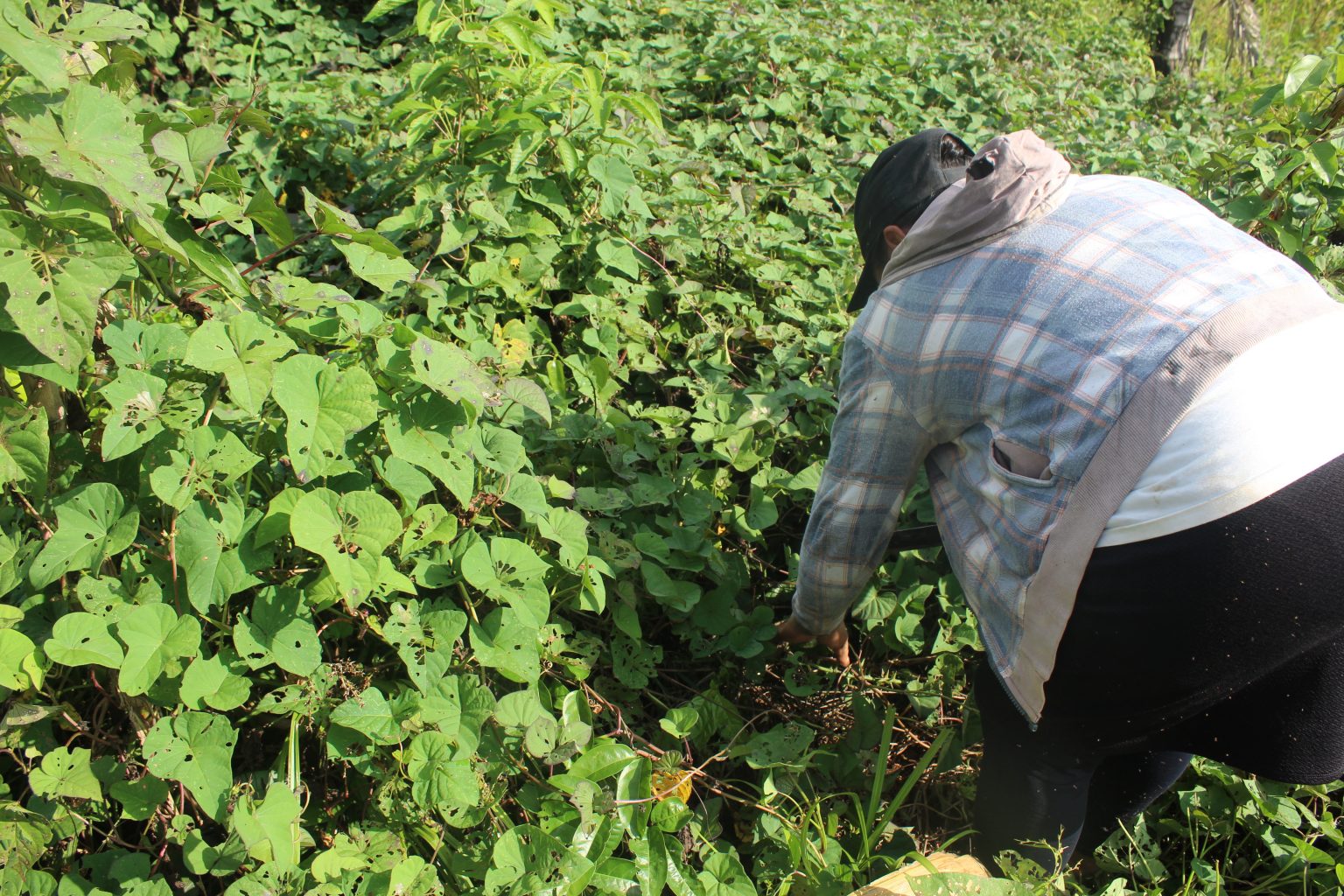
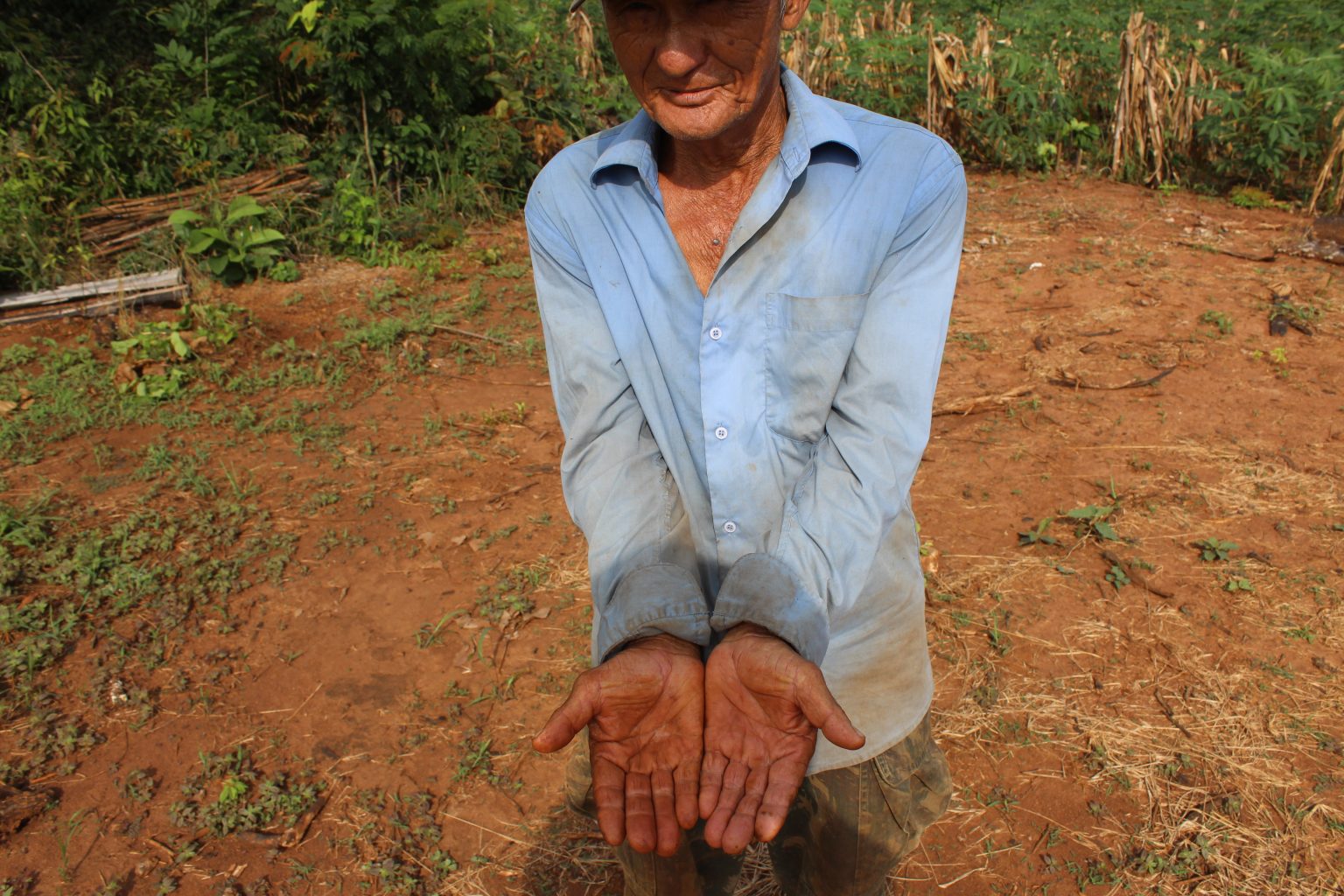
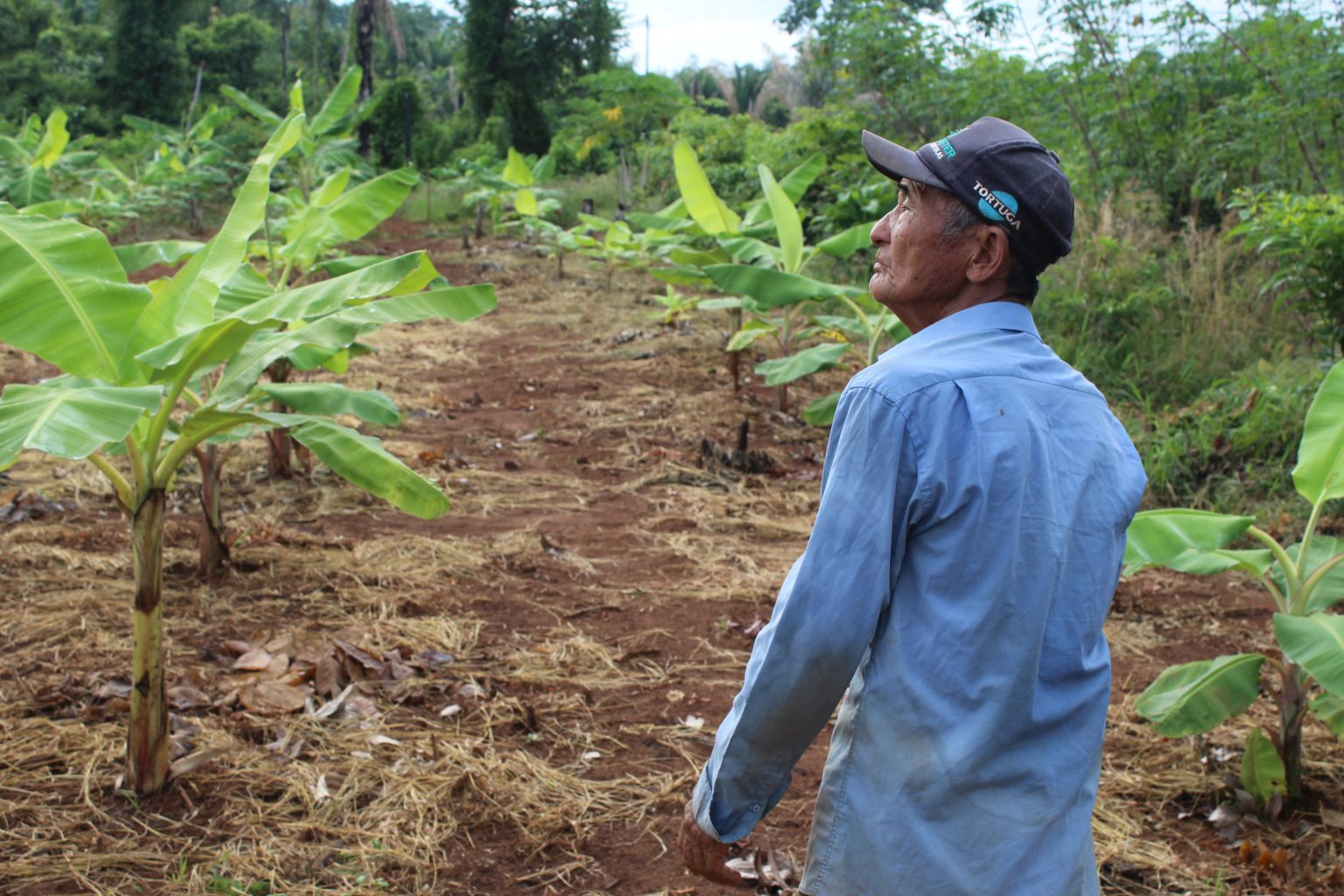
One of the oldest producers in the Livramento community is Mr. Atsunori Nakamura or Mr. Perugano as he is known, he is over 70 years old, works in the fields and has 160 banana trees, a planting of about four rows of cassava and cassava, in addition to selecting his corn seeds for planting. In his old production he claimed to have taken more than sixty boxes of tomatoes.
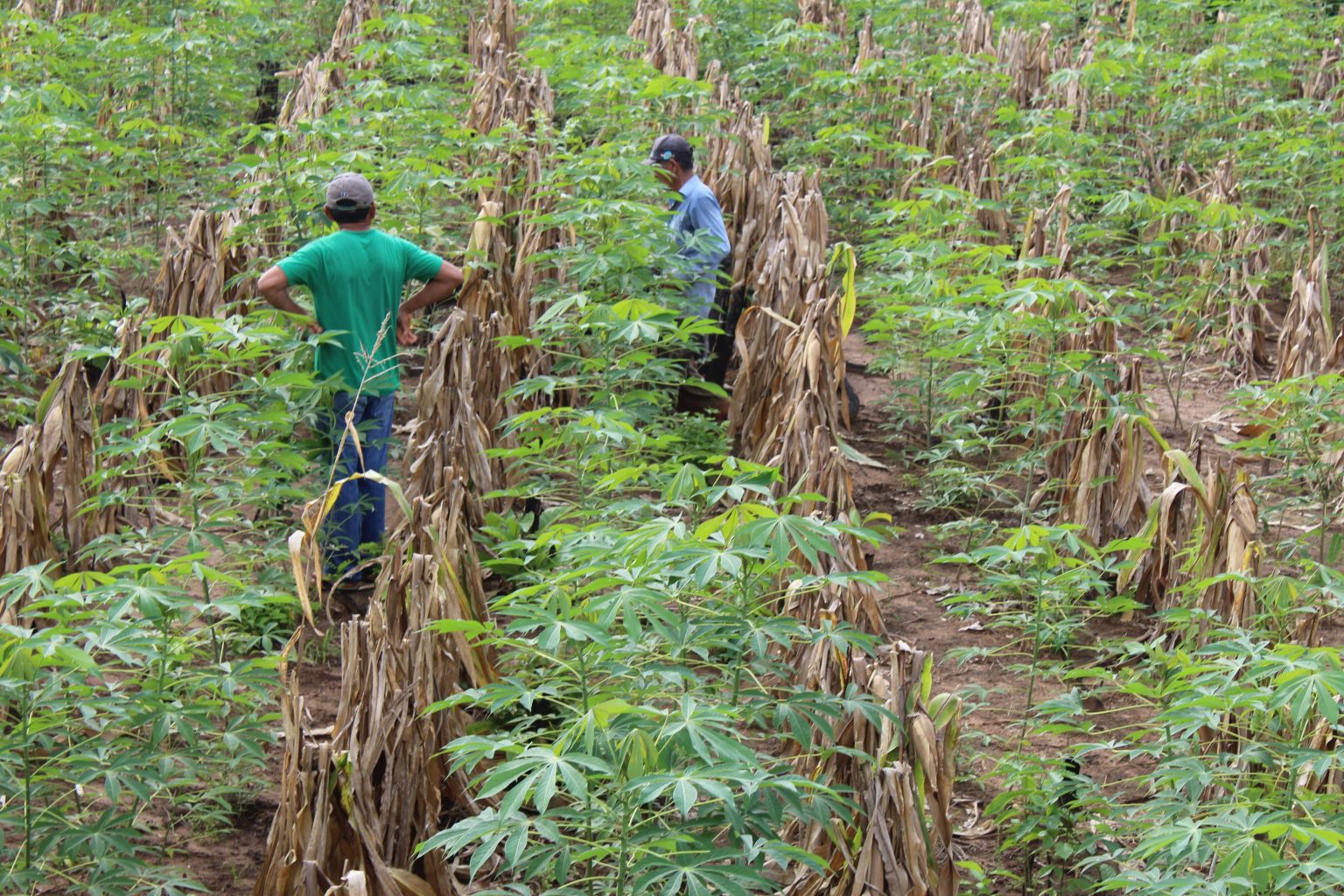
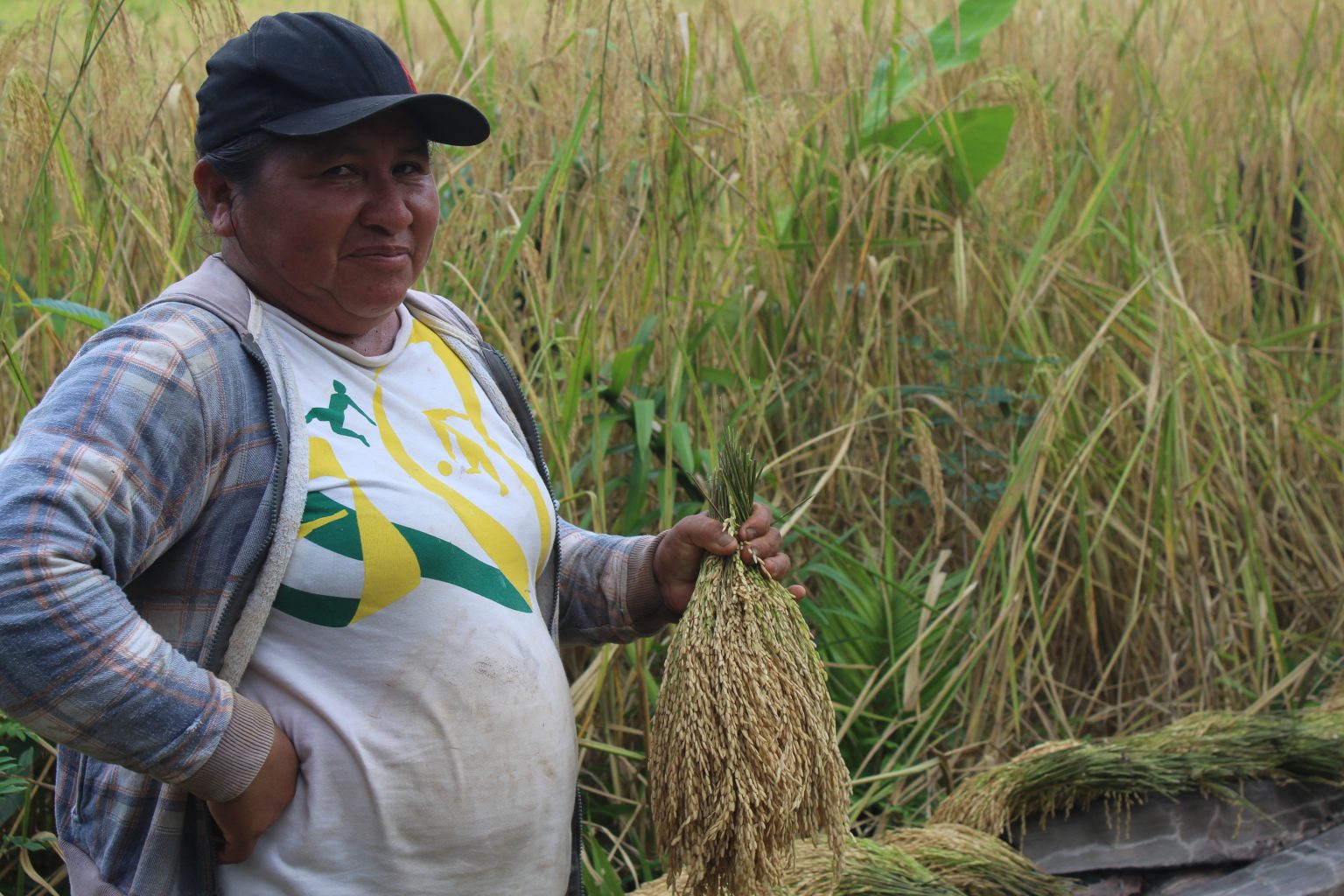
Other initiatives that are important to mention, Dona Gardênia Santos in the planting of rice, corn and vegetables in the Livramento community. In Pium, Mr. Celestino Andrade, singer and composer of the region is a staunch protector of the Pau-rainha wood. Mr. Zildo Souza Barboza who joined his family for an extensive production of cassava, manioc and corn in the Barata community.
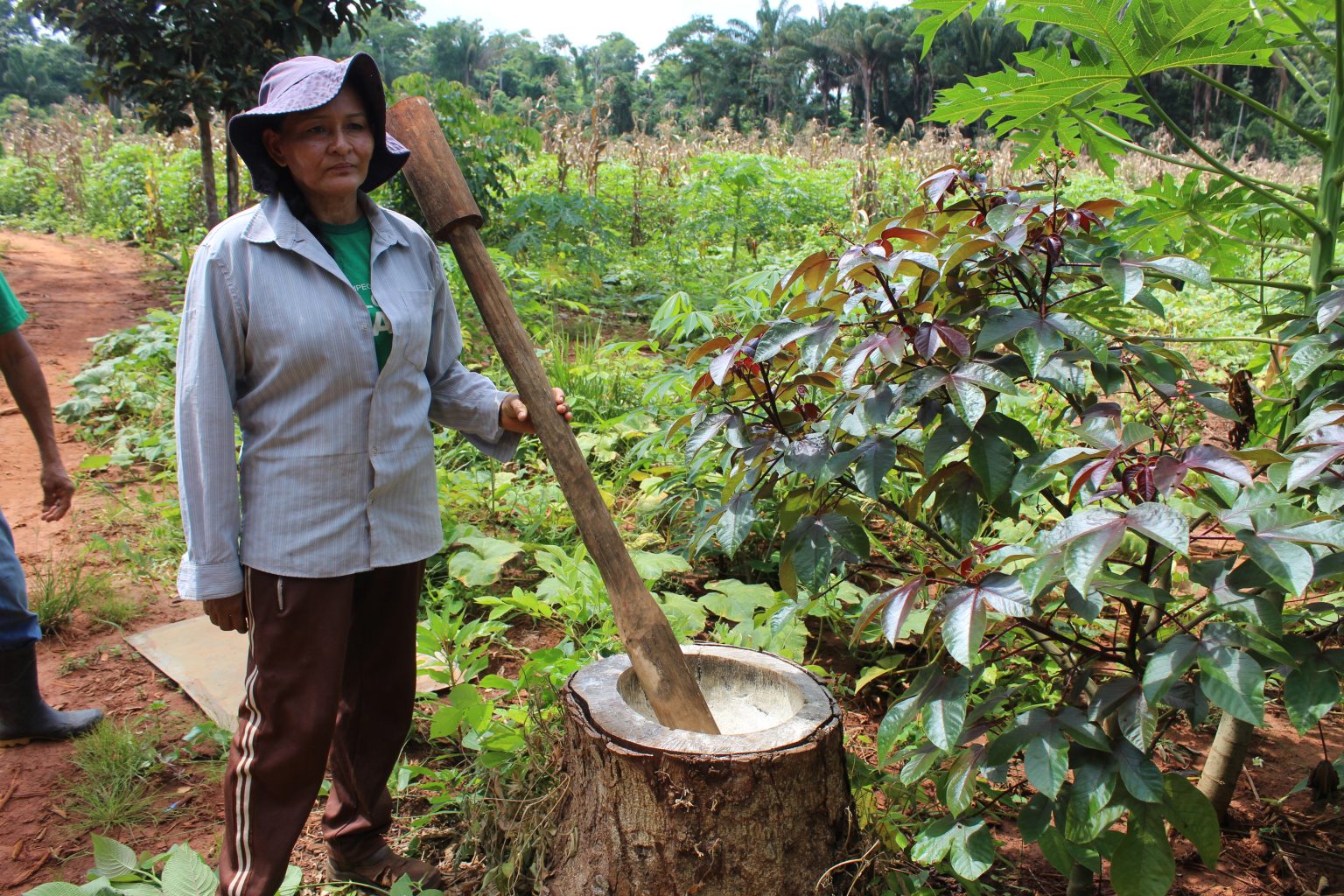
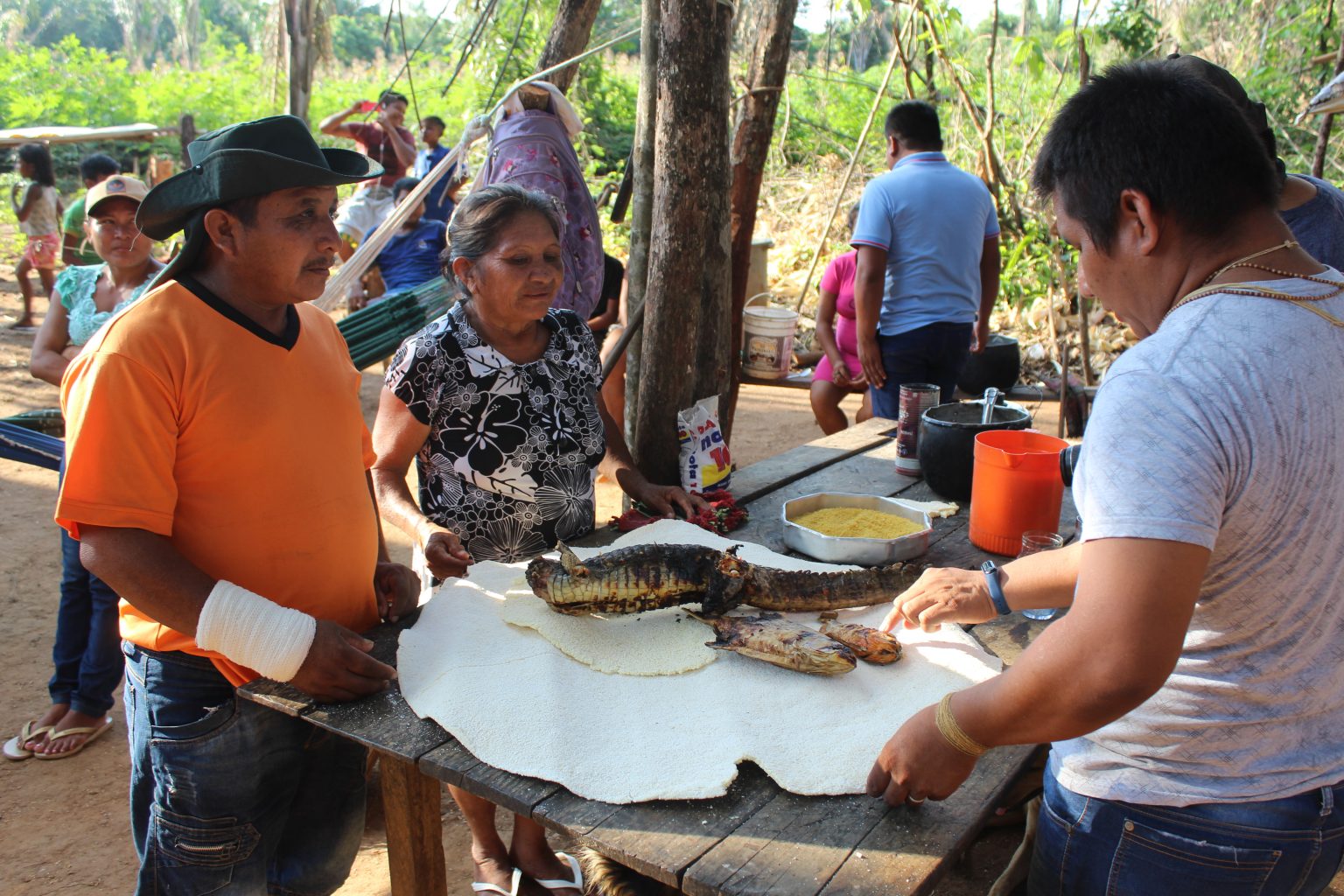
Coordinator of the CIR, Enock Taurepang, reaffirmed the organization's commitment to everyone during visits to the areas and stressed the importance of being aware of recording the capacity of the lands. He highlighted that the work of Regions such as Tabaio and Centro Willimom are one of the strongest weapons against the discourse of hunger that is preached to indigenous people within the communities.