
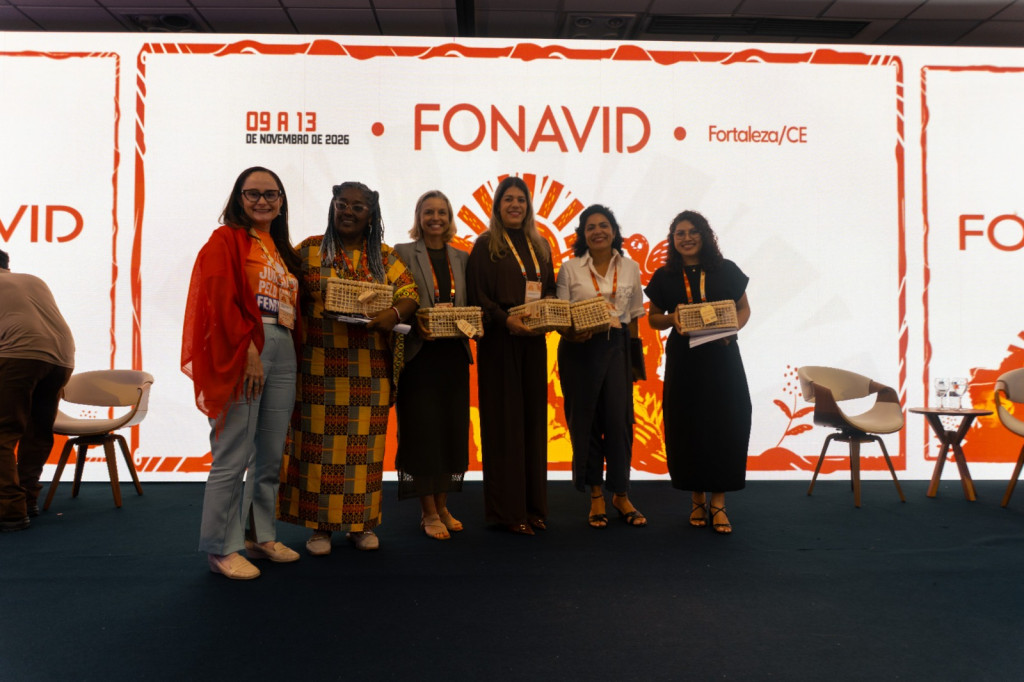
The participation highlighted the challenges faced by indigenous women in accessing justice and the importance of protecting territories and confronting violence.
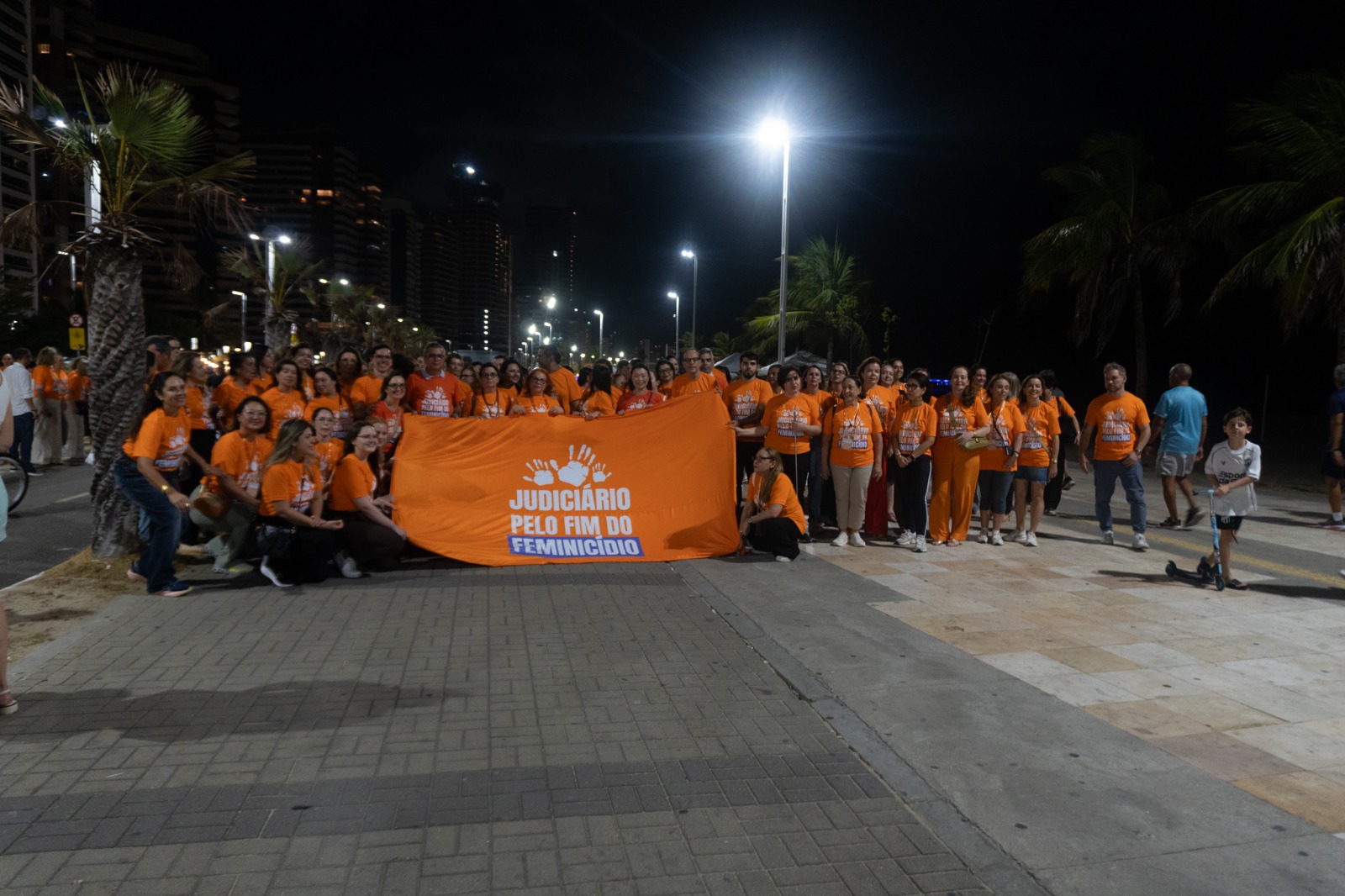
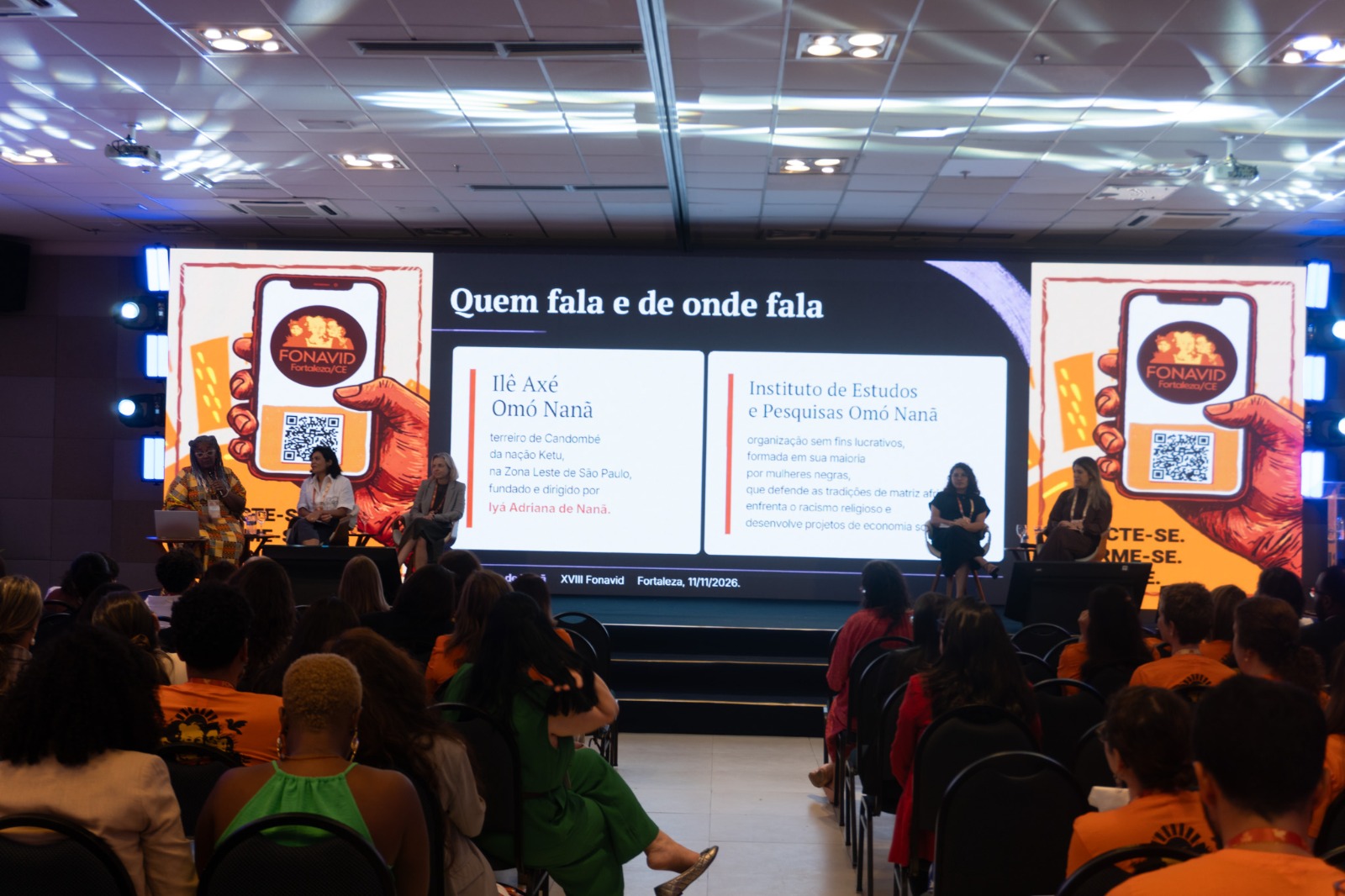
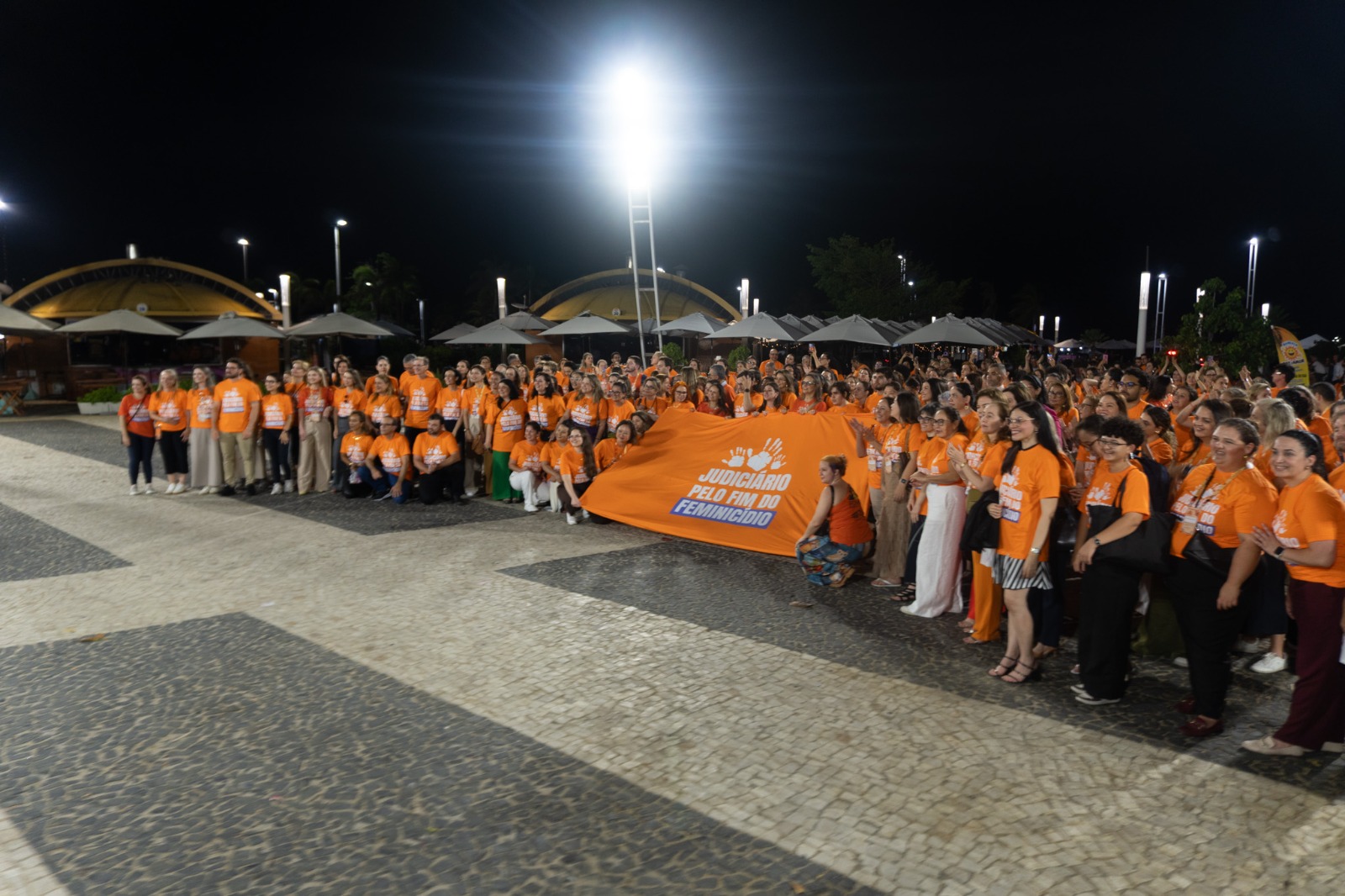
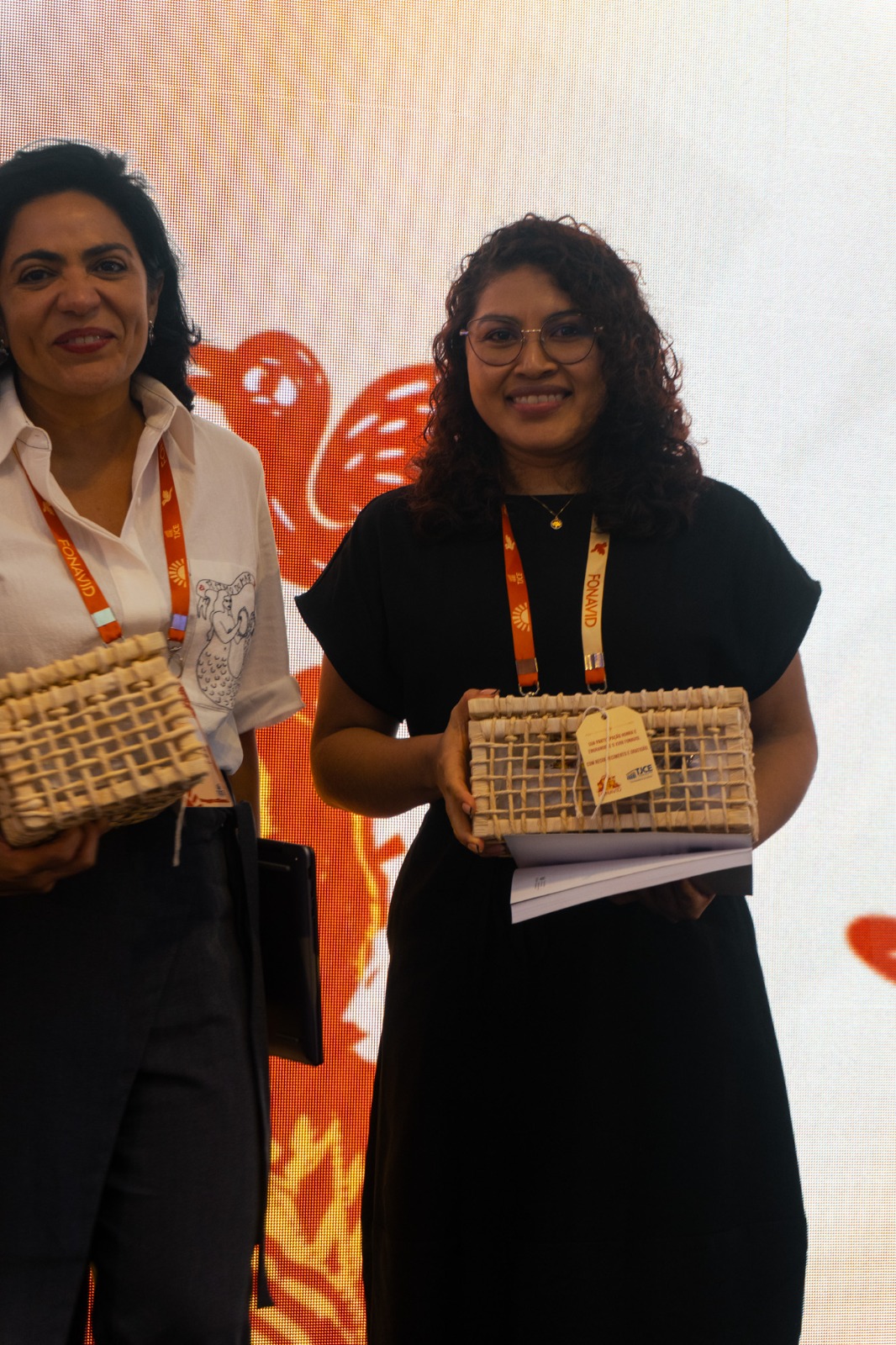
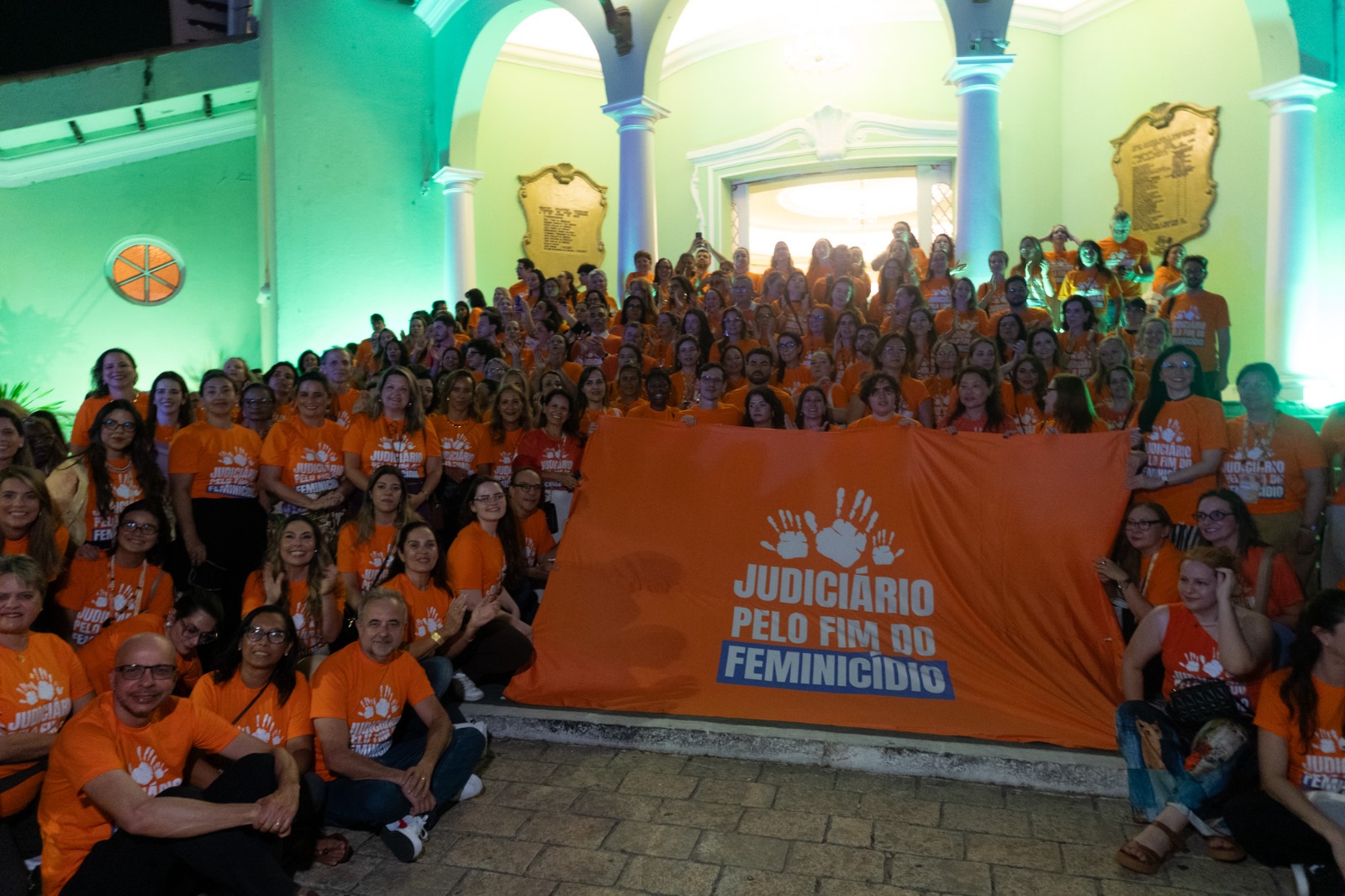
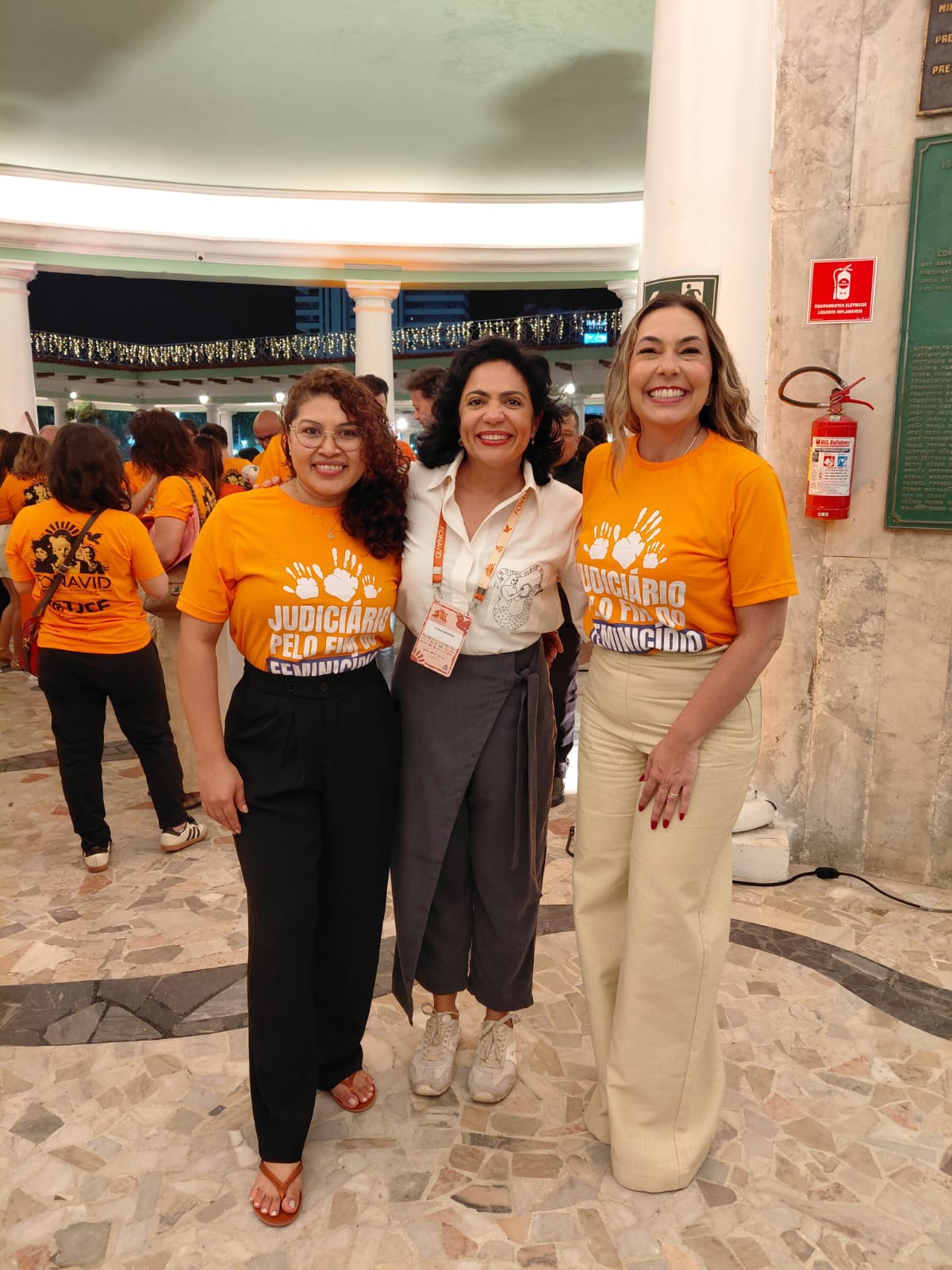
The Indigenous Council of Roraima (CIR), represented by lawyer Luciane Xavier Macuxi, participated on November 11, 2026, in the National Forum of Judges of Domestic and Family Violence against Women (FONAVID), held in Fortaleza, Ceará, from November 9 to 13.
The meeting's central theme was "Institutional strategies applied to building structural responses to confront domestic and family violence against women," bringing together representatives of the Judiciary, specialists, and professionals who defend women's rights.
The CIR lawyer participated as a panelist in the "Climate Justice and Environmental Racism" panel, which also included Patrícia Laydner, Eliane Moreira, and Iyá Adriana de Nanã. During the debate, Luciane offered reflections on the reality of the indigenous peoples of Roraima, highlighting the impacts of climate change on the territories and the challenges faced by indigenous women, especially in protecting their rights and accessing justice.
In her speech, Luciane addressed issues related to prolonged droughts, wildfires, changes in rainfall patterns, and difficulties in food production, emphasizing that these impacts affect indigenous populations unevenly, especially women.
She also highlighted the role of indigenous women in protecting territories, mentioning the work of the Indigenous Women's Movement of Roraima and the Pataxibas Brigade, formed by indigenous women who work in fire prevention and fighting.
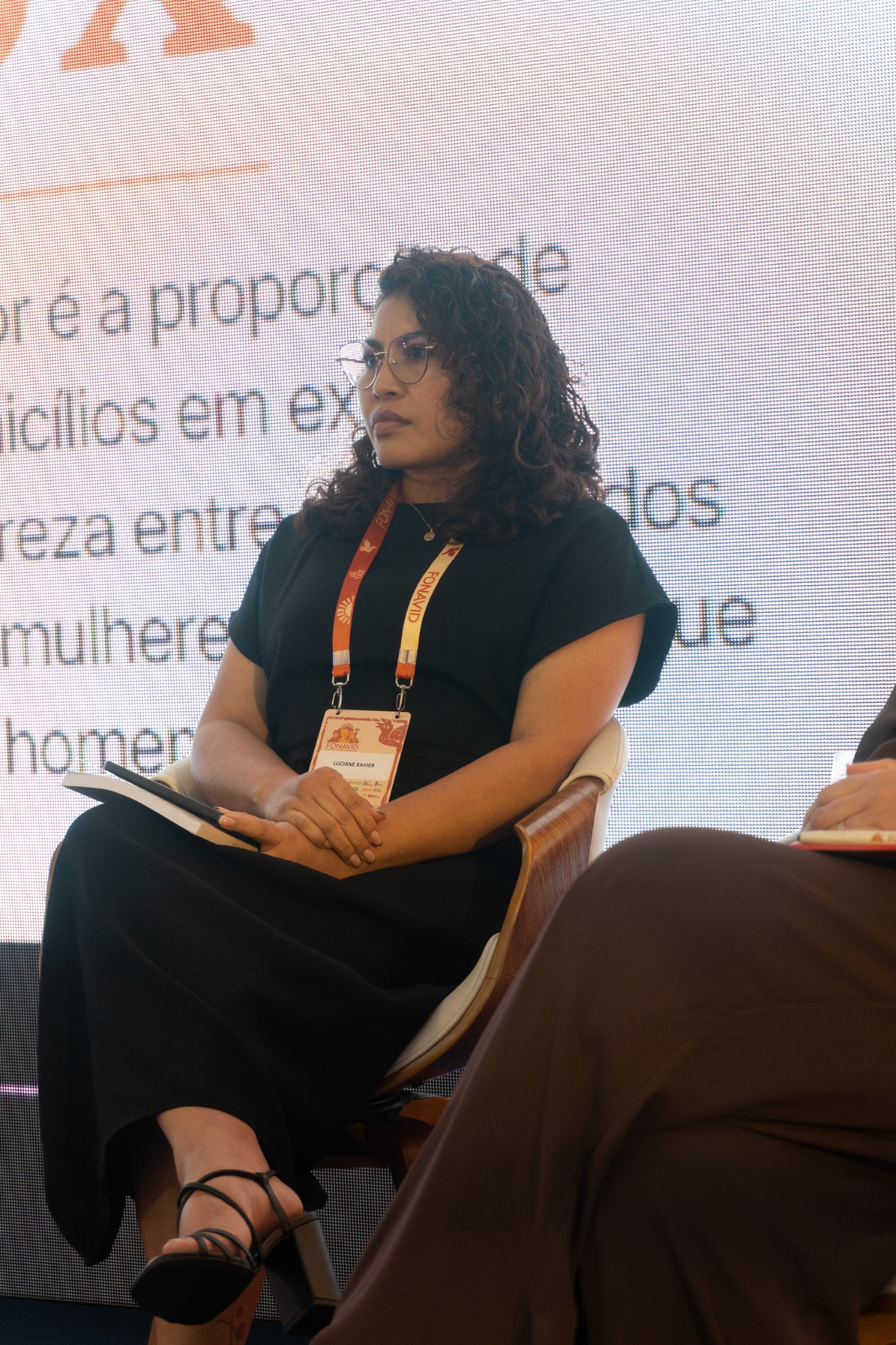
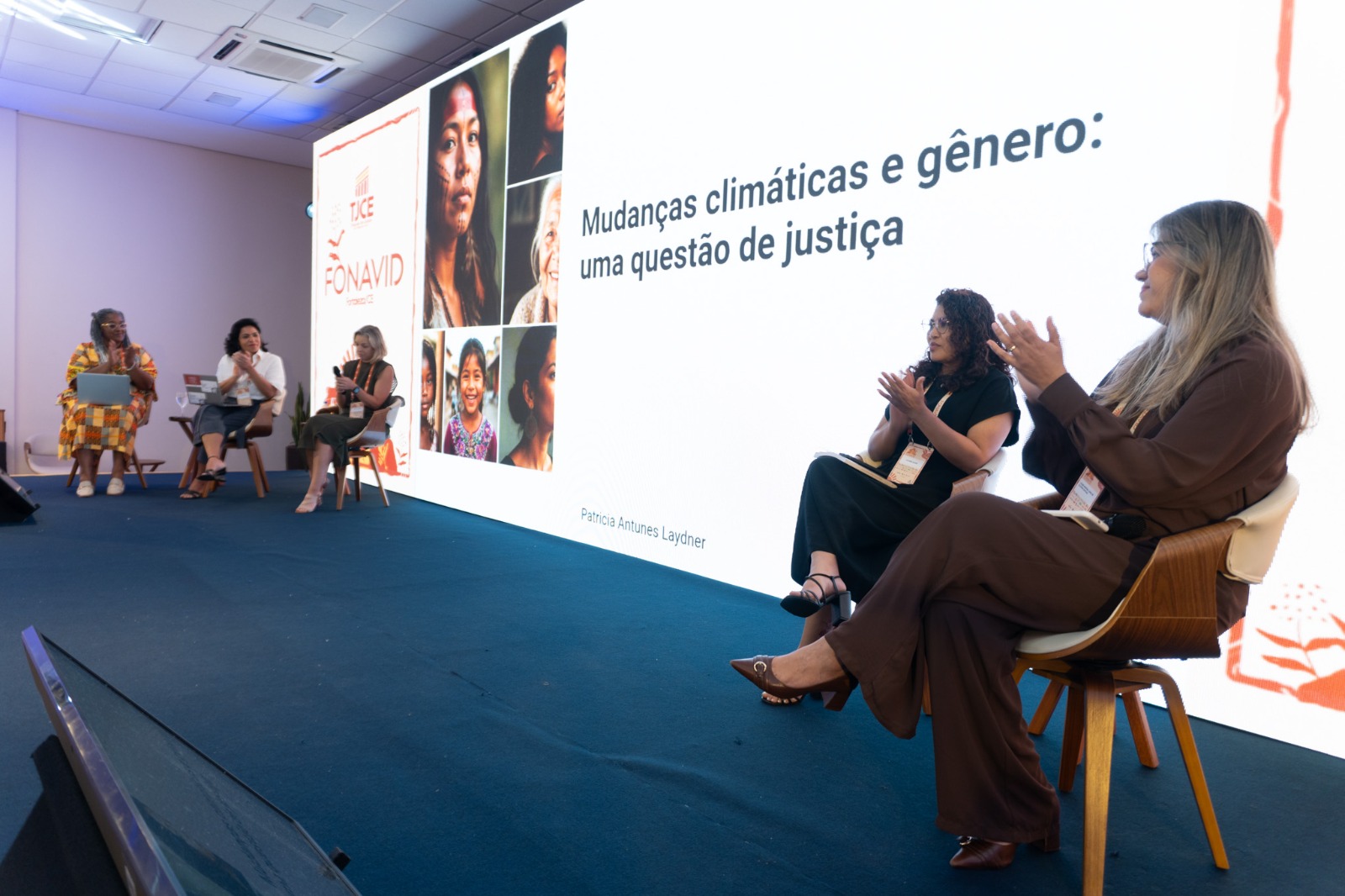
Another point addressed was the difficulty of access to justice faced by indigenous women victims of violence, considering the distances between communities and urban centers, language barriers, transportation difficulties, and the absence of public services nearby.
Luciane Macuxi also shared experiences from the work carried out by CIR in welcoming, guiding, and managing situations of violence against indigenous women, as well as initiatives to build a Security Protocol for indigenous women, children, and adolescents, developed through listening and participation from the communities themselves.
"We cannot talk about climate justice without confronting environmental racism. We cannot confront environmental racism without protecting indigenous territories. And we cannot talk about protecting indigenous women without ensuring they are heard and have access to justice.", highlighted Luciane Xavier.
The participation of the CIR in FONAVID reinforced the importance of dialogue between the Judiciary and indigenous peoples for building protection mechanisms that respect the cultural, territorial, and social specificities of communities, contributing to guaranteeing rights and combating violence against indigenous women.
Photos: Press Release