
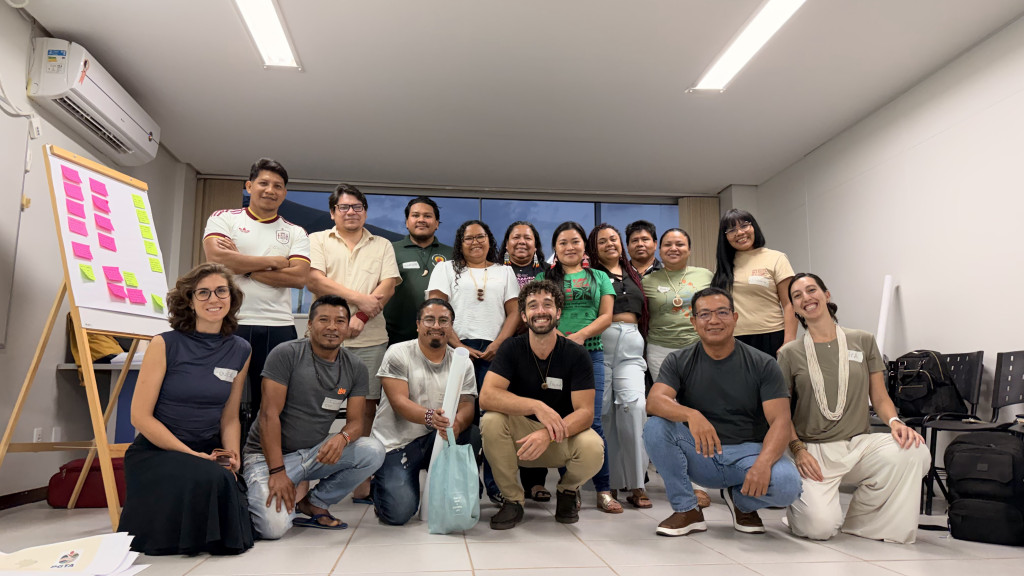
The activity discussed scenarios, challenges, and perspectives of implementing the PGTA (Territorial and Environmental Management Plan) in Indigenous Lands in Brazil and proposed an update to a document released by Funai (National Indian Foundation) in 2013.
The Indigenous Council of Roraima (CIR), represented by Edite Veloso Macuxi, PGTAs Monitor of the Department of Territorial, Environmental and Climate Change Management (DGTAMC), participated, between September 21st and 24th, in the workshop “Territorial and Environmental Management Plans (PGTAs) of Indigenous Lands in Brazil: Scenarios, Challenges and Perspectives”, held at the Rural Trade Union Study Center (CESIR), in Brasília (DF). In total, the activity brought together 66 participants, including government officials linked to indigenous issues and representatives of the original peoples.
The workshop promoted by the National Foundation for Indigenous Peoples (FUNAI) marks an important step in updating the document "Guidelines for the Elaboration of Territorial and Environmental Management Plans," launched by the institution back in 2013. The proposal was to incorporate into the material the conceptual, methodological, and normative advances of the last decade.
The document is an important resource for the implementation of the Plans throughout the national territory, serving as a basis for organizations, government agencies, and other institutions that fight for the rights of indigenous peoples. Its guidelines range from the concept to the stages of drafting the instrument.
For CIR, a leading organization in the implementation of Territorial and Environmental Management Plans (PGTAs), the updated document will enable even more actions aimed at improving well-being in communities to be developed effectively. In 2026, the Council had already implemented seven Plans, a record number for DGTAMC. The most recent implementation took place in the Aningal Indigenous Territory, located in the Amajari region.

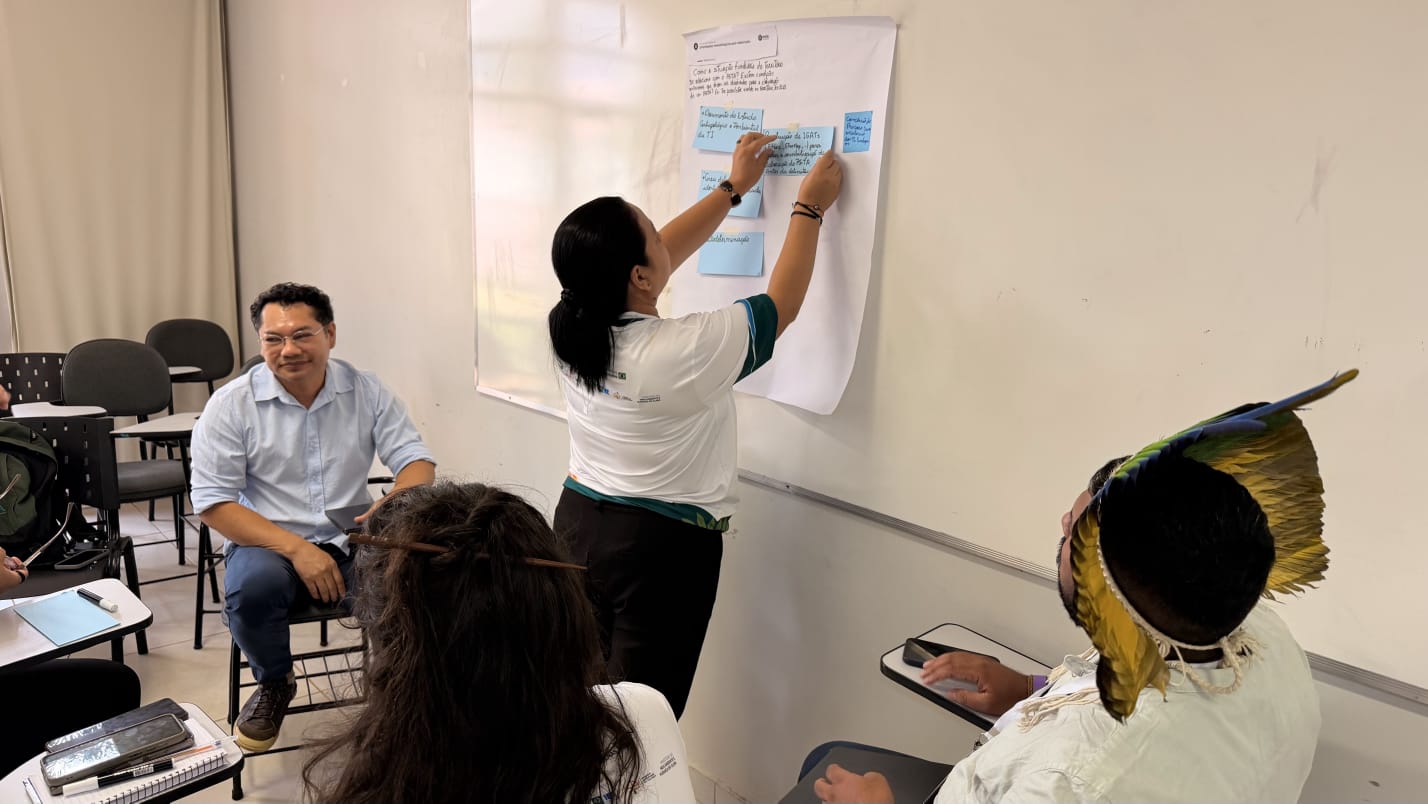
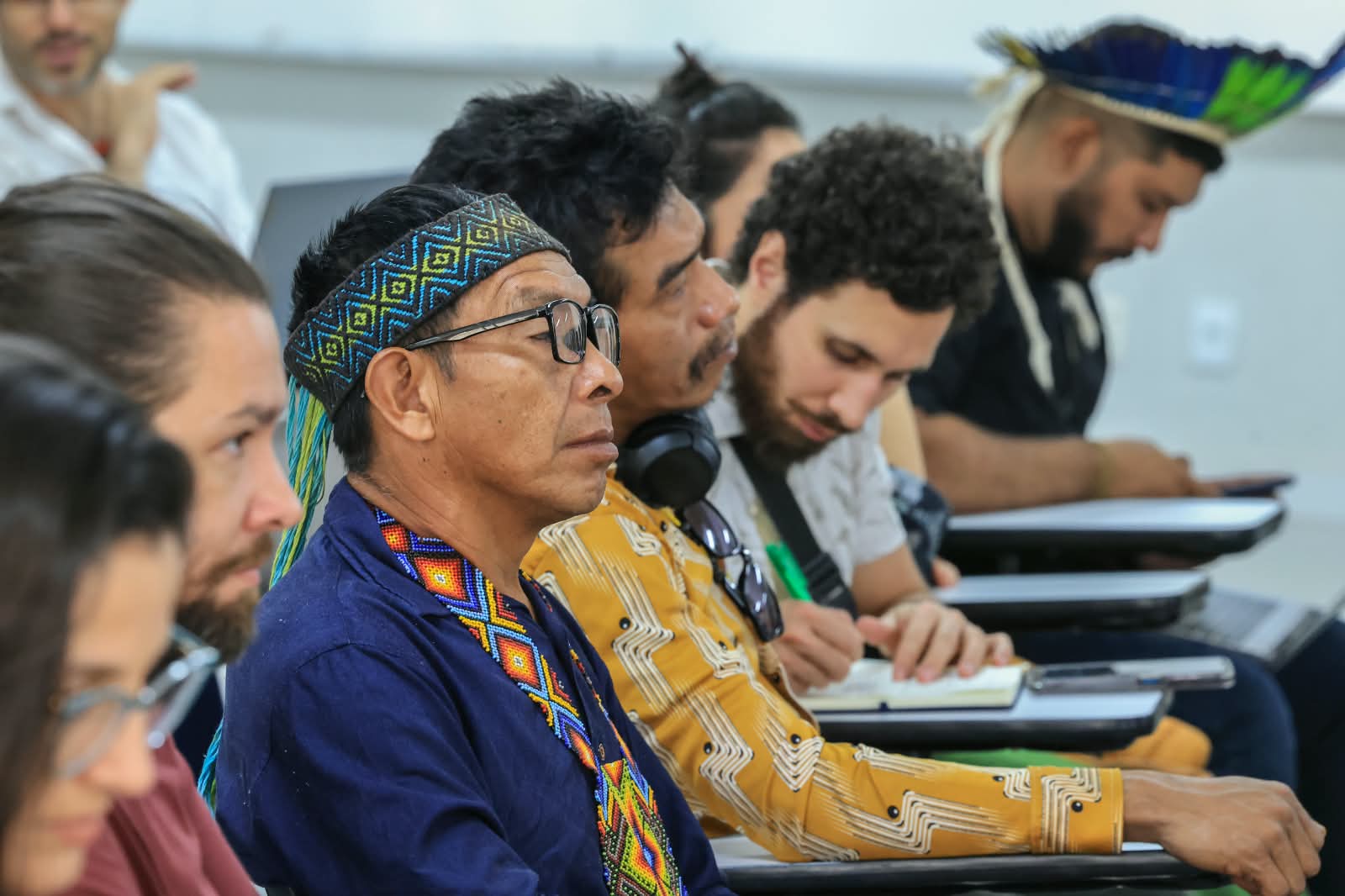
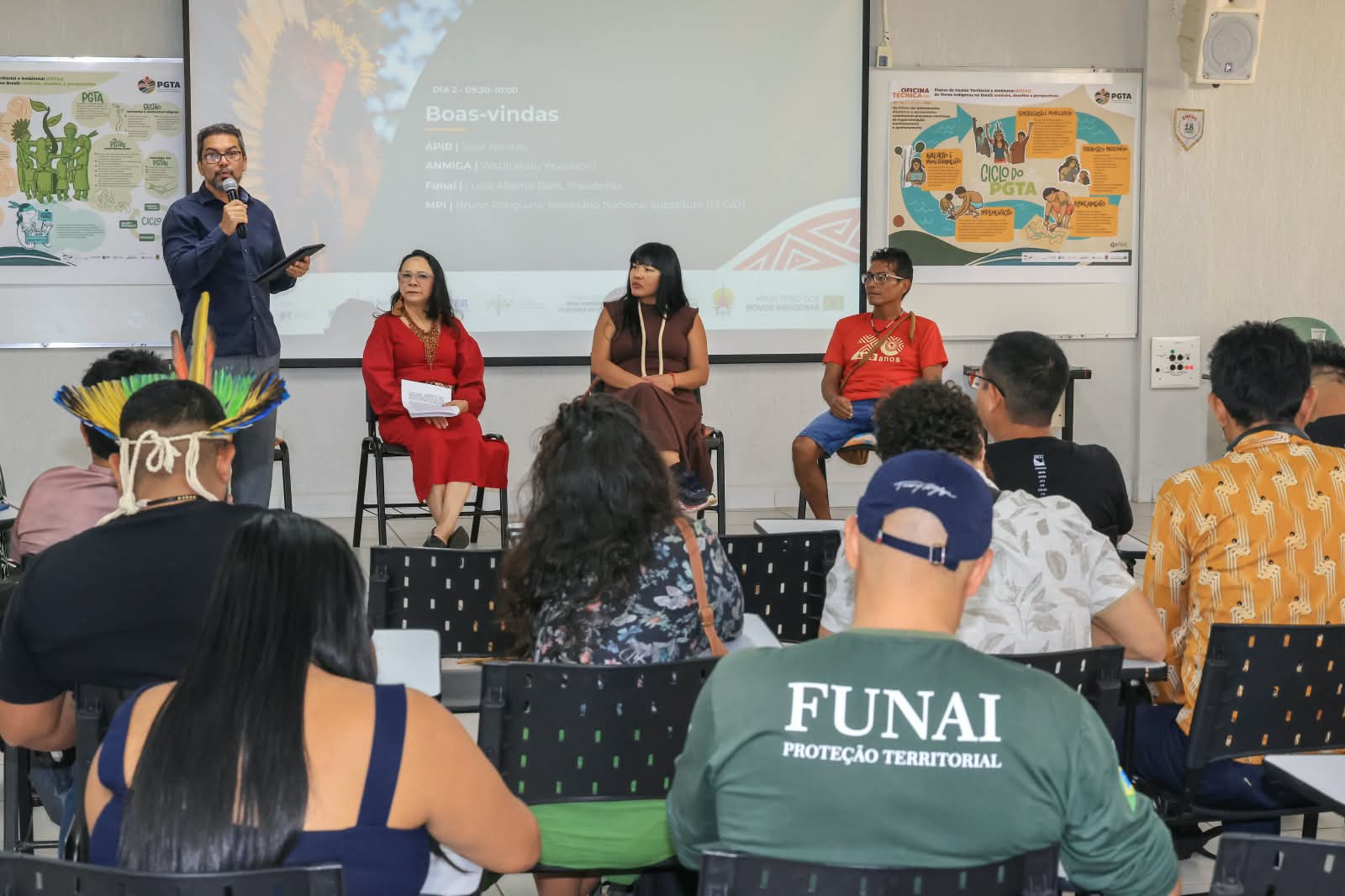
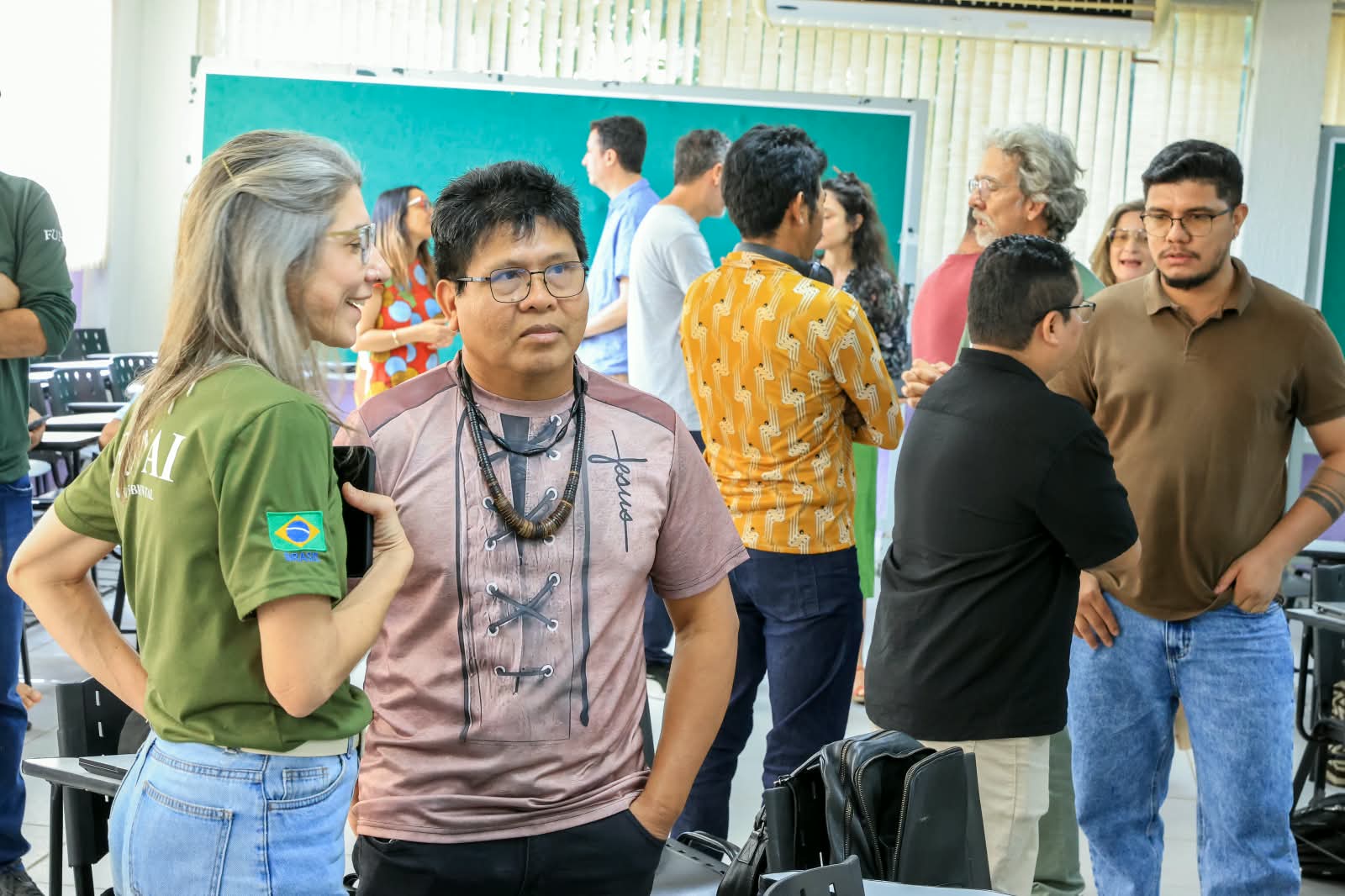
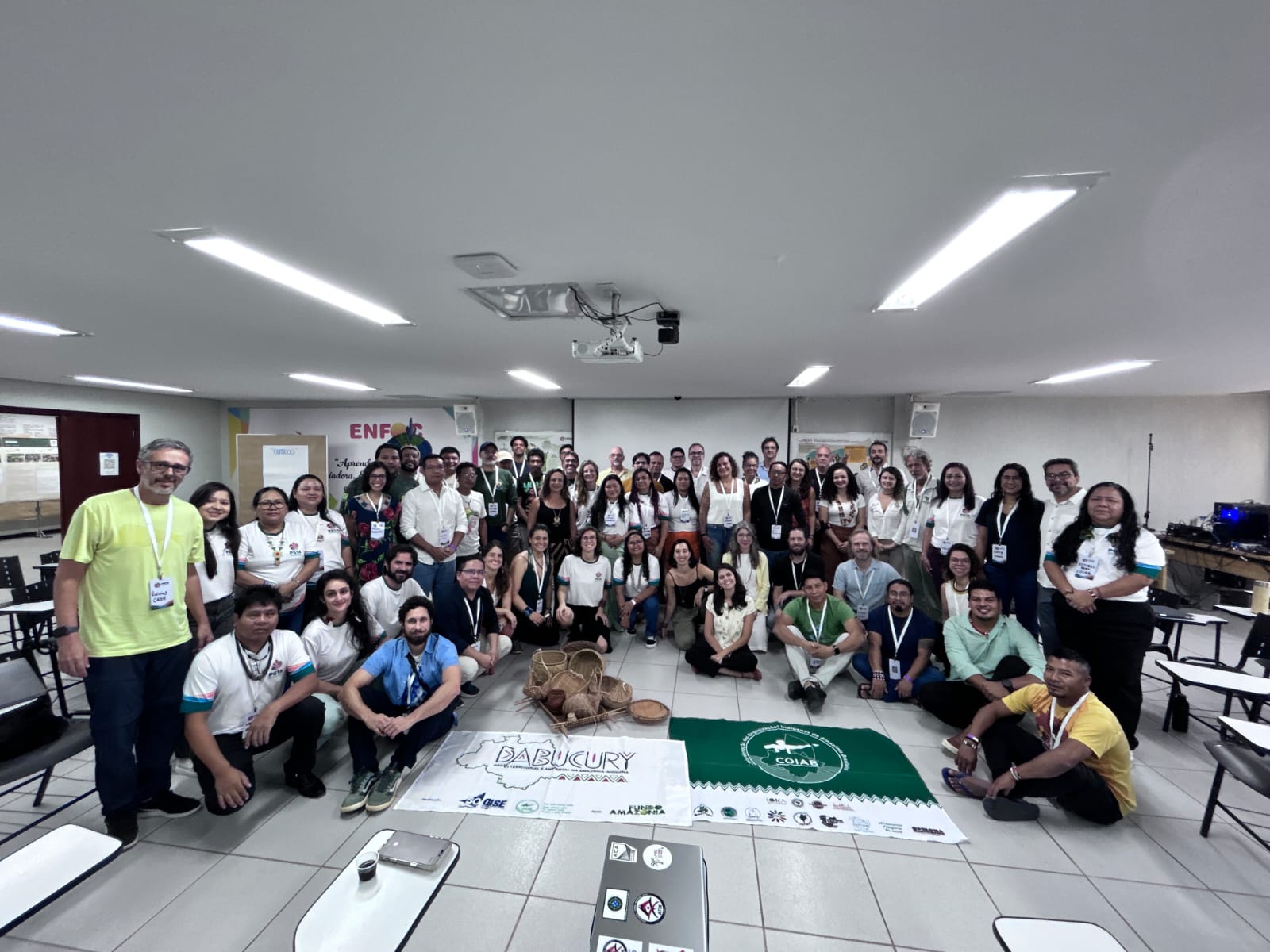
The exchange of experiences between different peoples and institutions was also highlighted by Edite Macuxi as one of the main results of the activity.
“The workshop was a very important space where we shared experiences, challenges, and lessons learned about the PGTA cycle [...]. It was possible to see that, although each territory has its own particularities, many of the challenges are common: guaranteeing the demarcation of the Indigenous Territory, resources for the execution of the plans, protection against external threats, and the continuity of work with new generations.”, account.
The creation of these spaces is also fundamental for reflecting on specific ways to effectively promote the protection, conservation, and sustainable use of natural resources on indigenous lands. According to Edite, the action demonstrated how the Plans are essential tools for the autonomy of the communities.
“We have seen that Territorial Management Plans (PGTAs) are powerful instruments, not only for environmental management, but also as a way to strengthen our organization, our culture, and our self-determination over our territories. The exchange of experiences showed that, together, we can find ways and solutions to strengthen our territories.”, he explains.
In addition to updating the document, the workshop promoted discussions about the role of the state, especially FUNAI (National Indian Foundation), in the processes of drafting, implementing, monitoring, and updating the Plans. Alternatives for the institutionalization of the Territorial and Environmental Management Plans (PGTAs) and their integration into public policies were also debated, considering the different realities of the indigenous peoples and territories of the country.