
By: Charles Taurepang
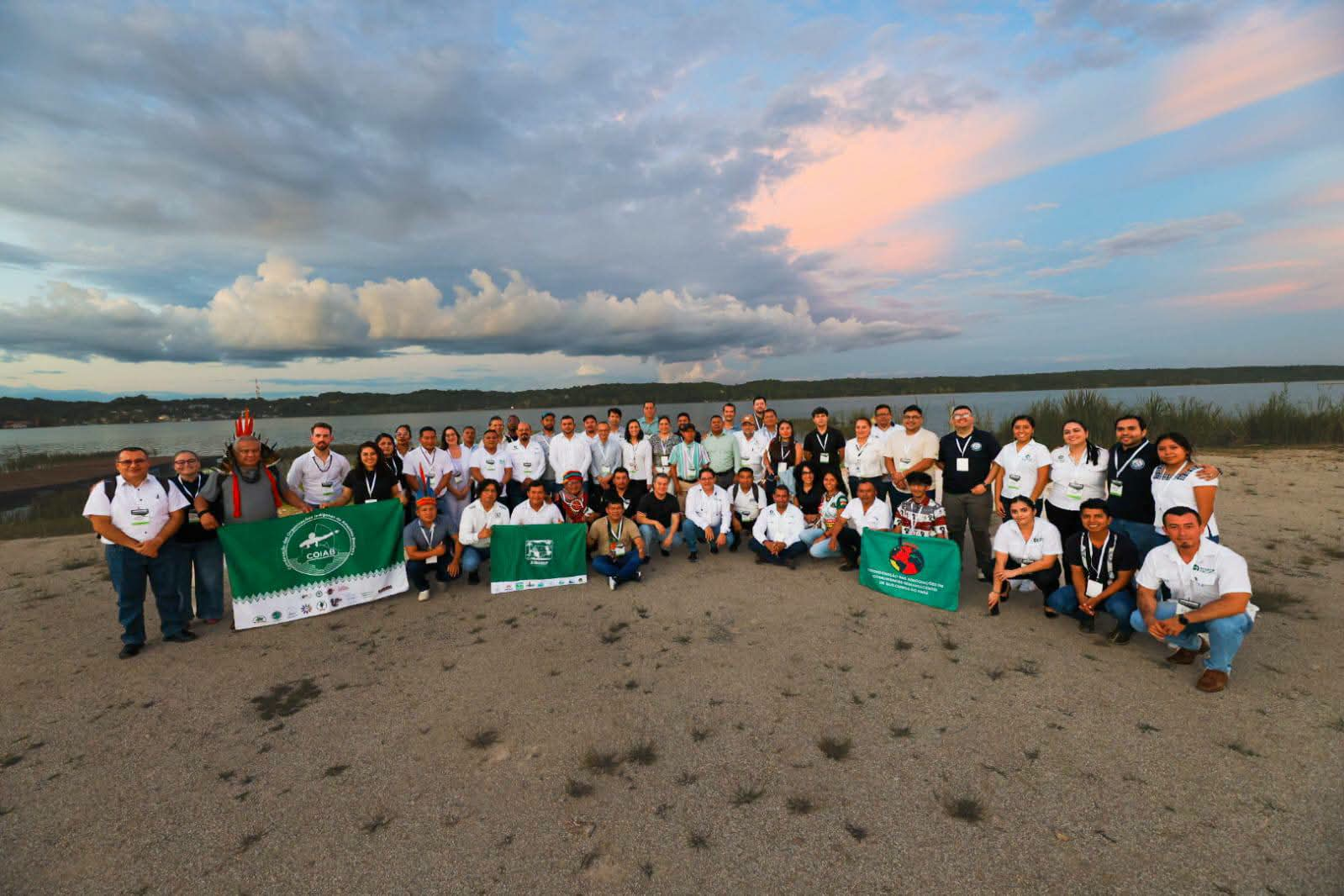
A meeting held in Guatemala brought together representatives from 11 Latin American countries to discuss carbon markets, environmental conservation and the autonomy of indigenous peoples and traditional communities.
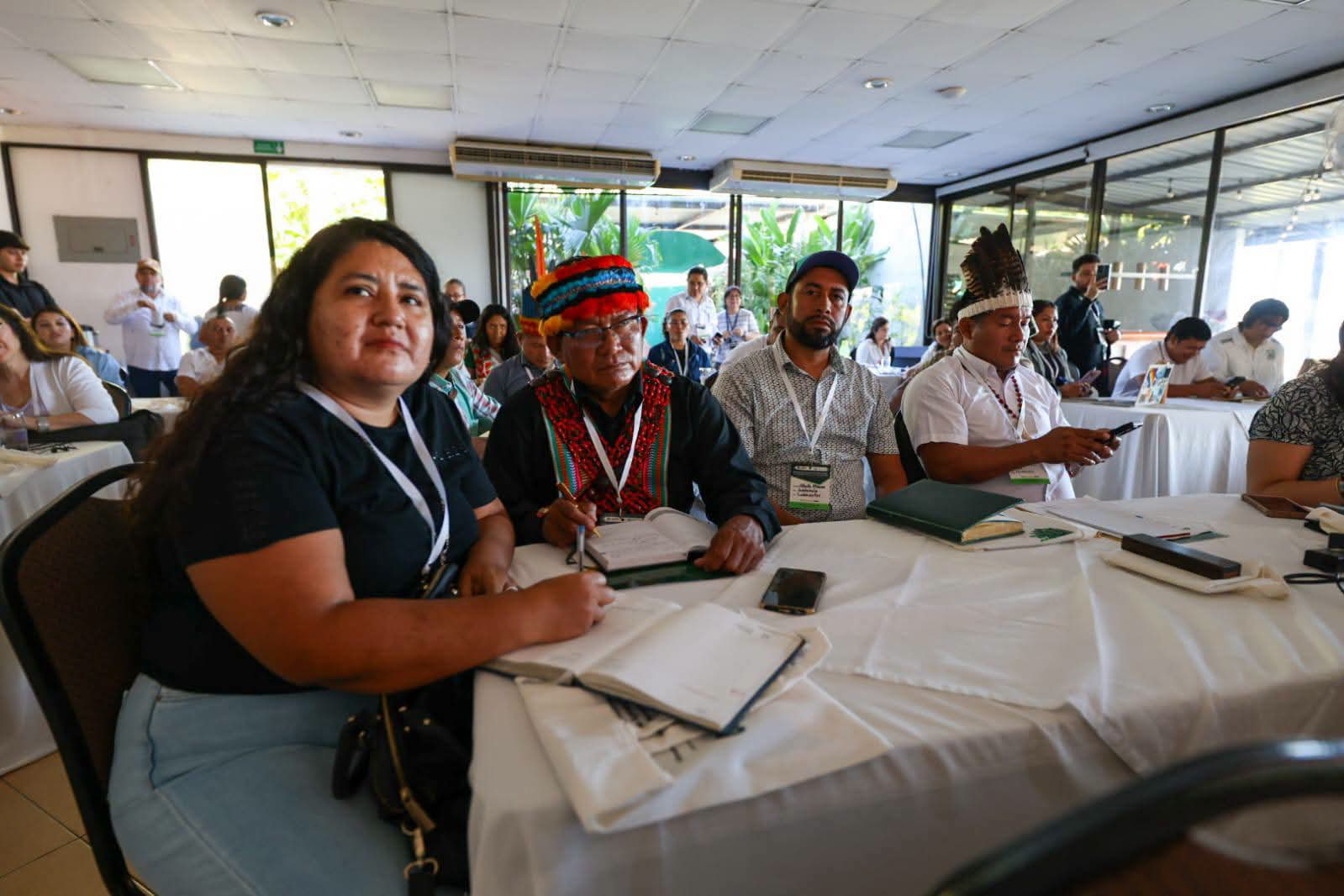
The Indigenous Council of Roraima (CIR), represented by legal advisor Luciane Xavier Macuxi, participated, from November 4 to 6, 2026, in the Latin American Regional Learning Exchange, held in Santa Elena, Flores, in the department of Petén, Guatemala.
With the theme "Carbon and biodiversity financing: opportunity or threat to territorial rights?", the meeting was organized by the Association of Forest Communities of Petén (ACOFOP) and the Tenure Facility, bringing together representatives from 11 Latin American countries to share experiences and discuss the challenges related to carbon markets, forest conservation and the protection of territorial rights.
Roraima's Experiences
In the discussions and group activities, the CIR shared experiences developed with the indigenous peoples of Roraima, highlighting the work of the Indigenous Territorial Protection and Surveillance Groups (GPVTI), the Indigenous Territorial and Environmental Agents (ATAIs), firefighters, communicators and Indigenous Law Operators.
Initiatives for training and legal guidance were also presented, such as integrated meetings, the Manual of Indigenous Rights, and the importance of translating Convention No. 169 of the International Labor Organization (ILO) into the Macuxi and Wapichana languages. The experiences demonstrated the importance of strengthening the capacities of the communities themselves for territorial protection, the defense of collective rights, and participation in decisions that affect their territories.
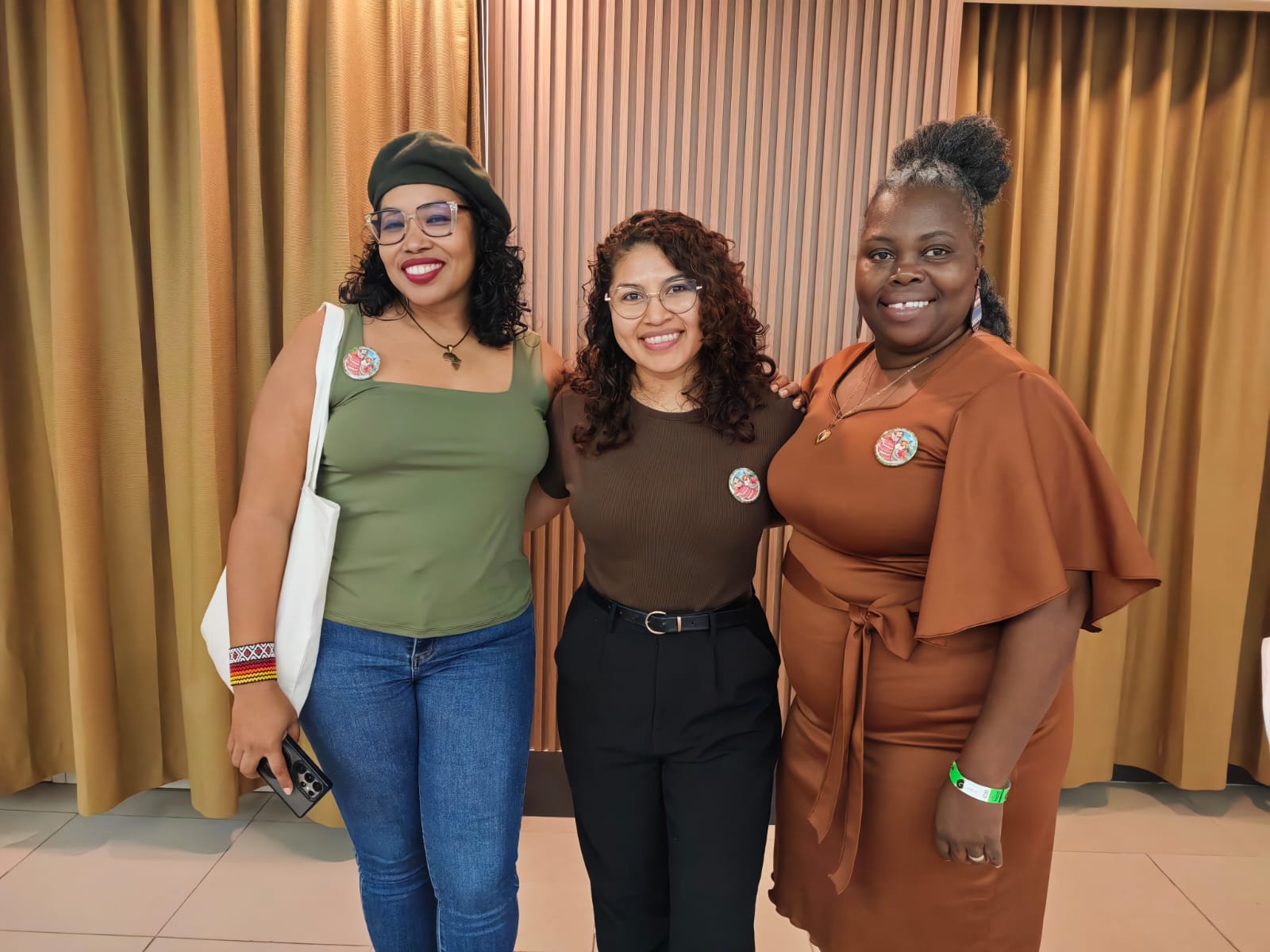
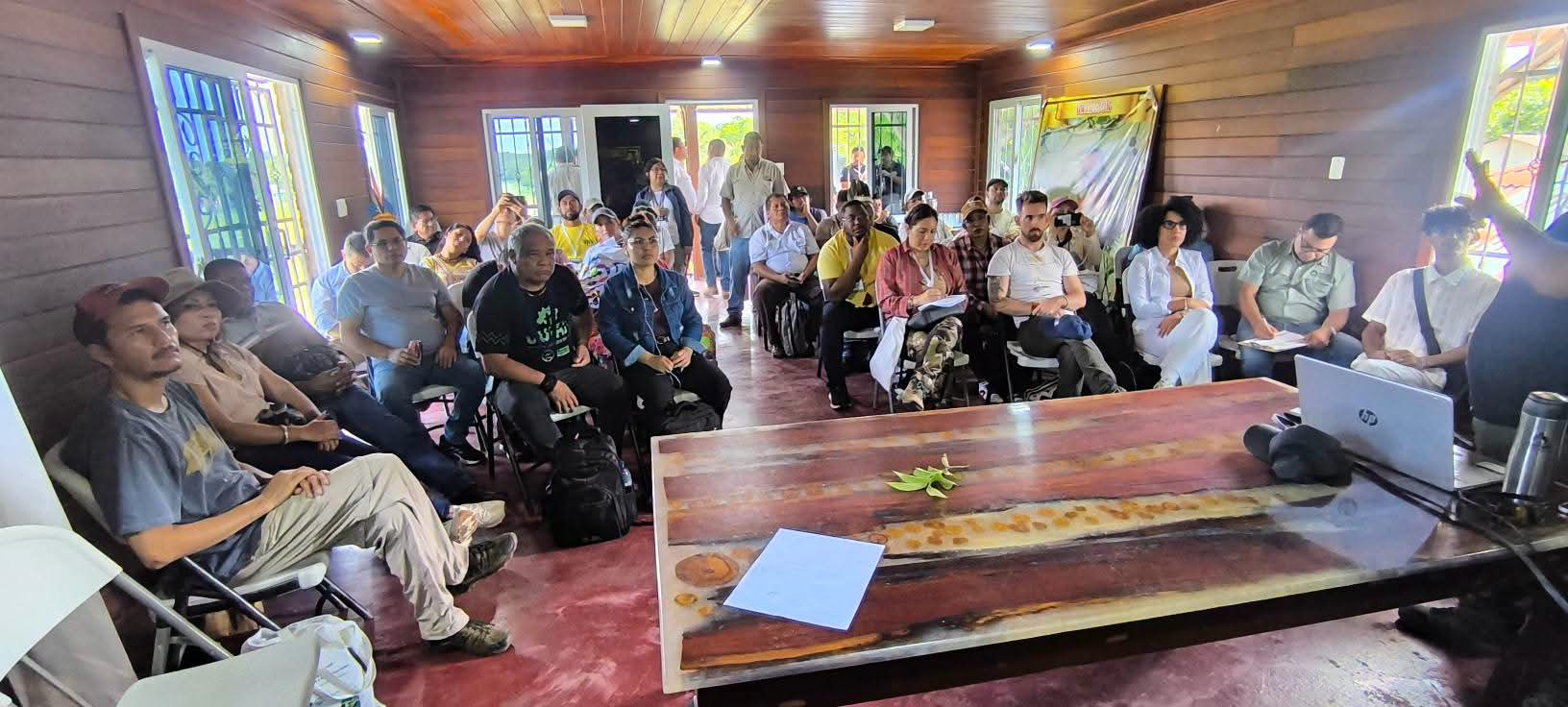
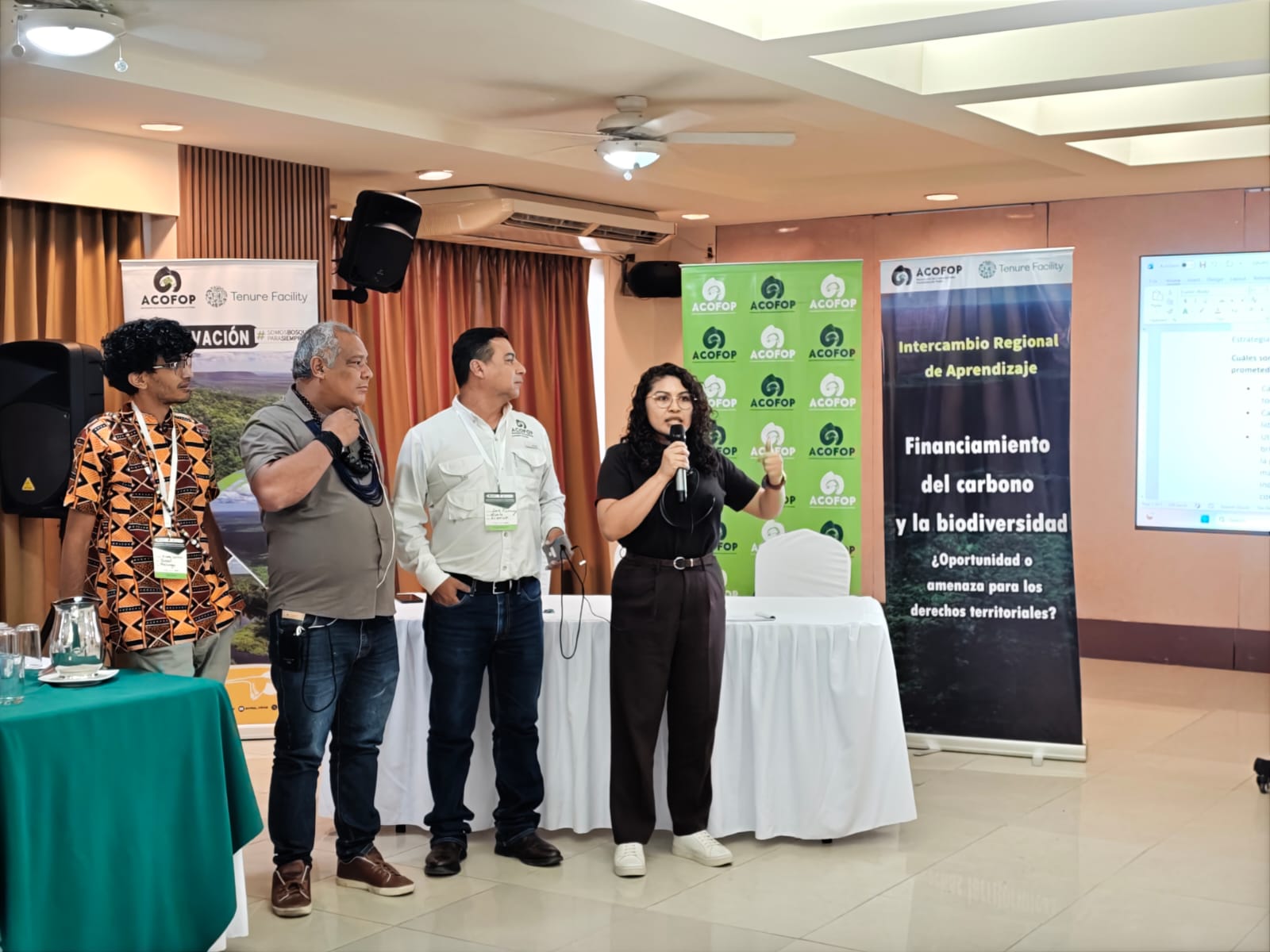
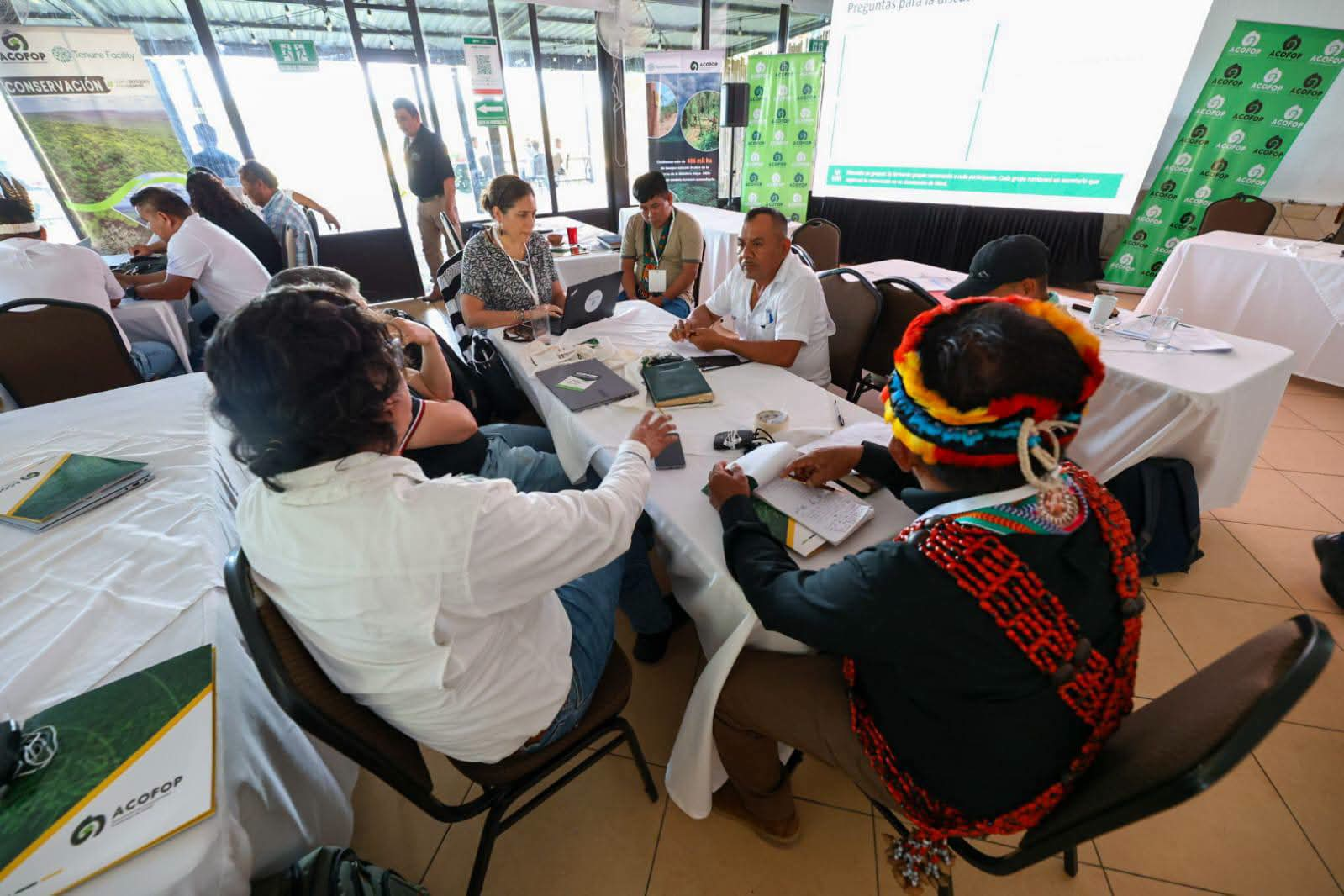
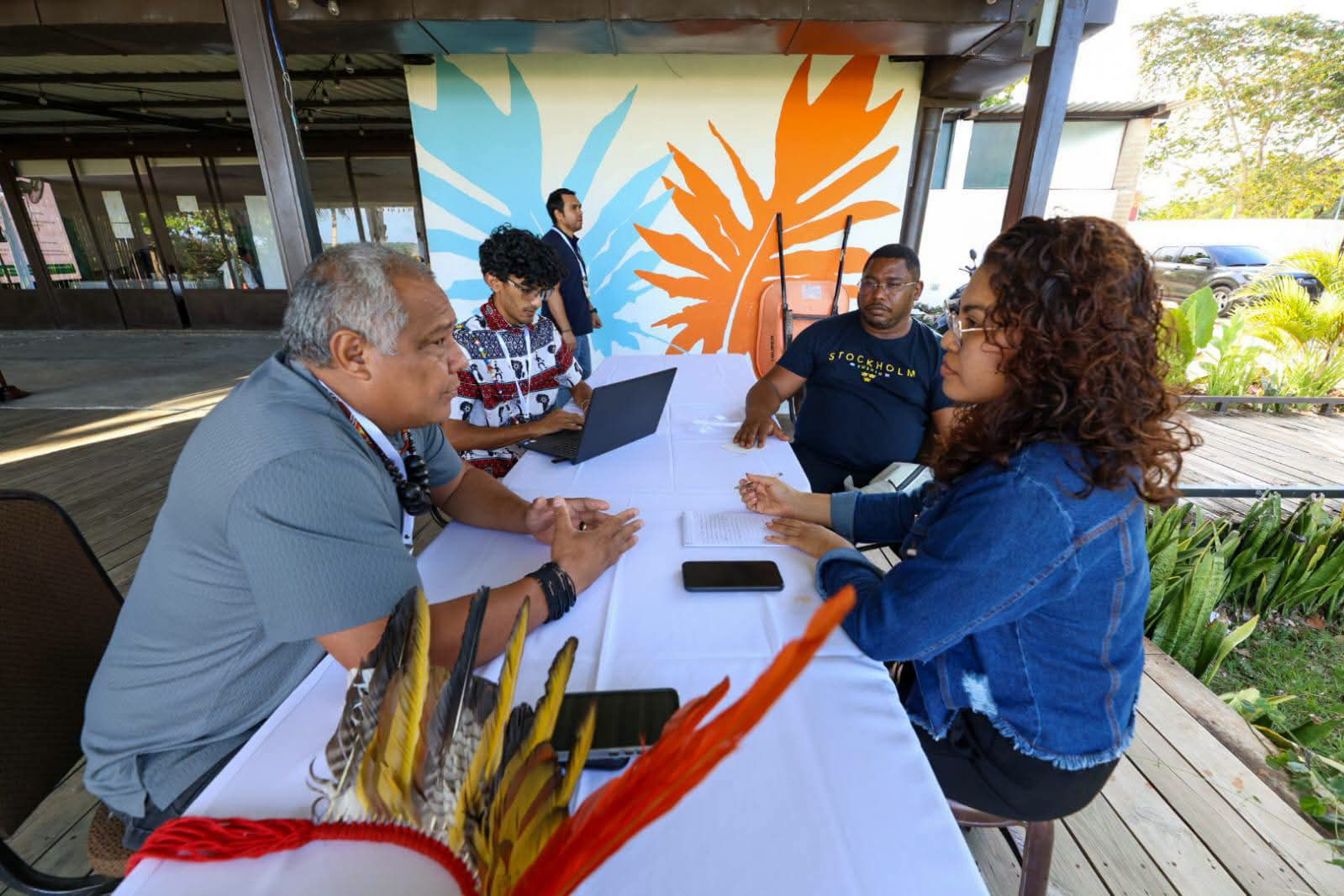
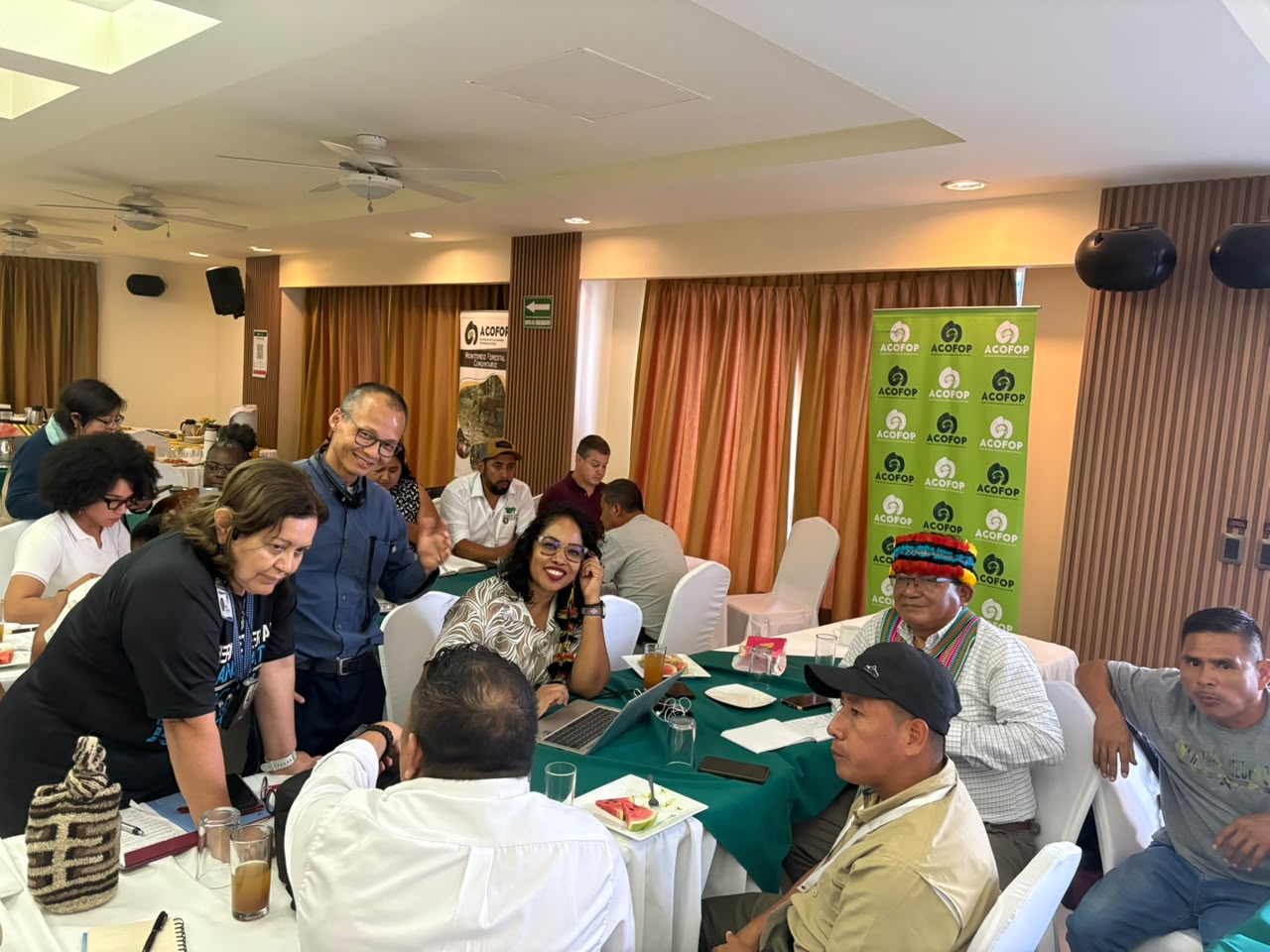
For Luciane Xavier Macuxi, the participation allowed her to learn about different realities and expand reflections on the challenges faced by indigenous peoples in the face of climate finance mechanisms.
"Participating in this exchange was an important opportunity to learn about the experiences of other Latin American countries and reflect on the challenges that indigenous peoples face in the face of climate finance mechanisms", he highlighted.
Exchange of experience and knowledge
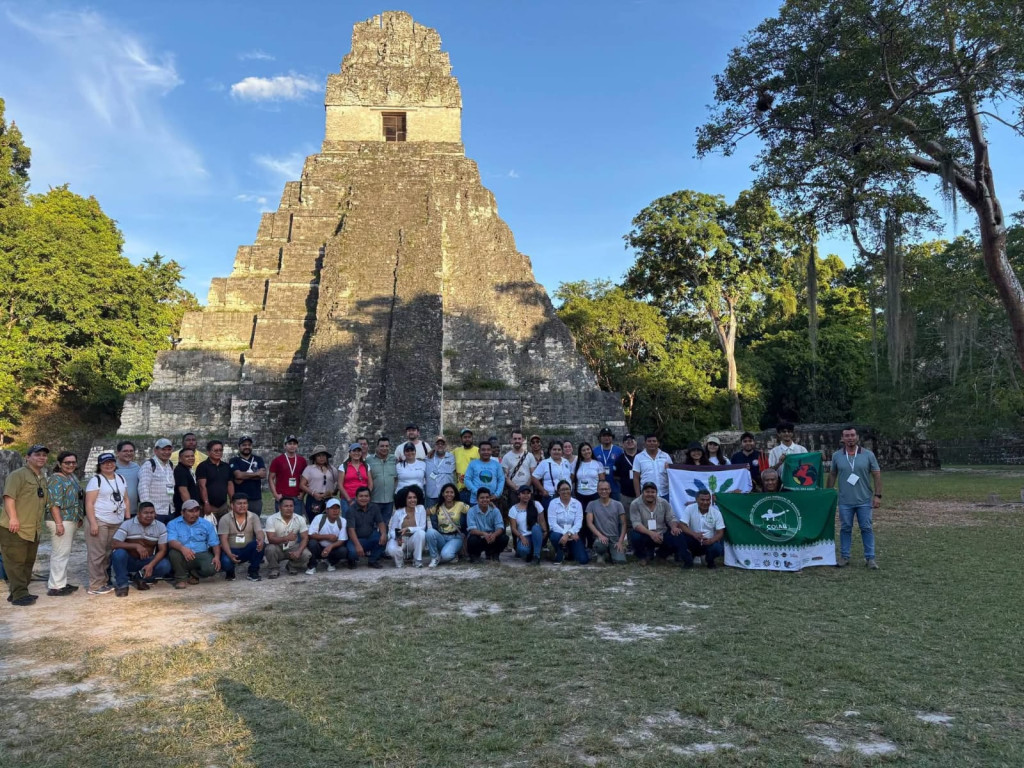
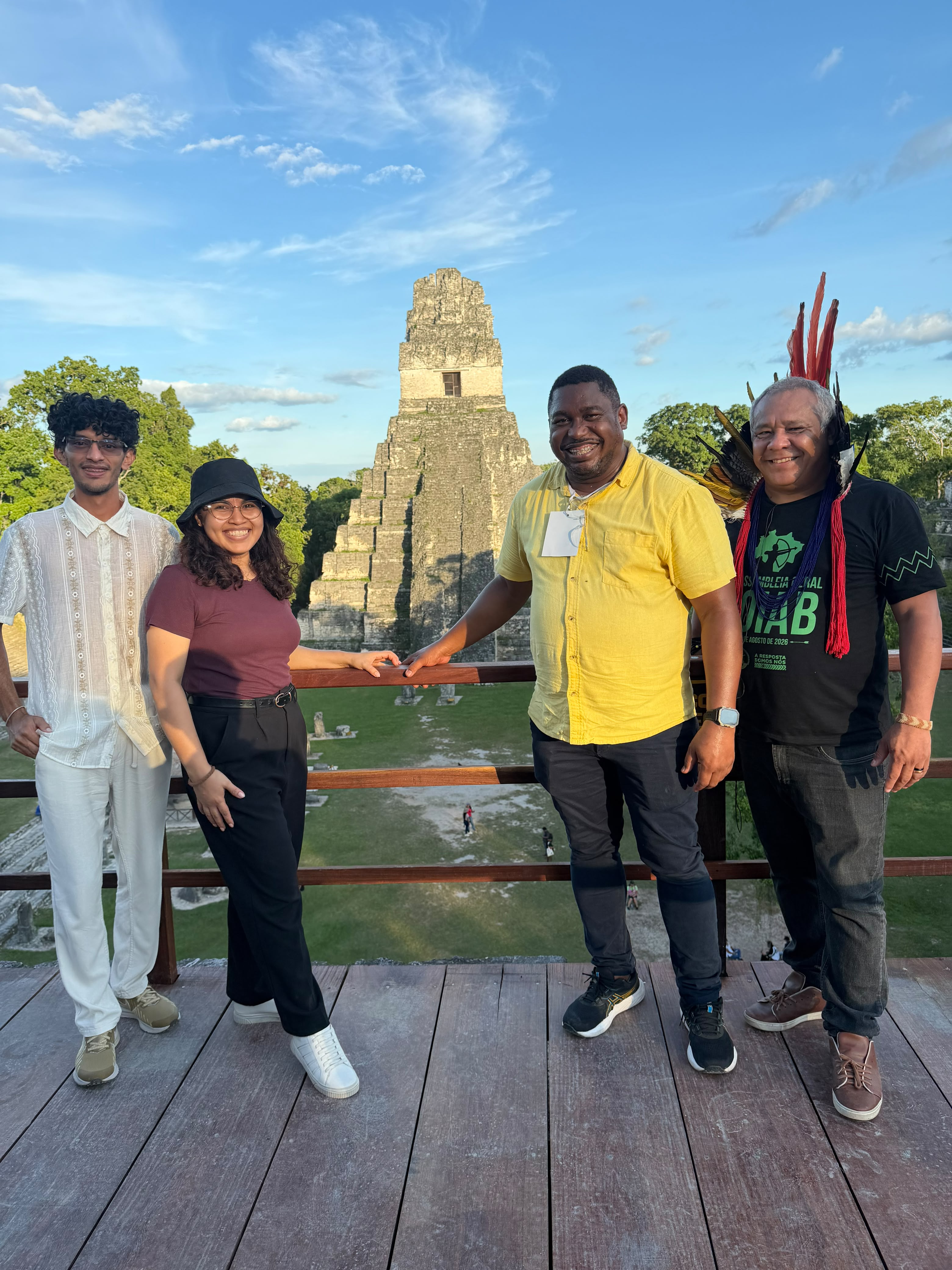
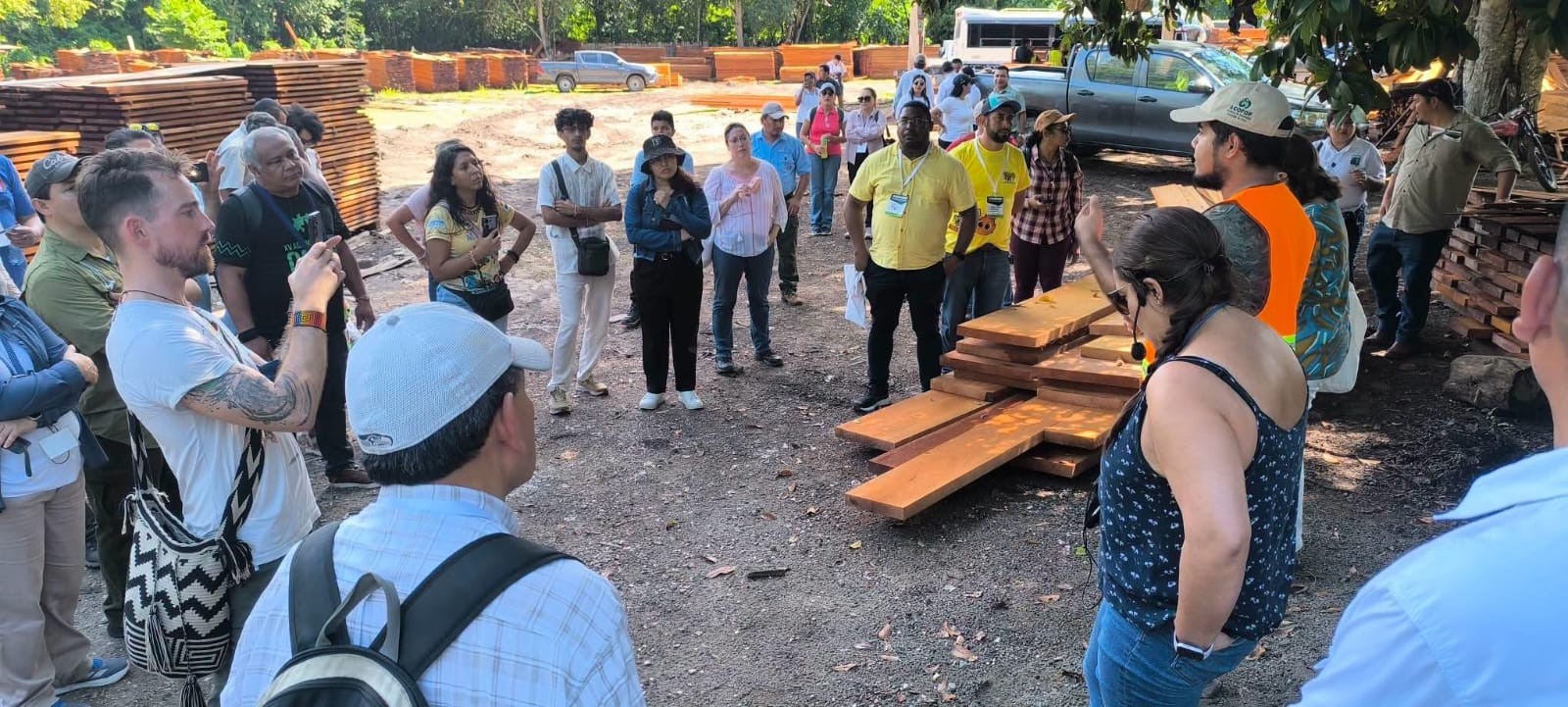
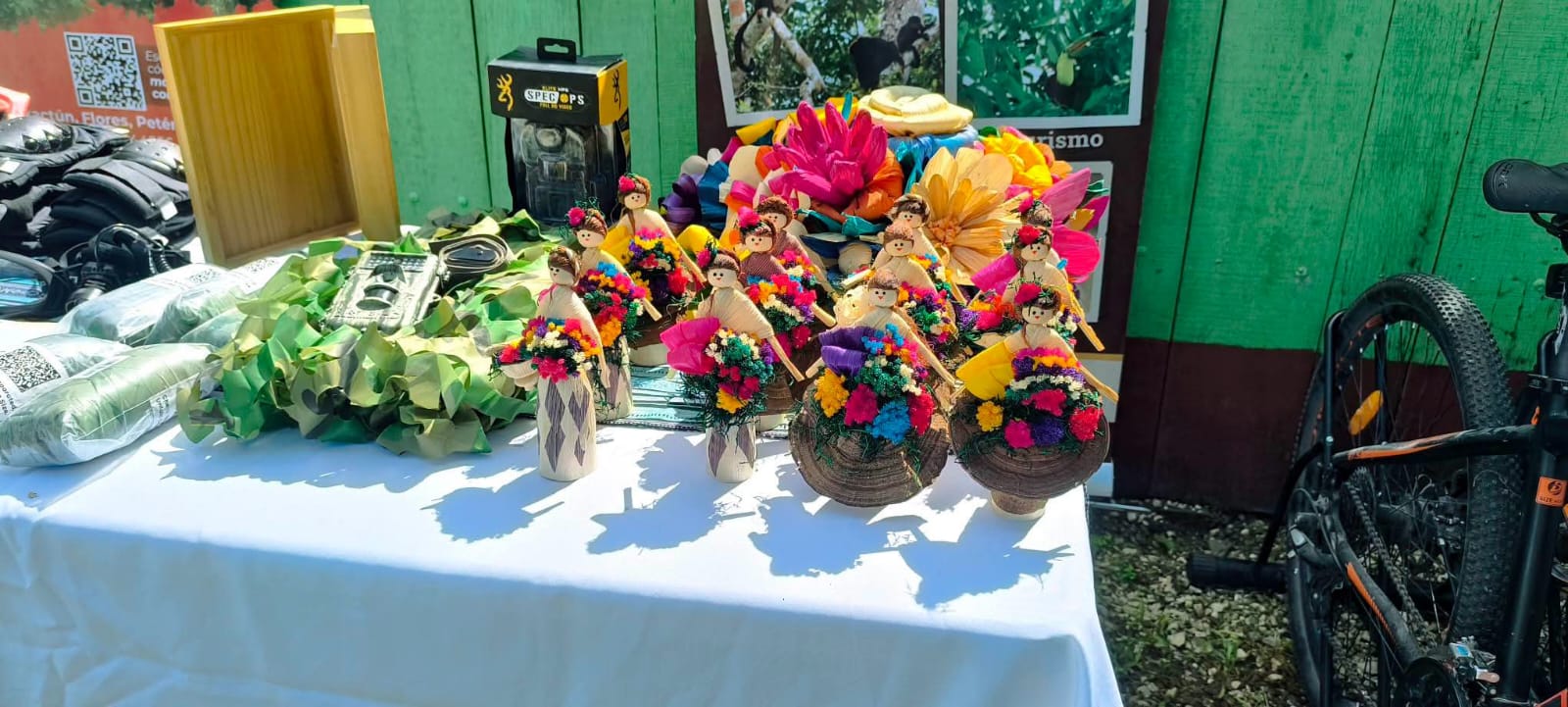
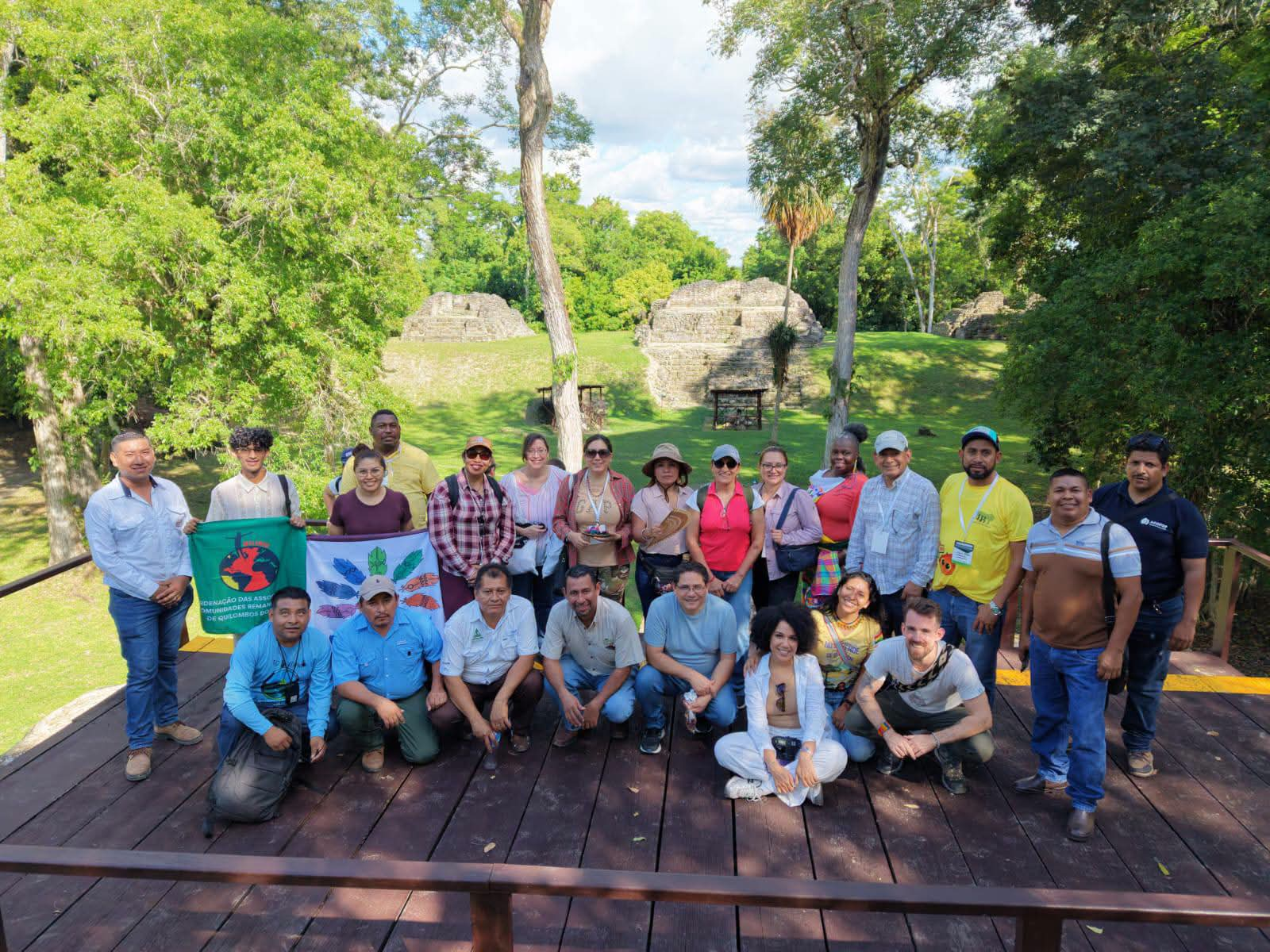
During the three days, the program brought together debates on carbon markets, Reducing Emissions from Deforestation and Forest Degradation (REDD+), socio-environmental safeguards, and climate financing mechanisms. The participants also carried out a field visit to the community of Uaxactún, where they learned about community forest management experiences developed within the scope of the Guatecarbon REDD+ Project. Among the initiatives presented were biological monitoring actions, community tourism, forest nurseries, and sustainable production projects. The program also included visits to the Archaeological Site and the Tikal National Park, important historical and cultural references of the Mayan civilization.
When addressing climate finance mechanisms, the legal advisor stressed that conservation initiatives and carbon markets need to respect the rights of indigenous peoples.
"For us, from the Indigenous Council of Roraima, these discussions reinforce that no conservation initiative or carbon market can happen without respecting territorial rights, prior, free and informed consultation and the autonomy of indigenous peoples", he said.
Cooperation and territorial rights
Another point discussed was the need to ensure technical and financial support appropriate to the realities of each territory, respecting the modes of organization and priorities of the communities. The participants also discussed legal and communication strategies, leadership training, and strengthening or creating networks of indigenous and quilombola lawyers, expanding cooperation between organizations at the national and international levels.
Participation in the exchange also enabled the CIR to learn about initiatives and strategies that can contribute to the work developed in Roraima. According to Luciane, the lessons shared during the meeting can strengthen territorial protection and the performance of indigenous communities.
"We take from these experiences lessons that can contribute to strengthening the protection of our territories and the performance of the indigenous communities of Roraima", he concluded.