
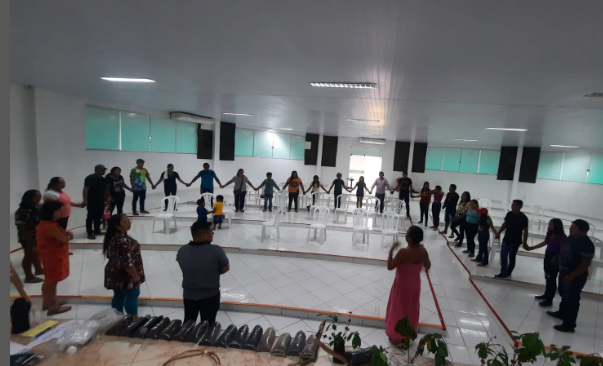
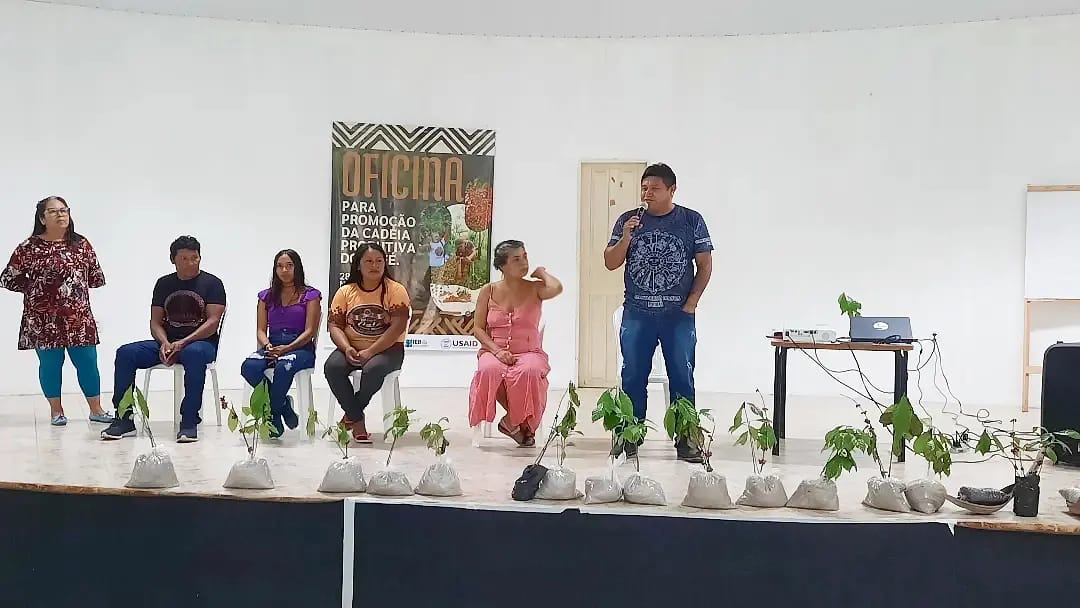
The Indigenous Council of Roraima (CIR), through its Department of Territorial Management (DGT), held a workshop in Boa Vista from November 29th to December 1st to promote the coffee production chain in the Mangueira Indigenous Land, Tabaio region, municipality of Alto Alegre. Approximately 30 people participated, including leaders, women, children, and young people. The objective was to strengthen this production chain and study how the product can reach the market with an indigenous seal. The promotion of the coffee production chain is an initiative of the CIR, in partnership with the International Institute of Education of Brazil (IEB), within the scope of the Bem Viver project. The Mangueira Indigenous Land, home to the Macuxi, Sapará, and Wapichana peoples, who speak two languages: Wapichana and Macuxi, has been working with organic and sustainable coffee for over 30 years.
The discussions revolved around development models and sustainable production in Indigenous Lands, a diagnosis of seasonal calendar production valuing Indigenous products and their respective environmental, cultural, medicinal, social, and economic potential, as well as mapping the bottlenecks and strengths of the links in the Indigenous Coffee Value Chain, which encompasses social organization for production, cultivation, harvesting, processing, and marketing.
CIR has been supporting coffee plantation activities since harvesting, with workshops discussing the importance of placing coffee on the market, but first and foremost for the community itself. The Mangueira Indigenous Land has a Territorial and Environmental Management Plan (PGTA) built by the indigenous people themselves, with support from DGTA, and one of the implementations of the PGTA was this workshop to promote the coffee production chain.
“These are families who work with coffee in the Mangueira Indigenous Territory, and today they are seeking guidance on how to bring this coffee to market. We studied the coffee production chain, from improving the plantation to roasting and grinding, as well as how this can reach the market with the Mangueira Indigenous community seal, which reflects the history of this coffee. Some of these families attended the workshop, and the results were positive,” explained the coordinator of DGTA, Sineia do Vale, from the Wapichana people.
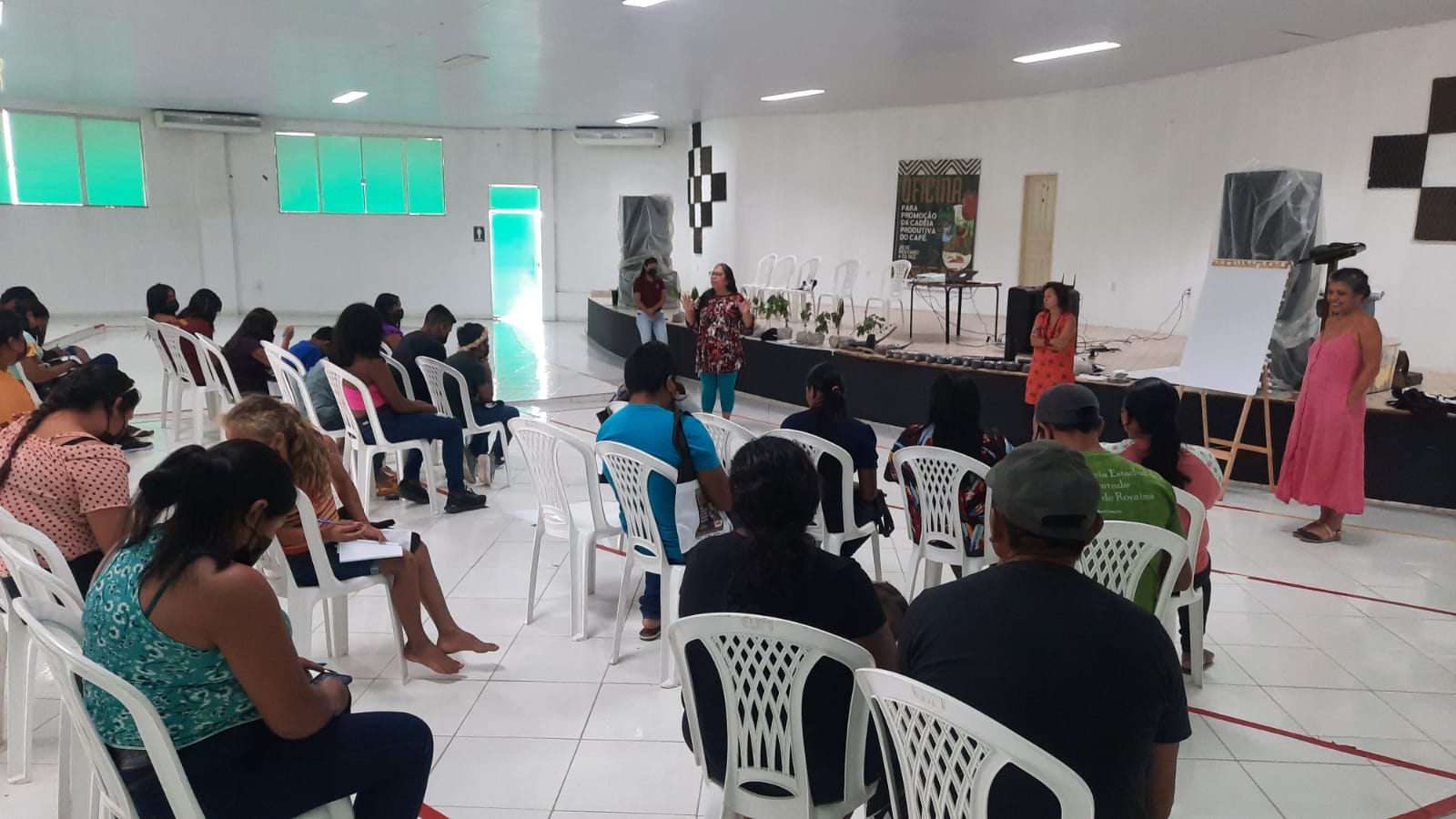
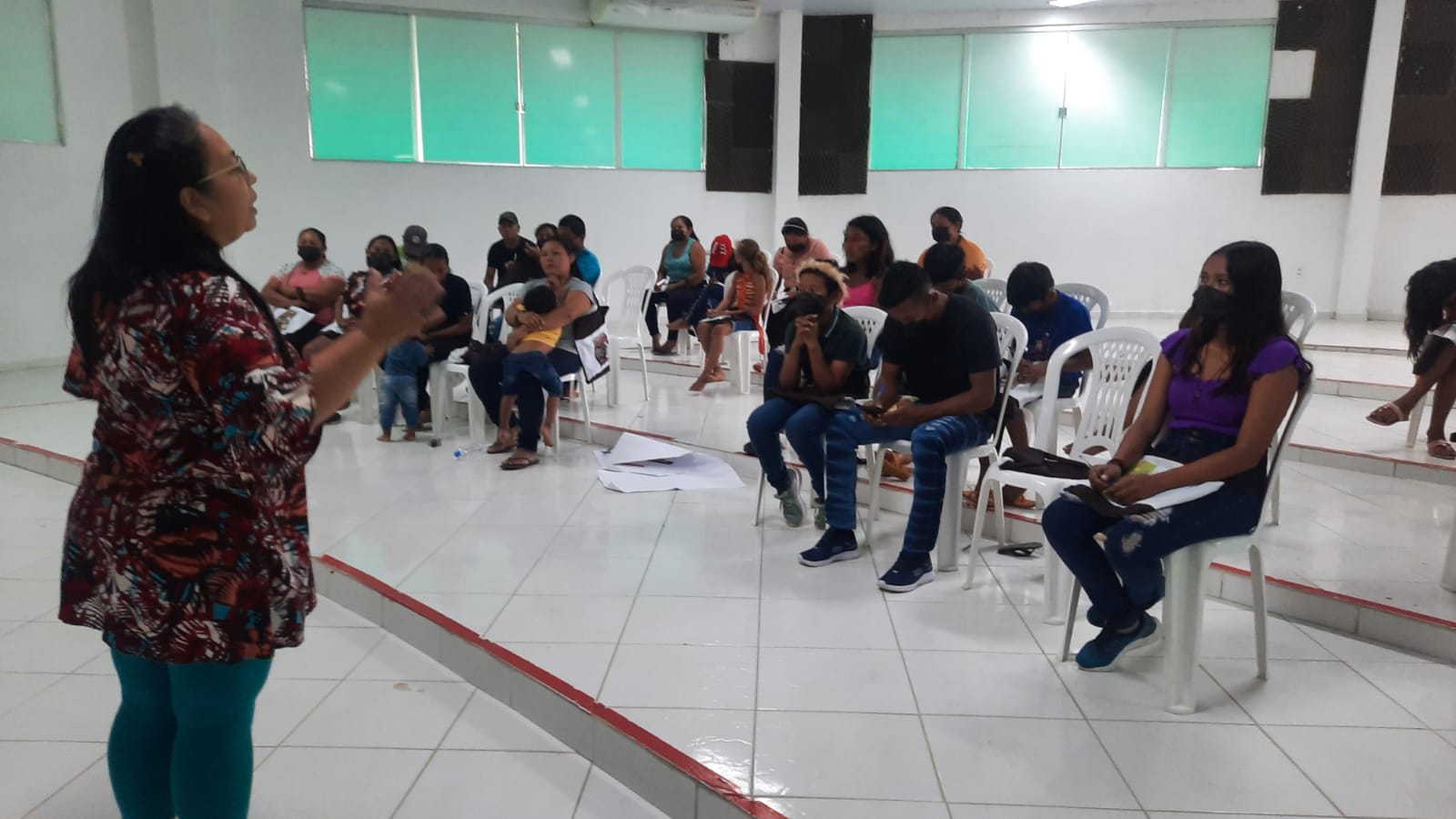
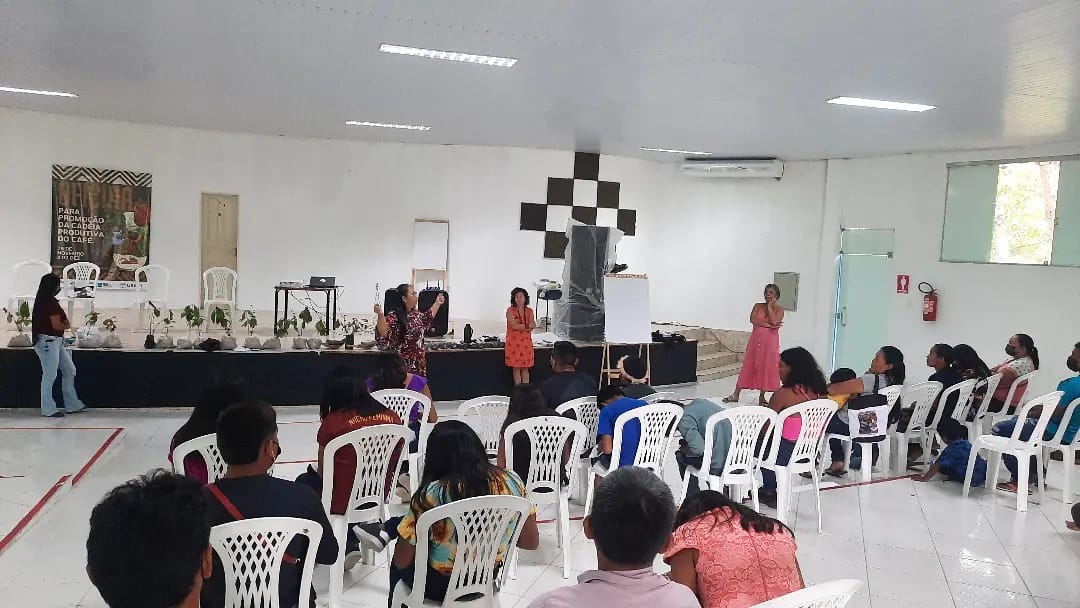
The debates revolved around development models and sustainable production on Indigenous lands. PHOTOS: Márcia Fernandes
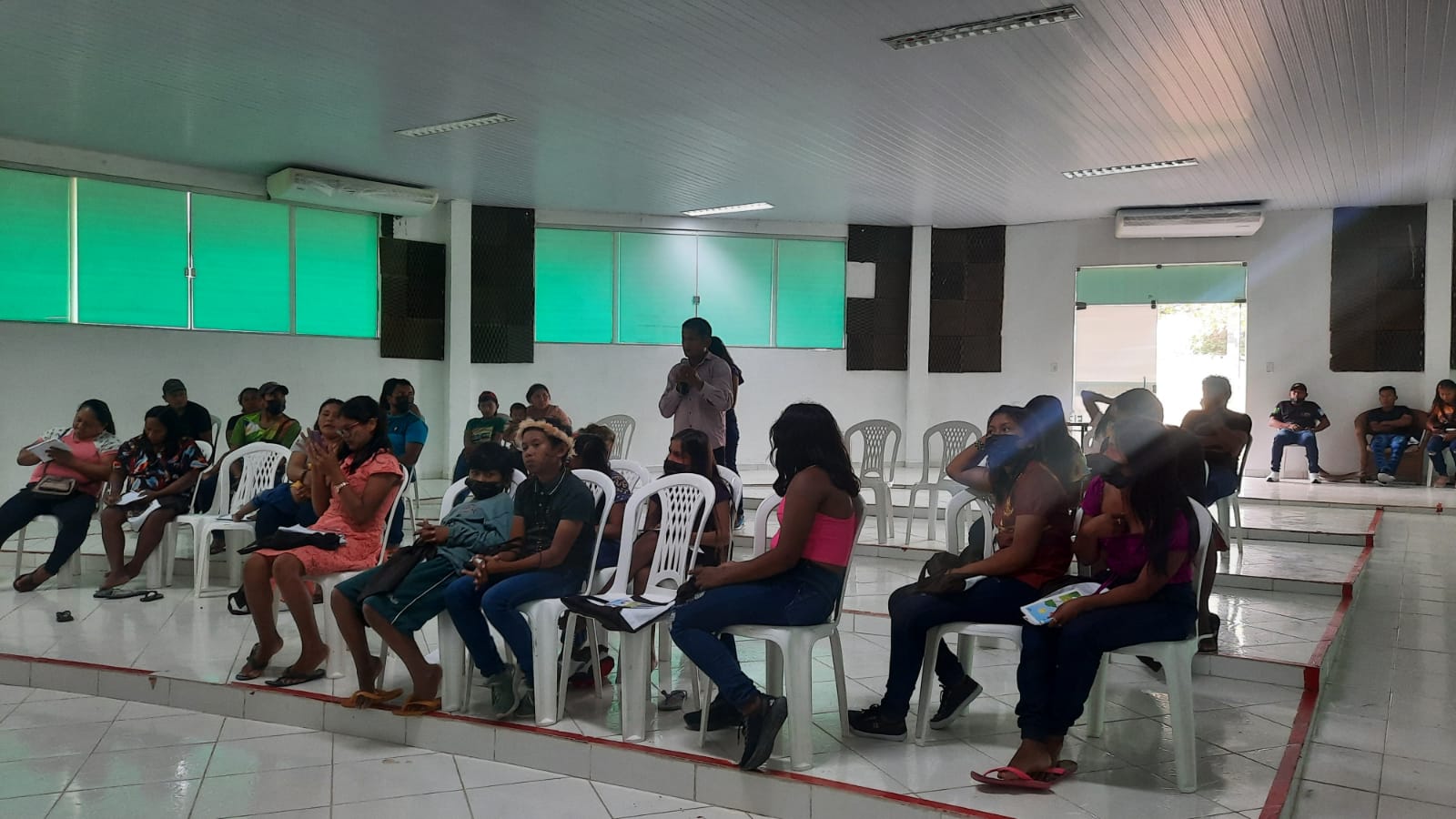
At the meeting, working groups were formed, each able to map the bottlenecks and potential of a specific link in the chain. Afterwards, the groups were invited to give a presentation in plenary session, followed by further discussion and debate, among other topics.
“We designed a teaching plan very much focused on helping the community understand how the different links in a value chain, a production chain, work. This is part of the triangle of territorial and environmental management, which involves income generation and sustainable production, one of the great pillars that guarantees food and income security for the communities. We also discussed the cultural, medicinal, environmental, and social value, beyond the economic value, the importance of maintaining traditional ways of life, but looking ahead to markets, improving the product, good management practices, as well as uniting the community and promoting income generation,” commented Andréia Bavaresco, technical coordinator of IEB, an organization that participated as a facilitator of the meeting.
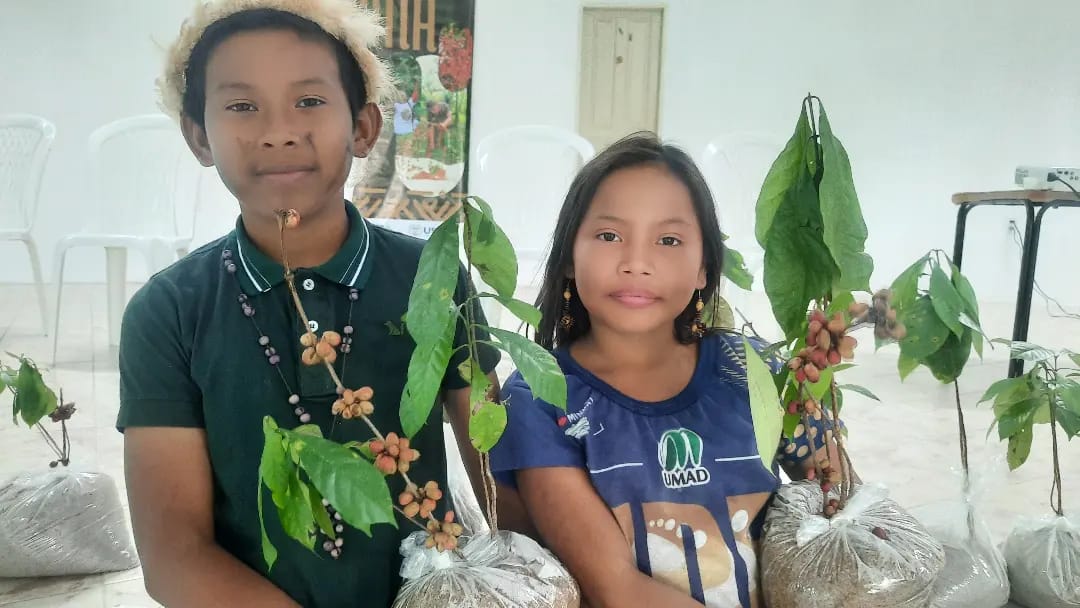
She has worked with organic and sustainable coffee for over 30 years. PHOTOS: Márcia Fernandes.
Terezinha Augustinho, from the Macuxi people, is one of the producers of Kuinan coffee, which means "the union of leafcutter ants," and she participated in the seminar. For her, the coffee project has great potential for the community. There are 130 people and 28 families, with 15 people working directly on the project. "The coffee project has brought a large family income, where, during the coffee harvest, 70% is used for community income and 20% is divided among the families. Within our coffee project, we already have a small structure with resources through the PGTA (Agricultural Technical and Rural Development Program). Everything we learned in the seminar we will put into practice, on how to improve our coffee production, how we can work, expand and improve production, so that we can have a good harvest, show our potential, and the quality of our Kuinan coffee. So, we extend our gratitude."
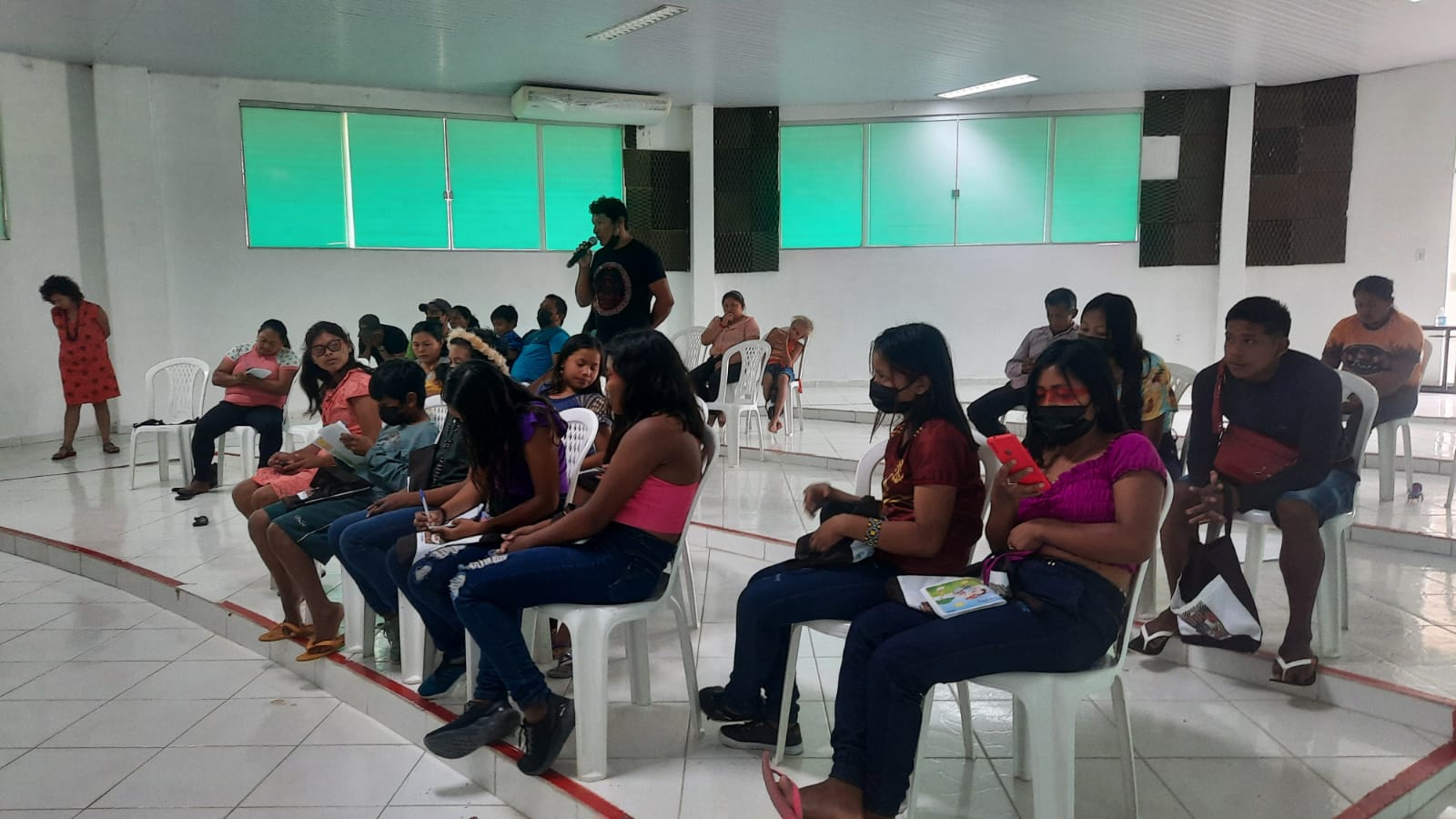
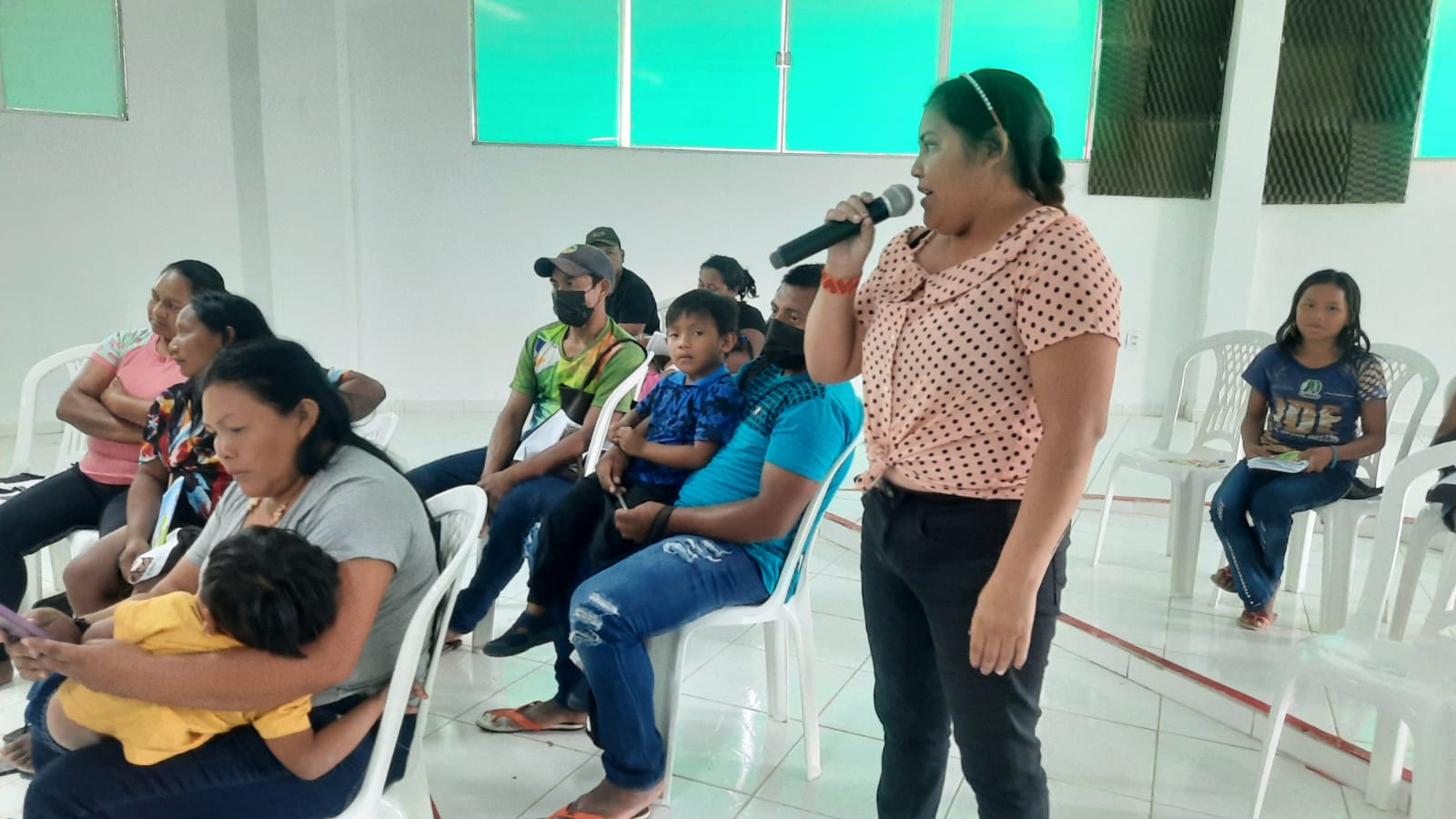
On the final day, the meeting included the participation of organizations such as: the Brazilian Agricultural Research Corporation (Embrapa), SEAP, the Insikiram Institute, the Agricultural Defense Agency (ADERR), and the Secretariat of Agriculture, who provided clarifications on coffee certification, the entirely artisanal nature of the work, and the importance of adding value to the history of Mangueira coffee.
“We at IEB are very happy to contribute to this stage of strengthening the work developed for 30 years by the indigenous people of the Mangueira Indigenous Territory, with the production, processing, and commercialization of coffee. We readily accepted, and with great honor, the invitation from CIR to conduct the methodological aspects of the workshop, as we are very clear that this path of implementing the PGTA – of the Mangueira Indigenous Territory – favors collective planning and intergenerational dialogue. We are all very satisfied with the result, which unfolded into an action plan with 16 goals to be met in the coming years, to boost indigenous coffee in the way that the indigenous people choose,” commented Bianca Ferreira, socio-environmental analyst of the Cerrado Program at IEB, about the meeting.