
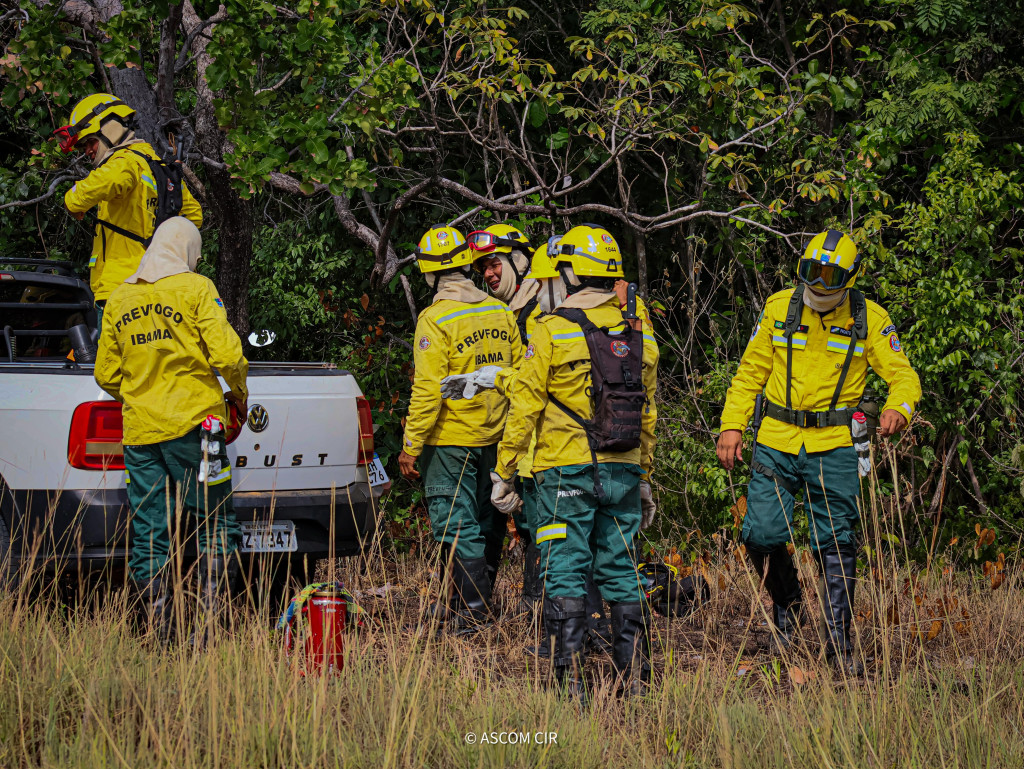
The action is to prevent the uncontrolled fires in indigenous territories during the intense summer.
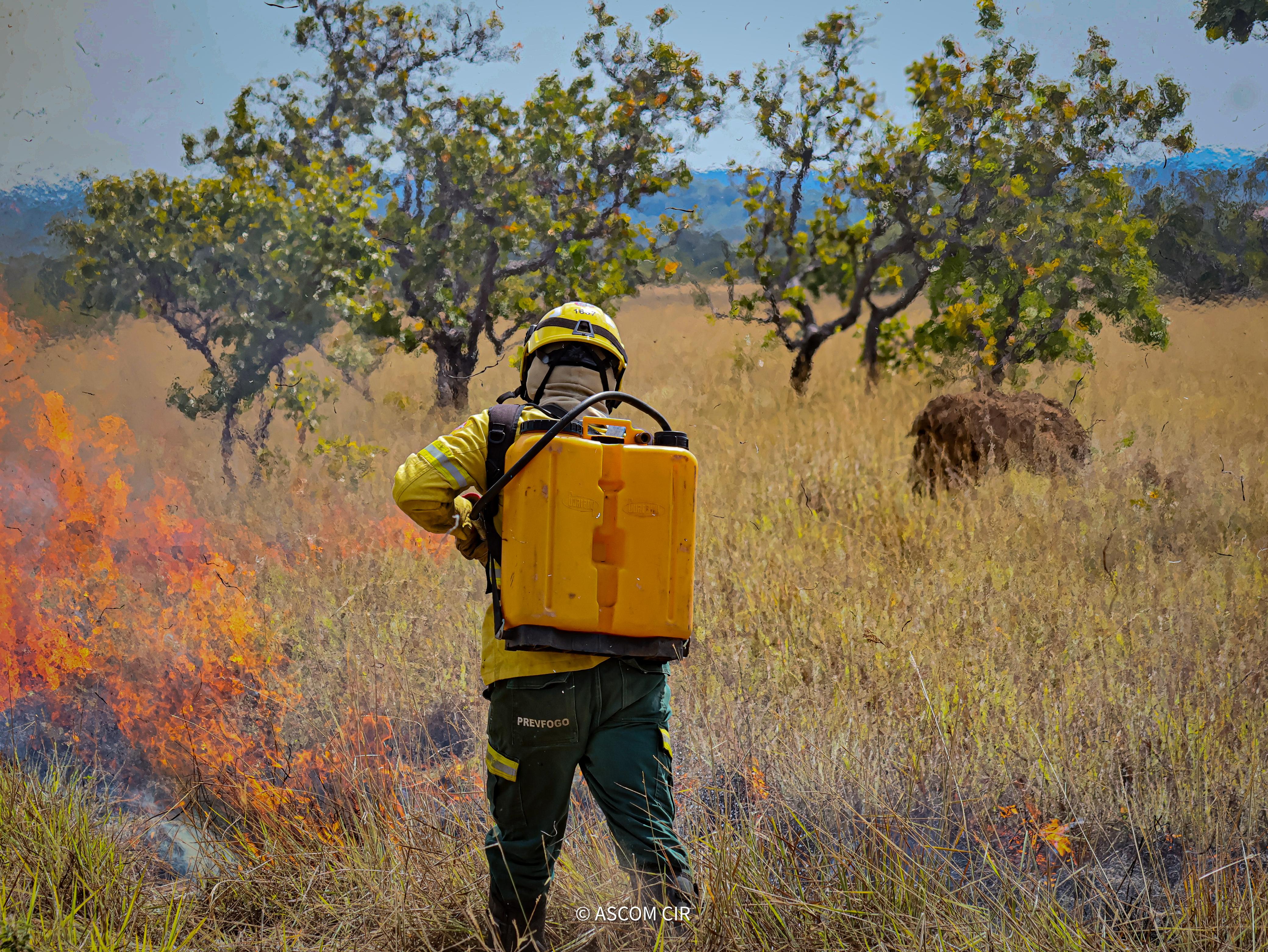
Under the strong sun and with thermal sensation of 40 degrees, the indigenous firefighters begin the activity of Prescribed Burning, a collective action dedicated to the preservation of ploughed farms, forests, streams and animals that inhabit indigenous territories. This time, the action occurs on the limits of the Serra do Truarú and Morcego indigenous communities, in the Serra da Moça Indigenous Land, Murupu region.
The work is developed in partnership between the Indigenous Council of Roraima (CIR), through of the Department of Territorial, Environmental and Climate Change Management (DGTAMC), and the Forest Fire Prevention and Fighting Program (PREVFOGO), of the Brazilian Institute of Environment and Natural Resources (IBAMA).
Different from burning controlled, used in productive activities or in rural management, burning Prescribed focuses on environmental conservation and fire prevention in native vegetation. The action follows some rules and can only be carried out upon authorization and prior planning.
In practice, burning The time-barred window is the burning window, which began in September and runs until November. The process works as follows: the firefighters request authorization of the tuxauas and community leaders, who accompany the entire action. Then, firebreaks are started, which consist of cleaning around of the space that will be burned to remove materials that may serve as fuel for the propagation of the flames, as explained by the supervisor of the indigenous brigades of the DGTAMC, Jonatas Firmino.
"The prescribed burn is a planned burning, where we were able to observe the proportion of winds (wind conditions) during this period. We are reducing fuel and the protection of the boundaries of communities and gardens. We do this prevention to avoid large fires. It is a team effort that involves the PREVFOGO firefighters and the community firefighters who make part of the DGTAMC", highlighted the supervisor.
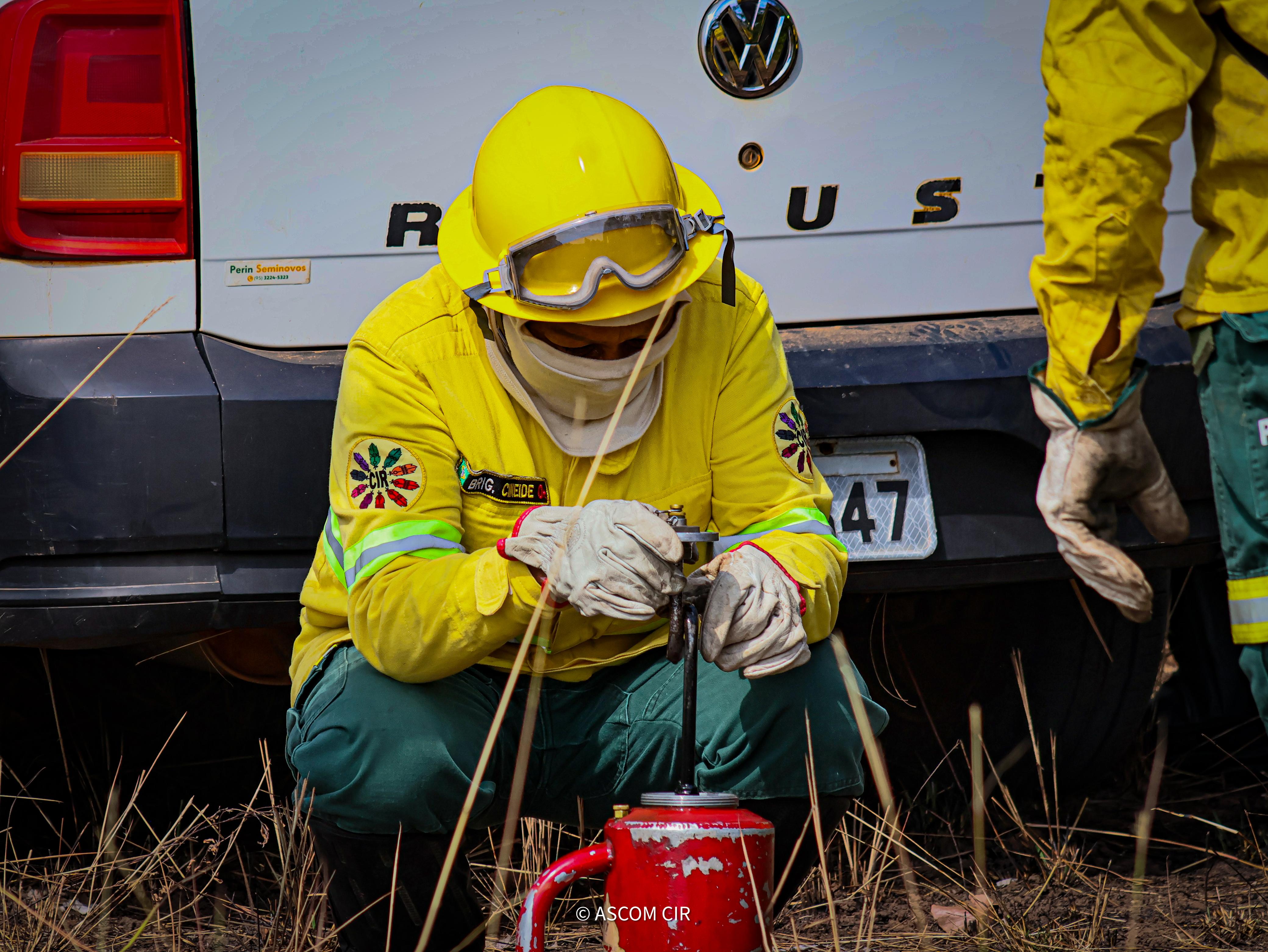
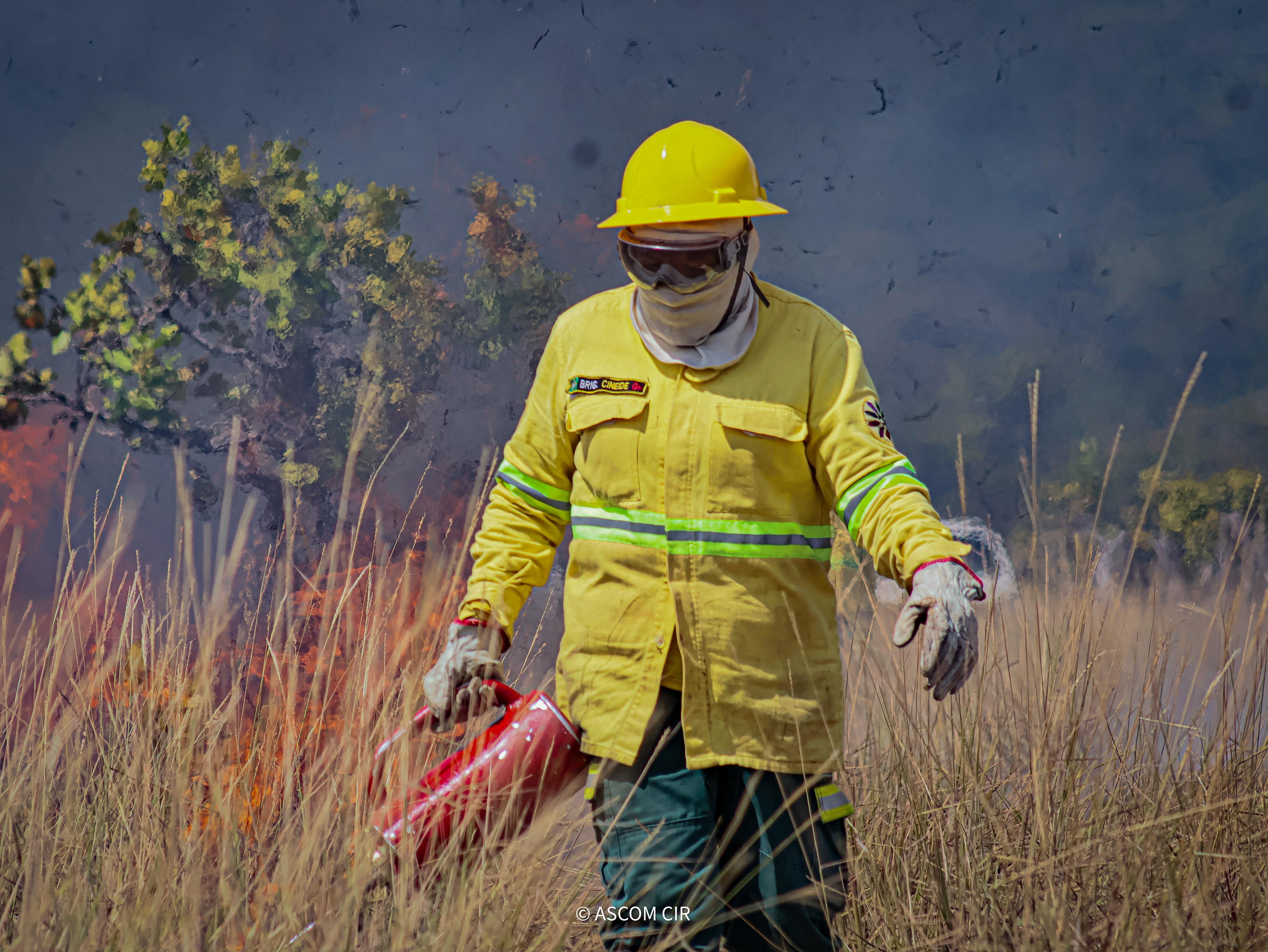
Equipped with boots, gandolas, goggles, helmets, fire-drips, backpack pumps and blowers, the firefighters carry out the activity of protecting the territory, a job that requires strength, courage and care. Brigadier Josiel, who is part of the brigade of Serra da Moça, emphasizes the importance of the work developed.
"Our mission is protect indigenous territories and communities. By burning prescribed, we eliminate heavy fuels to prevent large fires proportions and, with that, we guarantee the good of all", said the firefighter.
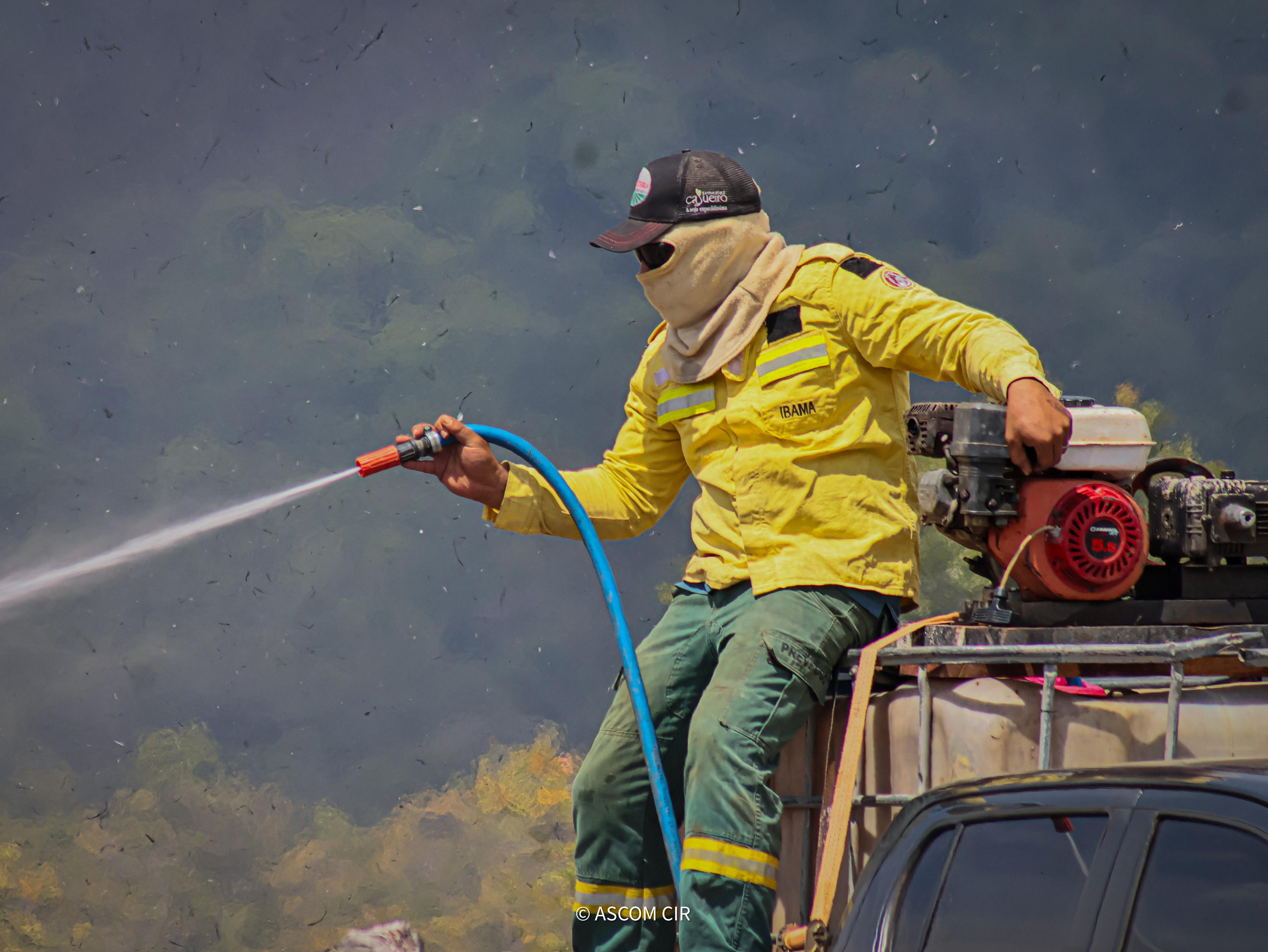
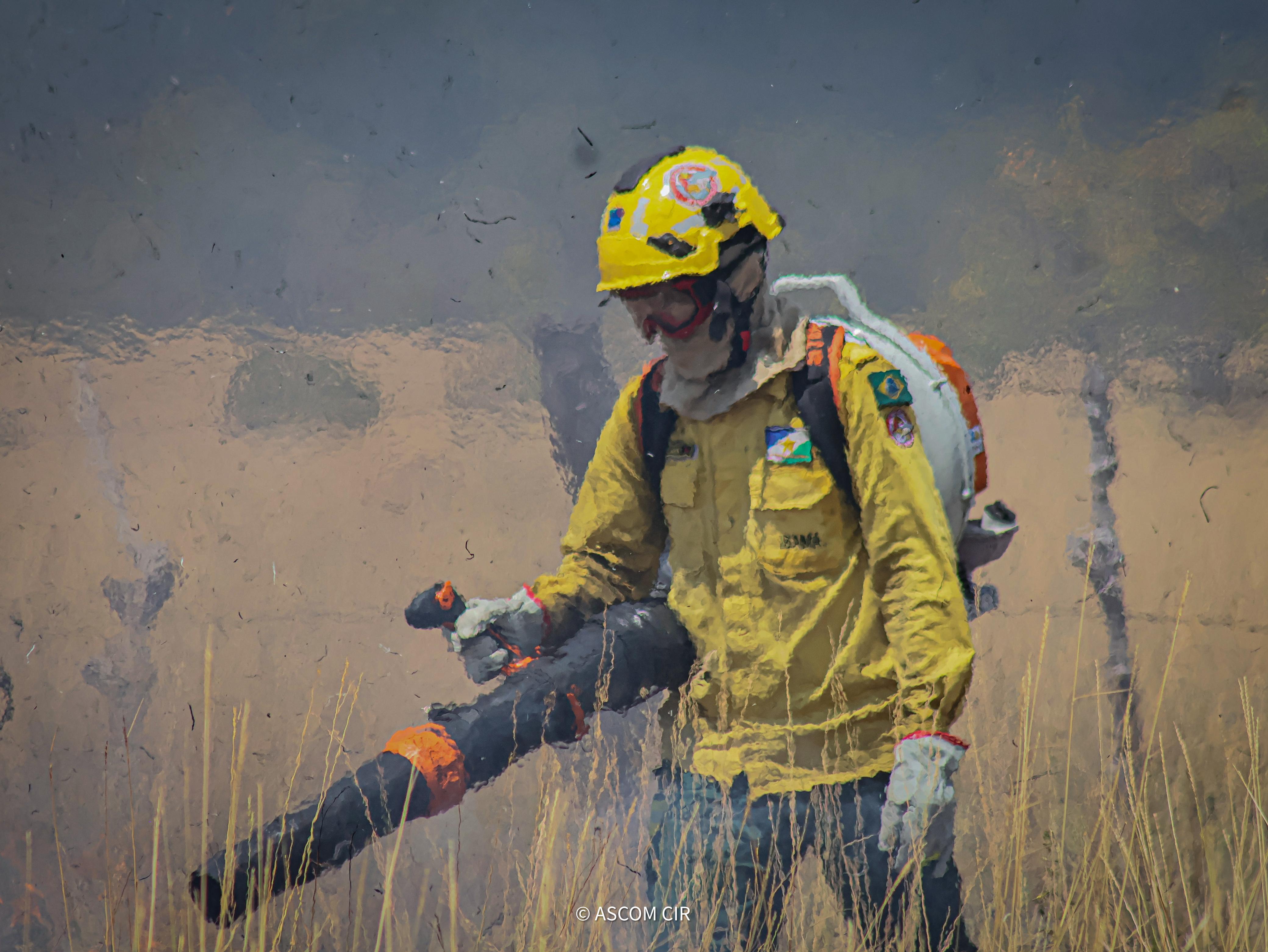
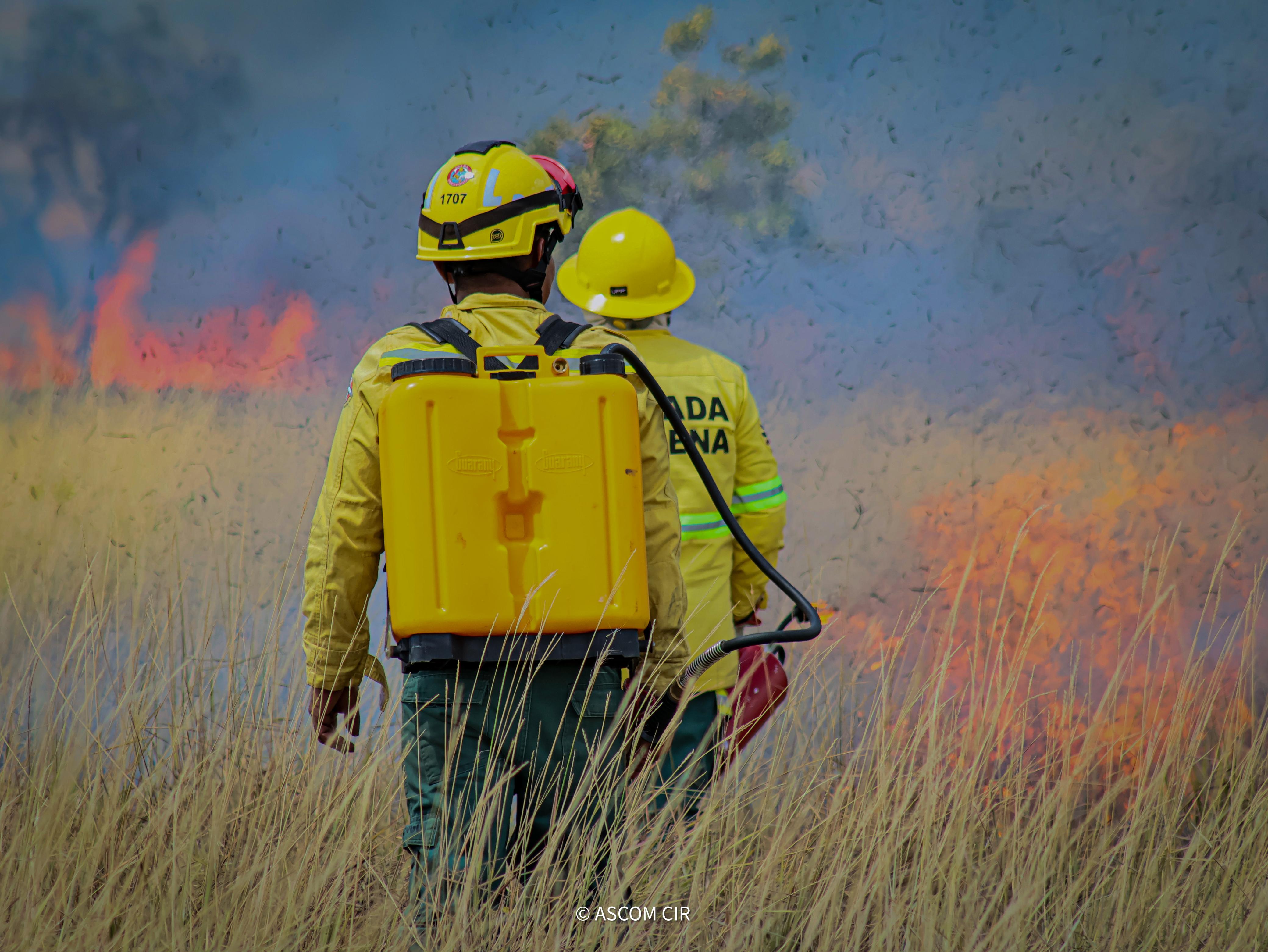
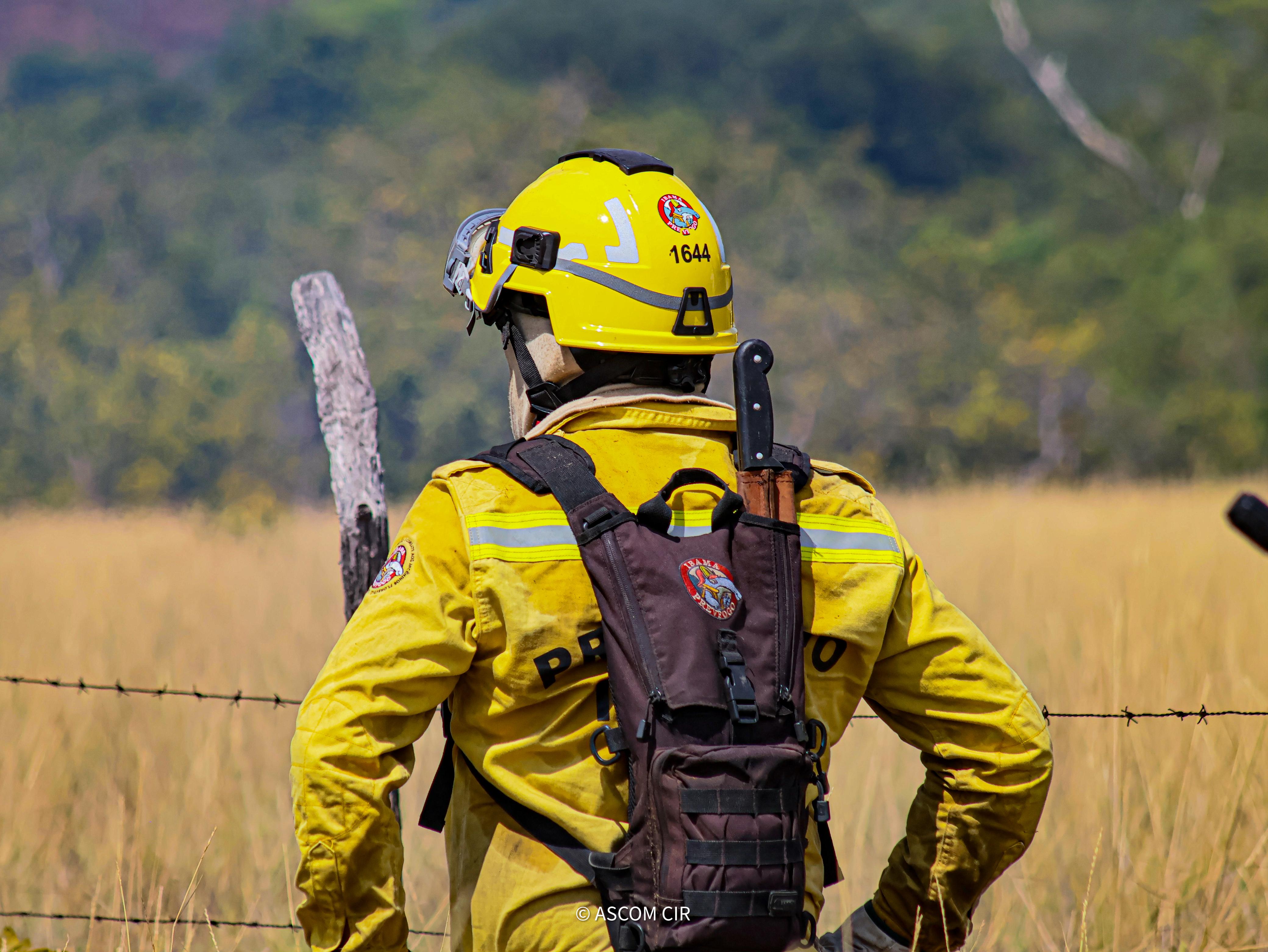
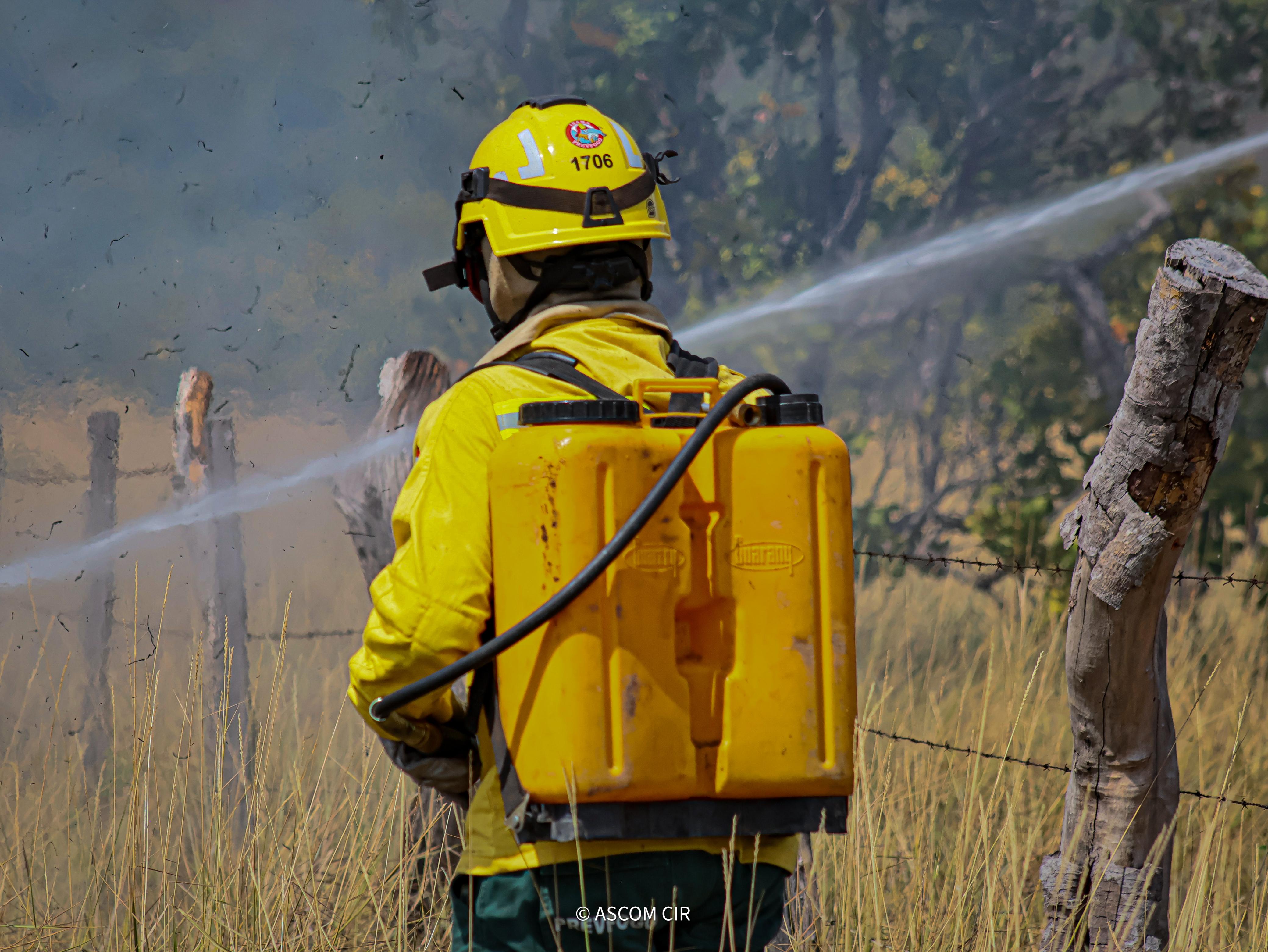
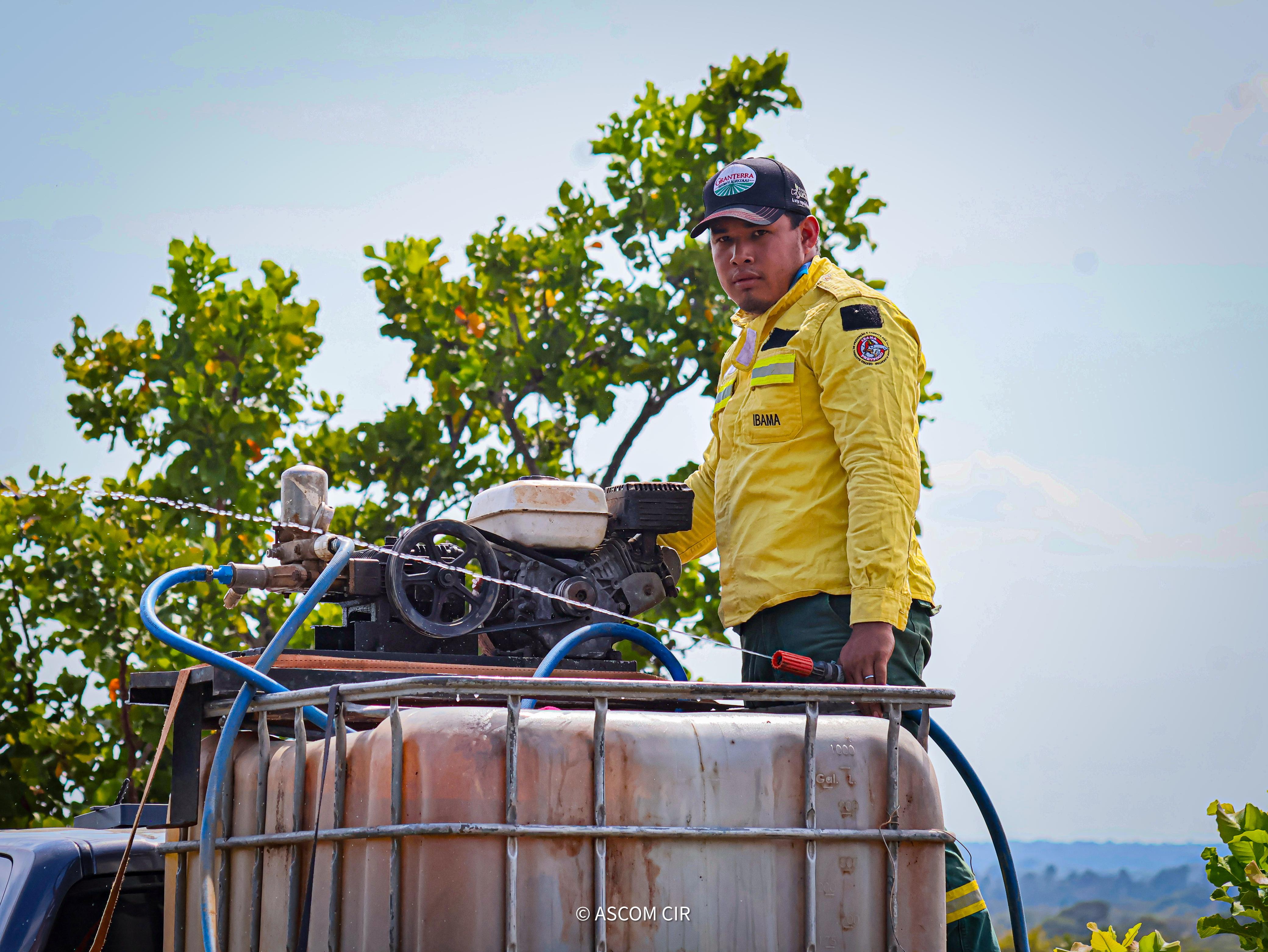
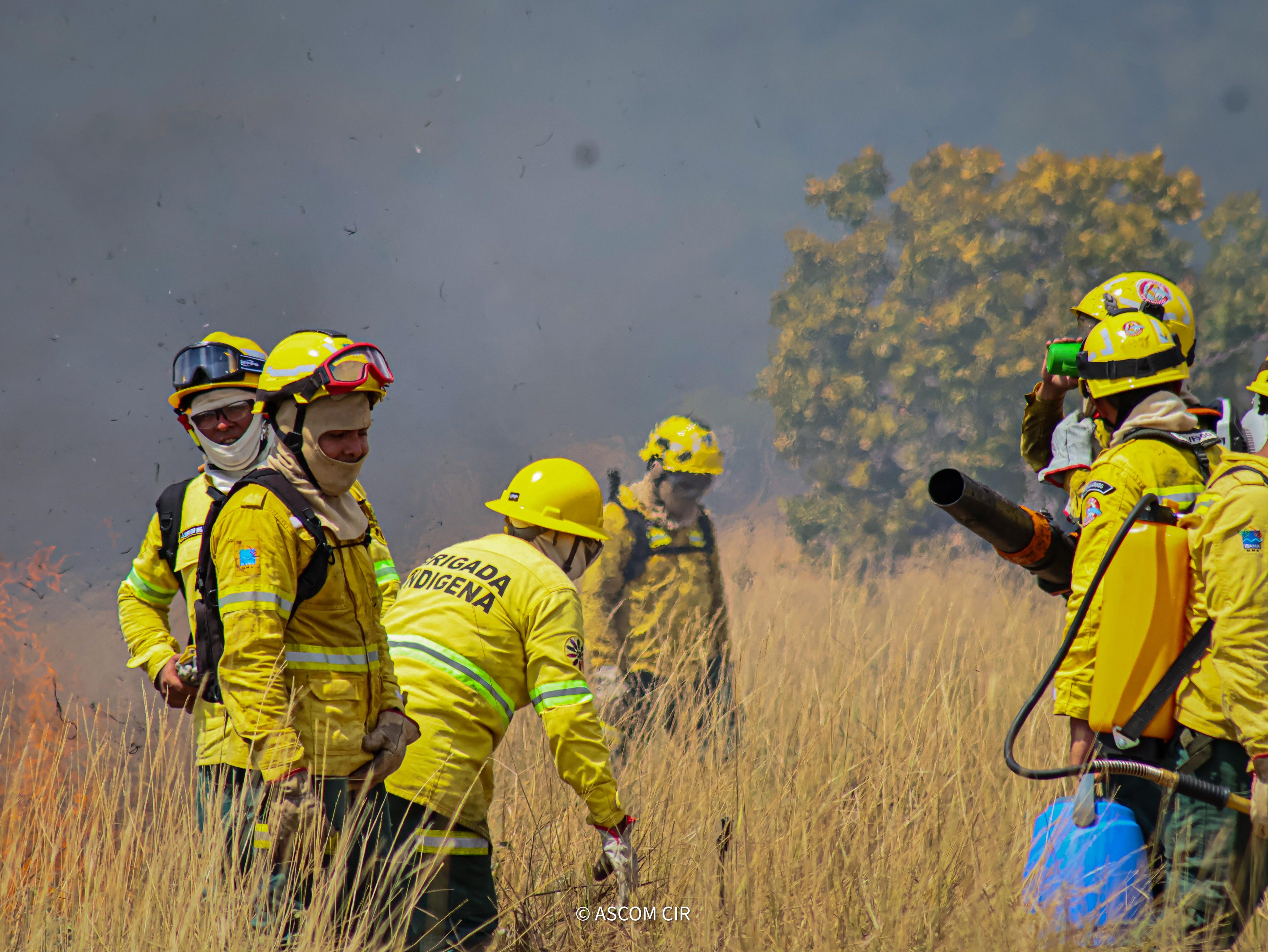
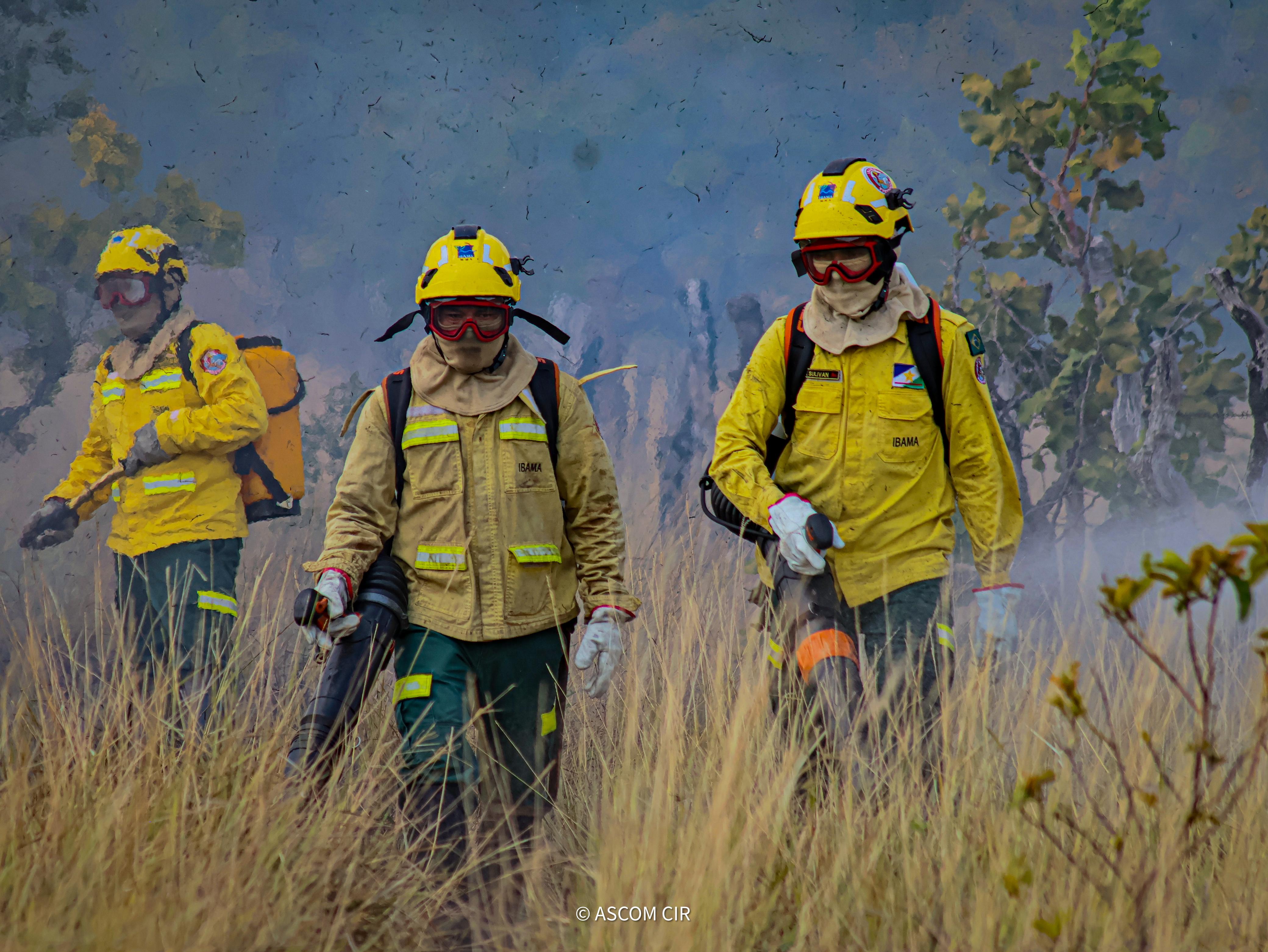
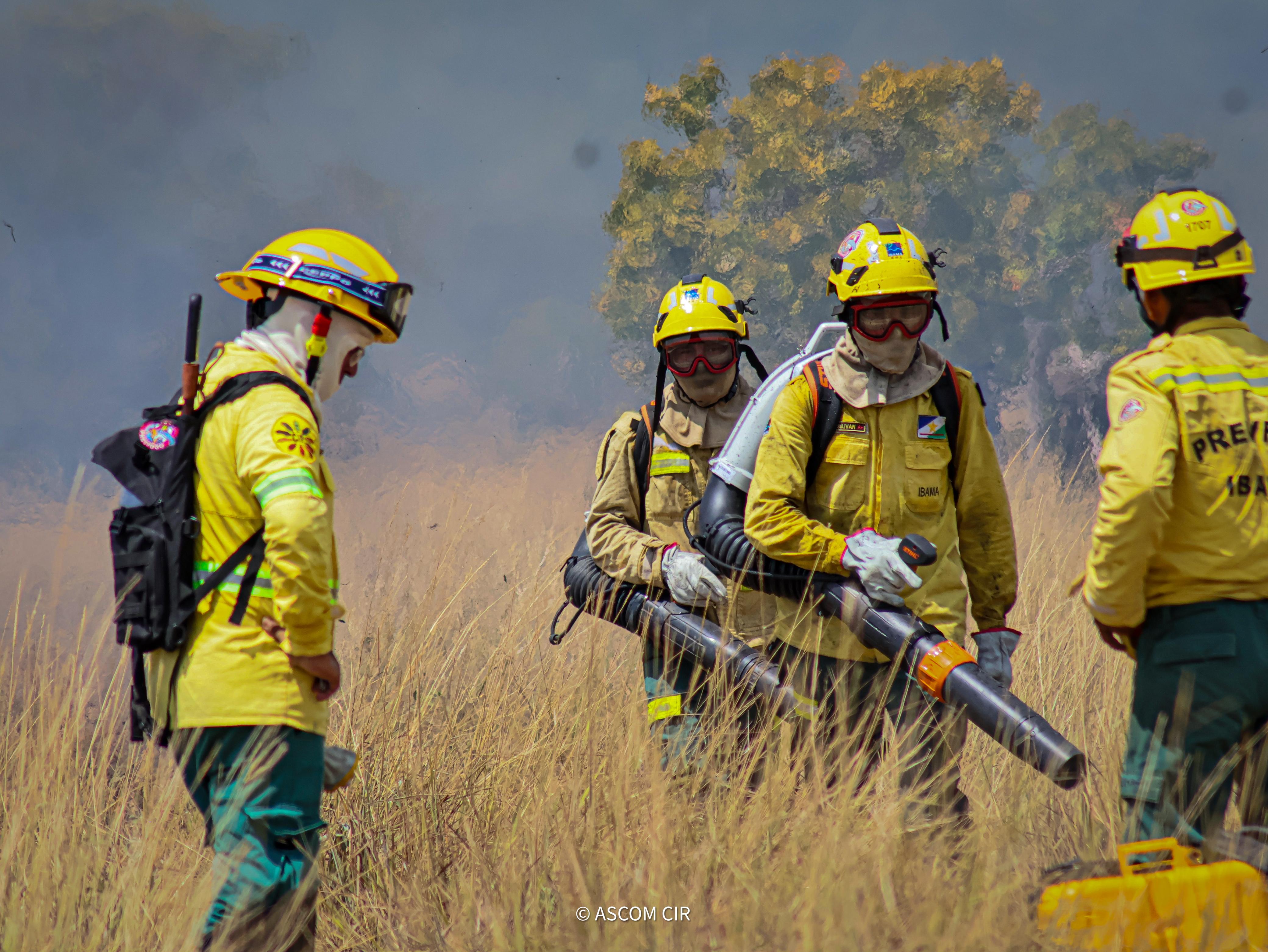
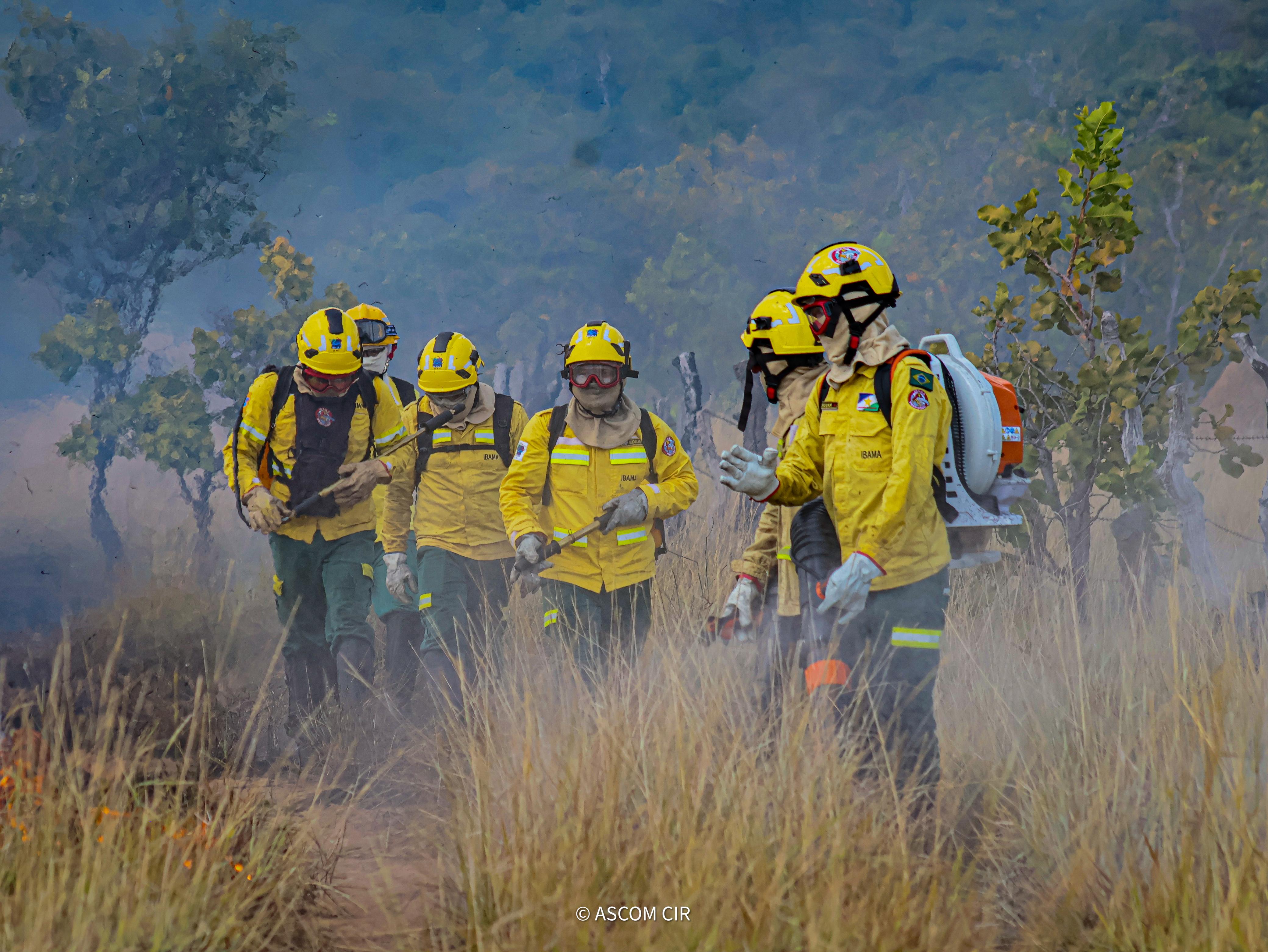
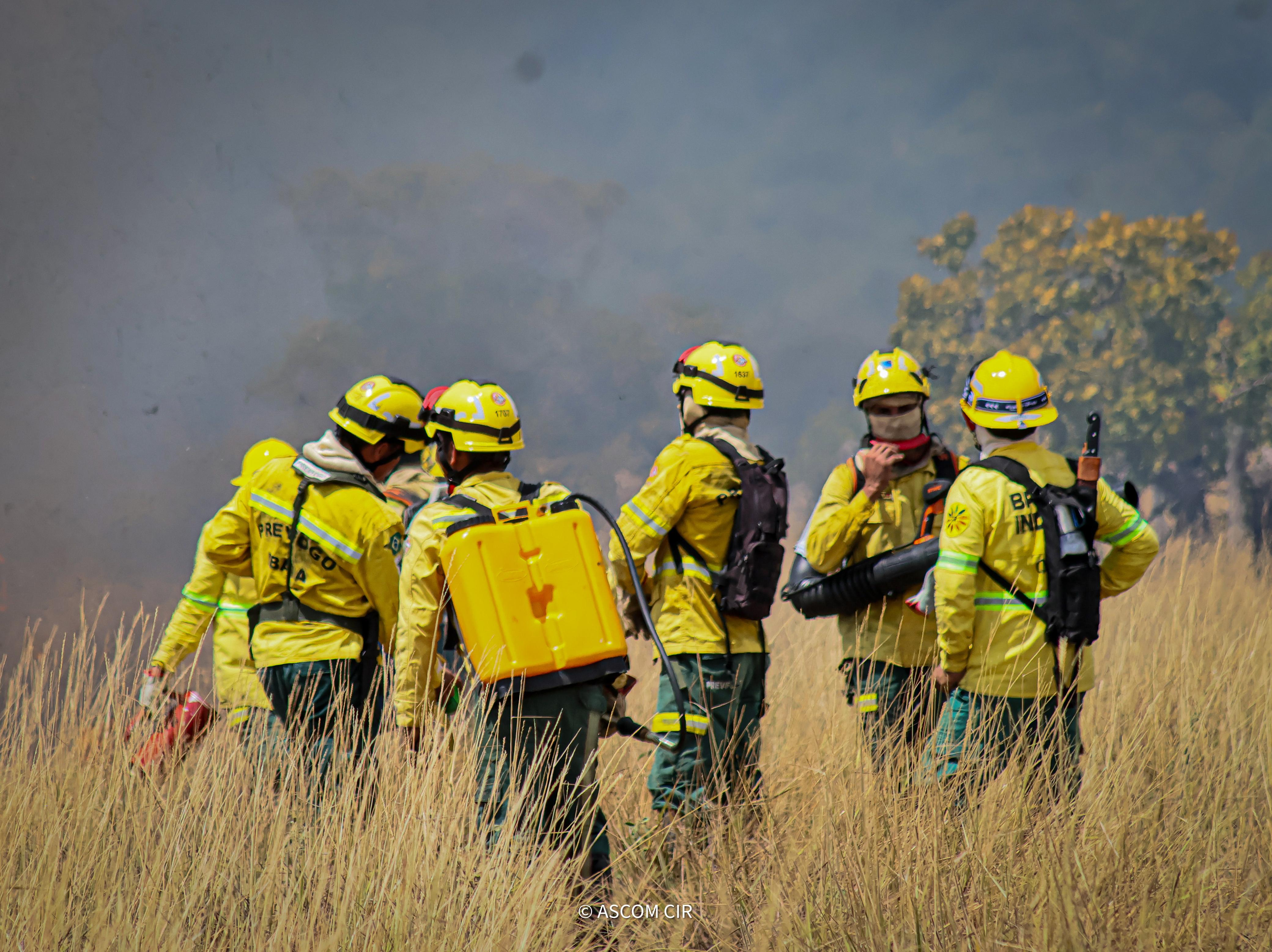
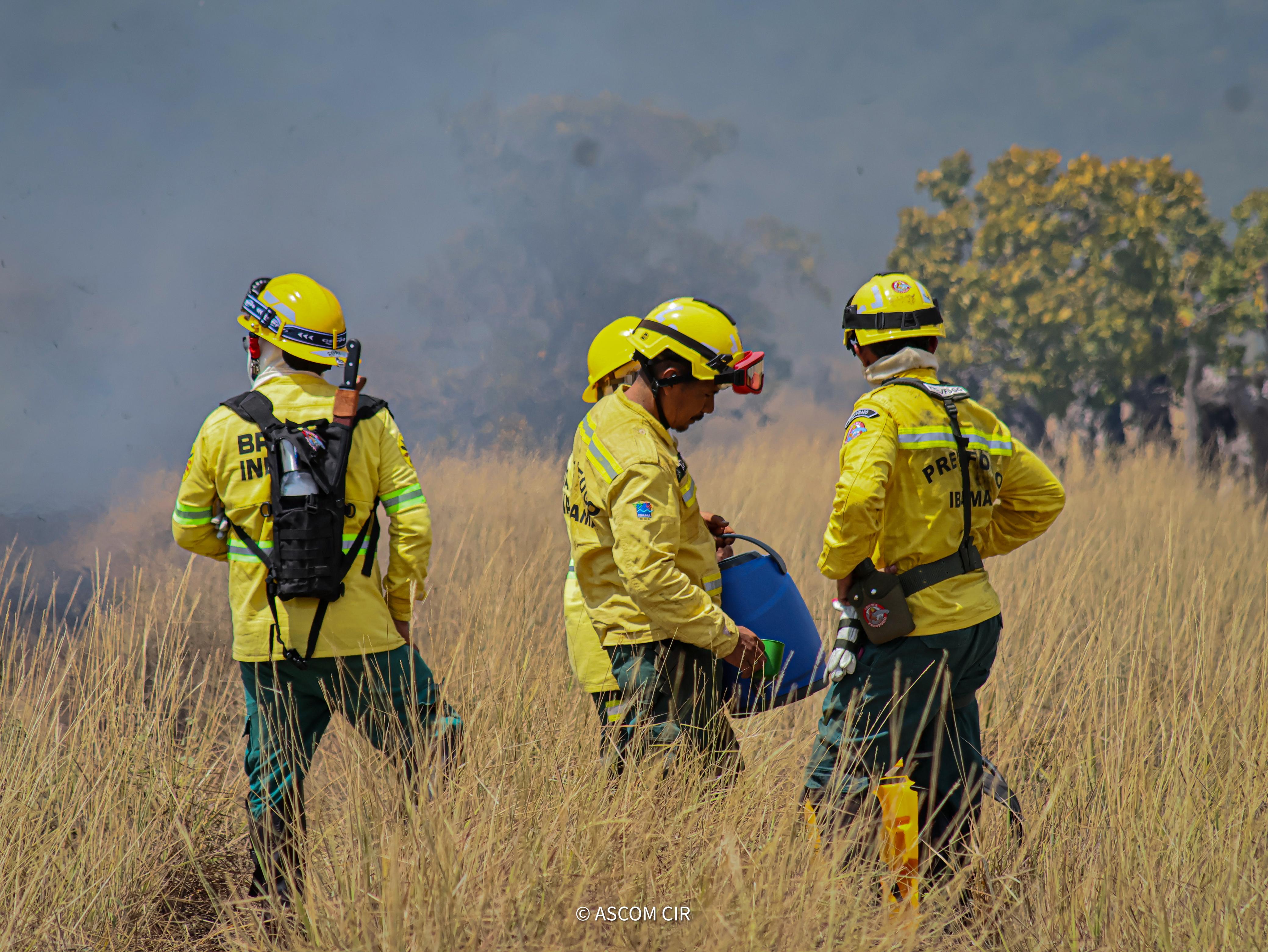
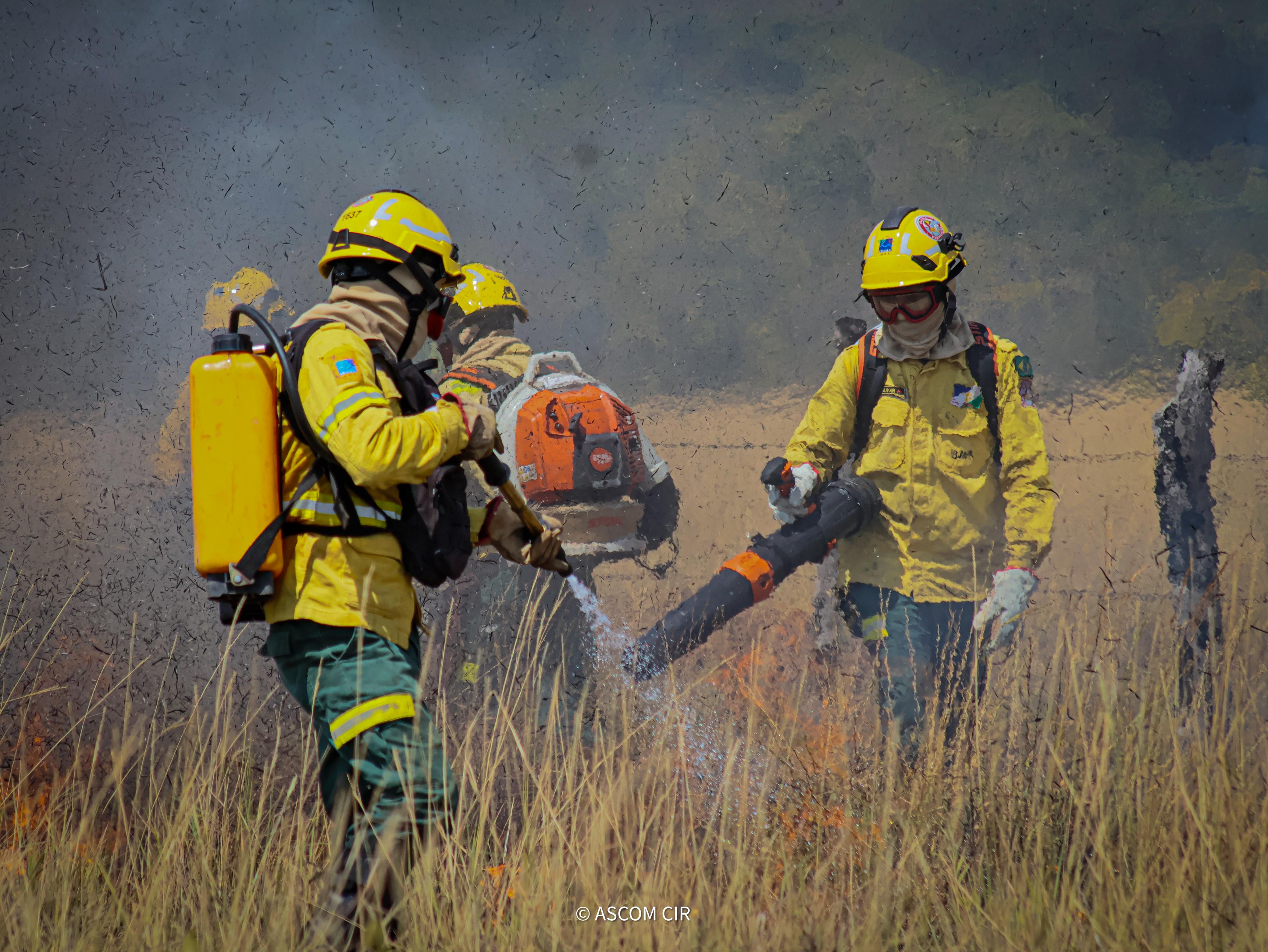
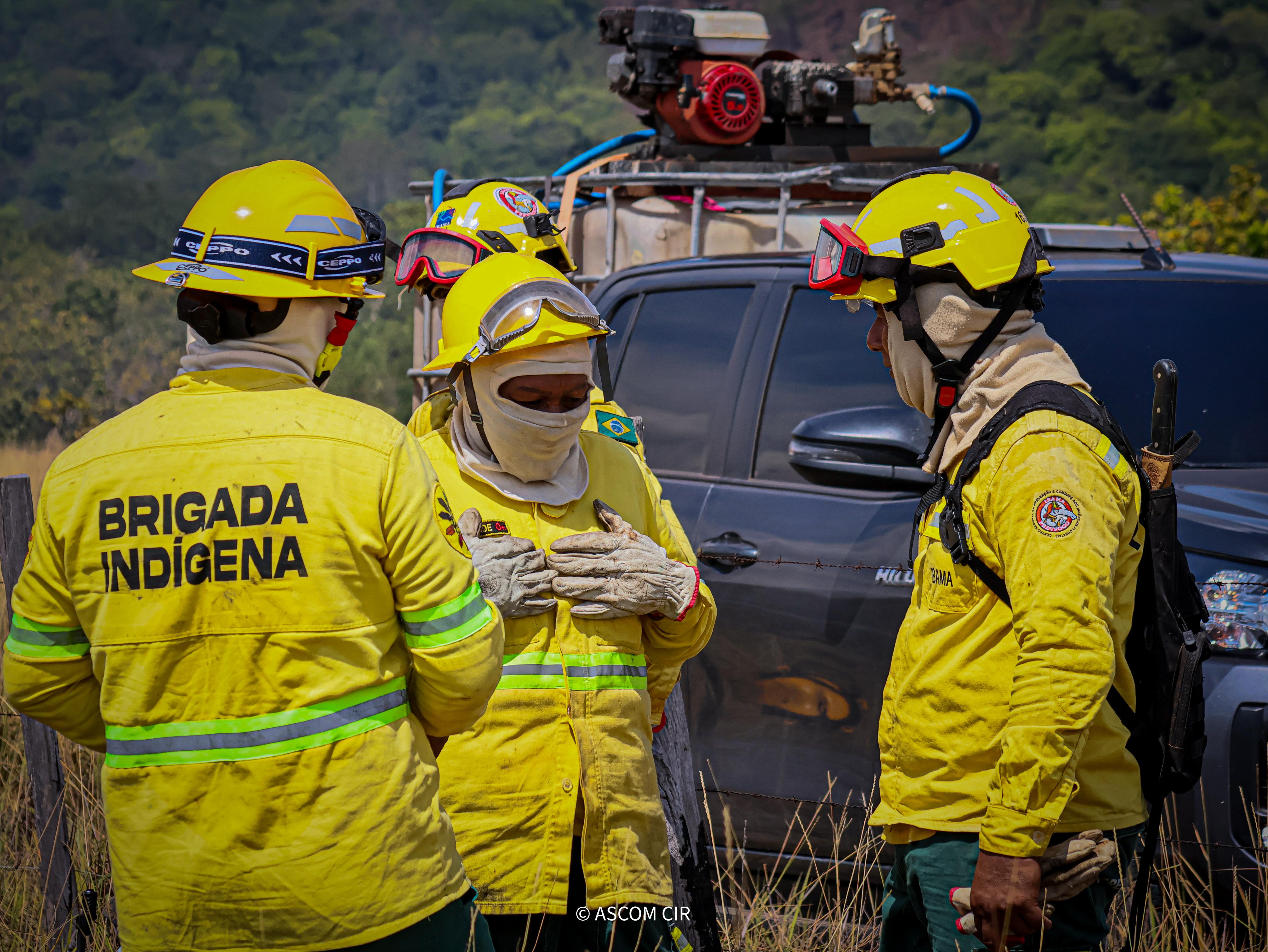
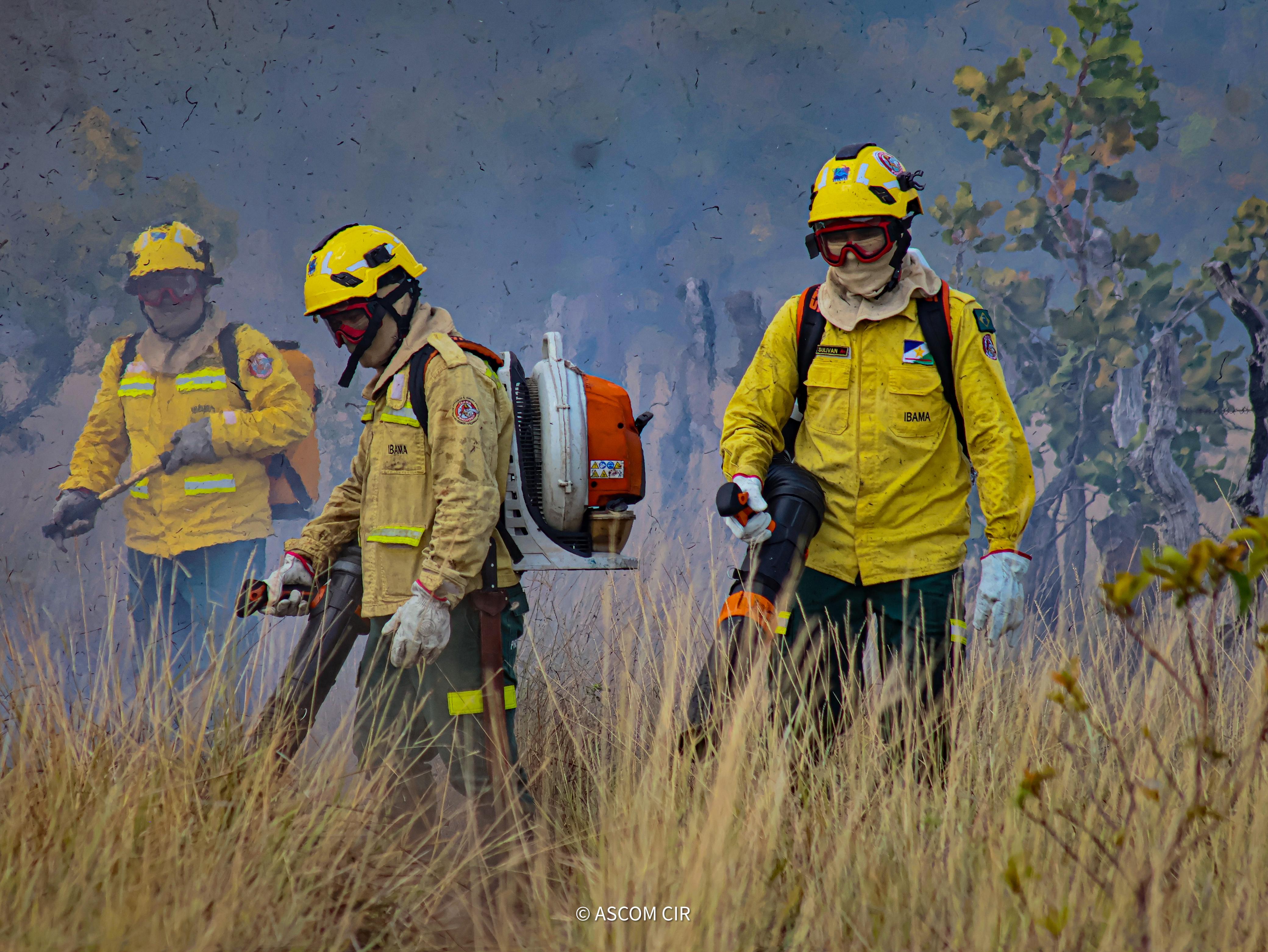
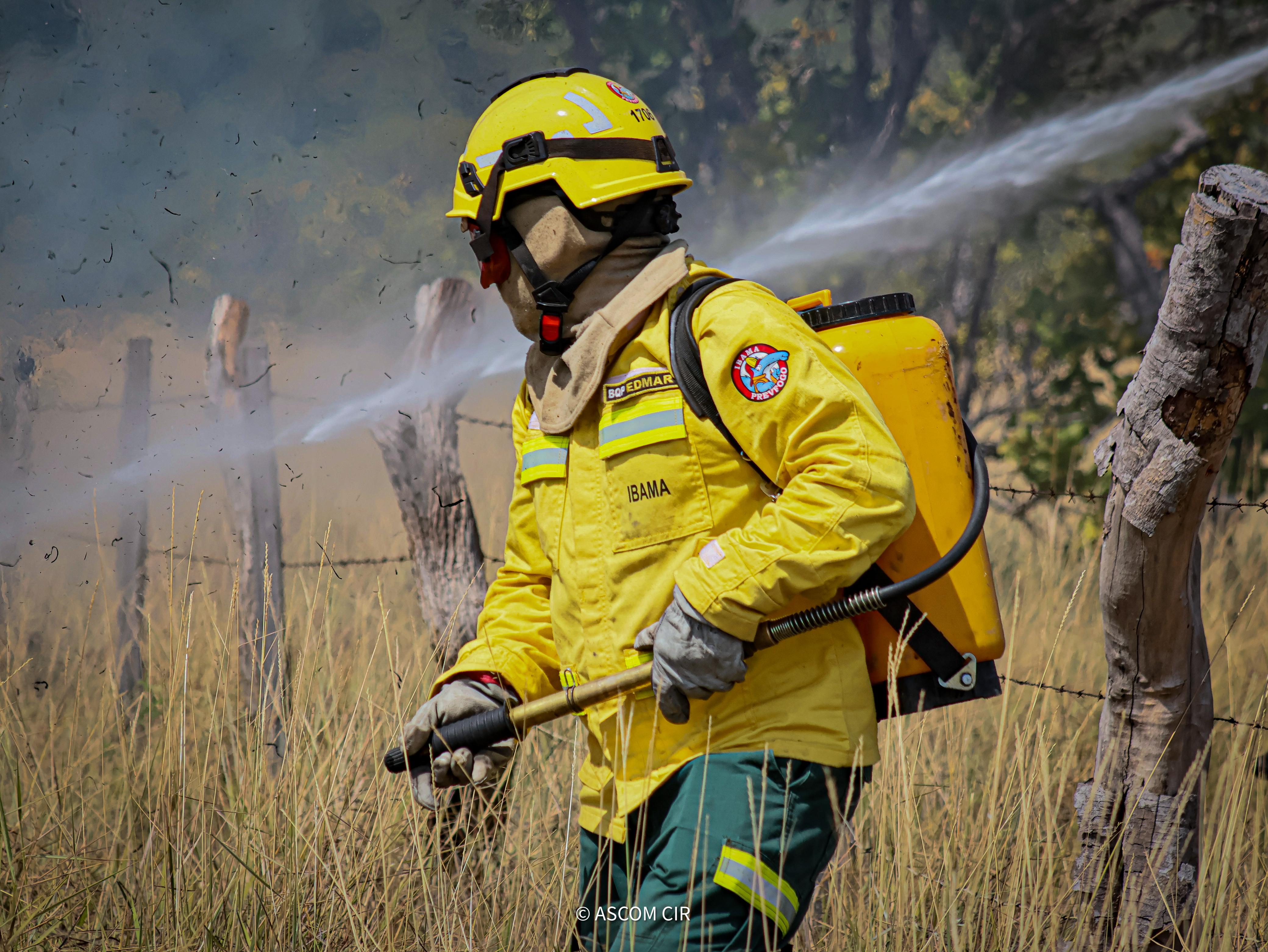
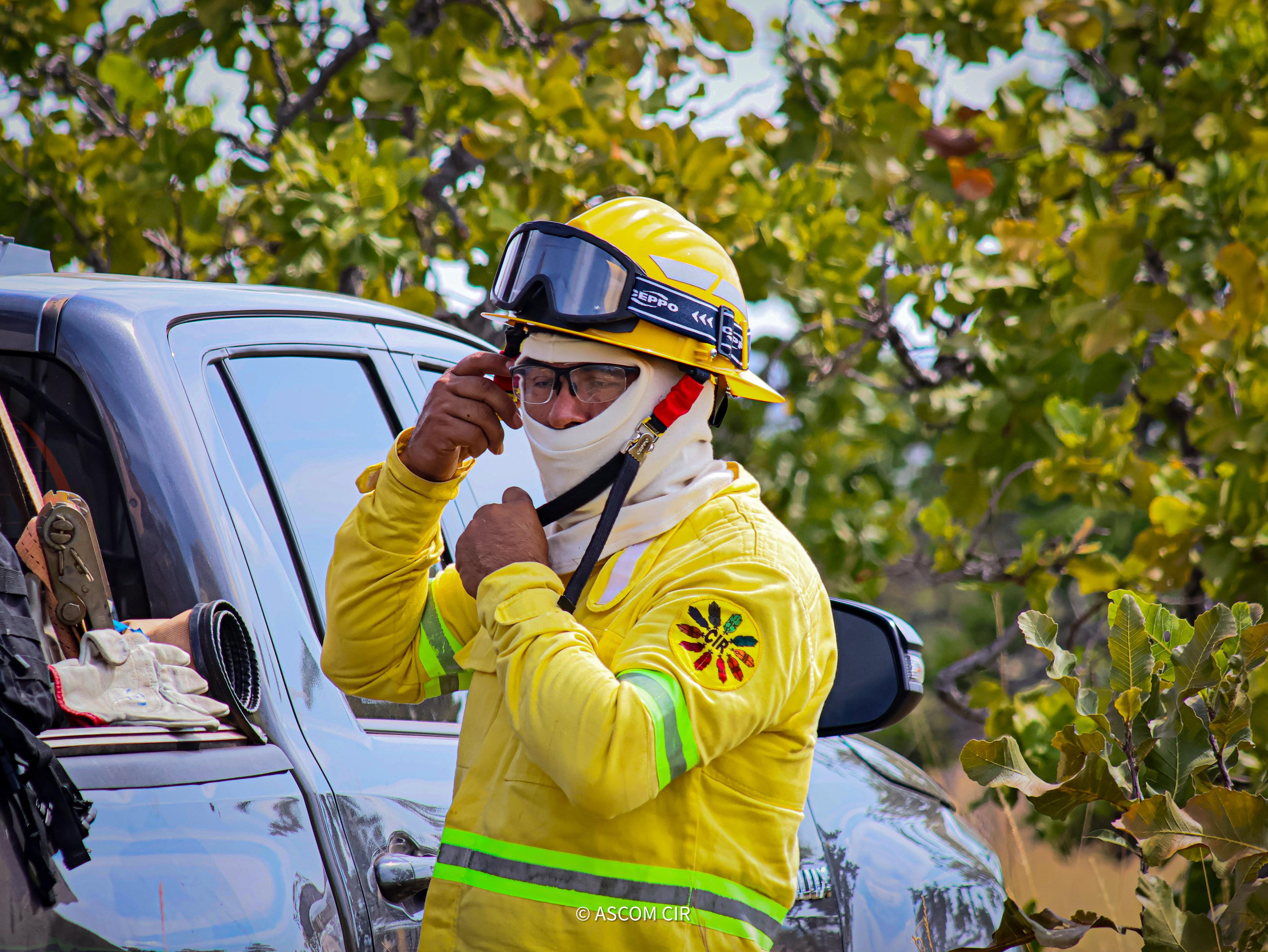
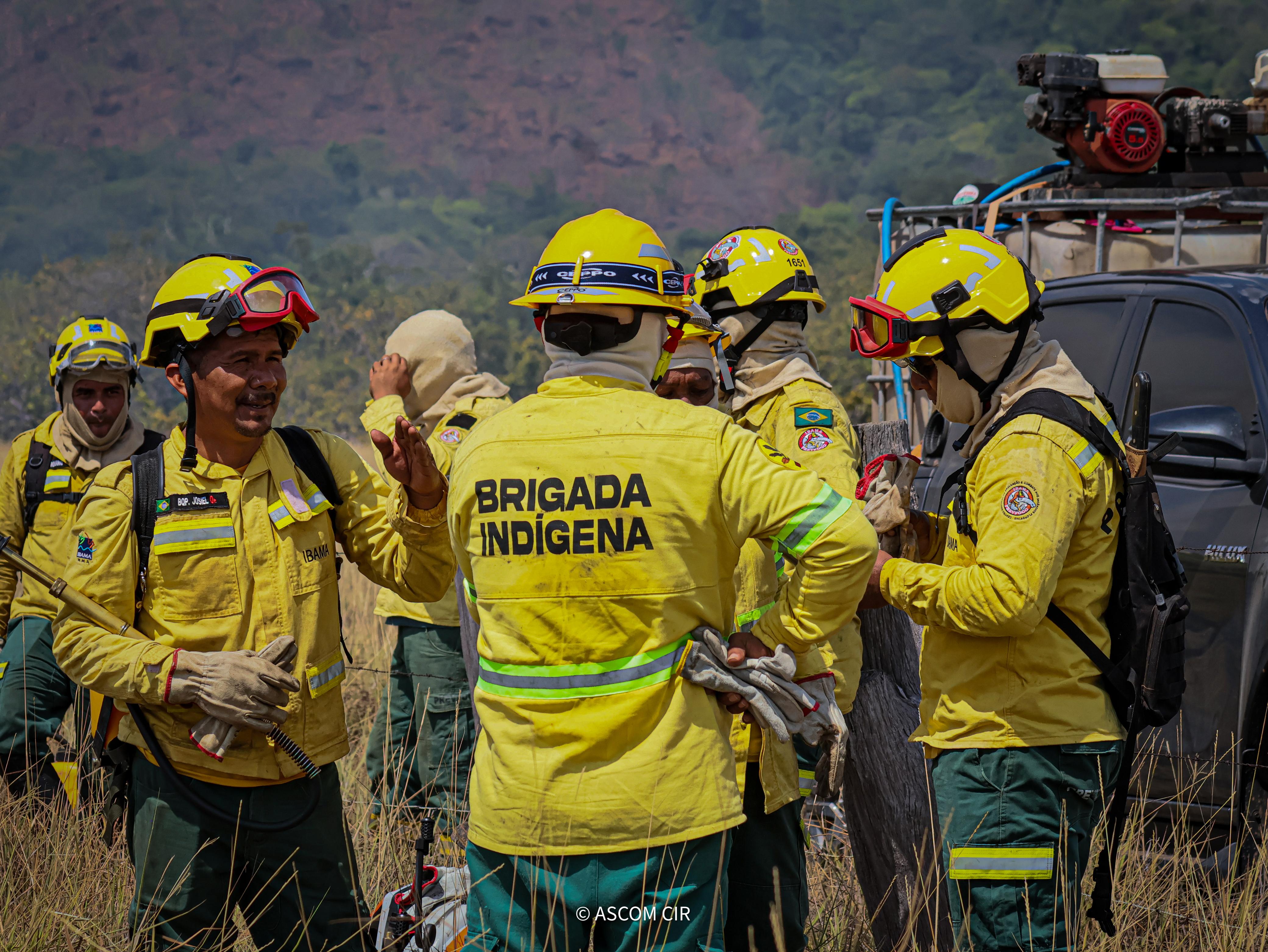
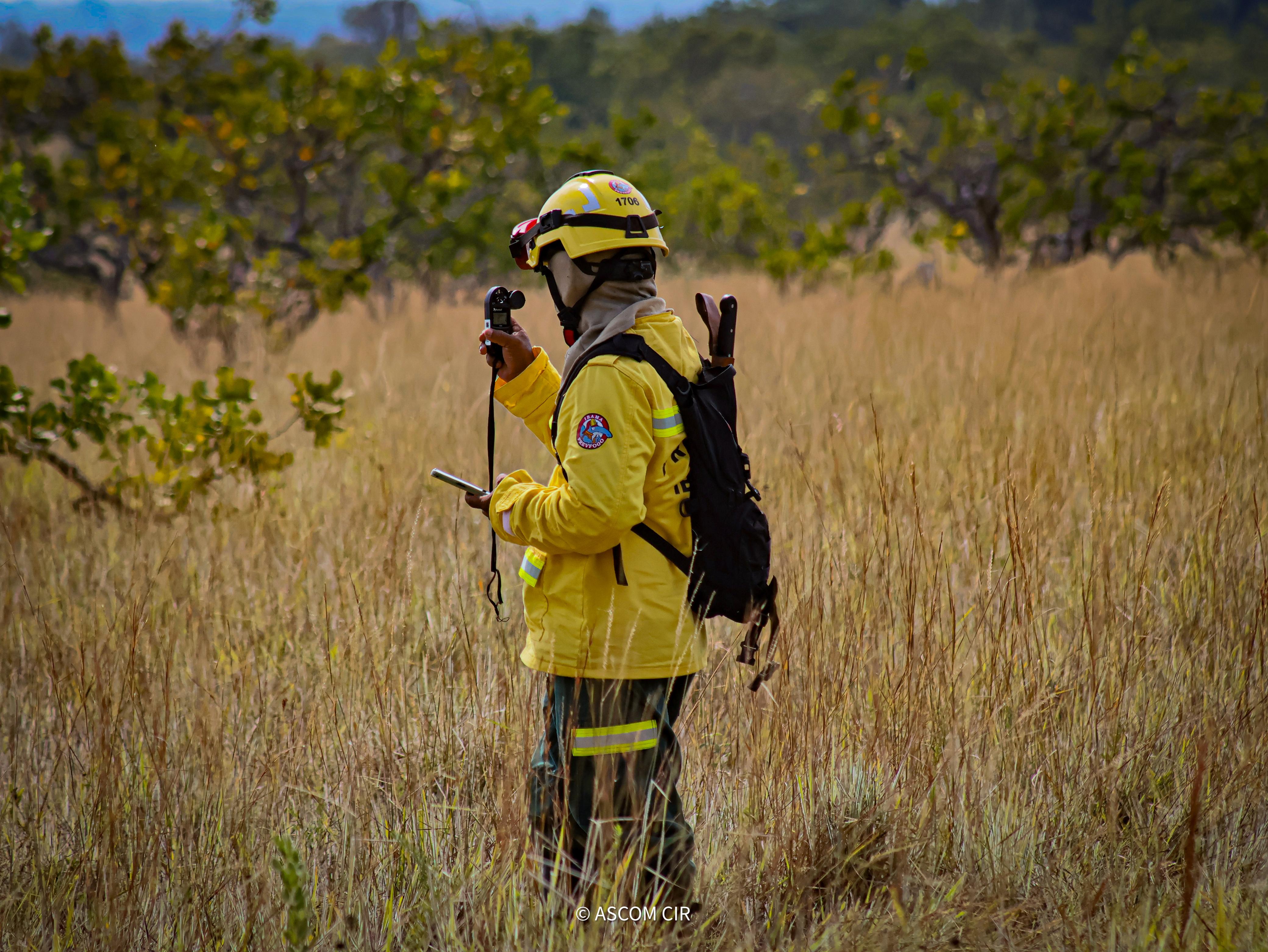
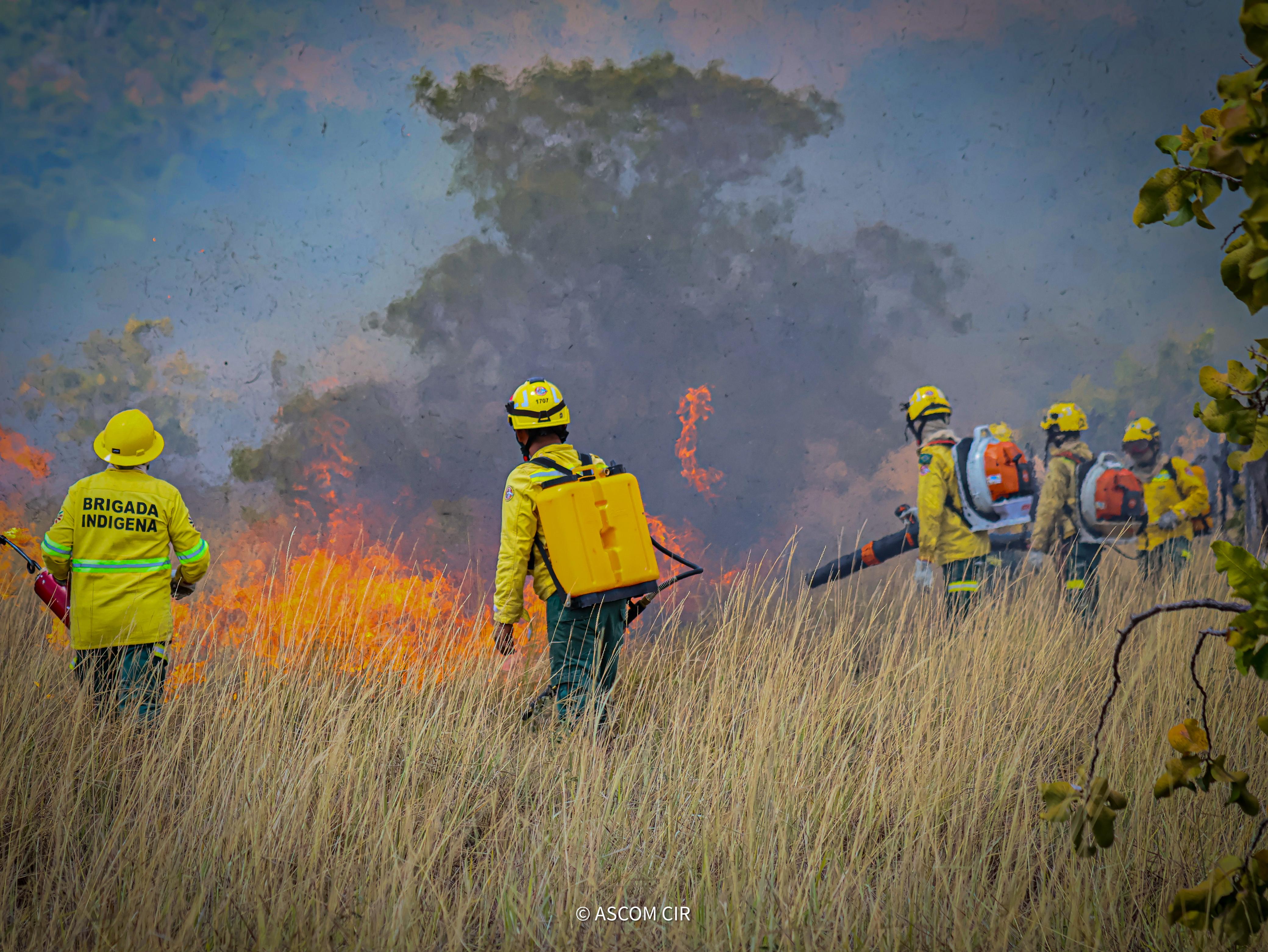
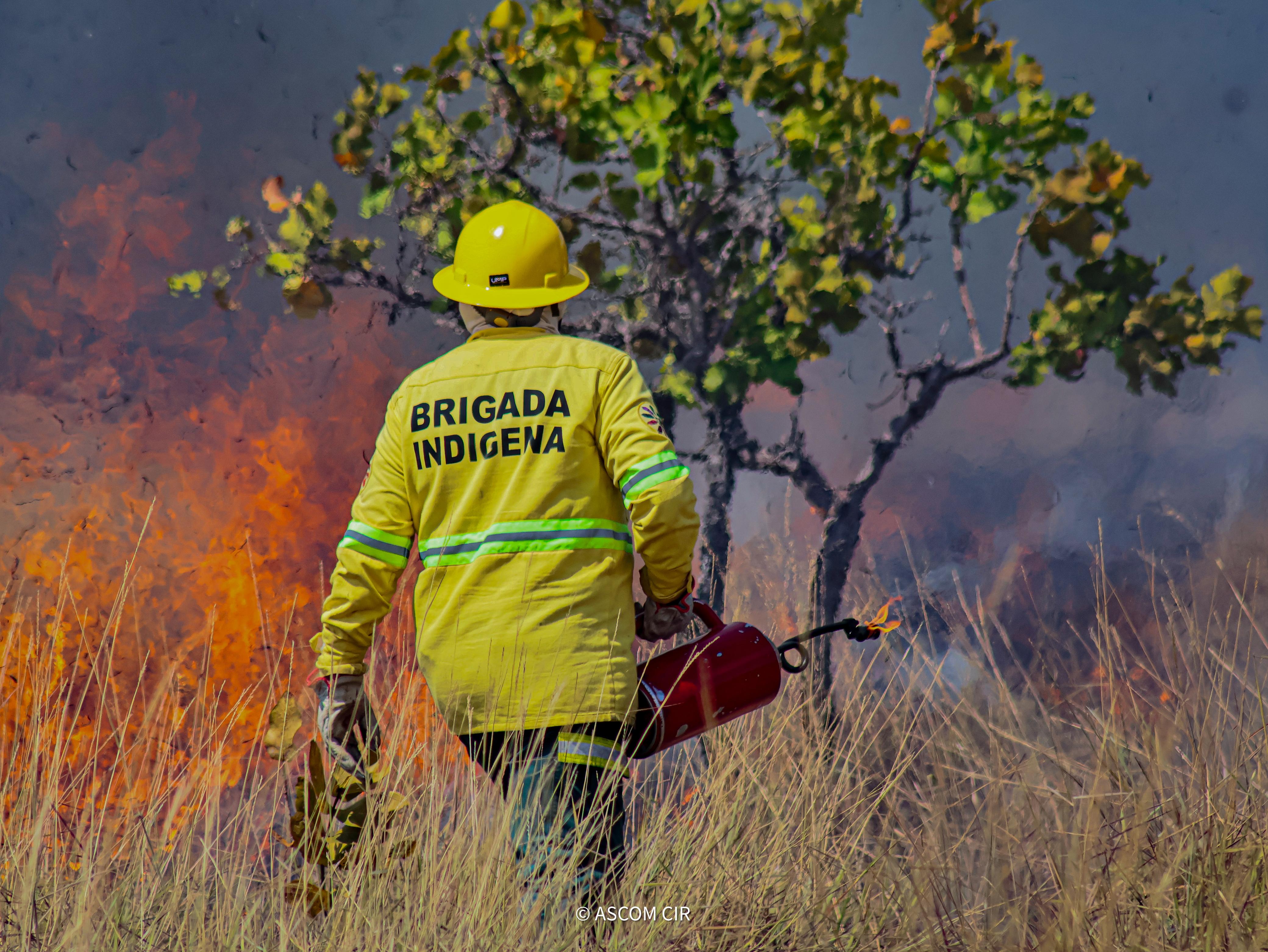
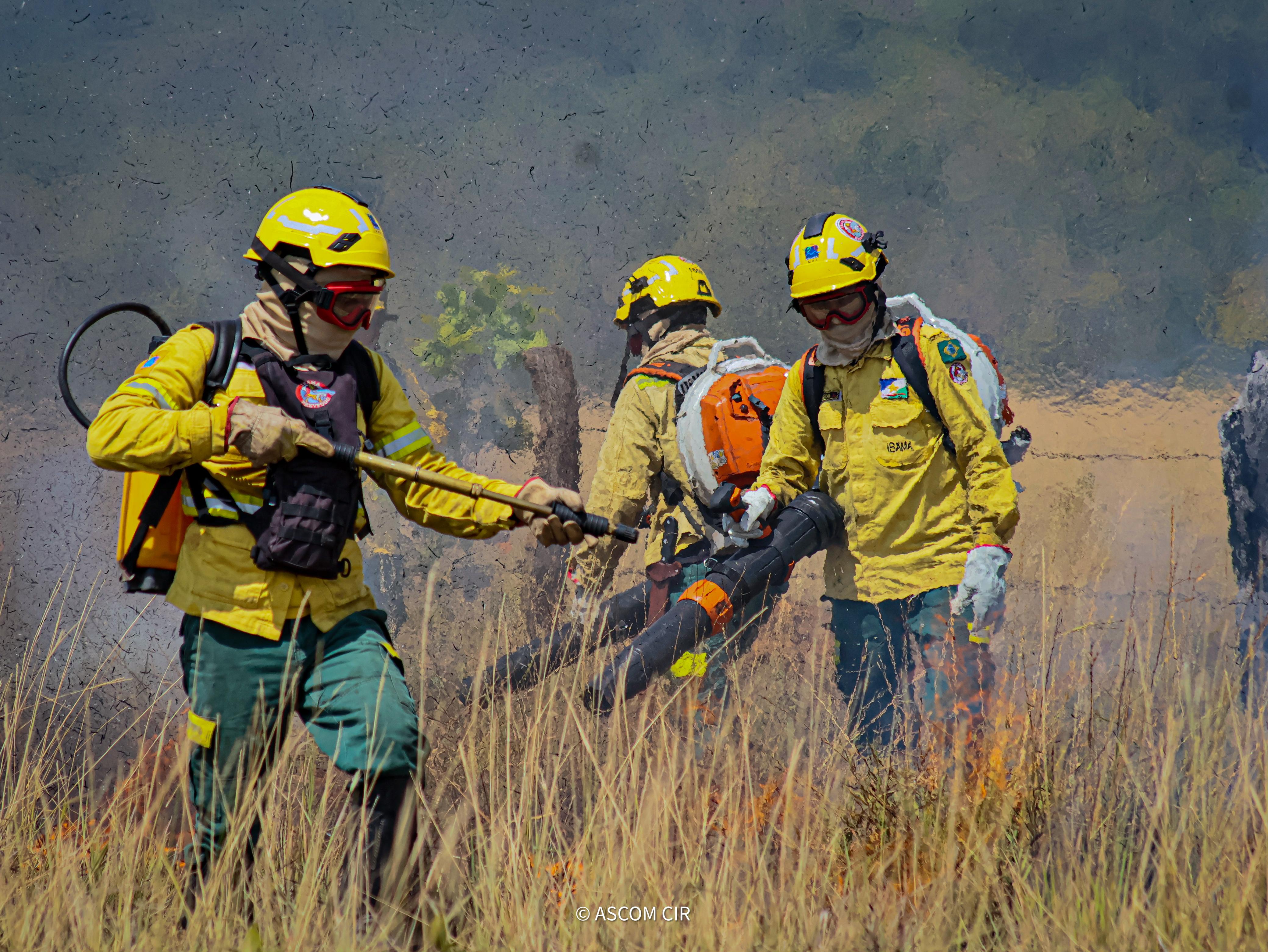
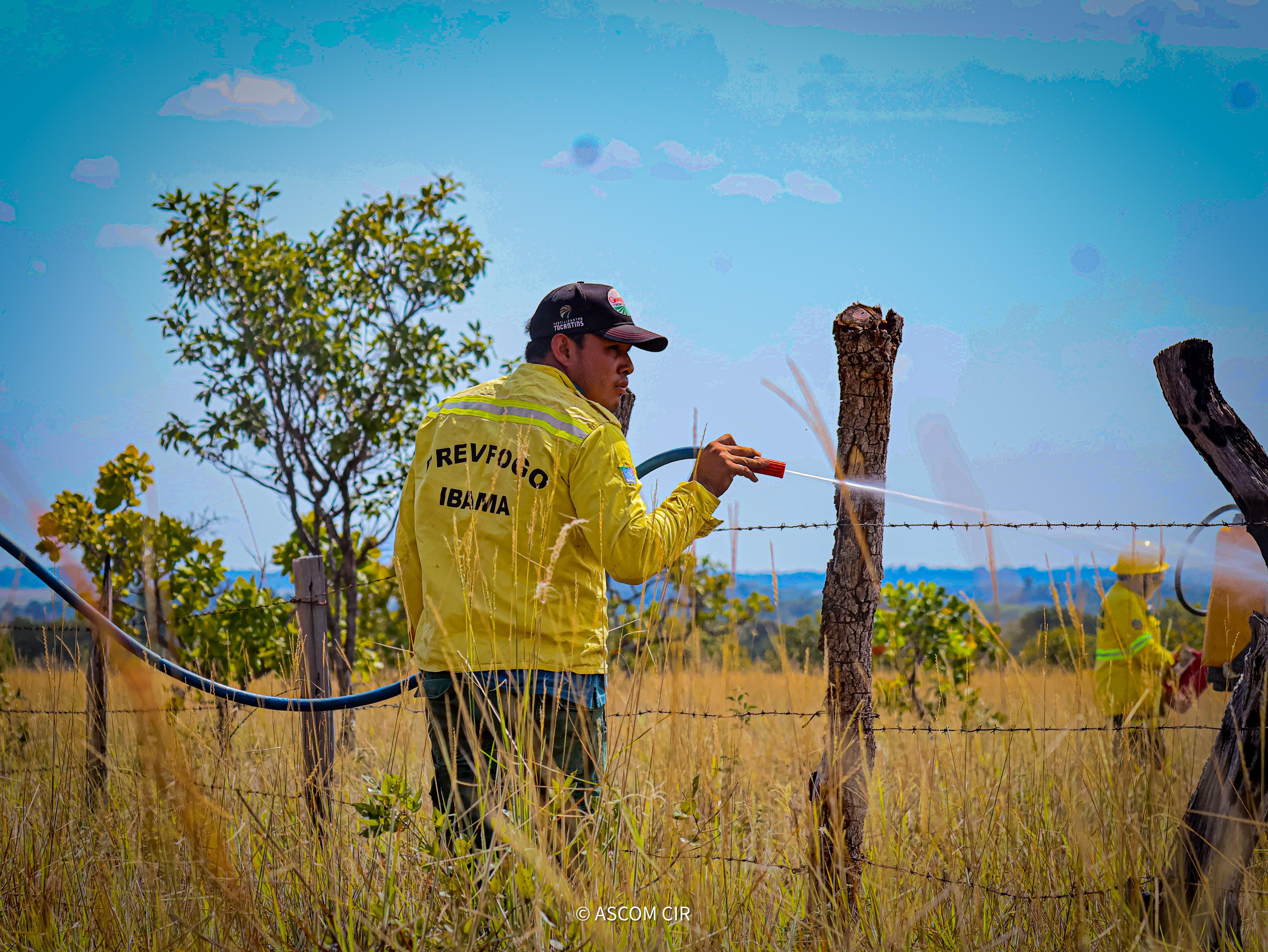
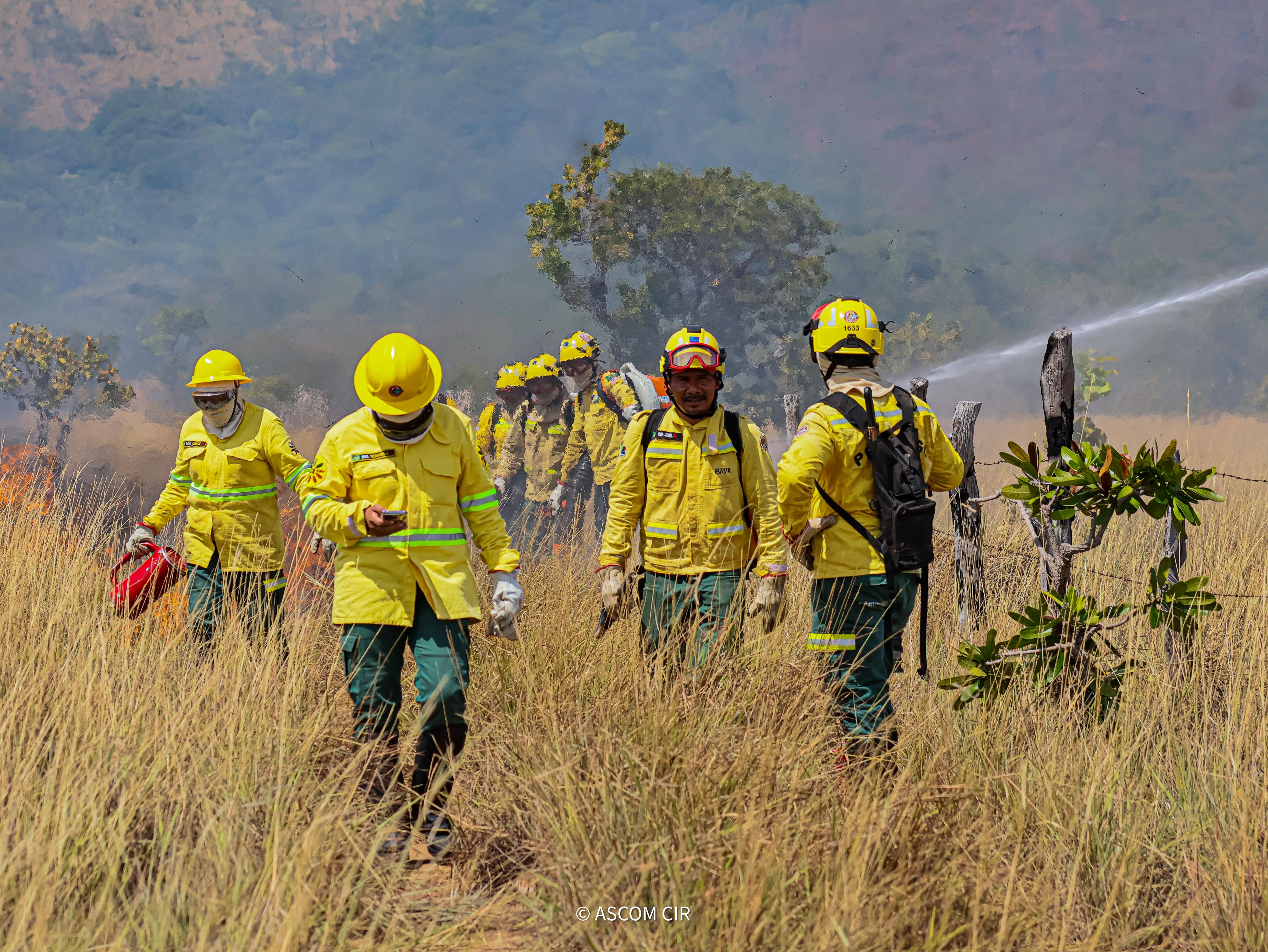
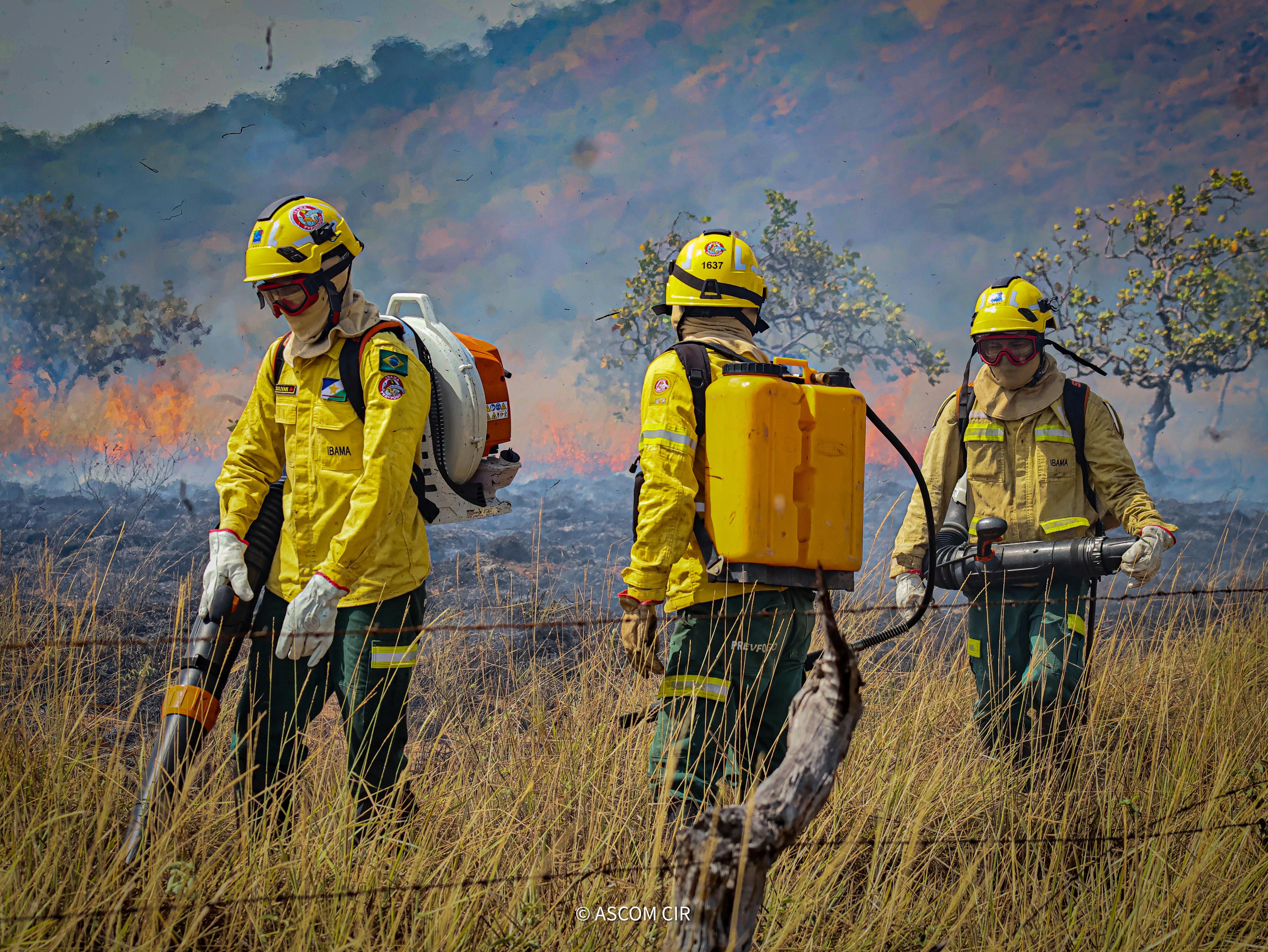
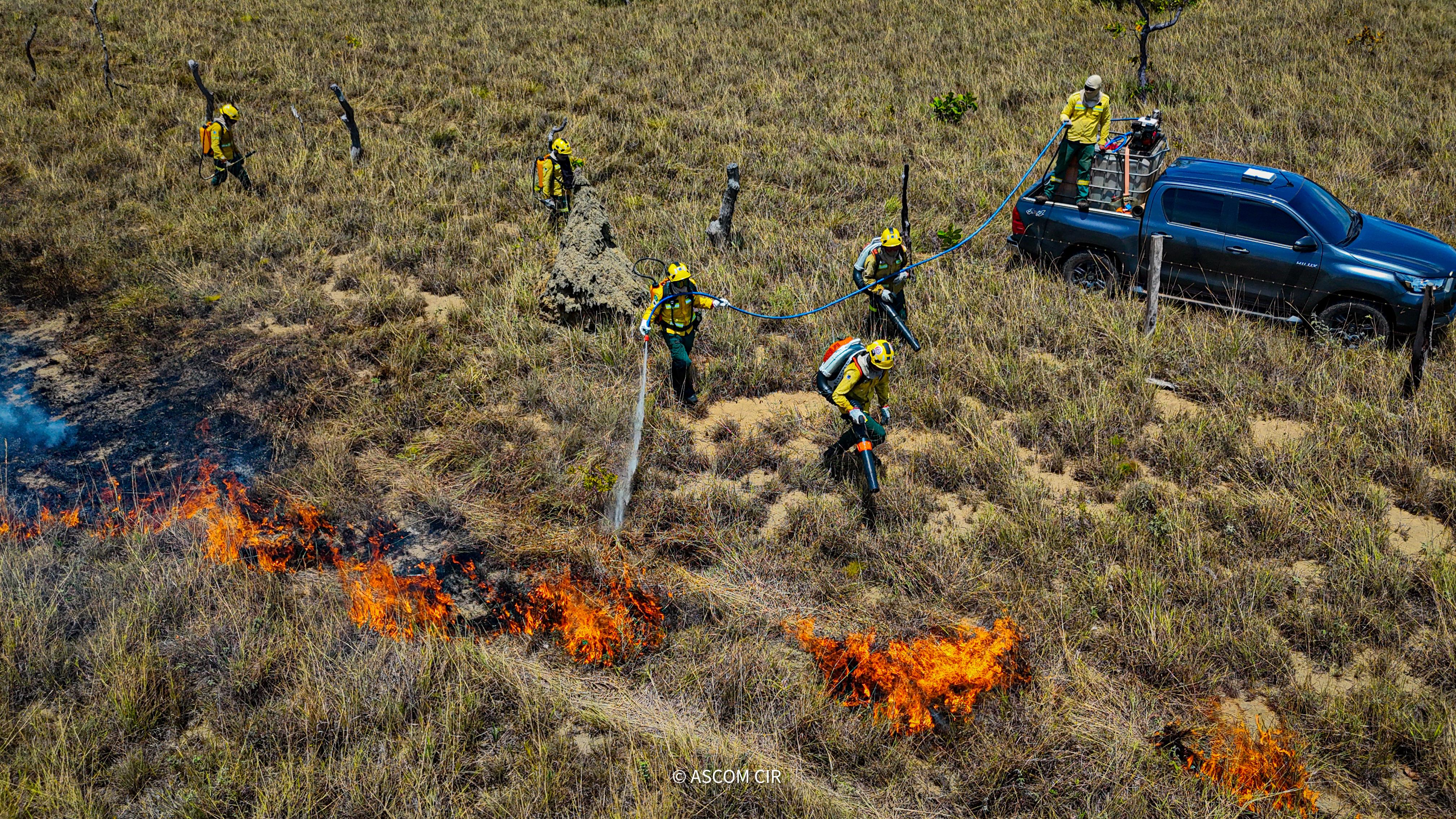
The prescribed burning already occurred in areas considered critical, such as the municipalities of Normandia (Base Raposa), Bonfim, Itacutú region (Pium Base) and Murupu region (Serra da Barra Base Moça). The next burns will be held in Uiramutã (Base Pedra Branca), Pacaraima, Surumu region, and Jacaminzinho, Serra da Lua region.
The burning window prescribed, which began in September, is expected to end at the end of November. About 40 firefighters from different indigenous communities and regions participate in the activity. Of this total, nine are women.
Cineide Wapichana makes part of the indigenous brigade of the Serra da Moça Base and highlights the participation and the empowerment of women in the preservation of the territory, playing a role which was previously performed only by men.
"It is a job that It requires strength, but today we see that we, women, have the capacity to exercise a role that before we only saw men doing. We have the capacity physical and emotional to be at the forefront of these activities to protect our territory and in environmental education. This is very important", said Cineide.
These are days away from home and family, but with a mission to conserve, protect and preserve the territories from which medicinal plants, seeds for the production of handicrafts and, mainly, the livelihood of many families. It is a action not only for the present, but mainly thought about the future, so that Those who will still come can enjoy everything that exists in the territory.
Beyond Resources and traditional knowledge, technology has been an ally important in the prescribed burning. One of them is the CIR Situation Room, through from which it is possible to monitor, in real time, the hot spots on the land indigenous people. The tool has contributed to the fight and prevention of fires in indigenous territories.
The action has the support of partners: Spanish Agency for International Development Cooperation - AECID, Rainforest US, Danish Agency for International Development - Danida, Sol de Janeiro, Royal Norwegian Embassy and Institute for Climate and Society.