

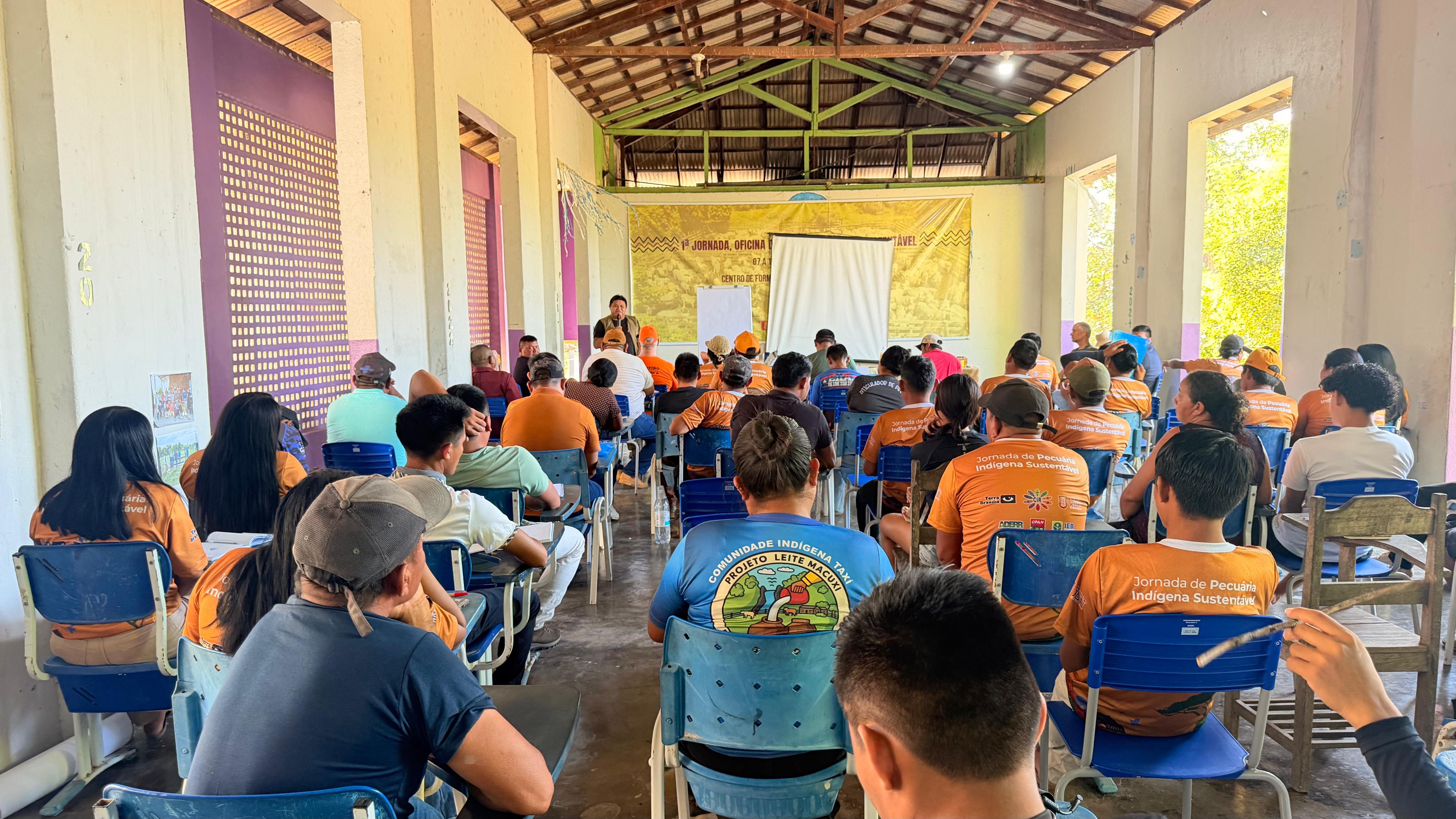
The training covered topics such as herd management, animal nutrition, animal welfare, farm management, and field practices.
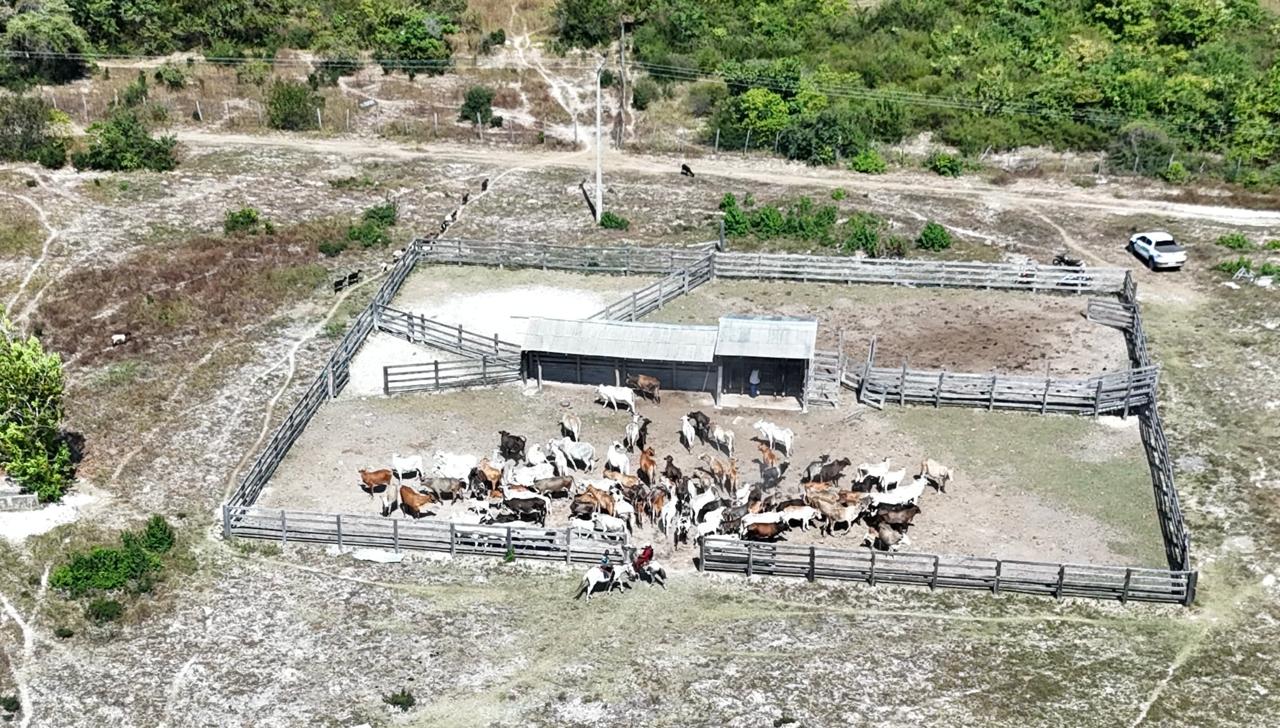
The contact between the Macuxi and Wapichana peoples and cattle raising in Roraima began over a hundred years ago, with the presence of ranchers in the regions where these peoples lived. It was during this period that the communities began to better understand the care and management of cattle. But it was only in the 1980s that cattle raising began to become part of the reality of the indigenous communities themselves, through the "M+ Project: One Cow for One Indian," carried out by the Consolata Missionaries, serving the Diocese of Roraima, alongside the indigenous communities of Roraima. M+ refers to Maturuca, the first community to receive the project, and the cross signifies church. In practice, the project worked as follows: the indigenous communities received 52 head of cattle (adult cows) and two breeding bulls and, for five years, cared for the herd, including branding and other management practices. After that, the animals were passed on to other communities. The offspring from this period remained in the community, becoming communal cattle.
“Uma Vaca para o Índio” (A Cow for the Indian) grew every day and is proof that sustainable farming and the sharing of traditional knowledge among indigenous communities provide and strengthen autonomy, in addition to preserving and protecting the environment and helping in the recovery of traditional territory, such as in the fight for the demarcation of the Raposa Serra do Sol Indigenous Territory.
The story is recalled by Edinho Macuxi, former General Chief of CIR and current coordinator of the organization's Department of Territorial Monitoring and Surveillance, who explains that the project played an important role in the struggle for the demarcation of the Raposa Serra do Sol Indigenous Land.
“The ranchers who were coming to Raposa Serra do Sol used cattle as a means to invade the territories of indigenous communities. There was a lot of talk: wherever there are cattle tracks, that space belonged to the rancher. So, following this logic, the communities organized themselves and sought partnerships, through the Catholic Church, to buy cattle from these ranchers and create the 'A Cow for the Indian' project, M+. The objective was to occupy the territories that were being invaded by ranchers, miners, and street vendors at the time.”
From this process, cattle raising began to occupy an important space in the productive organization of several indigenous communities in Roraima. Data released by the Roraima Agricultural Defense Agency (ADERR) in 2022 indicated more than 85,000 head of cattle in the state's indigenous territories, showing the scale that the activity has reached over the years.
This trajectory, built by the communities over the years, is also present in the Sustainable Indigenous Livestock Farming Journey, held between September 7th and 11th at the Raposa Serra do Sol Indigenous Training and Culture Center (CIFCRSS), in the Surumu region. The activity brought together approximately 94 indigenous leaders, including 23 women, in a program that combined the communities' experience with technical knowledge about raising and caring for animals.
The Journey is the result of a partnership spanning more than 15 years between the Indigenous Council of Roraima (CIR) and the Instituto Terra Brasilis (ITB). This edition also included the participation of projects supported by the Rutî Indigenous Fund and the Bem Viver project, as well as students from the Federal University of Roraima and the Training Center itself, expanding the space for exchange between different experiences and knowledge about indigenous livestock farming.
“We are providing this training for leaders, cowboys, youth, and students who are graduating in this technical area, so they can take care of our herds, which currently, thanks to partnerships with ITB, through the Bem Viver Project and Danida, have support for the genetic improvement of our herds. Our priority is to have this professional management within the indigenous lands of Roraima.”"This is explained by Amarildo Macuxi, General Chief of the Indigenous Council of Roraima."
The importance of partnerships was also highlighted by Reinaldo Lorival, executive director of the Instituto Terra Brasilis.“The partnerships are precisely for this purpose: to provide support. We have over 80 people here, 11 projects from the RUTÎ Indigenous Fund, and six projects from the Bem Viver Program, exchanging information and experiences, combining technique with traditional knowledge.”, complete.

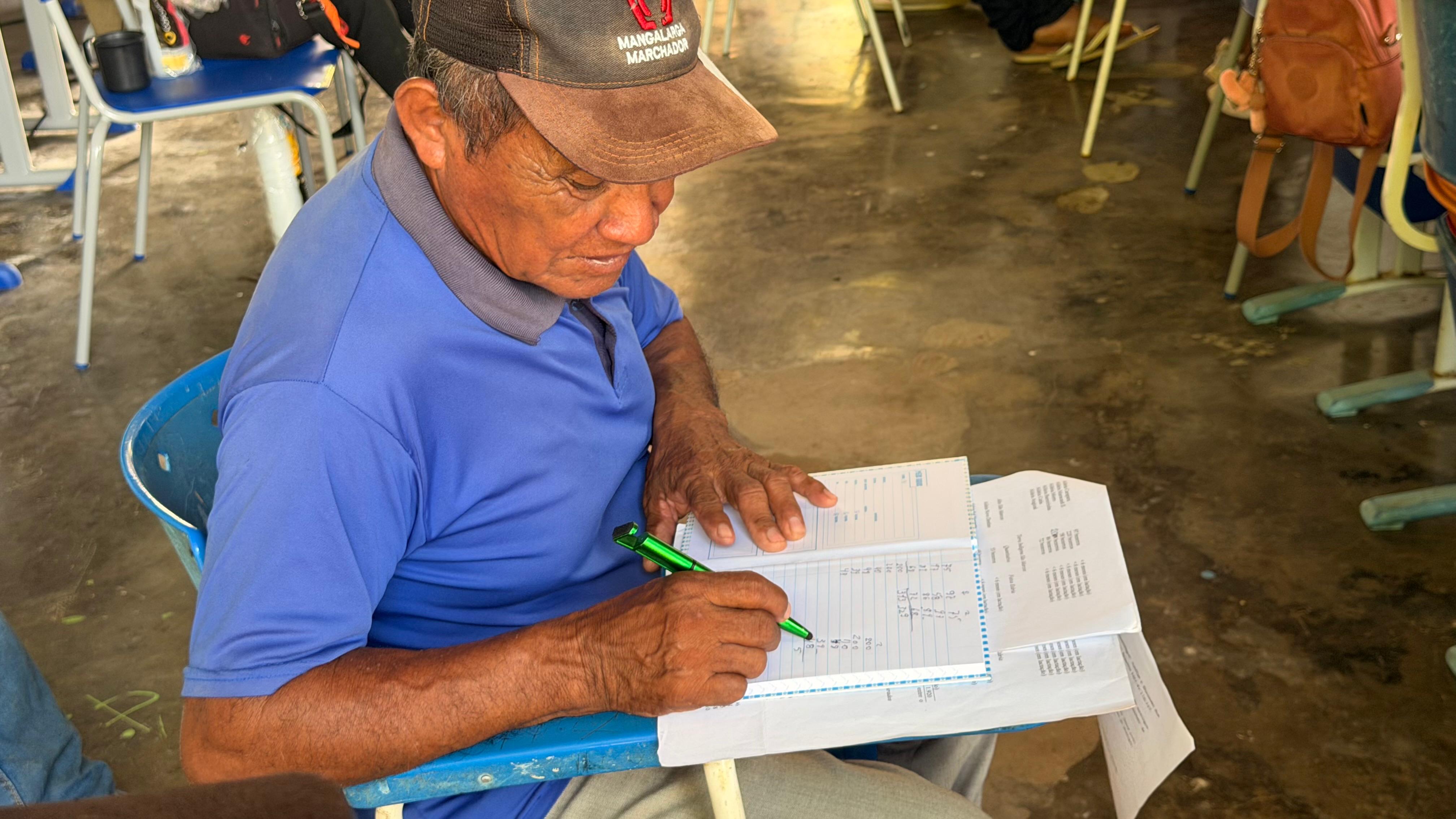
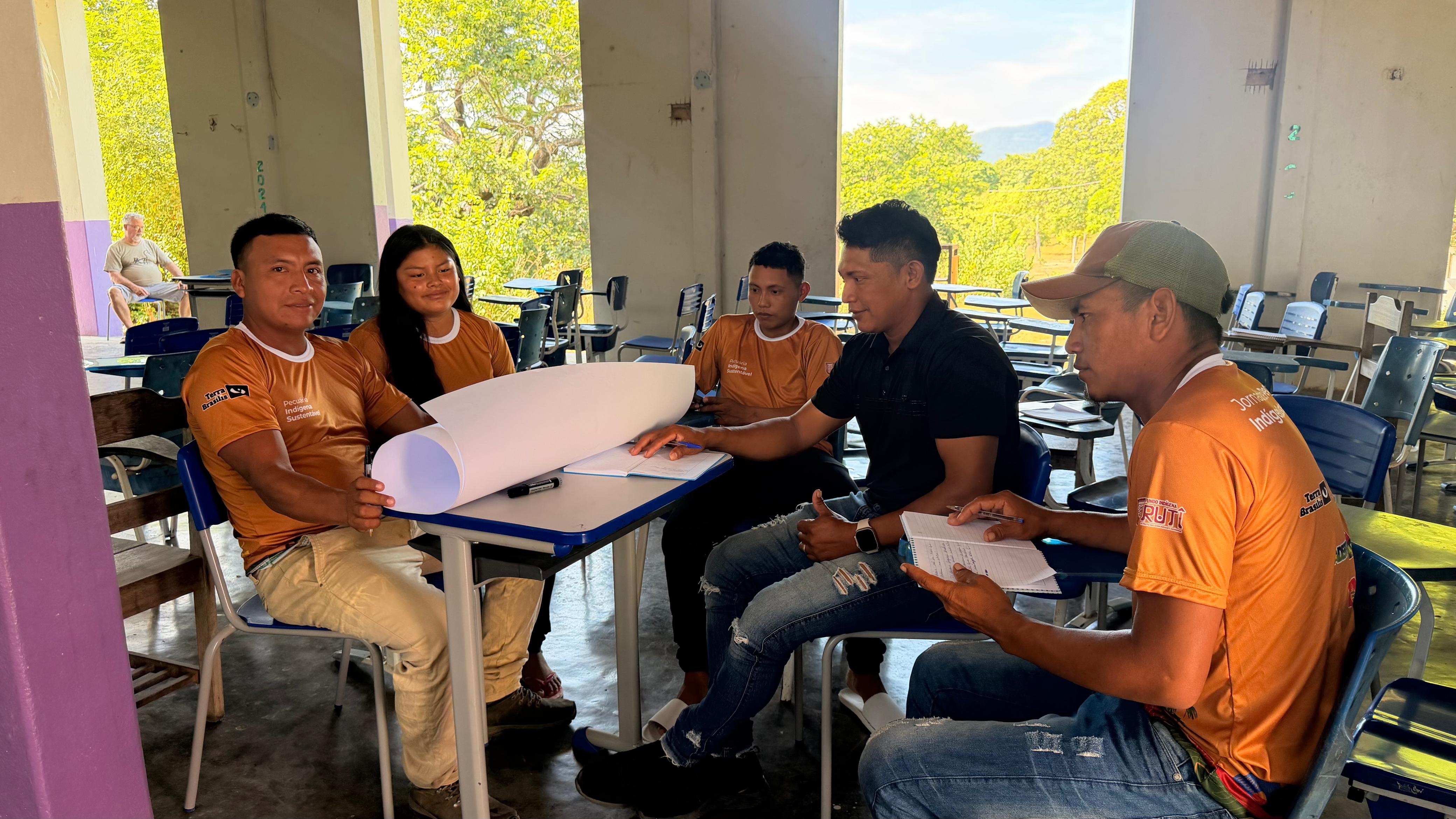
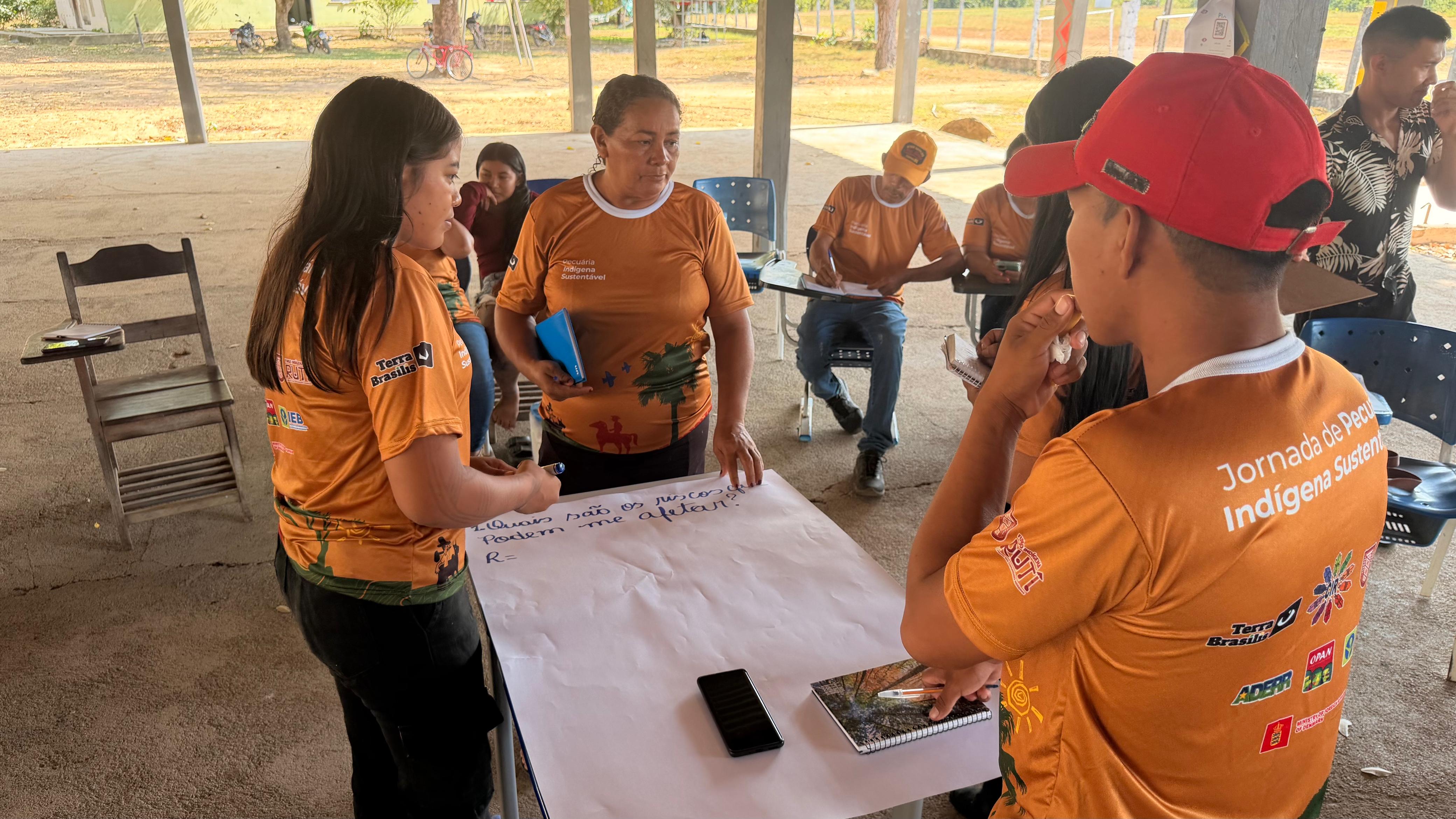
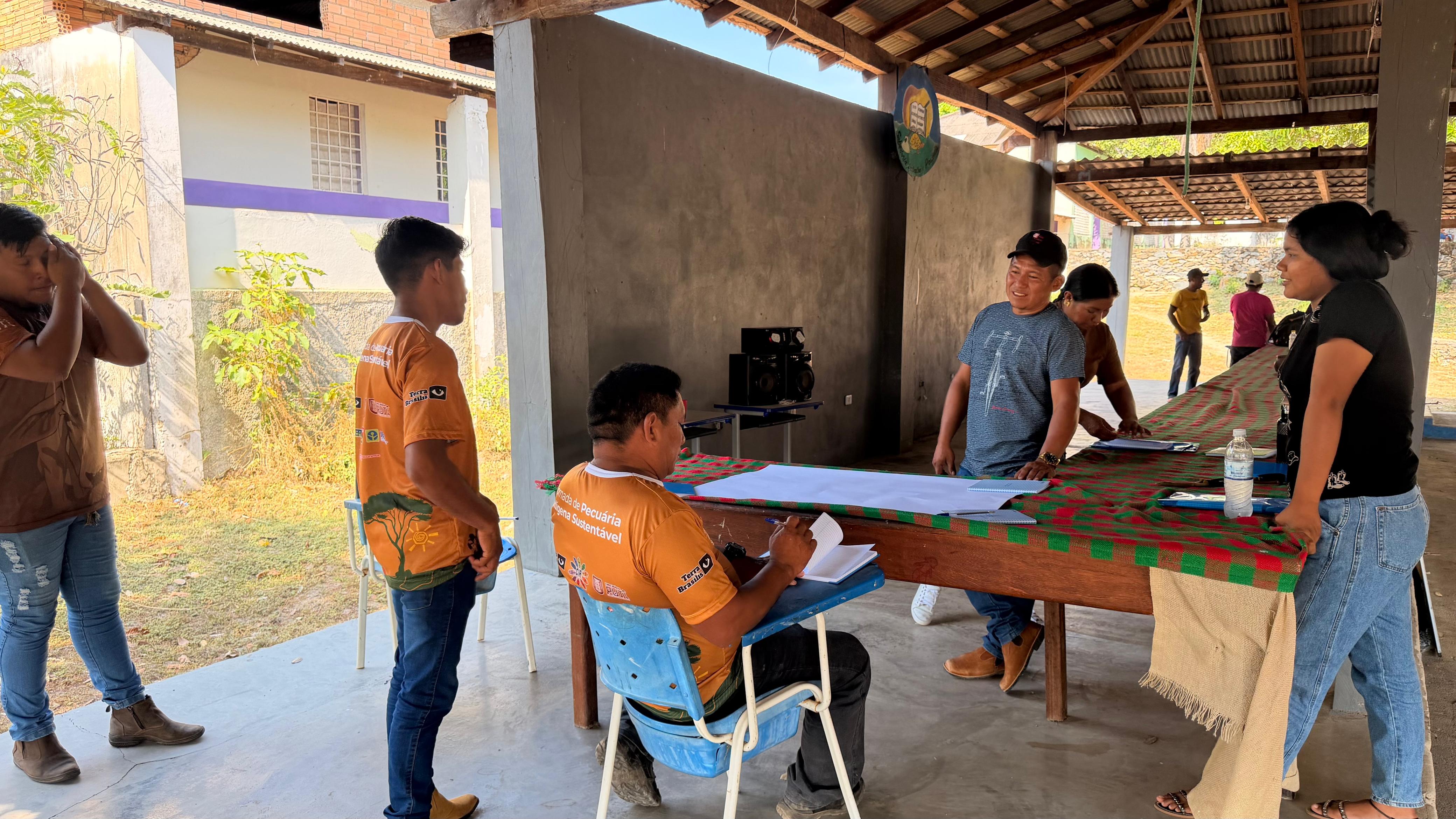
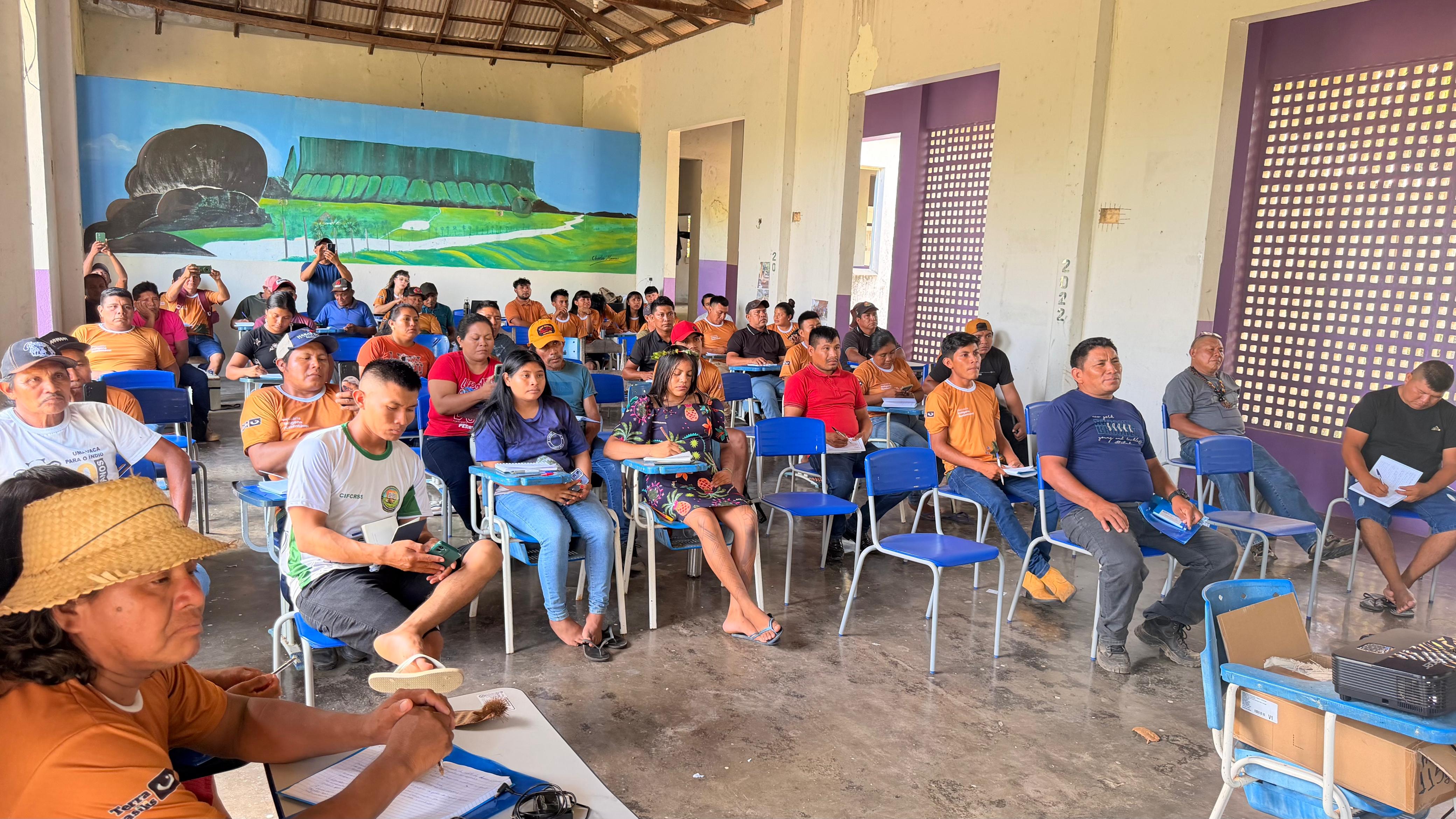
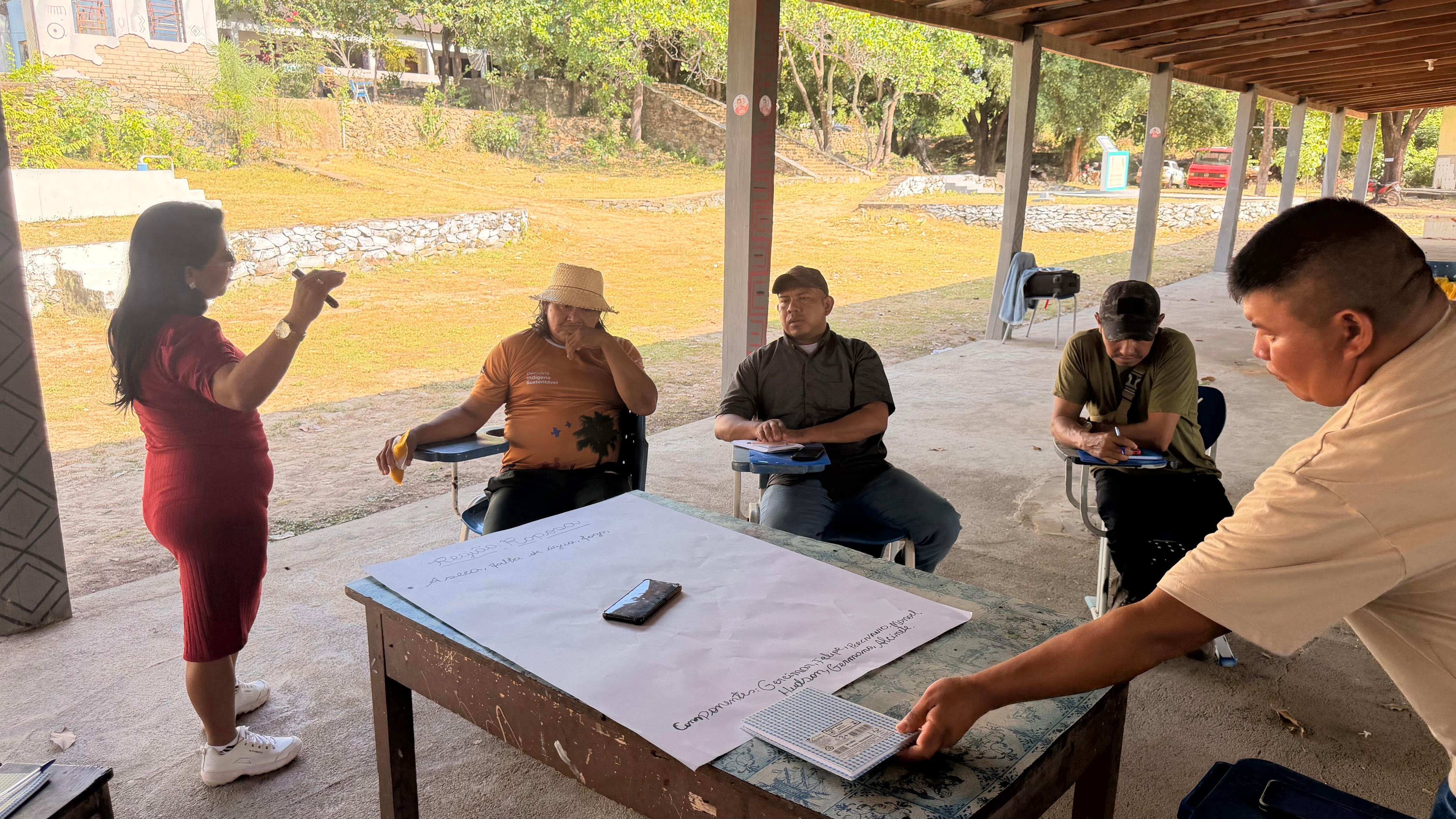
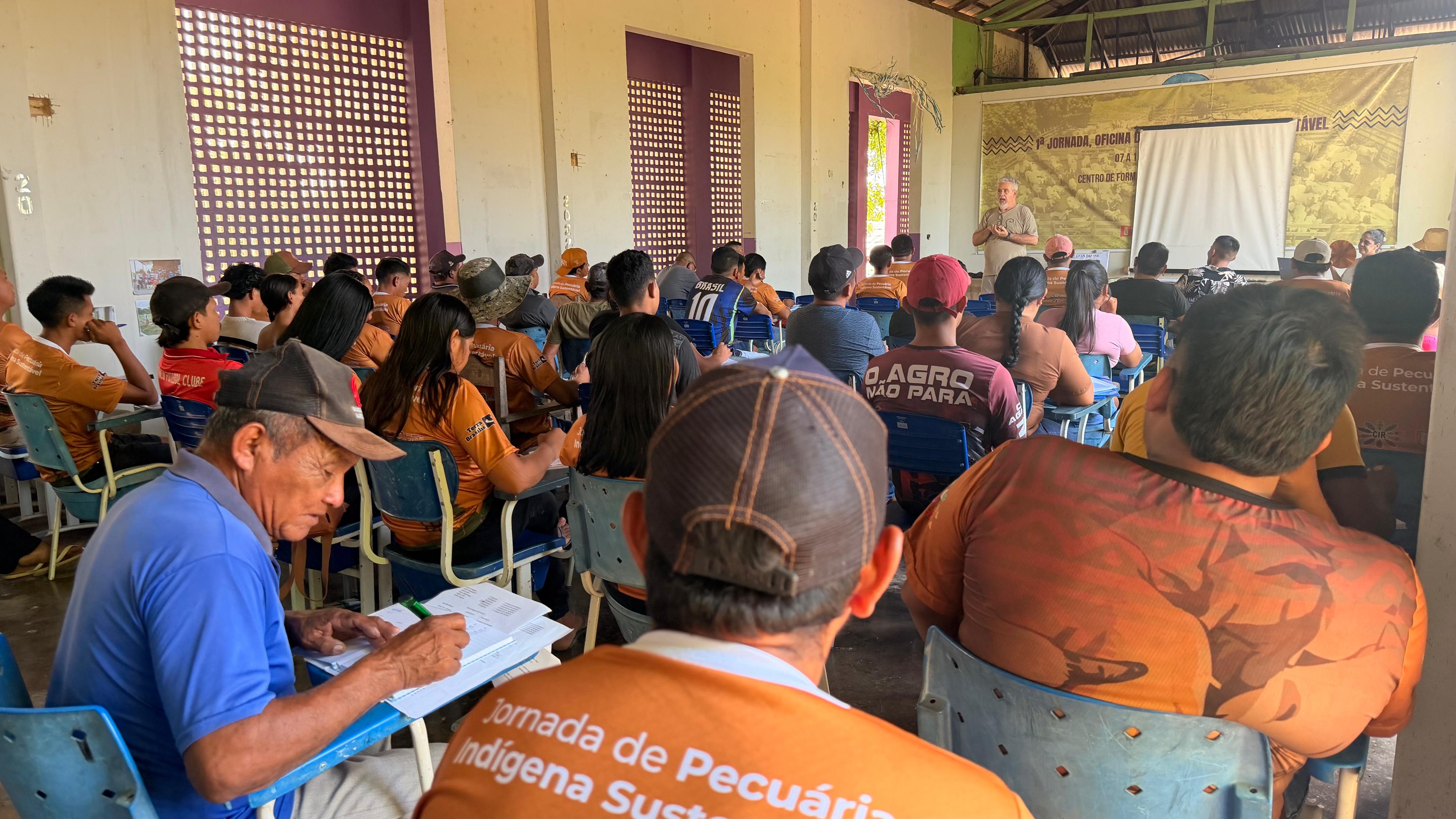
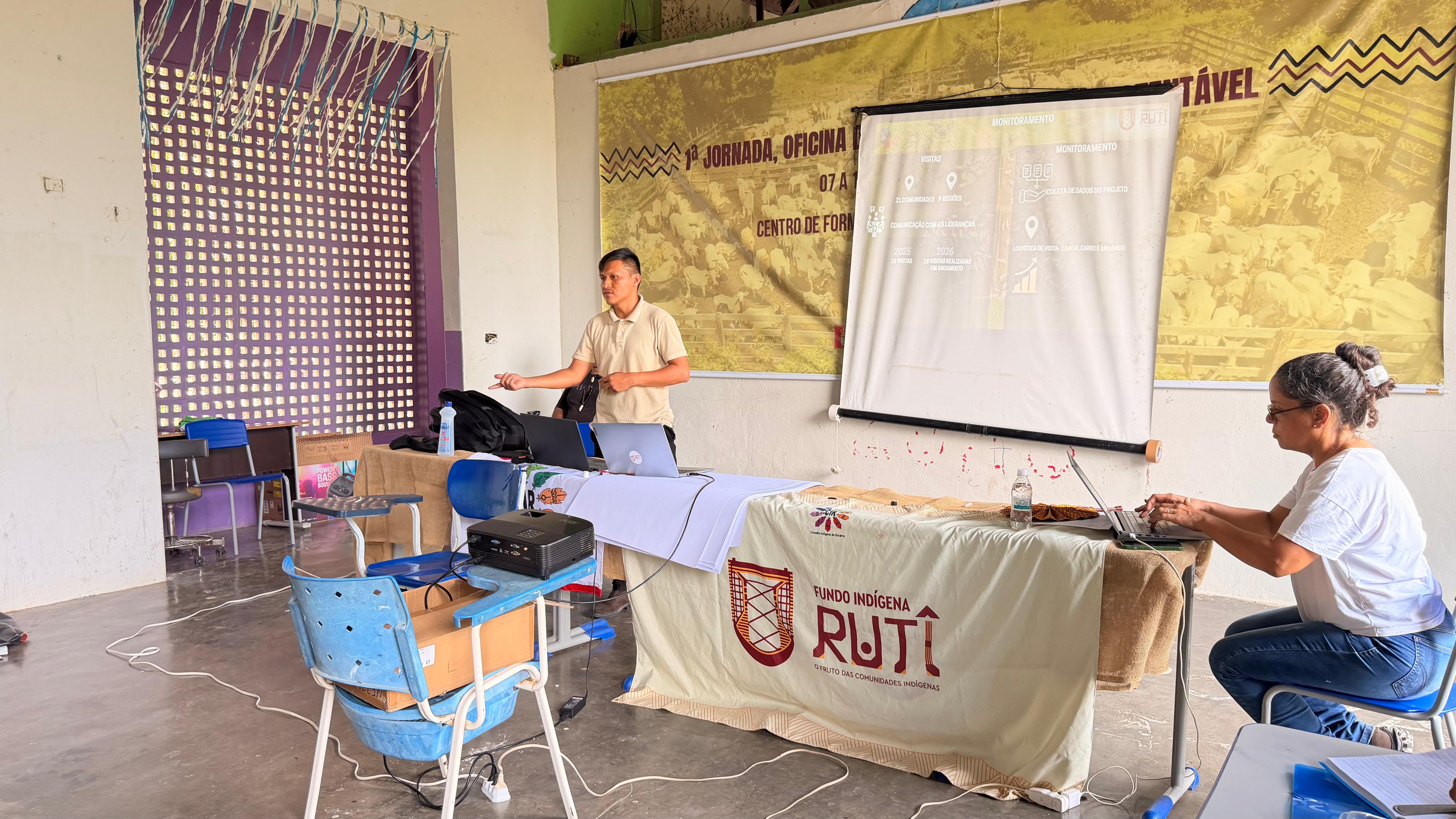
This exchange of different knowledge was also present in the monitoring of projects supported by the RUTÎ Indigenous Fund. Based on this work, the team identified some of the challenges faced by cowboys in the communities and brought these issues to be addressed during the Journey.
Romeson Macuxi, monitoring assistant at the RUTÎ Indigenous Fund, explains how this monitoring helped define the training topics:“During our monitoring visits, we detected some challenges that were common in the projects, issues related to animal health, such as vaccines, and data collection on calves and heifers. There was no control or management of this data, so we brought these cowboys in to provide this information.”.
The program included theoretical and practical classes conducted by partners such as the Federal University of Roraima (UFRR) and the Roraima Agricultural Defense Agency (ADERR), with content on management, feeding, animal health, pastures, and organization of the activity.
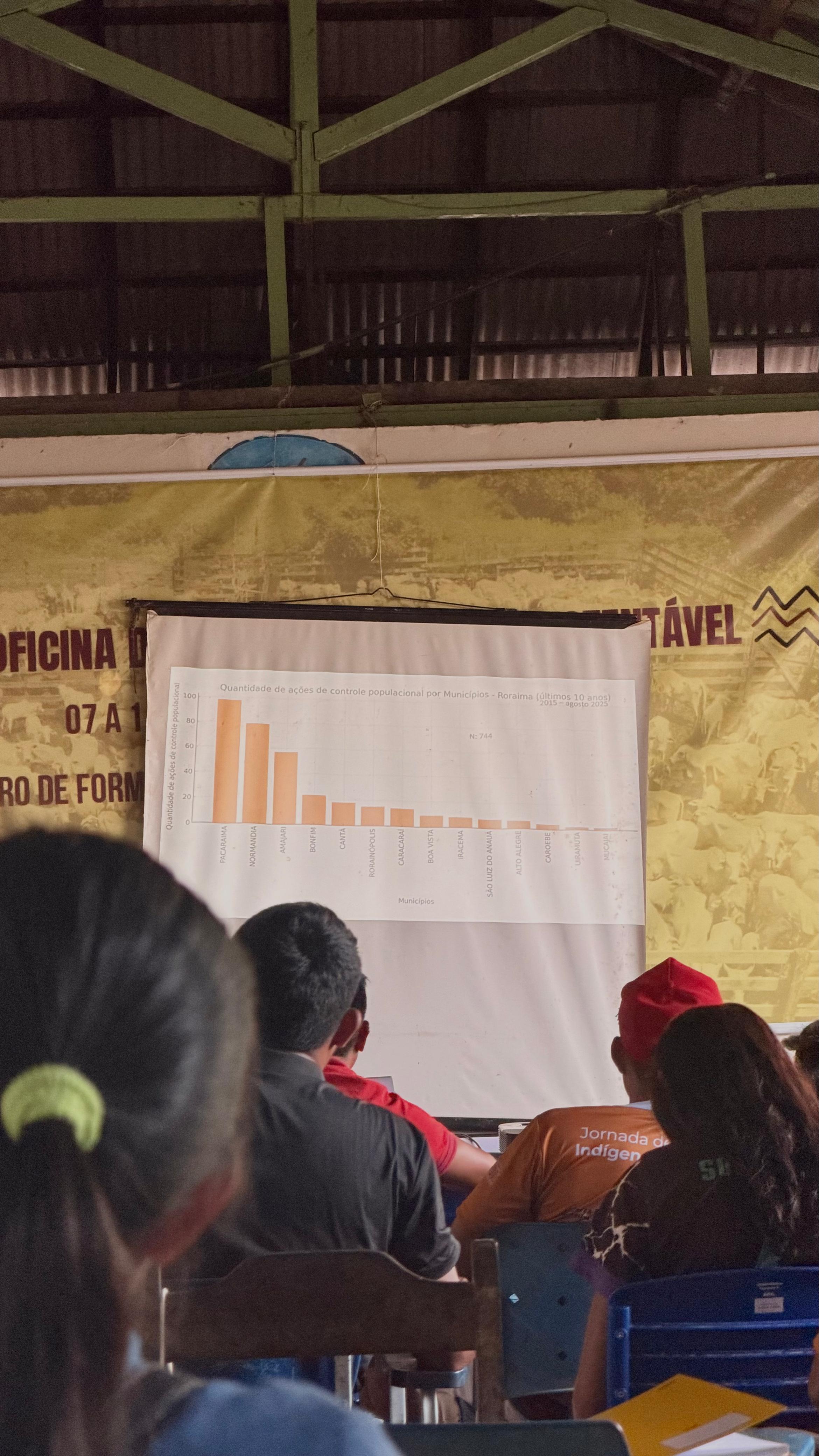
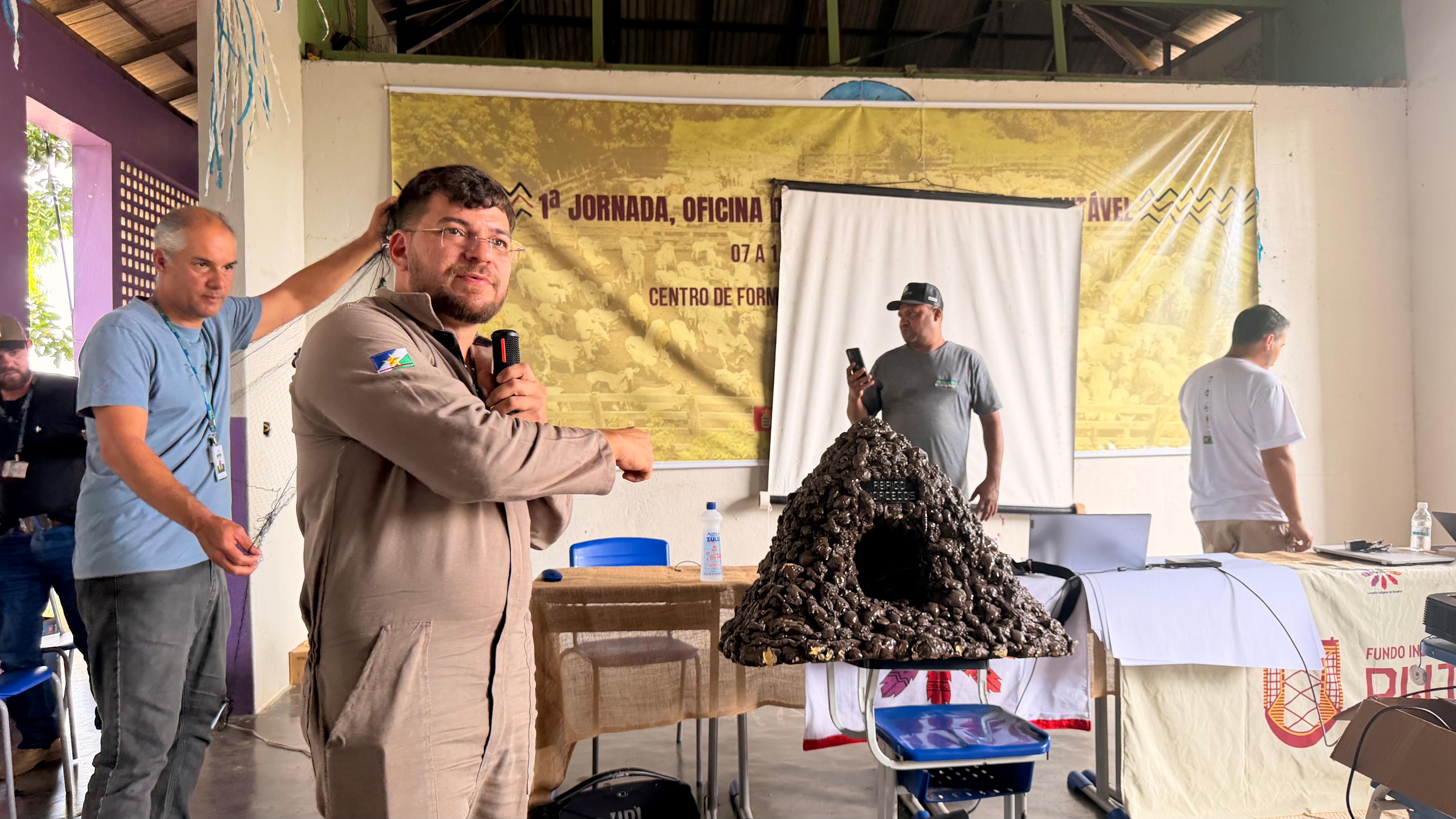
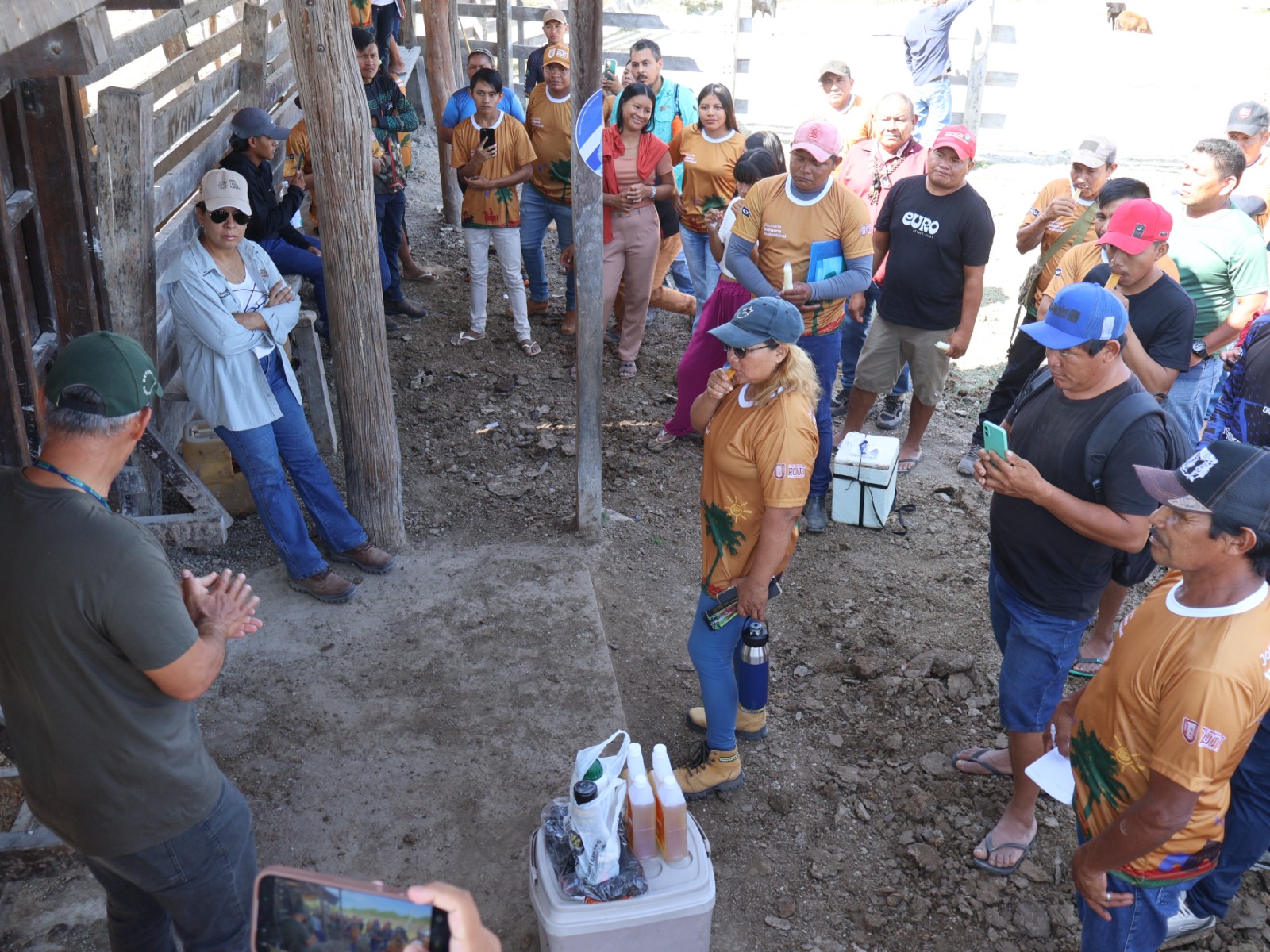
Among the topics discussed was the control of the hematophagous bat, known as the vampire bat, one of the main transmitters of rabies among animals. The subject was presented by Joseney Maia, a veterinarian from ADERR, who provided data on attacks on livestock in Roraima. According to the agency, 71% of the attacks occur in the northern region of the state, with approximately 50% taking place in indigenous communities. In the last ten years, 80% of the bats captured by ADERR were found in indigenous communities.
"By monitoring bat roosts, we are able to control rabies from reaching animals and, consequently, humans.""Monitoring also helps reduce attacks on the herd and problems such as anemia, secondary infections, and calf deaths," explained Joseney.
After the theoretical lesson, the participants had a practical activity at Sítio Praia Nova, belonging to the traditional leader Alcides Sapará, where, during the night, they set up a net to capture hematophagous bats and managed to capture four animals. Through the activity, they learned to identify the characteristics of bats, remove them from the net and handle them safely, as well as learn about the use of vampire bat paste in controlling these animals.

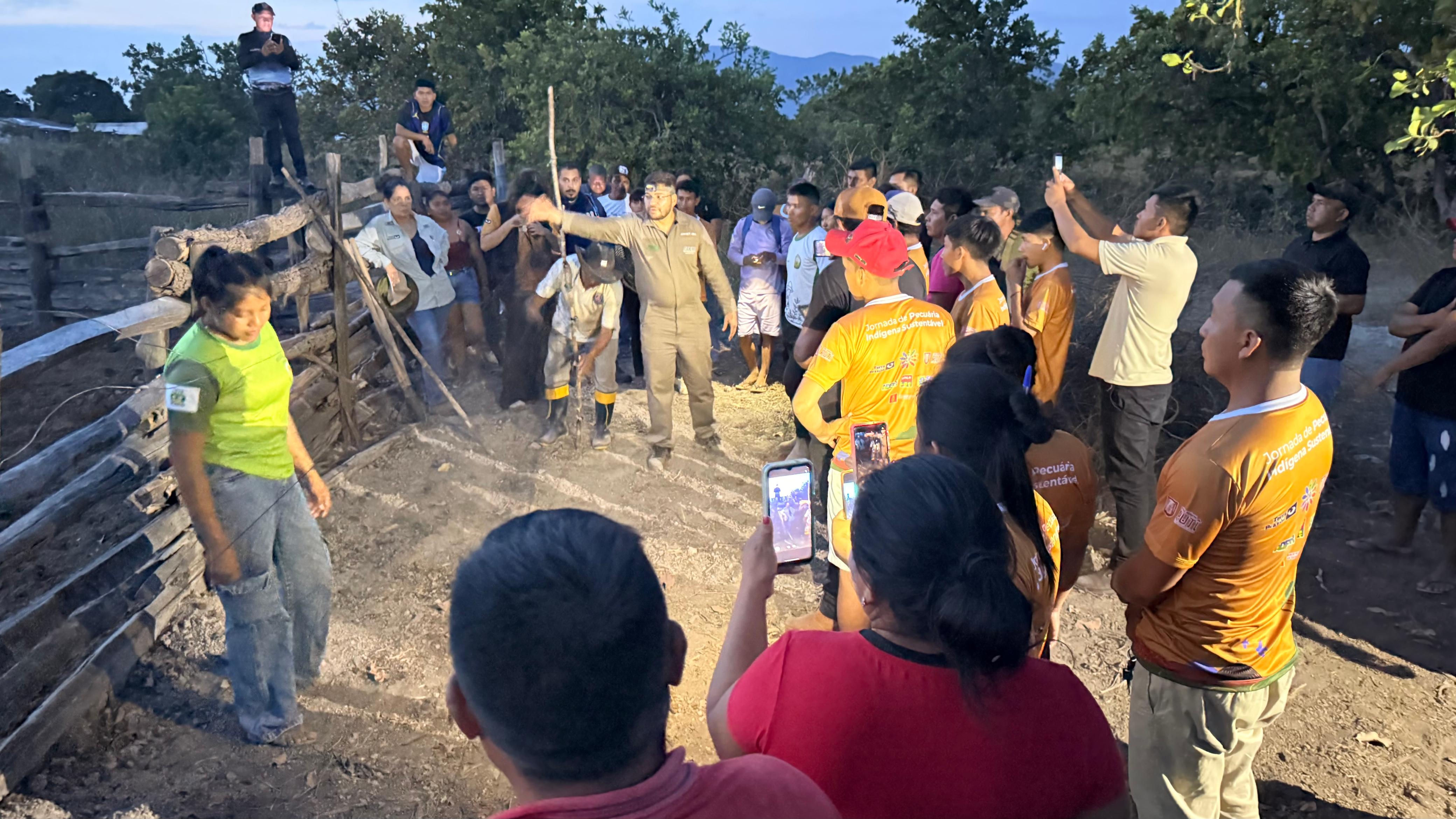
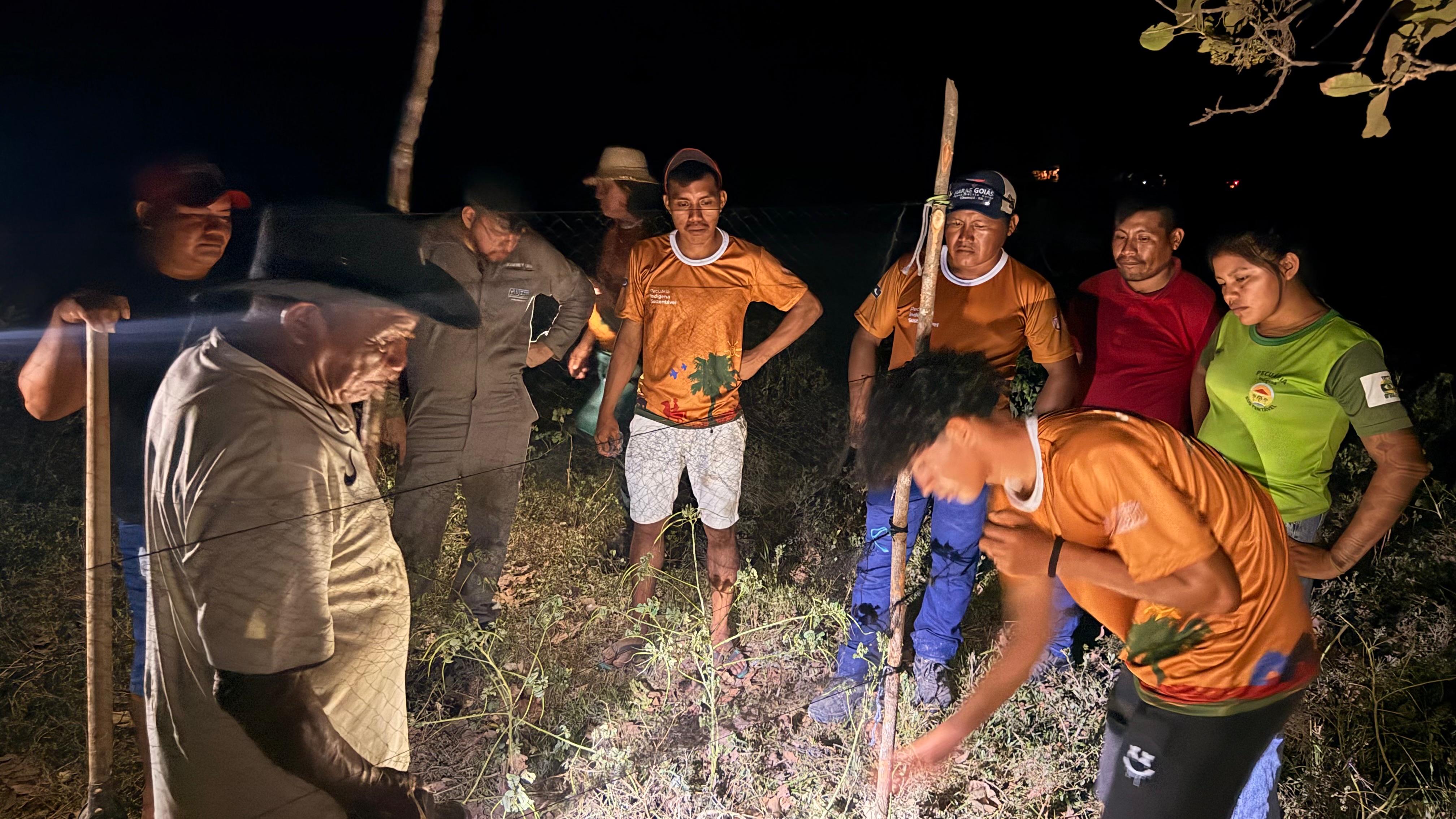
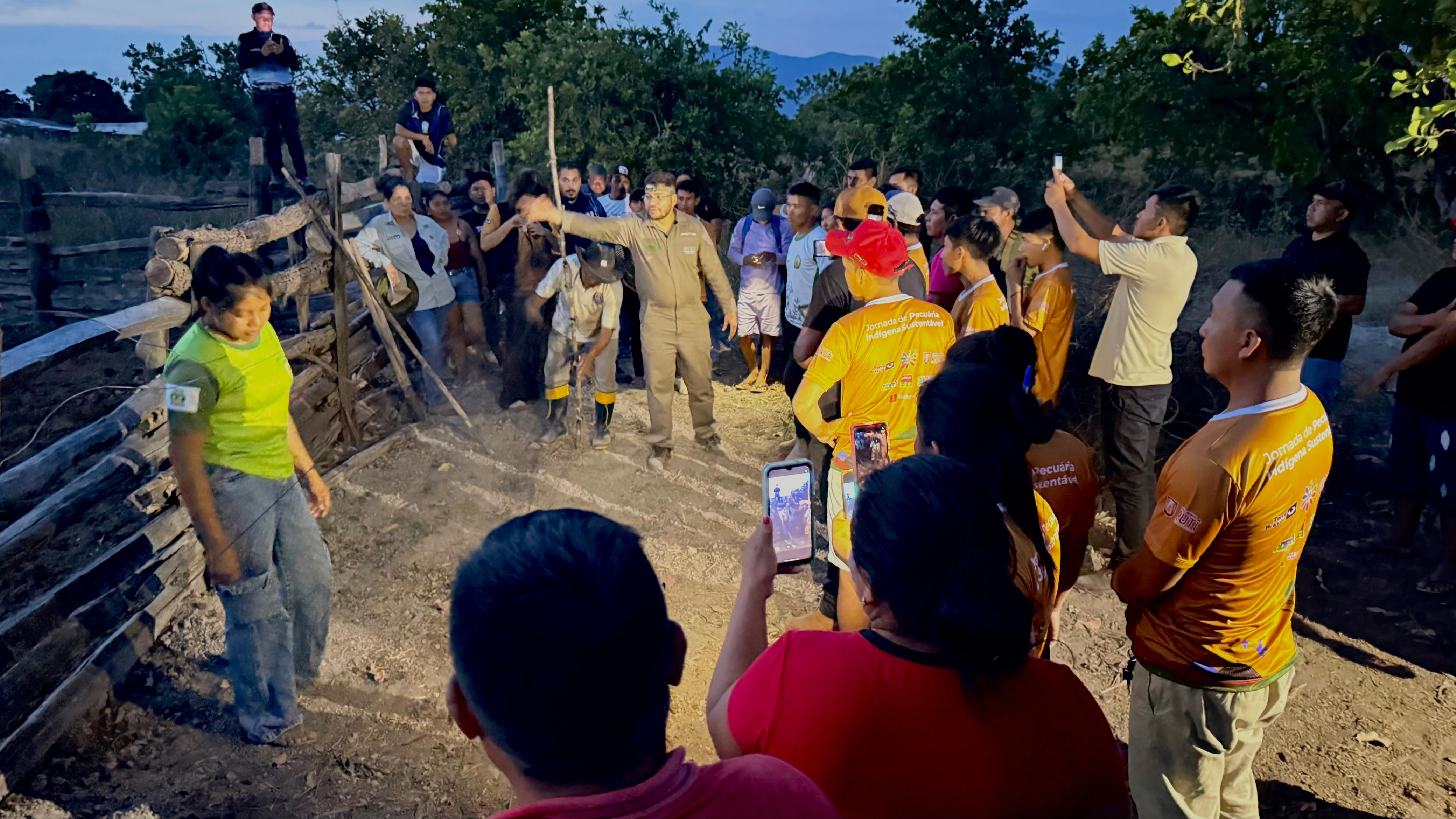
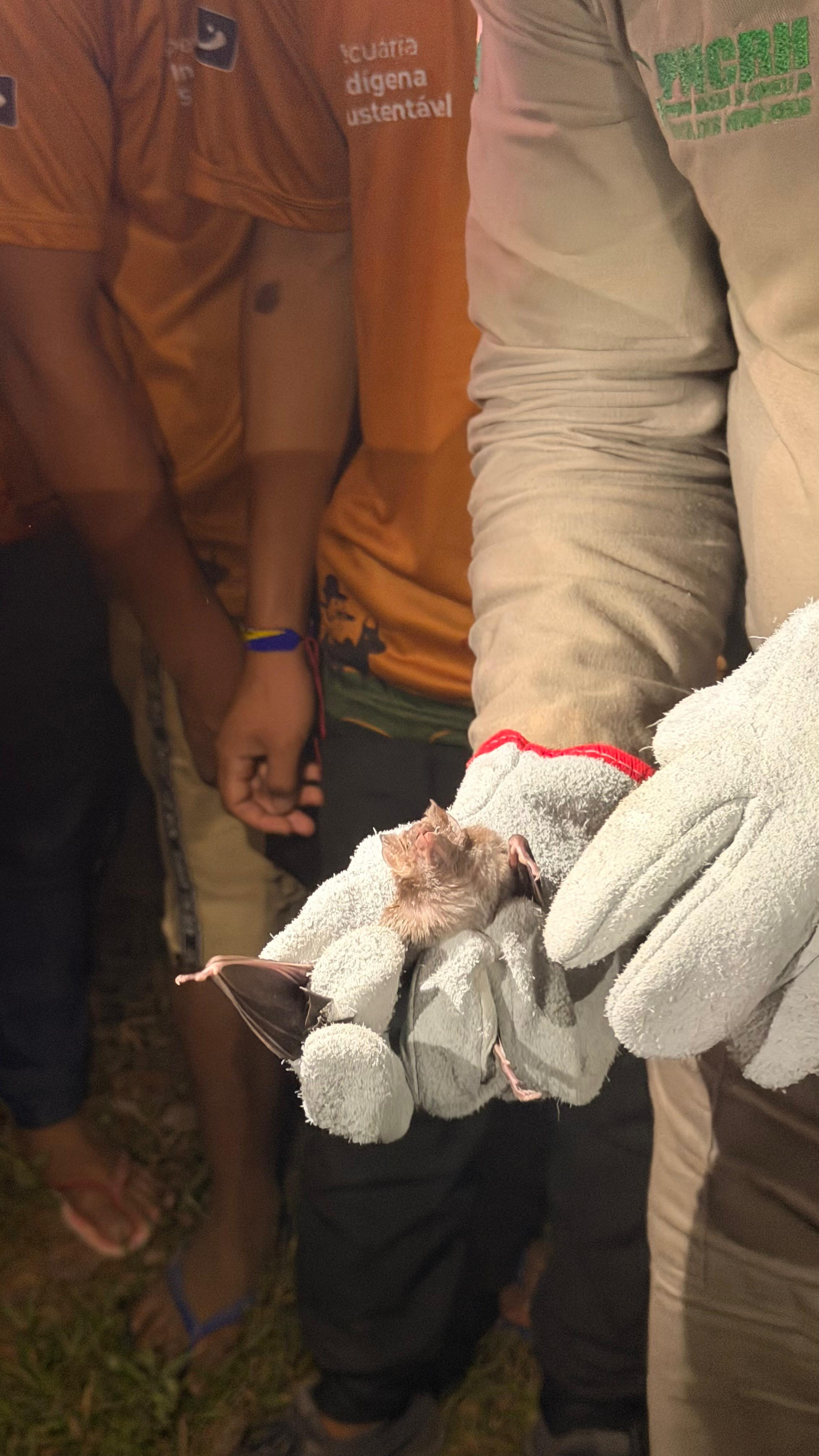
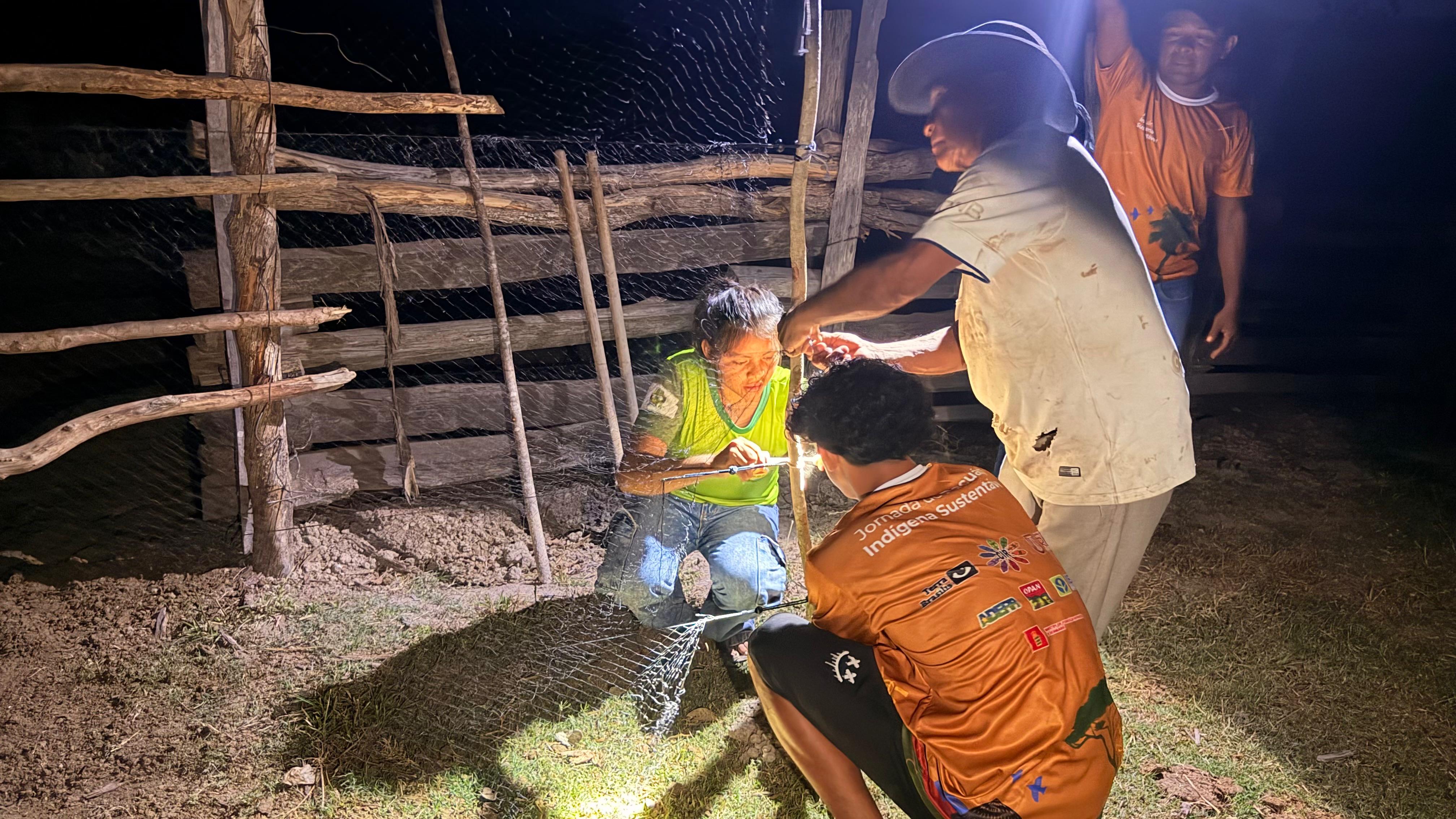
The activity also brought new learning experiences for those who work directly with animal husbandry in the communities. Cowboy Pedro Macuxi, from the Santa Maria community in the Baixo Cotingo region, recounted his experience participating for the first time in a practical activity on the capture and handling of hematophagous bats:“We’ve recently had many bat attacks and significant calf losses, with recent suspected cases of rabies. This training is a valuable addition, and we’re returning with the goal of starting to put what we’ve learned here into practice.”
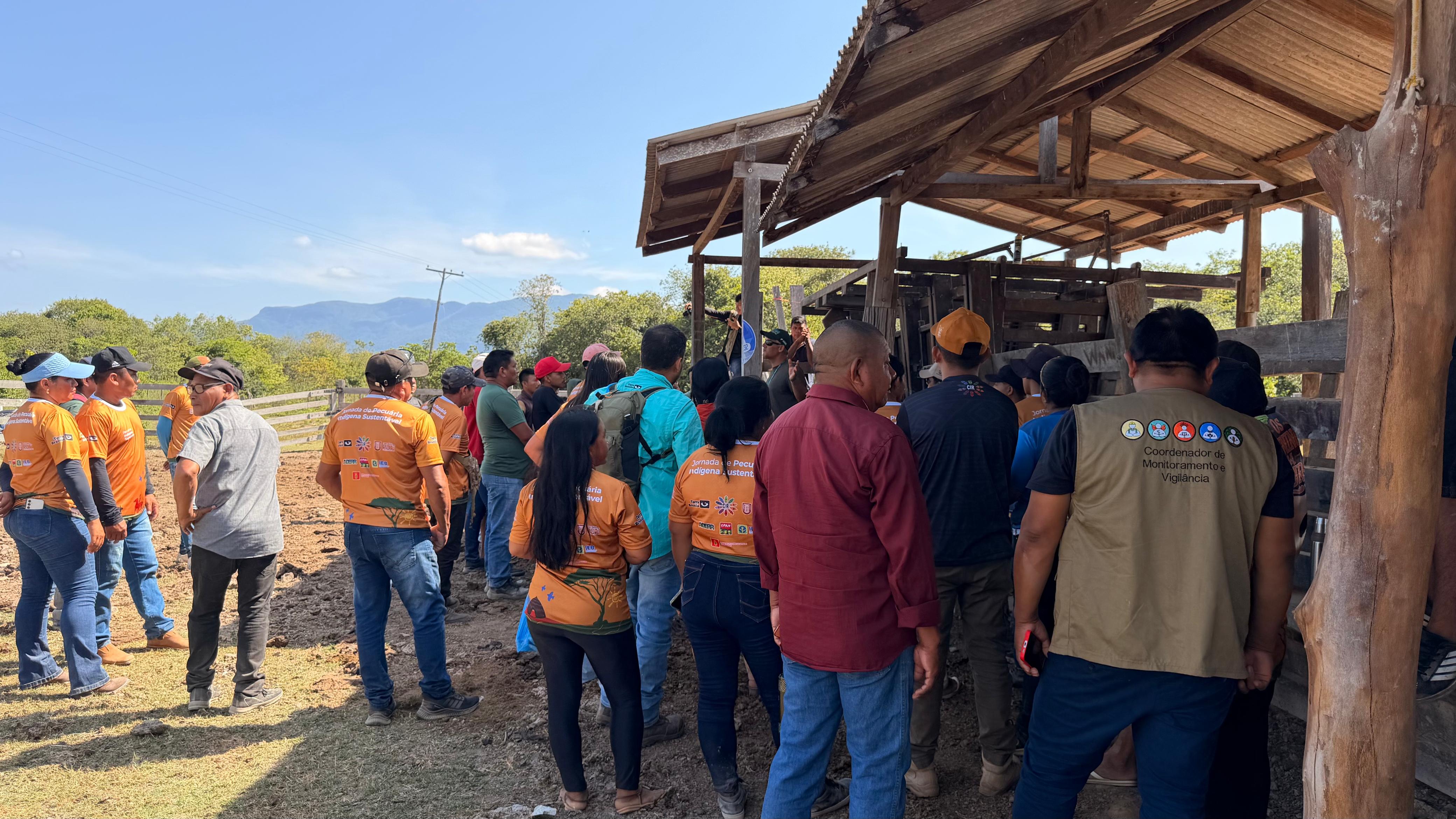
The training also took participants to the corral for hands-on practice, where they learned about the necessary care for the health and well-being of the herd. The activity was conducted by the ADERR veterinarian, Dr. Sylvio Botelho, with guidance on rabies vaccination, application of vitamins and medications for fly and tick control, as well as calf care and disease prevention.
For Taziane Macuxi, from the Cumanã community in the Surumu region, and Elielson Macuxi, from the Enseada community in the Serras region, first-year students at the Raposa Serra do Sol Indigenous Training and Culture Center (CIFCRSS), the activity was an opportunity to put into practice the knowledge learned during their training.
"It was my first time vaccinating. There's no cattle farming in my community, but I'm learning and, in the future, I want to teach my leaders.", says Taziane.

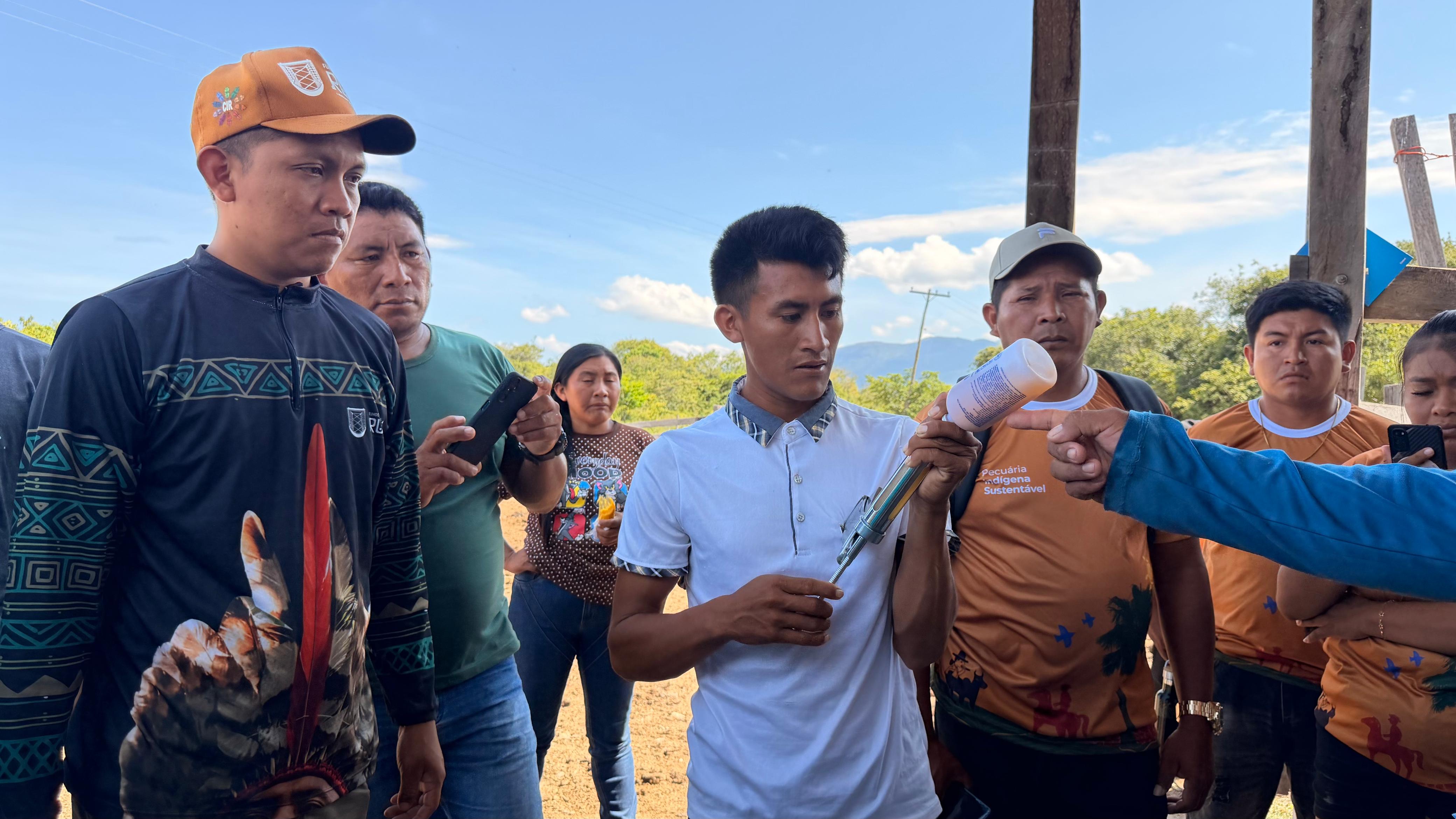
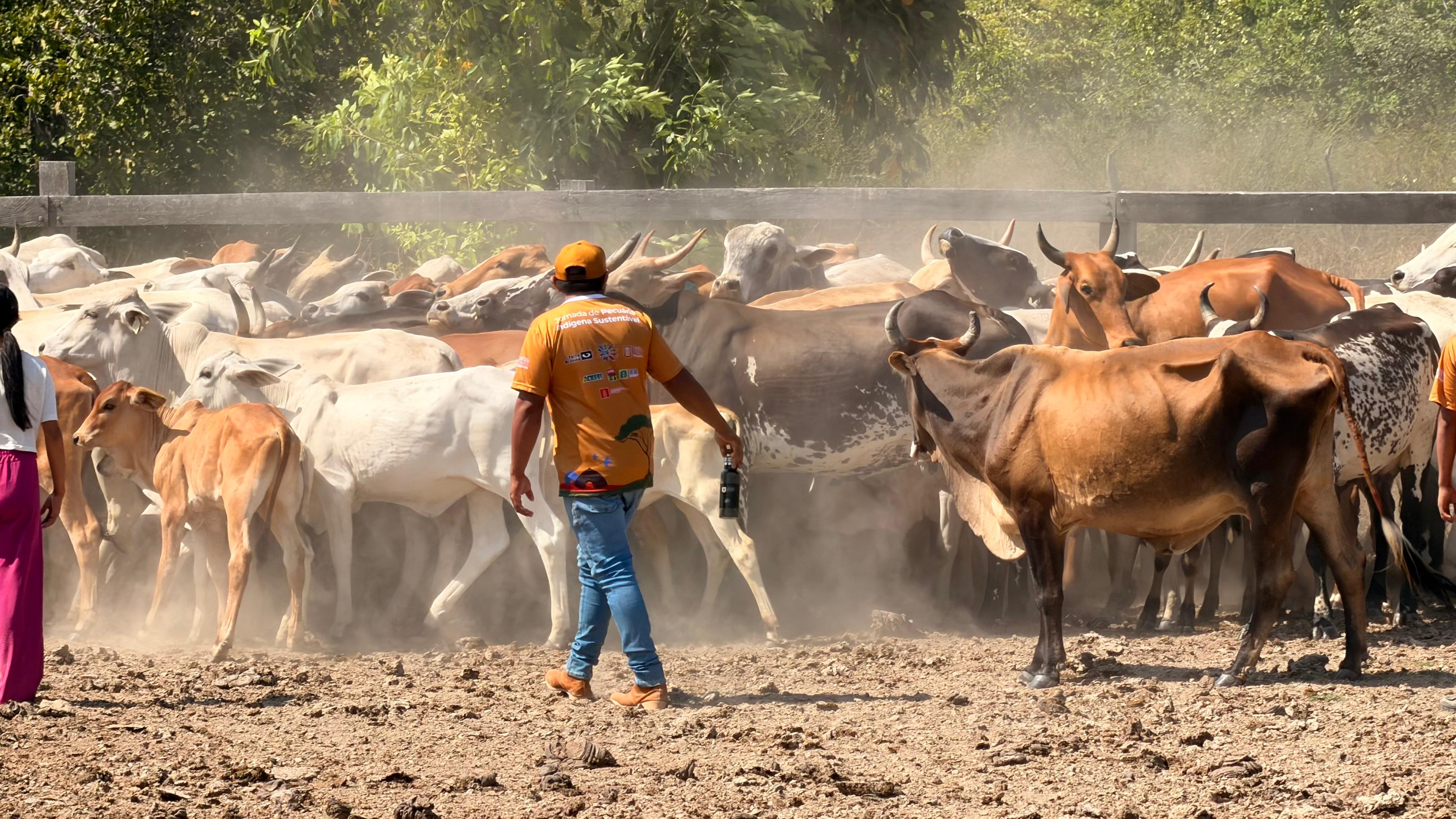
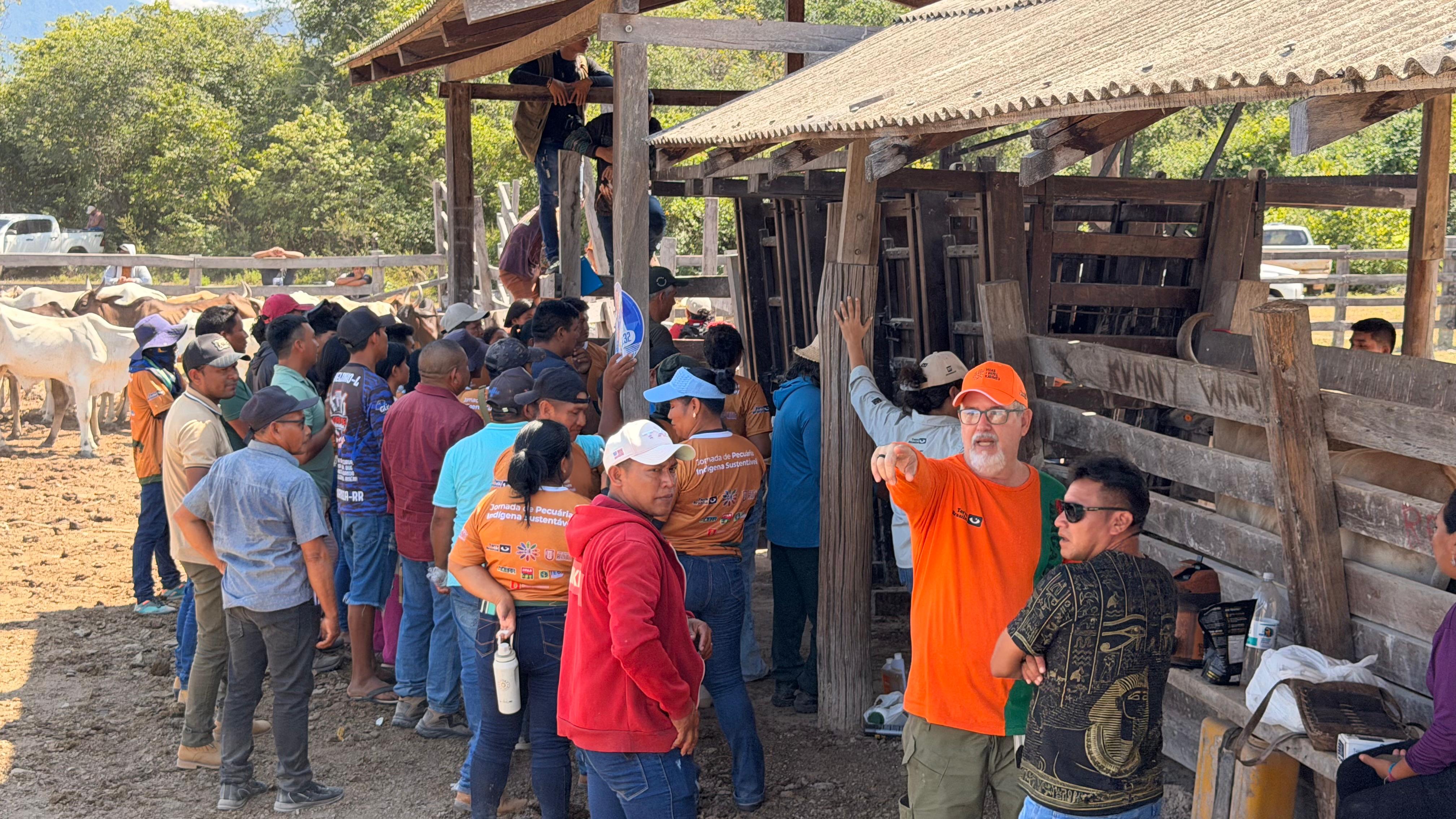
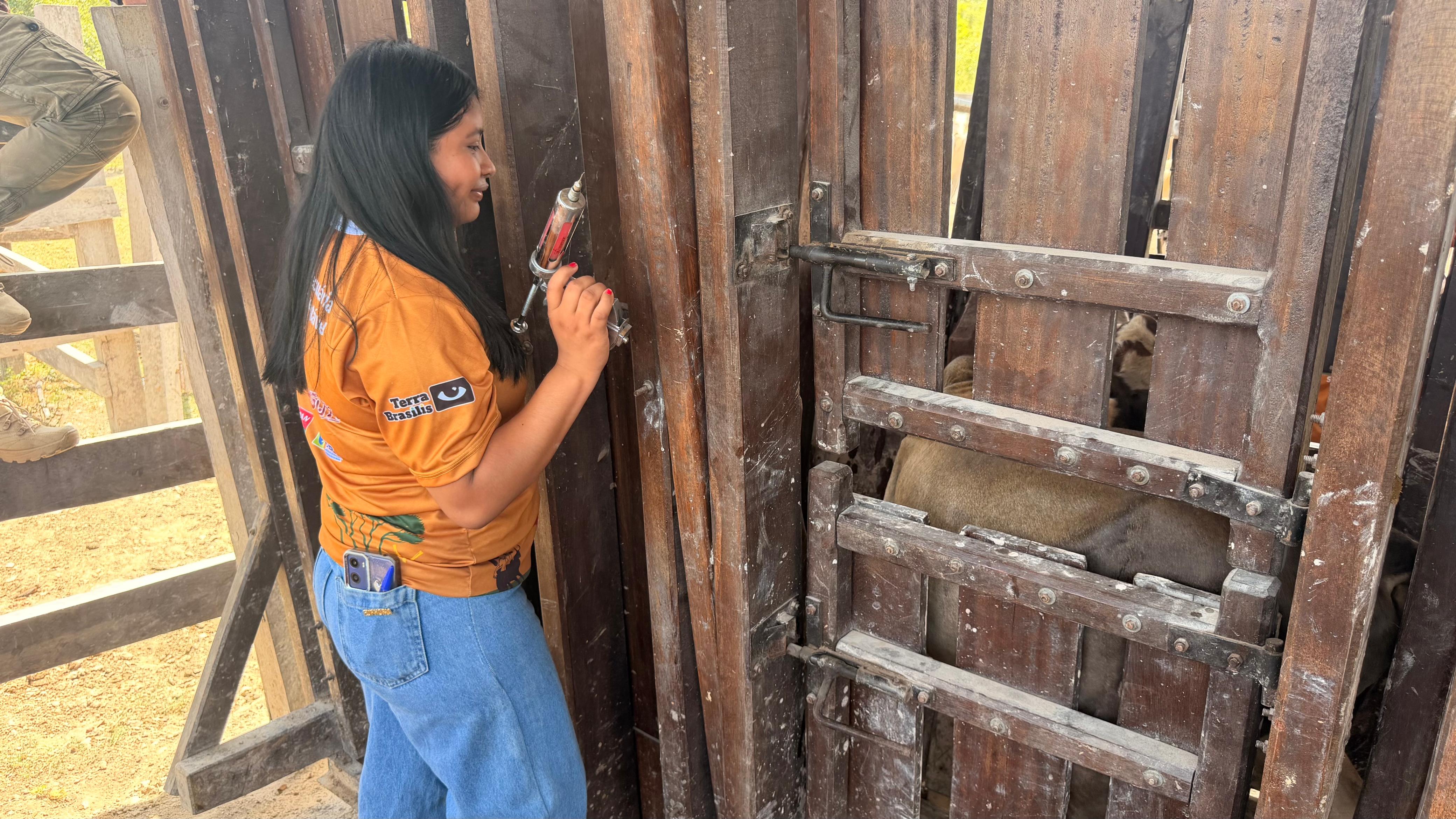
"It's a learning experience, it's been really great and is helping to further improve our knowledge.", Elielson concludes.
The program also included a discussion about cooperativism, focusing on collective organization and strengthening productive initiatives developed by communities.
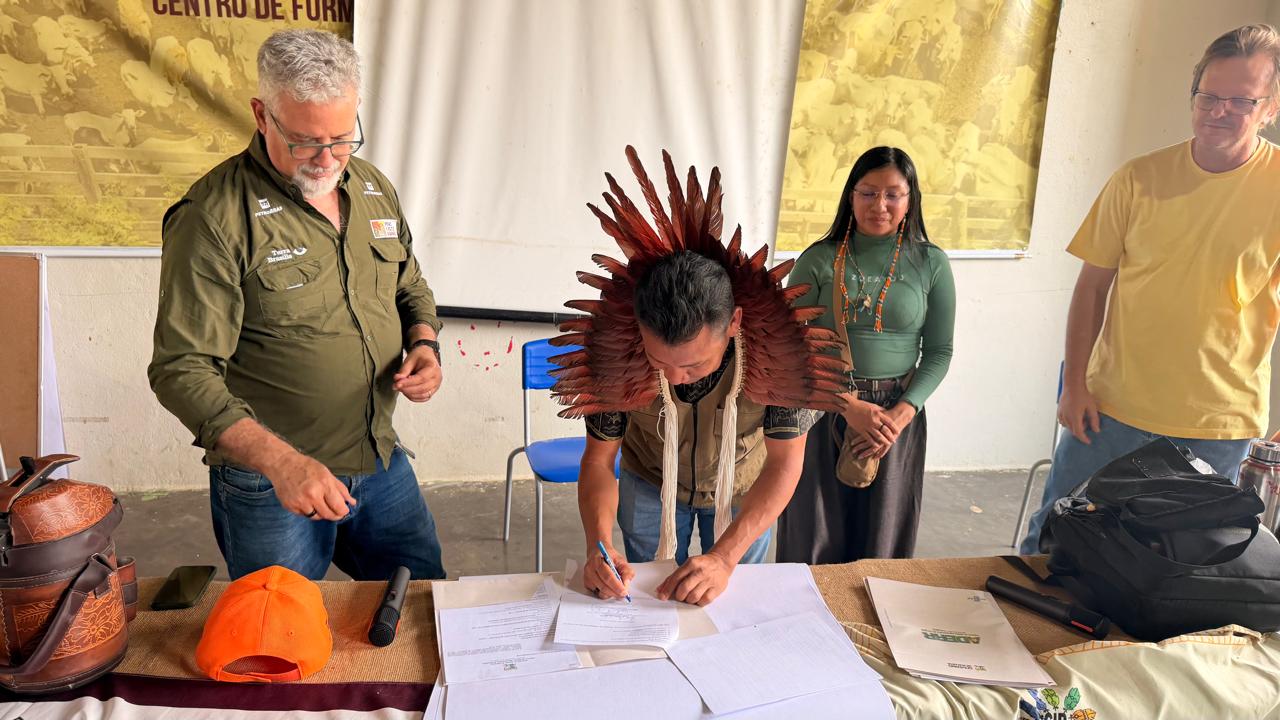
One of the highlights of the closing of the event was the signing of a Cooperation Agreement between the Indigenous Council of Roraima (CIR), the Instituto Terra Brasilis (ITB), and the Agricultural Defense Agency of Roraima (ADERR), aimed at strengthening indigenous livestock farming. The partnership seeks to expand technical support to communities, strengthen knowledge about animal health and management, and contribute to improving practices already developed in the territories. Those present included the General Chief of the CIR, Amarildo Macuxi; the General Chief of the Indigenous Women's Movement of Roraima, Kelliane Wapichana; the executive director of the ITB, Reinaldo Lorival; and José Carlos Markus, from the presidency of ADERR.

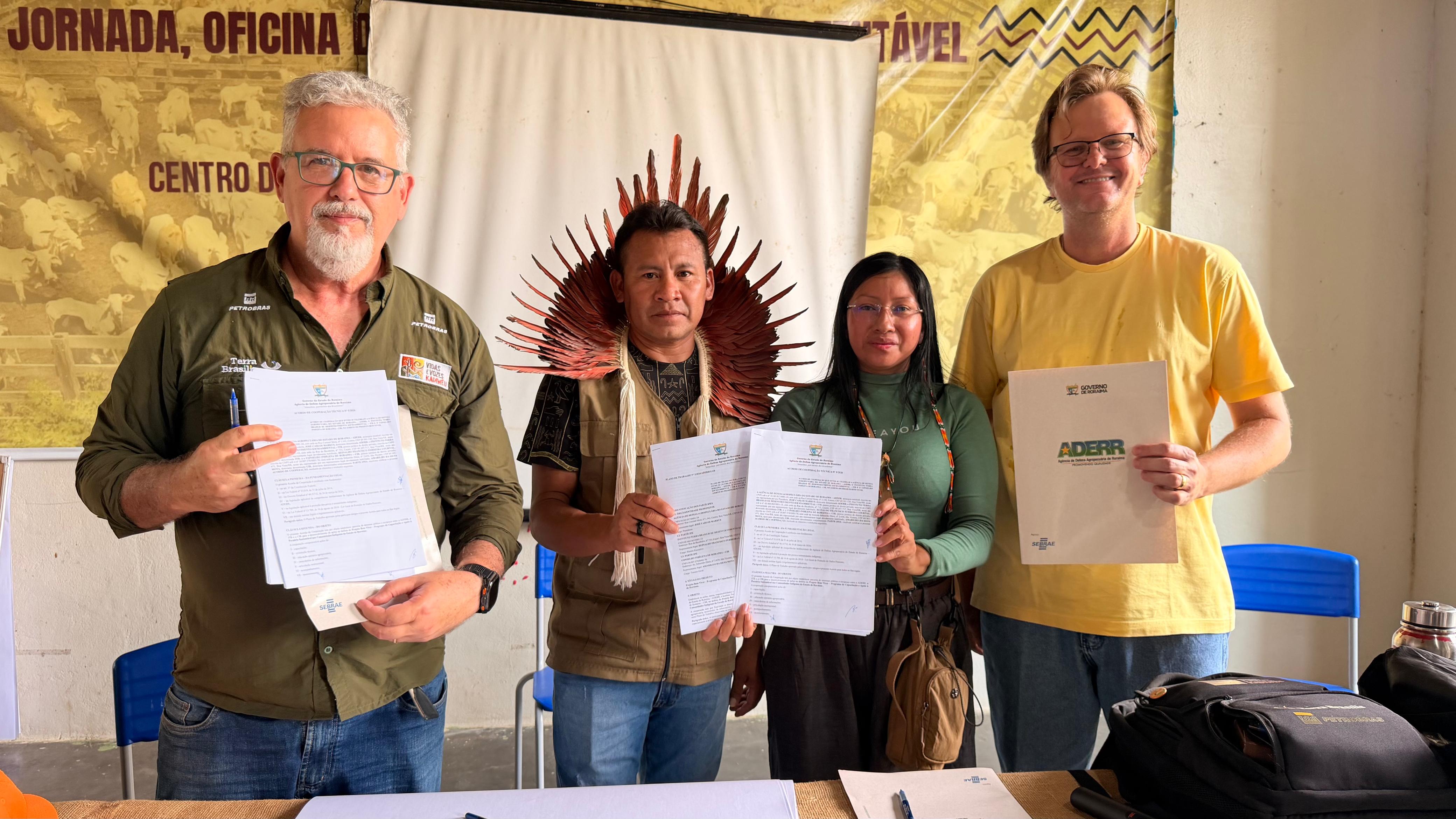
The training concluded with the certification of the participants and reaffirmed CIR's commitment to supporting indigenous communities in building their own paths. Through its departments and partnerships, CIR continues to contribute to strengthening sustainable indigenous livestock farming and other initiatives defined by the communities themselves, respecting their knowledge, their realities, and their forms of organization.
Text: Charles Taurepang
Review by: Helena Leocádio.
Photos: Charles Taurepang (ASCOM/CIR) and Daniel Wapichana (Rede Wakywaa - Itacutú region).