 Indigenous peoples of Roraima
The strength comes of the community.
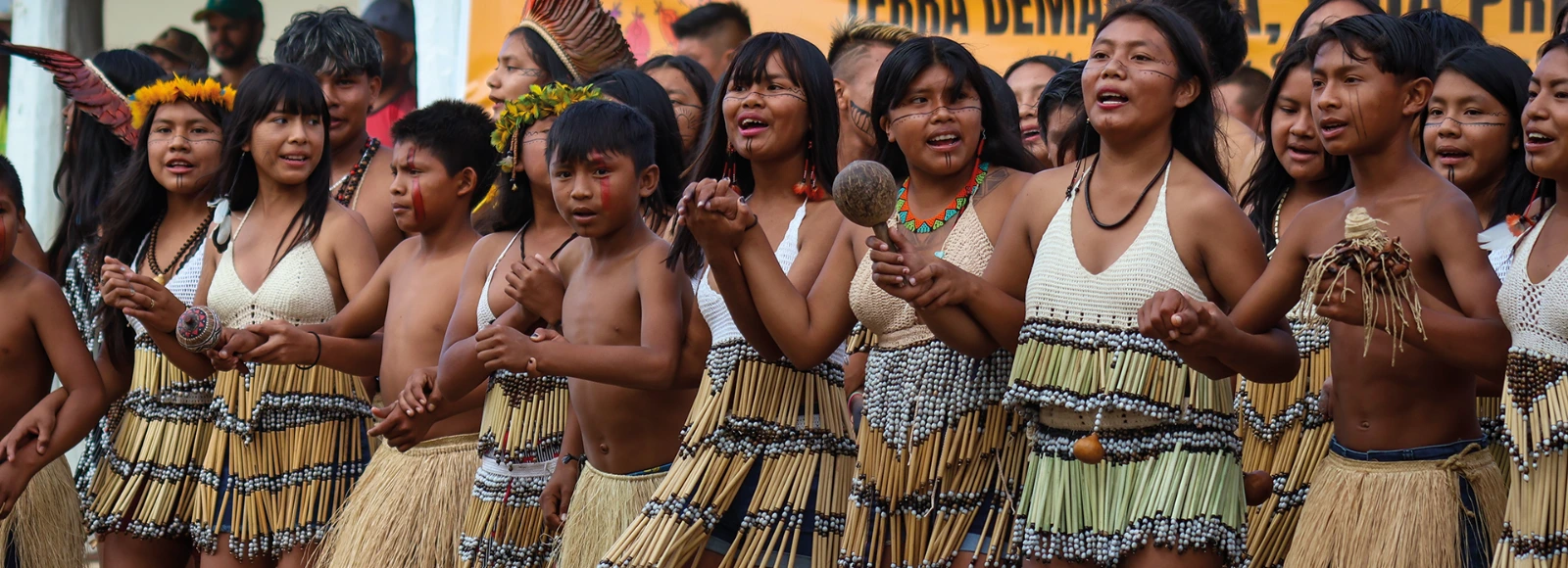
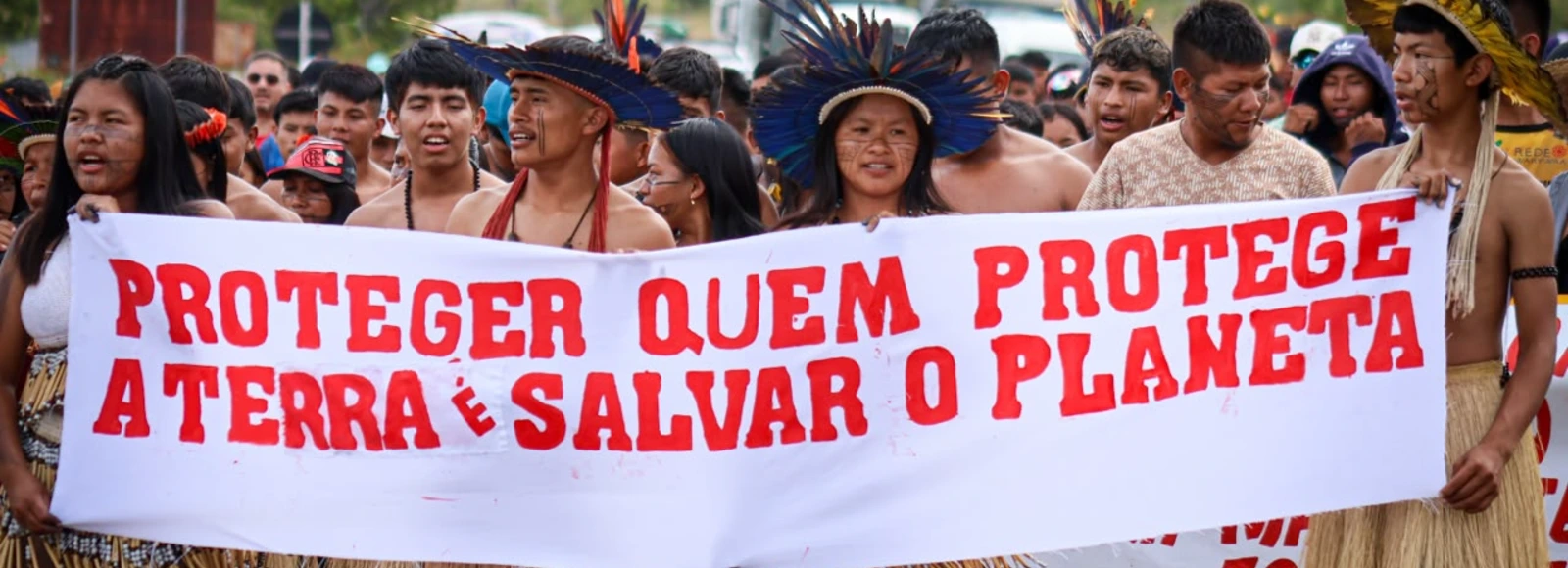
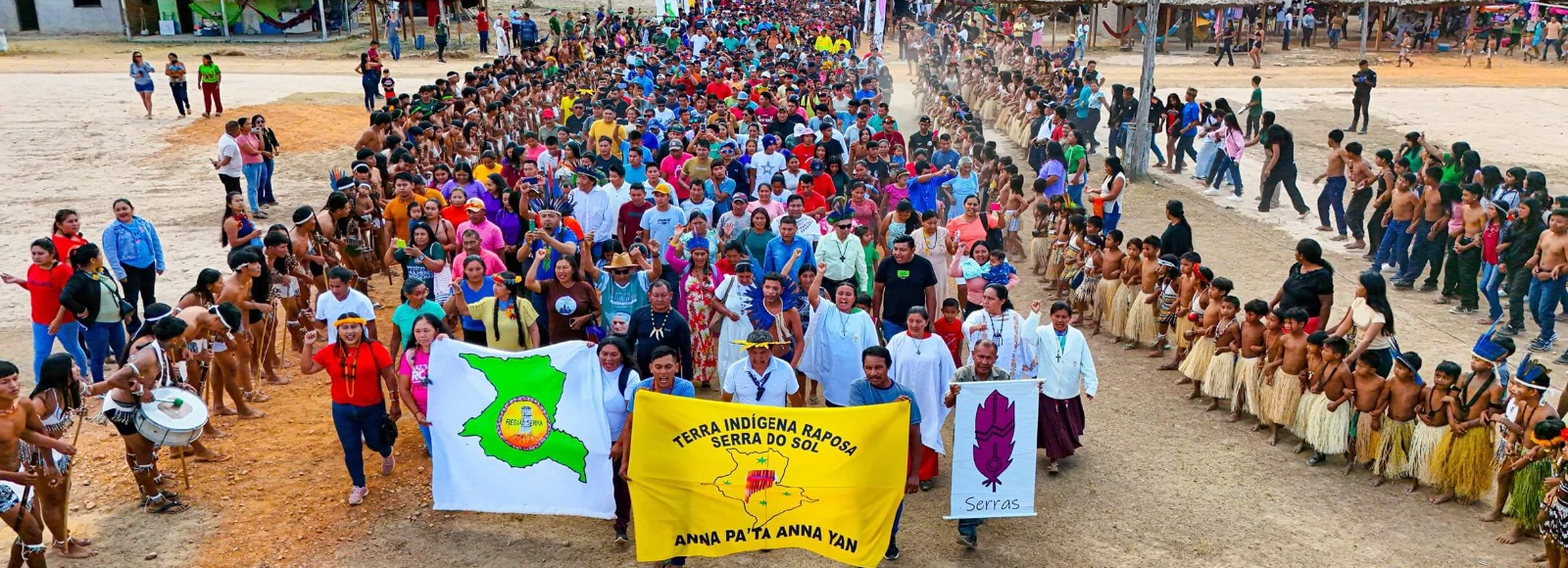
Ten peoples united to defend rights, strengthen autonomy and keep the indigenous territory of Roraima alive.
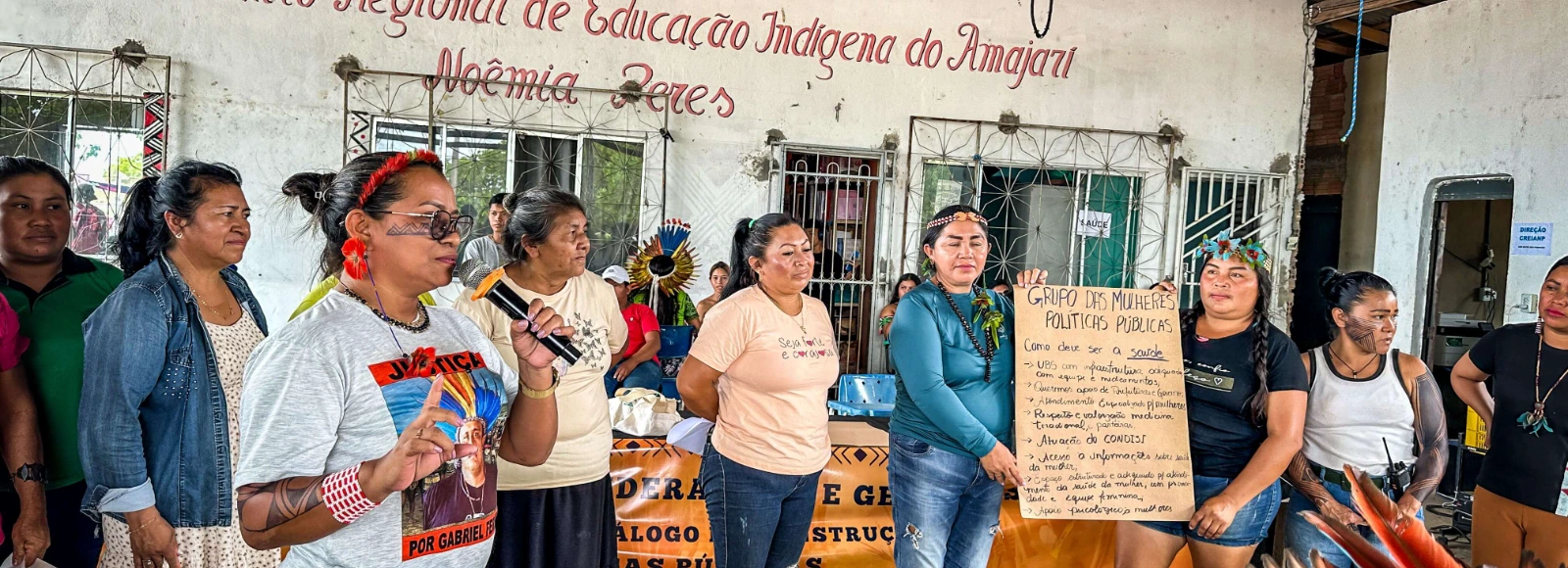
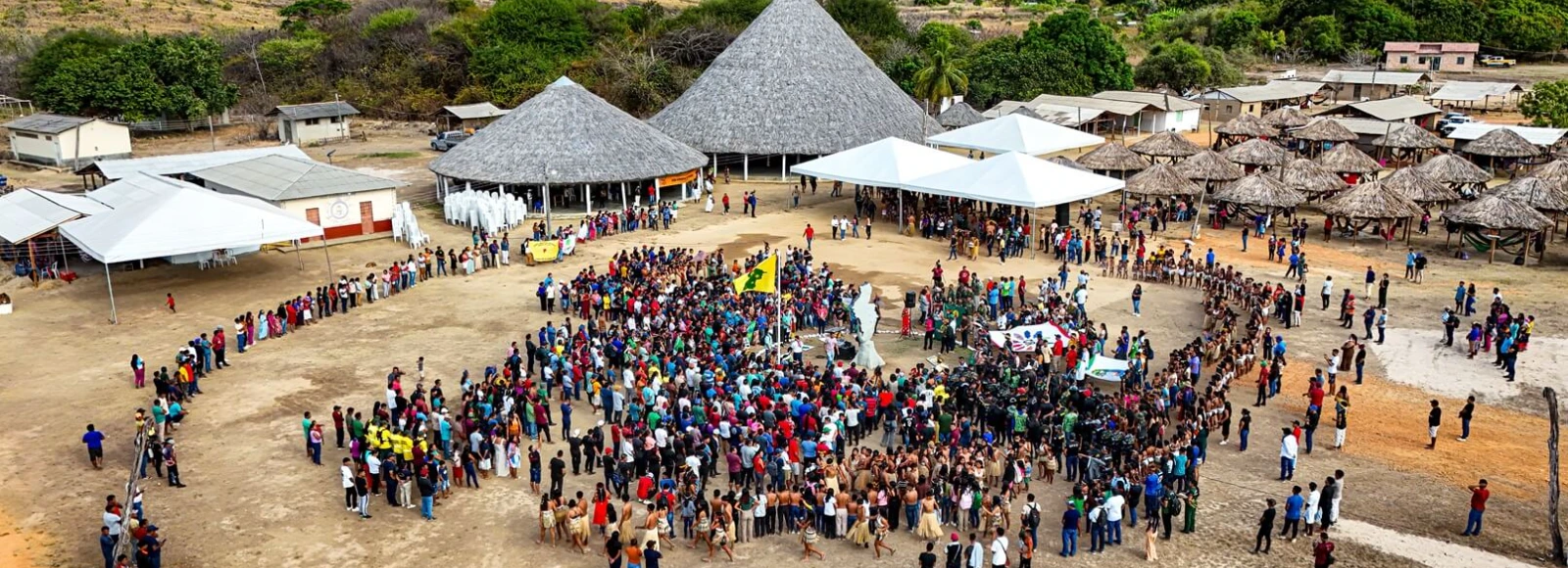
Indigenous assembly in Roraima
A joint
Ten peoples, one struggle
- Macuxi
- Wapichana
- Ingarikó
- Patamona
- Yekuana
- Sapará
- Wai Wai
- Taurepang
- Yanomami
- Pirititi
Who we are
An organization made by those who live and care for the land.
The CIR is an indigenous organization formed by leaders, women, men, the elderly, young people and children who defend mother earth and all its sacred biodiversity.
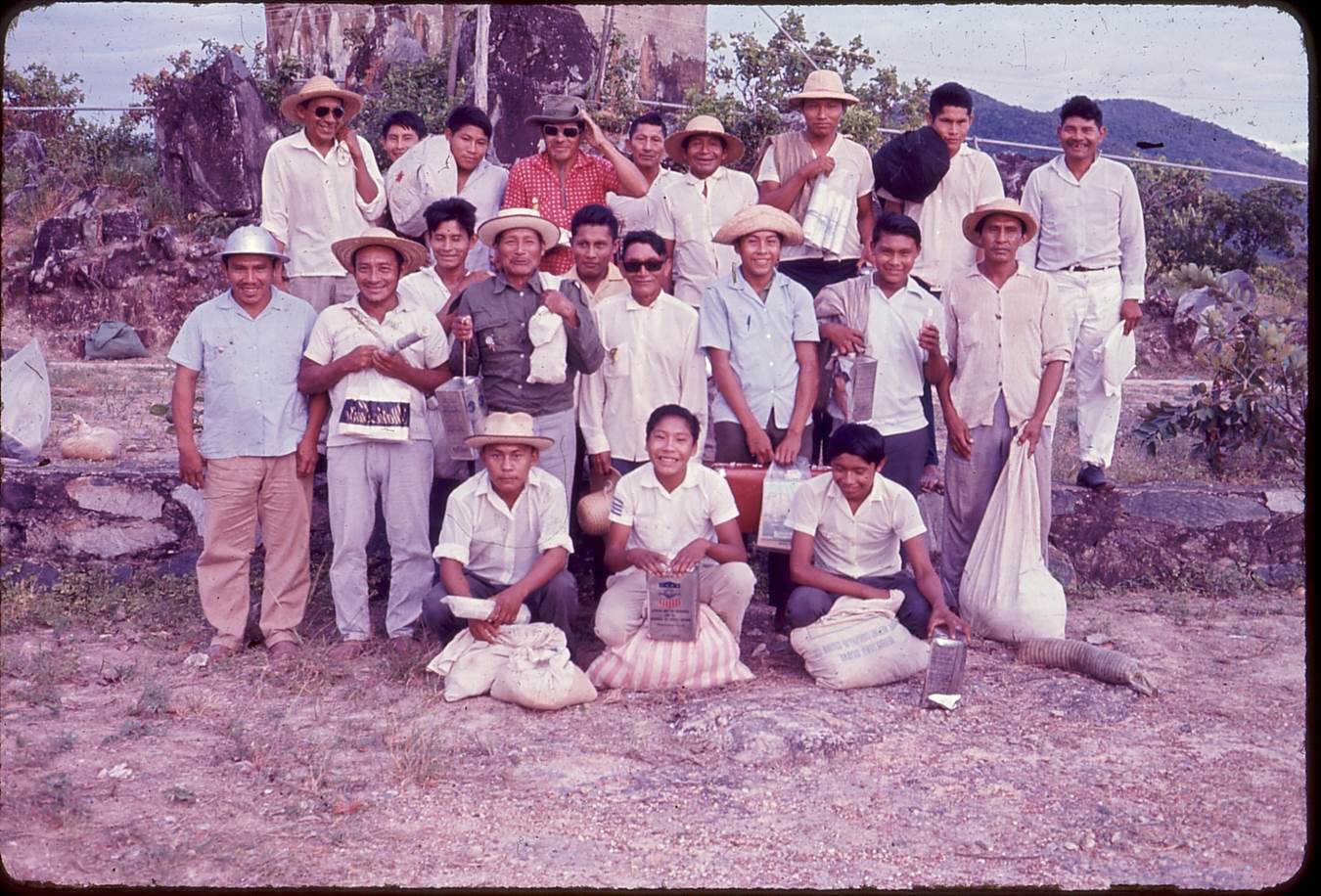 1971
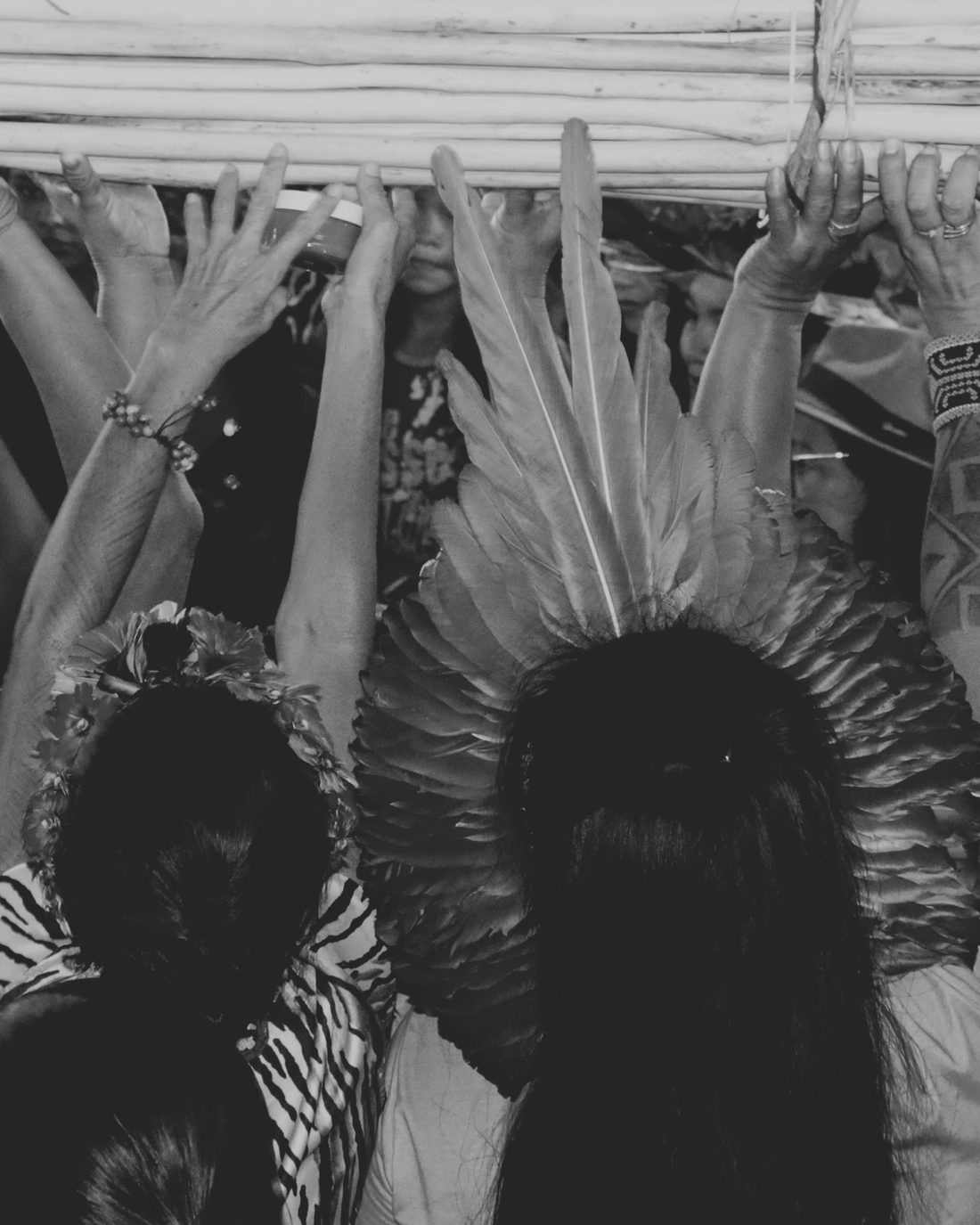
Our MissionDefend indigenous rights, strengthen autonomy, value culture and cherish the lives of indigenous peoples in the state of Roraima.
Our origin
- 1971 First assembly of the tuxauas.
- 1983 Formation of the first regional councils.
- 1986 Expansion to all regions of Roraima.
- 1990 The Indigenous Council of Roraima is born.
The CIR today
The articulation begins in the community and reaches Roraima.
100 thousand
Indigenous people reached by direct and indirect action
270
Associated communities, of the 465 in Roraima
12
Regions with their own coordination
1971
Year of the first assembly of the tuxauas
Our territory
Where there is standing forest,
there are people taking care of it.
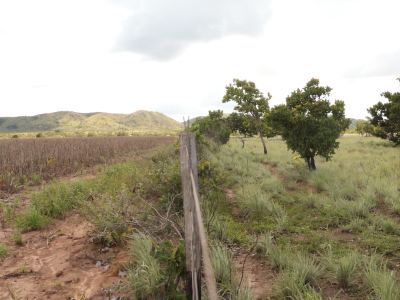
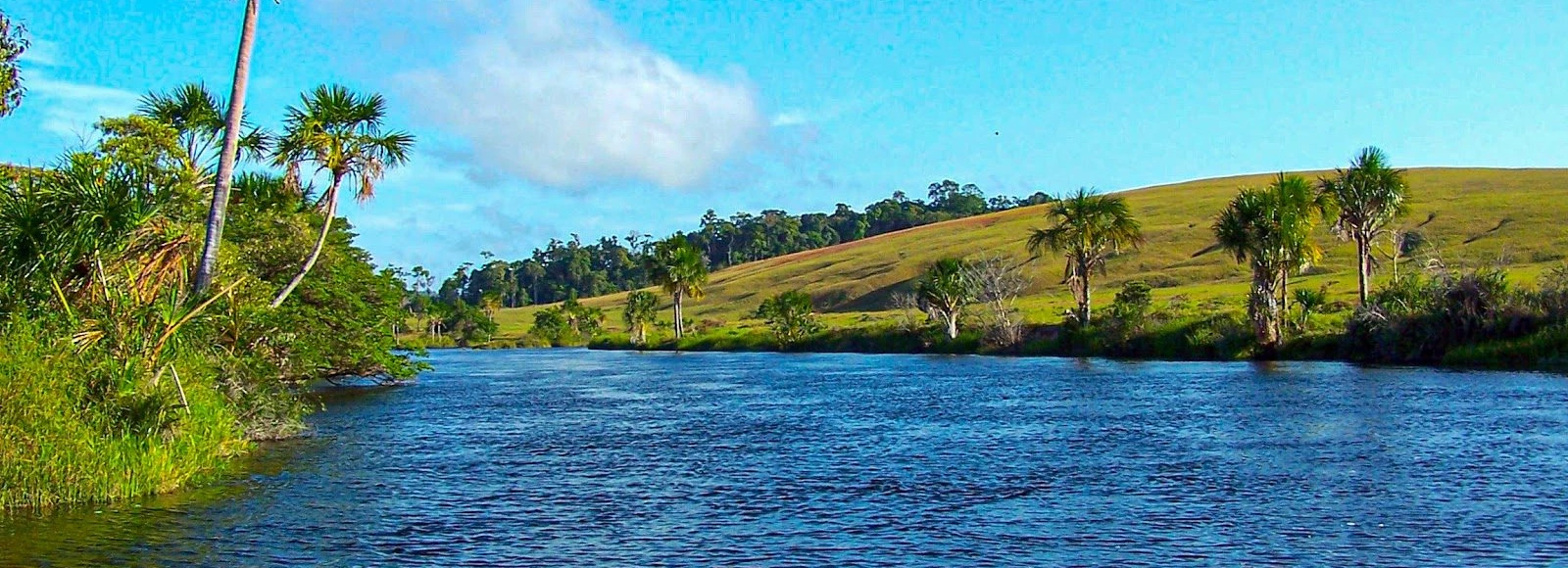
The territory is not a scenario. It is home, memory, food, medicine and future. The work of the CIR articulates regions and communities to protect it.
35 Indigenous lands
10 mi Hectares of extension
10 Peoples represented
58 mil Indigenous people on the lands served
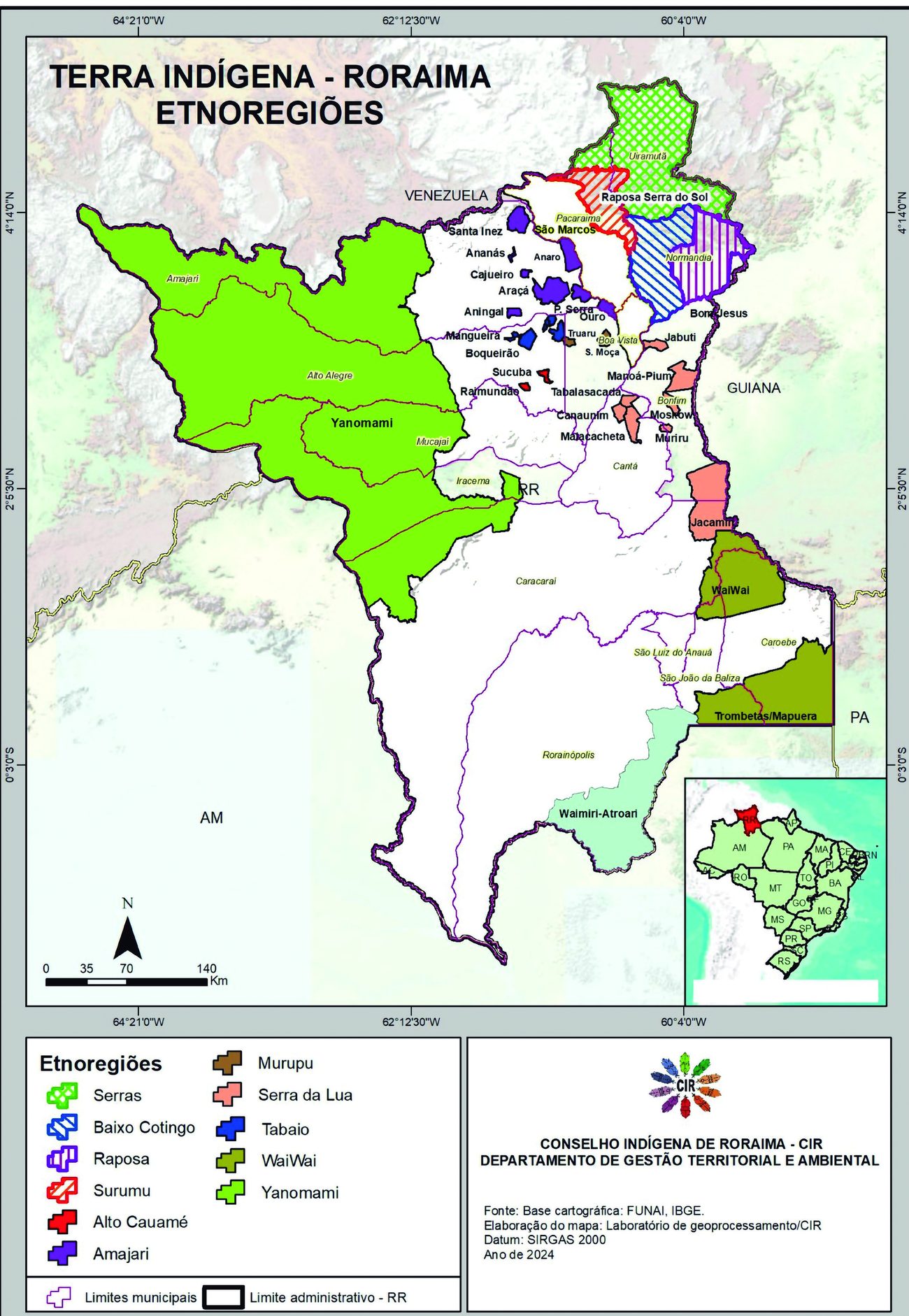 Enlarge map
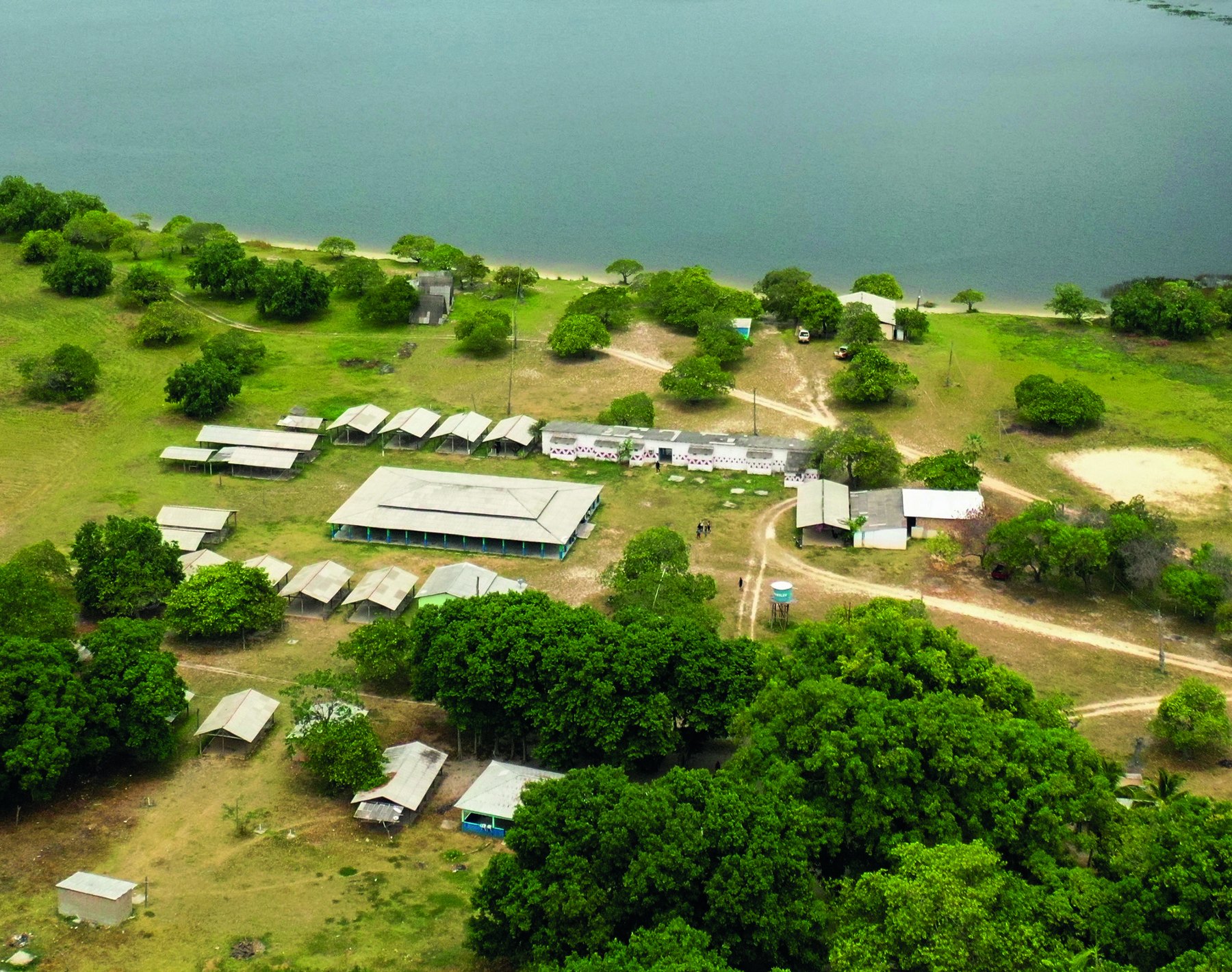
270 comunidades associated with the CIR, of the 465 existing in Roraima.
Regional presence
Twelve coordinations close to the communities.
Each regional articulates leaders, tuxauas and women's movements based on the realities of their territory.
Serras
14.333 pessoas · 77 Communities
Tuxauas: Djacir Macuxi
Women: Elínea Maria
Serra da Lua
3.549 pessoas · 04 Communities
Tuxauas: César da Silva
Women: Aldenícia Cadete de Lima
Raposa
5.134 pessoas · 48 Communities
Tuxauas: Alencar Gomes Mendes
Women: Líria Augusta Sarmento Silveira
Amajarí
4.438 pessoas · 21 Communities
Tuxauas: Sebastião Macuxi
Women: Maria Auxiliadora
Surumu
3.874 pessoas · 18 Communities
Tuxauas: Nazareno Macuxi
Women: Naiza de Souza Lima
Baixo Cotingo
3.721 pessoas · 41 Communities
Tuxauas: Franquimar Ribeiro Paulino
Women: Nélia Lima Batista
Tabaio
2.504 pessoas · 07 Communities
Tuxauas: José Carlos Tomaz Albuquerque
Women: Jailda Teixeira Braga
Murupú
1.350 pessoas · 05 Communities
Tuxauas: Alessandro Chagas
Women: Valdelia Macuxi
Alto Cauamé
1.102 pessoas · 04 Communities
Tuxauas: Suzane Lemos Moura
Women: Valterlina de Souza Pinto
Wai Wai
916 pessoas · 15 Communities
Tuxauas: Alexandre Aniceto de Souza
Women: Cleydiane Antonia Costa
Itacutu
5.033 pessoas · 17 Communities
Tuxauas: Pedro Wapichana
Women: Edna Wapichana
Yanomami
27.152 pessoas (AM/RR)
Our performance
Defending rights is also taking care of life.
The CIR strategy integrates territorial protection, political advocacy, communication and initiatives that strengthen life in communities.
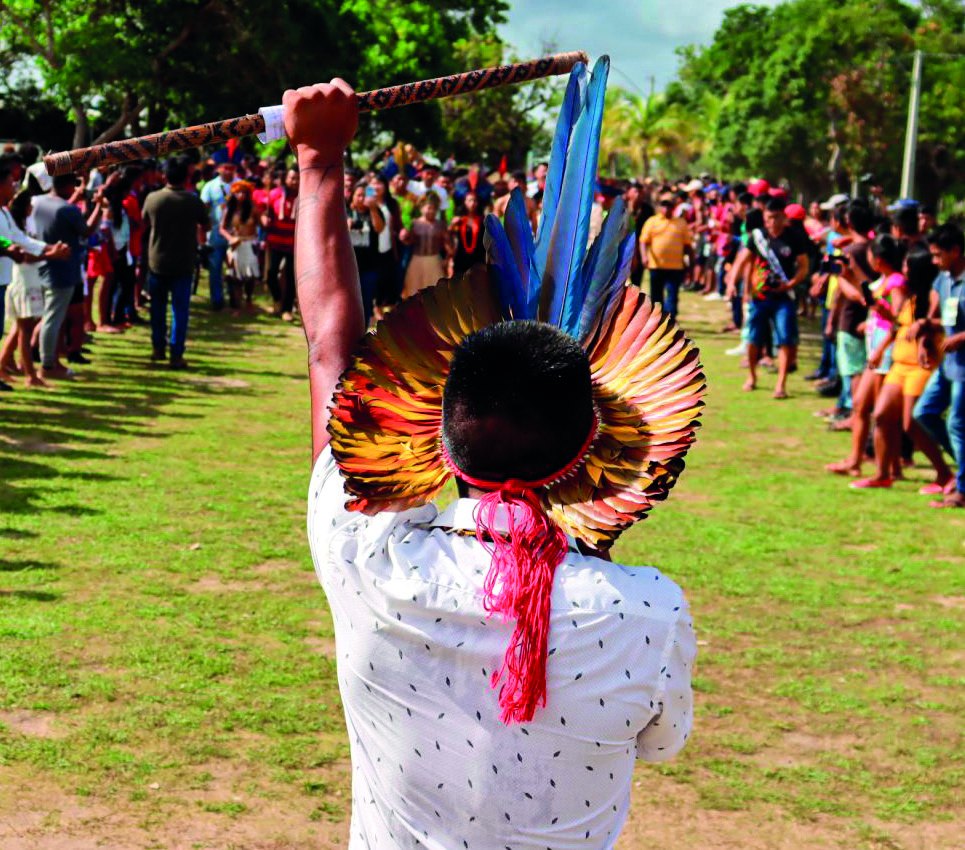
Indigenous rights
Legal incidence for the demarcation of lands and against the time frame.
Environmental and territorial management
Management plans, protection of territories and confrontation of climate change.
Communication
Training of indigenous communicators and their own voice for the communities.
Women and youth
Political empowerment of women and protagonism of indigenous youth.
Economic sustainability
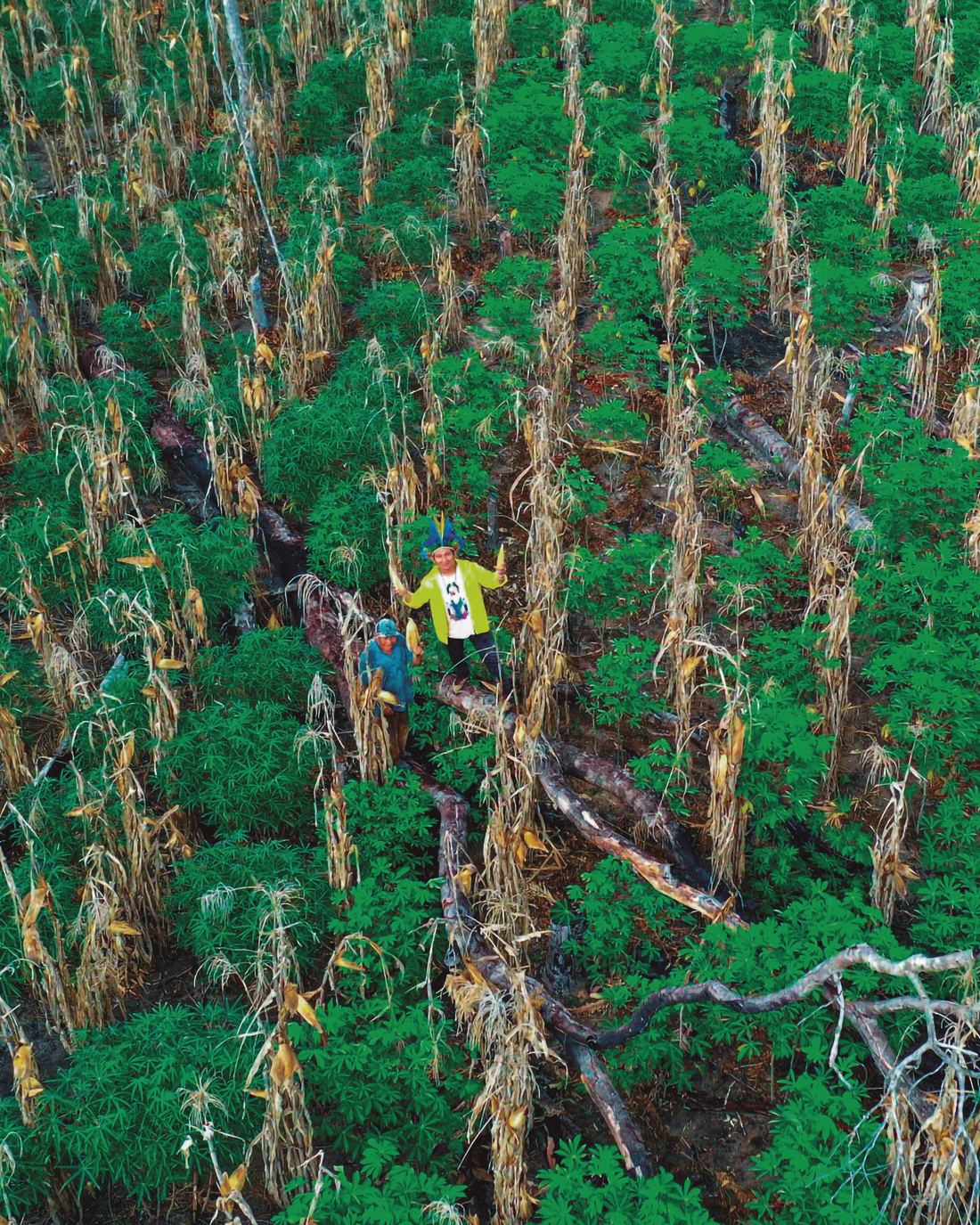
Community canteens, traditional seeds and support for indigenous farmers.
Actions along the way
Achievements built with presence and continuity.
-
Rights and demarcation
Legal incidence for the demarcation of indigenous lands, for the protection of Raposa Serra do Sol and against the Temporal Milestone thesis.
-
Territorial protection
Strengthening of territorial agents, firefighters, communicators, and groups for the protection and surveillance of the territories.
-
Health and education
Training of indigenous health agents, midwives and teachers, in addition to the creation of the Indigenous Training Center.
-
Community governance
Construction of consultation protocols, internal regulations and Territorial and Environmental Management Plans.
-
Economic autonomy
Support for community canteens, traditional seeds, indigenous farmers and productive initiatives in the territories.
-
Women and youth
Political education of youth, mental health care and strengthening the participation of indigenous women.
Since 2011
Knowledge of the territory to face climate change
Indigenous researchers, territorial agents, women, young people, leaders and more experienced people record how the "Transformation of Time" affects the ways of life in the communities.
Water Sources
Agriculture
Traditional medicine
Hunting and fishing
Handicrafts
Reading the stars
Coordination
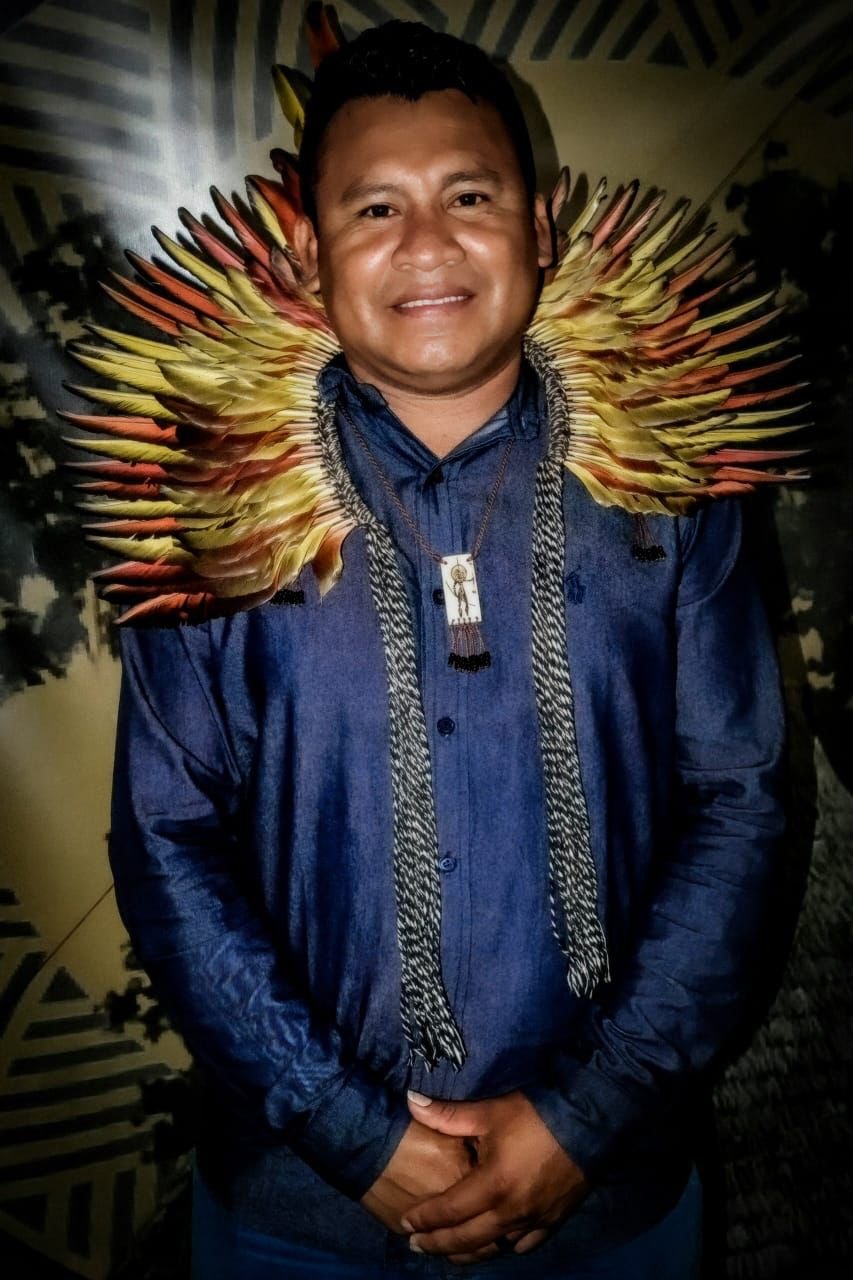
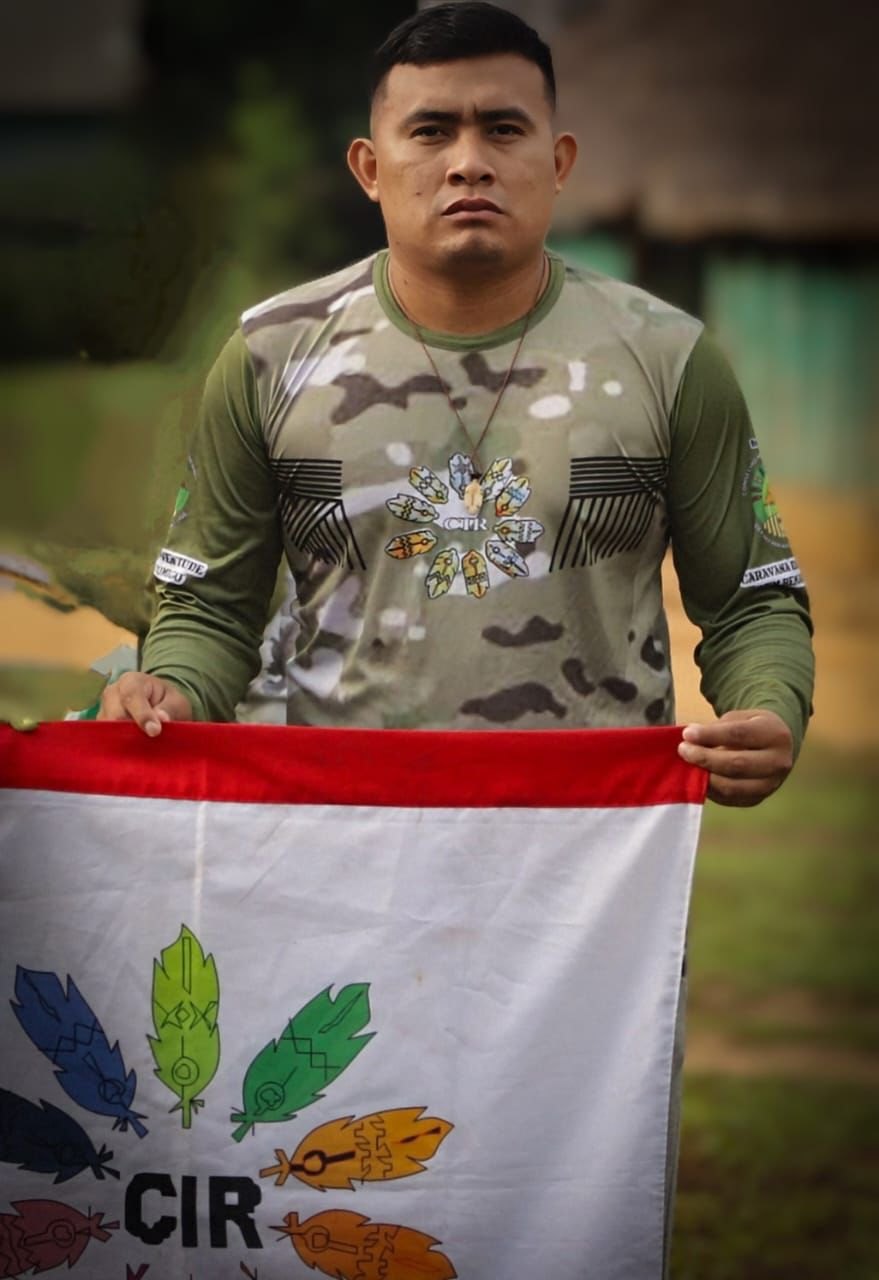
Leadership comes from the base.
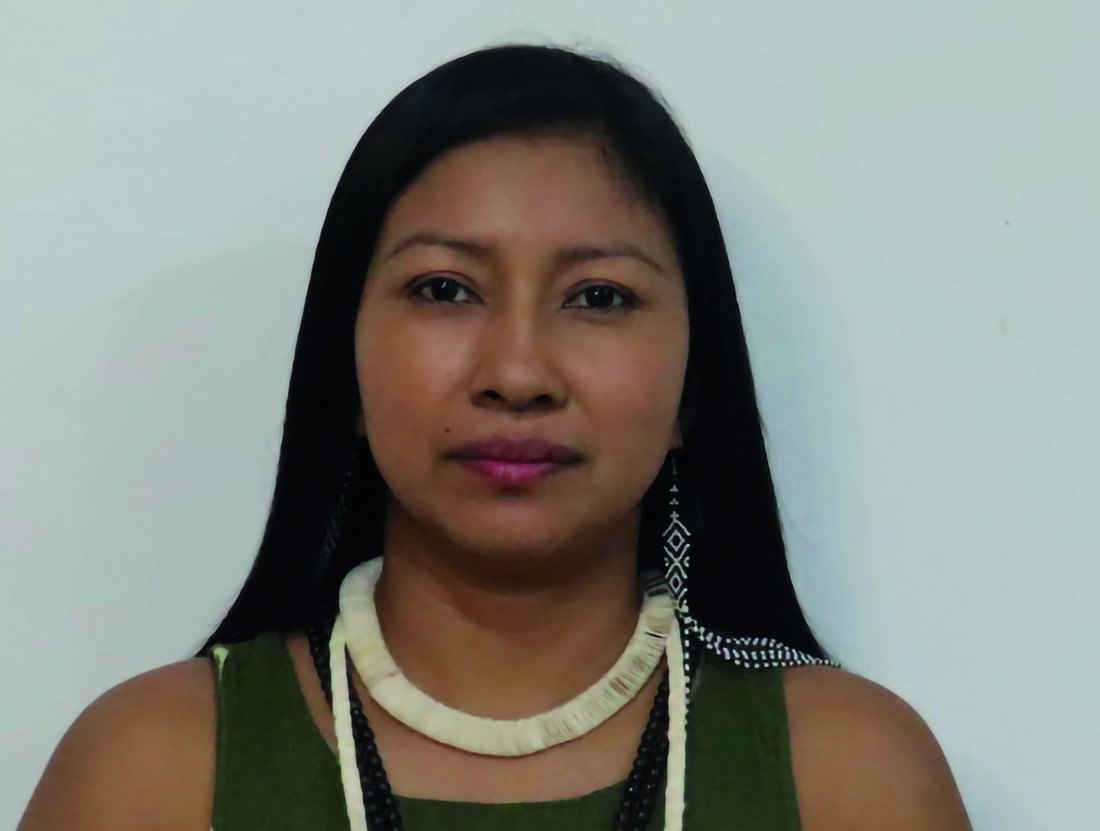
CIR General Coordination
Awards and honors
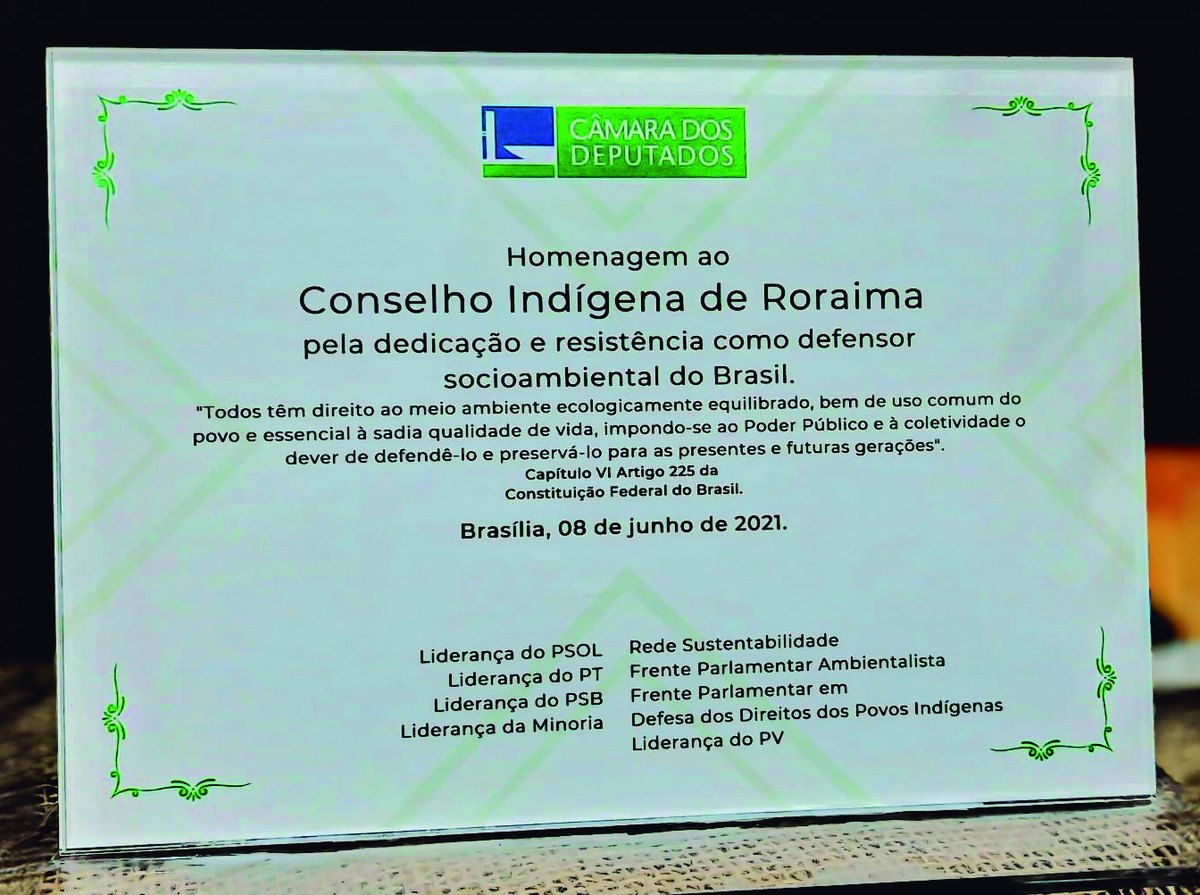
Recognition that expands responsibility.
- Bartolomé de las Casas Award Government of Spain, for actions in the areas of health and education of indigenous peoples.
- Equator Premium UNDP, for ecological and social resilience in the Raposa Serra do Sol Indigenous Land.
- Brazilian Women Making a Difference Embassy and Consulate of the United States, awarded to Sineia Bezerra do Vale in 2022.
- Romy Trophy: Women of the Year EMER Recognition, 2023 edition.
Challenges and perspectives
The future begins on the ground of the community.
- Strengthen the CIR and regional coordinations.
- Demarcate and conclude the demarcation of indigenous lands.
- Ensure the self-sustainability of the territories.
- Expand the role of young people and the empowerment of women.
- Protect the rights and traditional knowledge of indigenous peoples.
- Tackle climate change from the ground of communities.
CIR on the move
News from the communities and the indigenous struggle.
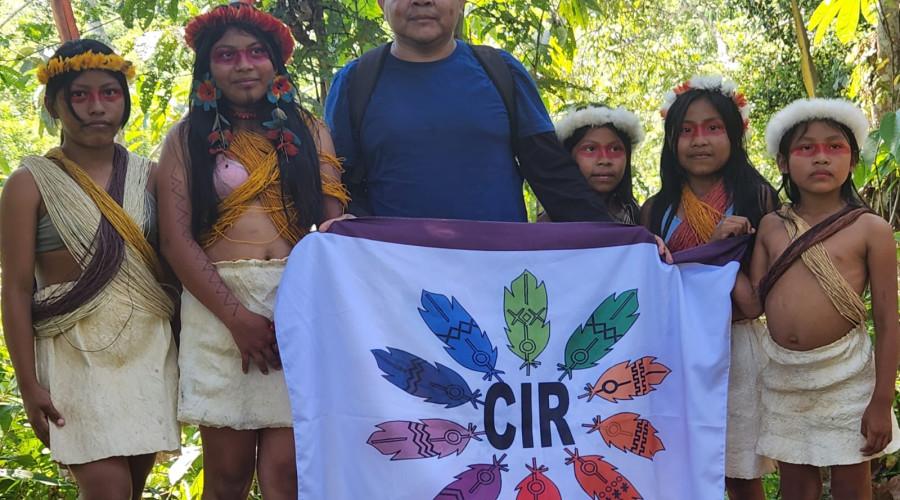
CIR shares experiences of indigenous territorial protection with 25 organizations from Latin America and the Caribbean during regional meeting in Ecuador
Read news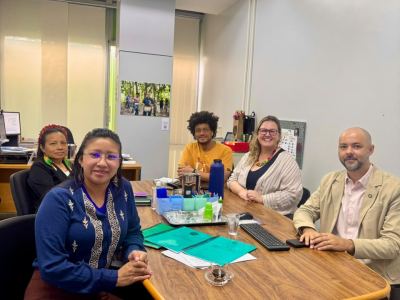
In Brasilia, CIR dialogues with MEC on the strengthening of specific and differentiated indigenous school education at...
Read more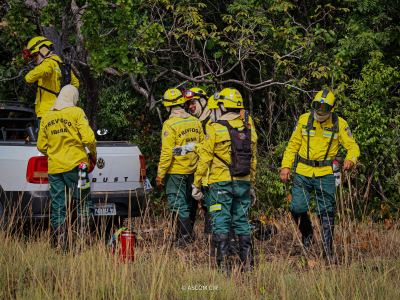
Indigenous community firefighters of the CIR begin the prescribed burning period in the regions of Roraima
Read more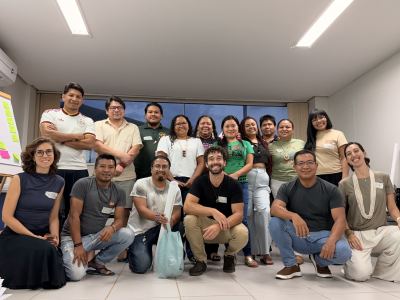
CIR participates in the Workshop on Territorial and Environmental Management Plans in Brasília
Read more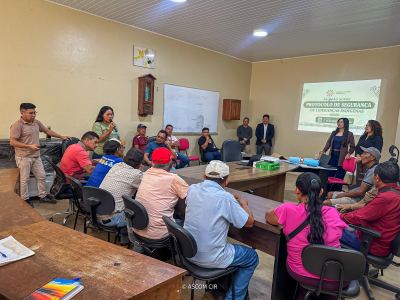
CIR begins developing a security protocol for indigenous leaders in Roraima.
Read more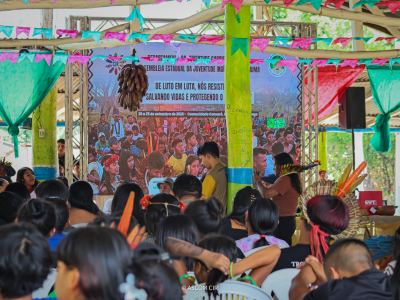
In a plenary session, youth groups debated strengthening the indigenous economy and plans for the defense and protection...
Read more