
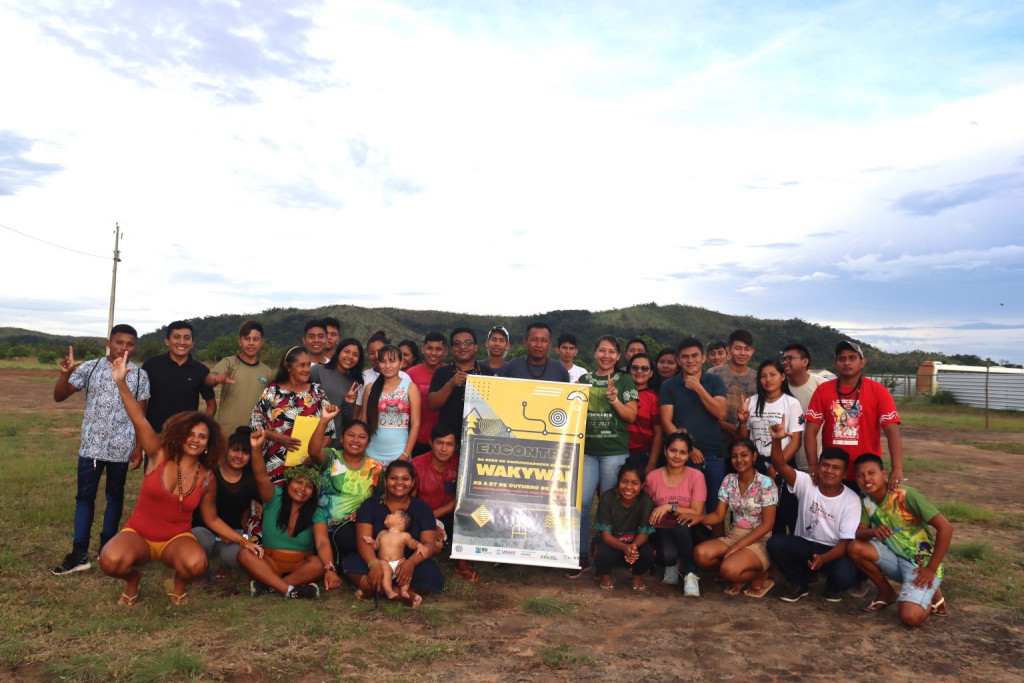
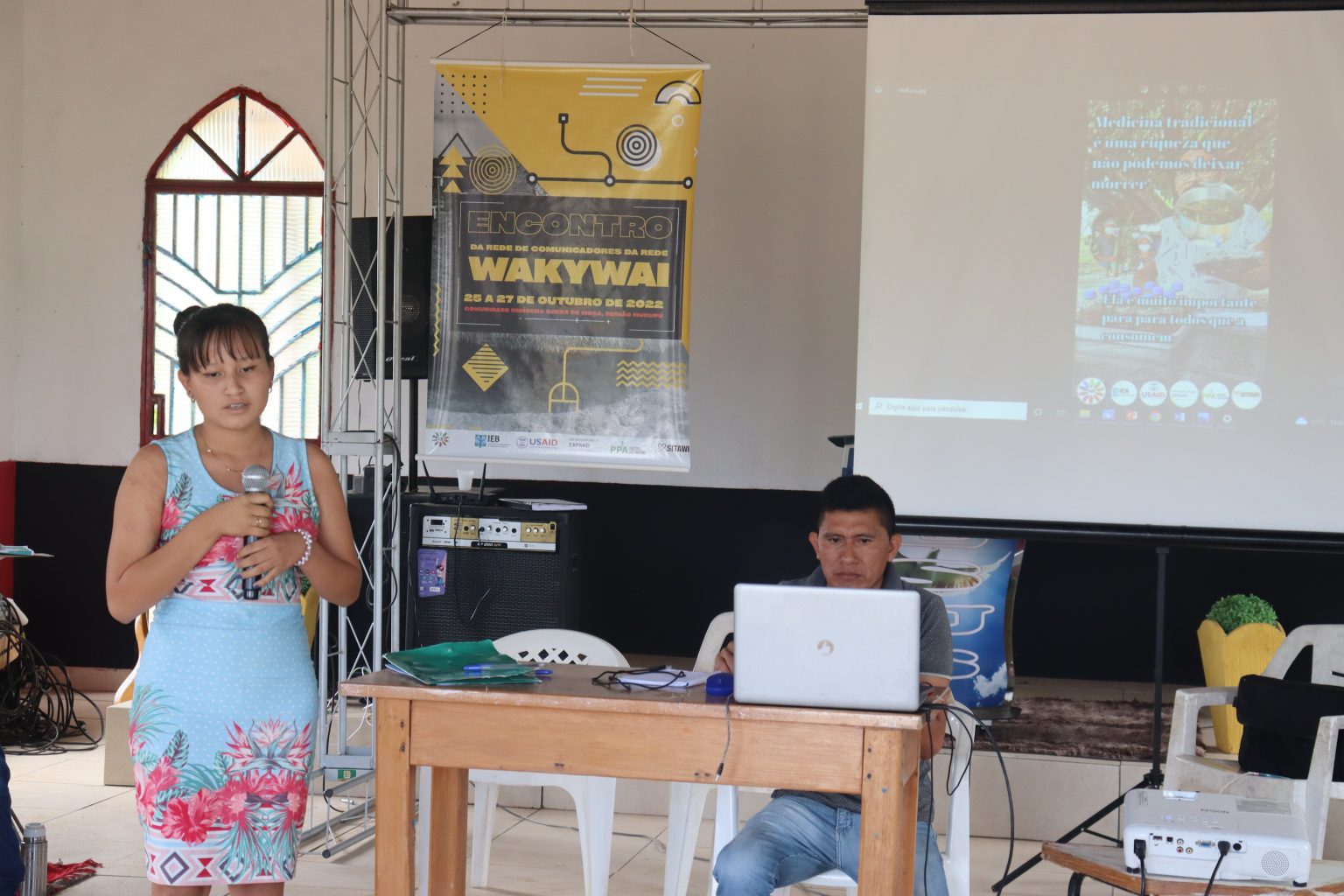
The Indigenous Council of Roraima (CIR), through the Department of Communication, held the Meeting of the Network of Communicators of the Wakywai Network. The event was held on October 26, 27 and 28, in the Indigenous Community, Serra da Moça, Murupú region, municipality of Boa Vista. The meeting was attended by about 30 communicators from the regions: Serra da Lua, Tabaio, Murupú, Serras, Raposa, Baixo Cotingo, Surumú, Amajarí and São Marcos. In addition to the Raposa Serra do Sol Indigenous Training and Culture Center (CIFCRSS), from the Macuxi, Wapichana, Taurepang and Yekuana peoples.
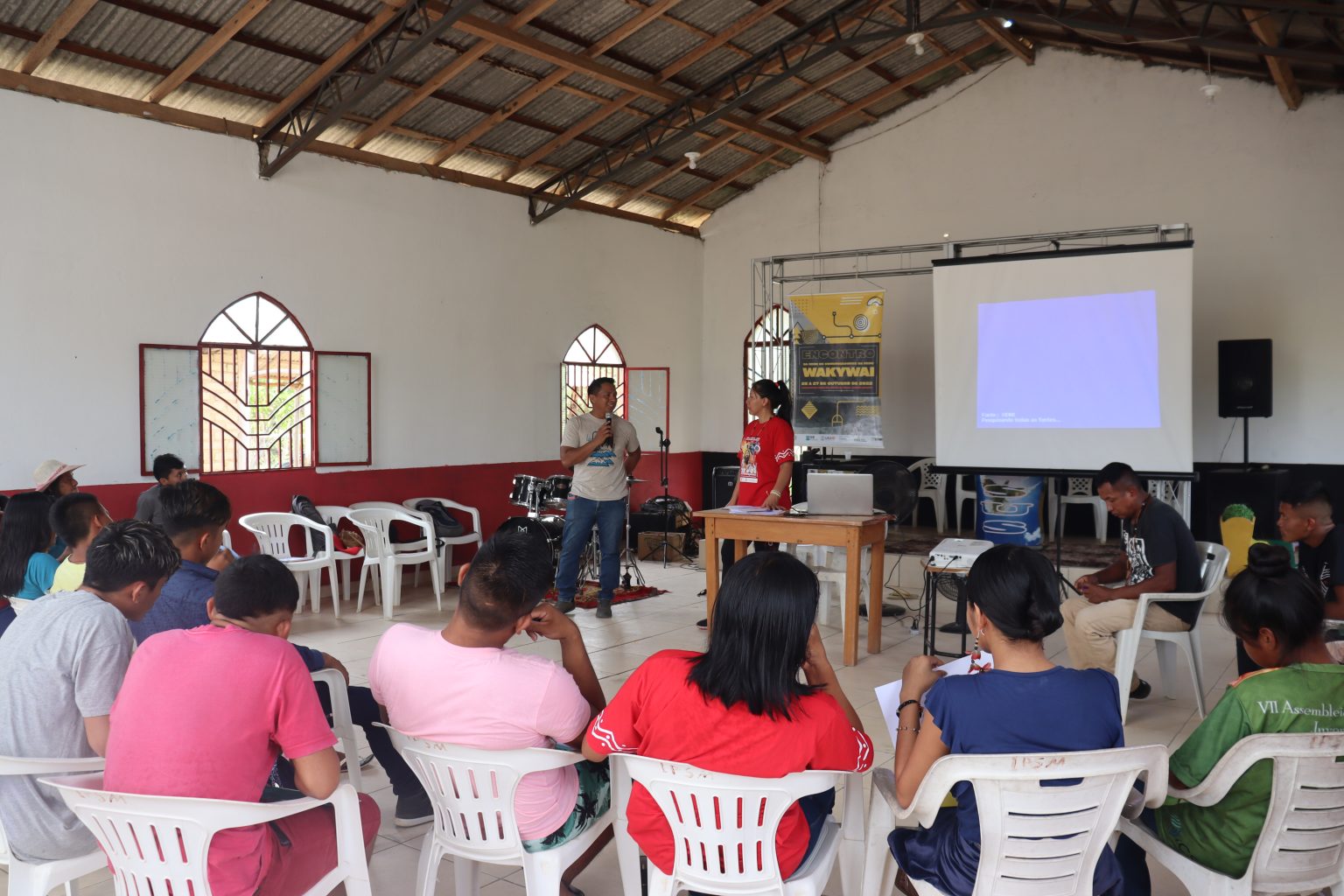
The event also featured the Textual Production Workshop, with Luana Luizy, communication advisor of the International Institute of Education of Brazil (IEB) and Nailson Almeida. Where the communicators worked in practice the production of text and at the end of the workshop presented the result of each work.
The meeting ended on October 27 with a card production workshop, with communicator Jacyr Souza from the Macuxi people and a discussion on "Indigenous ethnomedia, strengthening our communication networks", with Anapuaka Tupinambá, communicator and creator of the concept of ethnomedia.
Alexandro Chagas, from the Wapichana people, said that the battle has been going on for 12 years as Tuxaua of the Serra da Moça community, which is also indigenous land. And it continues for eight years as the titular regional coordinator. The community, led by Chagas, has a wide variety of agricultural products, where the appreciation of traditional medicine is growing. The region has five communities: Serra da Moça, Serra do Truaru, Cabeceira do Truarú, Anzol and Morcego.
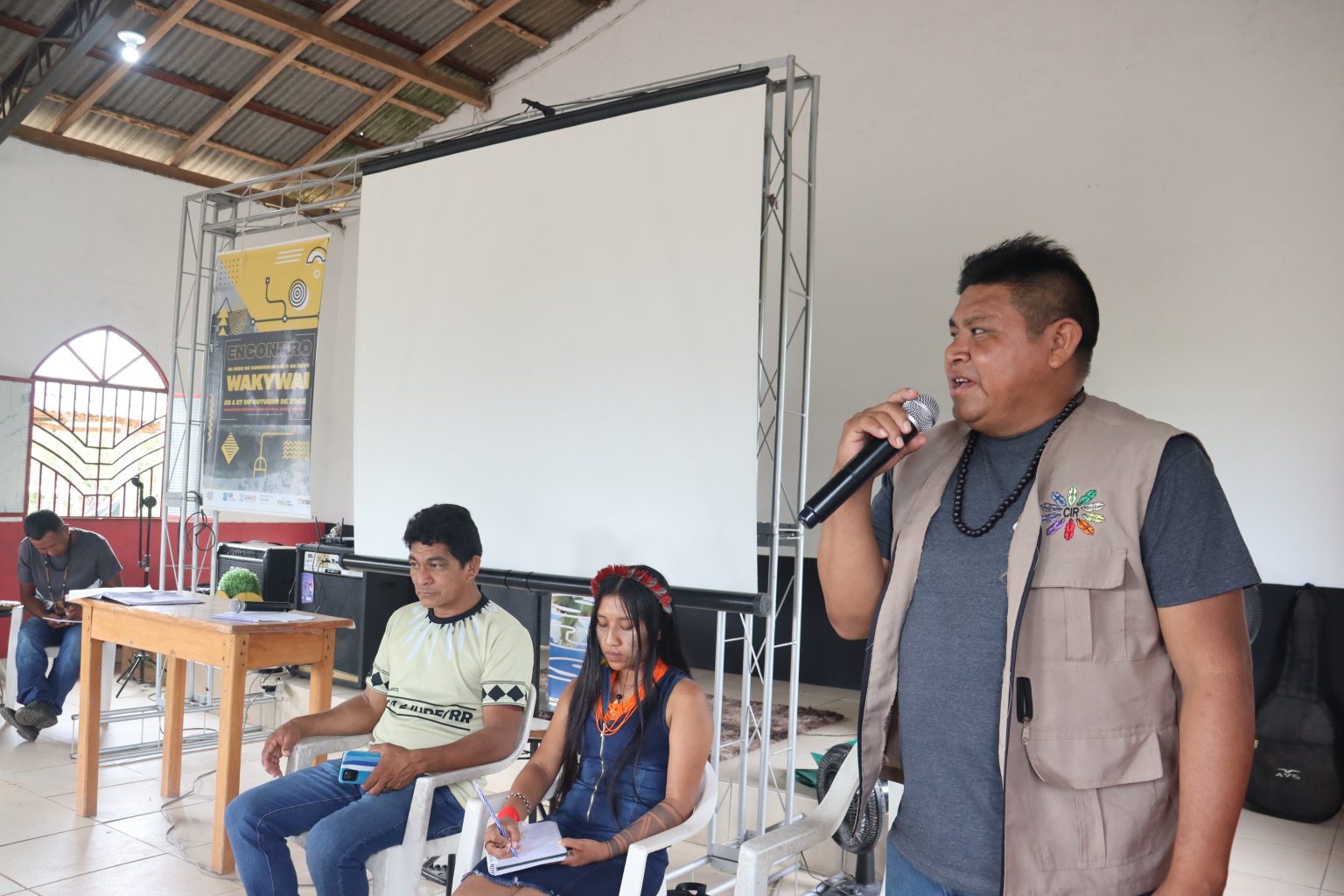
For the community, it was a privilege and an honor to receive the meeting of the communicators, with people from other regions, to share information and exchange knowledge. "Many did not know the Murupu region, Serra da Moça community. It was an opportunity to follow, get to know and also bring information". The tuxaua reinforced, whenever necessary they will be the doors of the community will be open to hold these workshops, in this sense, as well as others as well. The event was important, because it strengthens all our work at the base, in the region, thus also leading to support for the CIR, which also needs this information, so that it can defend, fight for indigenous rights", added the leader
He continued by highlighting that, "the workshops of the Wakywai network of communicators are a way to transmit the history of indigenous peoples, the culture of indigenous peoples. And it is important to have these communicators at the base. And through the CIR's communication department, in the sense of supporting and helping, disseminating all situations the reality of the indigenous community today, in terms of production, health, education, territory, a way of transmitting to society. We as indigenous people face today within our territory, the challenges, threats, invasions, the advance of monoculture, it is a way of taking this information and disseminating it. All this work has been important through the CIR".
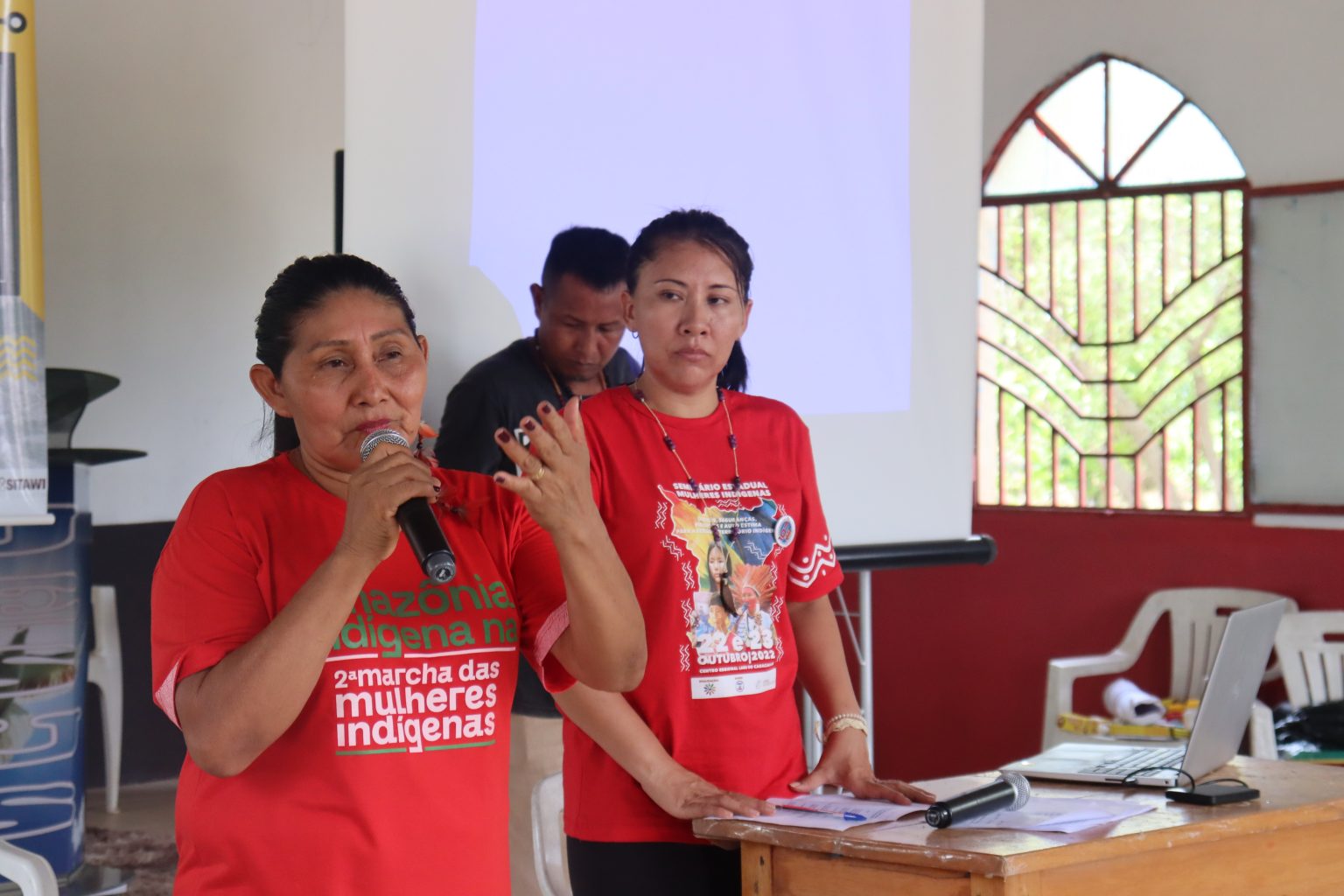
The opening lecture was with the coordinator of the CIR's communication department, Márcia Fernandes, from the Wapichana people. Soon after, the participants had the opportunity to listen to the experience of the communicator of strong national renown, Anapuaka Tupinambá, who is the creator of the first indigenous web radio in Brazil, Rádio Yandê, and the concept of indigenous ethnomedia in Brazil. Anapuaka followed the meeting during the three days. He participated in several stages, created dynamics with indigenous communicators. He considered the event wonderful, a fantastic project. At first, he asked a question about how indigenous communication is in Brazil.
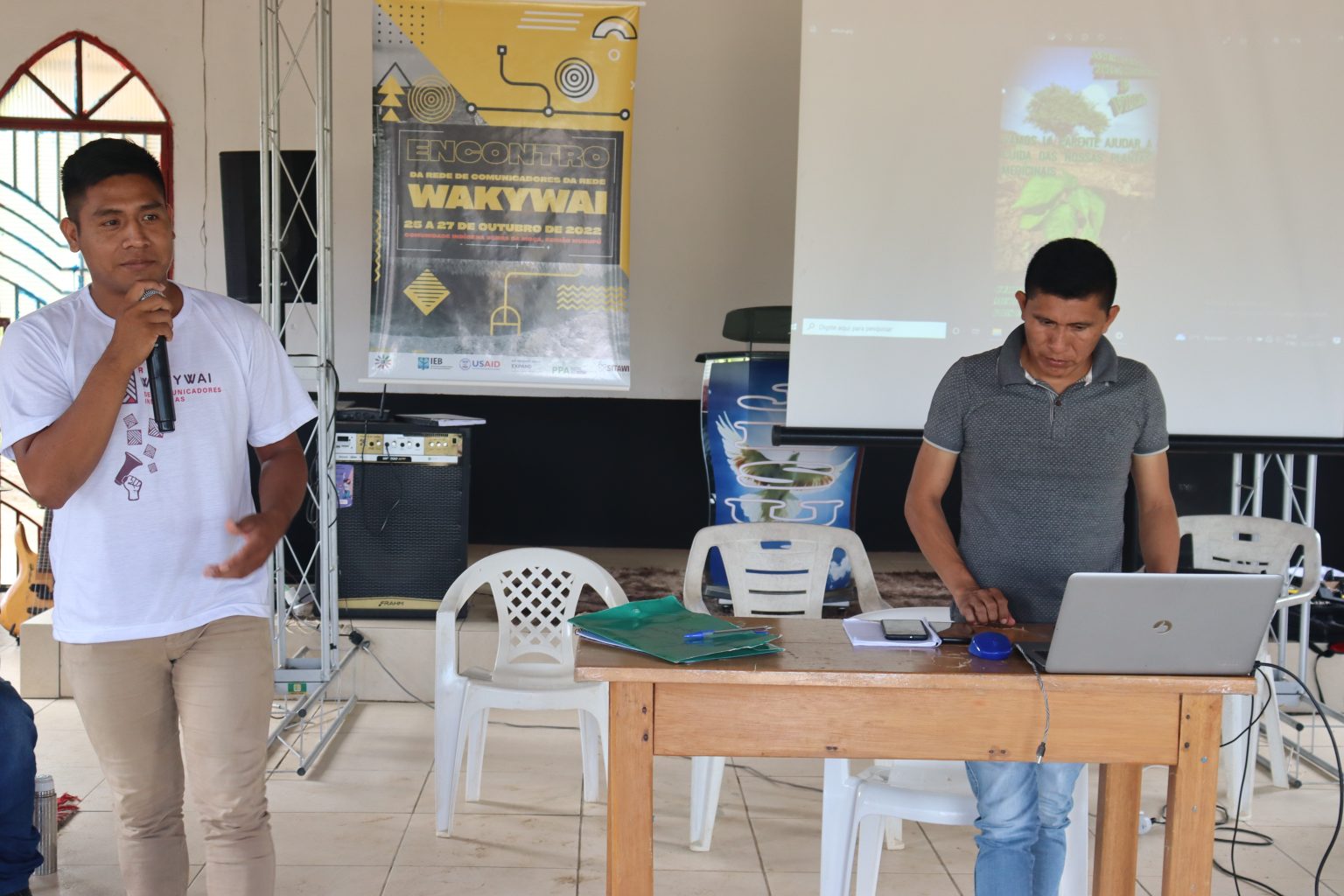
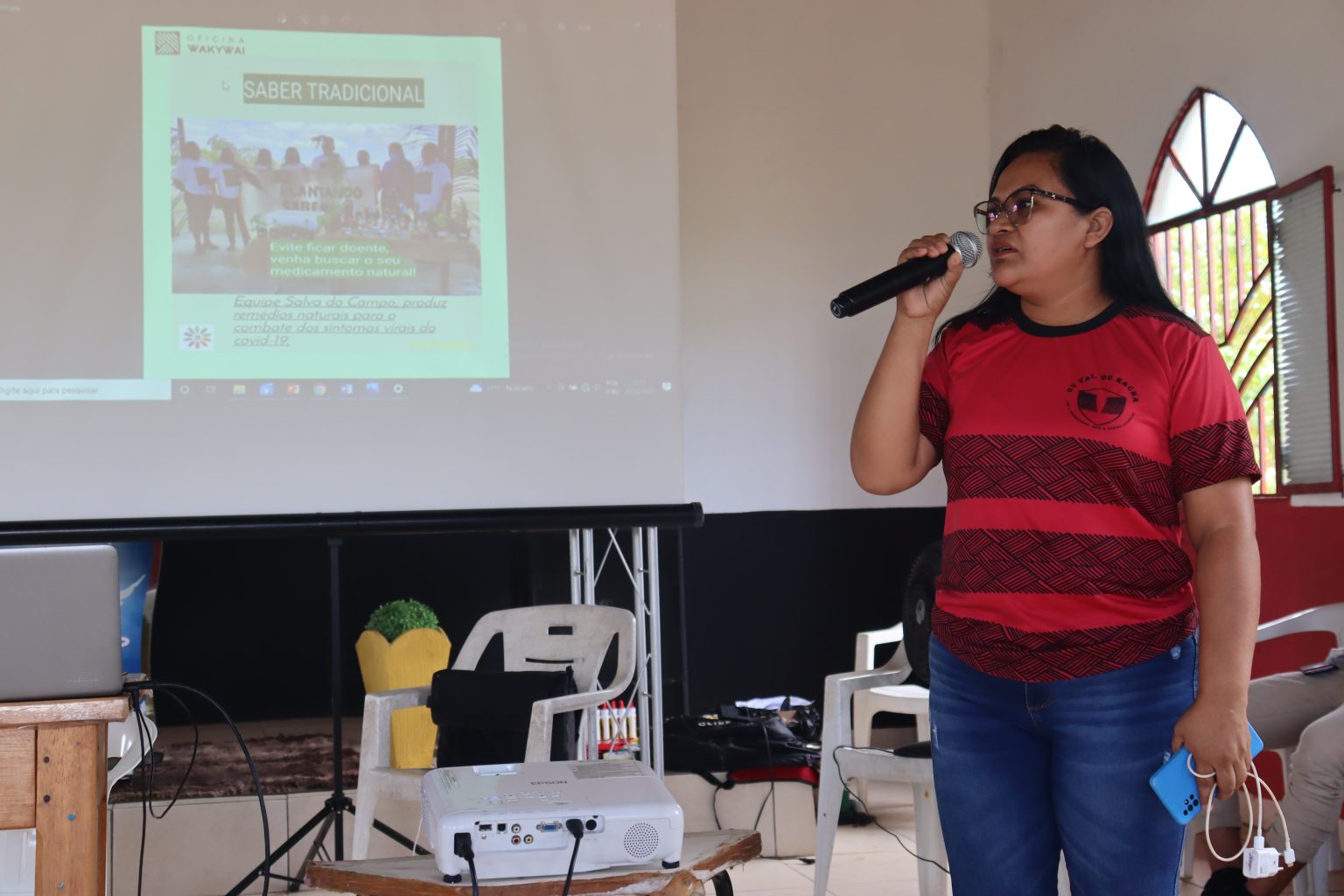
"I was impacted to find with a group of indigenous communicators in the northern region of the country, which has an ethnic diversity more than a collaboration, grounded people, committed to indigenous communication. It was such a great demand for learning from both, that the reciprocity of these communicators from different communities in Roraima brings us the awareness that it is a more than necessary agenda, a strong theme and has to be strengthened. A theme that for many years that the grassroots indigenous movements, and the national indigenous movement did not have as a foundation for the grassroots and national. Struggles of this base, which today is increasingly embraced, is embraced by several generations. This generation, which I can say with all propriety, must be the fourth generation of indigenous communicators since the 80s. But they embrace and arrive with a lot of energy. I am very happy to be here to be able to collaborate talking about indigenous ethnomedia."
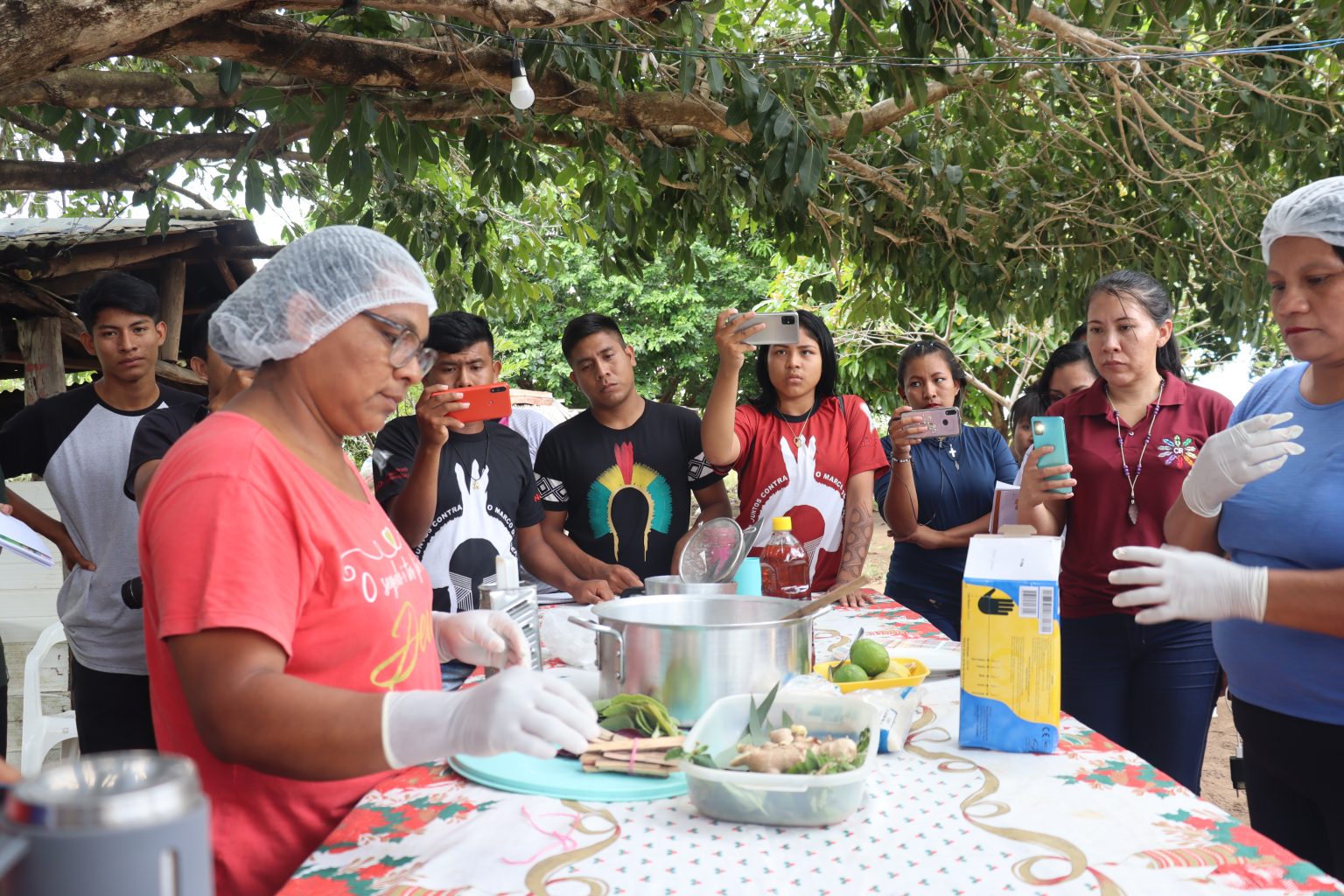
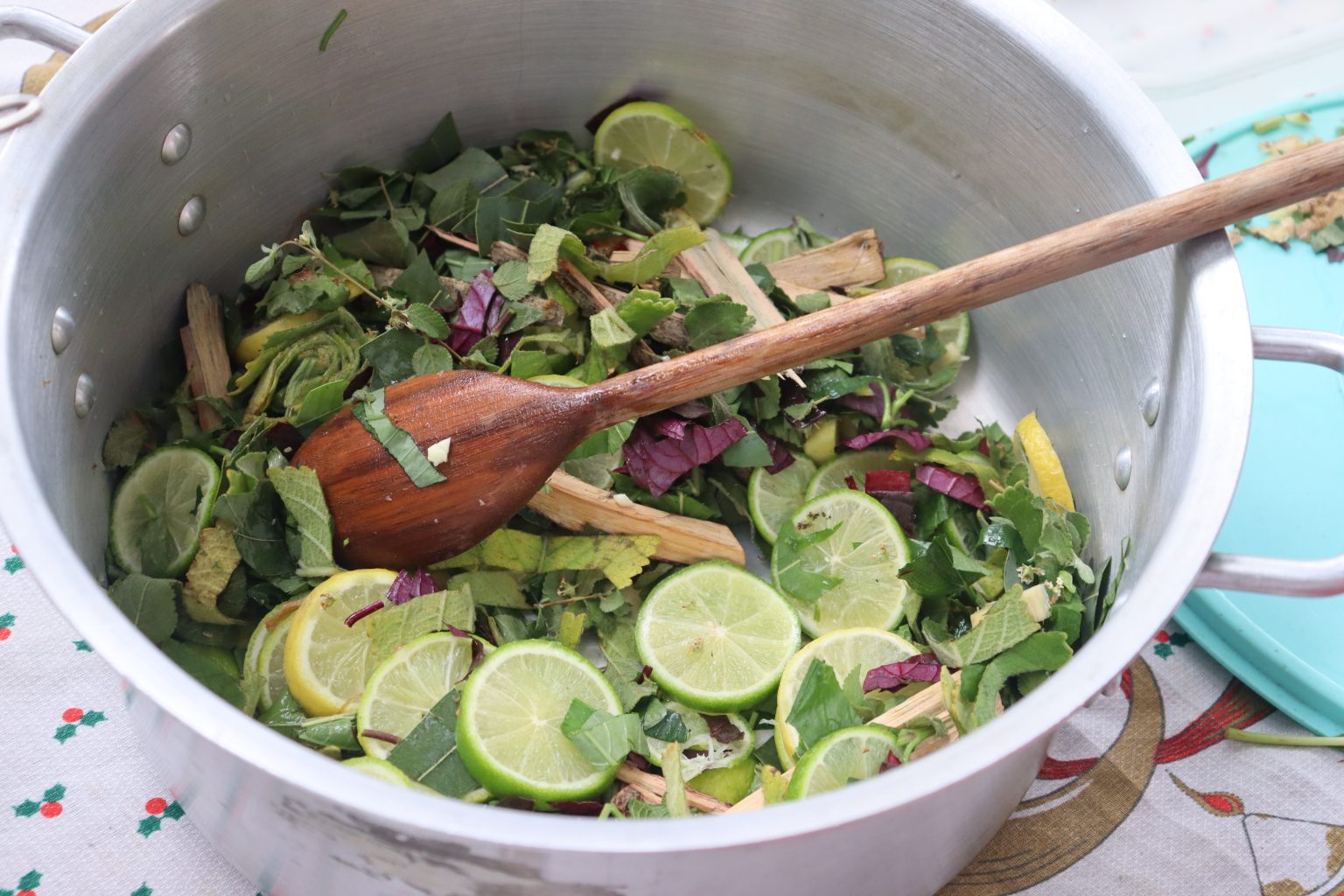
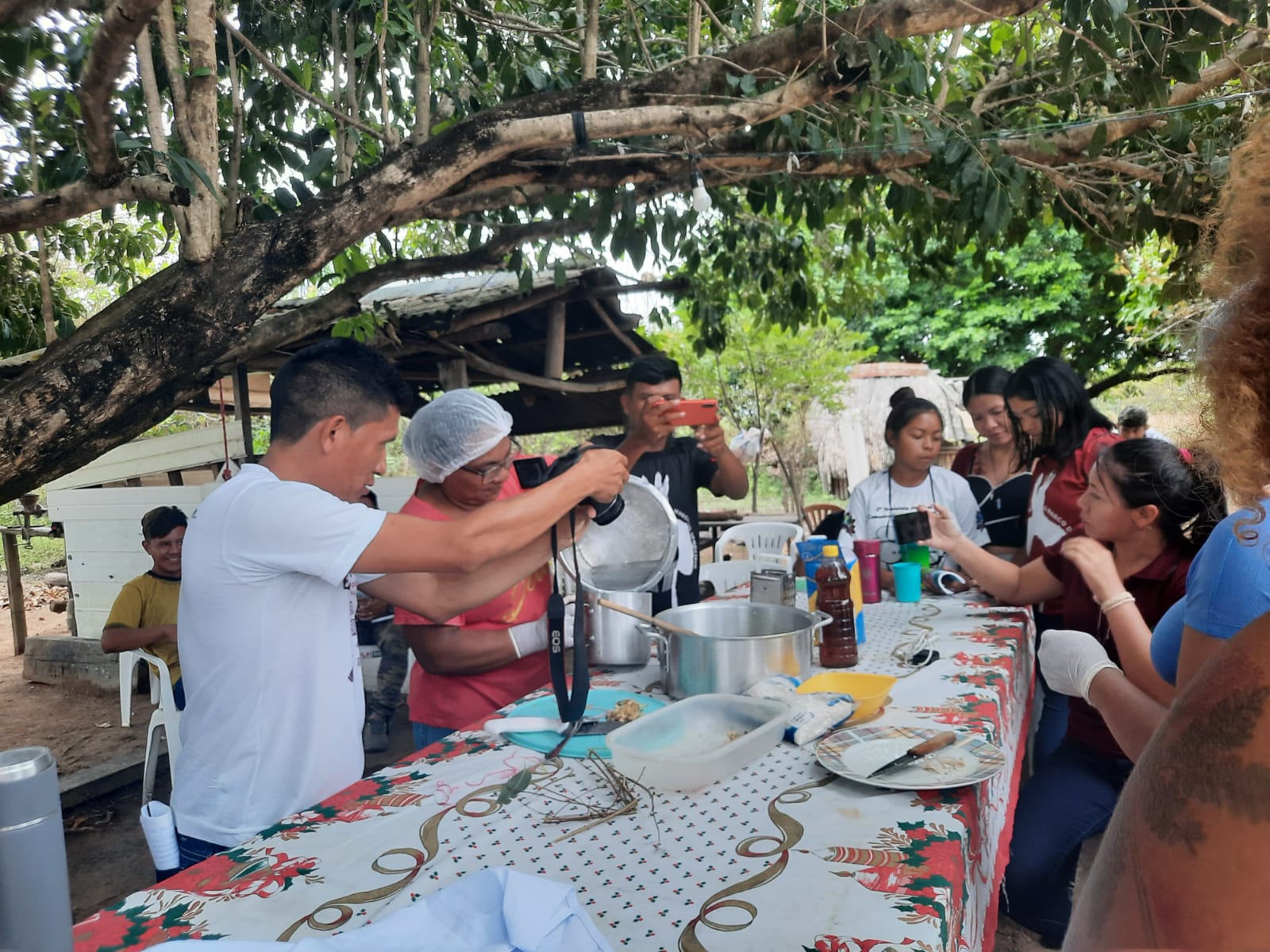
Edinho Batista, general coordinator of the CIR and the state coordinator of the Youth Center, Raquel Wapichana, participated in the event. In addition to the regional coordinator of Murupú, Alexsandro Chagas, Geneide Santos, technical coordinator of Traditional Medicine of the CIR, highlighted the performance of the CIR Emergency team in the fight against Covid-19. The regional coordinator of Traditional Medicine of Murupú, Keila Chagas, spoke about the importance of production in the communities and demonstrated the manufacture of the medicine.
Charlene Cruz, from the Wapichana people, has been a communicator for five years in the Serra da Lua region. She started in 2018, at the Indigenous School, Professor Ednilson Lima Cavalcante in the Tabalascada community. In July 2019, she began working in communication throughout the region in the first Consultation Protocol workshop, which was held in the Moskow community.
"The workshop of indigenous communicators of the Wakywai network is very important to me, because we are the voices of indigenous visibility, at this time of pandemic, that we face. Communication is one of the tools that we can use in these clashes to show our sustainable cultural diversity, in the fight against fake news. In this workshop we can see that traditional medicine should not be worked only by the elderly men and women, but we, the youth, communicators must also be well prepared to pass on information, prepared to combat fake news in the face of the traditional and millennial knowledge of our people, our work as communicators and as an indigenous movement as well", highlighted Charlene.
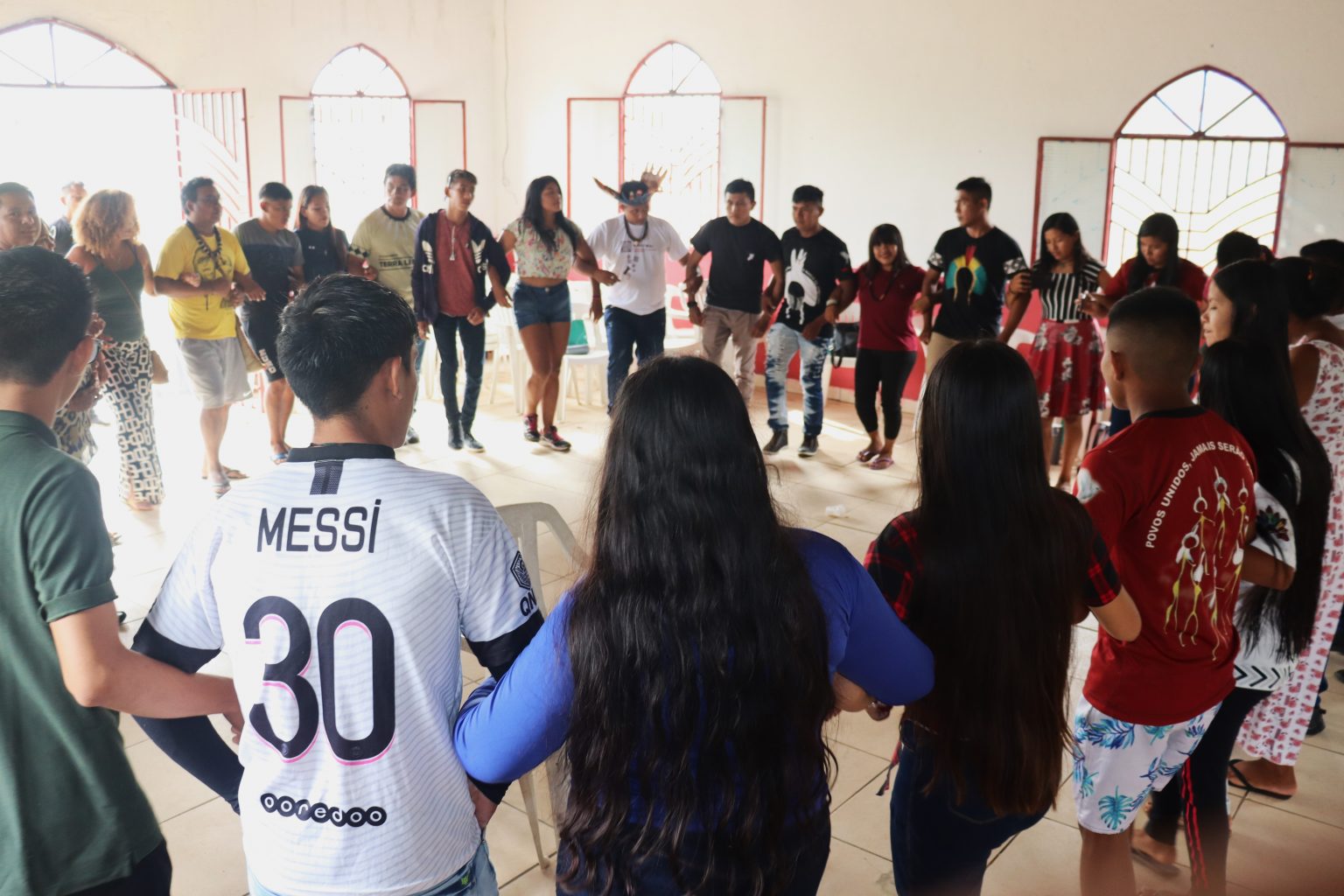
Photos; Wakywai network communicators