
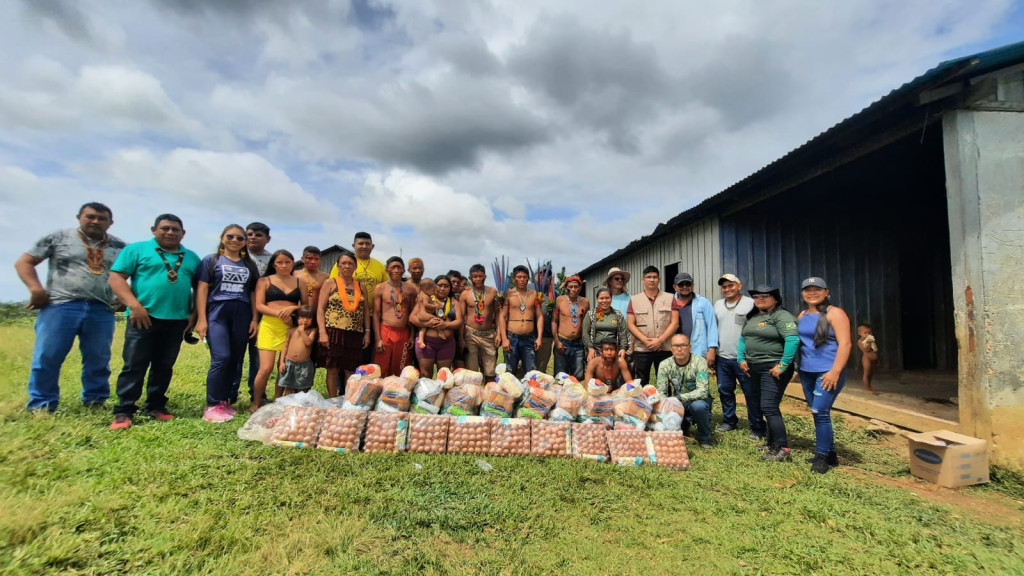
Given the worsening situation, particularly in the Surucucu region, where there is an alarming increase in acute malnutrition among children, malaria, infectious diseases, lack of medicines, and staff from the Special Secretariat for Indigenous Health (SESAI), causing a humanitarian crisis mainly due to the massive invasion of illegal miners and the omission of the Federal Government, the Indigenous Council of Roraima (CIR) launched an emergency campaign, “SOS YANOMAMI,” on December 10, 2022, to collect food supplies. With the aim of supporting the communities of the Yanomami Indigenous Territory, together with grassroots leaders, they have already delivered more than three thousand tons of food supplies in the Surucucu region.
The campaign was also on the agenda of the 2nd Expanded Deliberative Coordination Meeting of 2022. After analyzing and discussing vulnerability, regional leaders decided to contribute with food items, as well as meat and financial resources.
The first food delivery took place on the 23rd in the Surucucu region, and the second delivery took place on the 27th, both in December 2022, with the presence of leaders from the Tabaio, Surumu, Amajari and Serras regions, as well as the CIR and Funai/RR team, in the communities of the Ajarani region. In this first phase, a total of more than three thousand tons of food items were delivered in the Surucucu and Ajarani regions, with the accompaniment of Yanomami leader Júnior Hekurari, President of the Yanomami Association (Urihi). In this first phase, the regions that contributed were: Tabaio (Mangueira community), Serra da Lua (Malacacheta community), Baixo Cotingo (Camará community).
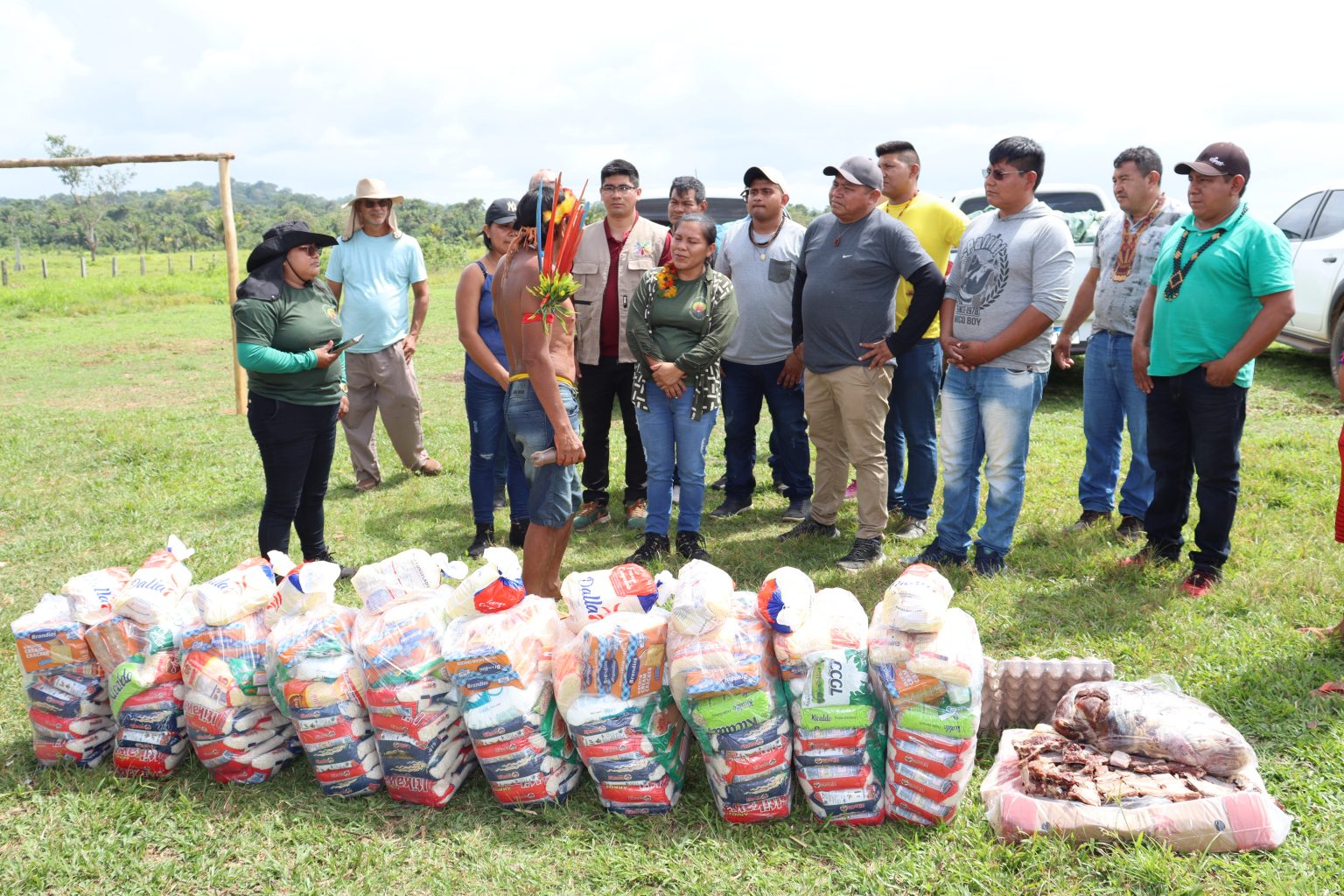
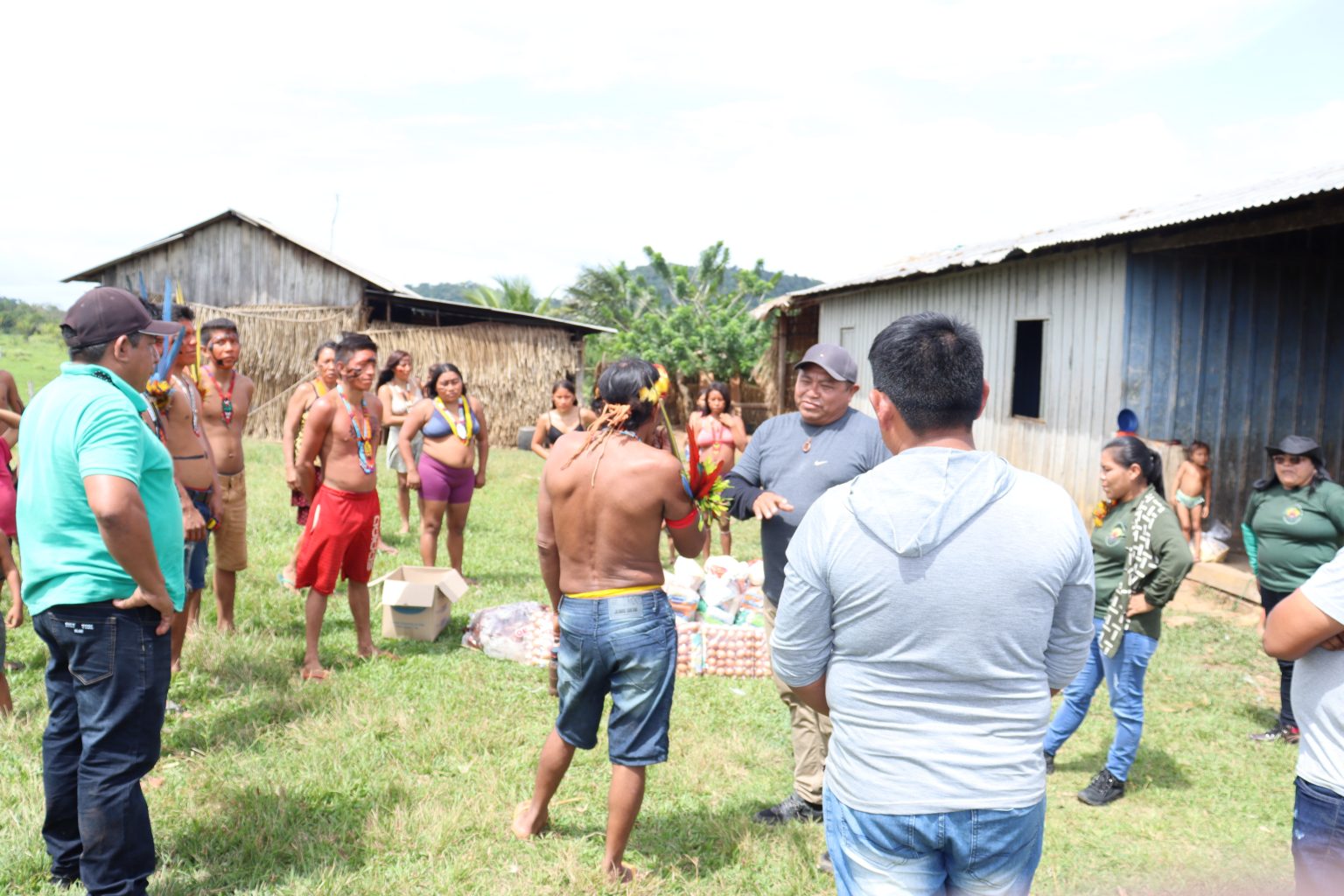
All food distributed was in accordance with the needs of the beneficiary communities. This support for the Yanomami people will continue, as explained by the general coordinator of CIR, Edinho Batista Macuxi.
“It was included in the agenda of the expanded region that is part of the CIR base, and it was approved that there should be this initiative to support, to carry out a food drive to send to the communities that are being affected, mainly in the Yanomami indigenous territory. The regions mentioned are: Auaris, Surucucu, Catrimani, as well as other locations like Ajarani,” he continued explaining.
Aldenir Wapichana, one of the leaders of the Raposa Serra do Sol indigenous territory, accompanied the action in the Ajarani region and said that it is important to continue with these actions.
“We were in one of the Yanomami indigenous regions, here in the Sumaúma indigenous community, in a solidarity action on behalf of the indigenous regions of the State of Roraima. We are together with our Yanomami brothers and sisters, who are going through difficulties, and we are bringing food, meat, flour, chicken, and various food items to help our relatives. We thank everyone for their contribution. May we continue to strengthen this action, driven by CIR, through the regions that are present. We will continue this action in the Yanomami indigenous territory,” the leader emphasized.
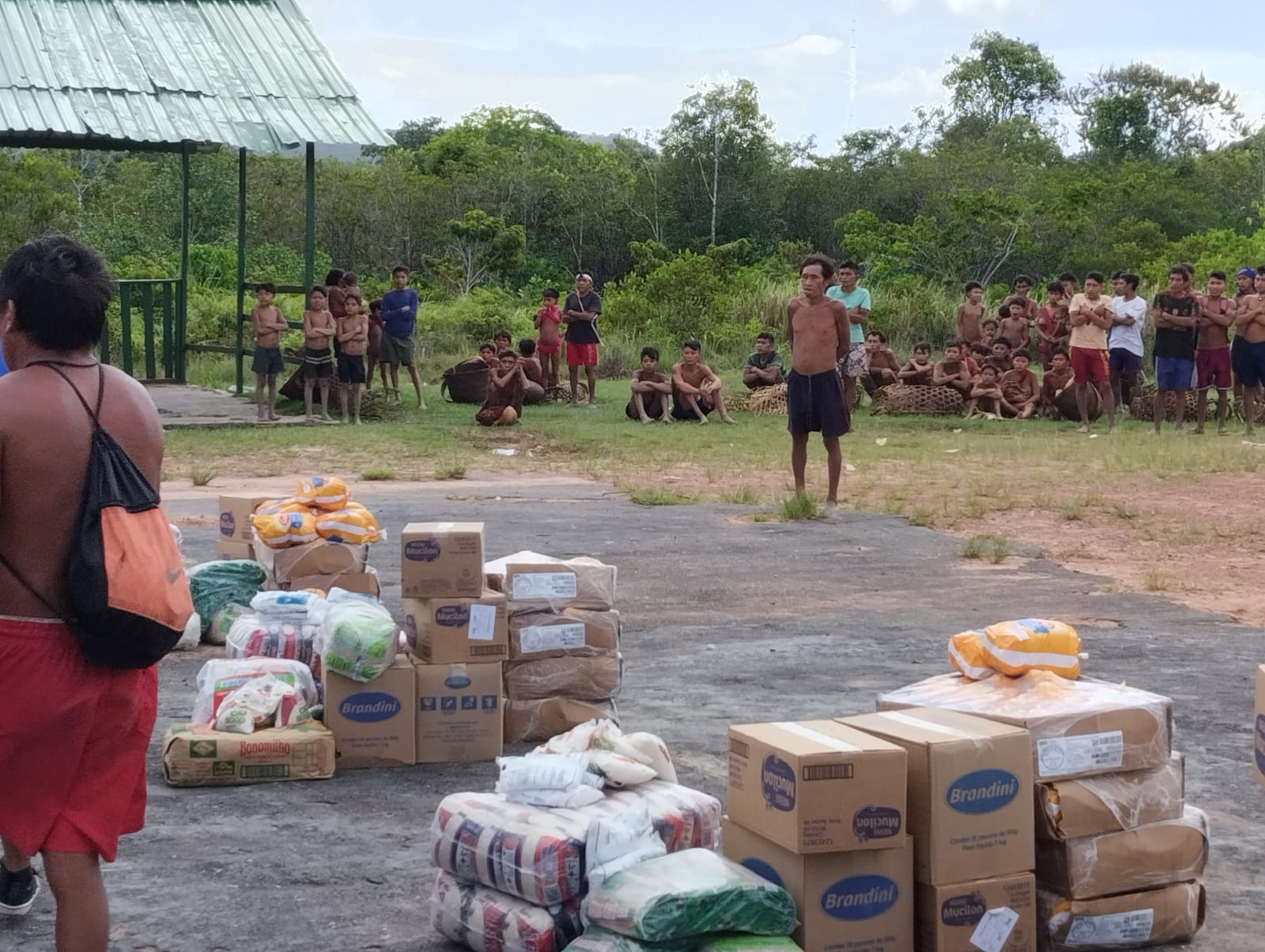
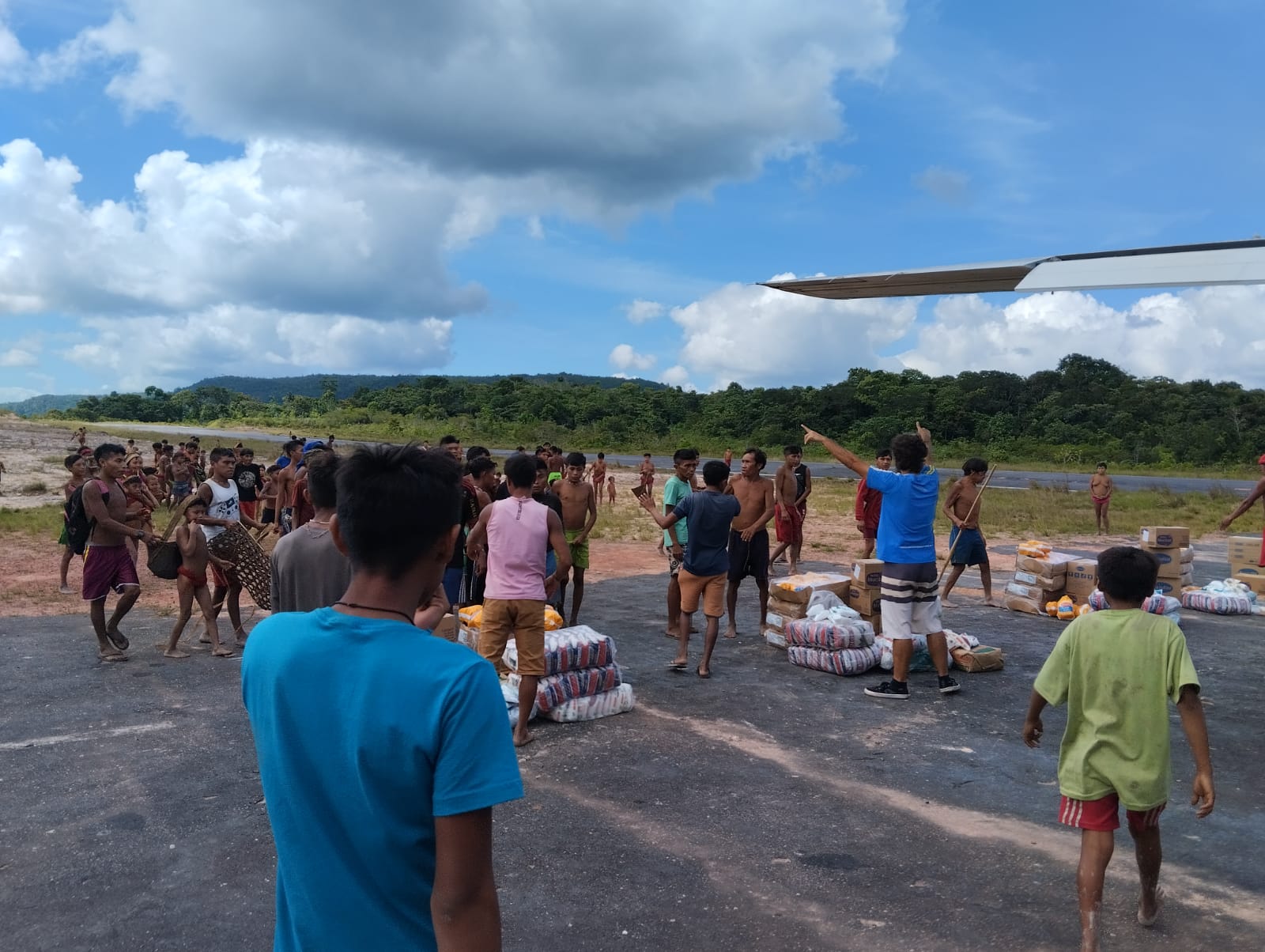
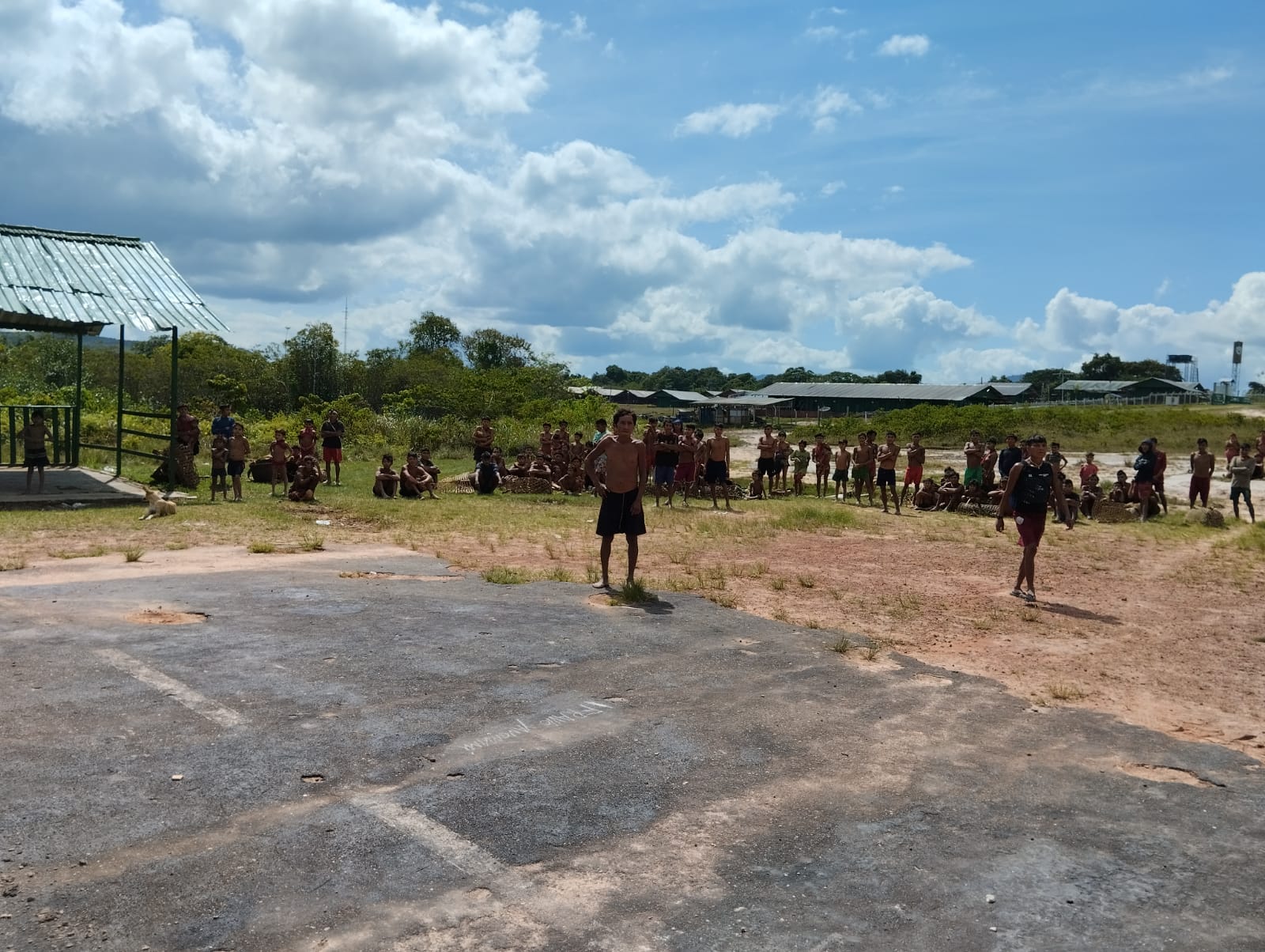
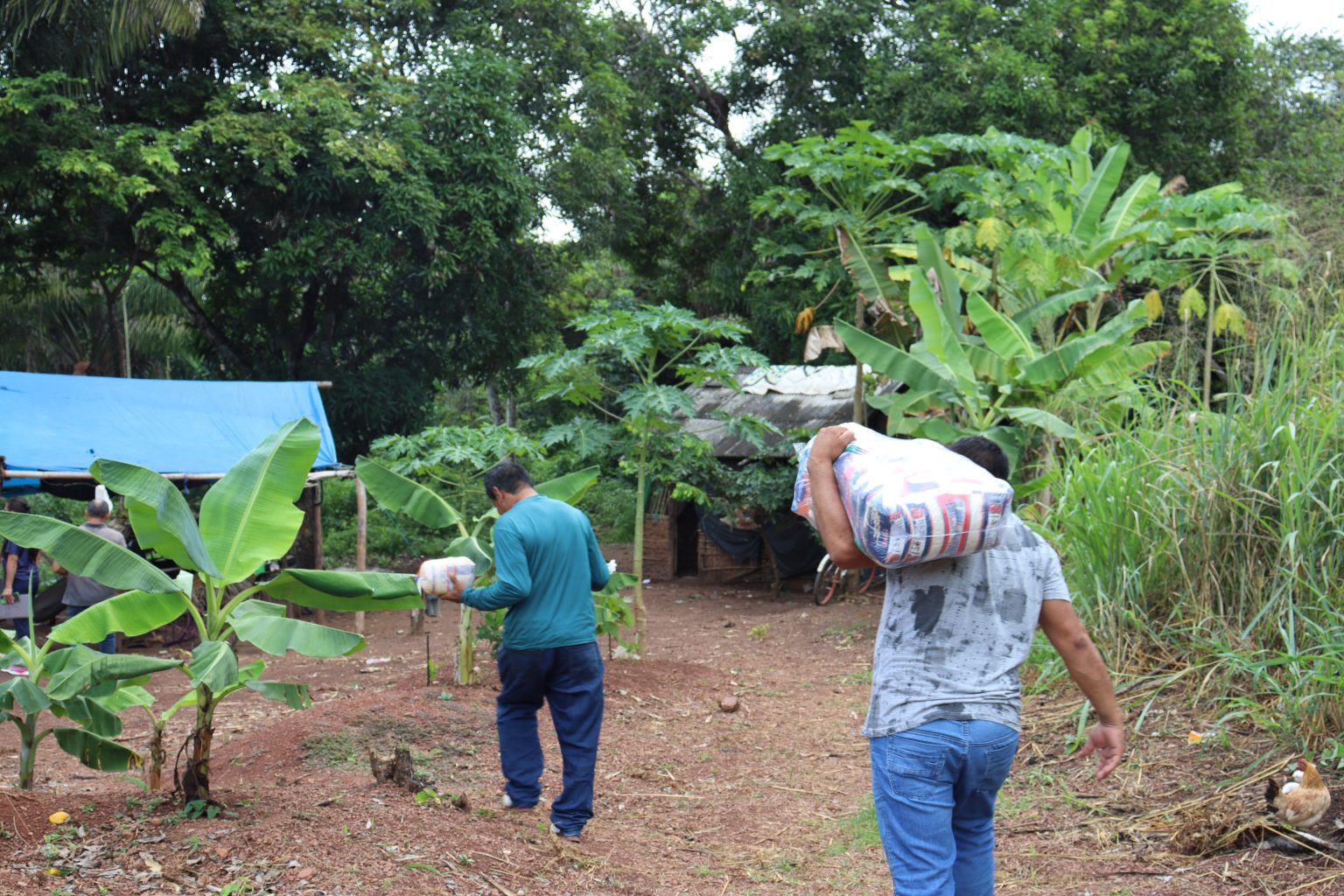
Delivery of food supplies in the Surucucu region. Photos: CIR
Marciana Macuxi, Supervisor of the Yanomami and Yekuana Ethno-environmental Protection Front of the Ethno-environmental Protection Base (BAPE) in the Ajarani and Xexena region, of the National Indian Foundation (FUNAI/RR), and her team were present during the deliveries.
"With these actions in delivering food to indigenous families in the Yanomami indigenous territory, in the region, there is recognition from the indigenous people, who are going through a vulnerable situation, also a matter of food security. This partnership will greatly help the communities that are really in need," he commented.
The campaign to support Yanomami relatives is based on a principle of collectivity and solidarity among peoples, with wise strategies from traditional leaders and the CIR's general coordination. This action aims to give greater visibility to the negative impacts caused by invaders within the communities of the Yanomami Indigenous Territory.
“This support is indeed happening. We have already made the first shipment to the Surucucu region. As for the communities in the Ajarani Xexena, Serrinha, Cachoerinha, Texoli, and Quarenta e Quatro regions, with the five communities we have already served, we have sent more than three thousand tons of food to the Surucucu region, for which we had two flights, carrying this distribution of food supplies.”
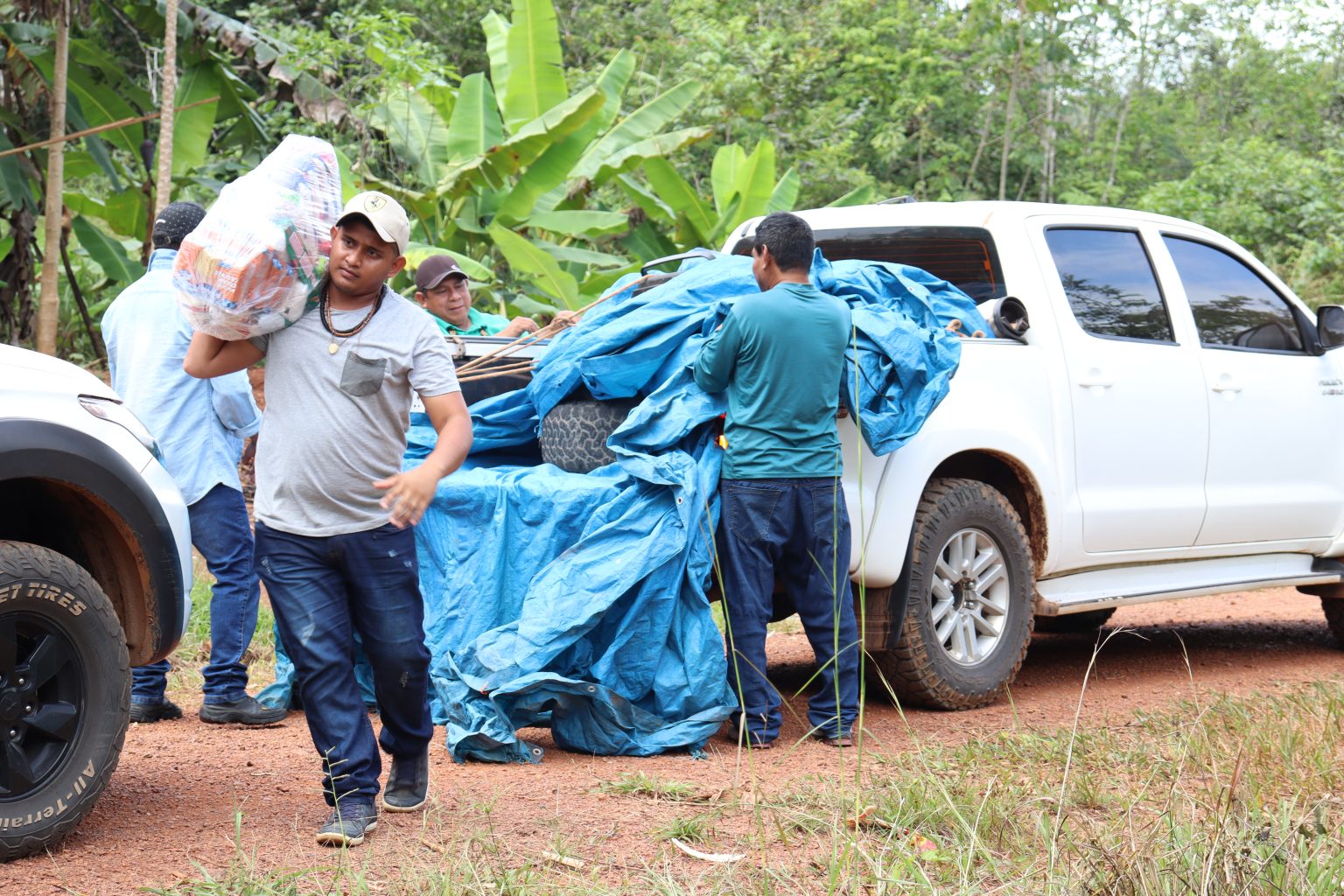
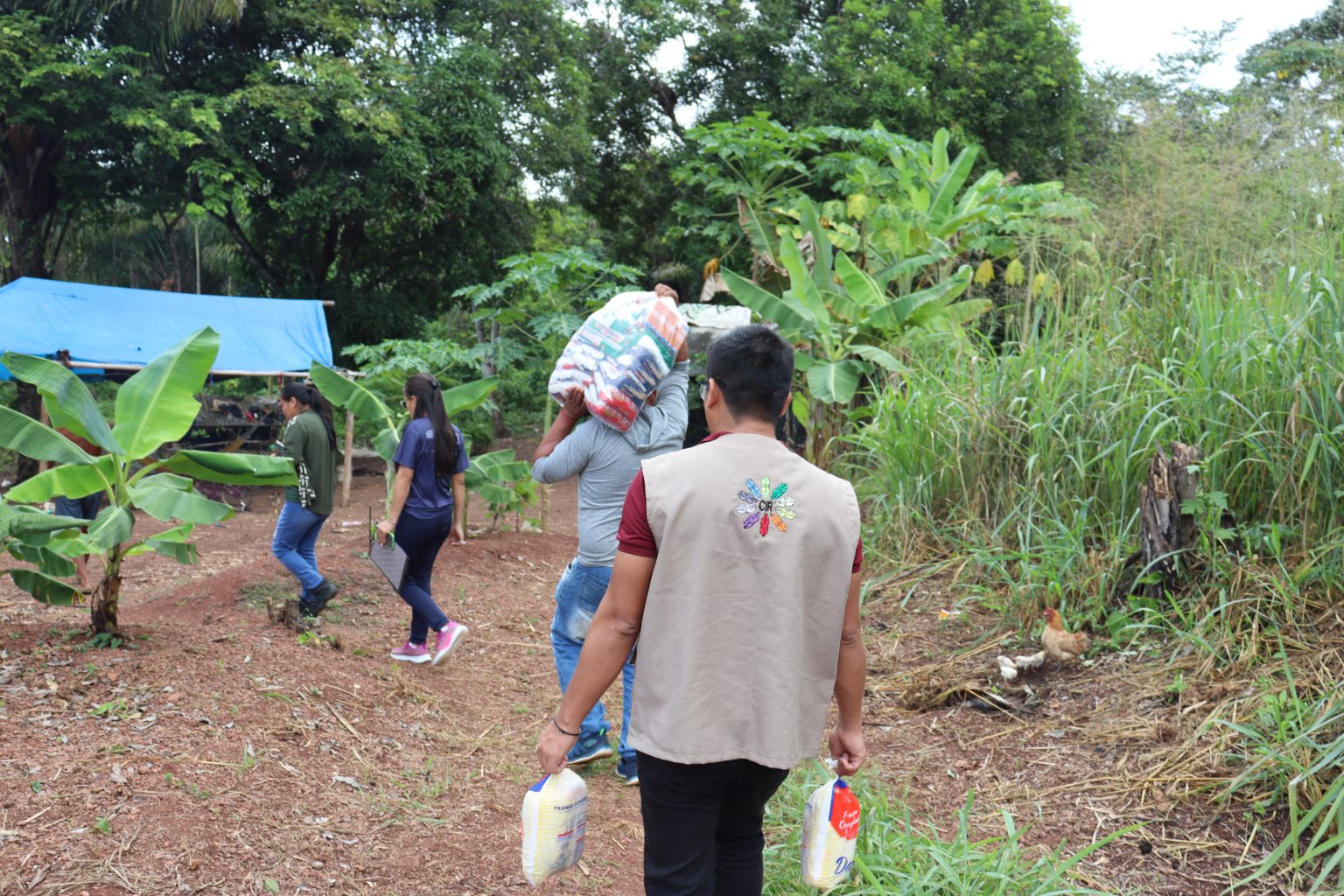
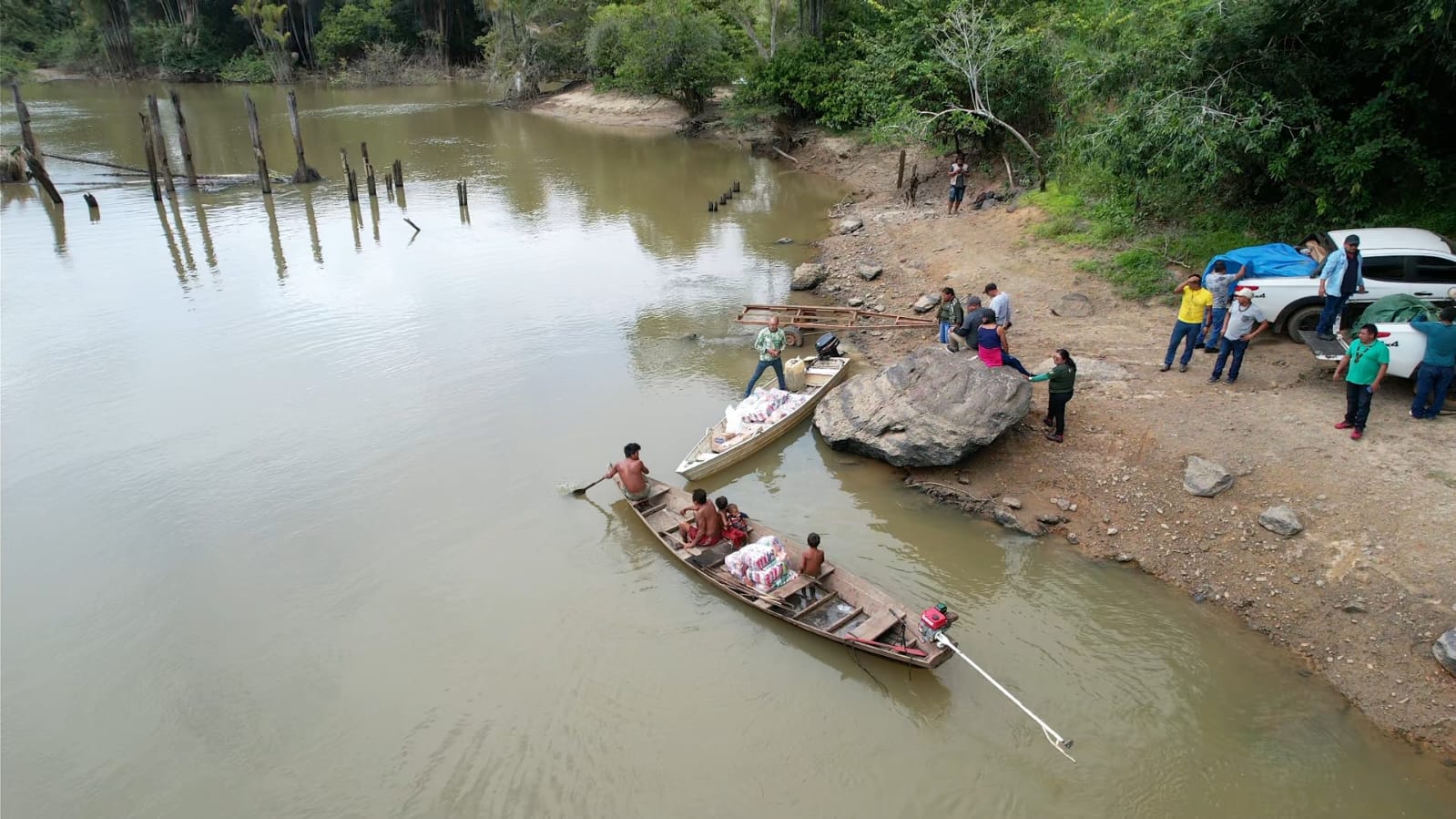
Delivery of food supplies in the Ajanari region. Photos: CIR
Legal advisor Ivo Makuxi, who is also involved in the campaign, emphasizes that, “this is the moment to strengthen the alliance between peoples and support our relatives in the Yanomami Indigenous Territory. CIR is an organization with a history of defending the rights of indigenous peoples. We are very happy with the support and solidarity of the friends and supporters who have donated and continue to donate resources. Each donation is saving a Yanomami life.”
According to Edinho, CIR will work with leaders to empower the Yanomami indigenous people, and show them the importance of their work, their production, continuing to plant, raise livestock, and sustain themselves responsibly, as they have been doing. “But the main objective of this campaign is to bring visibility to the situation the Yanomami people are going through and, above all, to exert political pressure so that the State, the government, actually intervenes through the police forces, the Federal Police, the army, IBAMA, to immediately remove these invaders who are destroying the Yanomami indigenous land and killing the Yanomami people.”
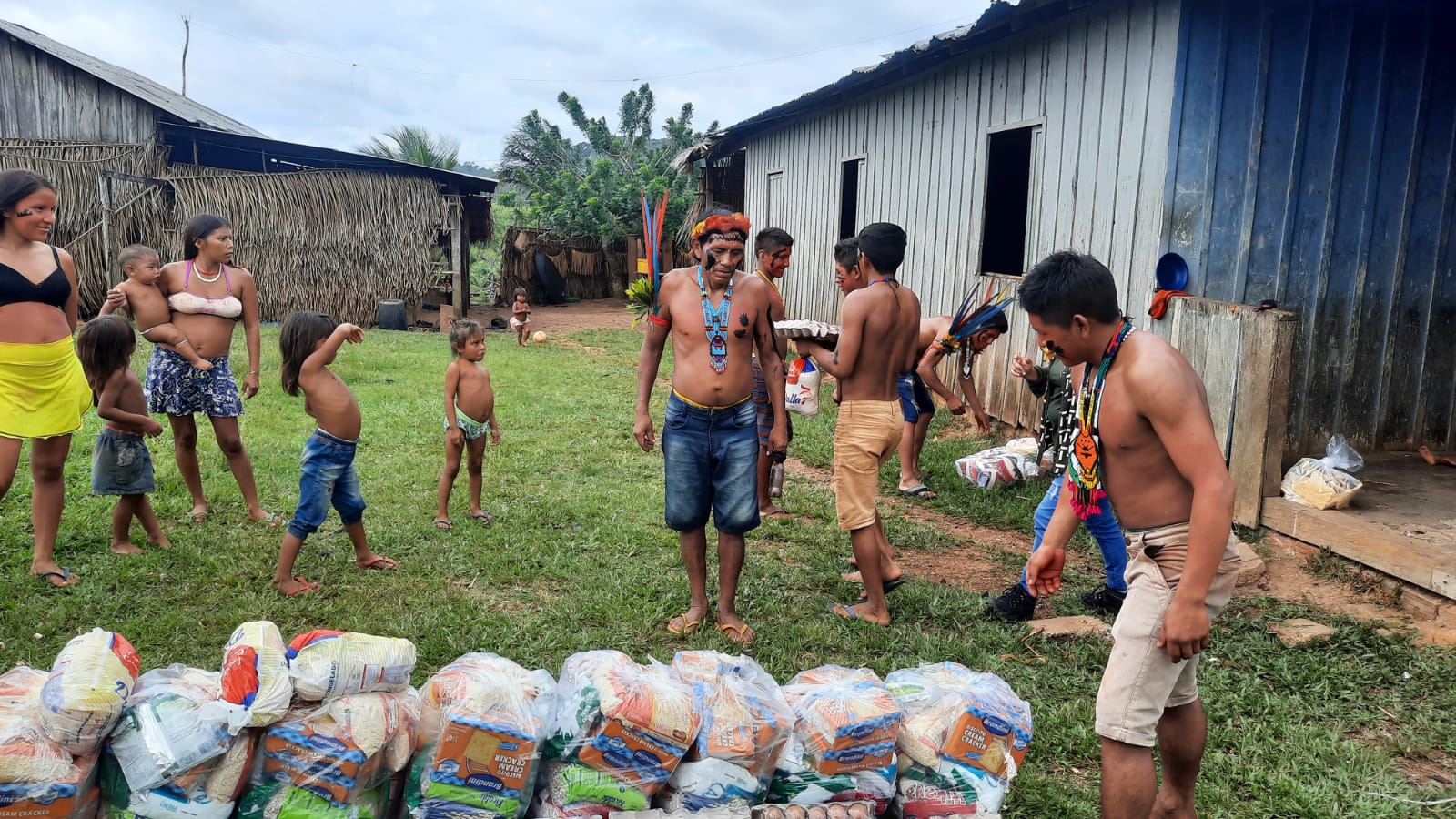
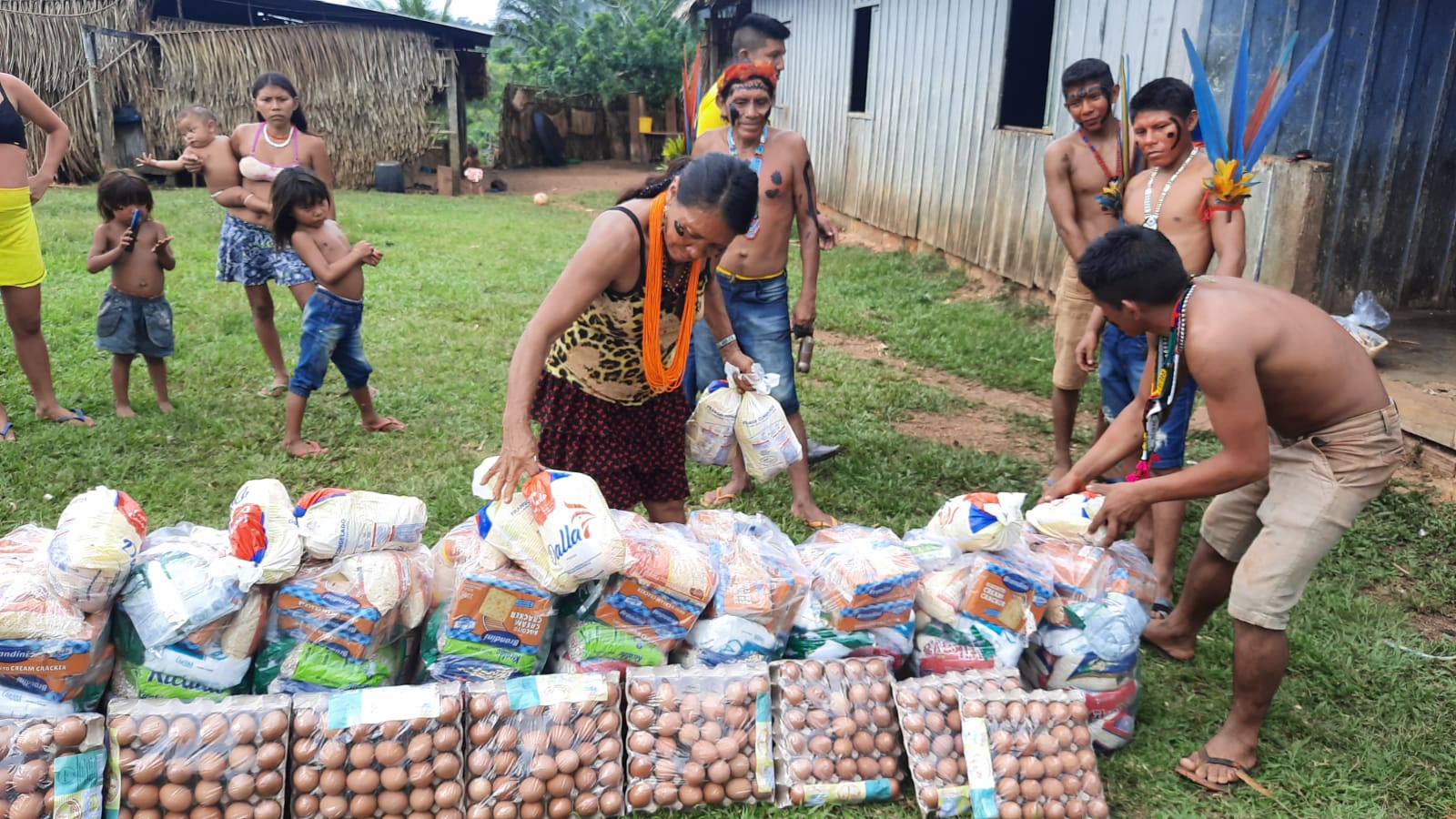
Delivery of food supplies in the Ajanarí region. Photos: ASCOM/CIR
This action also had the support of the Coordination of Indigenous Organizations of the Brazilian Amazon (COIAB), Fundo Brasil and the solidarity volunteers who donated financial resources, the Serras region supported with transportation and the Amajari region: regional youth coordinator Gabriel Wapichana.