
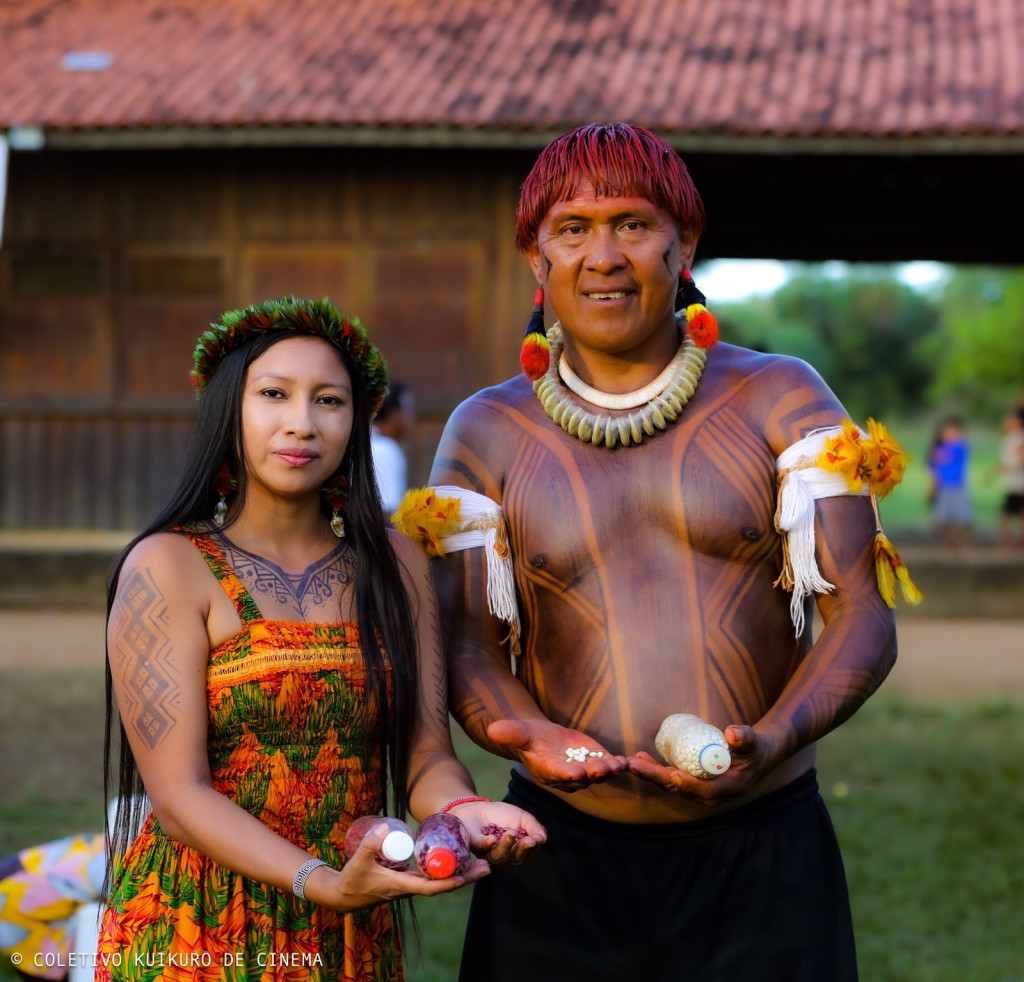
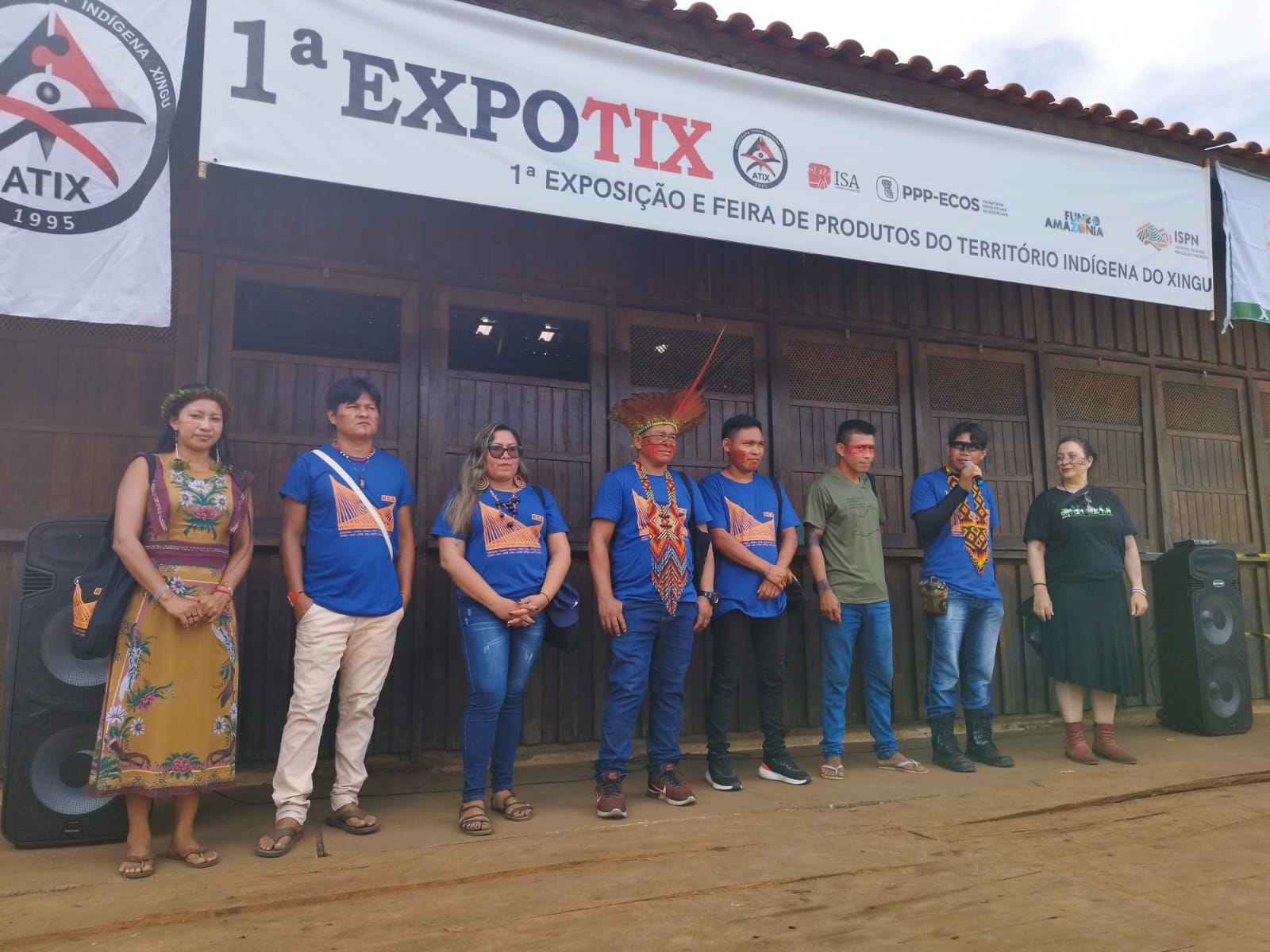
Kelliane Wapichana, Secretary General of the Indigenous Women's Movement of the Indigenous Council of Roraima (CIR), participated in the 1st Exhibition and Fair of Products from the Xingu Indigenous Territory (EXPOTIX) in the Xingu territory, Mato Grosso, as part of an exchange of production chains. The event took place from May 8th to 10th.
The activity aimed to promote products and foster strategic discussions on sustainable and economic autonomy for indigenous communities, while preserving traditional and cultural knowledge. The event's opening included a cultural presentation, an exhibition of handicrafts, and displays of the Xingu people's production and cuisine.
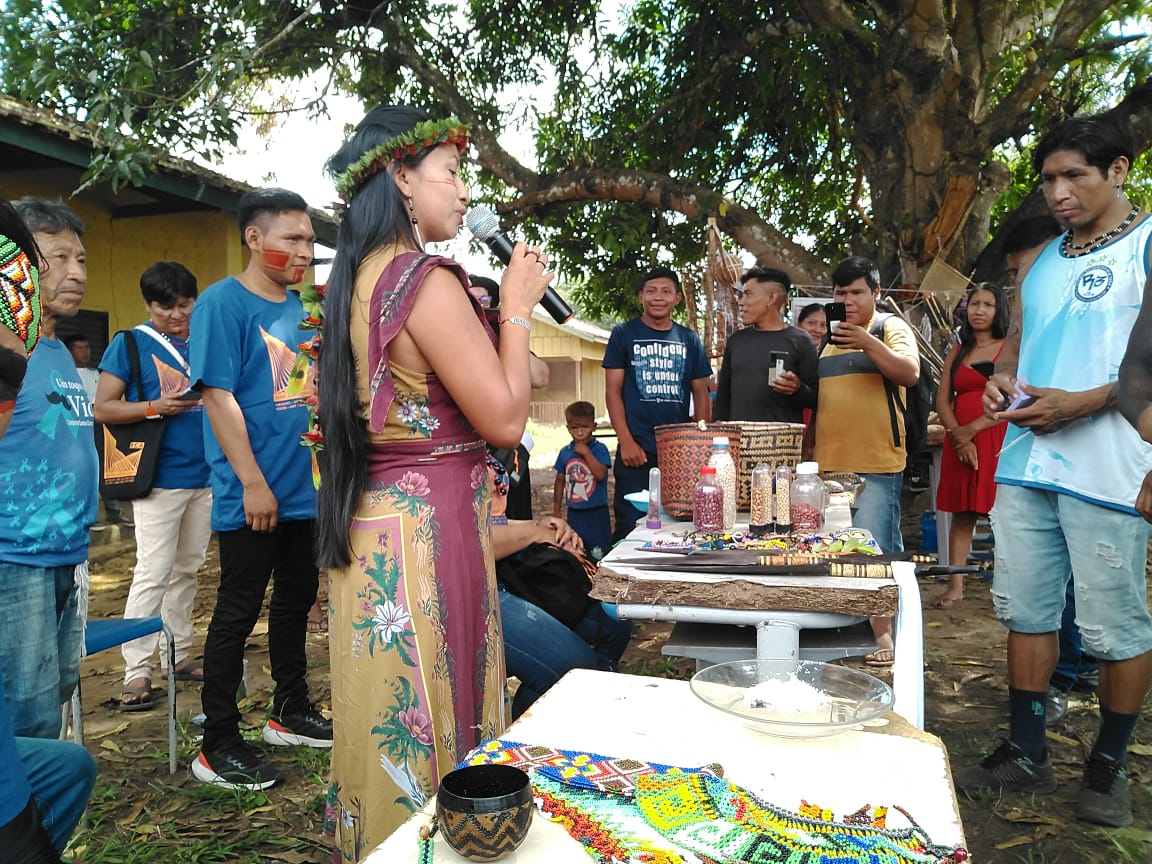
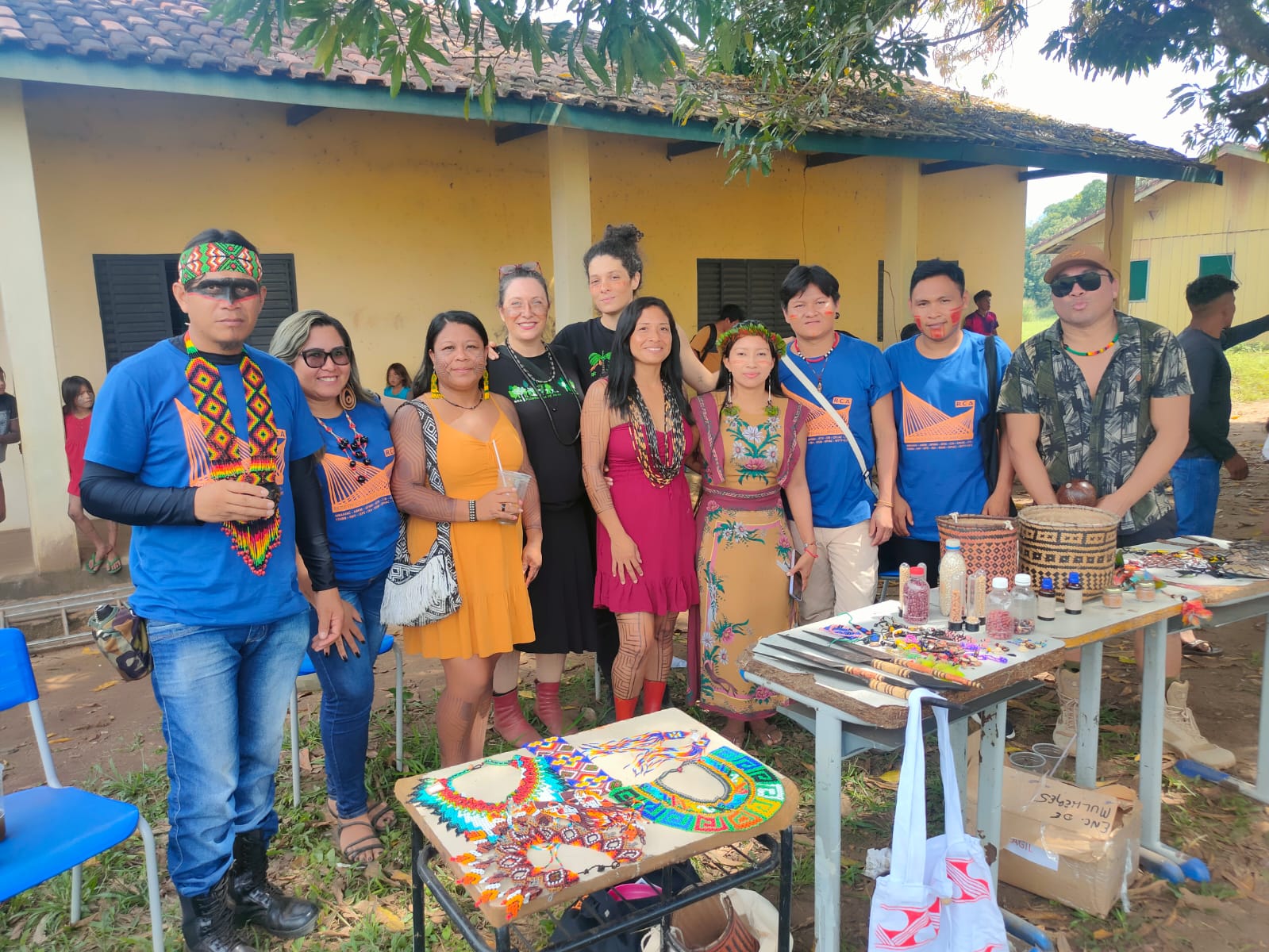
Kelliane Wapichana, participating in an exchange program on socio-biodiversity production chains in the Xingu territory, Mato Grosso.Photos: participants of the event.
To exchange knowledge and promote products from Roraima, Kelliane brought traditional seeds and handicrafts, such as earrings, bracelets, and necklaces, made by the artisan Valdelia Macuxi, from the Pium indigenous community in the Tabaio region.
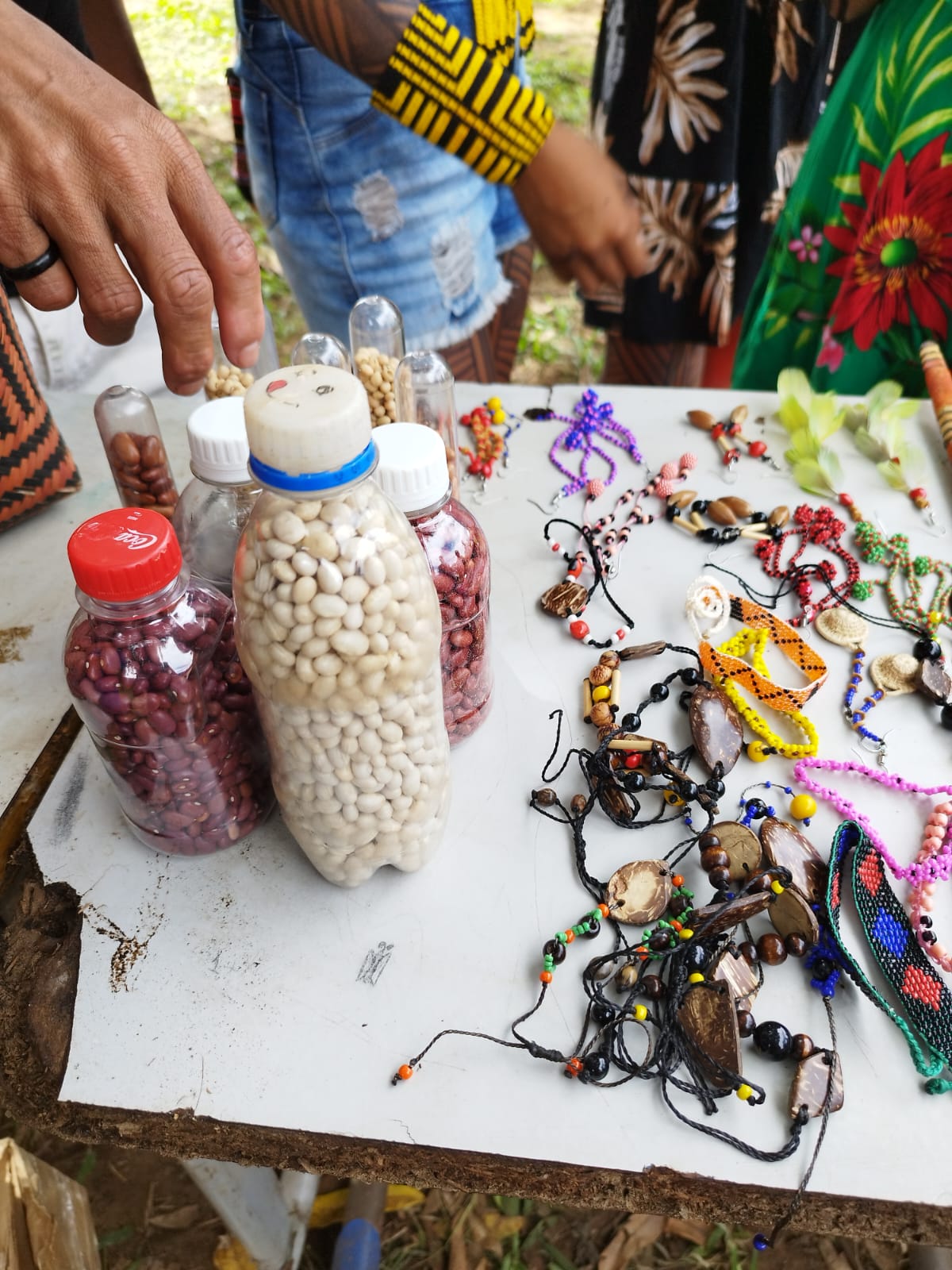
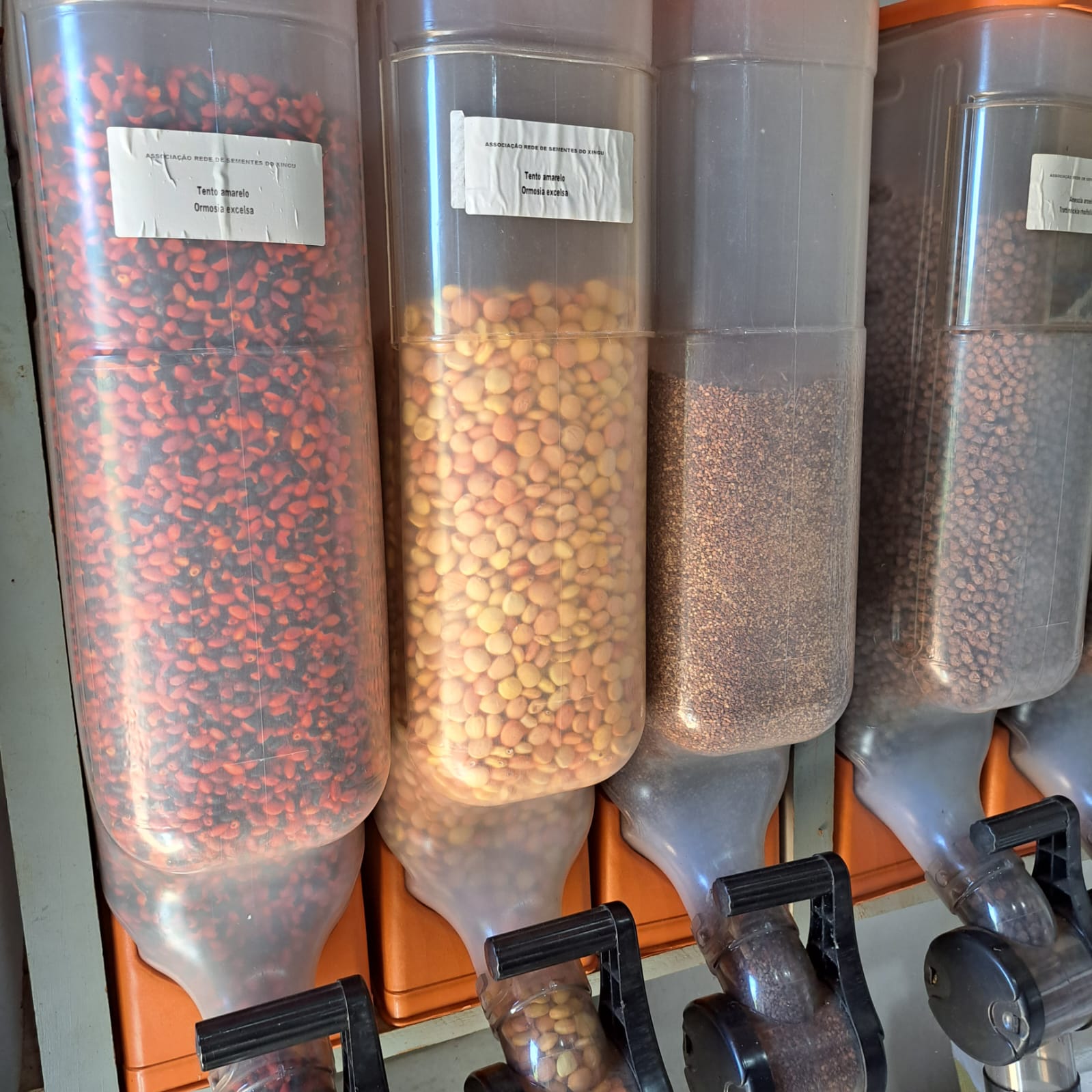
Exhibition of traditional handicrafts and seeds. Photos: participants of the event.
In addition to the exhibitions, there were presentations of projects to strengthen production, debates, and roundtables on project initiatives by the Xingu Indigenous Land Association (ATIX), through the Productive Ecosocial Landscapes (PPPs ecos) ECOS and AIC. Indigenous farmers presented their strengthening initiatives and what they need to further strengthen their production and handicraft initiatives.
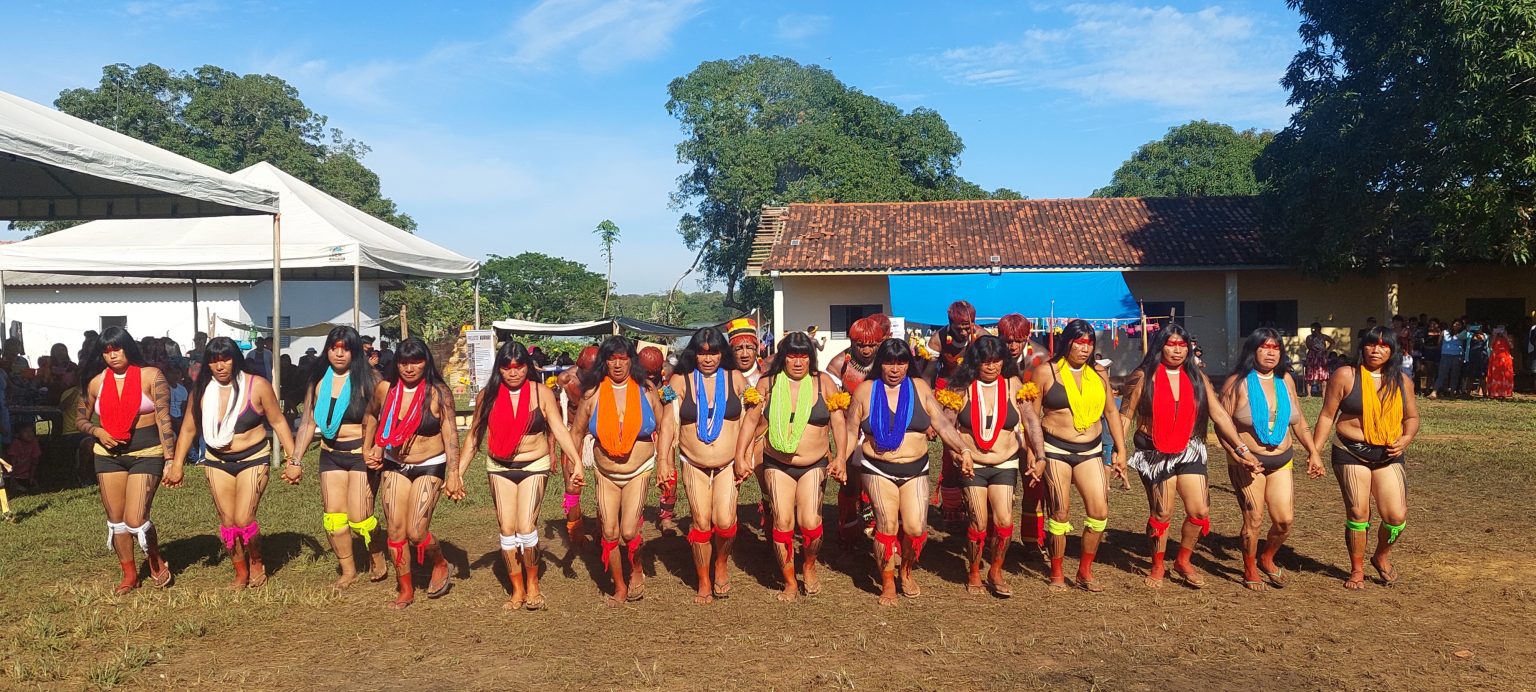
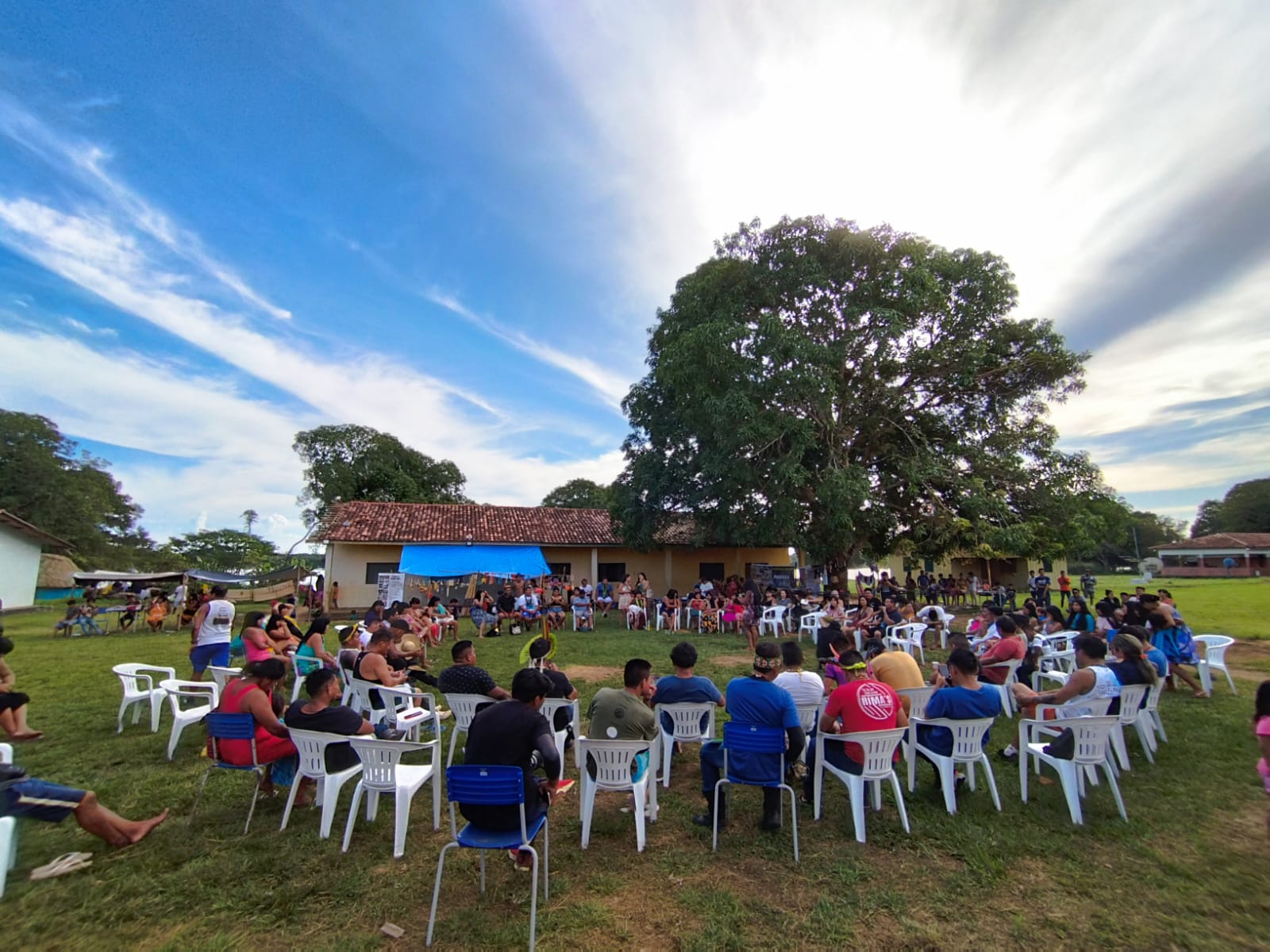
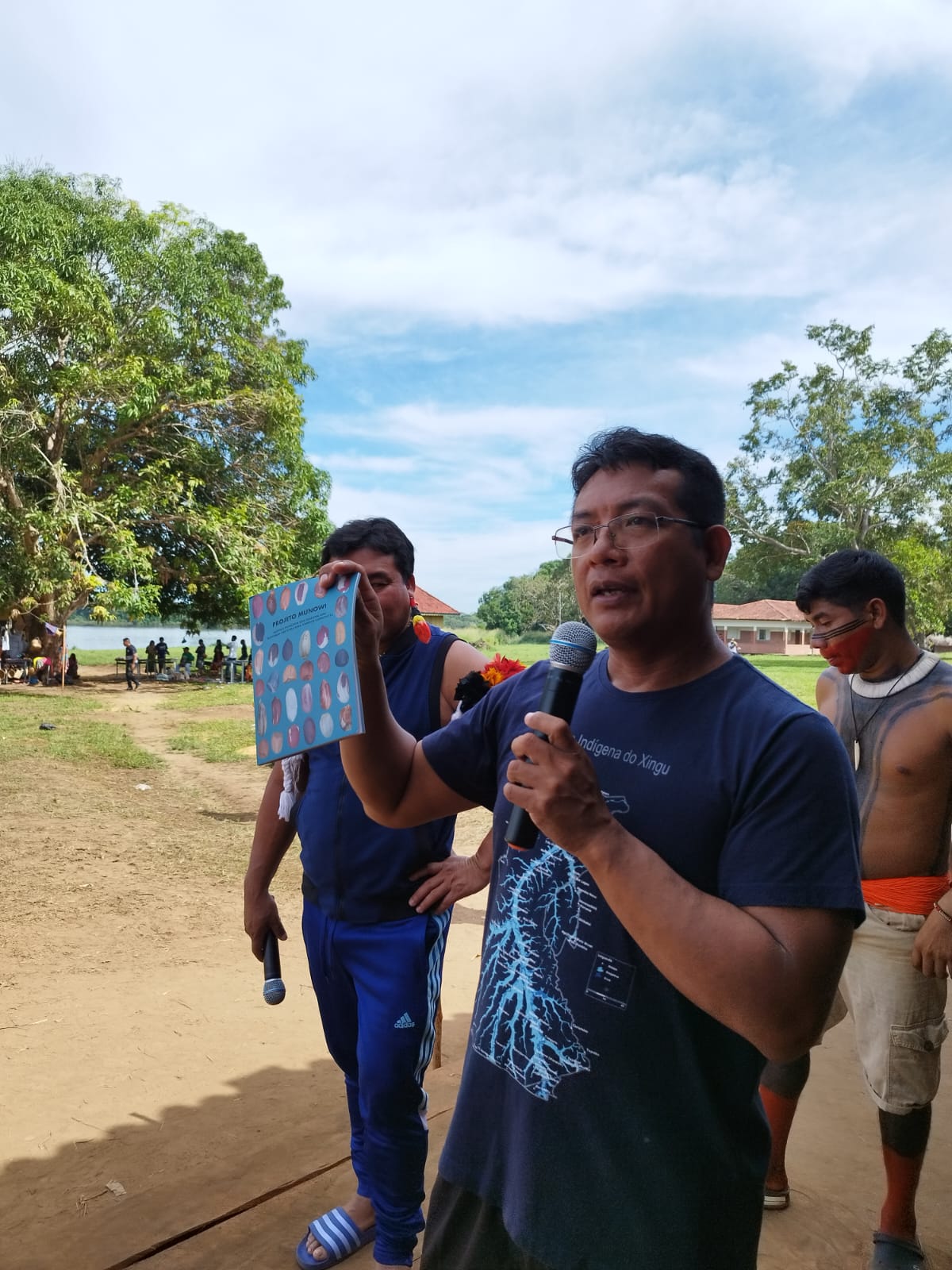
The event opened with a cultural presentation, an exhibition of handicrafts, and displays of the Xingu people's produce and cuisine. Photos: event participants.
One example is the extraction of honey and salt by women. For the secretary, this shows the importance of protecting territories for the production of healthy food. “This shows how important it is to increasingly protect indigenous territories. Currently, the struggle is for well-being, and everything produced within indigenous territory is healthy food, quality food with the taste of the land,” emphasized Kelliane. The Secretary also visited the Xingu Seed Network in the municipality of Canarana, where there is collective work by indigenous, quilombola, and riverside women.
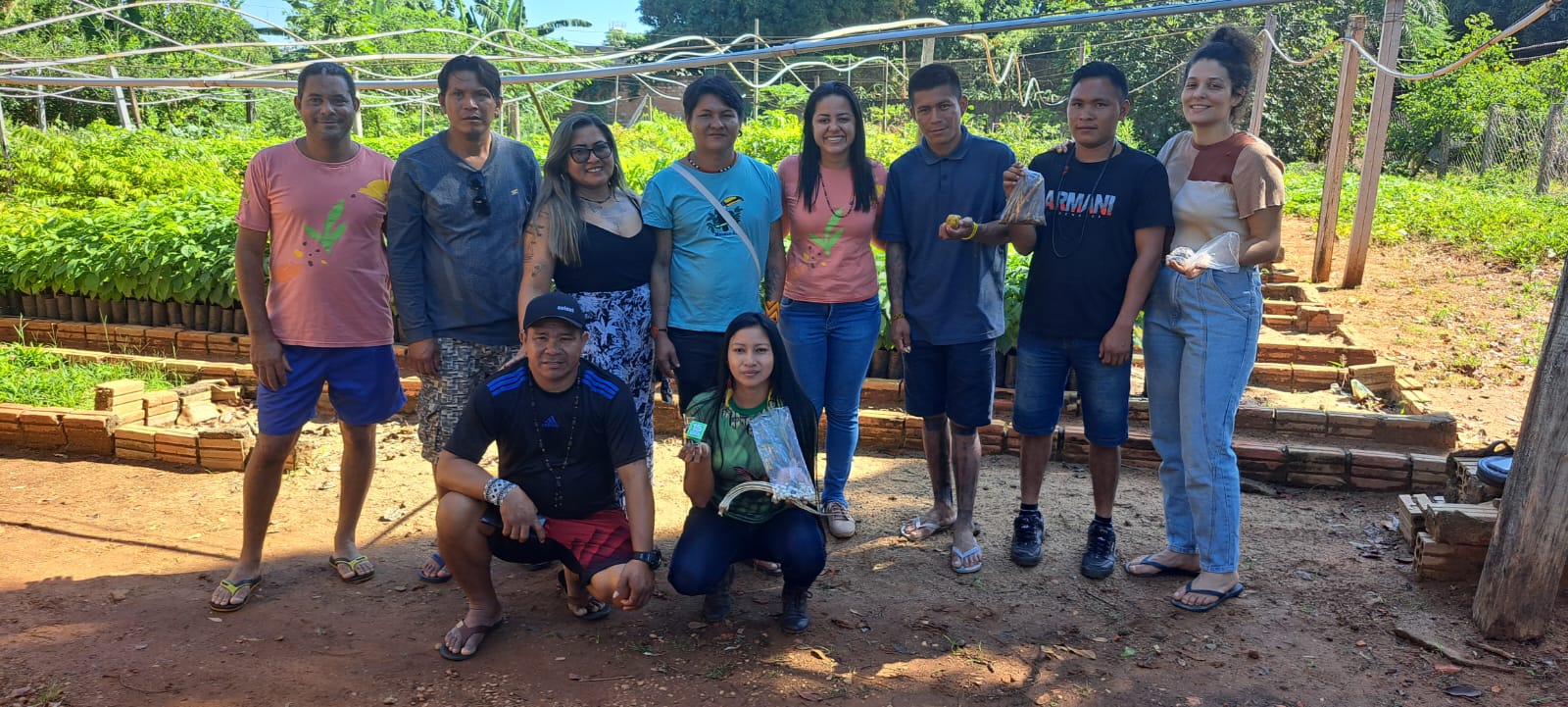
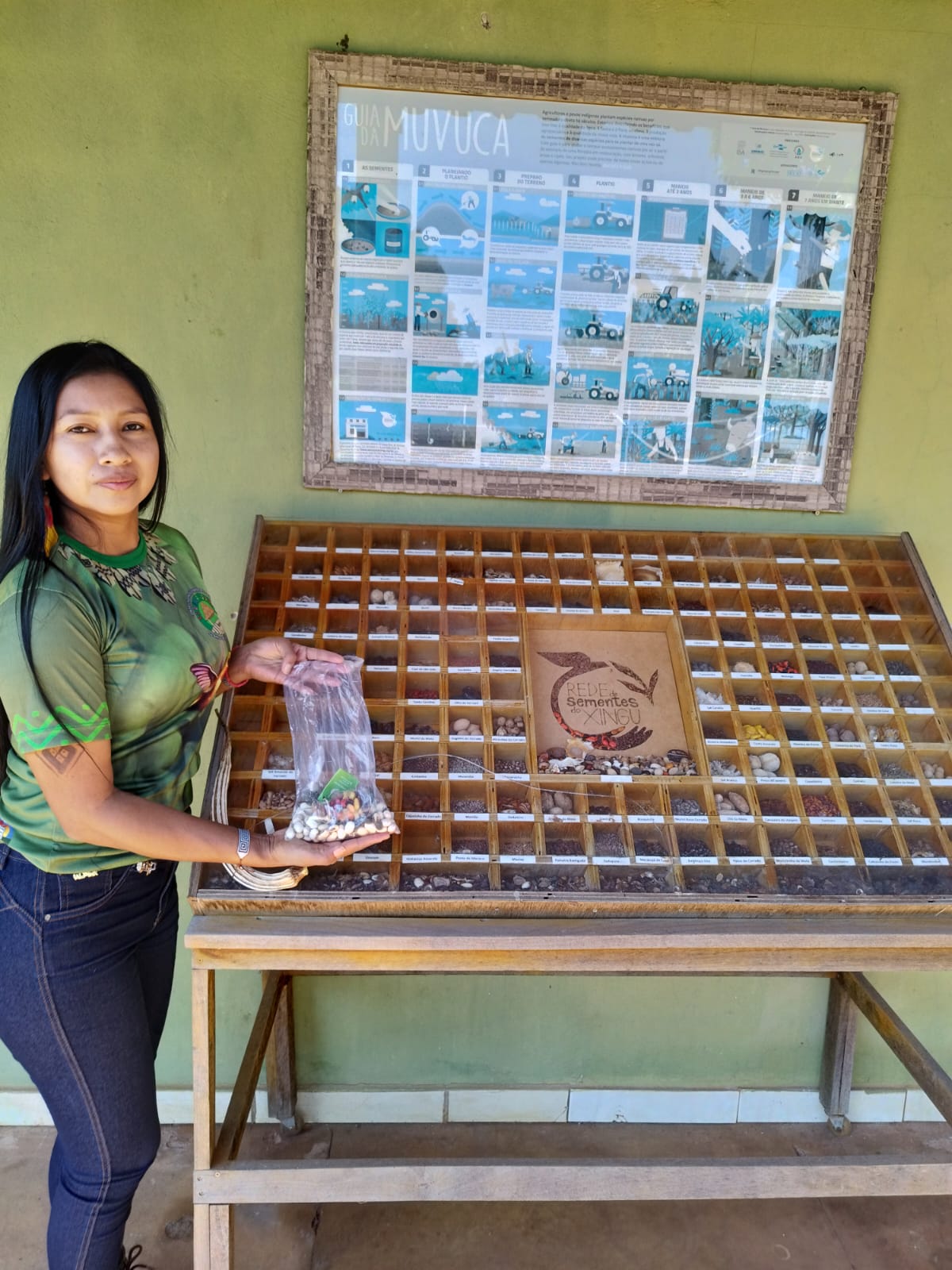
The Secretary also visited the Xingu Seed Network in the municipality of Canarana, where there is a collective effort involving indigenous, quilombola, and riverside women. Photos: participants of the event.
Expotix, in addition to promoting exhibitions and debates, is also a space for dialogue between grassroots groups and the articulation of partnerships with non-governmental and governmental institutions, always respecting consultation protocols and seeking to implement the Indigenous Territorial Management Plan (PGTA).
Photos: participants of the event.