
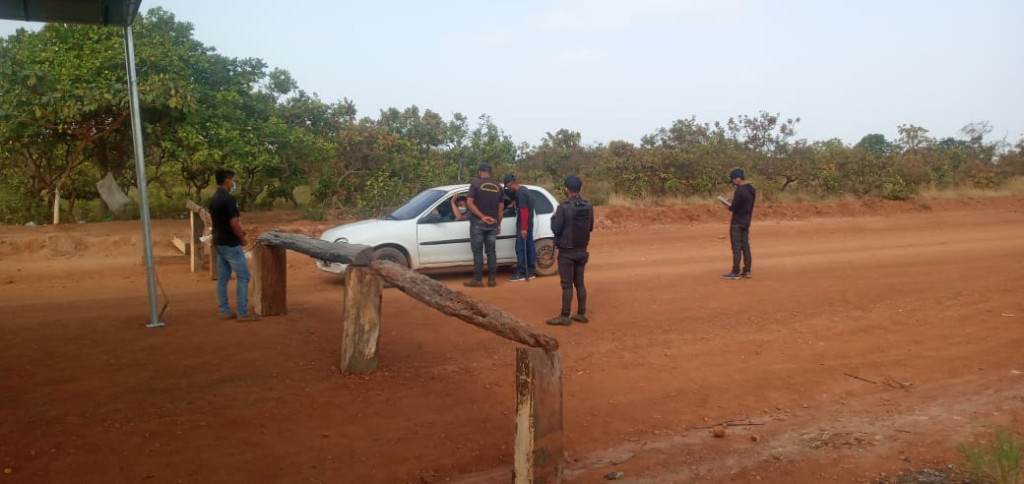
The second wave of the Covid-19 pandemic has returned with more force, threatening hundreds of indigenous communities in Roraima. In the face of the government's omission, it has not taken any effective measures to build sanitary barriers. Allied to this serious problem, illegal mining advances in indigenous territories. Concerned, in a collective decision, the communities decided to reactivate the sanitary barriers, at the same time carry out territorial monitoring by controlling the entry and exit of people, in addition to combating the entry of alcoholic beverages and other illicit products into indigenous lands.
Leaders of the Territorial Protection and Surveillance Group (GPVIT), young people, women and men unite in an act of courage and resistance in the surveillance of the territories for the good living of present and future generations. "The barrier is to protect our family members," said Mr. Dionísio Mambaru, a tuxaua from the community of Uirapuru, Raposa region.
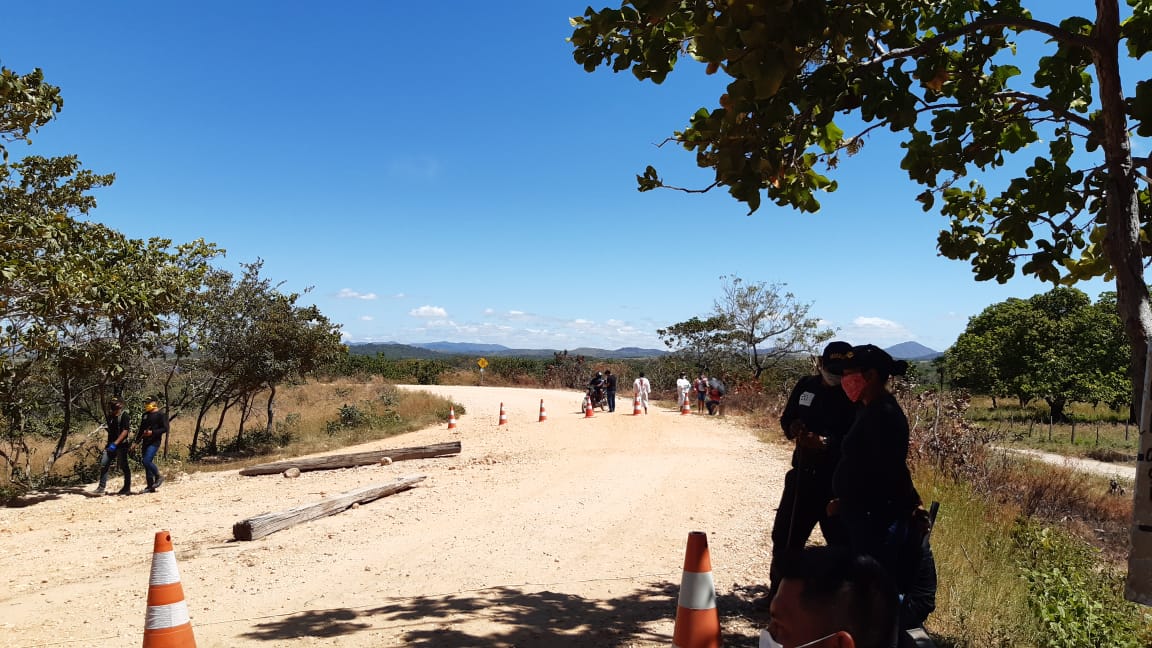
To date, there are twelve monitoring barriers that are located in the Raposa Serra do Sol and Malacacheta indigenous lands: Armando Silva Barrier (Uiramutã indigenous community), Tuxaua Geraldo barrier (Lilac community), Tabatinga Surveillance Post (Pedra Branca Center), Barrier in the Pedra Branca community, 25 de Abril de 1977 Barrier (São Mateus), Piolho community barrier. In the Raposa region, the Coqueirinho barriers were installed on the RR-319, Linha Seca Sanitary Barrier, Ipú vicinal, border with the municipality of Normandia, Santa Cruz in Vicinal Lameiro, Sanitary Barrier in Jacarézinho on BR 433. In the Serra da Lua region there is only the barrier of the Malacacheta community, in the municipality of Cantá.
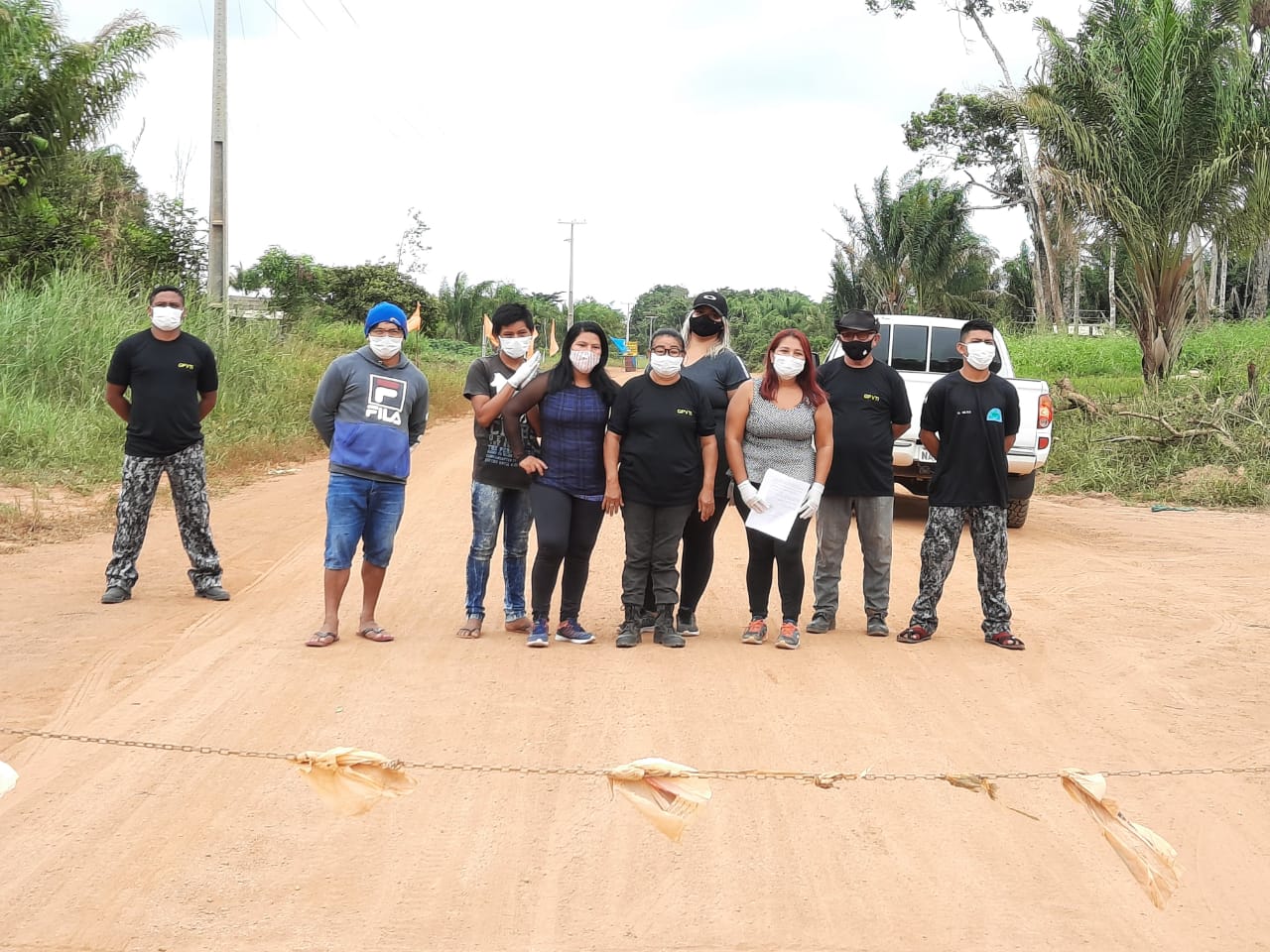
"The barriers were reactivated by the issue of the growth of the Covid-19 pandemic, the entry of people without having been tested, bringing these diseases to the communities through tourism, mining, other illegal activities within indigenous lands," said leader Edinaldo Pereira André, from the Macuxi people.
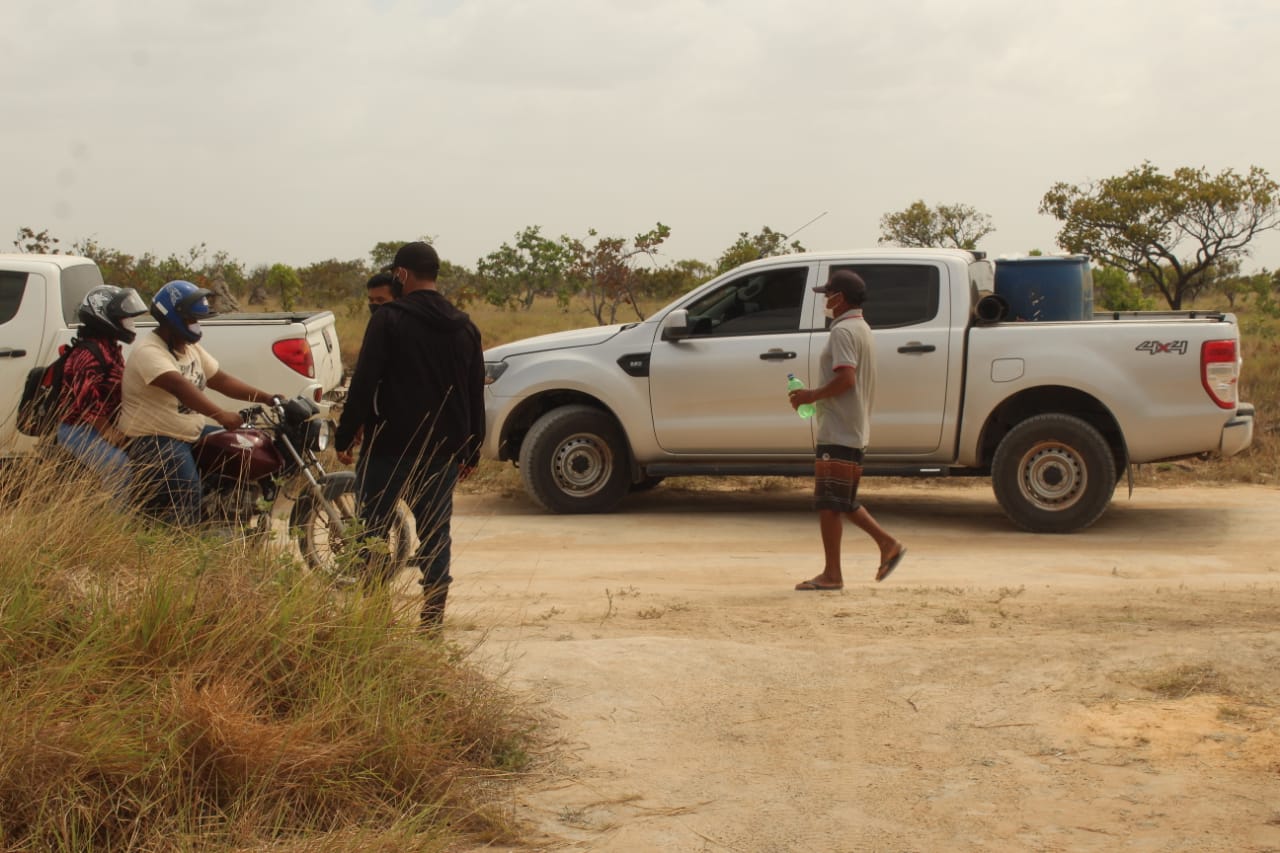
About the Territorial Monitoring Post on April 26, 77, the leaders sent a note to FUNAI, the State Public Prosecutor's Office, the Federal Public Prosecutor's Office, the Federal Highway Police, the Federal Police, the Brazilian Army and the indigenous organizations, CIR, OPIRR, OMIR, explaining the reactivation of the sanitary barrier.
One of the barriers in the Raposa region is on the bridge over the Viruaqui River, on RR 319, and gives access to more than ten indigenous communities and, according to residents, is the route used by miners.
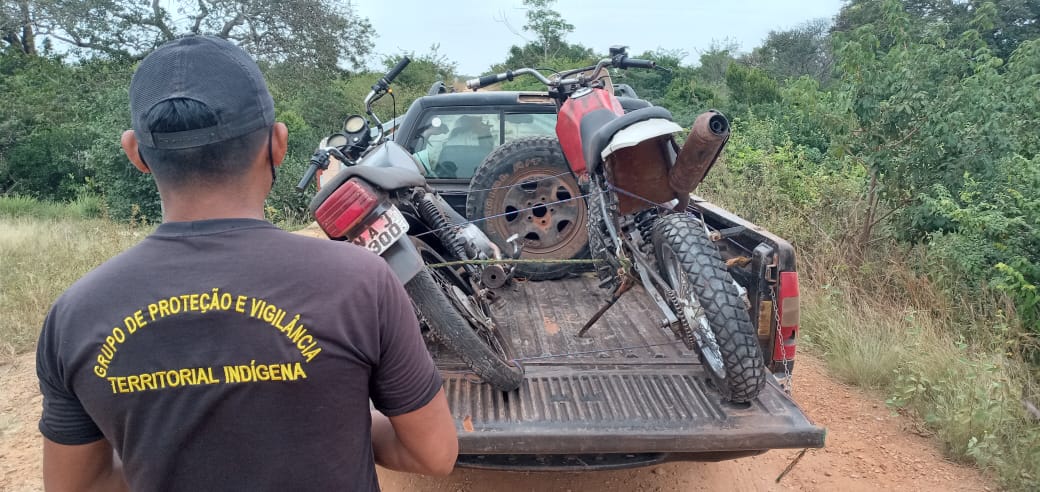
The struggle of indigenous peoples is collective, and the youth walk side by side with their traditional leaders. One of them is the young Paulo Ricardo, of the Macuxi ethnic group, and currently youth coordinator in the Raposa region. "This responsibility is not only of the security guards, but of all children, young people, women, men, among others. The inspection is not only in the fight against Covid-19, it is also against illegal mining, we will continue to be firm and strong".
According to the latest COIAB survey, in Roraima Covid-19 has already taken 105 lives of indigenous people among the Macuxi, Pemom, Wapichana, Turepang, Wai Wai, Warao and Yanomami peoples. .