
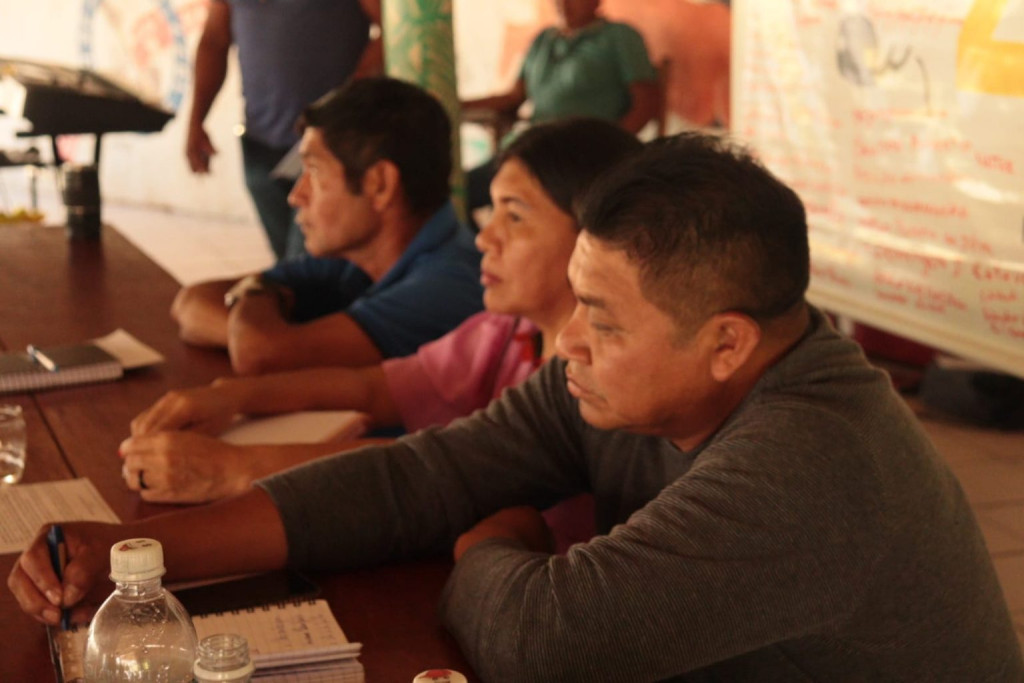
Indigenous leaders from the Serras and Surumu regions, within the Raposa Serra do Sol indigenous territory, met from the 21st to the 24th in an Extraordinary Assembly to discuss regional issues such as cattle projects, energy, health, education, sustainability, and other internal matters of the indigenous communities.
On the weekend of the 24th and 25th, the general coordinator of the Indigenous Council of Roraima (CIR), Edinho Batista, participated in the assembly of the Serras, held in the Maturuca community and the Surumu region, in the Barro community.
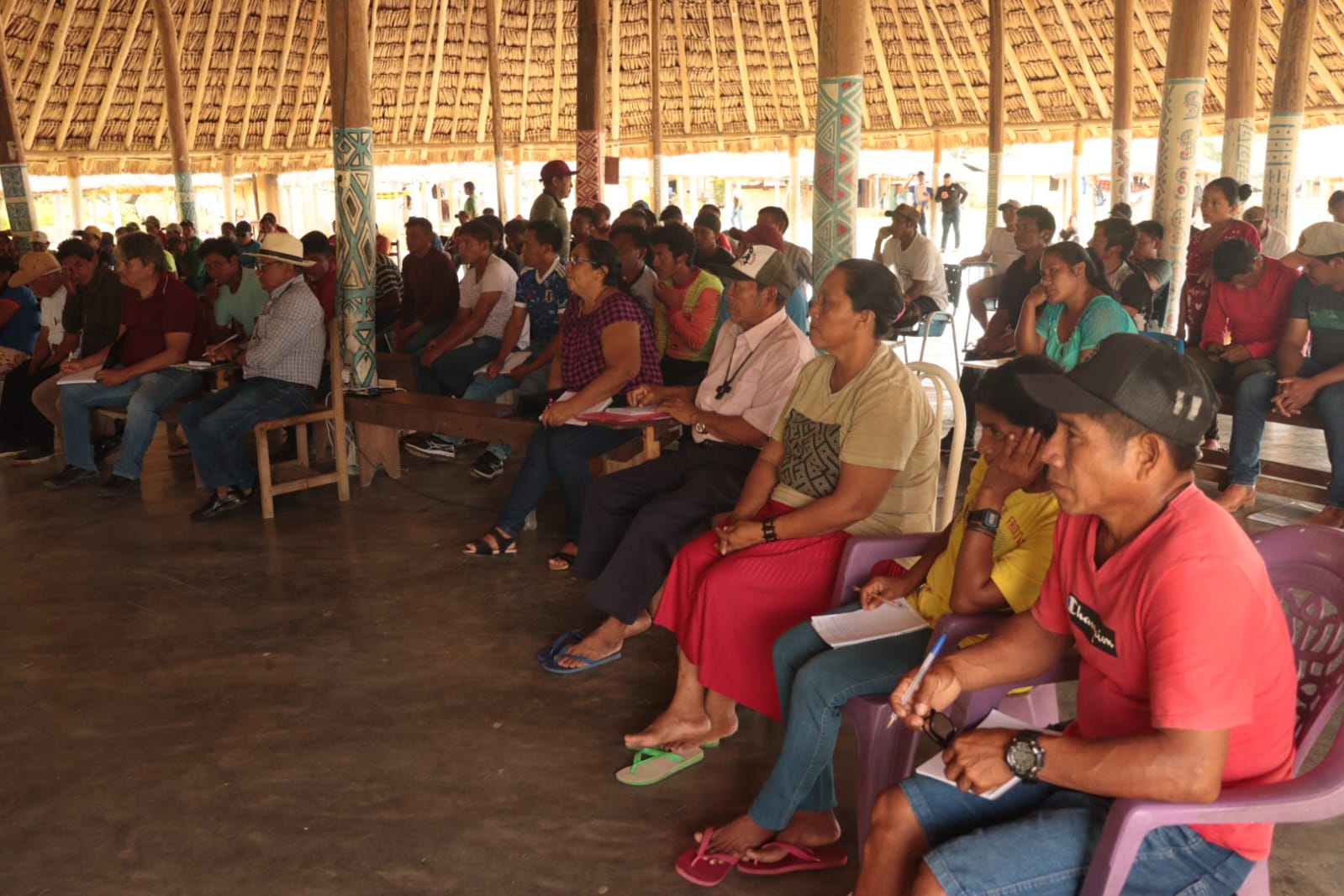
One of the issues discussed in the Serra region is the electricity situation, whether or not to adopt the system proposed through a parliamentary amendment by a former senator. Leaders also decided to prioritize and seek the implementation of renewable energy.
Coordinator Edinho recalled the importance of recognizing the achievements of traditional leaders.
“To have a place in the presidency of FUNAI and to be present with a ministry and in the DSEI, these were spaces conquered with much struggle. It wasn't because the government wanted to give it to us, it's the recognition of struggles that many suffered to achieve. We are currently reaping the rewards. And today we have this power of voice; it's not the white people who will tell us what we should have, we have the power of voice,” he recalled.
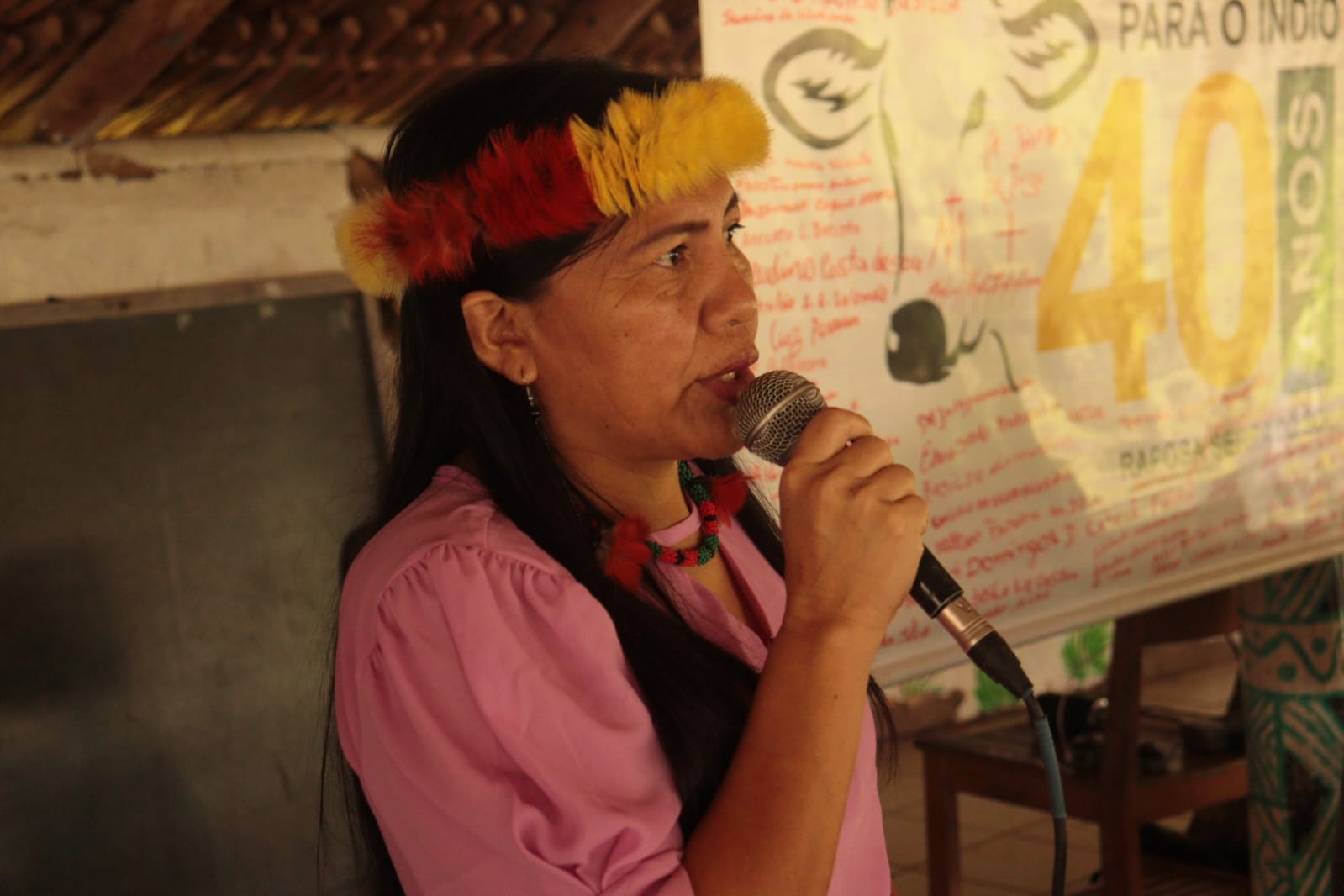
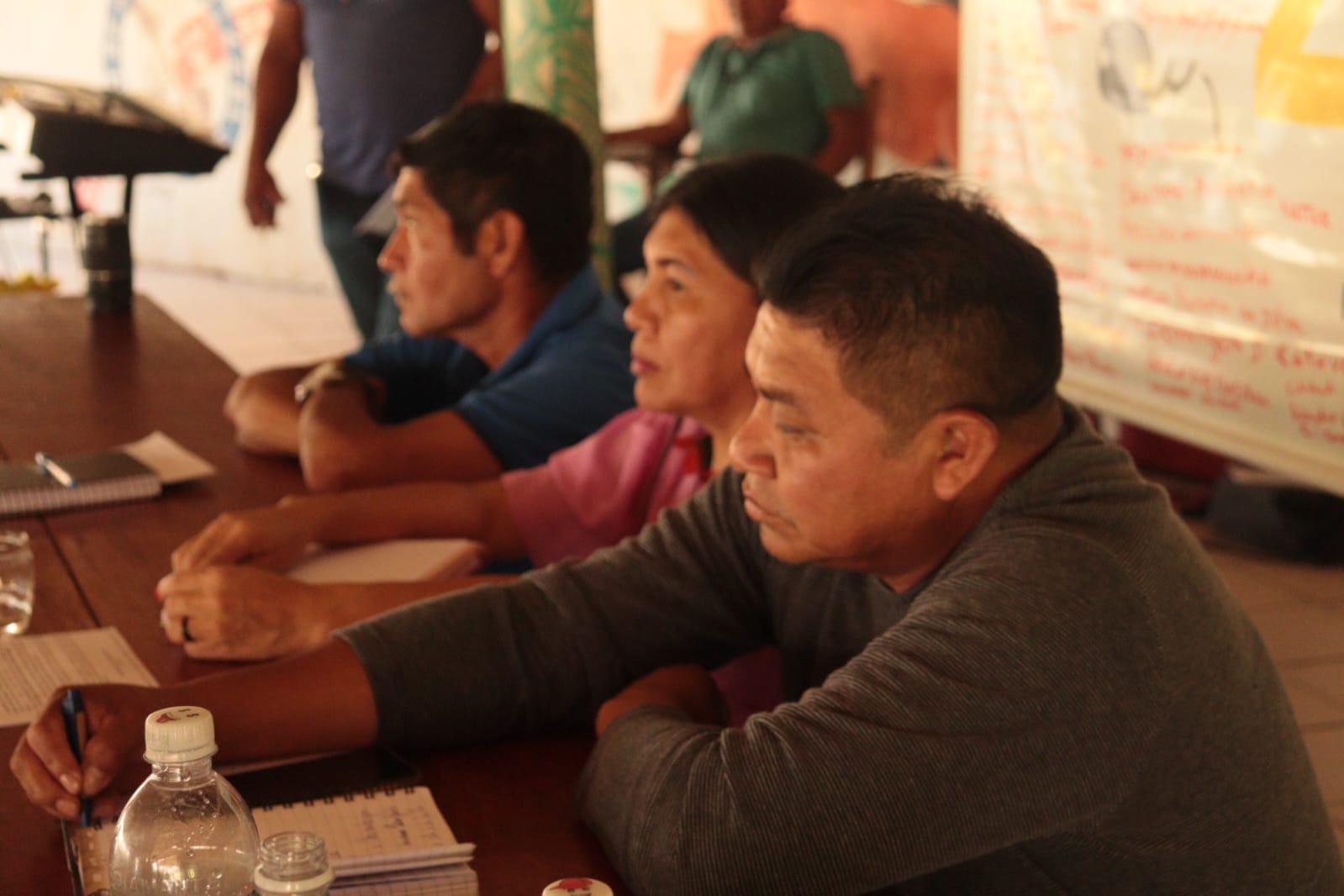
The coordinator also highlighted the national mobilization against the time frame, which was funded by the regions themselves through donations, mainly of meat and food. "Everyone deserves congratulations," he praised the movement that brought together more than 4,000 indigenous people in Boa Vista.
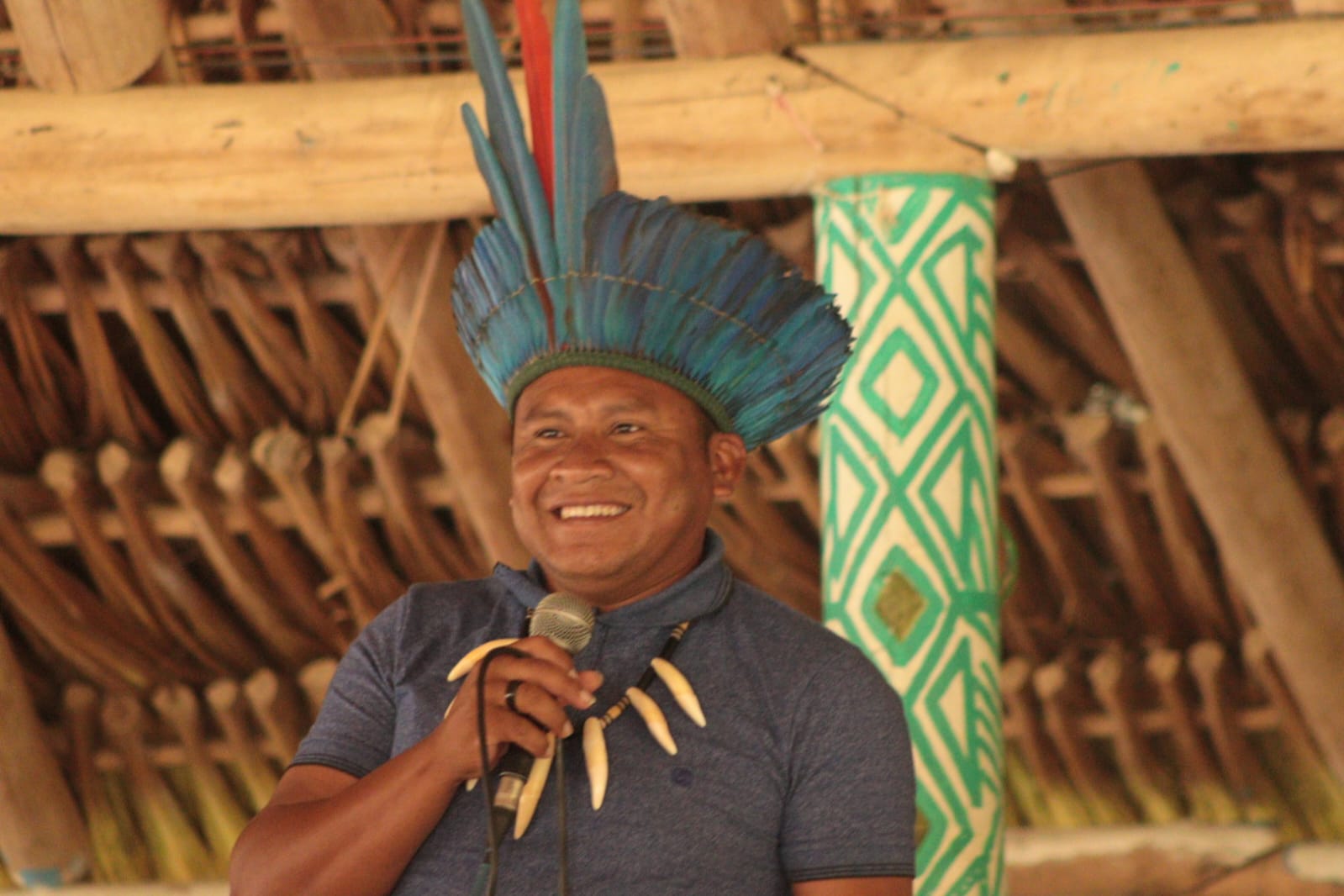
Amarildo Macuxi highlighted that the extraordinary Assembly fulfills its commitment to valuing the projects of the Raposa Serra do Sol Indigenous Territory, such as the cattle project.
“It’s a project that greatly enhances our activities, such as demonstrations, occupying space, and helping in the fight for our space and territory. We are putting together our regulations to strengthen the herds of the M Cruz cattle project, which is part of the sustainability of our region,” emphasized the coordinator of the Serras region.
The Assembly was attended by representatives from the following institutions: Funai, Instituto Socioambiental (ISA), the Municipality of Uiramutã, and Dsei-Leste/RR. More than 100 indigenous leaders were present.
Extraordinary Assembly, Surumú Region
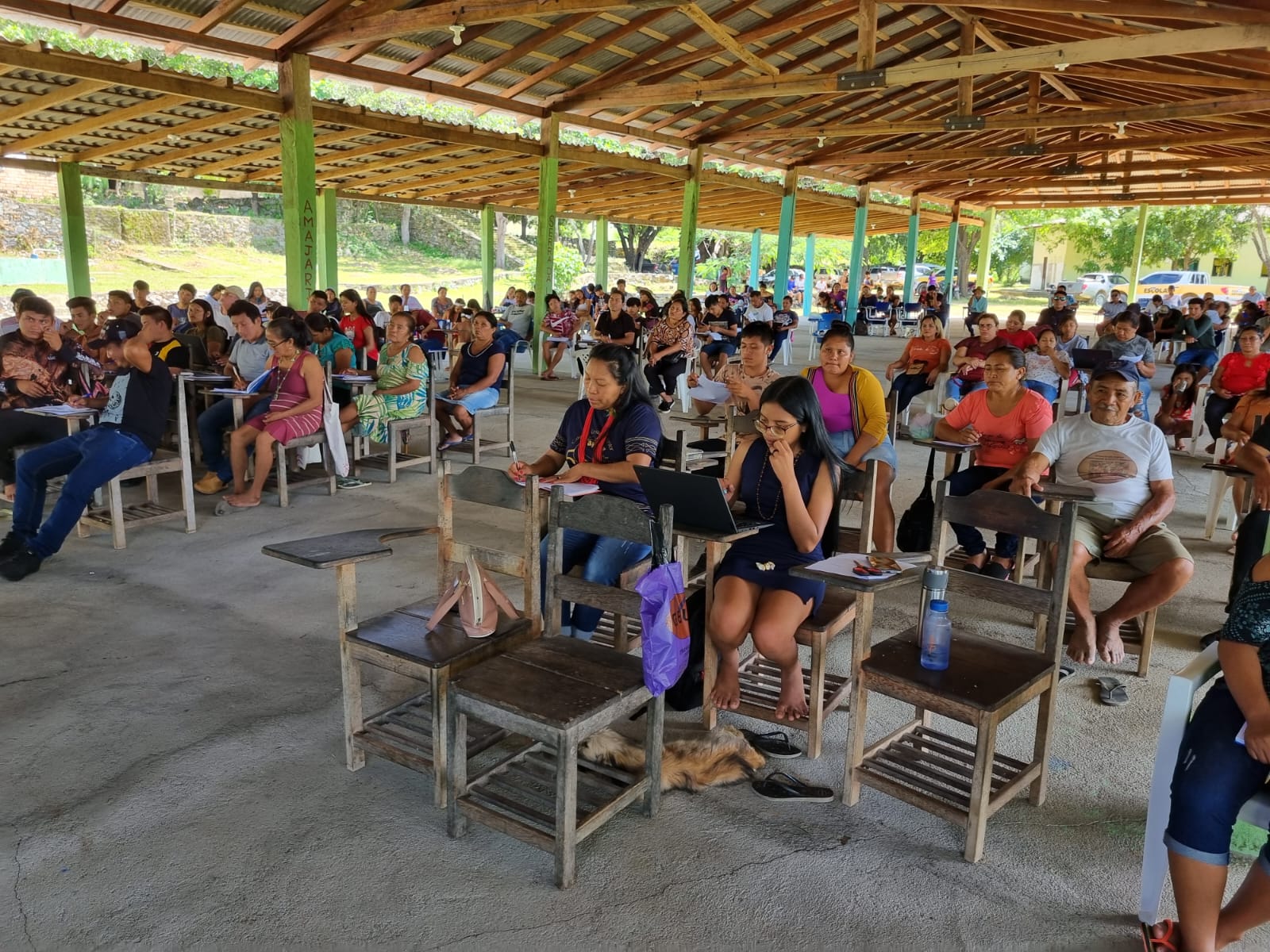
In the indigenous community of Barro, discussions began on the 24th and will continue until the 28th. Leaders are discussing indigenous education, territorial protection, and activity planning.
More than 300 leaders from the Surumu region are participating in the Assembly.
(Update)
In an extraordinary assembly in the Surumu region, leaders reinforced their denunciation of the impacts of the landfill in the municipality of Pacaraima and other territorial issues.
Indigenous leaders from the Surumu region, in the Raposa Serra do Sol indigenous territory, reinforced the issue of environmental impacts caused by the landfill in the municipality of Pacaraima, an old complaint, during the extraordinary assembly that has been taking place at the Raposa Serra do Sol Indigenous Training and Culture Center since the 24th and ends today, the 28th, bringing together more than 300 leaders.
The "Pacaraima landfill," as it is known, is located at the headwaters of the Surumu River, in the Ouro Preto community, and has caused damage to the environment and to the residents of the region, as reinforced by Daniel Sampaio, a regional leader.
“This landfill directly affects the river's source, on which several communities depend. The animals are also harmed by the river's pollution, so this is a worrying issue for the communities, leaders, and people who live in the Surumu region,” Sampaio emphasized, adding that the authorities have already been contacted to take the necessary measures.
In addition to the landfill issue, the assembly addressed topics such as development projects and grain planting, and rural electrification in communities without prior consultation with the communities themselves.
Education was also discussed, with concerns surrounding the infrastructure of indigenous schools, public teacher recruitment exams, selection processes, and the implementation of the parliamentary amendment proposed by former federal deputy Joenia Wapichana. To date, the state government has not yet begun the renovation and expansion works on schools, despite the allocated budget of 44 million.
At the beginning of the month, from the 5th to the 9th, the largest indigenous mobilization in the state of Roraima took place, whose main agenda was against the approval of the "marco temporal" (time frame) thesis in the Supreme Federal Court (STF), in addition to bill 490/2007, approved in the Chamber of Deputies and now in the Senate as 2903/2023, which also establishes the thesis.
This matter was explained by the lawyer and coordinator of the CIR's Legal Department, Júnior Nicácio. At that time, the coordination for monitoring the vote in the Supreme Federal Court (STF), scheduled for September, was initiated.
The assembly was attended by institutions and organizations, including the National Foundation for Indigenous Peoples (Funai), the Federal University of Roraima (UFRR), the Organization of Indigenous Teachers of Roraima (Opirr), and others.