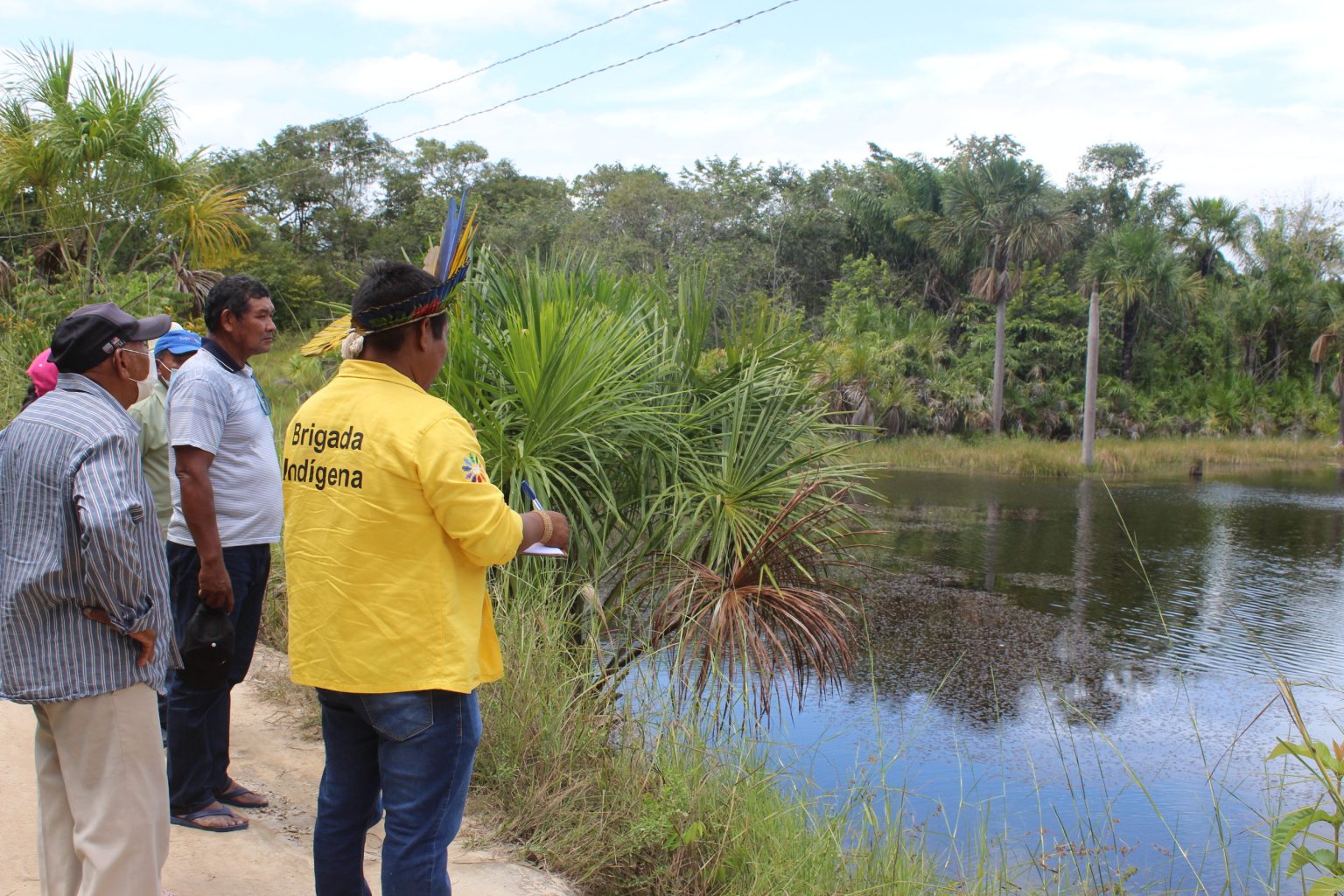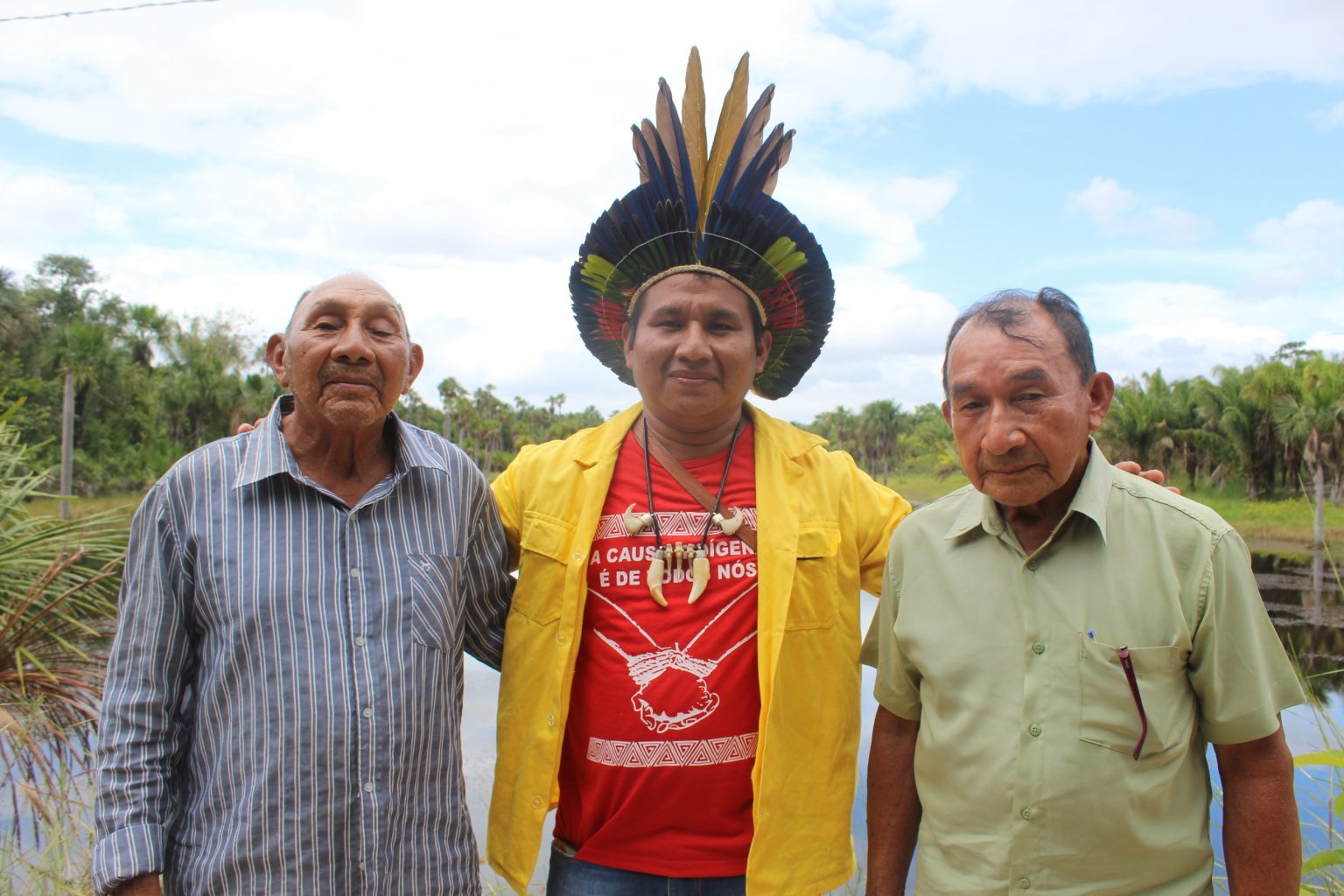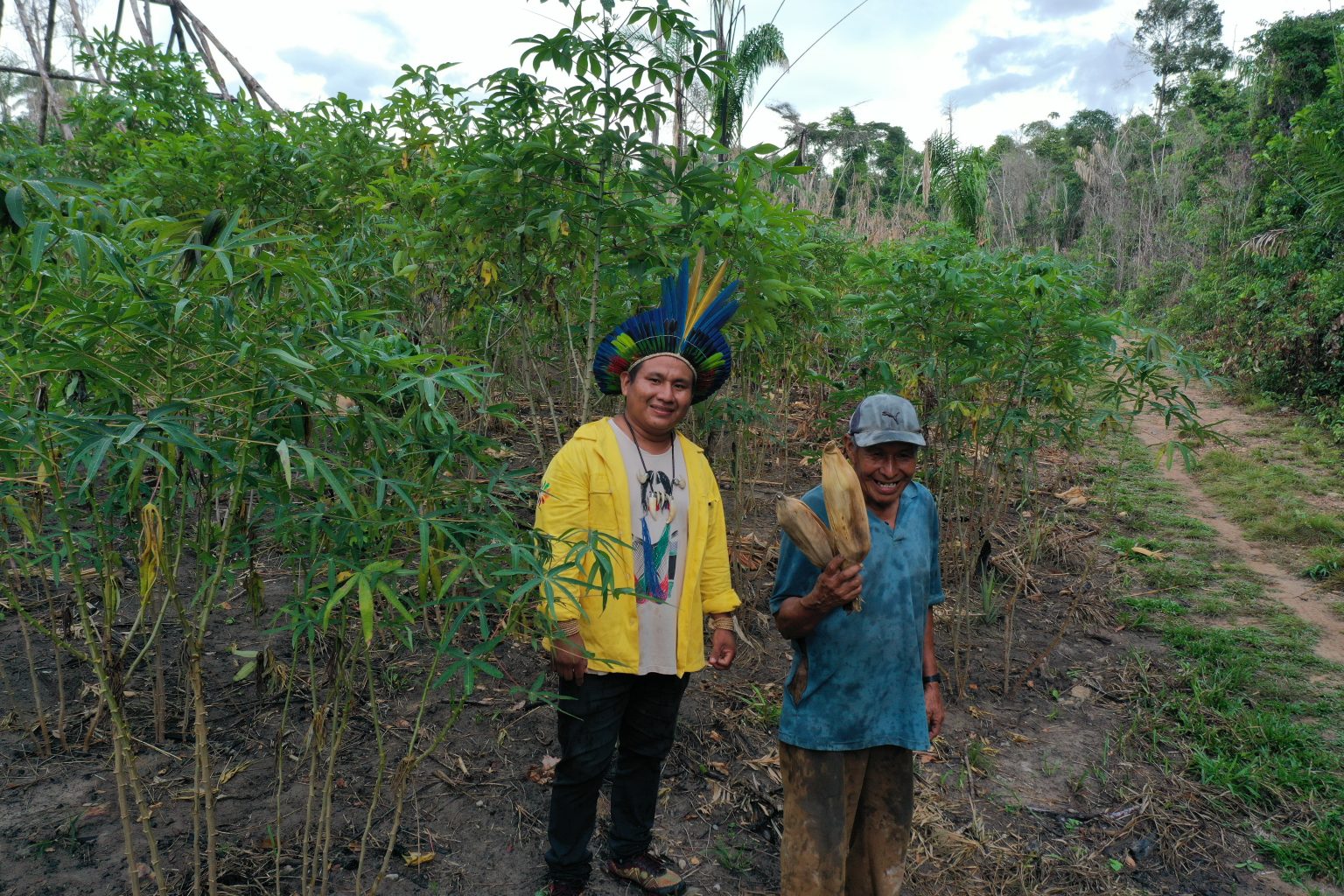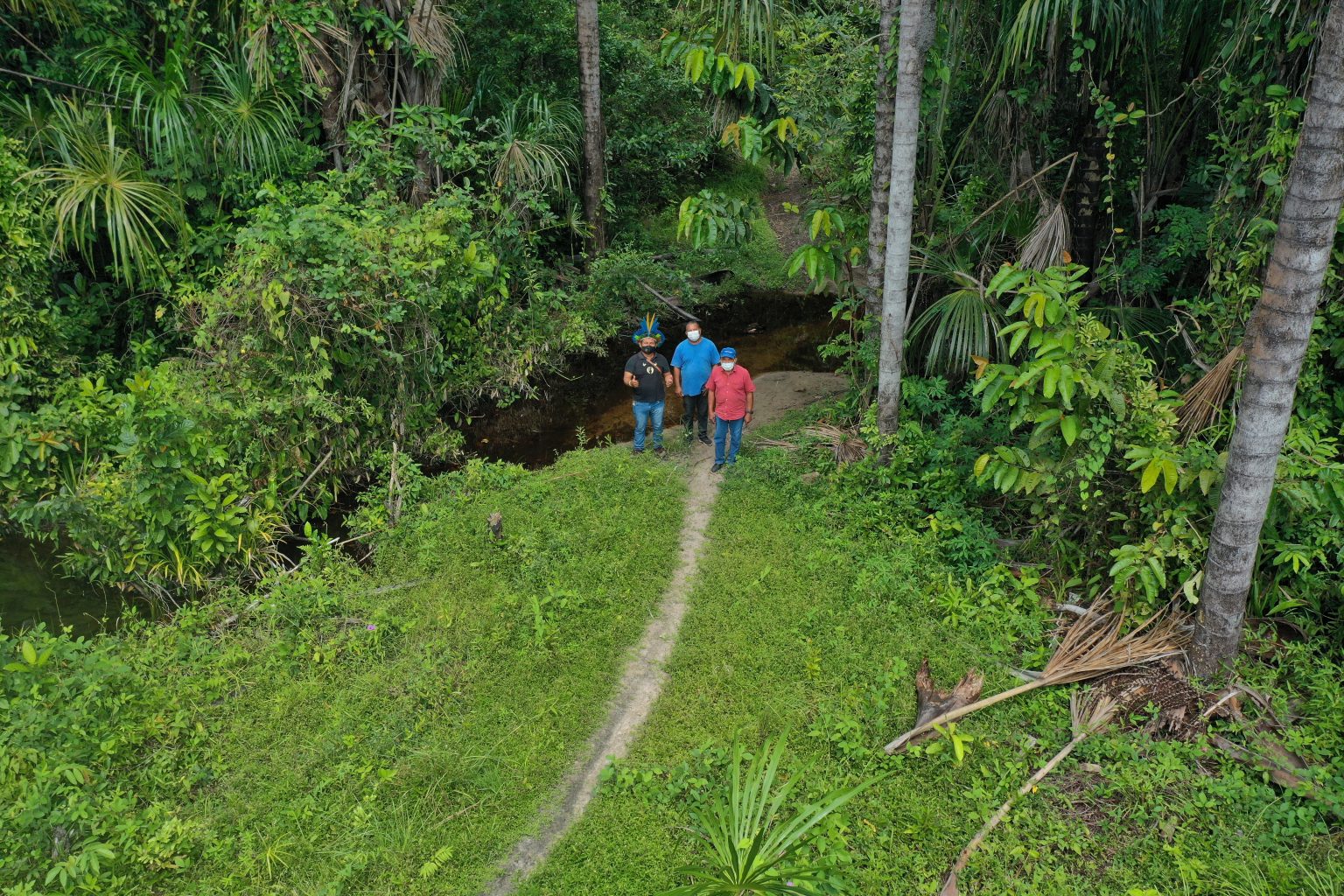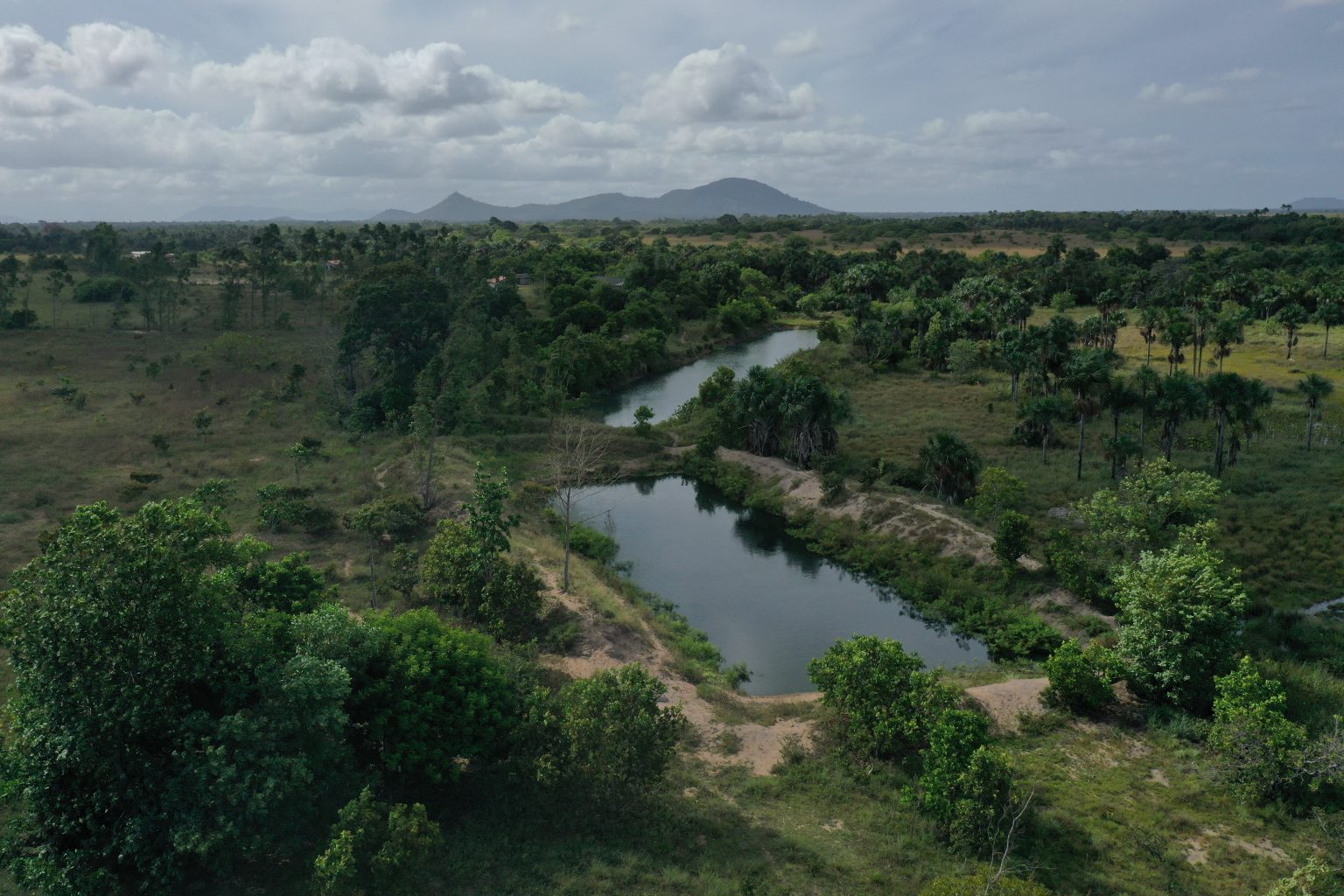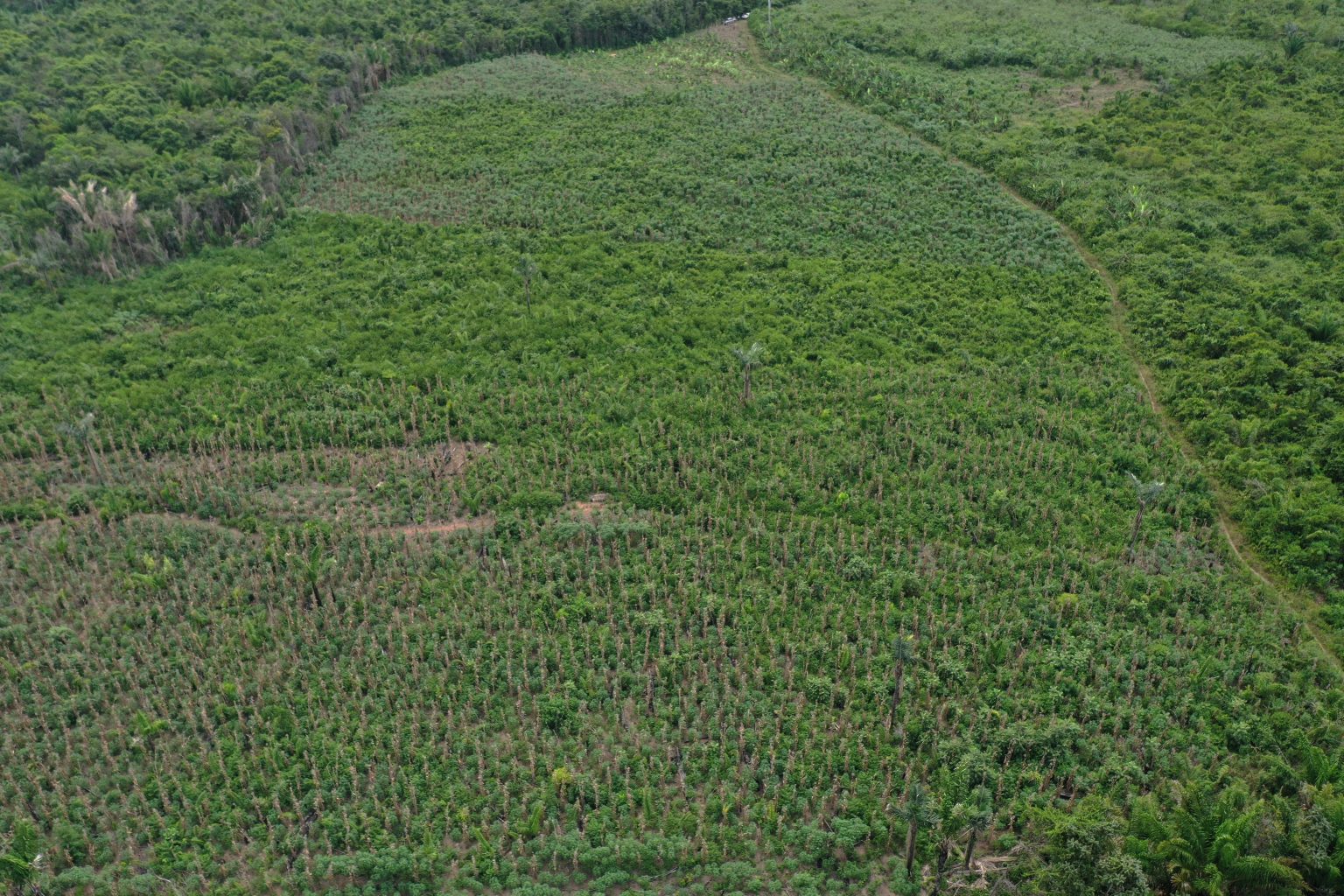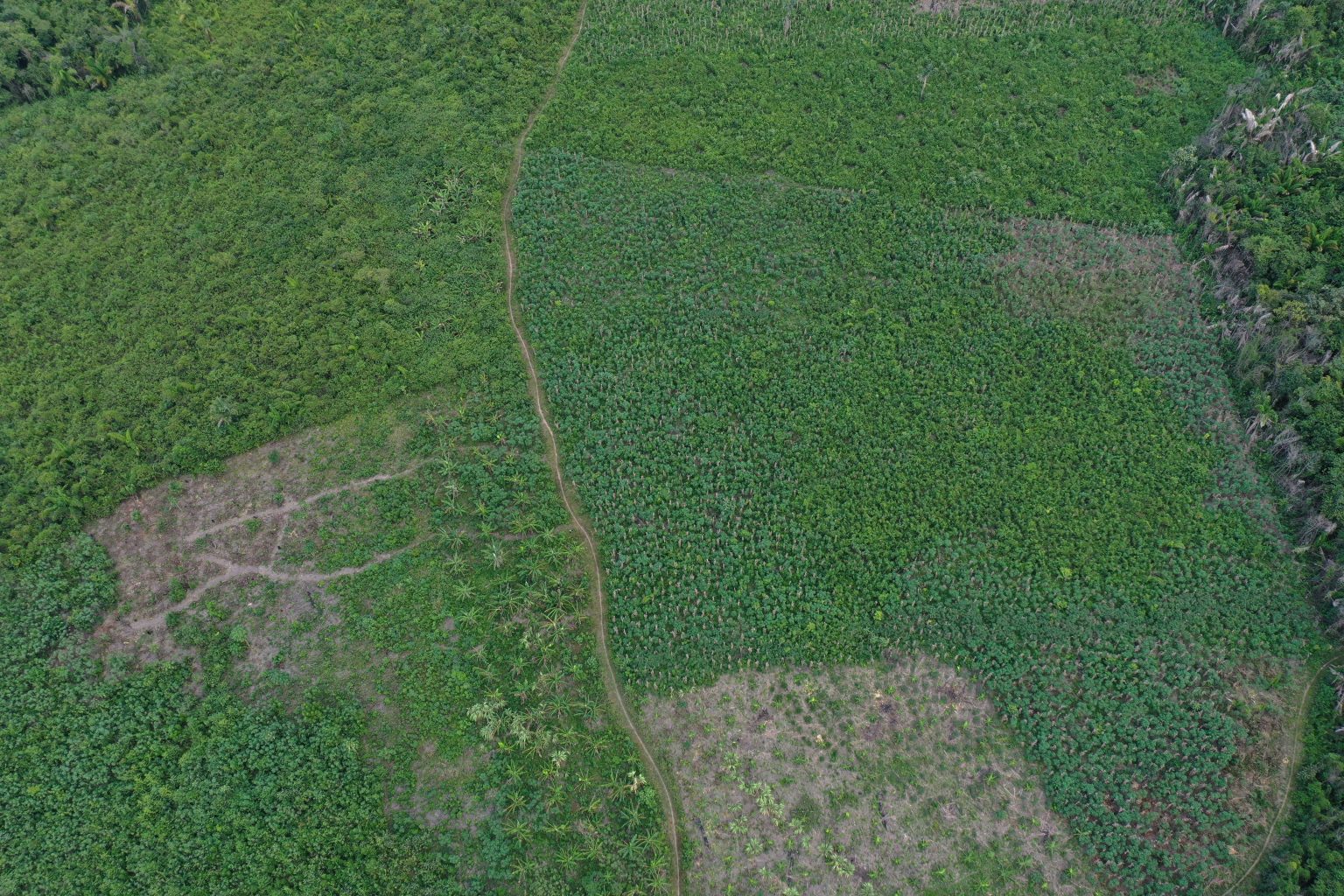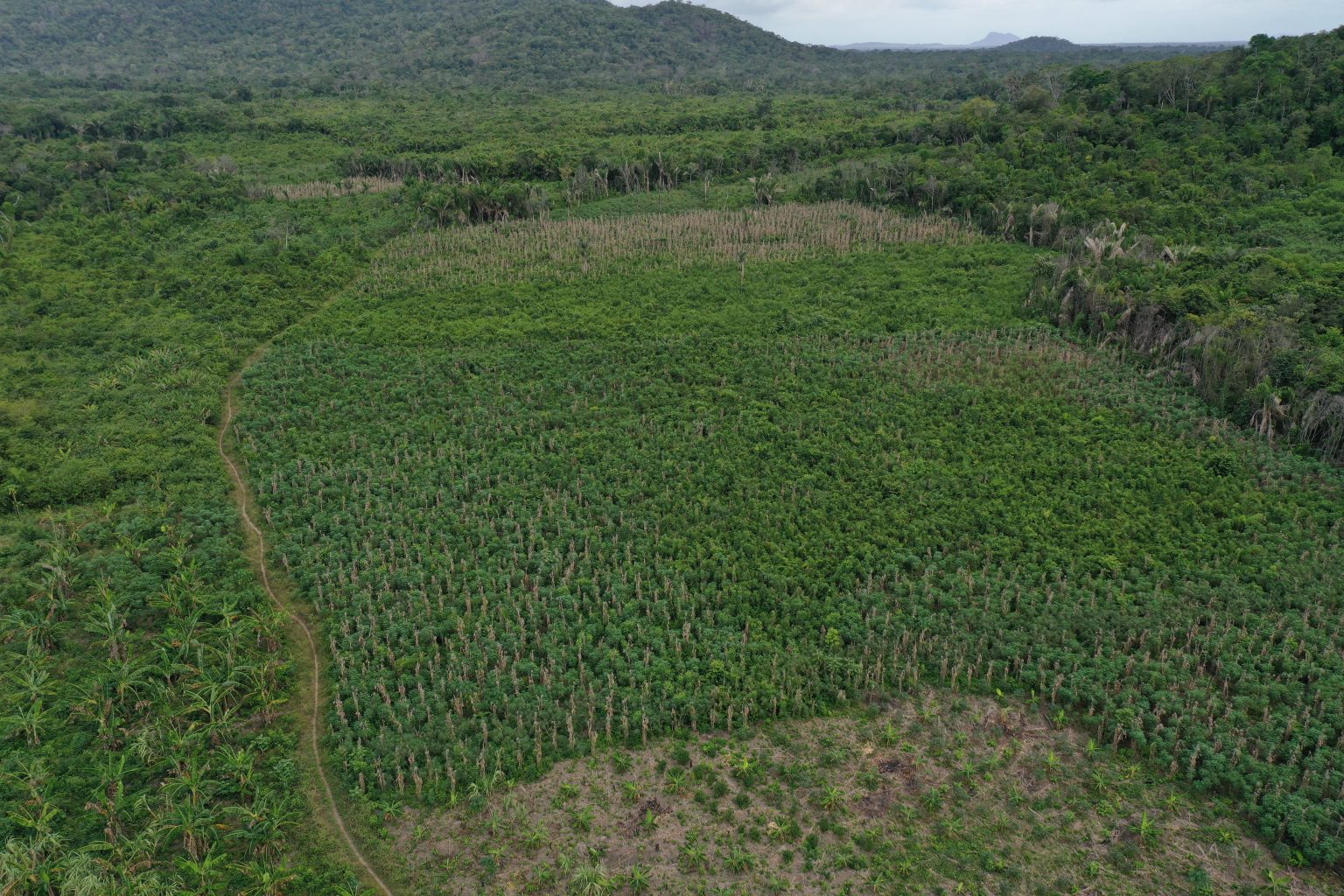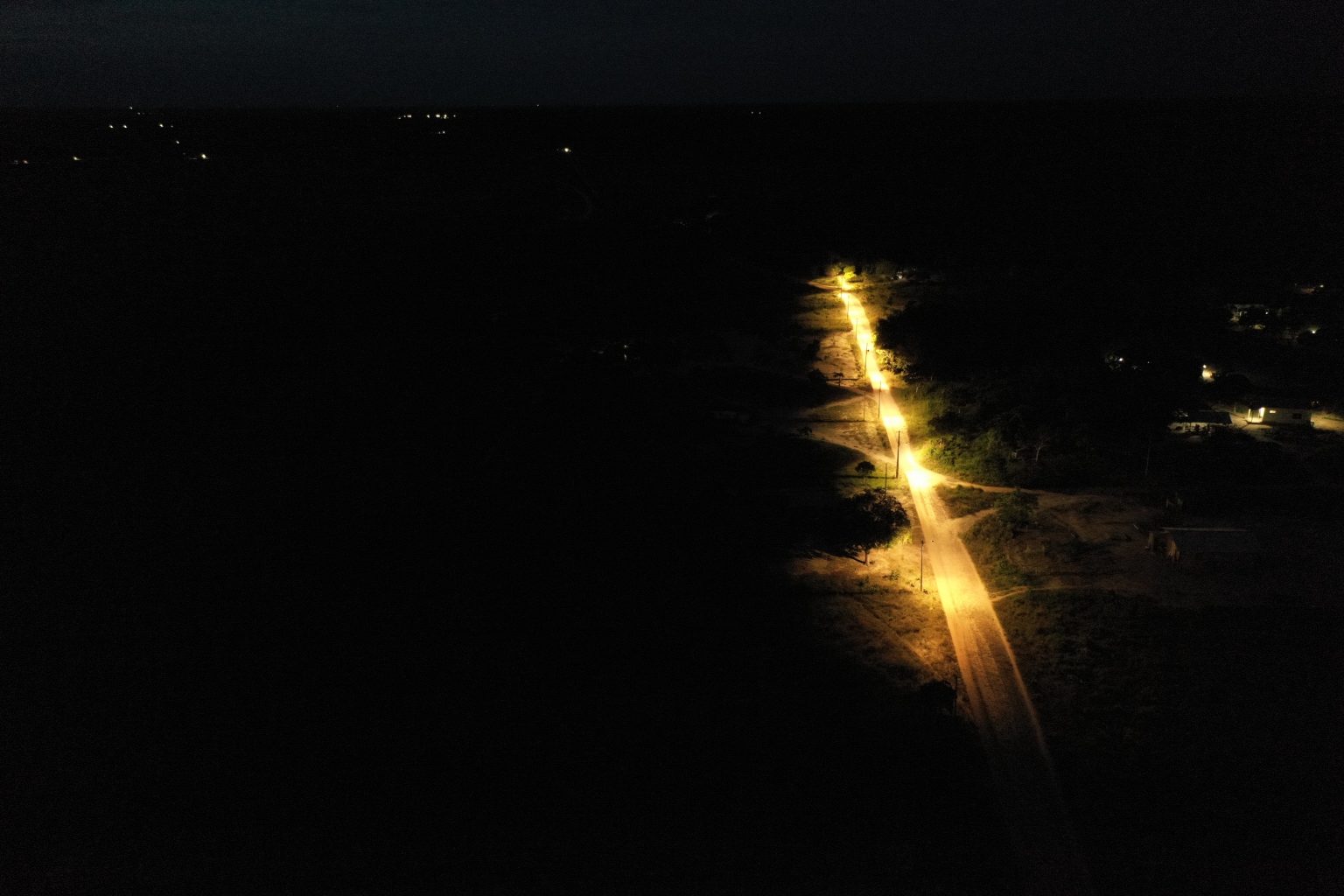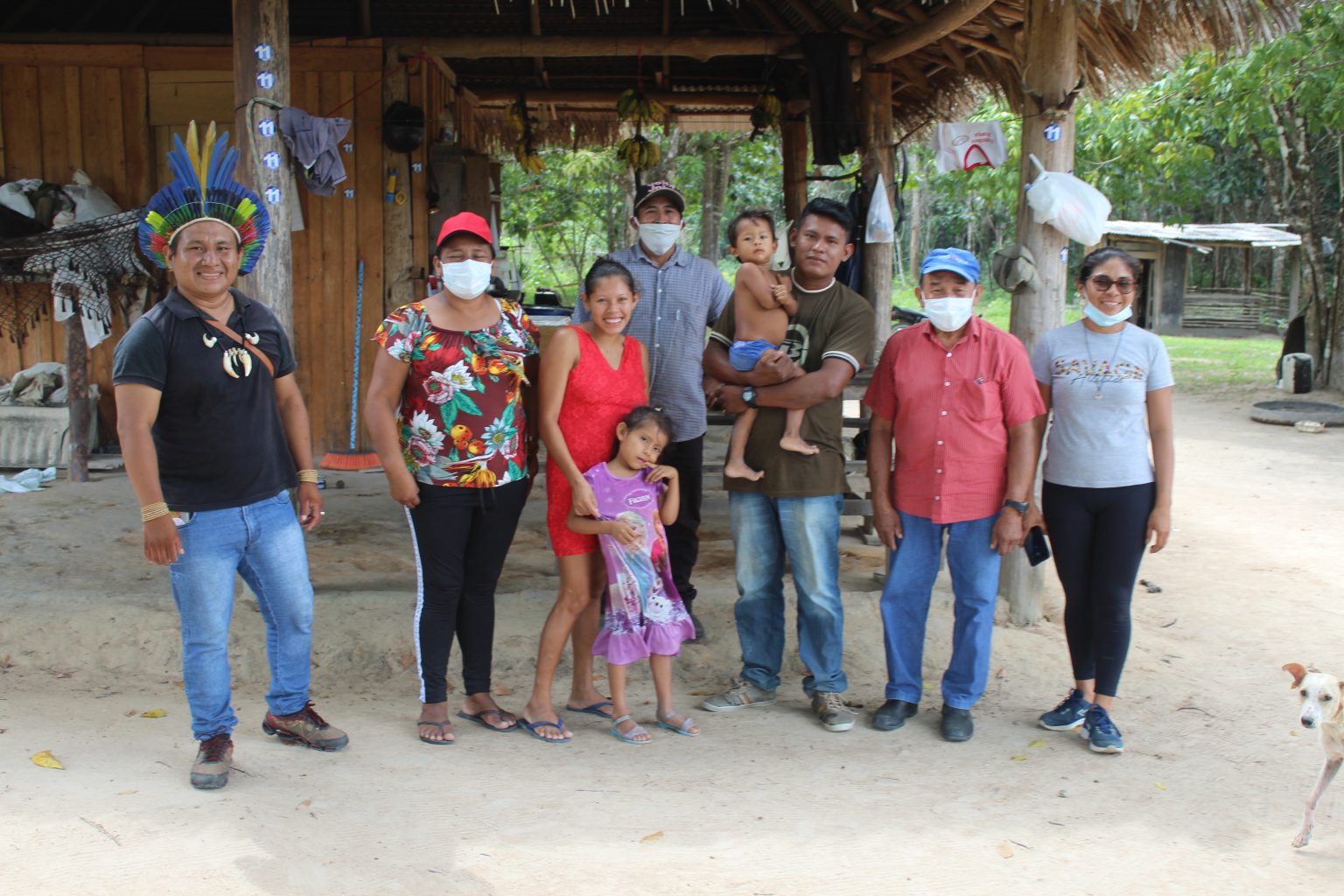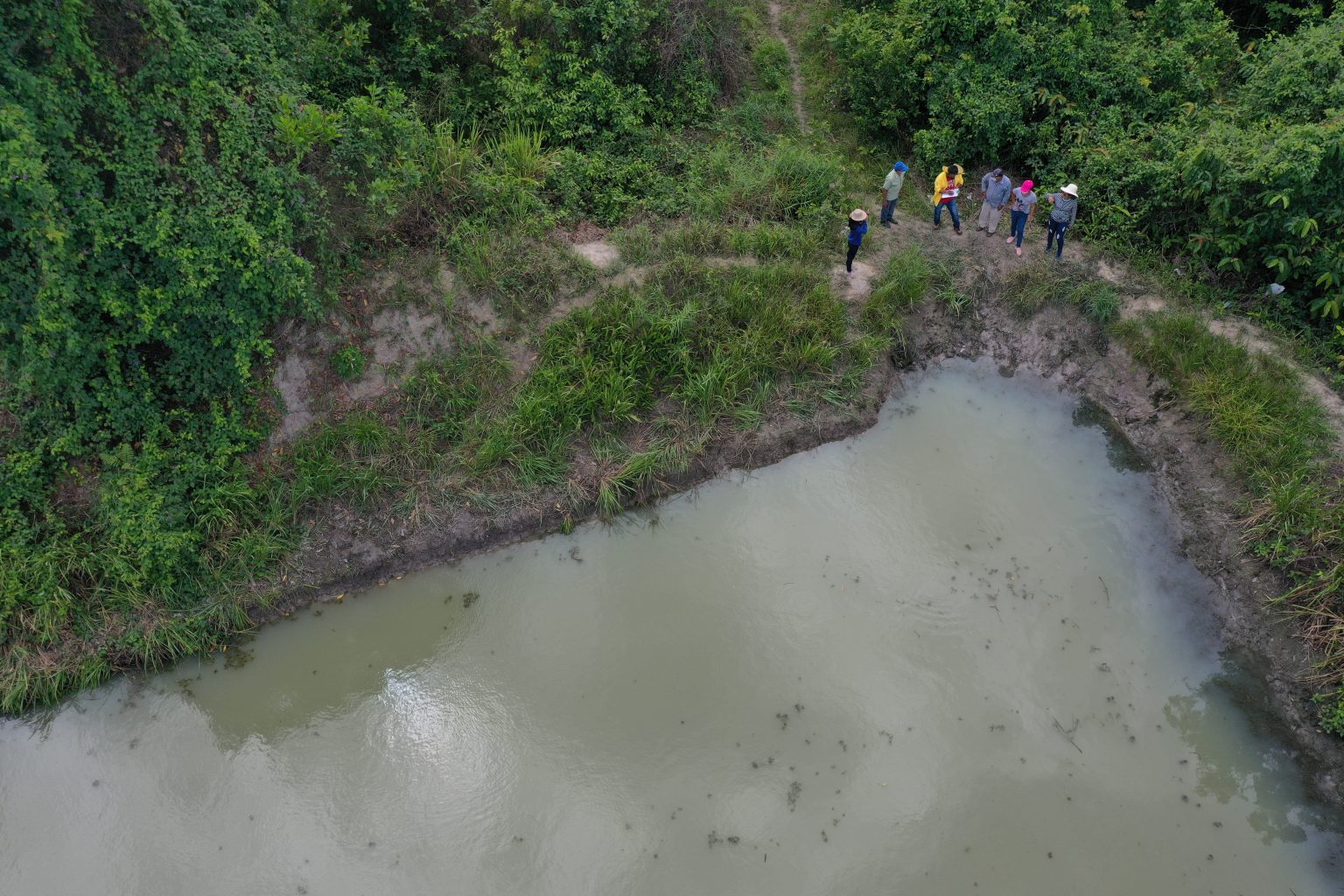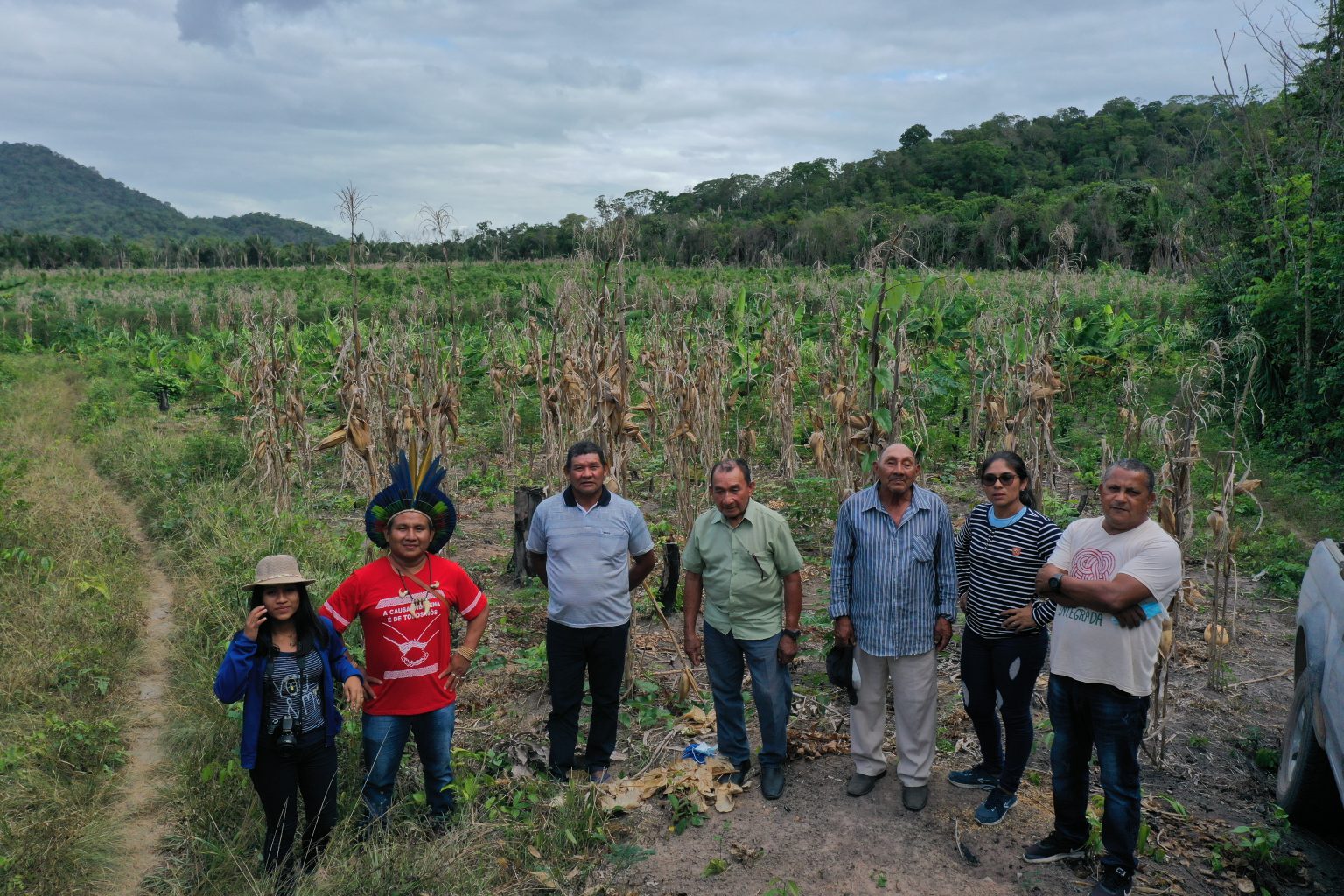
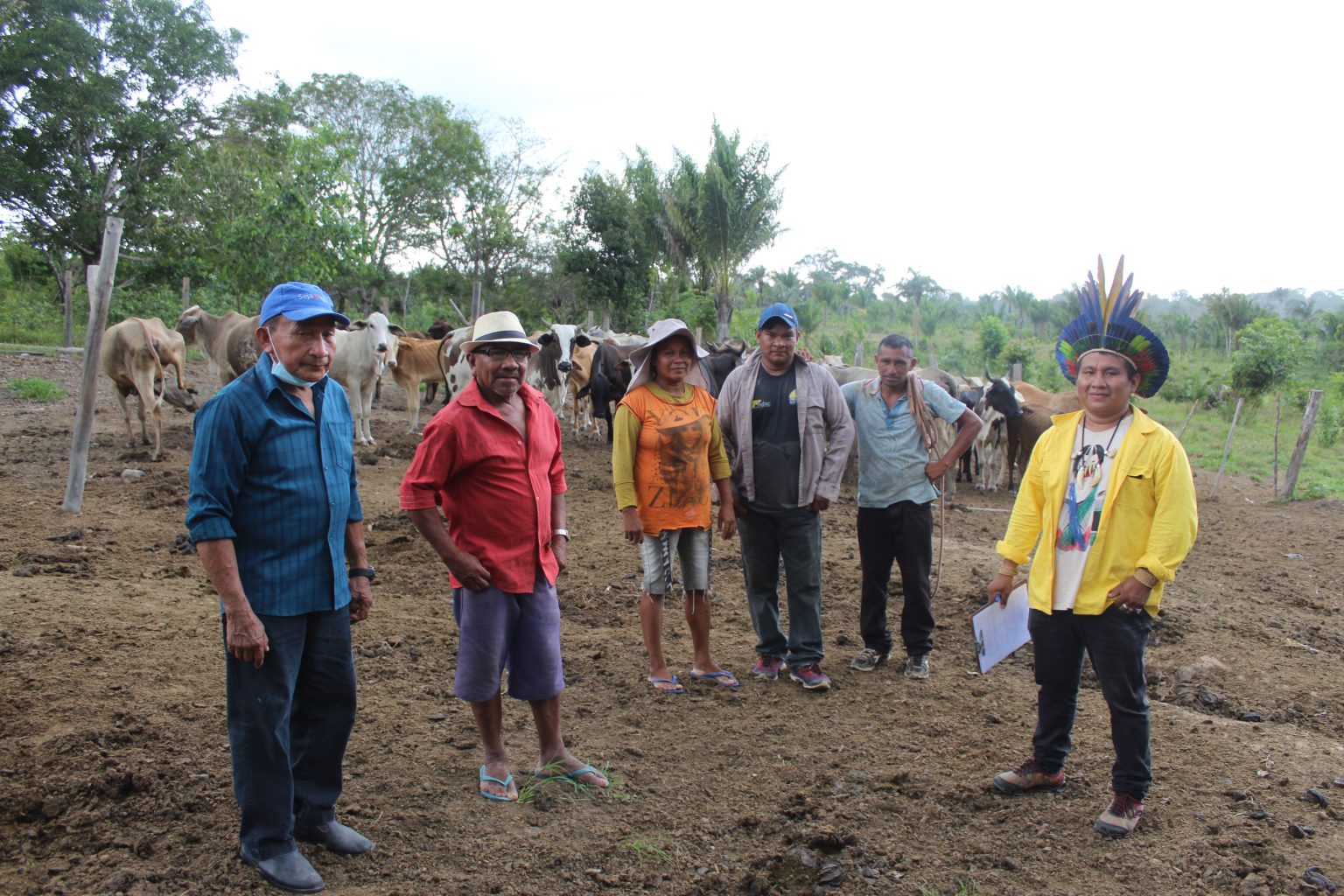
Continuing the visits and surveys of the production of the regions, the general coordinator of the Indigenous Council of Roraima (CIR) Enock Taurepang was between November 17 and 19 in the Serra da Lua region, in the fields of the Jacamizinho, Barro vermelho, Canauanim, T.I Tabalascada, Campinarana and Laje neighborhoods.
The regional coordinator Clóvis Ambrósio was the one who led the visit to the production areas, and as in previous visits, tuxauas and producers were also present. According to him, the Serra da Lua region has a general population of 9,550 people, 21 indigenous communities with tuxauas and 3 neighborhoods, where the Wapichana and Macuxi ethnic groups predominate.
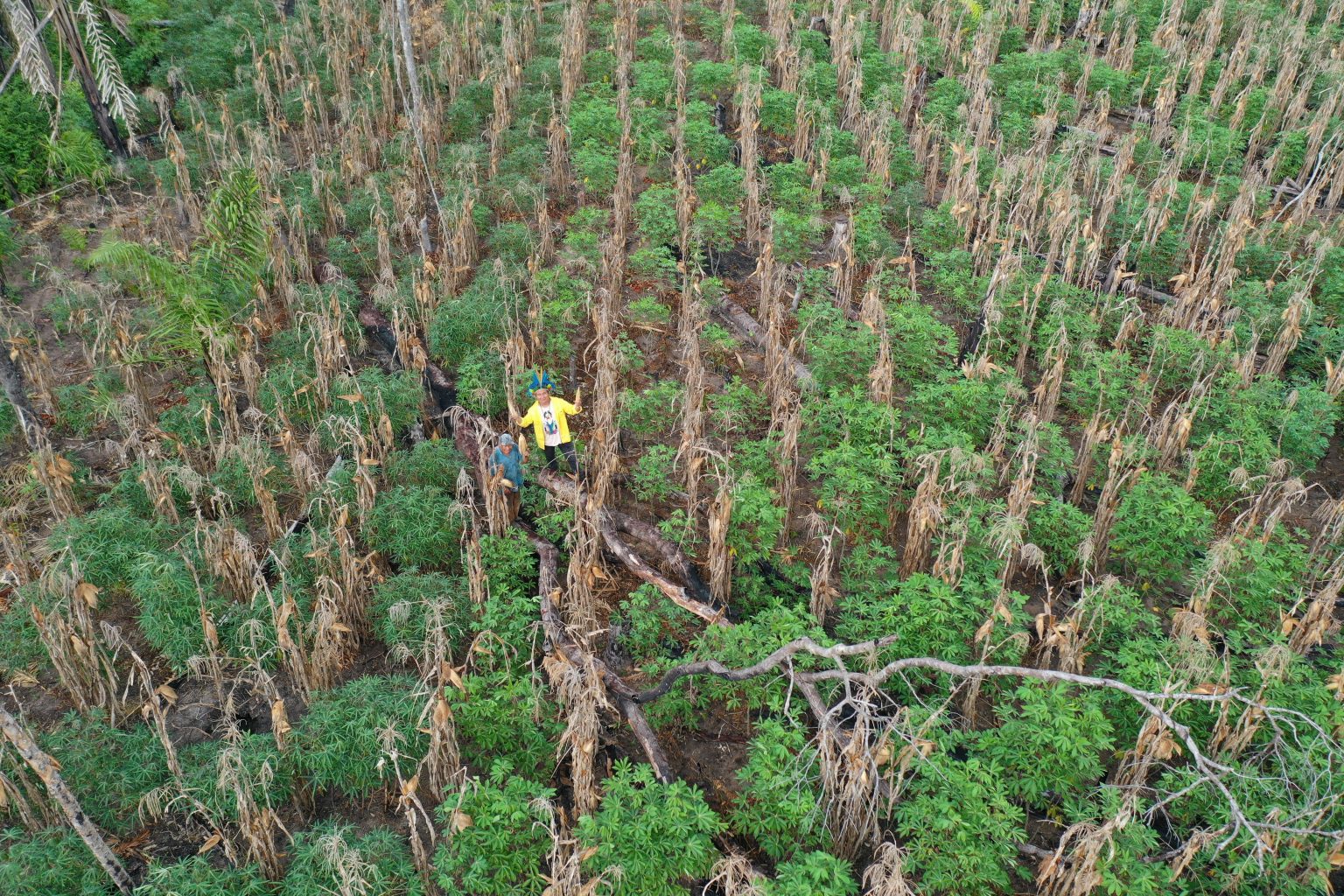
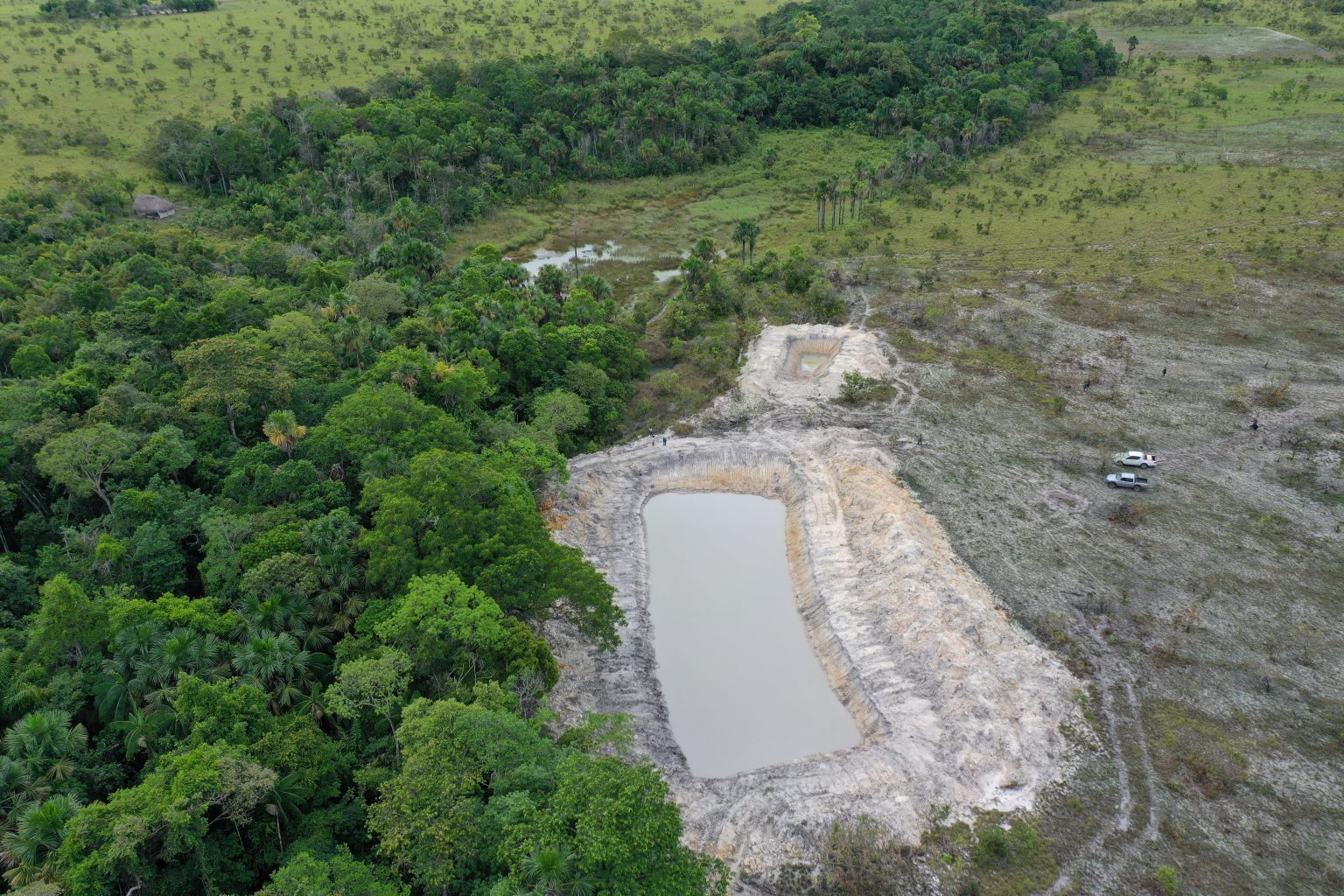
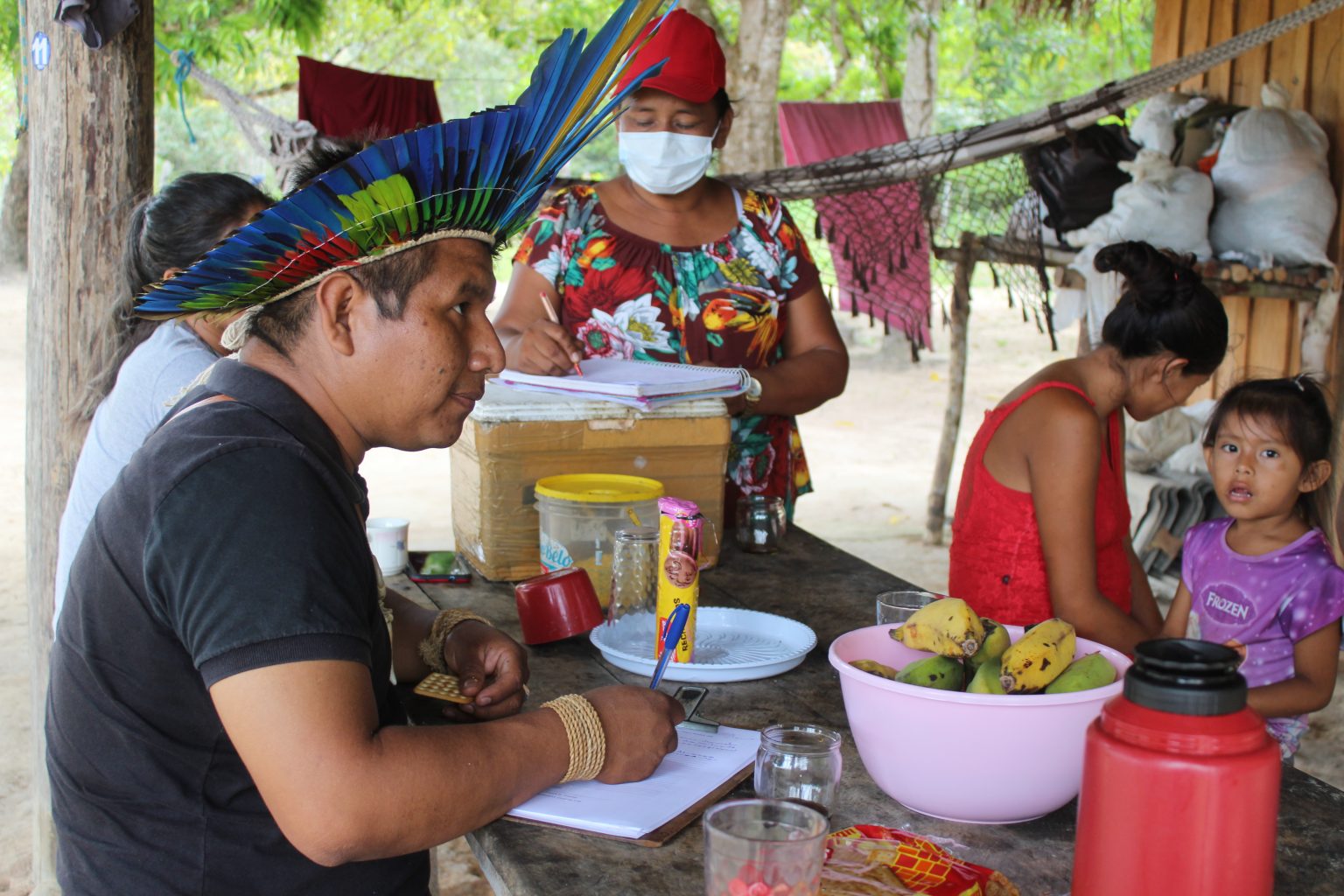
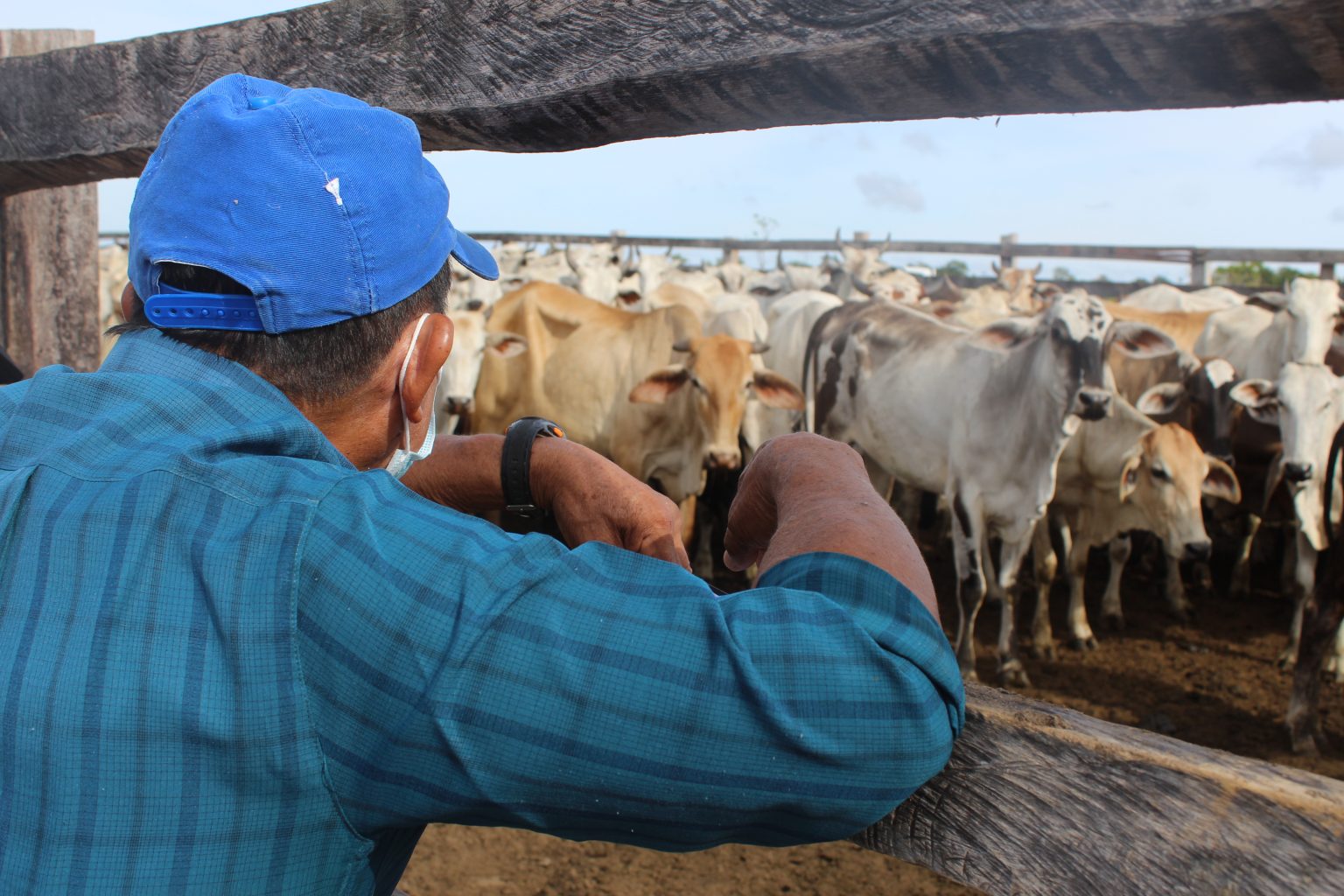
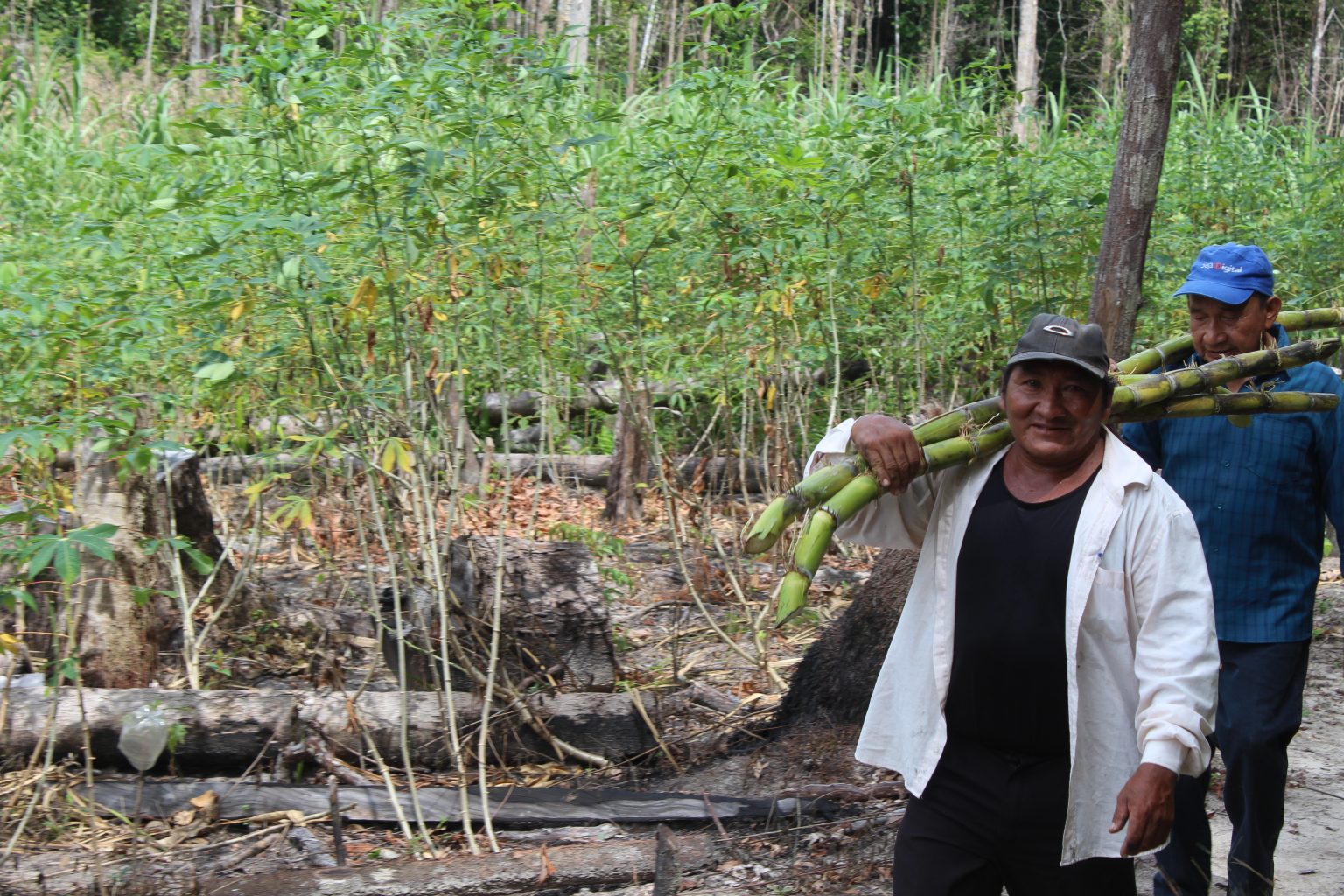
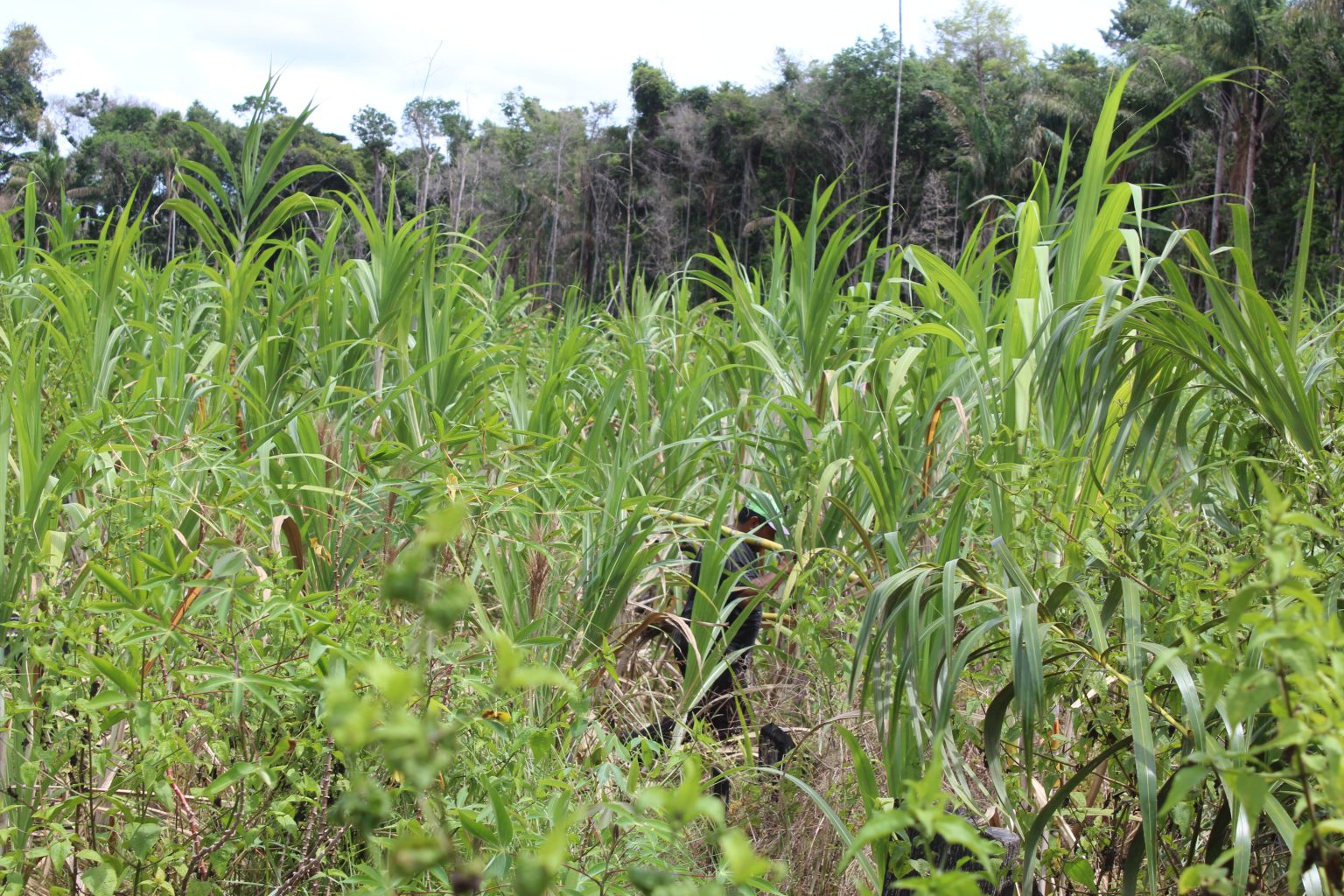
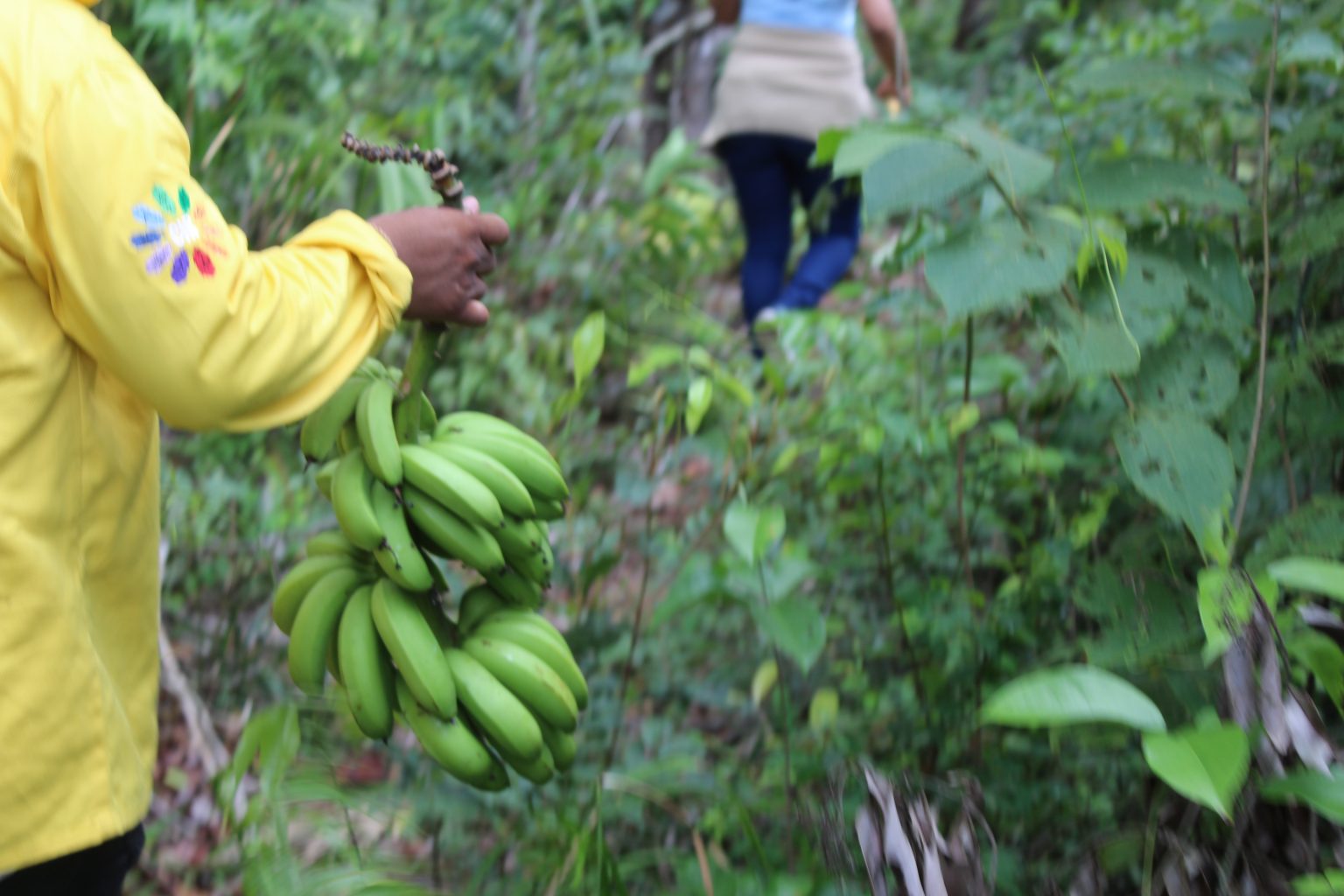
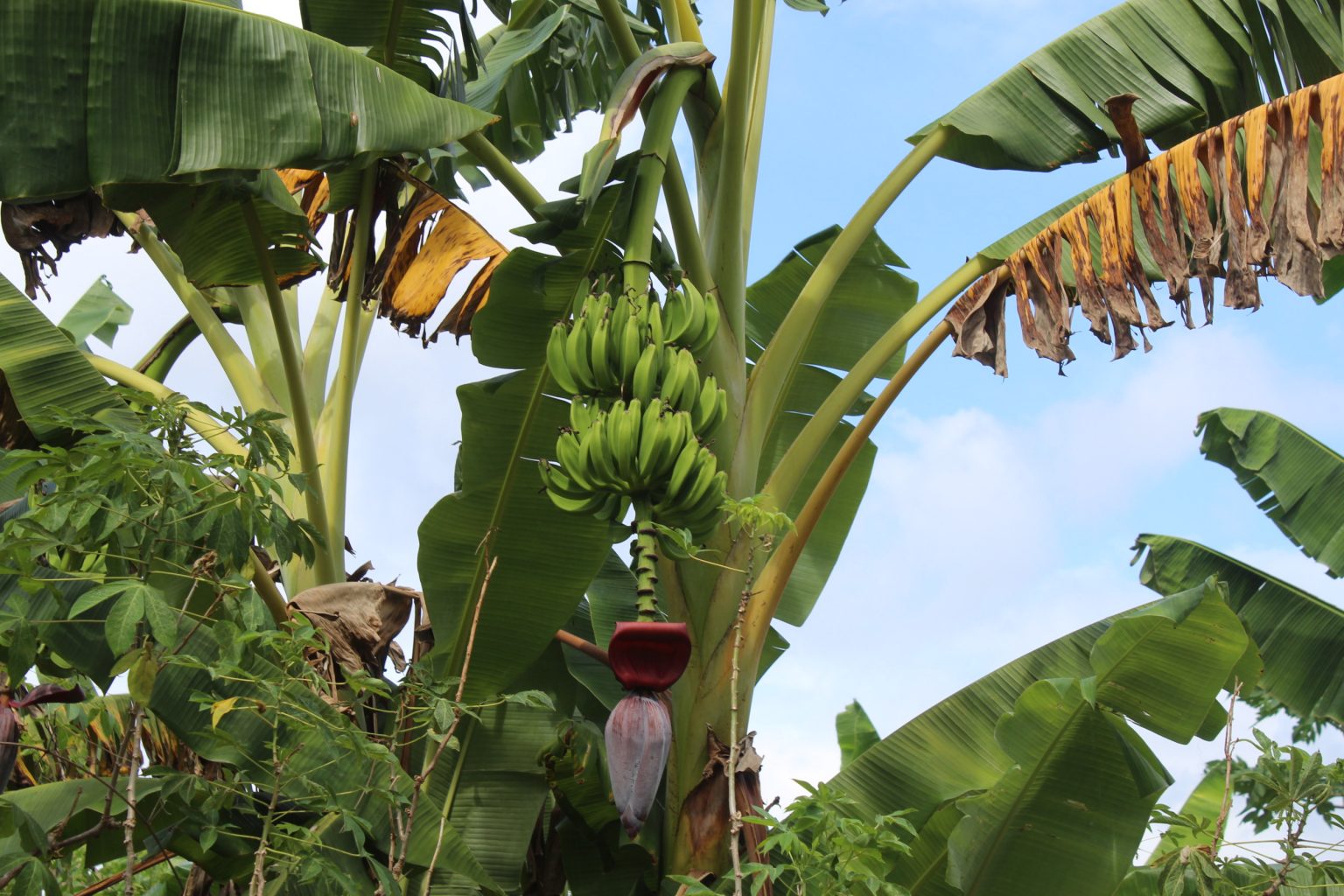
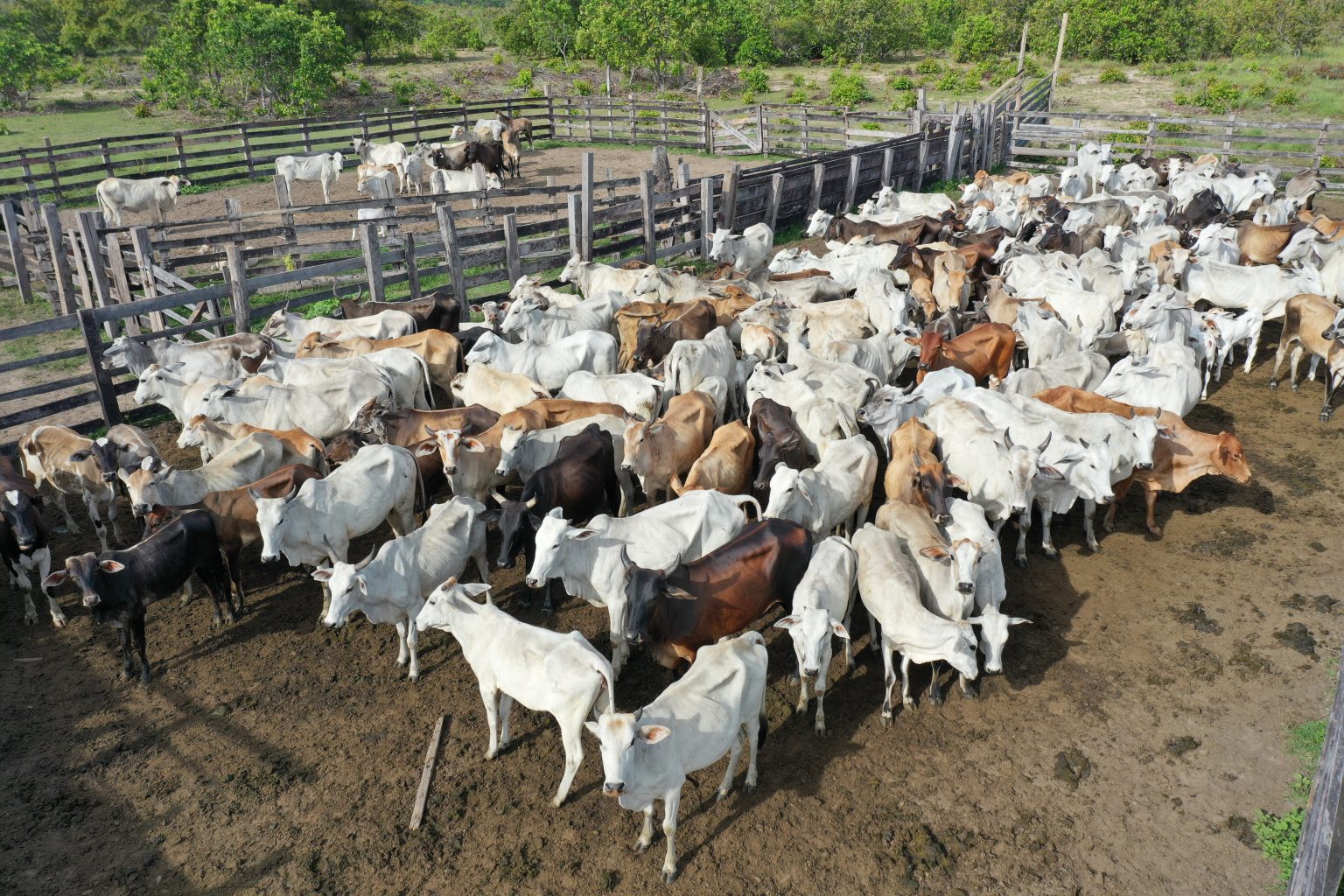
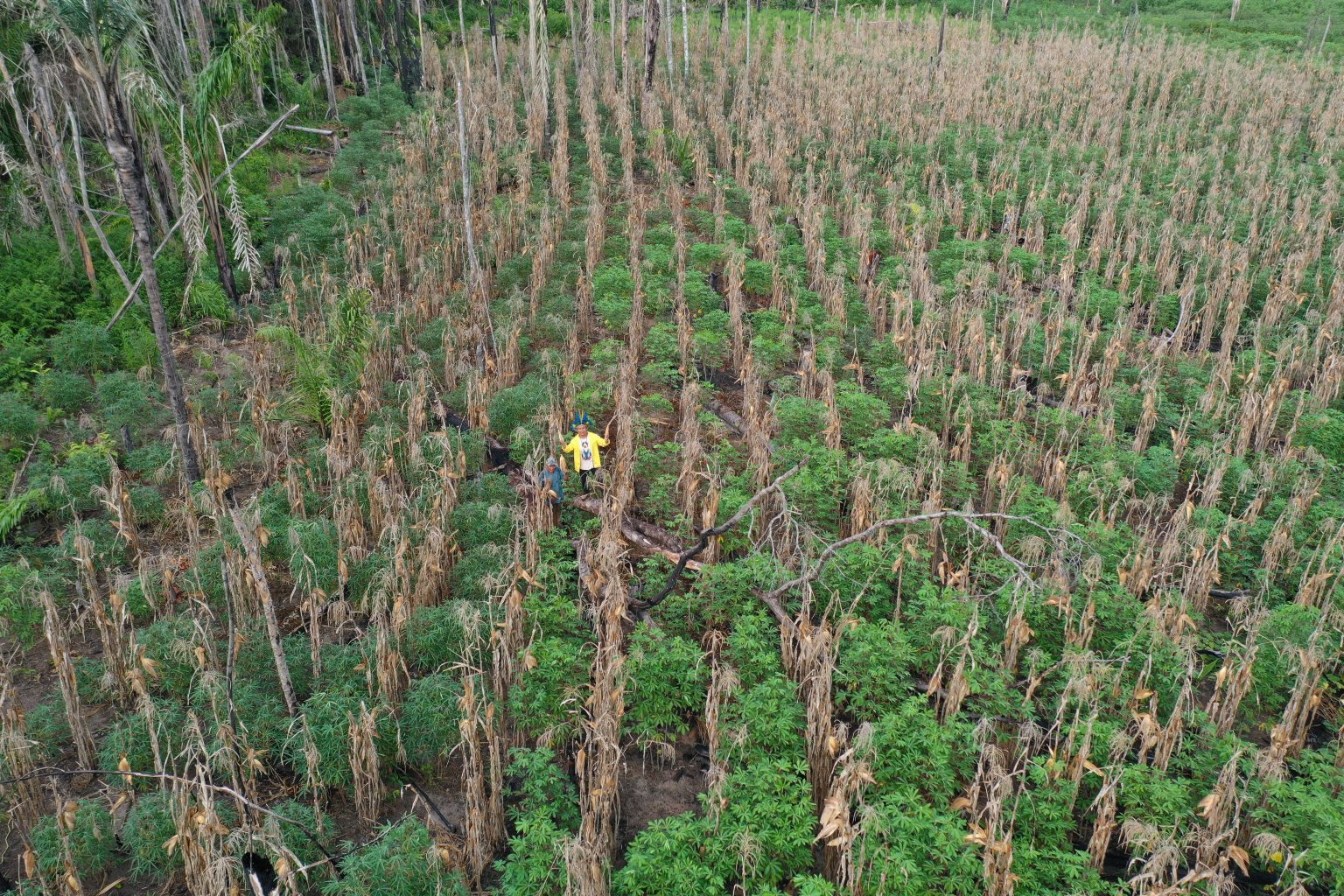
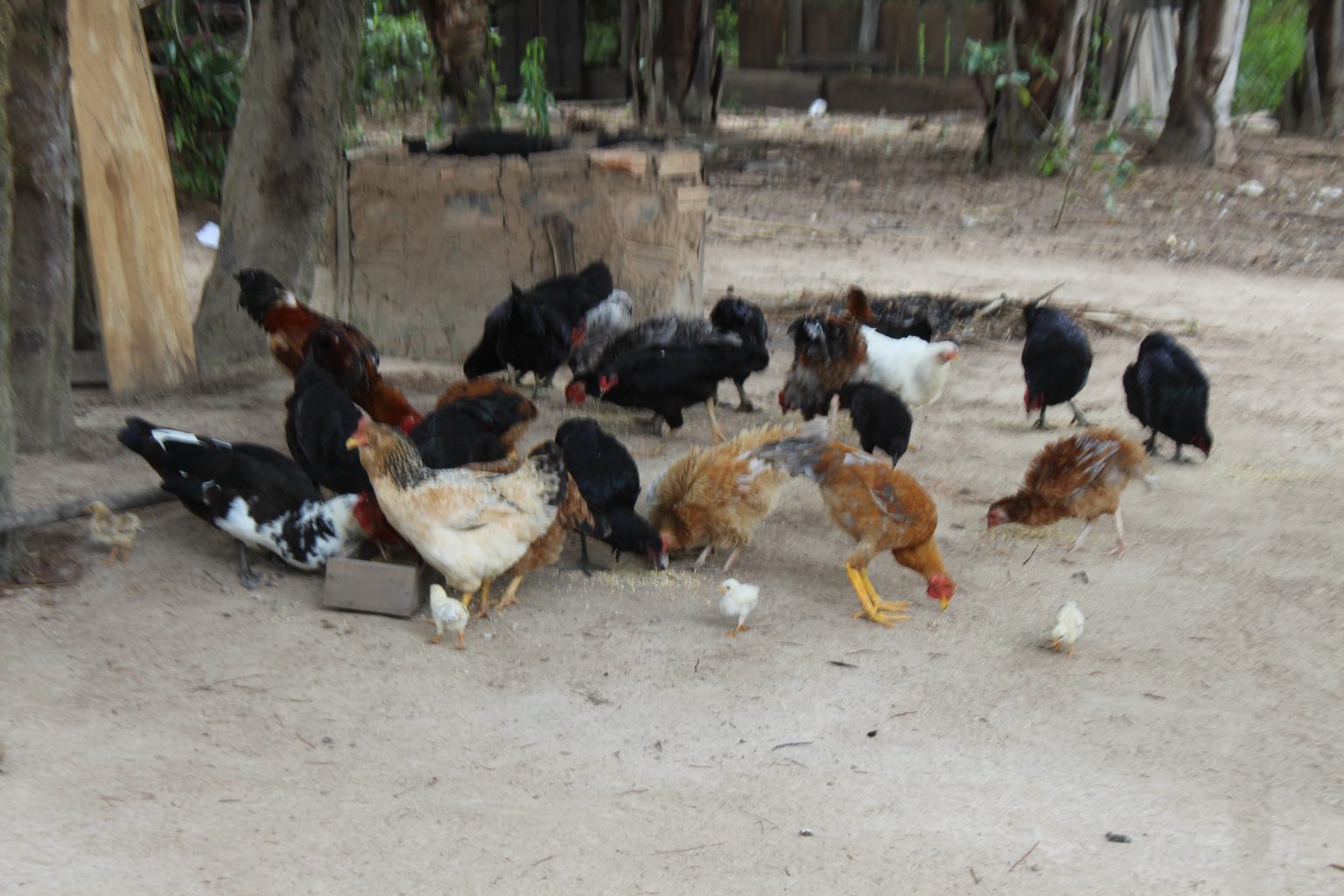
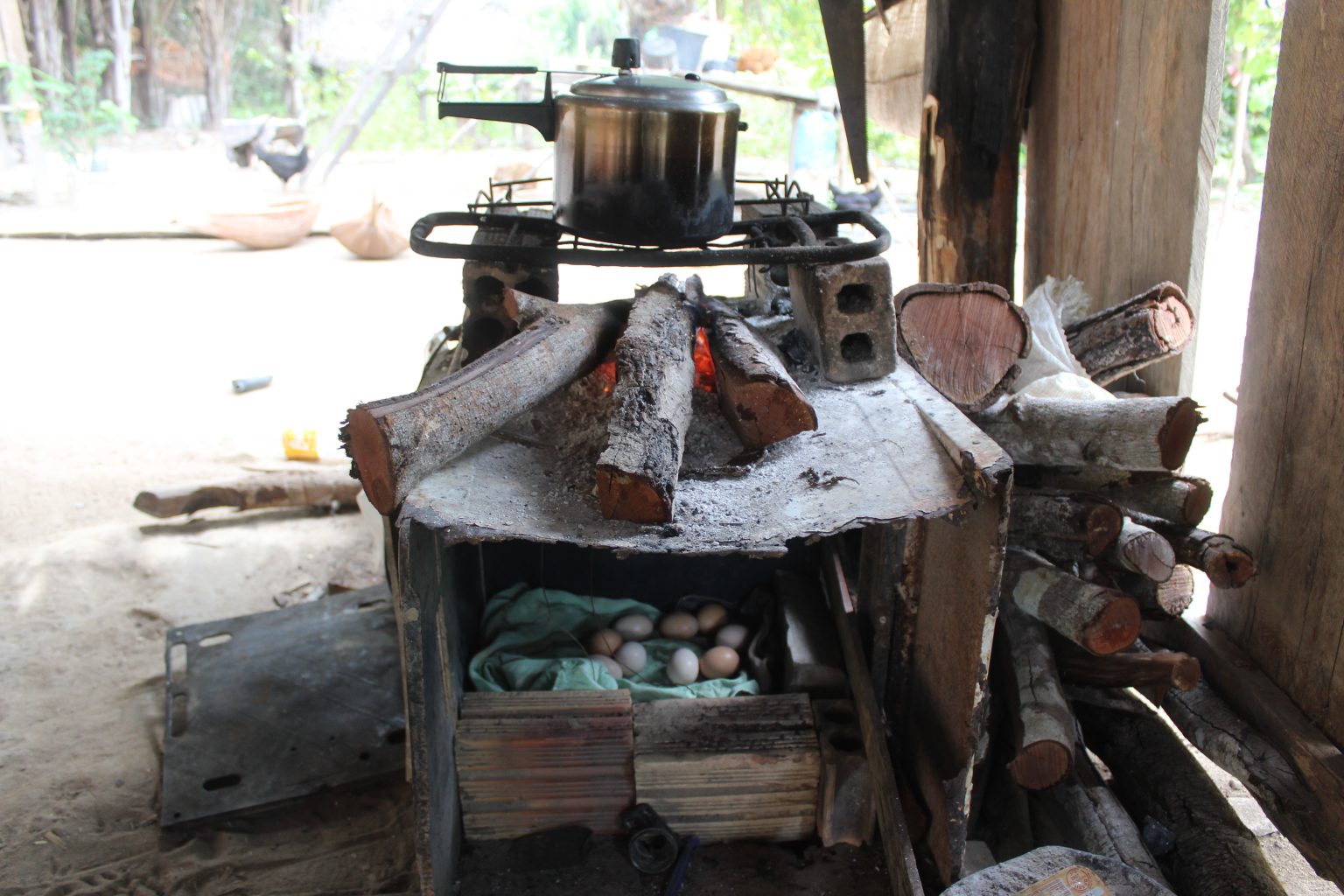
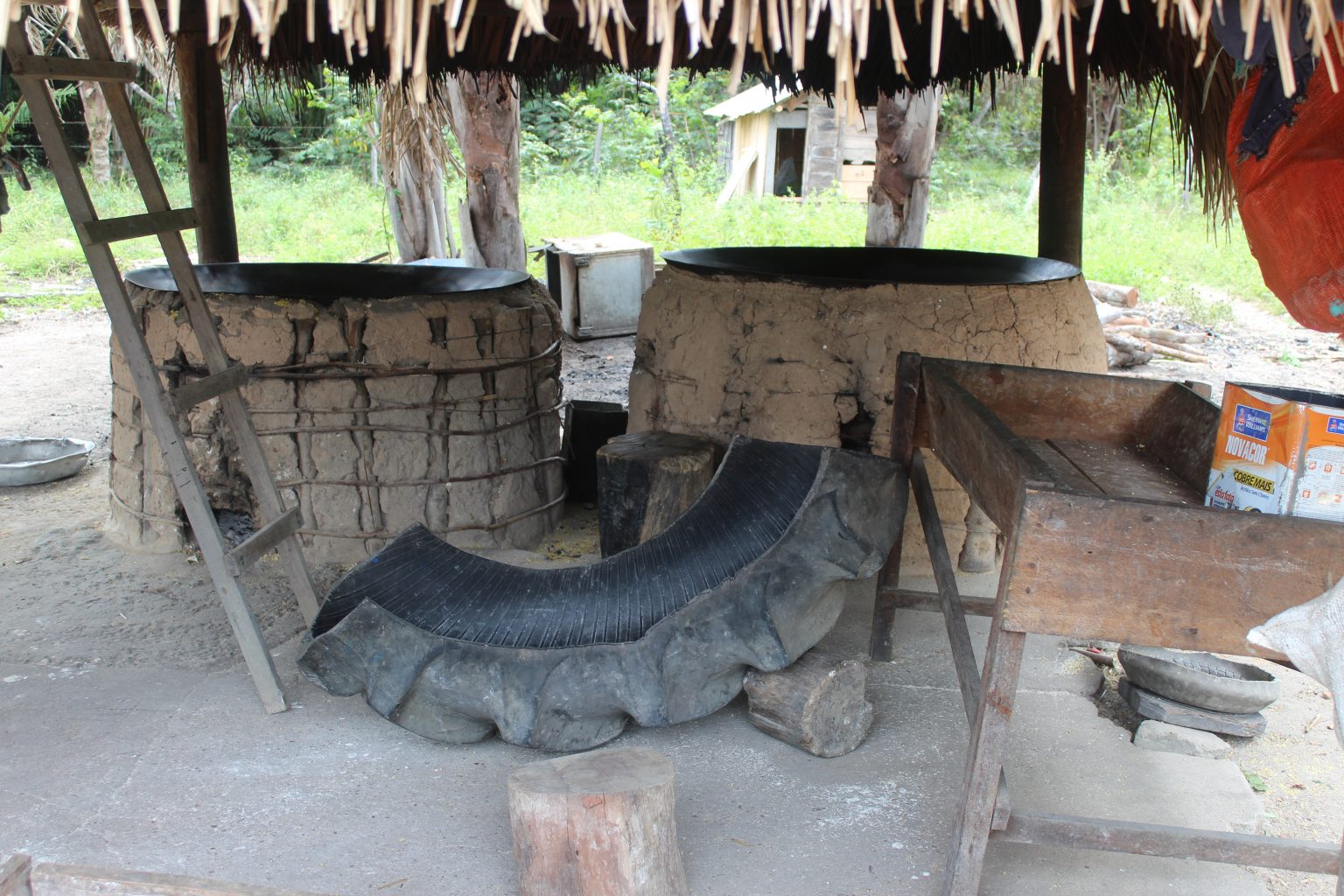
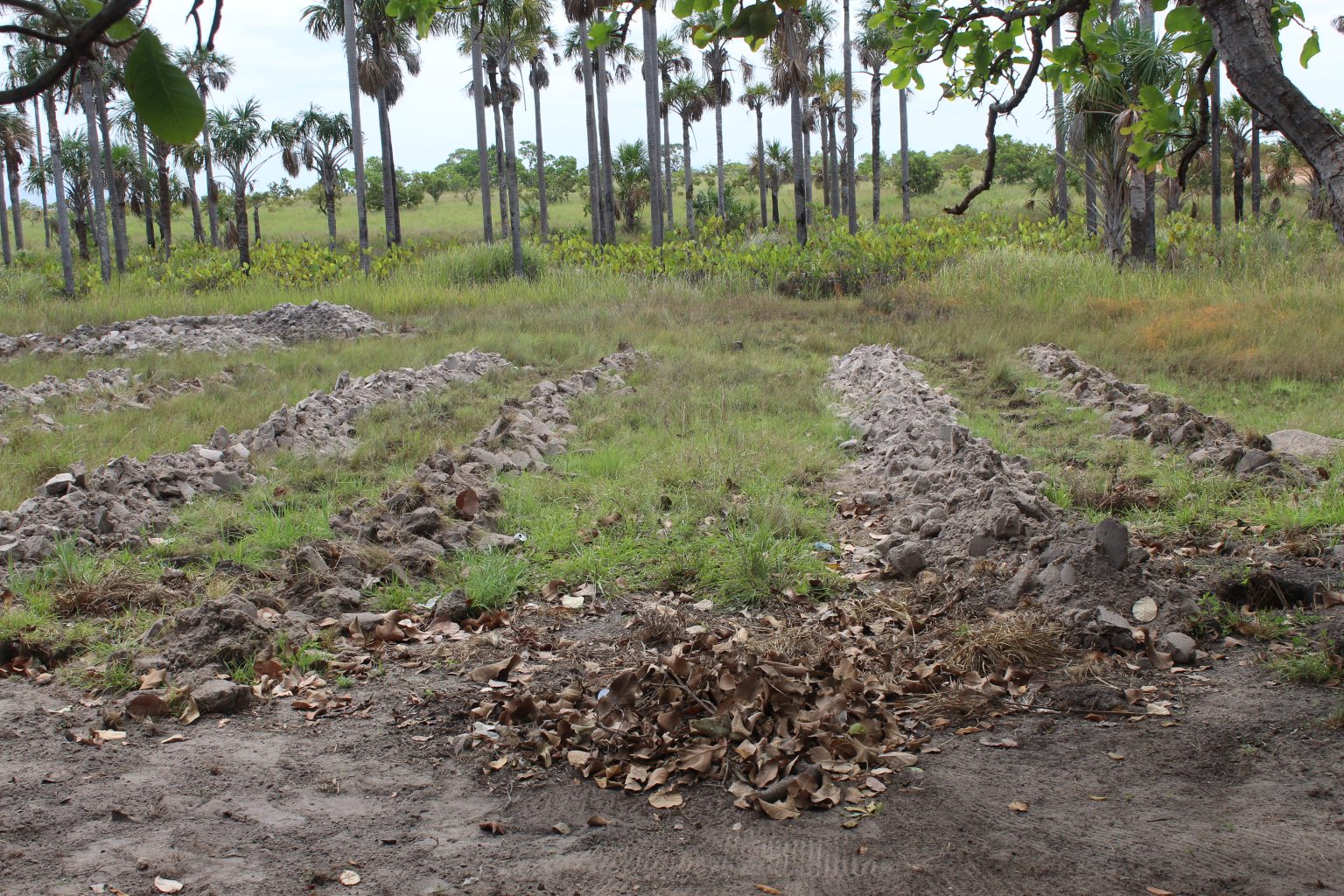
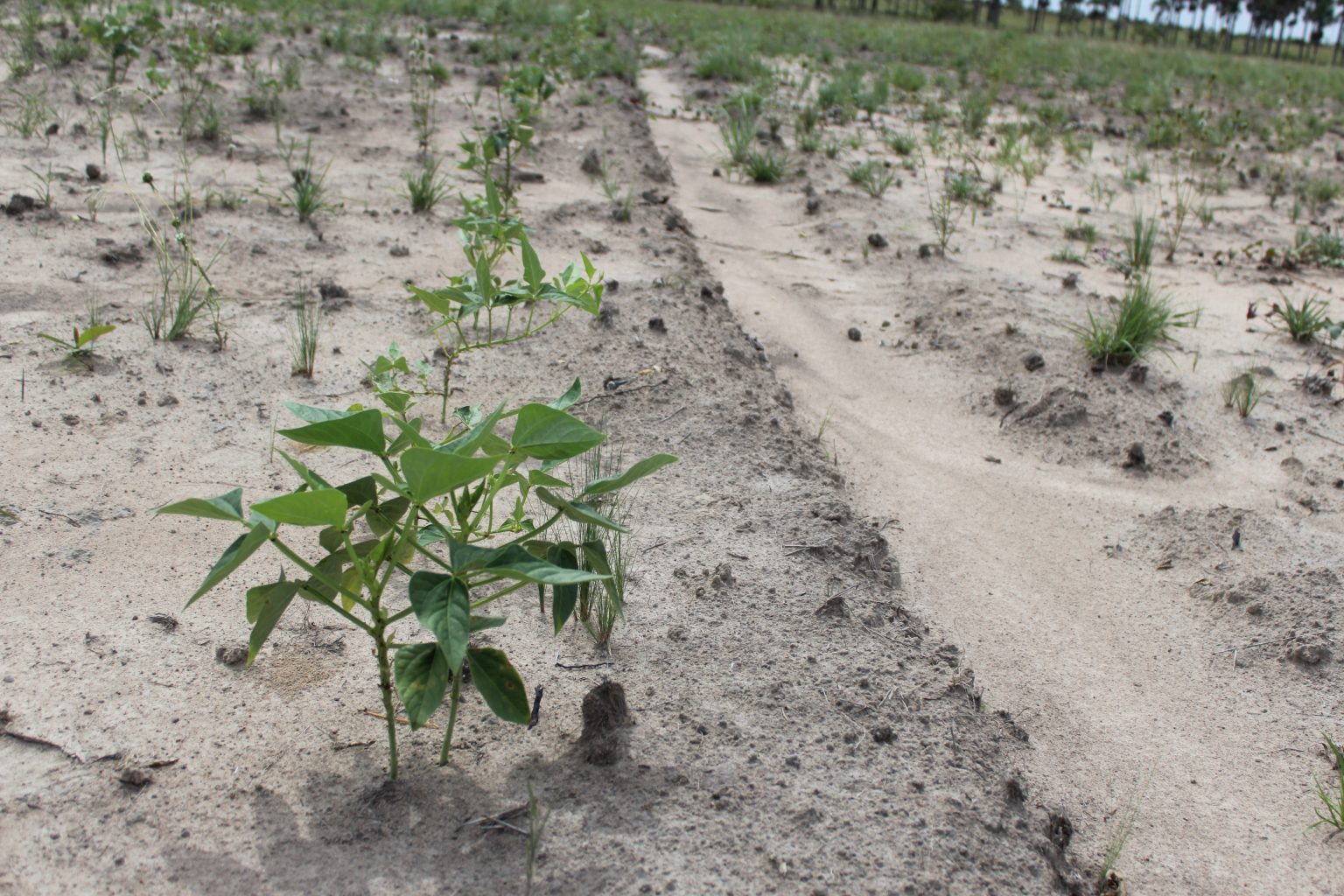
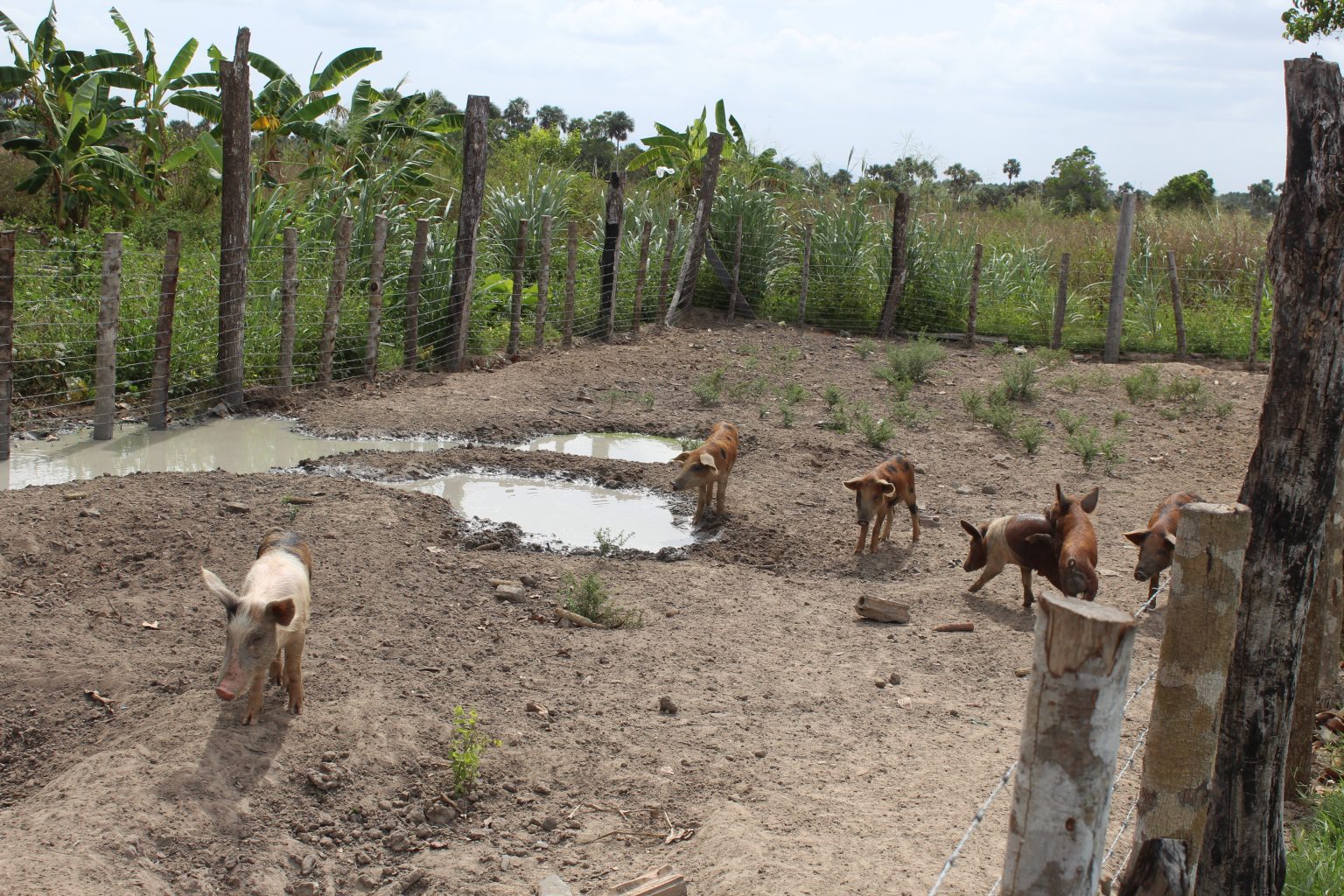
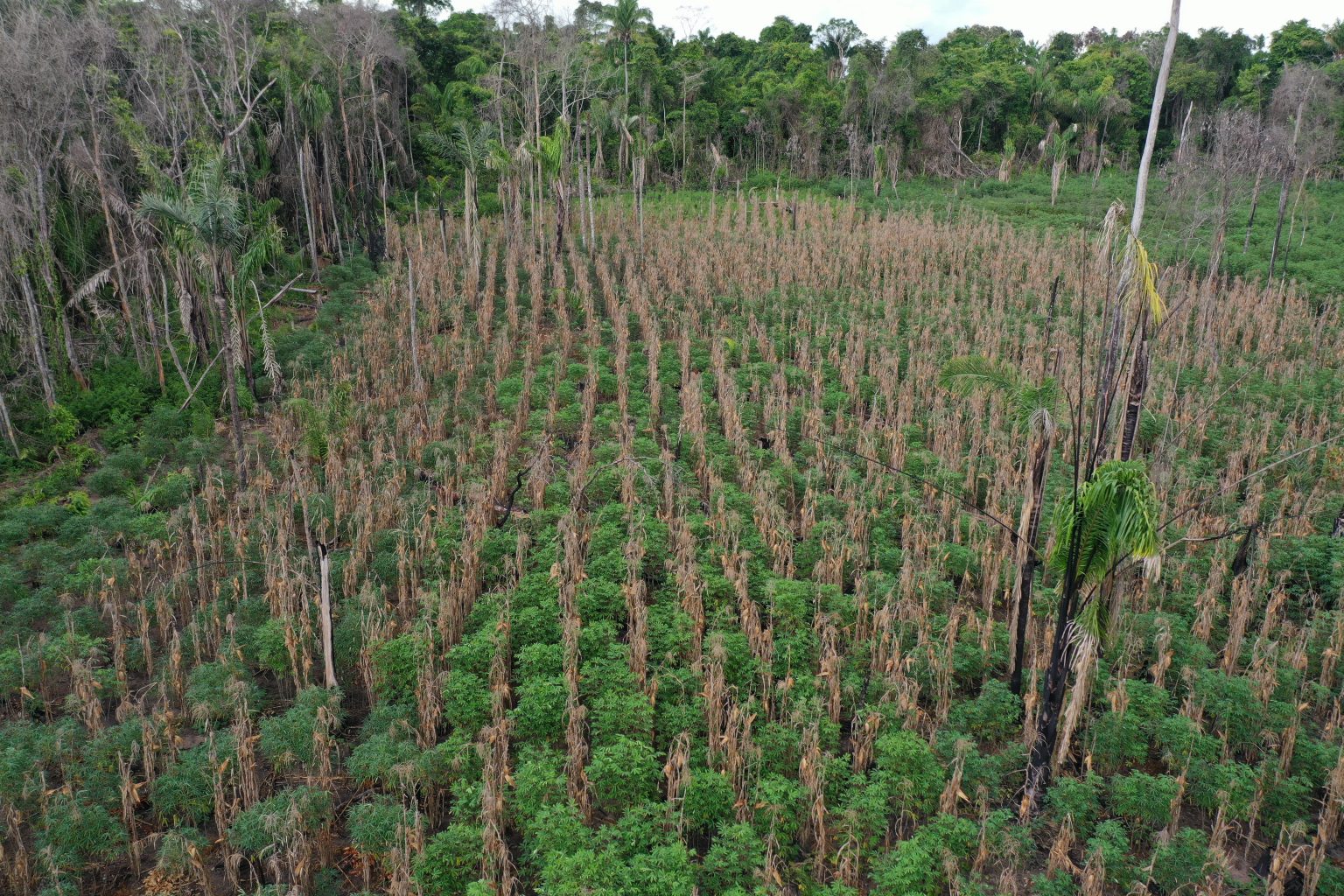
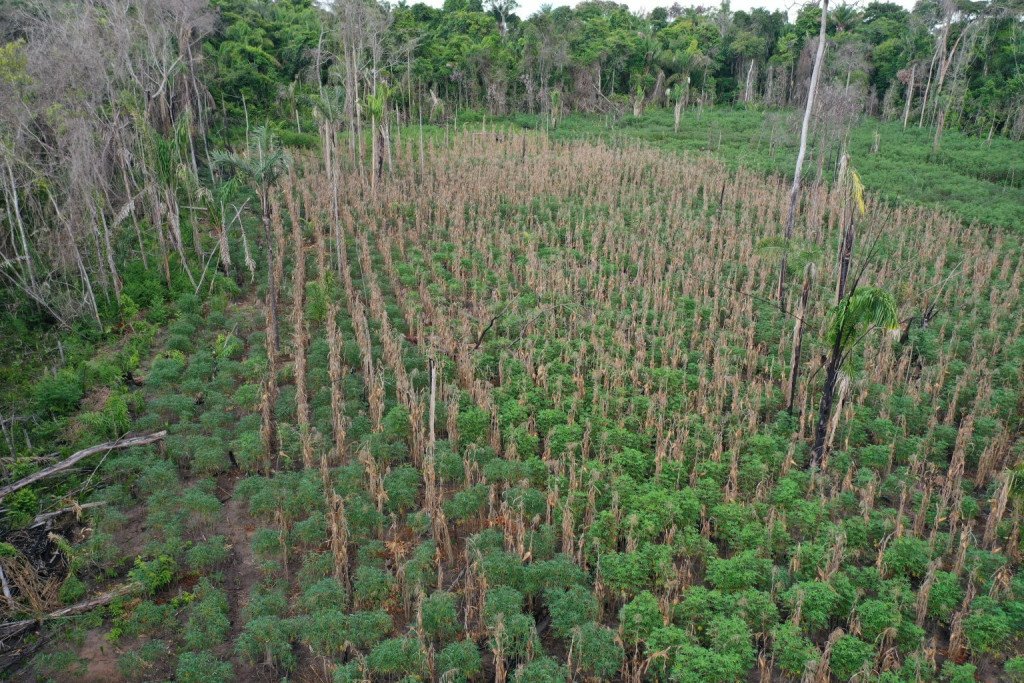
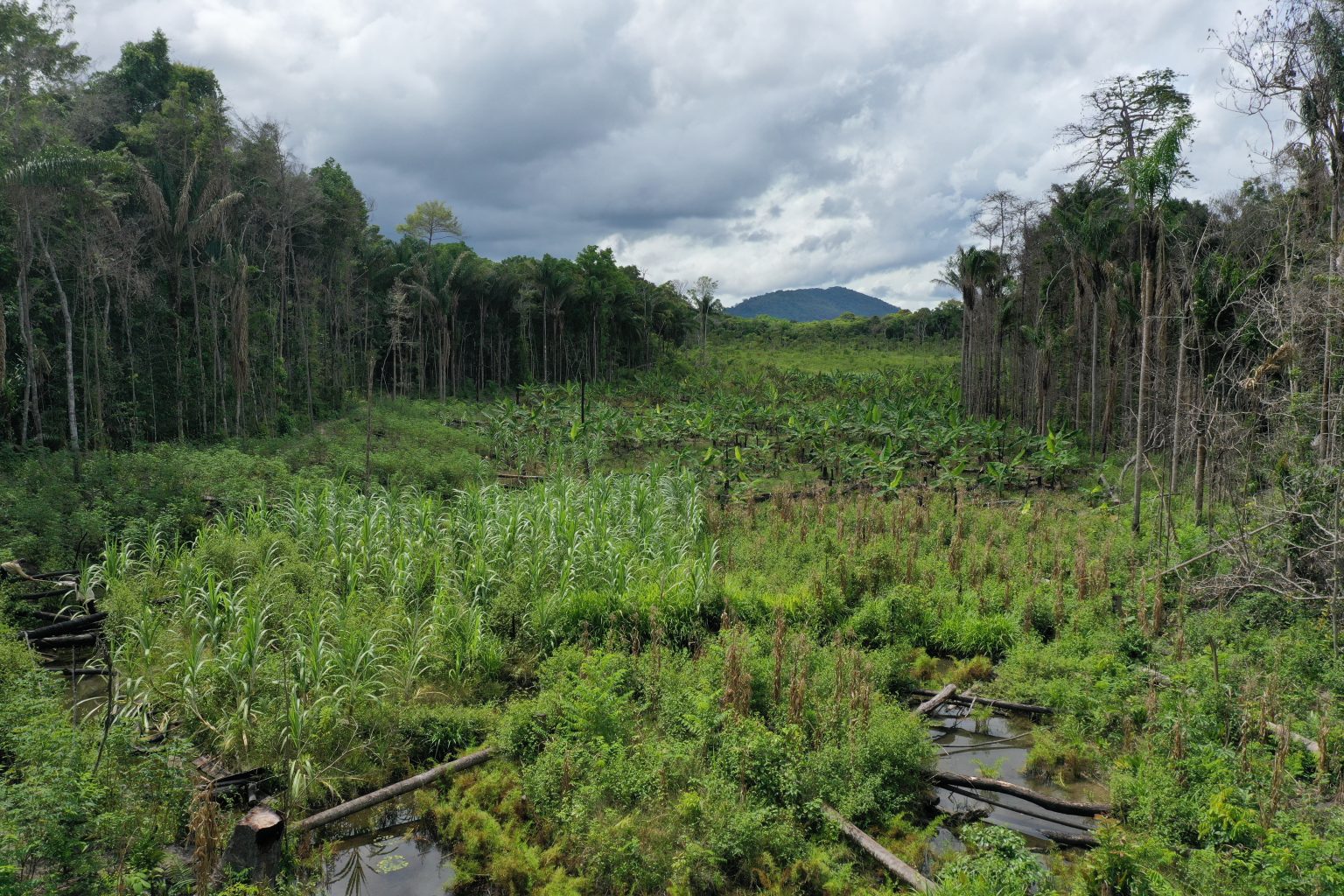
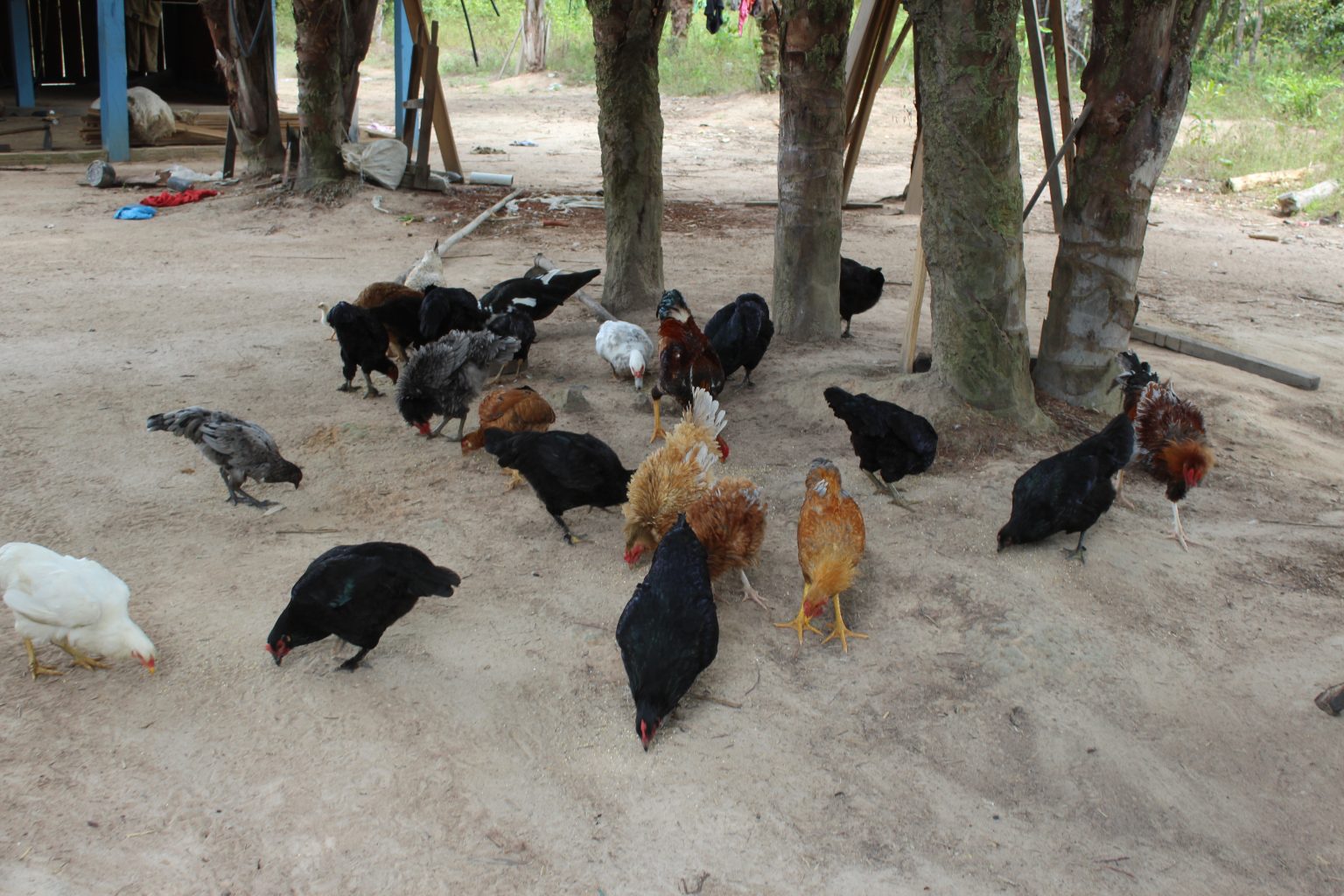
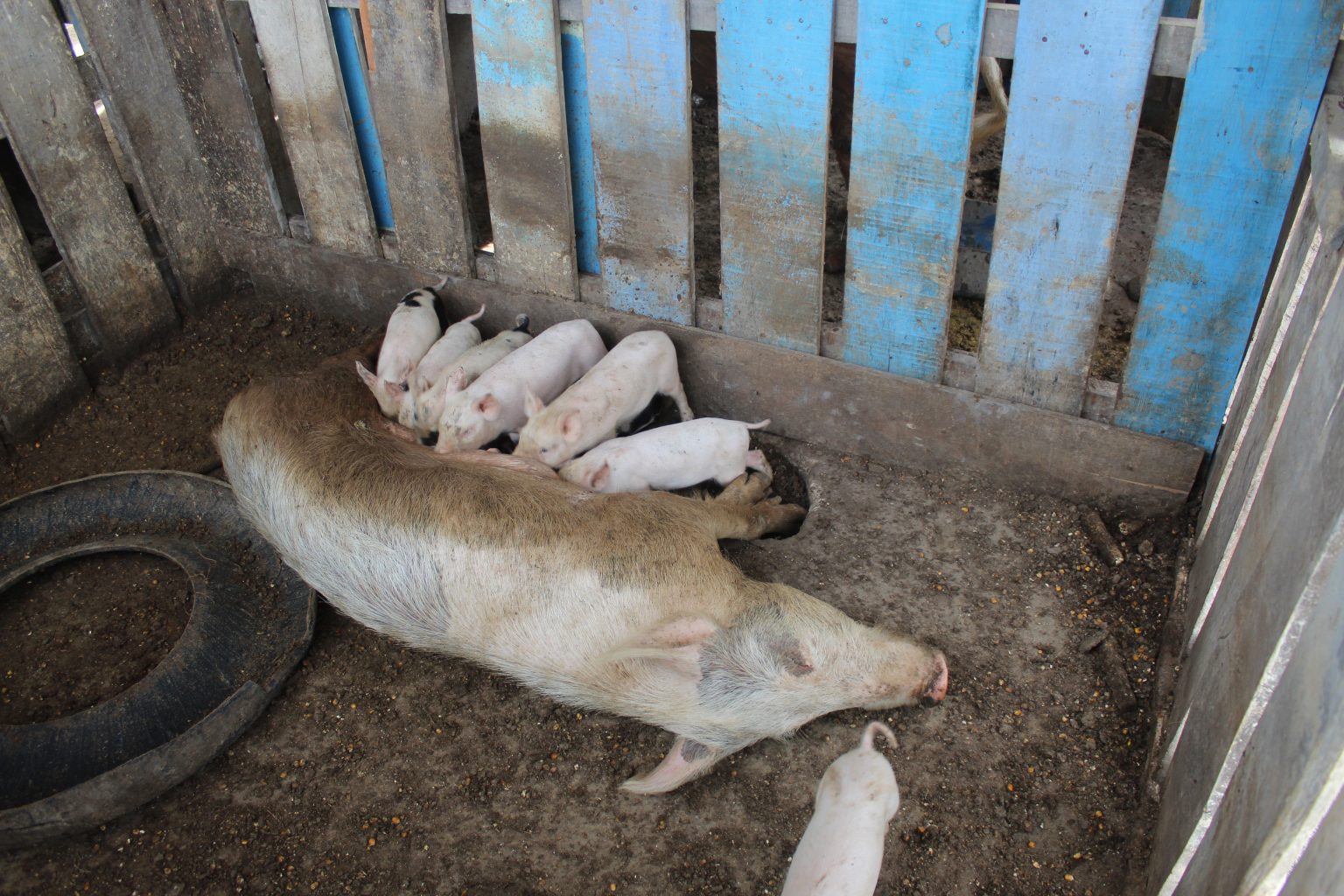
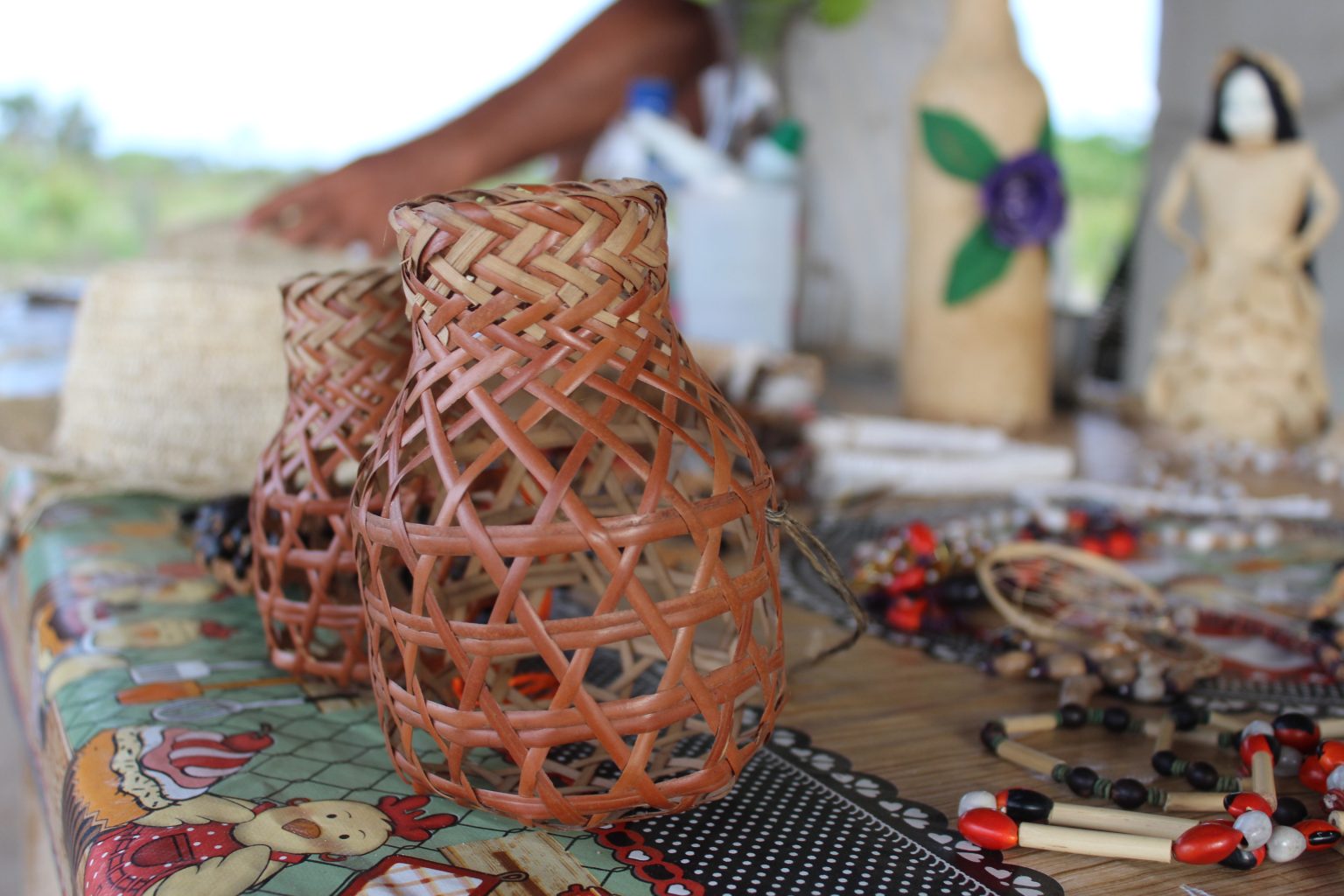
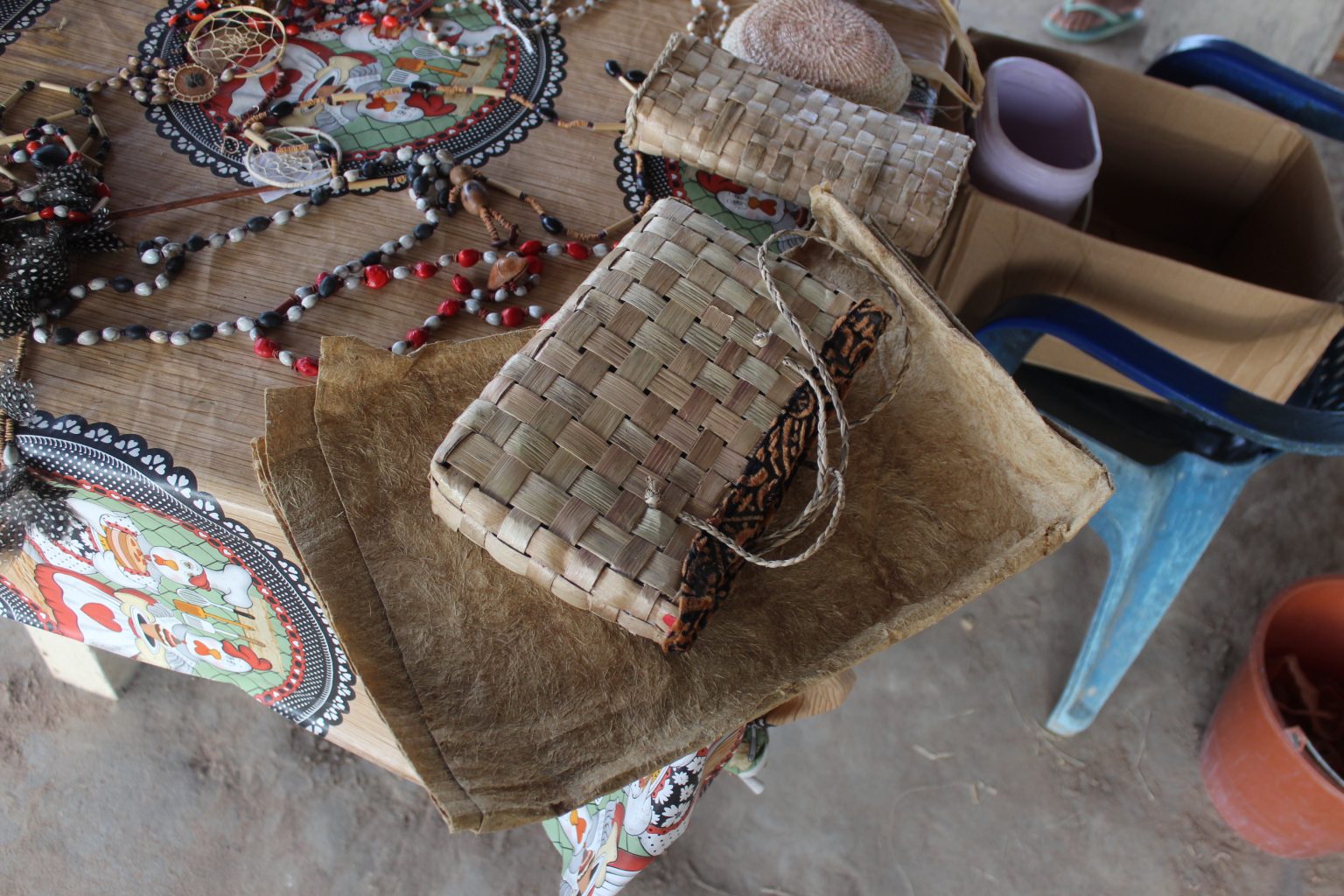
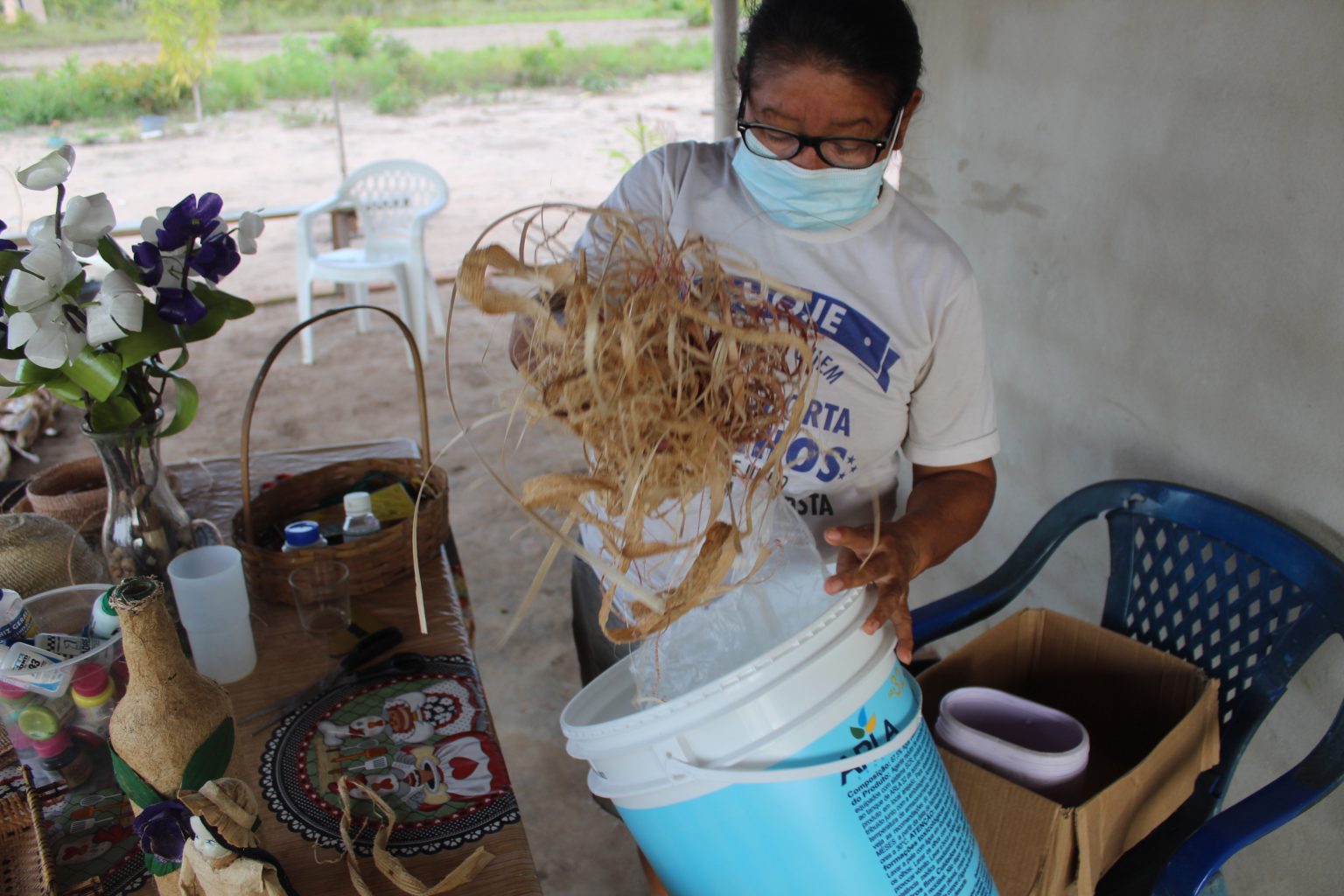
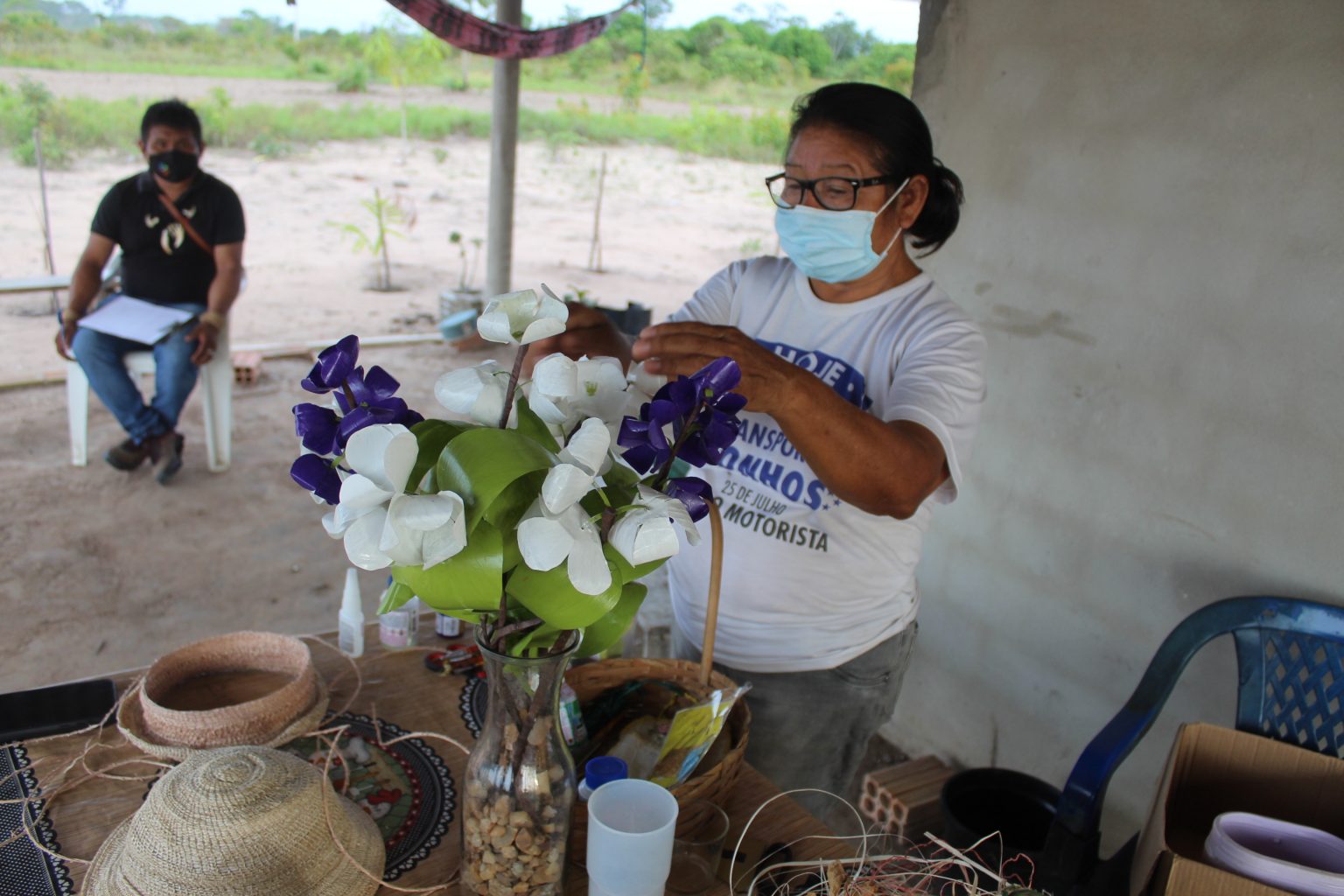
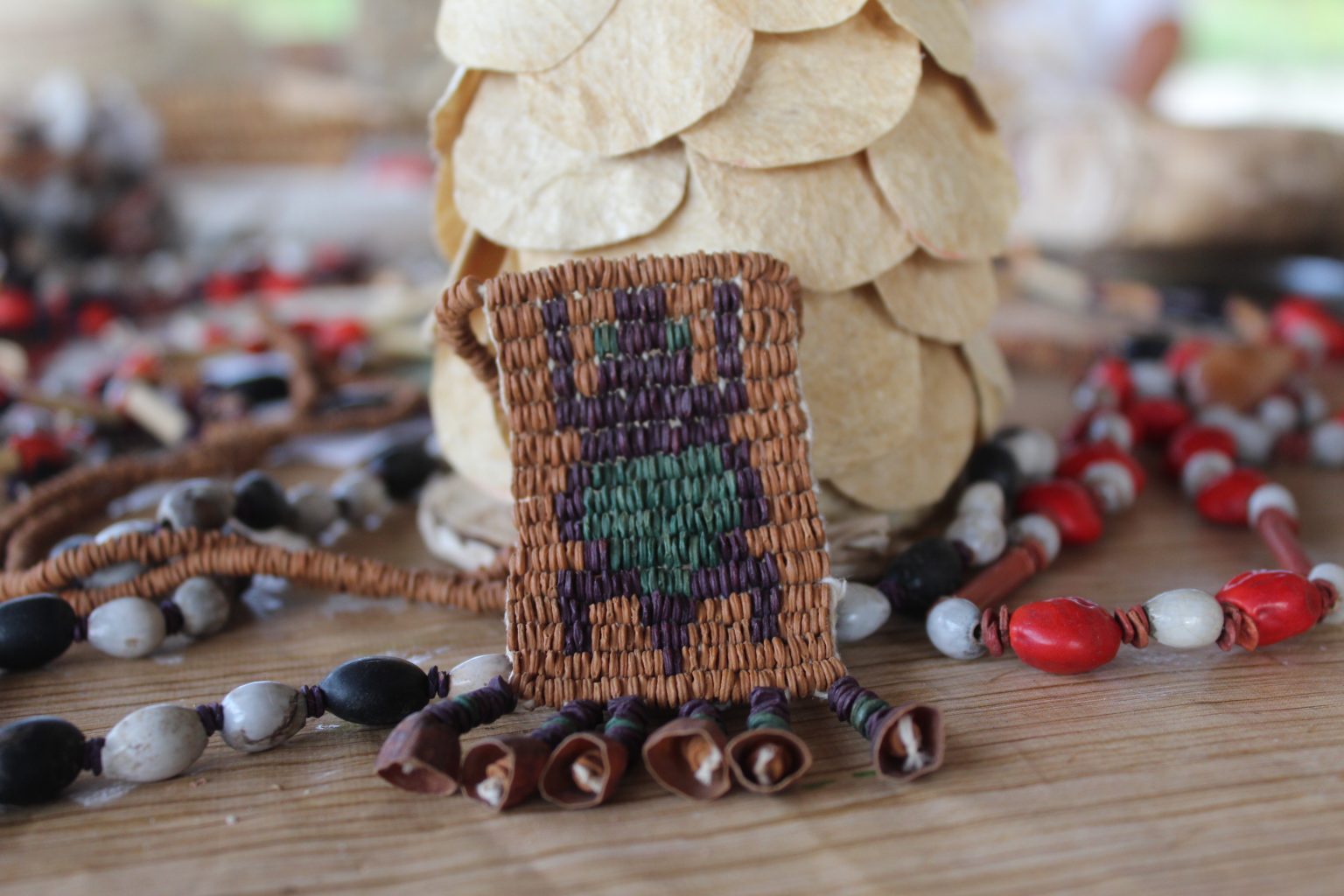
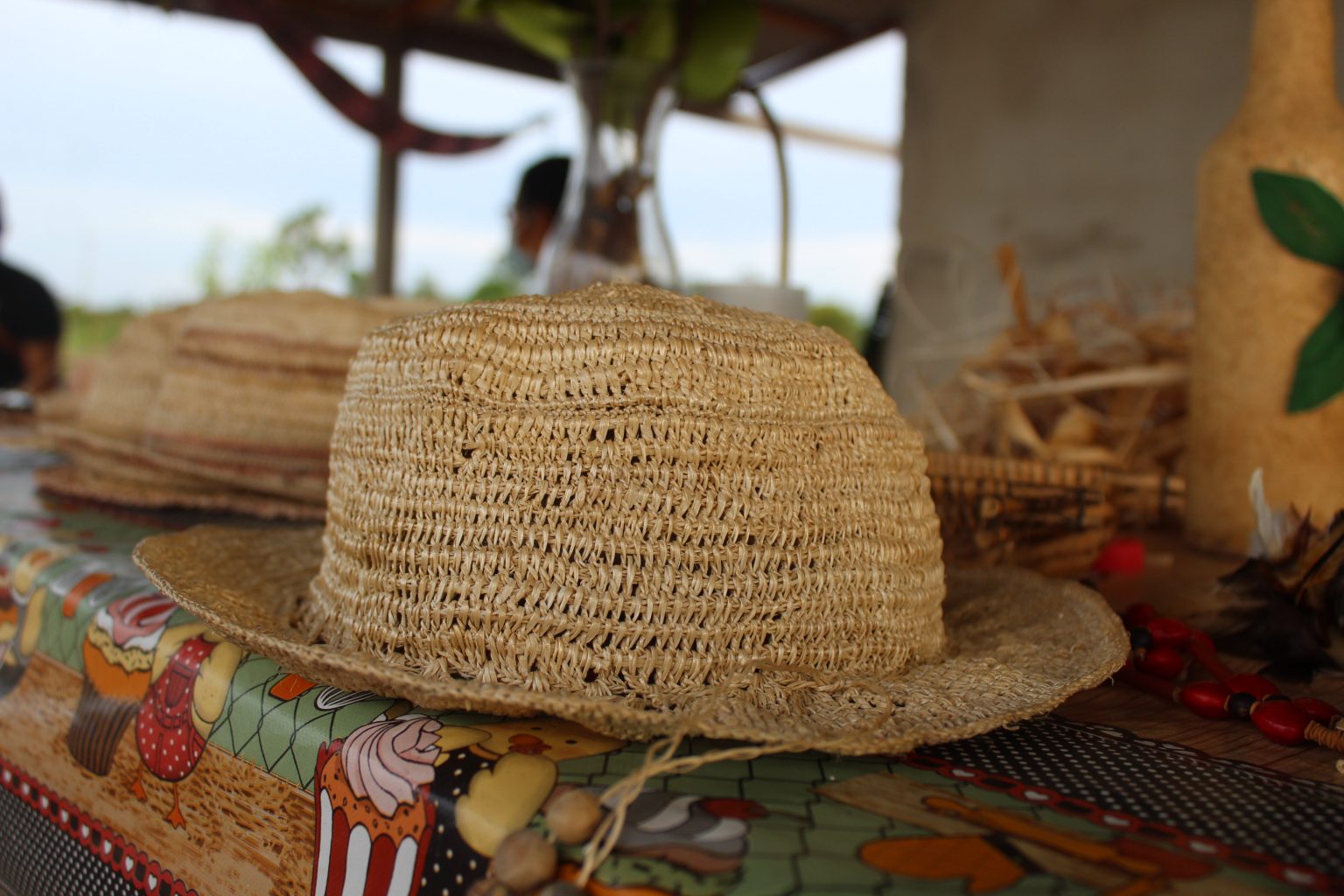
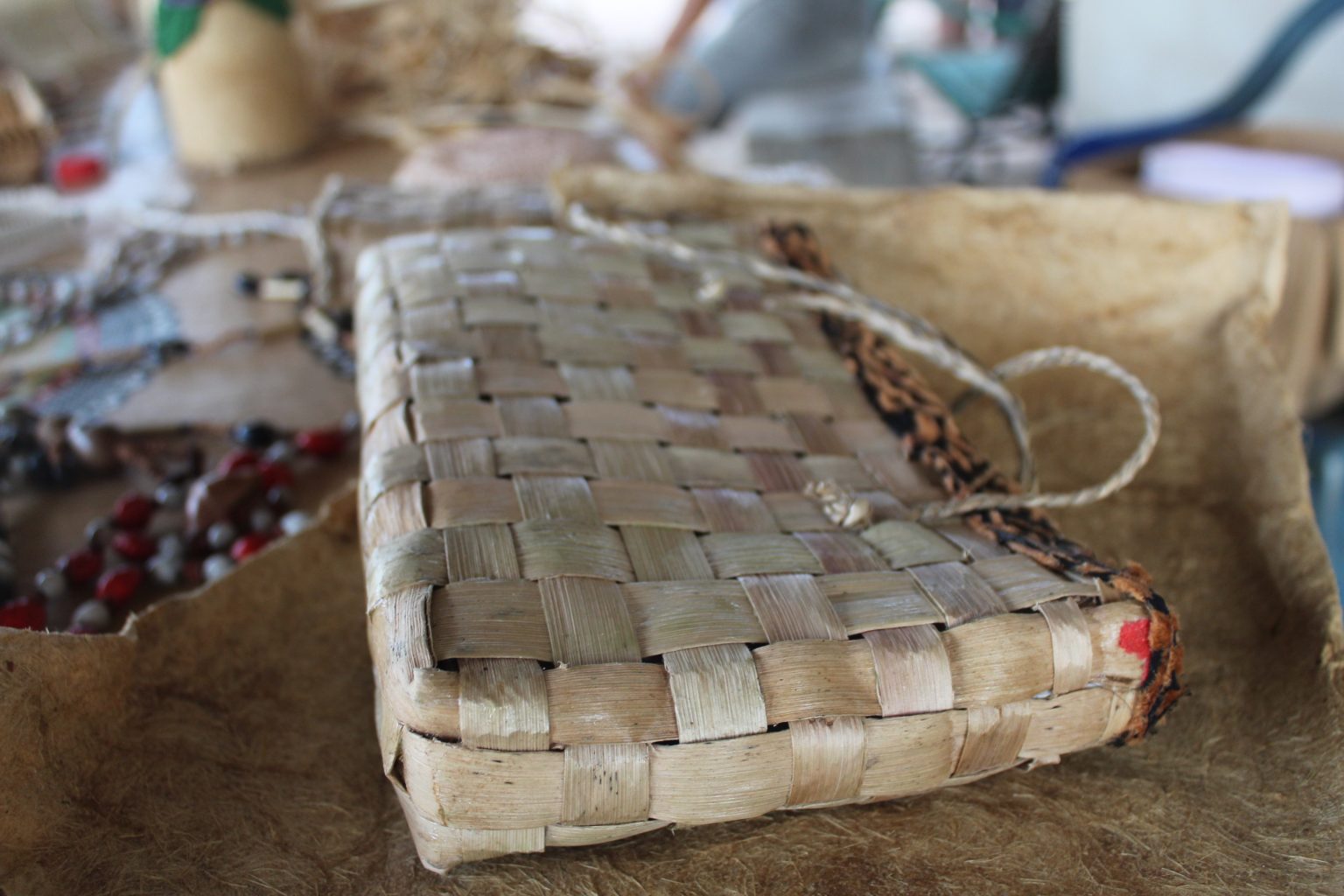
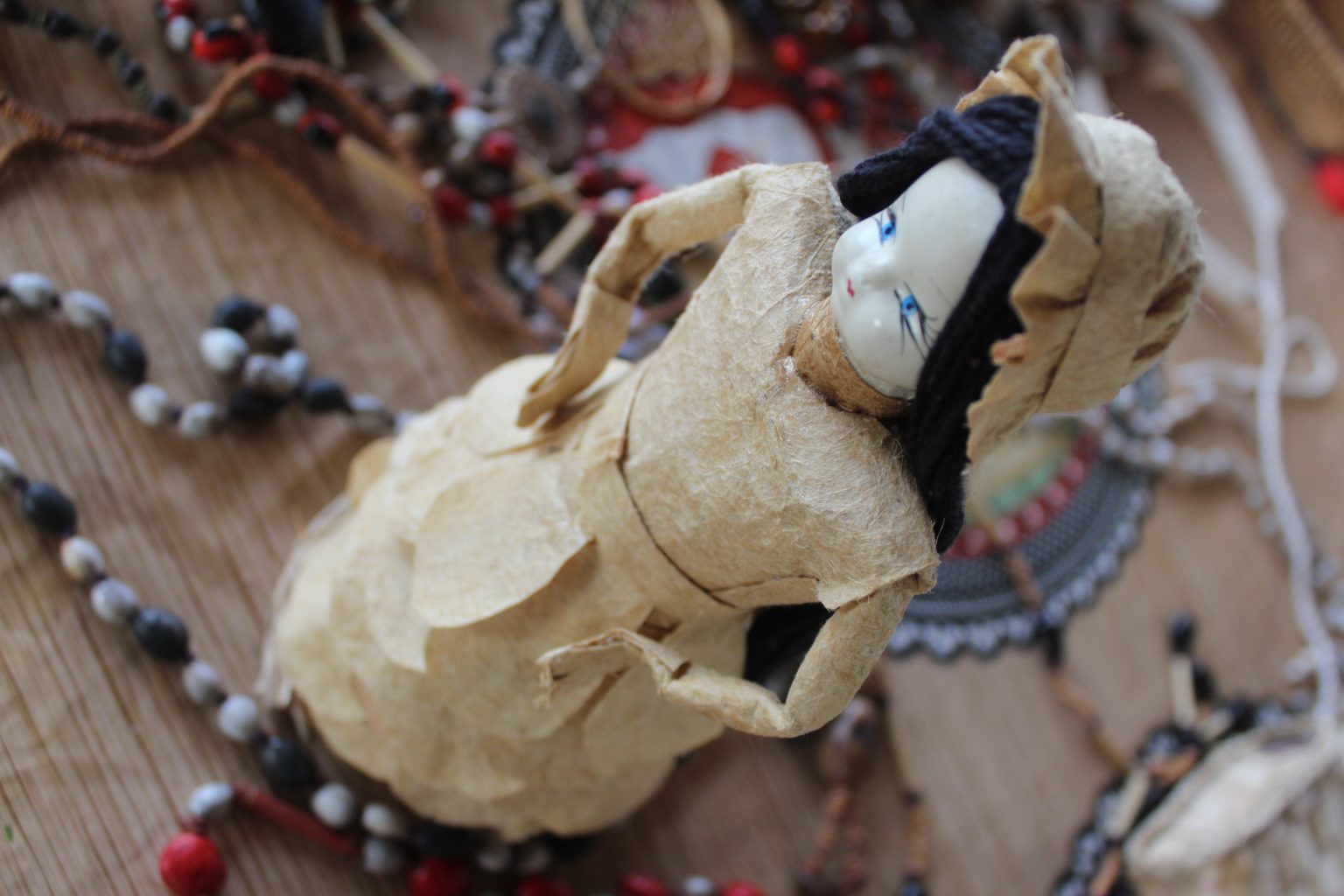
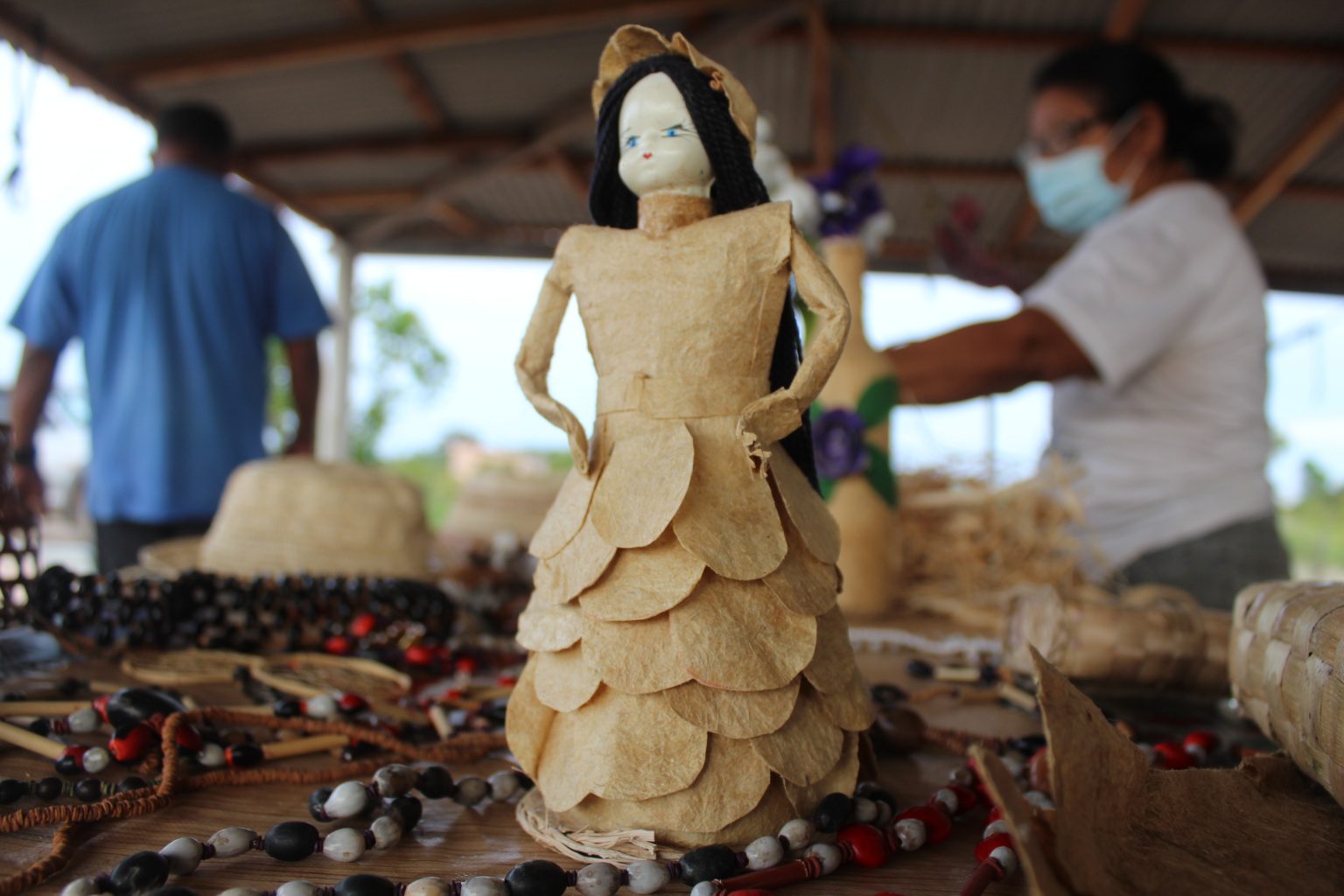
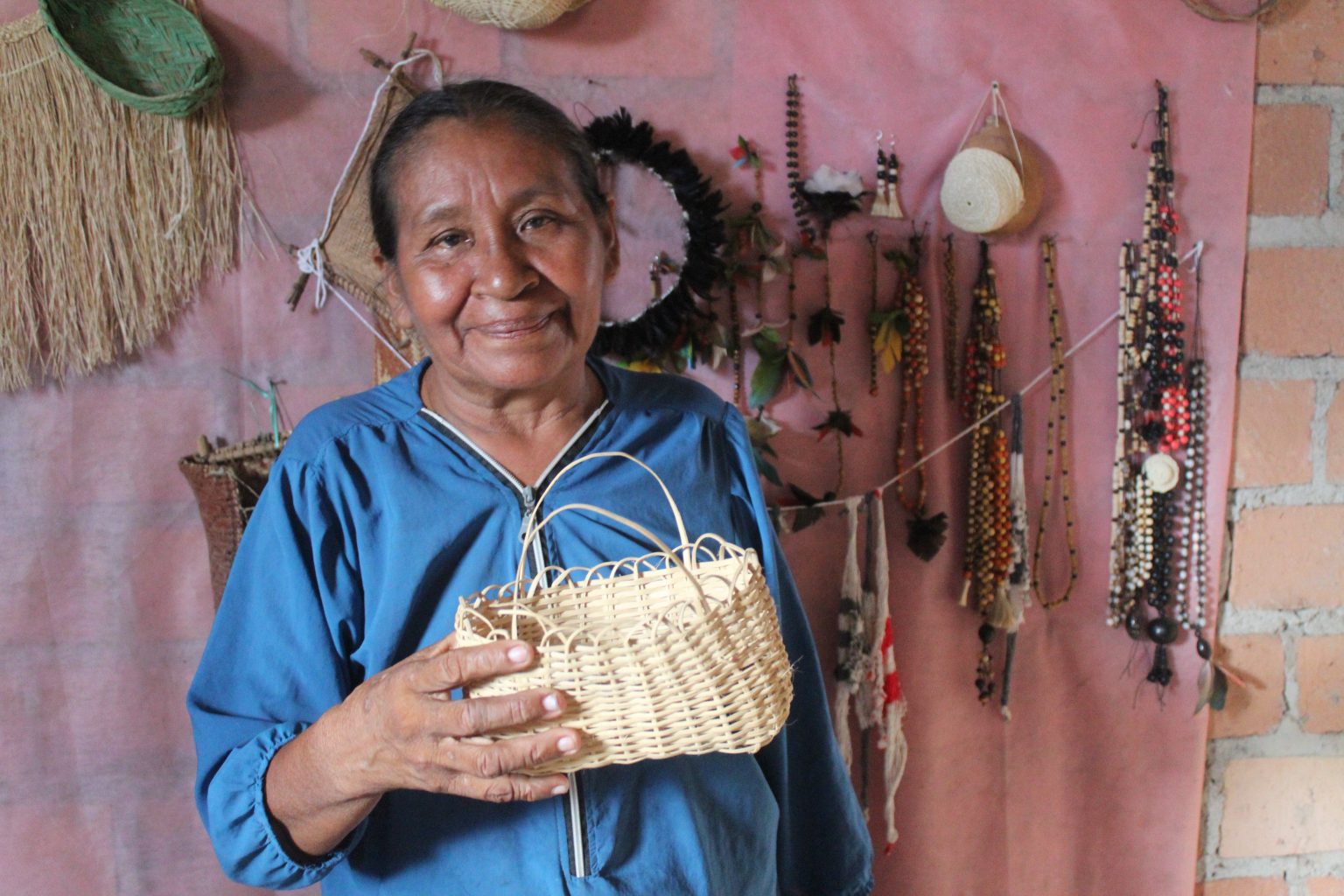
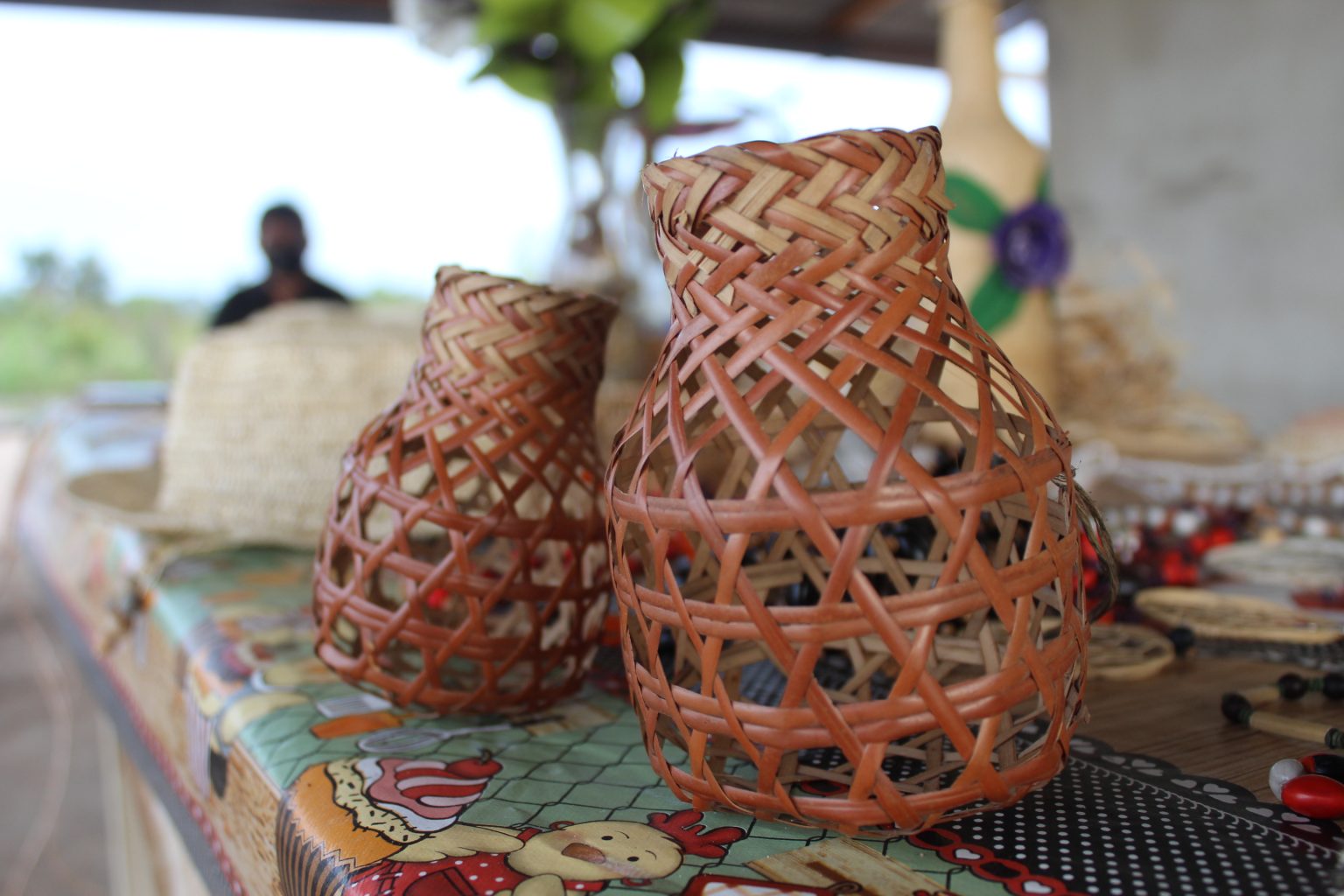
The production, which is all organic, is based mainly on the cultivation of cassava, cassava, banana and pepper among other crops and derivatives, which are traditionally spread within the region in community gardens. Local handicrafts are another activity that the communities develop, in addition to animal husbandry of chickens, fish, pigs and cattle.
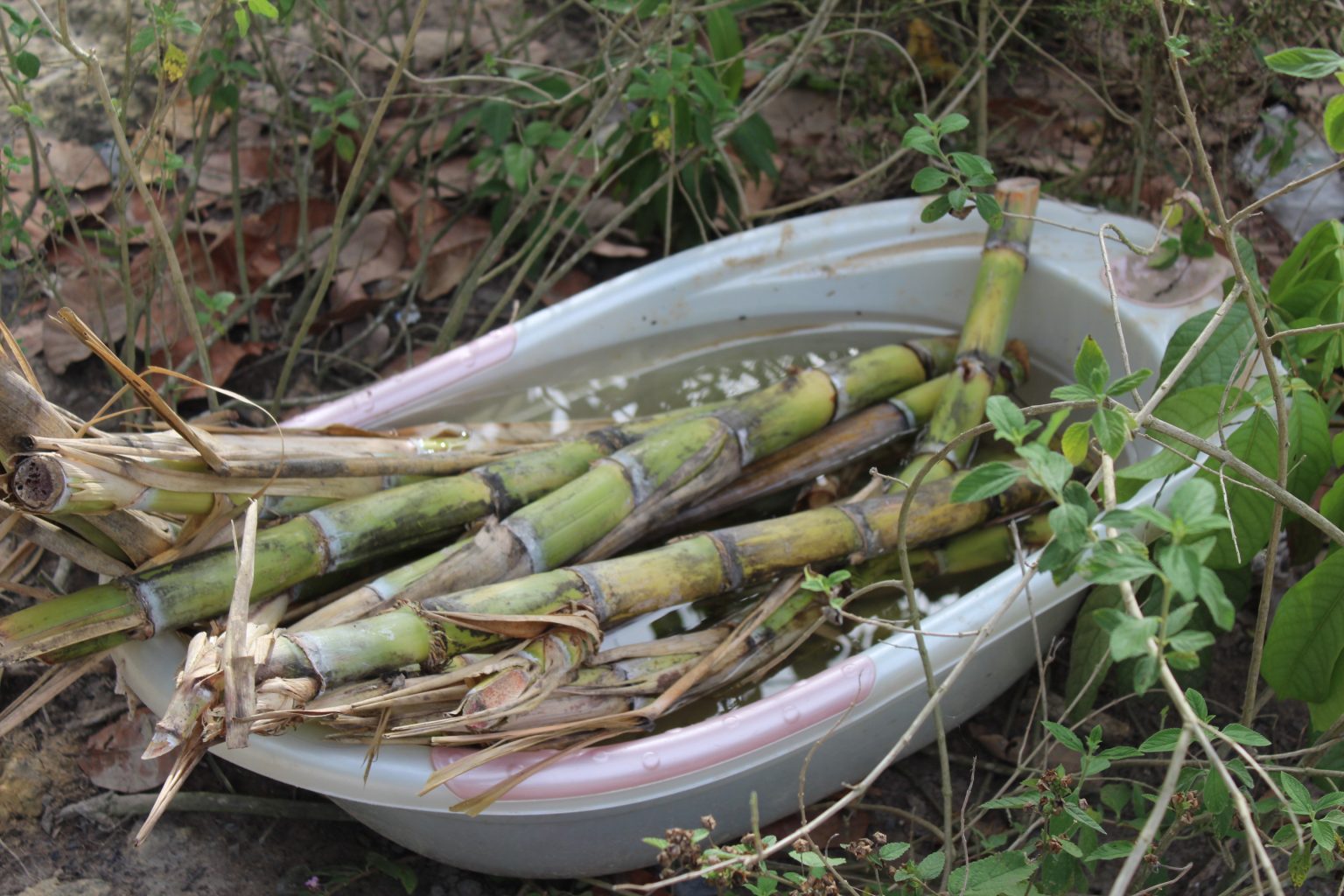
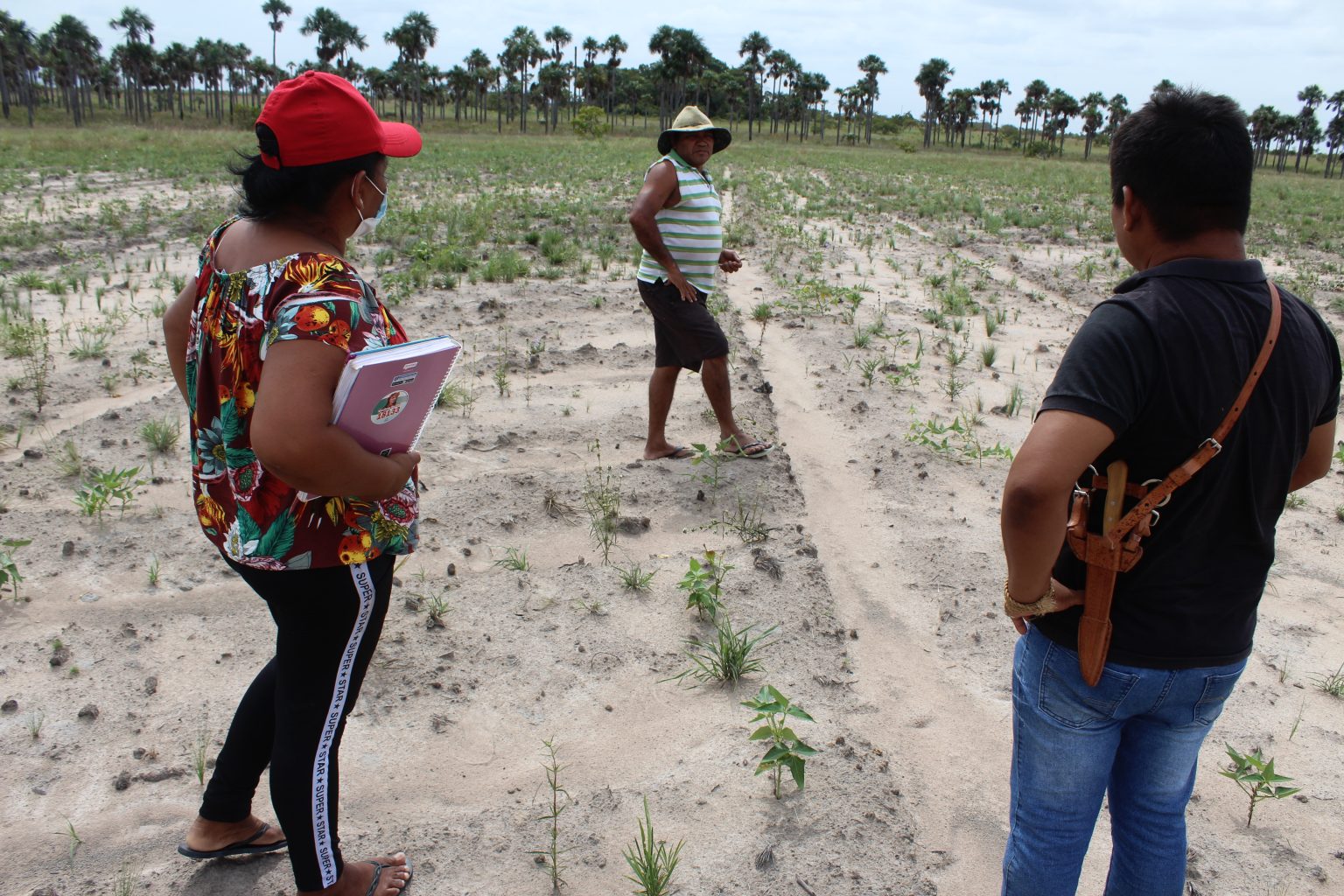
Reinaldo Pedro dos Santos, one of the producers of the Malacacheta community, has banana, sugarcane, papaya and cassava plantations, reports having already harvested corn and rice from his farm. He said he considers the visit of coordinator Enock to be important to verify the production methods at the bases.
"This visit is for them to know about our work, we live on the land, agriculture, planting, for sure other regions will know how we are working. We have cassava, corn, rice, and even more that is inside the farm." He said.
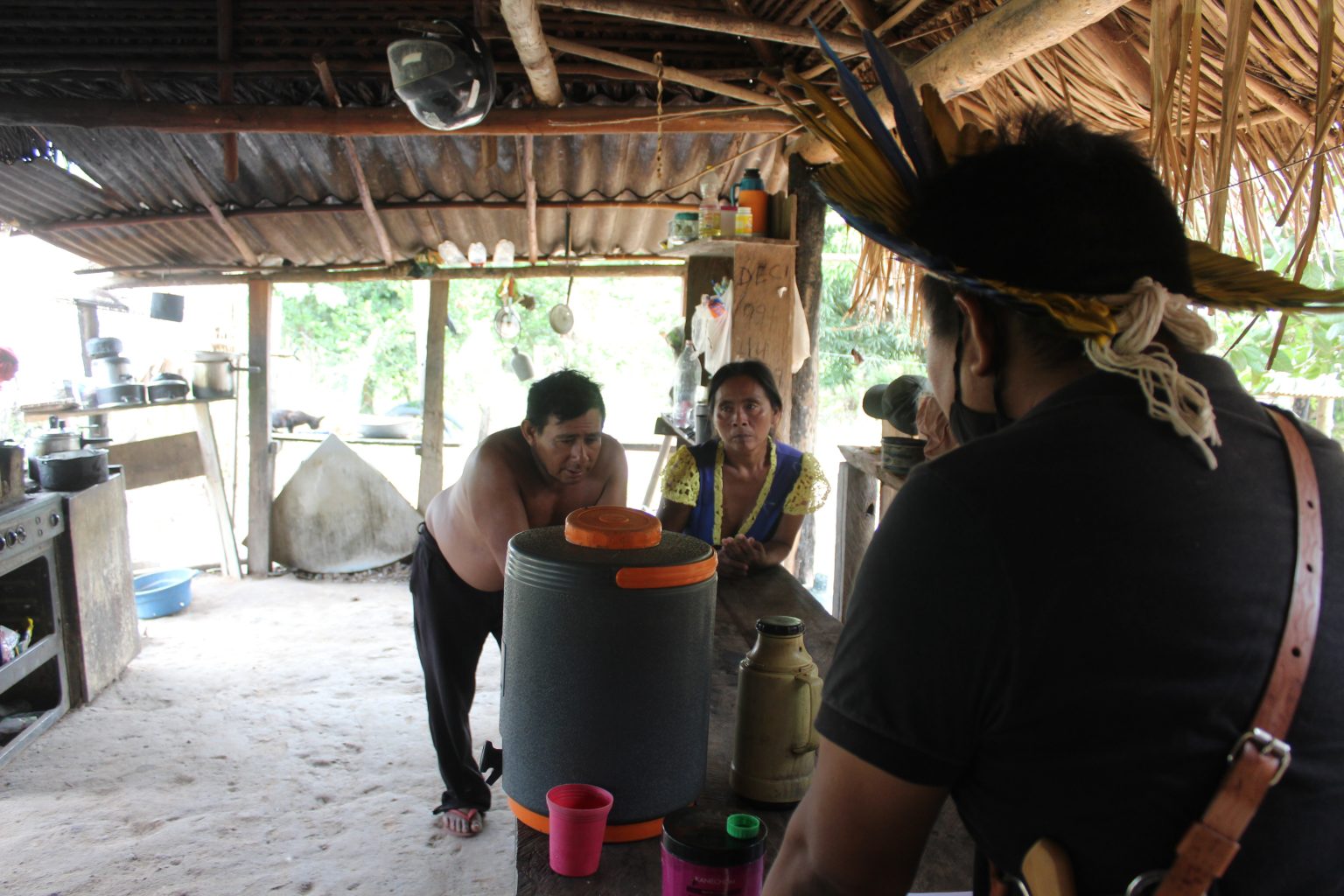
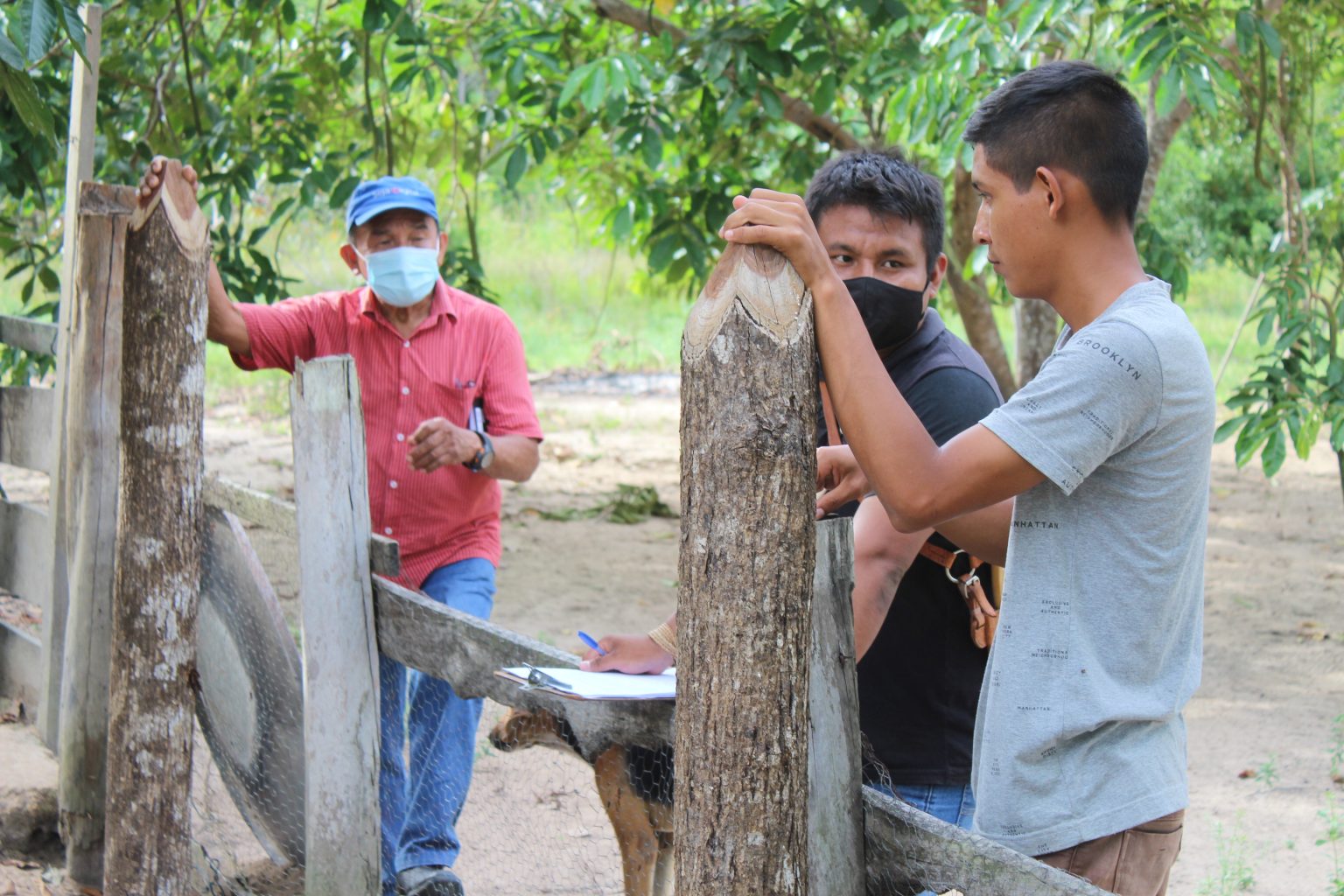
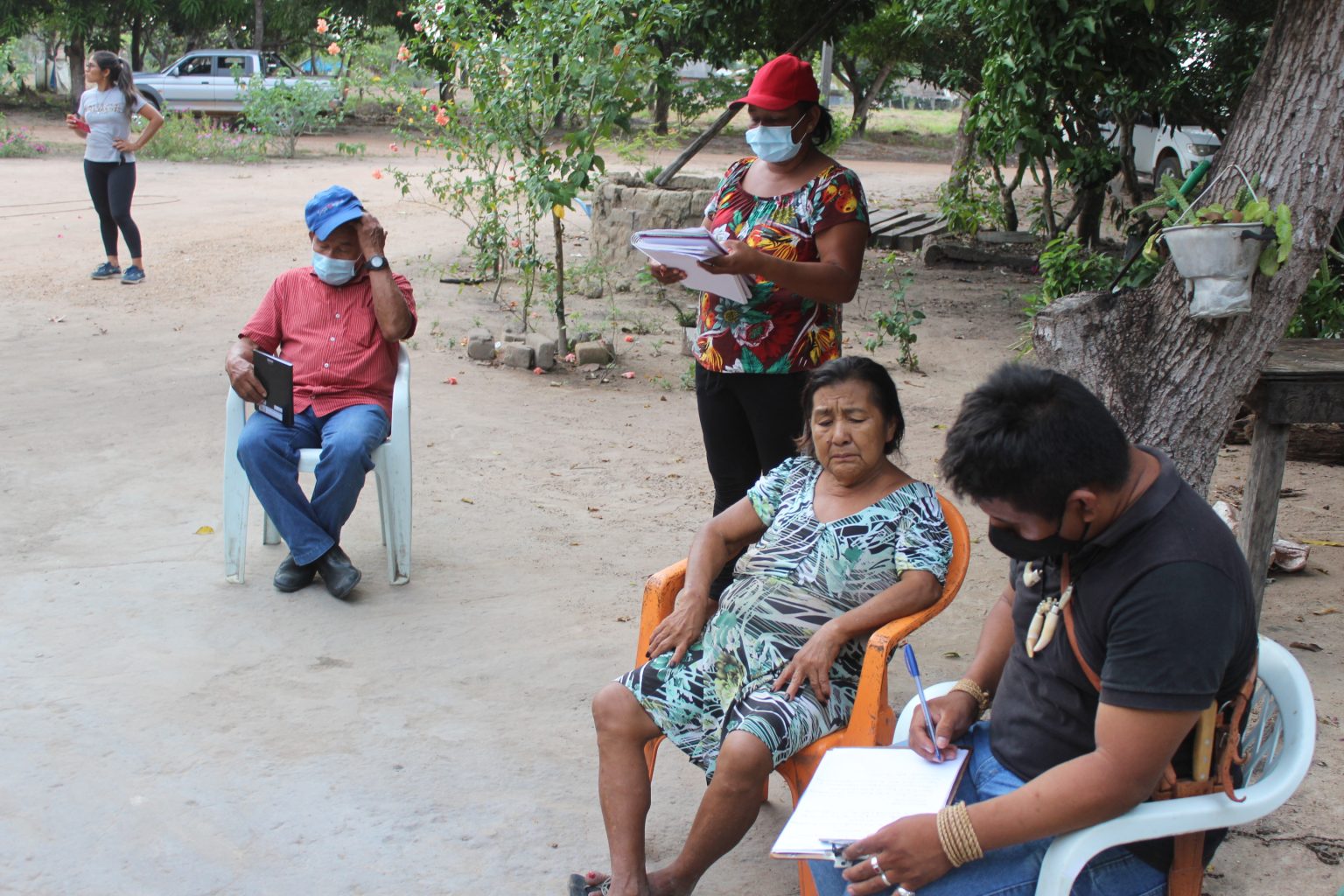
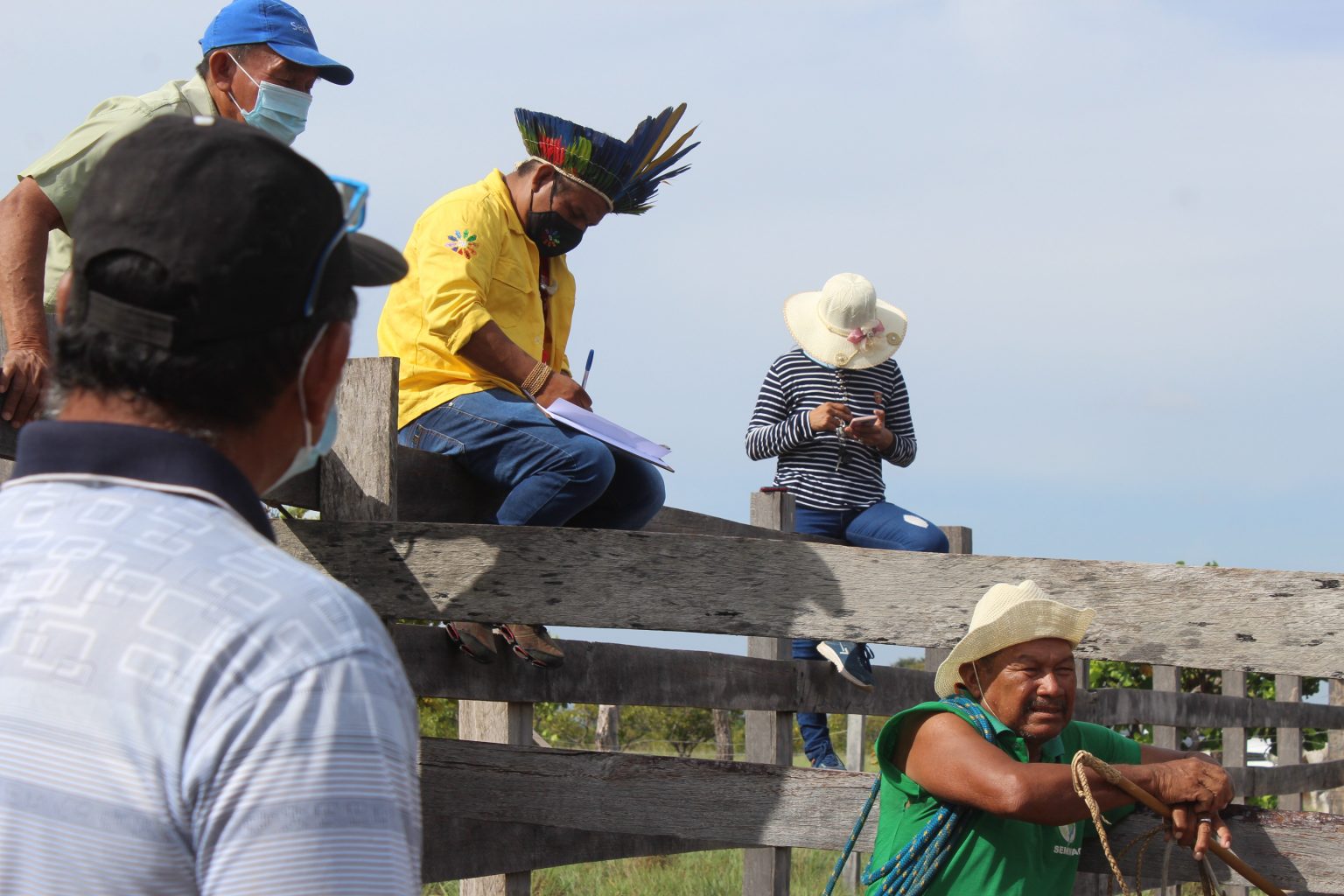
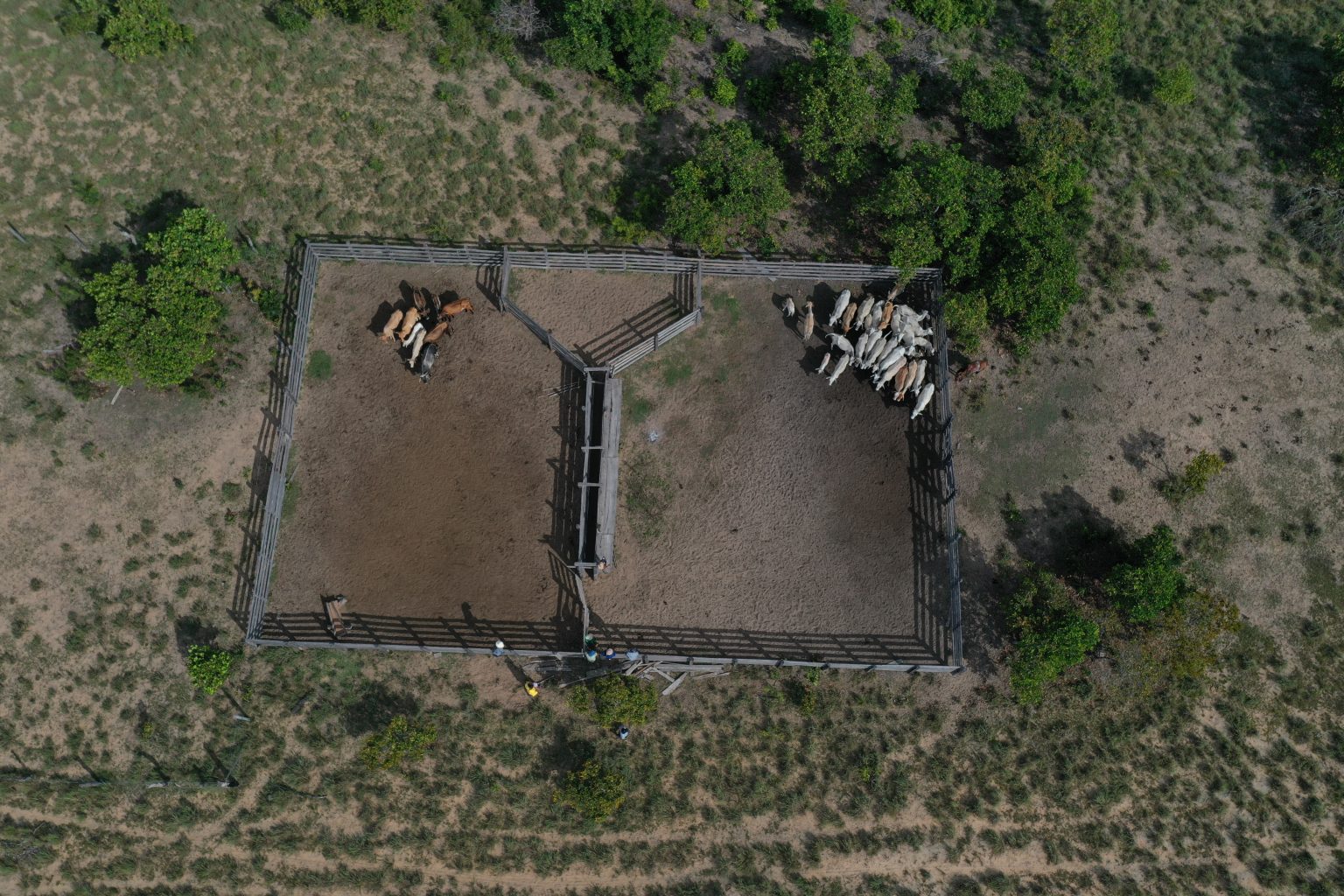
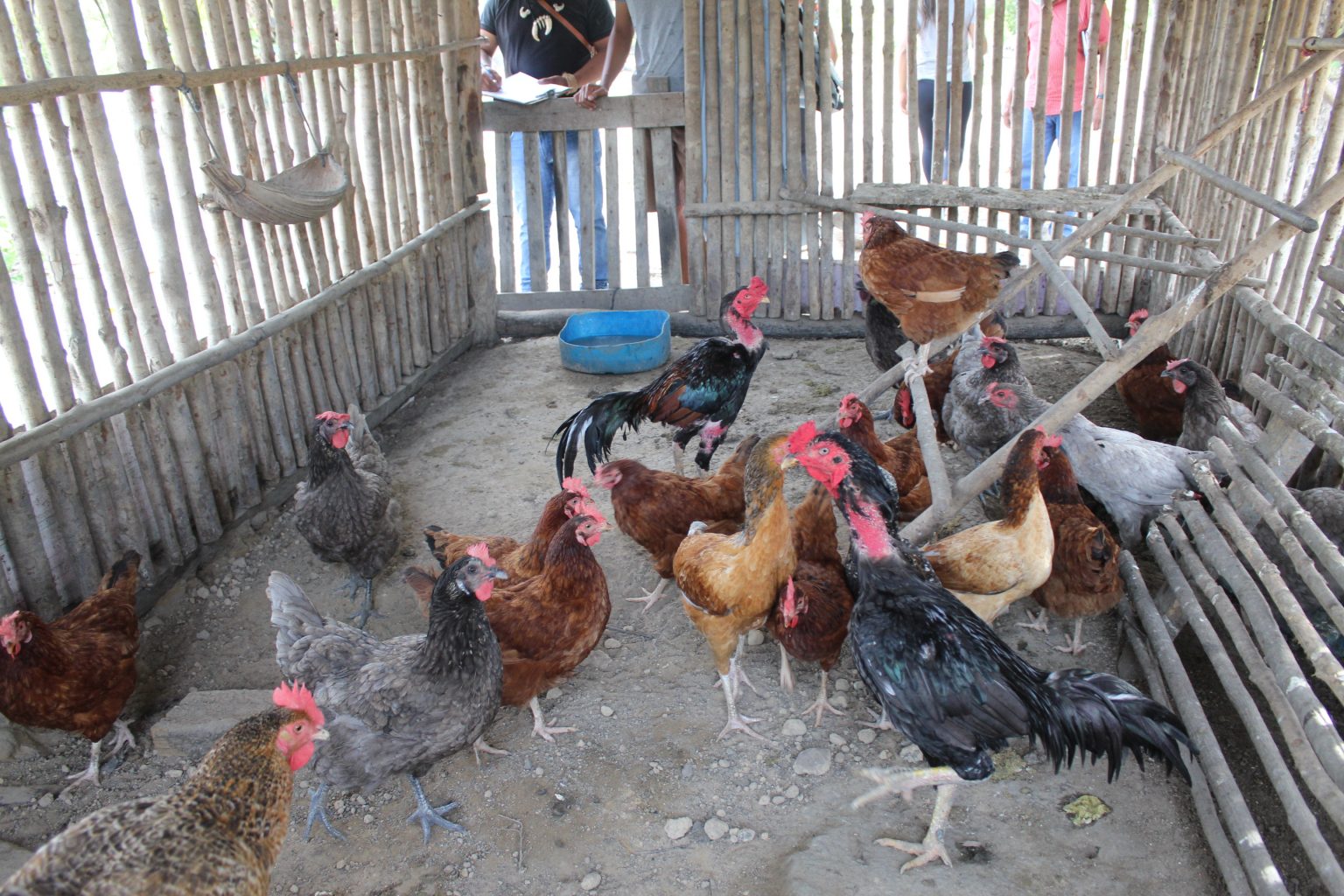
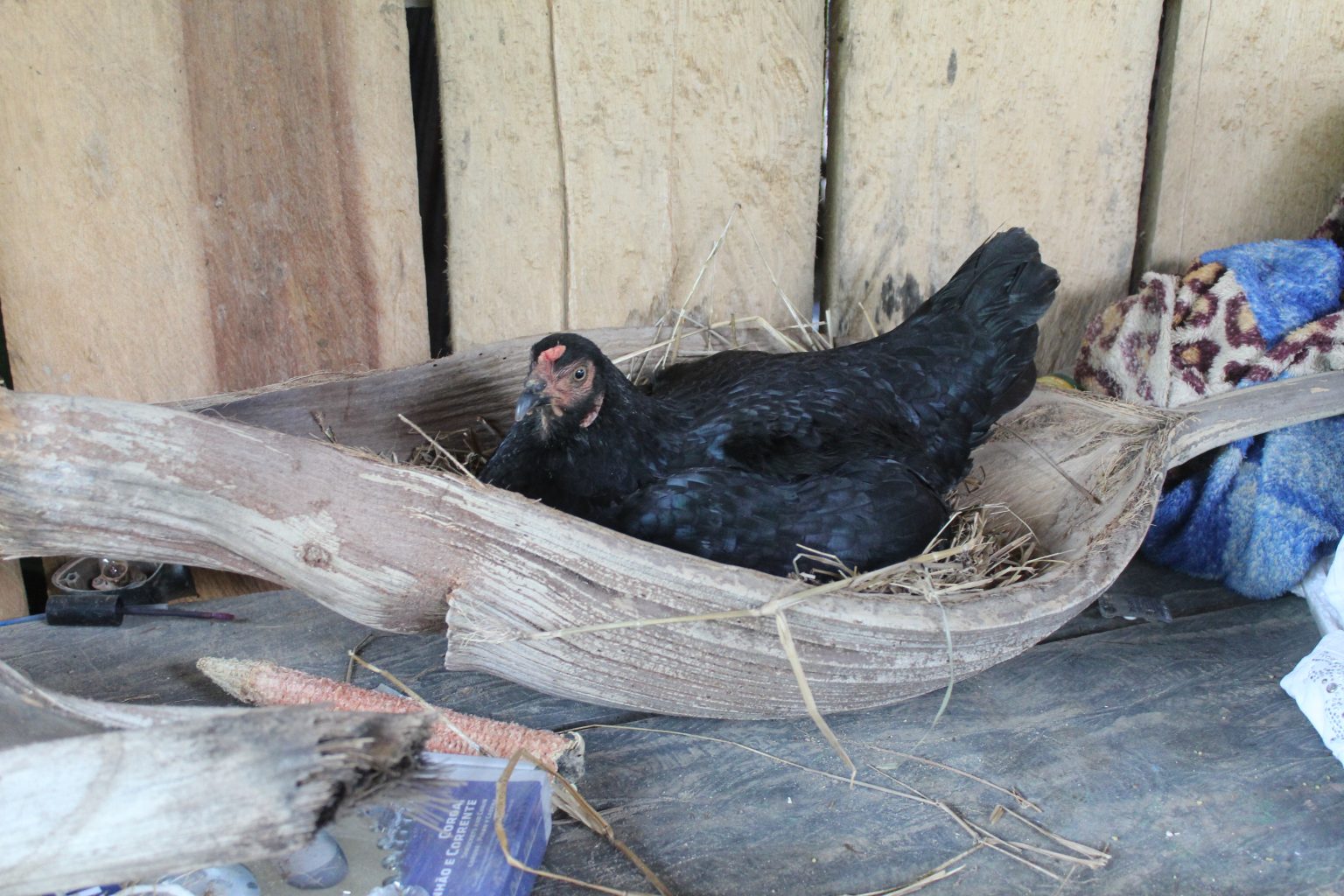
In the Jacamizinho community, the tuxaua Carlos Alberto spoke of the aviary project, with 50 chickens started by the community. "It is a project named Grandma Marta, a former resident, and it was created within the community, since 2011 we have been fighting to expand our project, and the visit of the coordinator Enock and the leader Clóvis is good and valid, for them to have knowledge of how we live. We hope to visit more often".
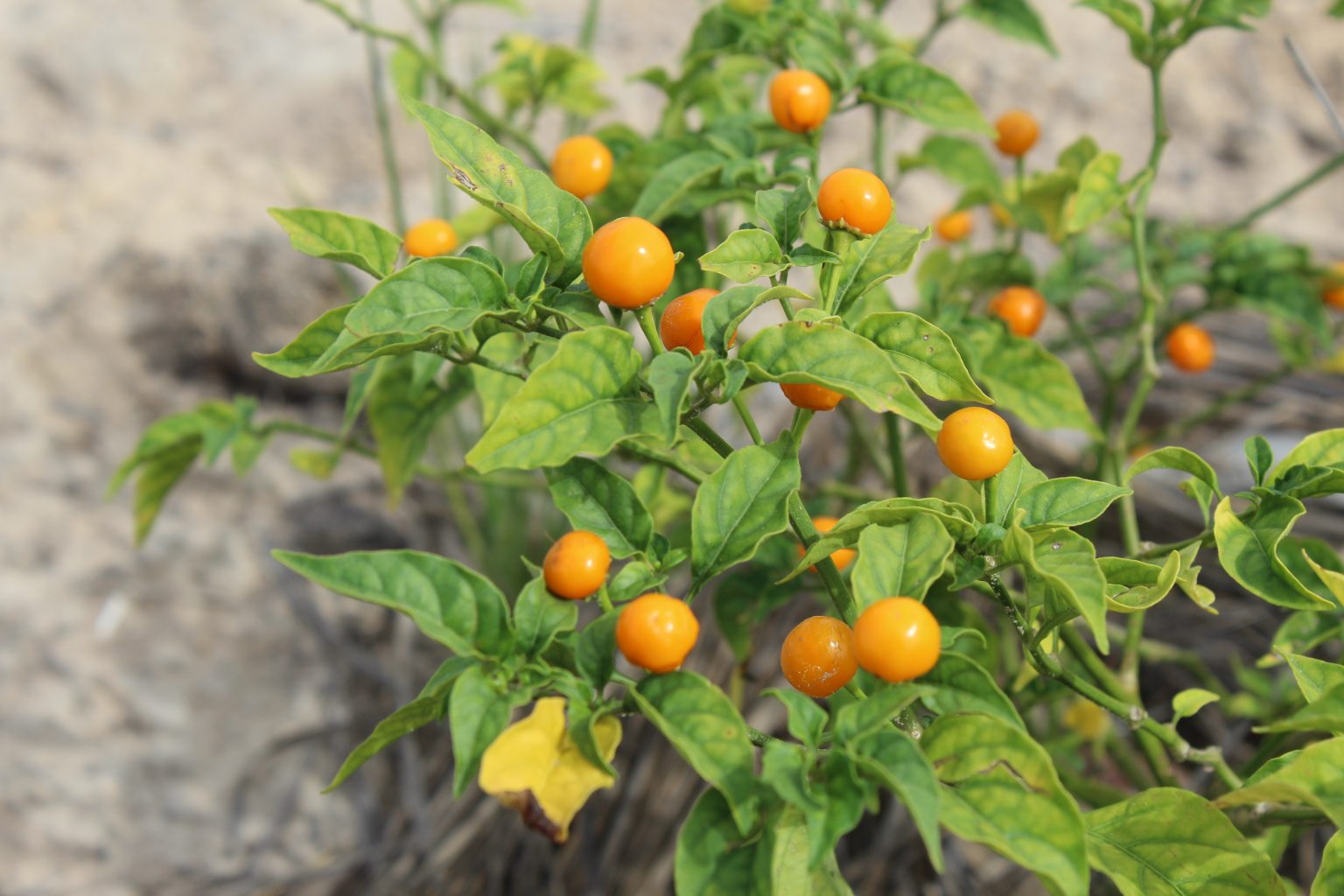
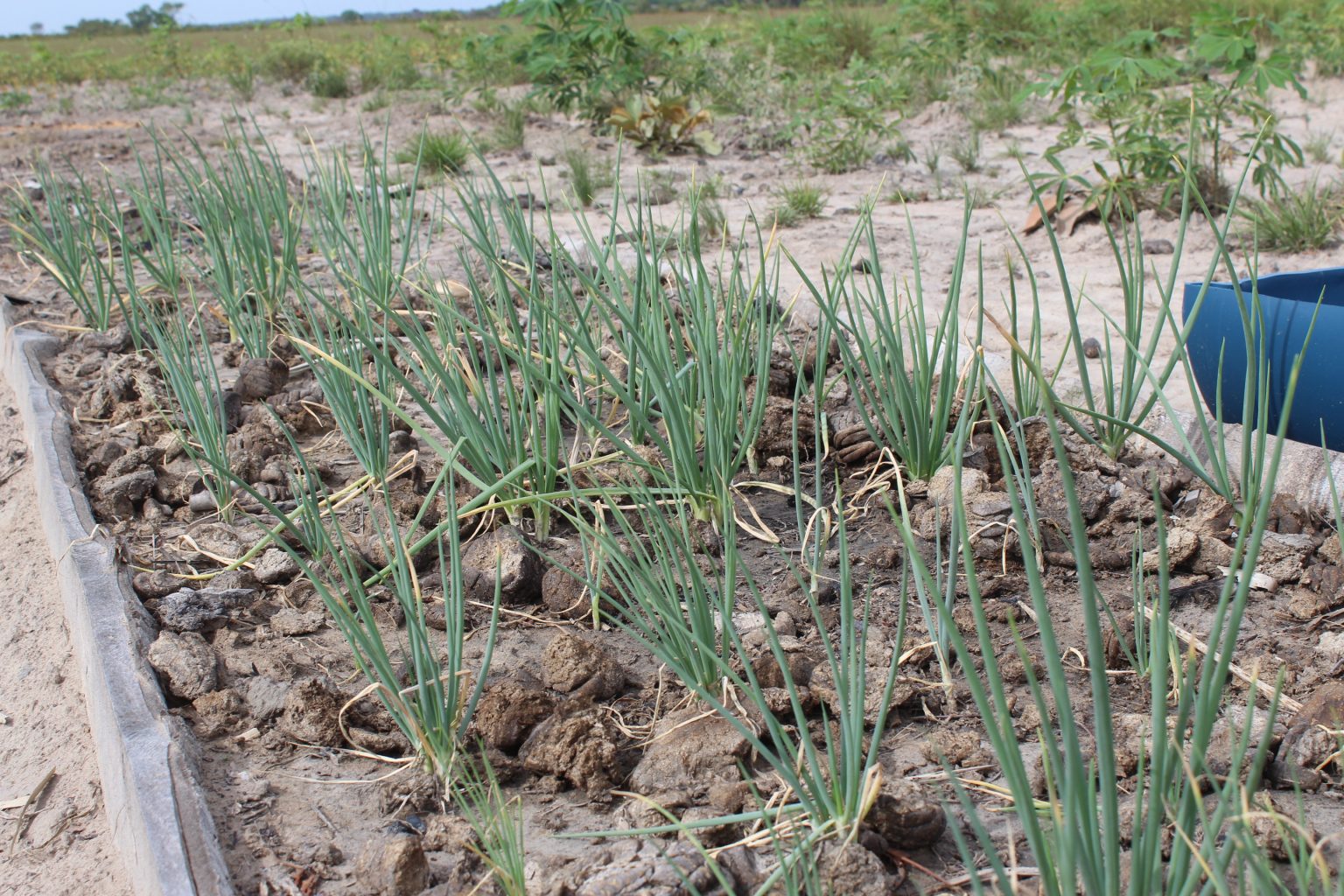
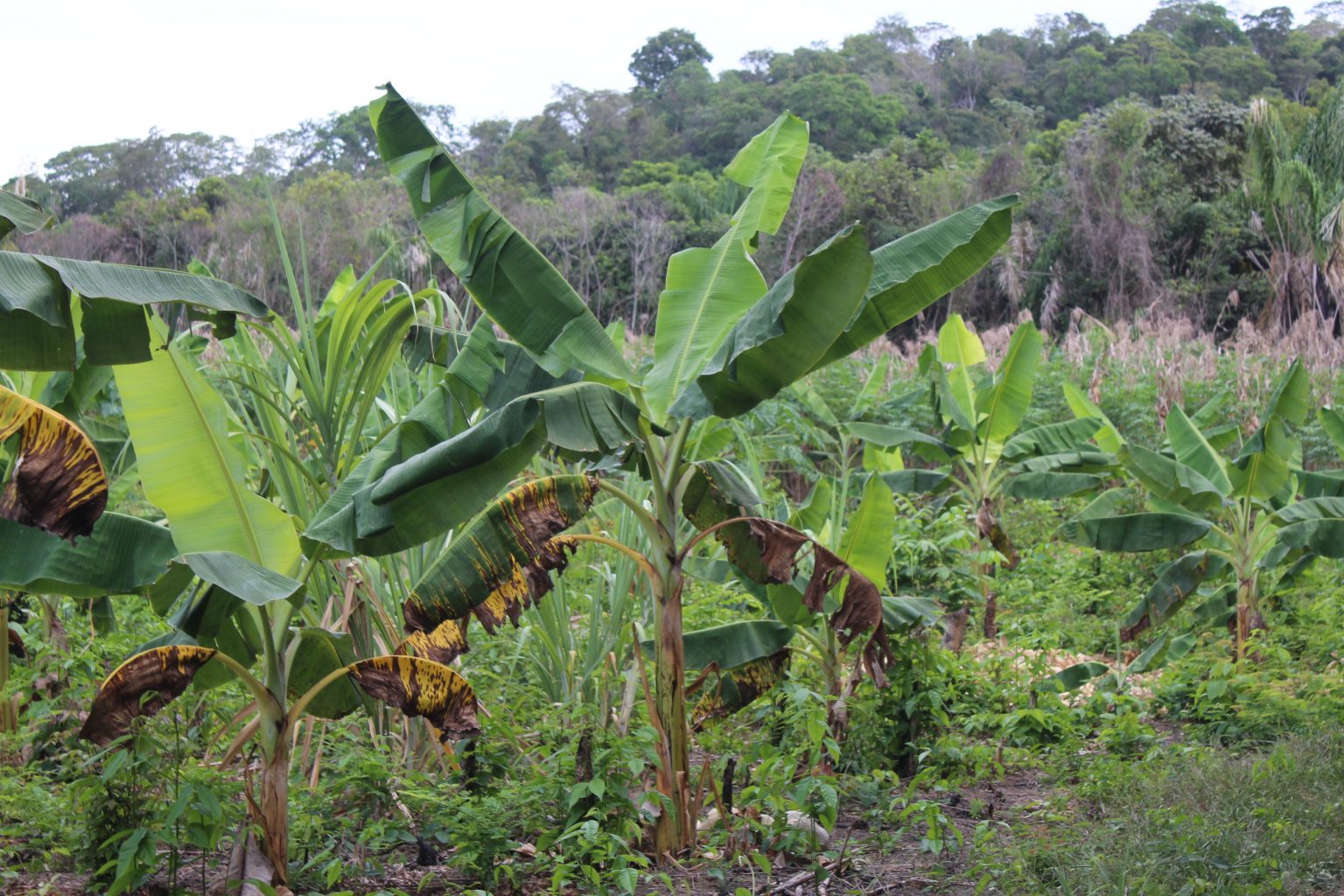
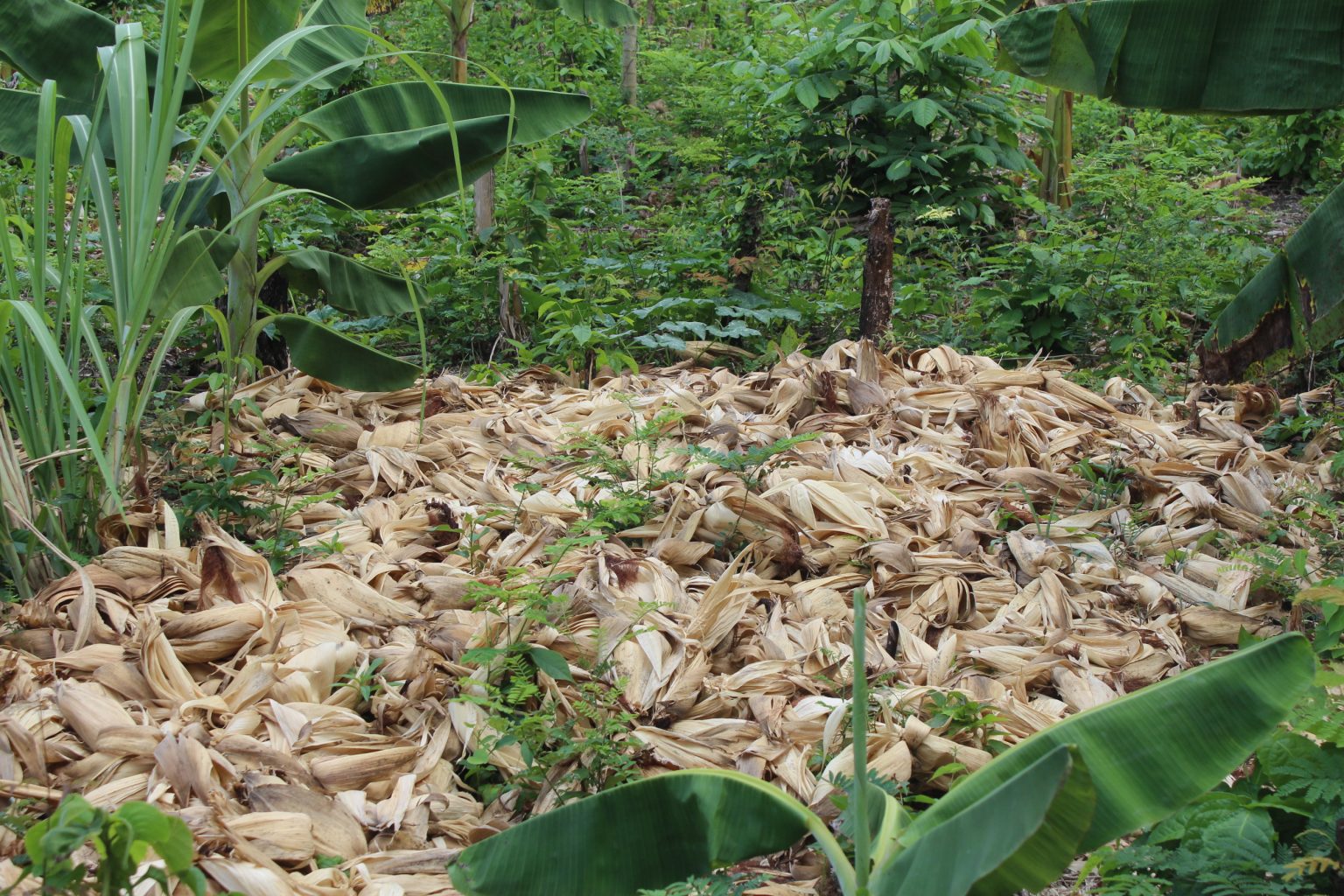
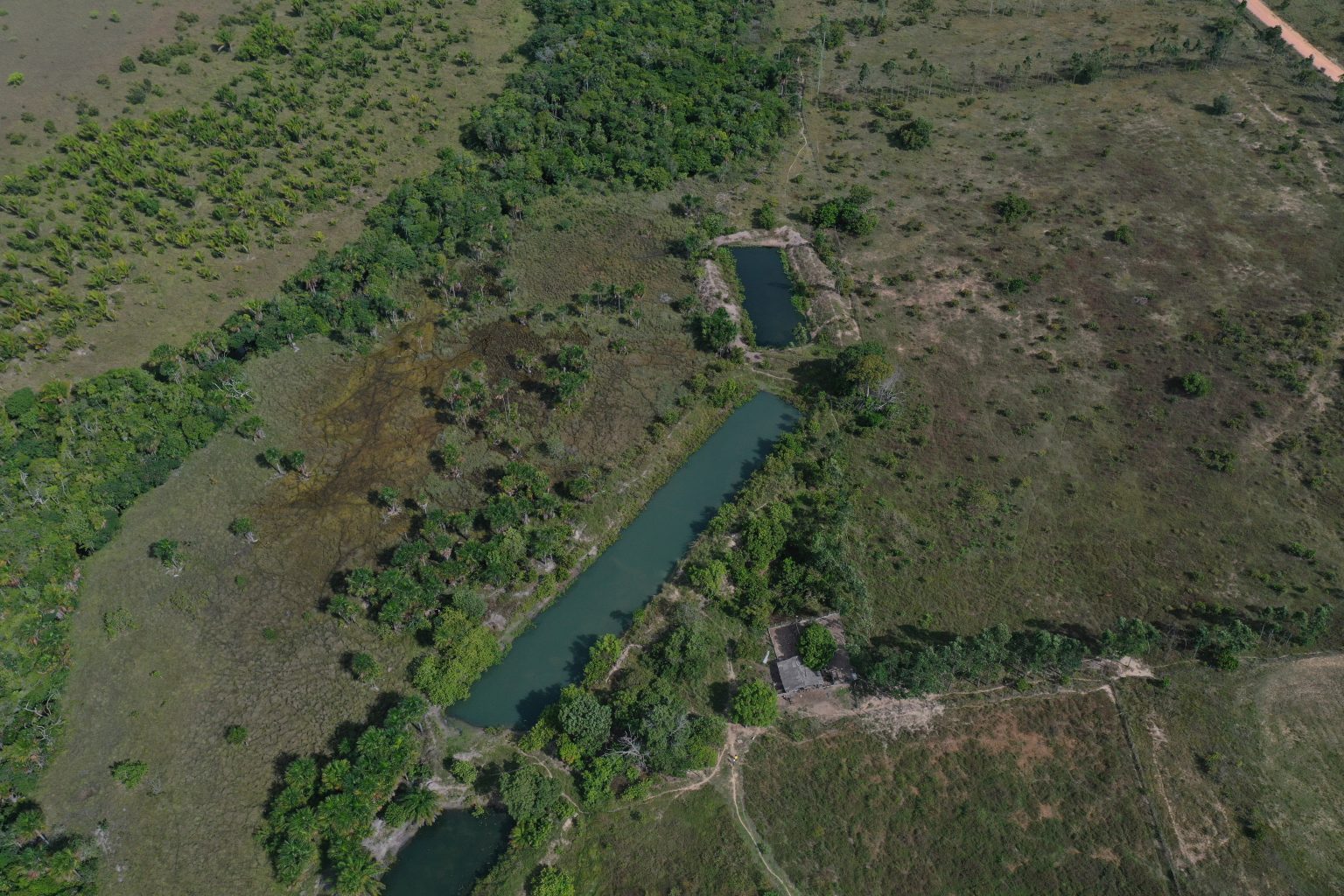
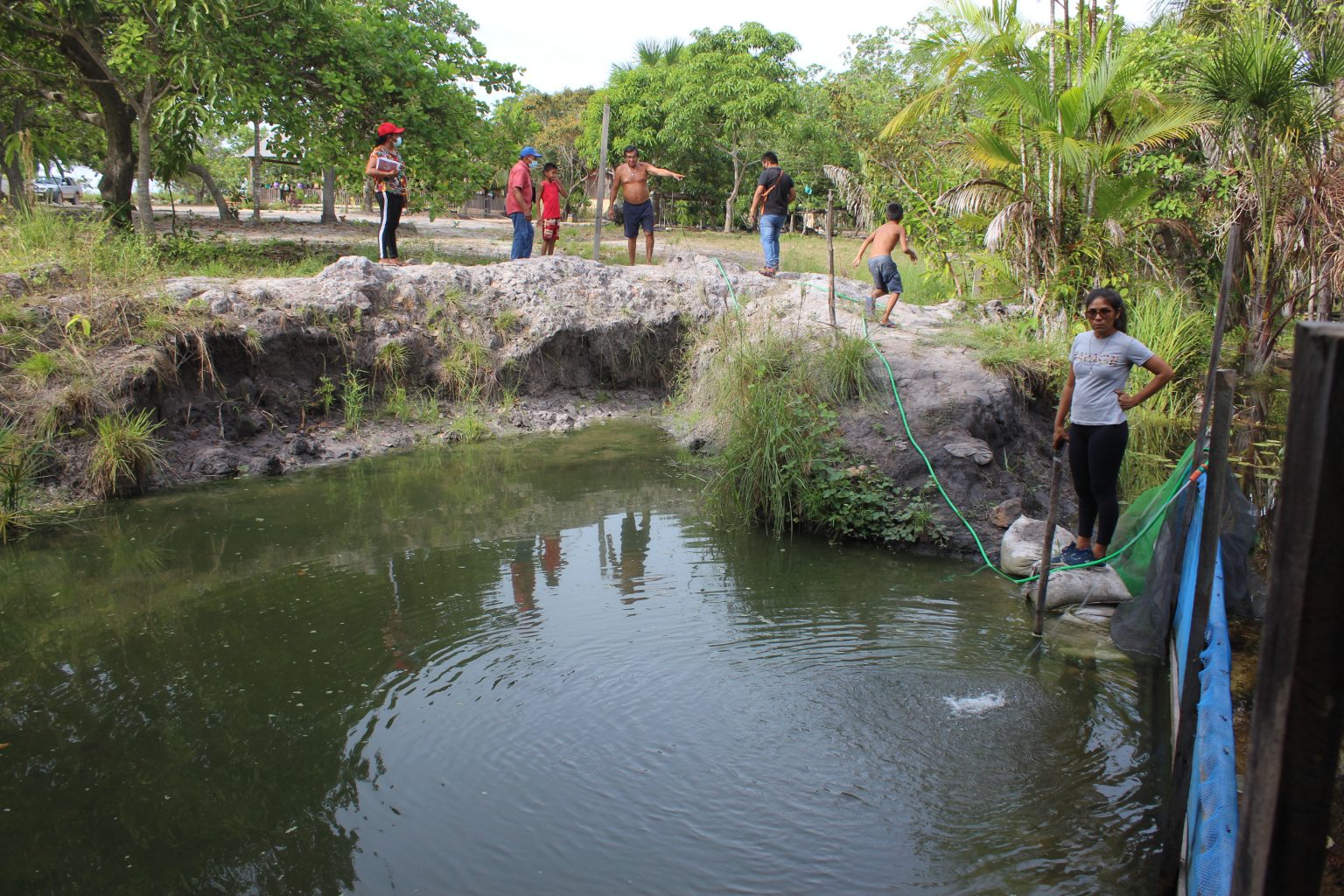
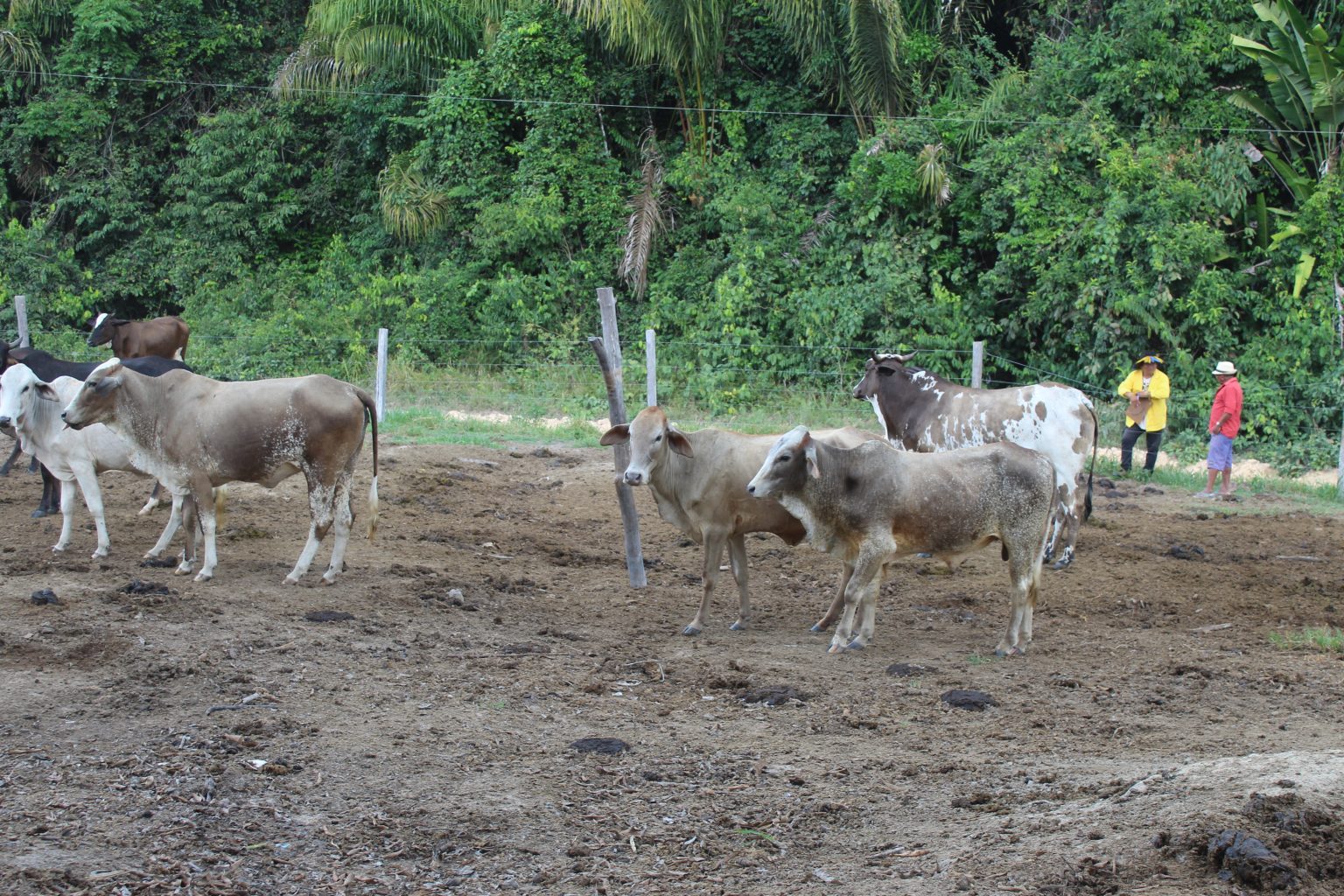
In addition to the aviary, the community has a house for traditional medicine, and the cattle project that has about 40 head, a place for fish farming that is being built and gardens that are divided within the community.
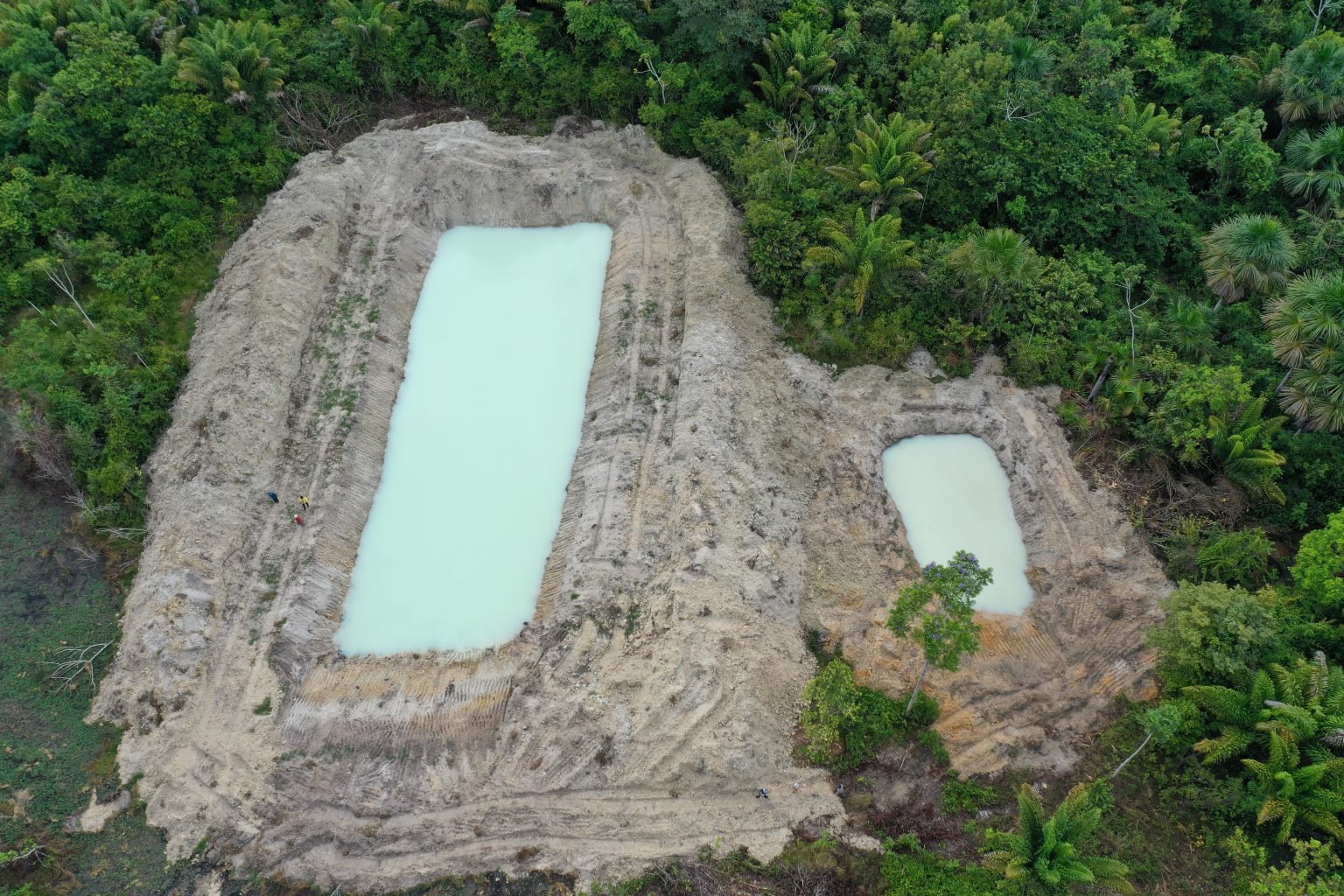
The regional coordinator Clóvis Ambrósio, 74 years old, mentions that he has already obtained corn seeds in Santa Catarina, with Guarani relatives, and told how the initiative to donate seeds and especially cassava for cultivation in other regions came about. He also spoke a little about how corn is used in typical food. "White corn is good for aluá, porridge, couscous and we share the seeds in the regional assembly, the seed of each community, and the diversity of plants."
The Serra da Lua Region was often mentioned in the other regions visited previously as one of those that donated seeds and seedlings. This exchange is always mentioned by traditional leaders. Mr. Clóvis gave a brief history of how this initiative occurs.
"We support ourselves from the farm, flour, beiju, caxiri, and we here have managed to benefit other regions, which have experienced difficulties in the drought, whenever possible by donating. And here we continue the community work."
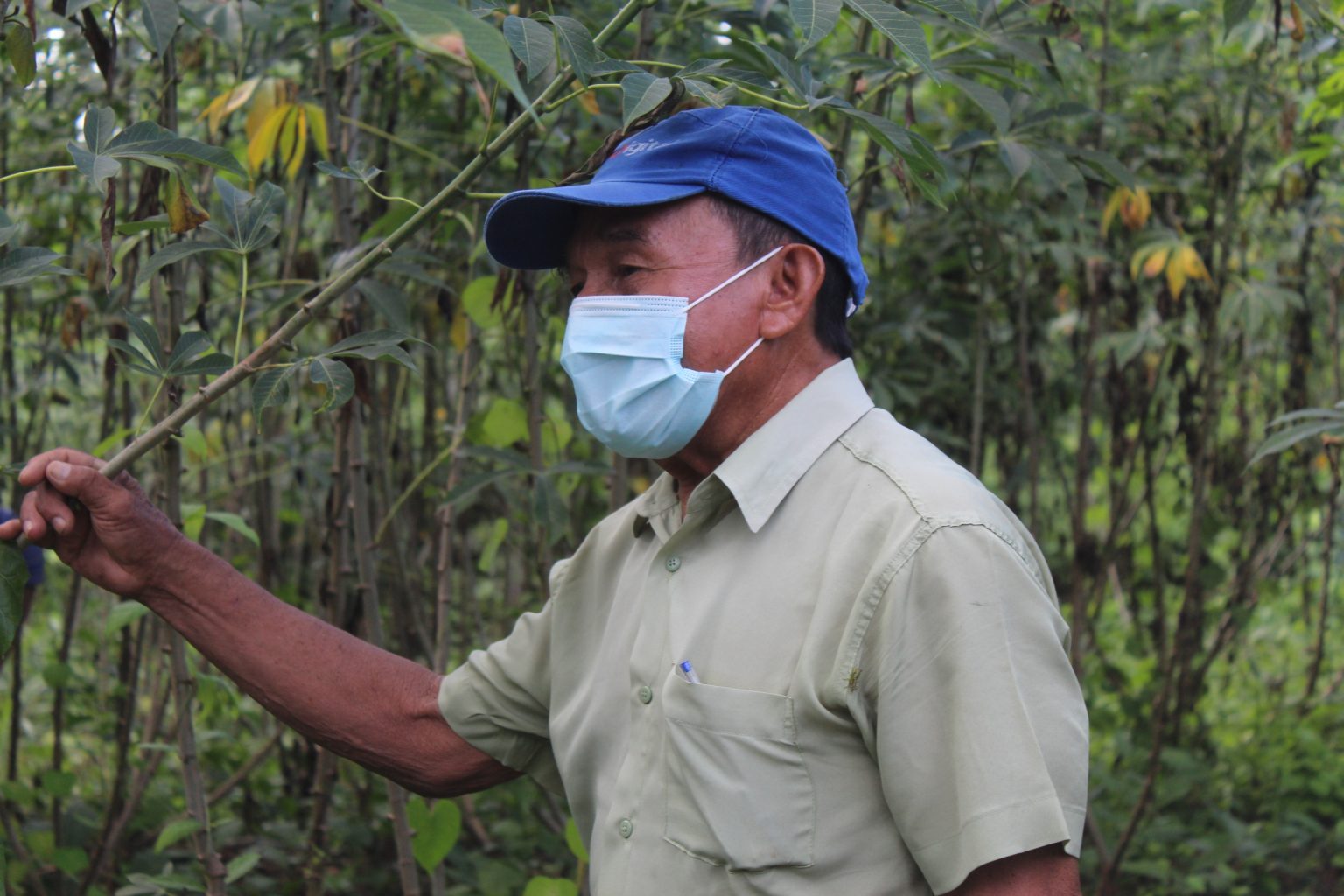
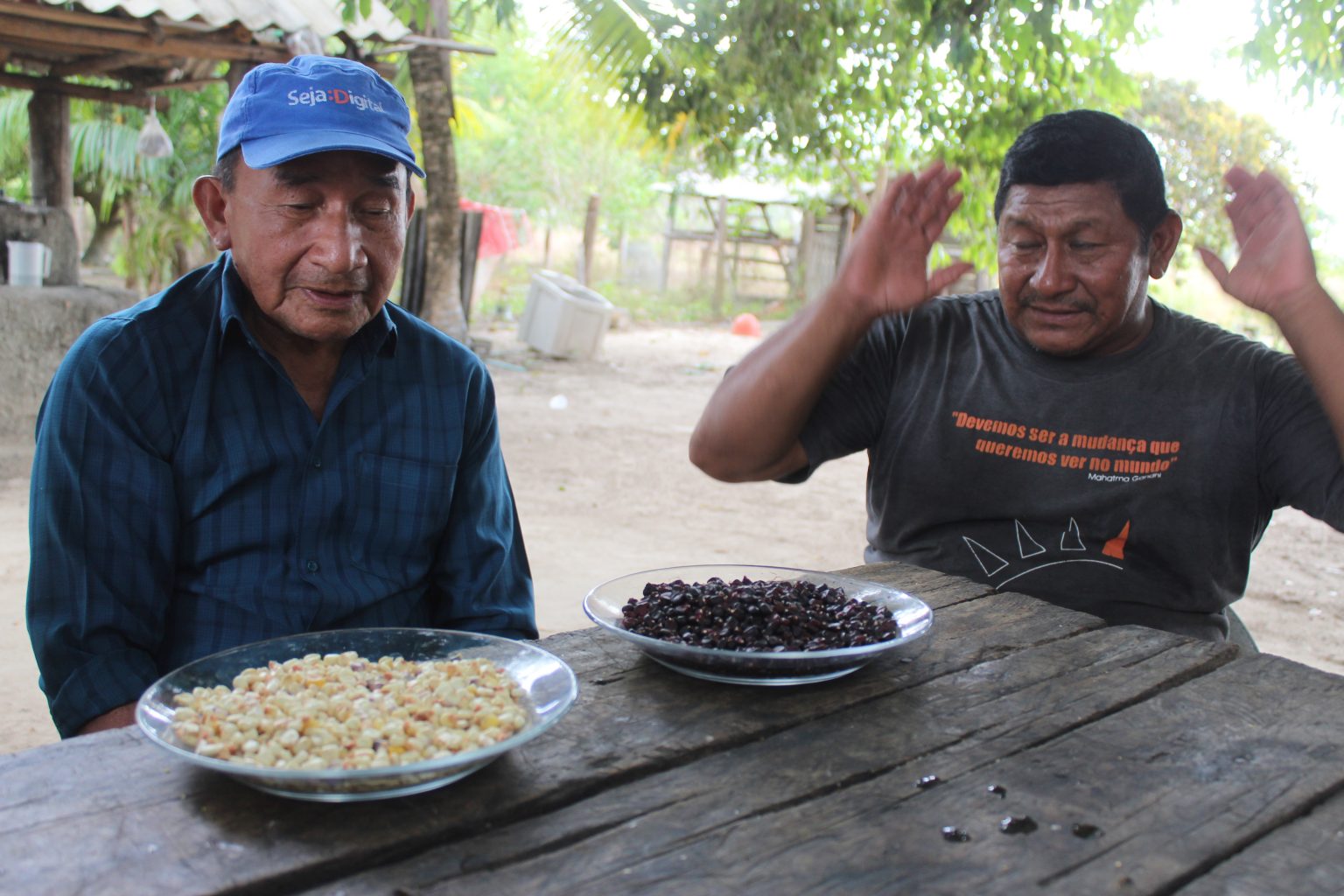
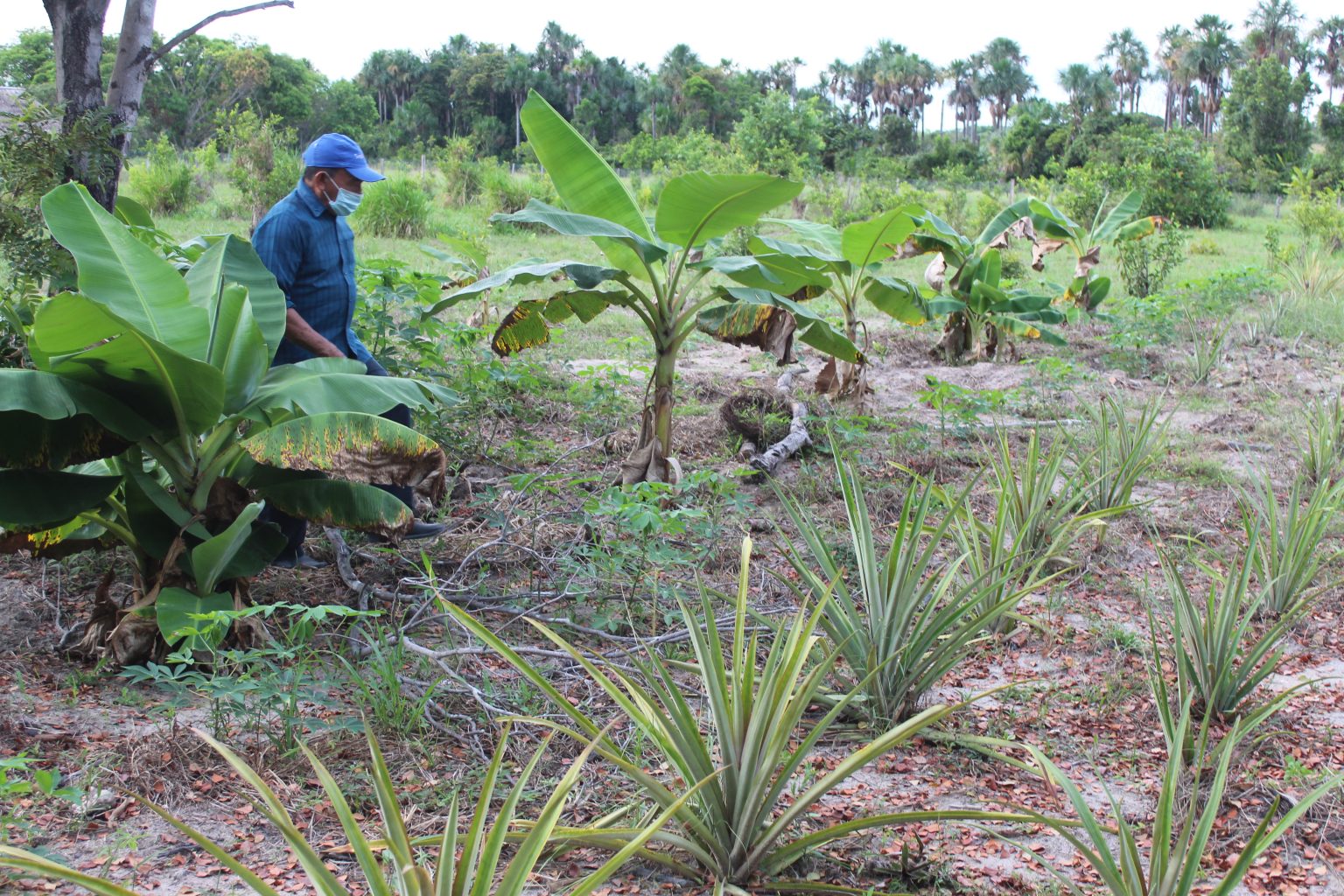
Tuxaua from the Alderizo Pereira slab community was happy and said he felt valued to see Enock's visit.
"This work is very important and we are seeing you inside the fields seeing the productions and this is very good, because it values what we do here". said.
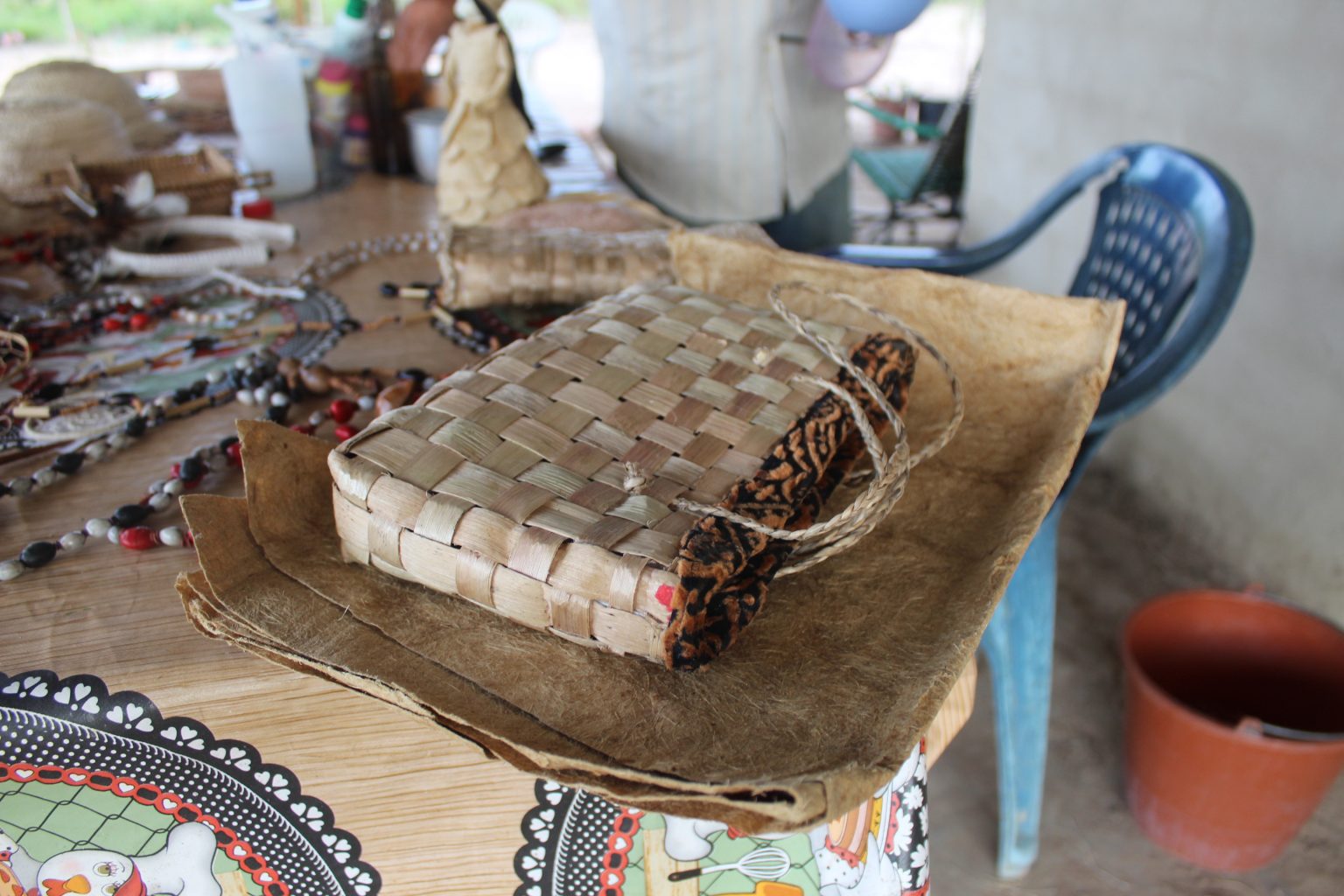
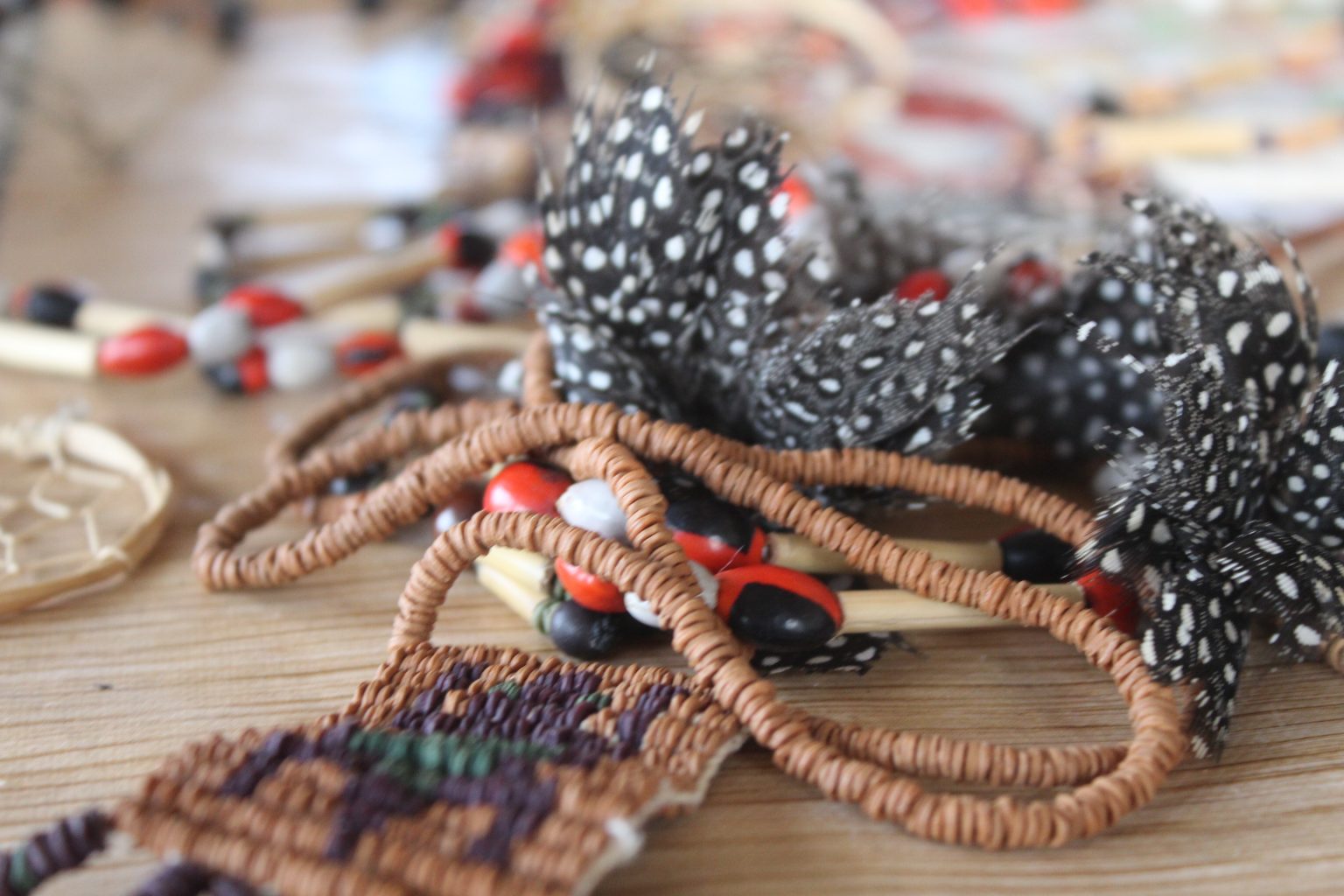
The Malacacheta pole was the first to be visited, then the Manoa/Pium and Moscow poles received respectively the presence of the general coordinator of the CIR Enock Taurepang, to map the swiddens and evaluate the best forms of support to the region.
Serra da Lua region photo gallery: