
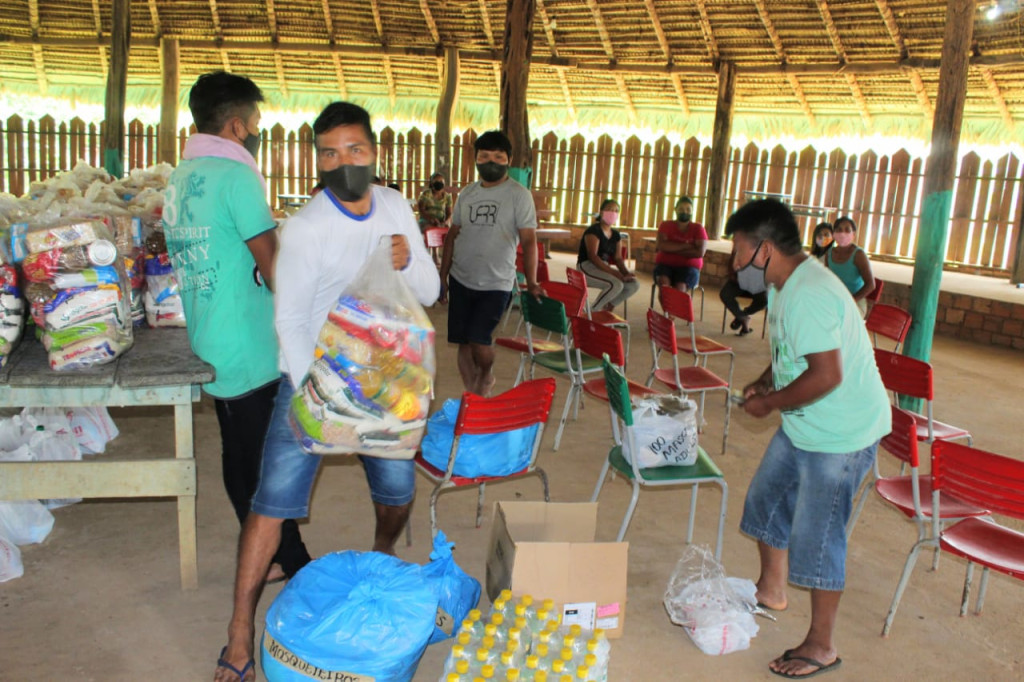
On August 28, 2020, the fifth stage of the emergency campaign of the Indigenous Council of Roraima (CIR) ended. This time, the focus was on families infected by Covid-19. The action also served leaders who were on the front line at sanitary barriers, at health centers, in addition to indigenous families who live in Boa Vista or who come from the community to receive treatment in the capital.
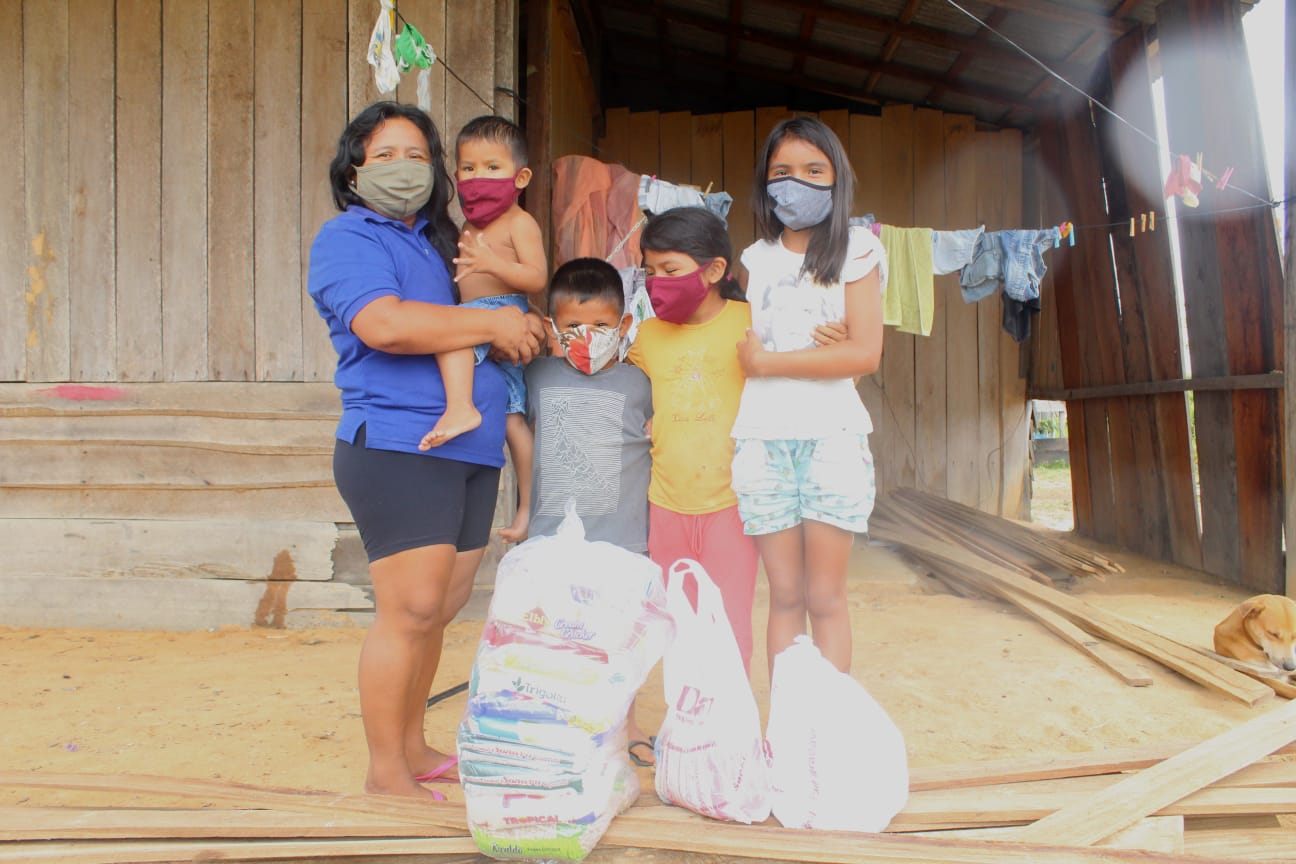
Since the beginning of the pandemic, the CIR has been providing assistance to indigenous communities with the intention of containing the advance of the pandemic. However, unfortunately, the new coronavirus has reached indigenous lands, taking traditional leaders away from our coexistence and taking away a whole history. According to the latest data from the Coordination of Indigenous Organizations of the Brazilian Amazon (Coiab), there are 81 deaths from the disease among indigenous peoples in the state.
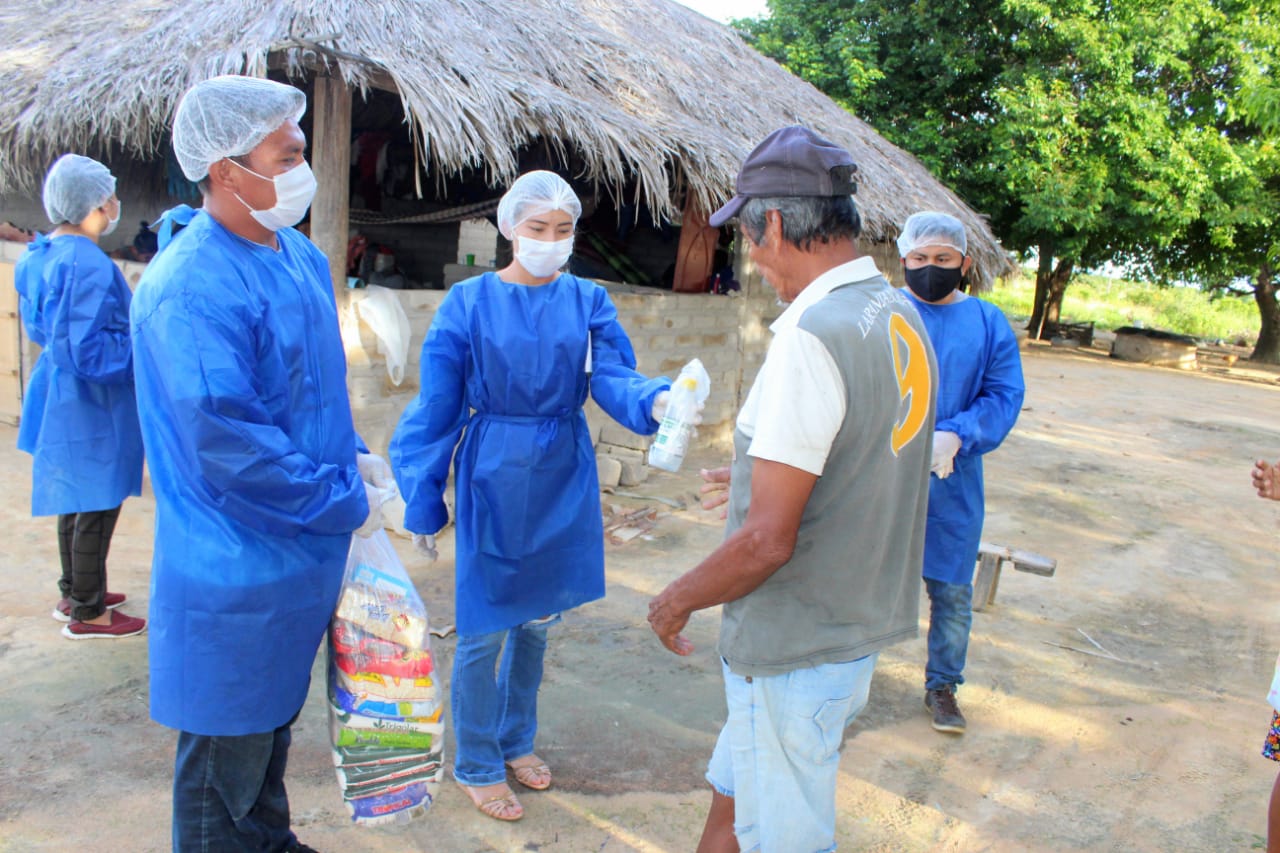
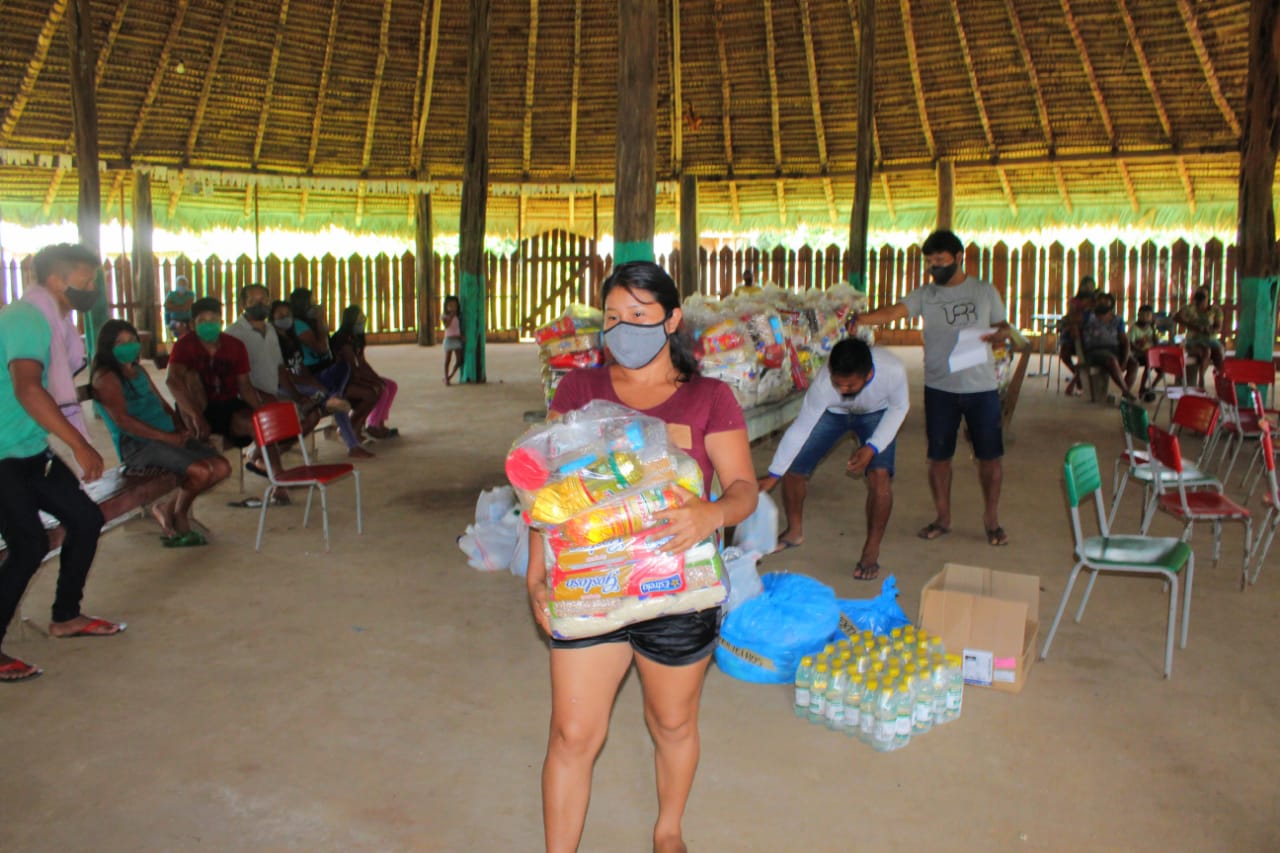
In this fifth stage of the campaign, more than a thousand food baskets were donated, the Anauá community, in the Wai Wai Indigenous Land, is just one of more than 50 that were served. At the site, the deputy tuxaua Narcisio Wai Wai thanked for the help.
"Here most of my relatives were infected and I was very worried about losing them to this disease, but we thank the CIR and partners for their contribution", highlighted the leader.
Coordinator Enock Taurepang and the general secretary of the women's movement, Maria Betânia Macuxi, accompanied the delivery of food, masks, hygiene kits, PPE and hand sanitizer to the residents of the Anauá community.
According to Maria Betânia, the help is to keep communities and regions in social isolation to prevent the circulation of the new coronavirus. "We bring support so that leaders remain in their communities and maintain proper care," she commented.
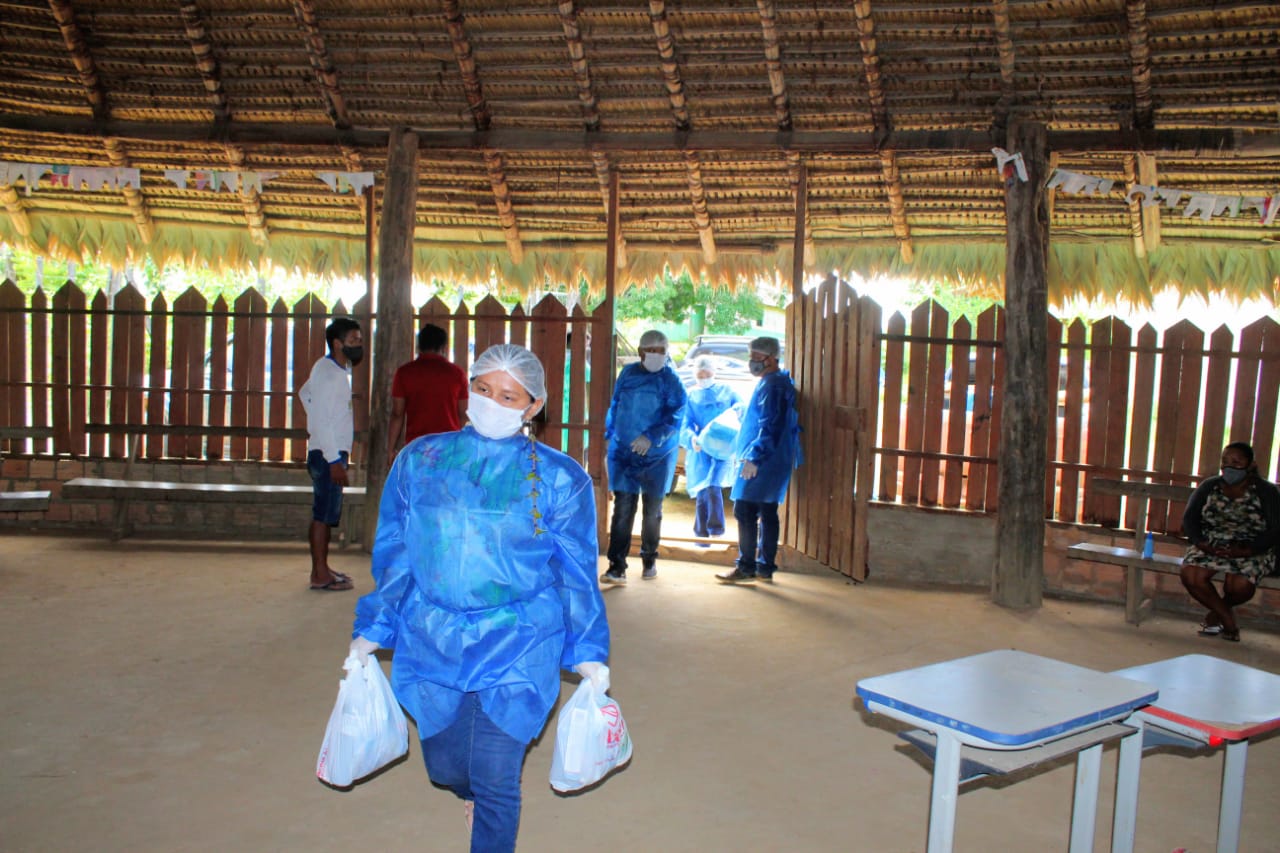
During the fifth phase of the campaign, the CIR worked in partnership with Rainforest, CAR, Abraca, Coiab, Pope of Rome/Caritas Sisters, Malacacheta Community, Royal Norwegian Embassy, ISA, NCI, IEB, Society of Jesus and Minas Gerais, Jesuit Faculty of Philosophy and Theology (FAJE).
The more than 50 communities that received support in the fifth phase were from the regions of Amajarí, Baixo Cotingo, Surumú, Wai Wai, Serra da Lua Region, Serras, Raposa, Tabaio and Murupú.