
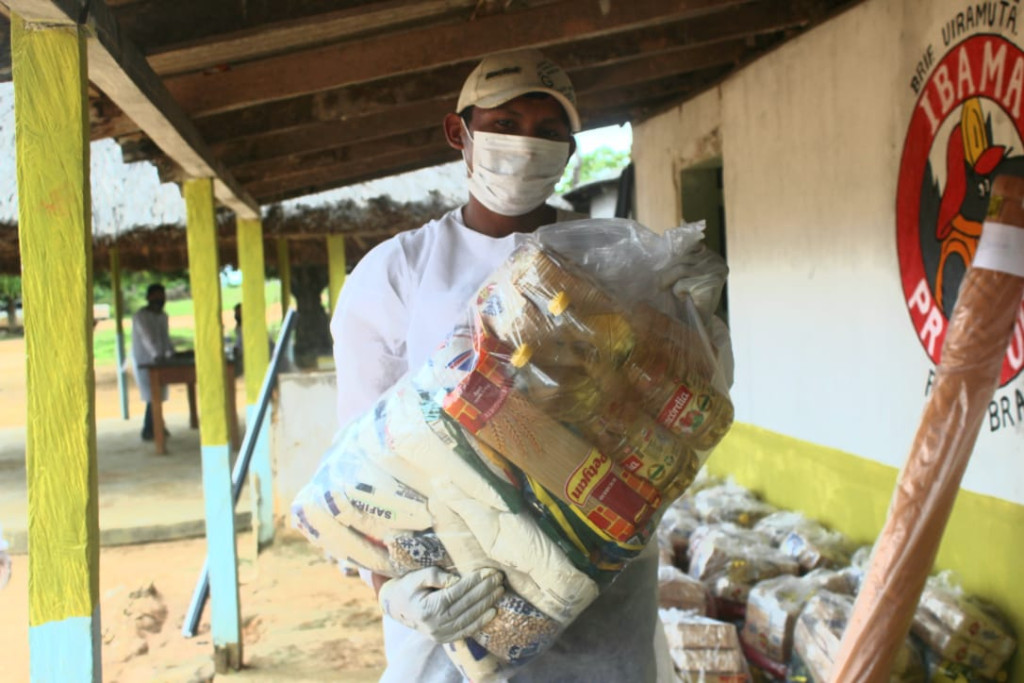
After four months, the campaign of the Indigenous Council of Roraima (CIR) and partners in the fight against Covid-19 reached the fourth stage meeting the protection and surveillance barriers of the 32 indigenous lands of the Macuxi, Wapichana, Taurepang, Wai Wai, Patamona and Sapará ethnic groups. The donations are considered emergency. So far, 49 deaths from the new coronavirus have been recorded among the indigenous peoples of Roraima and 1.4 thousand confirmed cases within the communities alone.
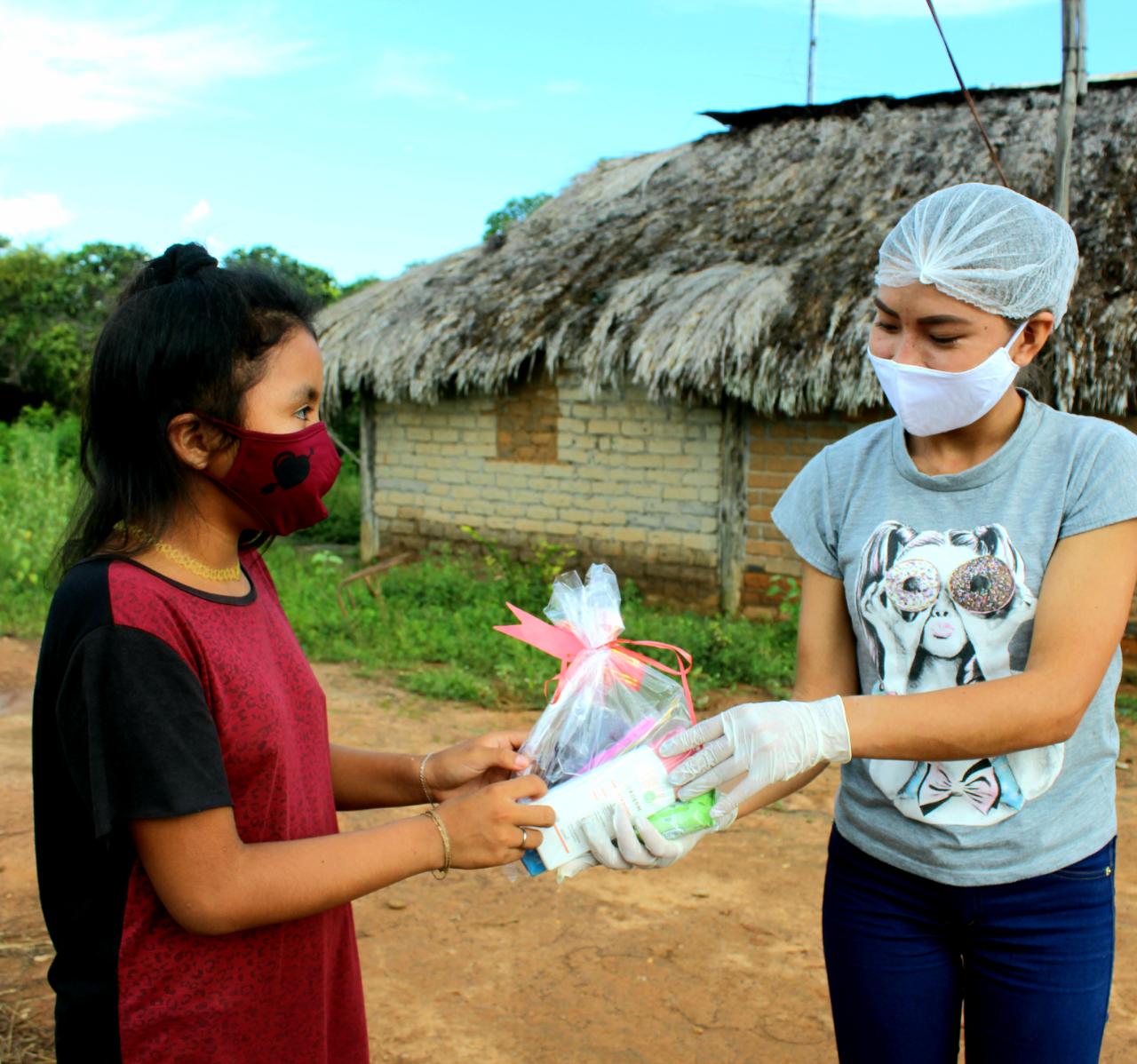
In this fourth phase of the campaign, more than 300 basic food baskets, 3 thousand fabric masks, 2 thousand hygiene kits, in addition to PPE, including 4 thousand gloves, alcohol, face shield and protective clothing, were delivered. The items were taken by the CIR team to the 38 sanitary barriers installed at the access points to the communities to try to contain the expansion of the virus through the flow of people.
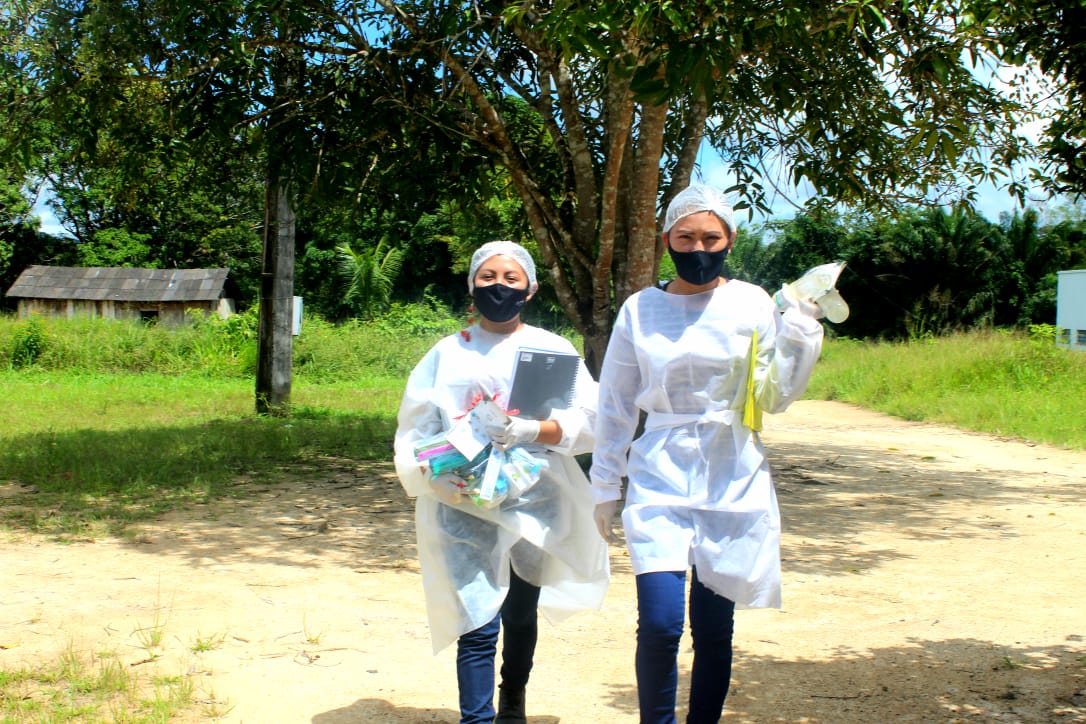
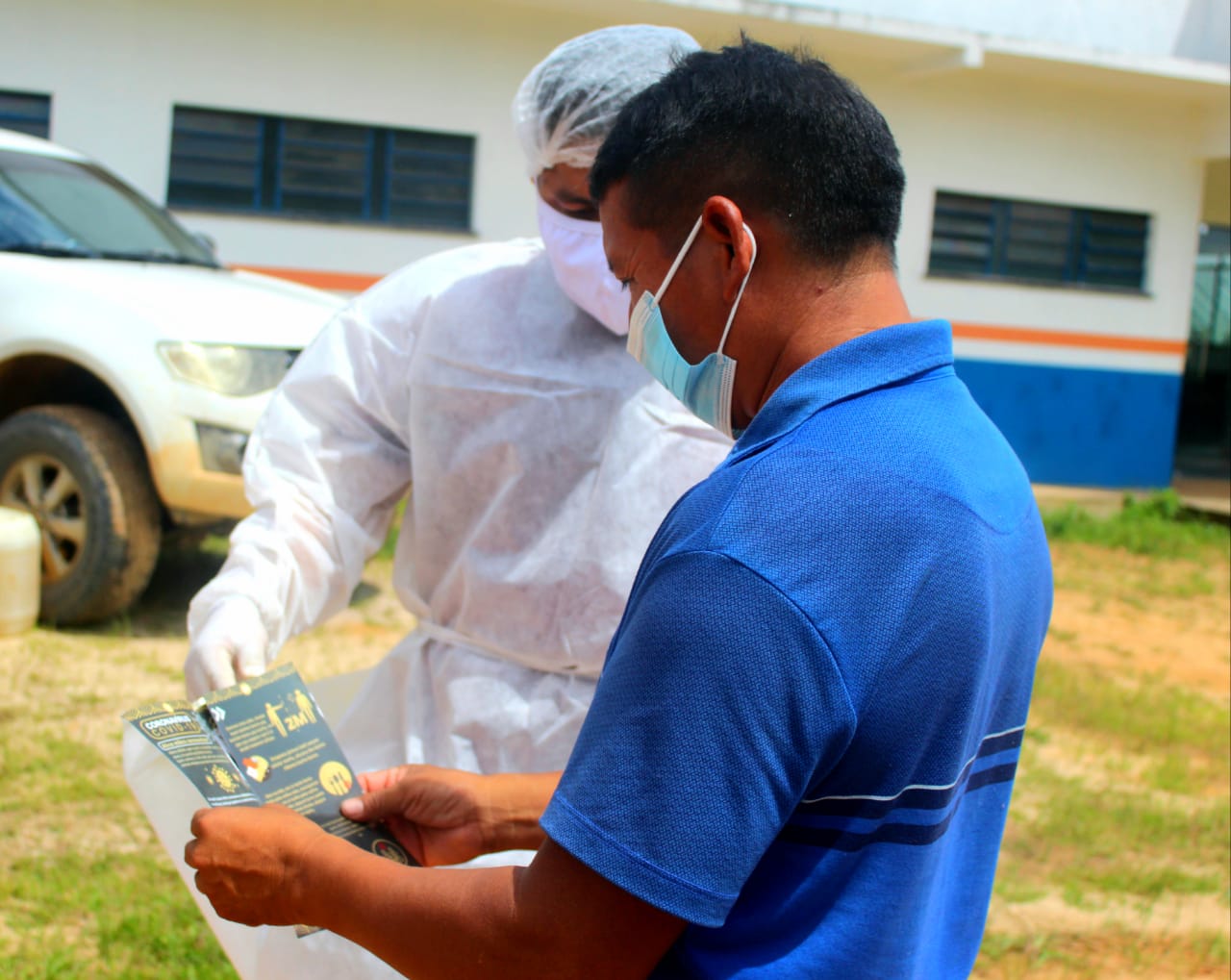
Another essential factor in the fight against Covid-19 and was included in this fourth stage was information. The CIR prepared informative folders about the new coronavirus in six native languages: Macuxi, Wapichana, Taurepang, Wai Wai, Yekuana and Ingarikó. Eight thousand folders have already been delivered in the 10 regions, in addition to 26 banners with information about the new coronavirus and the necessary precautions to prevent the spread of the disease in the sanitary barriers.
With the deaths, sadness and pain deeply shook the indigenous leaders. In addition to the executive coordination, a part of the CIR team was infected, but after 15 days of quarantine the team that tested negative returned to the actions to help the communities.
To boost the manufacture of homemade masks and contribute to the fight against the pandemic, women from the communities of Malacacheta, Serra da Lua region and Maturuca, Serras region, received materials to encourage production.
In this fourth phase, the CIR also extended support to the families of relatives who came from the communities to accompany members of their families infected by Covid-19 in the capital Boa Vista, and to the work of women who are producing traditional medicines.
The actions were carried out in partnership with Niatero, Greenpeace, NCI, Cafod, Coiab, Diocese of Roraima, Consolata Missionaries, SESDUF, @doemascaras, and individuals. The 10 regions served in this fourth phase were Baixo Cotingo, Wai-Wai, Raposa, Serras, Tabaio, Serra da Lua, Amajarí, Alto Cauamé, Murupu and Surumu.
Anyone can collaborate with the CIR initiative through the emergency campaign. It is possible to donate any amount through the CIR bank account (Banco do Brasil, Agency: 2617-4, Account: 59027-4, CNPJ: 34.807.578/0001-76).
The CIR also collects personal protective equipment (PPE), hygiene, cleaning, cutting and sewing materials (fabrics, sewing thread and elastic), as well as food to help indigenous communities affected by Covid-19. Donations can be made at the CIR headquarters, located at Avenida Sebastião Diniz, 2630, São Vicente, Boa Vista.