
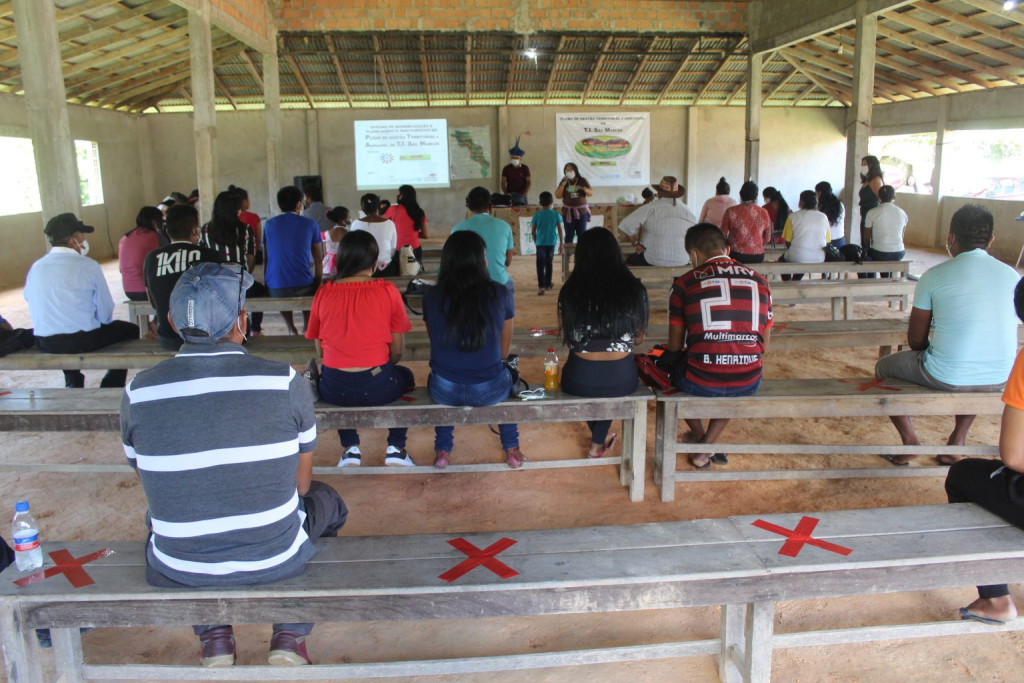
Aiming at territorial and environmental protection and the construction of a collective life plan, the communities of the São Marcos Indigenous Land began discussions this week for the construction of the Territorial and Environmental Management Plan (PGTA). With 654 thousand hectares, the São Marcos Indigenous Land is located between the municipalities of Boa Vista and Pacaraima and was demarcated on October 29, 1991. Currently, there are 6,593 residents of the Macuxi, Taurepang and Wapichana peoples living in 46 communities.
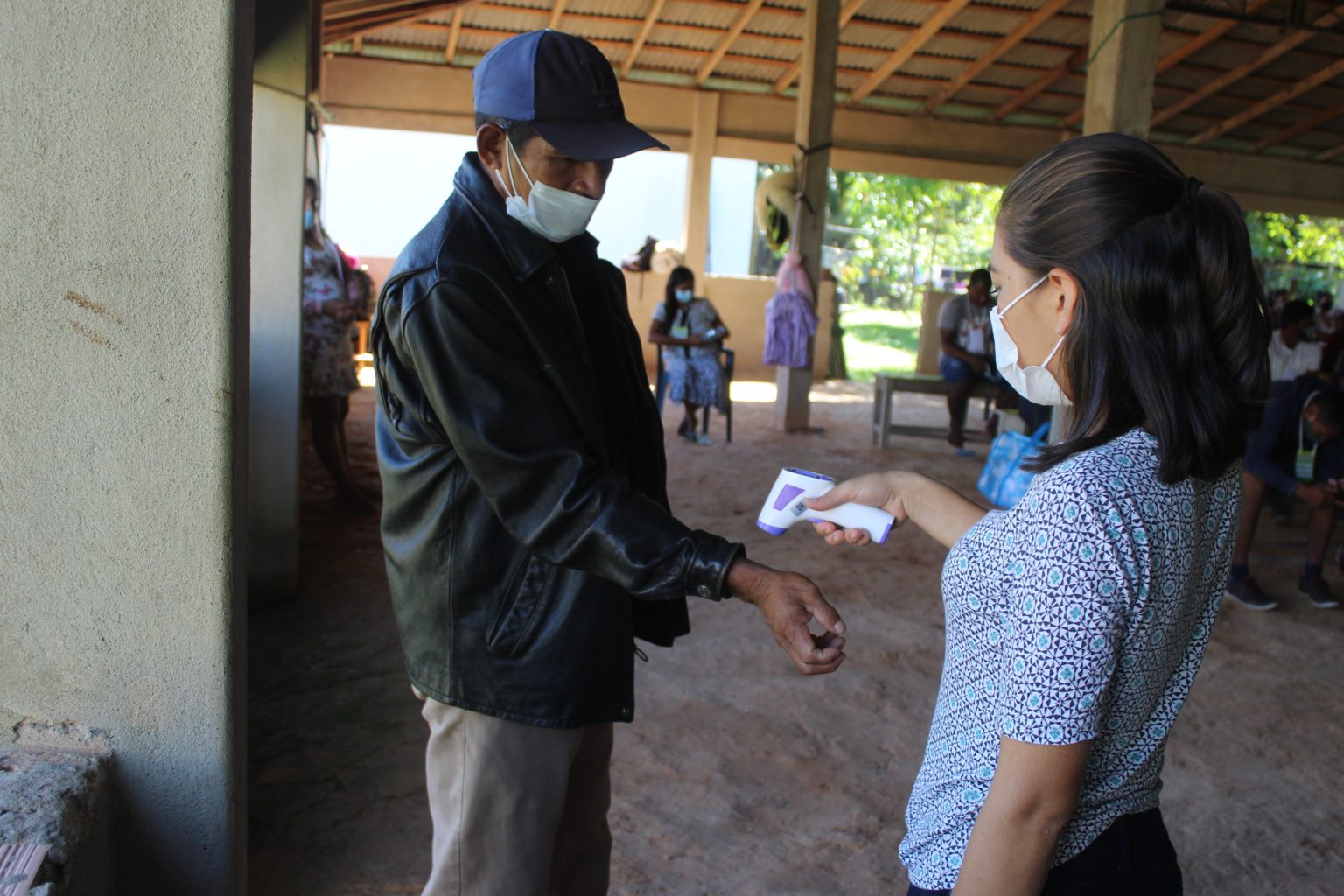
The first PGTA awareness meeting was held between December 1st and 2nd in the Sorocaima 2 community, São Marcos region. All protocols to combat Covid-19 were followed, such as the use of masks and hand sanitizer. More than 100 indigenous leaders who represented the communities that make up the Association of Indigenous Peoples of the São Marcos Land (APITSM) participated.
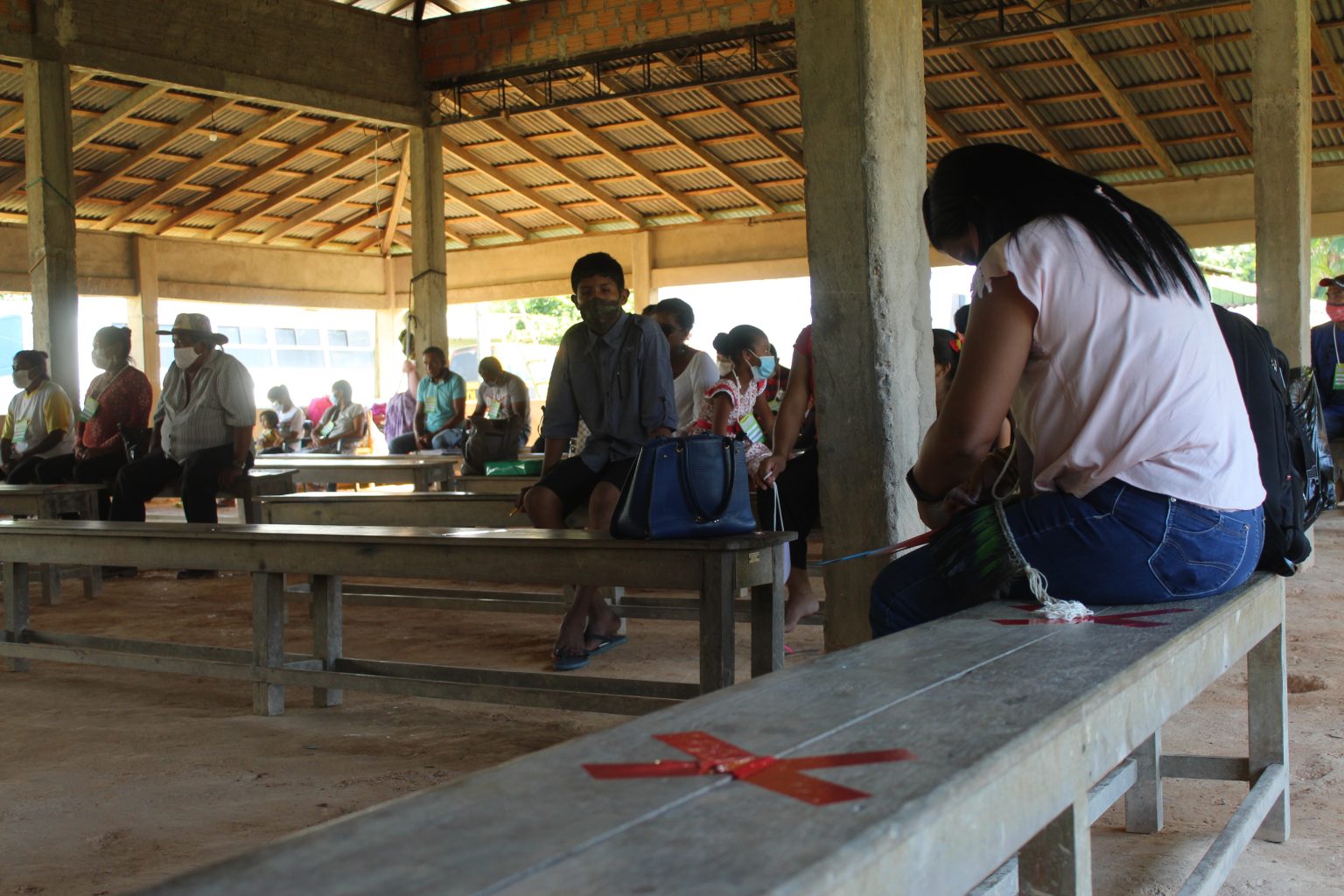
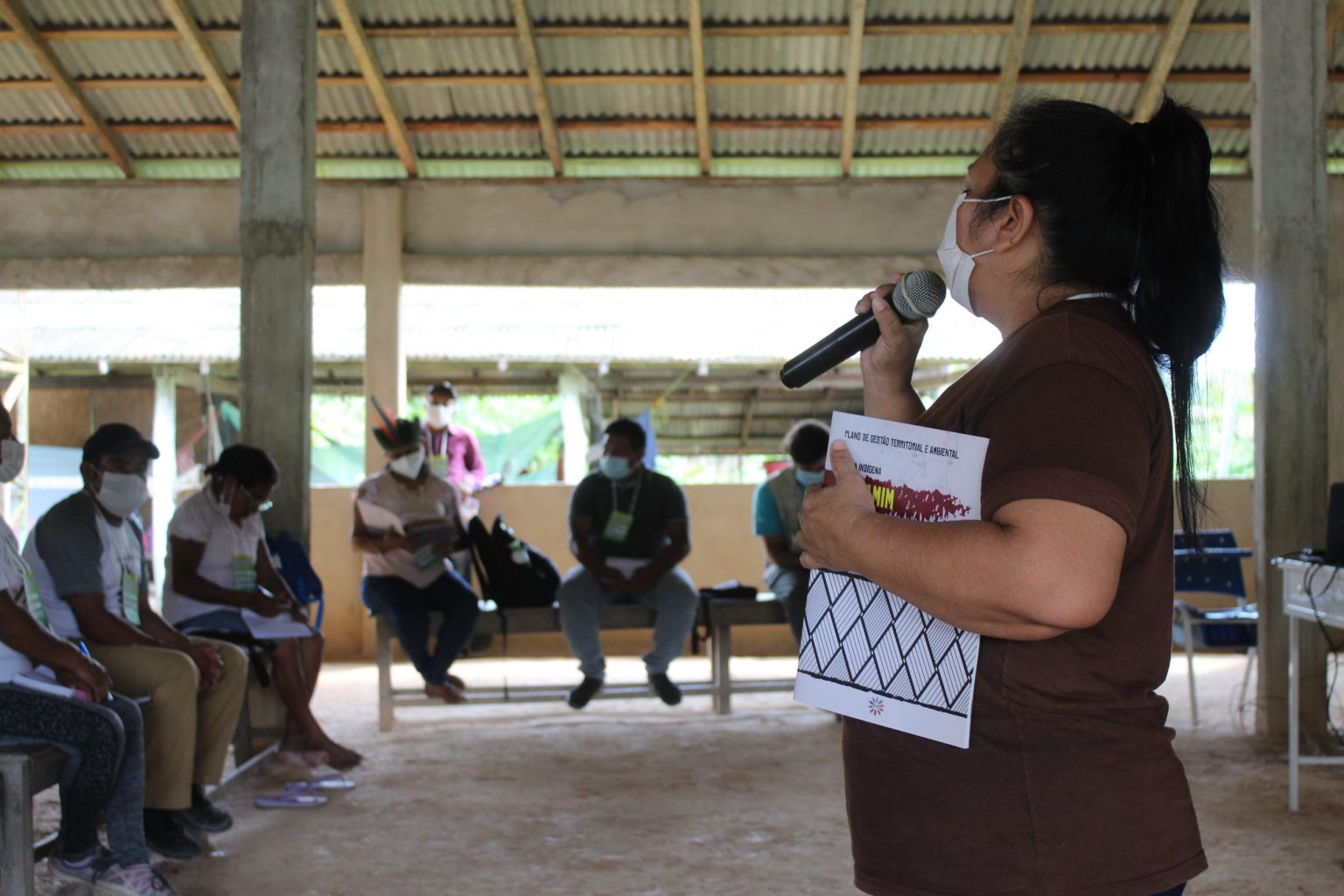
Organized by the Environmental Department of the Indigenous Council of Roraima (CIR) in partnership with APITSM, NCI, the United Nations Children's Fund (UNICEF) and Nia Tero, the workshop was aimed at explaining the functionalities of the PGTA, how it is built and sensitizing leaders about the importance of their own management plan.
"A territorial management plan for an indigenous land is like a tool for dialogue," said the coordinator of the Department of Territorial and Environmental Management (DGTA) of the CIR, Sineia do Vale. "It is very important for the community to manage its territory, inside and outside the indigenous land, so it is important that both men, women and young people have the opportunity to contribute to its construction."
After this first workshop, there will be four more thematic meetings with the communities to discuss topics such as territorial protection and surveillance, sustainable use of natural resources and management planning. At the end, a last assembly will be held, with the presence of leaders, residents, governmental and non-governmental organizations, for validation of the PGTA and subsequent publication.
"The construction of the PGTA is totally shaped by the communities, and the Indigenous Council of Roraima is responsible for support," said Maria Betânia Macuxi, general secretary of the CIR indigenous women's movement.
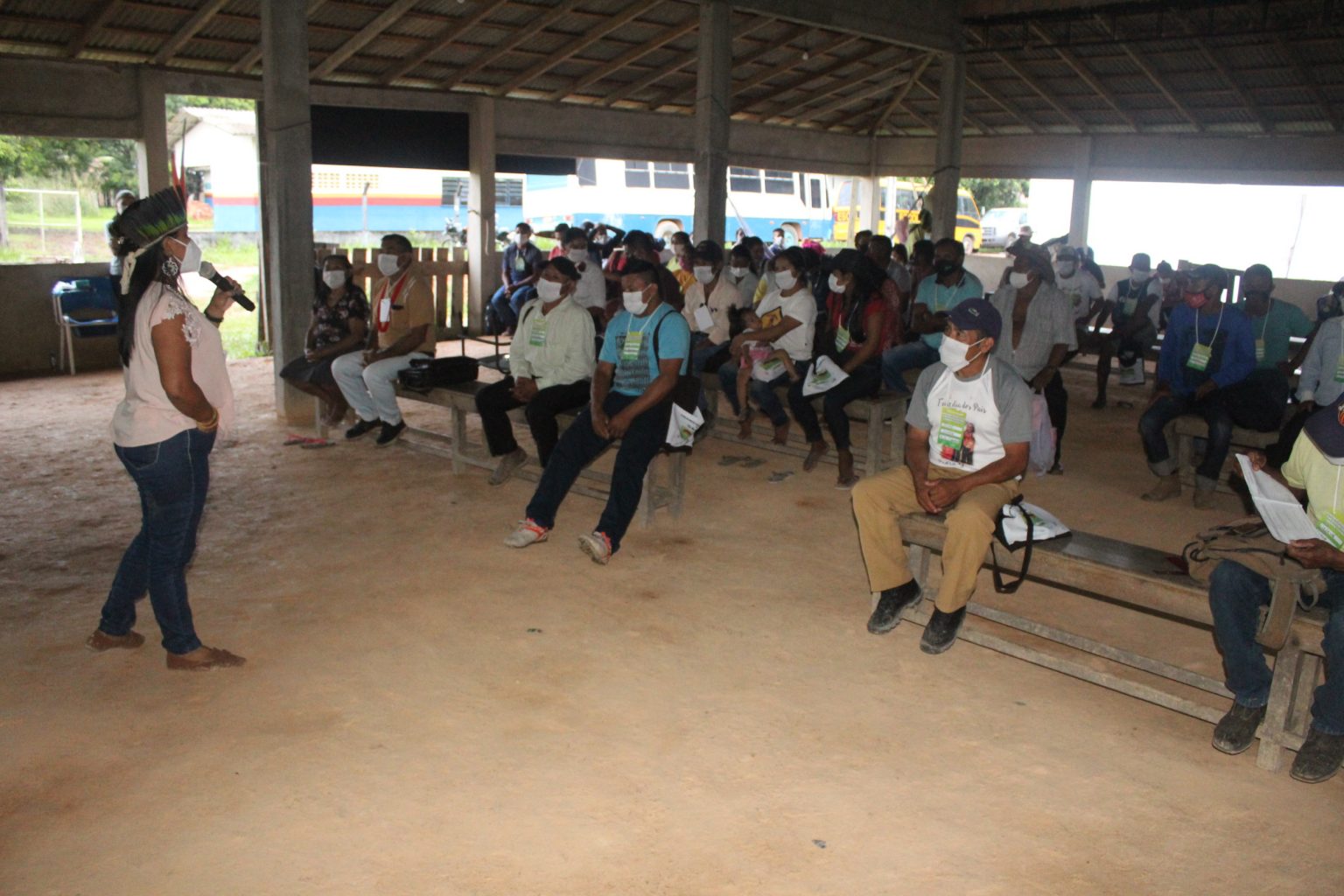
Edmilson da Silva, regional security coordinator of TI São Marcos participated in the event and said that the workshop was important for tuxauas and residents to understand what a PGTA is. "It is of paramount importance for the communities of the three poles, high, medium and lower São Marcos. I see this as an advance and I believe that we will make good use of it", he highlighted.
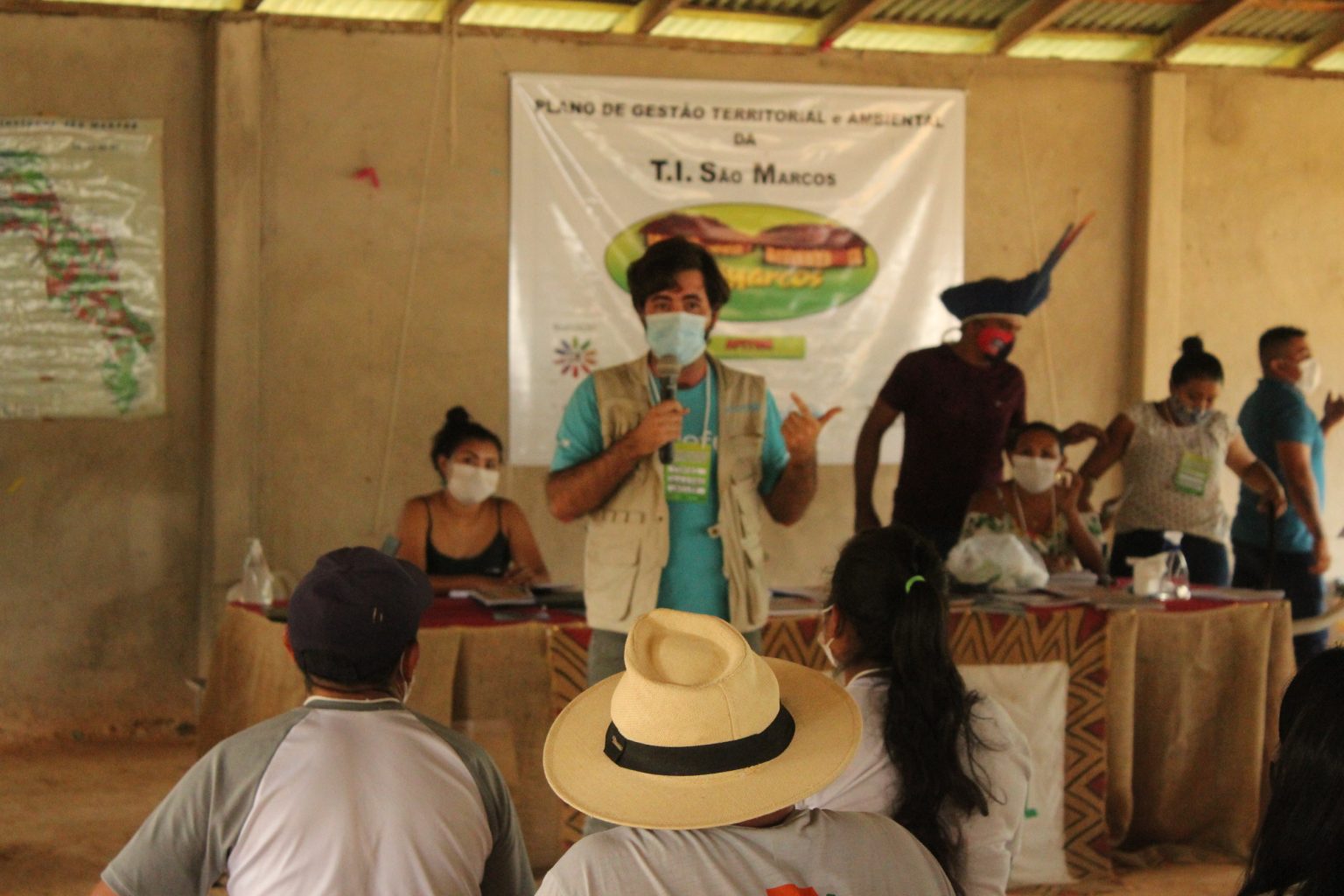
"For us, it is essential that indigenous peoples themselves think about caring for their territory. Dialogue about public policies and their improvement is necessary and, more than that, it must be adjusted according to the point of view of the indigenous peoples themselves. It is necessary to include children and adolescents in this construction so that, from an early age, they can participate in proposals and solutions for their territory," said Tomás Tancredi, UNICEF protection officer, who was also at the meeting.
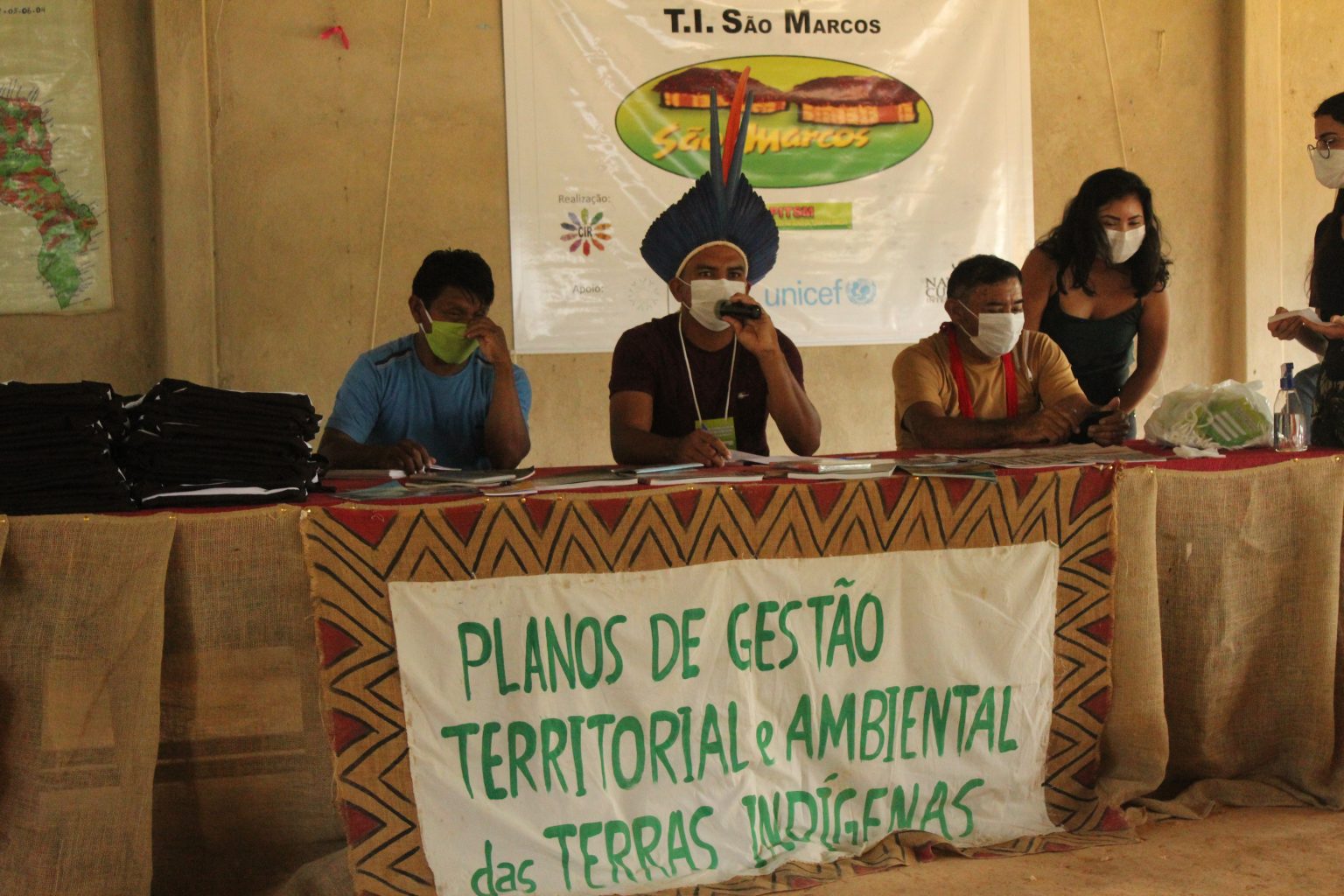
"I believe that with this plan, the communities will have guidance on how to manage the projects, to manage the environment, the natural resources that exist in the indigenous land and enjoy them in a sustainable way, always aiming at future generations, aiming at the well-being of the indigenous population. I believe that this plan, after being completed, will bring many benefits, mainly through collective construction, for the good living of the communities, preservation of our land and our culture." Said Marcelo Macuxi, General Coordinator of APITSM.
What is a PGTA?
The Territorial and Environmental Management Plan (PGTA) is an instrument of the National Policy for Territorial and Environmental Management of Indigenous Lands (PNGATI) – instituted by Decree No. 7,747, of June 5, 2012 – of a dynamic nature, designed to express the protagonism, autonomy and self-determination of indigenous peoples.
The PGTA materializes the planning, agreed upon by the entire indigenous community involved, of the use of its territory for cultural, environmental and economic purposes. In general, it is developed around three main thematic axes - territorial protection, management and sustainable use of natural resources and training - but it translates the particularities of each context and the local strategies for the management of indigenous territories.