
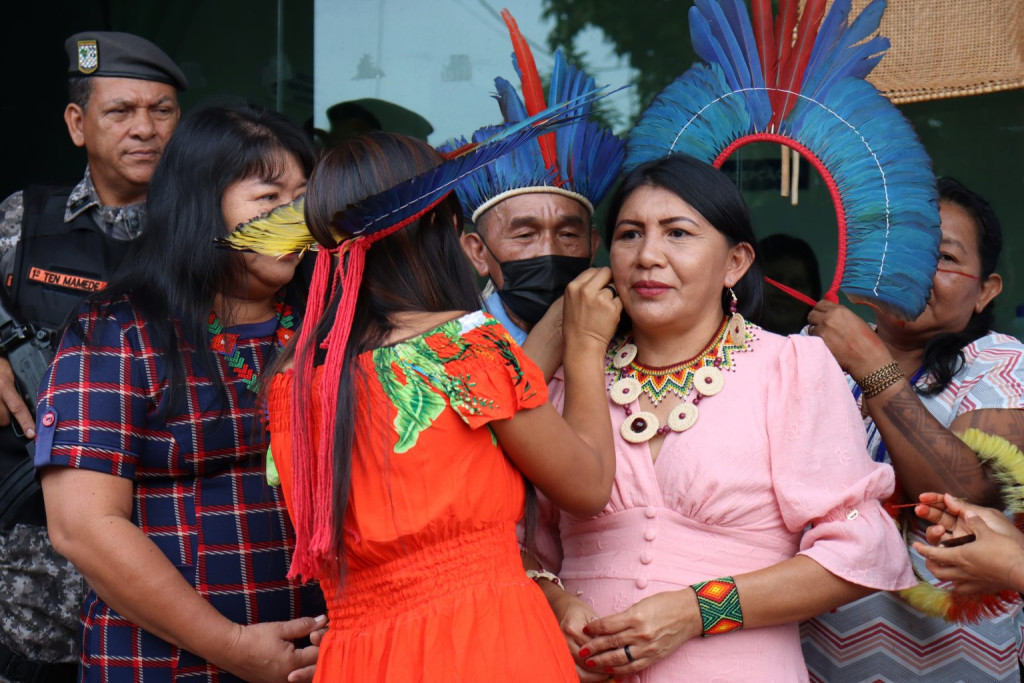
With traditional songs and dances and the burning of the Maruai, the coordinator of the National Foundation for Indigenous Peoples of Roraima (Funai/RR), Marizete de Souza, from the Macuxi people, took office this Monday (06). The ceremony was attended by the President of the National Foundation for Indigenous Peoples (Funai), Joenia Wapichana. Leaders Clovis Ambrósio, Nara André and tuxaua Ariane dressed the new coordinator of the body, symbolizing all the indigenous peoples of Roraima.
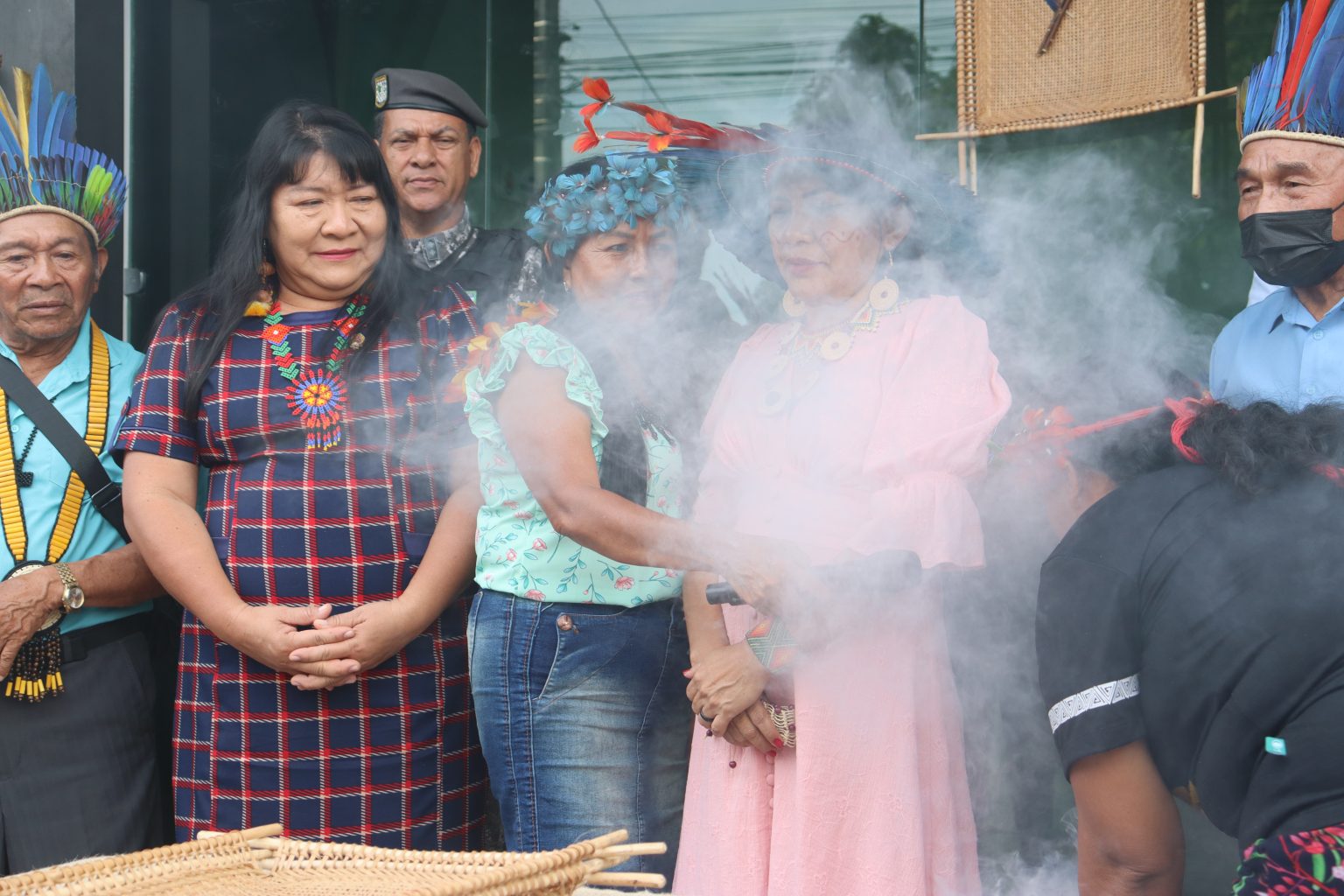
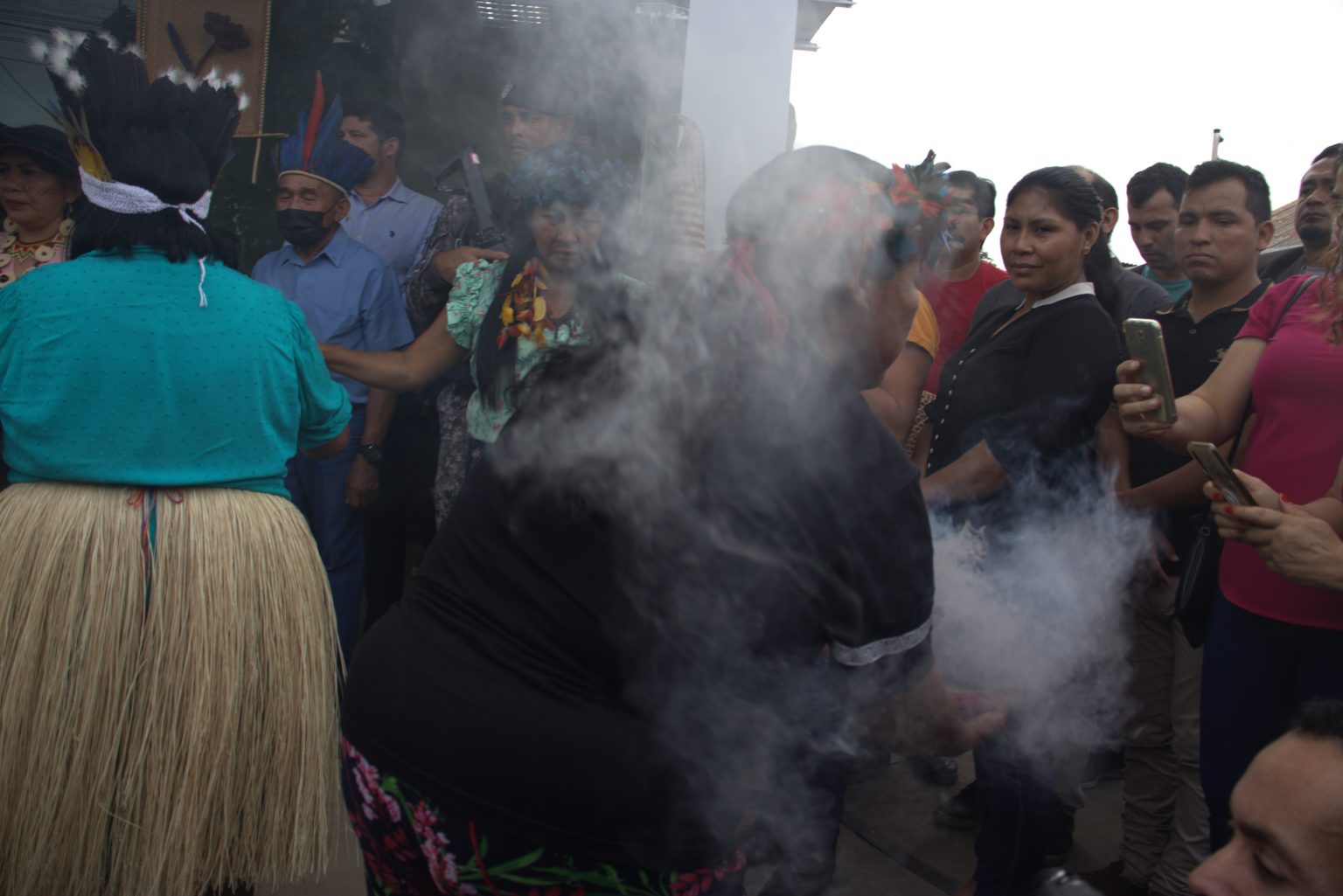
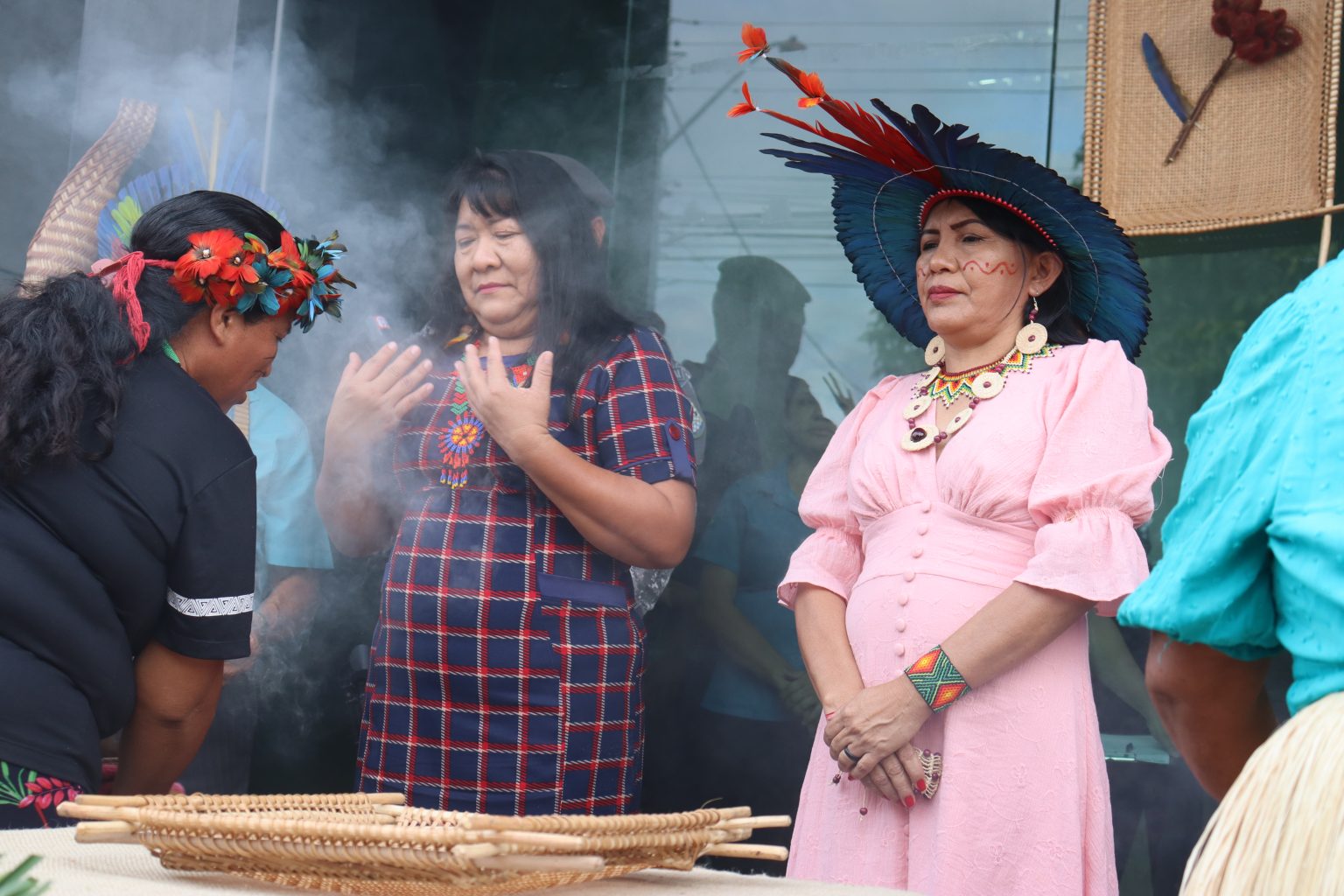
The Maruai fumigation ritual is used to ward off evil spirits, bless and protect the homes of indigenous people; Photo: Thiago Macuxi, indigenous communicator.
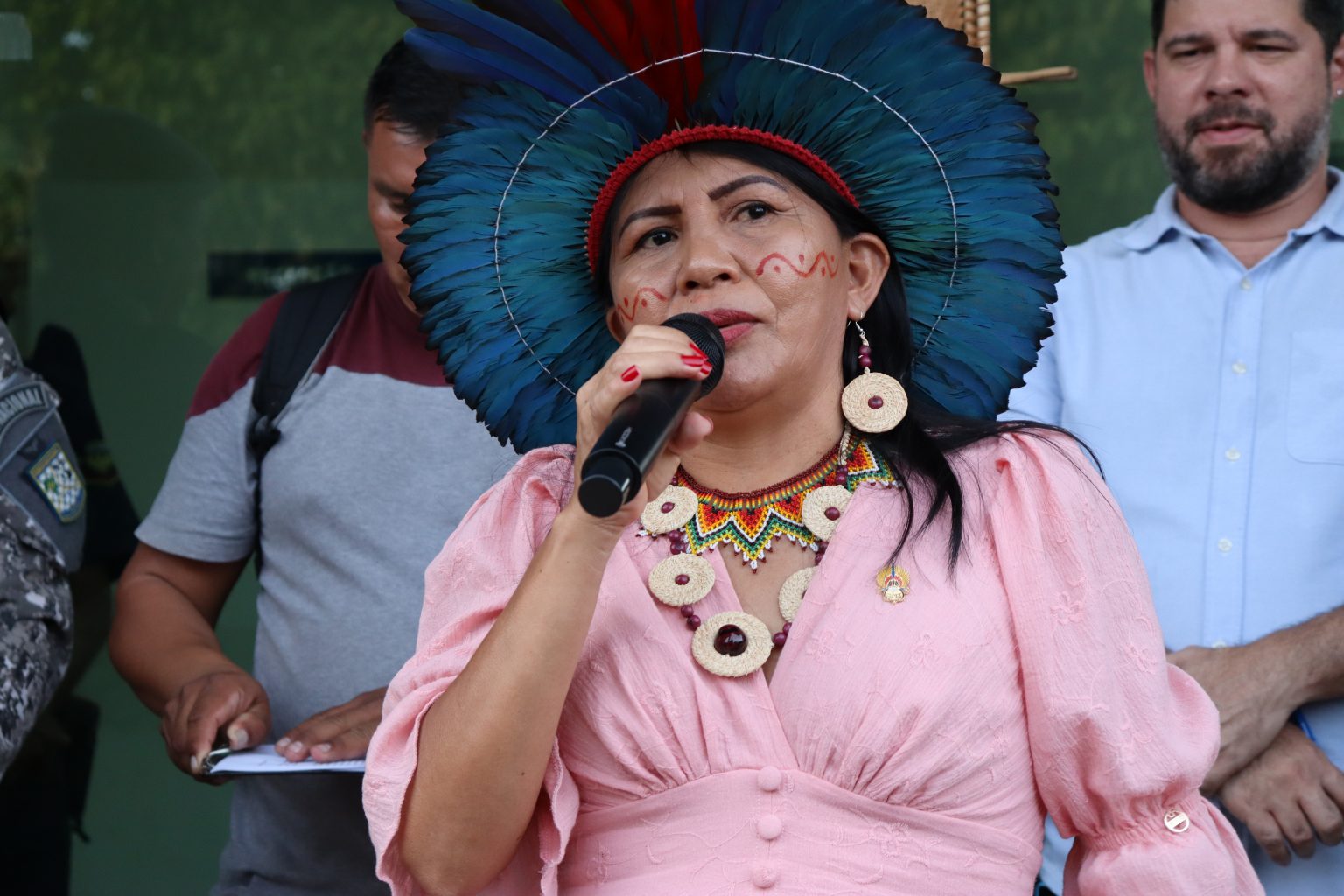
After signing the oath of office, Marizete de Souza, the first Indigenous woman in Brazil to preside over the regional coordination of FUNAI/RR, began her speech by saying, "United people will never be defeated," a slogan used in the mobilizations of the Indigenous movement in Roraima. "At this moment I want to thank this movement that has always believed, that has always had this hope that one day we will occupy this space. This collective historical moment shows us the unity and strength of the Indigenous movement. Today I want to thank God for guiding us peacefully in our demands and mobilizations. This historical process is slow, but firm. Every step we take, we take firmly."
The coordinator concluded by thanking her family, especially her father, the great leader Jacir de Souza, of the Macuxi people, and reinforced her gratitude to the indigenous movement. “I want to thank the indigenous movement of Roraima for the nomination and trust, and thank my family for believing in and accompanying me throughout the historical process of my life, particularly my father Jacir de Souza, who fought so hard and continues to fight for our rights. Thank you very much,” Marizete concluded, visibly moved.
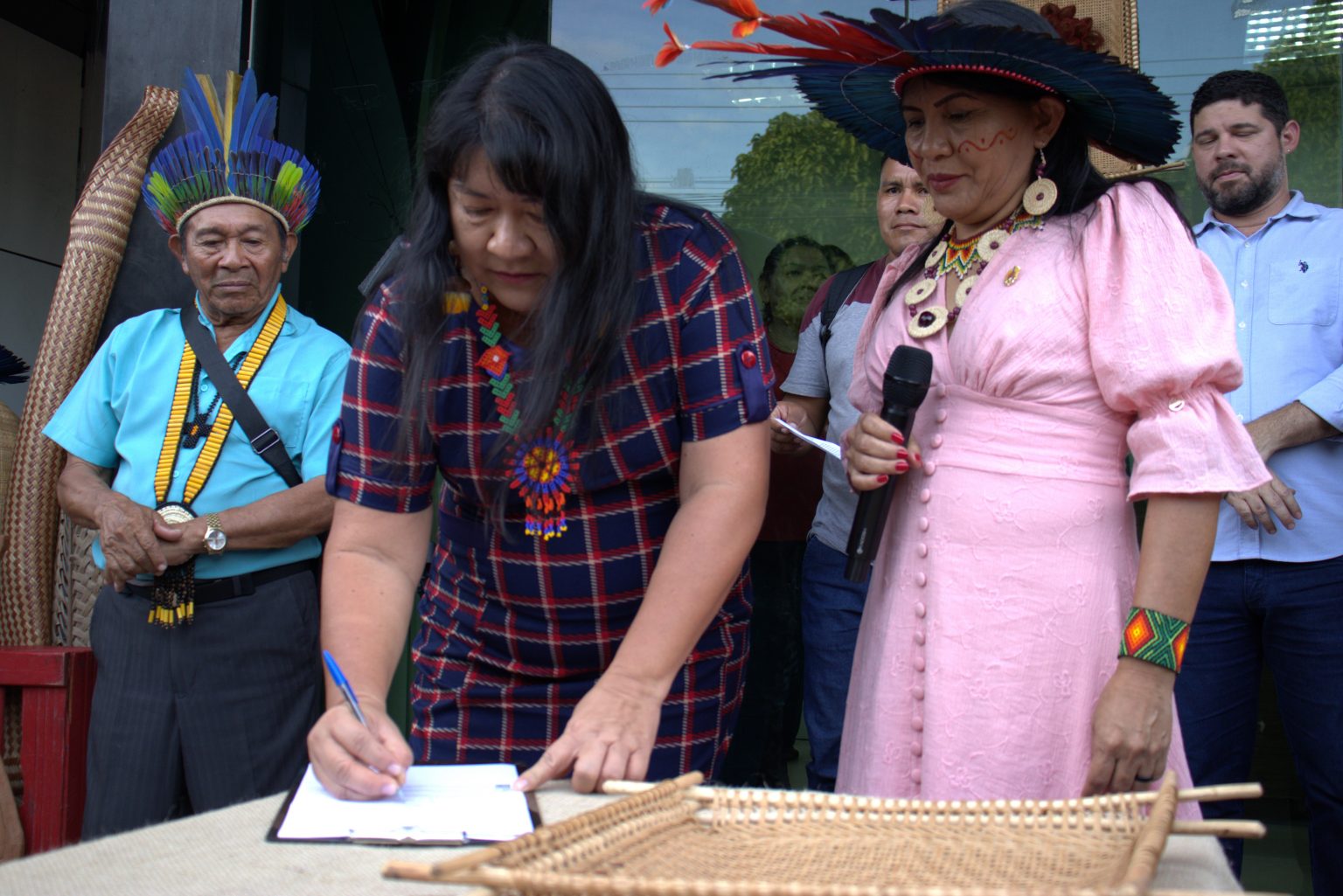
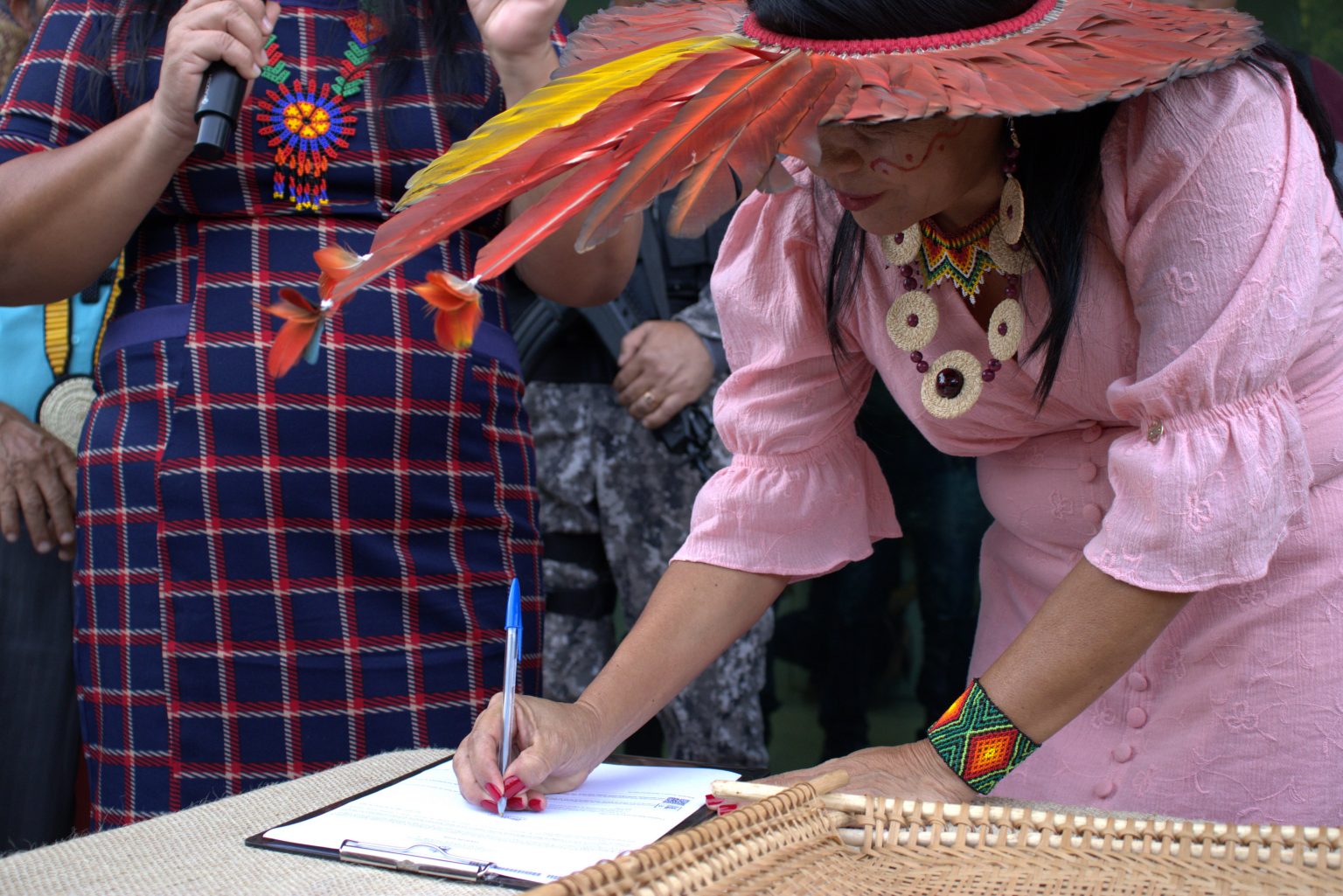
Moment of signing the term of office for the new coordinator, Marizete de Souza of the Macuxi people. Photo: Thiago Macuxi, indigenous communicator.
The ceremony was attended by indigenous organizations, such as: the Indigenous Council of Roraima (CIR), the Hutukara Yanomami Association (YAI), the Association of Indigenous Peoples of the São Marcos Land (APTISM), as well as traditional leaders Jacir José de Souza Macuxi, Clóvis Ambrósio Wapichana, and Gerônimo Macuxi.
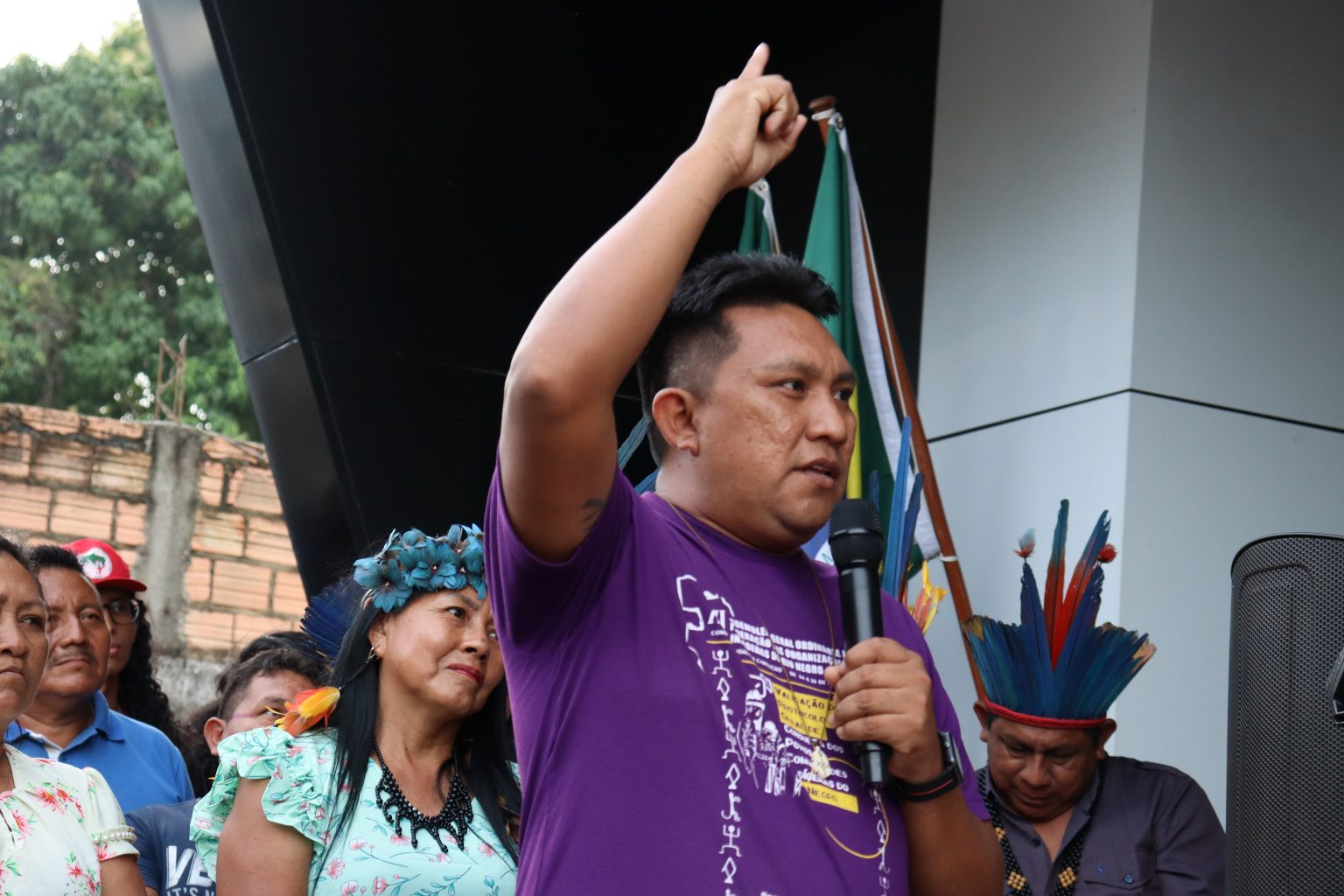
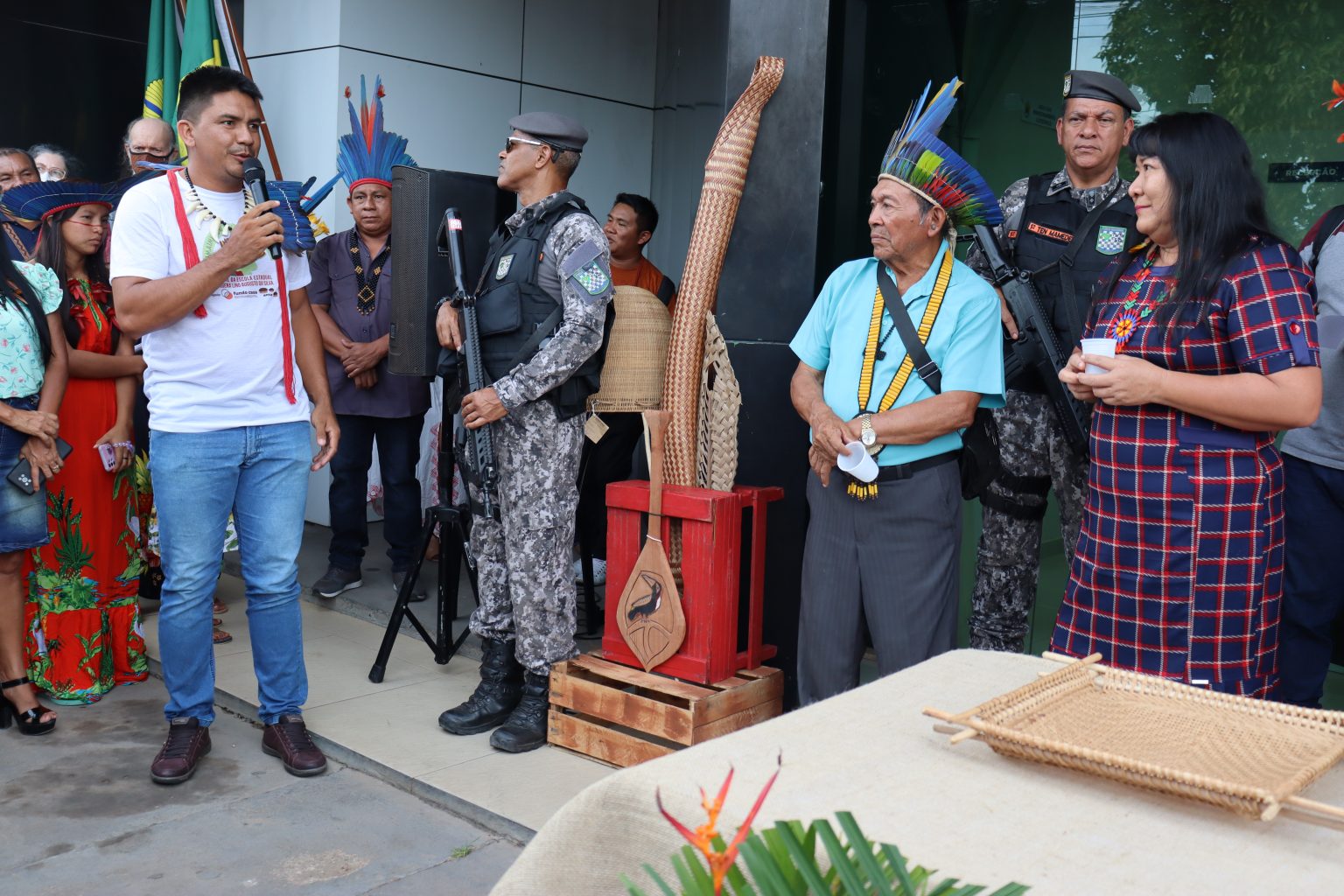
Hutukara Yanomami Association (YAI), Association of Indigenous Peoples of the São Marcos Land (APTISM).
Jacir de Souza briefly recalled the historical process of Funai. “Funai arrived here in 1970; we didn't yet have trained indigenous people. But we came walking, and today we are here assuming a responsibility, both nationally and locally. We, the indigenous peoples, must continue using our unity to manage Roraima. We have experience in the struggle for land. Today my dream comes true to see two indigenous leaders taking over Funai, an agency that will now defend us indigenous people.” Jacir also mentioned the Yanomami people. “We need to help our Yanomami relatives. Everyone at Funai needs to have the courage to face everything together with the coordinator and provide support.”
“It is a great satisfaction to have the coordinator of Funai and the president of Funai Nacional sworn in here. In fact, for all of us people from the state of Roraima, it is a great satisfaction. It is a great step forward, which is why we are happy today to see this coordination being presented,” said leader Clóvis Ambrósio.
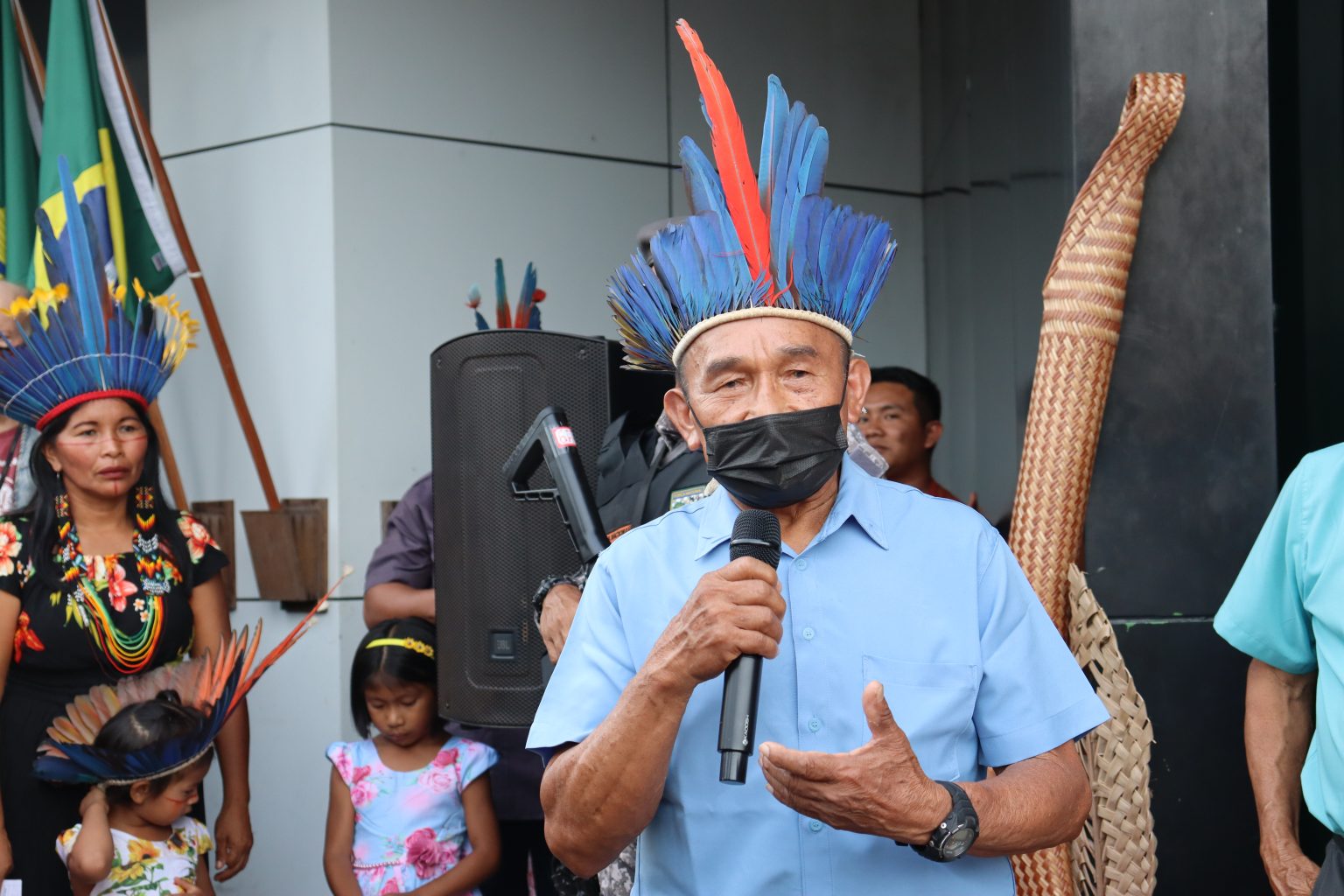
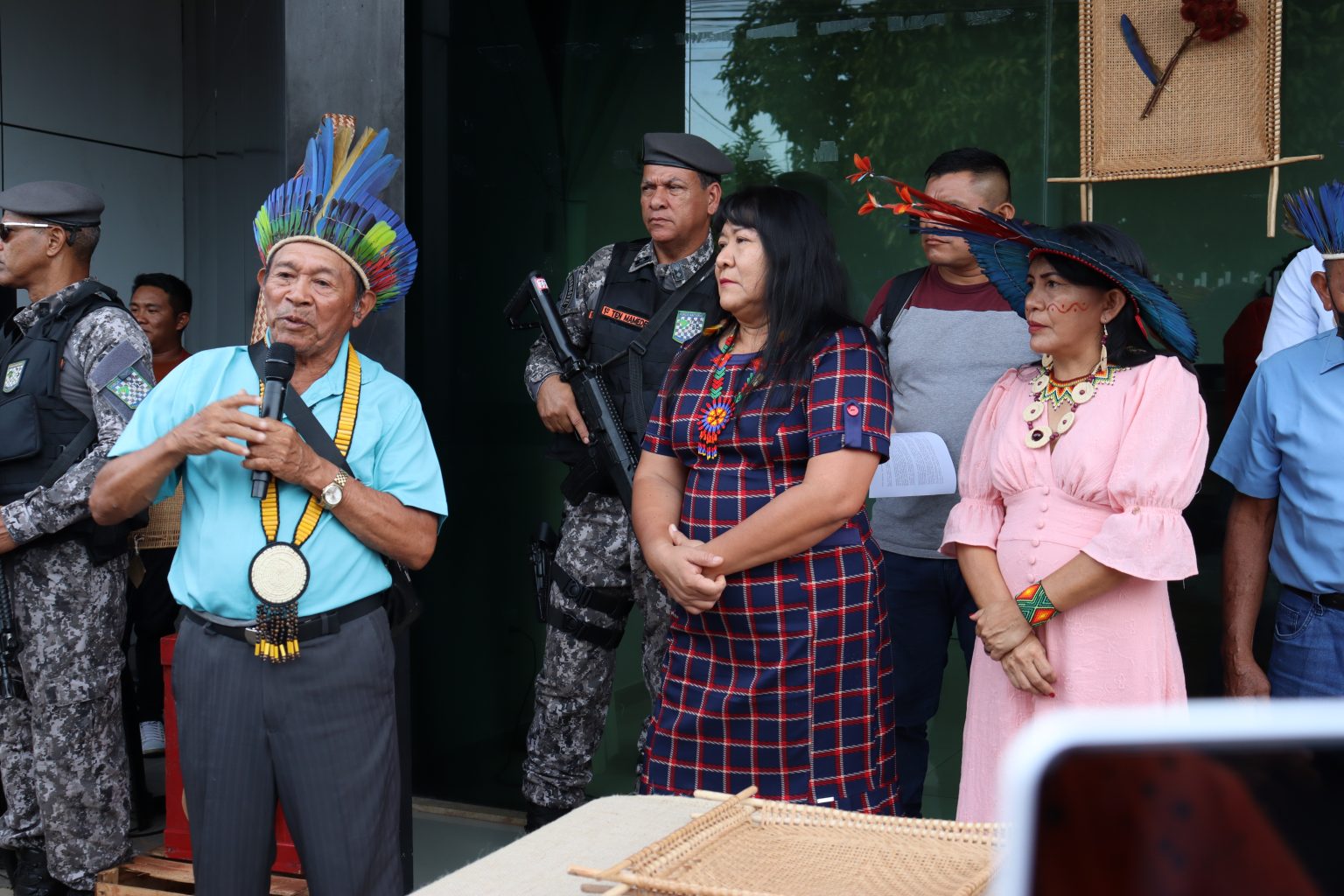
Traditional leaders of the indigenous movement in Roraima. Photo: Thiago Macuxi, indigenous communicator.
The National President of Indigenous Peoples at Funai, Joenia Wapichana, said that the institution's main mission is the demarcation, regulation, and protection of indigenous lands. And the most urgent task is to organize a specific regional coordination for the Yanomami people, as their indigenous land needs the most attention right now.
“Returning here at such a special moment, at the inauguration of our beloved Marizete. Funai is the only federal agency whose institutional mission is to establish and fulfill the procedures for the demarcation of indigenous lands and the protection of indigenous homes. Today, Funai is back with an even stronger mission: to bring indigenous peoples to be part of this reconstruction, especially the Yanomami Indigenous Territory,” Joenia emphasized.
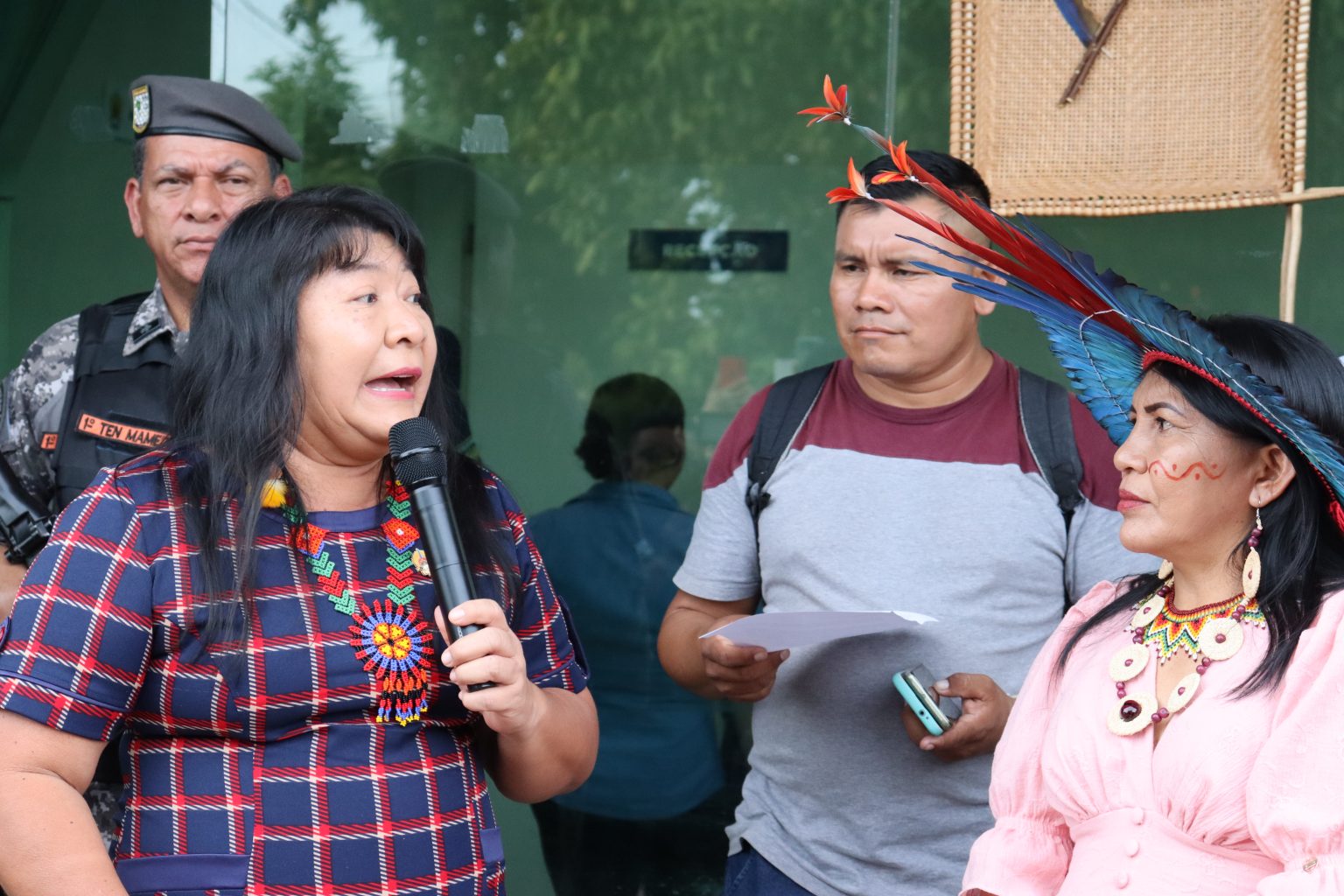
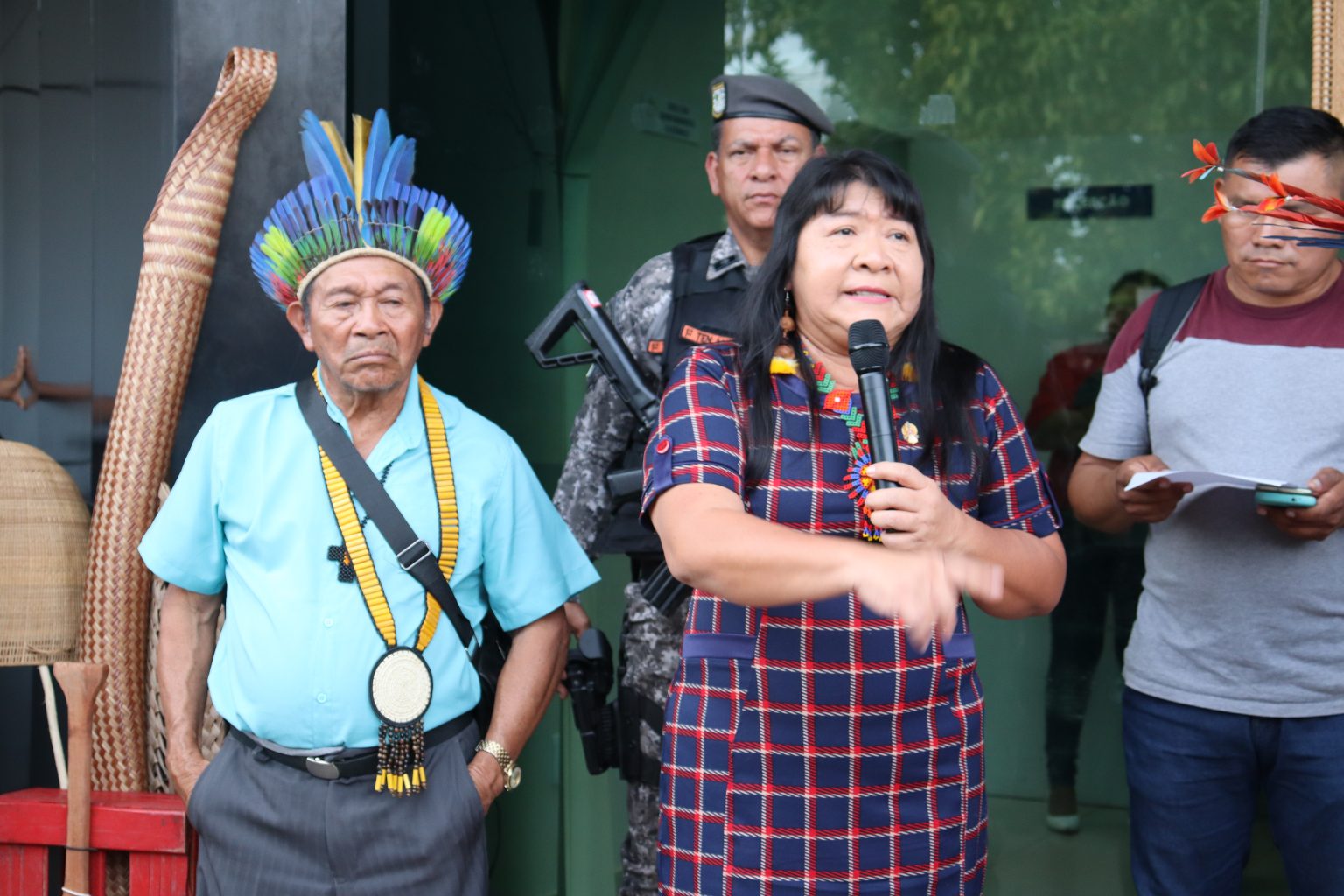
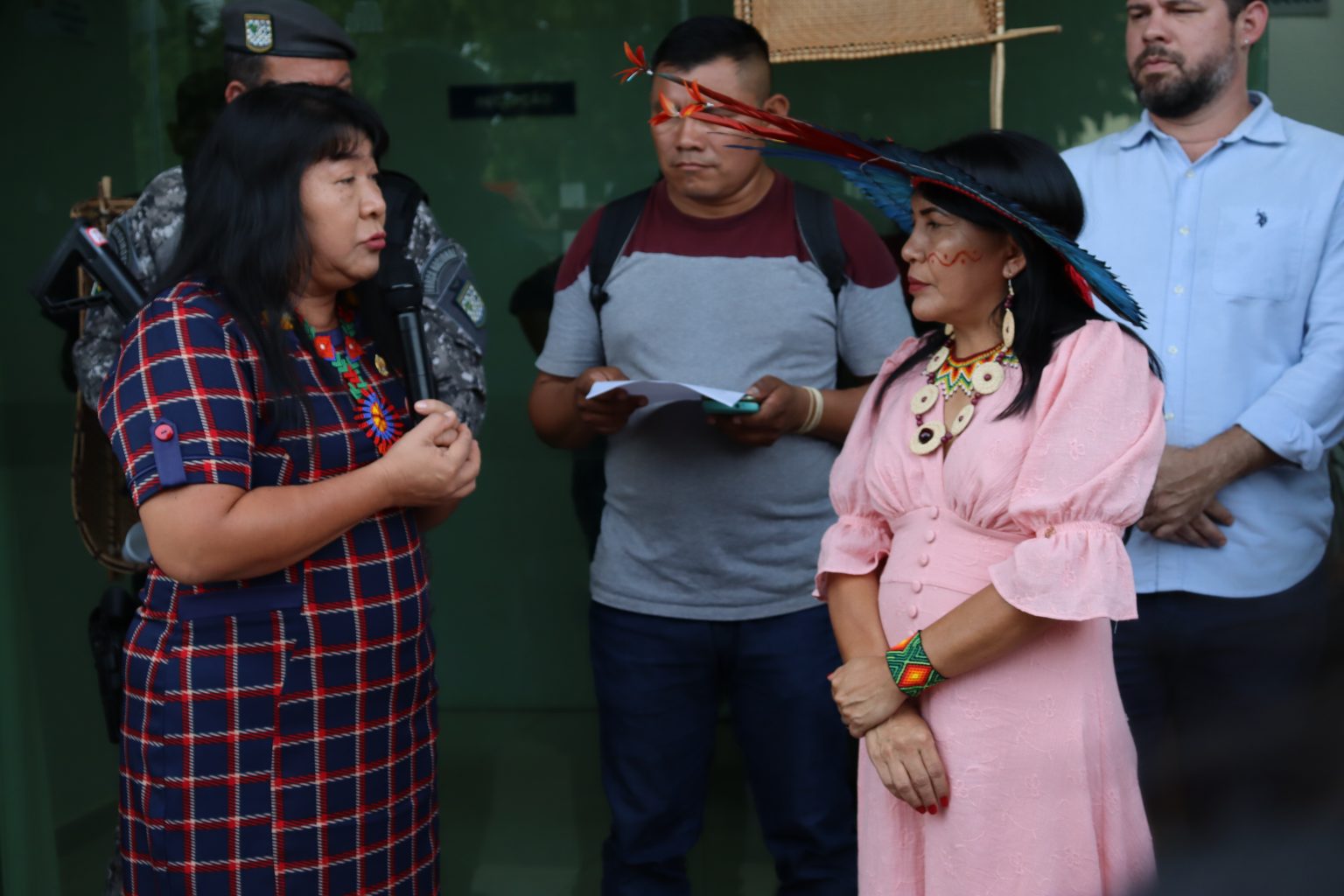
After the inauguration ceremony, all participants were invited to enjoy the traditional damorida.
Profile
Marizete de Souza – Macuxi people, from the Maturuca indigenous community, Serras region, Raposa Serra do Sol Indigenous Land. She was a parliamentary advisor to former federal deputy Joenia Wapichana, acting as the deputy's representative in the state. She holds a degree in Indigenous Territorial Management (GTI) from the Insikiran Institute of UFRR, and a Technical degree in Agriculture and Environmental Management from the Raposa Serra do Sol Indigenous Training and Culture Center (CIFCRSS). She also served as Secretary of the Indigenous Women's Movement of the Indigenous Council of Roraima (CIR) and regional coordinator of Women of the Serras region, in the Raposa Serra do Sol Indigenous Land.