
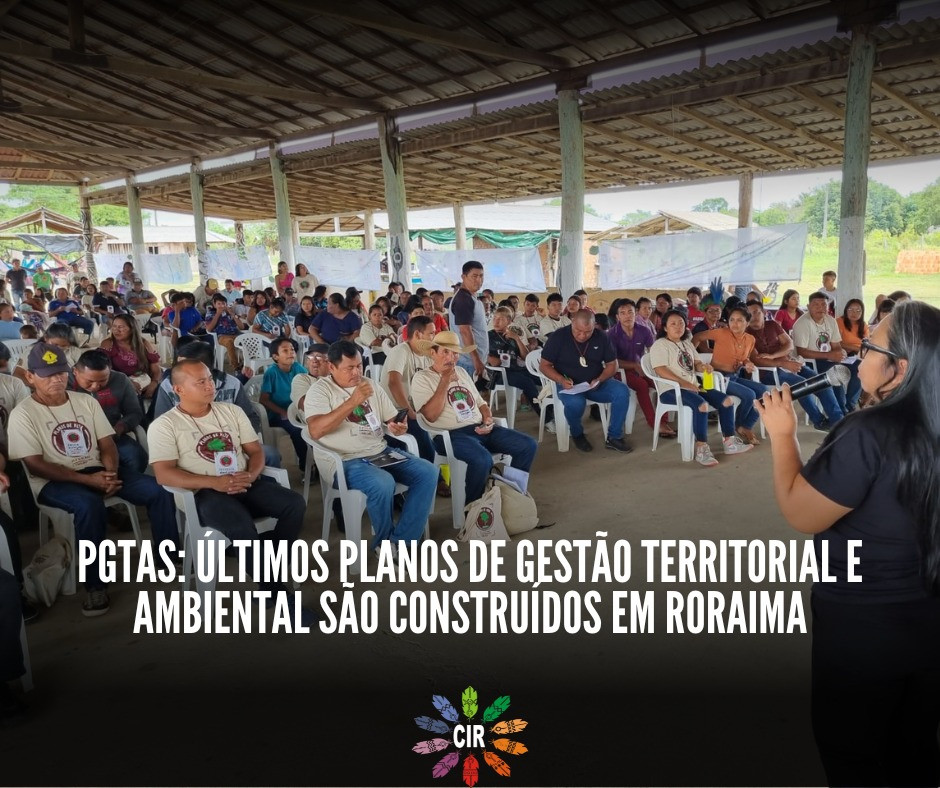
The knowledge, wisdom, and traditional customs, the natural resources, and the beauty of Mother Earth are sources of life for the indigenous peoples, becoming pages and documents, serving as yet another instrument for affirming and reaffirming their millennial existence, in the past, present, and future. As an example of this construction and transformation in the Amazon and Brazil, there are the Territorial and Environmental Management Plans (PGTA), developed by the indigenous communities themselves in Roraima.
Under the coordination of the Department of Territorial and Environmental Management (DGTA) of the Indigenous Council of Roraima (CIR), from May 2nd to 11th, in the Araçá indigenous community, Amajari region, another regional activity was carried out for the construction of the last four management plans in the state of Roraima.
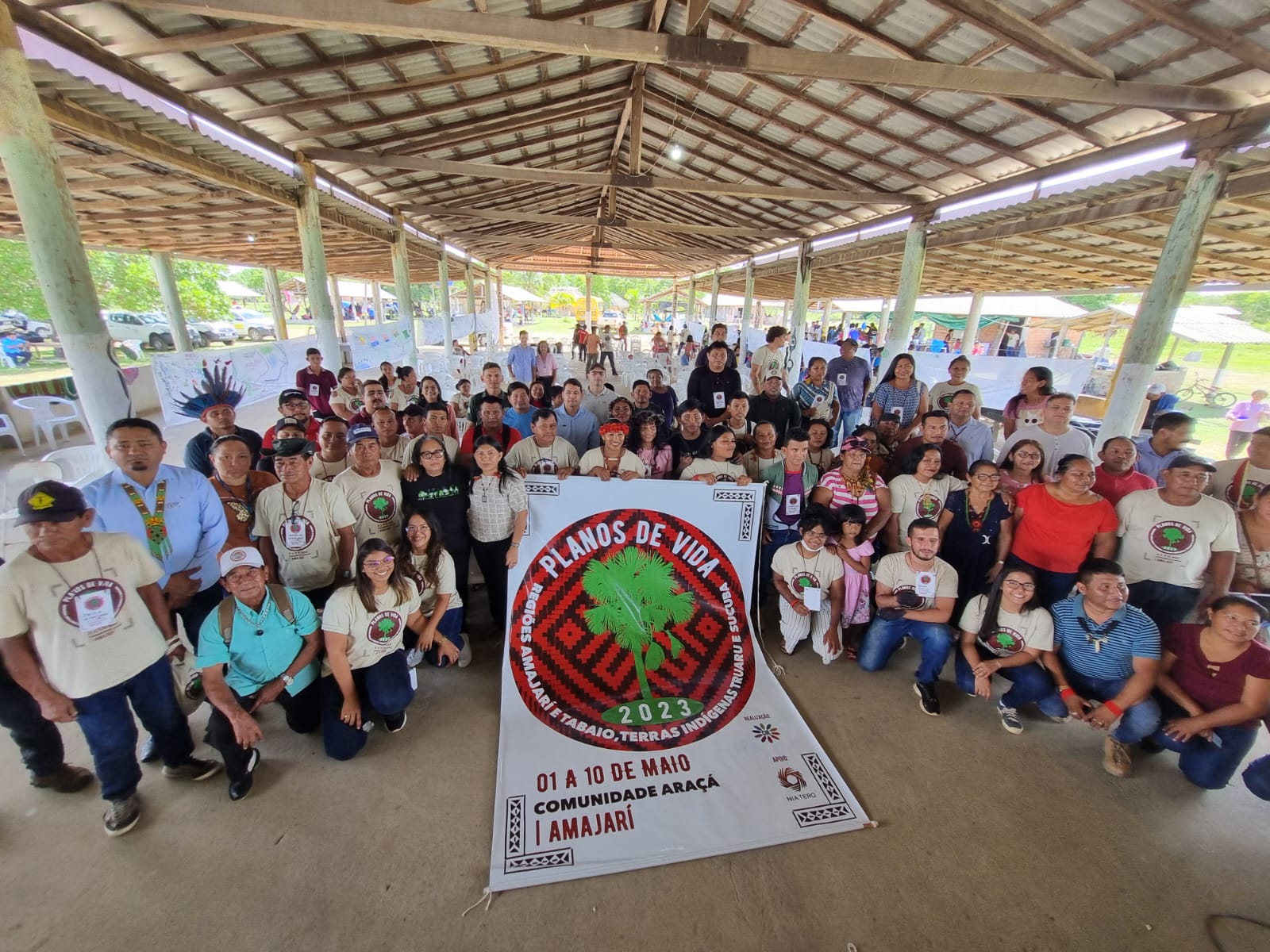
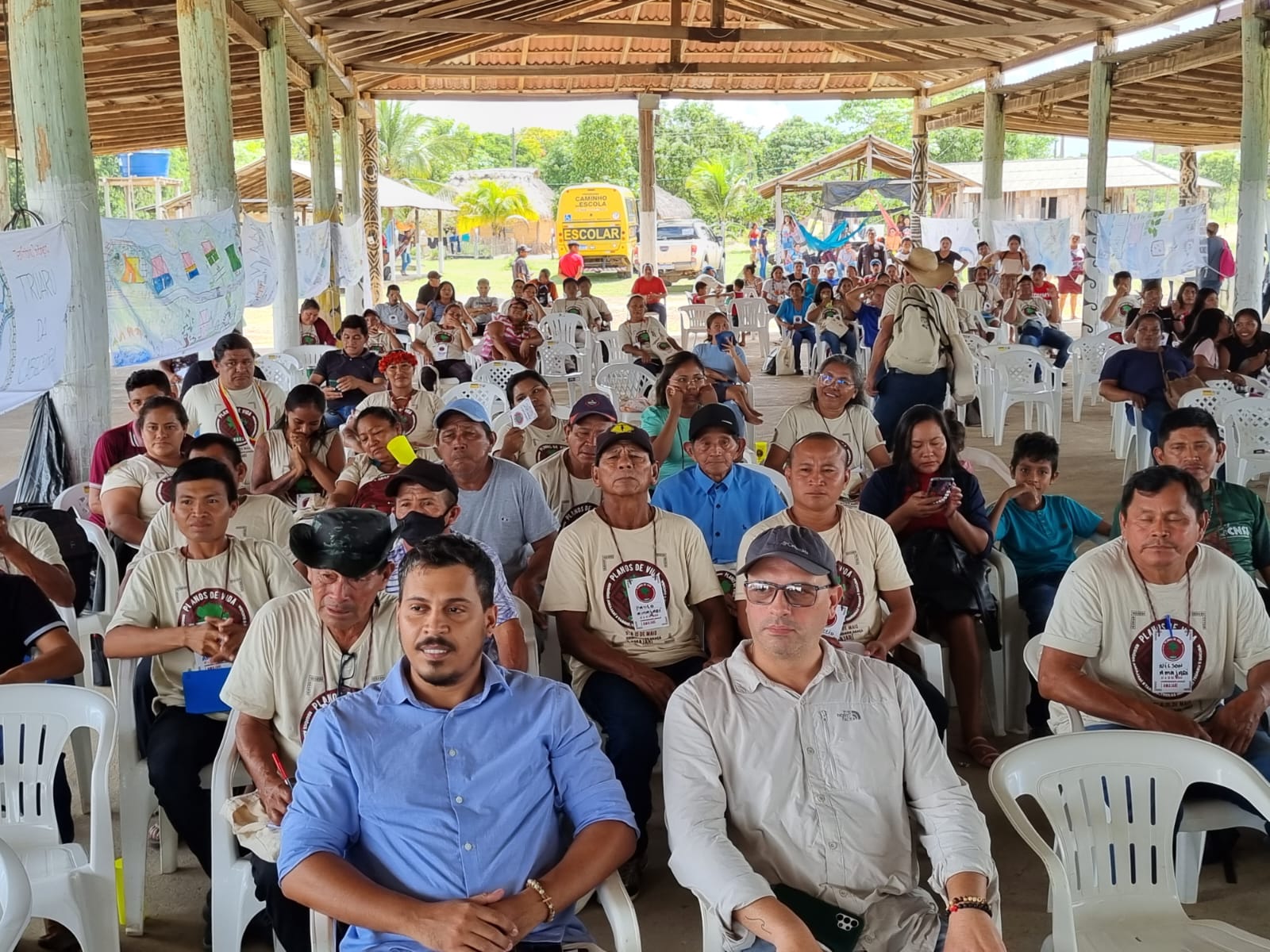
A historic event in Brazil, bringing together more than 150 indigenous leaders, including Tuxauas (chiefs), women, youth, and children, who, in just 11 days, developed plans for collective well-being in the short, medium, and long term, as well as strengthening their autonomy, social, political, and economic organization.
Plans have been drawn up for the indigenous lands of Sucuba (Alto Cauamé) and Truaru (Murupu), and for the Amajari and Tabaio regions. These are the last territories in Roraima to develop their plans, joining the other territories: Manoá-Pium, Raposa Serra do Sol, São Marcos, Wai-Wai, and the first ones: Centro Maturuca and the Jacamim indigenous land.
Based on their own methodology, over the course of several days, in thematic working groups on how to build a plan, the use and management of natural resources, and caring for the territory with a focus on both internal and external community needs, emphasizing traditional rights and skills, the leaders developed their plans.
The project aims to strengthen the way the territory is managed, but also to foster partnerships between public authorities and other entities to transform dreams into realities: dreams of a clean and preserved environment, protected natural resources, quality health and education, as well as the sustainability of indigenous communities based on strengthened and organic agriculture.
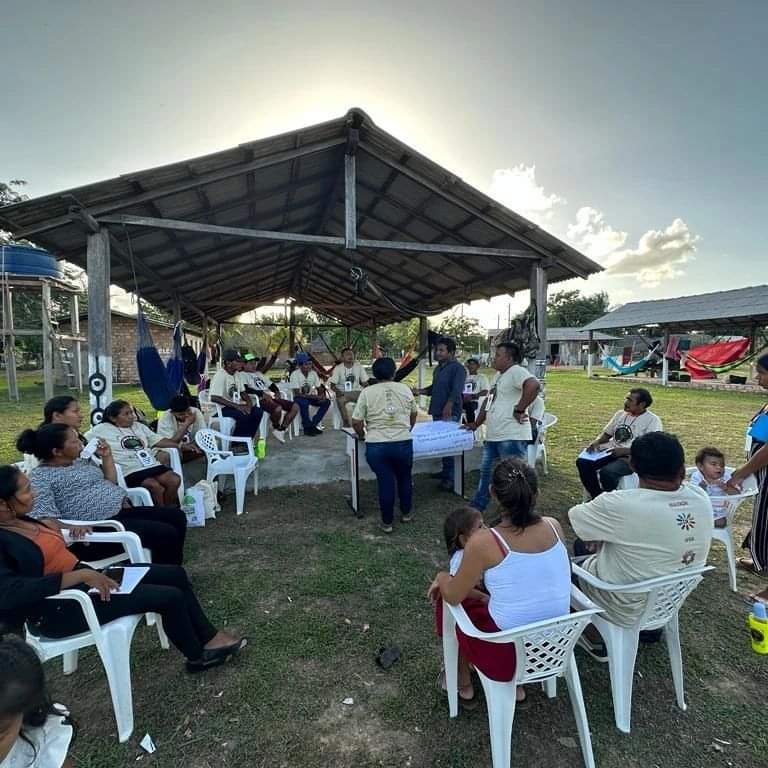
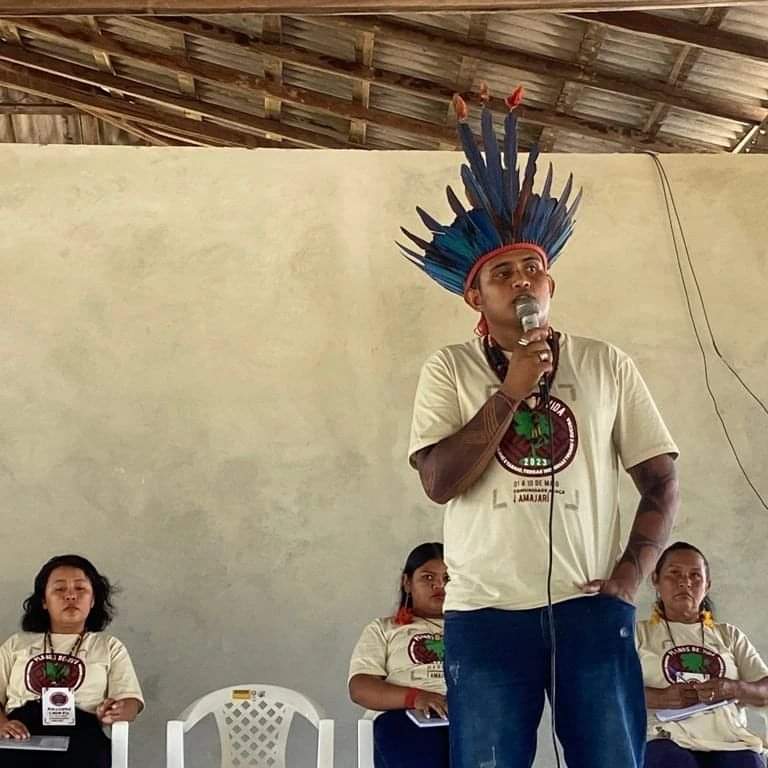
The project aims to strengthen the way the territory is managed, but also to foster partnerships between public authorities and other entities to transform dreams into realities.
In addition to the plans, the document brings together old and current concerns, such as invasions by illegal miners, hunters and fishermen, deforestation, and public policies that are still not effective in meeting the demands of indigenous peoples.
On the last day (11), the leaders of the two indigenous lands and regions presented the summary of the plans to public institutions and partner entities, in the agreement activity.
The coordinator of DGTA and environmental manager, Sineia Bezerra do Vale, defined the activity as a successful challenge, demonstrating that it is possible to build management plans in 10 days, an unprecedented feat in the country.
“So, today we completed all the indigenous lands, communities, and regions. For us, it was a challenge to build four life plans in 10 days, and this challenge was accepted by the communities, lands, and regions. Today, concluding this work, we are telling Brazil that it is possible to build life plans in 10 days, because this entire plan is in the memory of the leaders, young people, women, and children. We just have a methodology that helps to put it on paper,” Sineia emphasized.
In presenting the Amajari region plan, Professor Wesley Barroso Tenente, after summarizing the plan and its regional cultural, economic, and social potential, reflected that indigenous peoples must walk alongside a river. “We can walk alone and together, but never exhaust ourselves. We must never exhaust ourselves in enthusiasm, in the will to fight, to always maintain our pride, to preserve all our material and immaterial wealth for 30 to 50 years from now,” the professor reflected. The Amajari region has 21 communities, four peoples—Macuxi, Wapichana, Taurepang, and Sapará—and a population of approximately 5,000 indigenous people.
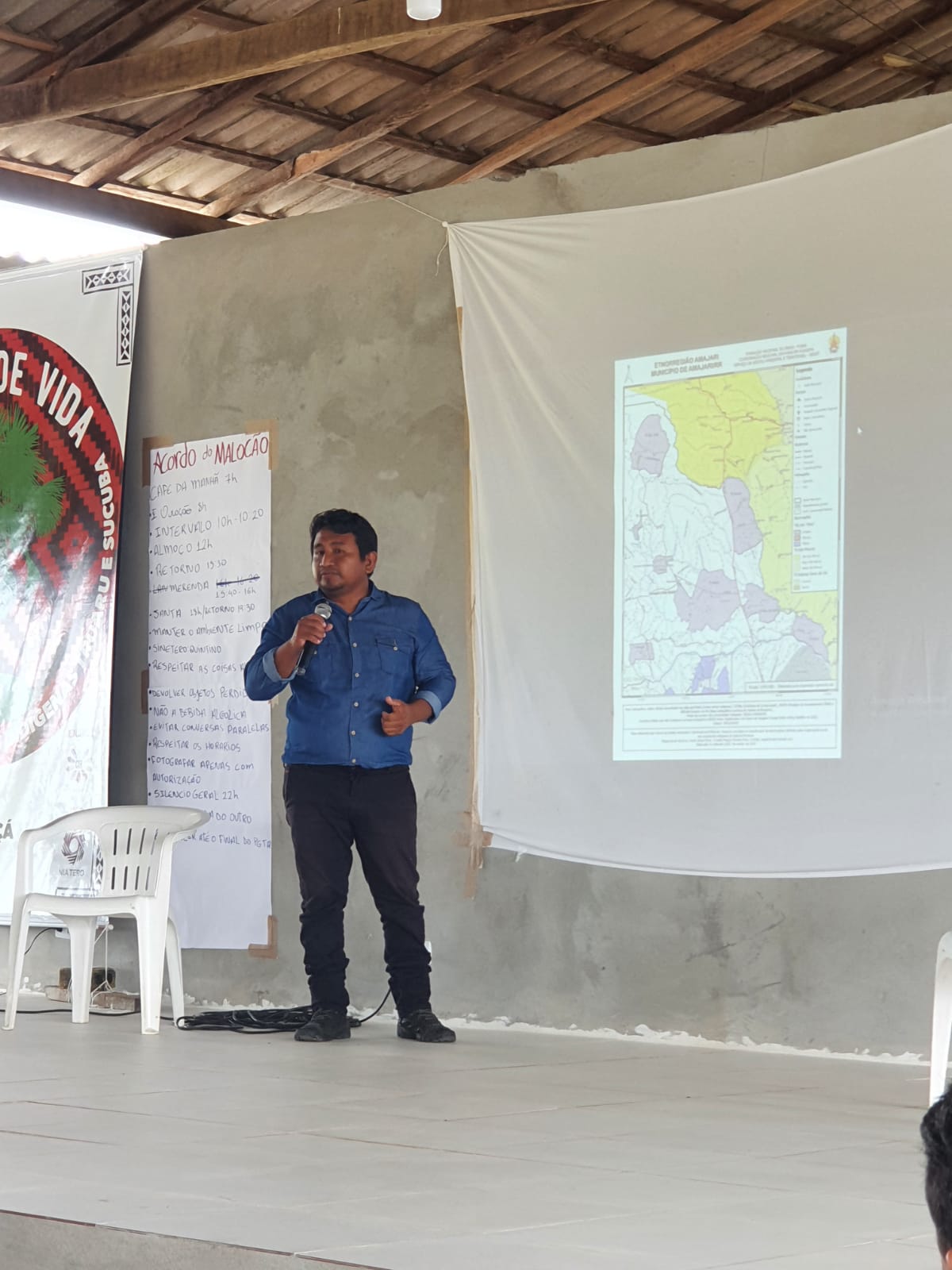
Professor Wesley Barroso Tenente, after summarizing the plan and all its regional, cultural, economic, and social potential, reflected that indigenous peoples must walk alongside a river.
Chief Pedro da Silva, from the Anta I community, representing five communities in the Tabaio region—Anta I and II, Pium, Barata, and Livramento—in presenting the life plan, highlighted the regional potential in agriculture, livestock, fish farming, and all the region's natural resources. However, he also warned of the serious environmental problems they face, such as river pollution, especially the Uraricoera River, and mercury contamination of fish due to illegal mining on Yanomami indigenous land.
“We have plenty of fish; the only river that runs along the border of the Pium community is the Uraricoera, which is rich in fish. But in the last days of last year and this year as well, we have been going through such great hardship. Fish that you are used to cooking, just in water and salt, some of them create a foam and a bad smell when you add them,” he reported, describing the reality of the Pium community affected by illegal mining.
The Indigenous Council of Roraima (CIR), an organization that has been fighting for rights, especially territorial rights, for 50 years, has also been working for the well-being of indigenous communities, strengthening their autonomy, social organization, and territorial management.
The CIR coordinators, Edinho Batista and Enock Taurepang, were present at the closing ceremony, reaffirming their commitment to the communities and to the pursuit of implementing the plans. “They always tried to stifle Indigenous leadership, but they never succeeded. And today, with the creation of these plans, we truly show who we are and what we can be, without ceasing to be who we are today. This youth, the women, and what we have built here, it wasn't just to put it on paper, because this plan here has life. And we are here, planning not only the future of Indigenous peoples, but of the planet,” emphasized Edinho.
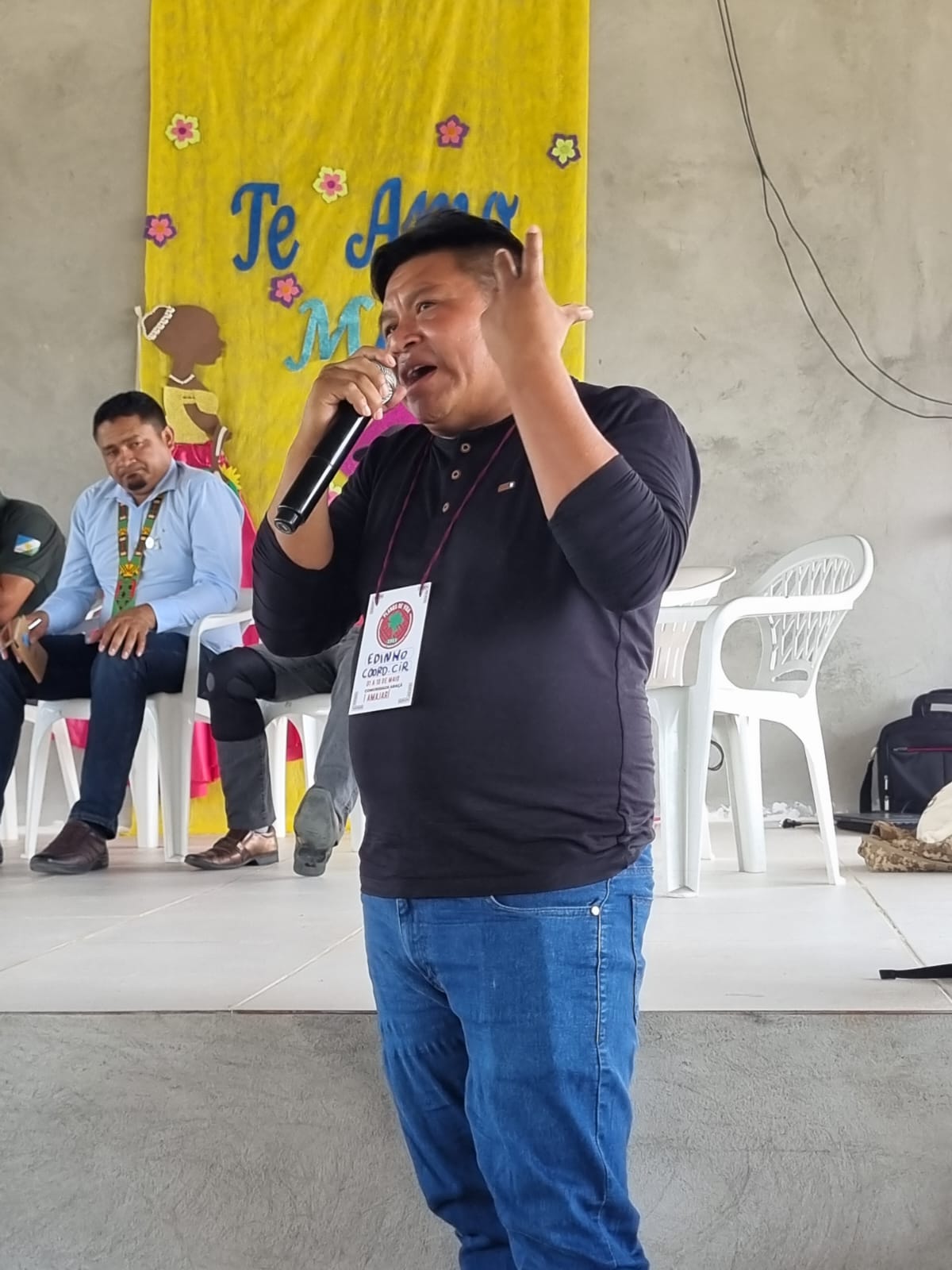
The vice-coordinator, Enock Taurepang, originally from the Araçá community, considering the political context and the current situation of the presidency of the Republic, with President Luiz Inácio Lula da Silva, expressed concern for the well-being of the communities and reflected on the implementation of the PGTAs (Territorial and Environmental Management Plans). He also asked for respect and appreciation for indigenous communities, farmers, and all who live in society. “Let's remove the cancer from our tables, let's bring health and production, and let it actually stay on our table and not go to other countries,” Enock questioned regarding the government's grain project, implemented in indigenous communities, where the destination of the production is unknown.
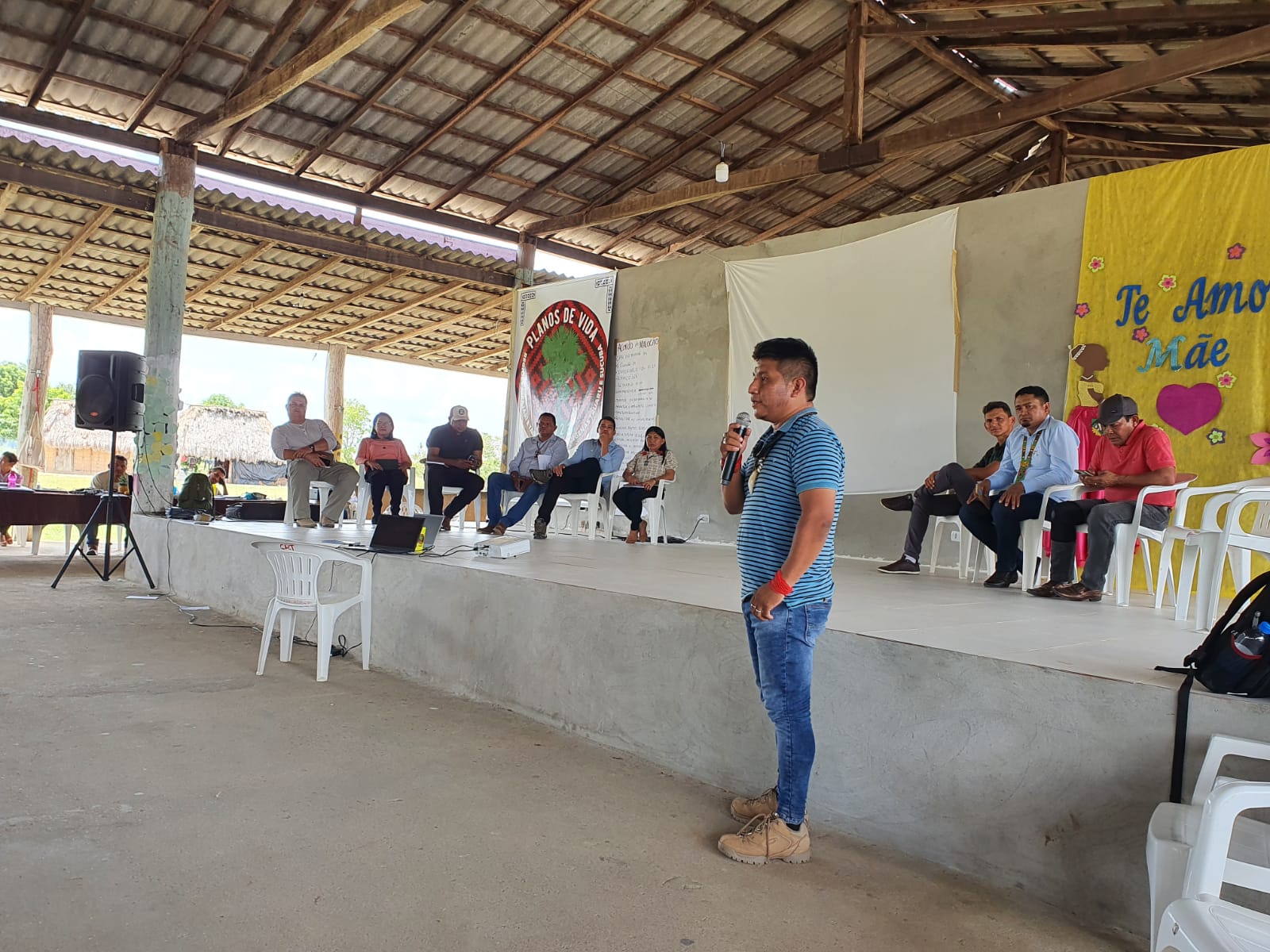
Present at the event, pledging their commitment and support to the PGTAs, were representatives from the Regional Coordination of the National Foundation for Indigenous Peoples (Funai), the Special Indigenous Health District of Eastern Roraima (Dsei-Leste), the Directorate of Indigenous Education (DEI), the Federal Institute of Roraima (IFRR), the State Secretariat for Indigenous Peoples (SEI), Embrapa/RR, and other Secretariats of the Government of Roraima, as well as the Diocese of Roraima.
The activity was coordinated by the environmental manager and coordinator of the Environmental and Territorial Management Department of CIR (DGTA), Sineia Bezerra do Vale, with the support of the entire team and partners, such as Nia Tero.