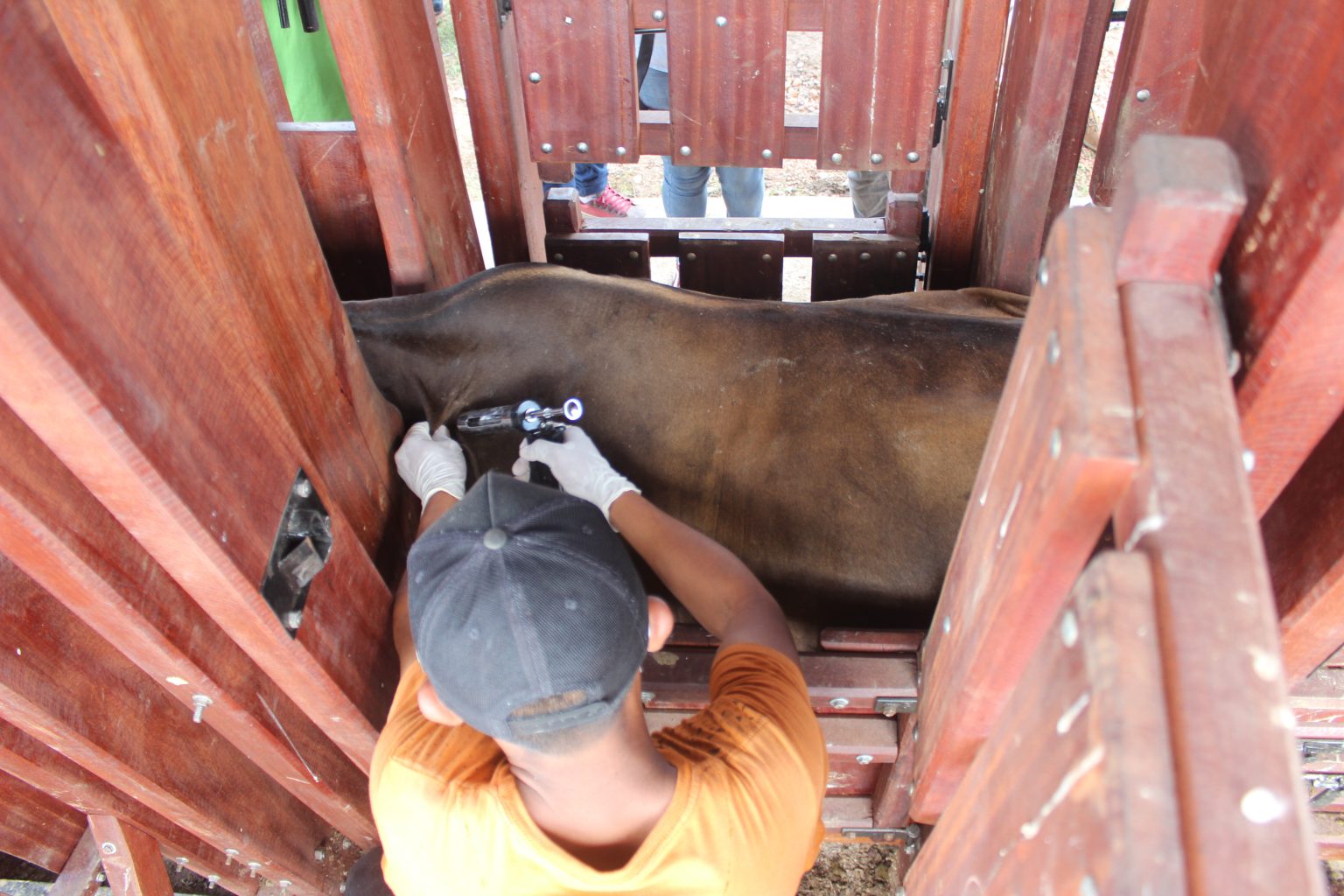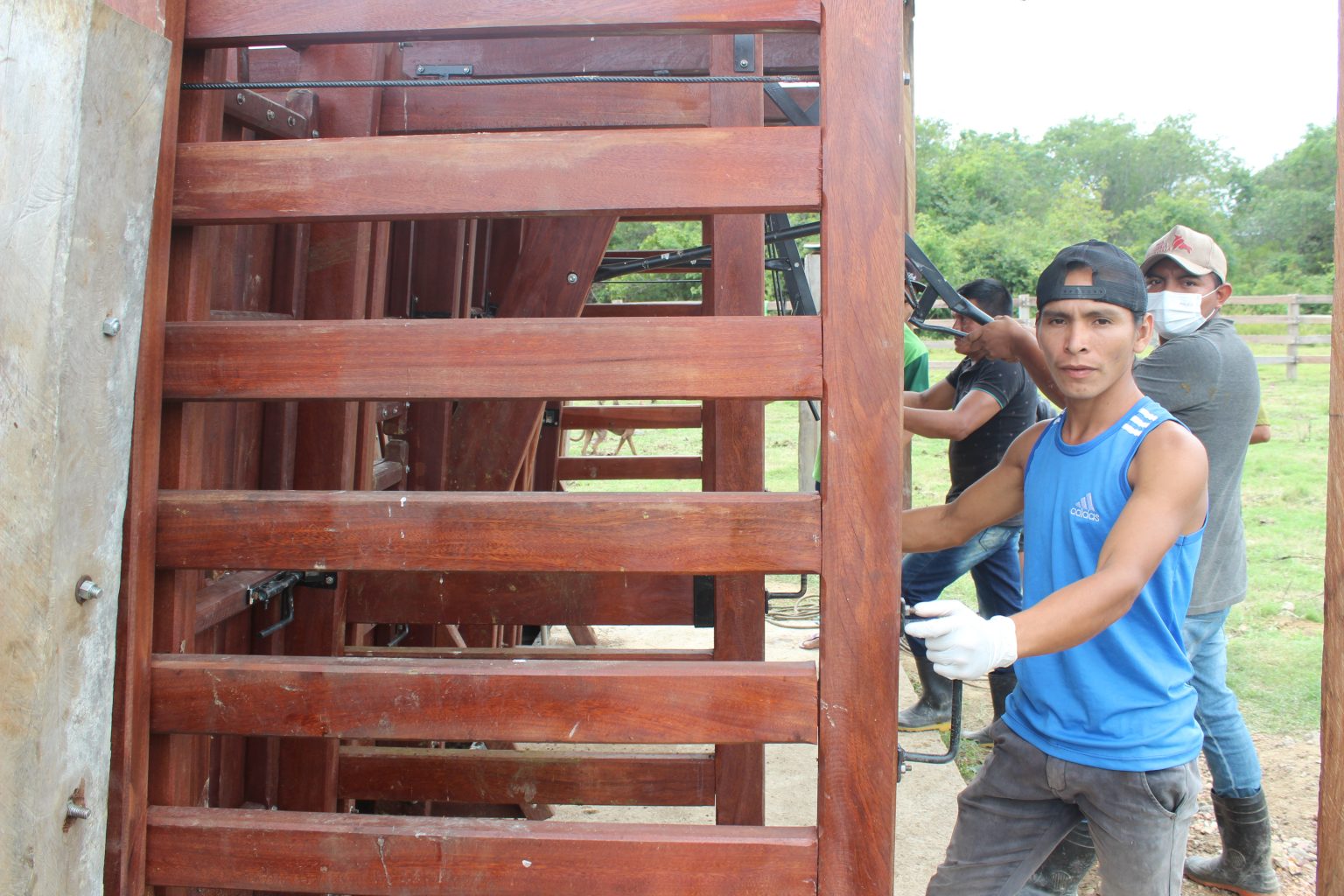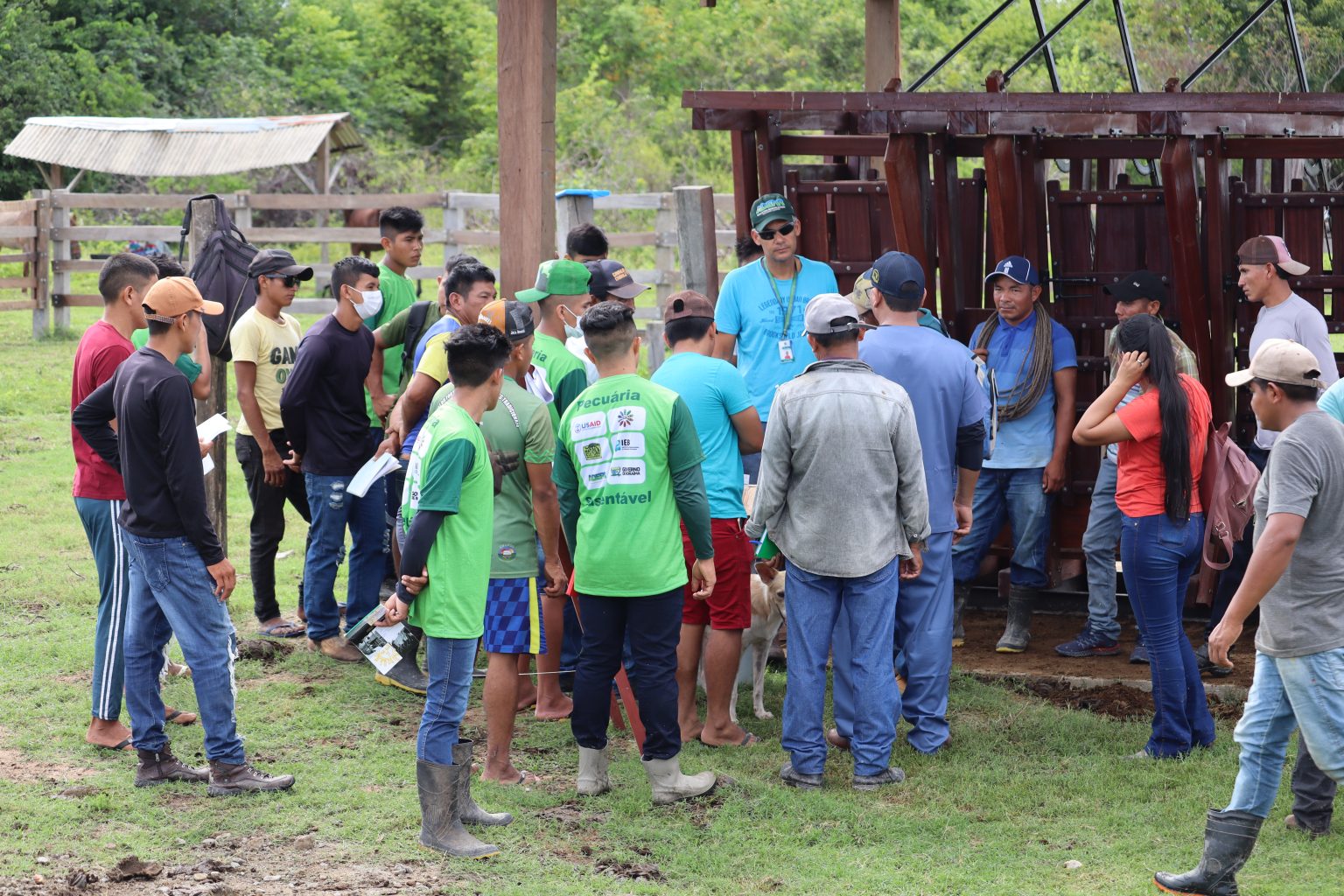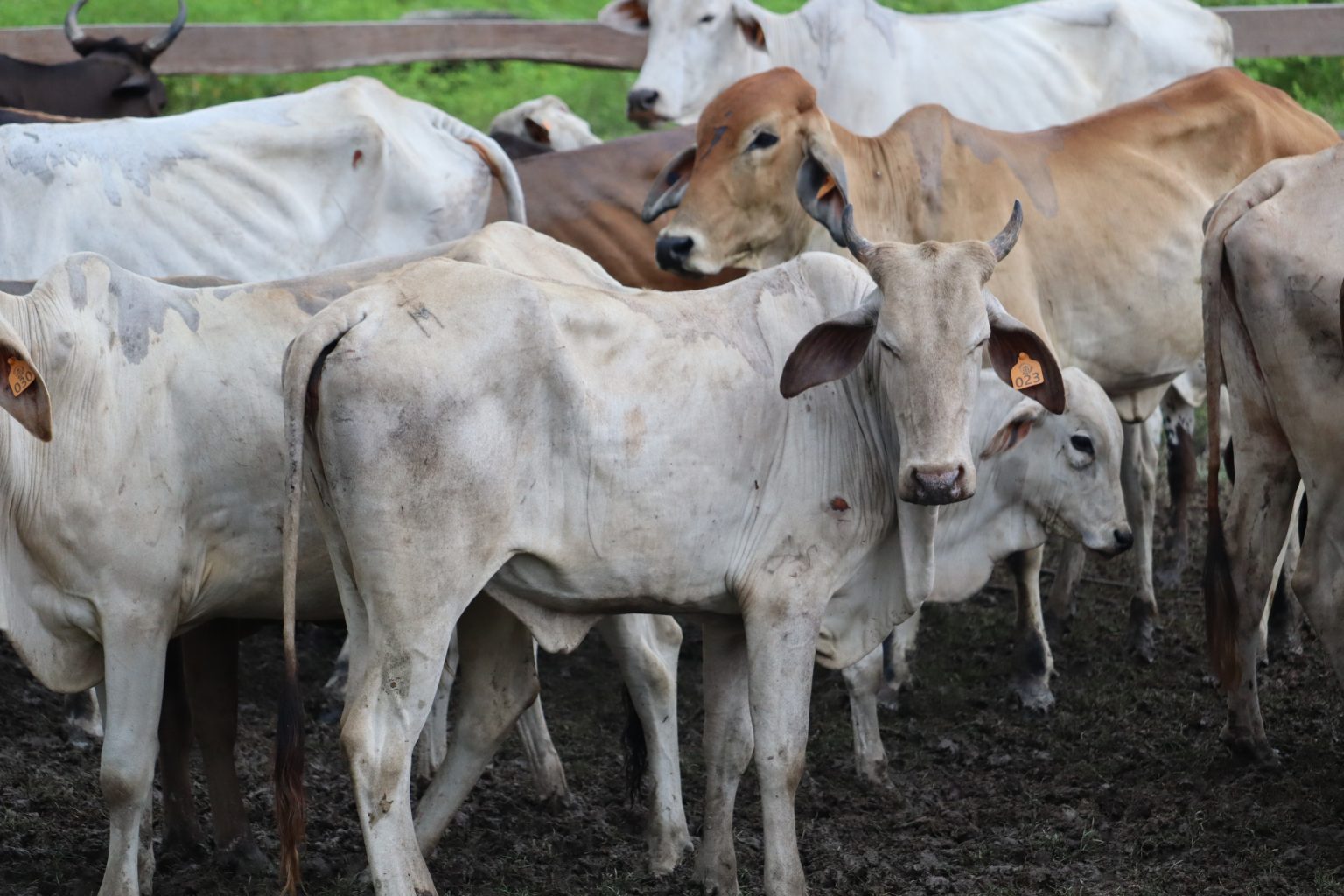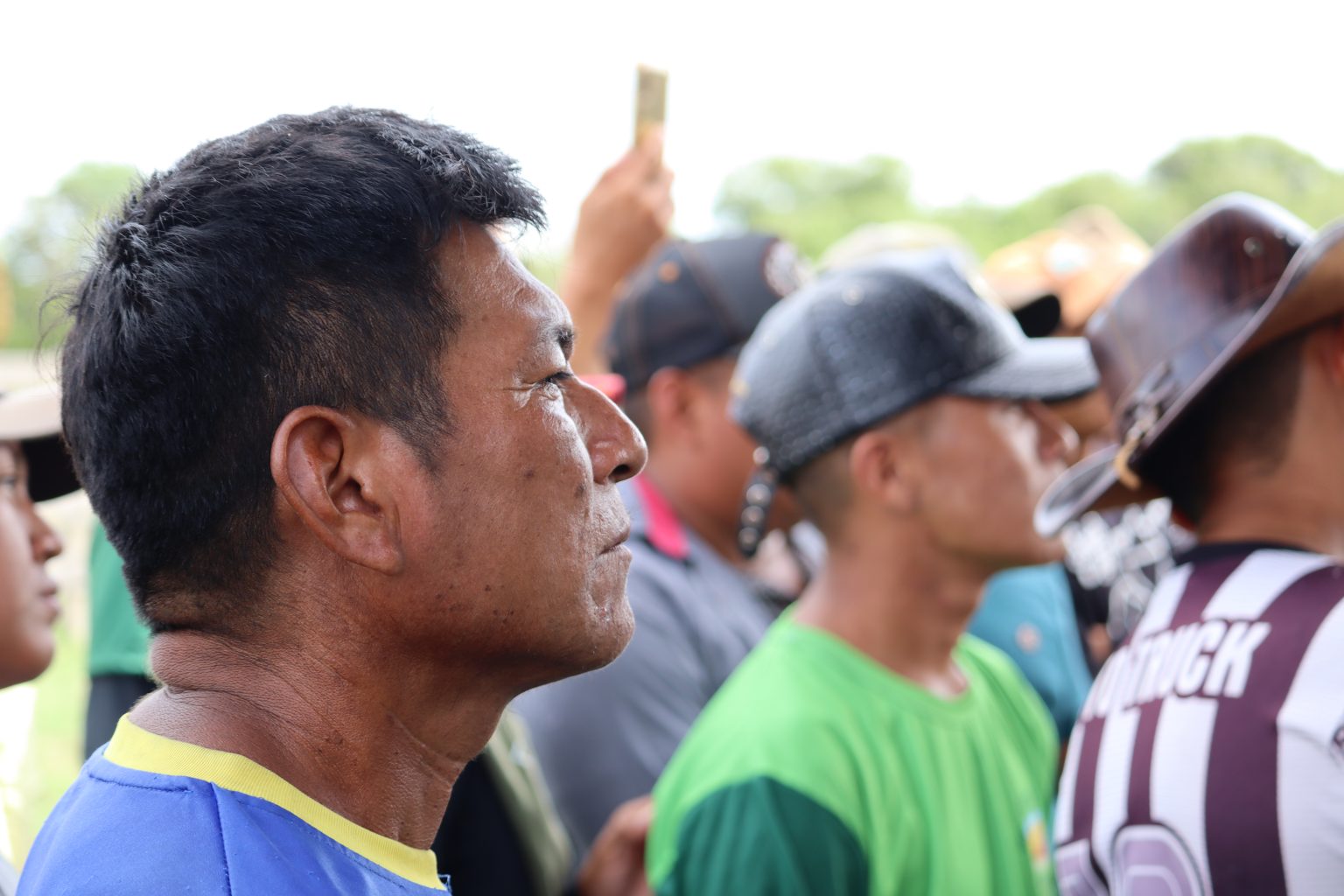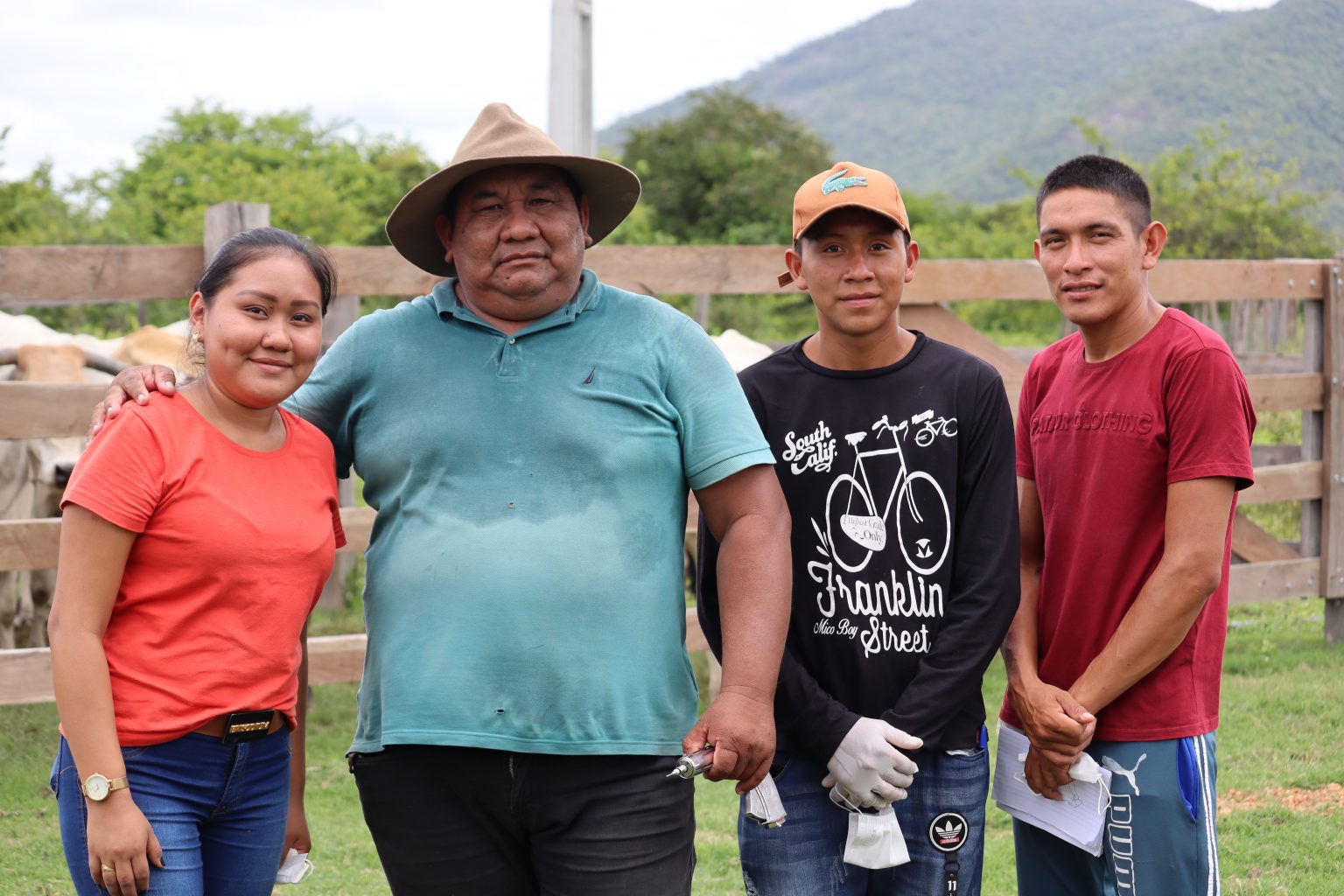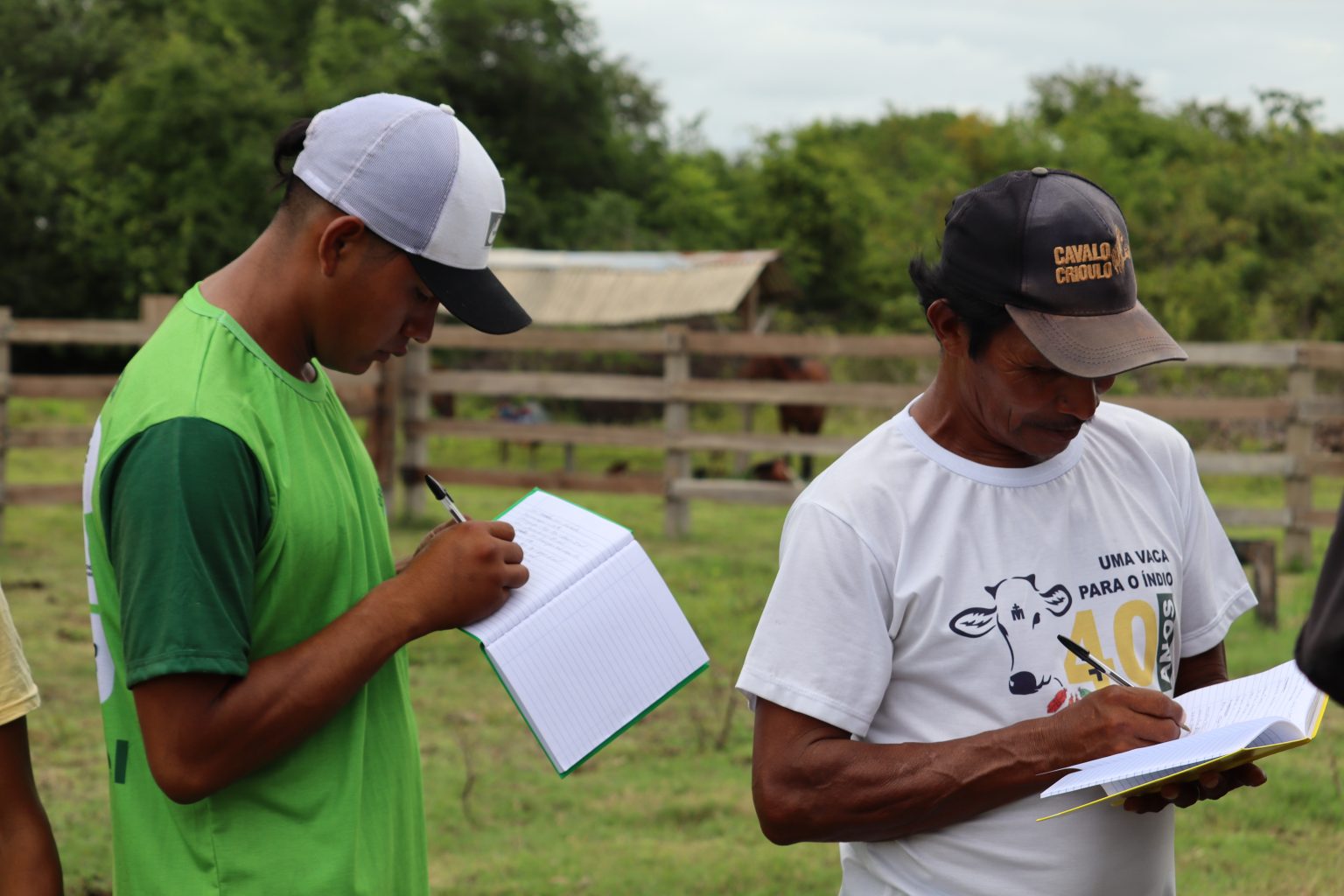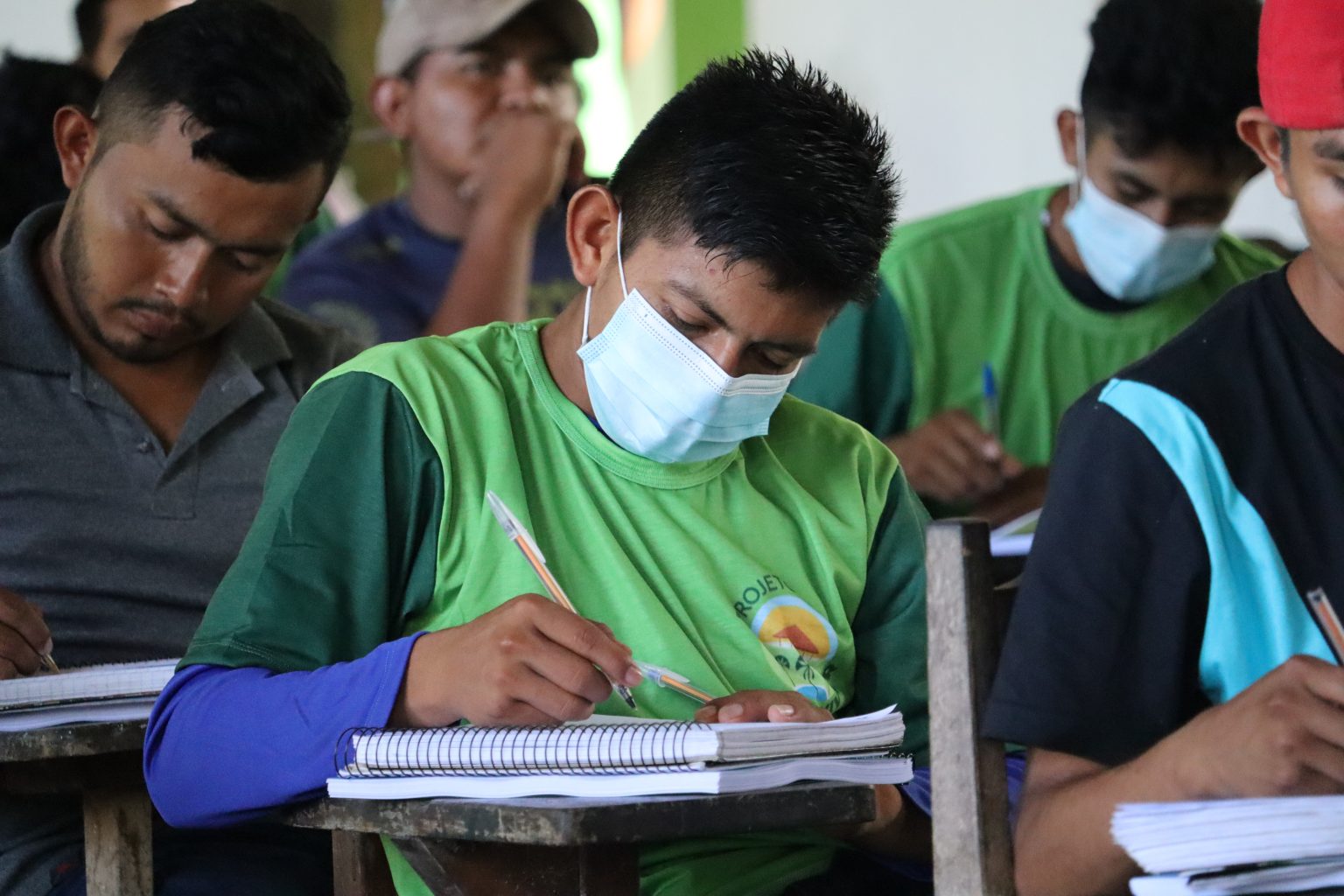
The course was held by the Bem Viver project (CIR/IEB/NCI) in partnership with the Agricultural Defense Agency of Roraima (ADERR); more than 70 indigenous people from 27 communities participated
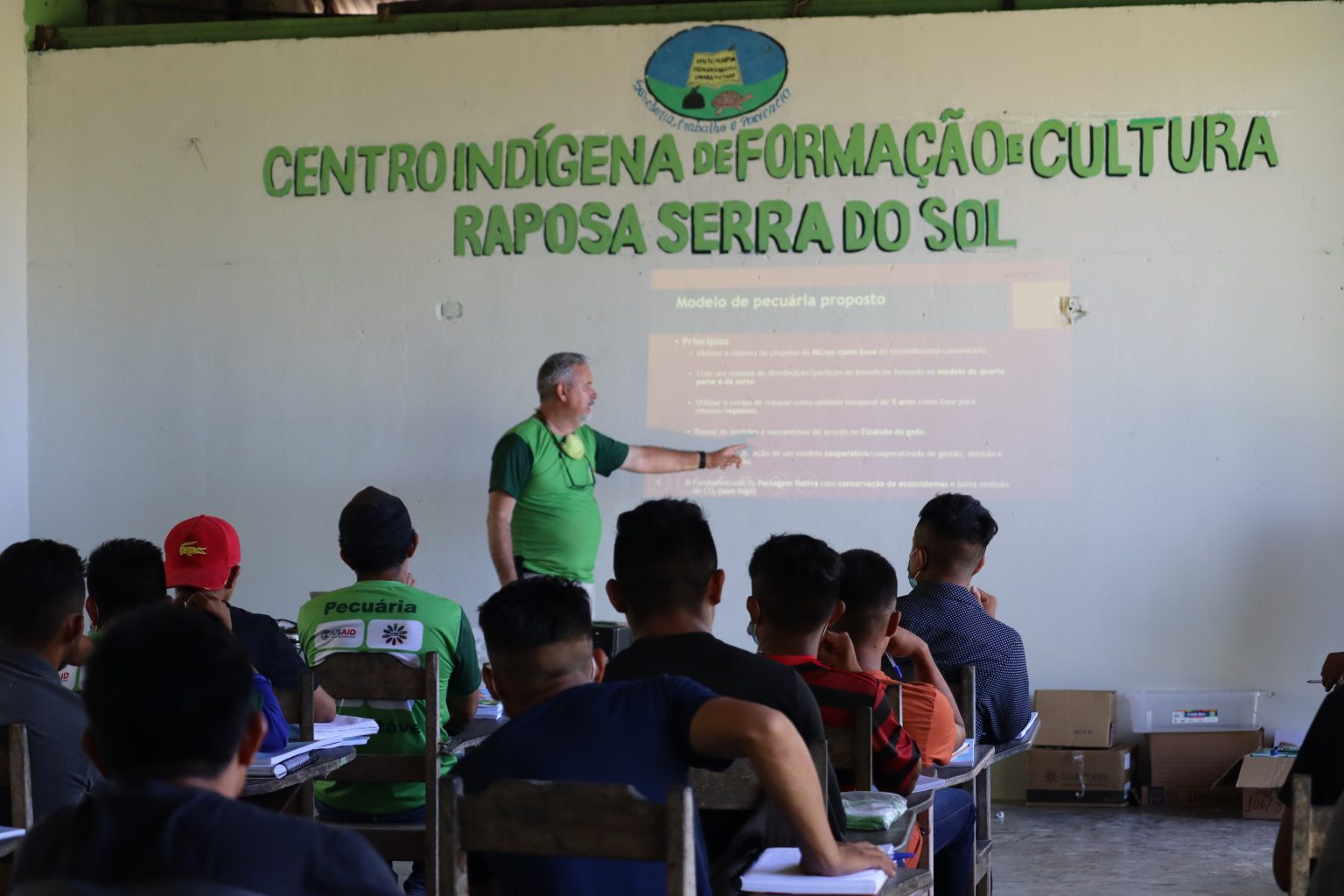
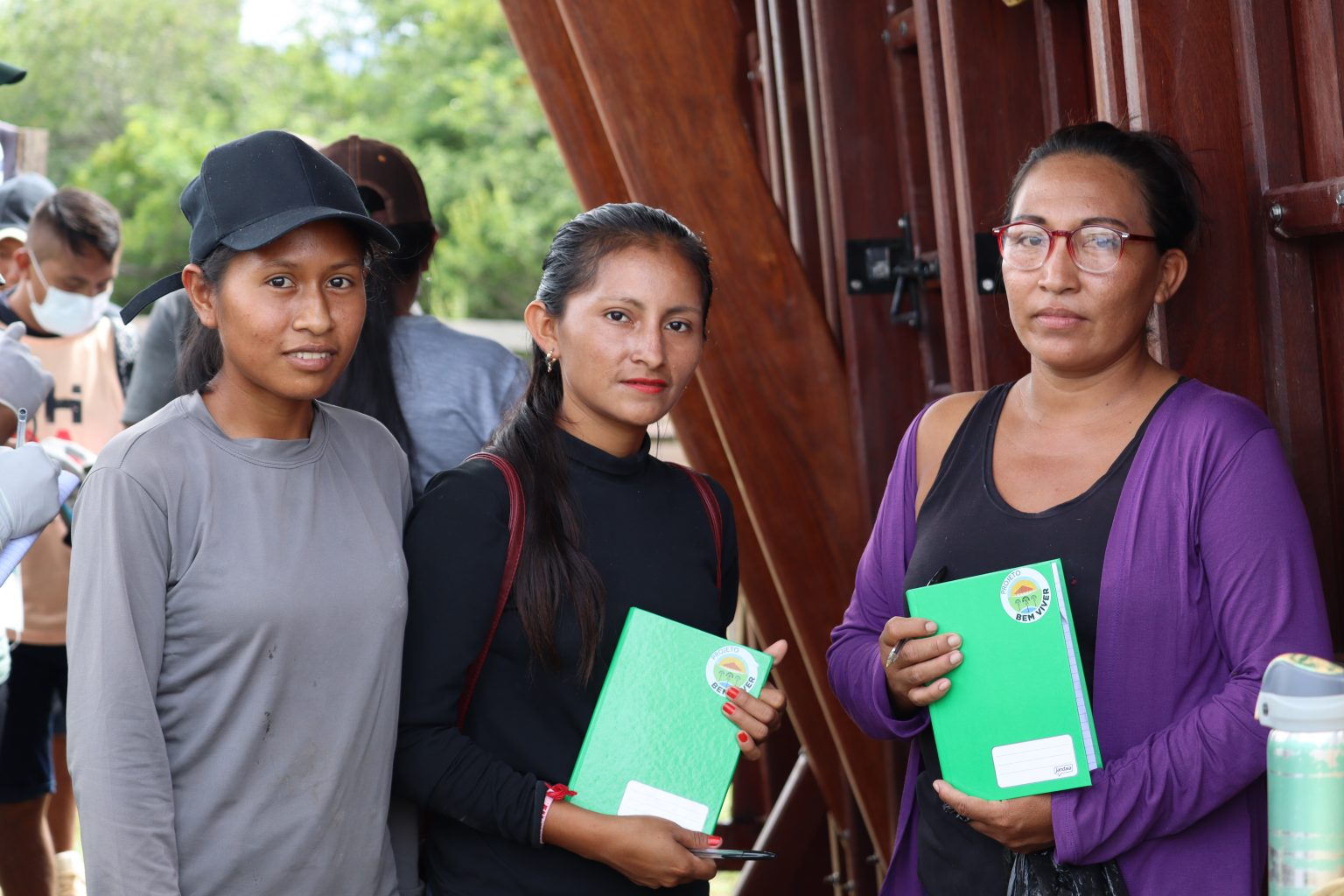
More than 70 leaders from 27 communities in the Raposa Serra do Sol and São Marcos Indigenous Lands participated this week in animal health training to work in a sustainable livestock program. The course, which ended this Friday (4), was carried out by the Bem Viver Project, developed by the Indigenous Council of Roraima, the International Institute of Education of Brazil (IEB) and Nature and Culture and International, in partnership with the Agricultural Defense Agency of Roraima (Aderr).
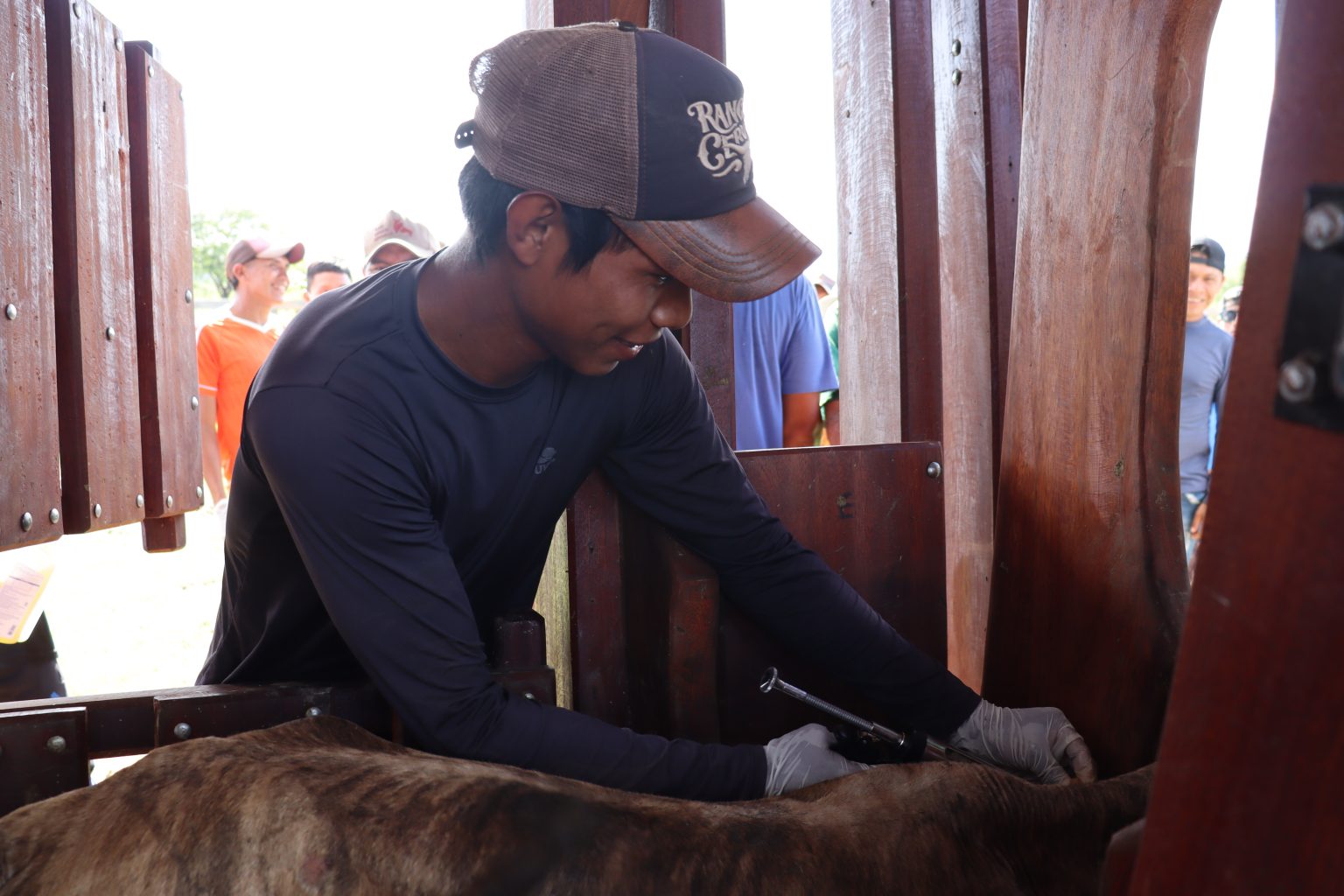
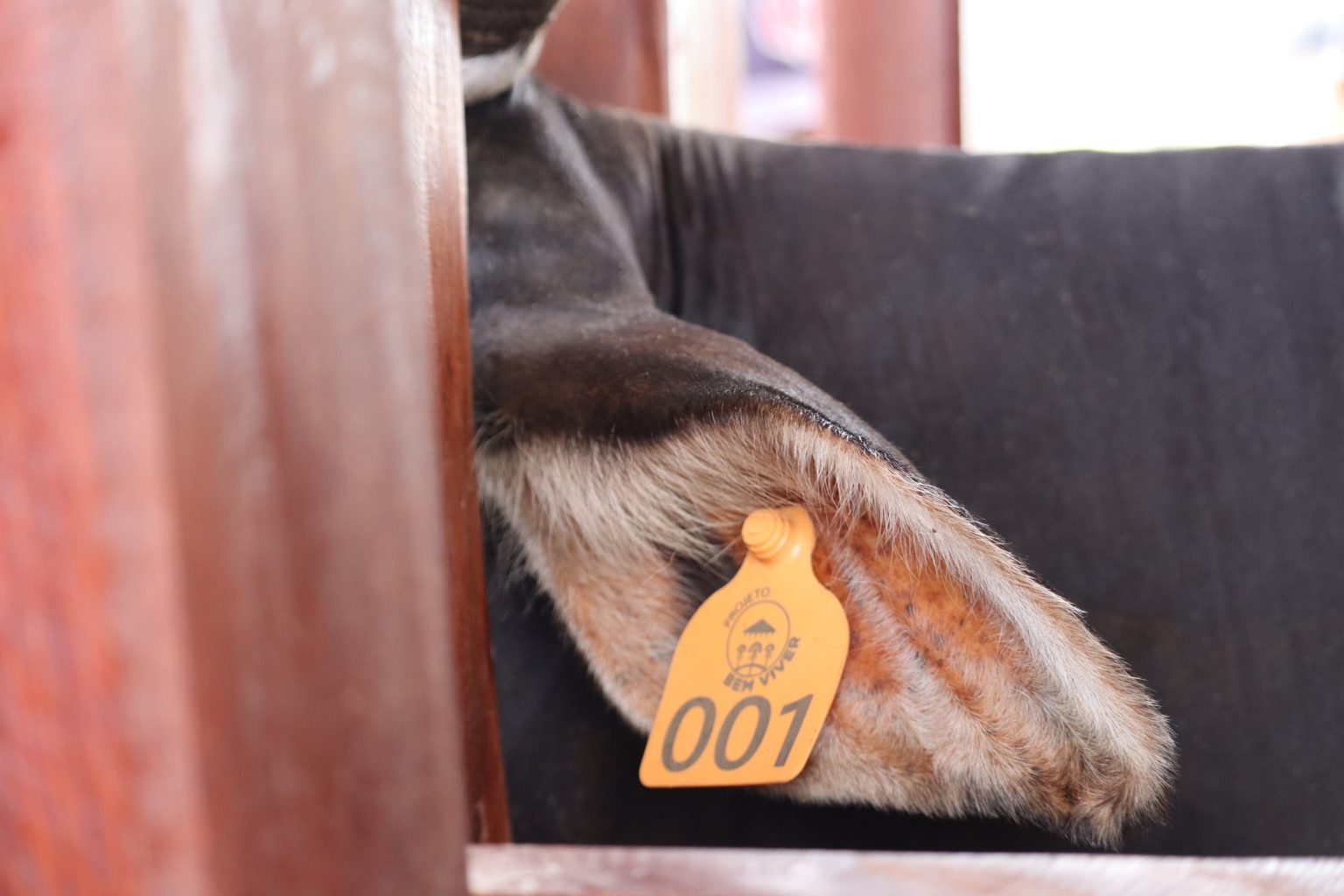
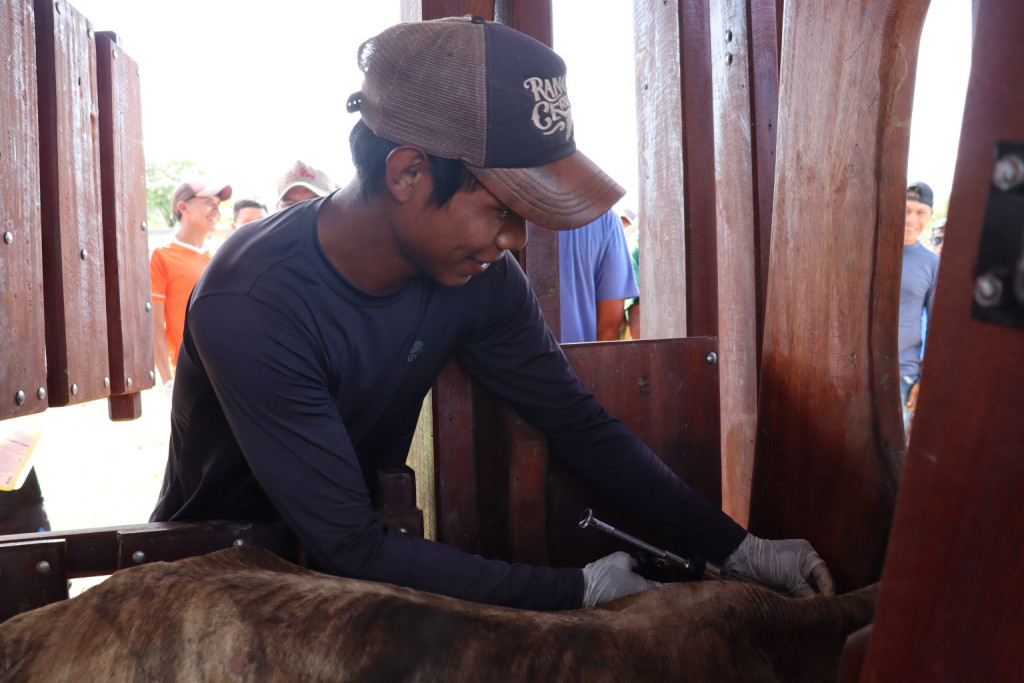
The 40-hour training was at the Raposa Serra do Sol Indigenous Training and Culture Center (CIFCRISS). The participants, from the Macuxi, Wapichana, Patamona, Wai Wai and Yekuana peoples, received instructions on cattle management, such as the application of vaccines, dewormers and castration, adopting good practices for animal welfare. The practical classes were held in a management center built by volunteers from the communities themselves with support from the Bem Viver Project.
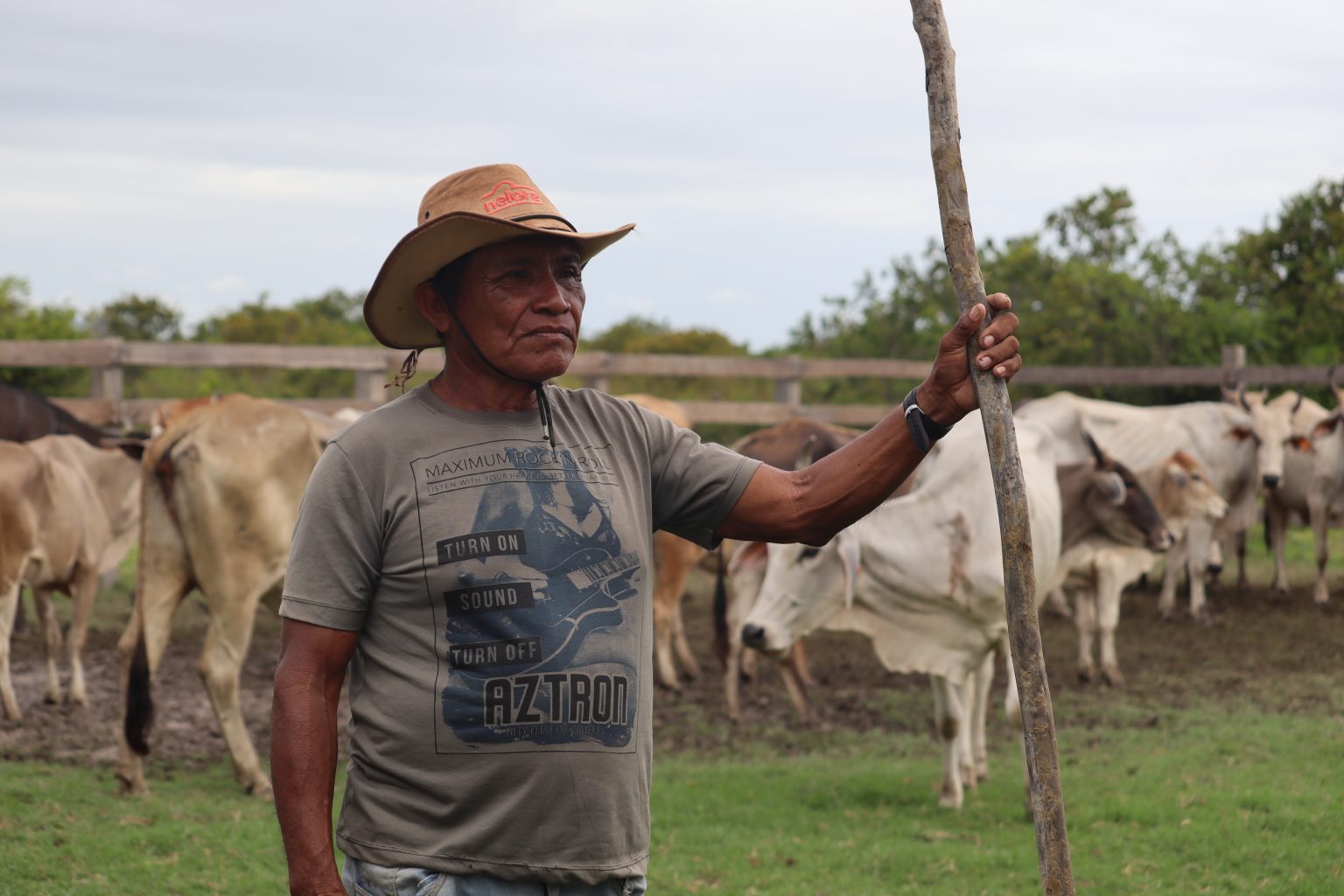
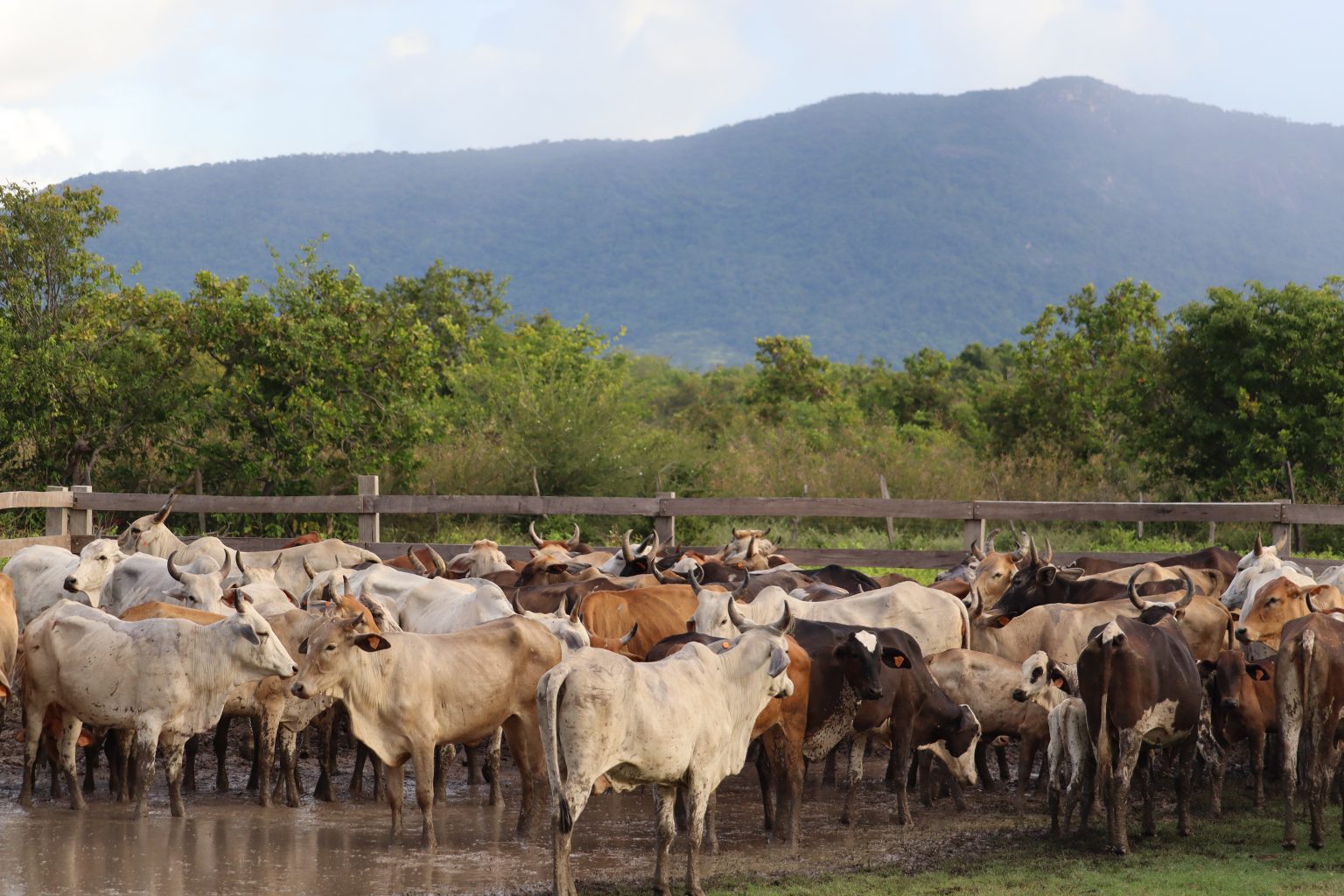
The training was the first activity to be carried out based on a technical cooperation agreement signed between the Bem Viver Project and Aderr. The partnership seeks to support indigenous cattle ranching in the Raposa Serra do Sol Indigenous Land, which has been practiced for more than 40 years by indigenous people and guarantees territorial autonomy and food security to communities, in addition to being important for the state's economy. Currently, according to Aderr, the cattle herd in the indigenous territories of Roraima, including community livestock, totals 85 thousand head, which corresponds to almost 10% of the state's total.
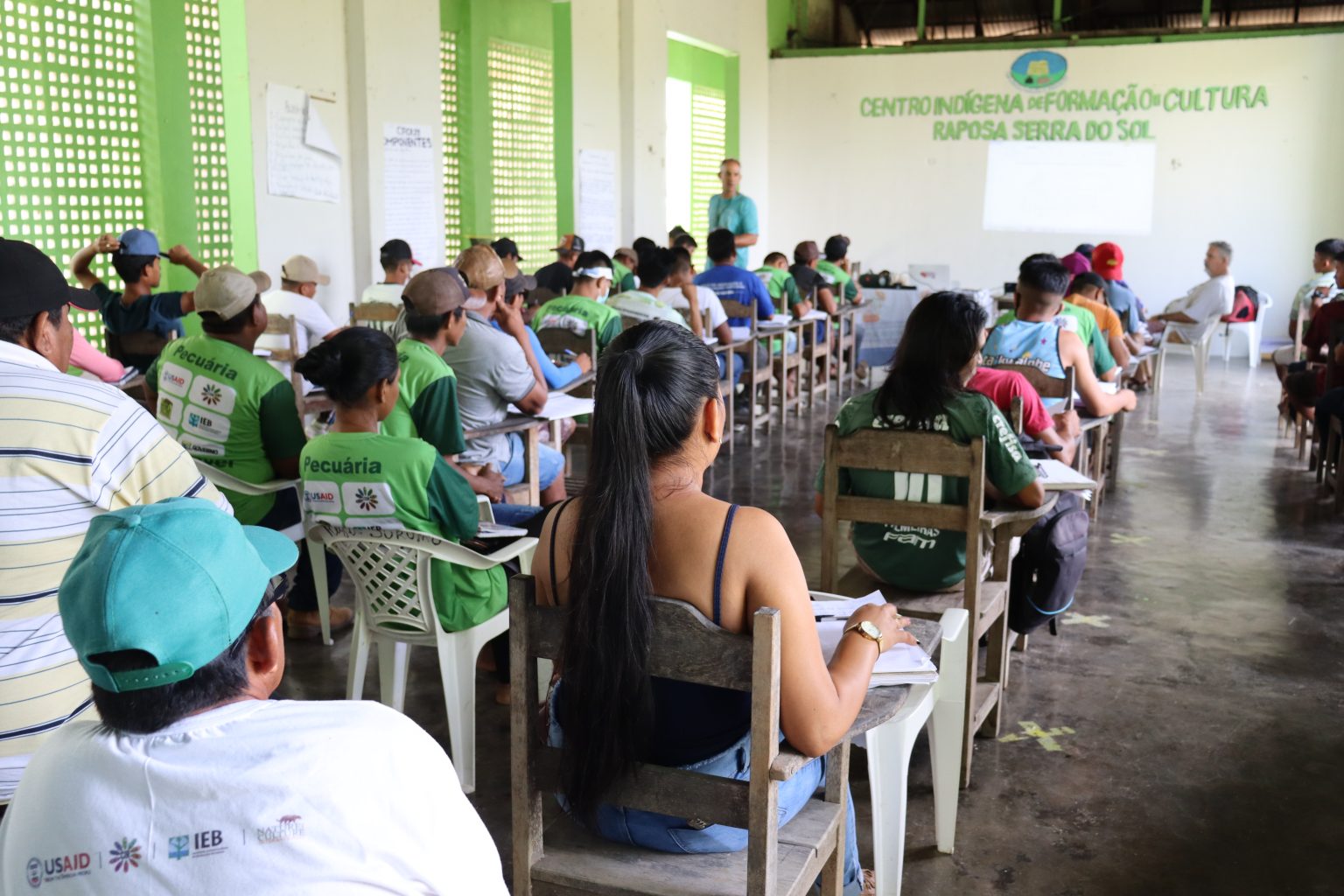
"In this course, our goal was to bring management techniques that guarantee a sanitary-safe and quality herd for those who will also consume this meat," said instructor Sylvio Botelho, who is a veterinarian and agricultural inspector at Aderr. "The indigenous herd is numerous, and it is where you have a large percentage of females that calve all year round, making the farm a great nursery that produces calves."
Reinaldo Lourival, a biologist with the Bem Viver Project, pointed out that in this region, indigenous cattle ranching is carried out in a native farming ecosystem, without the impact of deforestation.
An analysis conducted by the Amazon Research Institute (Ipam) in partnership with the Bem Viver Project showed that while the farmed as a whole, because of the change in land use in this region, is an emitter of greenhouse gases, the Raposa and São Marcos Indigenous Lands remove carbon from the atmosphere. This means that, in terms of carbon balance, they are balancing what agribusiness, deforestation, is sending into the atmosphere.
"This shows that the management of indigenous people over these territories is sustainable even with cattle ranching," Lourival said.
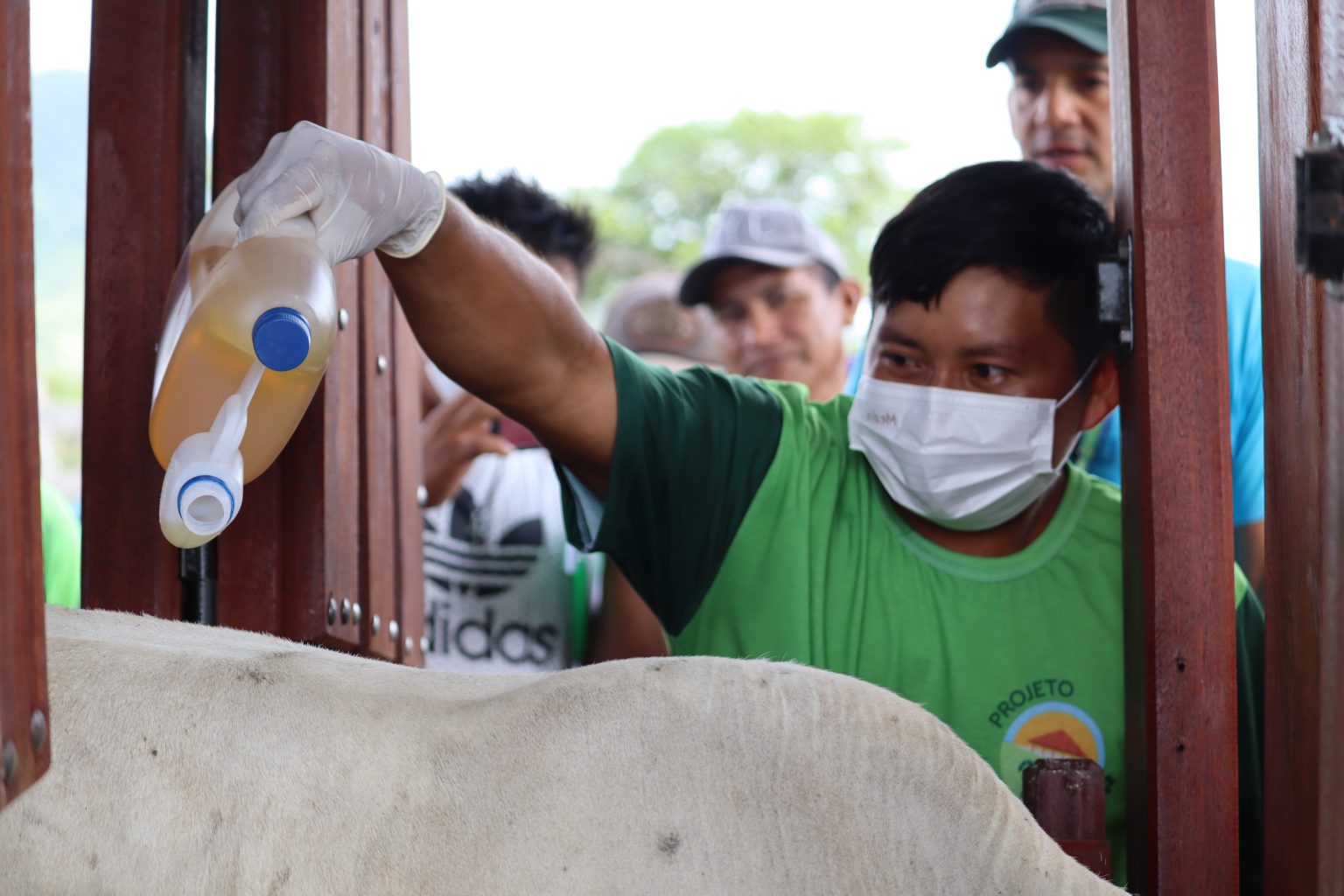
Indigenous people who participated in the training highlighted the differential of the activity. "I had never participated in a course like this and it really is a learning experience for each one of us," said Eduardo Afonso, from the Macuxi people. "We are going to take this experience and apply it in our communities."
"For me it was a complement to what I have already learned, because it was a course where we had the theoretical part and the practical part, so this fixes the knowledge even more in us, as students," said Laiane Dias, a Macuxi indigenous woman with a degree in agricultural technique from the Federal Institute of Roraima (IFRR).
Started in 2019, the Bem Viver project is aimed at building the Territorial and Environmental Management Plans (PGTA's) of the Raposa Serra do Sol and Wai Wai Indigenous Lands, both in Roraima. The PGTA is a formal document that serves to record the life plan of indigenous communities, in addition to guiding public policies, with an emphasis on collective well-being and the management of natural resources for future generations.
The Bem Viver Project is carried out from a consortium between the Non-Governmental Organizations Indigenous Council of Roraima (CIR), the Institute of Education of Brazil (IEB) and Nature and Culture International. The resource for the activities comes from the United States Agency for Development (USAID).