
By: Charles Taurepang
The leadership emphasized that the documents are prepared by the indigenous peoples themselves, but there are still situations where these instruments are not respected.
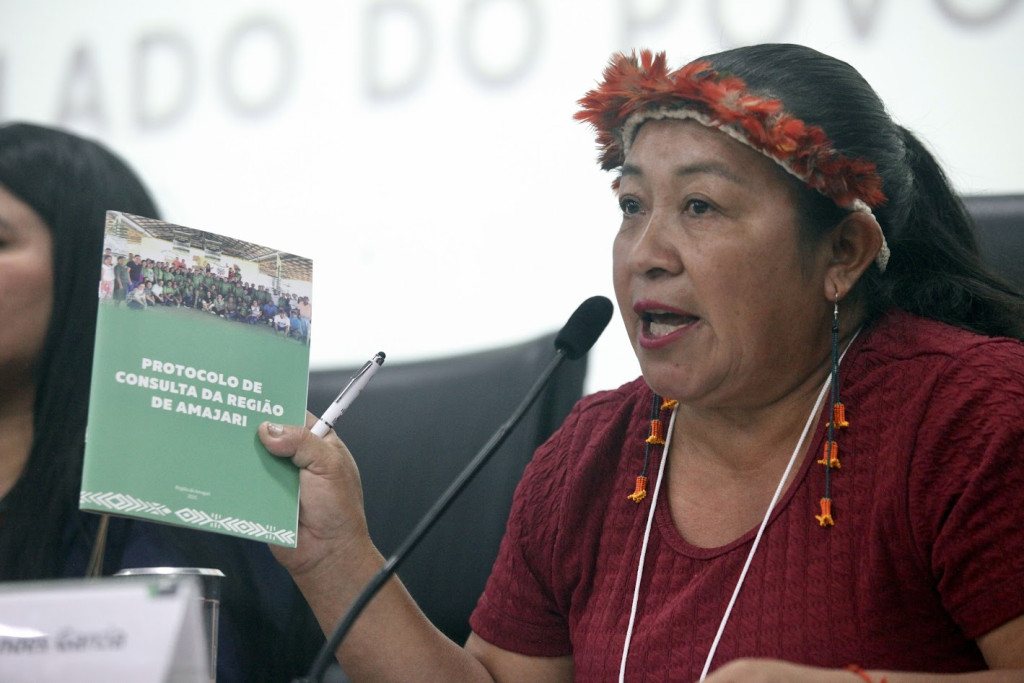
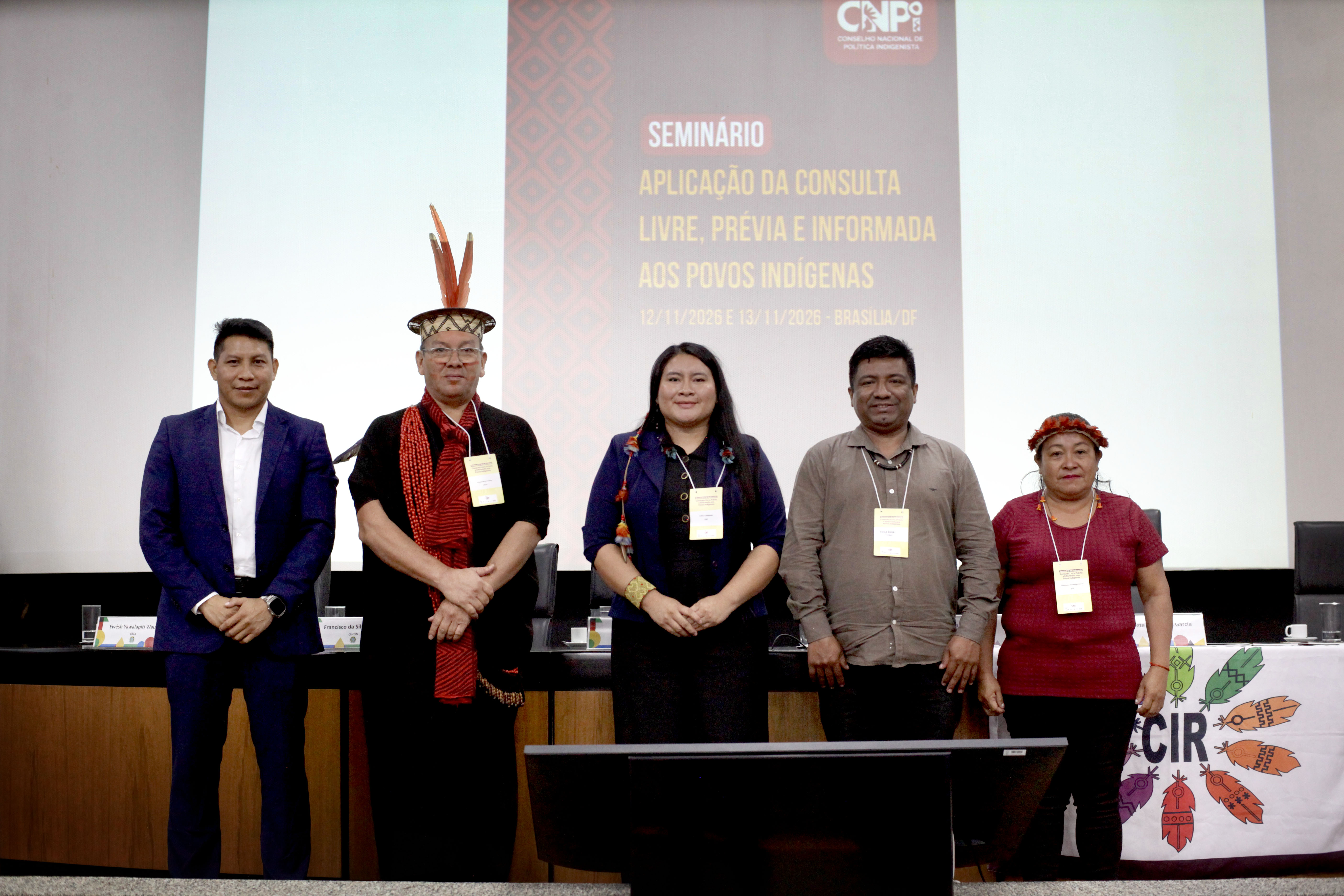
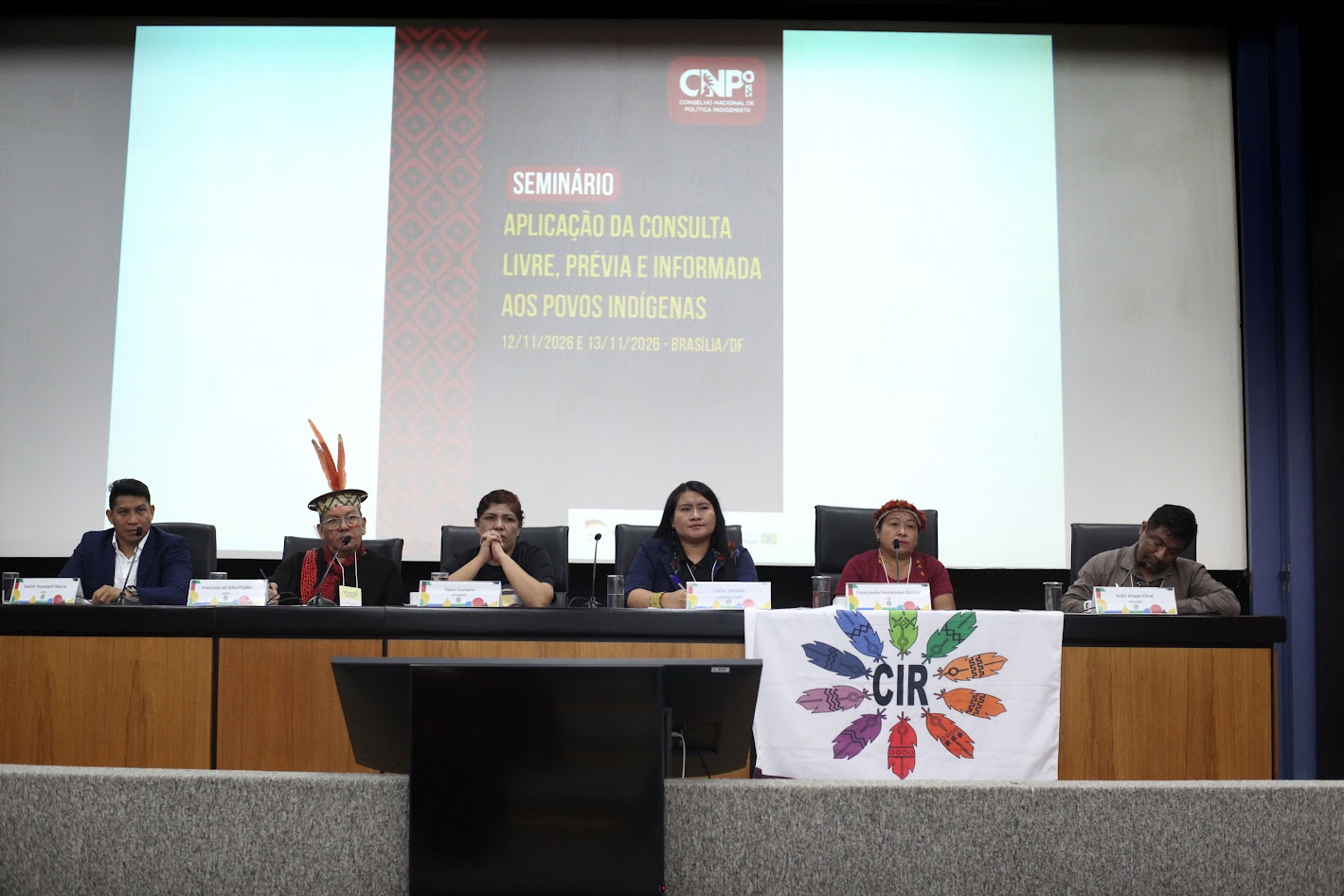
The right of indigenous peoples to decide on issues affecting their territories and ways of life was at the center of the debates at the National Seminar on the Application of Free, Prior, and Informed Consultation to Indigenous Peoples, held on November 12 and 13 in Brasília. Francinete Garcia Macuxi, indigenous legal operator and leader of the Surumu region in the Raposa Serra do Sol Indigenous Land, represented the indigenous peoples of Roraima and presented the experiences built by the state's peoples in the development and use of the Autonomous Consultation Protocols.
Promoted by the National Council for Indigenous Policy (CNPI), the seminar brought together representatives from the Federal Government, state governments, and indigenous peoples to share experiences and reflect on the application of the right to Free, Prior, and Informed Consultation, as provided in Convention No. 169 of the International Labour Organization (ILO).
On November 13, Francinete participated in one of the panel discussions, where she highlighted that, even with protocols developed by the indigenous peoples themselves, there are still situations where these instruments are not respected. For her, it is necessary that what was built and recorded by the communities be effectively fulfilled.
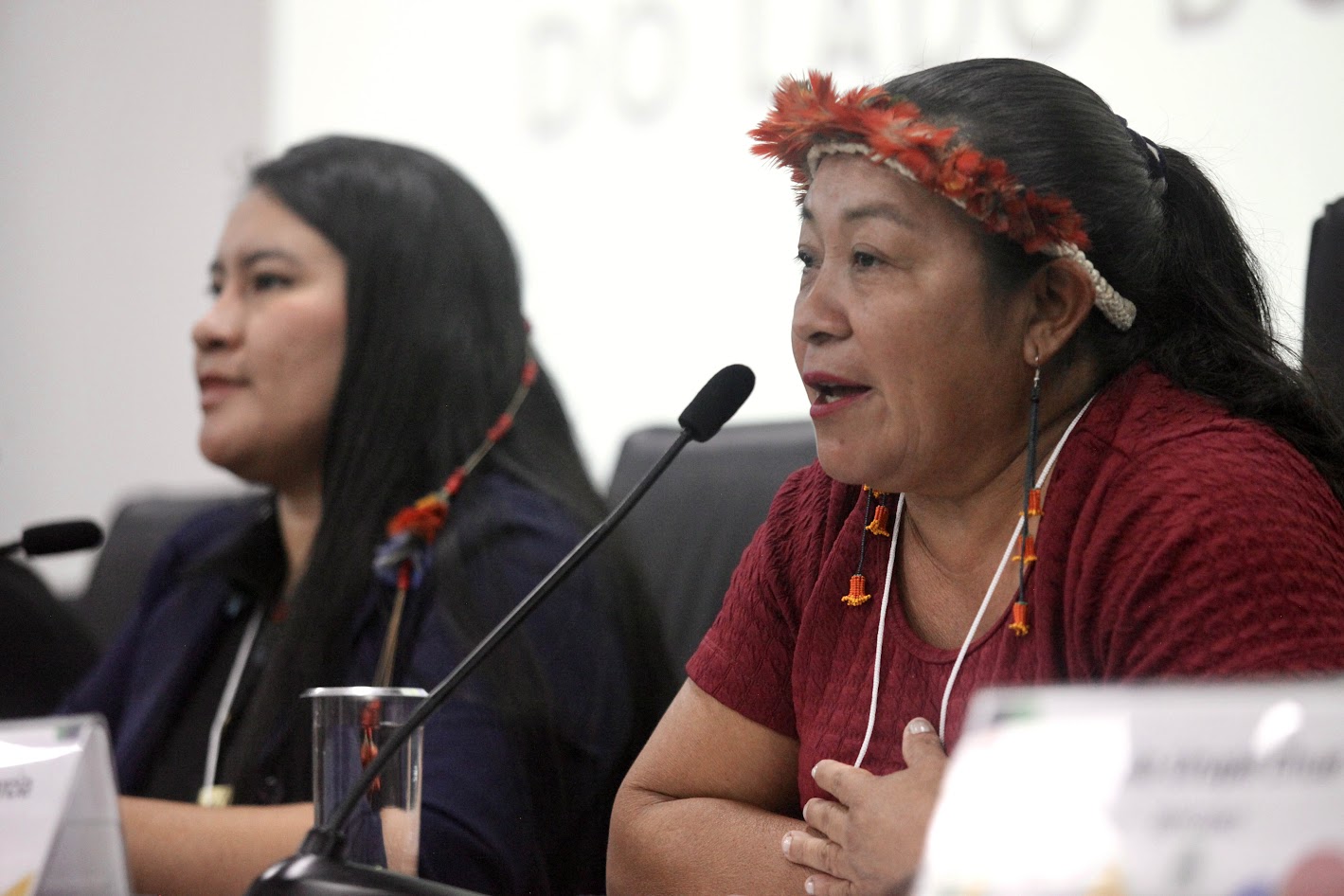
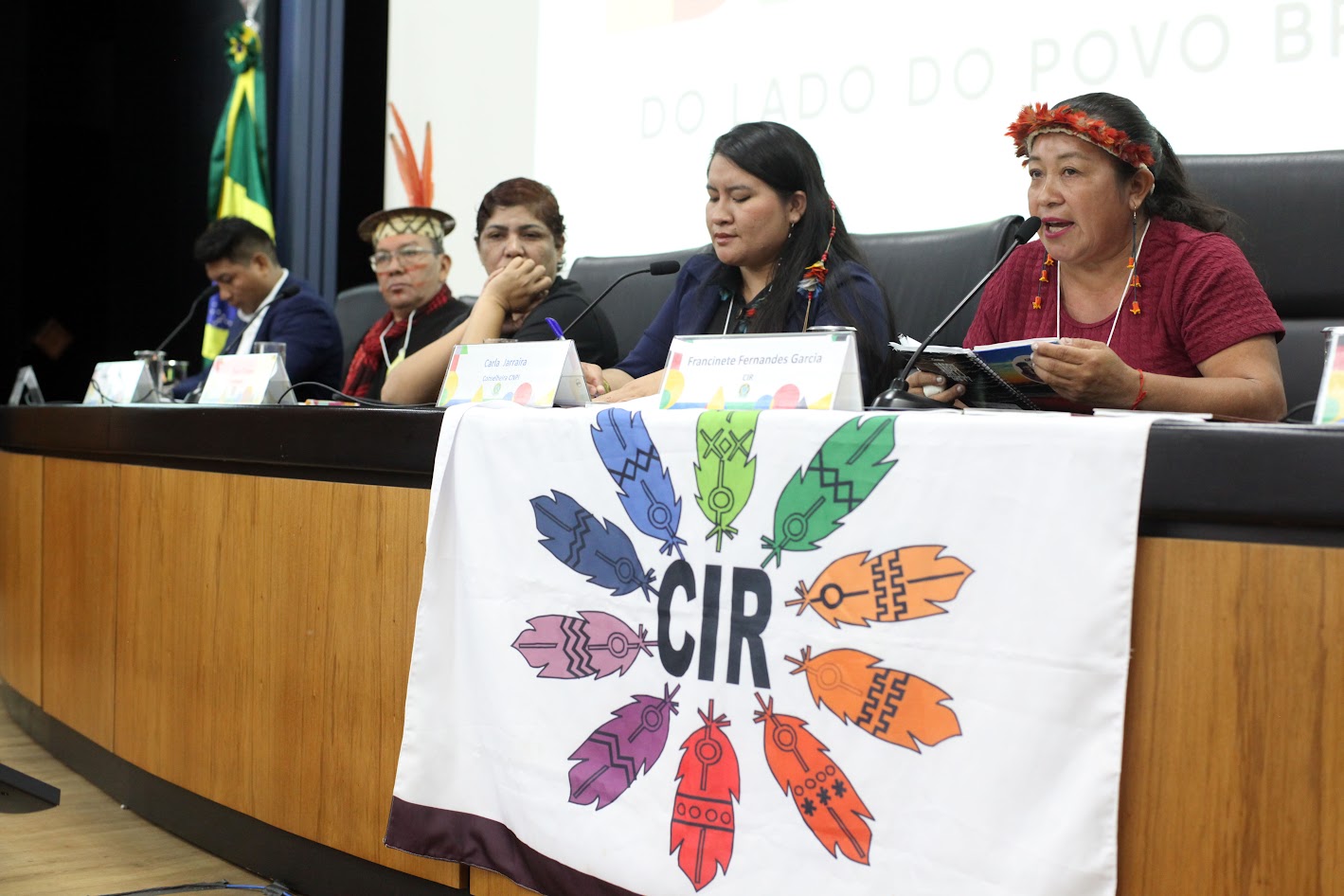
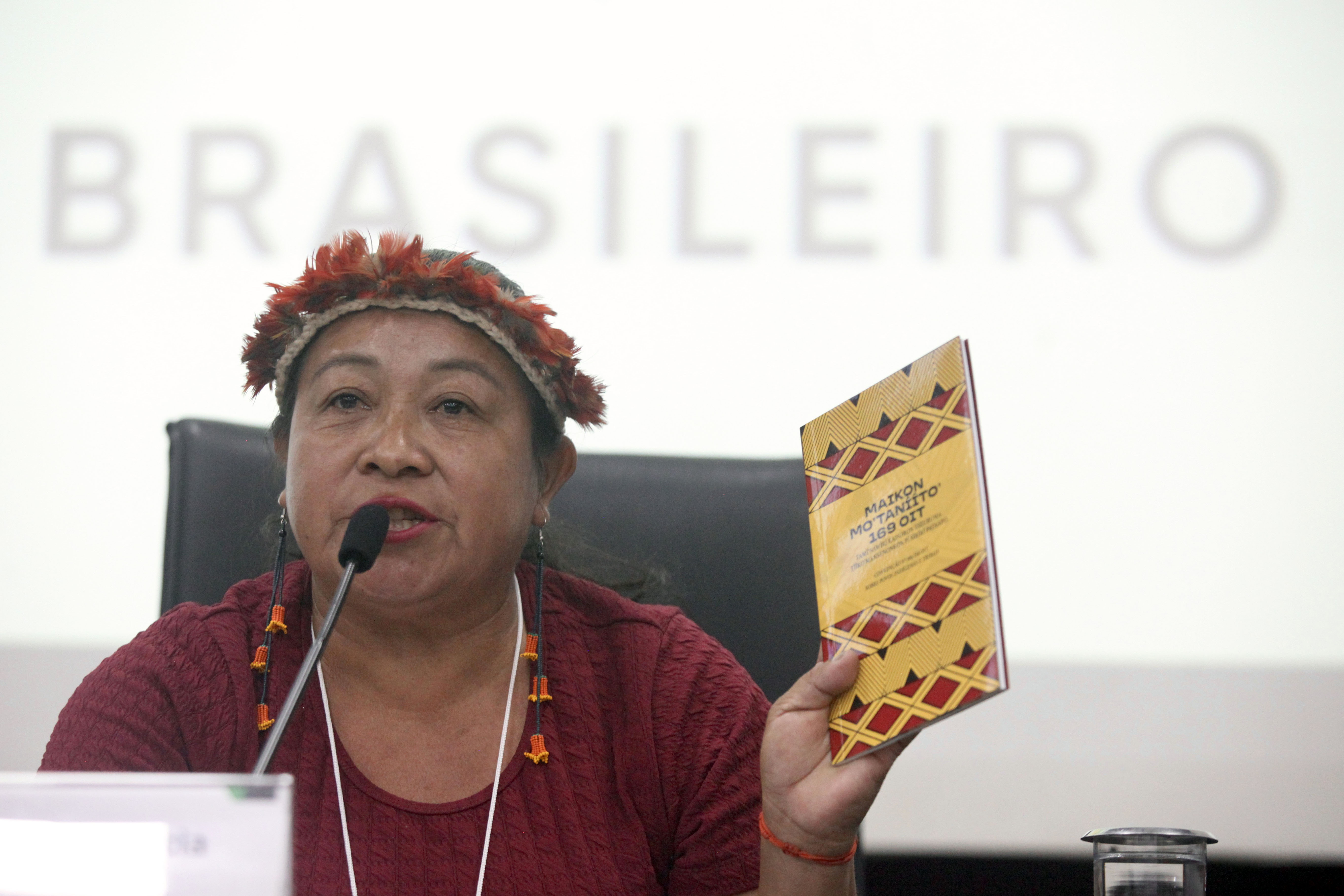
"Our rights are not negotiated. What you have to do is respect what is already written", highlighted the leadership, defending the recognition of the Autonomous Consultation Protocols as instruments that express the organization and will of the peoples themselves.
During her participation, Francinete also drew attention to the arrival of projects on indigenous lands without the communities being previously consulted and informed. According to her, many times, proposals arrive in the territories as decisions already made, without respecting the peoples' right to choose.
"We are not obliged to accept as soon as they arrive, asking to say that the funds will be returned. That's not how we want to be consulted.", he said.
The leadership also advocated that the protocols be strengthened and respected by public institutions, including ministries responsible for policies and decisions that may affect indigenous territories."Our consultation protocol book is already a law written by us. What you have to do is just comply", he pointed out.
Besides presenting the experiences of Roraima, Francinete highlighted the importance of exchange between leaders of different peoples during the seminar. For her, the meeting allowed her to learn about other realities and share the challenges faced in defending this right."It was a dialogue among other leaders, seeing the experience of each leader, of each people who were there. For me, it was very satisfying", he reported.
The participation also reinforced the importance of the work of grassroots indigenous lawyers, who help guide leaders and strengthen the defense of rights in communities. Francinete highlighted that this knowledge is shared with the grassroots, expanding the capacity for organization and defense of territories.
The participation of leadership reinforces the importance of ensuring that the Autonomous Consultation Protocols are respected and strengthened, ensuring that indigenous peoples have their own forms of organization and decision-making recognized. More than a procedure, consultation is a right related to the protection of territories, nature, and indigenous ways of life.