
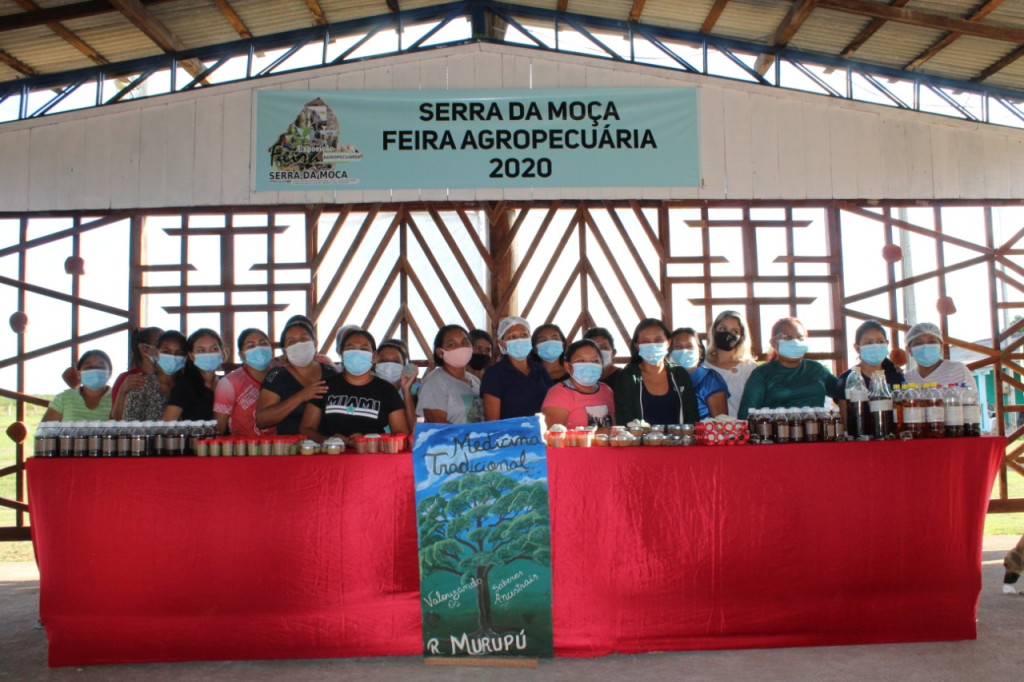
In order to value the traditional medicine of indigenous peoples and fight Covid-19, Wapichana and Macuxi women from the Murupú region gathered in the Serra da Moça community on December 17 and 18, 2020, to produce teas, syrups and baths with plants native to their communities.
The meeting organized by the coordinator of Traditional Medicine, Keila Oliveira Carlos das Chagas, was attended by more than 50 people, including women, young people, children, male supporters, teachers, leaders, knowledgeable elders and Indigenous Health Agents. The event was supported by the Indigenous Council of Roraima and complied with all safety and hygiene procedures to avoid contamination of Covid-19.
"In the workshop on traditional medicine, we made syrups and other remedies to combat covid-19 such as ointments to heal beats, bottles, baths, soaps, among others. It is very important to value traditional medicine within our communities, in our region and to use it, both our relatives and people from outside can use and value herbs, our home remedies, because in the time of covid, what fought the most was traditional medicine. And to this day we have used it and we are using it, because we are still in a pandemic and that is why it is very important to value this traditional medicine", explained coordinator Keila Chagas.
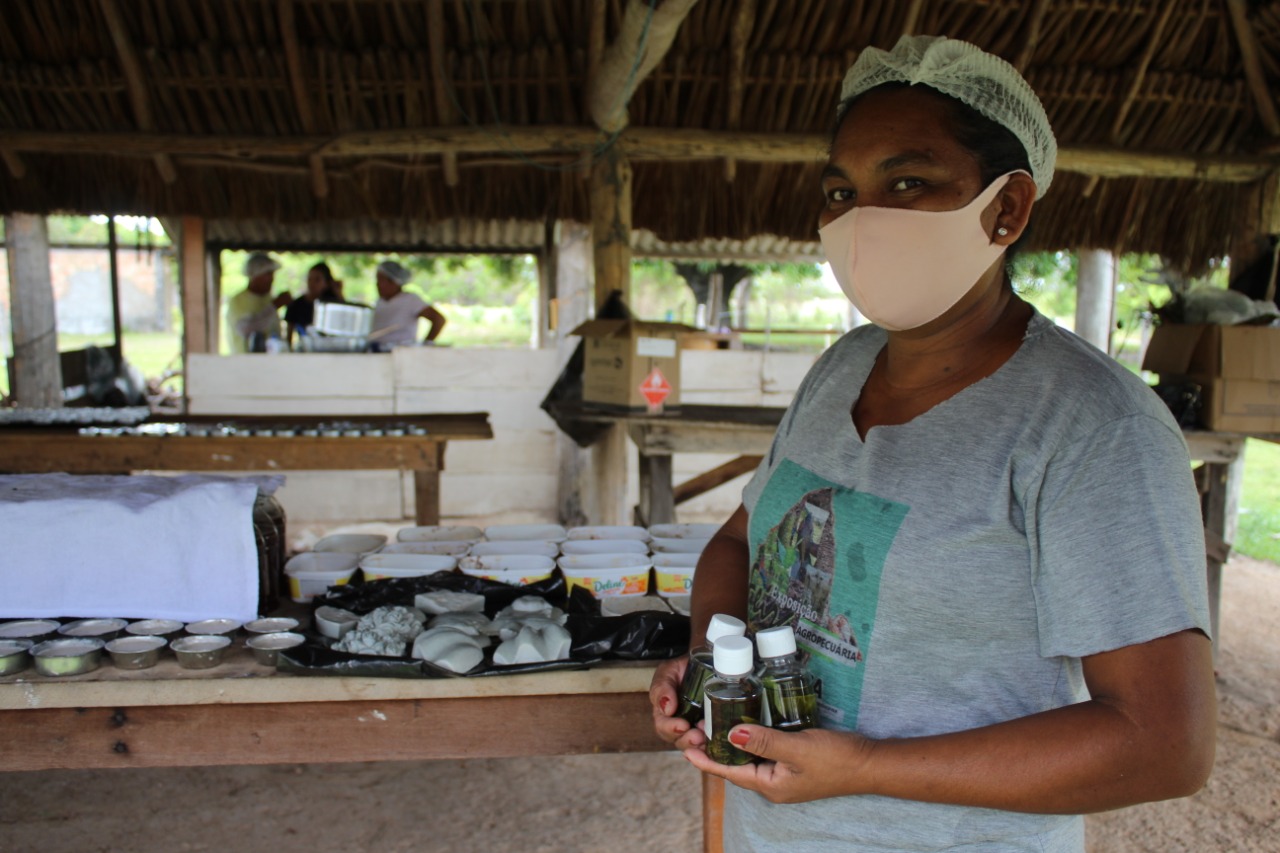
During the event, the elderly women, knowledgeable about plants and their medicinal properties, also participated, transmitting knowledge about herbs and their functions. "We are doing the traditional medicine workshop and there are many women who are learning, who have come now. This is already the fourth time we are doing it here in Serra da Moça. This shows that we are already prepared. We have already passed it on to others who want to learn and it is good for us to participate because this has served a lot for this pandemic. We take it here and send it to the city for our relatives", said Mrs. Zica Eduardo Carlos.
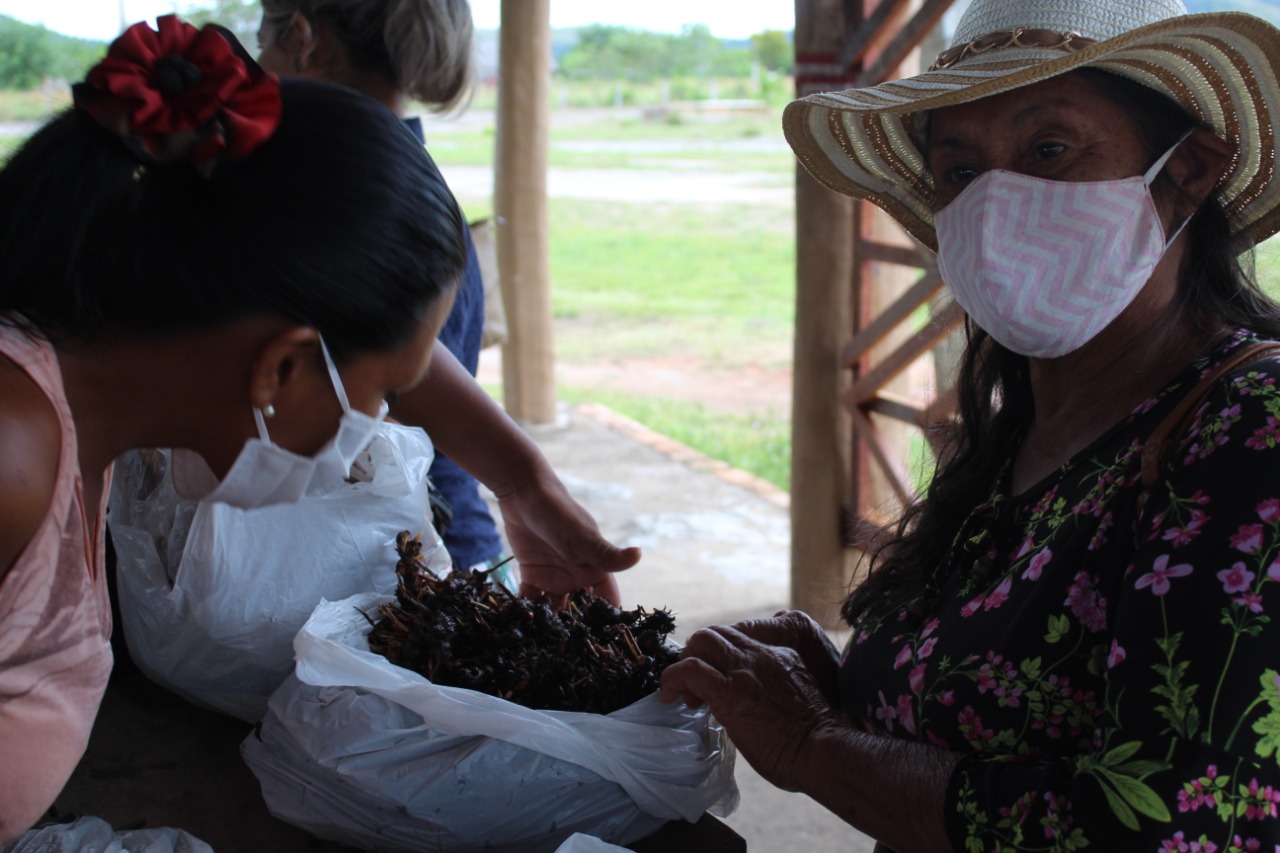
The invitation was sent by the regional coordinator to the local coordinators of the Serra do Truarú, Morcego, Anzol and Truarú da Cabeceira communities, who were instructed to take the herbs and medicinal plants they had available in their homes. Many took herbs that we normally find in the local vegetation, such as bird herbs, field sage, jatoba copaiba bark and genipap. Others took more specialized leaves than if found only in the homes, such as boldo, annatto and garlic.
"I am representing my Serra do Truarú community here in the traditional medicine workshop and this is worth doing to fight covid-19. I have already tasted the syrup that the women made and it was very good. I just have to thank you for the invitation", evaluated Joaquina Oliveira Rodrigues, who was present at the workshop.
Many syrups were made and bottled to be distributed to those who need them and also to supply the health centers in the communities. The person responsible for cooking the firewood stoves in the community itself was the deputy coordinator Neila Carlos da Chagas. "In this workshop we learned and exchanged knowledge, we are here to learn and teach. My part was the Syrup for Covid and the Syrup for flu. We used ingredients that were from collaboration. Each ingredient was everyone's collaboration and that's where we are united by our own health. We are here to add and I am very grateful for that," she said.
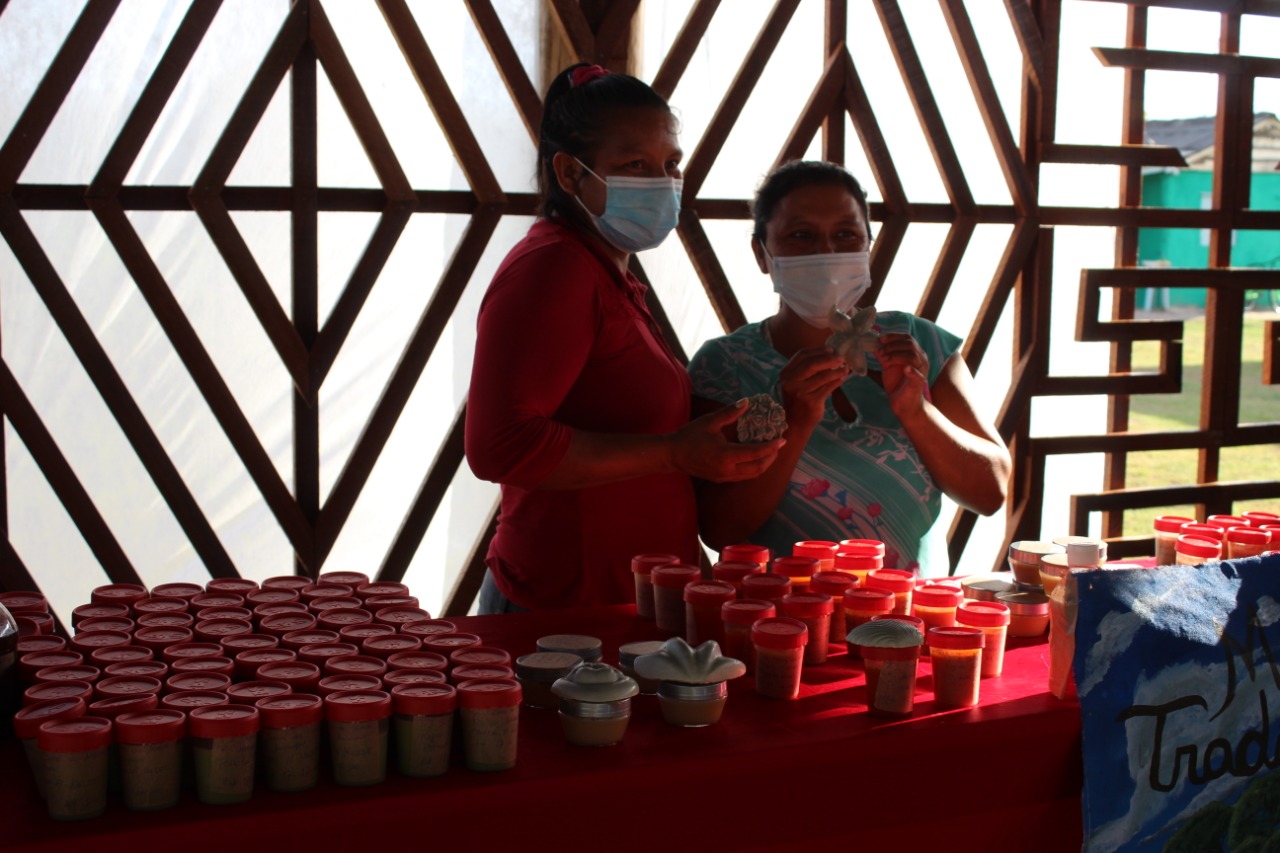
The deputy coordinator also talks about how cases of covid-19 were treated in the community. "This was very fruitful because as soon as we started making our medicines, this covid business started. Soon we started making them, the girls were already making them and I always made these syrups every early winter for my children and my granddaughter. Here in the community there were no deaths because we used the teas that were recommended. There were cases, but everyone has recovered and we want to delve deeper and deeper into the knowledge of traditional medicine."
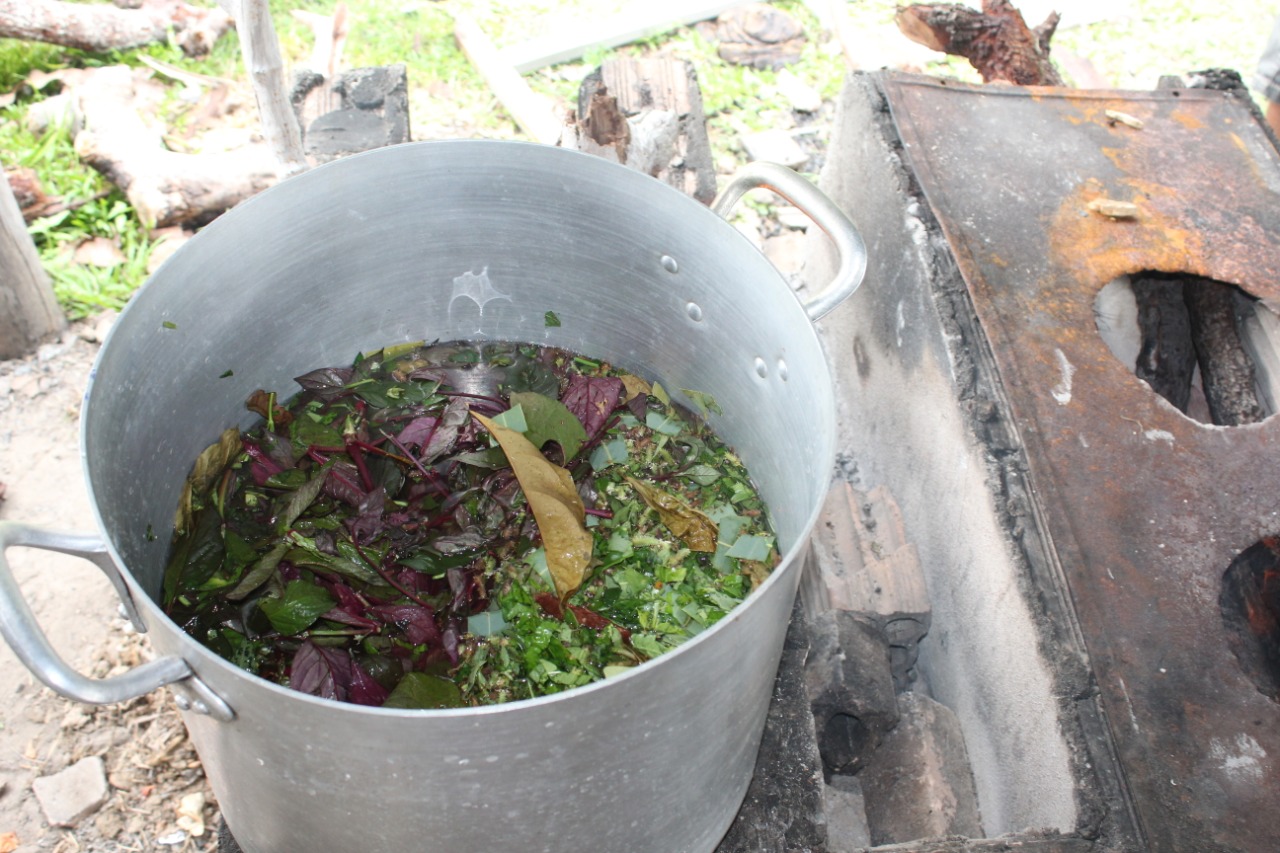
The Indigenous Health Agent, Lucinara Marcelo de Lima, from the Serra do Traurú community, also participated in the workshop and highlights the importance of learning how to produce teas for the treatment of cases that occurred in the communities.
"And here there are many medicines and this is knowledge that we will take with us for the rest of our lives and this is important because the medicine in the city is totally different from ours. And those who take this knowledge pass it on and teach others. We have many medicines here and that means that we are rich because we take ours for our own consumption. Because of the pandemic, our medicine saved many people, who were treated through teas".
Indigenous Health Agent Suzane Silva, from the Anzol community, also spoke about how the workshop alerted her about the plants she has in her community. "I participated in the event on traditional medicine to talk about its importance, because many times we have the medicine at home and we don't give it the importance it deserves. And I'm finding it incredible, very good and still learning. I brought basil, sage from the field, copaiba from my community, and with that we made syrups, baths, bottles. It was very beneficial."
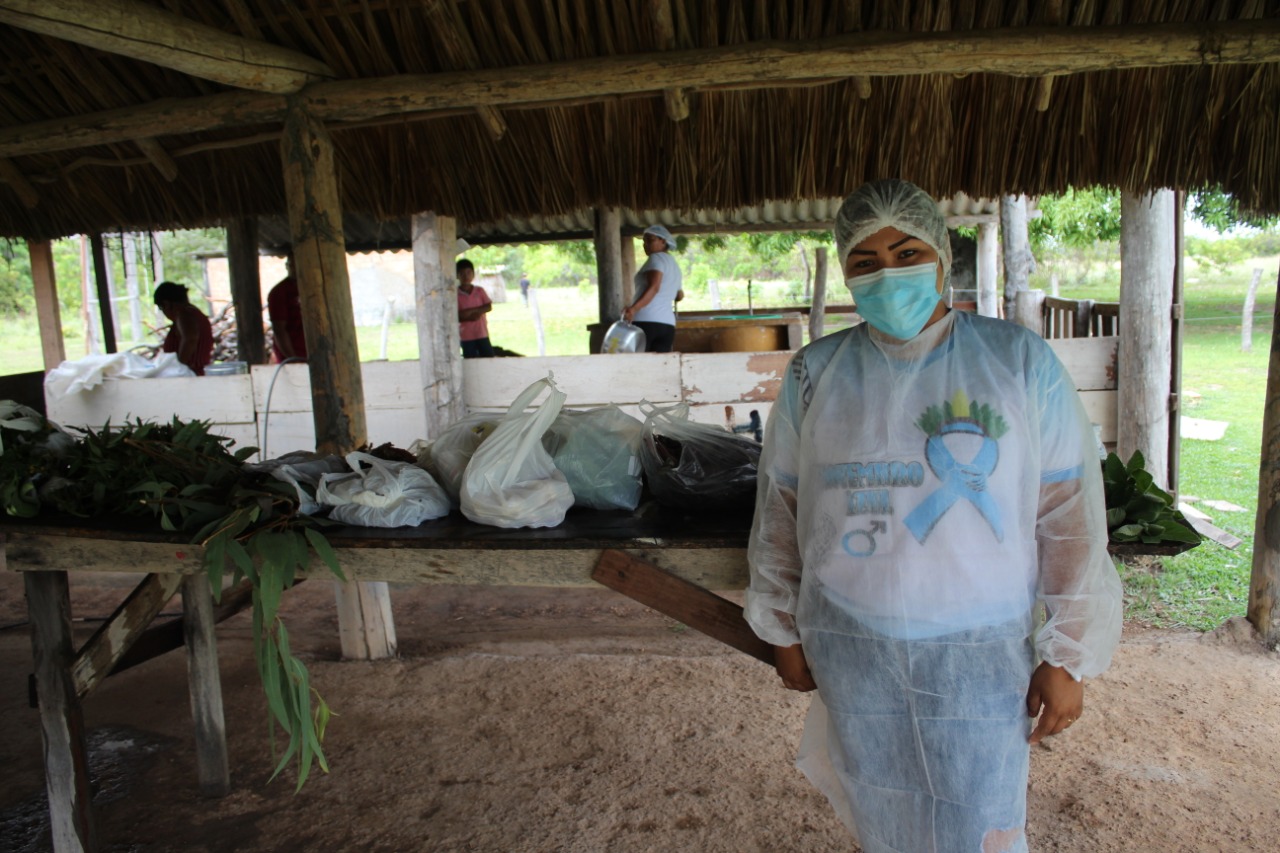
It is important to highlight the situation of the Anzol community that awaits its demarcation and with the Covid-19 pandemic, many activities have been paralyzed. The community suffers from the lack of natural sources of drinking water and does not have electricity. It is surrounded by local farmers and the monoculture of Acacia Mangium that constantly threaten its physical and cultural survival.
At the end of the workshop, coordinator Keila spoke about future plans, which is to build a traditional medicine house, where they can store their materials and plant vegetable gardens for the production of medicines. She highlighted the importance of having the support of organizations, which contributed with materials through the implementation of the Territorial and Environmental Management Plan (PGTA) in partnership with the Indigenous Council of Roraima (CIR) and also with the Dsei-Leste, which also contributes to the activities.
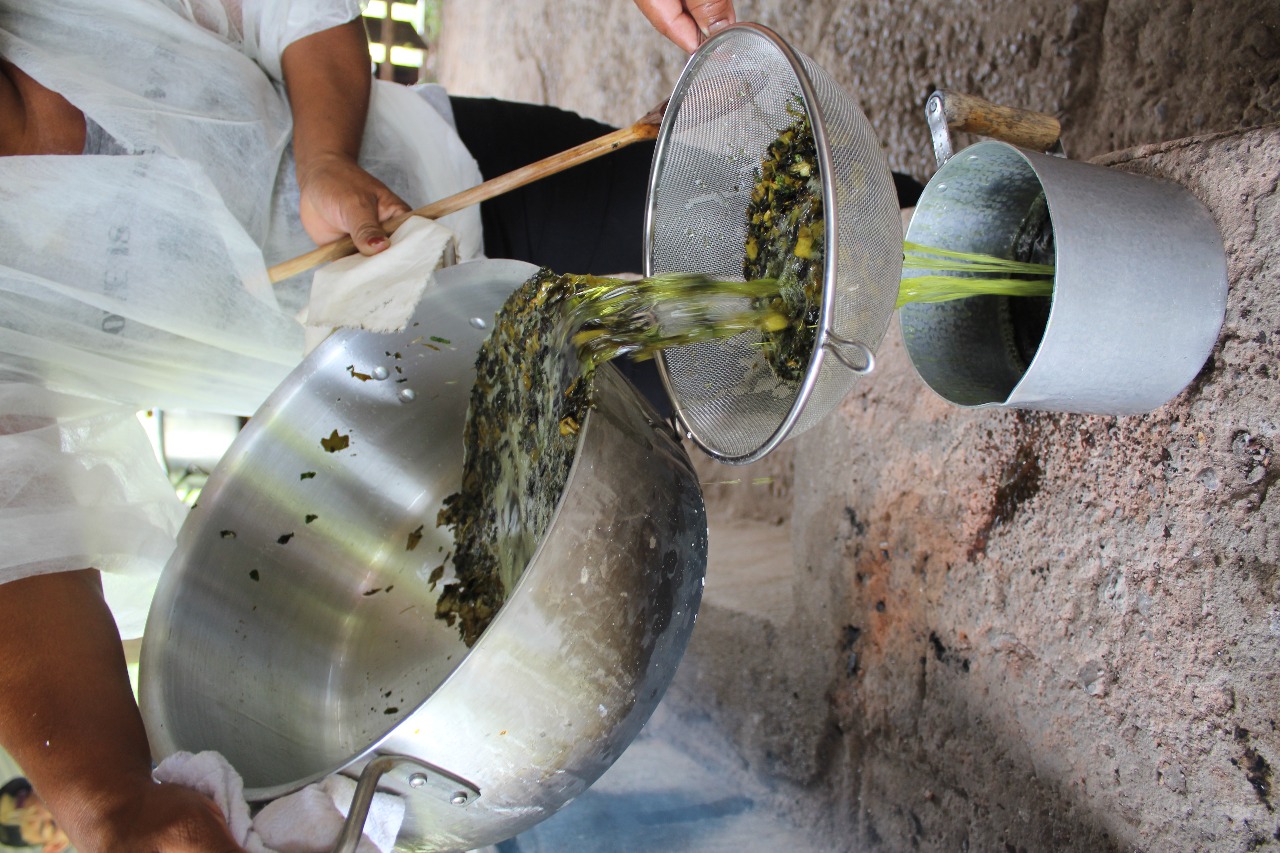
For the year 2021, the Serra da Moça community intends to host the State Meeting of Traditional Medicine that will bring together all indigenous people who work in this area in their regions.
Technical note prepared by Eriki Aleixo Wapichana- Anthropologist