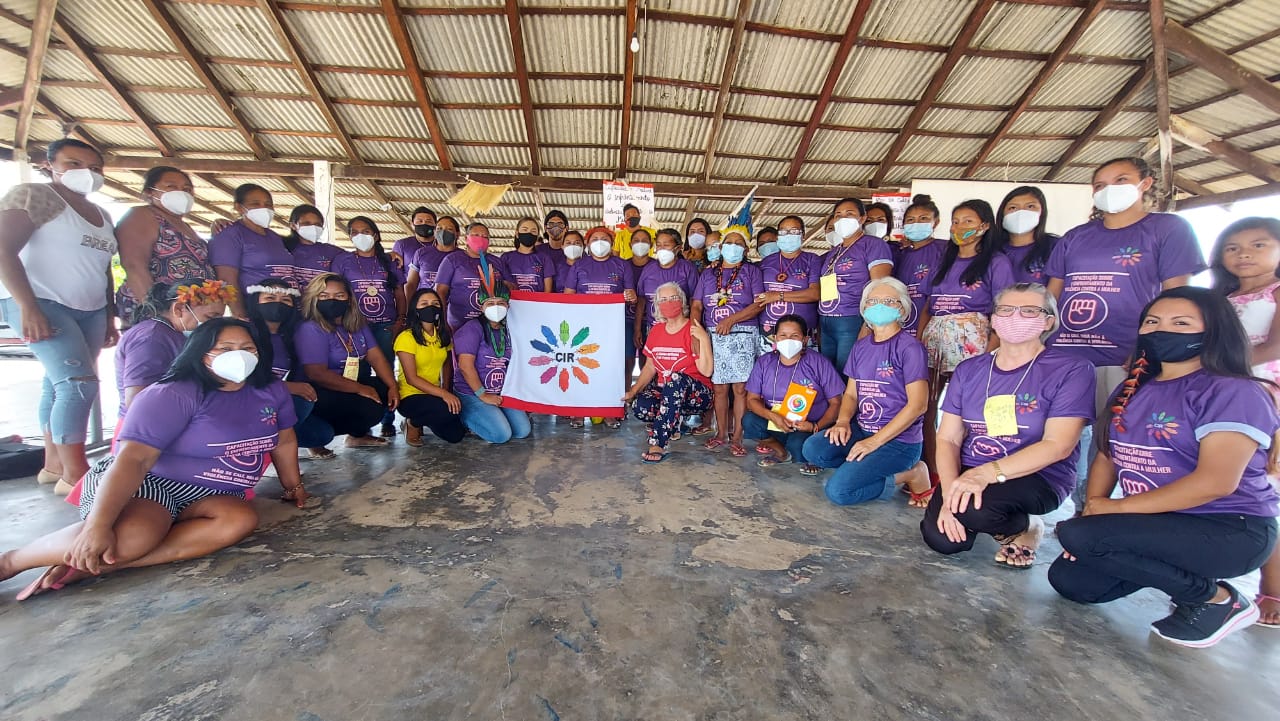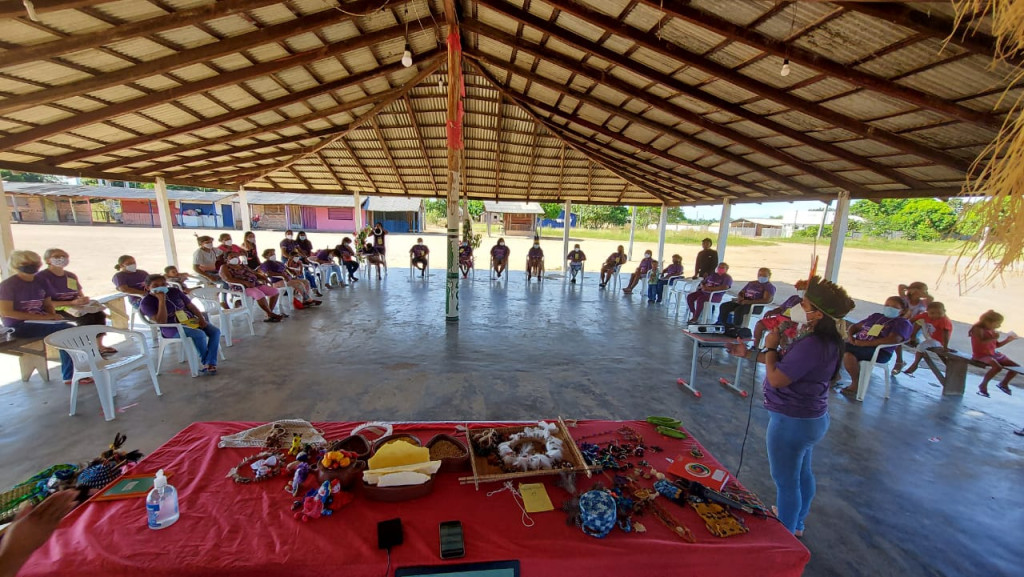
The general secretariat of the indigenous women's movement of the Indigenous Council of Roraima (CIR) held on November 20 and 21 in the Sucuba community, Alto Cauamé region, a training on how to confront violence against women. The objective was to inform women on how to act in the fight against violence, especially domestic violence, and from there, multiply this information in their communities.
On the first day of the meeting, psychologist Iterniza Pereira explained about the types of violence and their psychological consequences. Then, she carried out activities such as drawing something that they identified with and then each one spoke about the importance of drawing. On the second day, the legal counsel of the CIR spoke about women's rights and the Maria Penha Law.
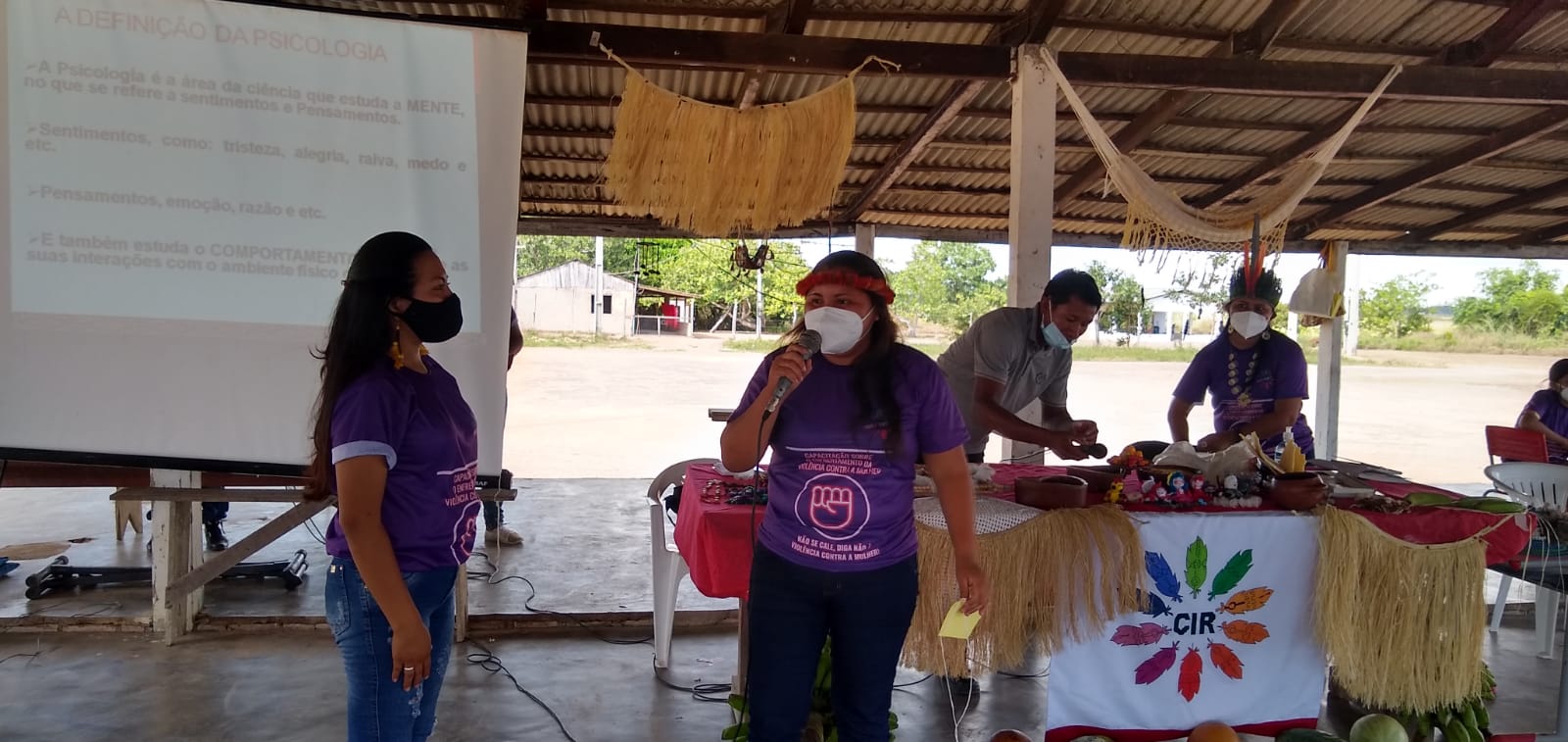
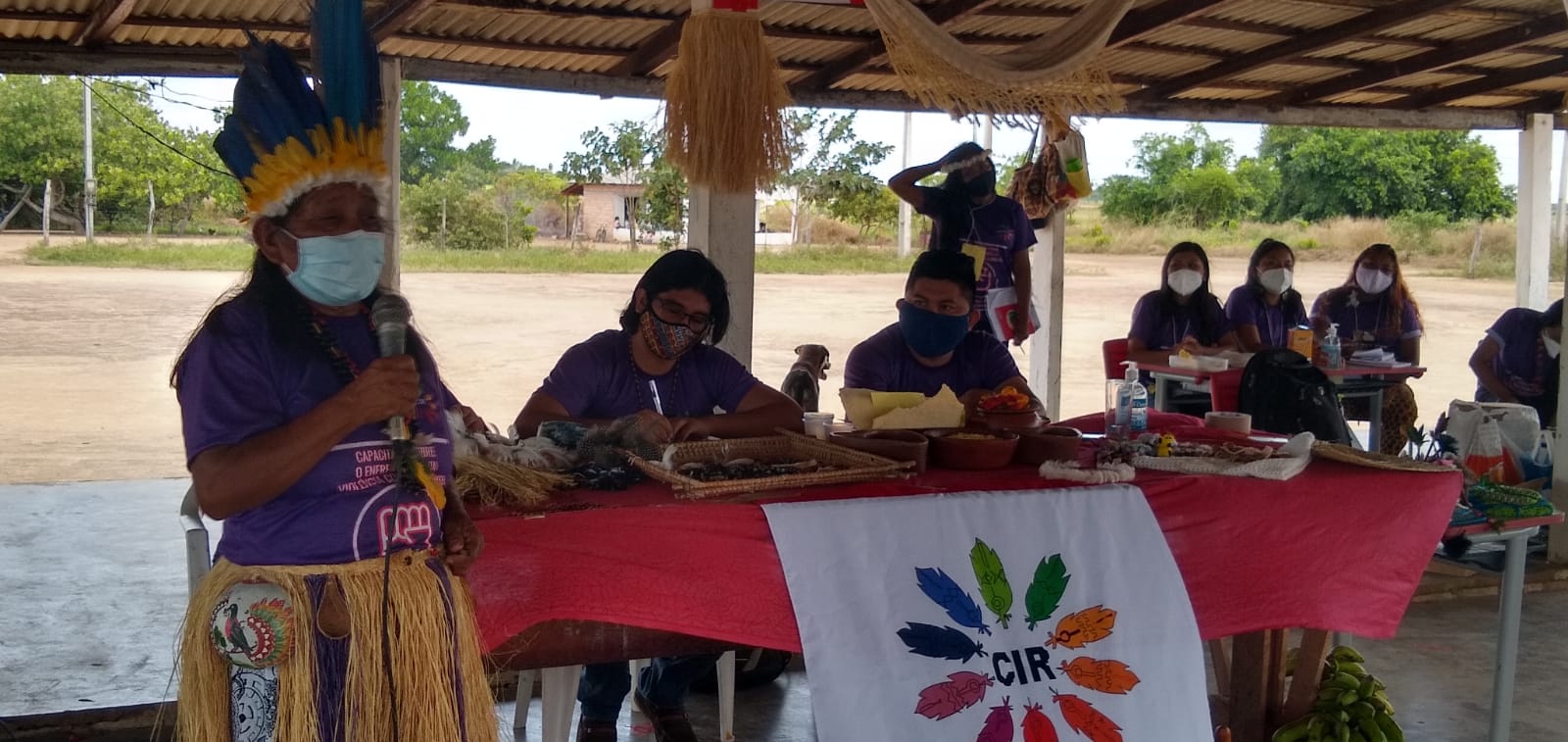
During the two days of training, 42 women from the Sucuba, Raimundão I and Arapuá indigenous communities participated. One of them was Mrs. Cacilda da Silva, 68, from the Raimundão I community. "Everything I learned here I will pass on to the women in my community."
Joênia da Silva, 11, from the Sucuba community also participated in the two days of training. She said that the lecture by psychologist Iterniza, the way to explain the violence that women suffer without realizing that they are in a situation of abuse, was important, and that she as a young woman intends to pass on what she learned to the girls at her school. "Everything that was passed on to us will be permanent in my life, so I don't suffer any type of violence. I intend to share what I learned with the girls at my school."
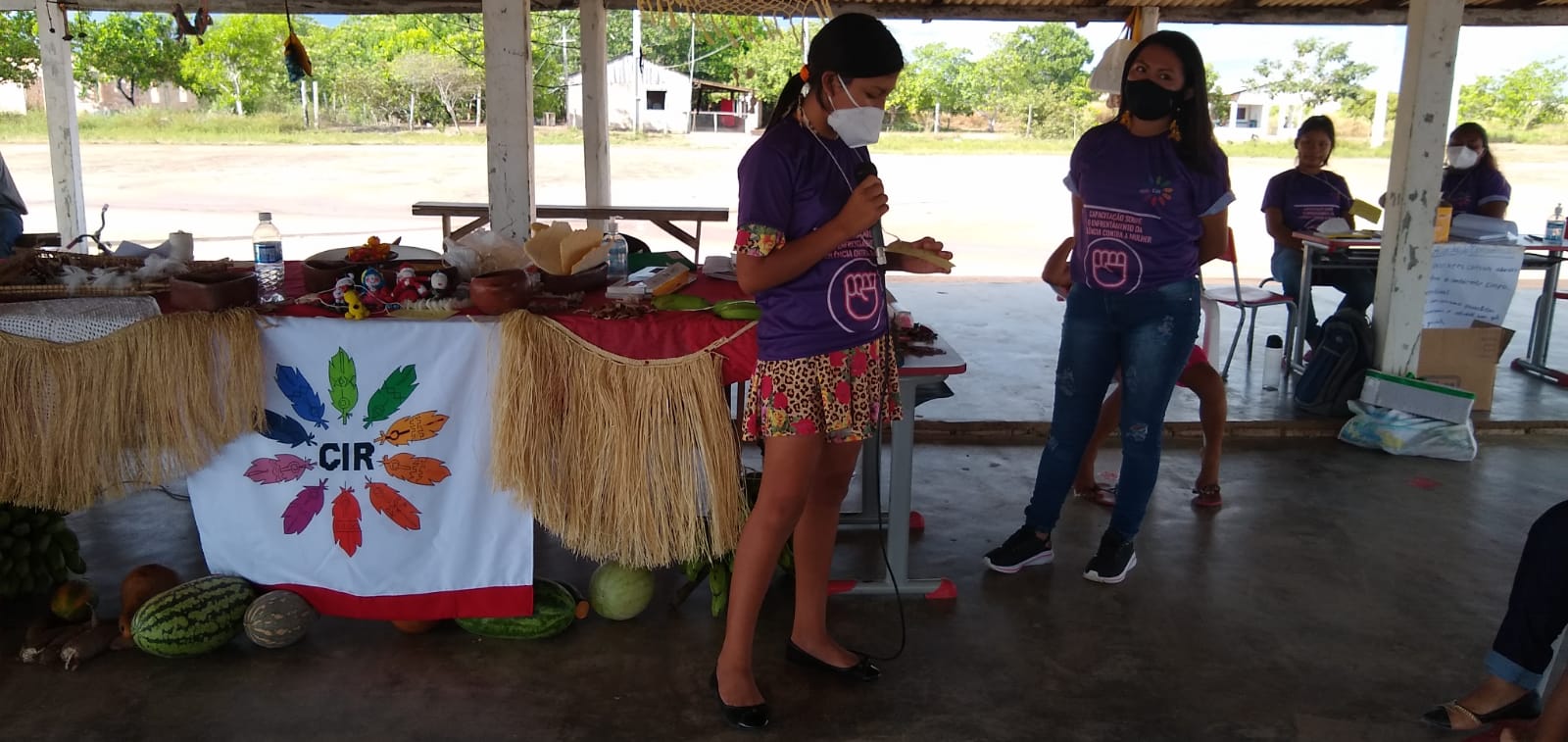
For psychologist Iterniza, it is important to share information about the types of violence that are most committed against women. This is because most people believe that there is only physical violence, and the one that occurs the most is psychological.
"Psychological violence is classified as one of the worst, because the woman cannot recover quickly. That is why the tips on how to pay attention to the beginning of violence, what to do and how to do the procedures are very important. With this information, women feel safe, and aware if they are being violated and seek guidance, both with psychological and with a lawyer", explained the psychologist.
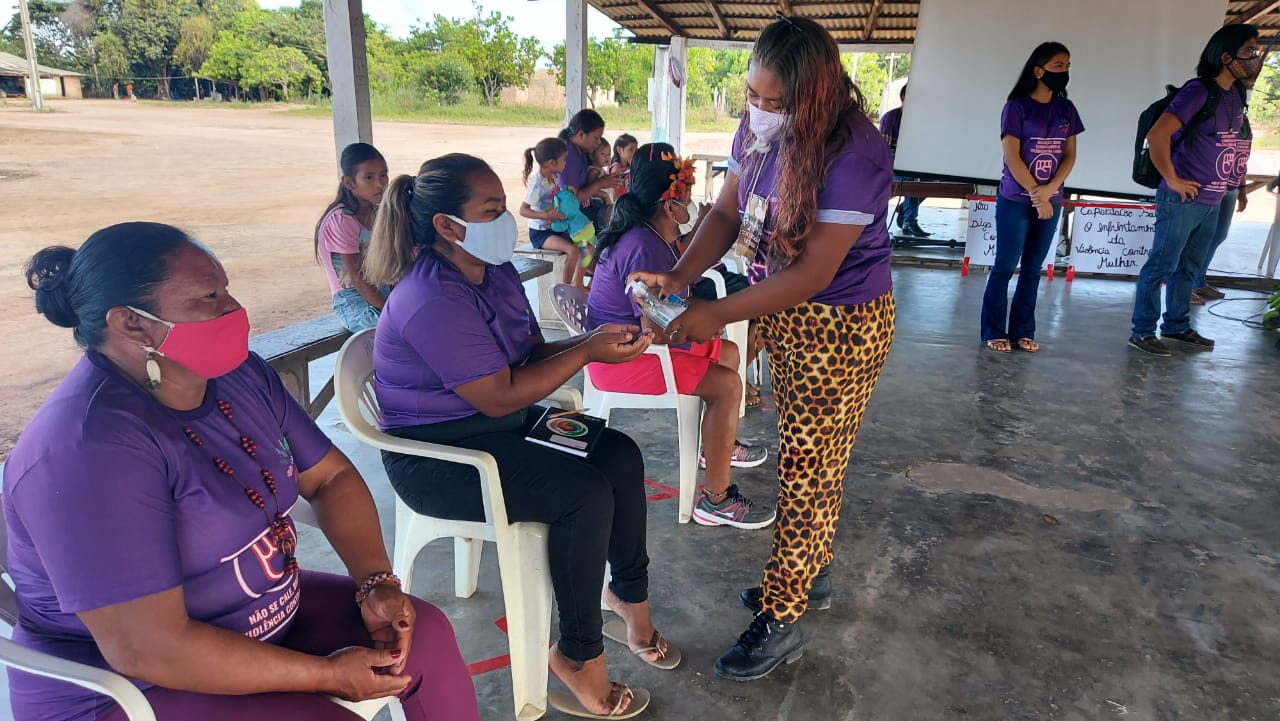
The general secretary of the indigenous women's movement, Maria Betânia Macuxi, said that the training was important for women to be informed about confronting violence. "We women have rights, we have the ability to occupy various spaces, and we need this strength and transmit this information in the line of women's rights," said Betânia.
This is what Valterlina de Souza, regional coordinator of women in the Alto Cauamé region, reinforces. "As a way to help these warriors, we carry out training to improve our knowledge about our rights and duties."
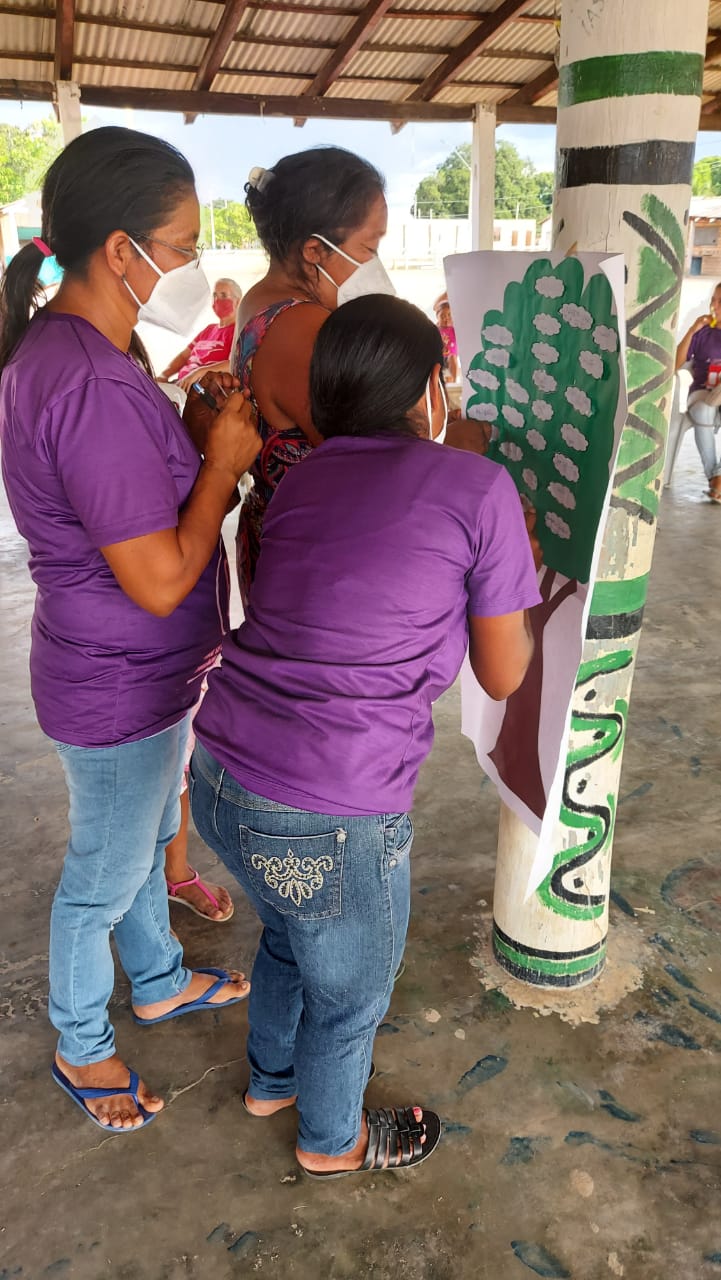
At the end, Iterniza and Maria carried out an activity with the tree of dreams, which aims to know what they expect from the future after the training. The meeting was supported by the Ford Foundation, missionaries from the Santa Isidório parish and was attended by more than 40 people including leaders, women, men, young people and the deputy coordinator of the CIR, Edinho Batista, the State coordinator of the Indigenous Youth Center, Alcebias Constantino and the State Coordinator of the Indigenous Territorial Protection and Surveillance Group (GPVITI). All precautions were taken to avoid contamination by Covid-19 such as the use of masks and hand sanitizer.