
By: Charles Taurepang
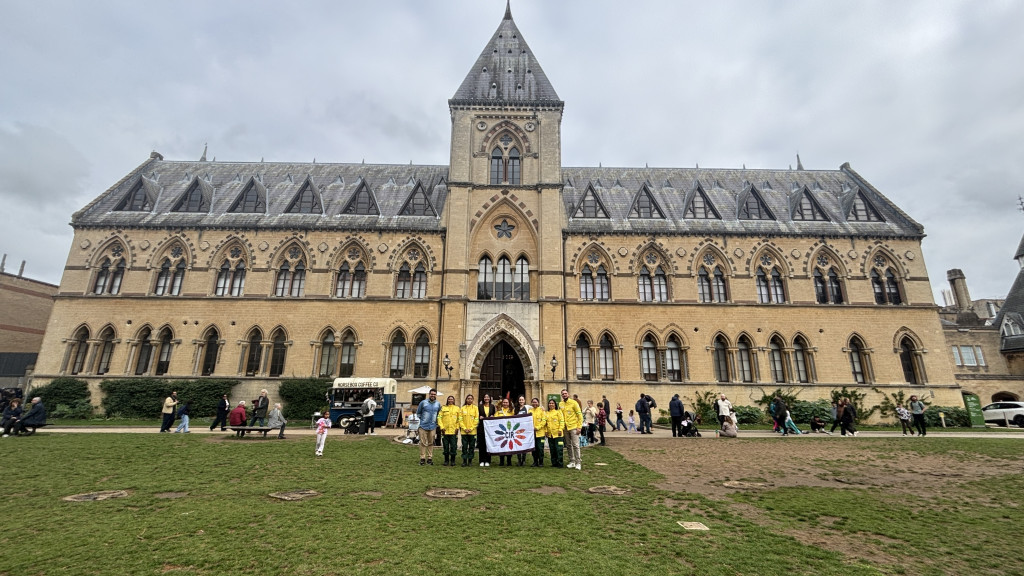
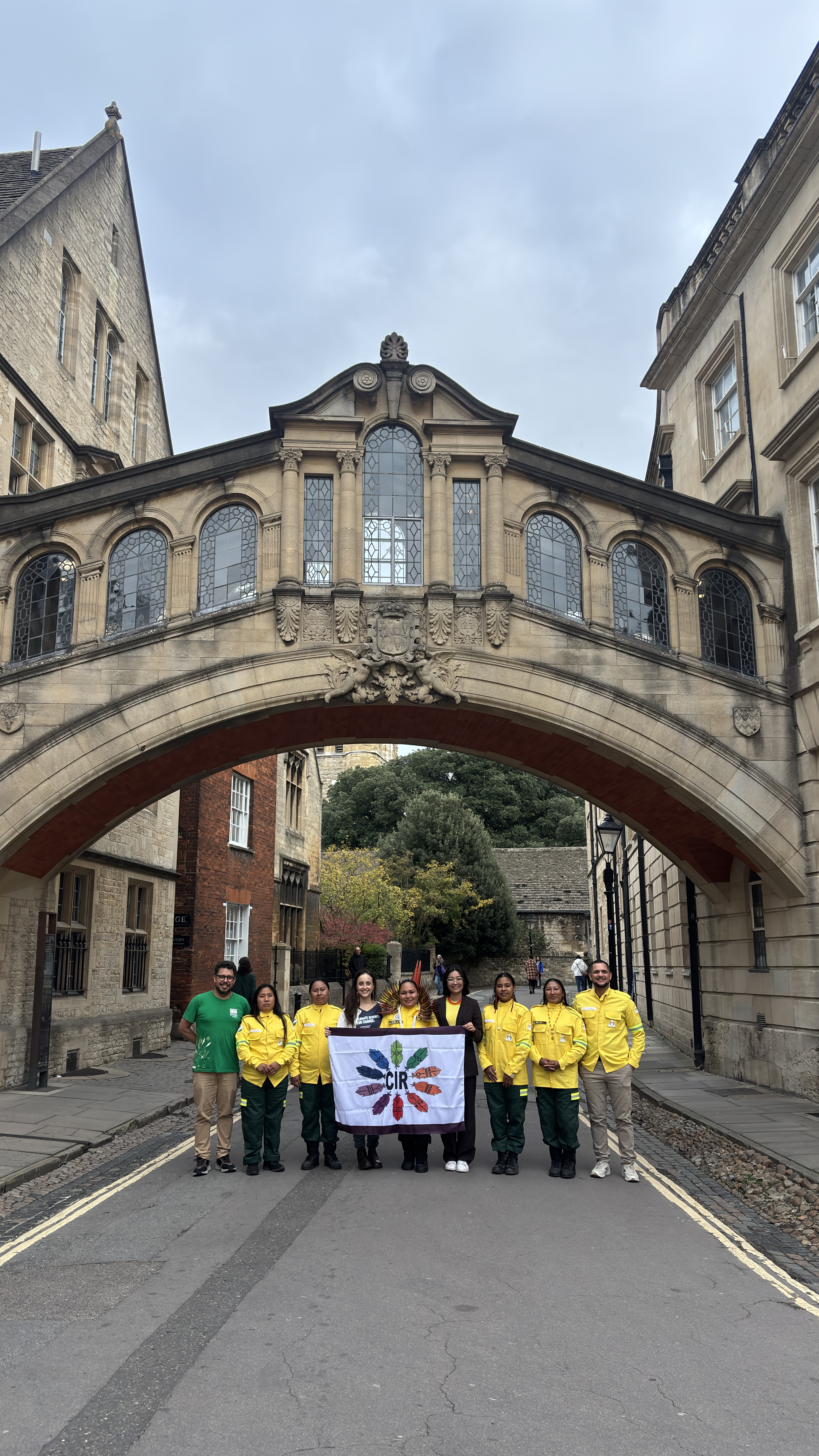
The training, held at the University of Oxford, brings together firefighters from the Wai Wai, Surumu, Alto Cauamé and Murupu regions.
The knowledge of those who live and protect the territory now meets new technological tools in an international experience. In a totally different space than usual, away from routine and family, six indigenous women from Roraima have a common goal: to acquire knowledge to strengthen actions for the preservation and protection of indigenous territories. They were sent by the Indigenous Council of Roraima (CIR) to participate in training at the University of Oxford, in England.
The training is linked to the projectCommunity-Driven Amazon Resilience Strategy(Community-Led Amazon Resilience Strategy), developed by the Woodwell Climate Research Center, with funding from the Mott Foundation and support from the University of Oxford. The initiative seeks to strengthen knowledge and expand access to geospatial tools that contribute to the prevention and confrontation of forest fires, the monitoring of threats, and the planning of territorial protection actions.
During the training, the participants develop activities aimed at identifying threats to territories, planning protection strategies, and using geospatial tools. Classes include practical exercises in Geographic Information System (GIS), with the preparation of maps of fire outbreaks and identification of other territorial threats, in addition to the evaluation of technologies that can contribute to the management and monitoring of indigenous lands.
This process of strengthening knowledge was already being developed by the CIR in Roraima. In September 2025, the institution promoted, in Lake Caracaranã, in the Raposa Serra do Sol Indigenous Land, the Basic Course on Geographic Information System (GIS), in partnership with the Amazon Environmental Research Institute (IPAM). The activity brought together 20 indigenous firefighters from Roraima and Mato Grosso do Sul, 18 women and two men, as well as communicators from the Wakywaa Network. (FIREFIGHTERS AND INDIGENOUS COMMUNICATORS LEARN HOW TO USE TECHNOLOGICAL TOOLS TO PROTECT AND DEFEND THE TERRITORY)
One of the participants in that training, which is now in England, is Marivalda Tomaz, an indigenous firefighter from the Sucuba community, Alto Cauamé region. A member of the Pataxibas Indigenous Community Brigade, a name that means Fire Warriors, she is part of a group formed by Macuxi, Wapichana and Wai Wai women that works to prevent and fight forest fires. Now, in Oxford, Marivalda is experiencing a new stage of learning, taking with her the experience built in the community and the opportunity to get to know other cultures and share the knowledge of her people.
"It has been a very good experience to leave our territory, our community. It is such a long journey to arrive in another country, to discover other cultures totally different from ours. Here we are learning a lot, also sharing our knowledge, bringing our difficulties, but also the solutions we have found", he reports.
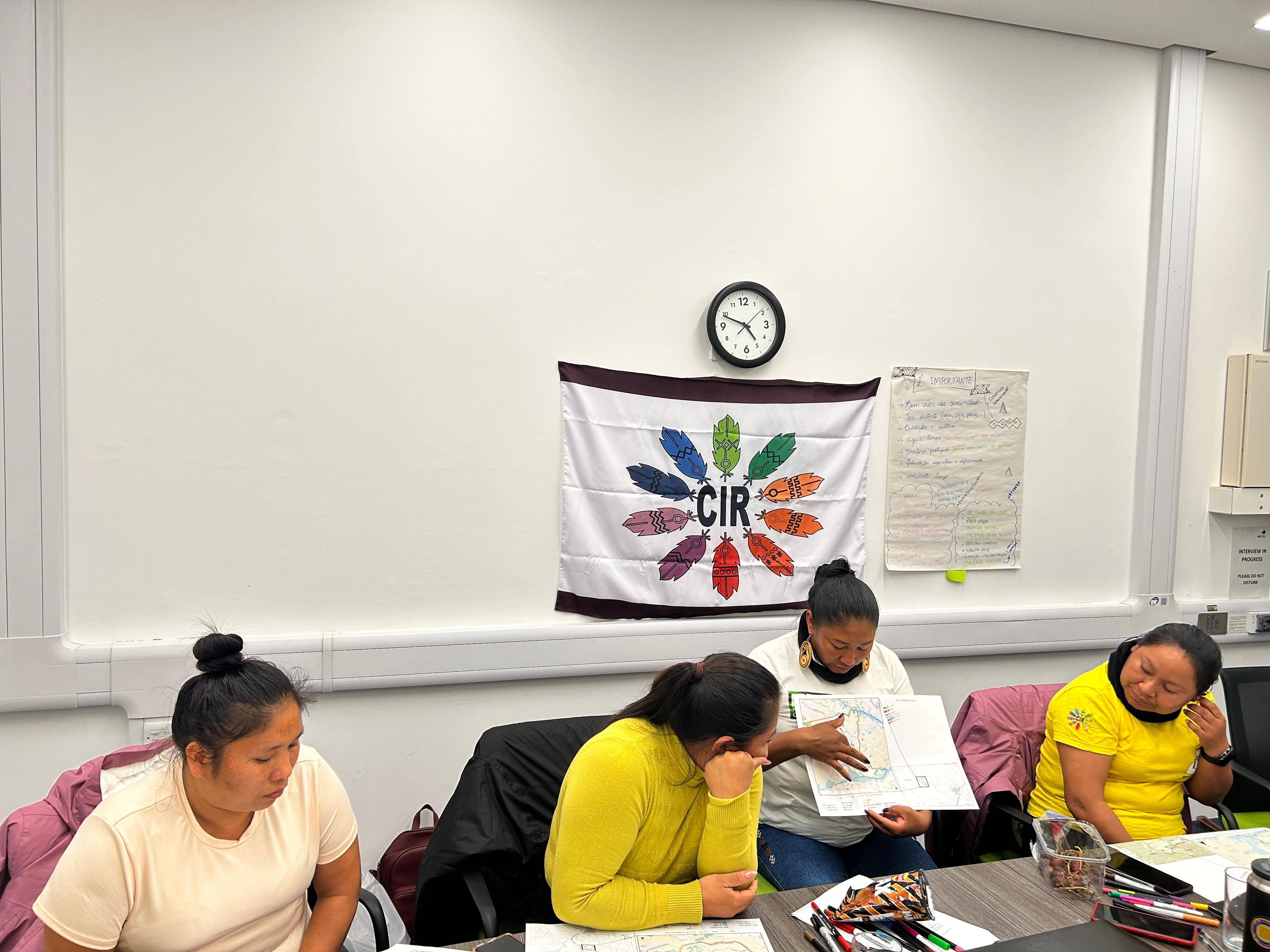
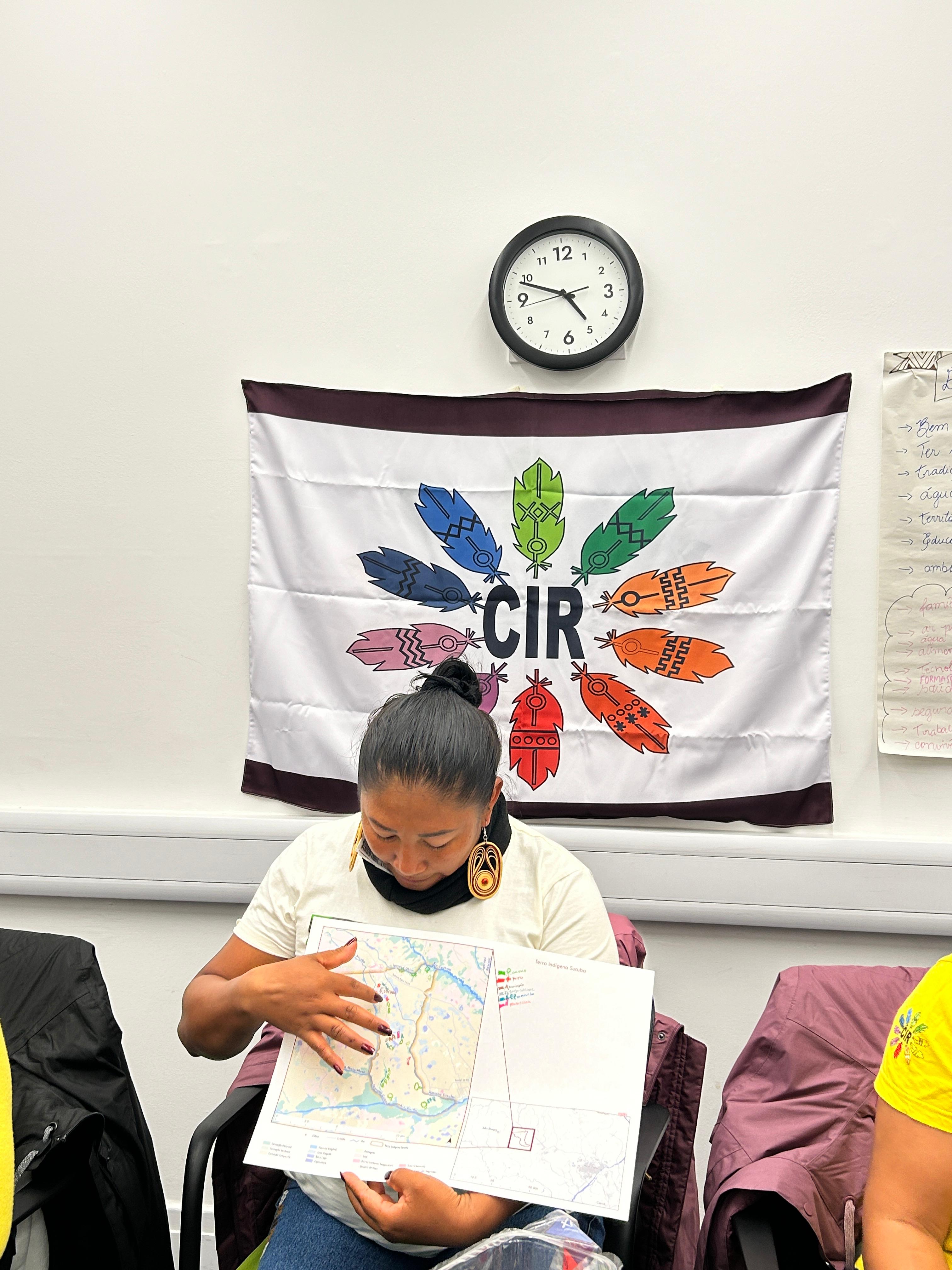
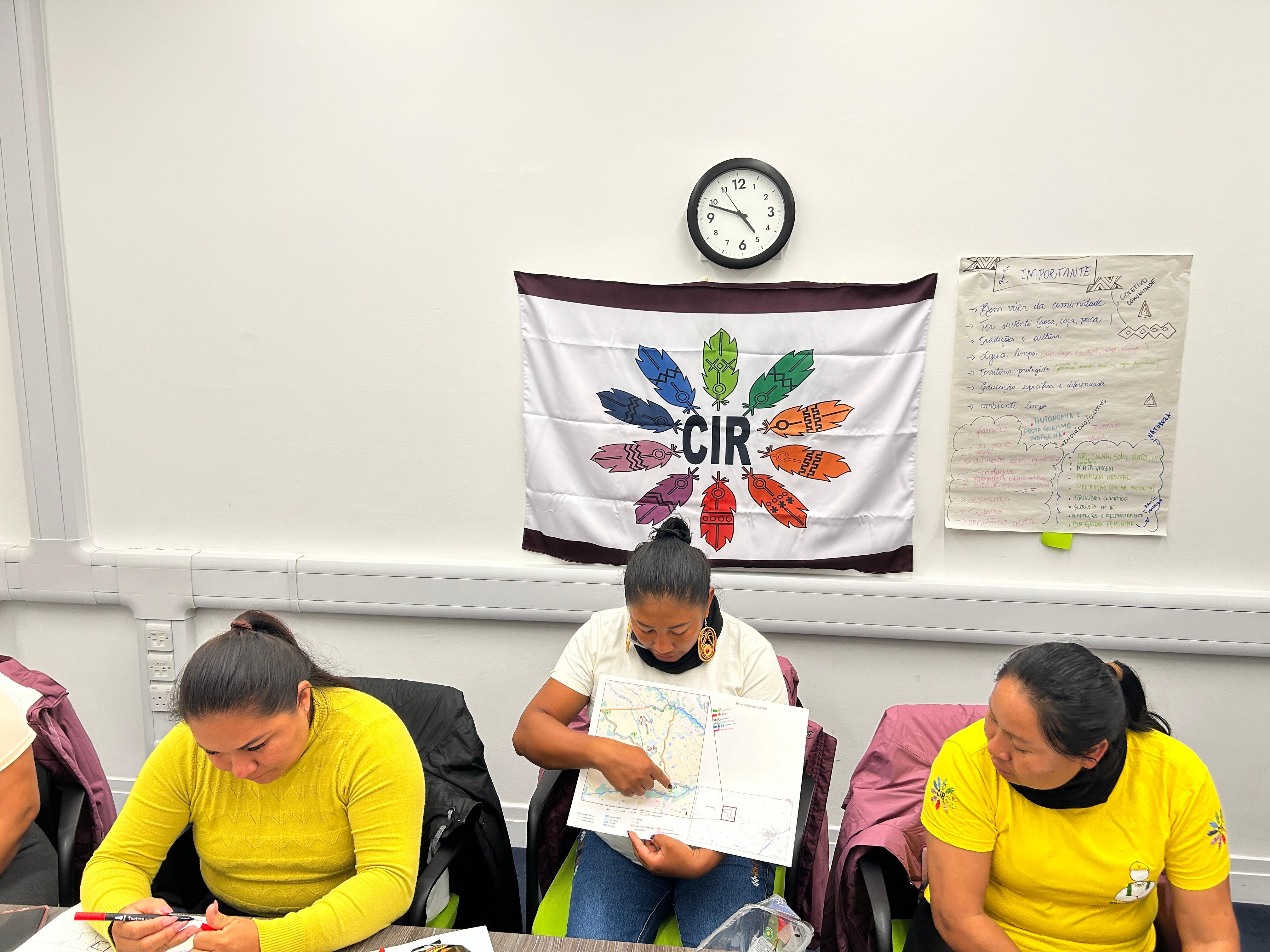
Among the learnings, the firefighter highlights the creation of maps as a tool that goes beyond the identification of areas affected by fire. For her, maps also make it possible to record the life and activities developed by communities, recognizing the relationship of families with the territory.
"This map creation workshop is being very important, because on the map we can tell a story. I have learned a lot about this, we can identify where so-and-so's farm is, what he produces, where there are bananas, identify by territory what is grown there", explains Marivalda.
The experience also represents an opportunity to inspire other indigenous women to occupy spaces for training and knowledge exchange. When talking about her participation, Marivalda highlights the importance of female empowerment, believing in one's own capabilities and strengthening the union between women who work in territorial protection.
"May this trip also serve as an inspiration for other women, who do not give up on their dreams, that we can go beyond what we think. Even with our difficulties, we need to believe in our dreams, that we are capable. As a Pataxibas firefighter, it is very important to be in these spaces, as it strengthens our union and the appreciation of indigenous peoples", he says.
Ana Paula Wapichana, coordinator of Brigades at the CIR, also participates in the training. For her, the exchange is an opportunity to improve knowledge that can be applied directly to the work developed in the territories, especially in the preparation of maps and reports that help in the planning of the brigades' actions.
"This training is essential for us to be improving this knowledge, since we are working with maps, learning how to create them, the areas we want to map, to build our reports, even for the areas of prescribed burning, where we can be mapping what is in our territory", explains Ana Paula.
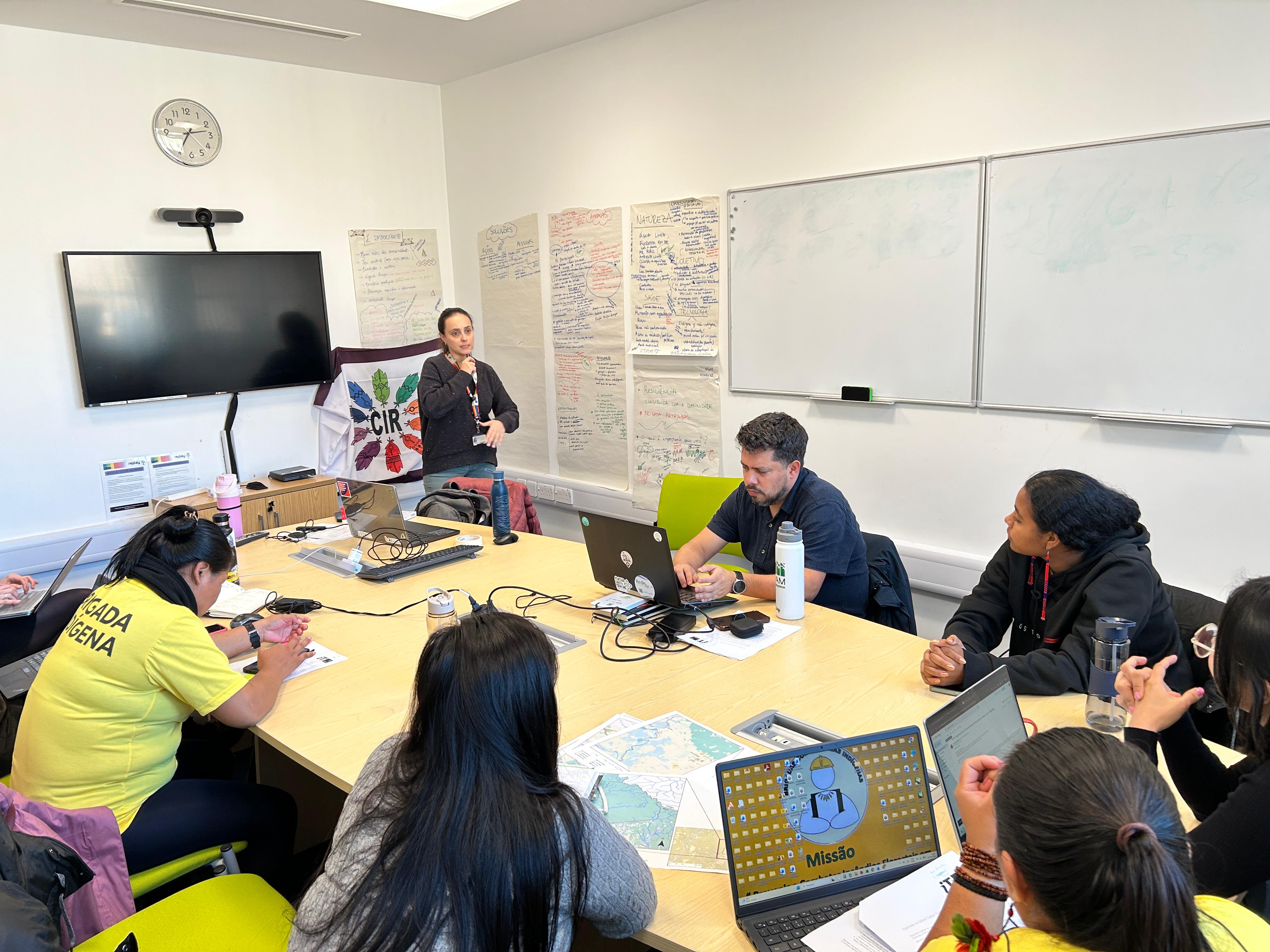
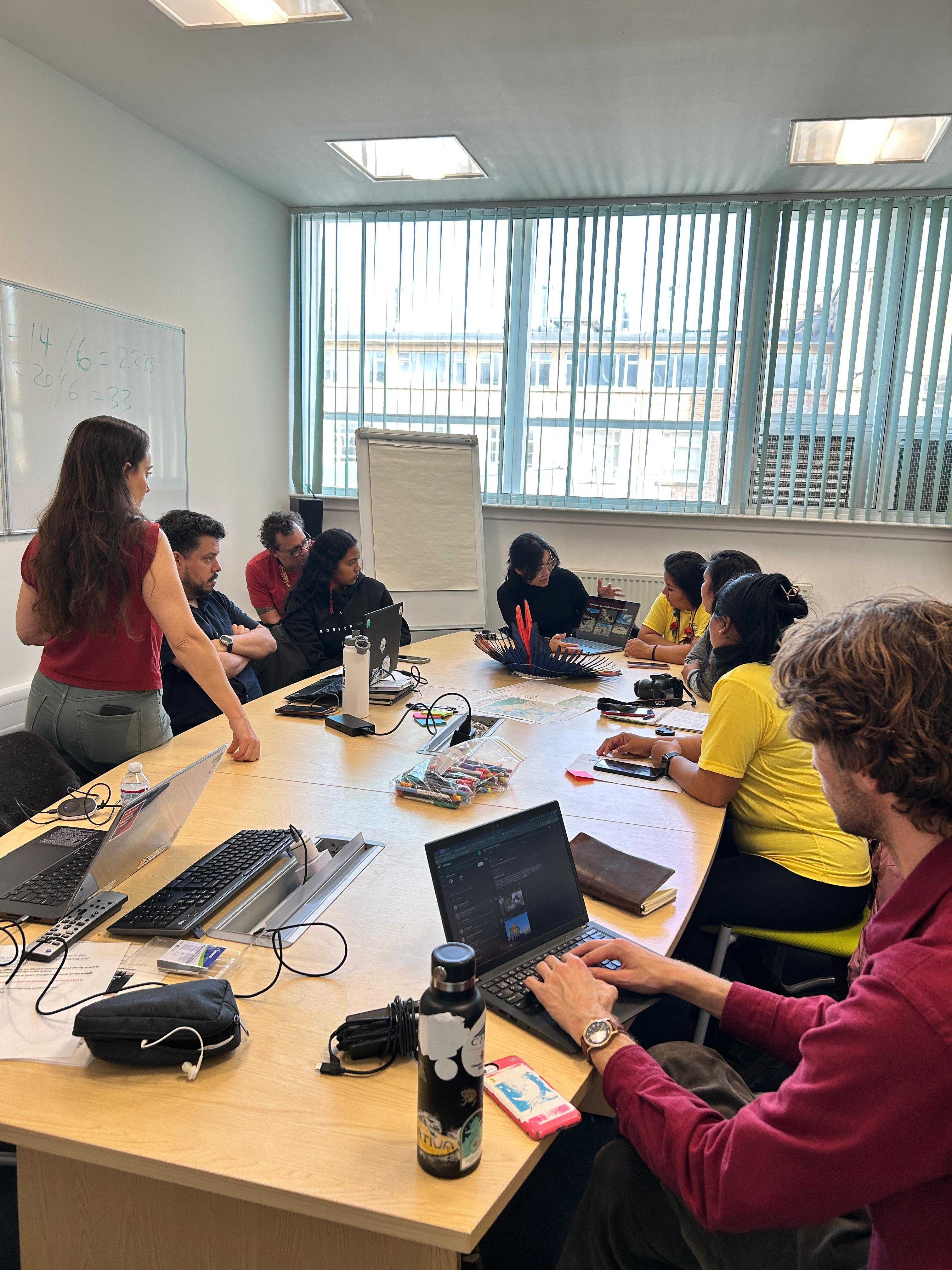
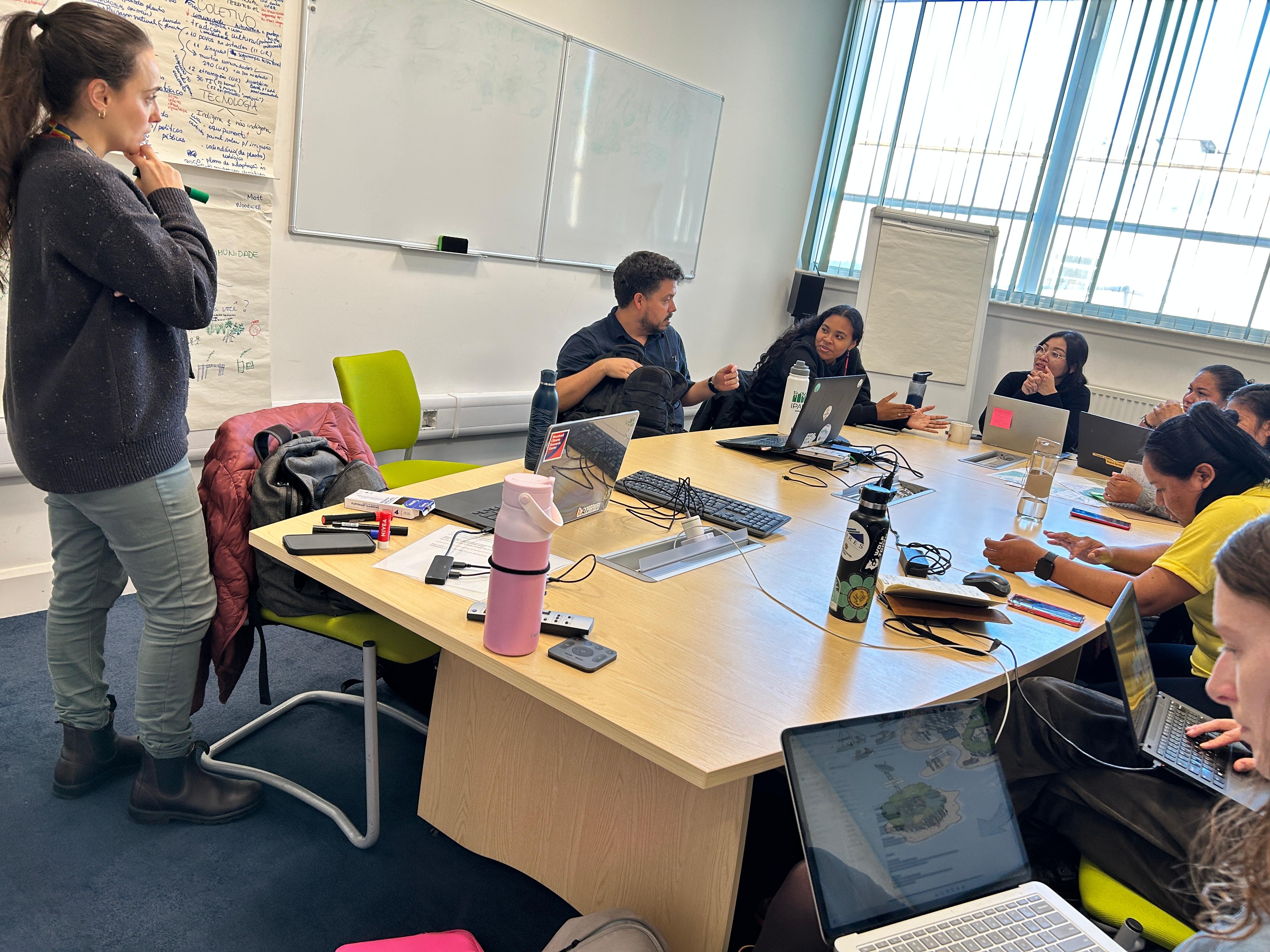
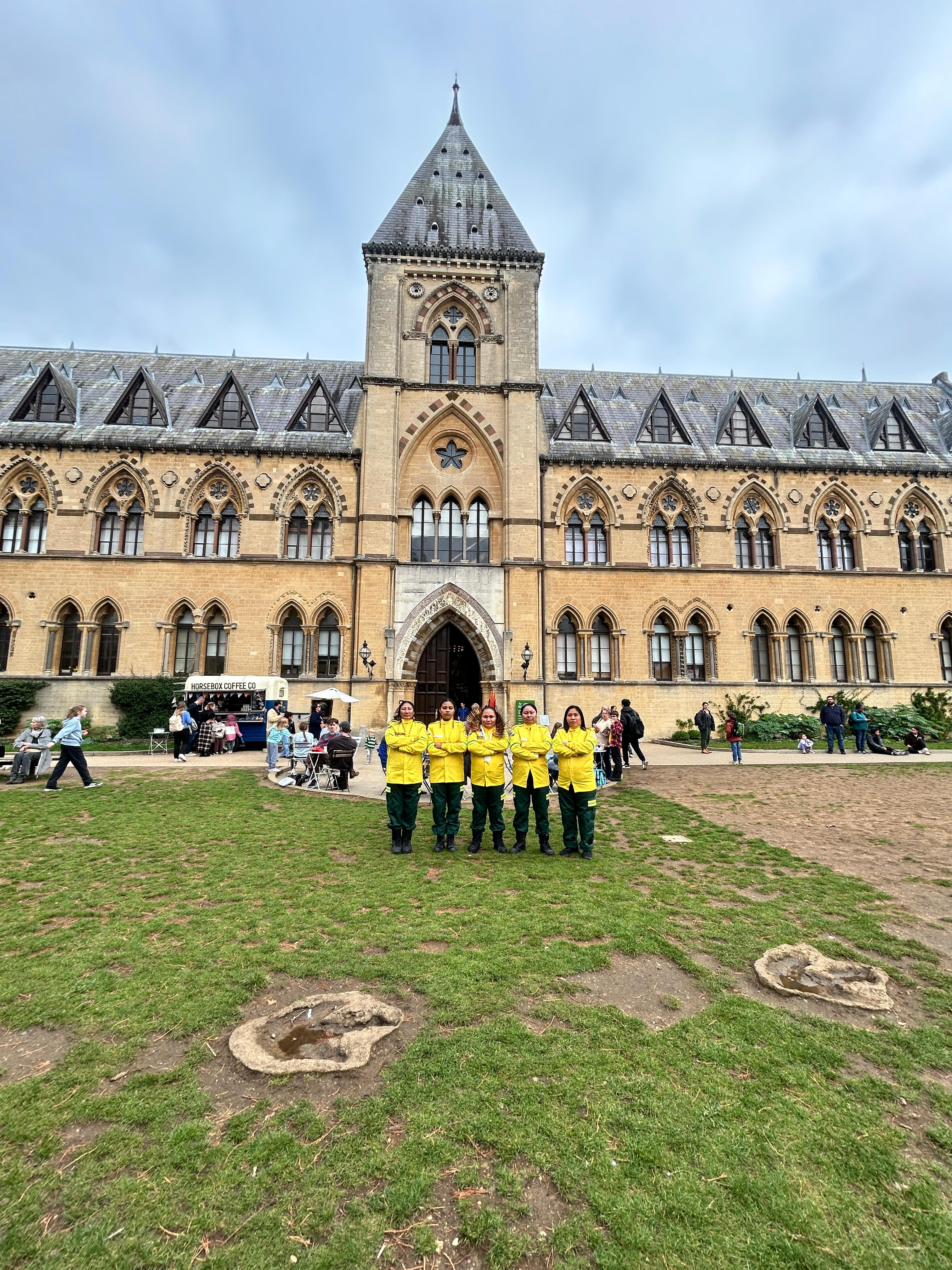
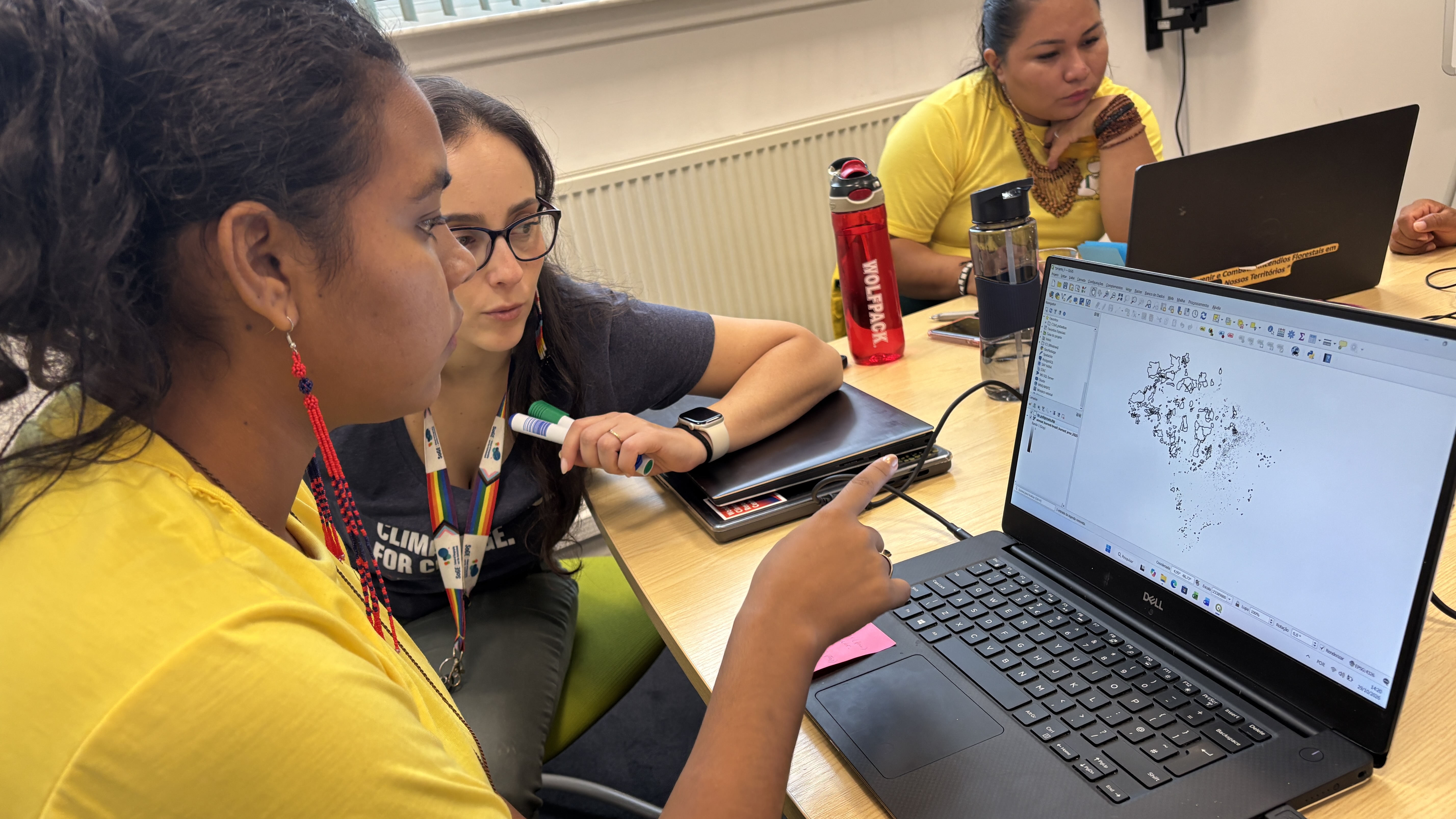
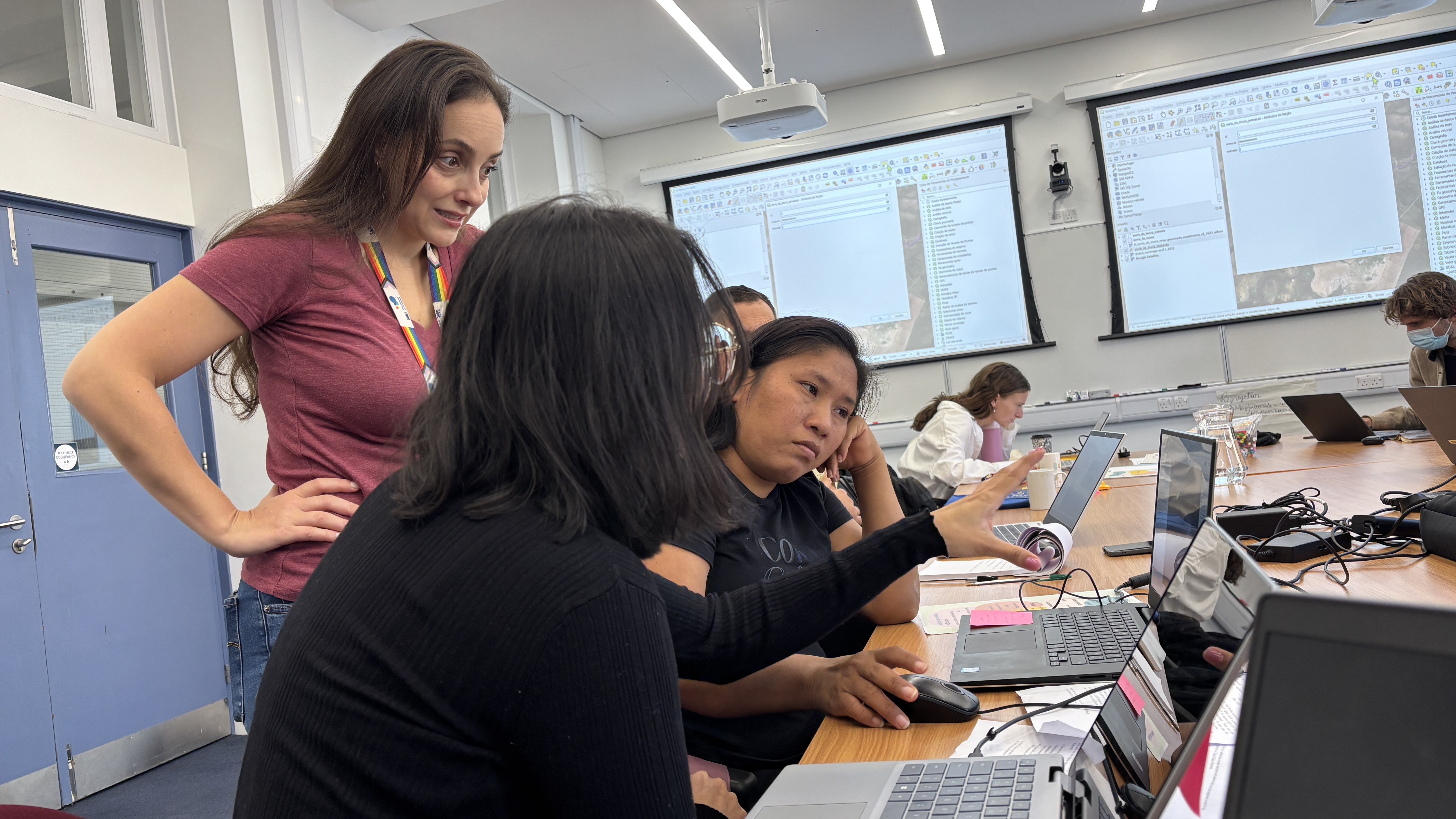
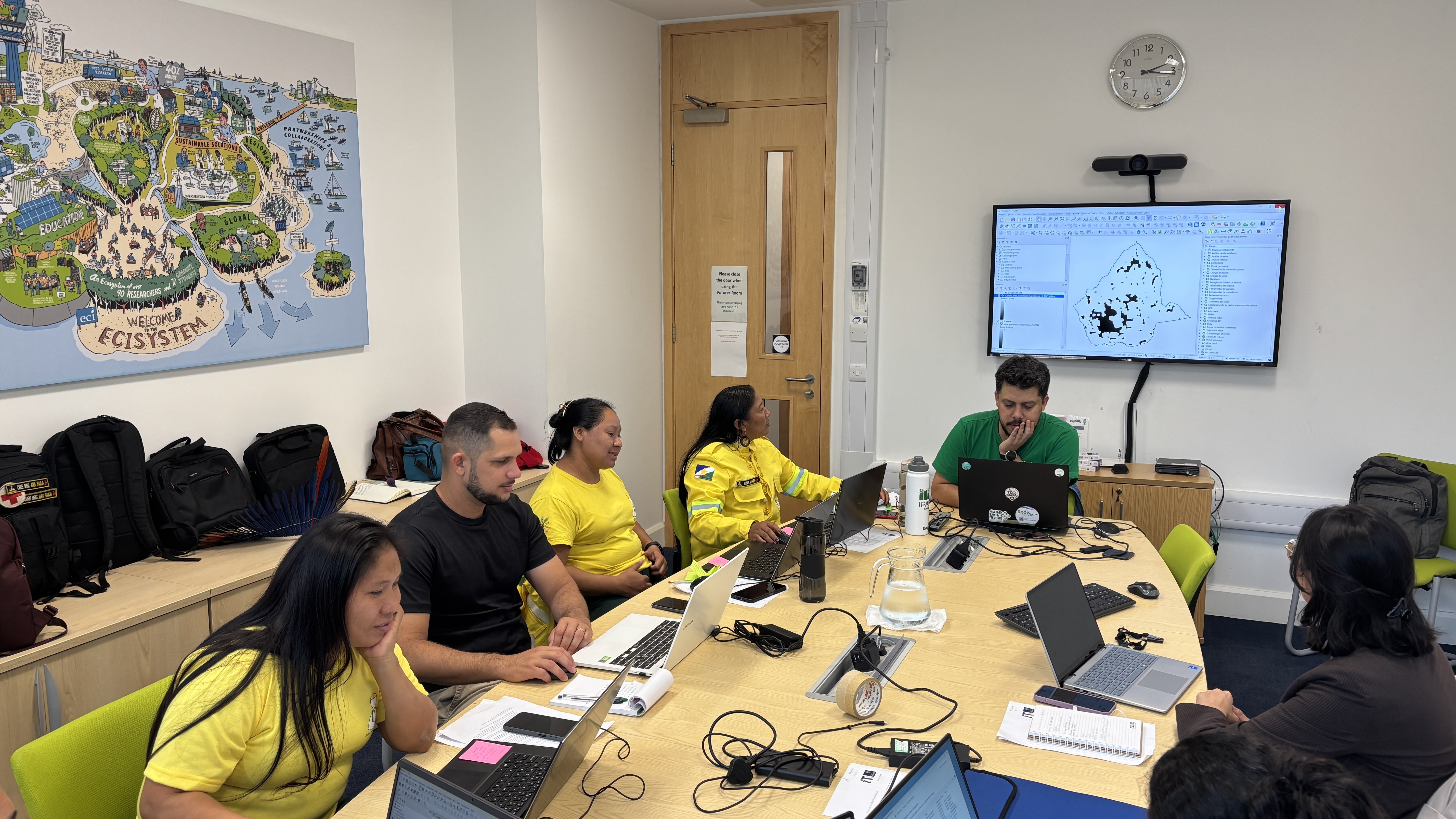
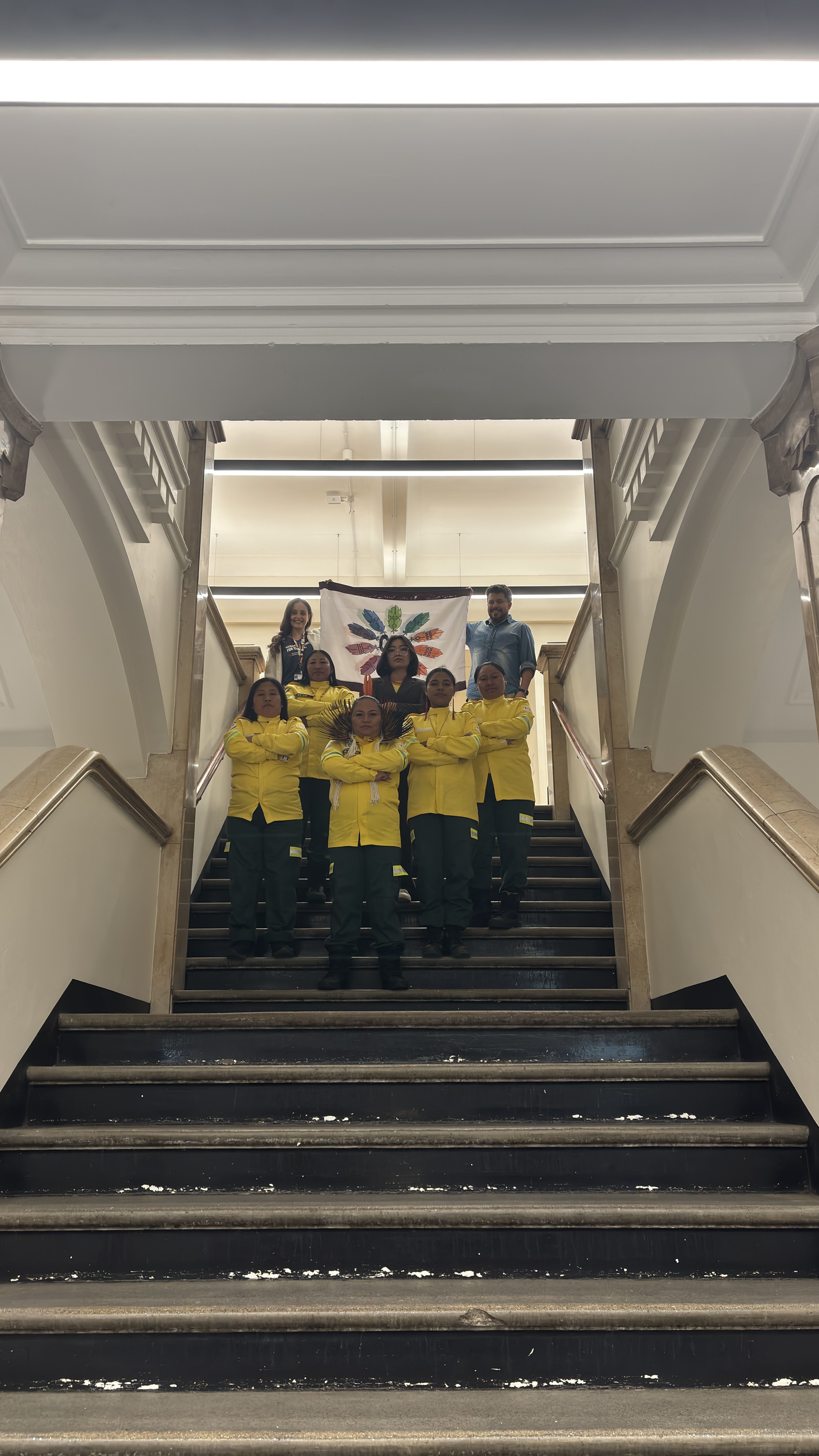
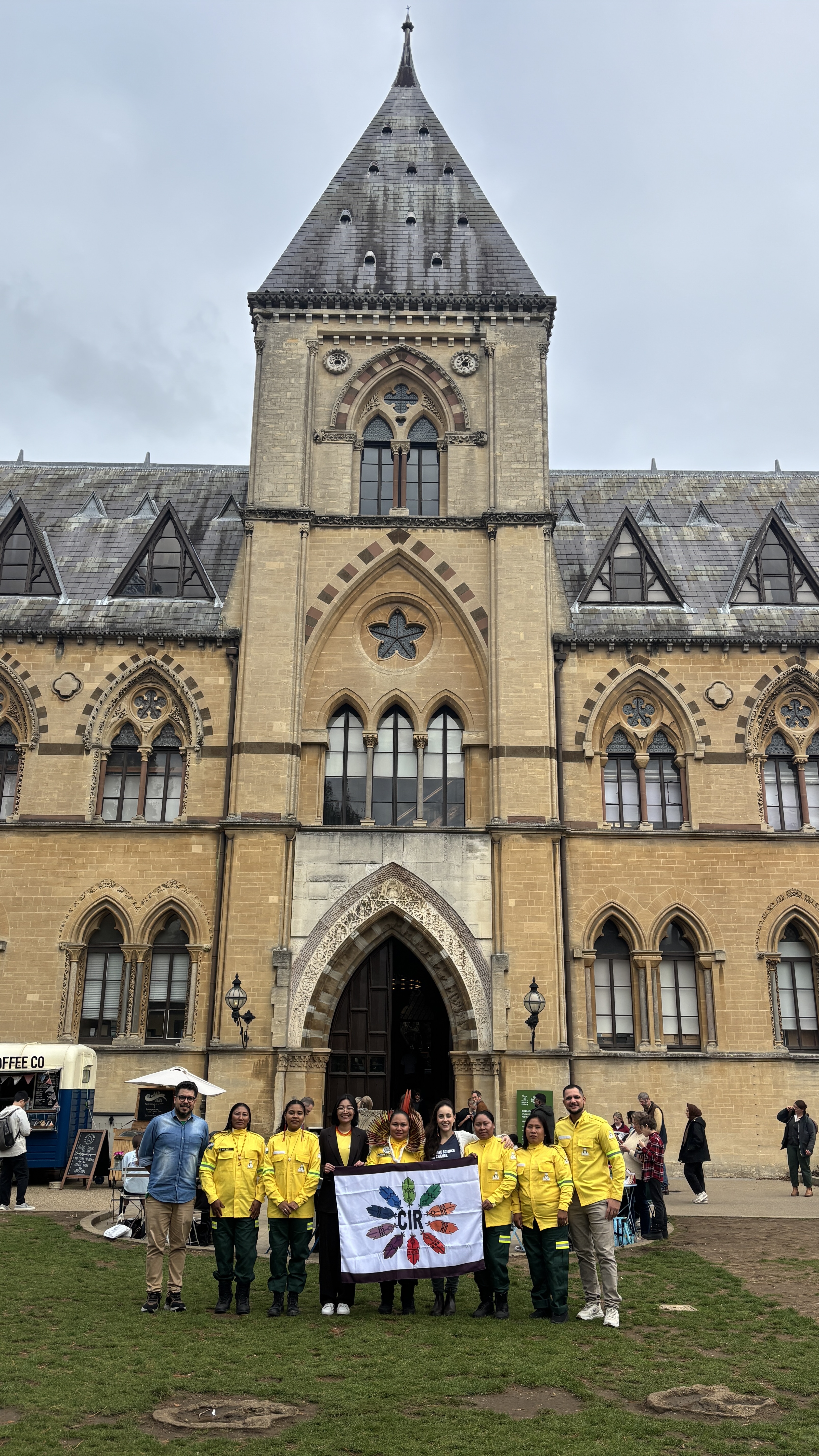
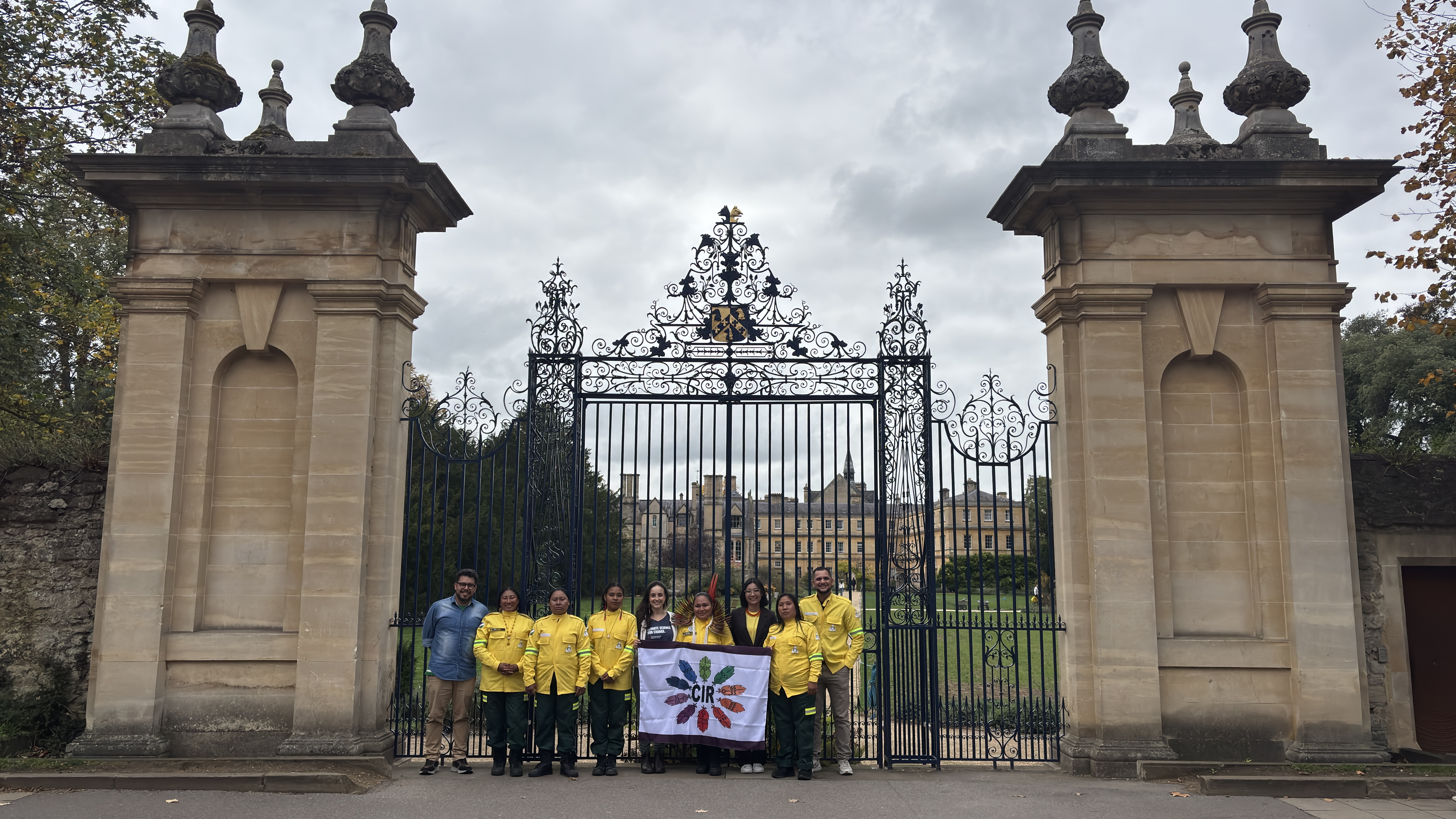
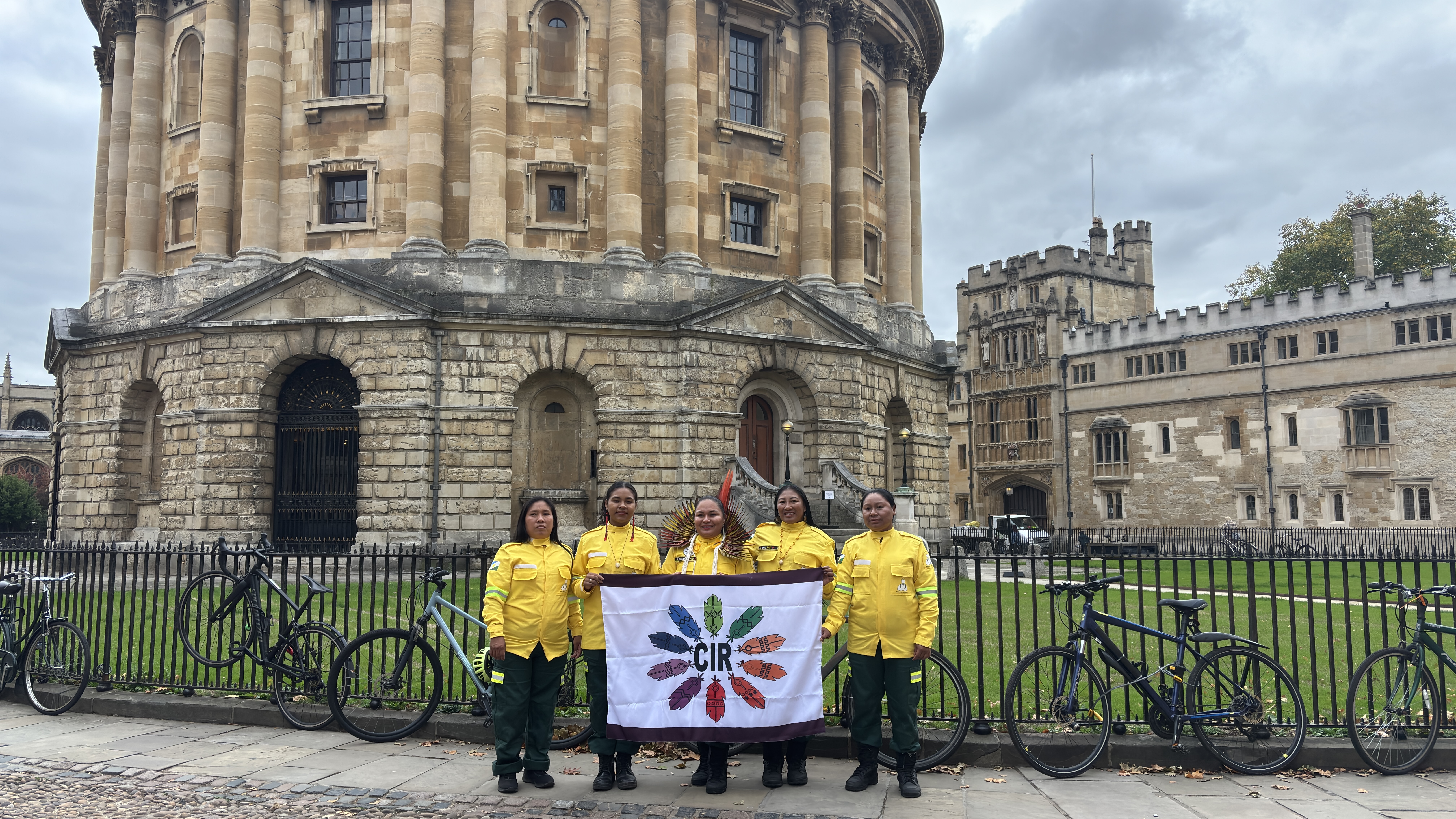
The use of the Geographic Information System makes it possible to gather, organize, and analyze information about territories. In practice, these tools can help identify areas vulnerable to fires, monitor the occurrence and evolution of fires, map affected areas, and plan prevention and combat actions. When associated with traditional knowledge and the experience of communities, they also contribute to indigenous peoples themselves expanding their autonomy in the management and monitoring of their lands.
Indigenous lawyer Fernanda Félix is also part of the delegation and participates in the training. For her, the initiative strengthens the dialogue between indigenous peoples and scientific institutions, in addition to highlighting the role of women in the defense of territories.
"It is important to highlight that the initiative strengthens the exchange of knowledge between indigenous peoples and scientific institutions, contributing to expanding strategies for preventing and coping with forest fires in the Amazon. The participation of indigenous women also highlights the role of firefighters in the defense of territories and in the construction of responses to climate challenges", says Fernanda Wapichana.
The initiative was conceived by scientist Dr. Manoela S. C. Machado and has the participation of researchers and professionals, including Dr. Ray Pinheiro, scientist at the Amazon Environmental Research Institute (IPAM); Dr. Kylen Solvik, scientist at Columbia University; and Delaney Demaret, project coordinator at Oxford.
Among the participants in the exchange are four indigenous firefighters: Aniaci Wai Wai, from the Wai Wai region; Khysila Kallyny Wapichana, from the Murupu region; Marivalda Tomaz Wapichana, from the Alto Cauamé region; and Rosilaine da Silva Macuxi, from the Surumu region. The delegation also includes Ana Paula Levi, from the Wapichana people, coordinator of Brigades at the CIR, and Fernanda Félix, from the Wapichana people and lawyer for the institution. The CIR is also represented by Ayrton Cláudio, environmental assistant at the Department of Territorial, Environmental Management and Climate Change, coordinated by Sineia do Vale.
The training began on October 23 and will end this Friday (November 6). After the program at the University of Oxford, the group will head to Antalya, Turkey, where it will participate in activities related to the 31st United Nations Climate Change Conference (COP31).
Proofreading: Helena Leocádio
Photos: Sarah Ruiz