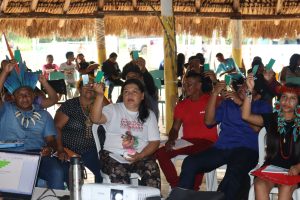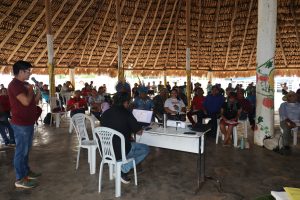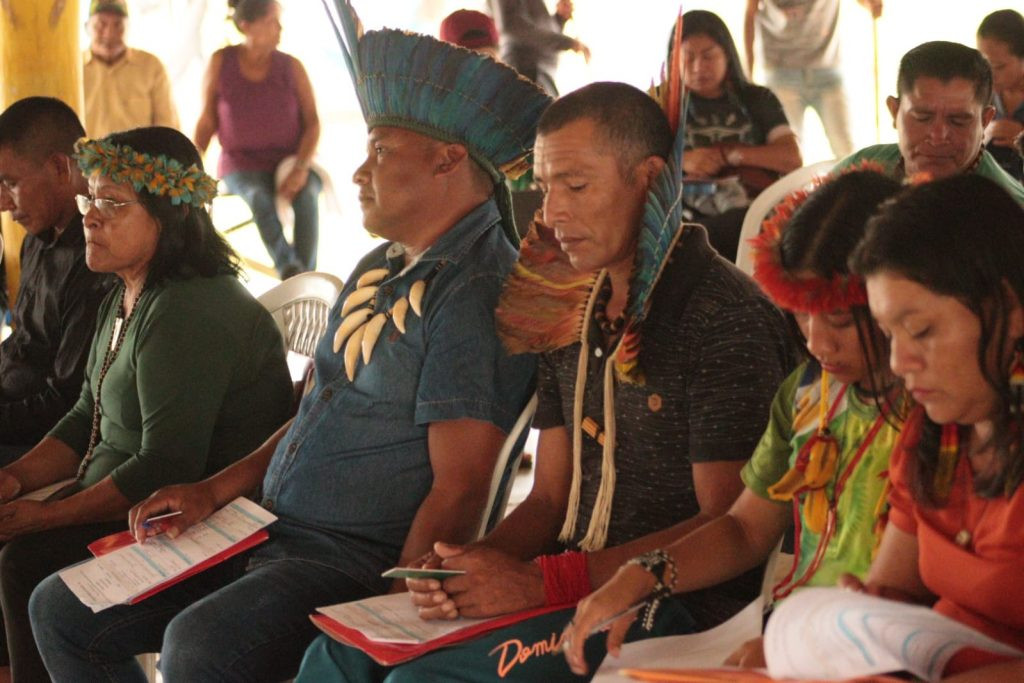
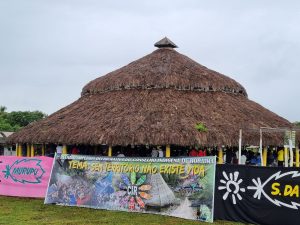
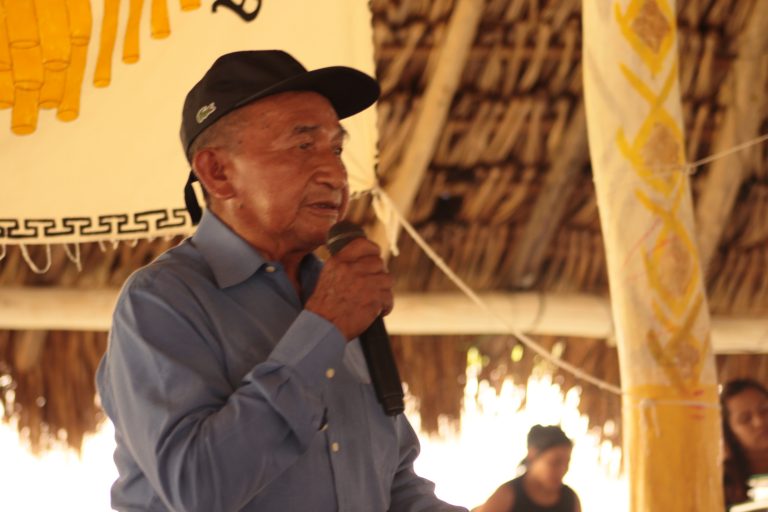
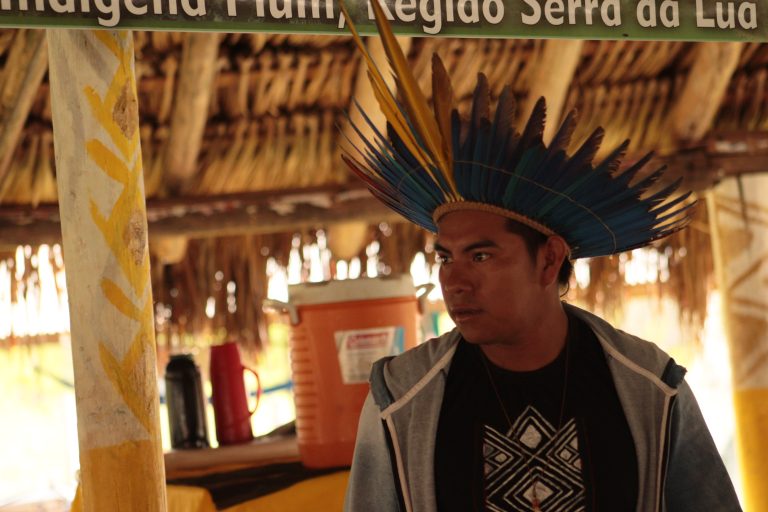
With the theme "without territory there is no life", the Indigenous Council of Roraima (CIR), promoted the I Expanded Deliberative Meeting, in the Pium indigenous community, in the Manoá-Pium indigenous land, Serra da Lua region, municipality of Bonfim, border with Guyana. Held last week, 4 to 6, the Expanded brought together members, advisors, coordination, departments, leaders and guests.
The Extended Meeting is a deliberative body of the CIR intended for debates, accountability, evaluation and deliberations of actions aimed at indigenous communities and the organization. Two meetings are held a year, one in the first half and the other in the second half of the year.
"It is an important body in the organizational chart within the organization. Ampliada was born to be a supervisory body that monitors all the activities of the institution, especially the general coordination of the CIR, which is a collegiate", clarified the coordinator.
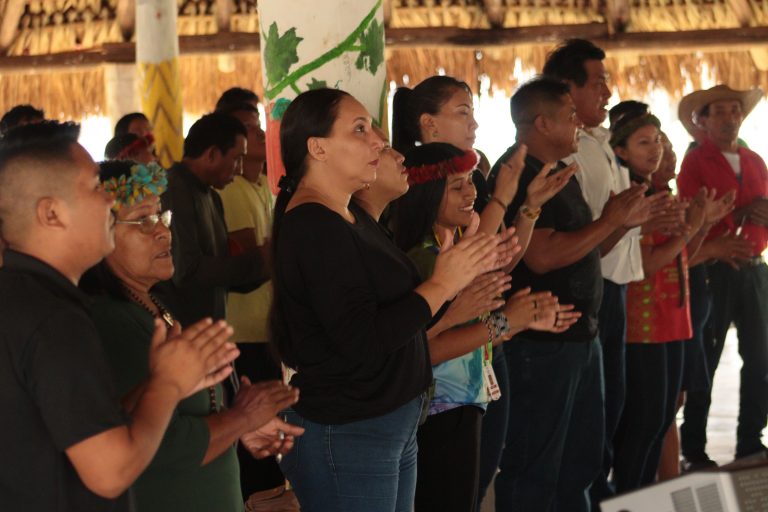
With three days of programming, debates took place on the "malocão policy", "indigenous health and education", "analysis of the conjuncture – Time Frame", "territorial and environmental protection". The debates were attended by indigenous organizations, the Organization of Indigenous Teachers of Roraima (Opir), the Organization of Indigenous Women Roraima (Omir), the Hutukara Yanomami Association, the Coordination of Indigenous Organizations of the Brazilian Amazon (Coiab) and the Union of Indigenous Women of the Brazilian Amazon (Umiab), in addition to representatives of the institutions, regional coordination of Funai/RR, the Special Indigenous District of Eastern Roraima (Dsei-Leste/RR), the Diocese of Roraima, the National Foundation of Indigenous Peoples (Funai) and Femarh/RR.
The departments of Communication, Administrative and Financial, Territorial and Environmental Management, Youth Center, Projects, Legal, Emergency, Women and Executive Coordination, also provided information on the activities developed in the communities.
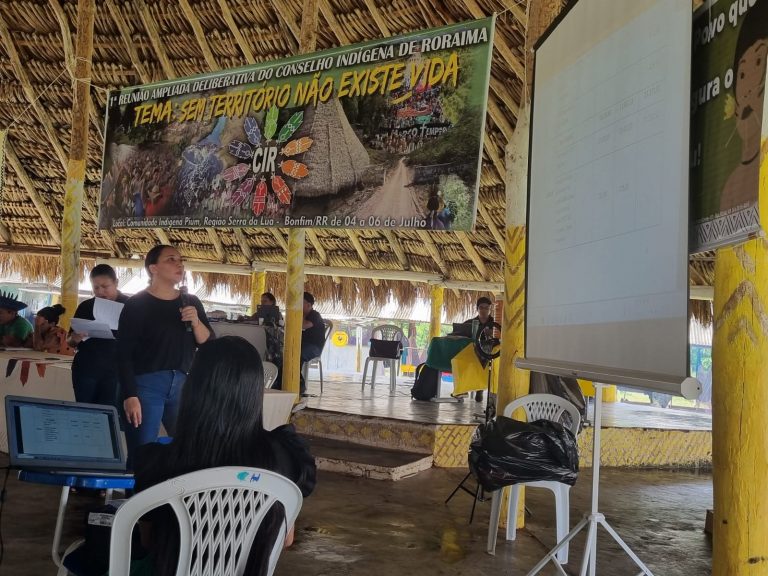
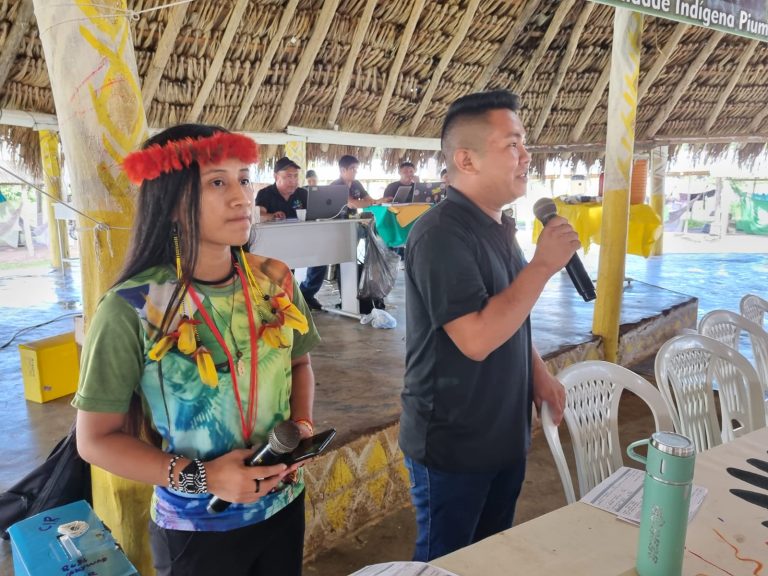
On the occasion, leaders from the ethnoregions, Murupu, Baixo Cotingo, Amajari, Serra da Lua, Surumu, Serras, Raposa, Alto Caumé and Tabaio presented regional information on the data of indigenous communities regarding the population, sustainable projects, health and education, in addition to the challenges with invasions, such as illegal mining, non-indigenous people in the territory, agribusiness, environmental pollution and other problems.
The Tuxaua of the Morcego indigenous community, Leirijane Macuxi, stressed that each organization present in the expanded is the sum of the other, and that the indigenous leaders are the strengthening of the bases.
"The indigenous movement is a school, and I am in front of leaders that I am proud of and respect. It is important to participate in these moments, because we tuxauas take to our bases, the learning and discussions that we have here," concluded the tuxaua.
The Coordinator of the CIR, Edinho Batista, reinforced the importance of the organization, being an institution recognized worldwide for the struggle in defense of the rights of native peoples, and has served as an example and support for other indigenous organizations.
"50 years ago, we did not have an organization that fought for us, and today we are here, fighting for our rights as indigenous peoples. The policy of the Indigenous Council of Roraima is one of respect and dignity. The position of the CIR is to defend lives, and we are in an era of live or die. While we are gathered here, our Yanomami brothers are dying and in Congress they are voting on projects that affect our lives," said the coordinator.
The president of the National Foundation of Indigenous Peoples (Funai), Joenia Wapichana, and the president of Hutukara and Yanomami leader, Davi Kopenawa, participated in the last day. In their speeches, they reported the sad situation that the Yanomami people are experiencing in the fight against illegal mining. The president reinforced that the operation to combat mining continues in the territory, with the presence of the Army and other federal agencies in the region.
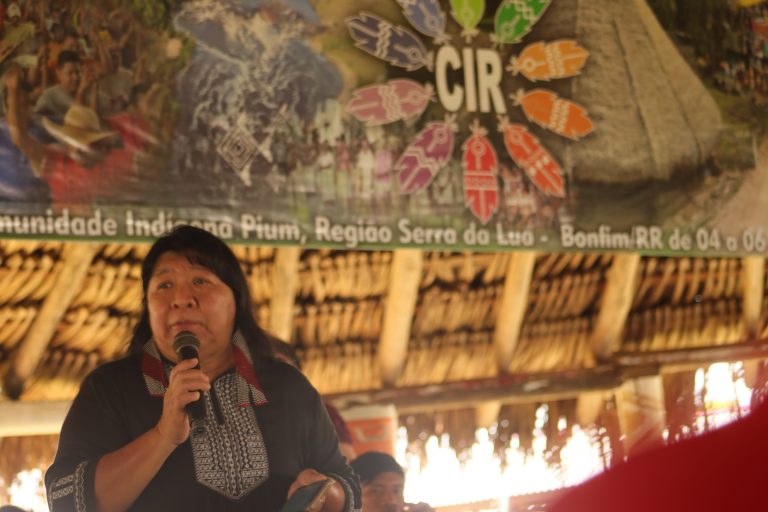
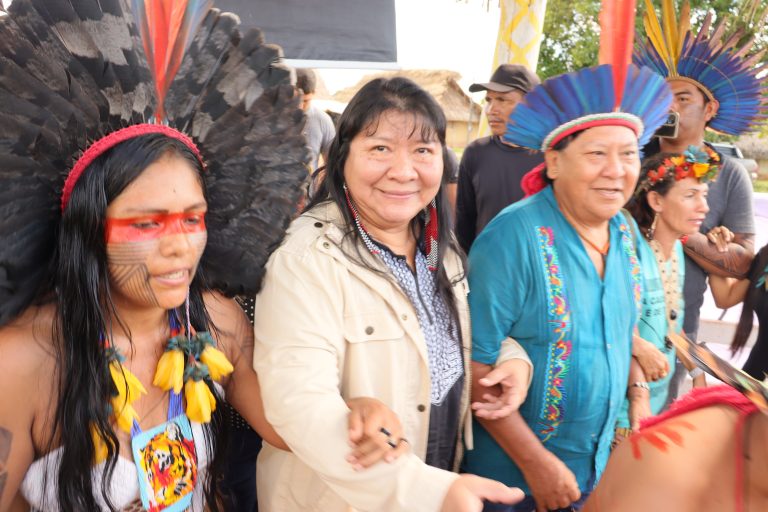
She took the opportunity to congratulate the CIR for its work with the indigenous movement of Roraima and reinforced that the indigenous people are experiencing a historic moment being the first time that an indigenous woman occupies the position of president of Funai.
"Today we are in the government that gave the indigenous people the opportunity to occupy these spaces. In the history of Brazil, there has never been an indigenous president of Funai. I have been at the helm of the institution for five months, but there is still a lot to do in this restructuring. I saw that Funai was scrapped by the Bolsonaro government and the agency has a budget that does not meet the needs of indigenous peoples," he said.
On the last day, the proposals debated over the three days of Ampliada were also deliberated and approved by the councilors. 20 proposals were approved, such as: the creation of the indigenous fund with the name "Rutu" – Jamanxim in the indigenous Macuxi language; the Technical Cooperation Agreement between the CIR and FUNAI; the reactivation of monitoring bases in strategic areas to strengthen the territorial and environmental protection of indigenous lands; and other approvals. They approved the holding of the second Expanded meeting in the Arapuá community, Alto Cauamé region.
Letter from the Amplified
In the final letter of the Ampliada, approved, the councilors repudiated the attacks against the Yanomami people, specifically, the last one on July 3, and demanded an investigation and punishment of the culprits, in addition to a permanent operation that definitively combats illegal mining in the territory.
The letter reinforces support for representatives of institutions such as the National Foundation of Indigenous Peoples (Funai) and the Special Indigenous Sanitary District of Eastern Roraima (Dsei-Leste), and in the state's education sectors, repudiation of any maneuver and disrespect for the current indigenous management. The councilors asked for respect and permanence of the representatives appointed by the indigenous movement of Roraima, without political interference.
They also repudiated the action of the state government, which has taken projects to indigenous communities without prior consultation, such as the "grain project" aimed at the production of soybeans and other transgenics. They pointed out that the indigenous peoples of Roraima have their own sustainability and work to continue advancing and executing projects that value and strengthen indigenous family farming based on organic products.
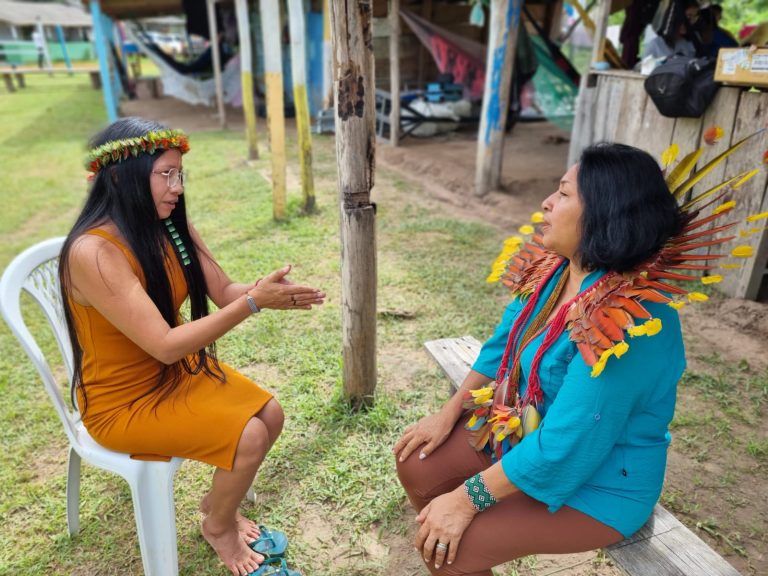
The environmental manager and coordinator of the Environmental and Territorial Management Department (DGTA) of the CIR, Sineia Bezerra do Vale, from the Wapichana people, who has been working in the organization for more than 30 years, received recognition from Ampliada for all her trajectory and dedication to indigenous communities, especially the agendas on climate change, territorial management and environmental preservation.
Recently, Sineia, also recognized as a climate leader, took over the national coordination of the Climate Change Steering Committee.
The members ended with the reflection, "We are a secular indigenous movement, with more than fifty years, and so we will continue to resist for the defense of our rights and also for our lives, acting in the present and planning for the future".