
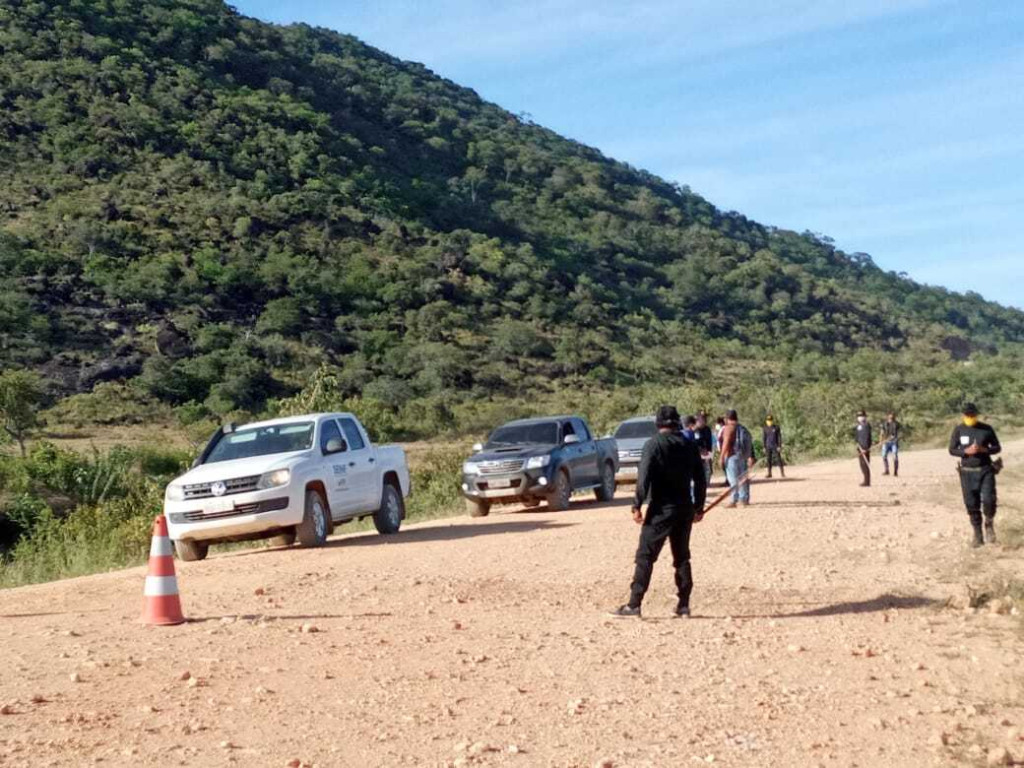
Leaders of the Serras region of the Raposa Serra do Sol Indigenous Land reactivated for an indefinite period the Surveillance and Monitoring Post April 26, 1977, located near the bridge over the Urucuri River, in the municipality of Uiramutã.
The reactivation, carried out on March 1, took place by community decision of the region's leaders who are concerned about the increase in invasions of the territory, mainly because of theIllegal mining. The measure also aims to combat theIllicit trade in alcoholic beverages, drug trafficking and the enticement of indigenous people.
With the reactivation of the post, which operates from 6 am to 9 pm, teams from the Group for the Protection and Surveillance of Indigenous Territories (GPVIT) carry out identification and inspection of vehicles that pass through the site, except in cases of health emergency. Outside these hours, only official vehicles are authorized to pass after identification and inspection.
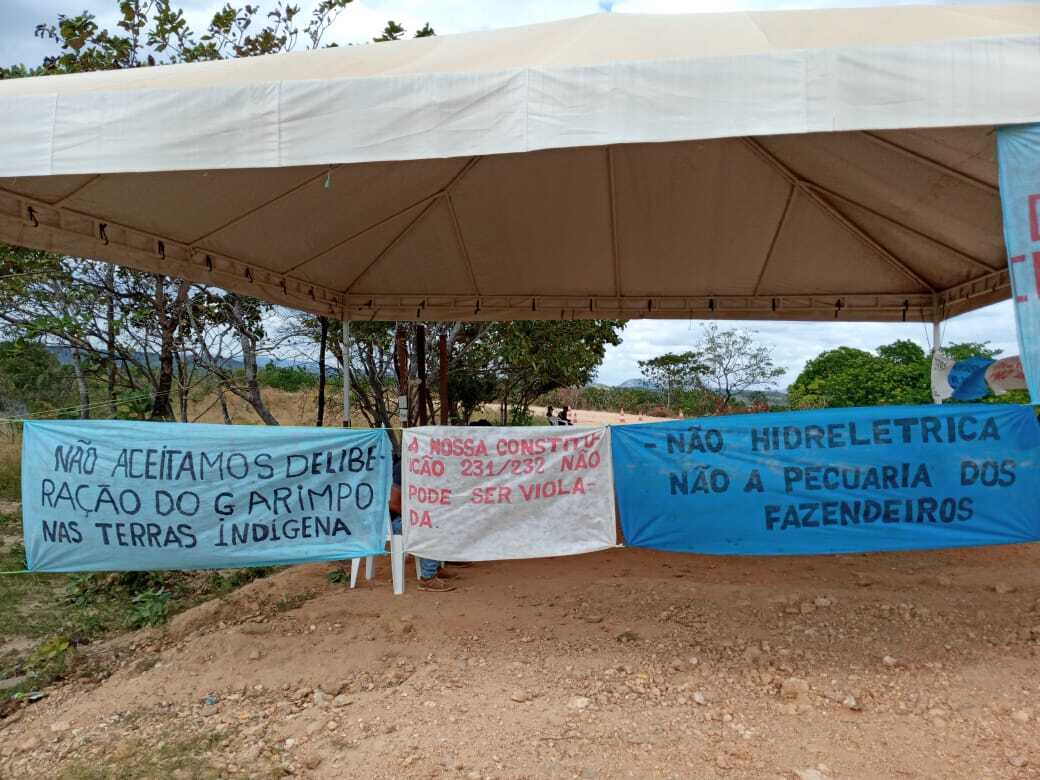
A resident of the São Mateus community and working on the front line of the barrier as a GPVTI, Edinaldo Pereira André, from the Macuxi people, reaffirms the importance of inspection for the territorial protection of the communities of the Raposa Serra do Sol Indigenous Land, which is guaranteed by the Federal Constitution.
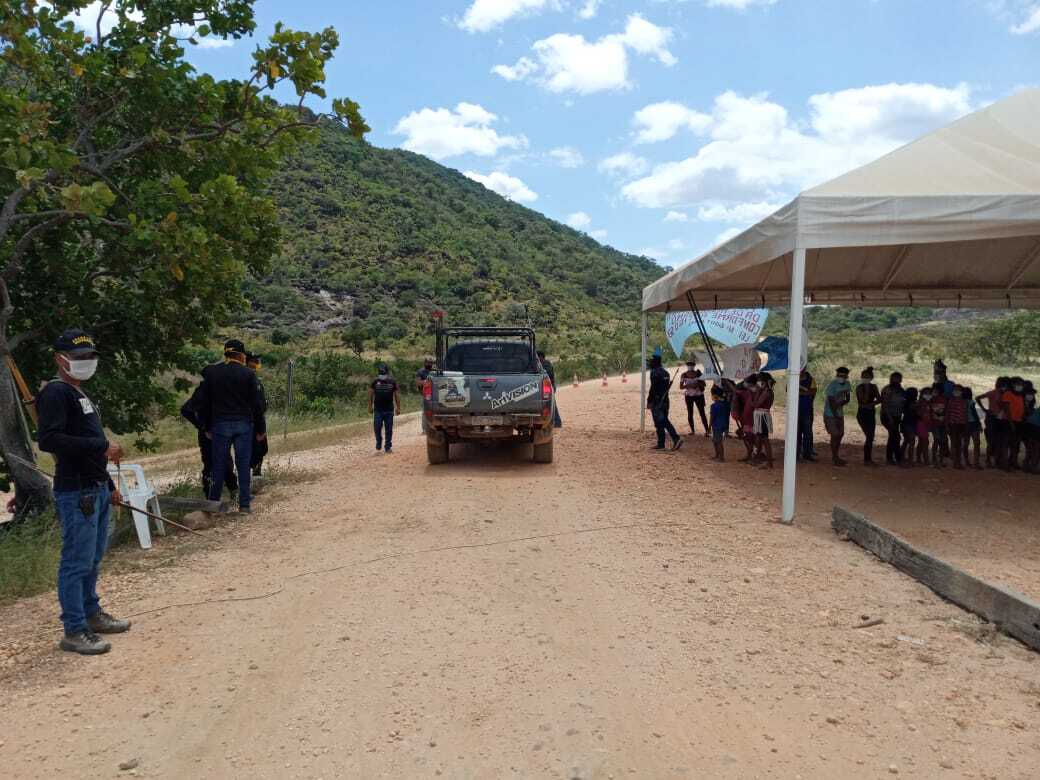
"We are on our land, guaranteed, homologated and federal, state and municipal agencies need to understand this and support us. Our work, which is done with safety, respect and education, because we don't want them to do anything with our land," he said.
The increase in illegal mining in Raposa Serra do Sol has been denounced by leaders who are also suffering death threats. In the Raposa region alone, the Indigenous Council of Roraima (CIR) estimates the presence of 2 to 3 thousand illegal miners, who have been exploiting gold with the use of mercury and machinery.
This is the first time since the demarcation, 12 years ago, that Raposa Serra do Sol has faced the emergence of large-scale mining and leaders associate the new gold rush with the expectation of legalization of the activity by President Jair Bolsonaro.
Recently, Law 1,453/2021 authored by the government of Roraima also generated more insecurity in the region. The measure, suspended in the Federal Supreme Court for unconstitutionality, provides for the release of environmental licensing for mining activity in the state, also allowing the use of mercury, a highly toxic metal. The Law had no legal effects on indigenous lands, but this important detail was obscured in popular understanding and the news that circulated was the release of mining throughout the state.
The increase in illegal mining in Roraima in the last two years is also visible. Clandestine activity has been driving growth in the sector of stores selling materials and machinery used in gold and diamond extraction activities in Boa Vista.
On the other hand, the constant threats against indigenous peoples and the State's deficiency in the inspection of indigenous territories have led communities to form their groups of GPVTIs in order to guarantee the security of indigenous lands.
In the 1990s, Raposa Serra do Sol was seriously affected by illegal mining following the eviction of mines in Yanomami Land. Currently, the presence of 20 thousand illegal miners in the Yanomami region is estimated, which in addition to causing environmental degradation, increases the risk of contamination by Covid-19 in the communities.
LETTER-COMMUNIQUÉ-ABOUT-THE-SURVEILLANCE-POST-26-OF-APRIL-ORIGINAL-1-2 (opens in new window)