
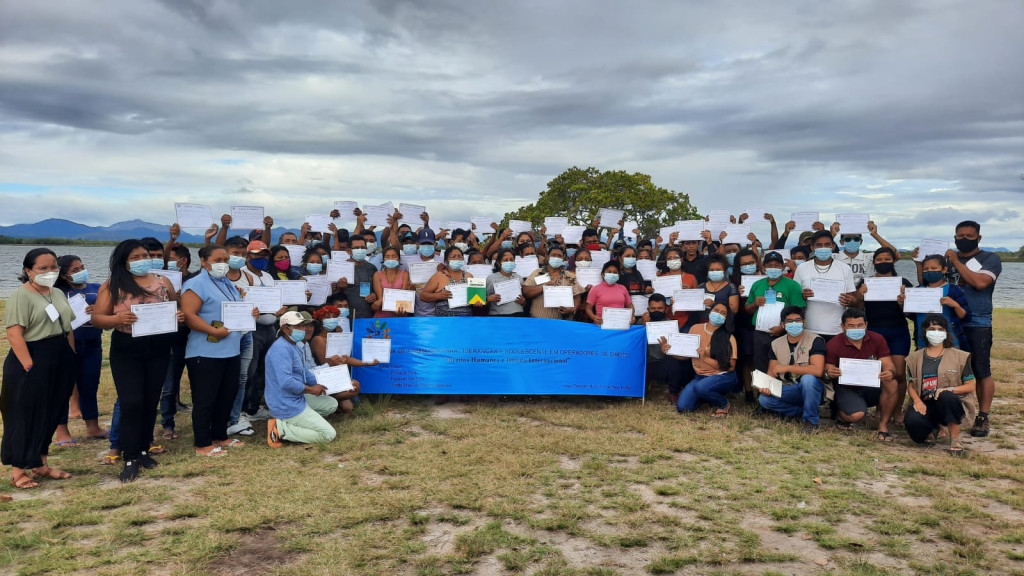
The Legal Department of the Indigenous Council of Roraima (CIR), held the I Training Workshop for Indigenous Youth and Leaders, with the theme: "Human Rights and International Law". The activity took place at the Lago Caracaranã Regional Center, Raposa region, Raposa Serra do Sol Indigenous Land, from March 22 to 24.
The workshop is part of the Operators in Rights program, which the CIR's legal department has coordinated since 2001 in the training of operators to work in their regions and communities. The workshop addressed topics such as human rights, organization of the Brazilian state and basic notions of the constitutional rights of indigenous peoples.
"The operators studied the organization and structure of the State, especially the functioning of the three powers. These are important issues because it is part of the daily life of the community, for example, to understand the role of the executive, in this case the Governor, President and Mayors. What is the role of the deputies, senators and councilors who are part of the Legislative branch. In addition to knowing the structure of the Judiciary. Another subject is the importance of the international treaties and conventions that Brazil has signed and others that have become law, such as ILO convention 169 that deals with the right to consultation. With this information, operators are prepared to debate and dialogue with any body or institution", explained the coordinator of the legal department of the CIR, Junior Niccacio.
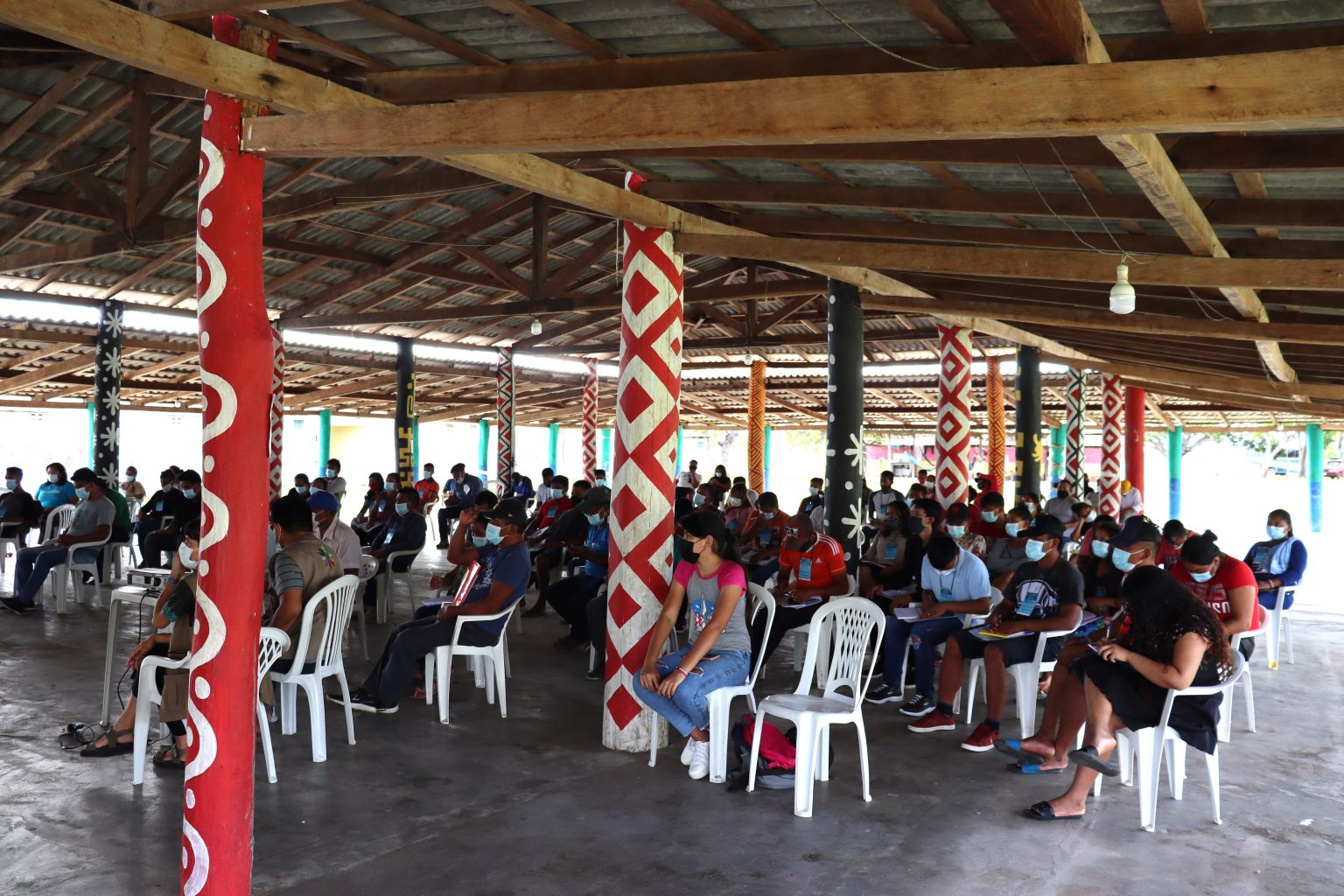
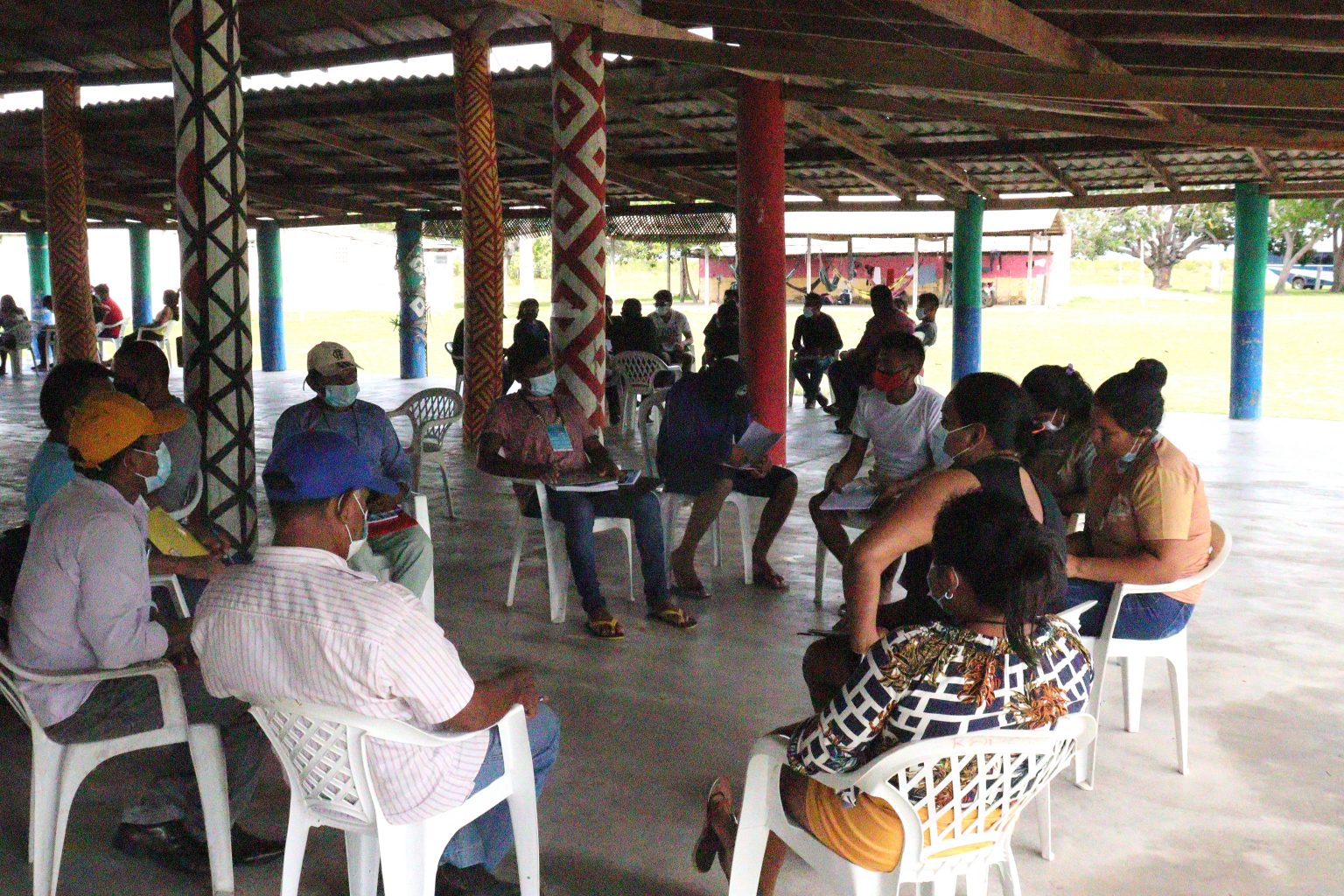
90 people from the following regions participated in the workshop: Raposa, Serras, Surumú, Serra da Lua, Amajarí, Tabaio, Baixo Cotingo and Murupú. In addition to 22 indigenous migrants from the Warao people.
The workshop was also marked by the exchange between indigenous peoples. On the first day, the Life Plan of the Warao people was presented, which is an initiative of the environmental department of the CIR, coordinated by the Environmental Manager, Sinéia do Vale.
Norberio Paredes, tuxaua/aidamo, at the Janokoida shelter in Pacaraima, of the Warao people said that it is very important to participate, to meet people and representatives of indigenous communities. And thus, to know more about rights and duties.
"This space that we are seeing is very important, because we are practically seeing reality. Our situation in Venezuela, there are many cases that violate our human rights, such as mining and mining. They are extracting a lot of gold. This is not fair, they are violating our rights. That is why we are in this formation with our Brazilian indigenous brothers and sisters who are fighting for their lives, for their land and land demarcation," he said.
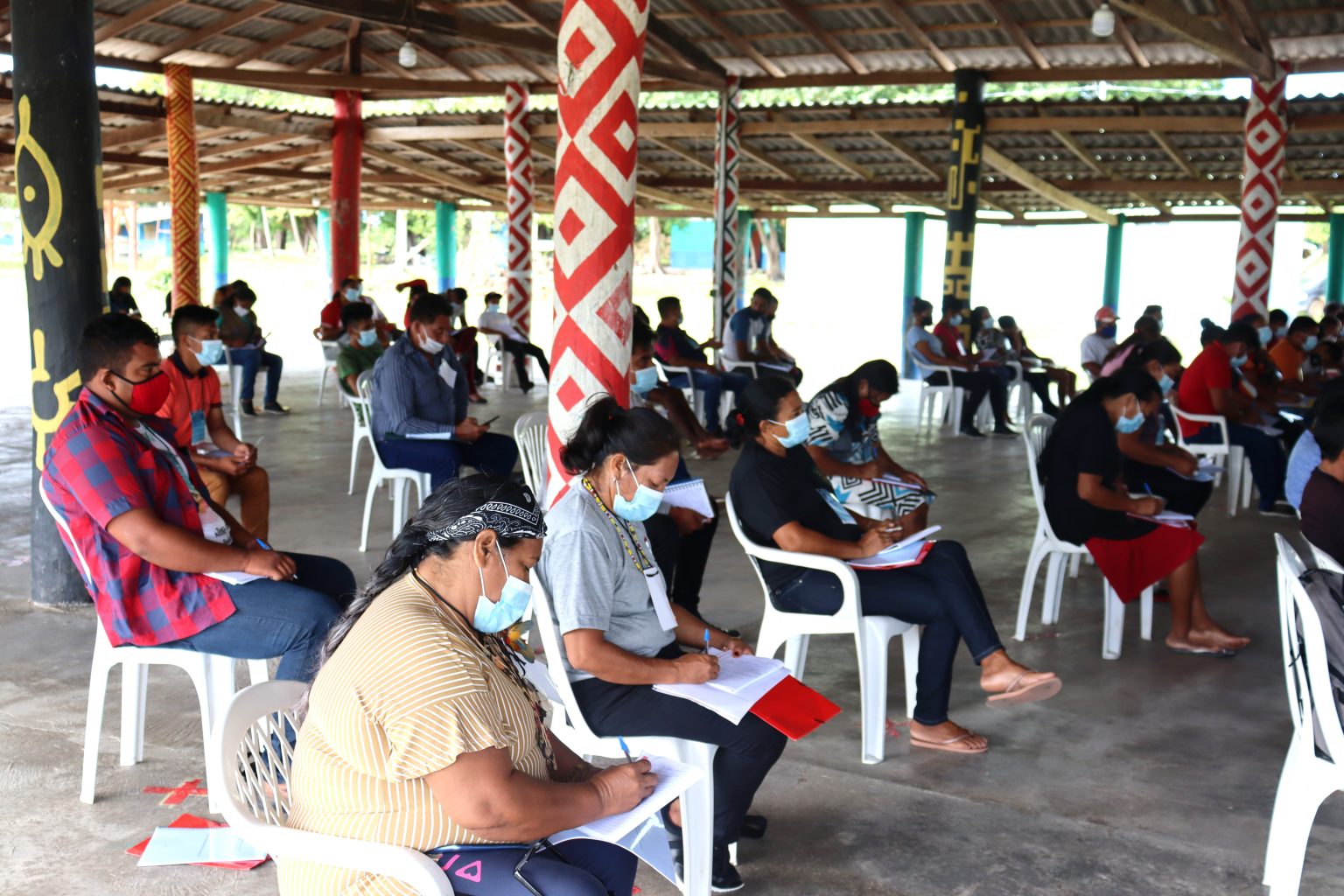
The workshop was attended by women, men and young leaders.
Alexandre Apolinário of the Macuxi people, operator in law and vice-tuxaua of the Boqueirão community, Boqueirão indigenous land, Tabaio region, emphasized that the meeting came to empower indigenous rights. "I acquired this knowledge of our rights that we have, to defend our territories that are being invaded. At all times we see "laws" that keep trying to trample that is guaranteed in the Federal Constitution of 1988", highlighted the leader.
The leader Jailda Teixeira, from the Wapichana people, Barata community, highlighted the training that came to help indigenous peoples more and more. "The workshop came to strengthen our knowledge more and more. Especially because we have been going through every embarrassment, invasions and without being able to defend ourselves. This workshop for us was an ideal point, strengthening each one. We will take it to our bases and pass on to our people what our rights are that we must claim and act on what we have learned here and strengthen within the bases", he reiterated.
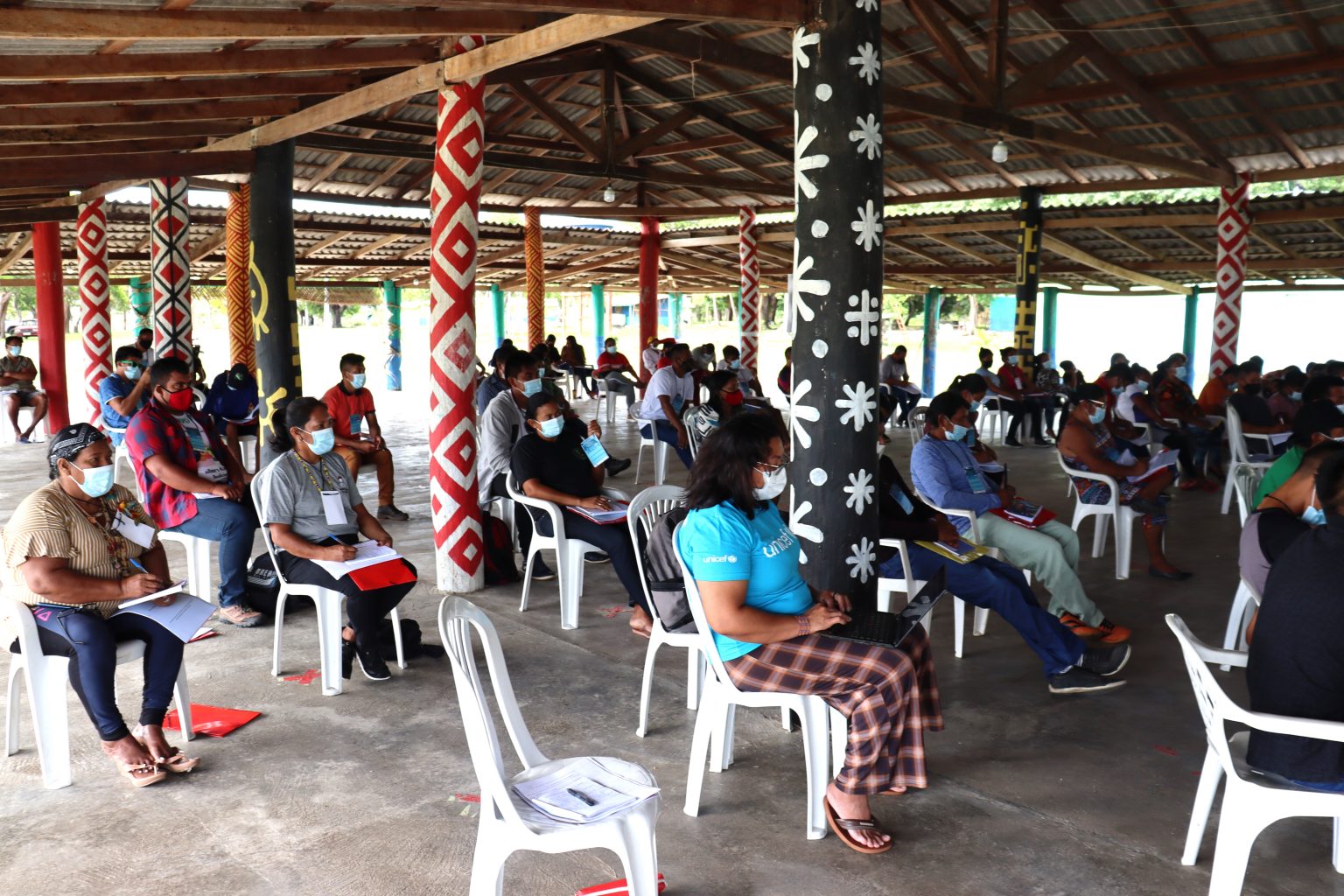
For Léia do Vale, from the Wapichana people, who works at UNICEF with indigenous issues, the workshop is a very important initiative for the indigenous peoples of the state of Roraima and for the indigenous migrants who participated in the Workshop. "It is important to learn about the subject that is being dealt with to strengthen these populations. They are having access to the issue of Brazilian legislation on indigenous peoples, we have also been contributing to the theme of violence against women, talking about the issue of the legal instrument of the Maria da Penha law", commented Léia.
"UNICEF has a partnership with the CIR, it values the organization that has already been working with indigenous populations for 50 years. We are very happy that this partnership has been strengthening and also helping the indigenous migrant population of Venezuela", added Léia.
The Meeting, the result of the "Indigenous Operators in Rights" project, was born in 2001, as an activity of the Legal Department of the Indigenous Council of Roraima (CIR) to help indigenous communities to denounce violations of their rights. Over the years, the meeting has been effective with the holding of several courses and discussions on various topics on indigenous rights. Its purpose is also to strengthen indigenous citizenship and the defense of indigenous rights.
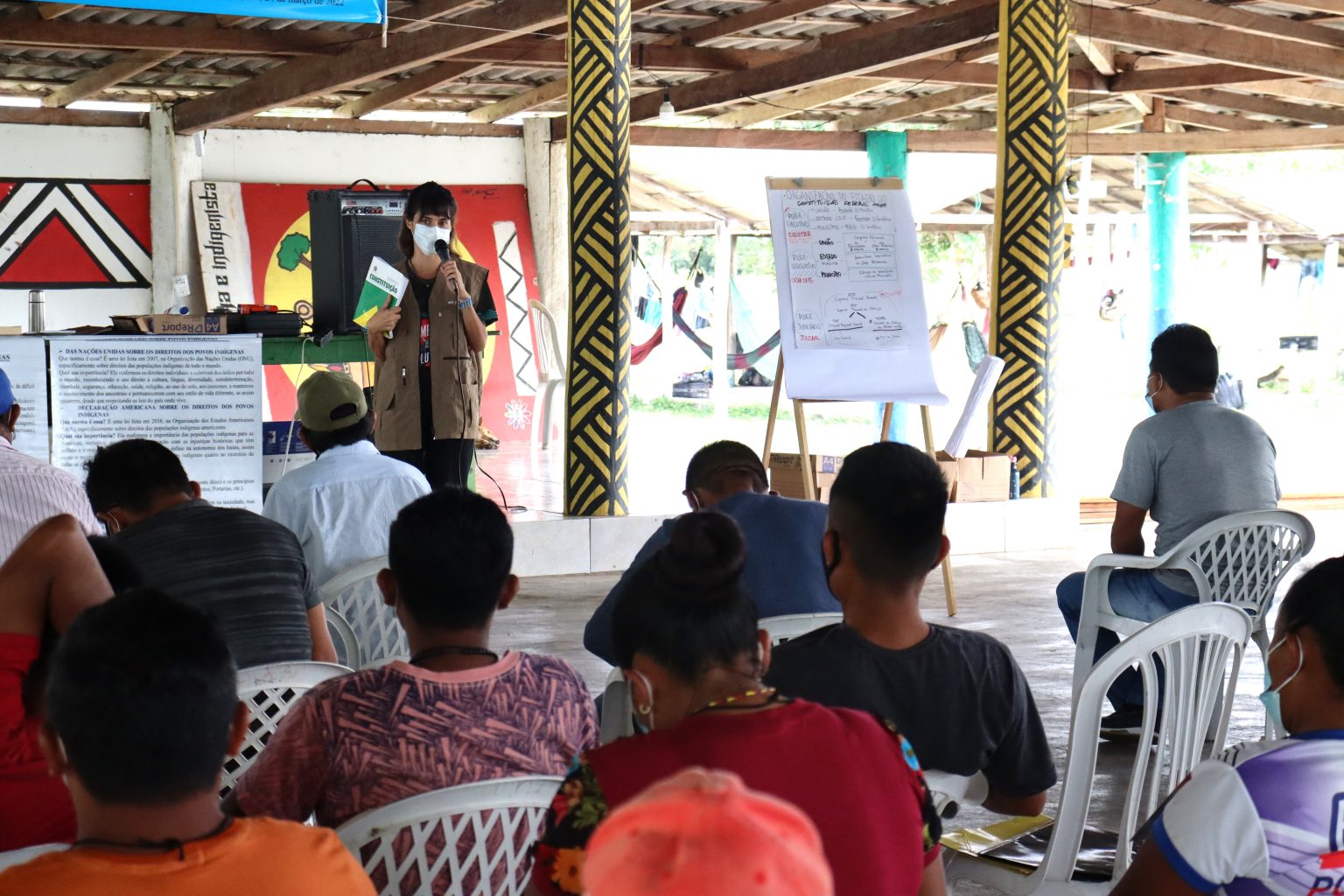
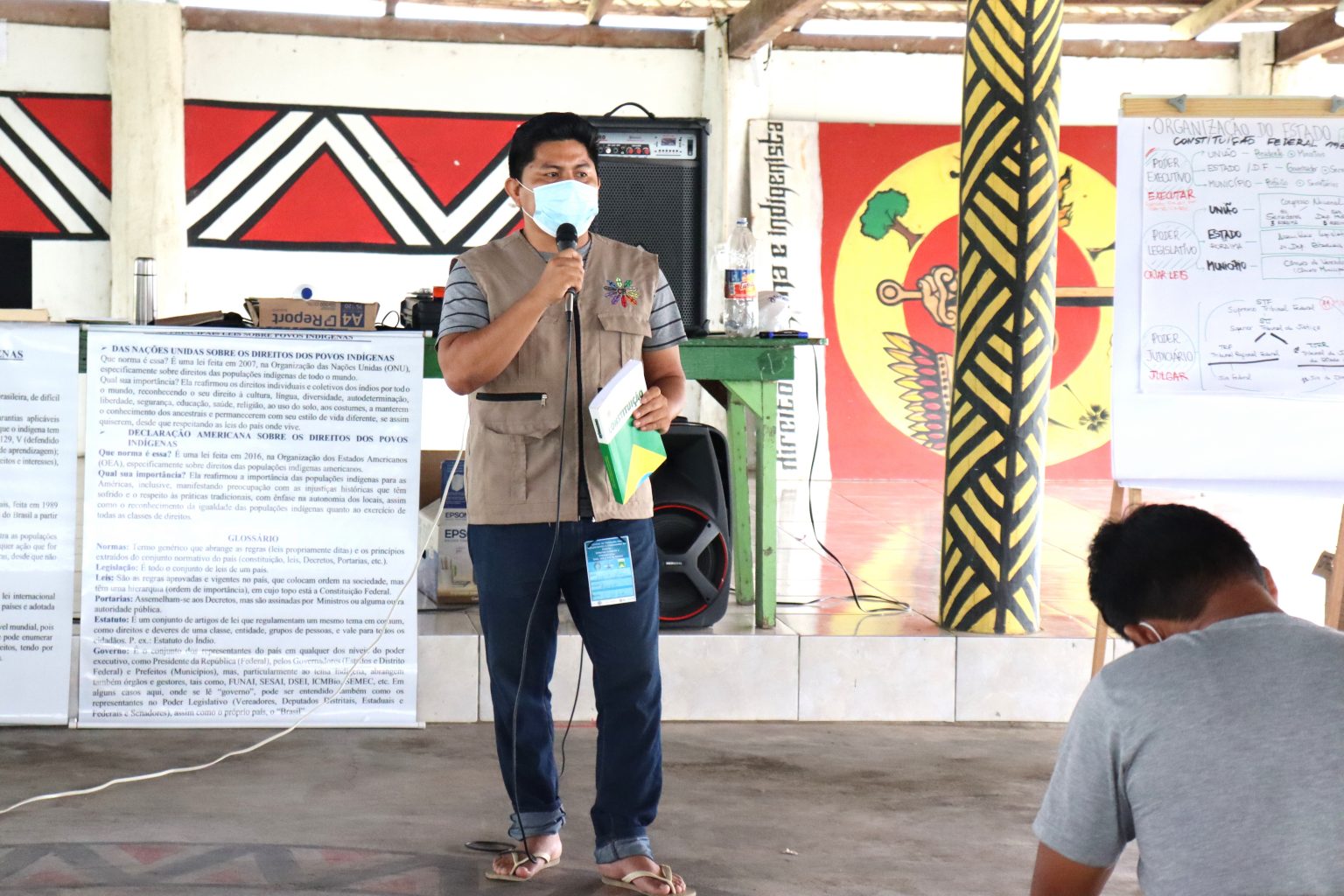
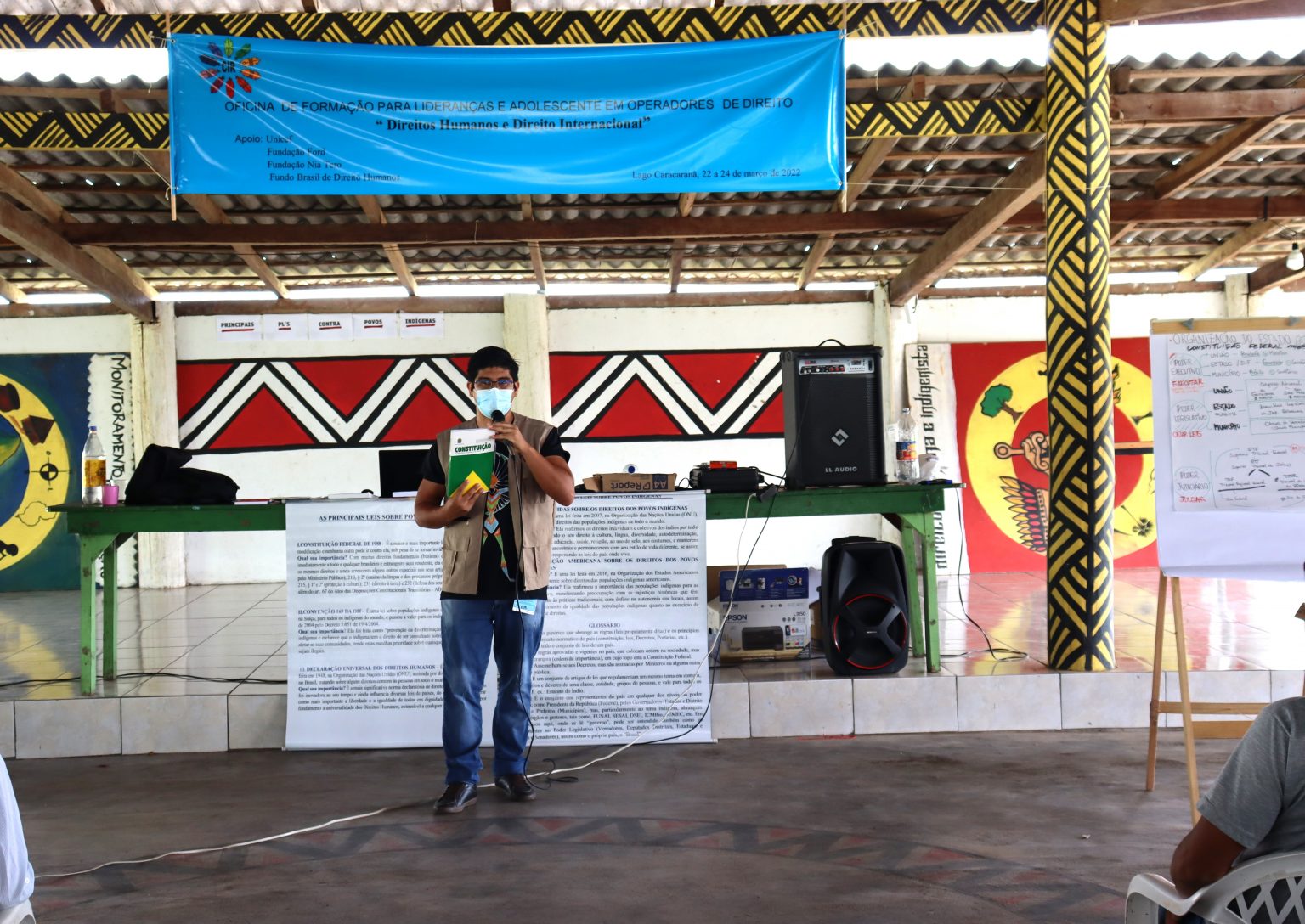
There are 80 indigenous operators from the 8 ethno regions that make up the CIR base. The operators are leaders chosen in the assemblies, who play a fundamental role in advising coordinators and tuxauas, especially with issues that deal with rights.
The workshop was held in partnership with the United Nations Children's Fund (UNICEF), NIA TERO Foundation and FORD FOUNDATION. 90 people from the following regions participated in the workshop: Raposa, Serras, Surumú, Serra da Lua, Amajarí, Tabaio, Baixo Cotingo and Murupú. In addition to 22 indigenous migrants from the Warao people.
SPEAKERS
• Tomas da Cunha Tancredi - UNICEF Child and Adolescent Protection Officer.
• Indigenous leaders - experience on conflict resolution in communities.
• Prof. Priscila Cardoso/UFRR - Indigenous rights and international law: International treaties and conventions.
• Prof. Priscila Cardoso/UFRR - Global System and Inter-American System for the Protection of Human Rights.
• Prof. Priscila Cardoso/UFRR - ILO Convention 169 and indigenous peoples.
• Ivo Cípio, Junior Nicácio and Maria Luiza, legal advisor to the CIR - National Congress and Bills: The threats to Indigenous Peoples.
• Ivo Cípio, Junior Nicácio and Maria Luiza, legal advisor of the CIR - State Law and Indigenous Laws: The role of Operators in the communities.
Photos: Ascom/CIR