
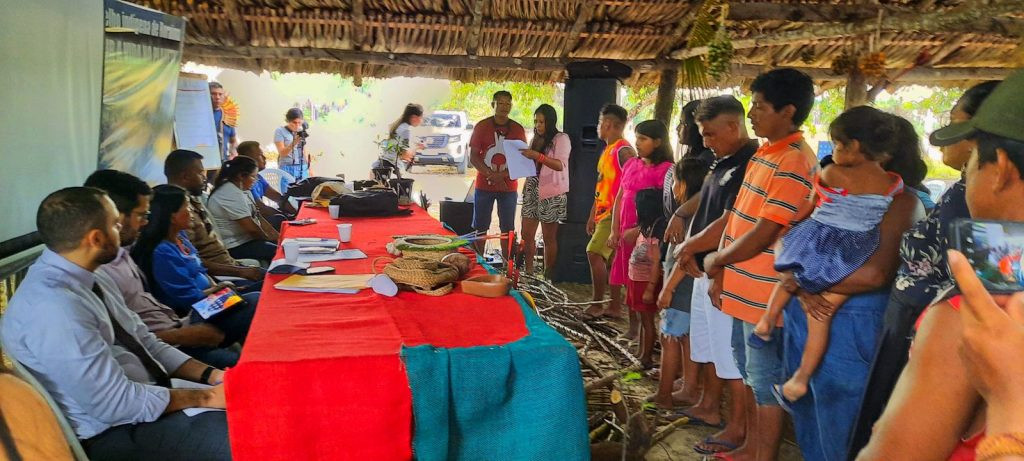
On the second day of the II Expanded Deliberative Meeting of the Indigenous Council of Roraima (CIR), the councilors and other indigenous leaders discussed important agendas such as territory, health and education, in addition to dealing with the indigenous fund "Rutu", strategic communication planning and the creation of the women's department. The Expanded has been taking place since the 5th, in the Arapuá indigenous community, Arapuá indigenous land, Alto Cauamé region, municipality of Alto Alegre.
For the agendas of this Wednesday (6), the leaders had the participation of the deputy coordinator, Enock Taurepang and the agronomist Giofan Mandulão, who dealt with the Jamanxim Fund – "Rutu", the journalist and external consultant in communication, Mayra Wapichana, and consultant Arancha Micaele, working on the actions to create the women's department. In the afternoon, the regional coordinator of the National Foundation of Indigenous Peoples (Funai), Marizete de Souza and the Attorney General, Alisson Marugal, were present on the agenda on the situation of indigenous territories.
In school education and indigenous health, the coordinator of the Organization of Indigenous Teachers of Roraima (OPIR), Rosângela Demetrio, the director of the Department of Indigenous School Education (DEEI), Leonardo Pereia and the head of the Division of Indigenous Education (DIEI), Maria Deolicia, in addition to the coordinator of the Eastern District of Roraima (Dsei-Leste/RR), Zelandes Patamona, and the presidents of the District Council of Indigenous Health of the East and Yanomami, Adelinaldo Rodrigues and Junior Hekurari, were present.
The Expanded with the theme "Taking back our territories to guarantee the life of the planet", ends today, 7, with a debate on sustainability, strengthening of the indigenous movement, and the approval of proposals.
Funai and MPF reaffirm agreement for the demarcation of the Arapuá Indigenous Land
On the agenda on the legal situation of the Pium (Tabaio), Anaro (Amajari), Anzol (Murupu), Arapuá (Alto Cauamé) and Pium (Serra da Lua) indigenous lands, the leaders were attended by the regional coordinator of the National Foundation of Indigenous Peoples (Funai), Marizete de Souza and the prosecutor of the Federal Public Ministry in Roraima (MPF/RR), Allyson Marugal. The presence of the authorities in the Arapuá indigenous land represents a historic moment, especially at a time of the demarcation process of this territory.
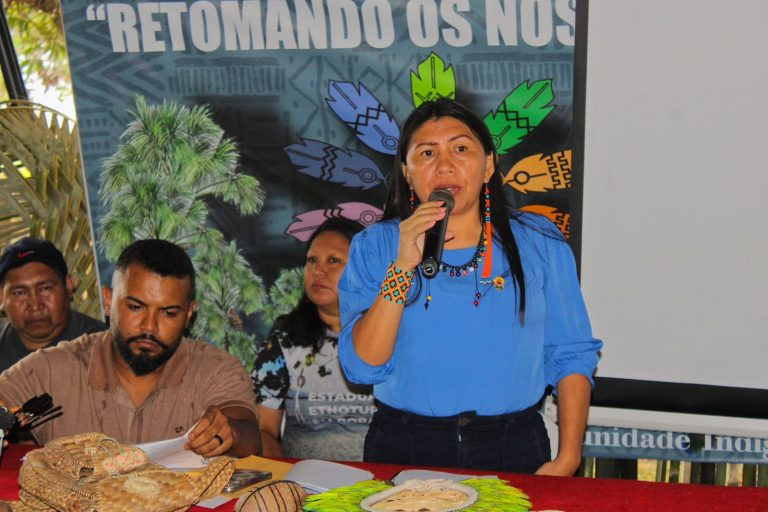
For the first time in the Arapuá Indigenous Land, the regional coordinator of Funai, Marizete de Souza, when informing the situation of the indigenous lands and the conditions for meeting the demands, reaffirmed the agreement with the MPF to start the studies. "I want to say that there is a demarcation process stopped, because our team is reduced, but here in the Arapuá indigenous land we are going to start the studies next year. We know that it has generated many problems in the non-demarcated indigenous lands", reinforced the coordinator.
Marizete also reinforced that the goal is to create a working group focused on territorial protection and demarcation. In the debate, the regional coordinator of the Serras, Amarildo Macuxi, exposed the situation of the Serras region, which is found to be invaded by illegal mining on indigenous lands.
"Between the Cajú and Água Fria communities, our GPVTI have seen machinery in these areas. Another point is the border of Guyana, where there are Brazilian miners dirtying our rivers and making trouble in our communities. This is worrying for us as leaders," said the coordinator about the invasion situation in the Raposa Serra do Sol Indigenous Land.
The regional coordinator of Serra da Lua, César Silva, pointed out the revitalization of the Marco and the limit of the territories in the region. The tuxaua Lázaro Wapichana, on the other hand, asked the coordinator to place a working group in the retaking area, which is in the Manoá-Pium indigenous land. He handed the coordinator a document with demands from the leaders.
Also for the first time in the Arapuá territory, the MPF prosecutor, Alisson Marugal reaffirmed the agreement with Funai to start the studies of identification and delimitation of the indigenous land, a procedure necessary to start the demarcation.
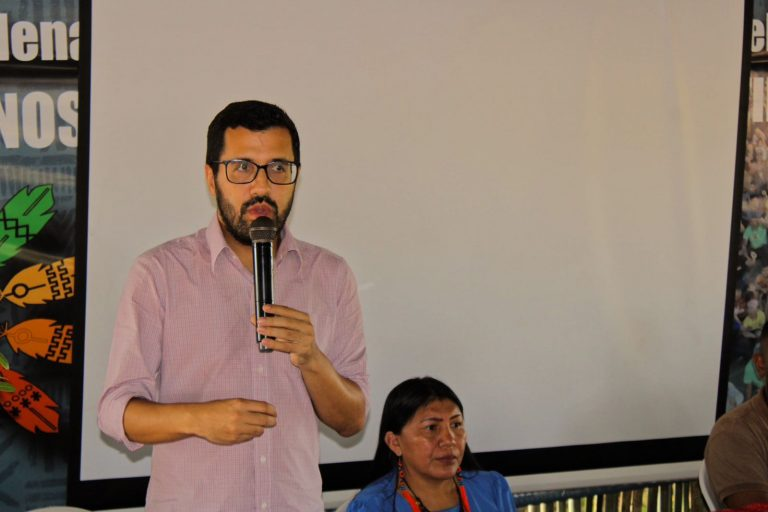
"The historic moment is this process that the Arapuá indigenous land will experience. For more than 50 years, leaders have been looking for the right to the territory. It is the beginning of the process, but it is already a victory," said the prosecutor.
In the presence of Funai's regional coordinator, Allisson reaffirmed the joint action with the institution to comply with the agreement for the demarcation of the Arapuá Indigenous Land.
During the debate, leaders reinforced the request for protection of the territories, mainly due to the advance and return of illegal miners. For example, in the Boqueirão indigenous land, a route for illegal miners to the Yanomami indigenous land, which again suffers from this invasion. They reported that the operation carried out at the beginning of the year has eased, but now, they are back.
As an act of struggle and resistance, families from the Arapuá indigenous land delivered a letter to the MPF and FUNAI, with the latest events in the community. In the letter, they reported the burning of the matamatá bridge that gives access to the site, intimidation of farmers and non-indigenous people, and the arrival of the military and civil police three times during the Assembly and Extended Meeting held in the community.
Manoá-Pium Indigenous Land – Another territory in the process of retaking is Manoá-Pium, in the Serra da Lua region, in the municipality of Bonfim. With the lawsuit being processed in the Federal Court of Roraima, the Tuxaua of the Pium community, Lázaro Alexadre took advantage of the presence of Funai and delivered a letter from the community demanding the creation of the Working Group (WG) to identify the area that was left out of the demarcation of the Manoá-Pium Indigenous Land.
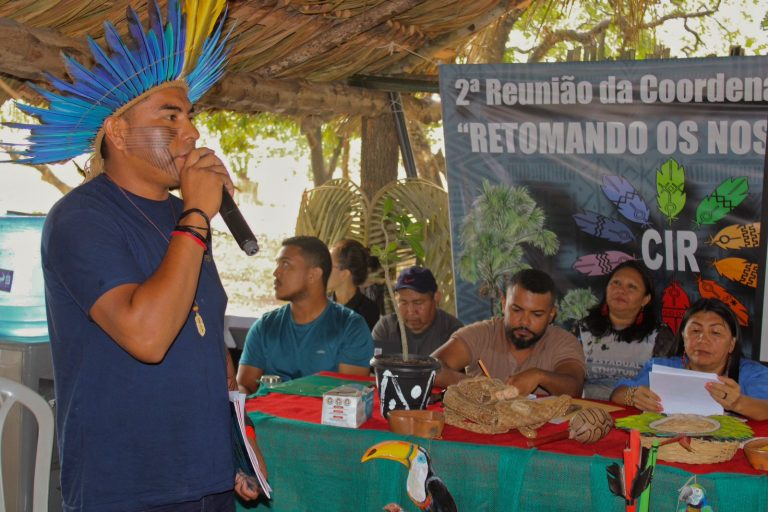
"Today we are being threatened by the farmers. We reiterate measures to guarantee our safety and the right to live in our ancestral territory," they claimed in the letter delivered to Funai. They also asked the Funai Attorney's Office to monitor the actions in the federal and state courts.
School Education and Indigenous Health
The situation of school education and indigenous health in the communities was also on the agenda of the Ampliada, with the presence of representatives of OPIRR, DEEI, (DIEI, District Councils of Indigenous Health of the East and Yanomami, and the Eastern District of Roraima.
The state coordinator of OPIRR, Rosivania Demétrio, spoke about the challenges in differentiated education, mainly related to the construction of schools in indigenous communities.
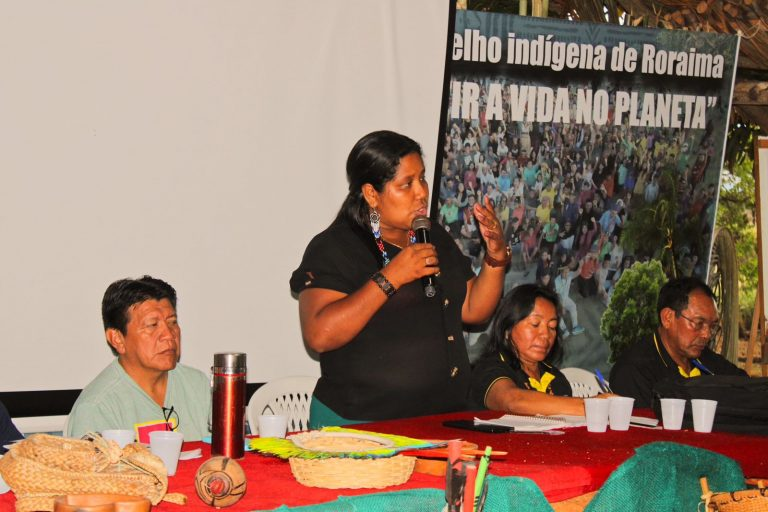
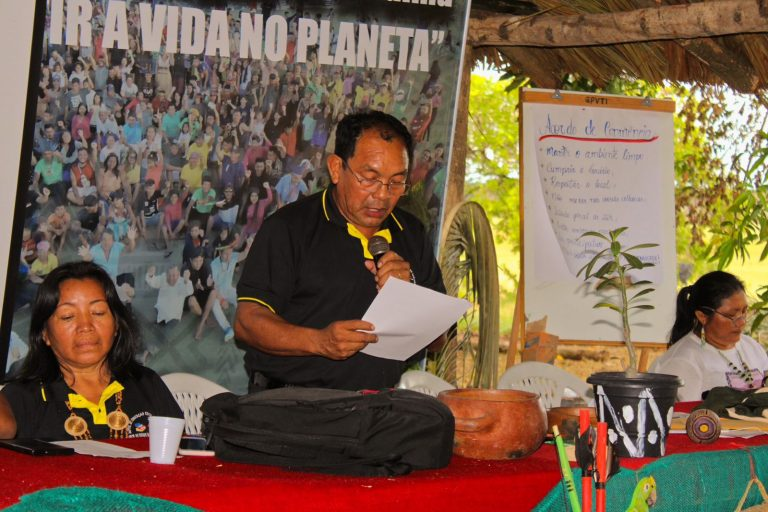
Zelandes Patamona, informed about the implementation of the Telehealth Program at the Eastern Indigenous Health House (CASAI), for professional health care from another state. "Telehealth was implemented first in the East Dsei, then in the Yanomami DSEI, and will improve the health care of relatives, they are professionals from three areas who will make a difference in Indigenous health", informed the coordinator.
The president of the Yanomami Condisi reinforced the problems faced by his people and denounced again the outbreak of malaria and malnutrition. "Everything is returning again in the Yanomami indigenous land, it is difficult to solve the Yanomami health problems, even with six base poles. We are facing an outbreak of malaria and malnutrition," said the president.
Rutu Fund, Communication and Women
In the morning, presentations were made of the diagnoses on the indigenous fund, communication and women's department.
The activities were presented by the journalist and communication consultant, Mayra Wapichana, external consultant for the creation of the women's department, Aranja Micaele, and the deputy coordinator, Enock Taurepang and Giofan Erasmo, responsible for the creation of the Jamaxim Indigenous Fund – Rutu.
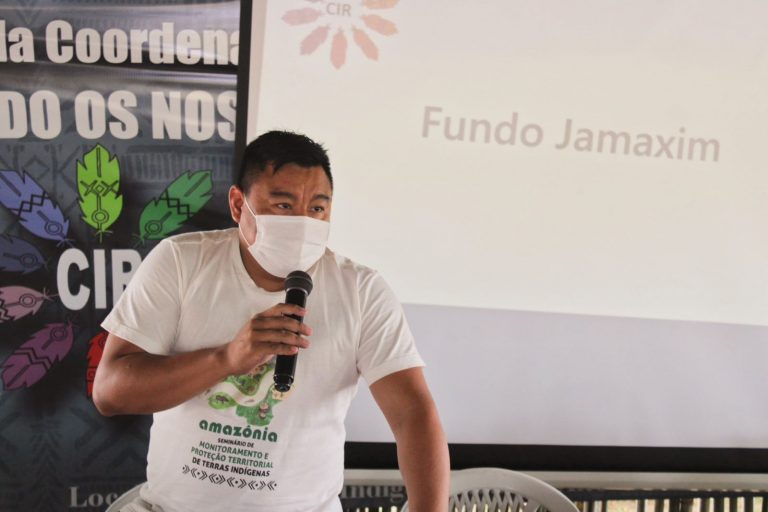
The strategic planning of communication and priorities are part of the diagnosis of the Communication department, which is still being prepared to be executed over four years. Mayra Wapichana explained the diagnosis, and stated that communication "is a strategic tool of the indigenous peoples of Roraima, which is experiencing a historic moment with five indigenous journalists in the department".
The coordinator Amarildo Macuxi, in the Serras region, congratulated the professionals for their work in the communication department, and proposed to create a magazine about the productions of the regions, in partnership with the communicators.
"This magazine could bring to our productions, such as cattle raising, gardens, to present to those who do not know the reality of our indigenous communities and keep telling lies about us," Macuxi concluded.
The coordinator of Serra da Lua, Gracinha Gomes, said that the communicators are important to give visibility to the activities of the indigenous communities. "We need to support our communicators, who are highlighting our actions."
The Rutu/Jamanxim Indigenous Fund, under construction by the Indigenous Council of Roraima (CIR), has already taken its first steps. Deputy coordinator Enock Taurepang, who directly accompanies the initiative, informed about the exchange and exchange of experience with other peoples in Amazonas. He said that the fund already has supporters who want to invest in the project.
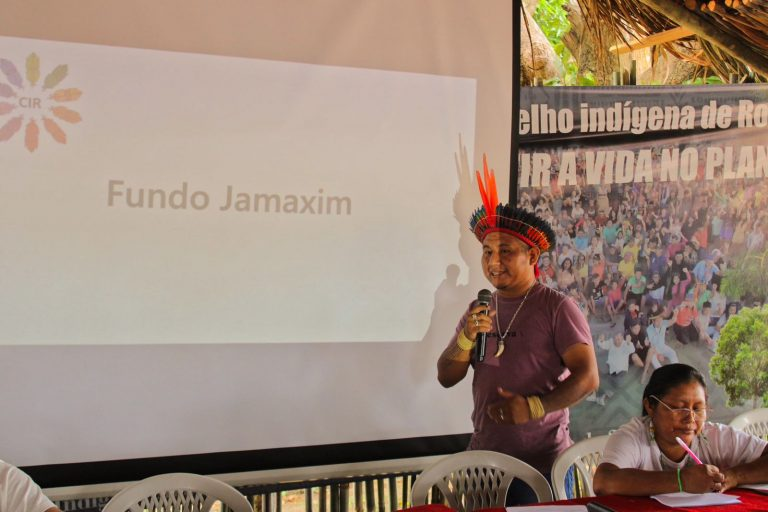
"It is an important step for us. We approved the fund in our first Expanded and we will support all regions, communities and family groups that are producing, to strengthen us as indigenous people," said Taurepang.
About the Rutu Fund, the general coordinator Edinho Batista explained that the initiative is a way to strengthen communities and regions, giving autonomy and protagonism and everyone must produce in their territory.
"The fact of discussing the fund is a way to guarantee our right, and each region can have its fund, so that we can actually empower ourselves. Everyone should produce in their territory, to supply the family table and the community," said Edinho.
As for the creation of the women's department, external consultant Aranja Miccaele presented the details of the creation. Reinforcing the initiative, the secretary of the Indigenous Women's Movement, Kelliane Wapichana, highlighted the main areas of activity of the department, handicrafts, traditional medicine, women's gardens and female empowerment.
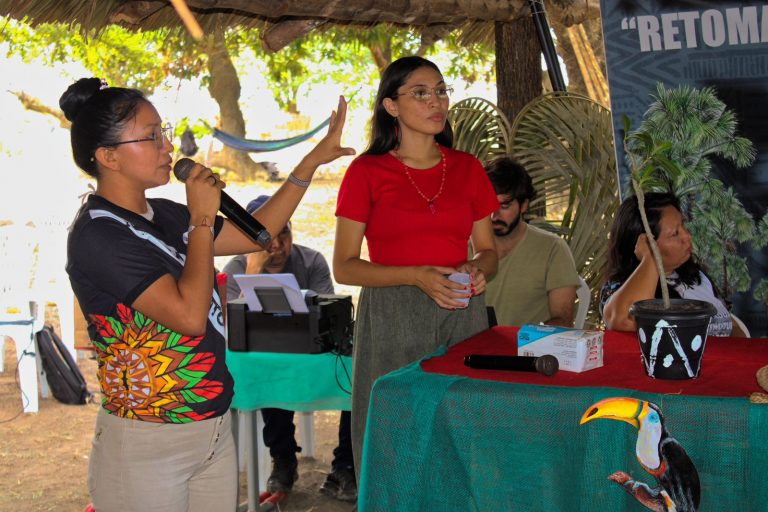
"It is a collective construction to strengthen the women of each region, in the activities that they can develop at the grassroots. During the eight months that I have been in charge of the secretariat, I was able to learn a little about these important activities", said Kelliane.