
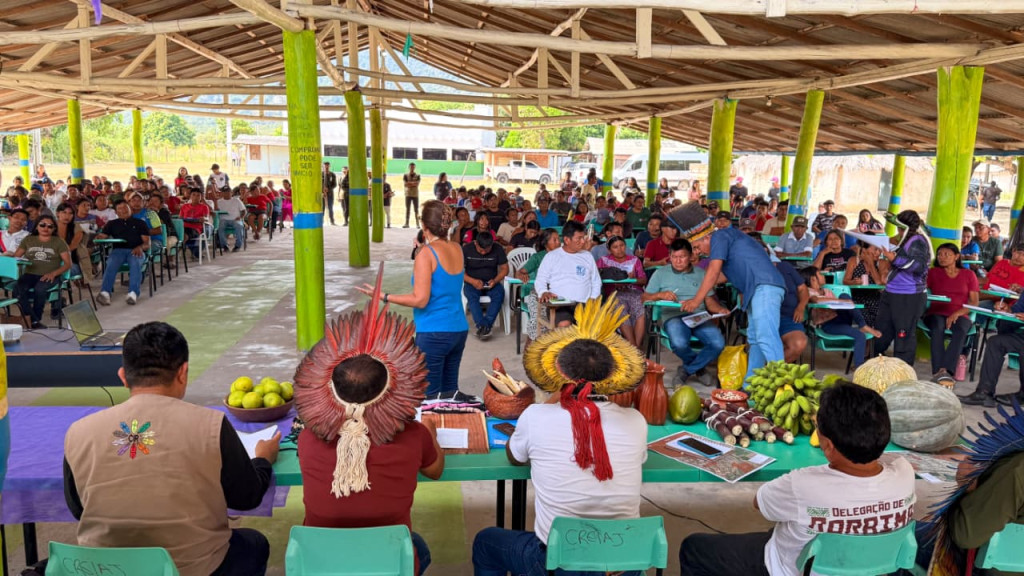
Meeting brings together representatives from the Raposa, Serra, Baixo Cotingo and Surumu regions.
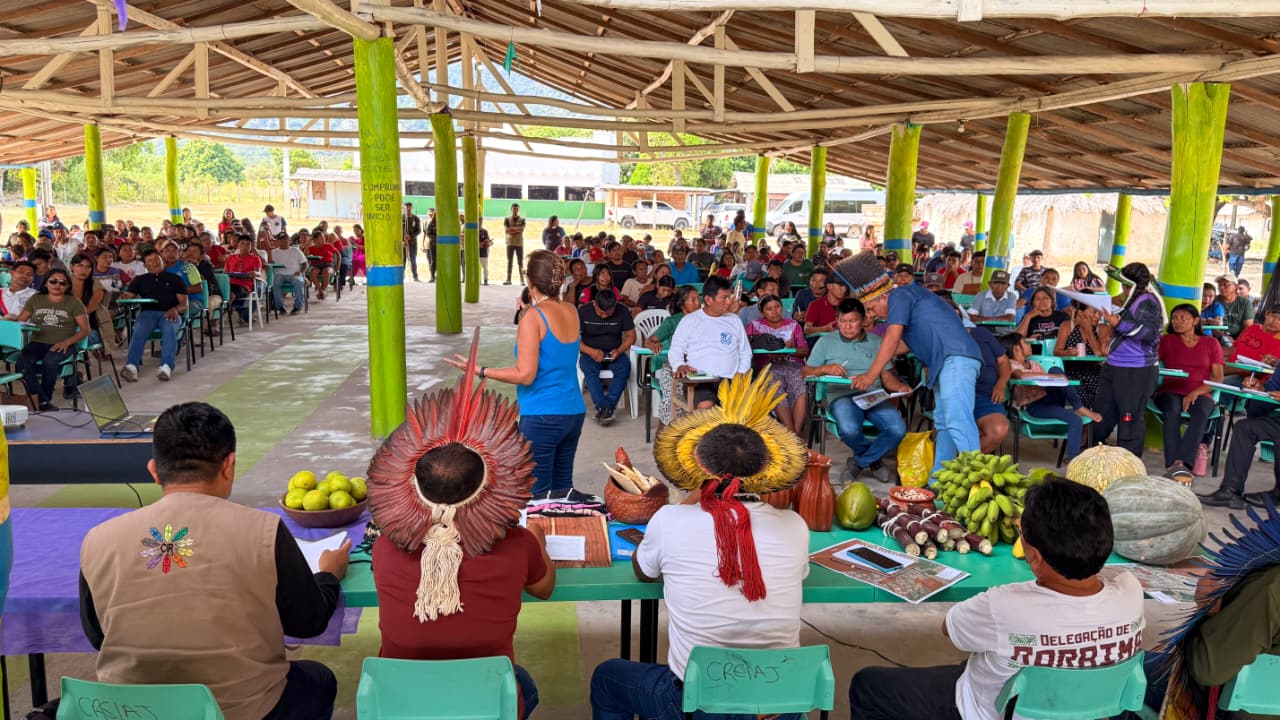
The meeting, held in the Camará Indigenous Community in the Baixo Cotingo region, brings together representatives from different communities in the Raposa, Serra, Baixo Cotingo, and Surumu regions.
The assembly is part of the social organization of the indigenous peoples of the Raposa Serra do Sol Indigenous Territory. It is a space to discuss topics of collective interest and define courses of action that contribute to strengthening the autonomy of the indigenous peoples of the region.
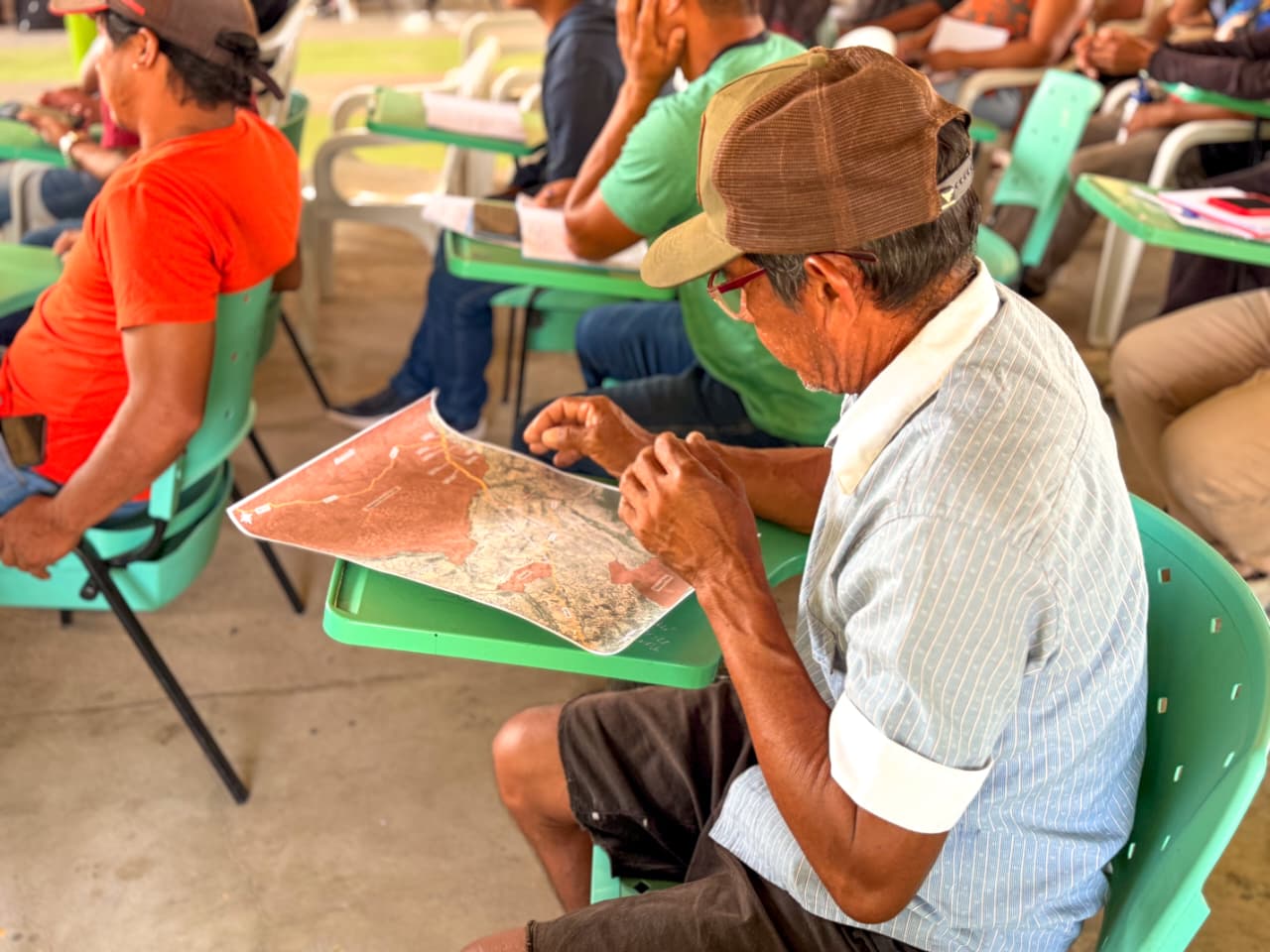
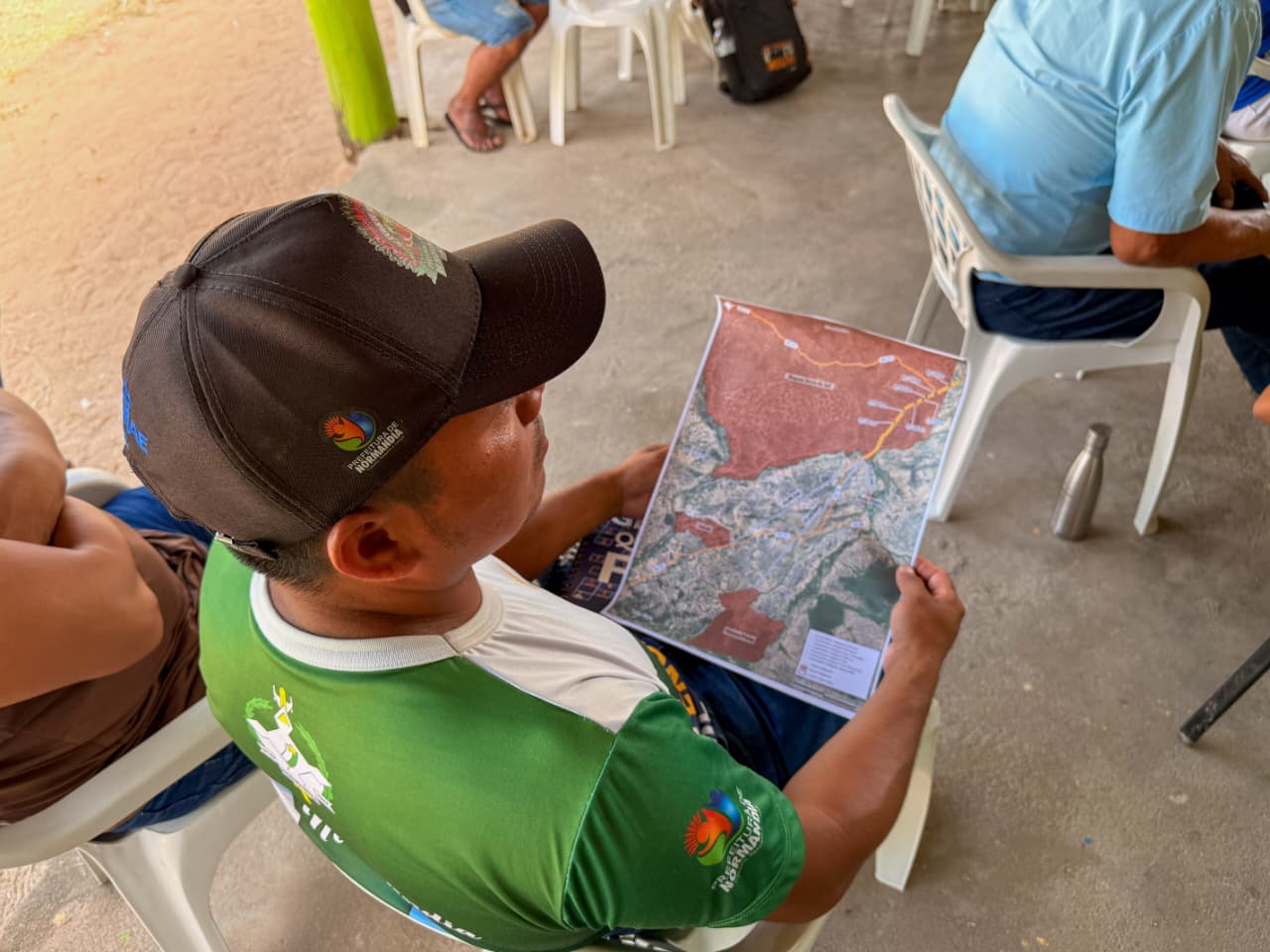
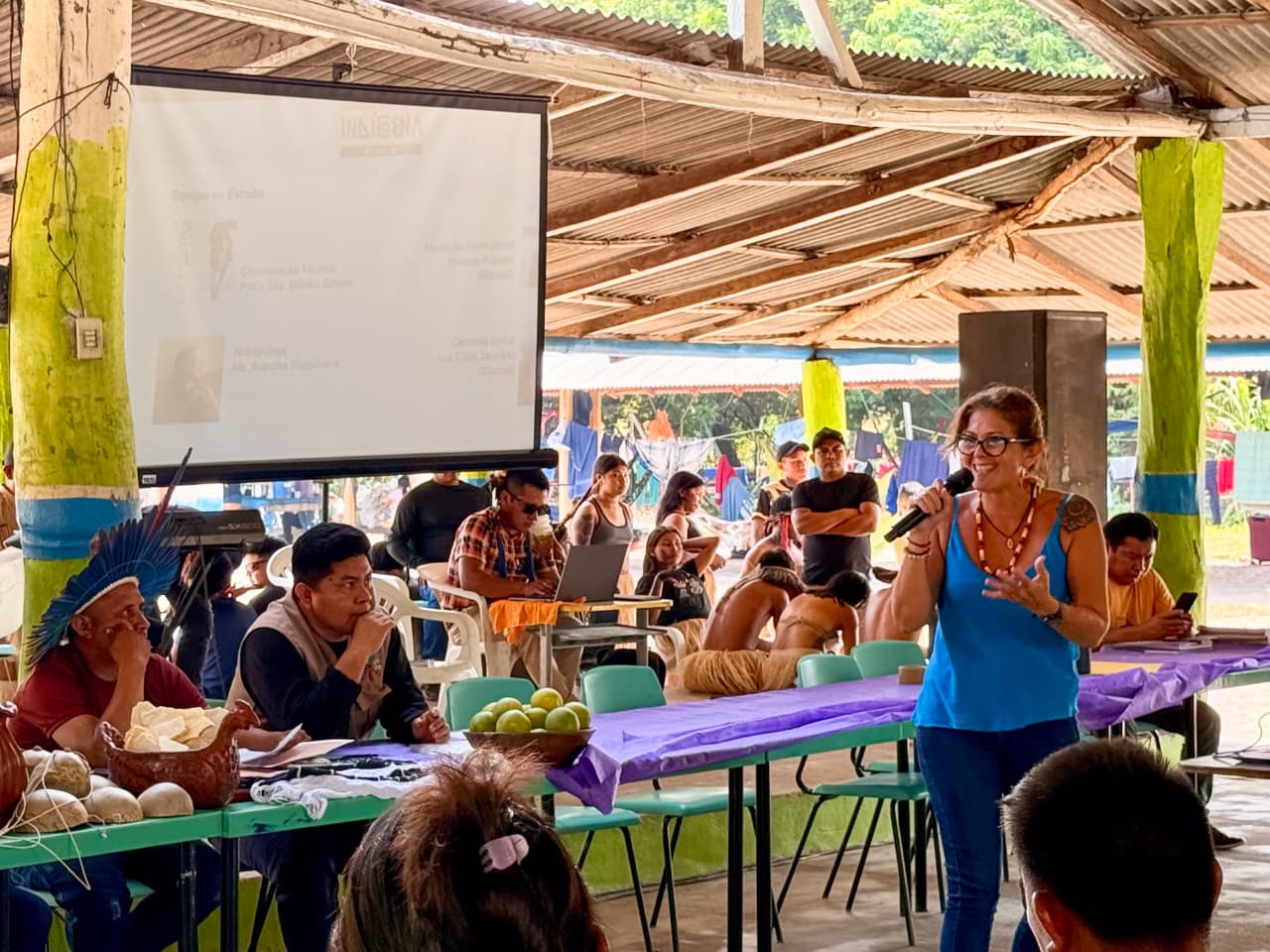
This Monday (14), continuing the program, the BR-401 paving project was widely debated, a highway considered strategic for linking communities and municipalities in the region. The Indigenous Component Study (ECI) was presented by Prof. Dr. Monica Simioni, technical coordinator of the Indigenous Component Study.

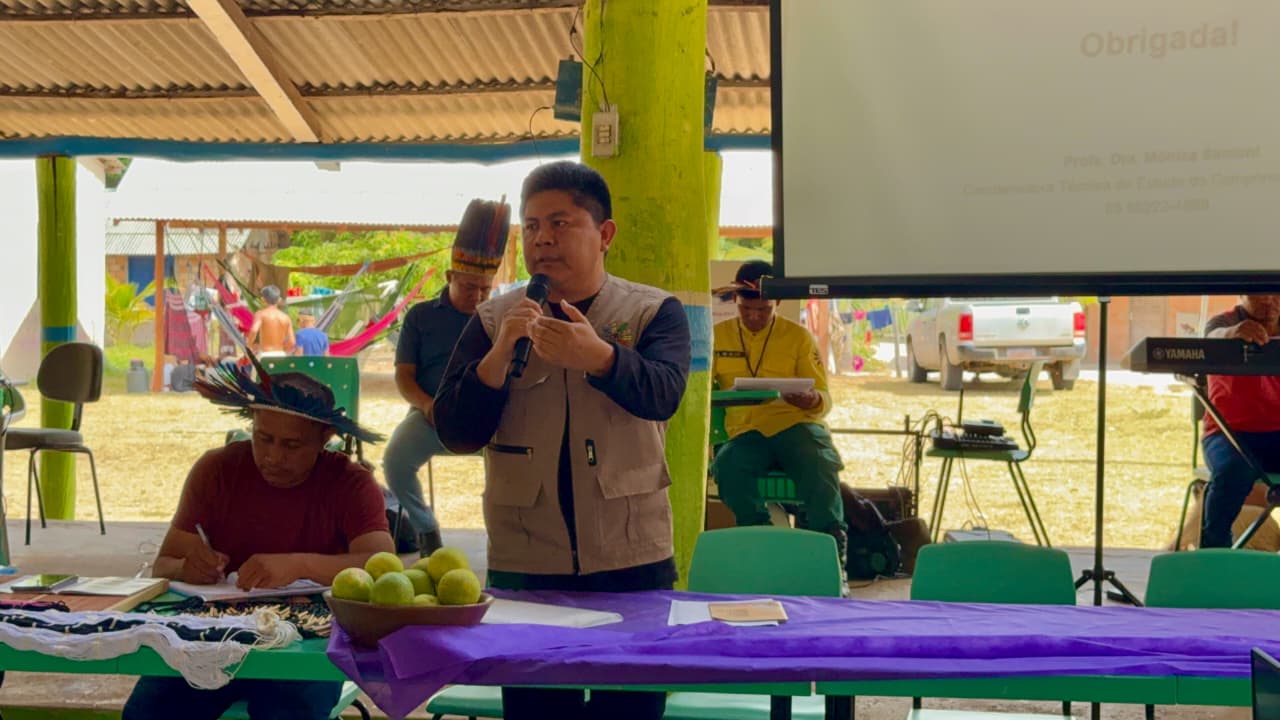
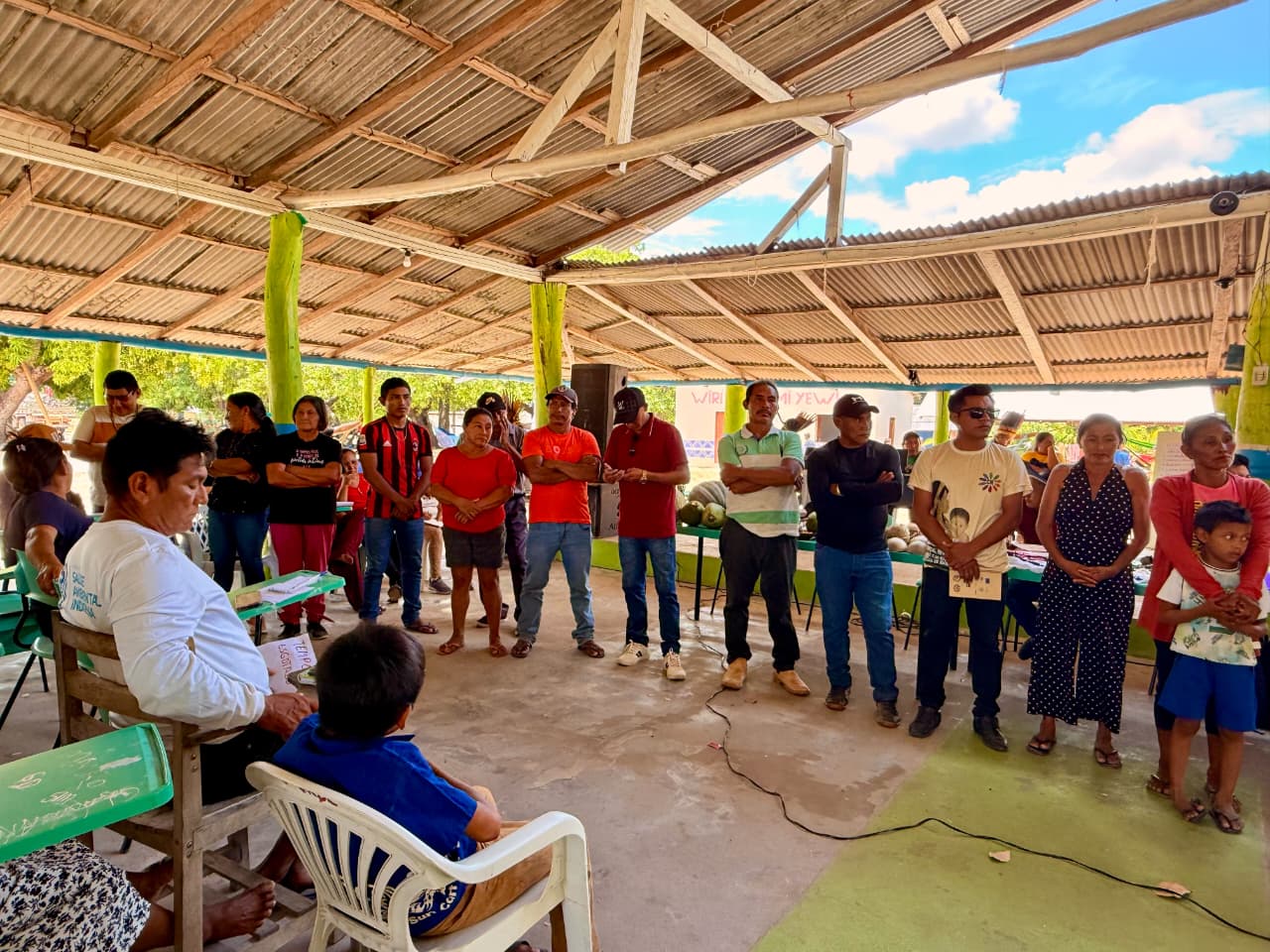
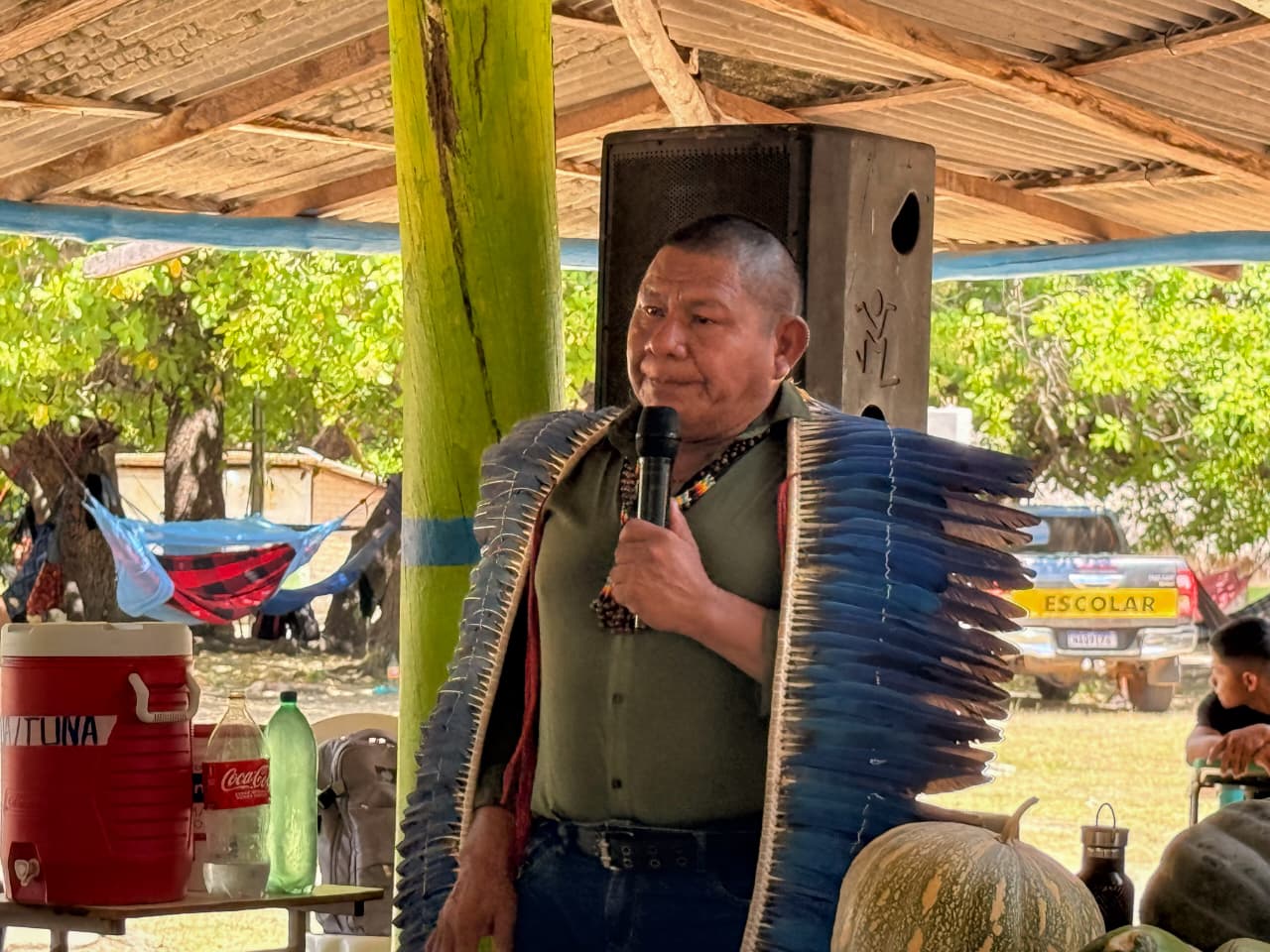
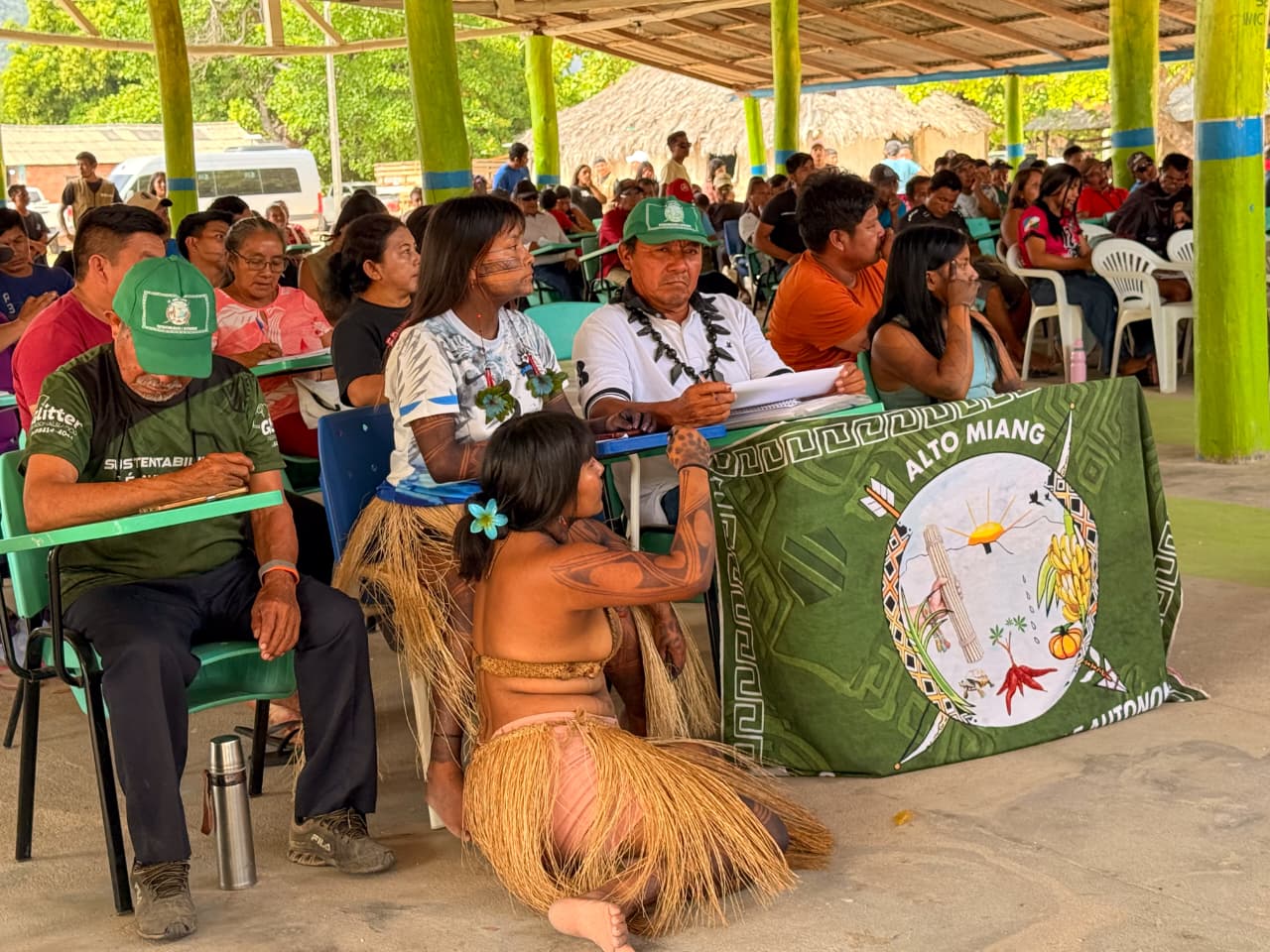
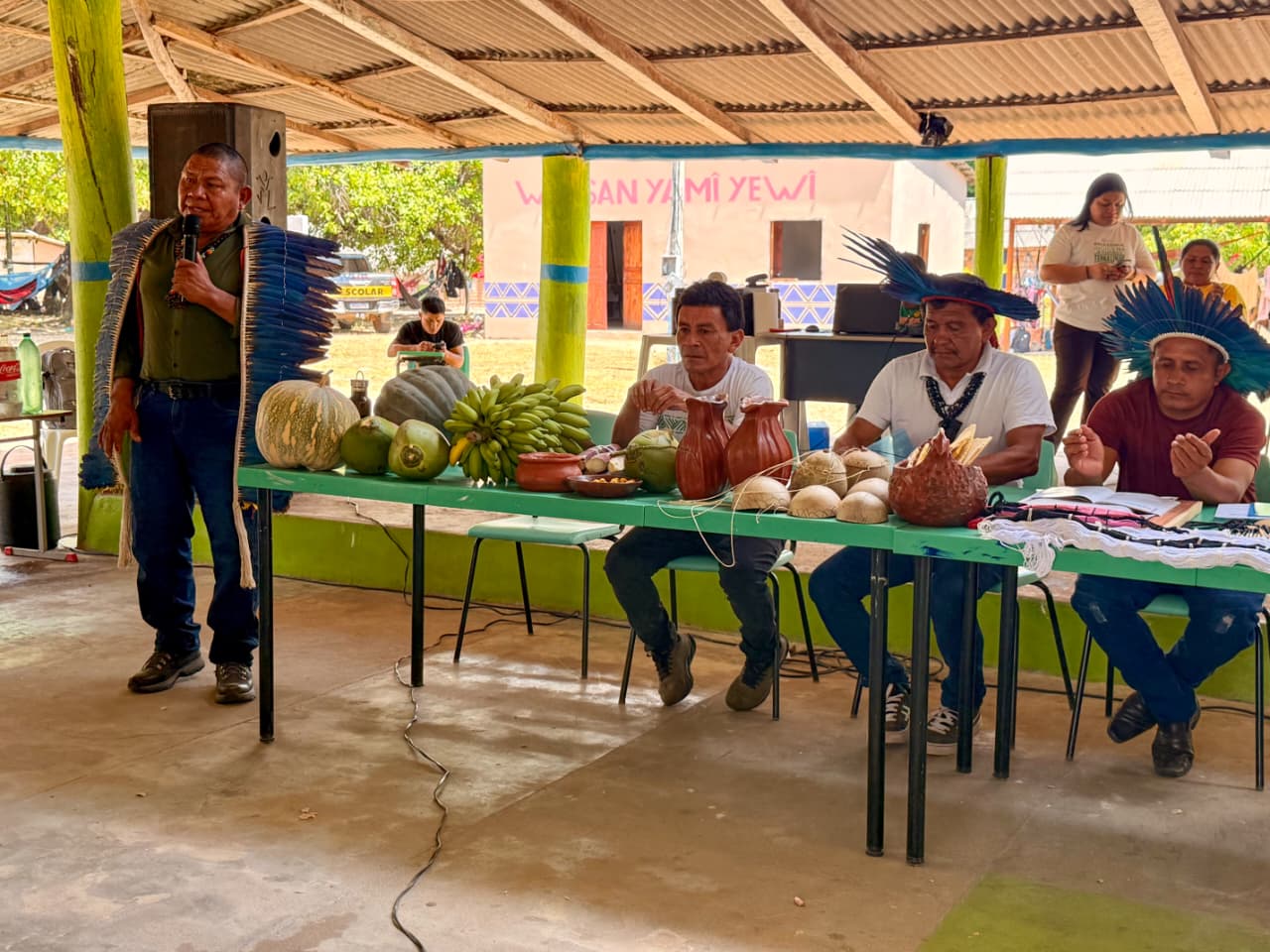
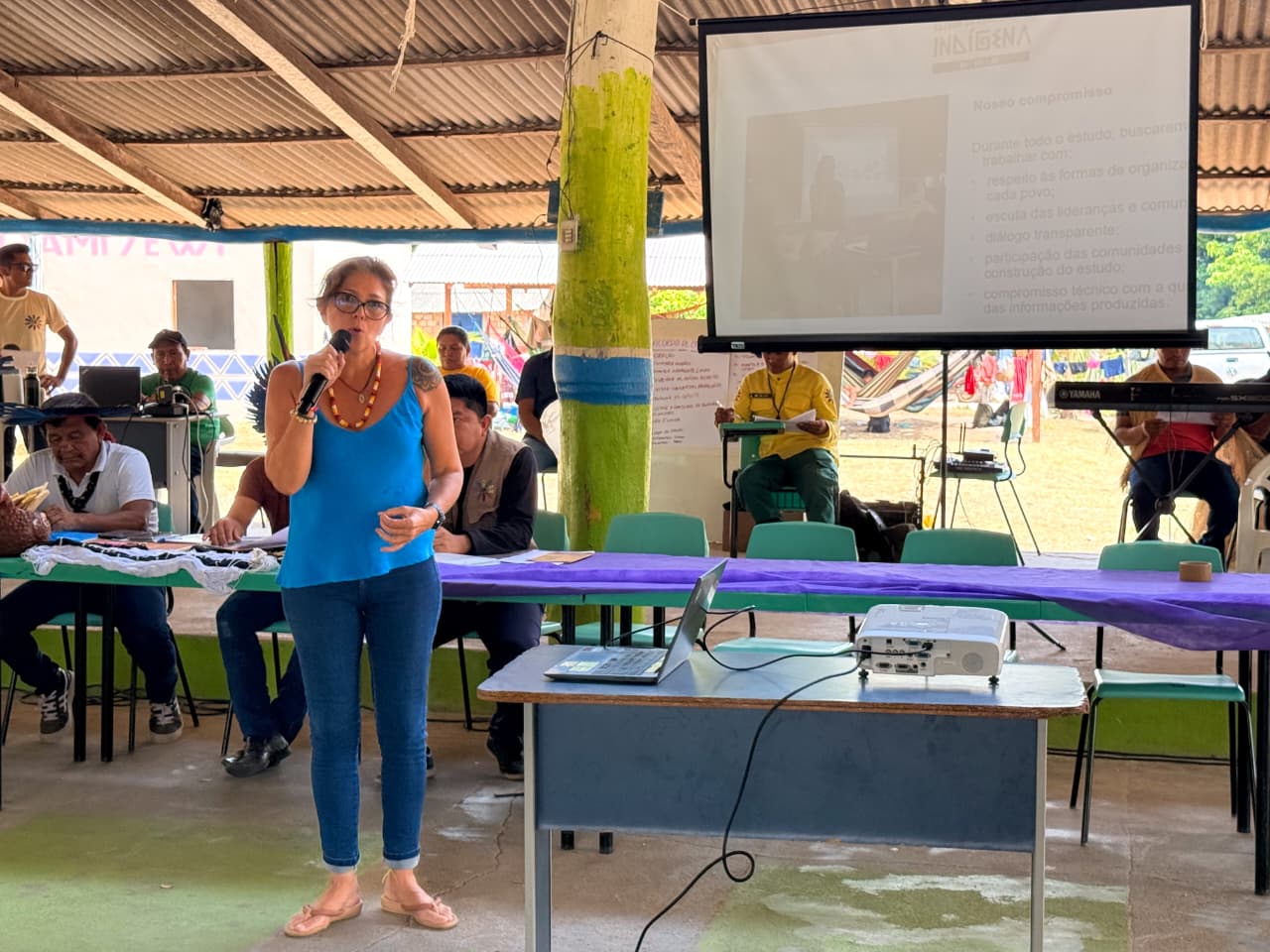
The anthropological study will gather information about the potential impacts of projects on indigenous territories and communities.
"The study is very important; it's the first step towards other actions. It will determine where compensation will be provided for what the study reveals."Monica emphasized.
The impacts on the communities and the procedures related to the consultation process with indigenous peoples were highlighted by indigenous leaders from each region, who emphasized that no decision will be made under pressure.
"We are here to discuss improvements for those of us who live in the Raposa Serra do Sol Indigenous Territory. No decision will be made without consulting and listening to everyone, because what seems like a benefit now may harm us in some way in the future.""One of the leaders present highlighted this."
"What will be the compensation for the impacts caused to animals, nature, and indigenous peoples?""The Tuxaua of the Upatakon Community, in the Serras region, Ivaldo André, asked a question."
Junior Nicácio, a lawyer for the Indigenous Council of Roraima (CIR), explained to the leaders that the moment is for clarifying doubts about this important issue, which involves not only the regions of the Raposa Serra do Sol Indigenous Territory.

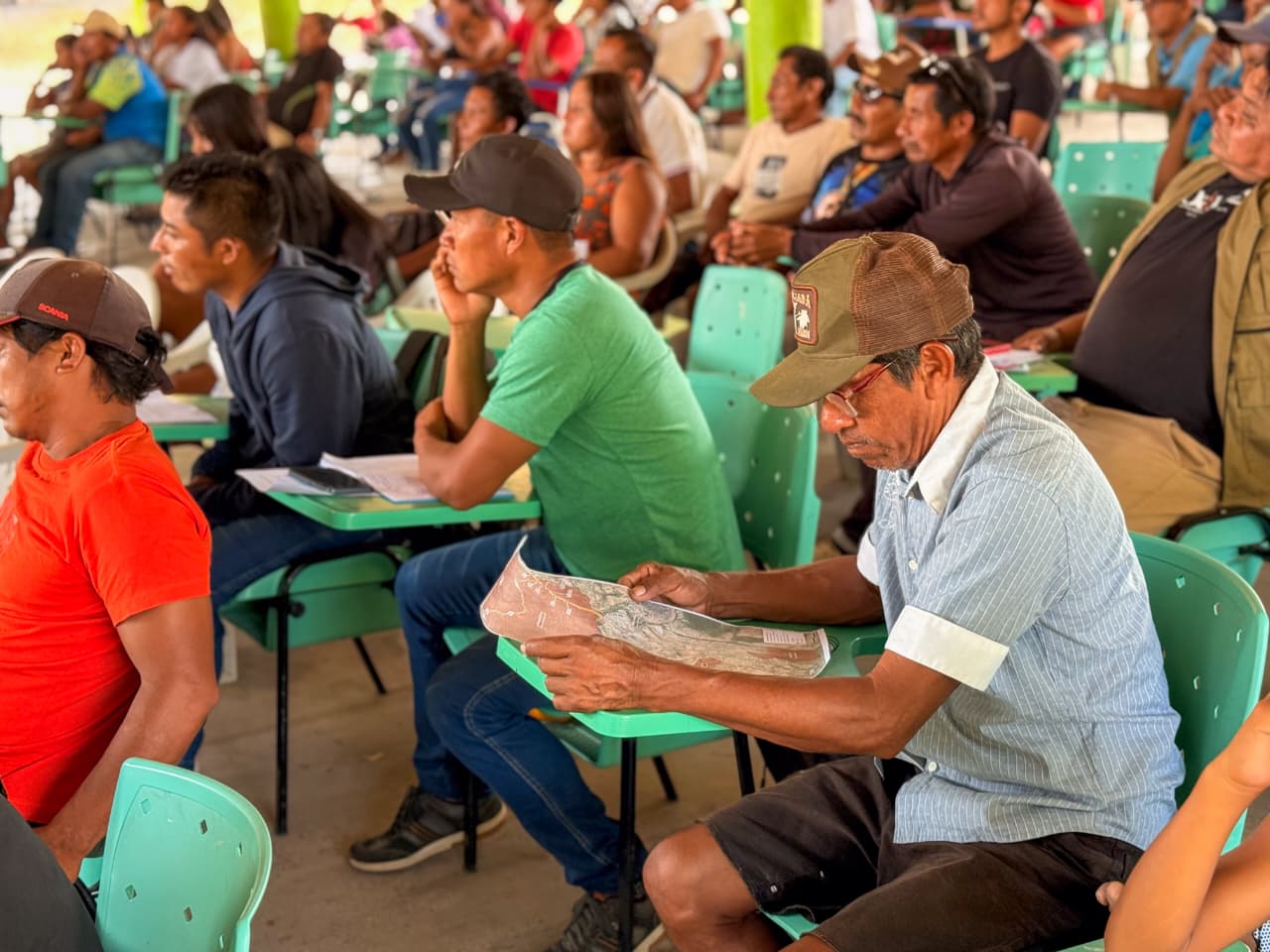
"Leaders, this is the time for questions, to clear up any doubts about the pros and cons of paving the BR-401 highway. CIR was invited to participate in a public hearing on the subject, but it's an election period, it wouldn't be appropriate to be in this space. We, as lawyers, are here to provide legal advice on the case and do everything possible to defend the Raposa Serra do Sol Indigenous Territory."Nicácio expressed.
The discussions held during the assembly should result in decisions collectively defined by the leaders and representatives of the participating communities, and these will be included in a letter and the final minutes of the assembly.
"This discussion doesn't end here; we will continue the debate with our leaders, and the decision, whatever it may be, will be communicated to you and the relevant authorities."stated Djaci Melquior, coordinator for the Serras region.
"We need to respect the Consultation Protocol for the Raposa Serra do Sol Indigenous Territory. Yes, we want to develop! But we have to follow the document created by us, the leaders. It contains the rules for every type of project undertaken in our territory. The next step is to hold a seminar and invite all the relevant bodies to clarify every detail of this paving project."highlighted the General Chief of CIR, Amarildo Macuxi.
Representatives from the National Indigenous Peoples Foundation (Funai), from Roraima and Brasília, and from the Federal Public Prosecutor's Office (MPF) were invited, but did not attend due to institutional commitments.