
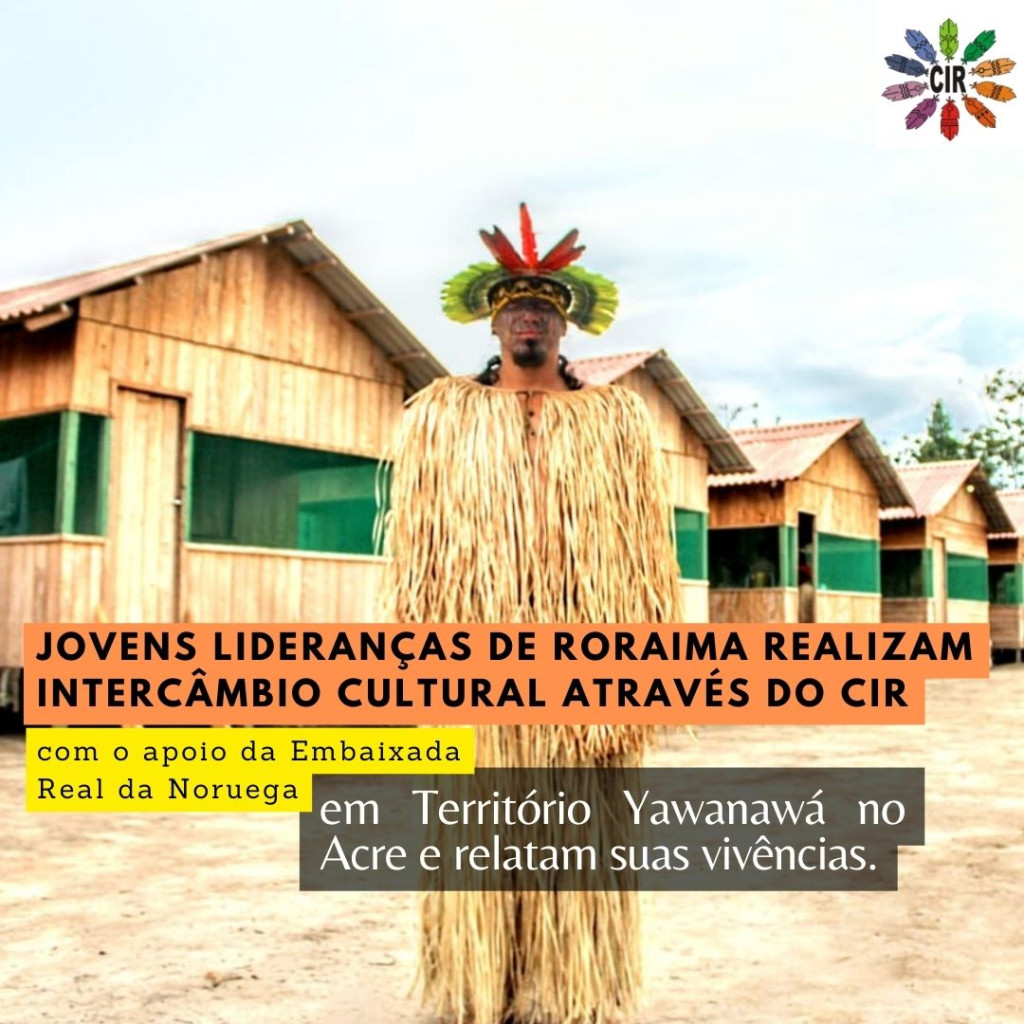
The initiative for a cultural exchange came from the Deputy Coordinator of the CIR, Enock Taurepang, who made an initial visit in January to the village in the State of Acre. This time Enock took two more leaders, Tuxaua Lázaro from the Wapichana people, from the Serra da Lua Region and Paulo Ricardo, from the Macuxi people, from the Raposa Serra do Sol Indigenous Land, to the exchange that took place from October 20 to 25 in the Indigenous Land of Rio Gregório, Nova Esperança Community.
The two young leaders come from a basic background and already have great experience in the indigenous movement and the respect of traditional leaders, with Lázaro being one of the youngest tuxauas elected in his community and Paulo Ricardo coordinator of indigenous youth in the Raposa region, a strong influence in the fight against mining in his community.
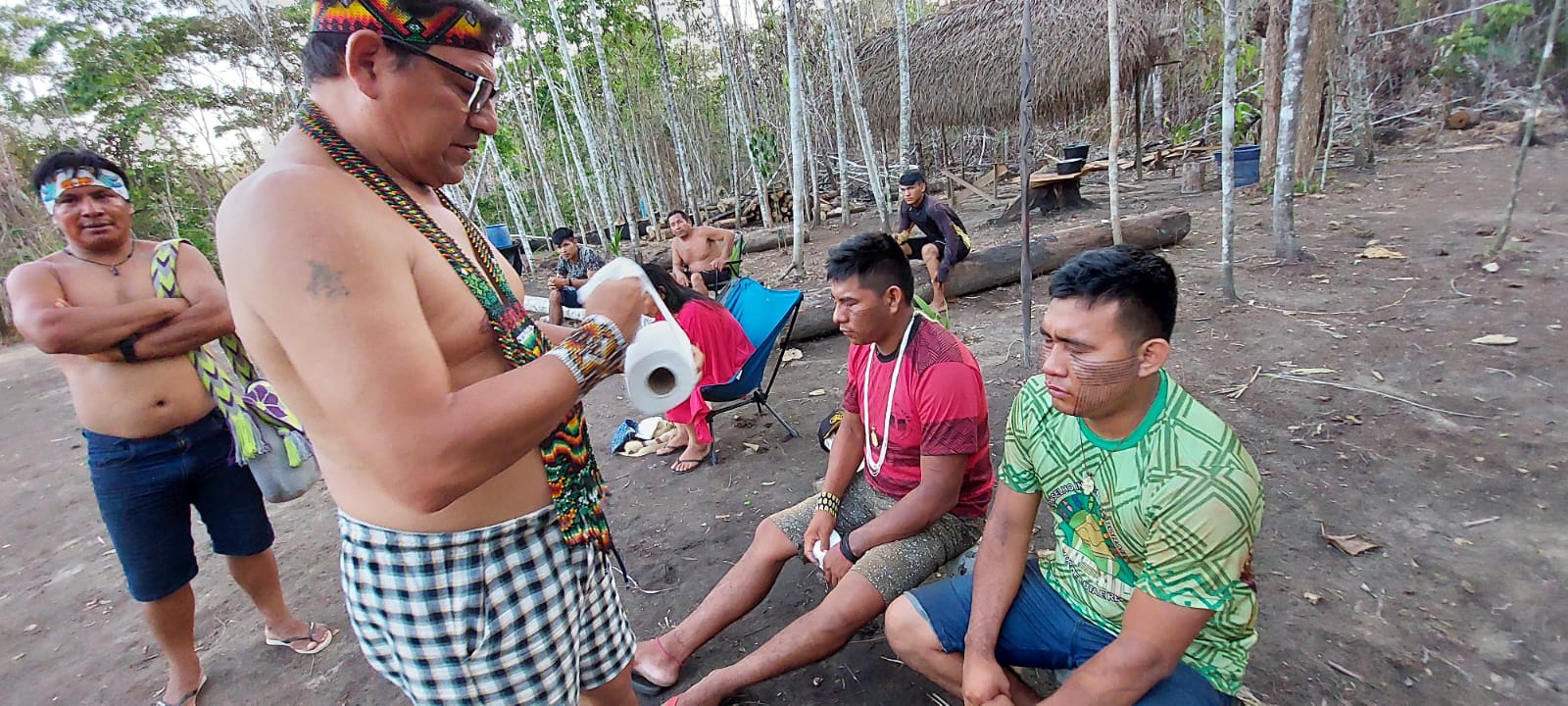
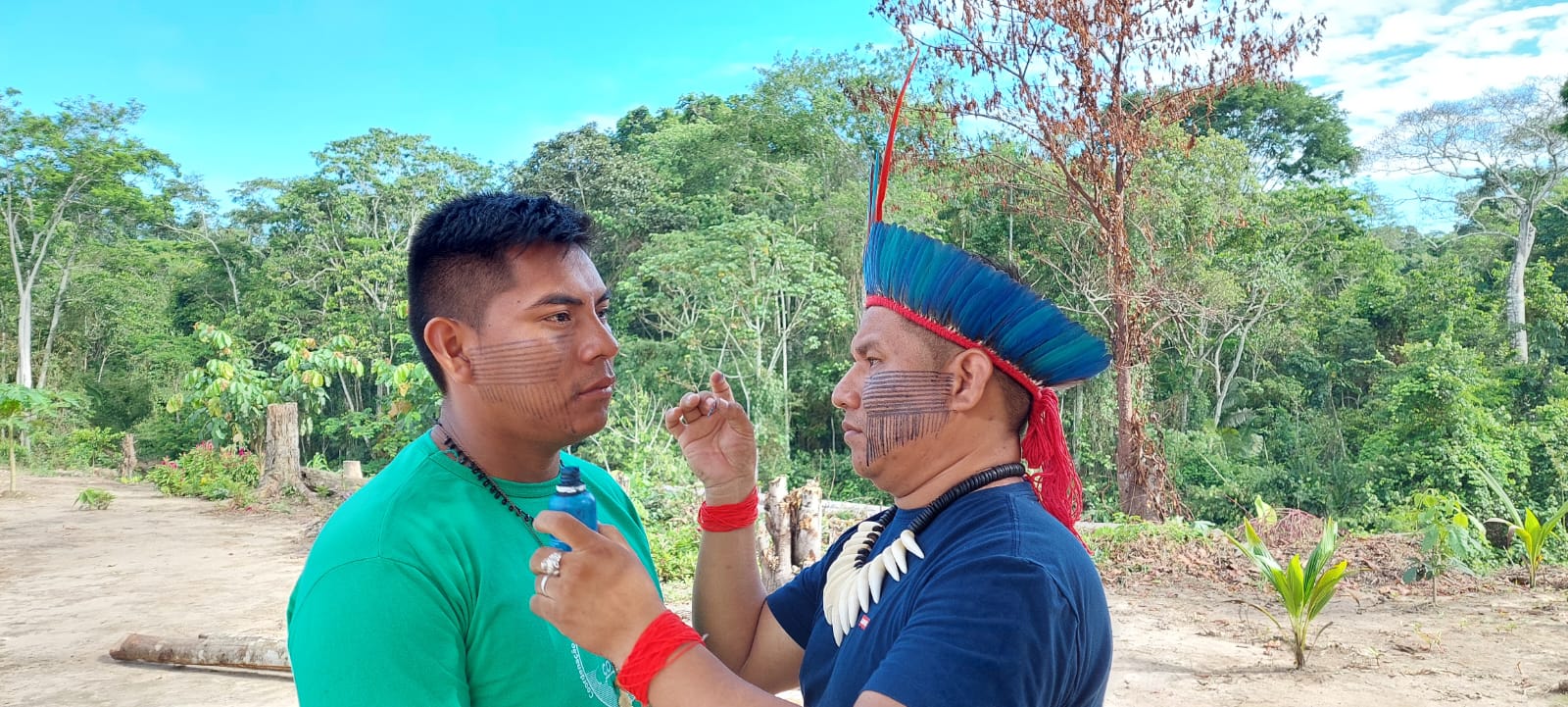
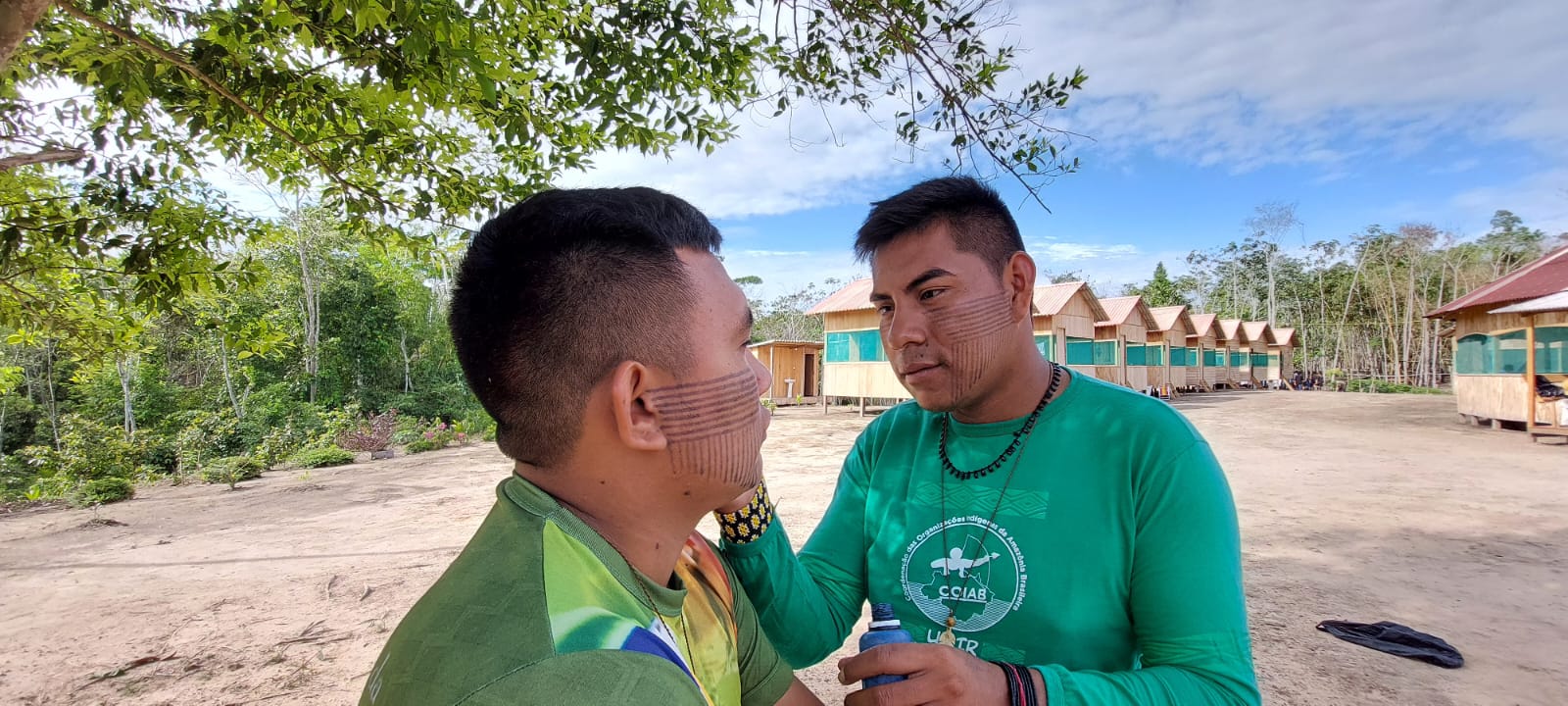
Photos: Enock Taurepang
Enock Taurepang described the experience and tells the next goals:
"We intend, later on, to make a new exchange, to take at least ten to fifteen people here from the Nova Esperança village to present the youth. And to show how we work. This political strength of ours within the state of Roraima. Gratitude to the chiefs Biracy Nixiwaka and Biracy Iskū kuae and to their entire family. The community too. The communities that were present here in the Nova Esperança village. As they said, this village is the mother village of all villages, that when the Yawanawá Territorial was retaken, when the territory was demarcated, this was the first "Nova Esperança" village, the name says it all. A resumption of community life, we feel privileged to step on this sacred territory that was retaken, demarcated, homologated and registered.
And today the Yawanawá people and other peoples enjoy this area in the best possible way, including knowing how to explore Ethno Tourism very well. And people from all over the world come in to learn about medicine, rituals and all these people bring resources into the community that benefit from their social projects. This is very pleasurable and this makes us have ideas to take to the state of Roraima. Of course, always respecting the policy of the indigenous movement and the policy of malocão.
The exchange was planned for here precisely to see the cultural strengthening, and how the people work. In its autonomy really as a territory, with its leaders, its songs, rites, then we came to meet and bring these young people too, to experience all this together with the community.
And thank God we managed to accomplish this. We are coming back excited about everything we achieved with this trip, we are feeling at home with other relatives, it is a very different reality from ours." Enock Taurepang.
The deputy coordinator also stressed that traditional seeds of corn, coffee and watermelon were taken to the community, strengthening the link with cultural exchanges.
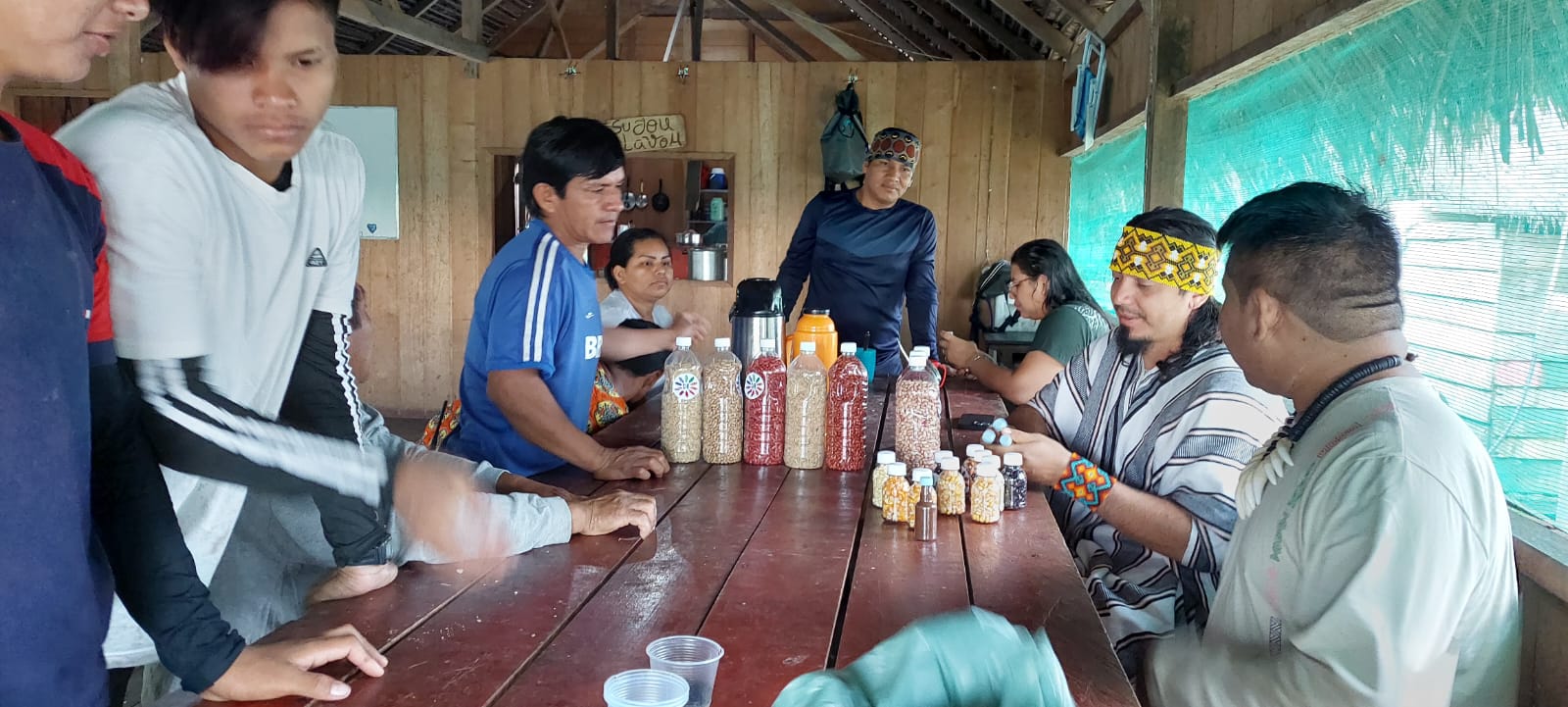
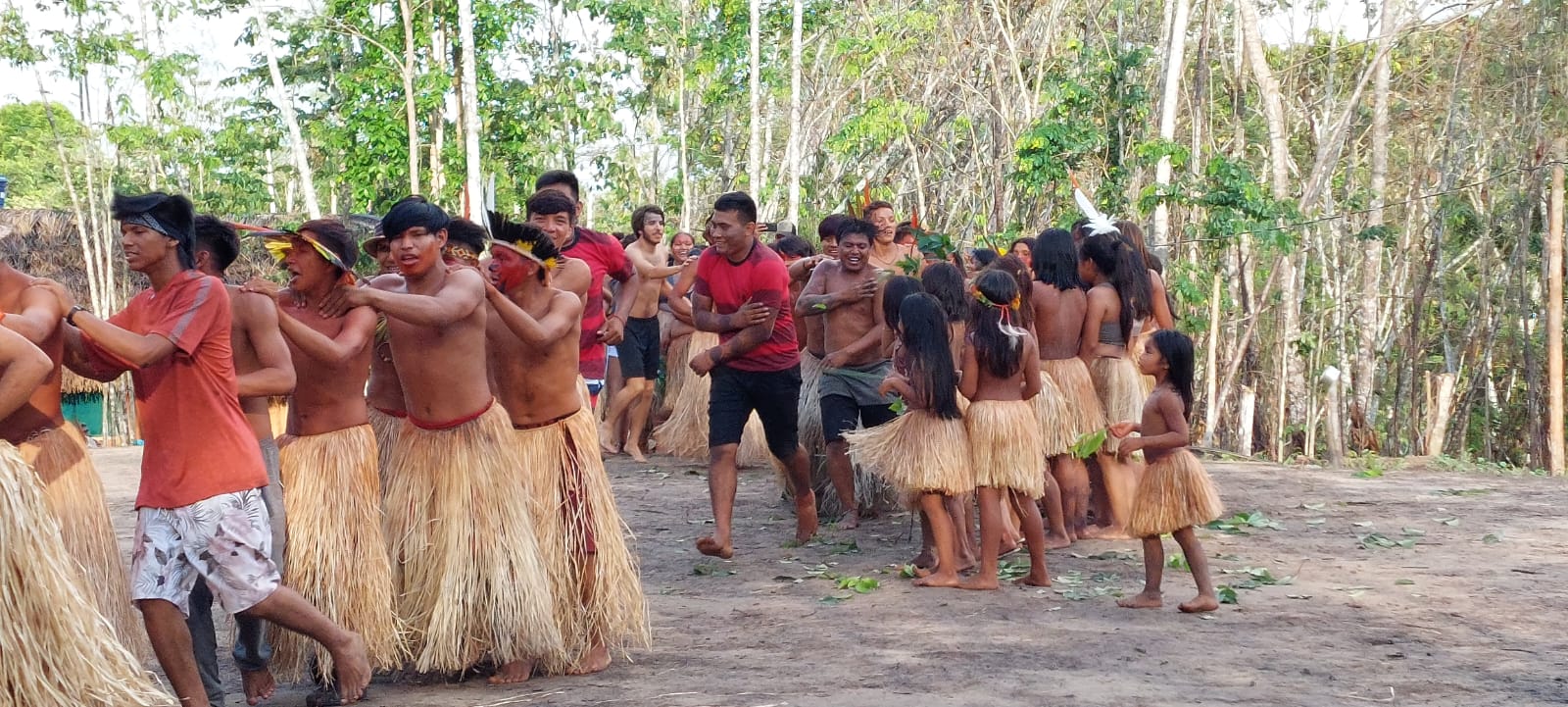
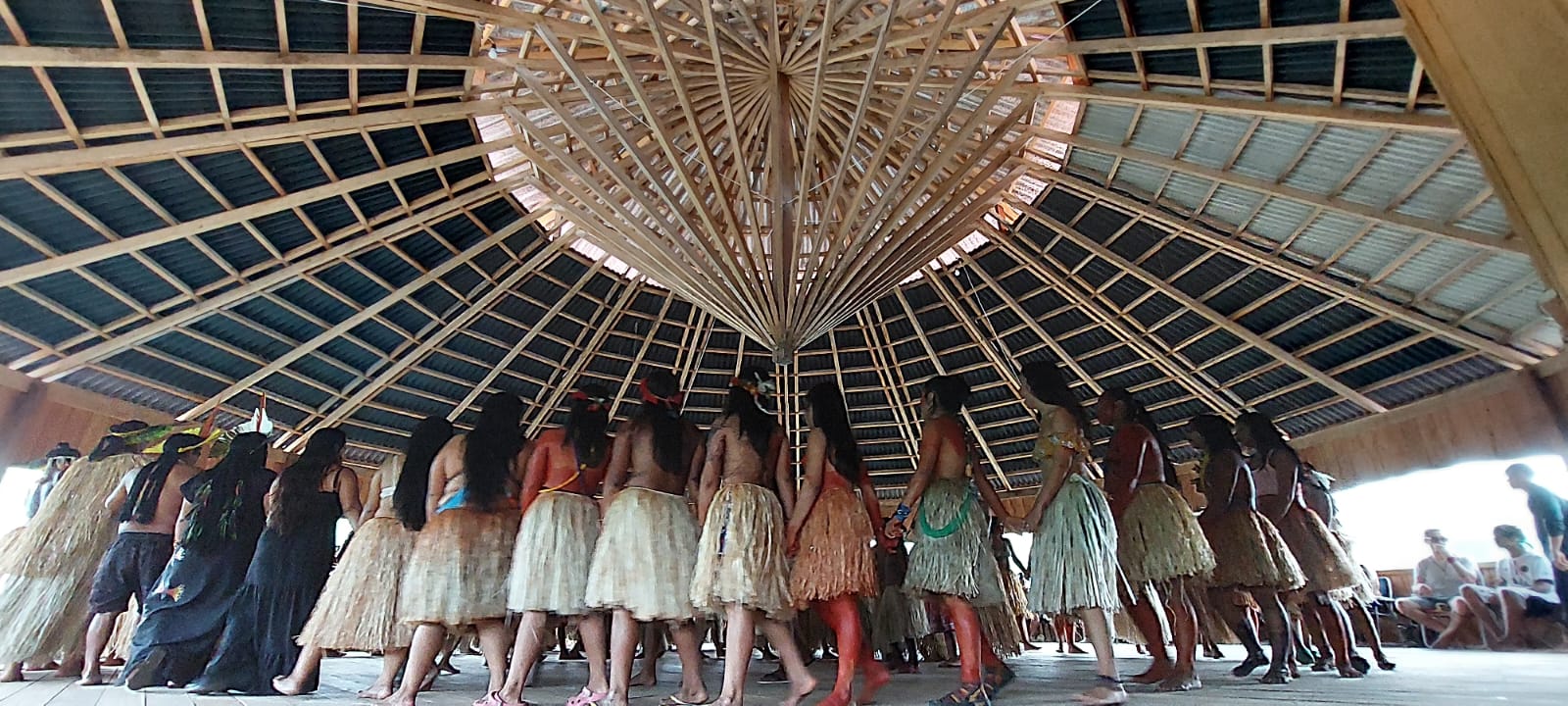
Photos: Enock Taurepang
Paulo Ricardo spoke of innovative experience and the importance of valuing traditional culture and customs.
"To see a people who live their culture, live their customs, and still create a project, a life project, of rescuing and valuing their culture. And seeing that a school was built to teach children to learn is very important. Singing the traditional songs, learning the prayers, speaking in the Yawanawá language is a very rich experience for us. We are here to seek this strengthening, the strength of this people, this union, an understanding, and the wisdom that they have so that we can return to our territory, with our leaders and strengthen our struggle, in the state of Roraima,
strengthening our traditional medicine, our organic production, protecting our territory, so that we can be protagonists." Paulo Ricardo.
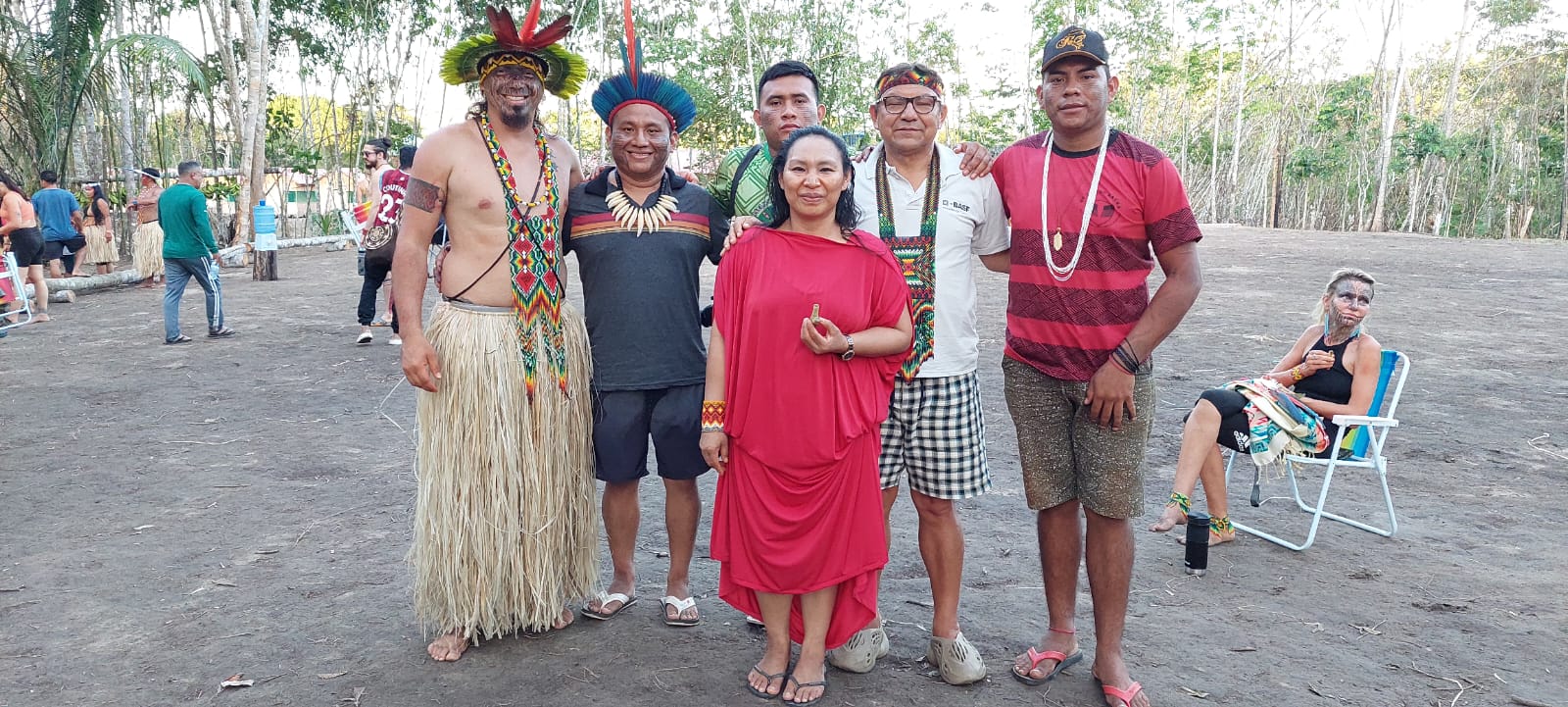
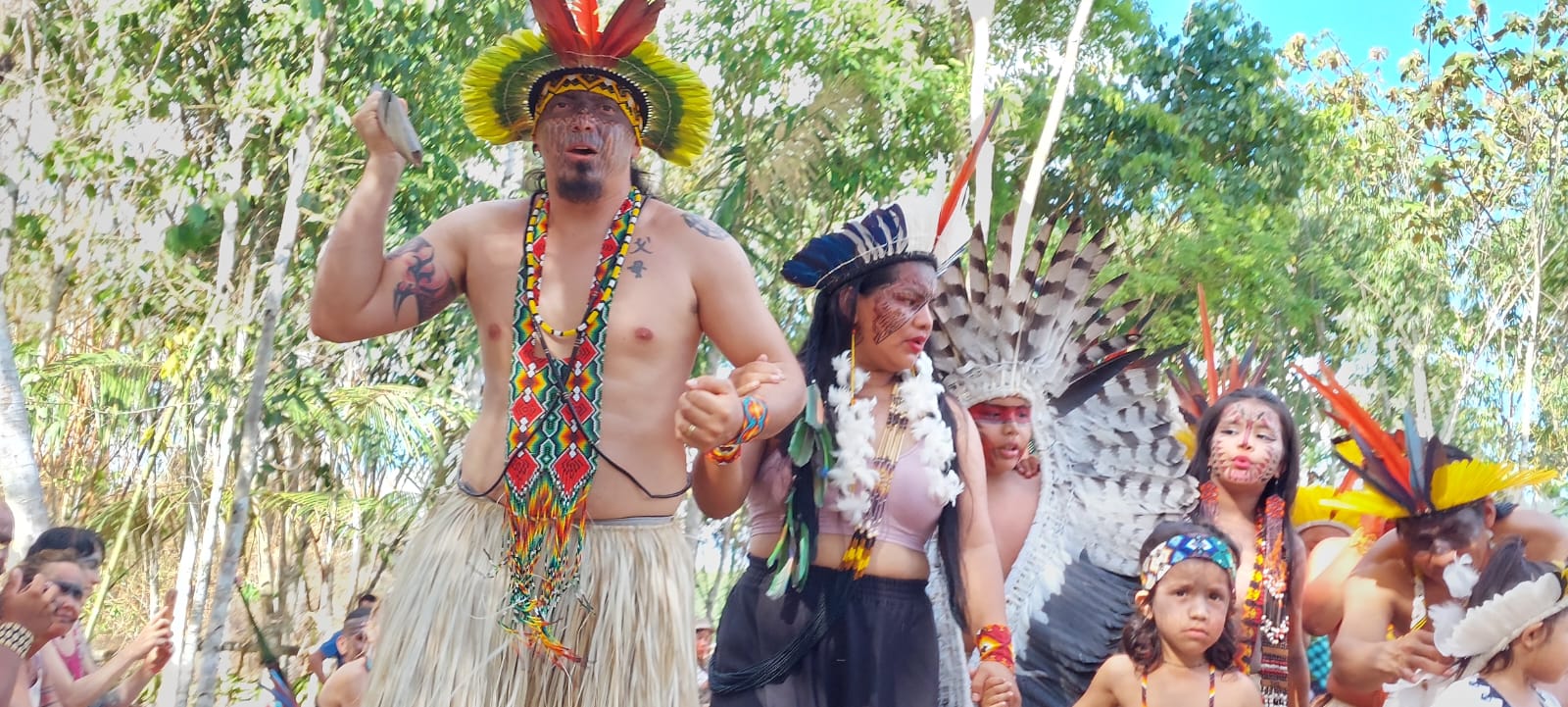
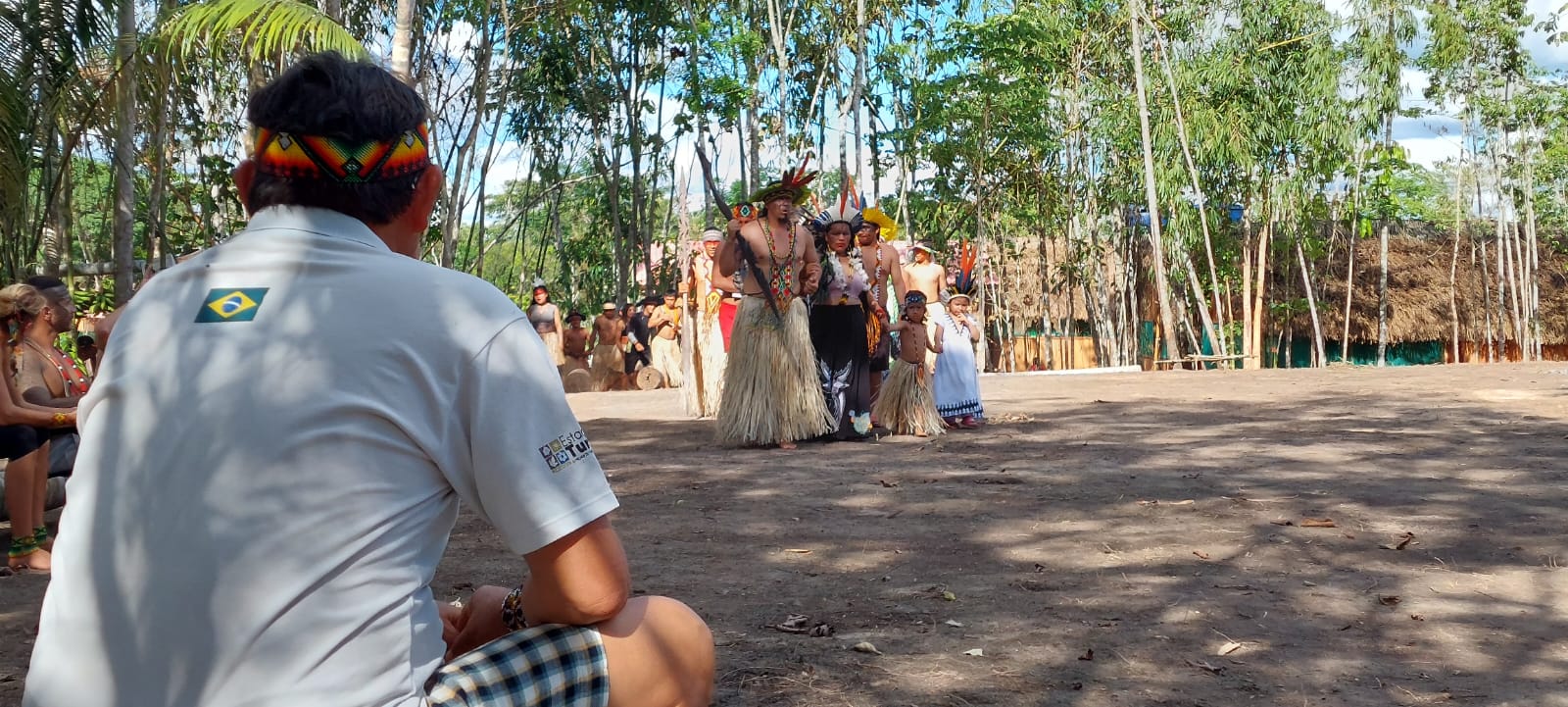
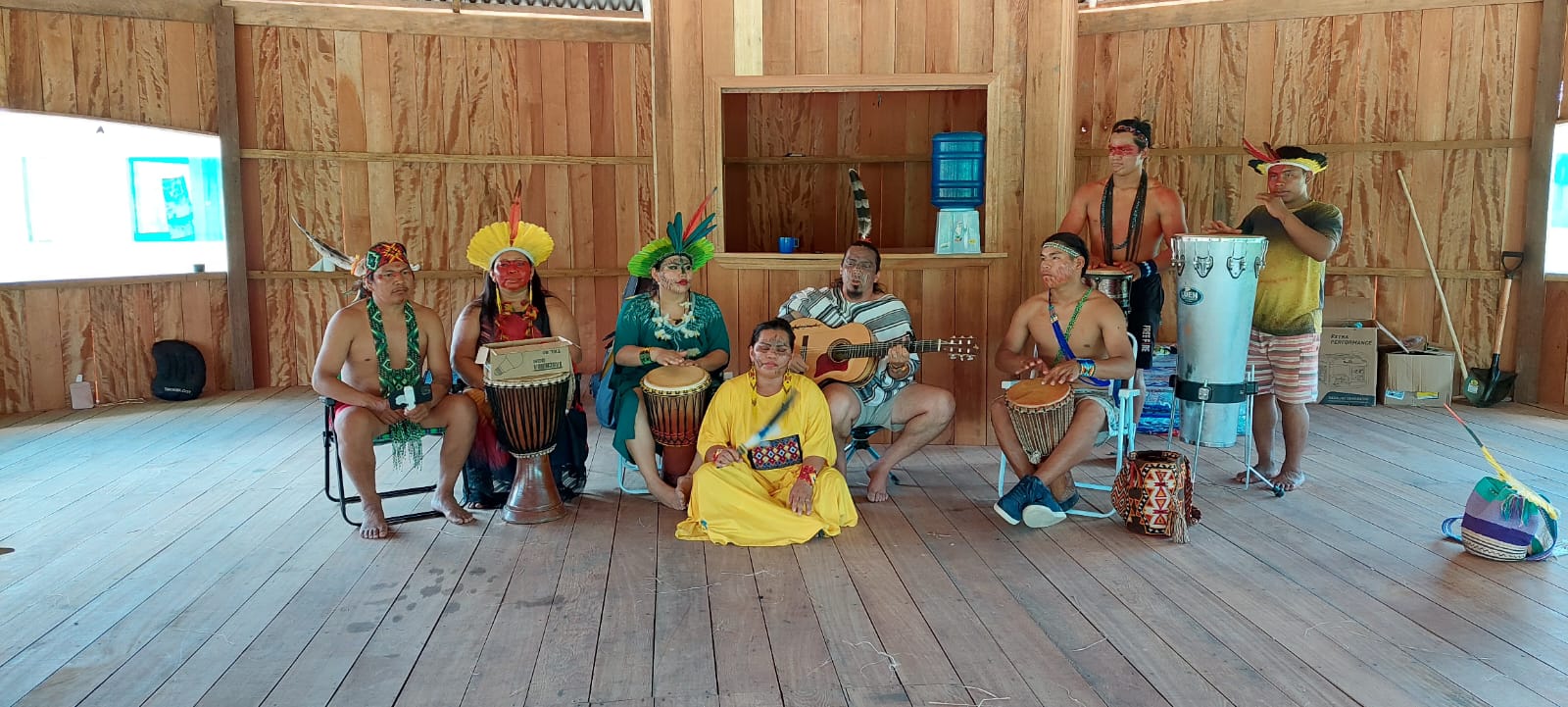
Photos: Enock Taurepang
Lázaro Wapichana is a tuxaua from the Pium indigenous community, T.I Manoá Pium, Serra da Lua region. He is one of the main voices in the indigenous movement of Roraima. In his account he expresses spiritual feelings and the strength of the preservation of Culture.
"During this time we have learned a lot here in the Rio Gregório indigenous land, a very resistant and spiritually strong people. And this experience has been very good as leadership training. We saw the inauguration of a cultural center for the indigenous peoples of the Rio Gregório indigenous land, and according to the Chief this will serve to further deepen knowledge and spiritual rescue so as not to let the native language die.
Some time ago it was almost extinct (the language) of the people and today it reaches other communities. And coming here I intend to return to my indigenous land and pass on this knowledge that is spiritually very strong.
For us as youth and for me a very good experience and I will pass it on to my parents, my family, my community and my people.
A very good class with Cacique Biracy, a very strong leader within the Nova Esperança village, within the Rio Gregório indigenous land. And an example of leadership within the indigenous movement and especially in the spiritual world. And coming all this day and learning from the most important songs and rituals and ceremony with traditional medicine. It is important for us young people to improve our knowledge more and more, including the spiritual world that many of us are unaware of. It has been days of a lot of learning." Tuxaua Lázaro.
Thanks to the Community and Leaders of the Nova Esperança Community for the welcome of our leaders.
Videos and Photos: Enock Taurepang