
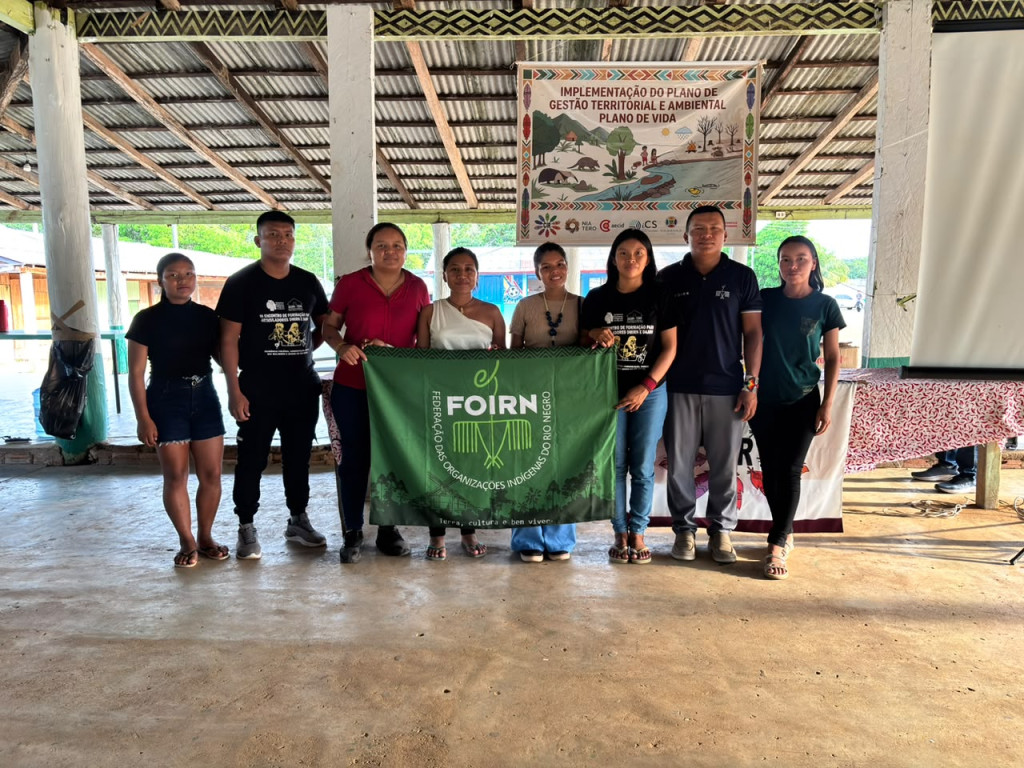
The initiative brings together six representatives from the Federation of Indigenous Organizations of the Rio Negro (FOIRN) and young people from the Indigenous Council of Roraima (CIR), strengthening dialogue, training, and coordination among indigenous youth from the two territories.
The FOIRN delegation visited the Malacacheta Indigenous Community, in the Serra da Lua region, on September 16th and 17th, and observed the implementation of the Territorial and Environmental Management Plans (PGTAs), developed by the Department of Territorial, Environmental and Climate Change Management (DGTAMC). This activity allowed the young people to see firsthand how the process is carried out with the indigenous communities of Roraima, through dialogue with men, women, young people, and traditional leaders.
The partnership between CIR and FOIRN has been built over the years through exchanges and opportunities for closer ties between the territories. This year's initiative expands the participation of youth from the Rio Negro region, allowing more young people to learn about the reality of indigenous youth in Roraima. As highlighted by Raquel Viana, coordinator of the Gabriel Ferreira Indigenous Youth Department, the exchange is an opportunity to strengthen the knowledge of young people and promote an exchange of experiences between the two territories.

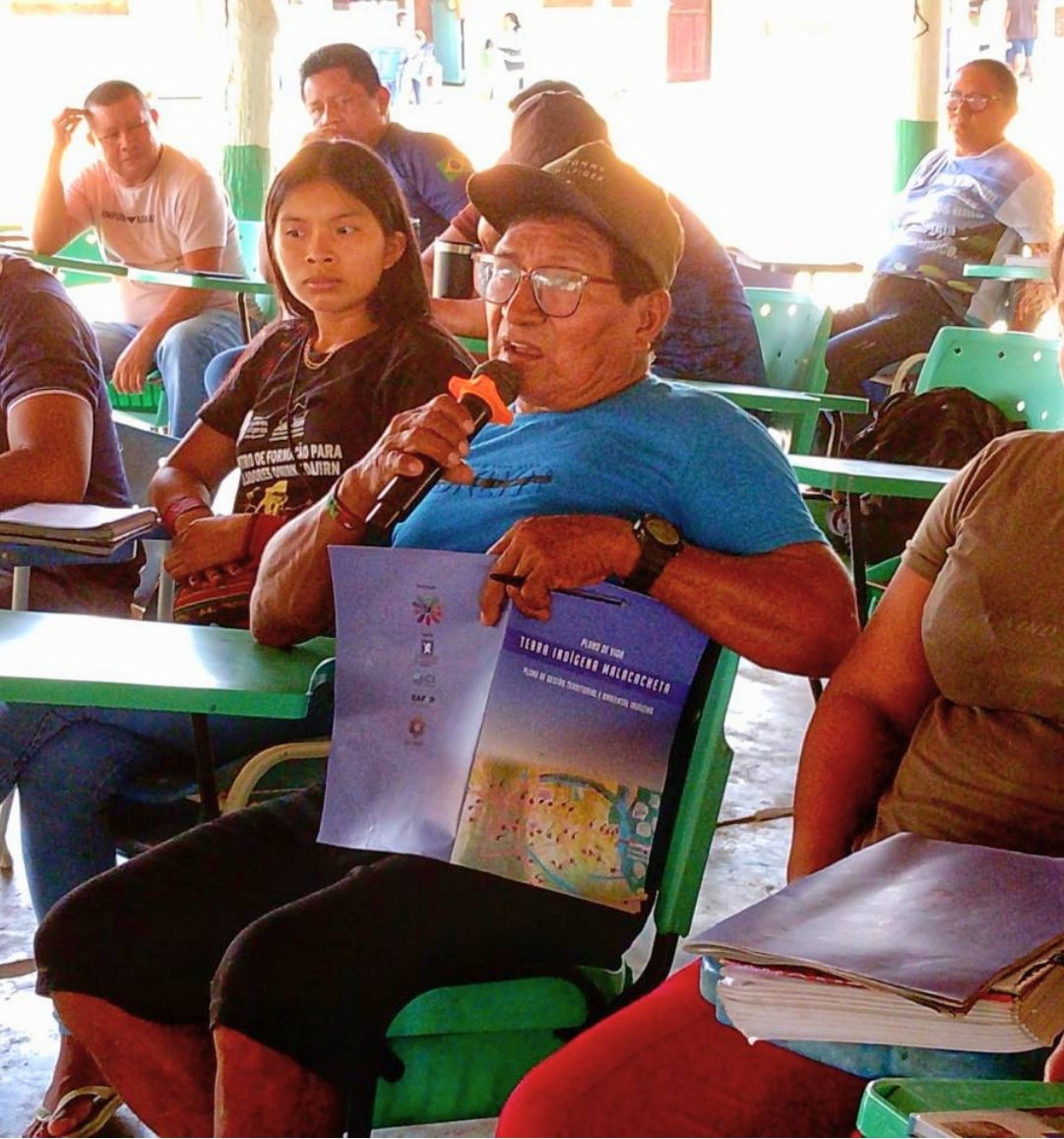
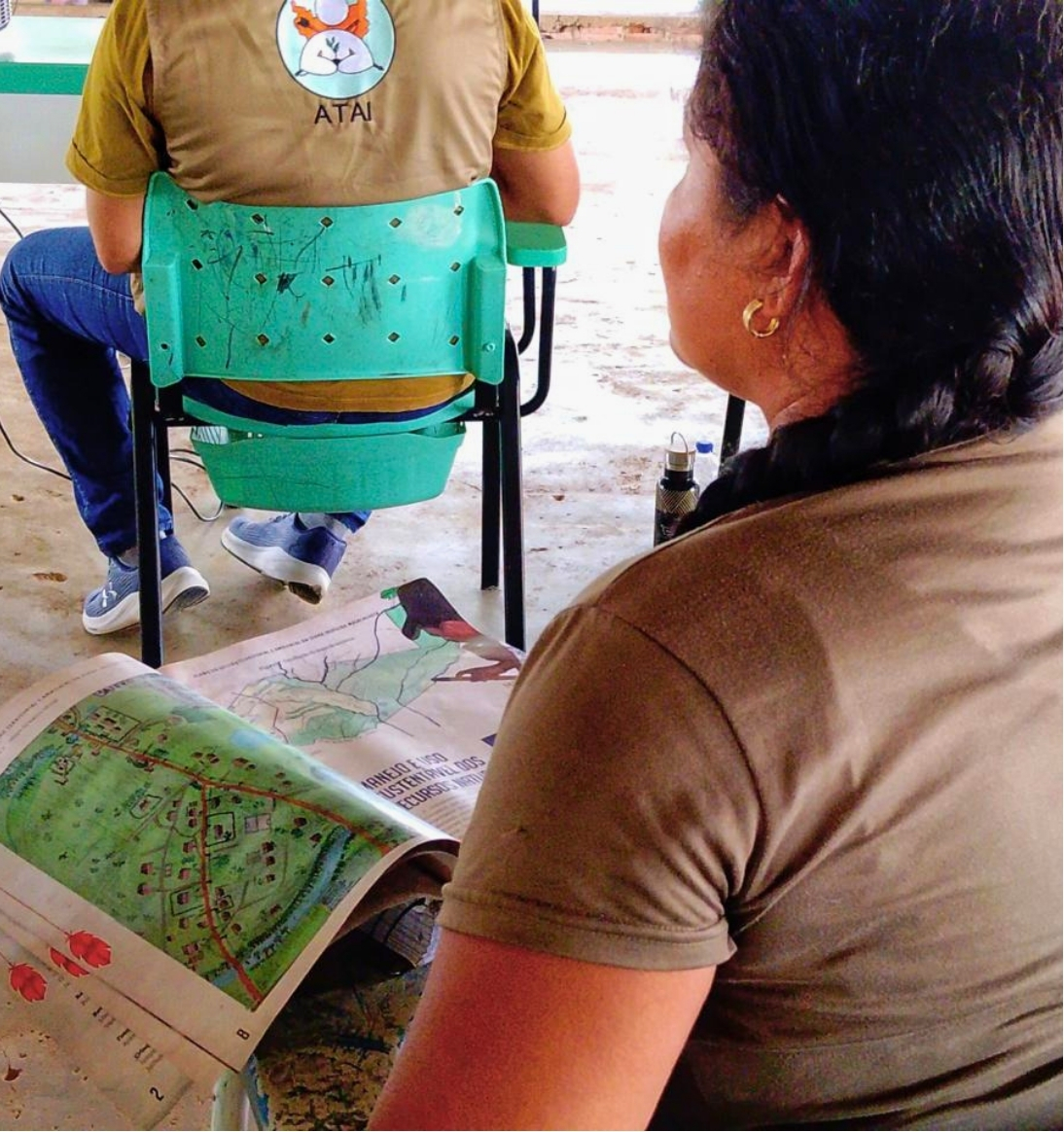
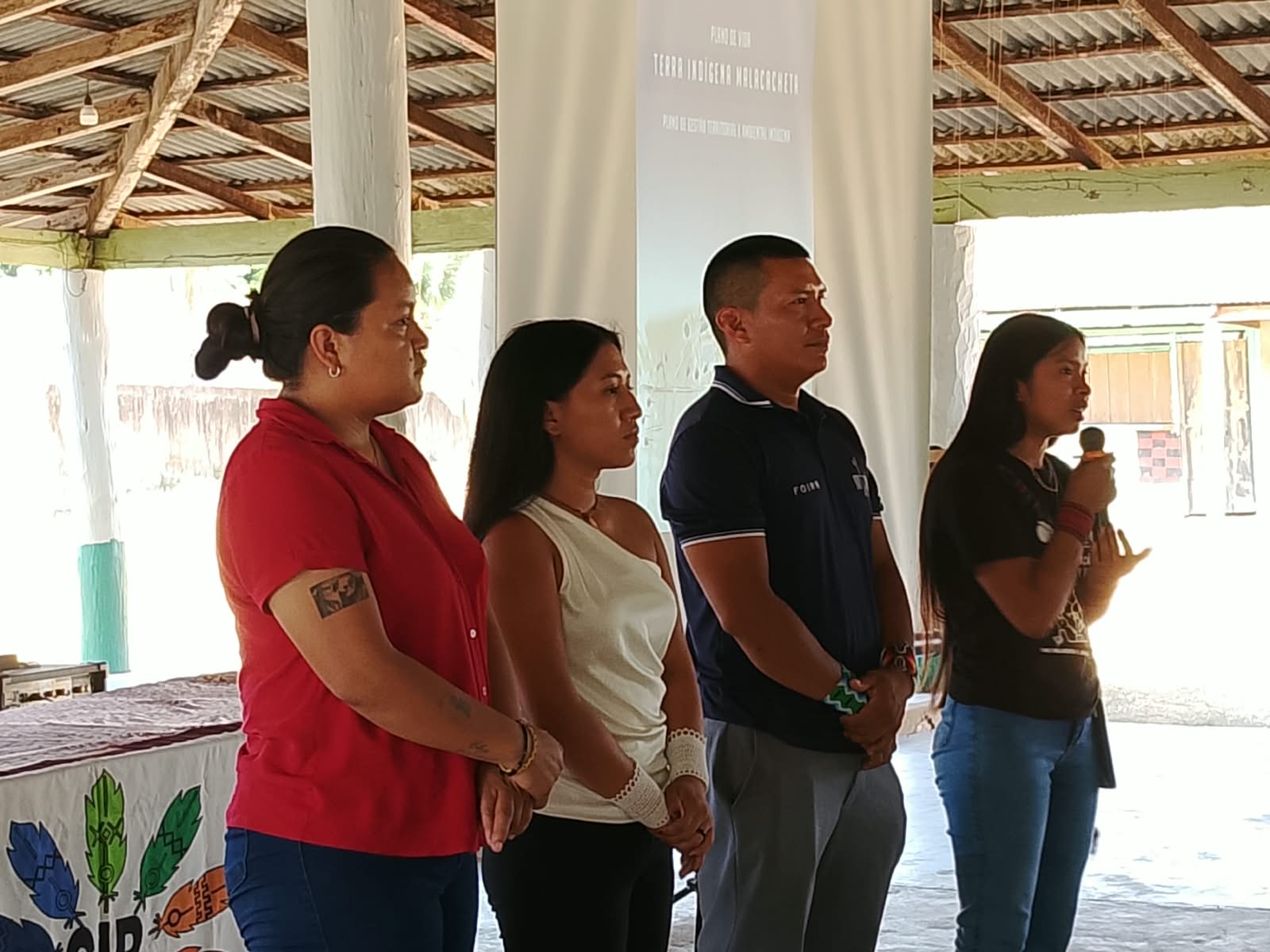
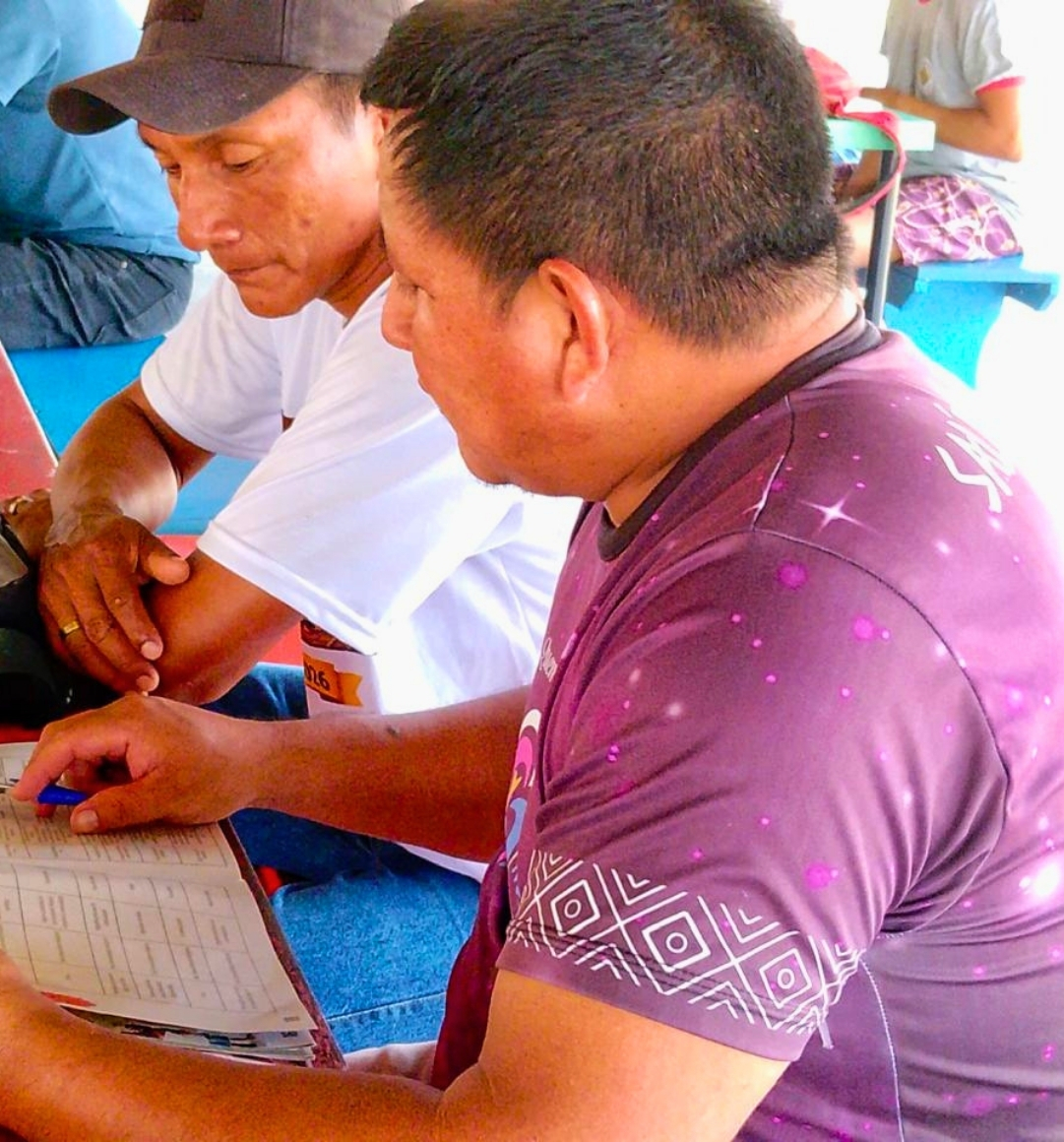
"We've had a long-standing partnership with FOIRN. We've been to their territory before, and they've come here as well, and we've been doing this annually. This year they came with the goal of a larger exchange, with more young people, to learn more about the reality of indigenous youth in Roraima. This year the exchange focuses mainly on the PGTAs (Territorial and Environmental Management Plans), on the implementation of the plans, and they arrived precisely at a time when the DGTA (Directorate General of Territorial and Environmental Management) is carrying out this implementation and were able to see how the CIR (Indigenous Council of Roraima) interacts with the communities and how this work is done at the grassroots level,"said the coordinator.
According to FOIRN director Hélio Tukano, observing the experience in the Malacacheta Community represented a learning opportunity that will be shared in his territory and, most importantly, will contribute to the implementation of the Rio Negro Territorial Management Plans (PGTAs).
"We are very happy. As people from the Rio Negro region, our idea is precisely to educate ourselves, gain more knowledge, and develop the projects that await us within the territories. This exchange is proving very beneficial and valuable because it allows us to deepen our knowledge and learn, in practice, how these processes are built and how future partners can support this implementation."
Concluding the first stage of the exchange, the delegation visited the CIR headquarters in Boa Vista last Friday (18) and learned about the organization's structure, its departments, areas of activity and the different work fronts developed by the Indigenous Council of Roraima (CIR).

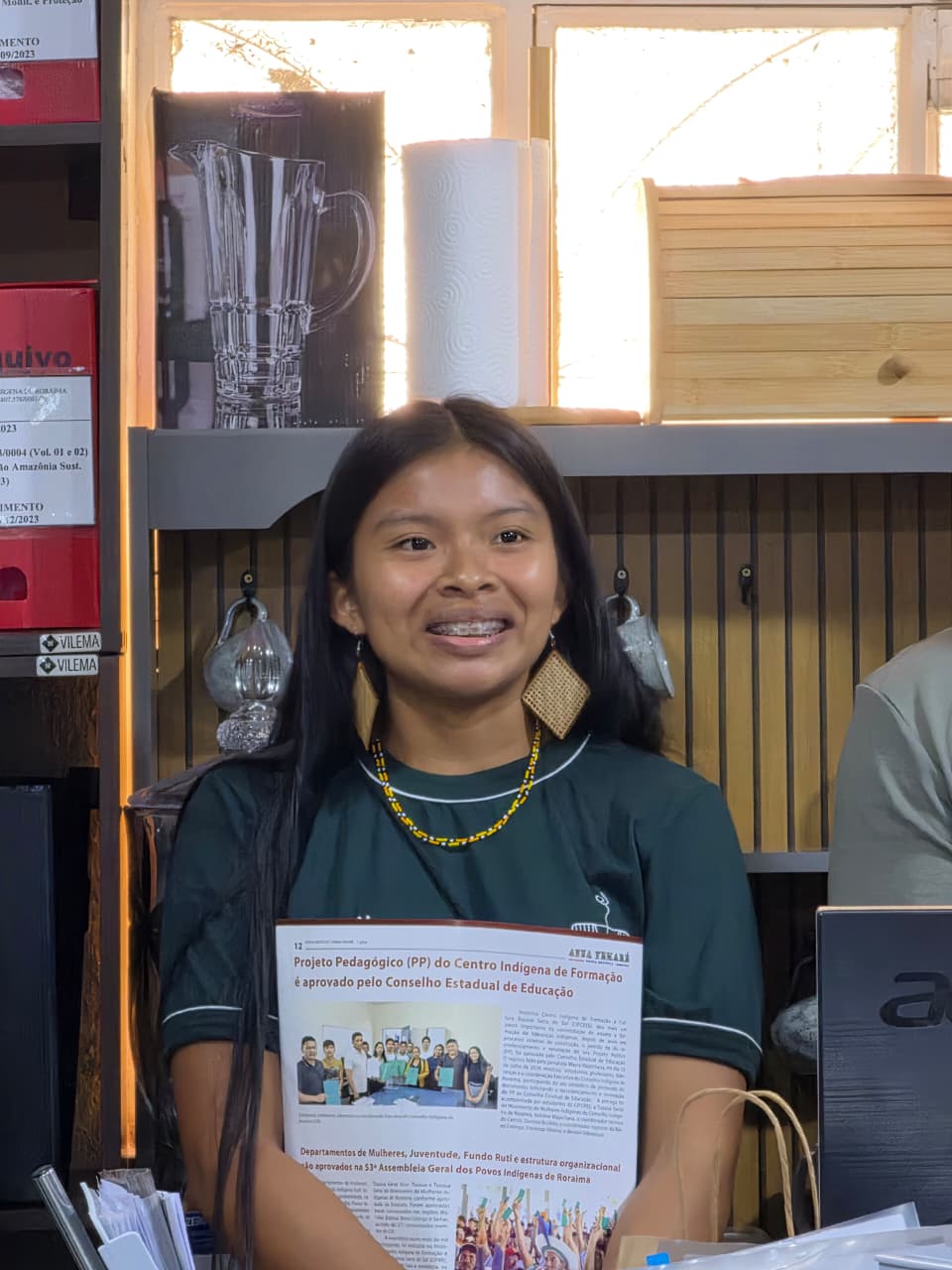
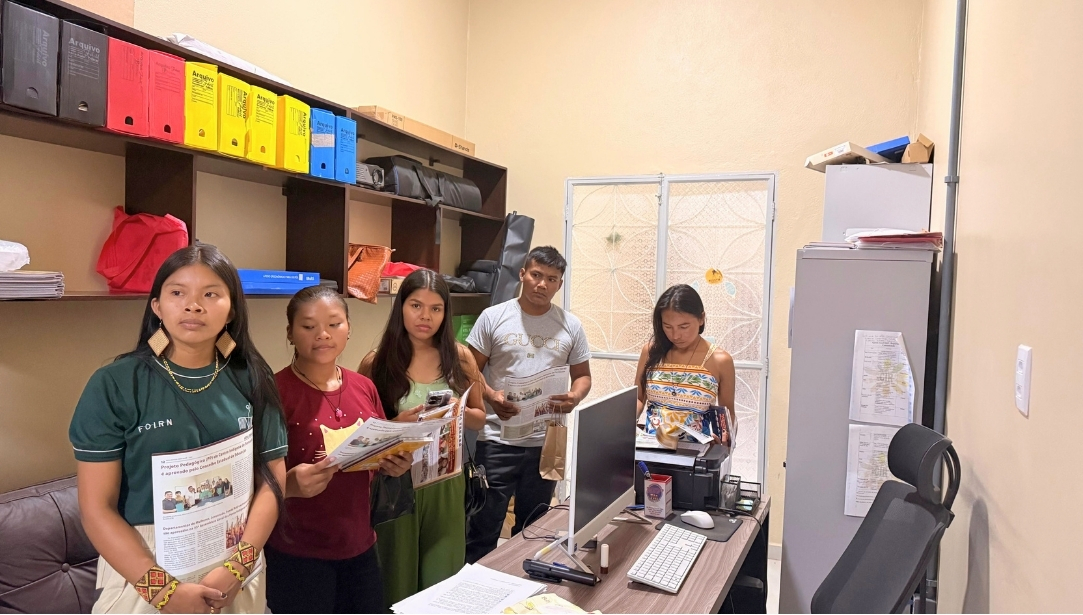
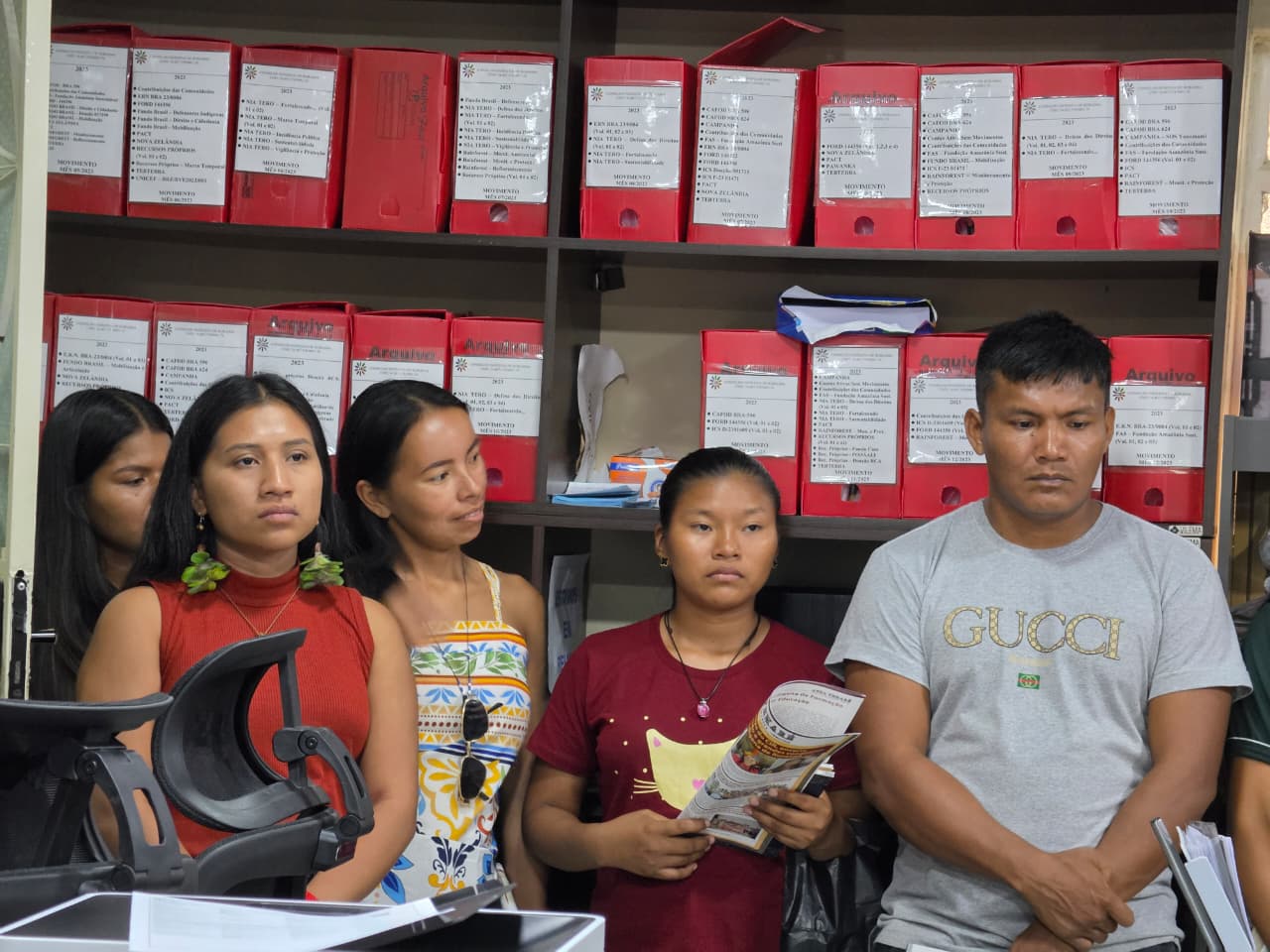
Later, the young people from FOIRN will participate in the State Assembly of Indigenous Youth of Roraima, which will be held from September 20th to 25th in the Indigenous Community of Camará, in the Baixo Cotingo region. This event will allow them to learn about the organization of indigenous youth in Roraima, follow the debates, and share experiences of the youth movement in the Rio Negro region.
The expectation is that the knowledge shared during the program will contribute to strengthening the young people's actions in their communities.