
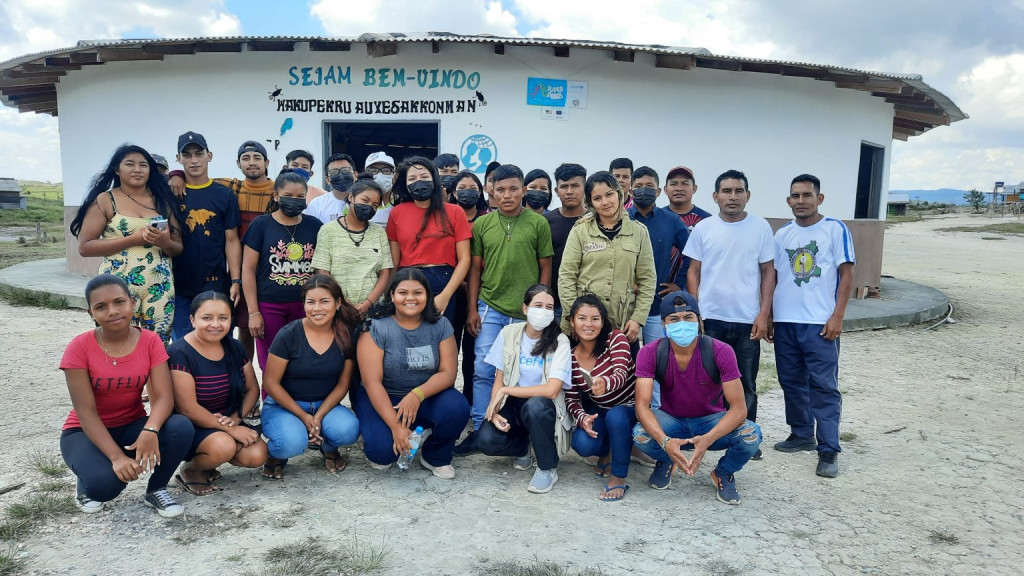
The Indigenous Council of Roraima (CIR), through the Department of Communication, in partnership with the United Nations Children's Fund (UNICEF), held the third communication workshop for young communicators in the Alto São Marcos region, São Marcos indigenous land (TI), in the municipality of Pacaraima, in Roraima. The meeting took place between September 21 and 22, and led to discussions on water, sanitation, hygiene, the impacts of Covid-19, as well as health, and the importance of vaccination in communities. 34 young Brazilian and Venezuelan indigenous people from the Macuxi, Wapichana and Taurepang peoples participated.
During the meeting, which is part of the project "Strengthening the capacity of indigenous peoples in the Amazon for prevention and response to covid-19", funded by the European Union, participants received lectures from experts on the topics, in addition to two training sessions, given by indigenous communicator Jacir de Souza, from the Macuxi people, in which they learned application tools for editing, audio production, musicalization, radio spots, podcasts, script creation and audio recording.
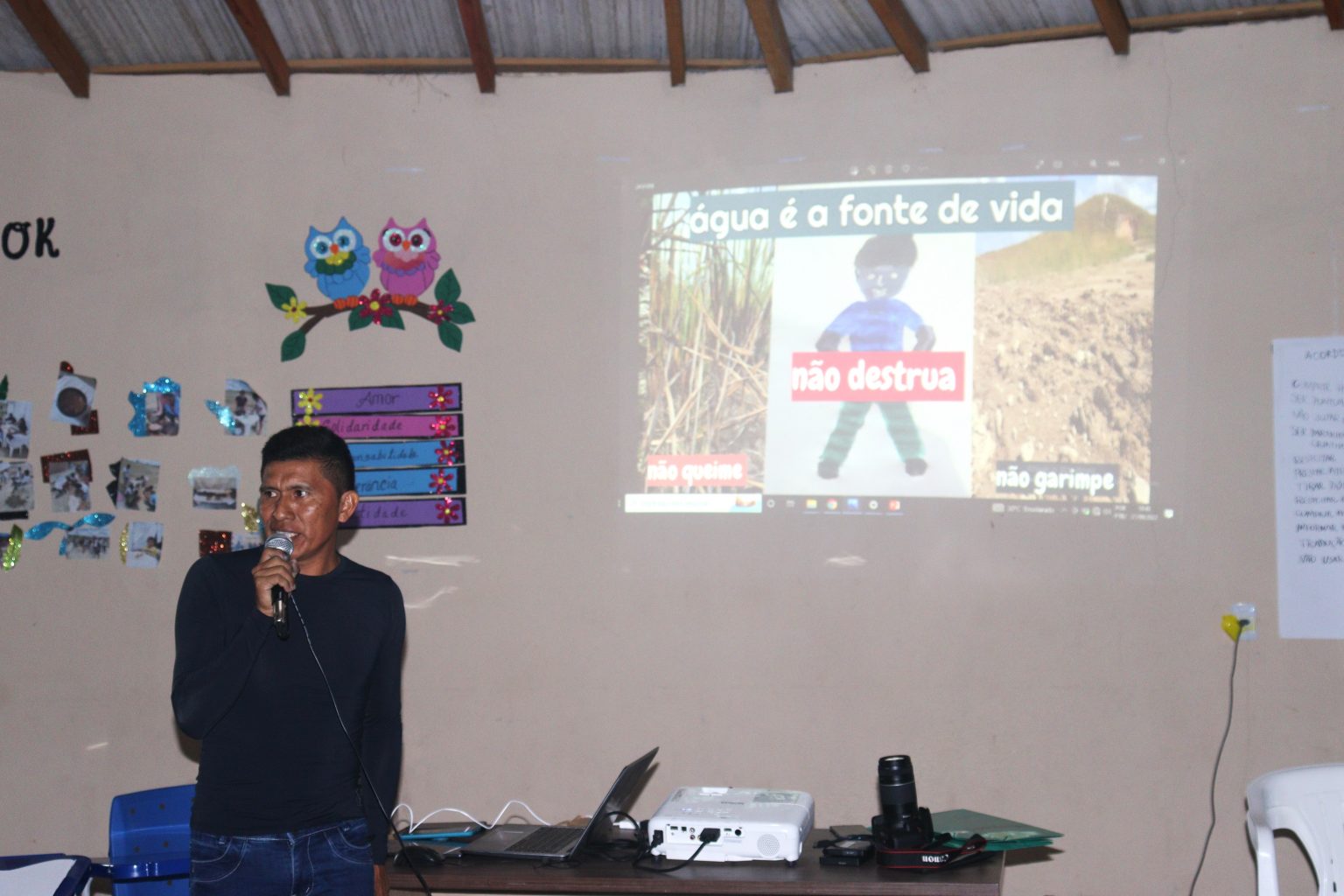
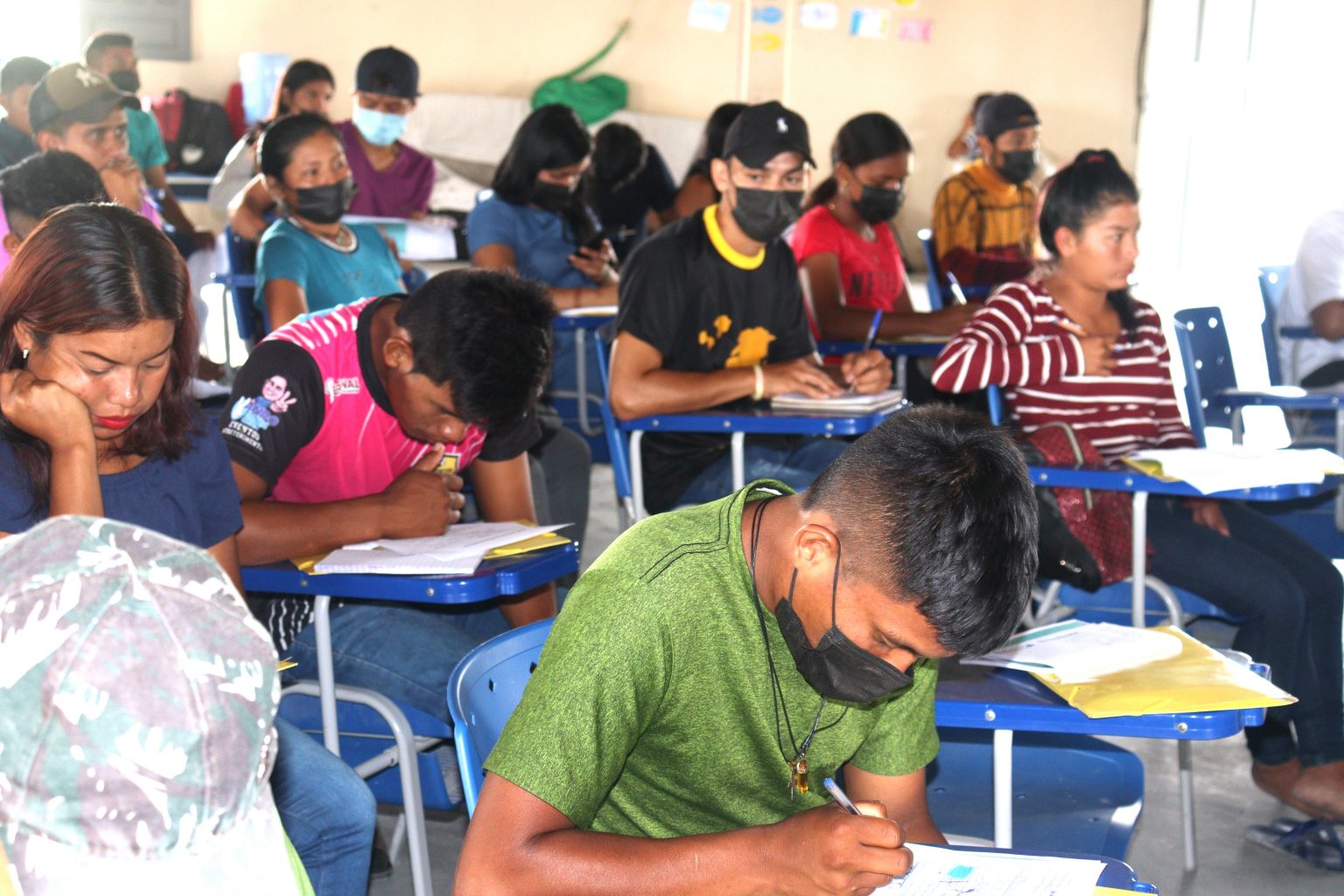
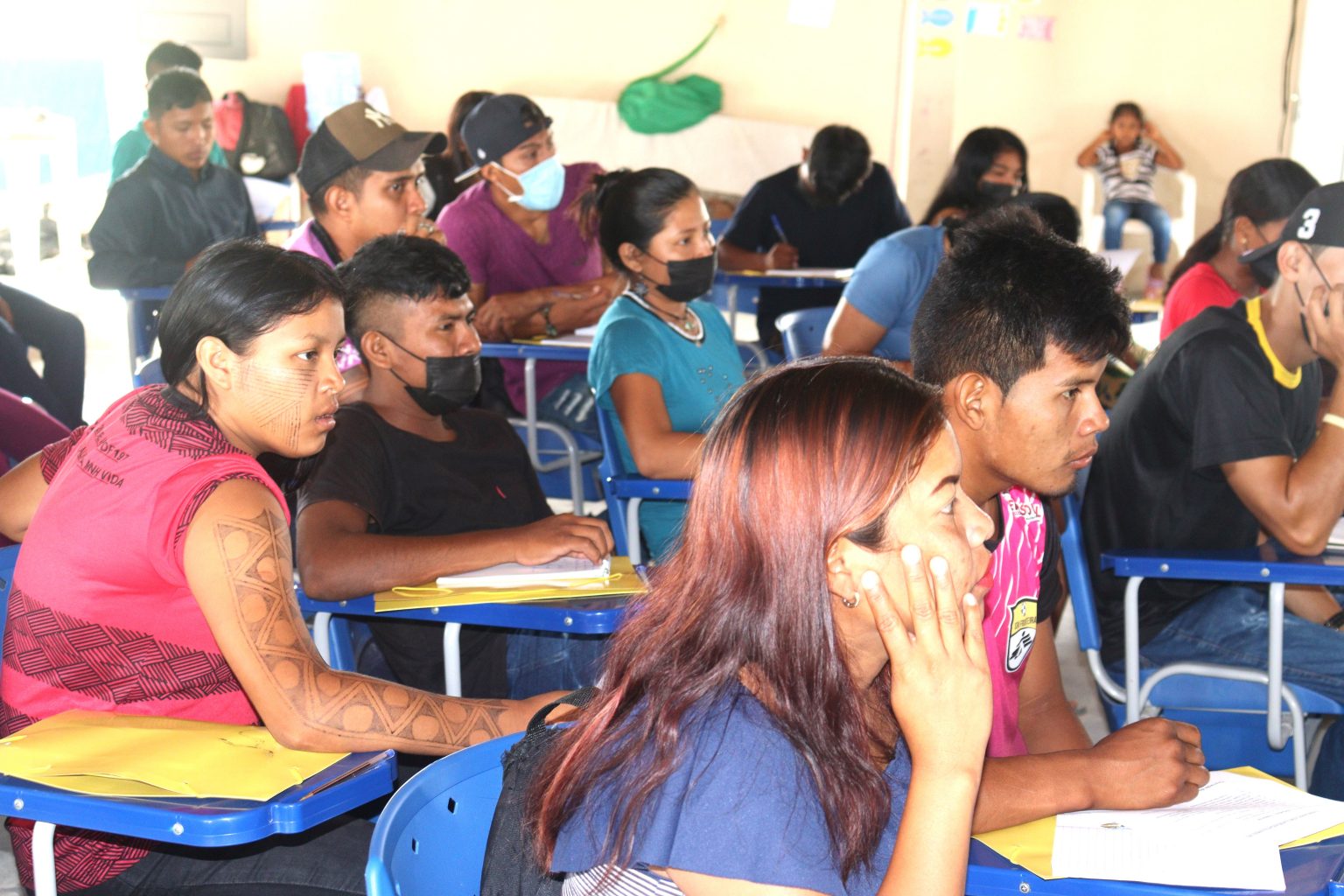
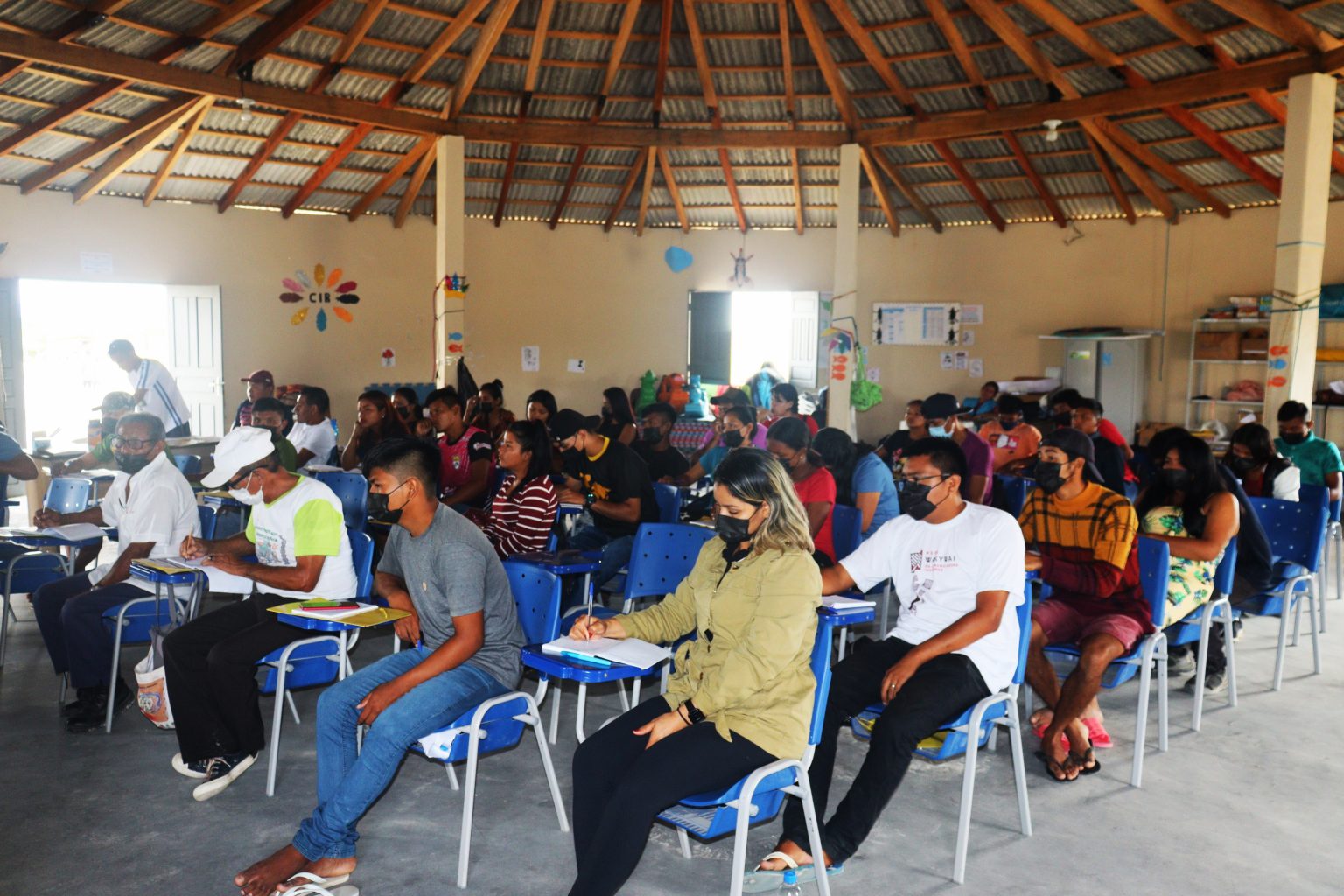
"It is essential that adolescents and young people are protagonists in the dissemination of reliable information within the community. Through their work, they become agents of change and strengthen the community to find solutions to their challenges," says Ester Coelho, UNICEF's communication consultant for social and behavior change in Roraima.
The CIR Communication Department, coordinated by journalist Márcia Fernandes from the Wapichana people, emphasizes that this is another training aimed at grassroots communicators. "With each training we feel an advance, and the indigenous communities win. In addition to advancing in the handling of communication tools, producing cards and podcasts with topics on water, sanitation, hygiene, and the impacts of Covid-19, young people have the role of communicating to their community the proper care on these issues that are so important to us indigenous people", he highlighted.
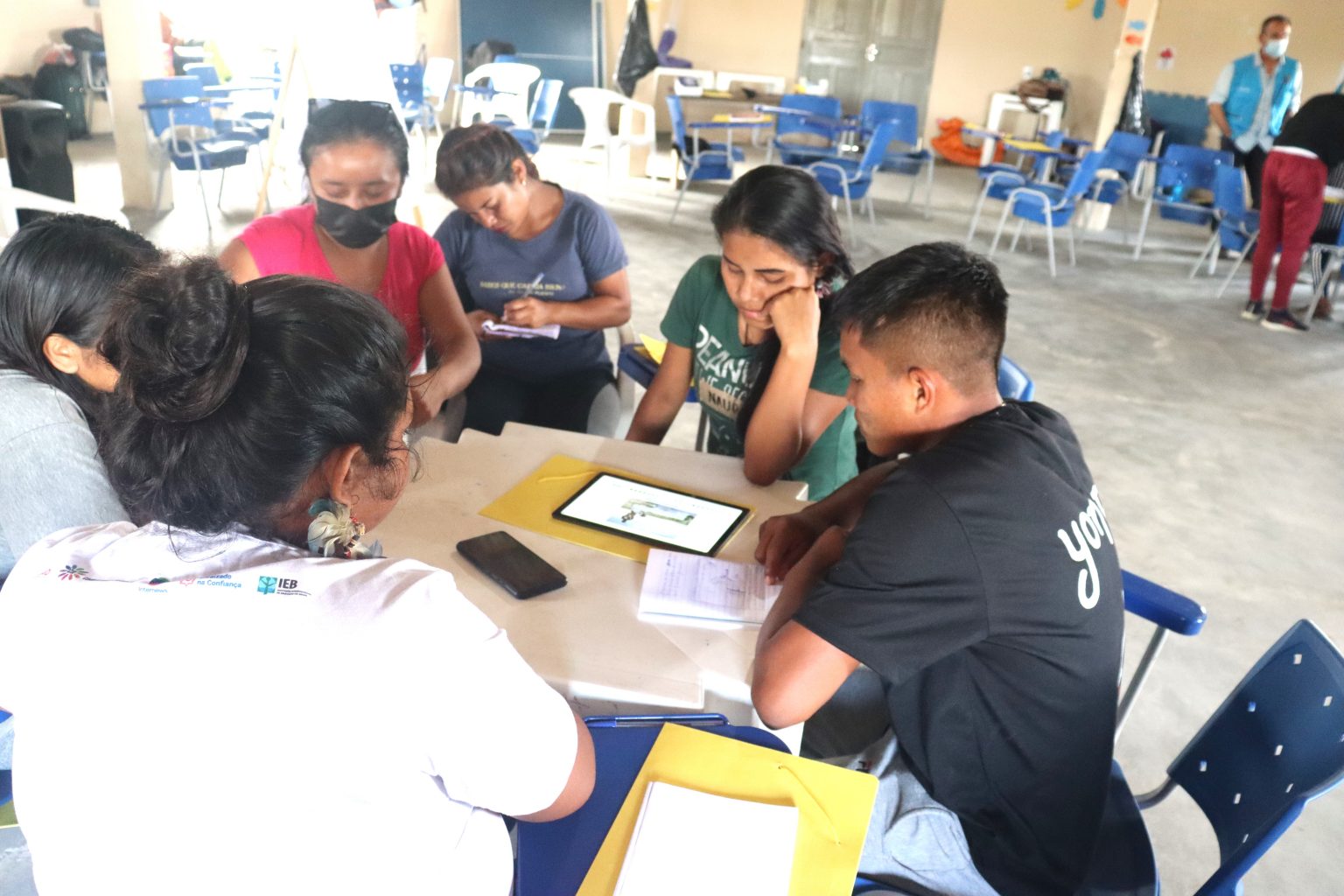
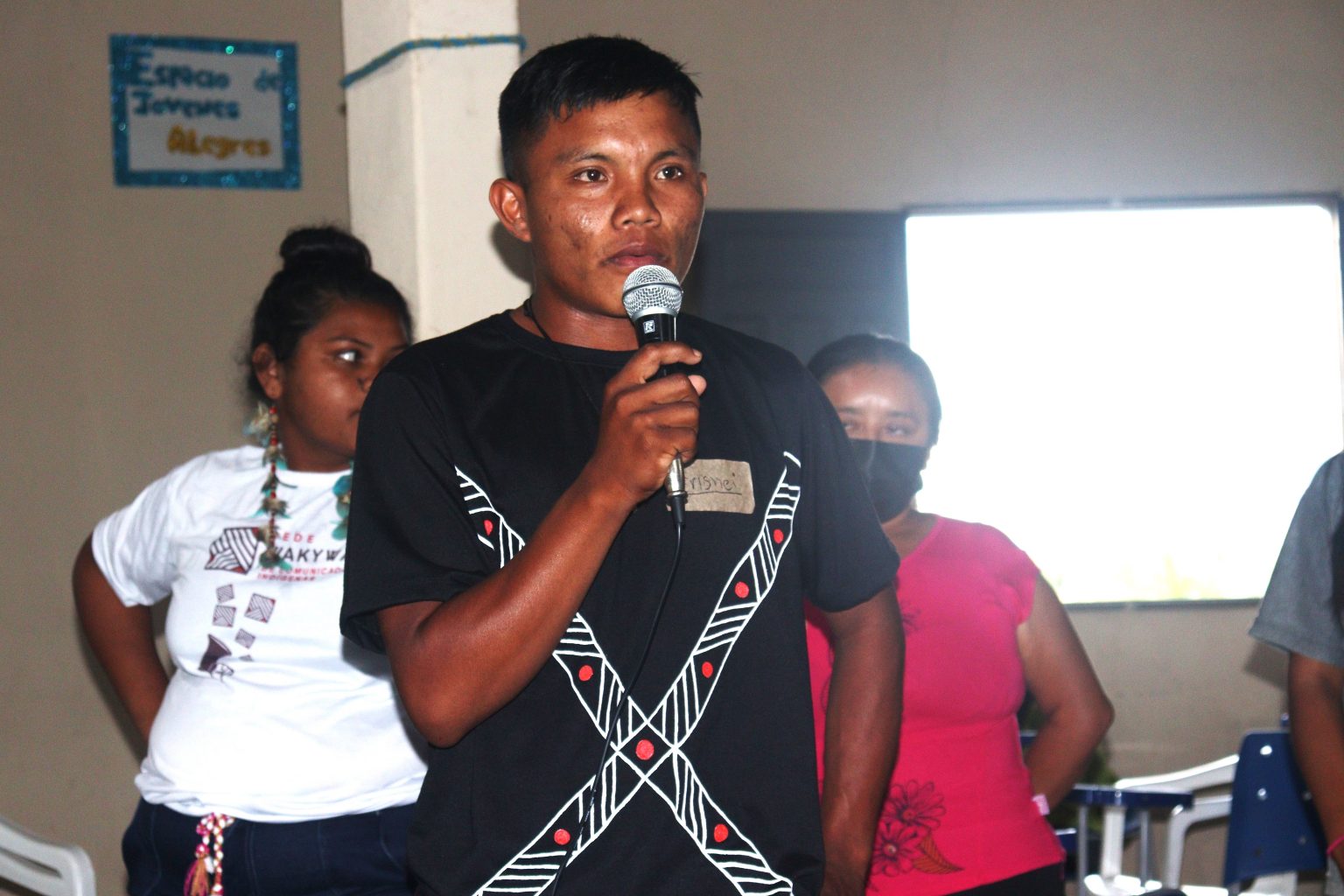
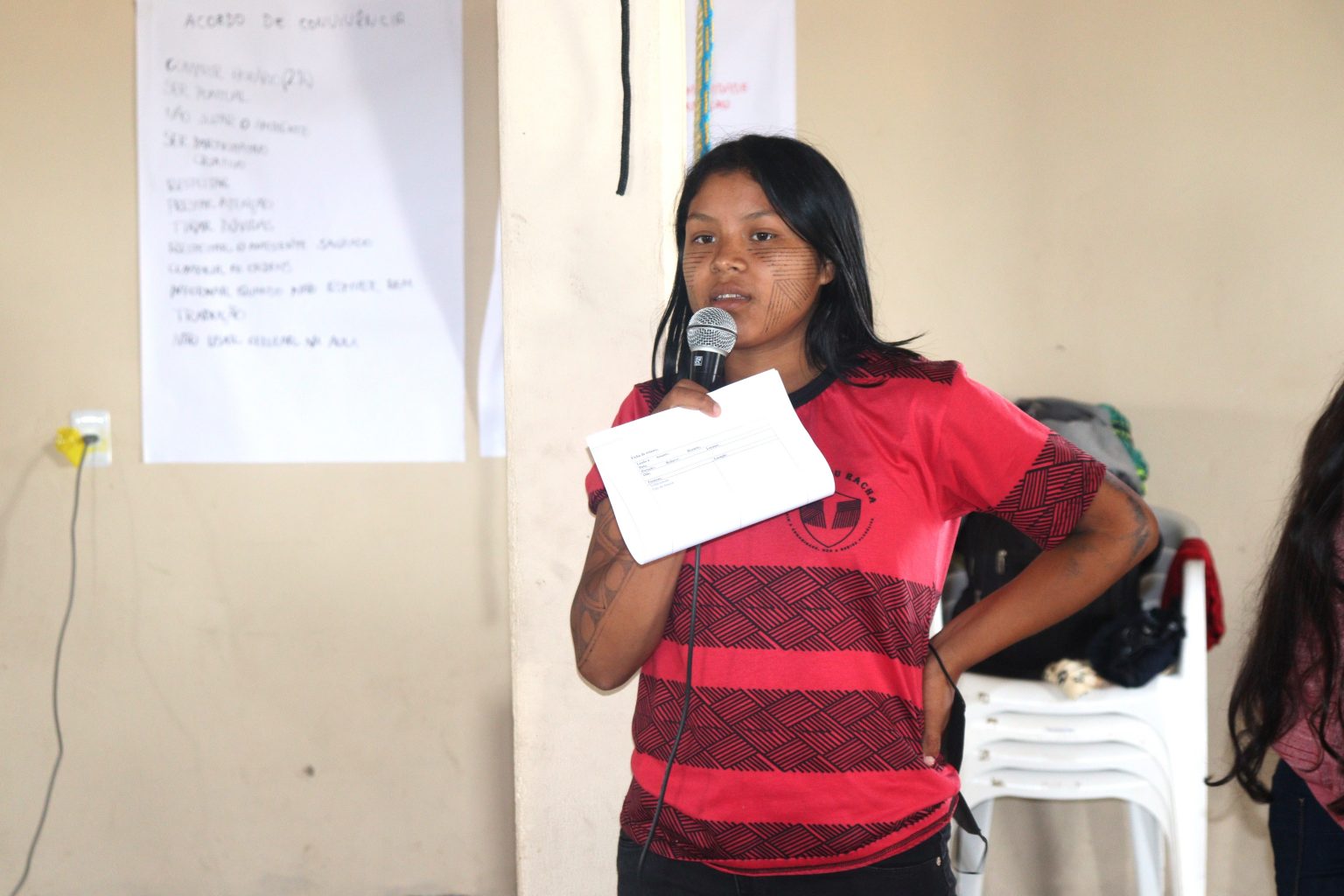
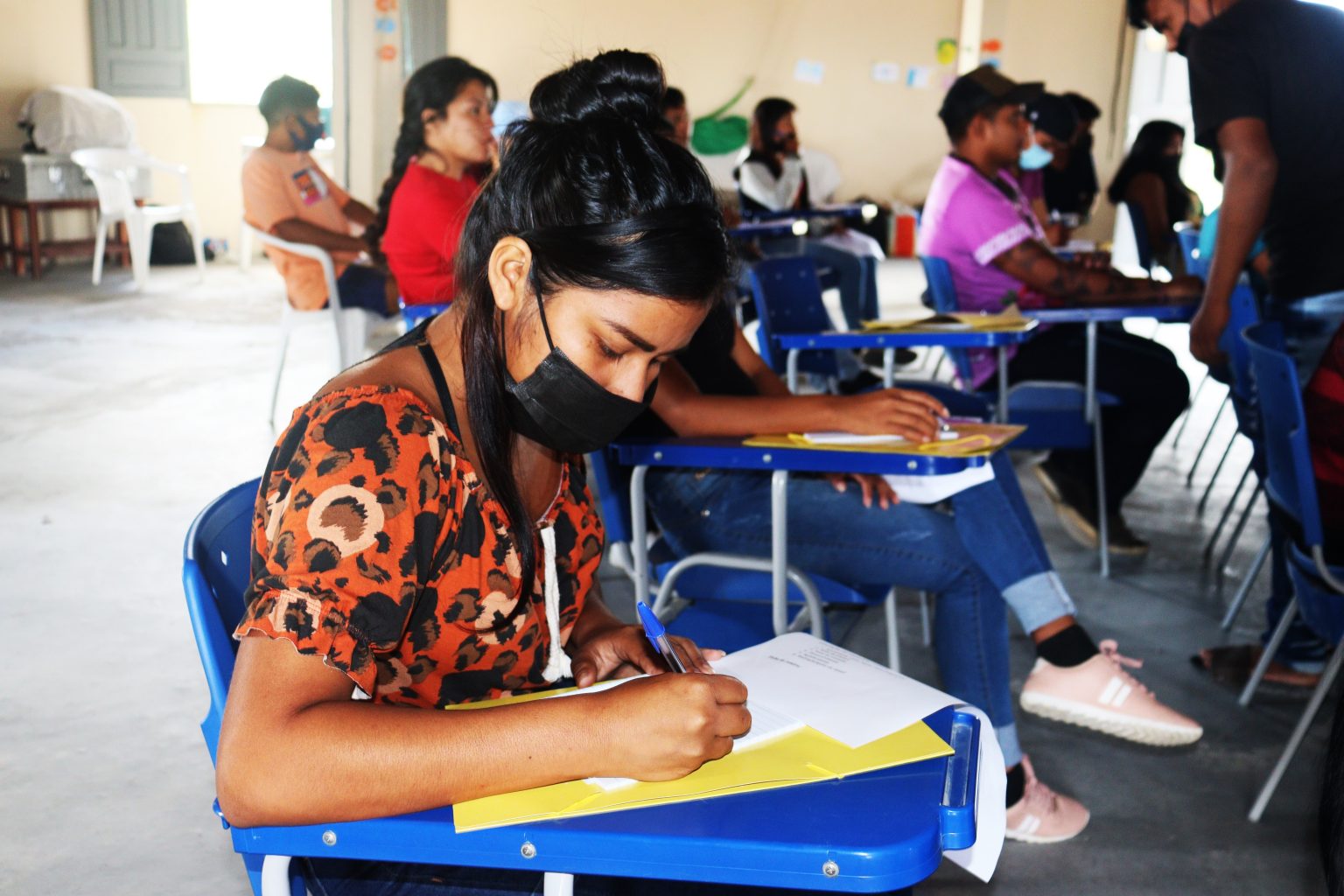
Erisney Oliveira, 18, from the Macuxi people, from the São Miguel da Cachoeira community, in the Surumú region, T.I Raposa Serra do Sol, participated for the first time in a communication workshop. "I will certainly multiply this communication in the communities, with leaders, family and friends. The young people were interested in the topics that were discussed, and this was very important for us, and it will be even more important to be here learning to be able to fight, and produce materials for our communities," she says.
Check out the results of the productions carried out by the young indigenous communicators here.
Podcast Link https://youtu.be/AuPTFUqtNT0
Podcast Linkhttps://youtu.be/K2i0UJ2tcmg
Podcast Linkhttps://youtu.be/pGdH9bOveKc
Podcast Linkhttps://youtu.be/8xdTHwvT7Fk
Podcast Linkhttps://youtu.be/GBDw2RktlBM
Podcast Linkhttps://youtu.be/j5JmBC0lgJg
About the project "Strengthening the capacity of indigenous peoples in the Amazon for prevention and response to covid-19"
With funding from the European Union, through the Department of Civil Protection and Humanitarian Aid (ECHO), the project seeks to mitigate the primary and secondary impacts left by the covid-19 pandemic on Indigenous communities and territories in the states of Amazonas, Maranhão, Pará and Roraima. To this end, it establishes partnerships between public and civil society organizations to improve the quality of life of indigenous peoples to achieve results on several fronts of action: health, sanitation, water and hygiene, mental health, nutrition, traditional medicine and in the training of young communicators and multipliers for community action.
It is an initiative of the United Nations Children's Fund (UNICEF) in partnership with the Adventist Development and Relief Agency (ADRA), the Indigenous Council of Roraima (CIR), the Federation of Indigenous Peoples of the State of Pará (Fepipa), the Leônidas and Maria Deane Institute (Fiocruz Amazônia), the Network of Indigenous Women of the State of Amazonas (Makira-Êta), the Peabiru Institute, and the Health and Joy Project.