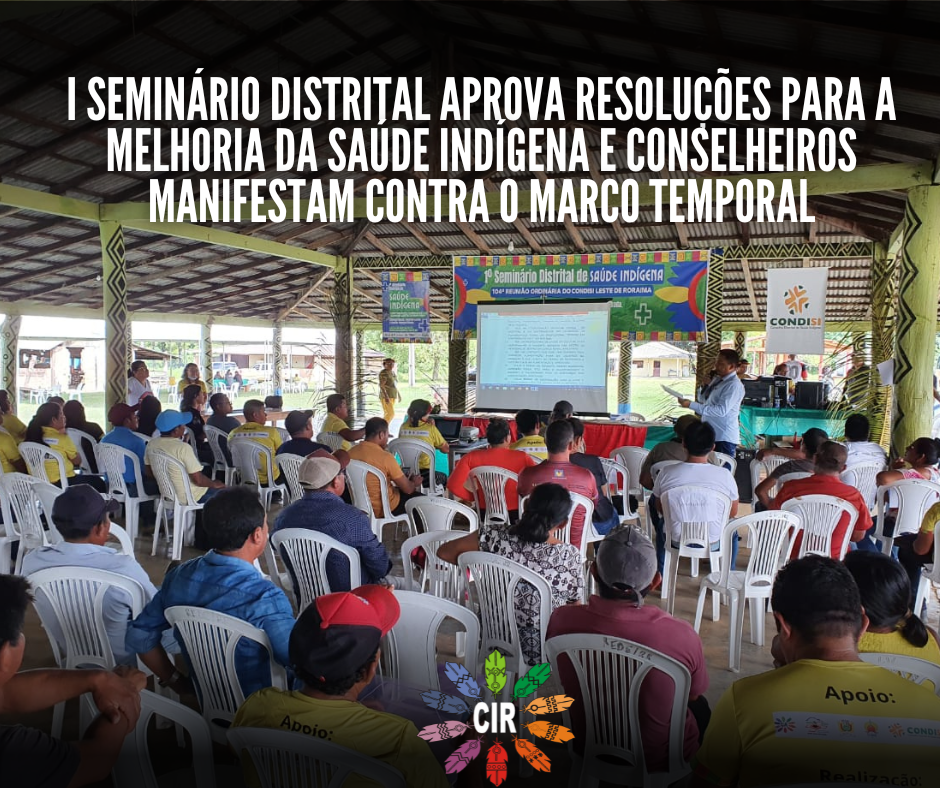
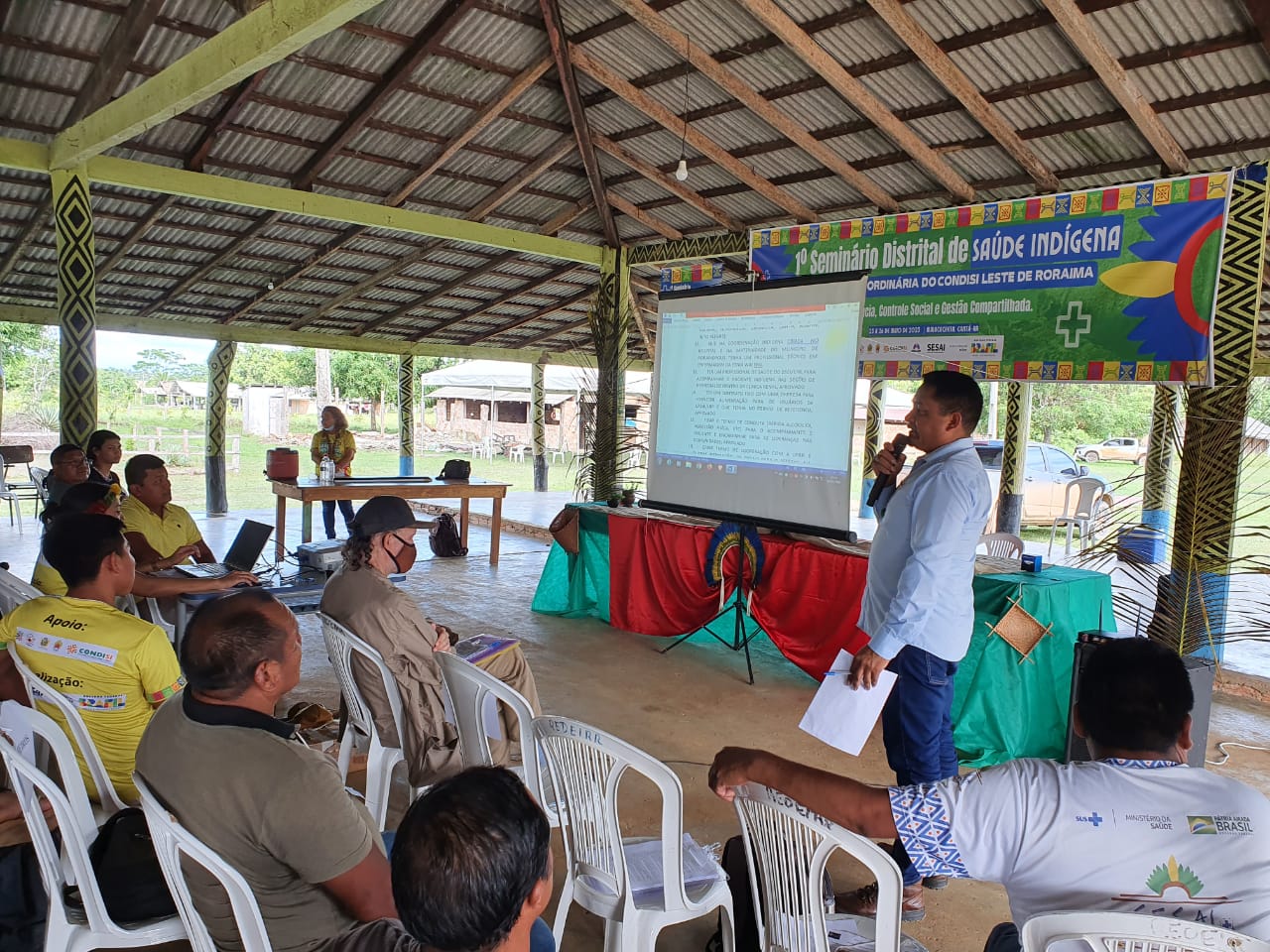
As the first activity of the new coordination of the Special Indigenous District of Eastern Roraima (Dsei-Leste/RR), the 1st District Seminar on Indigenous Health and the 104th Ordinary Meeting of the District Council of Indigenous Health (Condisi) were held this week, from the 23rd to the 26th. The seminar's theme was "Transparency, Social Control and Shared Management".
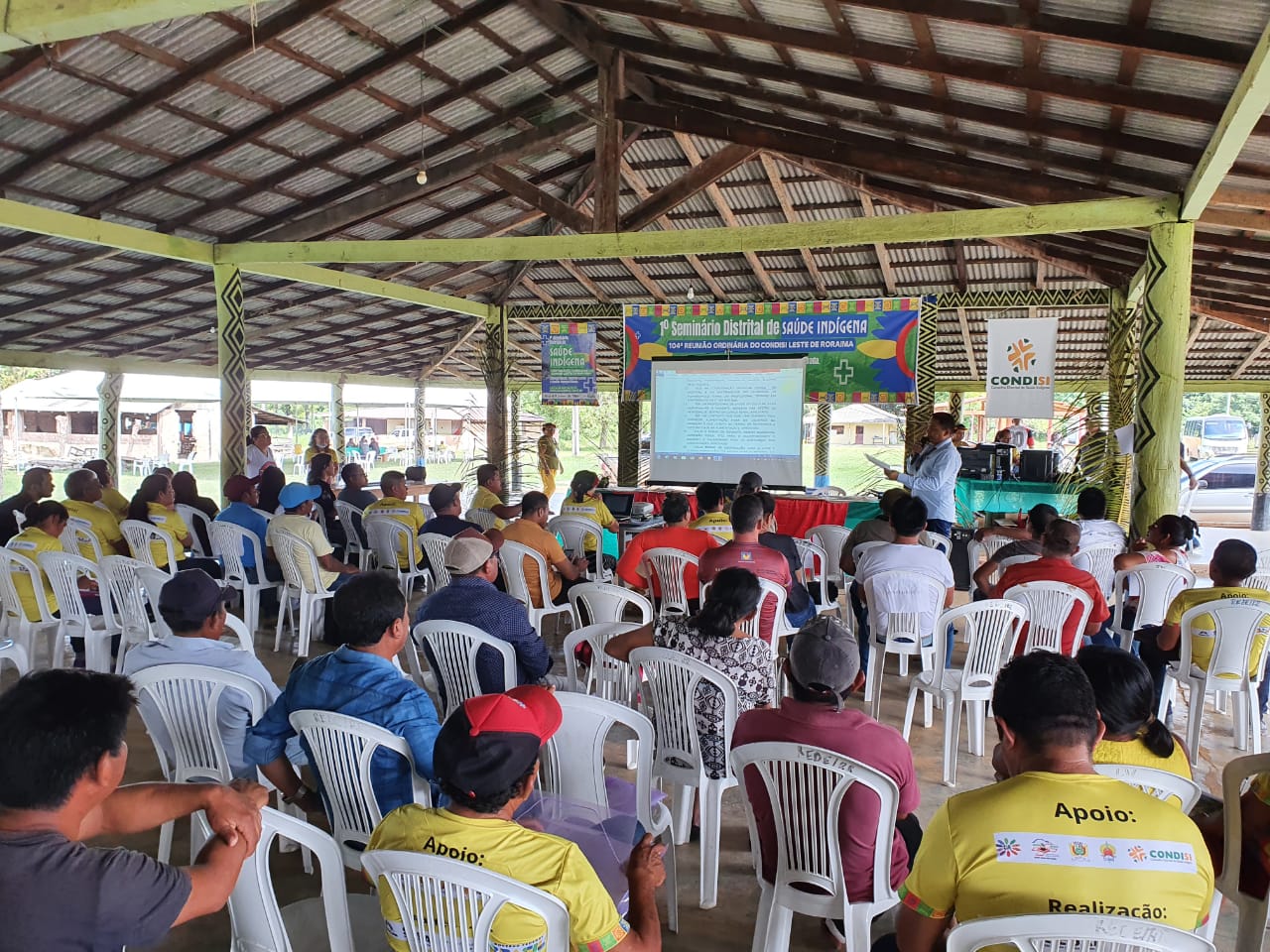
At the Constantino Viana Community Center, in the Malacacheta indigenous community, in the Serra da Lua region, district councilors and leaders from eleven regions, indigenous health professionals, and managers from Dsei-Leste, spent four days debating three thematic axes that motivated the seminar: transparency in the management of financial resources and in the formulation of public policies; the strengthening of social control in the face of the strategic opportunity presented by the new government; and shared management.
On this final day, council members approved important resolutions to improve indigenous health, such as prioritizing courses for Indigenous Health Agents (AIS) and Basic Sanitation Agents (AISAN), hiring more indigenous health professionals, guaranteeing resources for the construction of Indigenous Traditional Medicine Centers, transforming the CASAI (Indigenous Health Care Center) into a Medium Complexity Unit, and other resolutions.
To provide information about the current situation of the Brazilian indigenous movement and the latest events in the National Congress, the general coordinator of CIR, Edinho Batista, considered this a moment of affirmation of indigenous leadership, since the management is in the hands of an indigenous coordinator. “This is a moment for indigenous leadership and action for the good of our health. This is a great moment for strengthening indigenous health,” he stated.
On that occasion, the coordinator reinforced the mobilization against the temporal framework, which will be judged on June 7th at the Supreme Federal Court (STF). He took the opportunity to invite leaders to the event that will begin on the 5th, in Boa Vista and Brasília.
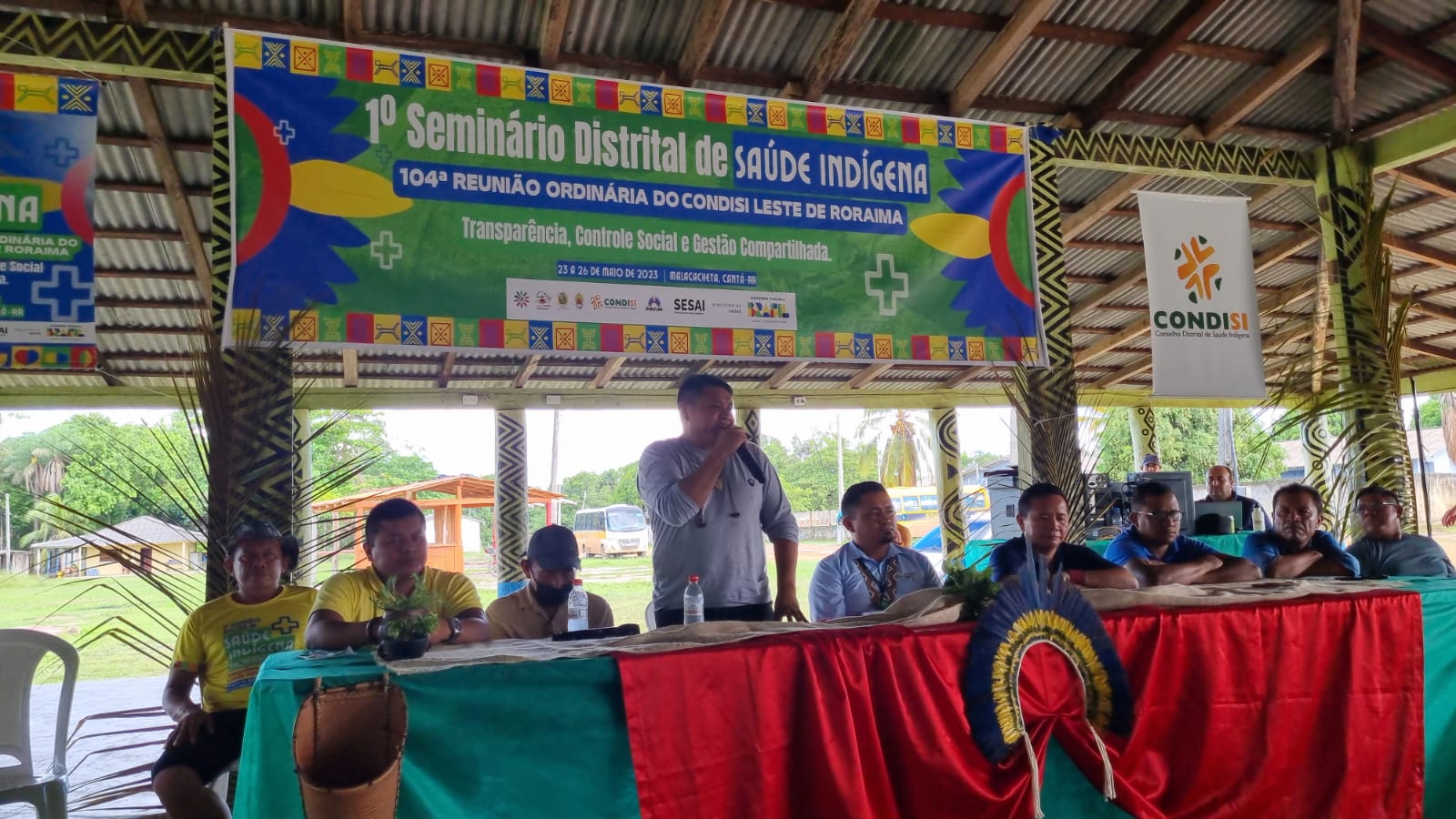
Assessing the event, the first indigenous coordinator of Dsei-Leste, Zelandes Alberto Oliveira, from the Patamona people, highlighted that the seminar had a high-quality outcome with coherent proposals that will guide his management in the coming years. “The result of this seminar will guide and direct us on how we will continue this journey. So, we really needed this feedback from you so that we can conduct this management in the best possible way,” Zelandes stated.
A pioneer in building and achieving Indigenous health in Roraima and Brazil, leader Clóvis Ambrósio, of the Wapichana people, whose trajectory spans more than 50 years in the Indigenous movement, with about 40 of those years dedicated solely to Indigenous health, also assessed the event as a moment of achievement and strengthening of Indigenous health, mainly due to the current coordination. “It is a moment of strengthening our Indigenous health, which, even with all the suffering we have endured, today we have health, and therefore we must continue fighting for the well-being of our Indigenous population, especially with our Indigenous coordinator,” he stated.
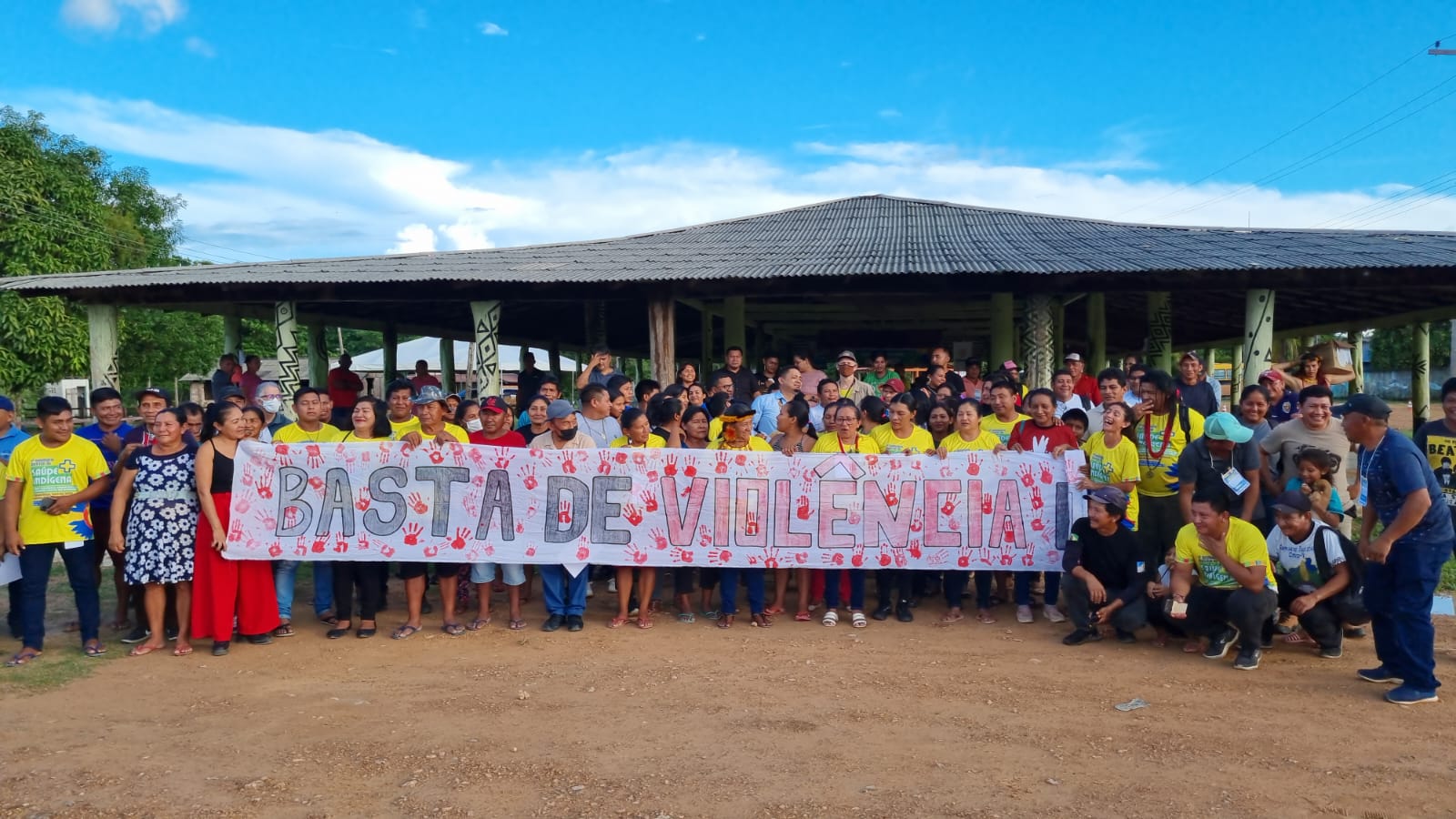
The seminar concluded with a protest against the time frame and the urgency of Bill No. 490/2007, approved in the Chamber's plenary session this Wednesday, the 24th.