
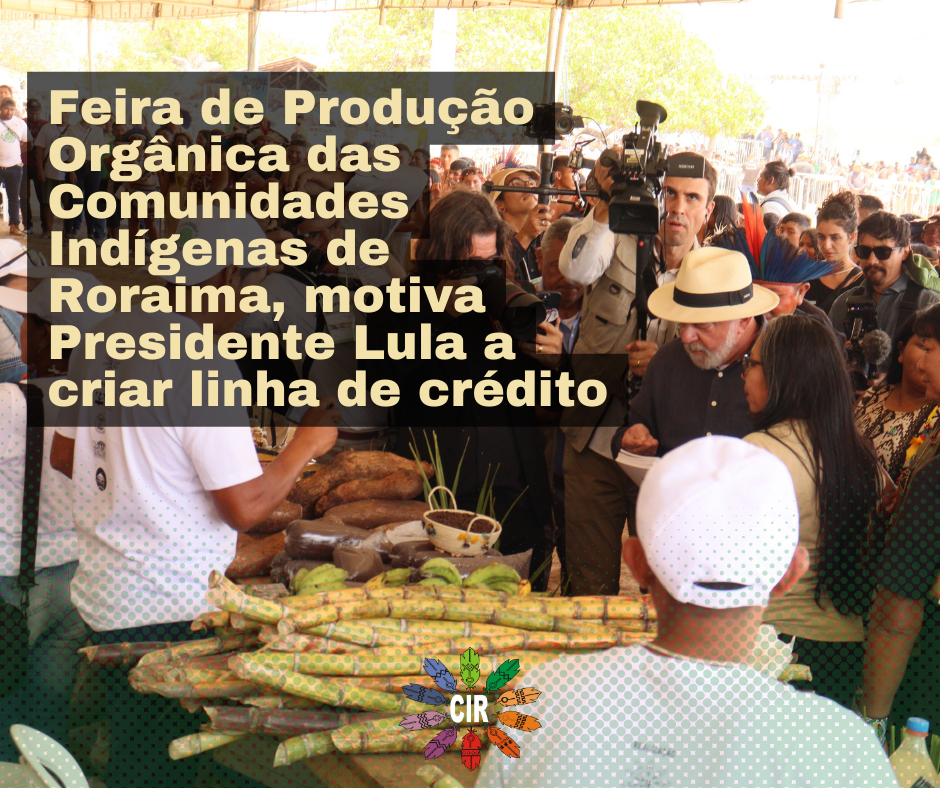
The 52nd assembly organized by the Indigenous Council of Roraima (CIR) opened up a range of possibilities among partners, organizations, and the federal government. One of the actions that provided visibility to the CIR among Indigenous communities was the exhibition of the Territorial and Environmental Management Plan for Indigenous Lands (PGTA) Fair. This demonstrated how the management of both natural and financial resources has been applied within the Indigenous communities of Roraima. Sineia do Vale, of the Wapichana people, always emphasizes that the PGTA is the life plan of the communities.
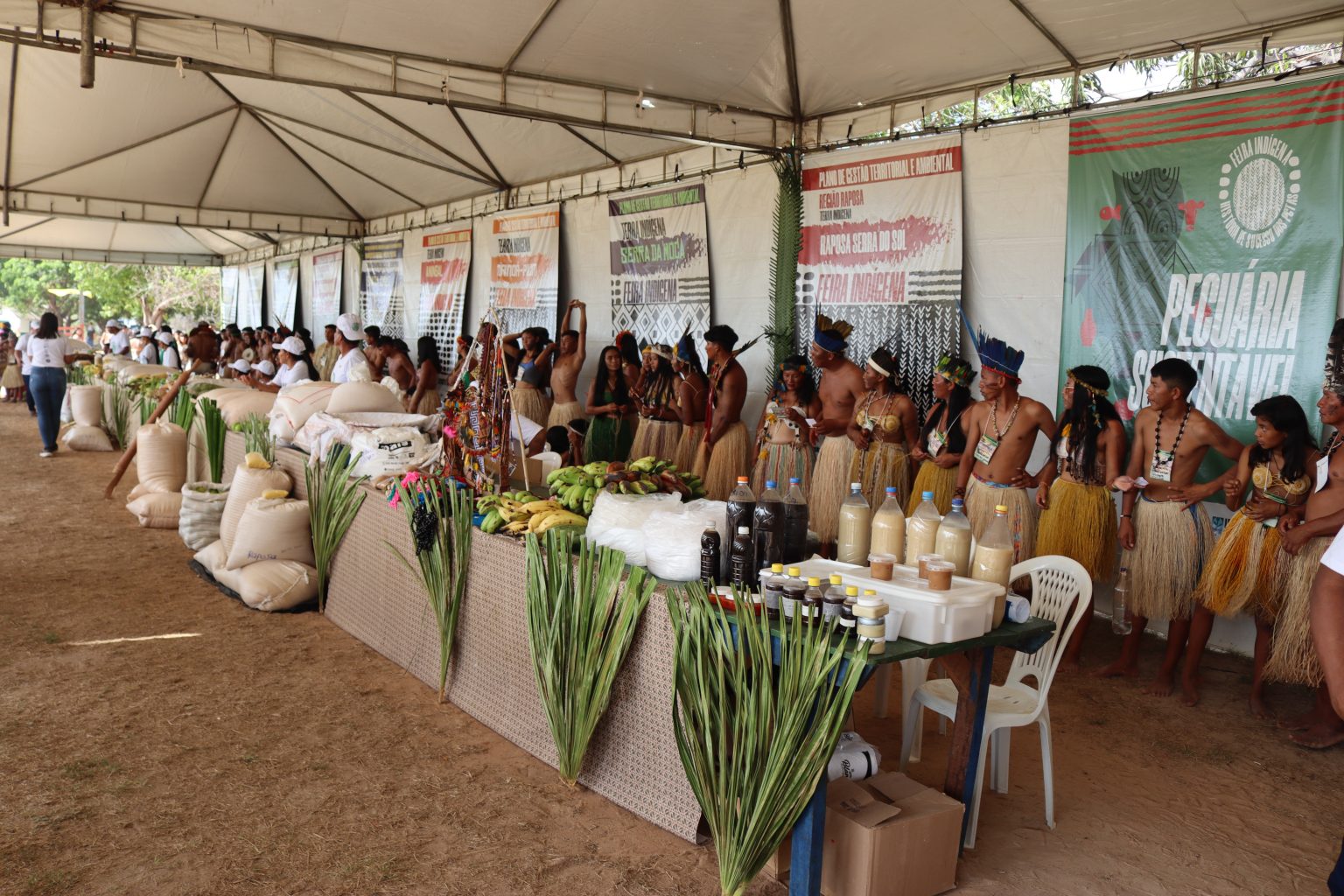
Photo: Wakywai Indigenous Communicators Network
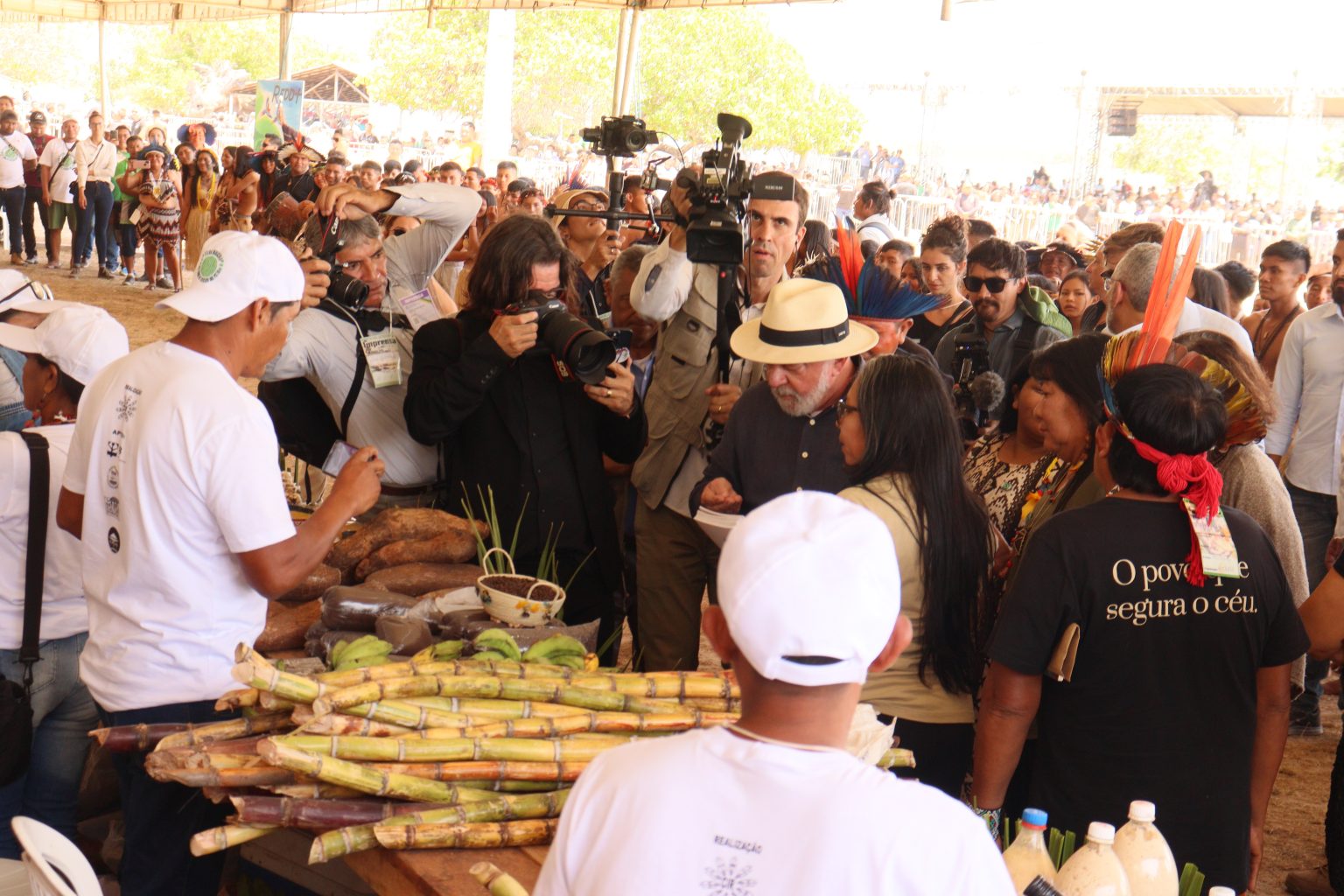
President Luiz Inácio Lula da Silva, on the 13th, attended the fair, which is entirely managed by the communities without the use of state funds, which surprised the president due to the quality and impressive quantity of the completely organic produce.
In his speech, he expressed sadness at the lack of government support, which motivated him to consider a line of credit for indigenous peoples.
"The fair is a demonstration that as long as you have guaranteed land, and to the extent that you have financial incentives to produce, you will probably produce as much as, or better than, anyone else who tries to make a living from the land. If we have money to finance large landowners, why don't we have money to finance indigenous peoples in their production? Something is wrong. I promise you I will deal with this very carefully," said President Lula.
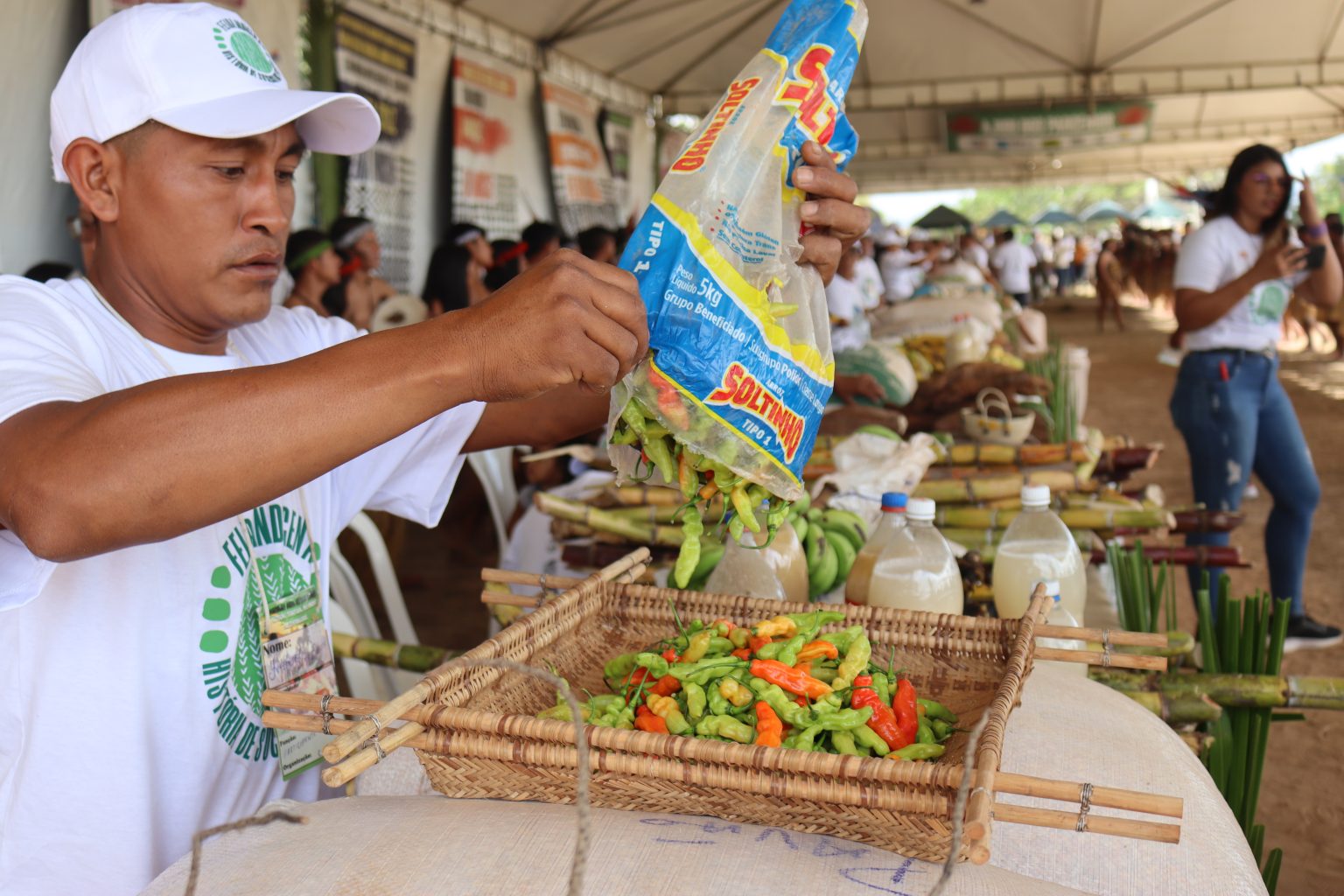
Photo: Wakywai Indigenous Communicators Network
Sineia do Vale, a Wapichana woman, always emphasizes that the PGTA (Territorial and Environmental Management Plan) is the life plan of the communities, and during President Luiz Inácio Lula da Silva's visit on the 13th, she presented it at the fair, highlighting to the Head of the Executive that it was entirely managed by the communities without the application of state resources. This surprised the president due to the quality and significant quantity of the entirely indigenous production, but in his speech he expressed sadness at the lack of government incentives, which motivated him to consider a line of credit for indigenous peoples.
The products on display included flour, corn, beans, cassava, manioc, bananas, sugarcane, pumpkins, cashew nuts, flour, vegetables, and fish farming products. Currently, there are 7 PGTAs (Territorial and Environmental Management Plans) launched from the indigenous communities: Jacamim, Manoa Pium/Serra da Lua Region; Mangueira, Boqueirão, Tabaio Region; Serra da Moça/Murupu Region; Santa Cruz, Maturuca/Serras Region; Aningal/Amajari Region.
The 52nd General AssemblyThe National Assembly of Indigenous Peoples, held from February 11th to 14th, brought together more than 3,000 people, including Tuxaua coordinators, Tuxauas, Women's Coordinators, artisans, indigenous professionals from the areas of health, education and security, partners, indigenous organizations, young people, children, guests, the President and ministers, who attended one of the largest assemblies of indigenous peoples in the country.
Wakywai Indigenous Communicators Network