
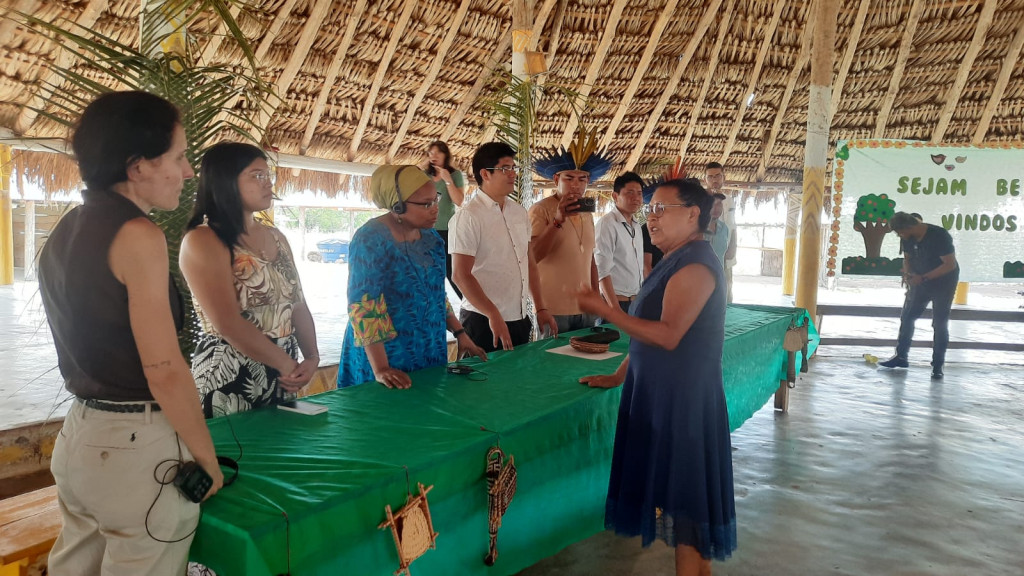
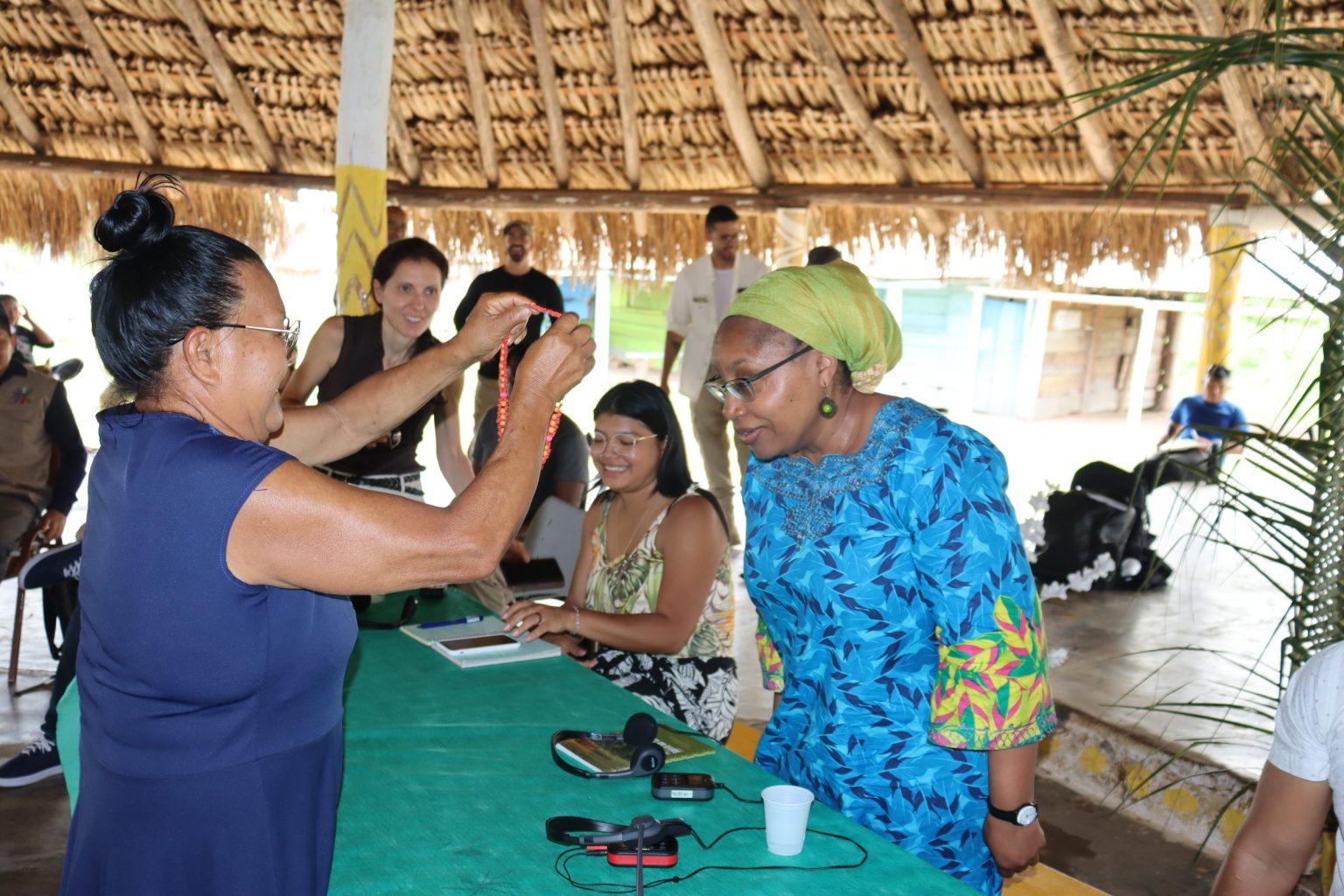
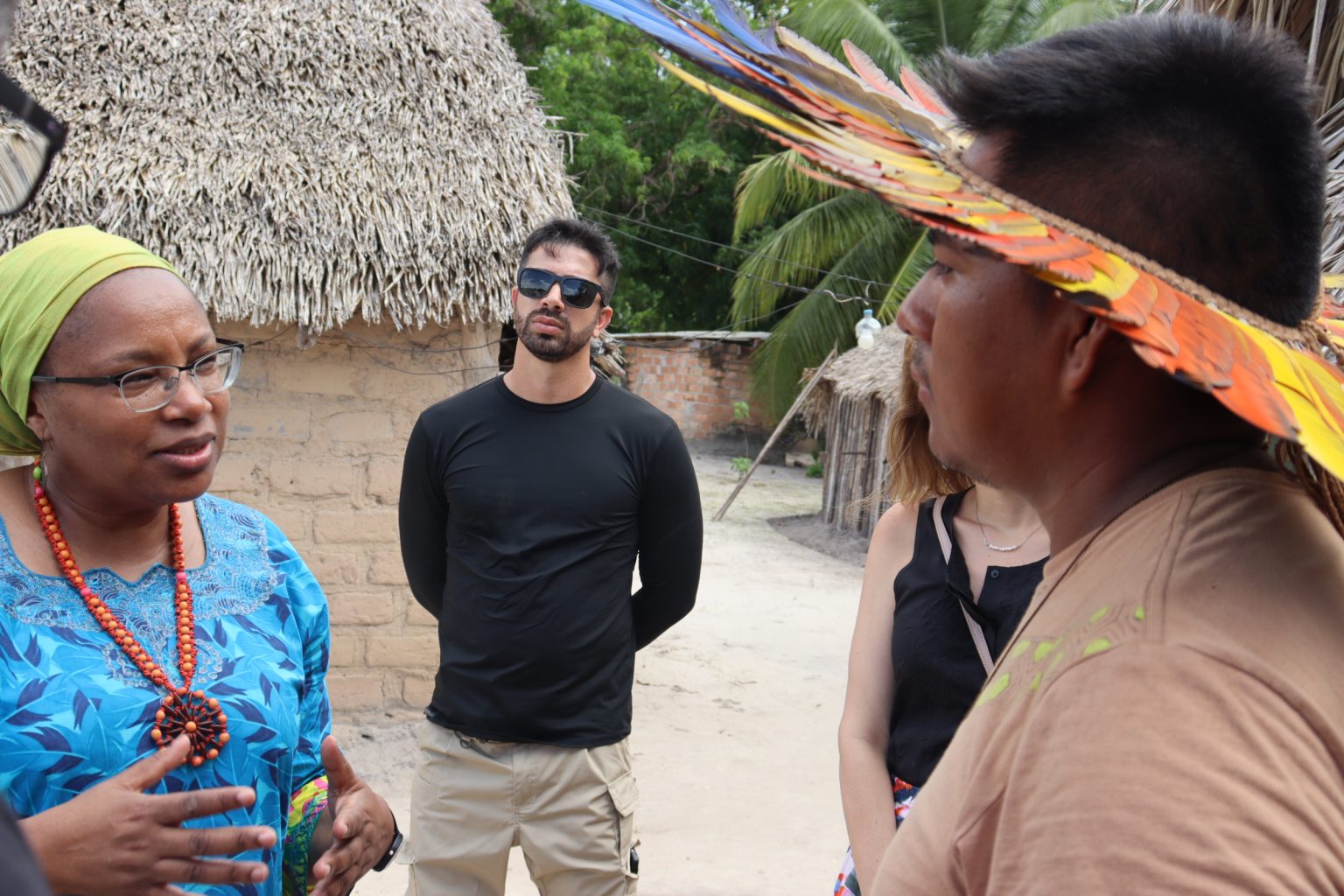
In a historic visit, indigenous leaders from the Pium community, Manoá/Pium indigenous land, Serra da Lua region, municipality of Bonfim, received on Sunday (7), the Special Advisor for the Prevention of Genocide of the United Nations (UN), Alice Wairimu Nderitu and her team, in addition to the International Advisor of the Ministry of Indigenous Peoples (MPI), Nayra Kaxuyana, and the representative of the Ministry of Foreign Affairs of the Ministry of Human Rights and Citizenship, Felipe Berger.
Advisors from the Legal Department of the Indigenous Council of Roraima (CIR), Junior Nicacio and Ivo Macuxi, represented the organization at the official meeting scheduled to listen to and discuss indigenous ways of life, the importance of territory, and the social organization of the Macuxi and Wapixana peoples who live in the community.
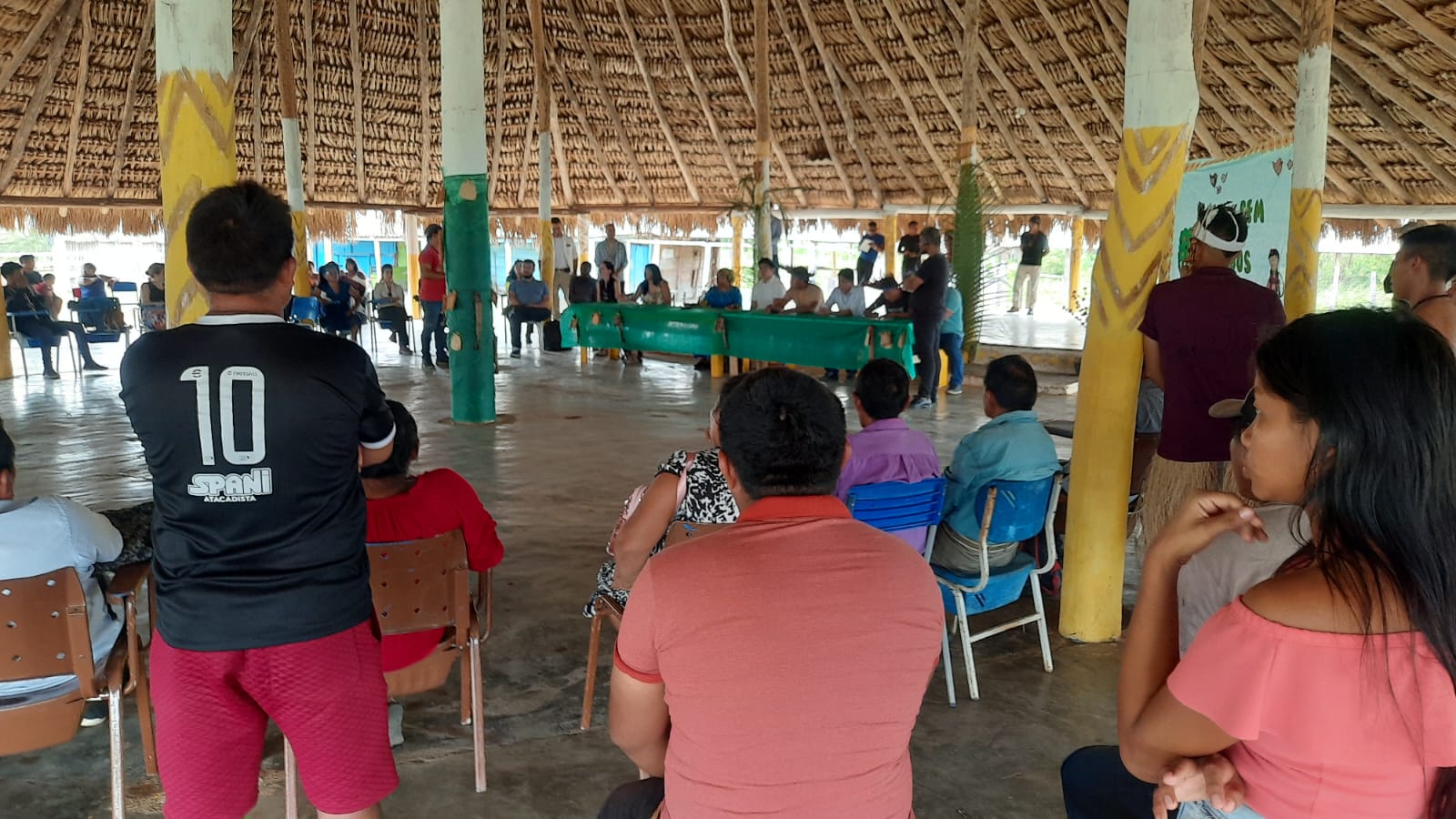
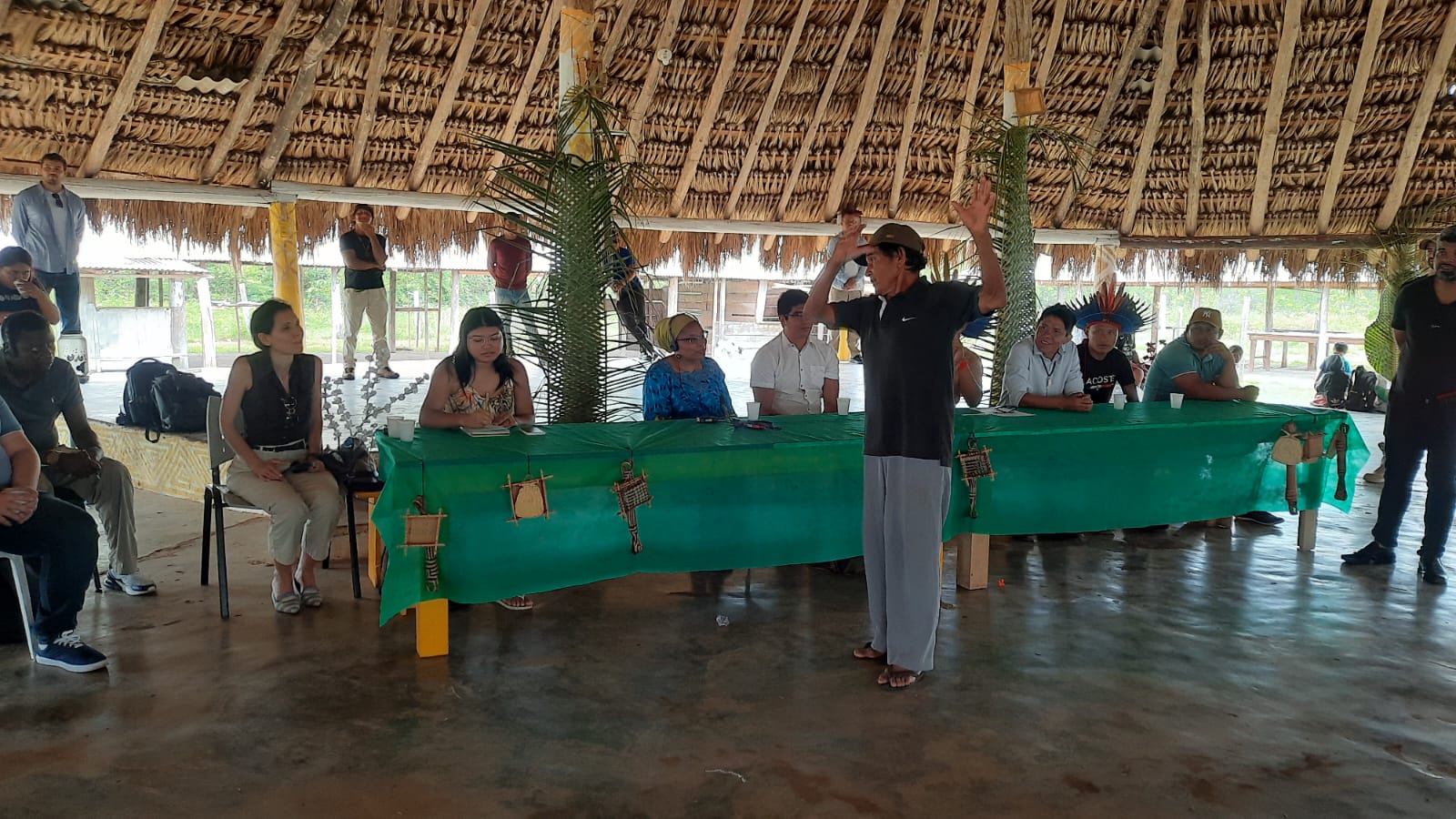
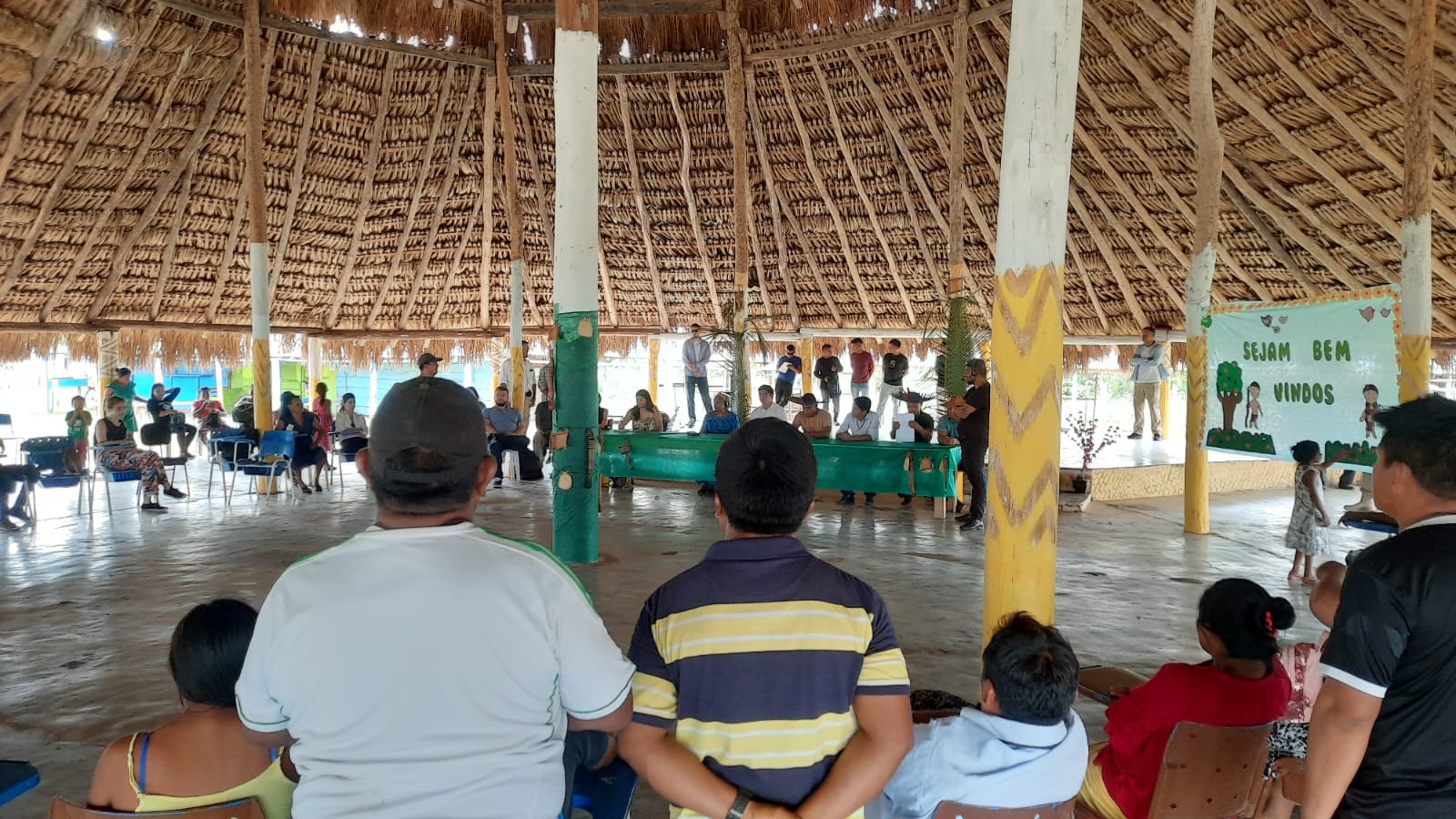
Pium was the only indigenous community in Roraima to be visited, an important event for the indigenous peoples of this territory who were heard by the United Nations and presented their reality, cultural diversity, and sustainability based on family farming.
Chief Lázaro Wapixana emphasized that the advisor's visit brought a positive perspective to the indigenous peoples of Roraima, especially the Macuxi and Wapichana peoples of the ancestral territory of Manoá-Pium, who are experiencing a process of struggle and resistance.
“During Bolsonaro’s four years in government, there was an immense genocide, with over 500 Yanomami relatives losing their lives, children, women being raped, without the right to protection. This is an example that will remain for future generations, for us who often think that we are here, that there are no people from the organization, especially taking the time to come to our community, for us it is very important,” stressed the chief, pleased by Alice Wairimu’s visit.
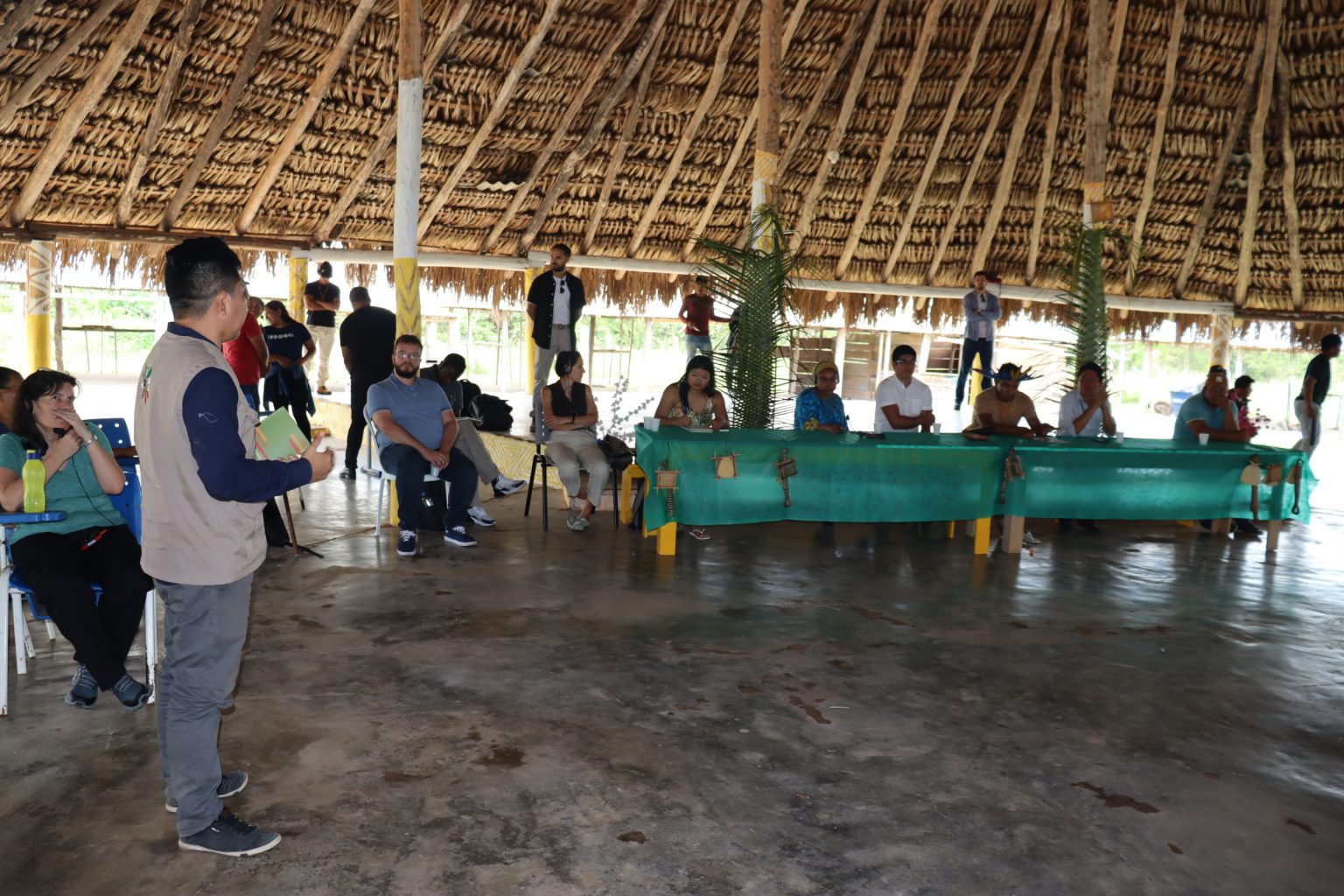
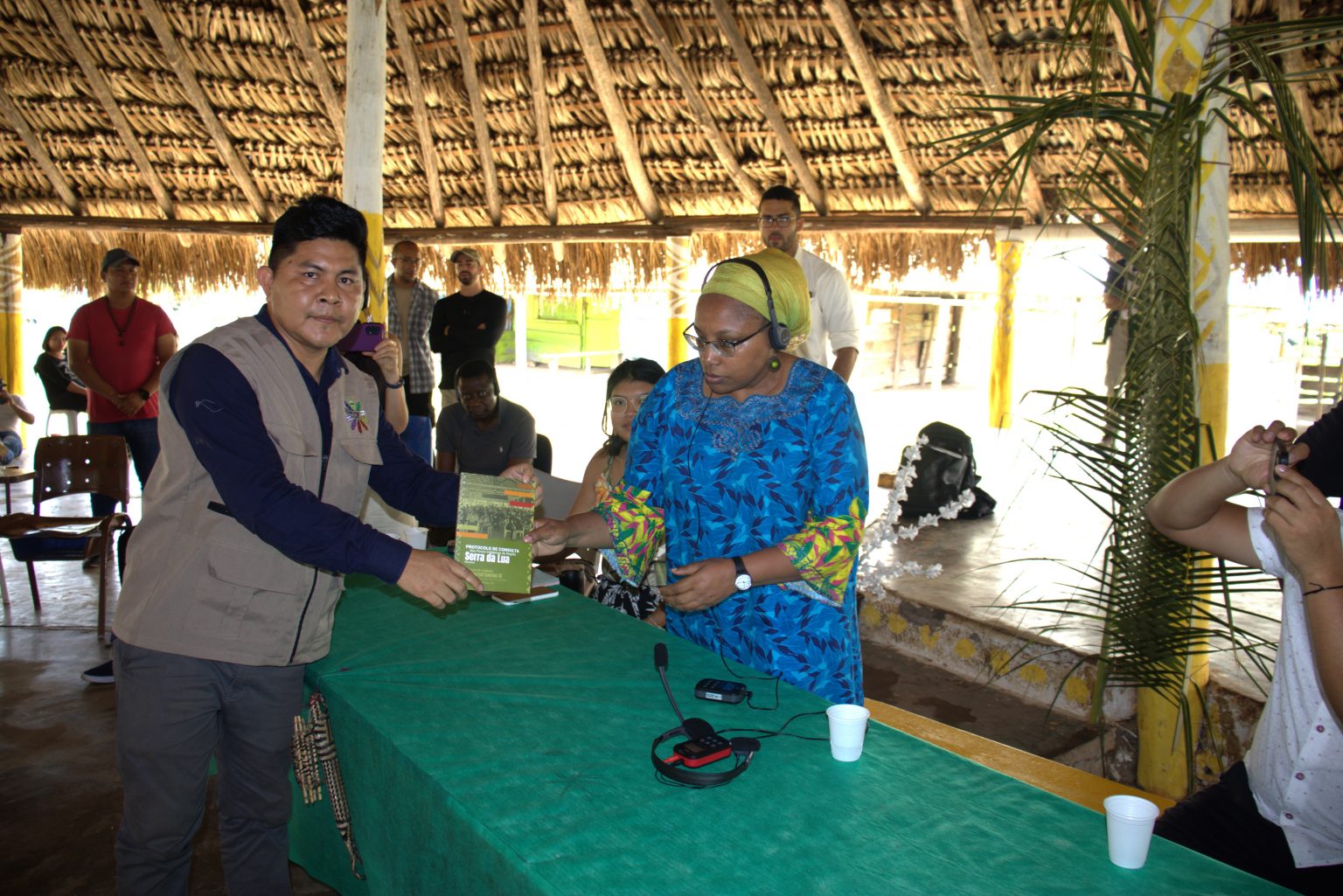
During the meeting, which lasted about 5 hours and was conducted through translators, Alice explained the organizational workings of the UN, stated that she came to listen to the community, and thanked them for the traditional reception. “I am here to listen to you. If you feel you are at risk, as we do all over the world, then we are here to listen to you. We want to hear from all of you; we truly want to know what is happening, the real story,” she explained in the malocão (traditional indigenous dwelling).
The leaders explained the social organization, projects, and culture, but also primarily requested territorial protection. They presented their concerns regarding present and future generations, as Ivete Cruz, from the Wapichana people and a historical leader of the indigenous women's movement in Roraima, did, concerning the risks of invasions, environmental pollution, and even the very existence of future generations, especially the current ones: the children.
“Today you are seeing that we exist, we are Wapichana, you are seeing our tradition. Our children need to know our forests, for that it is necessary to preserve them, we are worried about our water. This savanna that you are seeing has invaders eyeing it, they will only bring poison, they will destroy our birds that sing for us. We have our traditional knowledge, our traditional medicine. I am worried about the children. The politicians come here only to deceive us. I want to be able to continue planting cassava. We believe in our culture.”
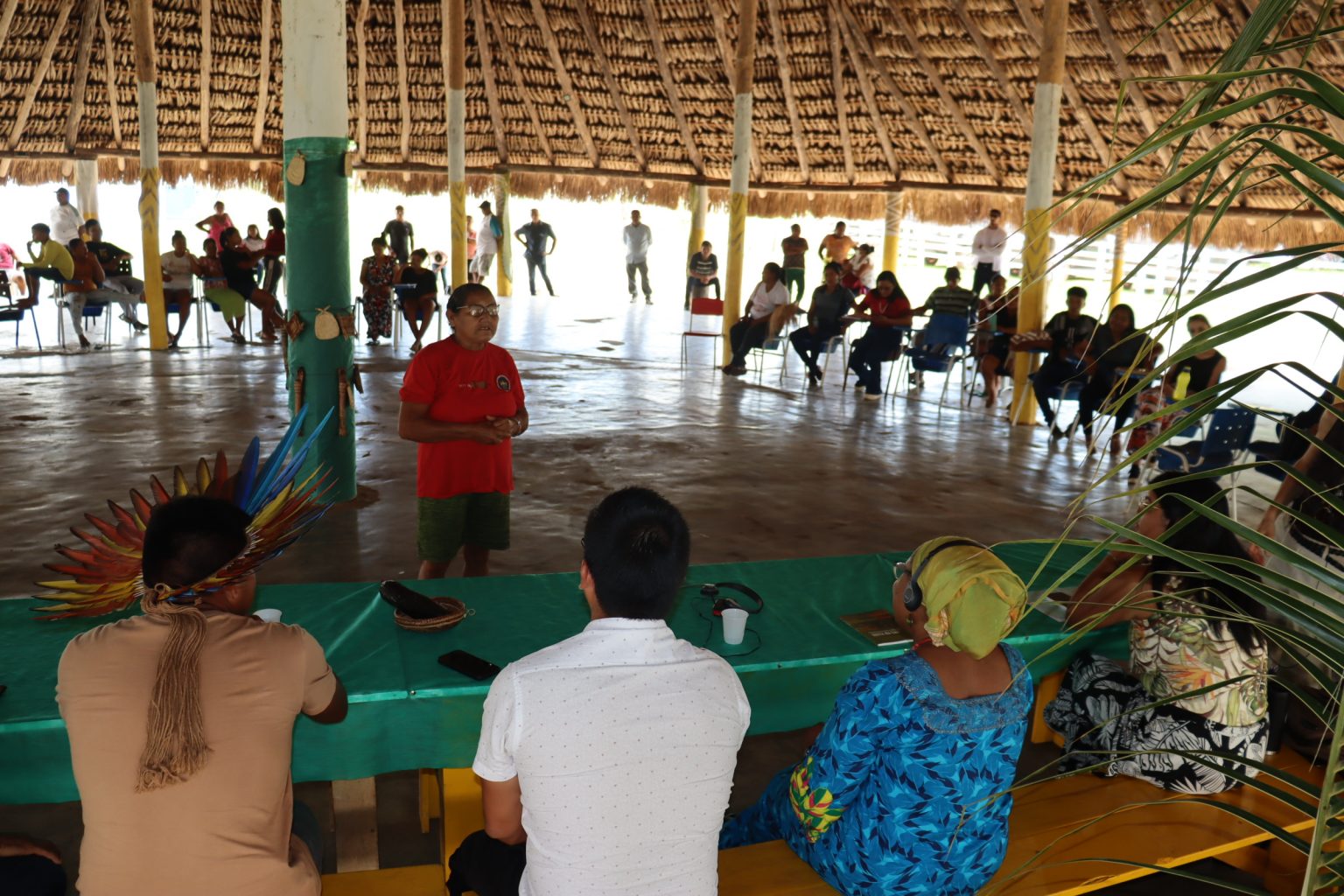
Another traditional leader from the community, Antônio Farias, a 70-year-old Wapichana, pleaded for peace, respect, and a free territory. “We need to live freely, we don’t want deforestation, we want respect, we need the support of the UN. The land is small, we plant bananas, cassava, we produce here. I’m still 70 years old, I work on my farm. What belongs to one, belongs to all, we need the land too. We want peace.”
MPI's International Advisor, Nayra Kaxuyana, who mediated the agenda with CIR, considered the visit of the UN representative to a community important. "The mission was planned for this purpose, for her to understand, learn about, and gain insight into the indigenous communities not only of Roraima, but of Brazil."
At the appropriate time, the coordinator of the CIR's Legal Department, Junior Niccacio, outlined the general context of human rights violations in Roraima and delivered the Consultation Protocol for the Serra da Lua region.
Traditional experience
Originally from Kenya, Alice was also able to experience the traditional customs of the Macuxi and Wapichana peoples, especially the Wapichana, who live on the border with Guyana and are accustomed to a third language, English, in addition to their first language, Wapichana. After the meeting at the malocão (traditional communal house), Wairinu visited some families in the community and witnessed their daily lives.
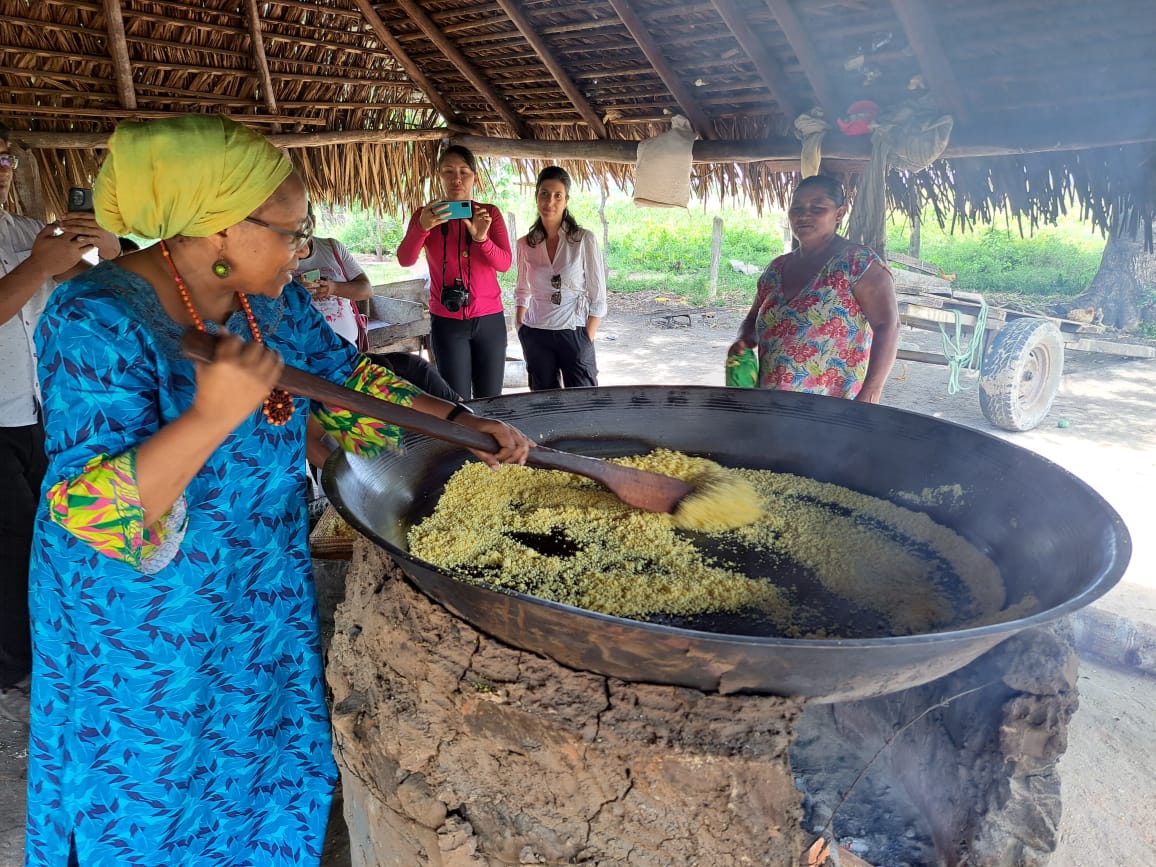
At the flour mill, Nderitu had the opportunity to share her experience in flour production with the Wapichana women. Alongside the leaders, the UN representative was not content to merely observe the women, but also to experience the traditional knowledge of flour preparation, one of the main foods in indigenous cuisine.
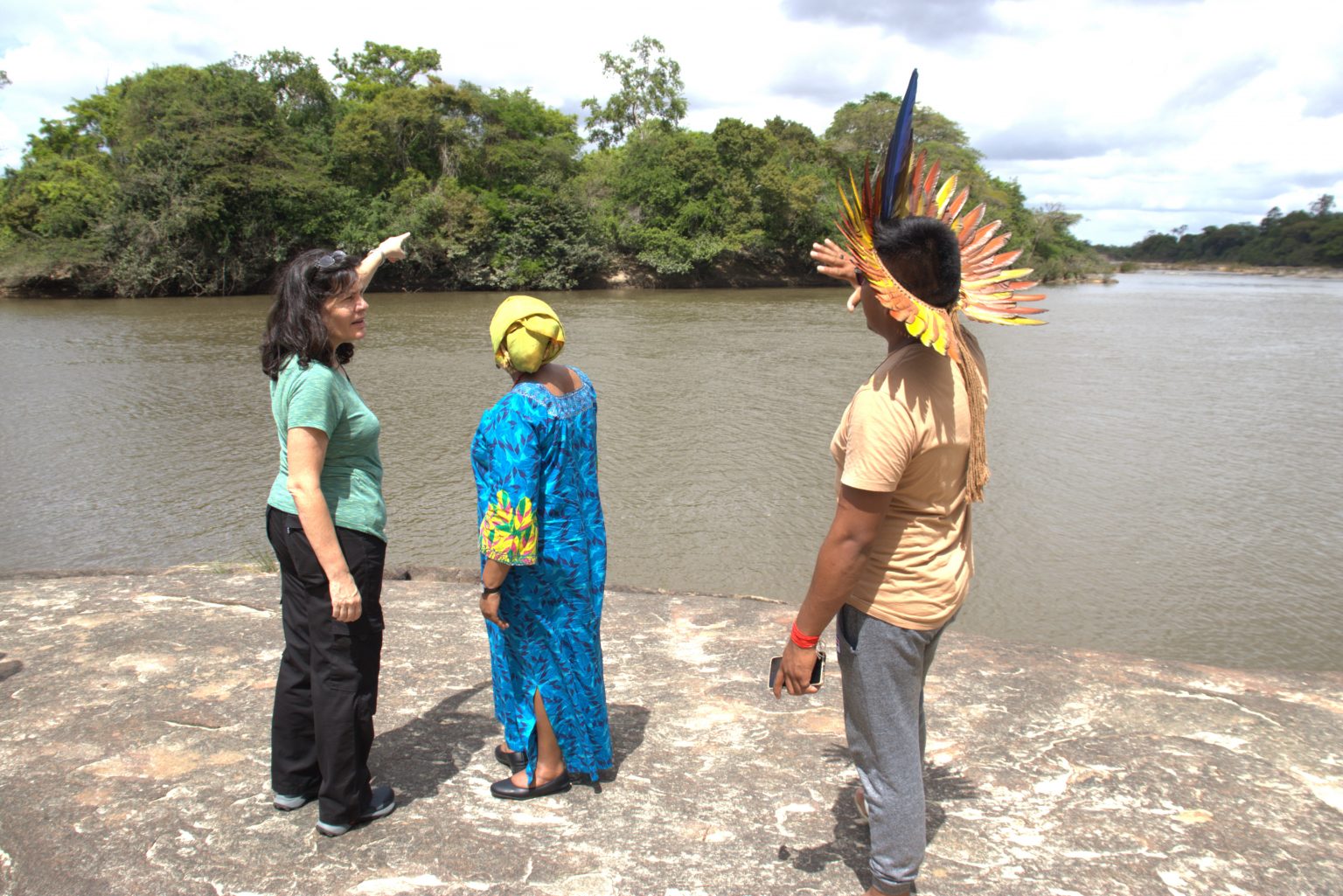
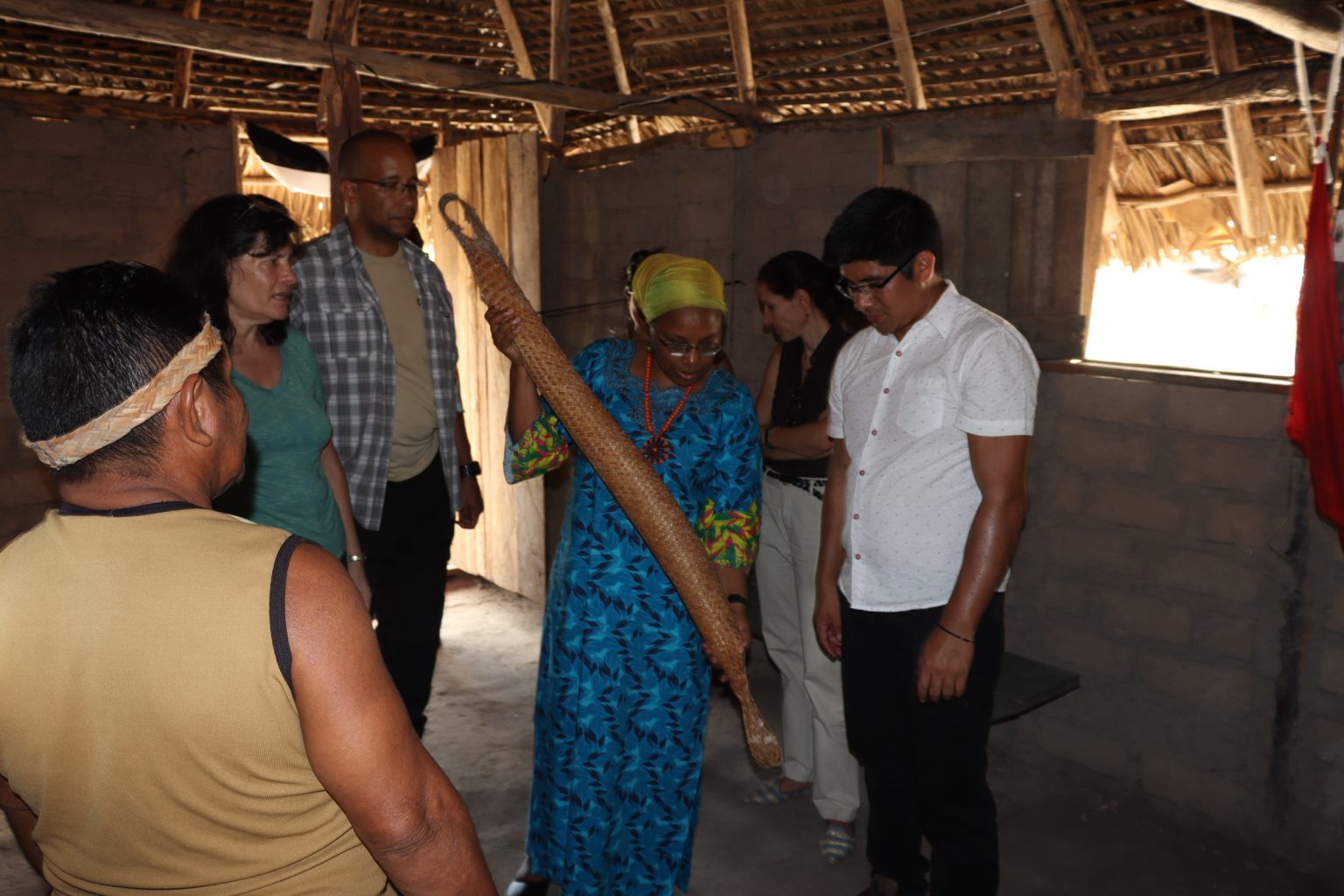
She learned about Wapichana and Macuxi crafts, and also reached the border between Brazil and Guyana via the Tacutu River, where Alice left her trail of memory and collective experience in the ancestral territory of Manoá-Pium, celebrated upon arrival with traditional Wapichana songs and dances, such as "Mari Mari" and "Wa Kunaikian," which mean joy and happiness.
Following her agenda in Roraima, the advisor and her delegation went on to monitor the situation of the Guarani Kaiowá people in Mato Grosso do Sul.