
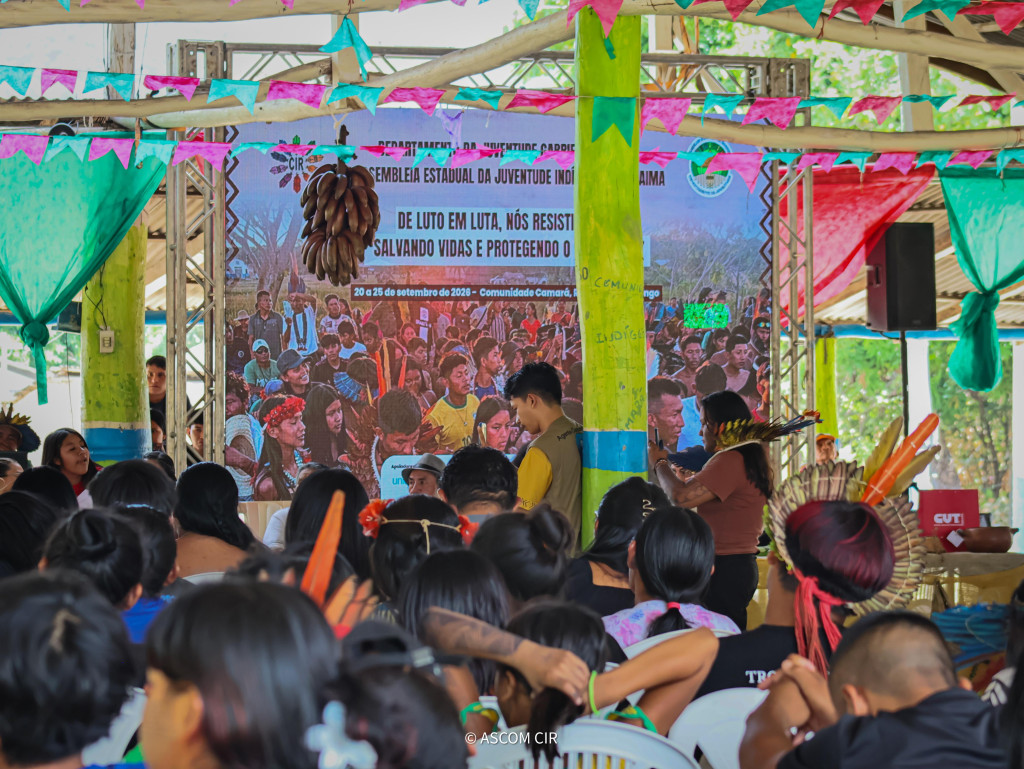
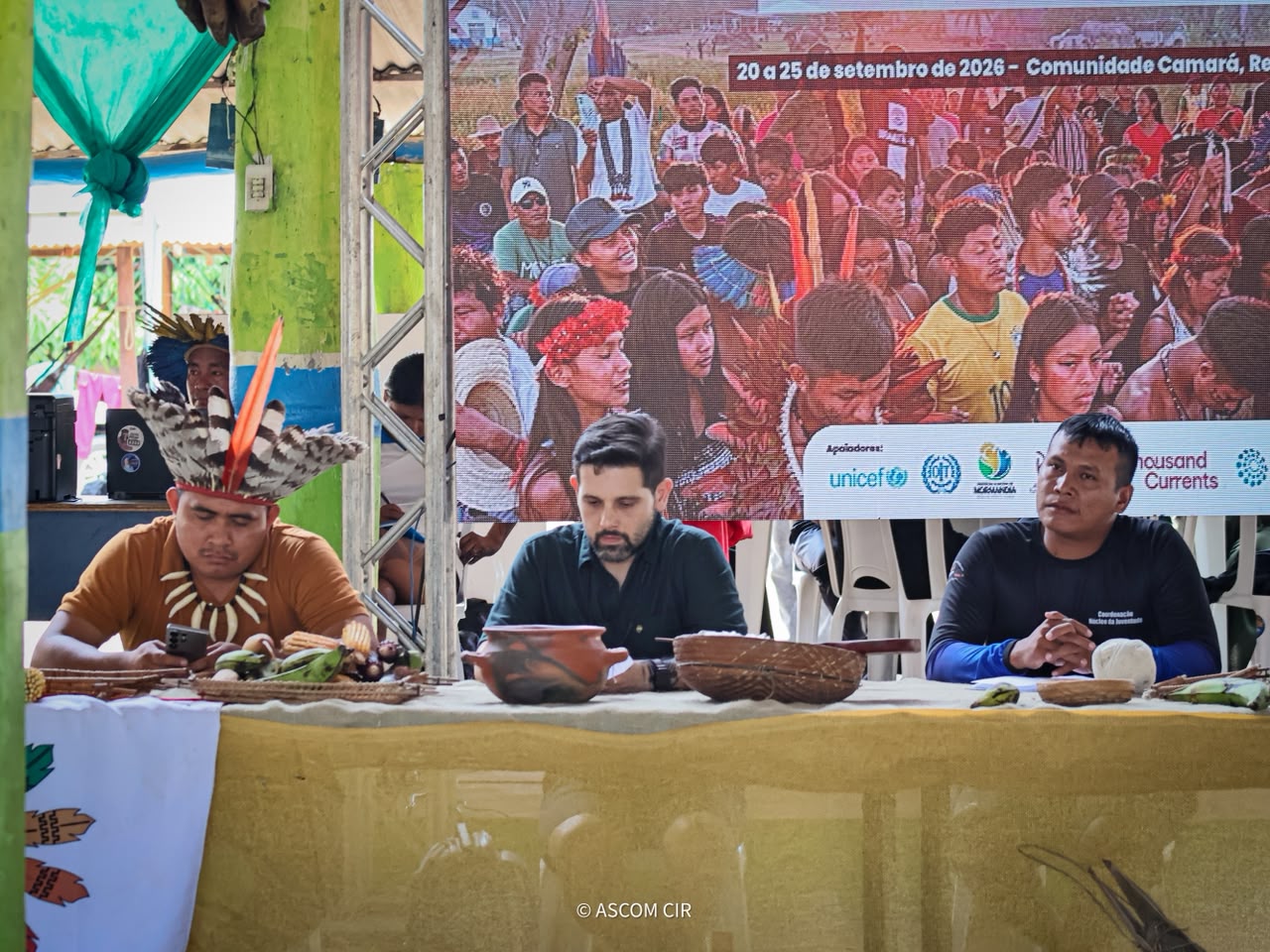
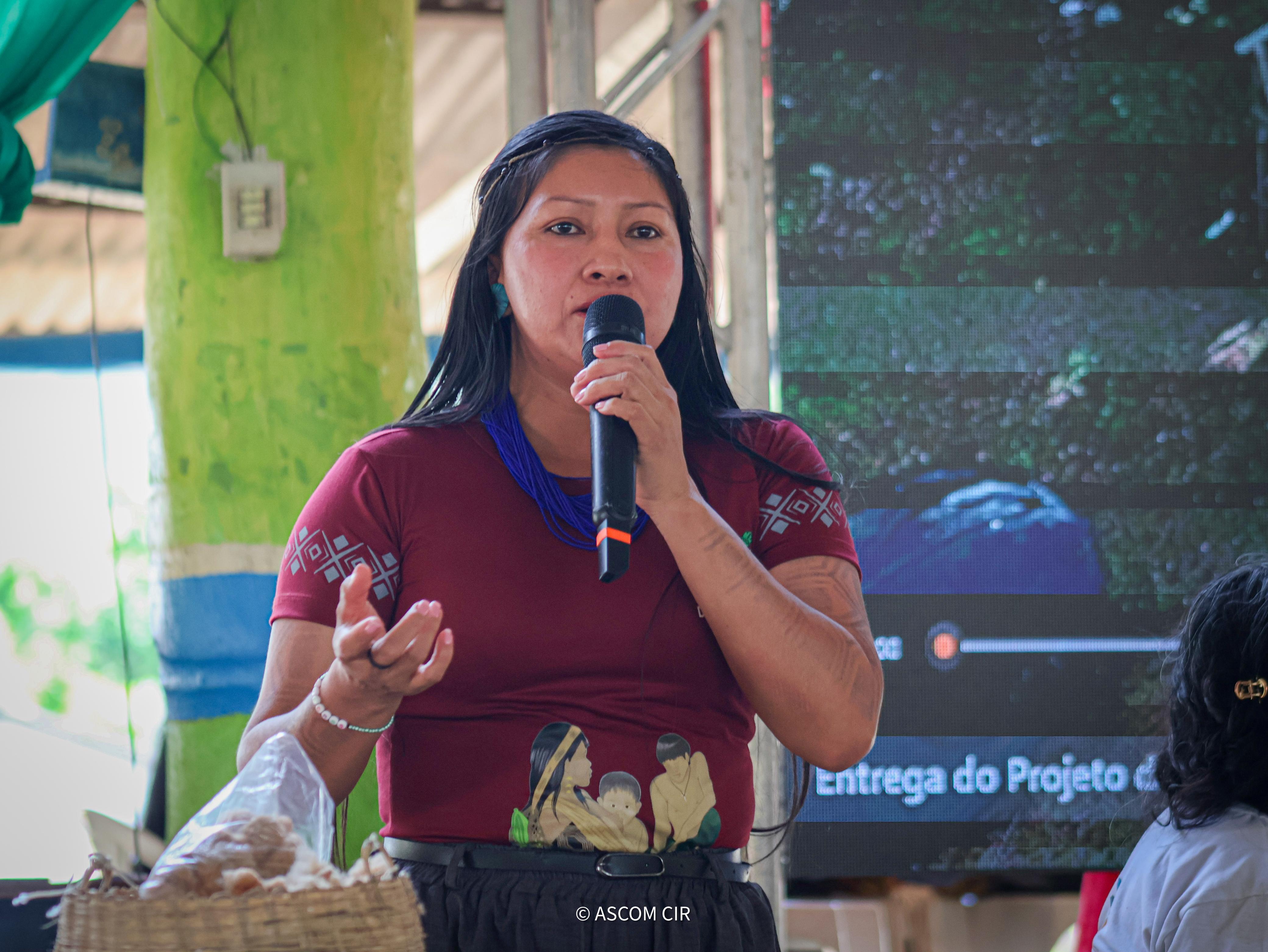
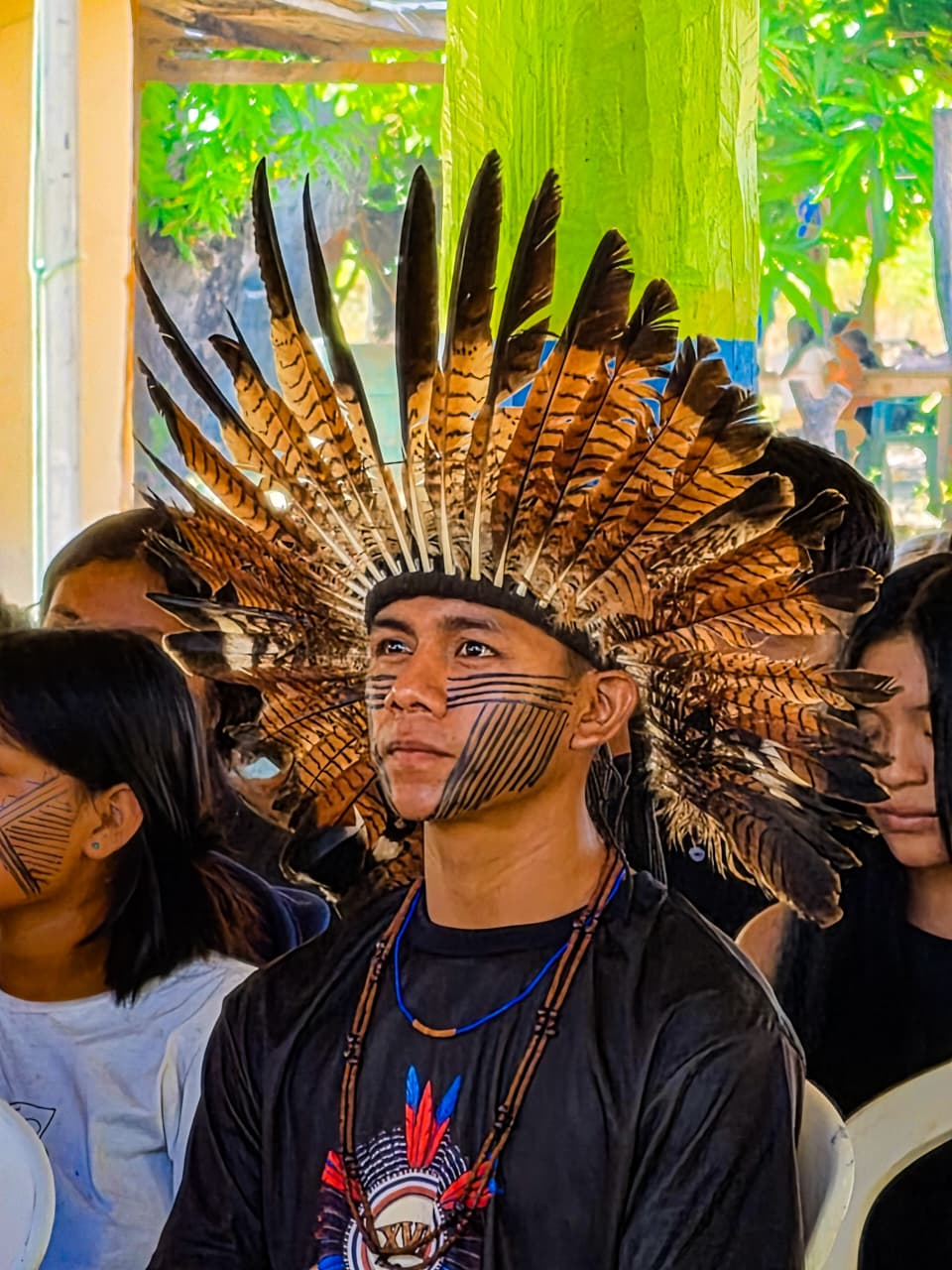
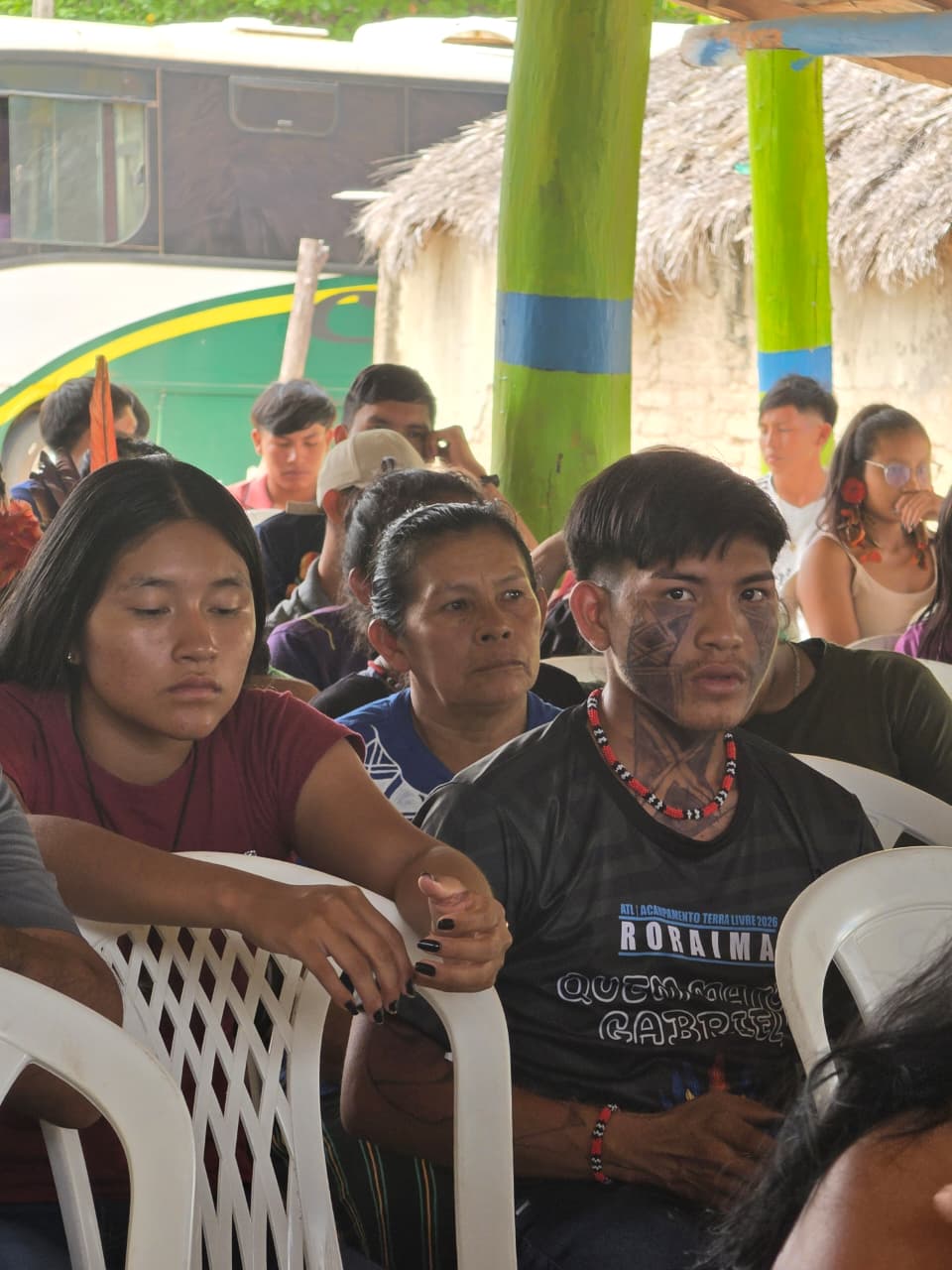
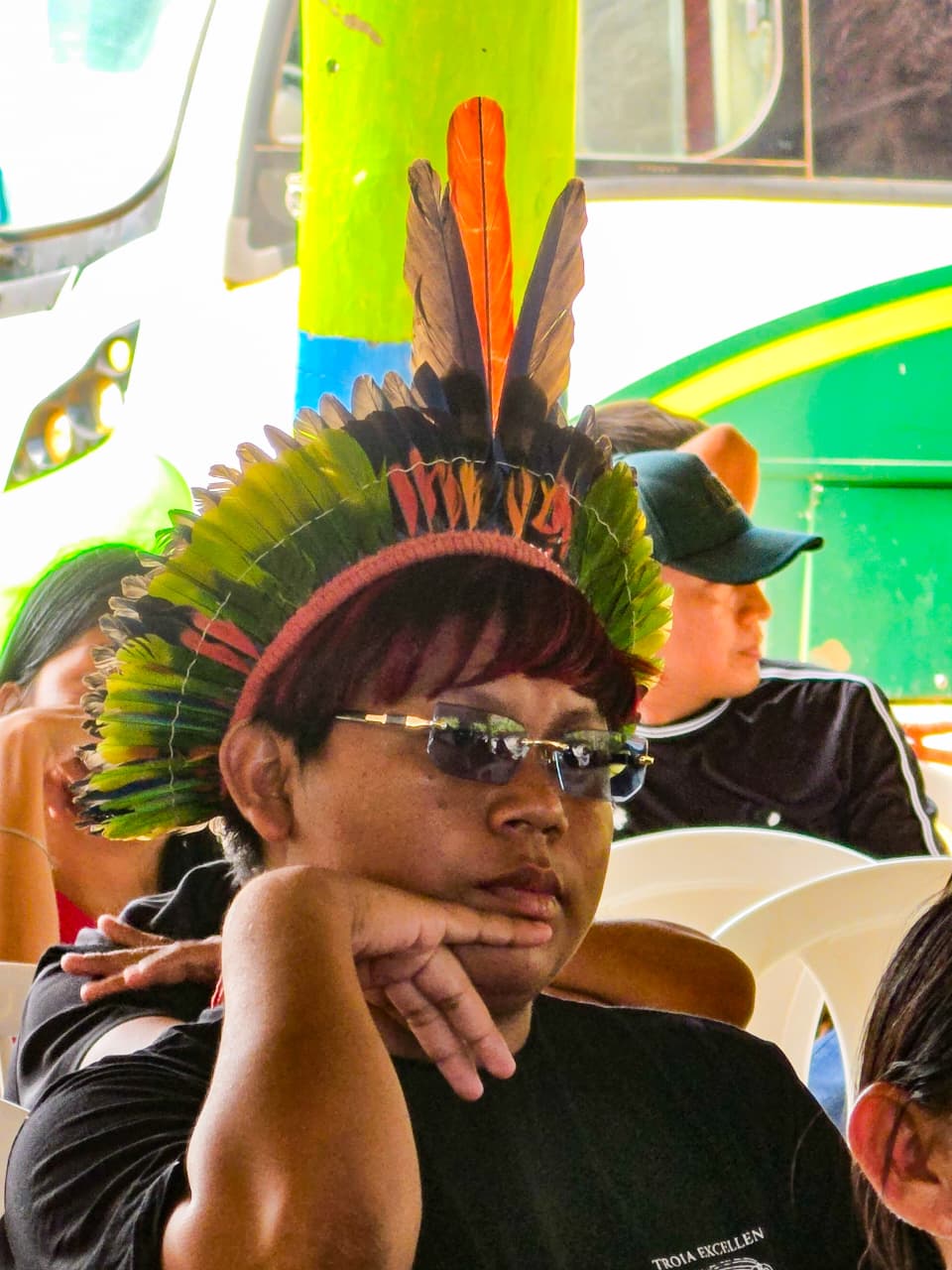
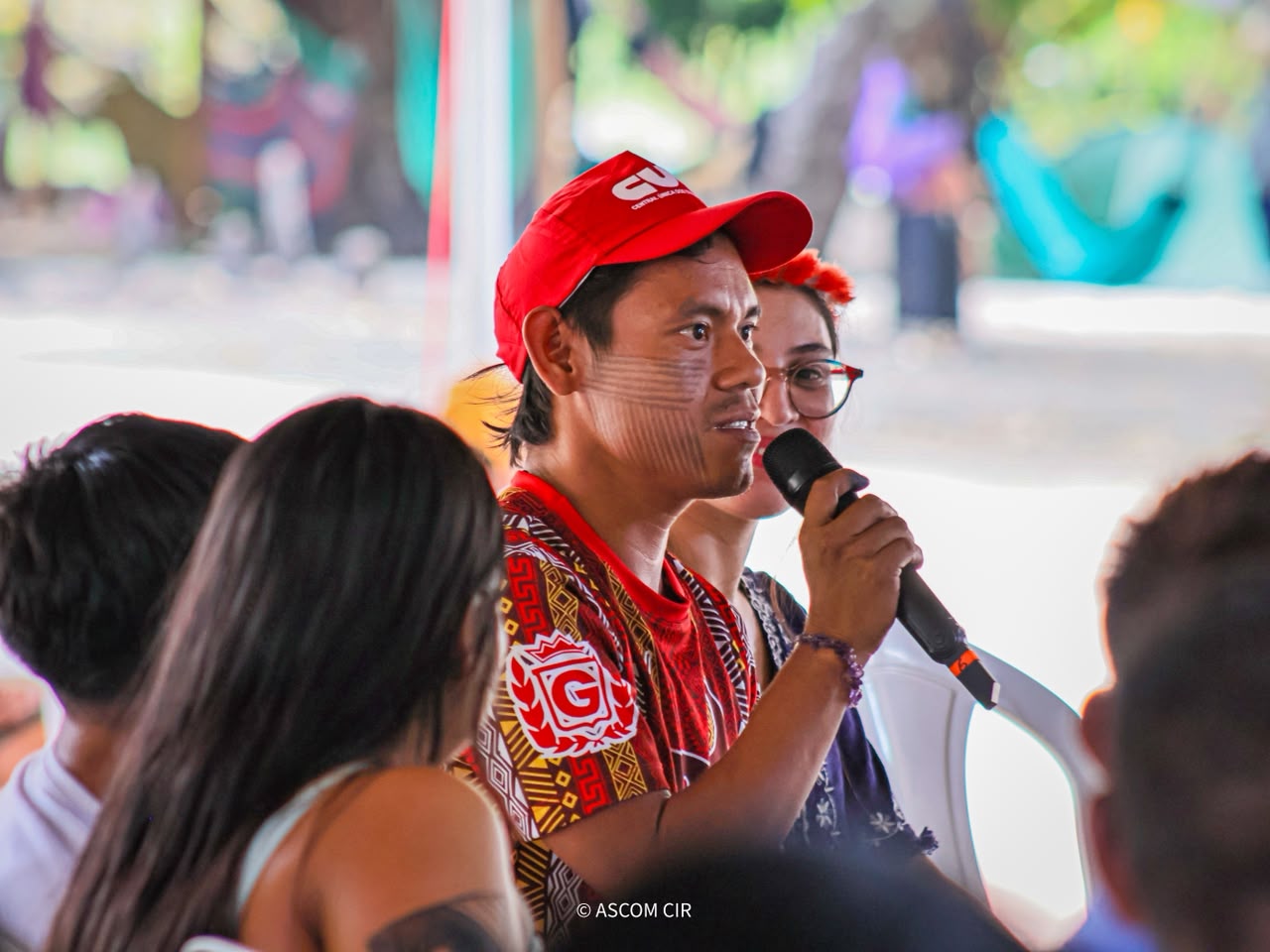
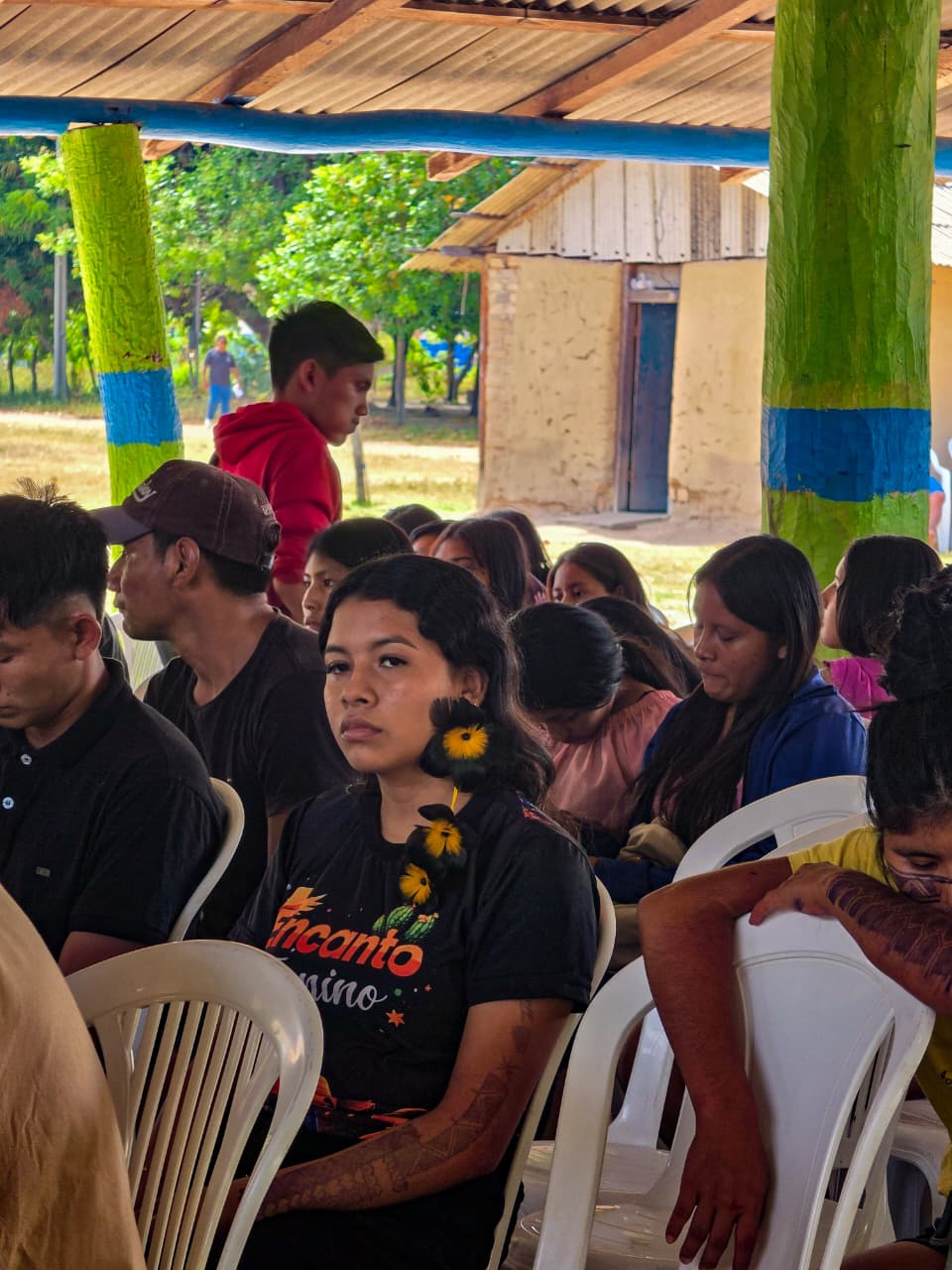
The debates took place on Tuesday morning (22), during the XI State Assembly of Indigenous Youth, with the participation of the Indigenous Council of Roraima (CIR), represented by the General Tuxaua of the Indigenous Women's Movement of the CIR, Kelliane Wapichana; the RUTÎ Indigenous Fund; the International Labour Organization (ILO); the Central Workers' Union (CUT); and indigenous producers and artisans.
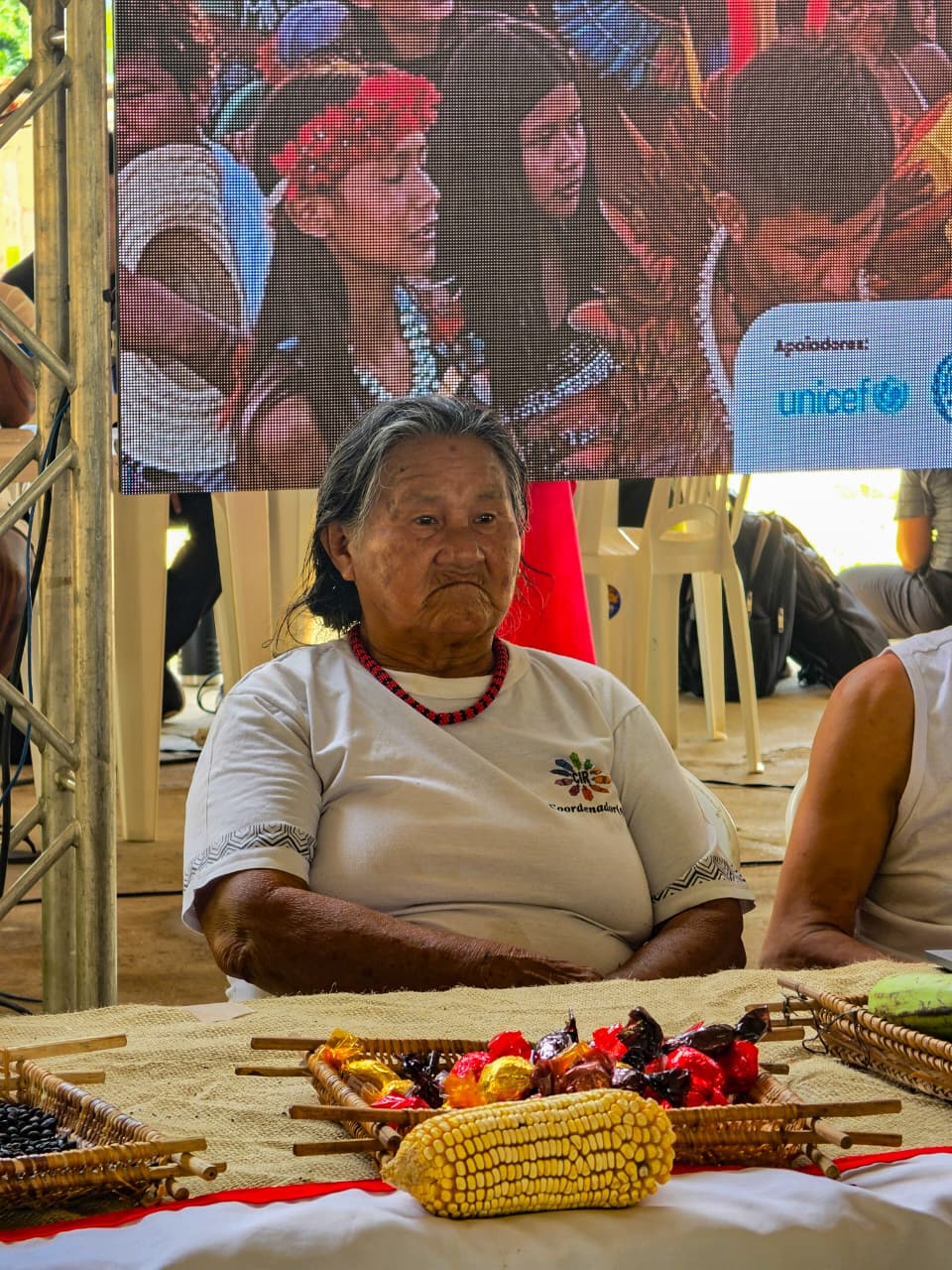
Our guest, Isabel Wapichana, 75, a resident of the Alto Arraia Indigenous Community in the Itacutu region, is an artisan and traditional leader. Visibly moved, she shared with the youth some of her life experiences and the work she produces, emphasizing the importance of demarcating their territory to keep their traditions alive and, above all, to strengthen the indigenous economy.
“I’ve been doing this work since I was a child. I make baskets, cotton hammocks, seed earrings, but to continue this production, we need the territory demarcated and protected. It is from nature that we get the raw materials to make our art. And I emphasize that we, indigenous peoples, are not lazy. We work and take care of the land, and you, young people, are the ones who will be here taking care of this place when I am no longer here,” she said, emotionally.
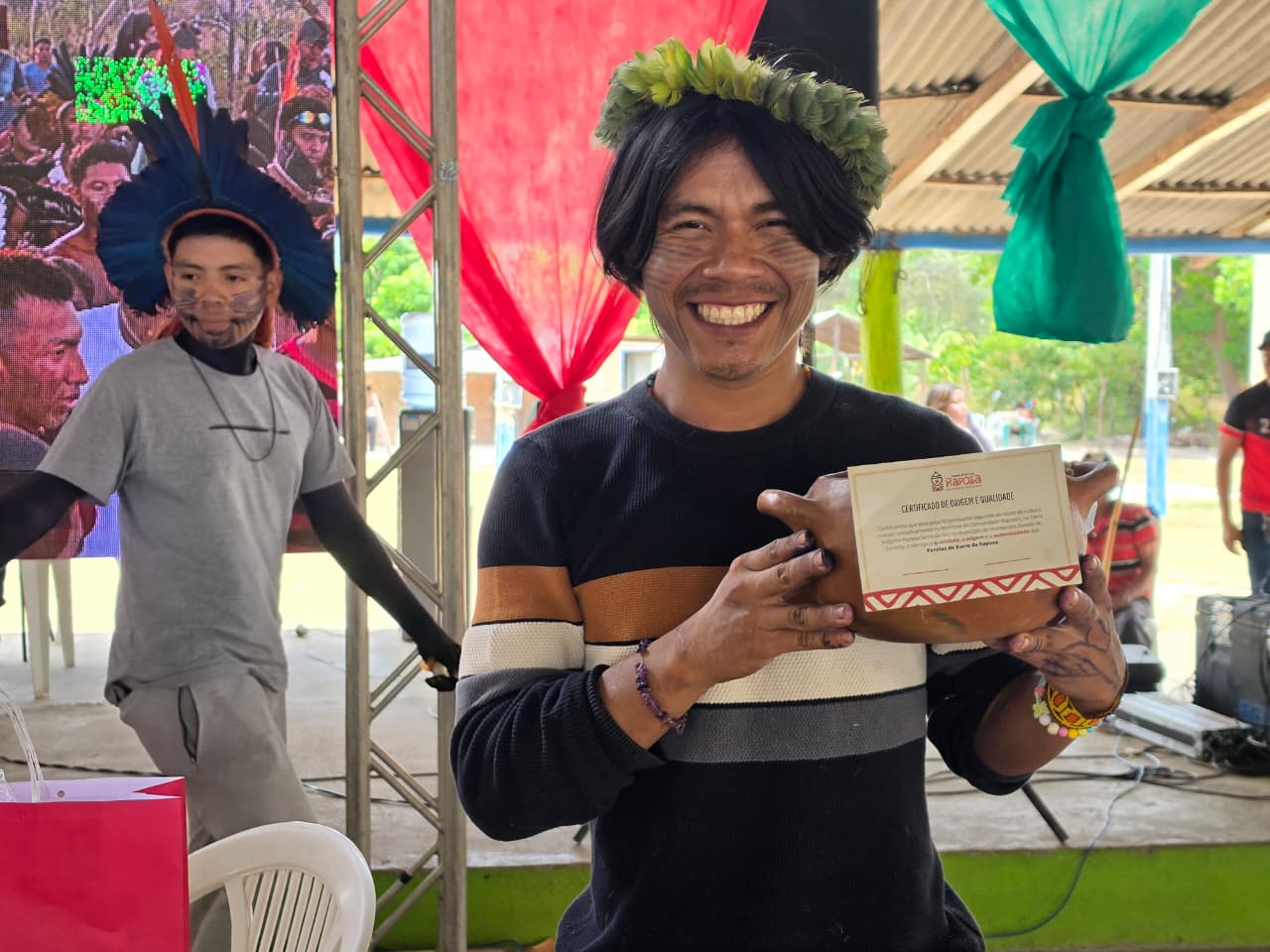
Jarison Macuxi, a ceramicist from the Raposa region, brought to the discussion the importance of strengthening indigenous economies, such as the production of clay pots and ethnotourism, in addition to projects aimed at youth. Jarison recalled the indigenous artist Jaider Esbell, who was a pioneer in disseminating indigenous art through paintings on canvas around the world.
“We have to value our culture, dance, and song, because all of this helps our indigenous economy, generates income, and attracts tourism, without losing our essence and originality. I cite as an example the clay pot, which is an ancient knowledge that needs to be valued by you, young people. The Raposa I Indigenous Community was the first in the North to have a visitation plan, and this shows that we can generate income through our culture,” said Jarison.
The Indigenous Council of Roraima (CIR), through its departments, has supported projects in various areas, strengthening the autonomy of the communities. On this occasion, the General Chief of the Indigenous Women's Movement of the CIR, Kelliane Wapichana, presented the youth projects supported by the Women's Department, with the help of partners, including the installation of solar panels and an irrigation system on the youth's state farm in the Raposa region.
“The requests reach the CIR and we provide support based on what you send us in the document and the areas you want to strengthen. The youth project in the Raposa region, for example, was a request from the Youth Department, which contacted us, and we supported it. But, in addition, we provide training on women's rights, types of violence and, above all, female empowerment,” Kelliane expressed.
Raoní Beltrão, head of the ILO's Project Office for the Amazon, participated in the plenary session, providing young people with information about articles of ILO Convention 169 and emphasizing that knowledge about indigenous rights is fundamental in the struggle to guarantee these rights.

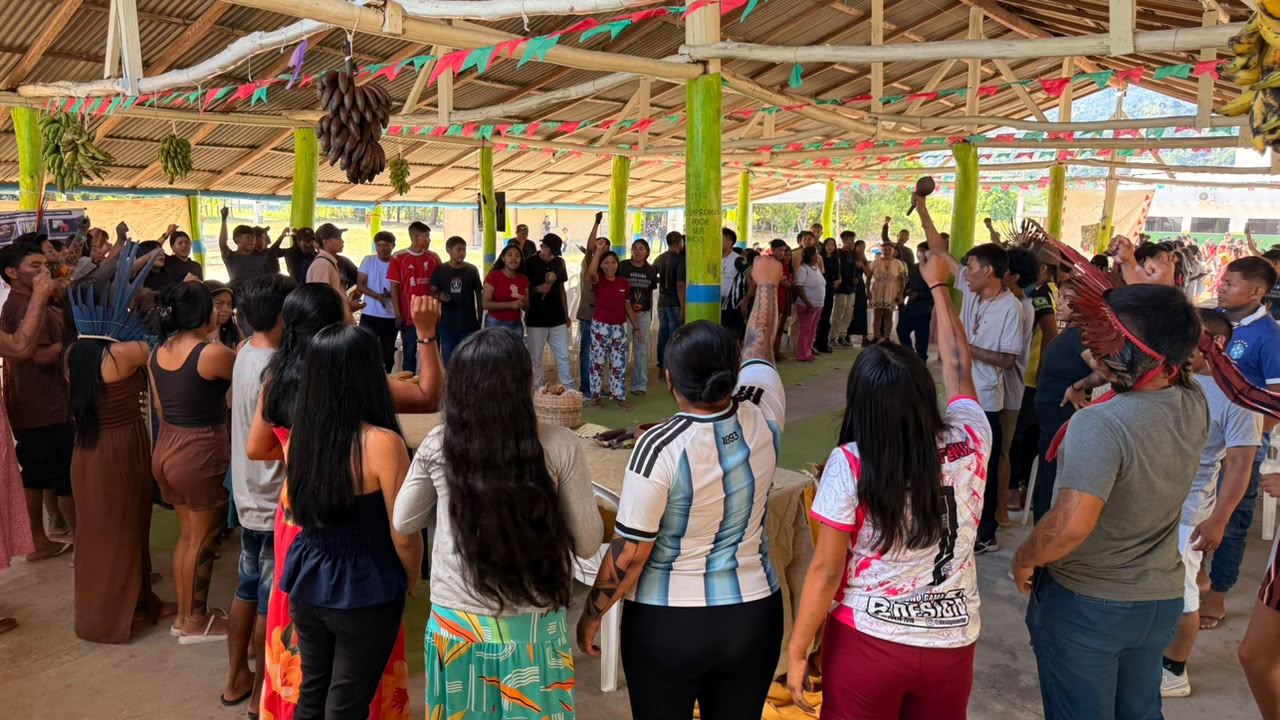
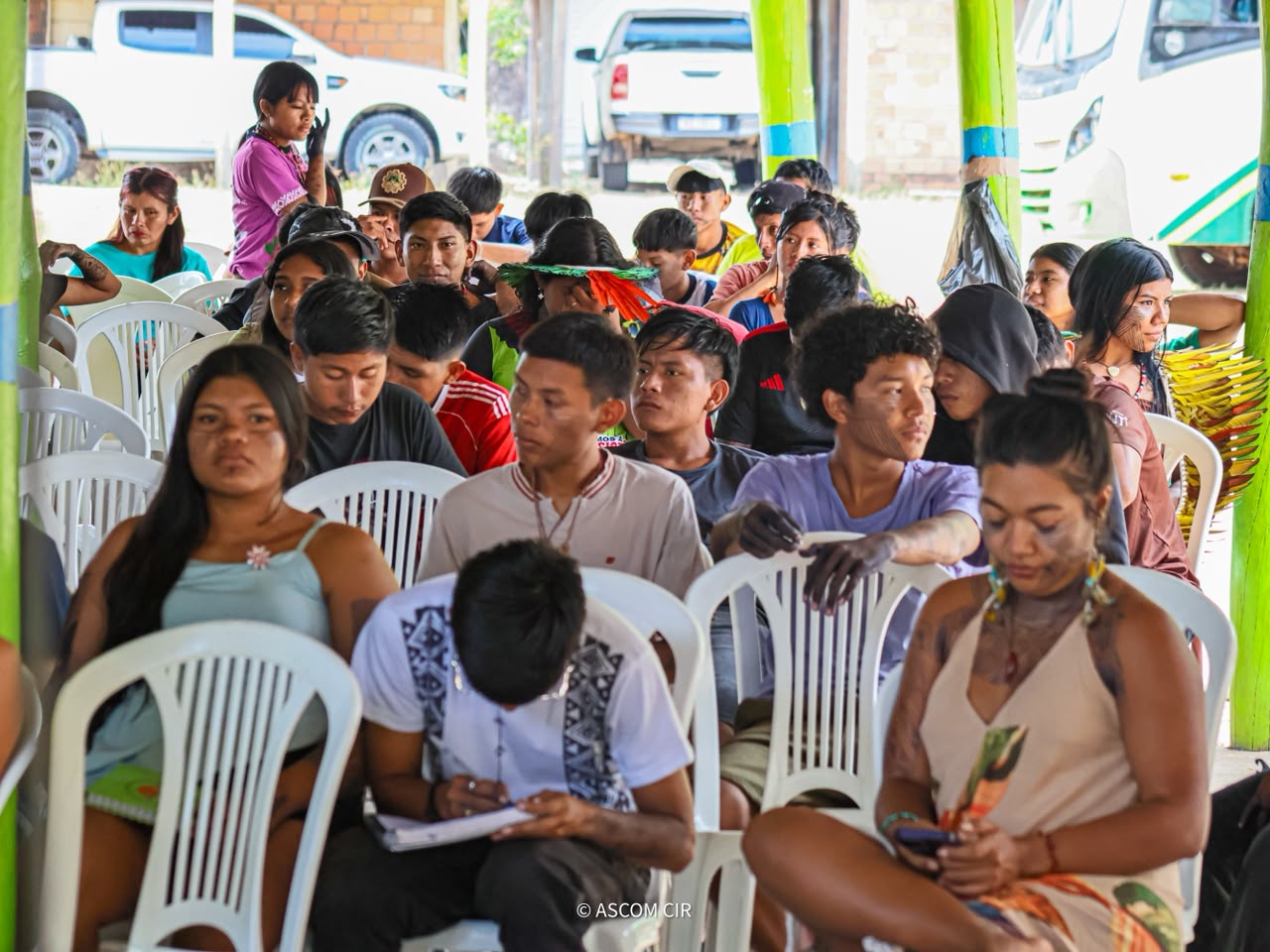
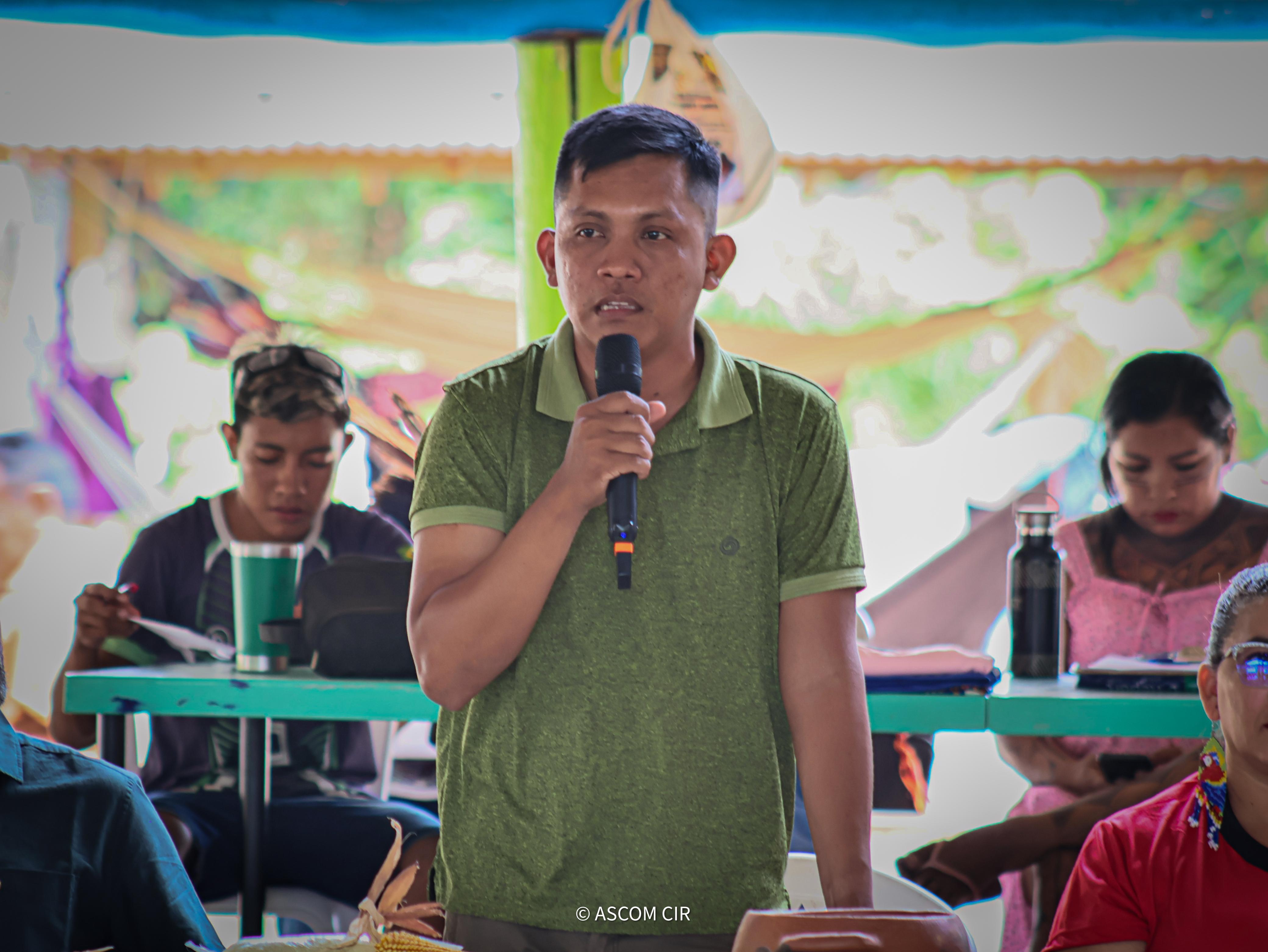
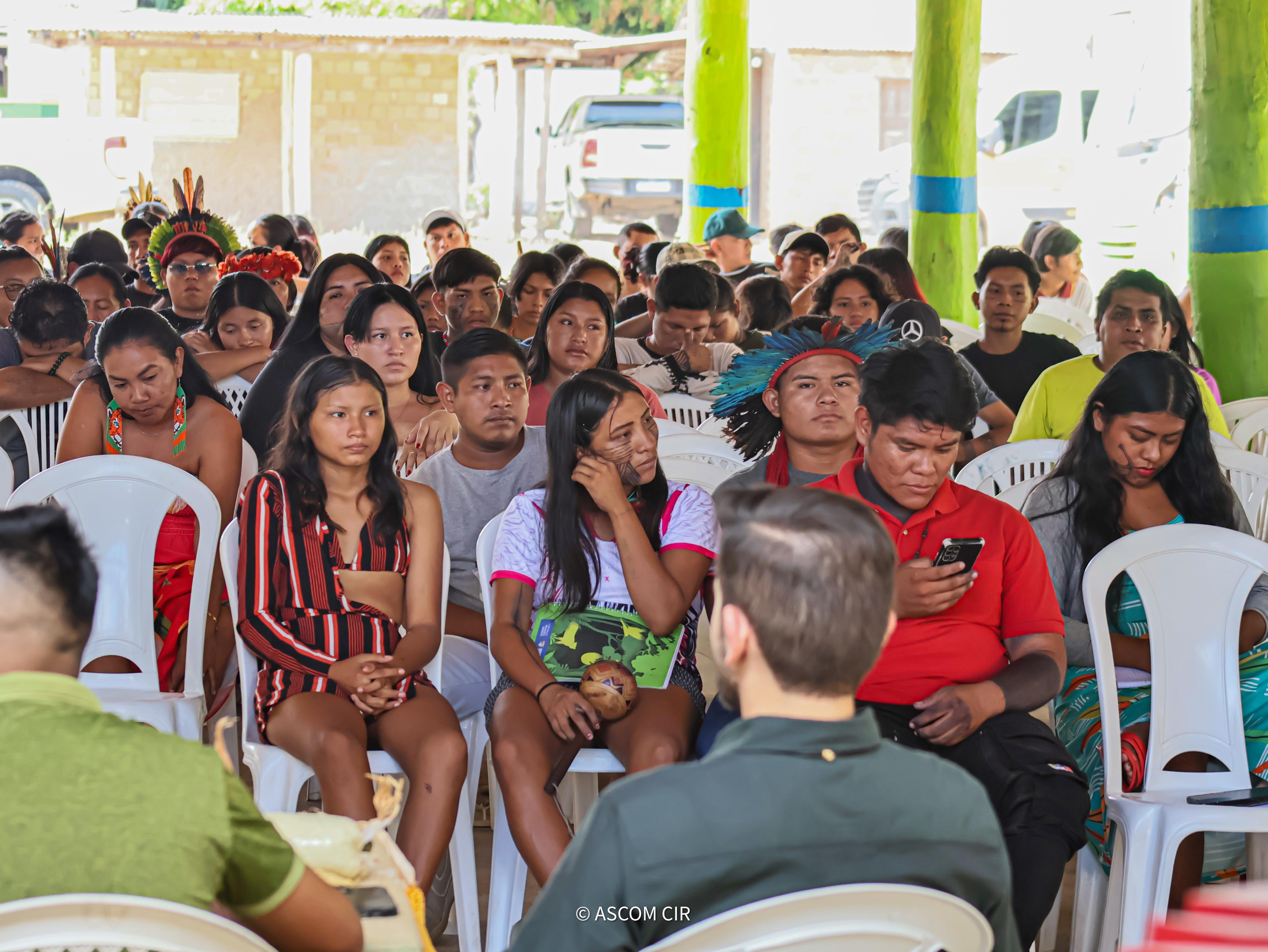
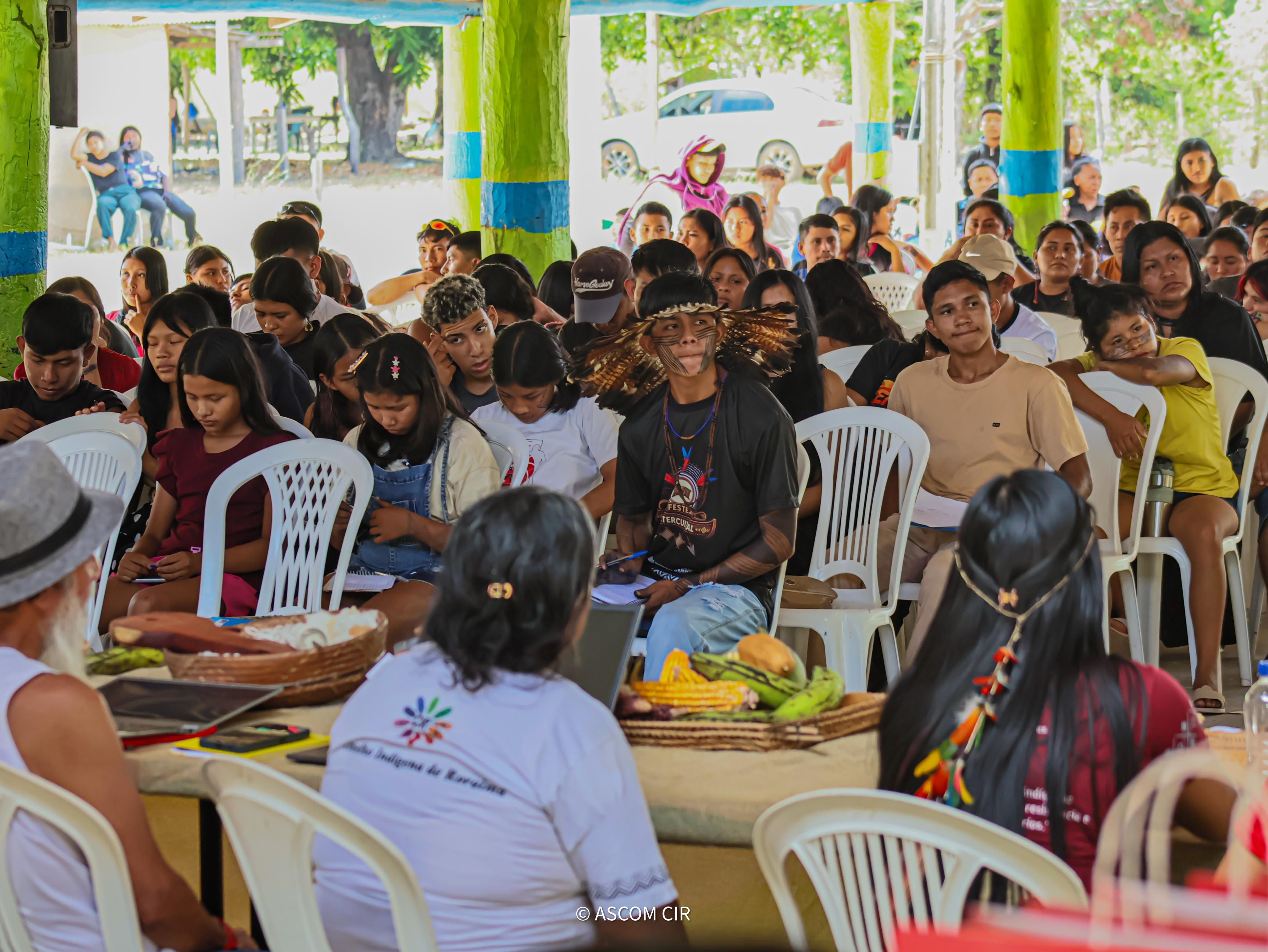
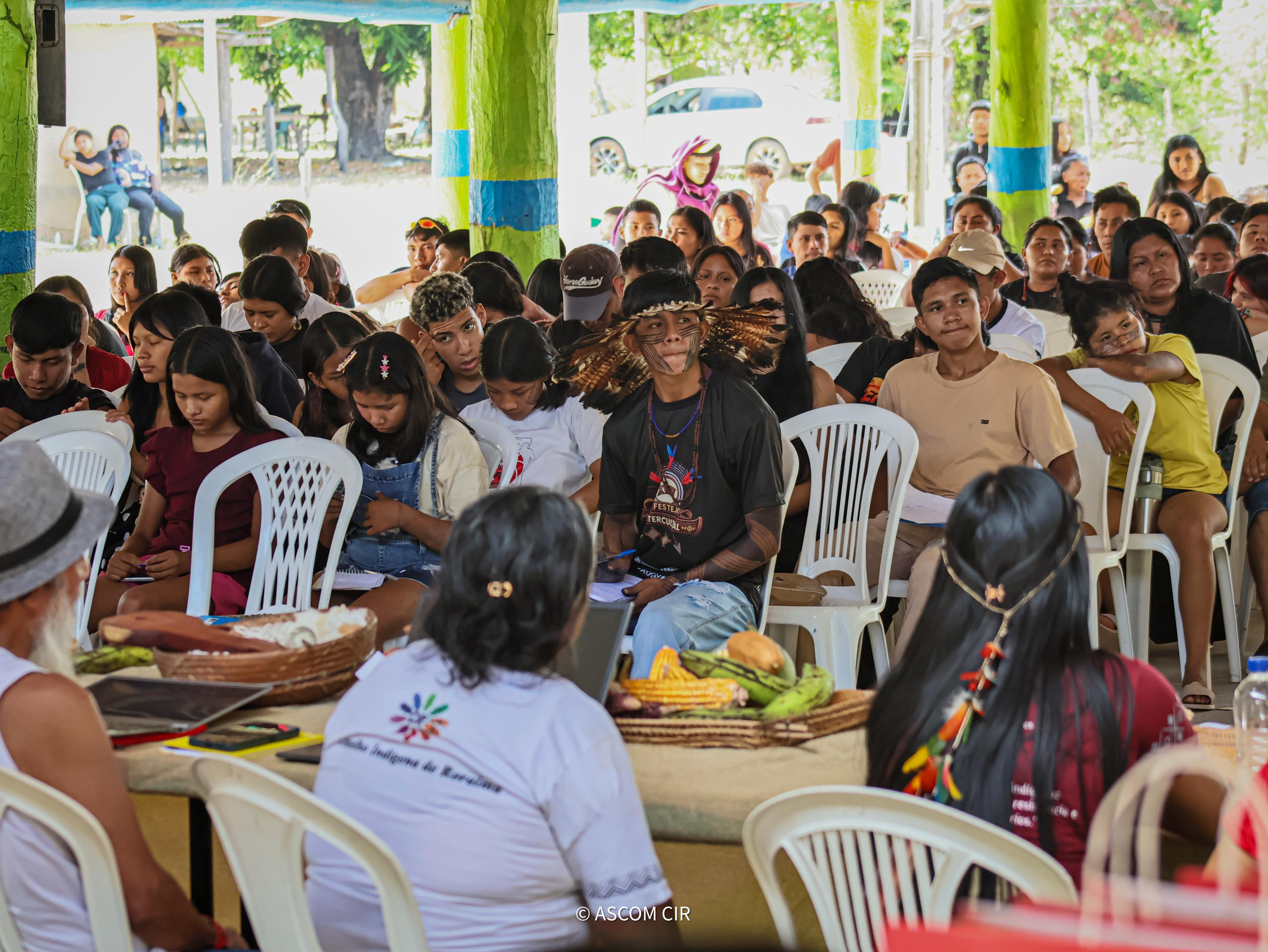
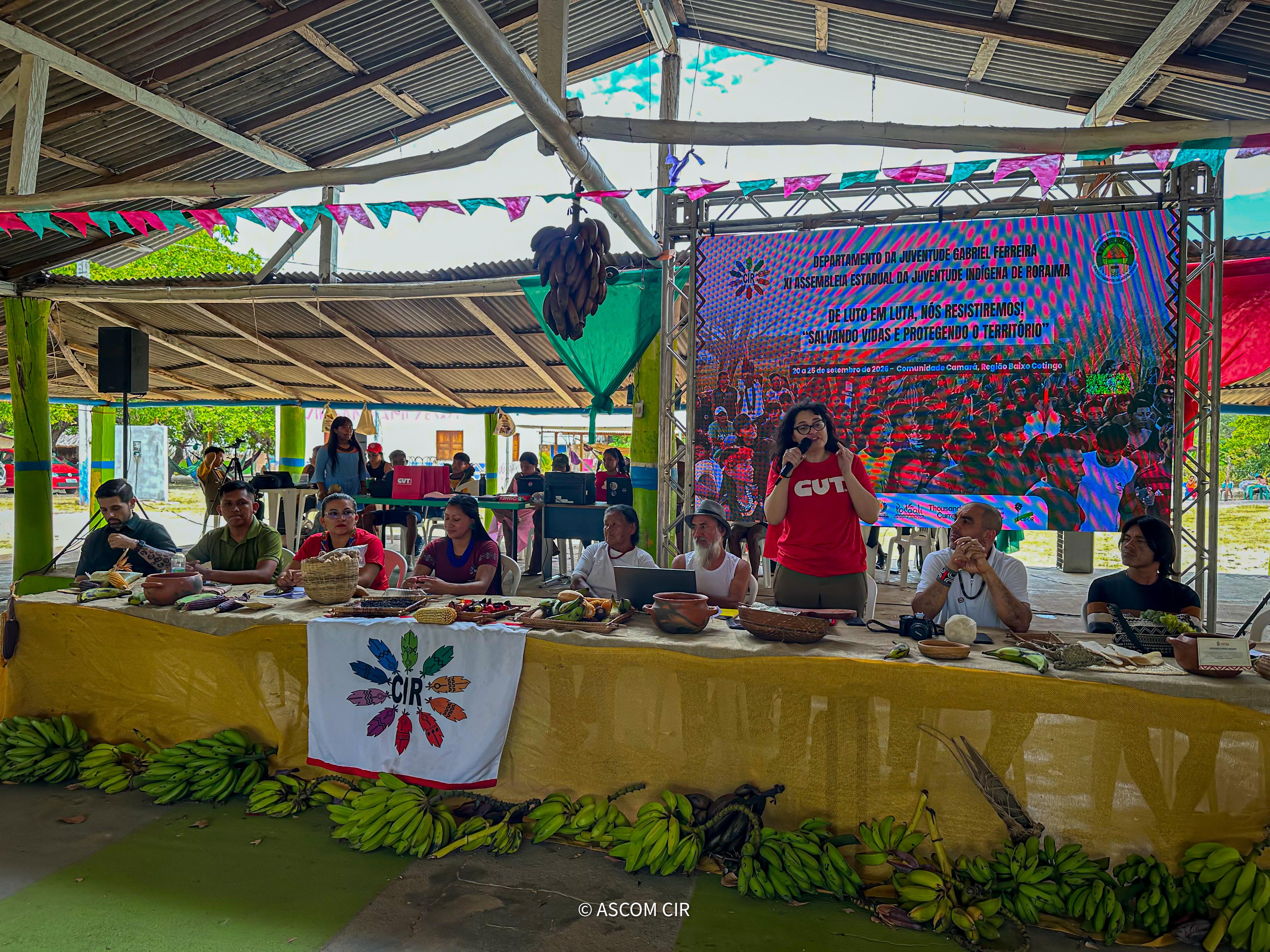
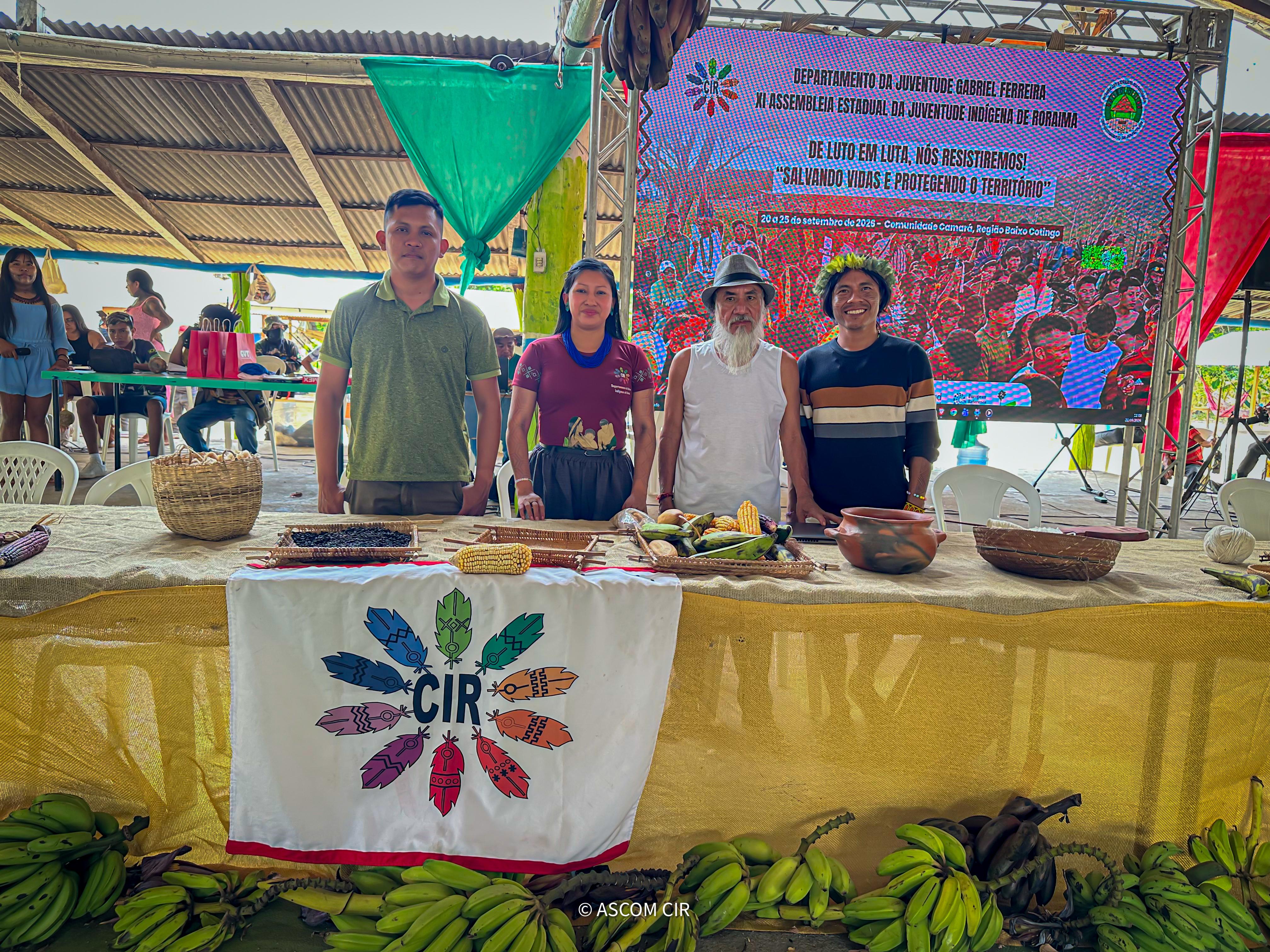
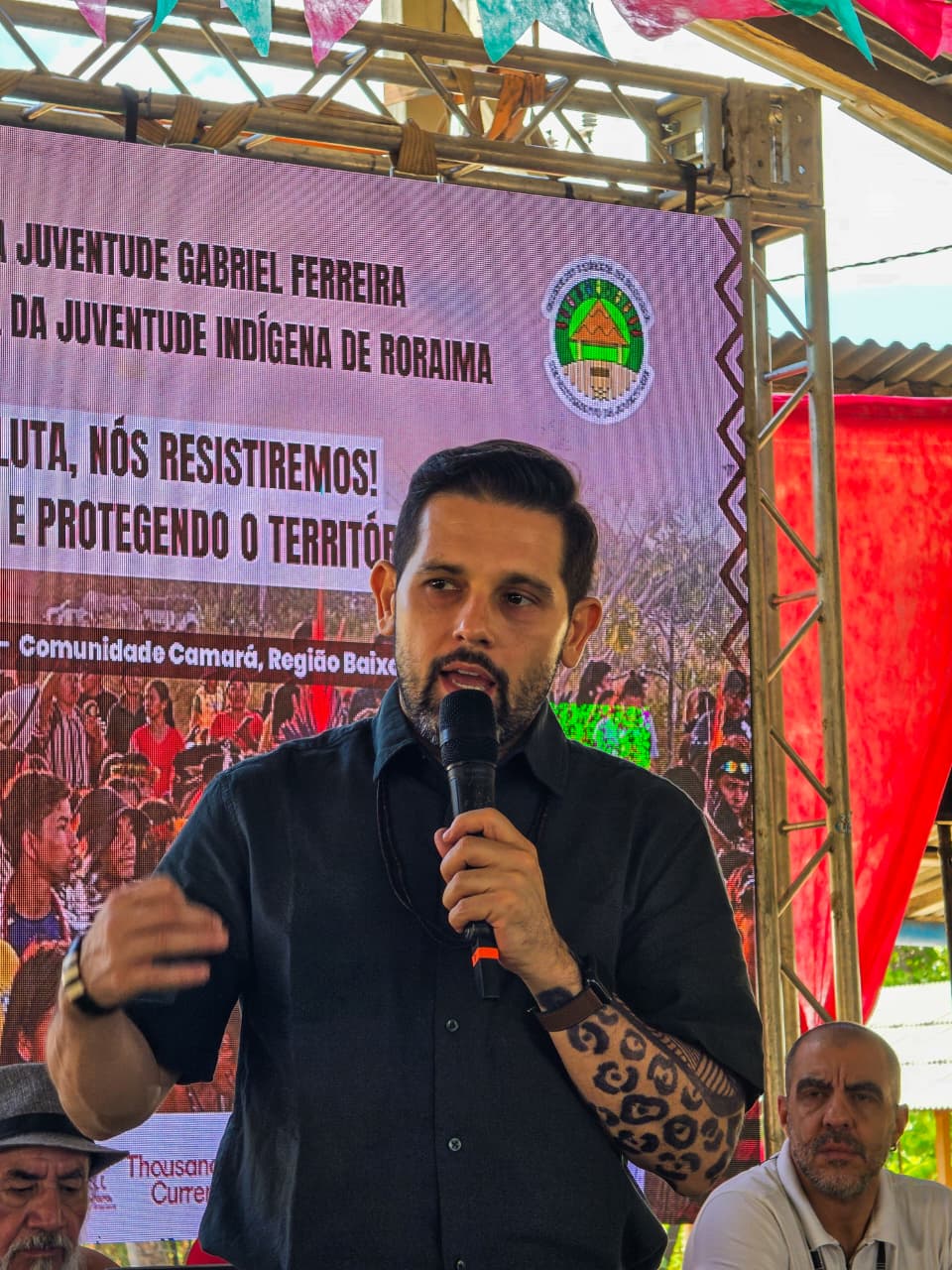
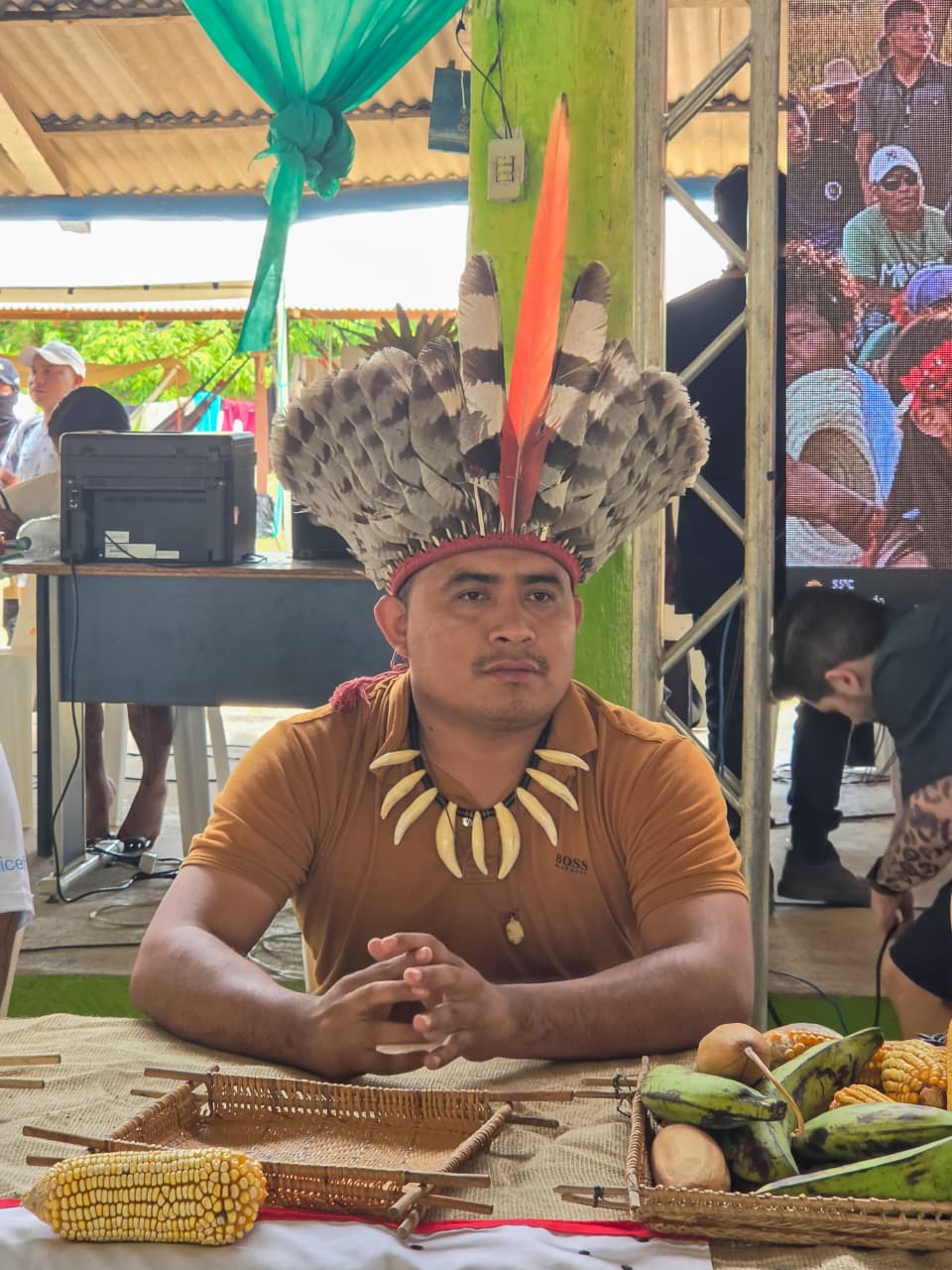
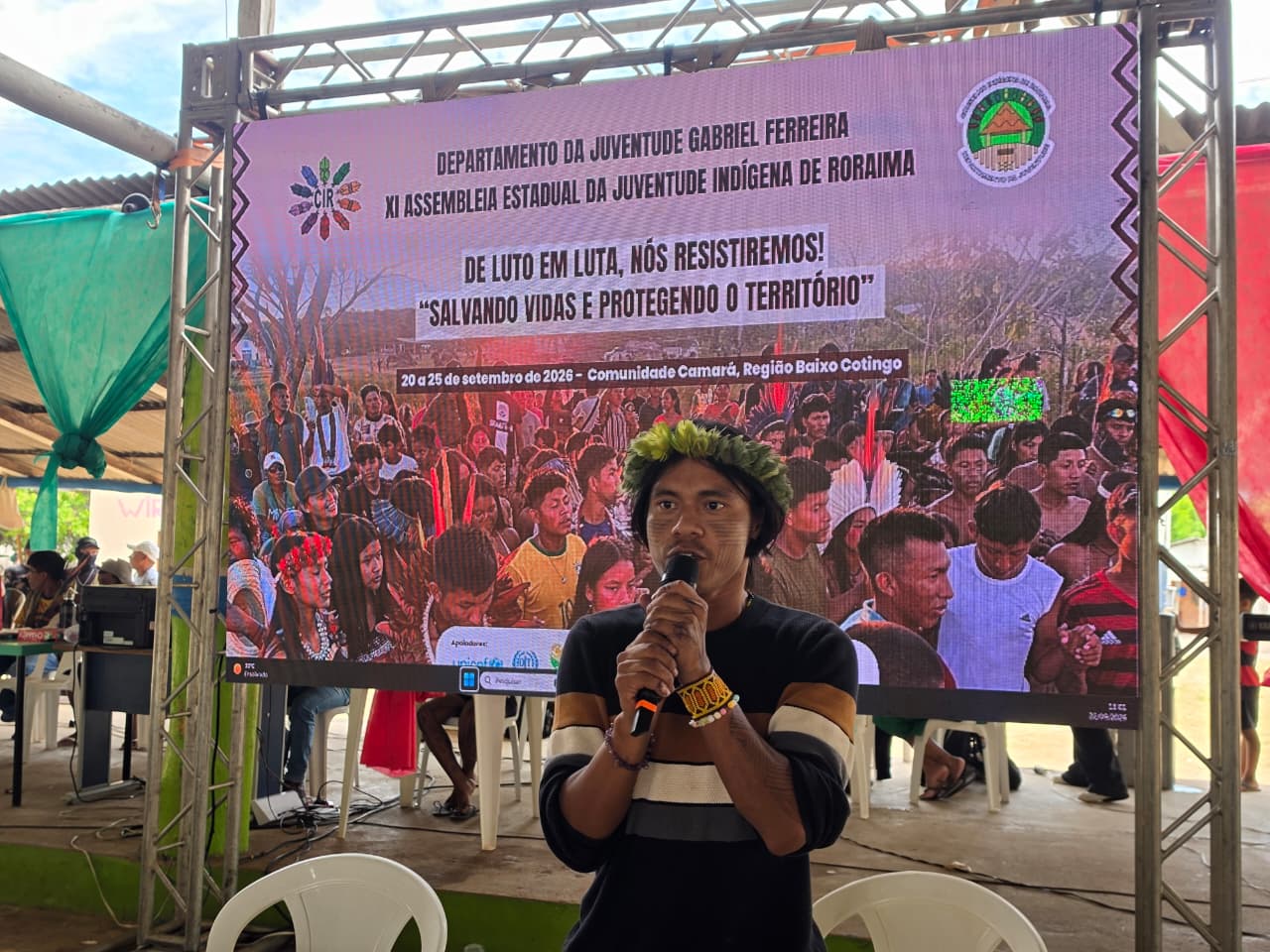
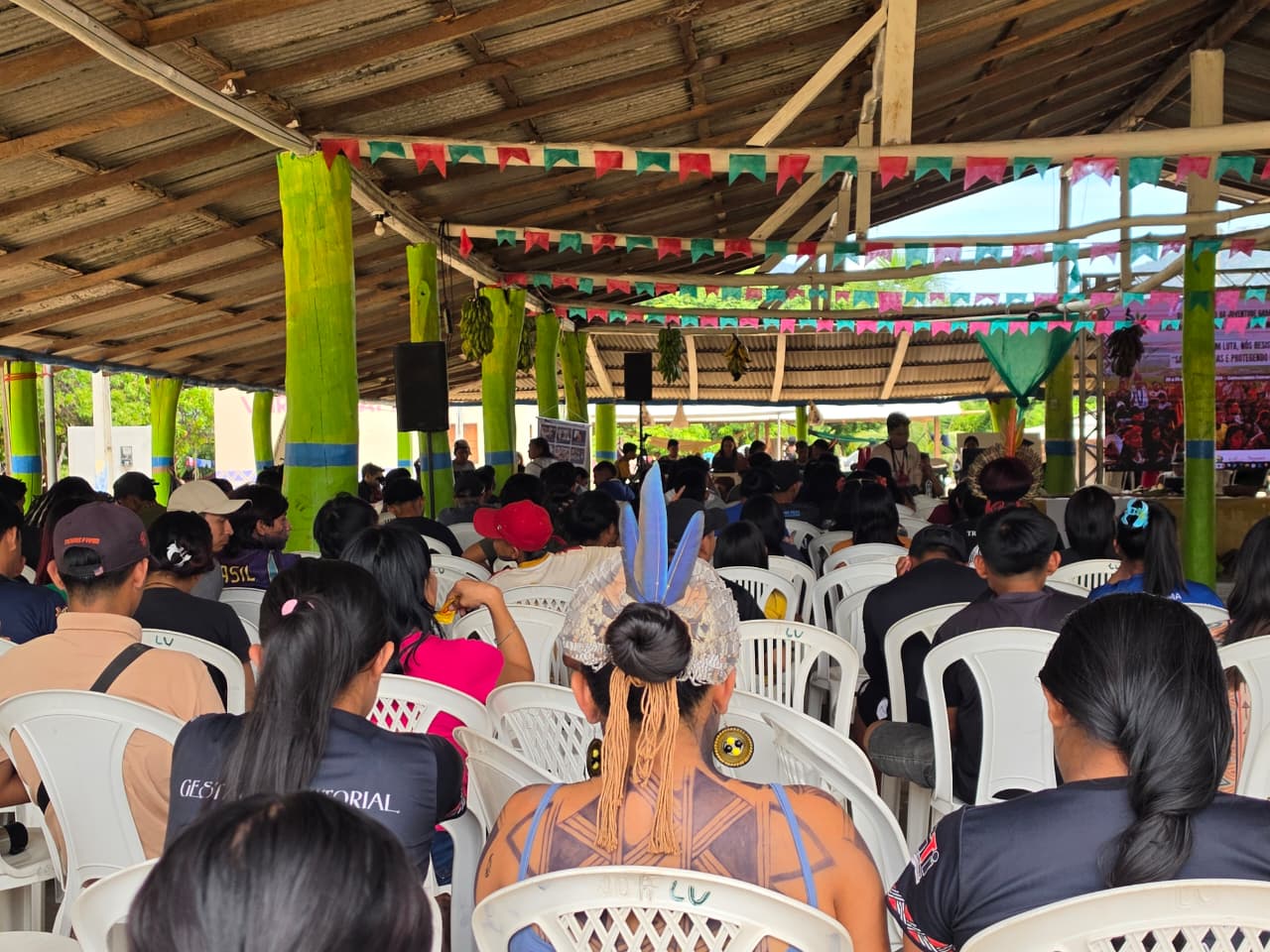
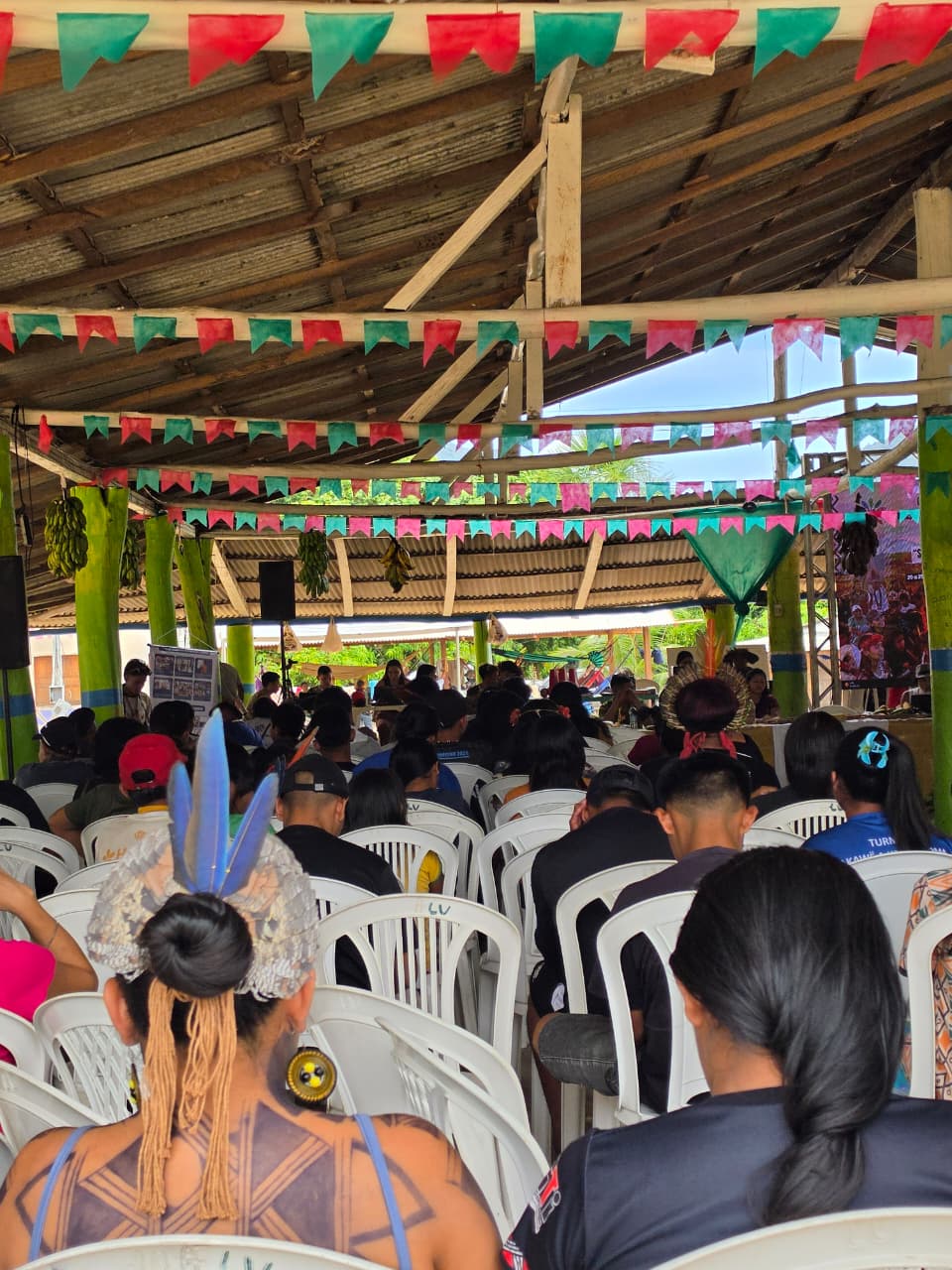
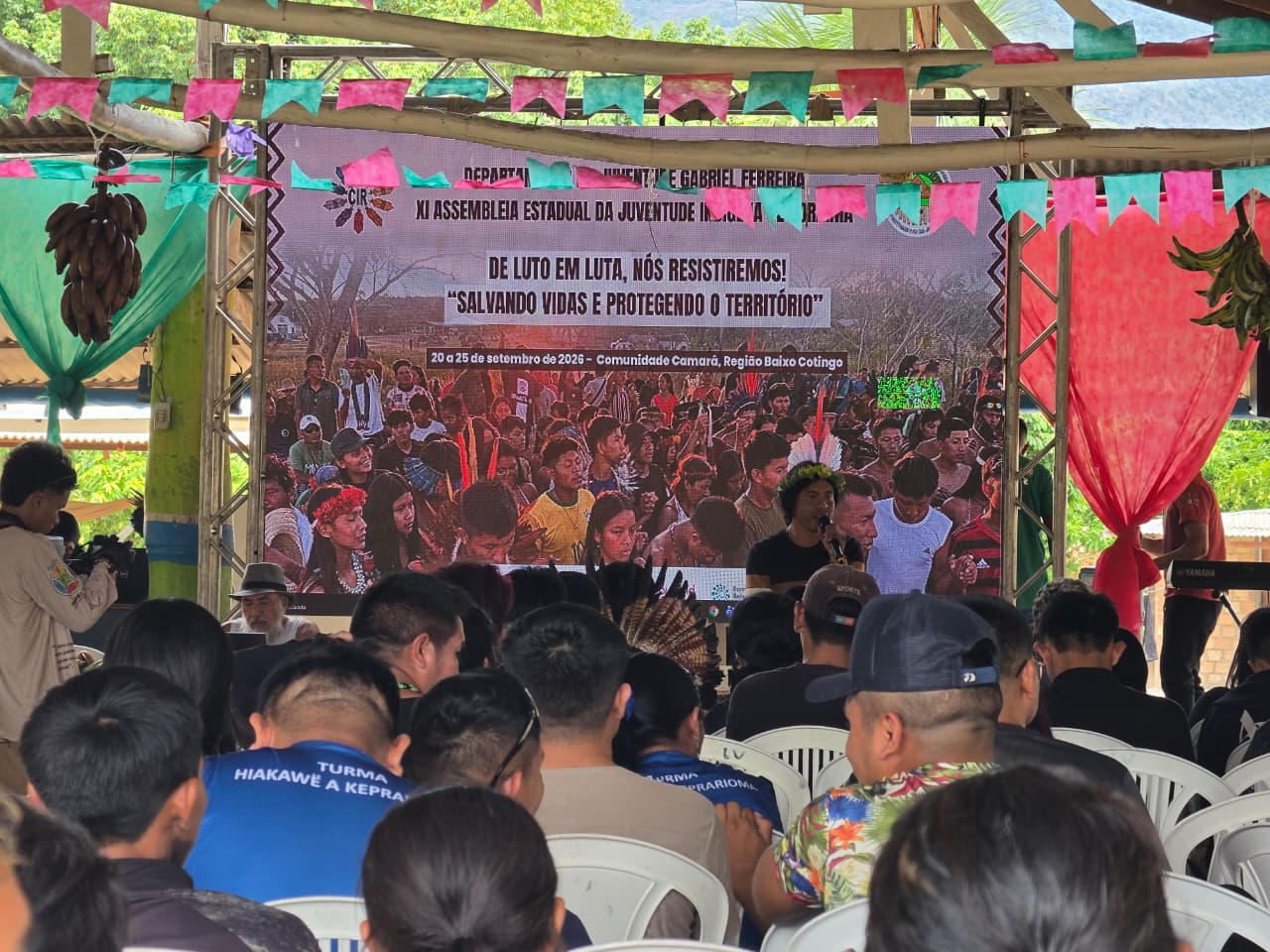
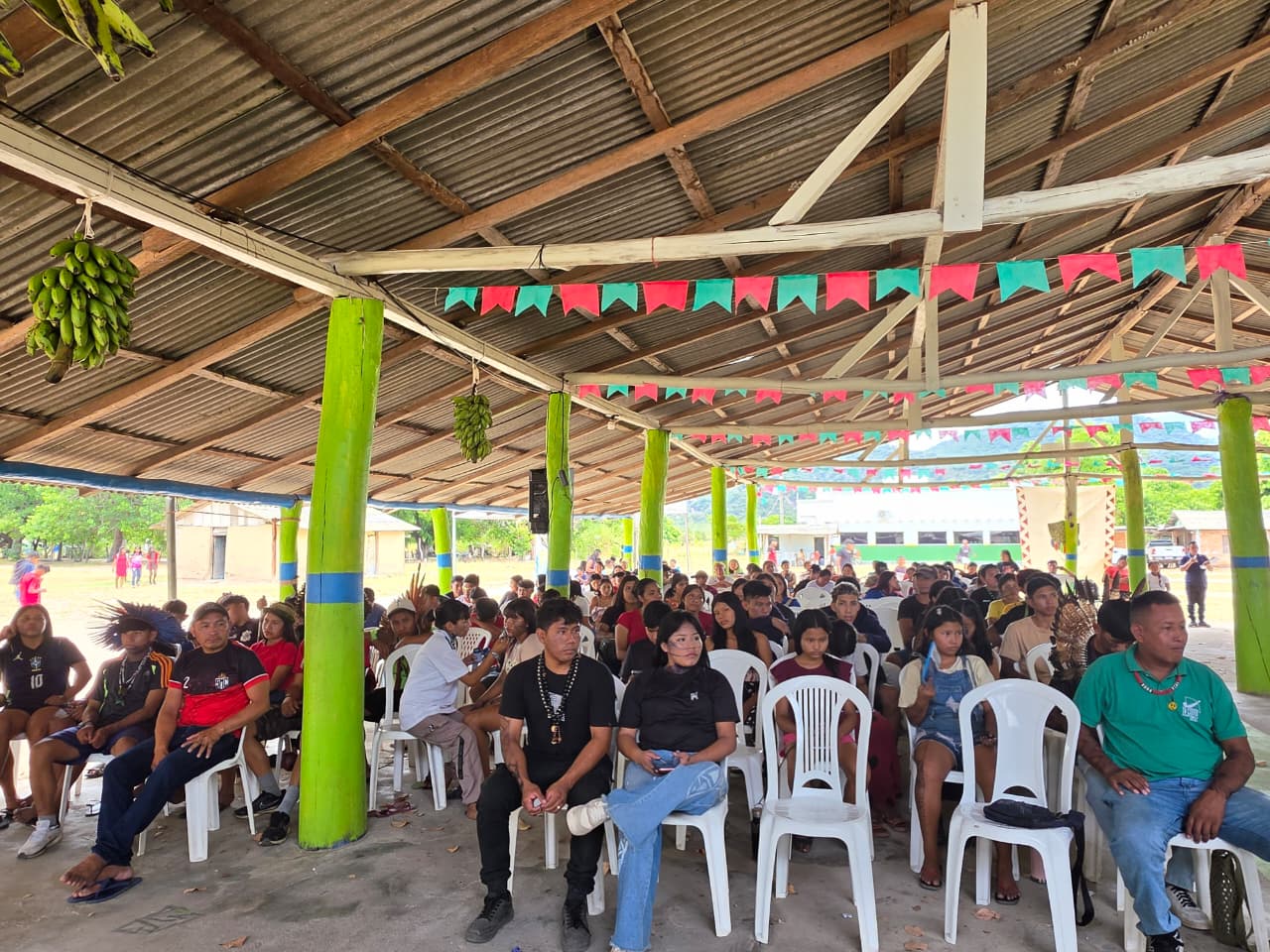
“To better understand what I've brought up, I want you to read Article 6 of ILO Convention 169, to learn more about your rights. It recognizes the rights won by the warriors who came before us. You, young people, need to read and understand it, because it doesn't come from the outside in, but was guided by great leaders. If you think that the machete and the revolver are strong, paper and pen are the strongest tools that exist. Therefore, I reiterate: know and master your rights,” Raoní emphasized.
What is the institutional plan for the defense and protection of indigenous youth in these territories?
In the second panel, representatives from the United Nations Children's Fund (UNICEF), the International Labour Organization (ILO), the Association of Indigenous Peoples of the São Marcos Land (APITSM), and the Indigenous Council of Roraima (CIR) answered the youth's question: "What is the institutional plan for the defense and protection of indigenous youth in the territories?"
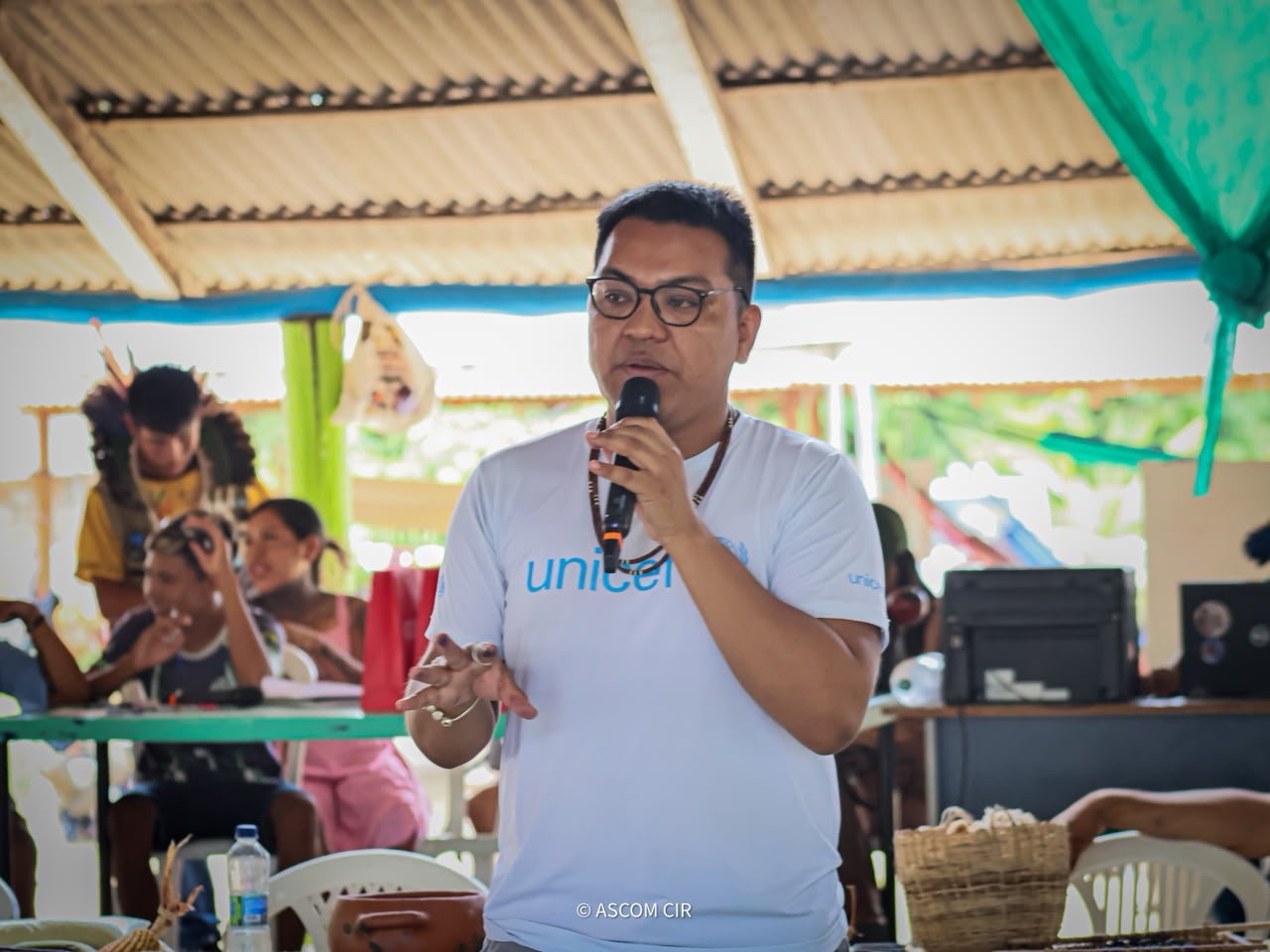
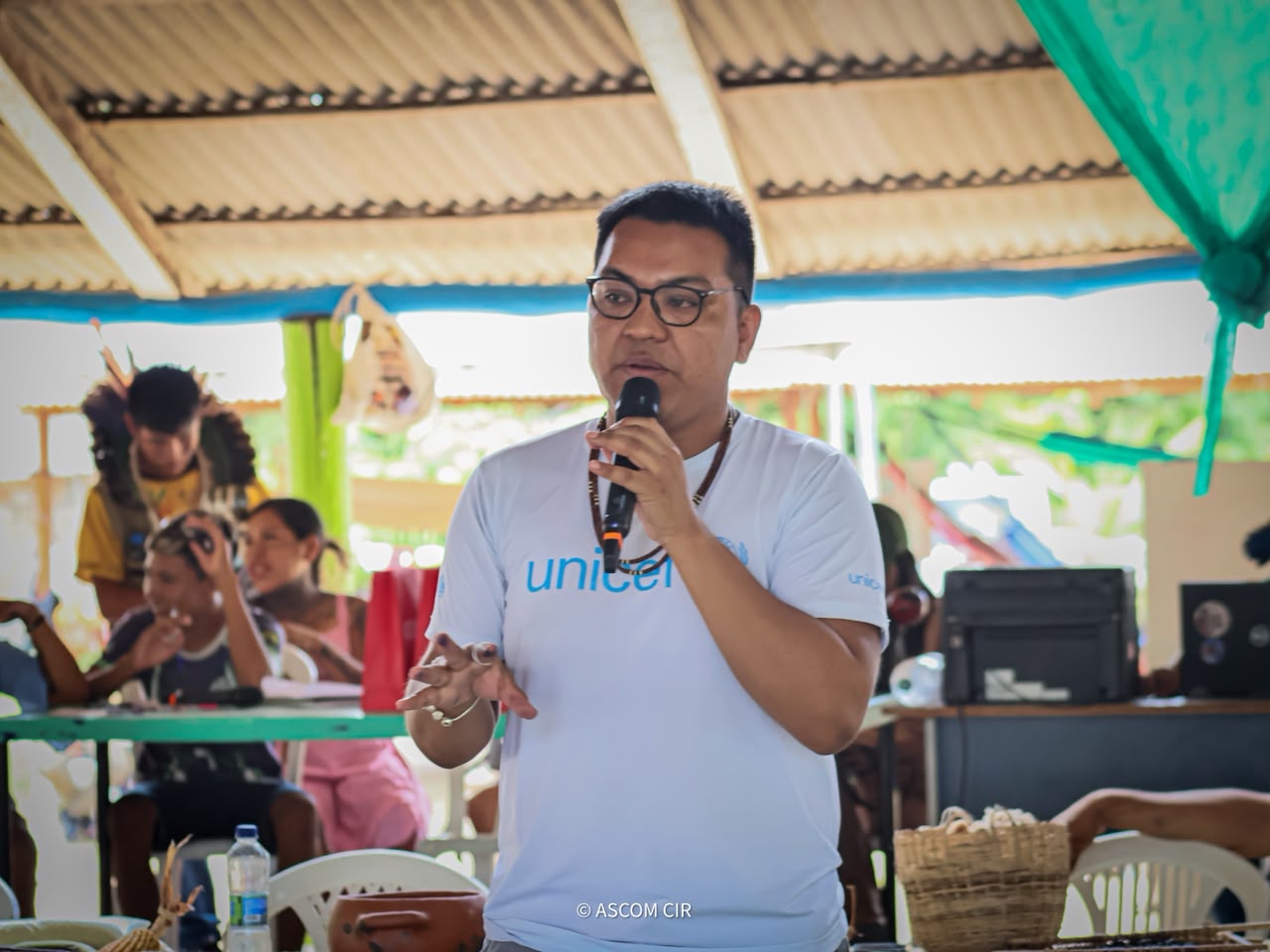
Ícaro Lavoisier, UNICEF's specialist on indigenous affairs, presented the actions developed by the institution through its departments, including mental health issues, access to water, and others. Ícaro also explained UNICEF's next steps focused on young people.
“We will work with you on employability through the One Million Opportunities project. In the workshop, I want to introduce this platform to you, which is free, and you will tell me if the courses and opportunities offered are within your reach.”
Participating for the first time in the State Youth Assembly, Israel Santana, coordinator of the APITSM Youth Nucleus, highlighted that the organization covers three regions, Upper, Middle and Lower São Marcos, and has sought partnerships with other institutions and organizations to work with indigenous youth, mainly in the area of mental health.
“This is the first time I've participated in the State Assembly, but we have always followed the struggle of the indigenous youth of CIR and we are seeking more partnerships to further strengthen the youth. It is very important to take care of ourselves, to take care of our neighbor in order to take care of what is ours. We have been preparing to work together with the youth. We secured a partnership with psychologist Léia Fontoso to talk about mental health, we were approved by the Podaali Fund, and we have other projects so that young people have the opportunity to exchange ideas between regions, because the reality is different from one place to another,” the coordinator pointed out.
“Answering this question boils down to a plan that can be summed up in one sentence: ‘Nothing about us without us.’ The plan needs to come from the inside out. We presented this plan at the Assembly of Indigenous Peoples in Maturuca, and we are here to listen to the CIR base and consult on your needs. This practice is cross-cutting, and that is why the ILO supports the listening process, which goes beyond the support provided, but also involves the knowledge we take away from here,” said Raoní.
Paulo Ricardo highlighted the support of the partners who, together, responsibly built the strengthening of the indigenous struggle, as well as the other organizations and leaders present. He emphasized the important decisions and directions that will emerge from the Youth Assembly, thinking about the present and future of indigenous youth.
“I want to say that our organization plays a very important leading role, and we, as young people, have a very important part in continuing this legacy. As part of the CIR's executive coordination, we have a great responsibility to strengthen the youth, and we are here to do so. However, we are still far from meeting the aspirations of the youth because, if we don't prioritize them, we cannot achieve this goal. I commit myself, as the youth coordination, to supporting the youth,” highlighted the CIR's vice-general chief, Paulo Ricardo.