
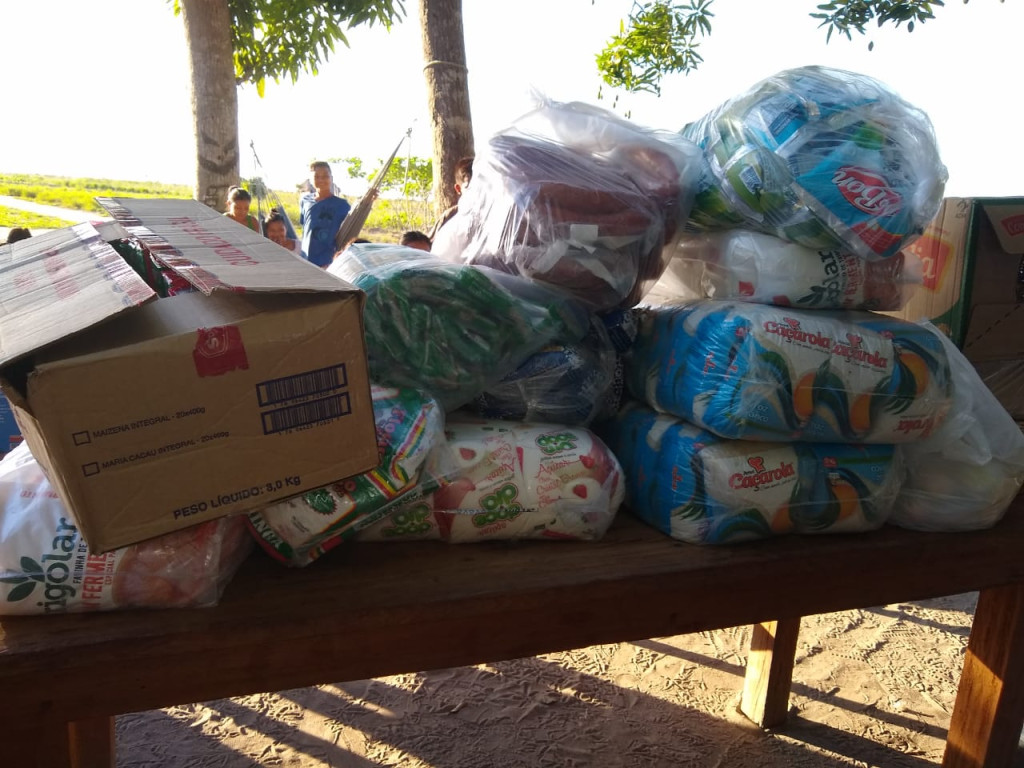
For more than a month in isolation to avoid contamination by covid-19, the residents of the Canauanim indigenous community, in the Serra da Lua region, 25 km from Boa Vista (RR), received food and, for the first time, guidance on how to protect themselves from the disease. The help was articulated by the Indigenous Council of Roraima (CIR) with the Baobá Fund.
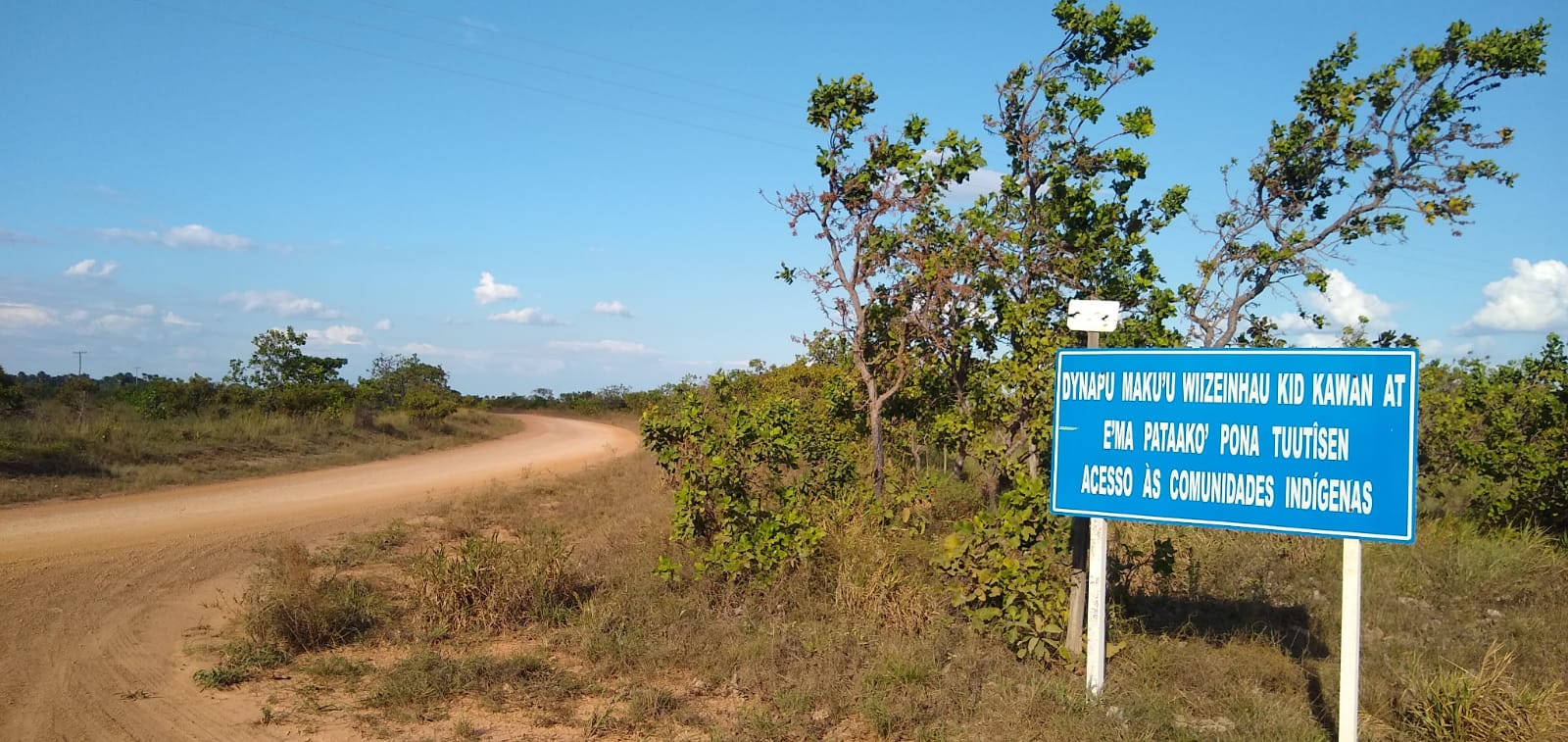
According to Leilandia Cadete Wapichana, who is a tuxaua of the community, the 1300 thousand and three hundred residents (288 families) went into confinement on March 28 in the face of the threat of the new coronavirus. To ensure protection, a sanitary barrier was installed right at the entrance to the community to allow only the circulation of people living in the community.
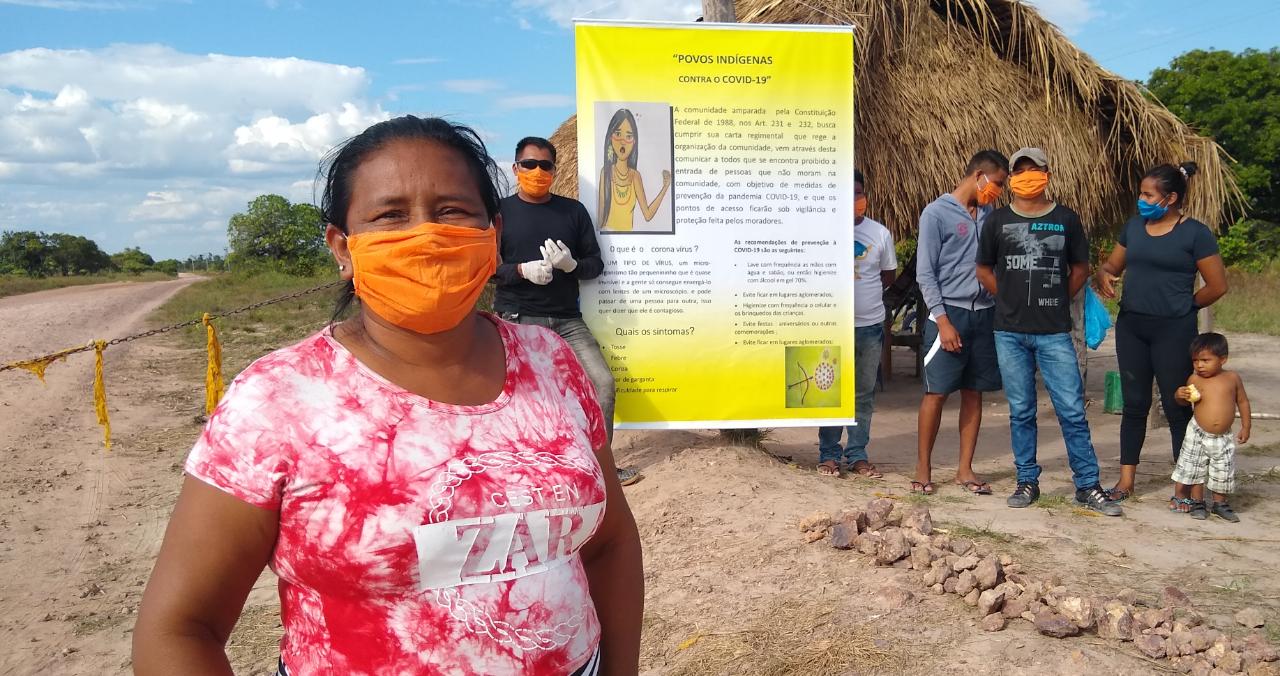
Representing the people of her community, the leader said that there have been no confirmed cases of the disease in Canuanim yet, but that everyone is very scared and without the support of agencies such as the city hall, the lack of information about the disease also worries her.
"We need more information, there is no health support, to go from house to house explaining about the new coronavirus, we are doing what we can, the rest is God," he lamented.
The sanitary barrier installed by the residents themselves at the entrance to the community is made up of twenty leaders among young people, parents of families and the GPVITis, Territorial Indigenous Surveillance Protection Groups. Those who arrive are instructed on care to avoid the disease, such as the use of protective items, hygiene and isolation in their homes.
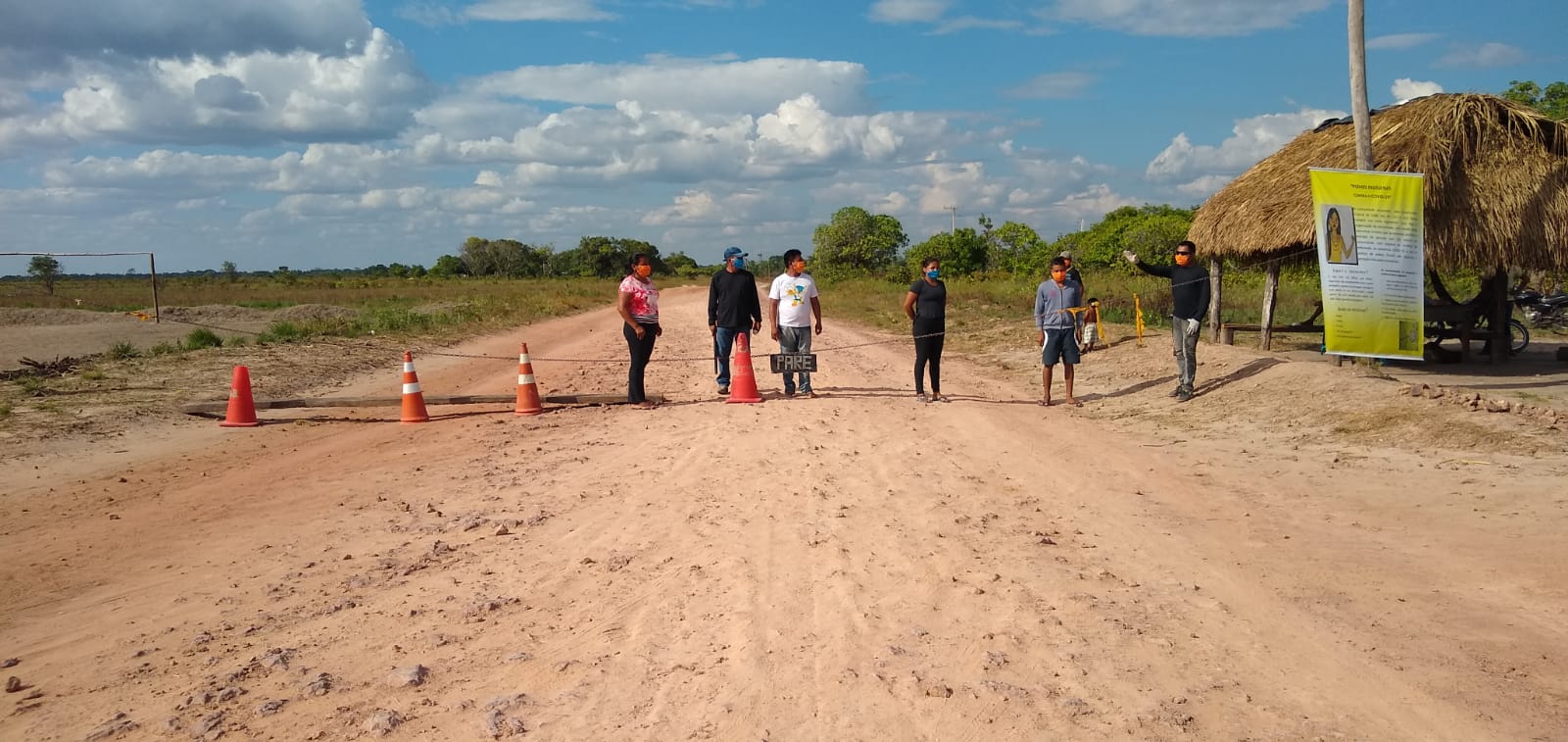
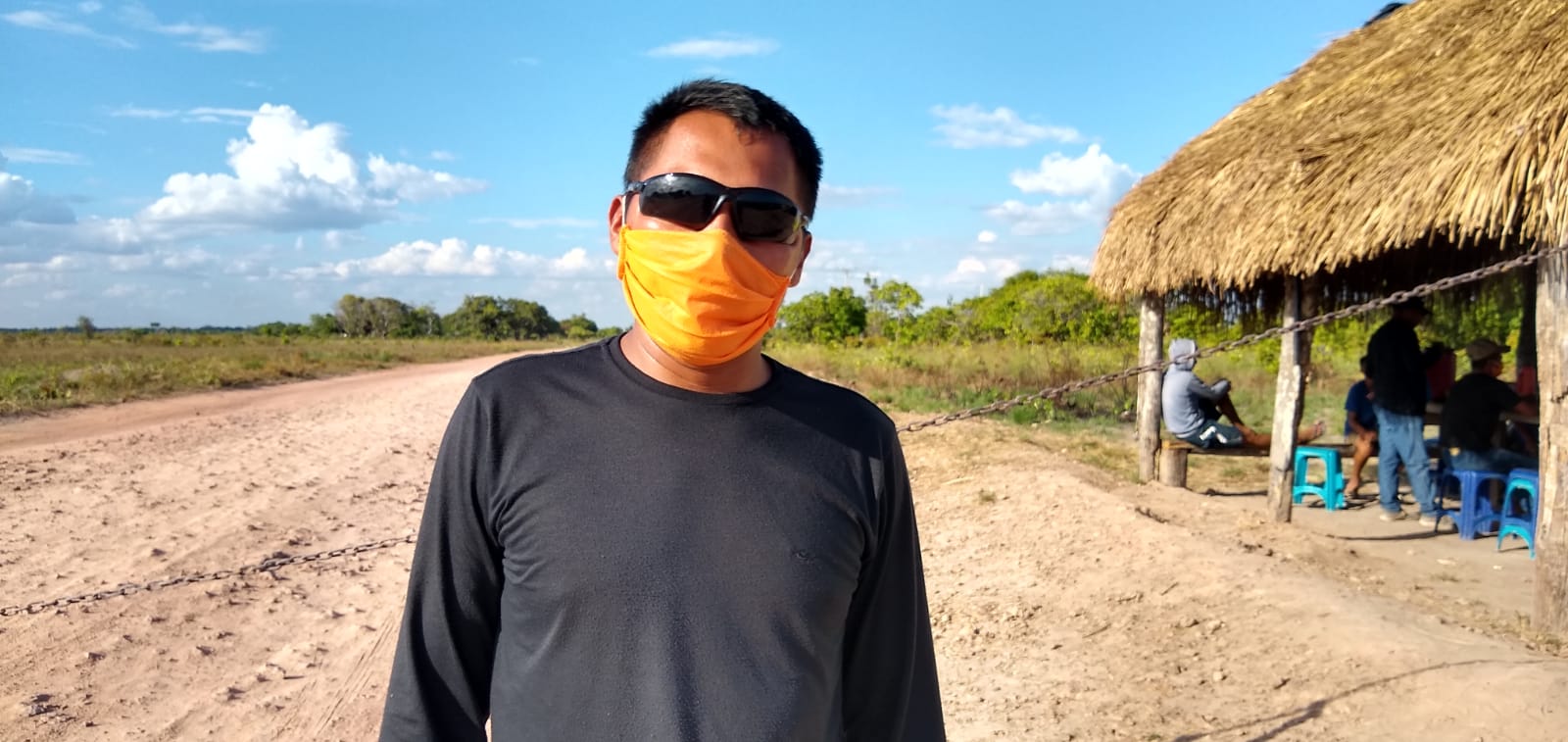
"We are here at the barrier to prevent the entry of people from inside our community, we do some guidelines about the coronavirus, for our relatives to wear alcohol gel masks and avoid leaving the community," said the coordinator of GPVITI, Luis Hernandes.
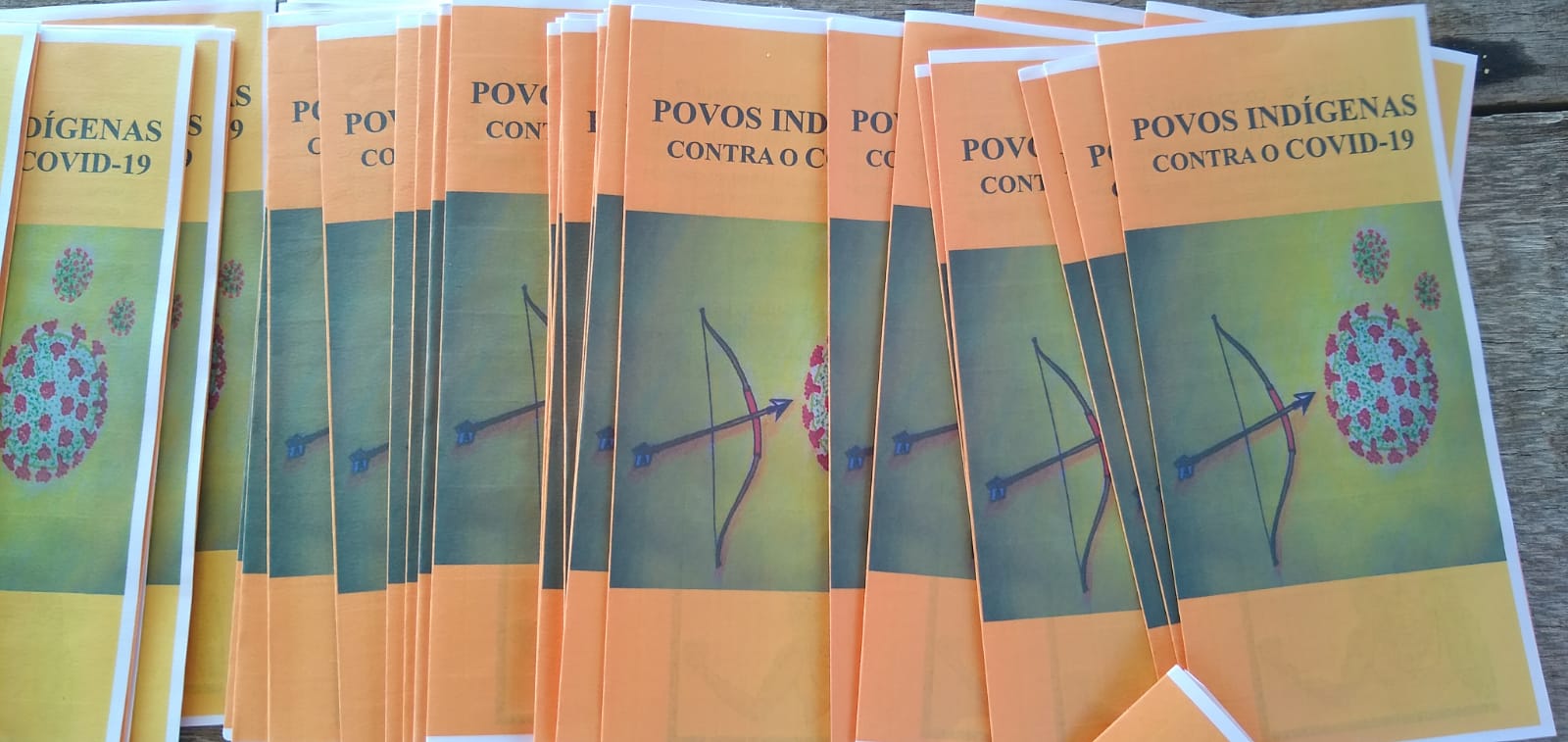
Concerned about the people of Canauanim, the Indigenous Council of Roraima articulated a project for the Baobá Fund, which immediately responded to the request. The aid was specifically intended for the Canuanim community. As a result, foodstuffs, hygiene kits and fuel were distributed in the community, as well as banners and informative folders on how to protect themselves from the new coronavirus.
The Canauanim community
The social organization of the community is done as follows: The IT is composed of three communities: Campinho, Barro Vermelho and Flexau. Each one has its autonomy, there are seven foremen (also called work coordinators). The majority of the population is of the Wapichana ethnic group. The community meeting is held every 5th of each month, but is currently suspended due to the coronavirus pandemic.
According to the tuxaua Leilandia Cadete Wapichana, the name of the community was born from the Wapichana language, Kanawa "u", which means canoe. The Canauanim Indigenous Land was created by virtue of a Presidential Decree of February 15, 1996, which ratified the demarcation of the Indigenous Land.
In the community there is a cattle retreat with forty cattle and a community garden that is maintained by the community among young people, women and school. The largest production in the area is cassava flour. The tuxaua Leilandia explained that, "if anyone in the community needs any item from the garden, they are free to consume it". "Every Friday we have community work here. We have the ajuri where one helps the other in their work, whether in the field or in another type of activity", said the leader.
Also according to Leilândia, the community has an internal regulation, or norms. Internal regulations or norms, are indigenous laws, prepared by the communities themselves to strengthen autonomy within the scope of their social, political, cultural and economic organization. "Everything we do is supported by our regiment," he highlighted.
Tuxaua also comments on the dreams for the future of the community. "We have dreams of carrying out large projects, we have the community garden, the cattle project, we have the need to increase our retreat and the desire to raise fish, but nothing is impossible, who knows, maybe one day we will make this dream come true," she said.
The community remains in isolation in the indigenous force and together, in the hope of better days.
Photos: Márcia Fernandes and Edinho Batista